Tag Archives: サヤインゲン

Vegan/Vegetarian Recipe: Japanese-style String Beans and Tofu

INGEN-DISH-1

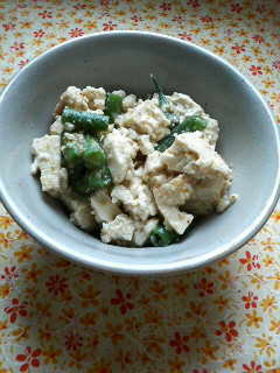
Here is a simple and popular Japanese recipe that can please anyone, vegans, vegetarians and omnivores alike: String Beans and Tofu!

INGREDIENTS: For 2 people
-String Beans, 5~6
-Tofu: half a block
-Miso (of your choice), 1 teaspoon
-Mirin/sweet sake, half a teaspoon
-Sugar, half a teaspoon
-Freshly crushed Sesame seeds (do it in a mortar with pestle)

RECIPE:
-Drain water form tofu and roughly mix with miso, mirin and sugar.
-Peel away strings if any, cut beans into 4cm trunks and boil for 40 seconds. The beans should still be a bit crispy. Drain and let cool.
-Drop beans into tofu. Mix roughly with a spoon, cutting the tofu into small bits as in above pic.
-Sprinkle with sesame powder before serving.

Enjoy!
Naturally, this could be one of a whole plate of vegan/vegetarian snacks.
One can also add lightly boiled carrots. The combinations are endless!

Please check the new postings at:
sake, shochu and sushi

—————————————-
日本語のブログ
—————————————-
Vegetables Facts and Tips (14): String Beans, French Beans or Common Beans

STRING-BEANS-PLANT

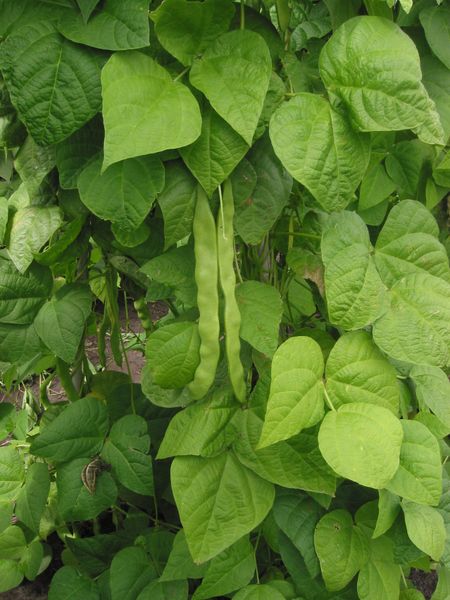
Common beans, when green and immature are either called String Beans or French Beans when they don’t have a string.
When reaching maturity they gave way to all kinds of beans.
They were first discovered in Central and South America in the 16th Century and were later introduced in Europe, then China. The French first planted the beans in Japan in rhe second half of the 19th Century.

90% of the crop is harvested three times a year in Hokkaido Island in Japan.

Ther are two main varieties in this country:

STRING-BEANS-DOJYOINGEN
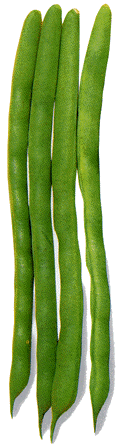
“Dojyo-Ingen”, also called “Kentucky Wonder”. Slightly soft variety.

STRING-BEANS-SAABERUINGEN
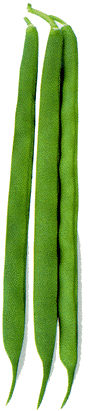
“Saaber-Ingen”, thinner and rounder than above without strings.

The Japanese usually boil them lightly or just just cut them in trunks about 5 cm long and add them to all kinds of dishes from clear soups to sauteed food.

FACTS:
-Season: June~September
-Main beneficial elements: Protein, Carotene, Vitamin B group, Vitamin C, Calcium, vegetal fibers.
-Eaten with other food high in protein, teir Vitamin C are easily ingested by human bodies.
Cooked with oil, their carotene will be easily assimilated by human bodies.

TIPS:
-Just after boiling drain them and let cool inside a sieve. They will be tastier for it.
-If you have plenty, first boil them before storing them in the refrigerator.
-Peel strings away before cooking.
-Choose firm and straight specimens.

Please check the new postings at:
sake, shochu and sushi

—————————————-
日本語のブログ
—————————————-