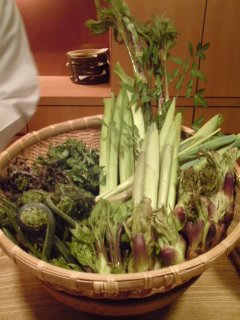
“Sansai/Wild Mountain Plants” are around the corner so I thought it might be a good idea to draw people’s attention back to them for easier reference! They also include wild fruit that can be eaten both as vegetables and fruit with various preparations.
Some can be boiled, others fried, prepared as tempura, cooked in soup, prepared as pickles or jam, etc.
As it would become far too big (already massive, but inexhaustive) a posting if I wrote everything, please pick up one item at a time if you want more explanations and I will write an individual article for your pleasure!
But some have added some since the last time I wrote about them and I added some facts!
Here we go:
(No particular order)
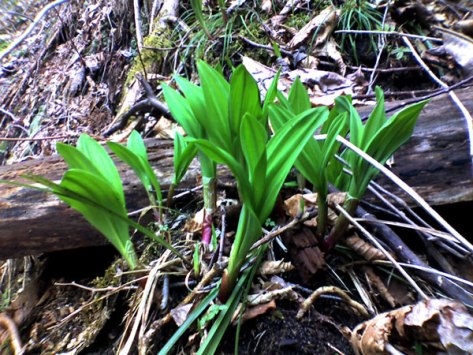
AINU NEGI: ALIUM VICTORIALIS
Also called: GYOUJA NINIKU/VICTORY ONION/ALPINE LEEK
High in Vitamin B1
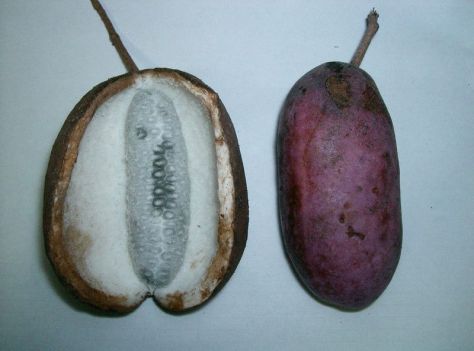
AKEBI: CHOCOLATE VINE
High in Potassium, Vitamin B1, B2, B6, C and vegetal fibers.
Provide great stamina!

AMADOKORO: POLYGONATUM ODORATUM

AZAMI: THISTLE
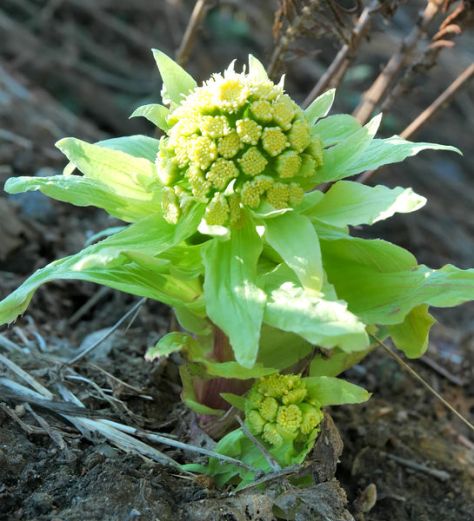
FUKINOTO: GIANT BUTTERBUR/FLOWER CLUSTER
High in Vitamin A Beta carotene, B1, B2, b6, C, vegetal Fibers and Potassium.
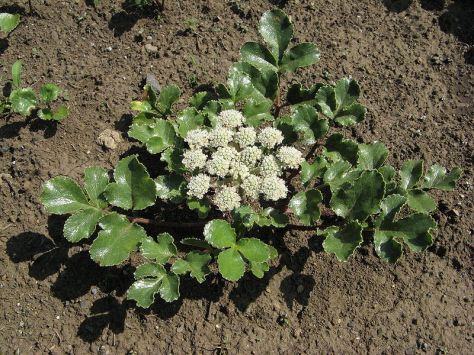
HAMABOUFUU: GLEHNIA LITTORALIS
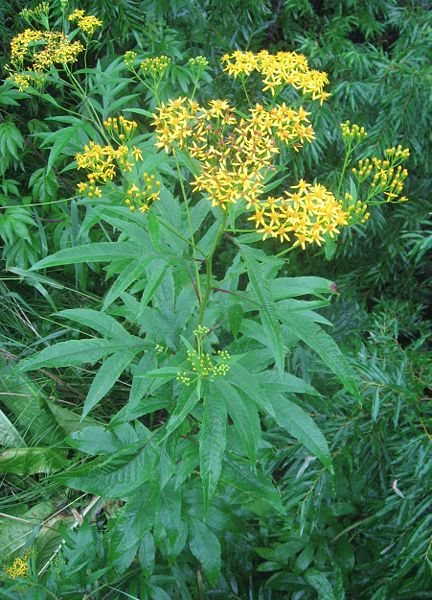
HANGONSOU: SENECIO CANNABIFOLIUS
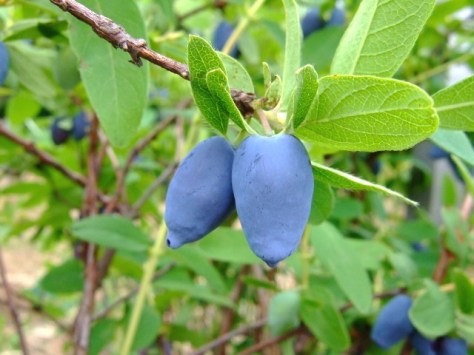
HASUKAPPU: LONICERA CAERULEA/HASCUP
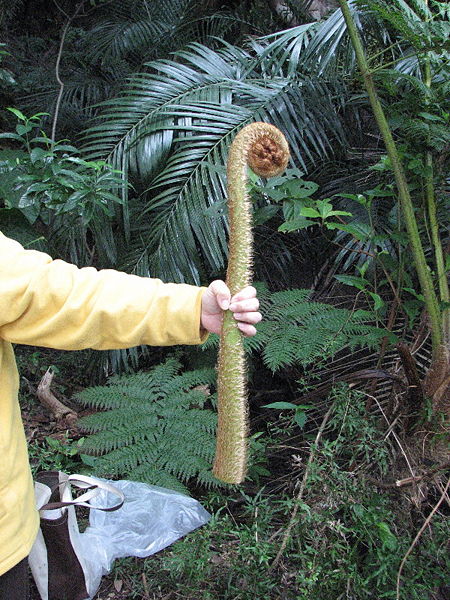
HIKAGEHEGO: FLYING SPIDER MONKEY TREE FERN

IRAKUSA: URTICA THUNBERGIANA

ITADORI: JAPANESE KNOTWEED
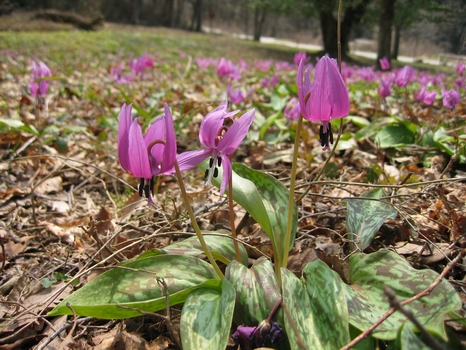
KATAKURI: DOGTOOTH VIOLET
Flowers are also edible.

KIBOUSHI: PLANTAIN LILY HOSTA FORTINEI ( a variety of Hosta Montana)
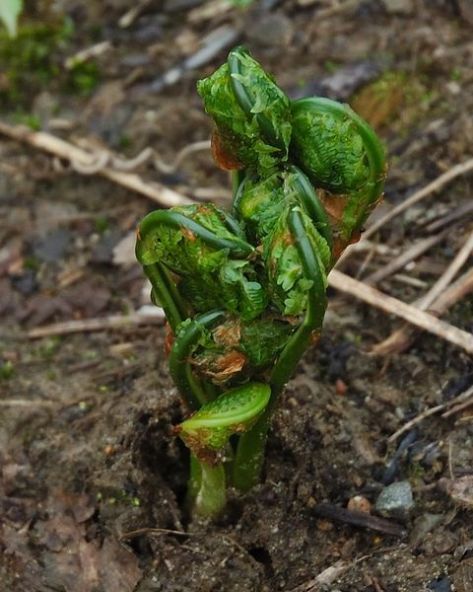
KOGOMI: OSTRICH FERN (exists as green and red)
Great plant as it needs no special procees to erase tanginess.
High Carotenes, Vitamin C, Amino acids and vegetal fibers.
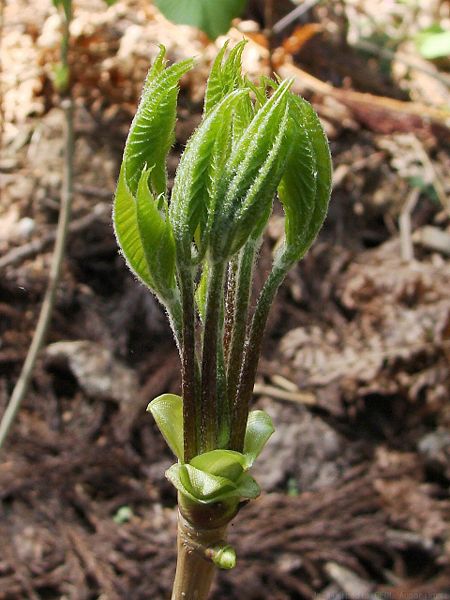
KOSHIABURA : ASCATHOPANAX SCIADOPHYLLOIDES
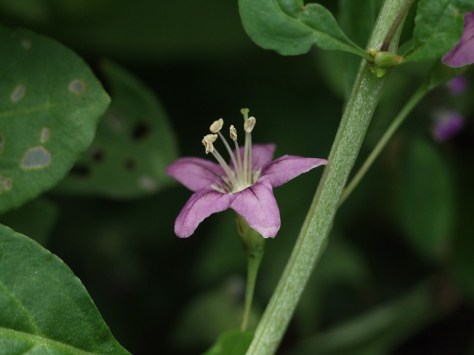
KUKO: CHINESE WOLFBERRY
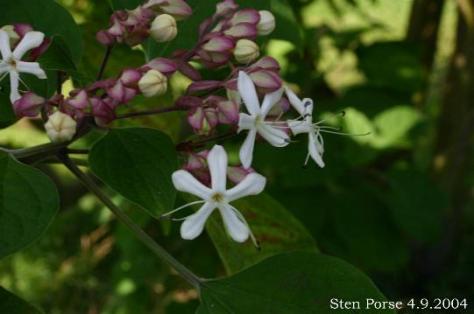
KUSAGI: HARLEQUIN GLORY BOWER PEANUT BUTTER SHRUB

MATATABI: SILVER VINE
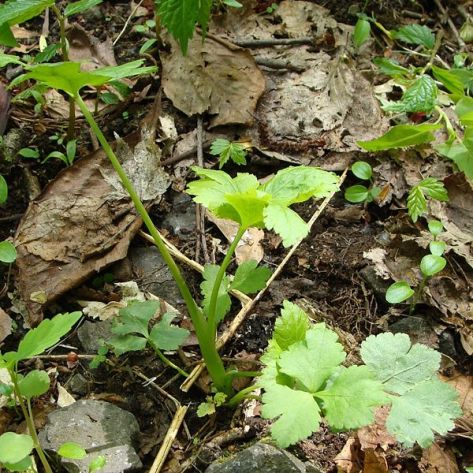
MITSUBA: JAPANESE HONEYWORT
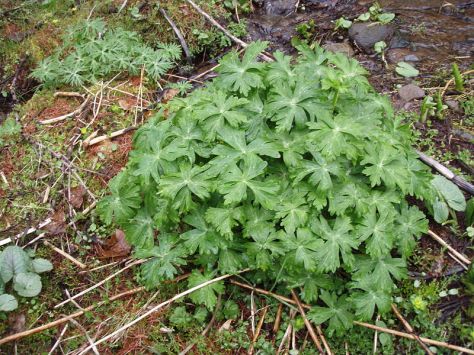
NIRINSOU: ANEMONE FLACCIDA

NOBIRU: ALIUM MACROSTEMON
High in Vitamin C, Carotenes, Calcium, Potassium and vegetal fibers.

OYAMABOKUCHI: SYNURUS PUNGENS

RYOUBU: CLERTHRA BARBINERVIS
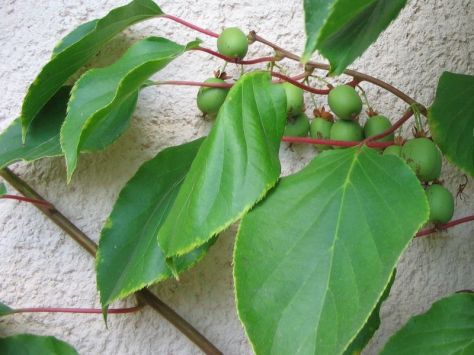
SARUNASHI: ACTINIA ARGUTA

SERI: JAPANESE PARSLEY
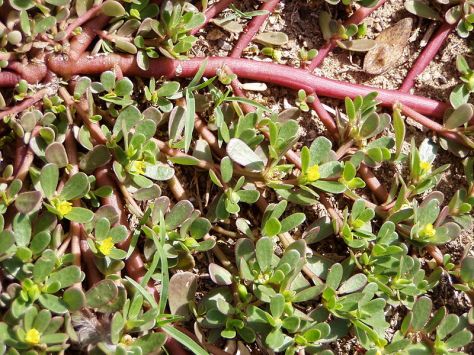
SUBERIYU: COMMON PURSLANE
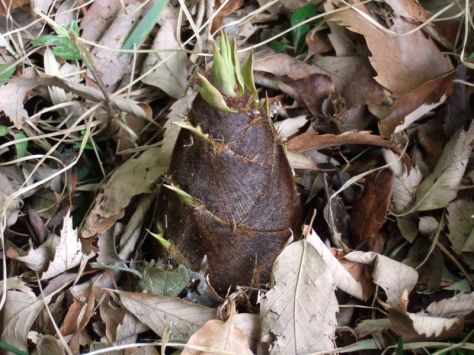
TAKENOKO: BAMBOO SHOOTS (SPROUTS)
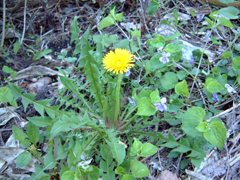
TANPOPO: DANDELION
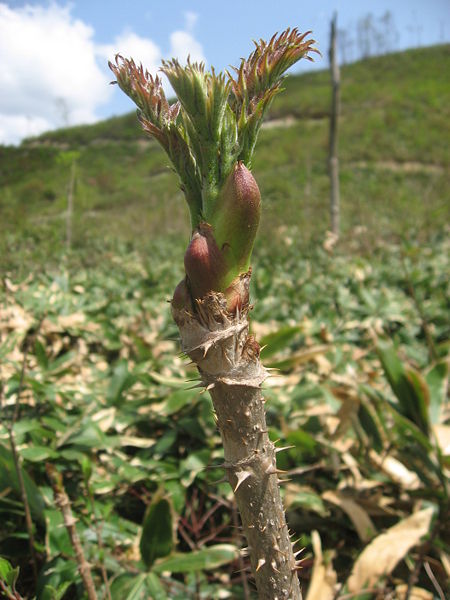
TARA NO ME: ARALIA ELATA
High in Potassium, Vitamin A Beta Carotenes, B2 and vegetal fibers.

TSUKUSHI: HORSETAIL
High in Potassium, Magnesium, Carotenes and Vitamin E.
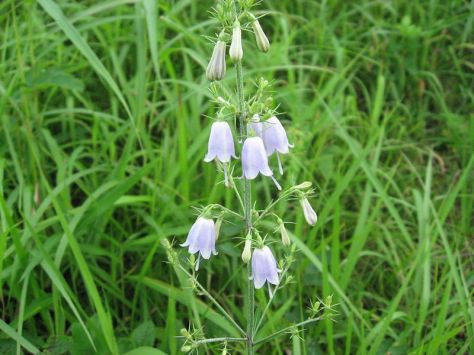
TSUROGANENINJIN: ADENOPHORA TRIPHYLLA

UDO: ARALIA CORDATA
High in Potassium, Calcium, Magnesium, Vitamin B1, C, Pantotene acid.
Helps combat human body acidity.
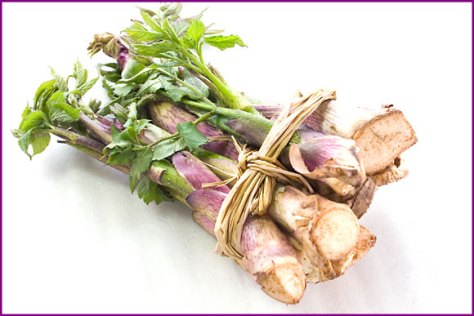
YAMAUDO: same as UDO (above)

URUI: HOSTA MONTANA
Can be eaten raw.
Great in salads. Have become a common vegetable in Japan.
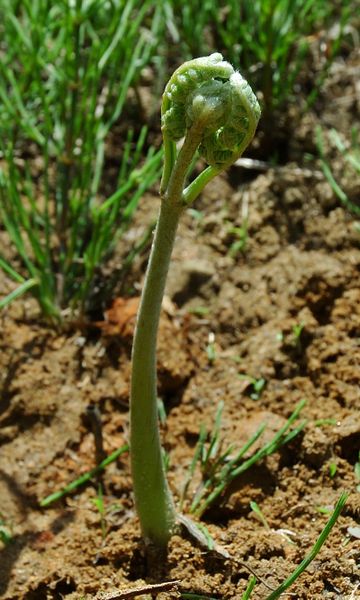
WARABI: PTERIDIUM AQUILINUM/BRACKEN
High Potassium, Calcium, Magnesium, Iron, Vitamin B2, C, E and vegetal fibers.
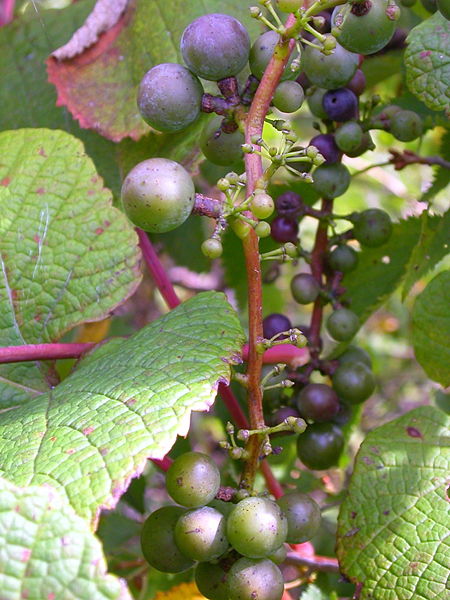
YAMABUDO: CRIMSON GLORY VINE
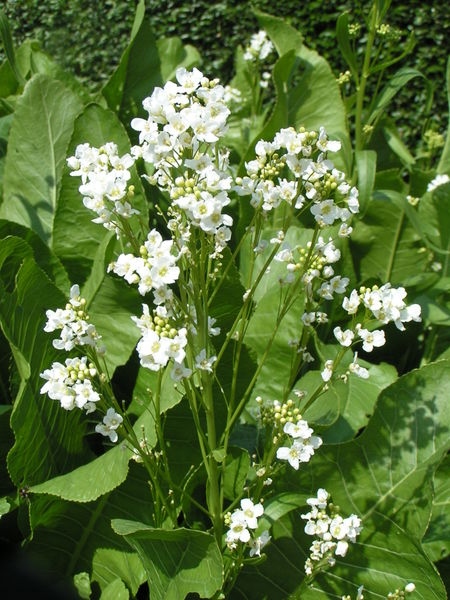
YAMAWASABI: WILD HORSERADISH

ZENMAI: OSMUNDA JAPONICA/ROYAL FERN
High in Potassium, Vitamin A Beta Carotenes, B2, B6, C and vegetal fibers.

FUKI:JAPANESE BUTTERBUR/GIANT BUTTERBUR
High in Potassium, Calcium, Vitamin B2 and vegetal fibers.
—————————
Still have to find the English names for the following ones!
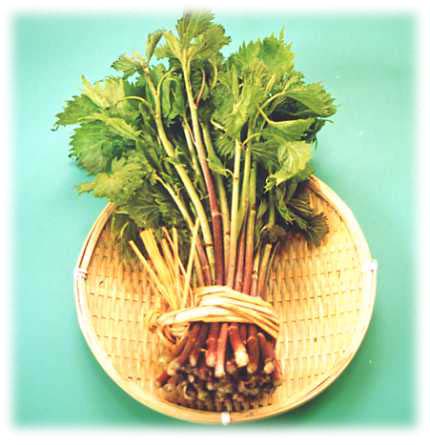
AIKO
AKAMIZU/ELATOSTEMA UMBELLATUM var. NAJUS
Found the name!
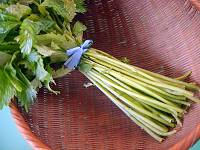
AOMIZU
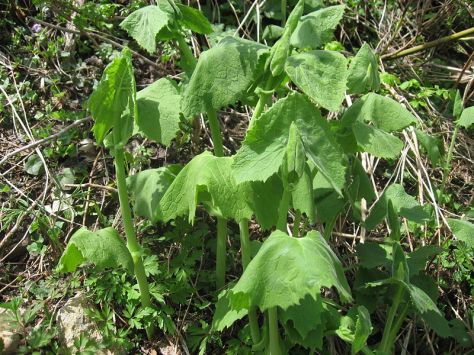
INUDOUNA
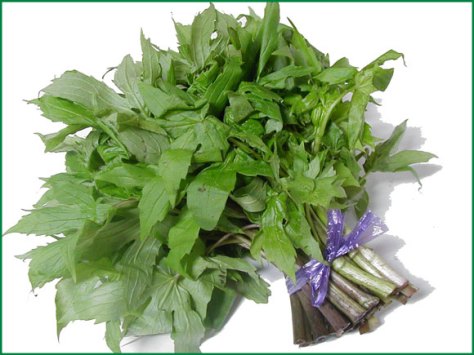
SHIDOKE

ITADORI

HONNA/Also called SUPPON

YOMOGI/MUGWORT
Not to be confused with absinthe!

NOKANZOU

YUKINOSHITA/BEEFSTEAK GERANIUM
Found the name!
RECOMMENDED RELATED SITES:
Warren Bobrow, Bread + Butter, Zoy Zhang, Hungry Neko, Think Twice, Frank Fariello, Mangantayon, Hapabento, Elinluv Tidbit Corner, Tokyo Terrace, Maison de Christina, Chrys Niles,Lexi, Culinary Musings, Wheeling Gourmet, Comestiblog, Chronicles Of A Curious Cook, Bento Boutique, Tokyo Through The Drinking Glass, Tokyo Foodcast, Urban Sake, Sake World, Palate To Pen, Yellin Yakimono Gallery, Tokyo Terrace, Hilah Cooking, More than a Mount Full, Arkonite Bento, Esmeralda’s s Quiet Life
Please check the new postings at:
sake, shochu and sushi
—————————————-
日本語のブログ
—————————————-


Thank you Robert-Gilles for this site. Great stuff, I’m particularly interested in wetland/bog/aquatic edibles both cultivated or wild or ‘weeds’, sadly wild and weeds are often eaten by the locals but not talked about as they are not economical plants… any links/sources of info will be kindly received. thanks jeremy. jeremyartist@yahoo.com
ps I know it’s off topic, but are there any insects commonly eaten? or freshwater crustaceans?
LikeLike
Cheers, Jeremy!
In Japan they still eat grasshoppers and wasp larvae. See https://shizuokagourmet.com/2012/02/21/insects-bugs-gastronomy-in-japan-not-for-the-squeamish/
Freshwater crustaceans include river crabs. Some people also eat fresh water crayfish.
Best egards,
Robert-illes
LikeLike
Yukinoshita is Saxifraga stolonifera – not to be confused with rex-type begonias which are also called Beefsteak geranium!
LikeLike
NOKANZOU is daylily, Hemerocallis fulva. Shoots are edible, also flowers.
LikeLike
Dear Judy!
Thank you so much for the information!
Always appreciated!
best regards,
Robert-Gilles
LikeLike
Thank you, DragonLife, for your kind reply re Akamizu seeds. Can you clarify, however, whether this plant grows in the United States wild?
Somehow, I got the impression that it is not found here. I cannot find demographics on it.
ありがとうございます! = Thank you!
Jim
LikeLike
Dear Jim!
Greetings again!
As far as I know Akamizu grows quite high in mountains and are collected in March~June. Akamizu is the red variety. There is also a green variety/Aomizu.
My impression is that it grows only in Japan. It is considered a rarity here.
The defintion of sansai is that it is maountain vegetable. In Japan they are collected only in the wild. Some are very common, even considered as invasive, some are rare.
But one thingis sure, they are popular and very healthy!
Cheers,
Robert-Gilles
LikeLike
Dear Robert-Gilles,
Great work. This is a wonderful site.
Can you tell me a source for Akamizu seeds or young plants in the United States. Comment appreciated.
LikeLike
Dear Jim!
Actually, these plants are wild!
LikeLike
Thanks for the link, my friend!
Robert-Gilles
LikeLike
Great post. I was just wondering what you can do with Itadori?
LikeLike
Dear Matt!
Greetings!
Boiled, tempura, steamed or fried!
Anything goes!
Cheers,
Robert-Gilles
LikeLike
Dear Robert-Gilles, greetings from the other side of the world!
Nice work!, I was just wondering, is there any flavor/fragrance difference between Yomogi and the common mugwort? Kind regards.
LikeLike
dear Francisco!
Greetings!
Thank you so much fr your kindcomments!
Yomogi, as coapred to common mugwort is almost sweet and has little astrigency. It can be cooked as tempura without any special preparation!
Cheers,
Robert-Gilles
LikeLike
Whoa…the “Flying Spider Monkey Tree Fern” looks like it would eat me before I could eat it!
LikeLike
LOL
They certainly have funny names!
LikeLike
Wow! I wonder how many of these I could find at stores in the International District here in Seattle?
LikeLike
Dear Friend!
Keep an eye on the supermarkets, even in Seattle. As for Canada, you mighexpect them in May~June!
Cheers,
Robert-Gilles
LikeLike