Category Archives: Uncategorized

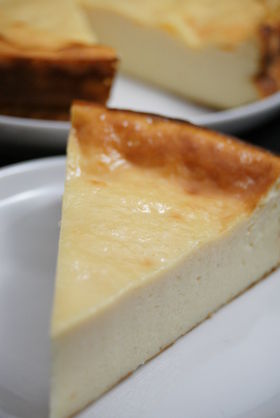
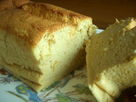
Tofu Pound Cake

Tofu has the great quality that it makes all things lighter, especially cakes.
Have you ever thought of making a pound cake with it (with a twist added!)?

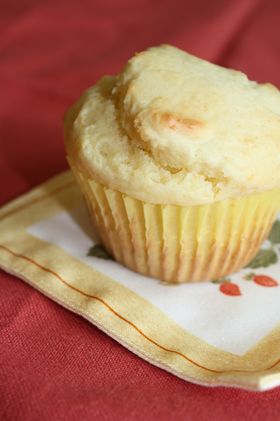
Tofu Pound Cake!

INGREDIENTS: For a cake 16.5 cm long and a square cut of 7 cm sides

-Egg whites: 2
-Egg yolks: 2
-Sugar: 30 g
-Tofu (after taking some of its water off): 120 g
-Honey (liquid): 2 tablespoons
-All-purpose flour: 50 g
-Baking powder: half a teaspoon
-Soy sauce: 1 teaspoon
-Mirin/sweet sake: 1 tablespoon
-Milk: 2 tablespoons

RECIPE:

-Mix flour and baking powder well.
-Preheat oven to 180 degrees Celsius

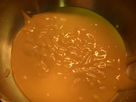
-In a bowl drop the egg whites with half of the sugar. Beat until solid. Beat 30 more times with a whisk.

-In a separate bowl drop in the tofu, rest of the sugar and egg yolks. Beat with a whisker until smooth. Do not mix too much!

-Add honey, soy sauce, mirin and milk in that order to the egg yols mixture and mix in one each at a time.

-Add and mix in the flour and baking powder mixture little by little with a spatula.

-Add the meringue (beaten egg whites) by folding them in with a spatula in 2 or three sessions.

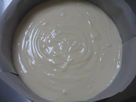
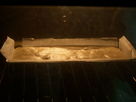
-Line the mold with baking paper and pour in the whole mixture.
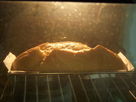
Bake for 40 minutes (the picture above shows the cake baked after 10 minutes)

-Leave the cake inside the oven for 10 more minutes after the oven has switched off after the 40 minutes of cooking. Open the oven, but leave the cake inside for an extra 10 minutes before taking it out.

-Let cool down completely.
Leave inside the fridge for half a day before serving.

NOTE:

You can replace the soy sauce and mirin with cocoa powder (1 tablespoon)!

RECOMMENDED RELATED SITES:
Bread + Butter, Zoy Zhang, Hungry Neko, Mangantayon, Elinluv Tidbit Corner, Maison de Christina, Chrys Niles, Lexi, Culinary Musings, Eats and Everything, One Frugal Foodie, Bite Me New England, Heather Sweet

——————————–
Please check the new postings at:
sake, shochu and sushi

—————————————-
日本語のブログ
—————————————-

Ramen: Simple Recipe with Beansprouts, Butter and Miso!

The Basic and Complete Ramen Recipe, I must admit, was complicated and a bit hard for friends to follow, but ramen can also be made simple and tasty.
Here is an example:
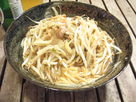
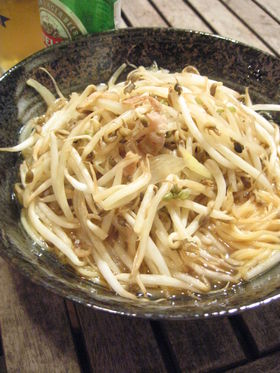
Ramen with beansprouts, butter and miso!

INGREDIENTS: For 2 servings

-Beansprouts (“moyashi”/もやし): one pack or a very large handful. Fresh, please!
-Onion: one half
-Bacon: 2 rashers
-Ramen: enough for 2 persons
-Butter: 1 tablespoon
-Miso: to taste

RECIPE:

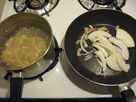
-While you boil the ramen, cut the onion and bacon into thin slices and fry. Boil some very lightly salted water for the soup (if you have bought the ramen with their soup, add it to the water, although it might become a bit heavy)

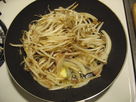
After the onion have become translucent and started taking in the bacon juices throw in the beansprouts and butter. Add just enough soup water as to obtain a thick enough soup. Add miso and stir.

In a bowl drop the boiled and drained ramen and top it with the beansprouts, bacon and onion soup!
Easy, isn’t it?

NOTE:
If you wish to make your ramen spicy add spices and chili when you fry the onion and bacon.
Don’t be afraid of using a lot of beansprouts (and other thinly cut veg if you wish)!

RECOMMENDED RELATED SITES:
Bread + Butter, Comestilblog, Greedy Girl, Bouchon For 2, Zoy Zhang, Hungry Neko, Mangantayon, Elinluv Tidbit Corner, Maison de Christina, Chrys Niles, Lexi, Culinary Musings, Eats and Everything, Bite Me New England, Heather Sweet, Warren Bobrow, 5 Star Foodie, Frank Fariello, Oyster Culture, Ramendo

Please check the new postings at:
sake, shochu and sushi

—————————————-
日本語のブログ
—————————————-

Bryan Baird’s Newsletter (2009/11/16)

Baird Beer & Taproom Events Bulletin
bryan-sayuri.gif

Dear Taproom Friend & Baird Beer Enthusiast:

After several months of conditioning, the 2009 version of Yabai-Yabai Strong Scotch Ale is at last ready for release. The draught version will be pouring from our Taproom taps as well as the taps of other Baird Beer retailing pubs and restaurants beginning Thursday, November 19. 633 ml bottles will be available for purchase beginning the same day at fine craft beer retailing liquor stores throughout Japan.

Yabai-Yabai Strong Scotch Ale (ABV 7.7%):

Scotland, an historically important center of beer brewing, has a cool climate that favors cultivation of the hardy barley plant. Scottish Ales, thus, tend to feature the rich and robust flavor of malted barley. Baird Yabai-Yabai Strong Scotch Ale is, in a word, opulent! The color is a deep mahogany brown and the head is dense, creamy and tan. The aroma is one of soft fruit esters and warm fusel alcohols. The body is chewy and the flavor exhibits notes of molasses, caramel apples, rum cake and pit fruit. One hearty pint is enough to take the bite out of the late autumn chill. Two pints will leave you toasty, and blissfully, warm. Three pints and…. YABAI!

Beers for Books Charity Event @ Numazu Fishmarket Taproom (Sunday, November 22):

The Numazu Fishmarket Taproom is joining hands with the Beers for Books organization (www.beersforbooks.org) to raise money for the Room to Read charity which purchases books for poverty-stricken kids in third world countries. All day long on Sunday, November 22, the Fishmarket Taproom will donate 100 yen per Baird Beer pint sold (and 10% of revenue generated from other drink sales) to the Room to Read charity. In conjunction, the Baird Brewery will be conducting charity-supporting brewery tours for interested attendees at 1:00, 3:00 and 5:00 pm. A charity beer quiz and guess the # of hops in the Jar contest also will be held and prizes awarded. We even are trying to organize a catch the biggest fish competition hopefully to be held in the fish market inner harbor across from the Taproom. This is a terrific cause and the event promises to be as enjoyable as it is constructive. Please plan on joining us.

Cheers!

Bryan Baird
Baird Brewing Company
Numazu, Japan
HOMEPAGE


The Japan Blog List

———————————
Must-see tasting websites:
-Sake: Tokyo Through The Drinking Glass, Tokyo Foodcast, Urban Sake, Sake World
-Wine: Palate To Pen, Warren Bobrow, Cellar Tours
-Beer: Good Beer & Country Boys, Another Pint, Please!
-Japanese Pottery to enjoy your favourite drinks: Yellin Yakimono Gallery
——————————–
Please check the new postings at:
sake, shochu and sushi

—————————————-
日本語のブログ
—————————————-

Ramen: A Basic Complete Recipe

The following ramen recipe is complete but basic and can be improved on with many variations and other ingredients. It originally comes from Saitama prefecture, just morth of Tokyo.

INGREDIENTS: For 14~15 servings

SOUP/STOCK
-Pork bone: 1~2
-Pig feet/trotter: 1
-Chicken frame/chicken carcass: 1 whole chicken
-Pork belly (for chashu): 1.3 kg
-Onion, carrot, potato: 1/2 of each
-Cabbage: 1/8
-Leeks (green part): 2
-Figs: 2
-Fresh ginger root: 3 slices
-Garlic: 1 whole
-Chili pepper: 1 whole

JAPANESE BASE SOUP/STOCK:
-Water: 2.5 liters
-Konbu/dry seaweed: 6
-Iriko (small dry fish): 50g
-Dried shiitake mushroom: 2
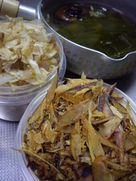
-Kongoukezuribushi or Niboshi dashi/dry sardines shavings for stock: 1 pack

CHASHU/CHAR SIU SAUCE
-Water: 1000 ml
-Soy sauce: 500 ml
-Japanese sake: 200 ml
-Mirin/Sweet sake: 50 ml
-Sugar: 110 g
-Fresh ginger and garlic: 2 each
-Chicken breasts: 2 (optional)

SHOYU DARE/SOY SAUCE SAUCE:
-Japanese base stock soup: 300 ml
-Konbu/dried shiitake: 1 each
-Japanese sake: 100 ml
-Mirin/sweet sake: 1 tablespoon
-Iriko/small dry fish: 30 g
-Kongoukezuribushi or Niboshi dashi/dry sardines shavings for stock: 80 g
-Soy sauce: 500 ml
-Salt: 1 tablespoon
-Hana katsuo/large bonito shavings: 150 g
-Chashu/Char siu sauce: 150 ml

MEN/NOODLES:
-Bread flour: 1 kg
-Cookie flour: 500 g
-Salt: 23 g
-Eggs: 11~12/580 g
-Butter: 90g

MENMA/ (メンマ or 麺麻 or 麺碼), a Japanese condiment made from lactate-fermented bamboo shoots
-Packed boiled menma: 1 kg
-Sesame oil: 1~2 tablespoons
-Chili pepper: 1 whole
-Mirin/sweet sake: 2 tablespoons
-Japanese sake: 2 tablespoons
-Soy sauce: 6 tablespoons
-Chashyu/Char siu soup: 4 tablespoons

OTHERS:
-Boiled egg, chopped leeks, nori seaweed, etc.

RECIPE:

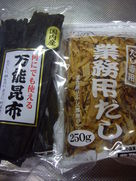
Konbu and dashi sold in Japanese supermarkets.

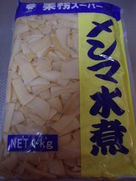
Packed boiled menma sold in Jpanese supermarkets.

FIRST DAY:

Keep in mind that such ramen take two day to prepare!

JAPANESE STOCK:
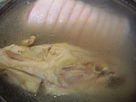
Pour all the ingredients for the Japanese soup stock in a large bowl and let rest a whole night (inside the fridge in summer!)

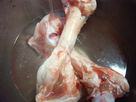
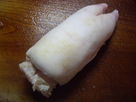
Wash the blood off the chicken carcass and pork bones with clear cold water.
Break the pork bones in two.

Holding the pork feet with tongs, burn the hair away over a gas flame.
Clean with clear cold water.

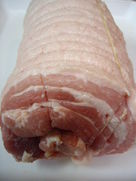
Roll thepork belly cut with the thinner part inside. Secure it by binding it tightly in cooking rope/thread. Do the same with the chicken breast if you use them.

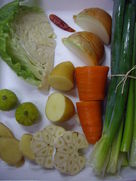
Wash vegetables and cut roughly.
Do not peel them!

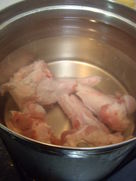
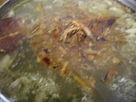
In a large enough (7~10 l) pot, pour plenty of water and boil the pork bones inside over a strong fire.
Skim off the water regularly of all unwanted matters.

When unwanted matters have stopped appearing, add chicken carcass, pork belly, pig feet/trotters and boil over a medium high fire, skimming off all unwanted matters regularly until they stop appearing.

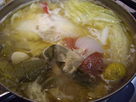
Add vegetables and seasoning and simmer over a medium high fire for 2 hours.
Switch off fire.

Chashyu/Char siu
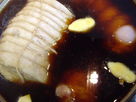
Take out pork abelly (and chicken if used) out of the pot and simmer it in the Chashyu/Char siu sauce for 2 hours.

———-

SECOND DAY

SHOYU DARE/SOY SAUCE SOUP
Take out all solid ingredients out of the Japanese base soup stock pan.
Take 300 ml out of it into a separate bowl.
Add the other ingredients (-Konbu, dried shiitake, Japanese sake, Mirin/sweet sake, iriko/small dry fish, Kongoukezuribushi or Niboshi dashi/dry sardines shavings for stock, Soy sauce, Salt, Hana katsuo/large bonito shavings) and 150 ml of the Chashyu/Char siu sauce.

SOUP
Bring the soup left after cooking the chashyu/Cahar siu to boil.
Discard vegetables.

Add the rest of the Japanese base soup stock and cook over a low fire for 2 hours. This will be your basic soup.

NOODLES

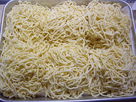
Prepare noodles bymixin the ingredients as you would do with pasta.
Cut the noodles with a pasta machine to 2×2 mm and let rest inside fridge.

MENMA

Bring water to boil in a pot.
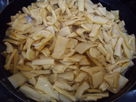
Boil the menma for a little while.
Drain completely.

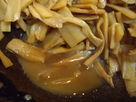
Pour the sesame oil in a frying pan. Lightly fry menma and chili pepper. Add other ingredients. Keep frying until juices have reduced to about 2 tablespoons. Transfer into a bowl. Let cool completely. Keep in fridge.

The proportions for the soup and shoyu dare should be of 360~400 ml of soup for 35~50 ml of shoyu dare. Adjust to taste.

After having chilled the chashyu/char siu well cut ino slices of the thickness of your preference.
Chop the leeks.

Heat large serving bowl in hot water.
Boil the noodles in a large pot for 4~5 minutes.

While you boil the noodles, throw hot water out of the serving bowl.
Pour shoyu dare then the soup.
Drain the noodles and drop them in the soup.
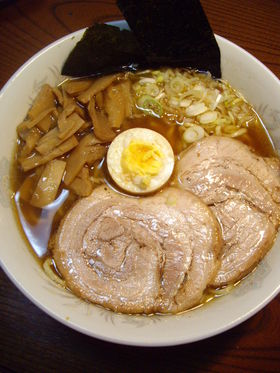
Place chashyu/char siu, boiled eggs, chopped leeks and nori on top and serve!

NOTE:

The noodles according to this recipe should have enough “bite” to them while blending well with the soup!

RECOMMENDED RELATED SITES:
Bread + Butter, Comestilblog, Greedy Girl, Bouchon For 2, Zoy Zhang, Hungry Neko, Mangantayon, Elinluv Tidbit Corner, Maison de Christina, Chrys Niles, Lexi, Culinary Musings, Eats and Everything, Bite Me New England, Heather Sweet, Warren Bobrow, 5 Star Foodie, Frank Fariello, Ramendo

Please check the new postings at:
sake, shochu and sushi

—————————————-
日本語のブログ
—————————————-

Ramen: The Basics

Shoyu-Ramen/Ramen with soy sauce

Ramen (ラーメン, らーめん, 拉麺) is a Japanese noodle dish that originated in China. It is served in a meat- or fish-based broth, often flavored with soy sauce or miso, and uses toppings such as sliced pork (チャーシュー, chāshū), dried seaweed (海苔, nori), kamaboko (Fish paste), green onions and even corn. Almost every locality or prefecture in Japan has its own variation of ramen, from the tonkotsu (pork bone stock) ramen of Kyūshū to the miso (fermented bean paste) ramen of Hokkaidō.
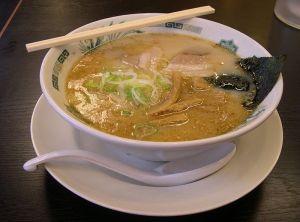
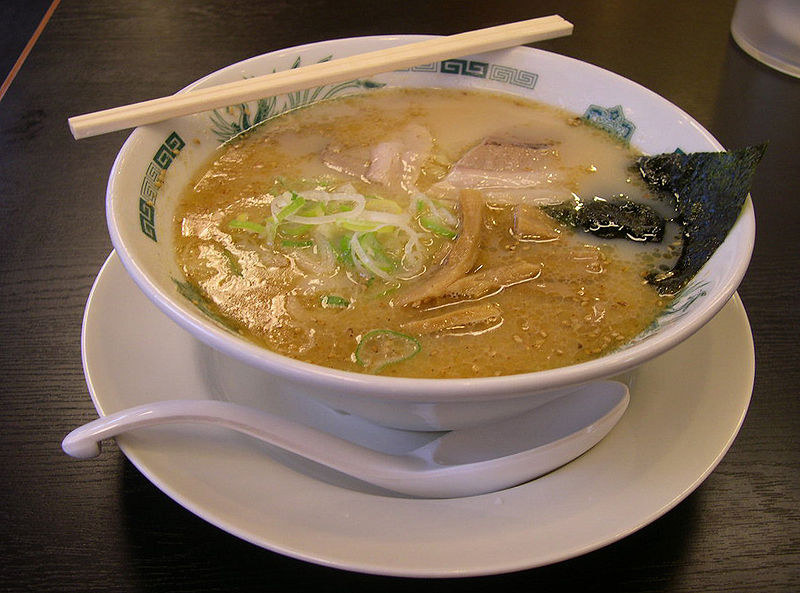
Tonkotsu Ramen/Pork Bone Stock Soup

Though of Chinese origin, it is unclear when ramen was introduced to Japan. Even the etymology of the word ramen is a topic of debate. One hypothesis is that ramen is the Japanese pronunciation of the Chinese: 拉麺 (la mian), meaning “hand-pulled noodles.” A second hypothesis proposes 老麺 (laomian, “old noodles”) as the original form, while another states that ramen was initially 鹵麺 (lǔmiàn), “noodles cooked in a thick, starchy sauce”. A fourth hypothesis is 撈麵 (lāomiàn, “lo mein”): 撈 means to “dredge up” and refers to the method of cooking these noodles by immersing them in boiling water before dredging them up with a wire basket.
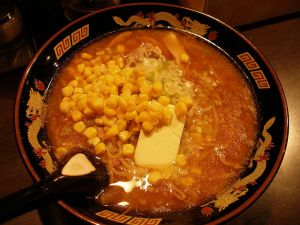
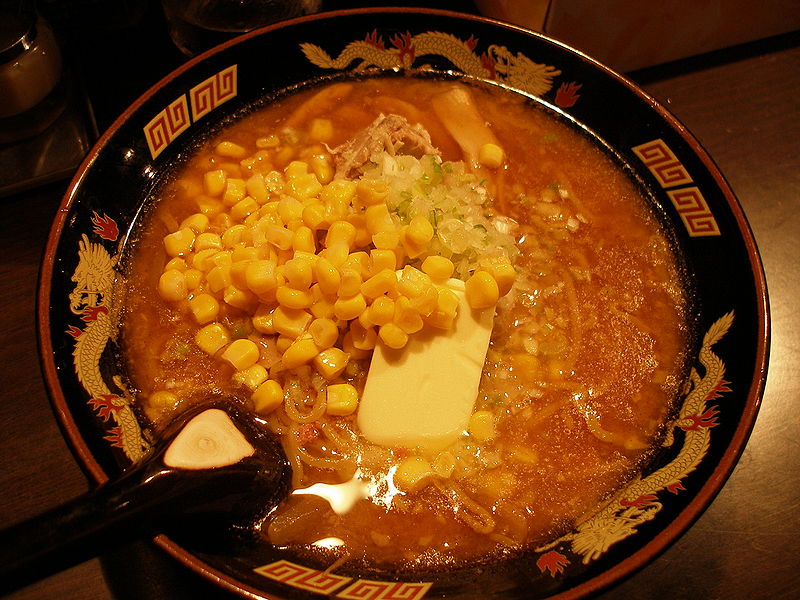
Butter Corn ramen in Hokkaido

Until the 1950s, ramen was called shina soba (支那そば, literally “Chinese soba”) but today chūka soba (中華そば, also meaning “Chinese soba”) is more common. Ramen should not confused with Japanese soba or buckwheat noodles.
By 1900, restaurants serving Chinese cuisine from Canton and Shanghai offered a simple ramen dish of noodles (cut rather than hand pulled), a few toppings, and a broth flavored with salt and pork bones.
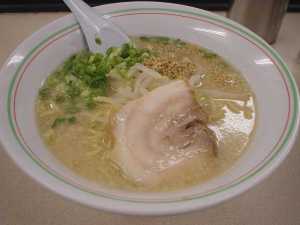
Hakata-style ramen (Northern Kyushu)

Many Chinese also pulled portable food stalls, selling ramen and gyōza dumplings to workers. By the mid 1900s, these stalls used a type of a musical horn called a charumera (チャルメラ, from the Portuguese charamela) to advertise their presence, a practice some vendors still retain via a loudspeaker and a looped recording. By the early Shōwa period (1030~), ramen had become a popular dish when eating out.
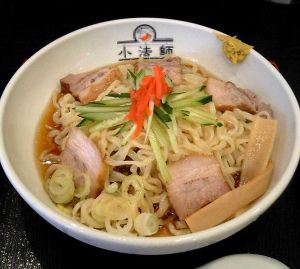
Hiyashi ramen/cold ramen

After World War II, cheap flour imported from the U.S. swept the Japanese market. At the same time, millions of Japanese troops had returned from China and continental East Asia. Many of these returnees had become familiar with Chinese cuisine and subsequently set up Chinese restaurants across Japan. Eating ramen, while popular, was still a special occasion that required going out.

In 1958, instant noodles were invented by the late Momofuku Ando, the Taiwanese-Japanese founder and chairman of Nissin Foods. Named the greatest Japanese invention of the 20th century in a Japanese poll, instant ramen allowed anyone to make this dish simply by adding boiling water.
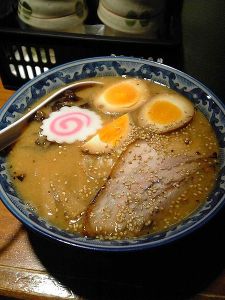
Miso ramen/ramen with fermented bean paste

Beginning in the 1980s, ramen became a Japanese cultural icon and was studied from many perspectives. At the same time, local varieties of ramen were hitting the national market and could even be ordered by their regional names. A ramen museum opened in Yokohama in 1994.

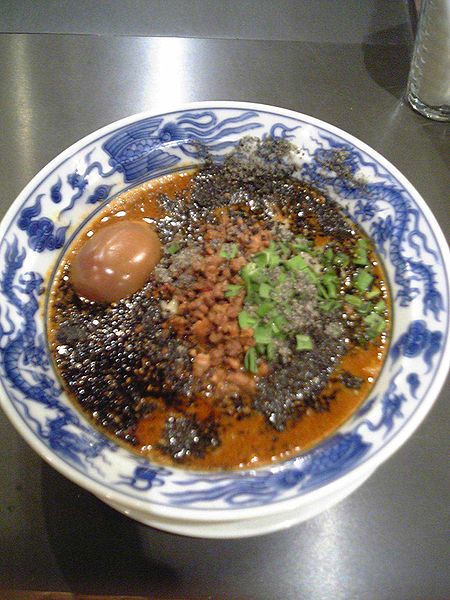
Tantanmen sryle ramen.

A wide variety of ramen exists in Japan, with geographical and vendor-specific differences even in varieties that share the same name. Ramen can be broadly categorized by its two main ingredients: noodles and soup.

Noodles

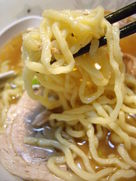
Fresh ramen: Most noodles are made from five basic ingredients: wheat flour, salt, water, and kansui which is essentially a type of alkaline mineral water. Originally, kansui was named after the water from Inner Mongolia’s Lake Kan which contained large amounts of minerals and was said to be perfect for making these noodles. Making noodles with kansui lends them a yellowish hue as well as a firm texture. Eggs may also be substituted for kansui.

Ramen comes in various shapes and lengths. They may be fat, thin, or even ribbon-like, as well as straight or wrinkled.
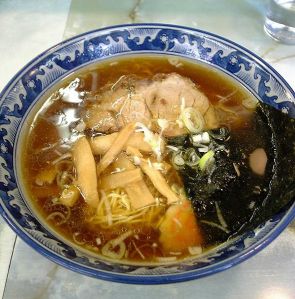
Tokyo-style ramen

Soup

Ramen vending machine: Ramen soup is generally made from stock based on chicken or pork, combined with a variety of ingredients such as kombu (kelp), katsuobushi (skipjack tuna flakes), niboshi (dried baby sardines), beef bones, shiitake, and onions, and then flavored with salt, miso, or soy sauce.

The resulting combination is generally divided into four categories (although new and original variations often make this categorisation less clear-cut):

Shio (“salt”) ramen
Shōyu (soy sauce) ramen
Tonkotsu (“pork bone”) ramen
Miso (fernented beans paste) ramen.

While standard versions of ramen are available throughout Japan for the last 100 years, the last few decades have shown a proliferation of regional variations. Some of these which have gone on to national prominence are:

Sapporo, where ramen are topped with sweetcorn, butter, beansprouts, finely chopped pork, and garlic, and sometimes local seafood such as scallop, squid, and crab.

Kitakata ramen in northern Honshū is known for its rather thick, flat, curly noodles served in a pork-and-niboshi broth.

What is known as Tokyo style ramen consists of slightly thin, curly noodles served in a soy-flavoured chicken broth. Standard toppings on top of chopped scallion, menma, and sliced pork are kamaboko, egg, nori, and spinach. Ikebukuro, Ogikubo and Ebisu are three areas in Tokyo known for their ramen.

Ie-kei (家系) ramen is from Yokohama and consists of thick, straight-ish noodles served in a soy-pork broth.

Hakata-men ramen originate from Hakata district of Fukuoka city. It has a rich, milky, pork-bone tonkotsu broth and rather thin, non-curly and resilient noodles. Often, distinctive toppings such as beni shoga (pickled ginger), sesame seeds, and pickled greens are left on tables for customers to serve themselves.

NOTE:
Many Japanese people also believe that ramen soup contains a high amount of fat and also that pre-fried fat from the noodles seeps into the soup. However, a typical serving of ramen, even when drinking all of the soup, has less food energy than a fast-food menu consisting of a hamburger, soda, and fries!

RECOMMENDED RELATED SITES:
Bread + Butter, Comestilblog, Greedy Girl, Bouchon For 2, Zoy Zhang, Hungry Neko, Mangantayon, Elinluv Tidbit Corner, Maison de Christina, Chrys Niles, Lexi, Culinary Musings, Eats and Everything, Bite Me New England, Heather Sweet, Warren Bobrow, 5 Star Foodie, Frank Fariello

Please check the new postings at:
sake, shochu and sushi

—————————————-
日本語のブログ
—————————————-
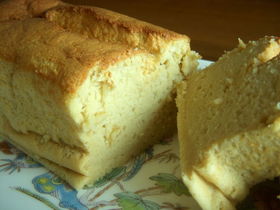
Baked Tofu Yoghurt Cake

TOFU-YOGHURT-CAKE-1

Tofu and yoghurt are two very healthy ingredients that can be easily magicked into a cake for the delight o children and calories conscious adults:

Baked Tofu Yoghurt Cake!

INGREDIENTS: For an 18cm-diameter mold

-Plain yoghurst:500g
-Tofu (kinu tofu or soft tofu): 300 g
-Eggs: 2
-Sugar: 80 g
-Flour: 30 g
-Lemon juice: 1 tablespoon

RECIPE:

TOFU-YOGHURT-CAKE-2

-Place a sieve over a bowl. Pour the yoghurt in. Let it drain naturally in the refrigerator for a day.

TOFU-YOGHURT-CAKE-3

-Place the tofu in a bowl (no need to cover it). Leave it in a microwave oven (500 W) for 3 minutes.
Place a sieve over a bowl. Pour the tofu inside the sieve. Let it drain naturally in the refrigerator for a day.

TOFU-YOGHURT-CAKE-4

-Next day, pre-heat oven to to 180 degrees Ceslius.
Throw the yoghurt and tofu water away.
Drop all the ingredients inside a food processor.

TOFU-YOGHURT-CAKE-5

-Blend until smooth. Switch off halfway and stir with a spatula to even up the mixture.

TOFU-YOGHURT-CAKE-6

-Pour the mixture inside a mold lined upwith cooking paper. Bake at 180 degrees Celsius for 30 minutes.

TOFU-YOGHURT-CAKE-7

-Take mold and cake out. Let it cool completely. Chill it inside the refrigerator together.

TOFU-YOGHURT-CAKE-8

-Take the cake out of of its mold only when it has chilled well.

TOFU-YOGHURT-CAKE-9

-Cut, serve and enjoy!
You can of course serve it with jam and other toppings.
You can also add liqueurs, fruits and so on to the recipe!

RECOMMENDED RELATED SITES:
Bread + Butter
Zoy Zhang
Hungry Neko
Mangantayon
Elinluv Tidbit Corner
Maison de Christina
Chrys Niles
Lexi
Culinary Musings
Eats and Everything
One Frugal Foodie
Bite Me New England
Heather Sweet

——————————–
Please check the new postings at:
sake, shochu and sushi

—————————————-
日本語のブログ
—————————————-

Tofu Lemon Cupcakes

TOFU-LEMON-CUPCAKE

Here is another simple Japanese style cupcake recipe made with tofu!

Tofu lemon Cupcakes!

INGREDIENTS: For about 16

-Tofu (kinu tofu or soft tofu): 100 g
-Sugar: 70 g
-Egg: 1
-Grated lemon pel: 1 lemon
-Flour: 160 g
-Baking powder: 1 and a half teaspoons
-Milk (or soy milk): 3 tablespoons
-Lemon juice: 1 tablespoon
-Olive oil: 2 tablespoons

RECIPE:

-Mix flour with baking powder. Mix grated lemon juice and milk in a separate bowl.

-In another bowl drop tofu and sugar. Mix thoroughly into a smooth paste. Add egg and mix well with a wisker.

-Add lemon juice and milk and mix well until smooth. But don’t mix too long!

-Mix in flour and baking powder with a spatula until the floury look has disappeared but don’t overmix.

-Fill cups (previously oiled) and bake at 190 degrees Celsius for 16 minutes. If the cups are really small 12 minutes should be enough.

RECOMMENDED RELATED SITES:
Bread + Butter
Zoy Zhang
Hungry Neko
Mangantayon
Elinluv Tidbit Corner
Maison de Christina
Chrys Niles
Lexi
Culinary Musings
Eats and Everything
One Frugal Foodie
Bite Me New England
Heather Sweet

——————————–
Please check the new postings at:
sake, shochu and sushi

—————————————-
日本語のブログ
—————————————-
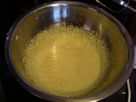
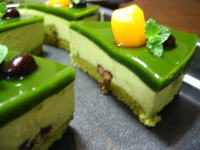
Matcha Bavarois Cake

MATCHA-CAKE-1

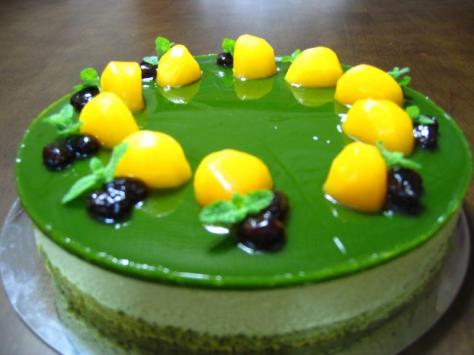
Matcha/抹茶, an ingredient readily available here in Shizuoka, opens the door to so many ideas as it can included in almost all cakes.
Moreover its green colour is an extra attraction that is difficult to resist!
Here is the recipe of a cake that marries western and eastern traditions!

Matcha Bavarois Cake!

INGREDIENTS: For a 21 cm diameter mold (can be adapted to square molds or individual molds)

-Sponge Cake:
Eggs: 3 large
Sugar: 70 g
All purpose flour: 40 g
Matcha powder: 1 tablespoon
Butter (unsalted): 25 g

-Bavarois:
Milk: 200ml
Fresh cream (vegetal): 200 ml
Egg whites: 3
Sugar: 50 g
Gelatin: 5 g
Matcha powder: 1 tablespoon
Water (to dissolve matcha powder): 5 tablespoons
Matcha liqueur (optional, but try and find it or replace with something else according to taste!): a little

-Decoration jelly (nappage):
Matcha powder: 2 tablespoons
Gelatin: 5 g
Sugar: 40 g
Water: 250 ml

Supplementary decoration (optional):
Chestnuts (cooked)
Black beans (cooked)
Candied mint leaves

RECIPE:

-Sponge Cake:
Separate the whites and yolks of the eggs, beat the yolks until thick and lemon colored, add the sugar gradually.
Mix matcha powder and sifted flour. Mix in butter by hand (with the tips of your fingers). Add egg yolks and sugar and mix well. Cut and fold in the stiffly beaten egg white.
Bake in an ungreased pan in a very moderate oven.
Bake until the cake is puffed, has lost its shine, and springs back when gently pressed.
Let cool completely and trim off to shape of the cake mold.
Line the cake mold with a layer of sponge cake.

-Bavarois:
Soften jelly in cold water or dissolve it depending on type.
Whisk the the egg whites thick and hard with sugar.
Bring the milk and fresh cream to boil.
Switch off fire.
Add matcha powder and matcha liqueur and mix well.
Let cool completely. Add and mix in gelatin.
Fold in egg whites.
Pour the bavarois over the sponge cake and leave in refrigerator overnight.

-Decoration jelly:
Soften gelatin or dissolve in a little water.
In a pan pour in water, matcha powder, sugar and heat to dissolve sugar. Switch off fire and add gelatin. Mix weel.
Wait until it has cooled off completely.
Take cake out of refigeraor and pour jelly all over.
Put back in refrigerator and leave it until it has properly settled.

Decorate further with chestnuts, candied mint leaves and black beans.

MATCHA-CAKE-3

That is how it would look once cut.

MATCHA-CAKE-2

The same as an individual cake!

RECOMMENDED RELATED SITES:
Bread + Butter
Zoy Zhang
Hungry Neko
Mangantayon
Elinluv Tidbit Corner
Maison de Christina
Chrys Niles
Lexi
Culinary Musings
Eats and Everything
One Frugal Foodie
Bite Me New England
Heather Sweet

——————————–
Please check the new postings at:
sake, shochu and sushi

—————————————-
日本語のブログ
—————————————-
Bryan Baird’s Newsletter (2009/11/11)

Baird Beer & Taproom Events Bulletin
bryan-sayuri.gif

Dear Taproom Friend & Baird Beer Enthusiast:

New Baird Beer Website Unveiling:

We are extremely pleased to announce the unveiling of our new Baird Beer website. The site has been designed by our friends at LINC Media who not only are first-class professionals but also top tier human beings. It is a privilege to work in cooperation with them.

The new site, in addition to crisply attractive design, simplicity of navigation and revamped content, sports several new features which include: individual Taproom blogs (including one in English for our Numazu Fishmarket Taproom), a photo gallery where you can view and also upload beer related pictures, and an E-shop where you can order Baird Beer and accessories delivered direct from the brewery (the E-shop will begin handling and processing orders sometime in early December). The site, including the E-shop, is fully bilingual. Please check us out at www.bairdbeer.com and let us know what you think.

Suruga Bay Imperial IPA Debuts as the Eighth Member of the Year-Round Baird Beer Lineup:

Imperial, or Double, IPAs are a stylistic creature of the American craft beer movement. Compared to a standard IPA, an Imperial IPA is higher in original gravity, higher in bittering units (IBUs), higher in alcohol strength and even more profound in the impact of its hop character (flavor, bitterness, and aroma). Origination of this monster IPA style is generally credited to Vinnie Cilurzo, the brilliant Brewmaster/Owner of Russian River Brewing (www.russianriverbrewing.com) in Northern California and former brewer at the now defunct Blind Pig Brewery. His wonderful beer, Pliny the Elder, is the best in this genre that we have ever tasted and it has served as our muse in the creation of Suruga Bay Imperial IPA.

Suruga Bay Imperial IPA (ABV 7.5%; IBU 90):

The first key to a great Double IPA is dryness of character despite the high original gravity. This is accomplished, foremost, through high attenuation by the yeast during fermentation. We aim for an apparent attenuation around 85% which yields relative dryness and alcohol strength. The second key is a fantastic and powerful hop aroma. This we achieve by dry hopping Suruga Bay Imperial IPA with several varieties of pungently strong American hops. We conduct this dry hopping not once but twice, in two separate tanks. Then, at packaging, to ensue a vigorous secondary fermentation and natural carbonation, we krauesen Suruga Bay with a percentage of peak fermentation beer from a different batch.

Suruga Bay Imperial IPA is a wickedly compelling flavor experience. Its hop character is as rich as Japan’s Suruga Bay is deep (it is Japan’s deepest bay and Baird Brewing is located on its inner shore). The greatness of Suruga Bay Imperial IPA resides in a supreme drinkability that pervades in spite of the potency.

Great pubs and restaurants (including all of our Taprooms), as well as fine craft beer retailing liquor shops, all over Japan are now carrying Suruga Bay Imperial IPA. The bottles for this first batch are of the large 633 ml kind but subsequent batches will be bottled in our standard 360 ml size.

Cheers!

Bryan Baird
Baird Brewing Company
Numazu, Japan
HOMEPAGE


The Japan Blog List

———————————
Must-see tasting websites:
-Sake: Tokyo Through The Drinking Glass, Tokyo Foodcast, Urban Sake, Sake World
-Wine: Palate To Pen, Warren Bobrow, Cellar Tours
-Beer: Good Beer & Country Boys, Another Pint, Please!
-Japanese Pottery to enjoy your favourite drinks: Yellin Yakimono Gallery
——————————–
Please check the new postings at:
sake, shochu and sushi

—————————————-
日本語のブログ
—————————————-
Sweet Potato Cupcakes

SWEET-POTATO-CUPCAKES

I need no say how cupcakes are popular all over the world.
That is the main reason why I from now and then feature a cupcake recipe.
Japanese-style cupcakes seem to be still new. They naturally come with different ingredients. Have you ever thought of making one with sweet potato.
Sweet potato is satsuma imo/薩摩芋 in Japanese and they originally came from Central America.
The recipe below is very simple and should be easily expanded:

Sweet Potato Cupcakes!

INGREDIENTS: For 2 large 10×10 cm cupcakes (can of course be divided into smaller ones)

-Sweet potato: 200 g
-Sugar: 30 g
-Dry raisins: 30 g
-All purpose flour: 50 g
-Butter: 60 g
-Egg: 1
-Baking powder: half a teaspoon
-Powdered sugar: a little

RECIPE:

-Set a microwave oven on “vegetables cooking” and heat the sweet potatoes. Peel their skins off. Pre-heat oven to 180 degrees Celsius.

-In a food processor drop in flour, sugar, butter, egg and baking powder. Blend. Add sweet potato and blend.

-Add raisins and mix roughly. Pour into cups. Bake at 180 degrees Celsius for 25~30 minutes.

-Once baked sprinkle with powdered sugar.

Easy, ain’t it?

RECOMMENDED RELATED SITES:
Bread + Butter
Zoy Zhang
Hungry Neko
Think Twice
Mangantayon
Hapabento
Elinluv Tidbit Corner
Tokyo Terrace
Maison de Christina
Chrys Niles
Lexi
Culinary Musings
Eats and Everything
One Frugal Foodie
Bite Me New England

Please check the new postings at:
sake, shochu and sushi

—————————————-
日本語のブログ
—————————————-

Today’s Lunch Box/Bento (’09/73): Rain Sushi Bento

BENTO-09-11-11a

Usually I do not take a bento to with me on Wednesdays, but the weather simply gave us no choice.
With a very unusual warm Fall in Japan this year, we are bound to be assailed by typhoon-like downpours. The bus was going through sheer curtains of water along the road. I found out that we got drenched with 100mm of rain in a single hour! Mind you, it does not compare to what the Philippines had to go through recently.

BENTO-09-11-11b

In such an emergency the Missus usually comes with some kind of sushi and plentyof vegetables.

BENTO-09-11-11c

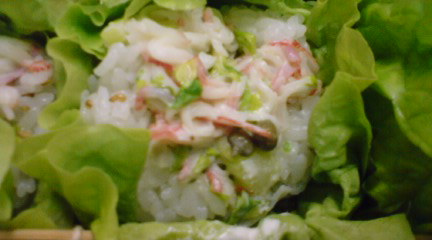
Today’s sushi style was te-mari zushi/手丸寿司, a style very popular in the Kyoto area.
The rice balls are small, round and prepared by wrapping them in a piece of cellophane paper and then topped with various neta/ねた (toppings).
She made two kinds:
the first one with a salad consisting of surimi, shredded lettuce, capers, sesame seeds and mayonnaise. She placed them inside lettuce leaves for easing handling and supplemetary Vitamin C (!).

BENTO-09-11-11d

The second type which could be called Italian-style te-mari zushi as they contained cheese and were topped with Italian raw ham and Italian parsley (!).

BENTO-09-11-11e

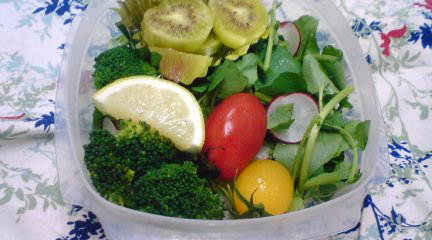
As for the salad side dish on a bed of cress (grown in Shizuoka) she placed boiled brocoli, sliced radishes, plum tomatoes and a dessert consisting of rainbow kiwis (grown in Shizuoka).

Very healthy! I wonder if I should welcome the rain!

RECOMMENDED RELATED SITES:
Warren Bobrow
Bread + Butter
Zoy Zhang
Hungry Neko
Think Twice
Frank Fariello
Mangantayon
Hapabento
Elinluv Tidbit Corner
Tokyo Terrace
Maison de Christina
Chrys Niles
Lexi
Culinary Musings

Please check the new postings at:
sake, shochu and sushi

—————————————-
日本語のブログ
—————————————-
Tofu Terrine

TOFU-TERRINE

Tofu does have to be food exclusively for vegans, vegetarians and people with special priorities.
I can assure you that monivores like I are very fond of any any combination including tofu!

Here is a simple recipe that will impress your friends:
Tofu Terrine!

INGREDIENTS: For 4 servings

-Tofu (momen tofu, a bit mopre solid than kinu tofu): 300 g
-Wakame seaweed (salted preserves): 15 g
-Carrots: 30 g
-Sugar peas in their pods (or their equivalent. They are called pois gourmands in French, or kinu saya ingen in Japanese): 8
-Salt: a pinch (for boiling the veg)
-Mushrooms (white agarics): 3
-Broad beans (boiled or steamed) for decoration: 4

-Eggs: 2
-Soup stock: 2 tablespoons
-White wine: One and half tablespoons
-Salt: 1/3 teaspoon
-Pepper: to taste
-Salad oil for brushing

RECIPE:

-Break the tofu in large pieces. Boil lightly. Transfer into a large clean cloth and press as much water out as possible.

-Wash the wakame in clear cold water. Boil for a little while. Take out and press water out. Put it inside a clean cloth and press out as much water as possible.

-Chop the carrot fine. Boil a little and take water off as above.

-Take the “thread” off the sugar peas, boil in salted water. Let cool completely. Take off water and chop finely.

-Cut the mushrooms very fine (you may fry or boil them a bit if you wish to).

-Work the tofu in a suribachi (mortar and pestle) to obtain a smooth paste. Add eggs and mix with the pestle (food processing is fine, too). Add wakame seaweed, carrot, sugar peas, mushrooms, soup stock, slat and pepper, and mix.

-Coat the insides of 4 ramequins/oven cups with a very thin layer of salad oil and pour 1/4 of the mixture in each. Flatten the surface with a spatula.

-Place ramequins inside a steamer. Steam on a medium fire for 5 minutes, then 10 more minutes over a low fire.
Let cool down completely.
Wrap them in cellophane and keep in refrigerator until you serve them
Decorate with broad beans.

NOTE:

This is the basic recipe. It is open to all inds of variations!

RECOMMENDED RELATED SITES:
Warren Bobrow
Bread + Butter
5 Star Foodie
Frank Fariello
Elinluv Tidbit Corner
Tokyo Terrace
Maison de Christina
Chrys Niles
Comestilblog
Greedy Girl
Bouchon For 2
Cookiesntea

Please check the new postings at:
sake, shochu and sushi

—————————————-
日本語のブログ
—————————————-
⑧ココット・ロンドにお湯を沸かし、スチーマーに⑦を並べて、湯気の上がったお鍋にセットする。中火で5分ほど蒸し、さらに弱火で7~10分ほど蒸し、粗熱をとって冷蔵庫で冷やす。お好みでそらまめを飾る。

Panda’s Vanishing Act?

VANISHING-BEAR-1

VANISHING-BEAR-2

VANISHING-BEAR-3

Just had some fun with another capuccino at Caffeteria Il Cuore!

CAFFETERIA IL CUORE
420-0035 Shizuoka City, Aoi Ku, Shichiken-cho, 13-20, Ishiwata Bldg. 1F
Tel. & fax: 054-2723737
Business hours: 11:30~23:00 (open every day)
Credit Cards OK

RECOMMENDED RELATED SITES:
Warren Bobrow
Bread + Butter
Elinluv Tidbit Corner
Tokyo Terrace
Comestilblog

Please check the new postings at:
sake, shochu and sushi

—————————————-
日本語のブログ
—————————————-
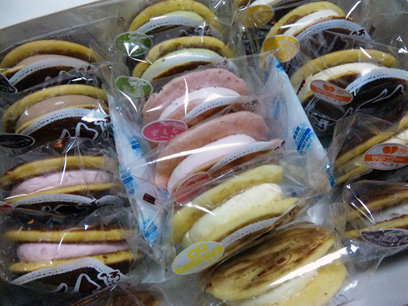
Traditional Japanese Cake-Dorayaki: The Basics

DORAYAKI-1

Dorayaki, a traditional Japanese cake which combines many traditions and gastronomies has been a delicacy for such a long time in this country that it has expanded to the point of crossing all seas and oceans.

This posting is only a summary of common knowledge but I hope it will help many to understand the delicacy and make it themselves for the pleasure of all, adults and children alike!

I will eventually post a basic recipe for it!

DORAYAKI-2

Dorayaki (どら焼き, どらやき, 銅鑼焼き, ドラ焼き) is a type of Japanese confection which consists of two small pancake-like patties made from castella wrapped around a filling of sweet red bean paste (anko/餡子).
Incidentally Castella (カステラ, Kasutera) is a popular Japanese sponge cake made of sugar, flour, eggs, and starch syrup, very common at festivals and as a street food.
Now a specialty of Nagasaki, the cake was brought by way of Portuguese merchants in the 16th century.

It originally only had one layer, and the current shape was invented in 1914 by the Ueno Usagiya.
In Japanese, dora (銅鑼) means “gong”, and because of the simililarity of the shapes, this is probably the origin of the name of the sweet.
Legend has it that the first Dorayaki were made when a samurai named Benkei forgot his gong (dora) upon leaving a farmer’s home where he was hiding and the farmer subsuquently used the gong to fry the pancakes, thus the name Dorayaki.

In Kansai area, such as Osaka or Nara, this sweet is often called mikasa(三笠). The word originally means triple straw hat, but also an alternative name of Mount Wakakusa, a low hill with gentle slope located in Nara. Many local people picture the shape of this hill while eating a mikasa. In Nara, a larger mikasa of about 30 cm in diameter is famous.

DORAYAKI-3

Probably thanks to the French Macarons vogue, modern dorayaki also come in various colours, with the bean paste, usually made of red bean paste and sometimes of white bean paste, replaced with creams of many colours.

DORAYAKI-4

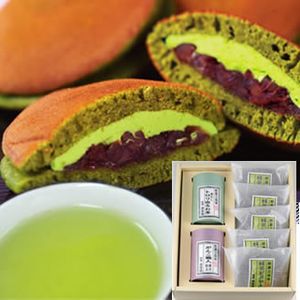
Here in Shizuoka Prefecture which produces half of all Japanese green tea, they make dorayaki with matcha (抹茶) tea, both in the castella and in cream combined with the anko/bean paste!

RECOMMENDED RELATED SITES:
Warren Bobrow
Bread + Butter
5 Star Foodie
Frank Fariello
Elinluv Tidbit Corner
Tokyo Terrace
Maison de Christina
Chrys Niles
Comestilblog
Greedy Girl
Bouchon For 2

Please check the new postings at:
sake, shochu and sushi

—————————————-
日本語のブログ
—————————————-
Today’s Lunch Box/Bento (’09/72): PC Crash Bento 3

BENTO-09-11-09a

I finally got my laptop back last Wenesday, but I was still left to deal with a big problem: a mail box overloaded with spams.
It took me hours to first download more than 100,000 spams (yes, you read right, one hundred thousand critters), 99% coming from only two single bots (spam robots)!
It took me half an hour to erase them just to sse them coming back!
I was seriously thinking of changing my mail address, a bothersome affair if there is any. Luckily I do have computer-wise (the old geezer isn’t) friends who told me to consult my provider directly. Which I did.
The company taught how to deal with a Japanese language filter box (their services are in Jpanese only), but it still took them almost half an hour to clean my mail box!
Anyway, I’m a bit wiser and cleverer now, and I can resume my blogging activities in tranquility!

BENTO-09-11-09b

Since she also needed to be careful about her own weight, the Missus has decided to maximize the veg part and minimize the high-calories items in my bentoes from now on!

BENTO-09-11-09c

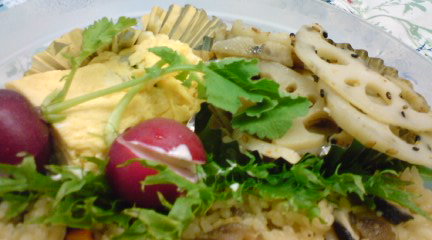
She steamed the rice withn vegetables including mushrooms and carrots that she mixed later with small pieces of fried chicken.

BENTO-09-11-09d

As for the garnish, on a bed of lettuce (grown in Shizuoka) she placed plenty of renkon/lotus root slices fried with black sesame, whole red radish (with their stems) and simple tamagoyaki/Jpanese omelette.

BENTO-09-11-09e

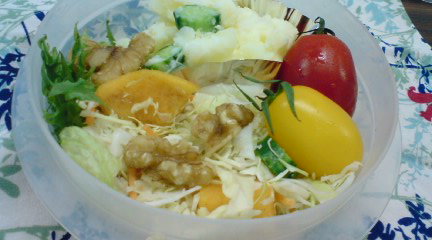
As for the salad cum dessert, on bed of shredded veg she placed a cople of plum tomatoes, pieces of jiro kaki/squat persimmon and some walnuts. She also added some lightly seasoned potato and cucumber salad for supplemetary calories.

Very tasty and just enough to hold on until dinner!

RECOMMENDED RELATED SITES:
Warren Bobrow
Bread + Butter
5 Star Foodie
Think Twice
Frank Fariello
Mangantayon
Hapabento
Elinluv Tidbit Corner
Tokyo Terrace
Maison de Christina
Chrys Niles

Please check the new postings at:
sake, shochu and sushi

—————————————-
日本語のブログ
—————————————-