Tag Archives: レシピ

Today’s Lunch Box/Bento (’09/43)

BENTO-09-06-22a

Mondays, for all the Missus’ grumpiness, see typical Japanese bentoes coming my way! Weekends mean busy days at work at my other half works for an orthodontist, meaning that most patients visit the clinic on weekends.
Although I did cook some tasty cold pasta and seafood salad for dinner last night, The Missus hadn’t forgiven me for not checking the wine avaibility!
A back massage this morning did some good in re-establishing a modicum of peace, though!

BENTO-09-06-22b

The main dish did take some work to do:

BENTO-09-06-22e

The rice was steamed with red miso-flavoured konbu/sweet seaweeed mix, making for the unusual colour of the musubi/rice balls.

BENTO-09-06-22d

The Missus’ specialty: Japanese-style (twice) deep-fried chicken with deep-fried renkon/lotus root chips (with some lemon handy).

BENTO-09-06-22c

Homemade pickles: Mini-melon with salt-preserved cherry blossom.

BENTO-09-06-22f

The salad was a very simple affair: lettuce and boiled string beans, “grated” carrots, mini tomatoes and walnut (was the last for dessert?)

Please check the new postings at:
sake, shochu and sushi

—————————————-
日本語のブログ
—————————————-

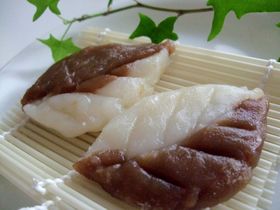
Japanese Cakes/Wagashi 12: Recipe-Dango/Sweet Dumplings

DANGO-1a
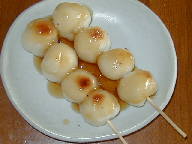
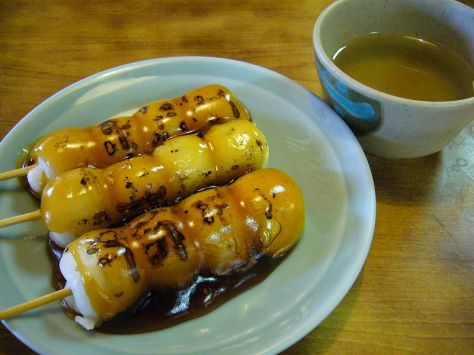
(Mitarashi Dango)

This simple recipe is particularly dedicated to my friends at Bouchonfor2, Bread + Butter, Eeyoreblues 27 and The Sophisticated Gourmet!

Japanese dango are not complicated, although it might be better to make a lot at a time!

INGREDIENTS:
-Rice (“Uruchi Kome”/normal Japnese round rice): 200g
-Water (for dango): 130cc
-Water (for sauce): 60cc
-Cornstarch: 1 teaspoon
-Sugar: 1 teaspoon
-Soy sauce: 2 teaspoons

RECIPE:

DANGO-RECIPE-1

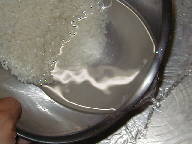
Wash rice thoroughly.
If rice is no-wash type, skip 3 first steps.

DANGO-RECIPE-2

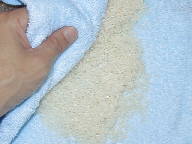
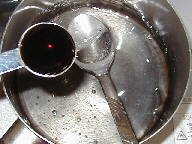
Once the rice washing water is coming out clean, drain rice and spread ontowel. Take off all excess humidity.

DANGO-RECIPE-4

Let the rice dry for two hours.

DANGO-RECIPE-3

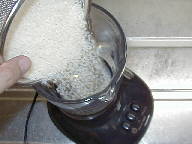
Pour rice in Blender/mixer. First work the blender for only a few seconds at a time until all the rice has been broken completeley. Then blend three times 15 seconds at a time.

DANGO-RECIPE-5

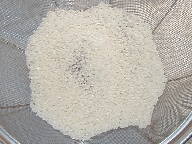
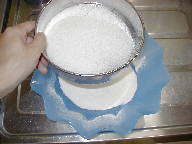
If the rice does not turn into powder easily, sift rice as many times as necessary until all rice has been reduced to powder.

DANGO-RECIPE-6

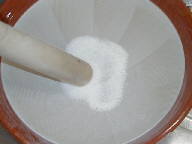
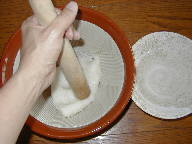
Finish the job with mortar and pestle.

DANGO-RECIPE-7

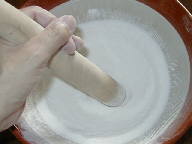
Once the rice has been reduced completely topowder, work the pestle in for 5 more minutes.

DANGO-RECIPE-8

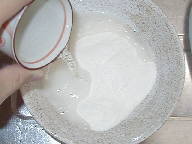
Add water and mix well with spoon.

DANGO-RECIPE-9

Divide into small portions and steam for 15 minutes.

DANGO-RECIPE-10

In a pan add cornstarch to water (for the sauce). keep stirring over a low fire. once the water has been become transparent add sugar and soy sauce and mix well until you obtain a smooth syrup. take off fire.

DANGO-RECIPE-11

Fill a glass with water and keep within arm’s reach.
Drop all the steamed dango paste into mortar.
Work dango paste with a wet wooden pestle.
Once the paste ahas been become sticky and elastic, form small balls (the operation should not last more than 10 minutes).
Wet them to prevent them from sticking to each other.

DANGO-RECIPE-12

Push a wet (important!) stick through the balls (4 or 5 at the most).
Grill the balls (or not) for better effect.
Serve them smeared with syrup.

Please check the new postings at:
sake, shochu and sushi

—————————————-
日本語のブログ
—————————————-

Japanese Cakes/Wagashi 11: Dango/Sweet Dumplings

DANGO-1a
(Mitarashi Dango)

Dango (団子) is a Japanese dumpling made from mochi-ko (rice flour), related to mochi. It is often served with green tea.
In Edo times, they were very popular at tea stands along the country roads.

Dango are eaten year-round, but the different varieties are traditionally eaten in given seasons. Three to four dango are often served on a skewer. One variety of dango from Hokkaidō is made from potato flour and baked with shoyu (soy sauce).

Types of dango:

There are many different varieties of dango which are usually named after the various seasonings served on or with it.

DANGO-2
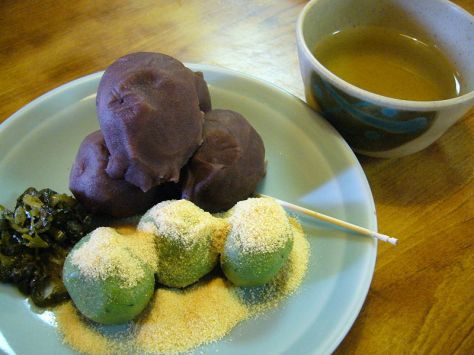
Chadango: Green-tea flavored Dango.

DANGO-4
Dango served covered with anko

Actually, if you want to write all about Dango, you’d need to publish a whole book!

Chichi dango: Slightly-sweet light treats usually eaten as a dessert.

DANGO-1
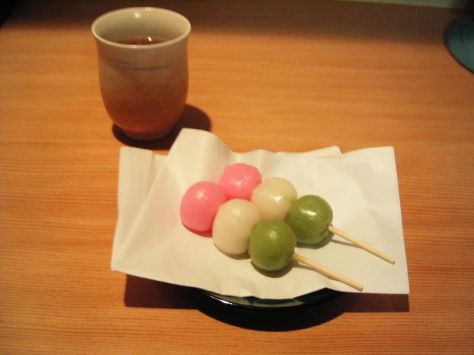
Hanami dango: Also has three colors, Hanami dango is traditionally
made during Sakura-viewing season. Hence the name Hanami (Hanami means “flower viewing”; hana meaning “flower”, and mi meaning “to see”).

DANGO-1b
Kushi dango: Dango held by a skewer

DANGO-3
Mitarashi: Covered with a syrup made from shouyu (soy sauce), sugar and starch.

Please check the new postings at:
sake, shochu and sushi

—————————————-
日本語のブログ
—————————————-

Japanese Dessert: Kakigoori/Shaved Ice with Syrup

KAKEKOORI-1

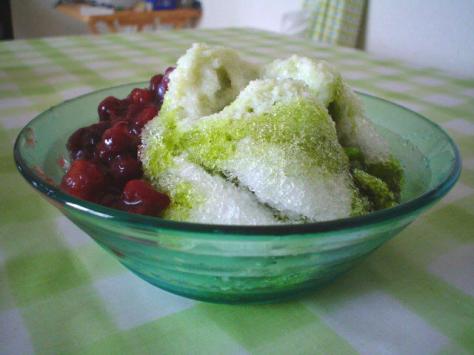
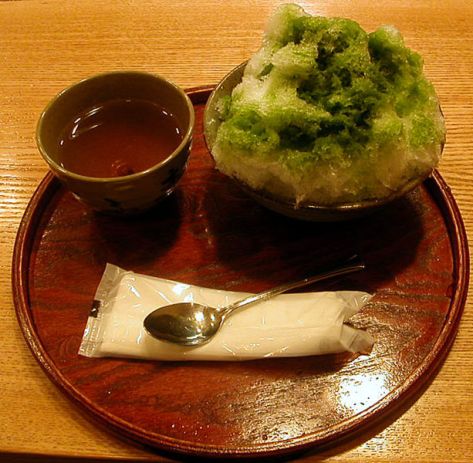
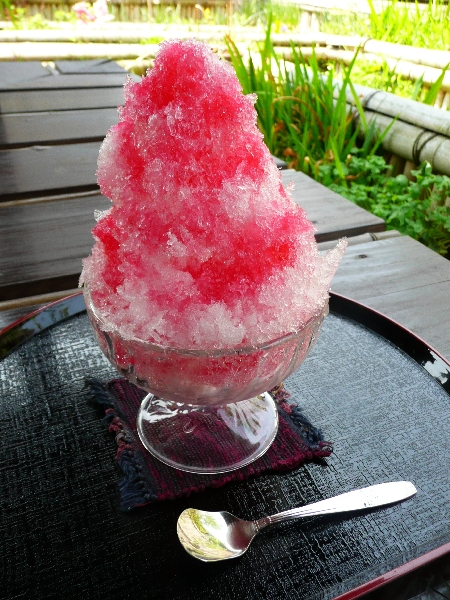
Kakigōri (かき氷) is a very popular Japanese dessert made from shaved ice flavored with syrup.
It was served for the first time in Kanagawa Prefecture in 1869!

KAKEKOORI-2

Popular flavors include: strawberry, cherry, lemon, green tea, grape, melon, “blue-Hawaii” sweet plum, and colorless syrup. Some shops provide colorful varieties by using two or more different syrups. To sweeten Kakigōri, condensed milk is often poured on top of it.

KAKEKOORI-3

It is nearly identical to a snow cone but can have a slightly rougher consistency and a spoon is almost always used. The traditional way of making kakigōri involves using a hand cranked machine to spin a block of ice over an ice shaving blade. However, electric ice shavers are most often used, though street vendors can still be seen hand-shaving ice blocks in the summer.

KAKEKOORI-4

In addition to the streets, kakigōri is also sold in festivals, convenience stores, coffee shops, and restaurants. During the hot summer months, kakigōri is sold virtually everywhere in Japan. Some coffee shops serve it with ice cream and sweet bean paste. Convenience stores may also sell it already flavored and packaged similar to ice cream.

KAKEKOORI-5

In other countries in East Asia, similar varieties can be seen.

Halo halo: Filipino shaved ice topped with sweetened beans, nata de coco and ice cream. “Halo-Halo” literally means “mix-mix” in the Tagalog language. Some shops in Japan also sell these sweets.
Bingsu (빙수) Korean shaved ice. The most popular kind is patbingsu. It is topped with sweetened red beans, canned fruits, and soybean powder. Many other varieties can be found throughout the country.
Bàobīng (刨冰) in Mandarin Pinyin or Chhoah-peng (剉冰) in Taiwanese POJ: Taiwanese shaved ice. There are many varieties in Taiwan. Some of them are topped with fresh fruits, fruits syrup and condensed milk. Some of them are topped with sweetened beans, glutinous rice balls and brown sugar syrup, while others will even use seafood. Some vendors use milk ice to make finer shaved ice, and some vendors may sometimes use a hand blade to shave block ice in order to produce rough crushed ice.
Ice kacang: Malaysia and Singapore Shaved ice topped with sweetened syrup of various colours and flavours, condensed and evaporated milk, and sometimes also durian pulp or vanilla ice cream. Beneath the ice sweetened red beans, canned fruit, attap seeds and grass jelly are usually added. Electric ice shavers are often used; though some vendors may use a hand blade to shave the ice in order to produce a rough texture. A variation of this would be Cendol which is shaved ice with sweet green coloured glutinous rice noodles drizzled with palm sugar it is usually accompanied with kidney beans and canned sweetcorn.
Nam Kang Sai: Thai Shaved Ice. In Thailand, this kind of cold dessert is very popular as well. The differences from other countries’ shaved ice is that in the Thai version the toppings (mixings) are in the bottom and the shaved ice is on top. There are between 20-30 varieties of mixings that can be mixed in. Among them are young coconut that have been soaked in coconut milk, black sticky rice, chestnuts,sweetened taro, red beans, sarim (thin strands of cooked flour that is very chewy and slippery) and many more.

Please check the new postings at:
sake, shochu and sushi

—————————————-
日本語のブログ
—————————————-

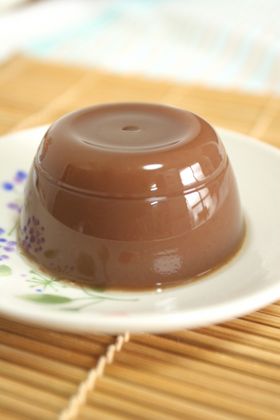
Japanese Cakes/Wagashi 10: Youkan: Easy Recipe-Mizu Youkan

MIZU-YOKAN-1

Youkan come in many guises. Here is an easy and ver basic recipe for “Mizu Youkan” that you will be able to adapt into many creations of yours! For vegans, vegetarians and omnivores!

INGREDIENTS:
-Boiled azuki beans: 1 can (430 g)
-Brown sugar: 60 g
-Salt: a pinch
-Agar agar Powder (“kanten” in Japanese): 4 g
-Water: 300 ml + 300 ml

RECIPE:

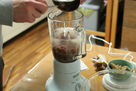
MIZU-YOKAN-2

Blend beans and 300 ml of water until smooth.

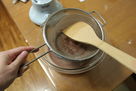
MIZU-YOKAN-3

Pass mixture through fine sieve.

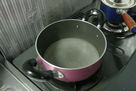
MIZU-YOKAN-4

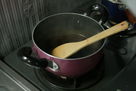
In 300 ml of water drop agara agar. Bring to boil, stirring at the same time. Then keep stirring vern medium fire for 1 minute.

MIZU-YOKAN-5

Switch off fire. Pour sugar and salt. Mix well. Add bean paste. Mix well.

MIZU-YOKAN--6

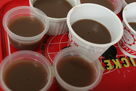
Pour in recipients of your choice (that is when the fun starts!) and let cool completely. Keep in fridge (not too cold, please). Take out of recipient and serve!

More recipes to come!

Please check the new postings at:
sake, shochu and sushi

—————————————-
日本語のブログ
—————————————-

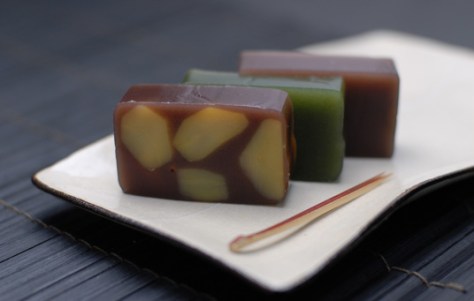
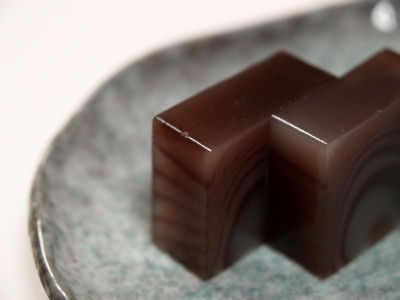
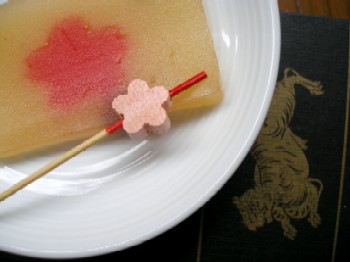
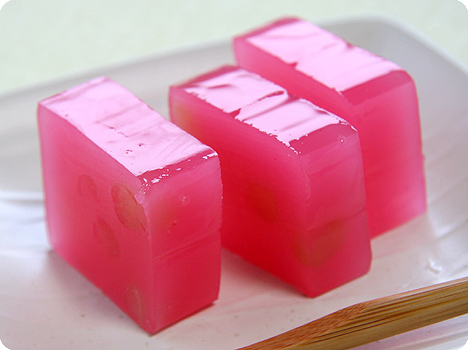
Japanese Cakes/Wagashi 9: Youkan

YOUKAN-JELLY

Here is another popular type of Japanese Wagashi fit for Vegans and Vegetarians: Youkan!

YOUKAN-MIZUYOKAN
Mizu Youkan

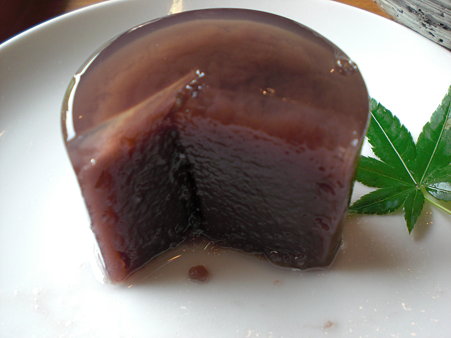
Yōkan (羊羹) is a thick jellied dessert made of red bean paste, agar (寒天/”kanten” in Japanese, and sugar. It is usually sold in a block form, and eaten in slices.

There are two main types: neri yōkan and mizu yōkan. “Mizu” means “water”, and indicates that it is made with more water than usual. Mizu yōkan is often chilled and eaten in summer.
Although most yōkan found in Japan and abroad are typically made with red bean paste, yōkan made from white kidney bean paste (しろあん, 白餡, shiro an in Japanese) are also relatively common. This type of yōkan is milky and translucent with a much milder flavour than that made of red bean paste.

YOUKAN-GREENTEAYOUKAN
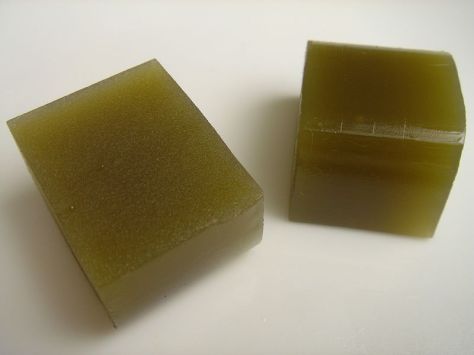
Tea Youkan

As such, they can be effectively flavoured and coloured by using green tea powder.

YOUKAN-TRICOLOUR

MizuyōkanYōkan may also contain chopped chestnuts, persimmons, whole sweetened azuki beans, figs, and sweet potato, among other additions. Sugar can be also be substituted with honey, dark brown sugar, or molasses to alter the taste of the yōkan produced. There is also shio yōkan, which uses small amounts of salt as a sweetener.

Other Pictures of Youkan:

YOUKAN-BICOLOUR

YOUKAN-CHERRY

YOUKAN-PINK

I will introduce an easy recipe soon!

Please check the new postings at:
sake, shochu and sushi

—————————————-
日本語のブログ
—————————————-

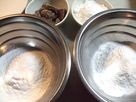
Japanese Cakes/Wagashi 8: Recipe-Beni Mochi

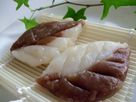
BENI-MOCHI-1

Here is a simple Japanese Cake/Wagashi Recipe that can be adapted to all shapes by vegans and vegetarians! Beni Mochi.
Beni Mochi, or 紅餅 in Japanese, means “Red Mochi”.

INGREDIENTS: 16 pieces

-Rice flour: 250 g
-White sugar: 80 g
-Water: 100 ml/half a cup (for white mochi)
-Brown sugar (take care in choosing the colour): 80 g
-Water: 100 ml/half a cup (for red mochi)

RECIPE:

BENI-MOCHI-2

Divide rice flour into two equal parts (125 g) and pour into two different bowls.

BENI-MOCHI-3

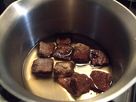
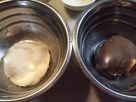
In a deep pan, drop red sugar and add water. Heat over fire until completed melted. Switch off fire. Add rice flour and mix well.
Repeat same procedure with white sugar.

BENI-MOCHI-4

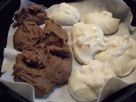
In a steamer, put mochi pastes (take care no to mix them) on a steaming paper and steam for 10 minutes.

BENI-MOCHI--5

Take out. Let cool. Make two balls and keep in different bowls.

BENI-MOCHI--6

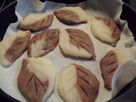
Shape the mochi as above or according to your preference. Put them back inside the steamer on steming paper and steam for 10 more minutes.

BENI-MOCHI--7

Let cool and serve!
Are best enjoyed with Japanese tea, hot or cold!

Please check the new postings at:
sake, shochu and sushi

—————————————-
日本語のブログ
—————————————-

Today’s Lunch Box/Bento (’09/42)

BENTO-09-06-16b

After yestreday’s small tour de force, the Missus wanted to take a break and make things simple!

BENTO-09-06-16a

I think I can qualify today’s “bento” as “American/French Lunch”!

BENTO-09-06-16d

The reason is the enormous sandwich prepared with a French baguette!

BENTO-09-06-16e

Mind you, the filling was a healthy fusion of home-made chicken ham, boiled egg salad and cornichons!

BENTO-09-06-16c

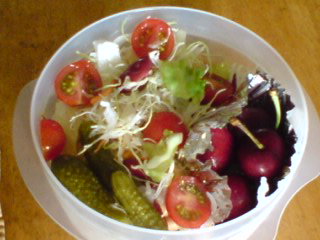
The salad was Japanese in concept: shredded vegetables, deep-fried renkon/lotus root chips, lettuce and mini tomatoes.

American Darkk Cherries for dessert.
Quite voluminous, maybe fitter for a young sportsman!

Please check the new postings at:
sake, shochu and sushi

—————————————-
日本語のブログ
—————————————-

Today’s Lunch Box/Bento (’09/41)

BENTO-09-06-15a

I must admit that the Missus worked hard toady to create a slightly different bento, albeit using the same ideas!

BENTO-09-06-15b

She opted for the healthy and fulfilling combination of maki/rolls and tamagoyaki/Japanese omelette.

BENTO-09-06-15d

Having steamed the rice (she added a piece of konbu/seaweed today), stirred and cooled it, she mixed in a generous amount of tobikko/flying fish roe, “white” and black sesame seeds. She then made sushi maki with fresh lettuce instead of seaweed, and placed smoked salmon and avocado in the middle (she had them with lemon juice beforehand). Californian Bento? LOL

BENTO-09-06-15c

As for the tamagoyaki, she made it according to my request: She mixed the eggs with fine pieces of pimento and chopped thin leeks. The result? Spanish Tamagoyaki or Japanese Tapas? I leave it to yuo!LOL

BENTO-09-06-15e

As for the salad: shredded vegetables, mini tomatoes, French cornichons.
Got American dark cherries for dessert!

High-class bento, I must admit!

Please check the new postings at:
sake, shochu and sushi

—————————————-
日本語のブログ
—————————————-

Today’s Lunch Box/Bento (’09/40)

BENTO-09-06-08-a

It was back to classical” bento today!
That is rice topped with all kinds of ingredients!

BENTO-09-06-08-c

For once I managed to steal into the kitchen to take a quick pic of the rice being steamed with the beans!

BENTO-09-06-08-b

It was a pretty voluminous bento as you can see!

BENTO-09-06-08-d

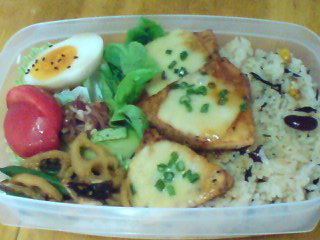
As for the main meat the Missus fried slices of tuna in soy sauce and covered with cheese and chopped thin leeks.

BENTO-09-06-08-e

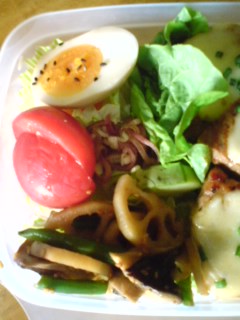
The rest of the garnish consisted of renkon/lotus roots, shiitake and stringbeans fried together in the same pan as the tuna. She added a fresh plum tomato, boiled egg seasoned with black sesame, home-made piclled mini melons and myoga and lettuce. I probably forget something!

BENTO-09-06-08-f

Chopped veg salad with pieces of lettuce and walnuts and cherries from Yamanashi Prefcture for dessert!

I can guarantee you I was full after that!

Please check the new postings at:
sake, shochu and sushi

—————————————-
日本語のブログ
—————————————-

Today’s Lunch Box/Bento (’09/39)

BENTO-09-06-07a

For once, The Nissus madebento with “men/Japanese-Chinese Pasta”!

BENTO-09-06-07b

The principle is to boil “ramen” and strain them through a “zaru/sieve” for them to become “zarumen”.

BENTO-09-06-07c_0001

At the office I piured the two different sauces and chopped thin leeks on the cole “zarumen” before eating them.

BENTO-09-06-07c

As for the garnish, the Missus prepared “Tamagoyaki/Japanese Omelette, “Chicken Kaarage/Japanese style deep-fried chicken” (note the black sesame seeds coating), boiled “ingen mame/string beans”, a large plum tomato and home-made cucumber and myoga pickles.

She didn’t forget the dessert: banana!
Plenty and enough, I can tell you!

Please check the new postings at:
sake, shochu and sushi

—————————————-
日本語のブログ
—————————————-

Today’s Lunch Box/Bento (’09/38)

BENTO-09-06-02d

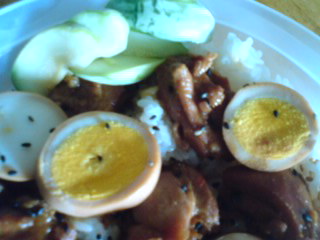
The Missus started devising and prapring today’s bento last night when she stewed the chicken, with the firm idea to taste it herself at home by herself toady!LOL

BENTO-09-06-02a

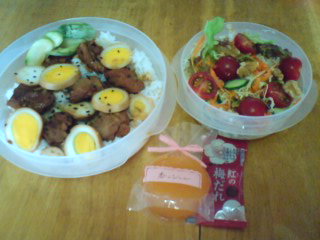
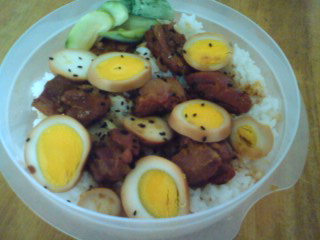
She first boiled eggs before taking care of the chicken. The chicken was first fried then slowly simmered with the eggs in the Chinese shashu pork style with soy sauce, sake, star anise and I don’t know what secret (don’t expect me to ask her, or it will start another argument!). She provided home-made pickled mini melons for the “salty additive”.

BENTO-09-06-02e

It was basically only light reheated when the chicken and sliced boiled/simmered eggs were placed on freshly steamed plain rice. She added some of the “juices” to season the rice and topped it with a goodmeasure of black sesame seeds.

BENTO-09-06-02b

the salad was a simple affair of chopped greens with mini tomatoes and a few walnuts.

BENTO-09-06-02c

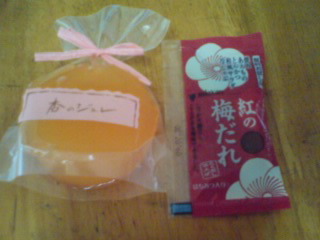
Finallly, I was provided with “ume tare/pickled plum vinaigrette” for the slad, and apricot jelly for dessert.

Ma ma yokatta!/Not bad!
Please check the new postings at:
sake, shochu and sushi

—————————————-
日本語のブログ
—————————————-

Today’s Lunch Box/Bento (’09/37)

BENTO-09-06-01-a

I’m always looking forward to bento on Monday, although the Missus tends to demur, as they usually see some research and new ingredients!

BENTO-09-06-01-b

This time, the Missus opted for “musubi/hand-made rice balls, of two kinds:

BENTO-09-06-01-c

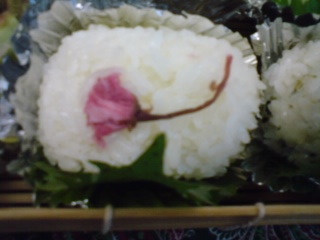
One was plain rice with a whole salt-preserved Sakura no Hana/Cherry blossom (above pic).
The other one was plain steamed rice mixed with chopped shiso/perilla leaves, hijiki/sweet seaweed and white sesame seeds.
All musubi were envelopped in ooba/large perilla variety leaves.
She added home-made pickled myoga and pickled mini-melaons with white sesame seeds.

BENTO-09-06-01-d

As for the garnish, I got renkon/lotus roots fried with black sesame and katsuo bushi/bonito dry shavings, Boiled green and white asparaguses, home-made chicken ham with British chutney and lettuce, tamagoyaki/Japanese omelette (for dessert!) and plum tomatoes.

Plenty to eat!

Please check the new postings at:
sake, shochu and sushi

—————————————-
日本語のブログ
—————————————-

*_All-you-can-eat_

lojol

This is an article written by my good friend, Patrick Harrington on this popular if quaint Japanese institution called Viking Bar or Resturant!

‘Viking with a drink bar’*

What image is conjured by these words? A wild Norseman who runs a pub?
An even wilder Norseman who has been ordered not to drink?

To someone in Japan a ‘viking’ is an all-you-can-eat meal, and a ‘drink
bar’ refers to the option of unlimited drinks. This is very popular in Japan and comes in various forms.

My favorite is the breakfast buffet, especially when on vacation. It
expands into a huge brunch. If I slip a couple of bread rolls into a bag
I can skip lunch and enjoy an uninterrupted day of leisurely sightseeing.

Then there is ‘lunner’, the lunch/dinner combination, which again
affords the opportunity to skip a meal. And if you time it just right
you can pay the cheaper lunch-time price and get to try some dishes from the more extensive dinner menu.

And then there are the specialist buffets. I once had an afternoon cake buffet in Harrods of London. The array of mouthwatering delights was so dazzling that I just had to sample at least one of each. I walked out so bloated that I didn’t eat a thing until dinner the following day, a full 24 hours later.

*So how do you fell about all-you-can-eat establishments?*
This concept has quite an attraction for customers and proprietors alike.

Waiters are not needed, the only service being the collection of
crockery and cutlery, though in many places the customers do this too.
In addition there is no need for the cooks to prepare individual dishes,
so many more customers can be accommodated. There are cost savings all round.
There is also the obvious advantage of a wide variety of food. We can
choose more of what we like, avoid what we dislike and experiment a
little too. We can decide to have our onion soup after dessert, we can
have strawberries with our salad, and we don’t have to wait for coffee.
In short it’s culinary freedom.

I must admit to having taken advantage of these places more times than I care to remember.

Because we all know there is a big downside. In many places the
all-you-can-eat deal is just that: a low-cost, low-quality,
high-temptation binge-fest: the rush to get the last of the fried
potatoes, the hustle when the chocolate gateau apears. I’m sure this
kind of thing brings out the hunter-gatherer instincts in us. And our
instincts also tell us that bingeing cannot be good, indeed the perils
are widely documented.

*But it doesn’t have to be like this!*

It _is_ possible to prepare good quality food. It _is_ possible to
provide an attractive balance and variety of dishes. It _is _possible
for cost-savings to be made. And it _is_ possible for customers to eat
and drink sensibly in a cordial atmosphere.

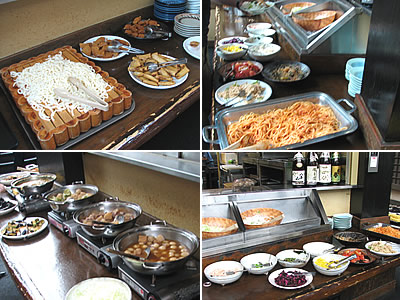
There is a ‘viking with a drink bar’ on the 7th floor of the Parco
Department Store in Shizuoka City. Much of the food is local and
organic, and the sake is local too. The dishes are seasonal, in some
cases original, and the taste ranges from very good to excellent. The
ambience has a rather quaint, traditional woody feel, not a plastic
chair in sight, and here is the kicker: the customers talk to each other!

Even the wildest Norseman would be placated in such a place.

If it can be done by a department store it can be done by anyone.
VIKING
(Japanese Hotel Viking Restaurant Sample)

Please check the new postings at:
sake, shochu and sushi

—————————————-
日本語のブログ
—————————————-

Today’s Lunch Box/Bento (’09/36)

BENTO-09-05-26a

Yesterday we had an earthquake in Shizuoka, but everybody is OK!
Thanks to all for the concern!
A Friend actually suggested to call it the Earthquake Bento of the Day!LOL
The fact is that it did stimulate the Missus into cooking a lot this morning.
Incidentally, even Kamran could eat it as it was cooked with olive oil!

BENTO-09-05-26b
Please check the new postings at:
sake, shochu and sushi

Once again, as there was very little shopping done yesterday, the Missus foraged inside the fridge and came up with the following:

BENTO-09-05-26c

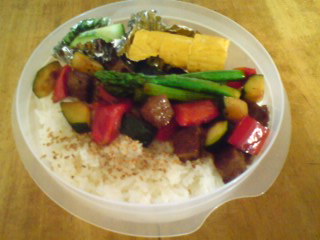
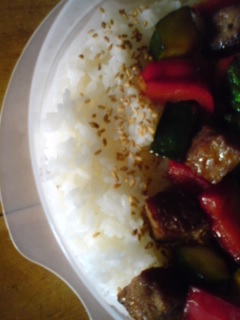
The rice was plain steamed rice but sprinkled with plenty of rasted sesame seeds.

BENTO-09-05-26d

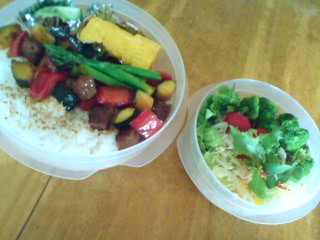
For the arnish, she fried “Saikoro/cubes” of beef, zucchini, red mild pimentoes and mini asparaguses together (in that order?). She prepare “Tamagoyaki/Japanese Omelette” and added some home-made min-melon pickles.

BENTO-09-05-26e

As for the salad, almost the same as yesterday: On a bed of shredded greens, boiled broccoli, lettuces, green leaves and Shizuoka-grown Ameera rubbins mini tomatoes (as the latter are very sweet, I supose they made for my dessert! LOL)

Please check the new postings at:
sake, shochu and sushi

—————————————-
日本語のブログ
—————————————-