Tag Archives: 美食

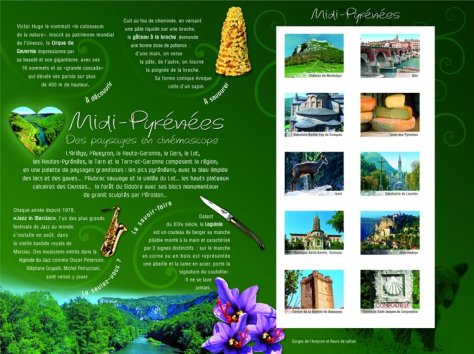
French Gastronomy on Stamps (22): Pyrenees

timbres-gastronomie-pyrenees

France has issued many stamps on food (not foodstamps!) on her own gastronomy for quite some time.
A new series will be issued on April 25th and wil be printed in the form of mini-sheets dedicated to a particular region with stamps, pics and explanations.
With the twenty-first of these sheets I’d like to introduce is Pyrenees.

The Pyrenees is the area bordering the mountains separating France from Spain. My own mother came from the Gers near Auch.
In this particular case we talk about the area stretching from the south of the Central mountains to the Basque shores.
A rugged land with rugeed people, it is the land of rugby players.
No wonder people have some of the biggest appetites in France!

This sheet shows an interesting specialty: Gateau a la Broche, a soft cake cooked around a spit over a hot fire. Only takes a few hours to make!
Cheese, especially ewe cheese has to be tasted. In Basque country, they serve it in thin slices with cherry jam!
There are many succulent almost wines to be discovered along with foie gras.
Chocolate was first introduced to France by Basque sailors as well as chili peppers which are presently known as Espellettes.
Cassoulet is another specialty for big appetites. It takes at least four hours to cook the beans with tomatoes and pork (or duck, or goose)!

It is also the land of the Cathares which were wiped out during the Albigeois Crusade. Innumerable castles are still there to be seen along the mountains. Artists will be interested to know that Toulouse-Lautrec was born in Albi, not far from Toulouse!

————————-
Please check the new postings at:
sake, shochu and sushi

—————————————-
日本語のブログ
—————————————-

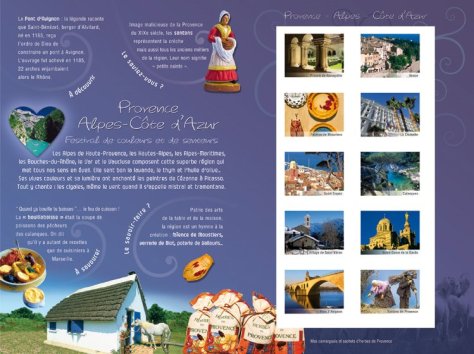
French Gastronomy on Stamps (21): Provence-Cote d’Azur

timbres-gastronomie-provence-alpes-cotedazur1

France has issued many stamps on food (not foodstamps!) on her own gastronomy for quite some time.
A new series will be issued on April 25th and wil be printed in the form of mini-sheets dedicated to a particular region with stamps, pics and explanations.
With the twenty-first of these sheets I’d like to introduce is Provence-Cote d’Azur.

Provence is called such because it was the first “provincia/colony” officially recognized by the Roman Empire. Cote d’Azur is called such for its blue skies altough Italy claims the same with justification. After all Nice was still Italian until the second half of the XIXthe Century!

On this sheet you can see culinary specialties univesally known:
-Bouillabaisse, although the original one was only fish soup served with toasts (and mayonnaise if your were lucky, as this was a poor man’s food!).
-Herbs of Provence both used for food and perfume.

Other produce include olive oils, lavender, thyme and other herbs, and wine of course.
This particular land was fought over the ages not so much for its wealth, but for its harbours and wood. The Roman in fact cut the whole forest extending all over it 2,500 years to build their ships.
Reforestation was only begun in very late XIXth century!

had it not been for its tourist industry that was launchd after WWII, it could have stayed one of the poorest regions of France!

————————-
Please check the new postings at:
sake, shochu and sushi

—————————————-
日本語のブログ
—————————————-

English Sake Brewer Master in Japan: Phillip Harper (3) (Postnotes added!)

tetsukezu

A lot has been written and will be written both here in Japan and abroad on Phillip Harper as he has, with the likes of John Gauntner, Timothy Sullivan and Melinda Joe, established himself as one of the references proving once for all that Japanese sake has at last expanded beyond the confines of this island for the good of all.
It is only a question of time when sake breweries will become a part of life like wine and beer abroad as demonstrated by the five existing branches of large Japanese breweries in the United States employing a full American staff and Moto I, the entirely owned and run American Sake Brewery.

harper-1

What makes the difference is that Phillip has gone as far as becoming the only foreign sake “toji”/master brewer in a Japanese brewery, namely Ki no Shita Brewery in Kyoto Prefecture!
An Oxford graduate hailing from Cornwall, it took him 18 years of sheer courage and guts to break into the closely guarded world of Japanese sake to gain recognition and earn his master brewer status in 2001.
The media (including The Los Angeles Times) finally take good note of his achievements when he was formally asked by Owner Yoshito Kinoshita to become his new Master Brewer (incidentally Phillip had already held that position in Osaka for two years).

This the third of the three bottles I received from his fans in Tokyo. That particular one was sent to me by Melinda Joe.

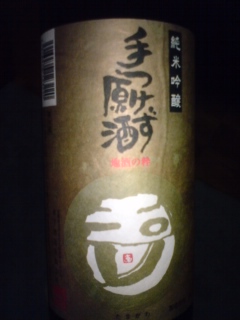
Kinoshita Brewery, Tamagawa, Tetsukezu Genshu Junmai Ginjo
Rice: Gohyakumangiku
Rice milled down to: 60%
Alcohol: 18~19 degrees (high as it is a genshu/unaltered alcohol contents)

Clarity: Very clear
Colour: Transparent
Aroma: Fruity, elegant. Strawberries, apricot.
Body: Velvety
Taste: Strong attack backed by alcohol.
Shortish tail. Warms up back of the palate.
Complex. Junmai tingle.
Fruity and dryish: apricots with hints of strawberries, almonds and macadamia nuts.
Elegant.
Dry almonds making a regular comeback.
Holds its own well with food, but revealing different facets, especially strawberries with a dry finish.

Overall: Elegant and easy to drink in spite of high alcohol contents.
For once, similar to Shizuoka-brewed sake.
Combines fruitiness and dryness into a remarkably palatable (eminently drinkable) creation!

PHILLIP’S COMMENTS:

The specs for that sake are:

SMV +4, Acidity 1.7, Amino Acids 1.5, Alcohol 18.7.

It was brewed with the same organic rice used to make the Konotori kimoto you reviewed the other day – at 60% polish this time.
Though it doesn’t seem to have made an impression on you, that sake isslightly effervescent. Bubbly sake is usually made either by refermenting in the bottle (like Champagne…), or injecting gas into the sake itself. Oh,and a few people do a kind of sparkling wine thing with secondary fermentationin tanks. Tetsukezu bubbles are different, because they derive from the originalfermentation in the mash itself. We trap them in by a secret method that I can’t
reveal, except to say that it is as high-tech as all the other stuff we do at Tamagawa.

Regards, Philip

———————————
Must-see tasting websites:
-Sake: Tokyo Through The Drinking Glass, Tokyo Foodcast, Urban Sake, Sake World
-Wine: Palate To Pen
-Beer: Good Beer & Country Boys, Another Pint, Please!
-Japanese Pottery to enjoy your favourite drinks: Yellin Yakimono Gallery
———————————————–
Please check the new postings at:
sake, shochu and sushi

—————————————-
日本語のブログ
—————————————-
French Cake: Tourteau Fromager

tourteau-1

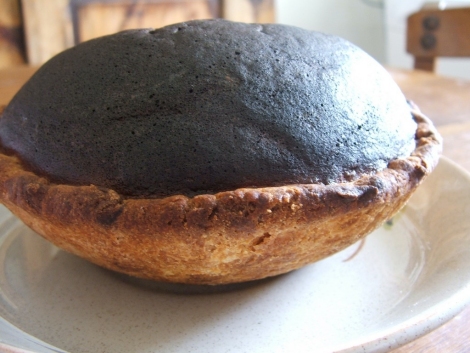
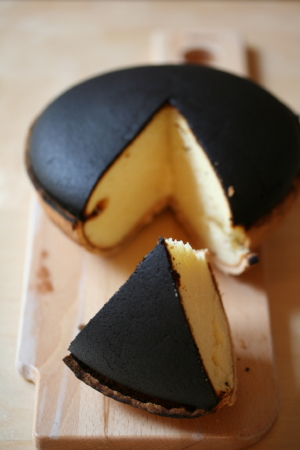
Following a discussion with my good Foodbuzz Friend, Jennifer Razon, about the Tourteau Fromager Cheese cake mentiond on my last posting on French Gastronomy on Stamps (No 20: Poitou-Charente), I decided it was best to introduce the recipe (with the help of Wikipedia) for all our friends’ benefit!

tourteau-2

Tourteau Froamger is an ancient French regional Pastry/cake from Poitou Region, not to be confused with “tourtons”, which are mountain cakes.

Ingredients:

-Very fresh cheese (in Poitou it is fresh goat cheese, just out of the dairy. Similar to Fromage blanc. Goat cheese is best, but mixed with Cow cheese is fine, too. Cow’s fromage blanc is fine, too!): 200 g
-Sugar: 150 g
-Flour: 50 g
-Egg yolks: 4
-Yeast: 1 teaspoon
-Bitter Almond (amande amère) extracr: a few drops
-Beaten egg whites: 4
-Pâte brisée

tourteau-3

Pate Brisee recipe (Shortcrust pastry recipe):
Ingrédients
Flour: 200 g
Butter: 125 g
Sugar: 100 g
Oil: 20 cc
Water: 200 cc
Alt: a pinch

Pour the flour into a large bowl and “dig a well” in the center.
Pur oil in well.
Add butter (the butter is soft, never melted!).
Add Sugar and salt.
Knead the whole as to form a ball.
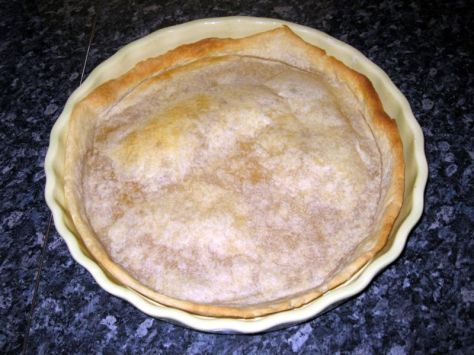
Spread on oven paper inside cake dish.
Cook in oven until hard enough.
Take out and let cool completely.

Utensil:
Use a high and round Mold made of metal.

Recipe:

Mix cheese and sugar. Once the mixture is homogeonous (regular), add eggs and the flour/yeast mixture.
Pour inside Pate Brisee/Shortcrust pastry and let rest for a couple of hours.

Then cook for 1 hour (mderate) or 45 minutes at 180 Celsius degrees (hot).
Once cooked, the cake appears as seared black outside, but this is only a thin layer over a soft body. It will protect your cake for a good deal of time.
The French eat it as it is, but you might want to scrape the black ayer away.

All traditional recipes are slightly ifferent from home to home. This is an example you can work on!

Please check the new postings at:
sake, shochu and sushi

—————————————-
日本語のブログ
—————————————-
French Gastronomy on Stamps (20): Poitou-Charente

timbres-gastronomie-poitoucharente

France has issued many stamps on food (not foodstamps!) on her own gastronomy for quite some time.
A new series will be issued on April 25th and wil be printed in the form of mini-sheets dedicated to a particular region with stamps, pics and explanations.
With the twentieth of these sheets I’d like to introduce is Poitou-Charente.

Poitou Charente includes Poitou and Poitiers, the theatre of great battles during the 100 Years War. It also includes Cognac and its brandies, hence a very strong English influence also found in La Rochelle, the capital of Charente. Ile de Re/Re Island was the place where Protestants had to leave France under Louis XIV’s reign. I actually found 14 families there (population: 2,500) bearing my surname (I was born Catholic, but my surname was mainly Huguenot)!
Ile de Re was also the final departure from France for many forced laborers who left for French Guyana.

It has an extremely rich culinary tradition.
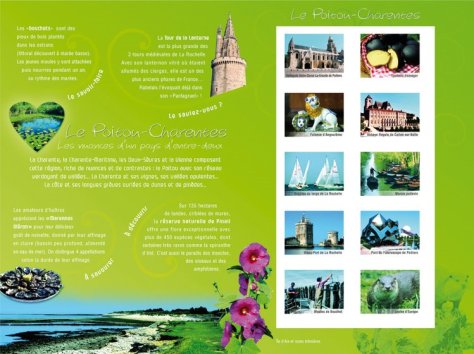
On the sheet you will notice:
-Oysters (marennes in particular)
-Tourteau Fromager, a succulent cake made with local cheese.

You must also include superlative seafood (including shark!), cheeses (especially goat cheese!), and spirits (not only Cognac, but Pineau and wines).
Visit La Rochelle and Ile de Re for its food and great sea resorts!

————————-
Please check the new postings at:
sake, shochu and sushi

—————————————-
日本語のブログ
—————————————-
Shizuoka Beer 7/2: Hansharo Beer/Kurayanarusawa Brewery-Tarozaemon

tarozaemon

The weather having definitely turned warmer, I just becomes too difficult to get away from real beer! Time again to delve back into more Shizuoka micro-breweries brews!
The Good Beer and Country Boys in Nagoya will get tempted!

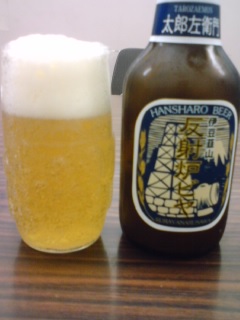
This particular brew, “Tarozaemon is another Pilsen type by Kurayanarusawa in Izu-Nagaoka (Izu no Kuni City in Izu Peninsula)

Hansharo Beer/Kurayanarusawa Brewery-Tarozaemon
Ingredients: Grain Malt, Hops, Yeast
Alcohol: 5%
Contents: 300ml
Live yeast, unfiltered, unpasteurized.

Clarity: Very clear
Colour: Golden
Foam: Long head, fine bubbles
Aroma: Dry, oranges, bread
Taste: Shortish tail. Dry. Oranges, bread.
Solid, refreshing impression

Overall: Very refreshing, easy to drink. Thirst-quaffing.
Light, but solid.

Kurayanarusawa Brewery
Shizuoka Ken, Izu no Kuni Shi, Naka, 272-1
Tel.: 055-949-1208
Sales on site or through the Internet (Japanese)
Visits possible
Restaurant on site

———————————
Must-see tasting websites:
-Sake: Tokyo Through The Drinking Glass, Tokyo Foodcast, Urban Sake, Sake World
-Wine: Palate To Pen
-Beer: Good Beer & Country Boys, Another Pint, Please!
-Japanese Pottery to enjoy your favourite drinks: Yellin Yakimono Gallery
————————

Please check the new postings at:
sake, shochu and sushi

—————————————-
日本語のブログ
—————————————-
French Gastronomy on Stamps (19): Picardie

timbres-gastronomie-picardie

France has issued many stamps on food (not foodstamps!) on her own gastronomy for quite some time.
A new series will be issued on April 25th and wil be printed in the form of mini-sheets dedicated to a particular region with stamps, pics and explanations.
With the nineteenth of these sheets I’d like to introduce is Picardie.

Picardie for a long time moved along local politics and alliances moving from hands to hands, Englis, Burgundian, Spanish and French. Its inhabitants still feel very independent and resent outside authority.
It is a very rich and traditional culinary region based around its famous beers.

The sheet here features the Tare au Maroilles, a kind of Quiche made with Maroilles Cheese. The same cheese can be ooked in beer like a Welsh rarebit.
The Flemiche Picarde comes in various shapes but is basically a gratin containing endives and pork.
The region is also famous for a rare plant called salicorne or sea bean, which grows in salted water. It is not a seaweed and can be savoured in many ways.

Picardie is also famous for its cakes like Gateau battu and all kinds of biscuits, eels, pates and terrines. This rgion can go through severe winters, so its people need a hearty food!

————————-
Please check the new postings at:
sake, shochu and sushi

—————————————-
日本語のブログ
—————————————-
French Gastronomy on Stamps (18): Pays de la Loire

timbres-gastronomie-paysdelaloire

France has issued many stamps on food (not foodstamps!) on her own gastronomy for quite some time.
A new series will be issued on April 25th and wil be printed in the form of mini-sheets dedicated to a particular region with stamps, pics and explanations.
With the eighteenth of these sheets I’d like to introduce is Pays de la Loire.

The Pays de la Loire means the lower half and the atlantic region it goes through.
In the Middle Ages it was the richest region of “France” and king ransoms were paid with silver pounds minted in Tours and Angers with controlled the very bridges across a very large river.

There is an incredible abondance of culinary specialties.
You will discover the following on the sheet:
-Oysters which will foundtheir way on Paris tables.
-Brioche vendeens, copied all over the World.Fleur de Sel/Salt Flower
-Petit Beurre Natais, another biscuit known all the World.
Don’t forget the numerous wines along the River Loire to be drunk with a plate of eels.
Discover the Pommeau and other spirits shared with the neighbouring charente region.

A resort area wher you sometimes spekmore English than French!

————————-
Please check the new postings at:
sake, shochu and sushi

—————————————-
日本語のブログ
—————————————-
French Gastronomy on Stamps (17): Paris

timbres-gastronomie-paris

France has issued many stamps on food (not foodstamps!) on her own gastronomy for quite some time.
A new series will be issued on April 25th and wil be printed in the form of mini-sheets dedicated to a particular region with stamps, pics and explanations.
With the seventeenthth of these sheets I’d like to introduce is Paris.

I have doubts as whether Paris can be called a “region”. It has at least the merit ot offer gastronomy from the whole of France for visitors who don’t the time to venture out of its borders.

It counts some of the best tables (for a price) in France.
Paris was the first city in France to serve the ubiquitous Baguette, often called “Parisienne”, after marie-Antoinette introduced it from her native Austria together with the Croissant and cafes.

Did you there is is vineyard inside Paris?

I agree that Paris has a ot to show, although it hasn’t regained the safety of old times. The bistros at least would warrant a long stay!

————————-
Please check the new postings at:
sake, shochu and sushi

—————————————-
日本語のブログ
—————————————-
French Gastronomy on Stamps (16): Nord-Pas de Calais

timbres-gastronomie-nord-pasdecalais

France has issued many stamps on food (not foodstamps!) on her own gastronomy for quite some time.
A new series will be issued on April 25th and wil be printed in the form of mini-sheets dedicated to a particular region with stamps, pics and explanations.
With the sixteenthth of these sheets I’d like to introduce is Nord-Pas de Calais.

“Nord” stands for the Northern part of France south of Belgium and “Pas de Calais” is the coastline directly facing Dover, England.
The last possession of our English cousins at the end of the 100 Years War, it is both a rich agricultural and industrial region.
The culinary specialies featured here are:
-Maroilles, one of its most famous cheeses.
-Betises de Cambrai/Cambrai’s stupidities, probably the most renown French bonbon/sweet!
-Cickory, used instead of coffee or tea even now!

The sea and the coastline provide for many varieties of fish and shellfish, notably mussles (also featured on this sheet!) whose recipes we copied from our Belgian neighbours (including frites/fried potatoes!).

In winter, visit the numerous harbours, castles and farmsteads. In summer join the British on the beaches!

————————-
Please check the new postings at:
sake, shochu and sushi

—————————————-
日本語のブログ
—————————————-
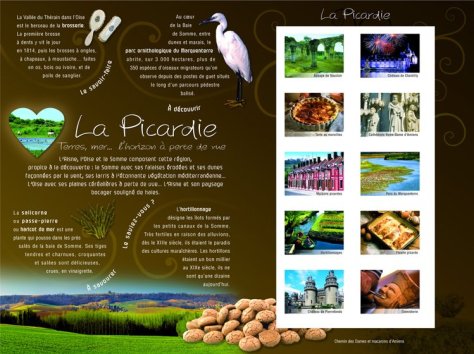
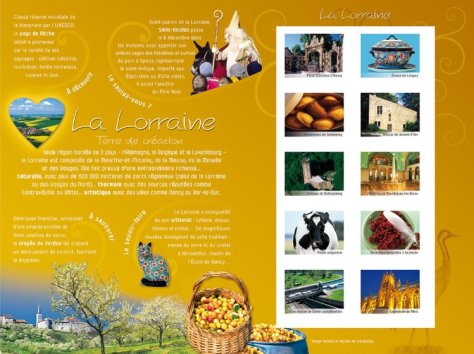
French Gastronomy on Stamps (15): Lorraine

timbres-gastronomie-lorraine

France has issued many stamps on food (not foodstamps!) on her own gastronomy for quite some time.
A new series will be issued on April 25th and wil be printed in the form of mini-sheets dedicated to a particular region with stamps, pics and explanations.
With the fifteenthth of these sheets I’d like to introduce is Lorraine.

Lorraine has always been a “disputed” region. It even became a “Kingdom in Exile” when Louis XIV gave it to King Stanislas of Poland, then bringing a touch of French grandeur still witnessed in Stanislas Square in Nancy.
When Charles the Bold, Duke of Bourgogne died there in his last battle, it sealed the fate of Bougogne inro the hands of the French King.
It changed hands no less than three times because of the modern conflicts between France and Germany.

Among its culinary specialties you can find on the sheet:
-Mirabelles. Now available in grocery stores in France, Germany and elsewhere, they almost completely disappeared and were succefully re-grown in Lorraine.
-Madeleines cakes created by a local pastry chef in the name of his mother (Mine had the same name, too!) when she was bed-riddden.
-Milk in Lorraine helps produce superlative cheese.

But Lorraine is known all over the World for its artists such as Galle and Daum! A visit to the numerous museums of the region (glass, enamel, etc.) is a must before you venture into its great restaurants!

————————-
Please check the new postings at:
sake, shochu and sushi

—————————————-
日本語のブログ
—————————————-
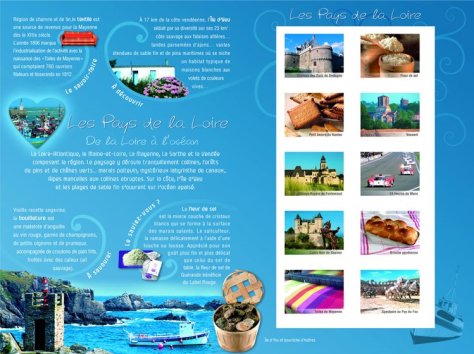
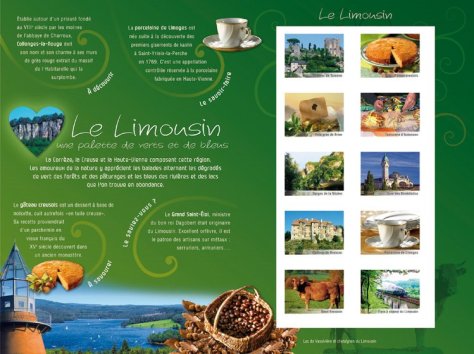
French Gastronomy on Stamps (14): Limousin

timbres-gastronomie-limousin

France has issued many stamps on food (not foodstamps!) on her own gastronomy for quite some time.
A new series will be issued on April 25th and wil be printed in the form of mini-sheets dedicated to a particular region with stamps, pics and explanations.
With the fourteenthth of these sheets I’d like to introduce is Limousin.
This region is remarkable for its great variety from arid mountains to luscious plains around small lakes and large rivers.
Its capital, Limoges, acquired its fame since 1769 thanks to its splendid porcelain.
On the sheet you can discover the following culinary specialties:
-Gateau Creusois made with hazelnuts from a recipe dating back to the XVth Century.
-Hazelnuts and all kinds of nuts and mushrooms found inside abundant forests.
-Foie gras de Brive, the main city in Correze (no wonder they play top-class rugby there!)
-Cheeses and meat from the great bovine herds kept in freedom half of the year.

Limousin is also a popular land for nature trekking. Historic sites are just too many. You might need half a dozen cameras if you decide to visit the region!

————————-
Please check the new postings at:
sake, shochu and sushi

—————————————-
日本語のブログ
—————————————-
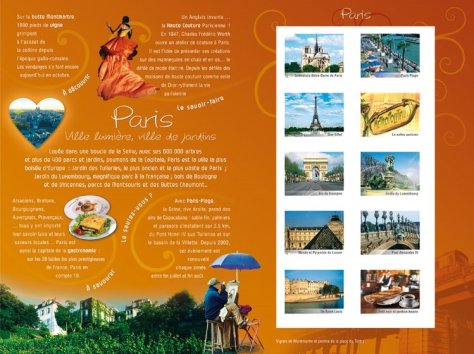
French Gastronomy on Stamps (13): Languedoc Roussillon

timbres-gastronomie-languedoc

France has issued many stamps on food (not foodstamps!) on her own gastronomy for quite some time.
A new series will be issued on April 25th and wil be printed in the form of mini-sheets dedicated to a particular region with stamps, pics and explanations.
With the thirteenthth of these sheets I’d like to introduce is Languedoc Roussillon.
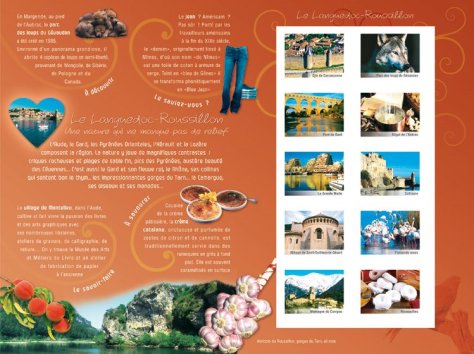
Languedoc Roussillon for a long time of the Provence Realm in the Middle Ages until it was broken by the Albigeois Crusade while Roussillon stayed for a long time under the King of Spain’s dominion.
This turbulent history made this region an extremely rich and complex.
It the largest producer of wines and the origin of many a “national” gastronomic specialty.

On this sheet you can notice:
-Aligot, a poor people’s food which has recently turned fashionable.
-Garlic, a must for almost any cooking!
-Cheeses, a plethora of them!
-Creme Catalane, arguably the best kind of Creme brulee.
There are many others, including mushrooms and cassoulet (although thisis disputed by other regions!)

Now, there are two facts that not many people know:
1) Wolves are protected there in a natural habitat!
2) Jeans or denim originated from Nimes as Bleu de Nimes. It is not American, although it is an American national who imported it first when he noticed the sturdy material worn by the local farmers!

————————-
Please check the new postings at:
sake, shochu and sushi

—————————————-
日本語のブログ
—————————————-
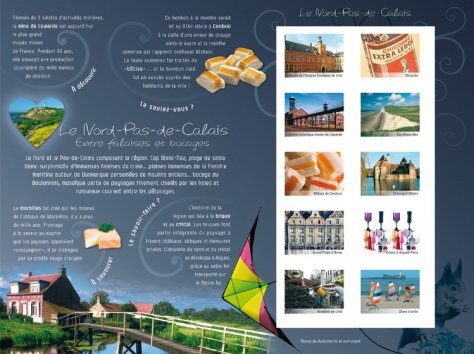
French Gastronomy on Stamps (12): Ile de France

timbres-gastronomie-iledefrance

France has issued many stamps on food (not foodstamps!) on her own gastronomy for quite some time.
A new series will be issued on April 25th and wil be printed in the form of mini-sheets dedicated to a particular region with stamps, pics and explanations.
With the twelfth of these sheets I’d like to introduce is Ile de France.

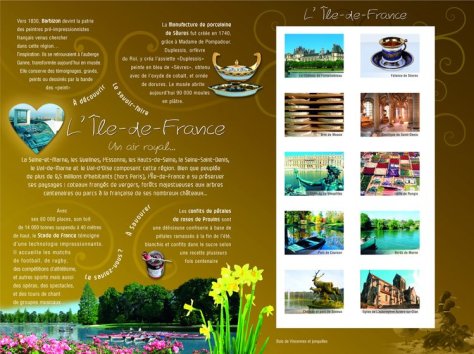
Ile de France, as its name indicates, “started” with islands in the middle of the Seine River inhabited by the Parisii Celtic tribe, and slowly expanded to become France. It certainly took a long time against many odds!

Limited in area as it is, it nevertheless accounts for some specialties.

-Brie Cheese is assuredly the most famed local product.
-Confits de petales de Provins/flower petals jams are one of its hidden culinary treasures!
-Numerous orchards used to feed the Kings.

But it is a region probably more noted for culinary utensils (Sevres porcelain) and its art de vivre/lifestyle!

————————-
Please check the new postings at:
sake, shochu and sushi

—————————————-
日本語のブログ
—————————————-
French Gastronomy on Stamps (11): Franche Comte

timbres-gastronomie-franchecomte

France has issued many stamps on food (not foodstamps!) on her own gastronomy for quite some time.
A new series will be issued on April 25th and wil be printed in the form of mini-sheets dedicated to a particular region with stamps, pics and explanations.
With the eleventh of these sheets I’d like to introduce is Franche-Comte.

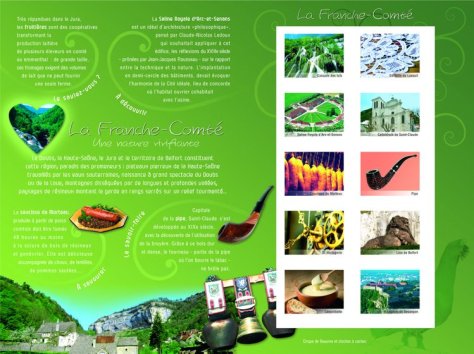
Franche-Comte is a rich land bordering Switzerland and has acted as a military buffer zone for ages. It exchanged hands numerous times over the ages but has somewhat preserved its originality thanks to hard winters and sometimes difficulty in access.

On this sheet you can se two of its main products:
-Saucisse de Morteau whose recipe is lost in the times. It needs at leat 48 hours to smoke and makes for a great dish with cabbage or lentils!
-It cows produce great milk for superlative cheeses of all kinds.

It shares a lot with Switzerland as shown by its precision industries, lace-making and beautiful mountain vistas!

————————-
Please check the new postings at:
sake, shochu and sushi

—————————————-
日本語のブログ
—————————————-