Tag Archives: Aubergines

Vegan Japanese Cuisine: Egg plants/Aubergines & Miso Caviar

This recipe is another/different version form the previous egg plants/aubergines recipe to cater for vegan priorities.
Back in France, we do call aubergine paste, aubergine caviar (probably because of the sometimes reminiscent dark colour).
The process is almost the same, and it is of course open to variations, especially as far spices are concerned.

INGREDIENTS: For 2 people

-Egg plants/Aubergins: 3~4
-Rice vinegar: 1 tablespoon
-Miso (of your choice): 1 tablespoon
-Fresh perilla/shiso leaves: enough for decoration. Chop them finely first.

-Salt: no need as enough is contained inside the miso

-Optional: Spices (of your choice), grated ginger, and so on.

RECIPE:

-Grill the egg plants/aubergines directly over the flame on a grill.
Doing it in the oven is fine, too.

-Once the the egg plants/aubergines have been evenly grilled and become soft inside, peel them completely.

-Mash them finely with a knife.
Do not use a food processor as the the egg plants/aubergines will become a messy juice!

-Pour the mashed egg plants/aubergines in a bowl.
Add the rice vinegar and miso.
Mix well.
Served topped with finely chopped shiso leaves.

-Experiment with grated garlic, sesame oil and grated ginger!

RECOMMENDED RELATED SITES
Not-Just-Recipes, Bengal cuisine, Cooking Vegetarian, Frank Fariello, Gluten-free Vegan Family, Meatless Mama, Warren Bobrow, Wheeling Gourmet, Le Petit Cuisinier, Vegan Epicurean, Miss V’s Vegan Cookbook, Comestiblog, To Cheese or not To Cheese, The Lacquer Spoon, Russell 3, Octopuspie, Bread + Butter, Pegasus Legend, Think Twice, The French Market Maven

Please check the new postings at:
sake, shochu and sushi

—————————————-
日本語のブログ
—————————————-
Vegetables Facts and Tips (10): Egg plants/Aubergines

aubergines-1

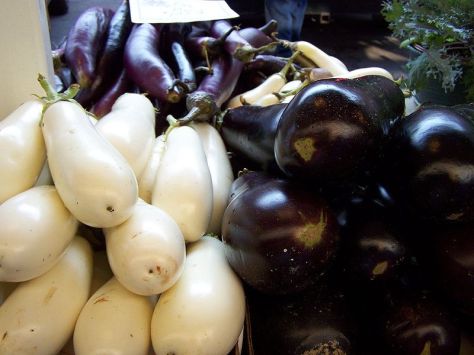
The eggplant, aubergine, or brinjal (Solanum melongena) is a plant of the family Solanaceae (also known as the nightshades) and genus Solanum. It bears a fruit of the same name, commonly used as a vegetable in cooking. As a nightshade, it is closely related to the tomato and potato and is native to India and Sri Lanka.

That for the Wikipedia definition. The word Aubergine is mainly used in Europe. It comes in many shapes, sizes and even colours, but they share the same facts.

FACTS:
-Season: June to September in the Northern Hemisphere, but are available all year round thanks to greenhouse cultivation.
-Main beneficial elements: Potassium, Vitamin C and B1
-90% is water, but the skin contains a lot of polyphenols so useful against aging and arteries cleaning!
It is also of a great help to fight diabetes.

VARIETIES:

As mentioned above, aubergines come in many varieties, but Japa has come up with another interesting kind:
aubergines-mizu
“Mizu Nasu”, litterally “Water Aubergine”
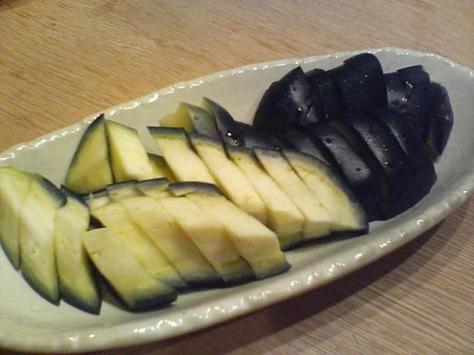
It has the particularity that it can be eaten raw cut and served like sashimi! With miso, pickled plum flesh, wasabi or soy sauce, it opens all kindsof possibilities fro vegans, vegetarians and raw food lovers!

TIPS:

-Choose specimens with a deep colour, bright appearance and comparatively light weight.
-To preserve them, wrap them individually in cellophane paper before storing them in the refrigerator.
-Before cooking them, cut them and leave them in clear water util usage to prevent oxydizing.
If you want to fry them, cut them first and rub them with a lttle salt to take excess water out of them.

Please check the new postings at:
sake, shochu and sushi

—————————————-
日本語のブログ
—————————————-