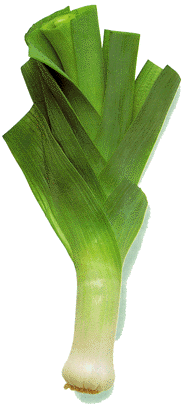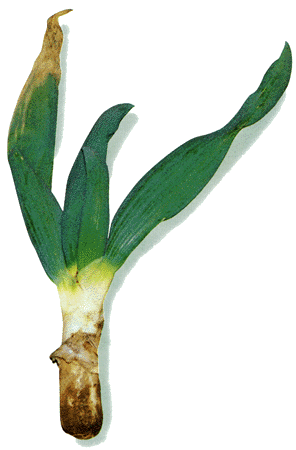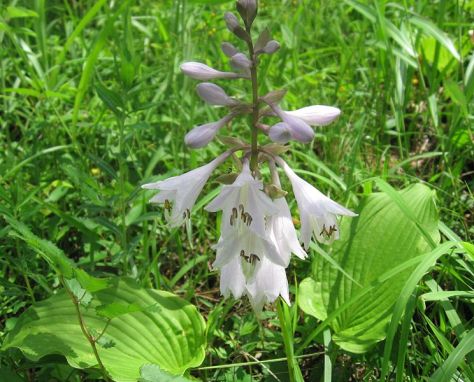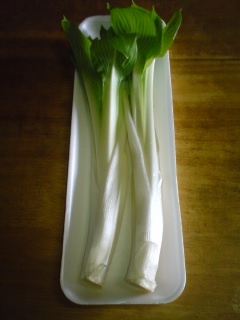
Tag Archives: Vegan

Sushi Restaurant: Sushi Ko (revisited)

012

As advertised on Foodbuzz, I finally managed to drag the Missus to a belated visit of our favourite Sushi Restaurant in Shizuoka City: Sushi Ko!
I also succeeded in persuading the Missus in helping me with the pics. I hope this will become useful with friends who need information!
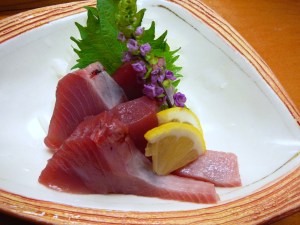
007

As we are just in season we started with katsuo/bonito. Maybe I told you that the best bonito is caught by fishermen from Shizuoka Prefecture who bring it to the Harbours of Numazu and Yaizu!
Notice the shiso/perilla flower sprig!

010

Every time, and I say every time, we visit Sushi Ko, the Missus must have deep-fried tuna served with momijioroshi (grated daikon with cayenne pepper)! Alright, it’s a great morsel, indeed!
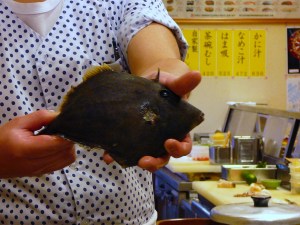
008

Kawahagi/Filefish is in season, too.
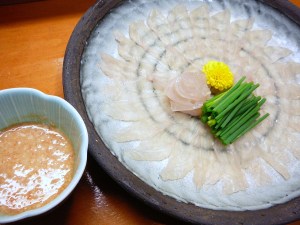
We asked Mr. Oda to serve it as to serve it as tsukuri:
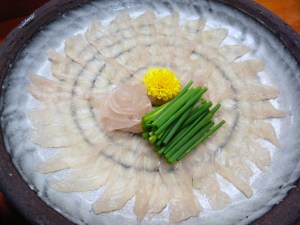
011

You roll a few pieces around a couple of hosonegi/thin leek and dip it in a sauce made with the fresh raw liver of the fish and some soy sauce and sake (see pic at the top)!
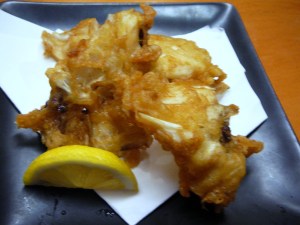
013

The “jowls” came later deep-fried!

015

I then challenged Mr. Oda to serve us one of his vegetarian sushi set:
Menegi/dwarf leek, Soba Me/Buckwheat Sprouts, Mitsuba/Trefoil, Kawaire Daikon!
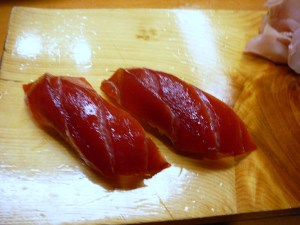
017

Maguro Zuke/Marinated raw tuna. Another specialty of the house!
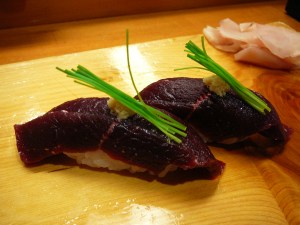
020

Kujira/Whale meat. Shizuoka Prefecture is one of the rare places where you can find it in Japan!

022

Sakura Ebi/Cherry Shrimps, fresh from Yui as gunkan. Can be found in that state only in Shizuoka Prefecture!

024

Pirikara Hotate Maki/Hot Scallops Roll. Another specialty of the house. American Friends, I can hear you salivating (drooling)!

026

Tamagoyaki! Cute, ain’t it?

027

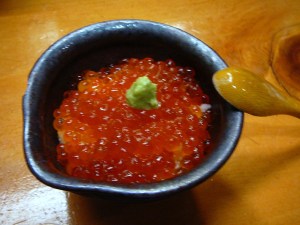
Ikura no Mini Donburi/Mini bowl of salmon roe!

We did drink a lot, and only ate that. Mind you, we came back home full and content!

Sushi Ko
shizuoka City, Aoi Ku, Ryogae-cho. 2-3-1 (Aoba Koen)
Tel.: 054-2512898
Business Hours: 17:00~25:00. 17:00~23:00 (Sundays)
Closed on Wednesdays
Reservations recommended
Credit cards OK
HOMEPAGE (Japanese)

Please check the new postings at:
sake, shochu and sushi

—————————————-
日本語のブログ
—————————————-
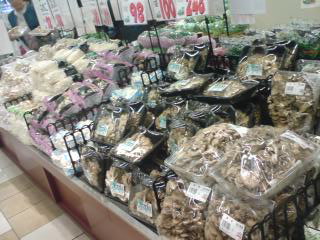
Vegetables Facts and Tips (9/2): Japanese Cultivated Mushrooms

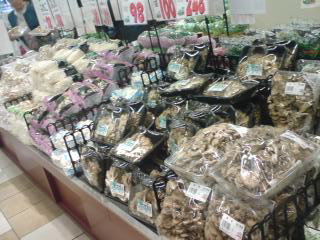
mushrooms-market

Mushrooms at Supermarket in Shizuoka City

This the second part concerning edible mushrooms in general.
Instead of going through one by one, which might turn into a boring chore, let me show what is available in Japan!

I don’t intend to talk about wild mushrooms here as I would need a very thick book to post!

Japan is arguably the country cultivating the greatest number of varieties (new ones appear and disappear every year!), so I will limit myself to give information on the varieties I have found so far in Japanese supermarkets (most of them should be available in many countries.
Note that the names are in Japanese as most are marketed this way abroad.

ERINGE or ERINGI
mushrooms-eringe-2

Very interesting mushrooms as they keep firm and lose only some of their volumes. Vegetarians can prepare them suteed like scallops!

mushrooms-eringe-1
As sold in the supermarkets

TAMOGITAKE
tamogitake1
As found in the nature

efbd94efbd81efbd8defbd8fefbd87efbd89efbd94efbd81efbd8befbd85efbc92
As human-grown.

tamogitake3
As sold in the supermarkets
Very elegant small mushroom

KIKURAGE

kikurage
Called Judas Ear, as sold in the supermarkets.

BUNAPII

mushrooms-hara
As found in the supermarkets. A rcent variety!

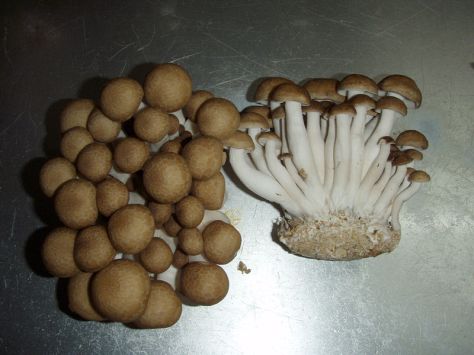
BROWN MUSHROOM

mushrooms-brown
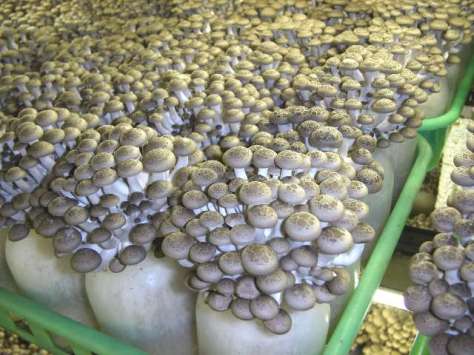
Brown Mushrooms are called so in Japan. Ther are a variety of Agaricus originall imported from Canada.
As found in the supermarkets.

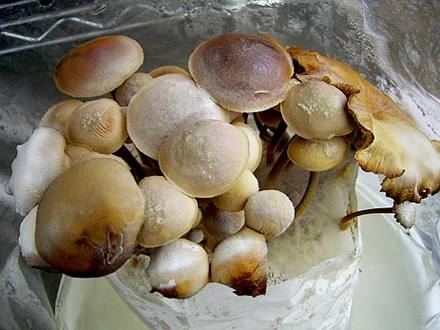
TAMPA SHIMEJI

mushrooms-tampa
A variety of Shimeji.
As foundin the Supermarkets.

HON-SHIMEJI

mushrooms-honshimeji
“True” Shimeji as found in the supermarkets.

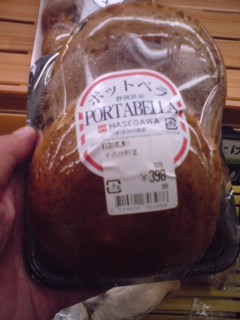
PORTOBELLA MUSHROOM

portobella-mushroom
A universally loved mushroom.
As found in the supermarkets.

mushrooms-portobella-sugimoto-3
Before being cooked!

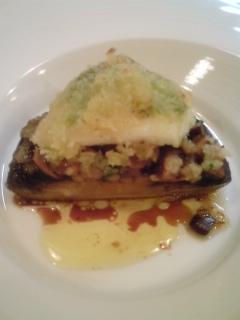
mushrooms-portobella-sugimoto-21
As prepared by Tetsuya Sugimoto!

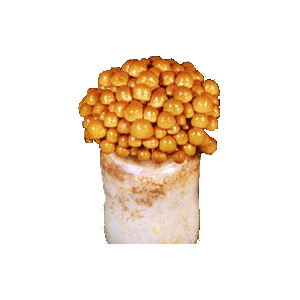
NAMEKO

nameko1
As found in nature.

nameko2pholiota_nameko
As sold in the supermarkets.

efbd8eefbd81efbd8defbd85efbd8befbd8fefbc91
Grown in earthenware bottles.

BUNA-SHIMEJI

bunashimeji-hypsizygus_marmoreus
As found in nature.

bunashimejihypsizygus_tessellatus03
Human-grown ans as sold in the supermarkets.

ENOKITAKE

efbd85efbd8eefbd8fefbd8befbd89efbd94efbd81efbd8befbd85-flammulina_velutipes
As found in nature.

efbd85efbd8eefbd8fefbd8befbd89efbd94efbd81efbd8befbd85efbc91
As fully human-grown.

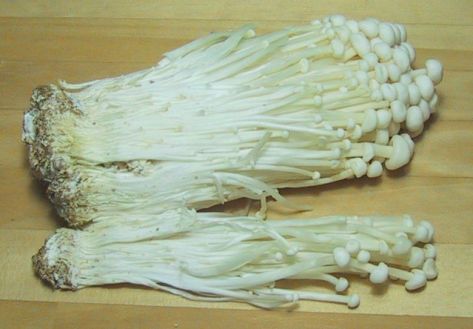
enokitakejapanesemushroom
As very youn human-grown and usually sold in the supermarkets. Very popular in soups, nabe and sukiyaki.

HIRATAKE

hiratake2
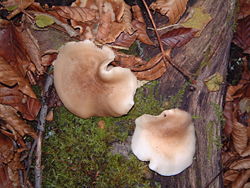
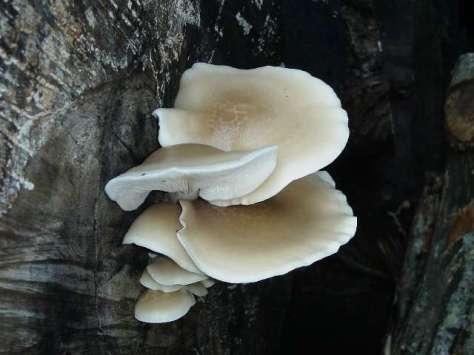
Also called Oyster Mushrooms as found in nature.

hiratake1
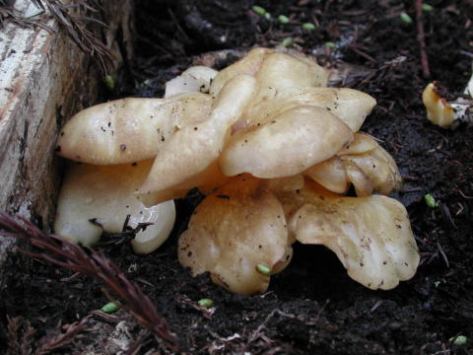
Human-grown.

MUKITAKE

mukitake
As found in nature.

Will keep looking for more!

Please check the new postings at:
sake, shochu and sushi

—————————————-
日本語のブログ
—————————————-
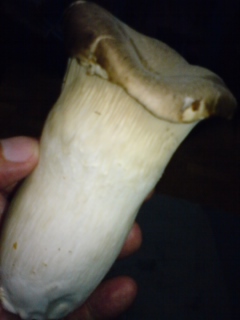
Vegetables facts and Tips (12): Sansai/Japanese Wild Mountain Plants

tomii-veg31

Following the recent posting on the all-vegetable dinner at Tomii, Rich nicely asked me for more information, especially concerning the names of wild edible plants found in Japan as he rightly recognized it could come very handy to vegans and vegetarians everywhere!

Now, I titled this particular posting “Sansai/Wild Mountain Plants”, because they also include wild fruit that can be eaten both as vegetables and fruit with various preparations.
Some can be boiled, others fried, prepared as tempura, cooked in soup, prepared as pickles or jam, etc.

As it would become far too big (already massive, but inexhaustive) a posting if I wrote everything, please pick up one item at a time if you want more explanations and I will write an individual article for your pleasure!

Here we go:
(No particular order)

ainu-negi-alium-victorialis
AINU NEGI: ALIUM VICTORIALIS

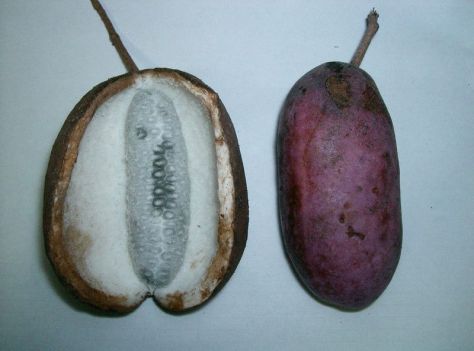
akebi-chocolate-vine
AKEBI: CHOCOLATE VINE

amadokoro-polygonatum-odoratum
AMADOKORO: POLYGONATUM ODORATUM

azami-thistle
AZAMI: THISTLE

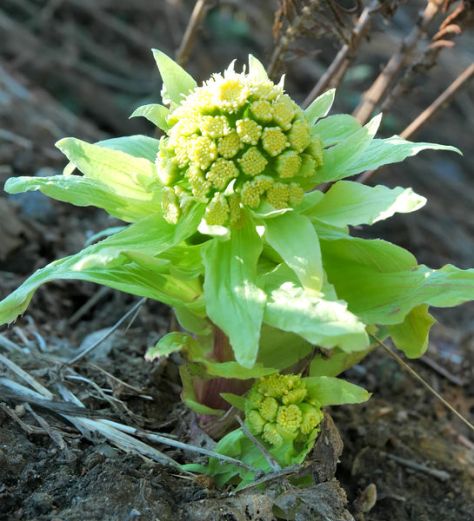
fukinoto-giant-butterbur
FUKINOTO: GIANT BUTTERBUR

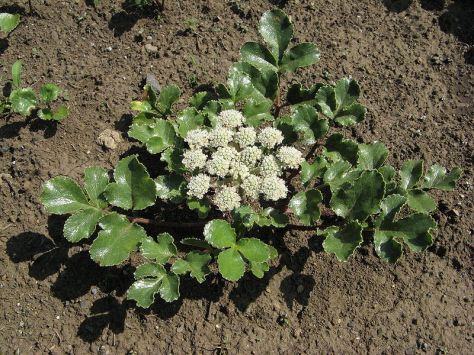
hamaboufuu-glhnia-littoralis
HAMABOUFUU: GLEHNIA LITTORALIS

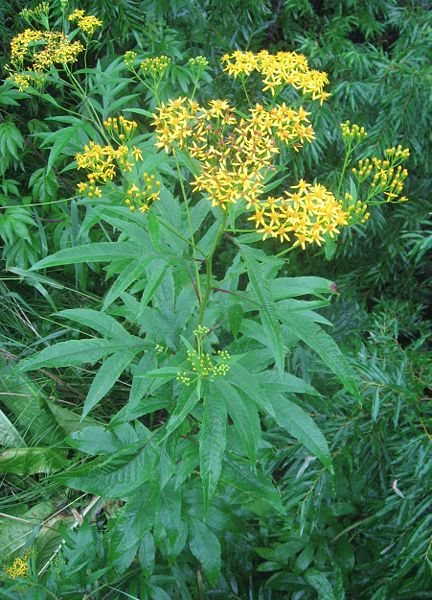
hangonsou-senecio-cannabifolius
HANGONSOU: SENECIO CANNABIFOLIUS

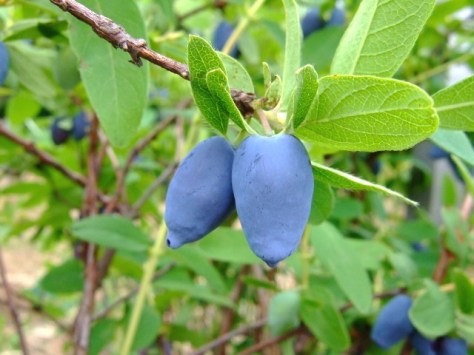
hasukappu-lonicera-caerulea
HASUKAPPU: LONICERA CAERULEA/HASCUP

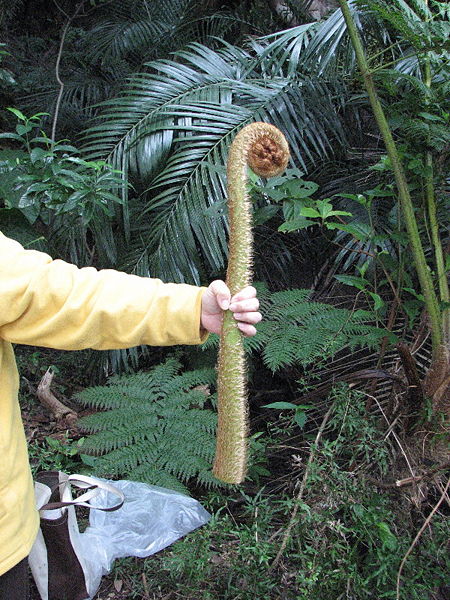
hikagehego-flying-spider-monkey-tree-fern
HIKAGEHEGO: FLYING SPIDER MONKEY TREE FERN

irakusa-urtica-thunbergiana
IRAKUSA: URTICA THUNBERGIANA

itadori-japanese-knotweed
ITADORI: JAPANESE KNOTWEED

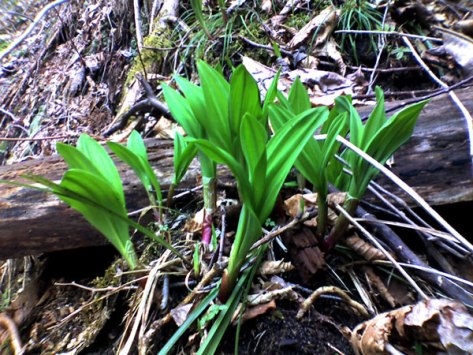
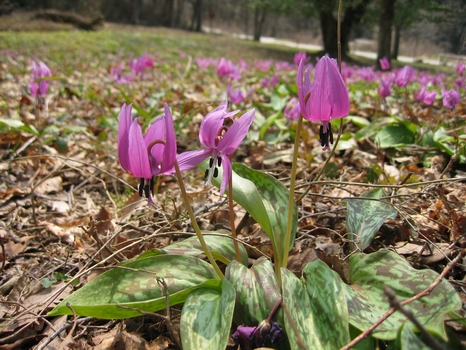
katakuri-dogtooth-violet
KATAKURI: DOGTOOTH VIOLET

kiboushi-plantain-lily-hosta-fortinei
KIBOUSHI: PLANTAIN LILY HOSTA FORTINEI ( a variety of Hosta Montana)

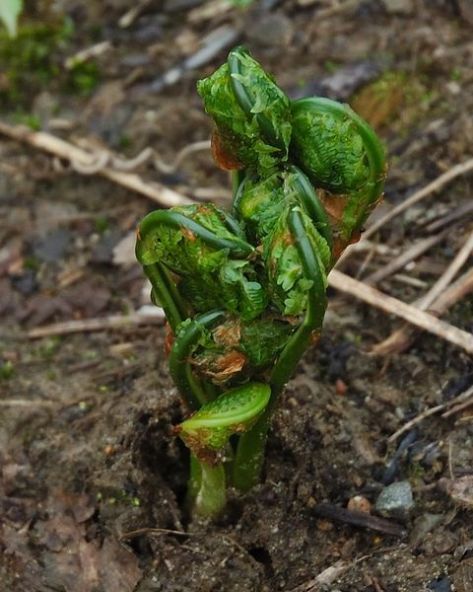
kogomi-ostrich-fern
KOGOMI: OSTRICH FERN (exists as green and red)

koshiabura-ascathopanax-sciadophylloides
KOSHIABURA : ASCATHOPANAX SCIADOPHYLLOIDES

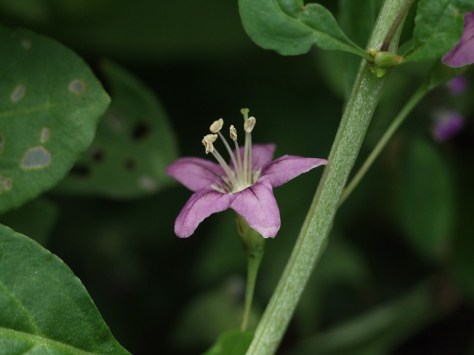
kuko-chinese-wolfberry
KUKO: CHINESE WOLFBERRY

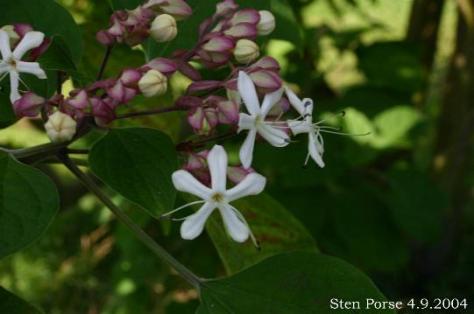
kusagi-harlequin-glory-bower-peanut-butter-shrub2
KUSAGI: HARLEQUIN GLORY BOWER PEANUT BUTTER SHRUB

matatabi-silver-vine
MATATABI: SILVER VINE

mitsuba-japanese-honeywort
MITSUBA: JAPANESE HONEYWORT

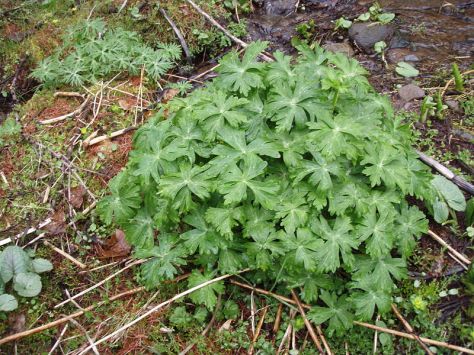
nirinsou-anemone-flaccida
NIRINSOU: ANEMONE FLACCIDA

nobiru-alium-macrostemon
NOBIRU: ALIUM MACROSTEMON

oyamabokuchi-synurus-pungens
OYAMABOKUCHI: SYNURUS PUNGENS

ryoubu-clrthra-barbinervis
RYOUBU: CLERTHRA BARBINERVIS

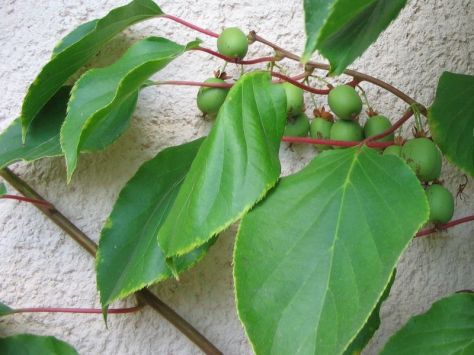
sarunashi-actinia-arguta
SARUNASHI: ACTINIA ARGUTA

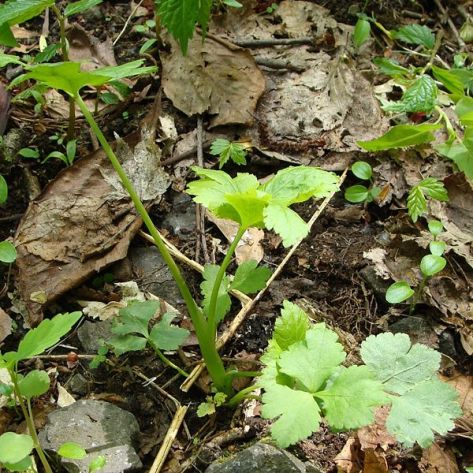
seri-japanese-parsley
SERI: JAPANESE PARSLEY

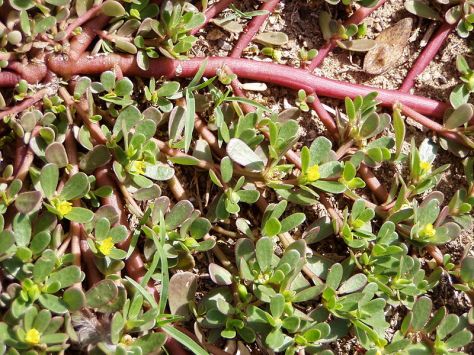
suberiyu-common-purslane
SUBERIYU: COMMON PURSLANE

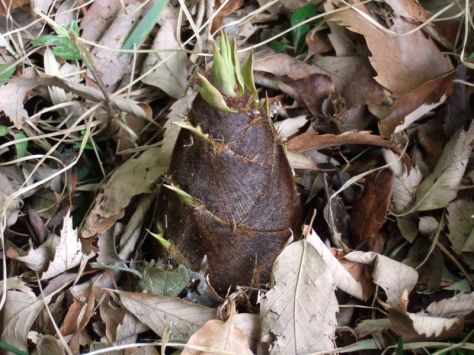
takenoko-bamboo-shoots
TAKENOKO: BAMBOO SHOOTS (SPROUTS)

tanpopo-dandelion
TANPOPO: DANDELION

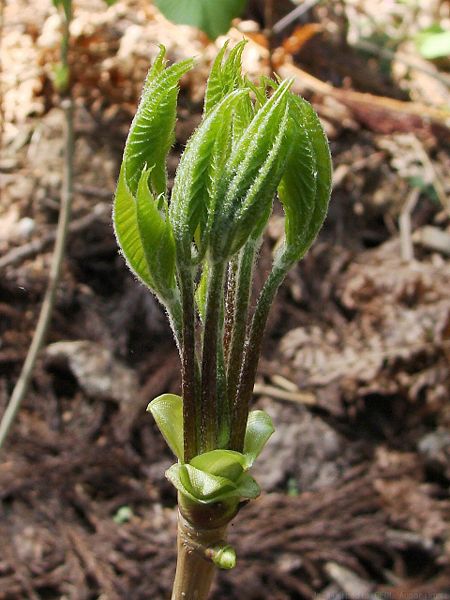
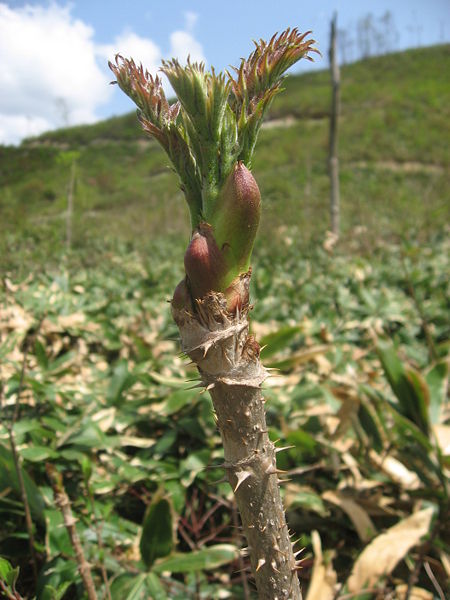
tara-no-me-aralia-elata
TARA NO ME: ARALIA ELATA

tsukushi-horsetail
TSUKUSHI: HORSETAIL

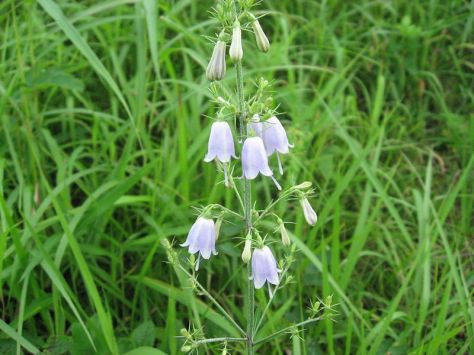
tsuroganeninjin-adenophora-triphylla
TSUROGANENINJIN: ADENOPHORA TRIPHYLLA

udo-aralia-cordata
UDO: ARALIA CORDATA

yamaudo
YAMAUDO: same as UDO (above)

urui-hosta-montana
URUI: HOSTA MONTANA

warabi-pteridium-aquilinum
WARABI: PTERIDIUM AQUILINUM

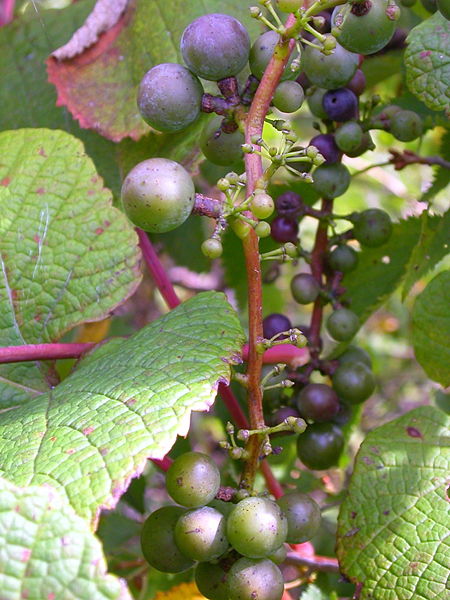
yamabudo-crimson-glory-vine
YAMABUDO: CRIMSON GLORY VINE

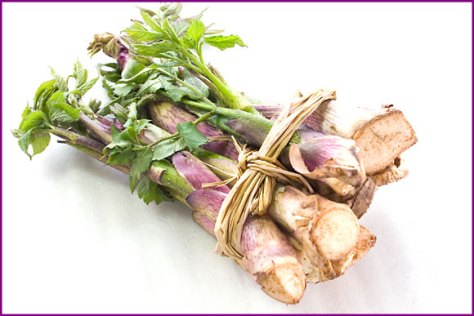
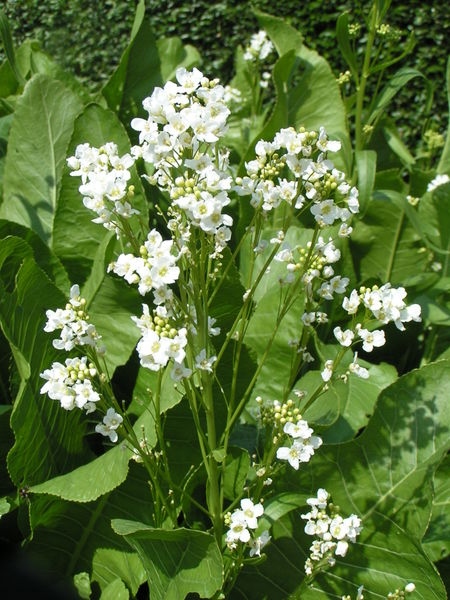
yamawasabi-wild-horseradish
YAMAWASABI: WILD HORSERADISH

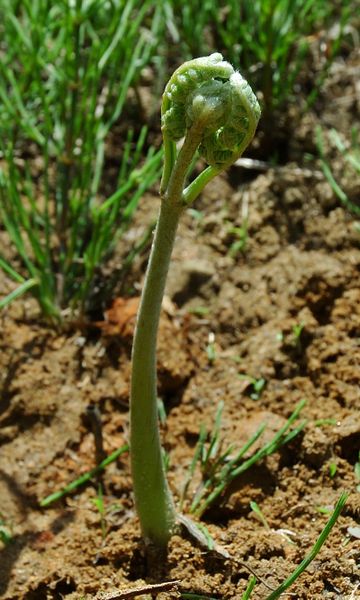
zenmai-osmunda-japonica
ZENMAI: OSMUNDA JAPONICA

—————————
Still have to find the English names for the following ones!

aiko
AIKO

akamizu
AKAMIZU

aomizu
AOMIZU

inudouna
INUDOUNA

shidoke
SHIDOKE

Please check the new postings at:
sake, shochu and sushi

—————————————-
日本語のブログ
—————————————-

Vegan & Vegetarian Feast at Tomii: Sansai/Japanese Wild Mountain Vegetables

tomii-veg1

It seems I can’t away from Tomii these days!
The reason (s) is (are) pretty simple:
This Japanese restaurant not only offers the best value for food (although a little expensive), but they scrupulously serve only seasonal culinary marvels!

tomii-veg2
“Sanbo”

Its young (33) second-generation chef-owner, Kazuya Tomii, has always been surprised to hear that many expat vegans or vegetarians had a hard time to find appropriate food in restaurants or even markets.

tomii-veg4
Vegetables and fruit from Shizuoka Prefecture

Having spent 6 years learning his trade in Tokyo, Kyoto, Gifu and Shizuoka before taking over in 2004, he knows very well there is plenty to savour for non-meat eaters!

tomii-veg3
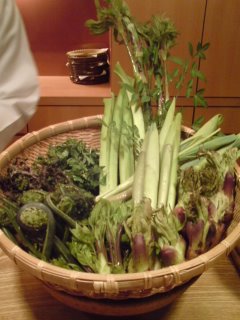
Sansai/Japanese Wild Mountain Plants from Yamagata Prefecture

When I went there for dinner last Friday, he had just received a whole batch of “Sansai” from a relative in Yamagata Prefecture who owns a mountain (no joke) awash with these succulent wild plants!
I don’t have to tell you that I went vegetarian on that particular night!
I asked him to just prepare them away as he deemed best with some great local Shizuoka Sake!

Here is what I was served (I keep all the items in Japanese in case you have the occasion to find them. Asking in English would be very complicated. If needed, I will send a glossary to any friend who asks for it!):

tomii-veg5

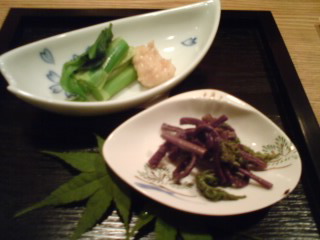
Hors d’oeuvres/starter:
From top clockwise
-Ginbo
-Ukogi
-Ichiya Kogomi

tomii-veg6

Top: Amadokoro with white miso sauce
Bottom: Aka Kogomi

tomii-veg7
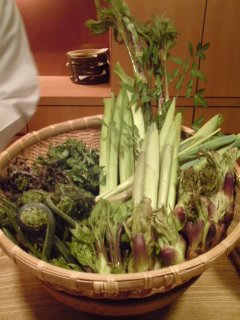
A better view of the sansai from Yamagata Prefecture!

tomii-veg8
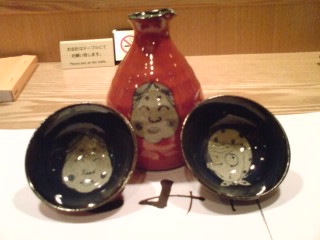
Nice ware to serve hot sake in!

tomii-veg9

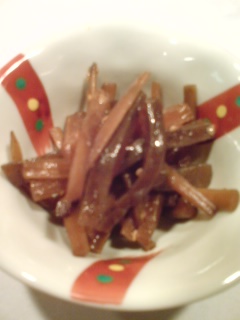
Udo and konyaku kimpira!

tomii-veg10

Sansai Tempura!
From left to right:
-Aka kogomi
-Tara no me
-Udo leaf
-Amadokoro (long stem)
-Koshiabura

Note: vegans, when making tempura, should use cornstarch instead of egg whites!

tomii-veg11

Agedashi yasai with mochi!
Now, this particular dish is absolutely vegan and vegetarian. Very satisfying!

I guarantee you I was full!

TOMII
Shizuoka City, Aoi Ku, Tokiwa-cho, 1-2-7, Tomii Bldg, 1F
Tel.: 054-274-0666
Business hours: 17:00~22:00
Closed on Sundays
HOMEPAGE (Japanese)

————————-
Please check the new postings at:
sake, shochu and sushi

—————————————-
日本語のブログ
—————————————-

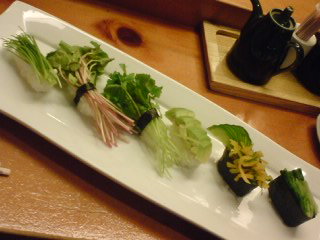
Vegan and Vegetarian Sushi (renewed)

iroha-2.jpg
(from top to bottom and left to right: Konnyaku/Devil’s Tongue Tuber, Celery marinated in Amazu/sweet vinegar and pickled Japanese plums, Shiro negi/White leek, Na no Hana/Rape Blossoms, Gobo/Burdock roots, Satsuma Imo/Sweet yams, Daikon/Long Japanese radish)

Whenever I can convince there is Japanese food fit for Vegans and Vegetarians (I’m neither!), I make a point of posting articles that might help friends with different culinary priorities!
I have recently received more requests about recipes and examples.
Therefore I decided to re-post a former article with the addition of more discoveries!

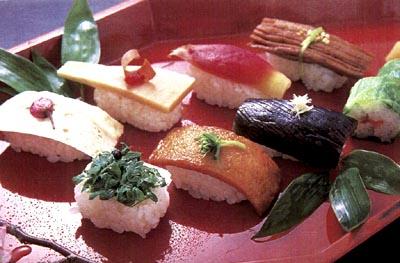
There is vegan and vegetarian sushi in Japan and elsewhere!
As a proof have a good look at the picture and explanations above. The pic was taken at Iroha Sushi, a small but extremely renown sushi restaurant in Iwata City, an area celebrated for its vegetables!

vegan-sushi1
Kyoto is a renown place for Vegan & Vegetarian Sushi!
From right to left, top to bottom:, Yuuba (tofu sheets), Takenoko (Bamboo shoots), Myoga (myoga ginger), Zenmai (Spring vegetable variety), Ki no mi (Spring vegetables), Awafu (grilled tofu sheets), Kamo Nasu (kamo egg-plant), Hakusai Maki (Chinese cabbage).
Print a copy of this pic, show it to your local Sushi Restaurant and challenge him/her into preparing your favorite tidbits!

vegan-sushi2
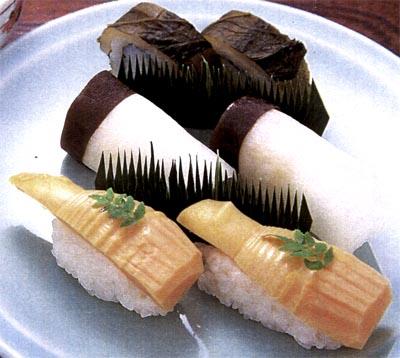
From bottom to top: Takenoko (boiled bamboo shoots topped with a sprig of sansho/Japanese pepper plant)), Kabu Tsukemono (pickled turnip), Sugiku no Ha Maki (sugiku Chrysanthemum leaves)
And what about these? Not only tasty but fulfilling!

efbd8befbd81efbd8defbd90efbd99efbd8fefbd95efbd8daki
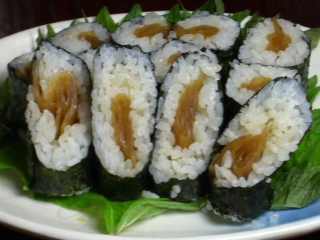
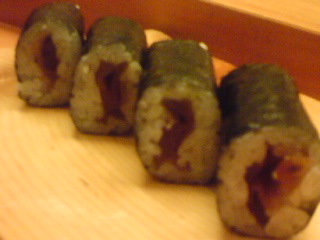
“Kanpyou maki”/dry gourd shavings: here is one that any sushi restaurant will serve you!

vegan-sushi3
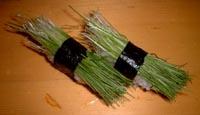
That small one is my personal favourite: “menegi”/thin leeks sprouts!

24-24-24-311
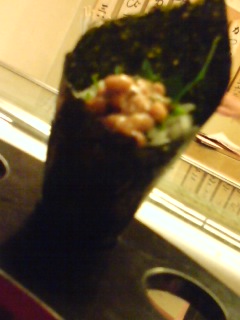
Vegan/vegetarian Te-maki: natto, shiso, ume/Japanese pickled plum.
(Sushi Ko in Shizuoka City!)

24-24-24-33
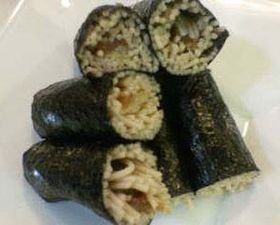
Another Vegan/vegetarian Kanpyo-maki/dry gourd shavings roll for second dessert!

24-24-24-8

Menegi/leek sprouts, Soba no Shinme/buckwheat sprouts, Mitsuba, avocado, Takuan/pickled daiko and shiso nd cucumber gunkan, mizuna gunkan.
(Sushi Ko in Shizuoka City!)

sobasushimaki

And how about Soba Sushi maki?

I’ll still keep looking!

————————-
Please check the new postings at:
sake, shochu and sushi

—————————————-
日本語のブログ
—————————————-

Vegetables Facts and Tips (11): Lotus Roots/Renkon

lotus-root1

In Japan we are at the end of Lotus Roots season, but eat them all year round!
Lotus roots come from a plant called Nelumbo nucifera, also known by a number of names including Indian lotus, sacred lotus, bean of India, or simply lotus. This plant is an aquatic perennial. Under favorable circumstances its seeds may remain viable for many years.
A common misconception is referring to the lotus as a water-lily (Nymphaea), an entirely different plant.

Native to Greater India and commonly cultivated in water gardens, the lotus is the national flower of India and Vietnam.

The flowers, seeds, young leaves, and “roots” (rhizomes) are all edible. In Asia, the petals are used sometimes for garnish, while the large leaves are used as a wrap for food. In Korea, the leaves and petals are used as a tisane. Yeonkkotcha (연꽃차) is made with dried petals of white lotus and yeonipcha (연잎차) is made with the leaves. The rhizome (called ǒu (藕) in pinyin Chinese, ngau in Cantonese, bhe in Hindi, renkon (レンコン, 蓮根 in Japanese), yeongeun (연근) in Korean is used as a vegetable in soups, deep-fried, stir-fried and braised dishes. Petals, leaves, and rhizome can also all be eaten raw, but there is a risk of parasite transmission (e.g., Fasciolopsis buski): it is therefore recommended that they be cooked before eating.

FACTS:
-Season: September~December in Japan.
-Beneficial elements:
Lotus roots have been found to be rich in dietary fiber, vitamin C, potassium, thiamin, riboflavin, vitamin B6, phosphorus, copper, iron and manganese, while very low in saturated fat.
Various parts of the lotus are also used in traditional Asian herbal medicine.

TIPS:

-Choose specimens with a clear white cut section. There should not be any black spots.
-Use large specimen as they are easier to cut and use.
-To prevent oxydising, warp cut specimen into wet kitchen paper.
-Add vinegar to water when bolingthem to keep them white.
-The easiest way to peel them is to use a potato peeler!

COOKING:

The stamens can be dried and made into a fragrant herbal tea called liánhuā cha (蓮花茶) in Chinese, or (particularly in Vietnam) used to impart a scent to tea leaves. The lotus seeds or nuts (called liánzĭ, 蓮子; or xian liánzĭ, 鲜莲子, in Chinese) are quite versatile, and can be eaten raw or dried and popped like popcorn, phool makhana. They can also be boiled until soft and made into a paste, or boiled with dried longans and rock sugar to make a tong sui (sweet soup). Combined with sugar, lotus seed paste becomes one of the most common ingredient used in pastries such as mooncakes, daifuku, and rice flour pudding.

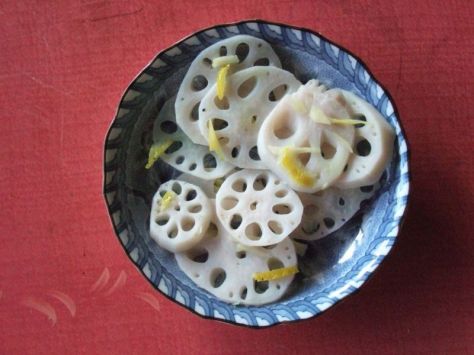
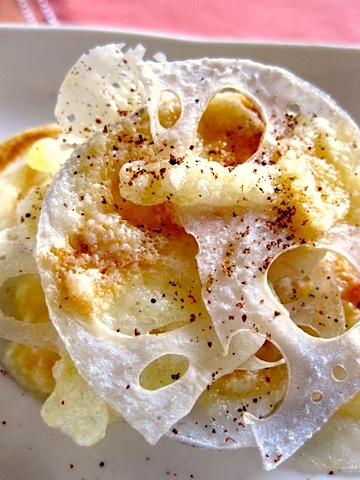
Japanese popular Renkon dishes:

lotus-root-nimono

“NIMONO”

lotus-root-sumono

“SUMONO”

lotus-root-kimpira

“KIMPIRA”

lotus-roots-chips

“CHIPS”

Please check the new postings at:
sake, shochu and sushi

—————————————-
日本語のブログ
—————————————-

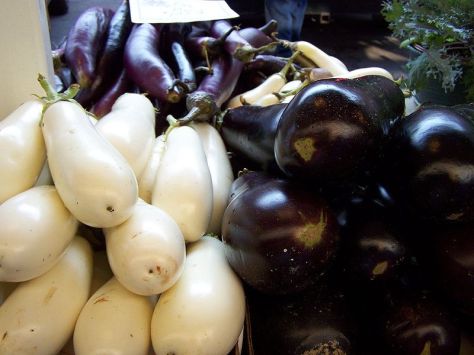
Vegetables Facts and Tips (10): Egg plants/Aubergines

aubergines-1

The eggplant, aubergine, or brinjal (Solanum melongena) is a plant of the family Solanaceae (also known as the nightshades) and genus Solanum. It bears a fruit of the same name, commonly used as a vegetable in cooking. As a nightshade, it is closely related to the tomato and potato and is native to India and Sri Lanka.

That for the Wikipedia definition. The word Aubergine is mainly used in Europe. It comes in many shapes, sizes and even colours, but they share the same facts.

FACTS:
-Season: June to September in the Northern Hemisphere, but are available all year round thanks to greenhouse cultivation.
-Main beneficial elements: Potassium, Vitamin C and B1
-90% is water, but the skin contains a lot of polyphenols so useful against aging and arteries cleaning!
It is also of a great help to fight diabetes.

VARIETIES:

As mentioned above, aubergines come in many varieties, but Japa has come up with another interesting kind:
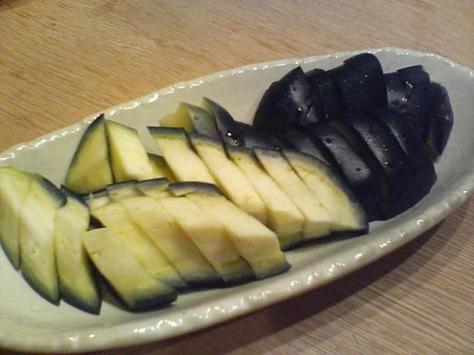
aubergines-mizu
“Mizu Nasu”, litterally “Water Aubergine”
It has the particularity that it can be eaten raw cut and served like sashimi! With miso, pickled plum flesh, wasabi or soy sauce, it opens all kindsof possibilities fro vegans, vegetarians and raw food lovers!

TIPS:

-Choose specimens with a deep colour, bright appearance and comparatively light weight.
-To preserve them, wrap them individually in cellophane paper before storing them in the refrigerator.
-Before cooking them, cut them and leave them in clear water util usage to prevent oxydizing.
If you want to fry them, cut them first and rub them with a lttle salt to take excess water out of them.

Please check the new postings at:
sake, shochu and sushi

—————————————-
日本語のブログ
—————————————-

Vegetables Facts and Tips (9/1): Mushrooms/Shitake

mushrooms-market
(Mushrooms at at a Shizuoka Supermarket)

I don’t intend to talk about wild mushrooms here as I would need a very thick book to post!
Japan is arguably the country cultivating the greatest number of varieties ( new ones appear and disappear every year!), so I will limit myself to give information on at least four of them and furthermore introduce most varieties I have found in Japanese supermarkets (most of them should be available in many countries.

SHIITAKE

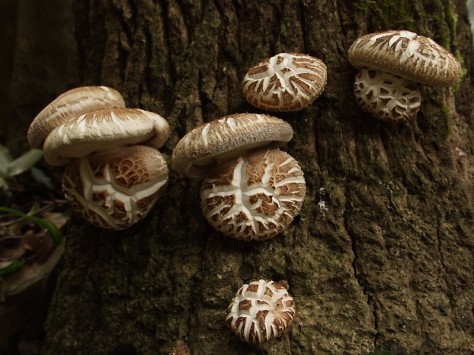
efbd93efbd88efbd89efbd89efbd94efbd81efbd8befbd85

FACTS:
Shiitake/Lentinula Edodes (Black Forest Mushrooms) are native to China but have been grown in both Japan and China since prehistoric times[2]. They have been cultivated for over 1000 years; the first written record of shiitake cultivation can be traced to Wu Sang Kwuang, born during the Song Dynasty (AD 960–1127). However, some documents record the uncultivated mushroom being eaten as early as AD 199.
Fresh and dried shiitake have many uses in the cuisines of East Asia. In Chinese cuisine, they are often sauteed in vegetarian dishes such as Buddha’s delight. In Japan, they are served in miso soup, used as the basis for a kind of vegetarian dashi, and also as an ingredient in many steamed and simmered dishes. In Korean cuisine, they are commonly used in dishes such as bulgogi (marinated grilled beef), jjigae (stews), and namul (sauteed vegetable dishes). In Thailand, they may be served either fried or steamed.

Shiitake are often dried and sold as preserved food in packages. These must be rehydrated by soaking in water before using. Many people prefer dried shiitake to fresh, considering that the sun-drying process draws out the umami flavour from the dried mushrooms by breaking down proteins into amino acids and transforms ergosterol to vitamin D. The stems of shiitake are rarely used in Japanese and other cuisines, primarily because the stems are harder and take longer to cook than the soft fleshy caps. The highest grade of shiitake are called donko in Japanese.
Extracts from shiitake mushrooms (such as ichtyol) have also been researched for many other immunological benefits, ranging from anti-viral properties to possible treatments for severe allergies, as well as arthritis.
The Japanese actually consume them from their raw form more than in any other country.

-Season: best in October~March for outdoors cultivation
-Main beneficial ingredients: Vitamin B1, B2, N6, Ergosterol, Lentinan, Fibers.

TIPS:

-Loosely wrap them in clean Newspaper or Kitchen Paper and store them in fridge away from the light.
-Choose specimens with unbroken “umbrella” and no black marks under.
-Fresh Shiitake are best enjoyed for their taste by keeping their cooking simple such as frying them over a grill with a dash of soy sauce and sake!

Please check the new postings at:
sake, shochu and sushi

—————————————-
日本語のブログ
—————————————-

Vegetables Facts and Tips (8): Leeks

negi-1

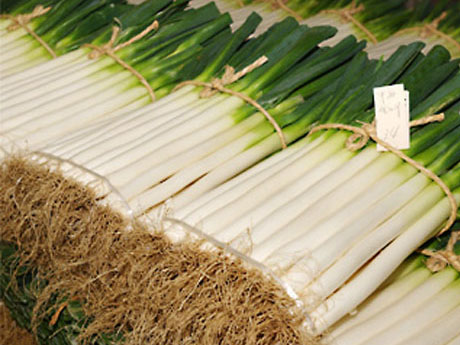
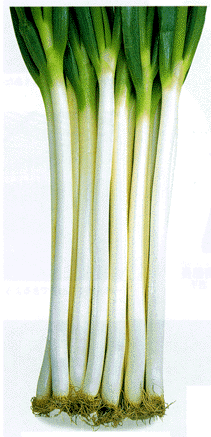
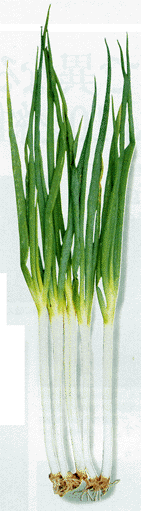
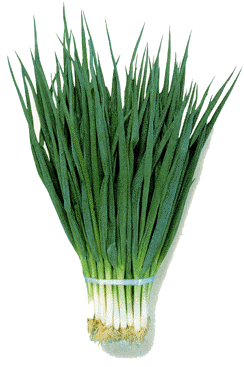
Leeks, or “negi” in Japanese, is an almost universal vegetable.
It is used in cuisine at restaurants and homes on all continents and has been recognized for ages as very beneficial plant.

Recent research has demonstrated that it is an effective cure against cold in particular, not only for humans, but for many animals, too.
Some people do not appreciate them because of their pungent smell and taste, but this can be taken care of with a couple of simple steps.

Back home in France, we boil the central part of fat leeks and eat them under the name of “poor man’s asparaguses”!

FACTS:
-Season: leeks can be bought all year round, but the best season is from November to February in the Northern Hemisphere.

-Main beneficial elements: Carotene (green part), Vitamin C (white part), Calcium, Vitamin B1 (beneficial for blood circulation).
It is not only efficient against colds, but also to the stomach and innards health.

TIPS:
-Fatter specimens will have more taste.
-Choose specimen with a “wet” bottom cut.
-If you use large specimen raw in salads, first cut 5=8 cm long sections, then cut them thin lengthwise and leave them some time in clean cold water. The pungency will greatly diminish.
-To chop leeks for cooking, cut them first in 5~10 cm sections, then cut them thin lengthwise and only then chop them crosswise.

VARIETIES:
There are innemurable varieties in the World, but I will introduce here the main varieties encountered in Japan:

negi-senju
“Senju”
The most common and popular variety

negi-hakata-manno-negi
“Hakata Manno”:
A choice specimen raised in Kyushu Island

negi-hime
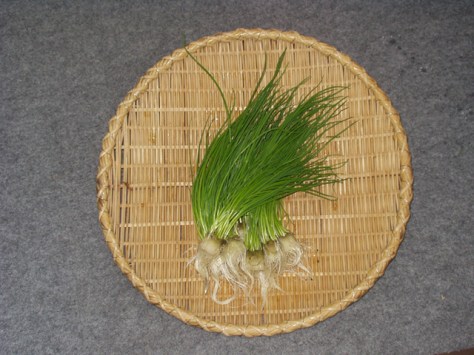
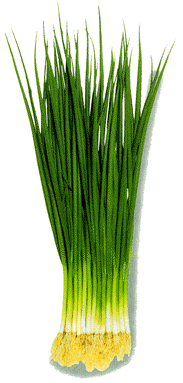
“Me” or “Hime”:
Could be called leek sprouts,too.
Eaten raw in salads, sushi, finger foods.

negi-ito-negi
“Ito” or Thread Leek, used in the same way as “Me/Hime”.

negi-kositsu-negi
“Koshitsu”, another common and popular variety.

negi-kujo-futo-negi
“Kujo-Futo”:
A choice specimen origintaing from Kyoto.

negi-kujo-hoso1
“Kujo Hoso”. Same as above, but a lot thinner.

negi-riiki
“Riiki”
A short fat specimen popular for “nabe” and soups.

negi-shimonita-negi
“Shimonita”.
A fat variety with a short stem and long leaves. Popular with soupsand “nabe” (Japanese-style pot-au-feu)

Please check the new postings at:
sake, shochu and sushi

—————————————-
日本語のブログ
—————————————-
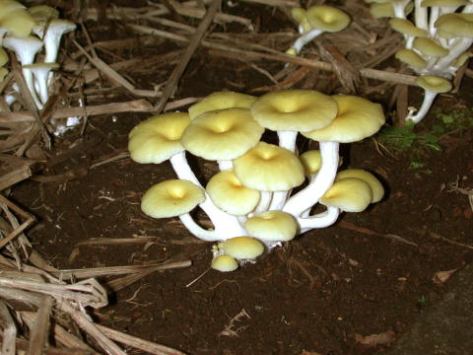
New Vegetable: Urui/Hosta Montana

urui-61

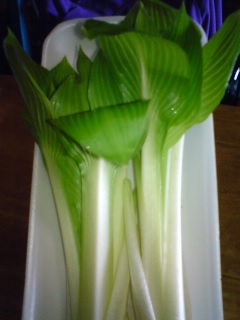
Last Sunday, while visiting my favourite supermarket inside the Shizuoka JR Station in search of unusual vegetables I had the pleasure to re-discover that increasingly popular Japanese vegetable, namely urui.
Its Latin name id Hosta Montana. If someone knows the English name, I would be very grateful to be enlightened!
Now, originally this vegetable was a “sansai/wild vegetable” until it has been successfully grown almost all over Japan.

urui-1

The real name of this mountain plant is Oobagibooshi, too long a name to be marketed, hence the “new” name “urui” for the cultivated species.
At full maturity it can reach imposing height and width.
Like asparaguses, it is harvested early before it extends over a foot/30 cm height.

urui-2

The leaves are still small, thin and tender then.
The whole plant, unless cooked as tenpura or fried, needs to be lightly boiled in lightly salted water beforehand.

urui-31

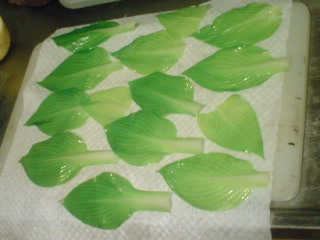
To prepare the plant for the evening snack I had in mind for the Missus (Natasha, Tangled Noodle, do you remember? LOL) I cut the plant into 3 equal lengths and boiled the two bottom ones first as they would take longer. Once boiled to satsifaction I took theme out and cooled them under cold water, cut them lengthwise to thin enough strips and laid them onto a sheet of kitchen paper.
I boiled the leaves just long enough to make them tender, cooled them under cold water and spread them on a sheet of kitchen paper.

fine-ratatouille

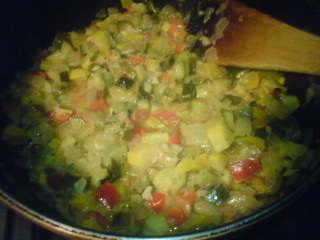
I had cooked a fine ratatouille beforehand, let it cool completely and added a dressing of my making with soft Dijon mustard, tarragon white wine vinegar, walnut oil, pepper and salt.
Now vegan and vegetarian friends should proceed directly to the dish I created as the rest ill not suit them!

seafood

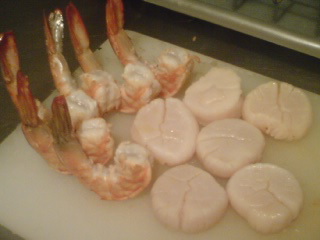
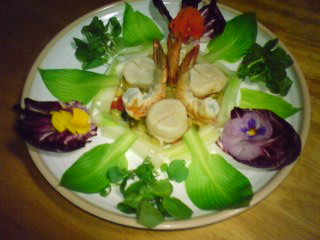
Next I lightly fried small scallops (after marinating then in lemon juice for a couple of minutes) just enough to keep them almost raw inside and put them aside to cool. I did the same, marinade included with some white shrimps.
Note: to attain their “standing shape” is very easy. First “peel” them leaving the tail ends for better “handling”, make a shallow cut along their back, take out the innards and fry just enough to cok both sides to a nice color and keep them almost hlf raw inside. This way they will be firm but extremely tender.

snack

As for the dish itself, vegan and vegetarian friends can forget the seafood and replace it with more ratatouille and edible flowers for example.
I built an “enclosure” with the cut urui stem, filled it with ratatouille. I placed the seafood geomatrically above the ratatouille. Around it I alternately placed urui leaves, trevise with edible flowers and watercress.
I made a point to take a pic before we sprinkled the lot with dressing (I leave the choice to you!)
Great with a Blanquette de Limoux sparkling wine!

Please check the new postings at:
sake, shochu and sushi

—————————————-
日本語のブログ
—————————————-

Vegetables Facts and Tips (7): Edible Flowers

flowers-8
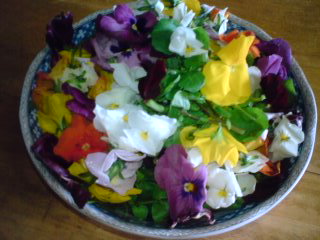
(5 edible flowers and water cress salad)

Yesterday, while I was shopping at the big supermarket at the Shizuoka JR Station I was reminded of a recent post by Natasha at 5 Star Foodie when I noticed edible flowers on sale.
Edible flowers have been on the Japanese markets for quite a few years already.
They tend to first appear in late winter, although it is only a question of time when they will be sold all year long!

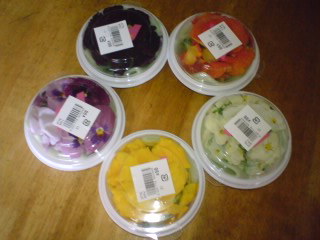
flowers-1

flowers-2

They come in very cheap, at 98 yen a small box (1 US$), but they ought to be used as early as possible.
Aichi Prefecture, our neighbour Prefecture seems to have become the largest growing area in Japan.
Thai, Indian and Persian citizens, as far as I know, have been using flowers in food for quite some time. The Japanese have served mini-chrysanthemum and perilla flowers since immemorial times.

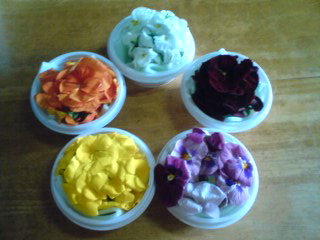
flowers-3 flowers-4 flowers-5 flowers-6 flowers-71

Most edible flowers are of the pansy, snapdragon, primura and so on varieties.
Do you recognize some of them above?

Now, the great news is that they contain an enormous amount of Vitamin A carotene:
1,100 to 9,400 micrograms per 100 grams as compared to 390 micrograms for tomatoes, 720 micrograms for broccoli and 3,100 micrograms for spinach.
as well as Vitamin C:
230 t0 650 mg per 100 grams as compared to 20 mg for tomatoes, 100 mg for spinach and 160 mg for broccoli!
The Japanes will use them either in flower or vegetable salads or on cakes.

One small advice for caution: don’t overeat them as they have purgative powers!

Please check the new postings at:
sake, shochu and sushi

—————————————-
日本語のブログ
—————————————-

Vegan/vegetarian Japanese Dressing: Gomadare/Sesame Dressing

fig-sesame

Following a few queries about gomadare/sesame dressing I (and the Missus) use a lot, I felt a little information and a simple recipe would come in useful.

Gomadare is a great tasty dressing that can be used indifferently with cold dishes as a normal dressing, or in and with hot food, especially nabe/Japanese pot-au-feu, shabu-shabu and any meat or veg actually.
The problem that the gomadare sold over the counter is not vegan, or even vegetarian for that matter (it usually contains egg white and I don’t know what!)

Now, here is a simple recipe that will add that little zest and “consistency” to your favourite food:
Ingredients (for about 2 people):
white sesame seeds: 2 large tablespoons
soy milk: 4 large tablespoons
miso: 1 teaspoon
soy sauce: a little (up to taste)
sugar: a little
ground white sesame: a little

First ground together with a pestle the white sesame seeds, soy milk and miso until it has attained a nice smooth consistency.
If have difficulty mixing it, heat it a little.
Add soy sauce, sugar and ground white sesame to taste.
A little experimentation will work wonders.

Tip: my favourite dish is to peel ripe figs (see pic), cut them in quarters and pour a generous amount of gomadare over it!

Enjoy!

Please check the new postings at:
sake, shochu and sushi

—————————————-
日本語のブログ
—————————————-
Vegan and Vegetarian Ultimate Drink: Japanese Sake!


The Japan Blog List

Please check the new postings at:
sake, shochu and sushi

—————————————-
日本語のブログ
—————————————-

virtual-bar1

I’m persuaded many vegans and vegetarians all over the World like their drinks!
The fact is that they may some reservations as whether their drink qualify as far as their culinary priorities prevail.
For example, do you know that many wines (don’t misunderstand me, I love me my wine!) are still filtered in the traditional way with egg whites?

On the other hand, (good/unfortunately there is not so good, too…) Japanese sake is exclusively made with rice, pure water and vegetal yeast. That is all! Sometimes, brewers will use lactic acid to help with preservation, but it is also of vegetal origin.
Some brewers (not many, only 13 of them in the whole of Japan) like Aoshima Brewery in Fujieda City, Shizuoka Prefecture will go as far as making organic sake with rice grown organically!

The (simplified) process of making sake is as follows:

-Rice millage/polishing: the rice will be milled down carefully as the starches are concentrated in the middle of the grain contrarily to edible rice. The more the rice is polished, the higher quality of the sake.
-Washing and soaking: the rice is washed and then soaked in pure water.
-Steaming: the rice is then steamed and left to cool on large pieces of absolutely clean cloth.
-Production of koji/malted rice: some rice is malted with Aspergillus oryzae mold
-Yeast starter: malted rice, regular steamed rice and pure water are mixed in a vat to which is added a culture of pure yeast cells. The latter is one the main ingredients which will differentiate all sake in taste, aroma and other characteristics. The wole is called “moto” or “origin/root” of the sake.
-Moromi and sandan shikomi: moromi is is the “moto” transferred to a larger vat where rice, malted rice and pure water are added. This is done in three steps, “sandan shikomi”, for a gradual and even process.
This is left to ferment for eighteen to thirty-two days.This step will also define the characteristics of the sake.
-Pressing: it is done in many ways, depending on the quality of the sake
-Filtering: The brewer will choose to filter it or not through various processes.
-Pasteurization: Most sake is pasteurized as “nama”/unpasteurized sake has to be kept at low temperature, making it very difficult to export. A pity, as this is “true sake”!
-At this time, pure water may be added to the “genshu” (unaltered sake) to lower the alcohol content, and also pure rice acohol for a different type of sake.

(Simplified) List of Sake types:

-Futsushu/”normal sake”: made with rice milled/polished down to 80% (that is, 20% will be polished off). Can be rotgut or incredibly good sake depending on millage, equipment and ingredients.
-Junmai/”pure rice”: made with rice milled to 70% or lower. No alcohol was added.
-Junmai Ginjo: made with rice milled down to 60% or lower. No alcohol wa added.
-Junmai Daiginjo: made from rice milled down to 50% or lower. No alcohol was added.
-Honjozo: made with rice milled to 70% or lower. Alcohol was added.
-Ginjo: made with rice milled to 60% or lower. Alcohol was added.
-Daiginjo: made with rice milled to 50% or lower. Alcohol was added.

In the case of Shizuoka Prefecture, futsushu is usually made from rice milled down to 70~65%, junmai and honjozo, 60 t0 50%, junami Ginjo and ginjo, 50~40%, junmai daiginjo and daiginjo, 40~…%.

Tere are other intermediary “appelations” such as Tokubetsu (special) Junmai and Tokubetsu Honjozo, Yamahai, etc…

“Nama” means “unpasteurized, “genshu”, unaltered sake, “muroka”, unfiltered, as for most commonly used added indications.

Incidentally, sake powder resulting from polishing will be used for Japanese-style cakes or animal feed depending on quality. “Sake kasu”/white lees which are left after pressing and filtering are used to make “amazake”, “Sake kasu nabe”, pickles and so on!

For a thorough study of Japanese sake, read John Gautner’s website or buy his books. John is the universally recognized non-japanese authority on Sake!

Must-see sake blogs:
-If you live in the Us, and particularly New York, visit Timothy Sullivan’s blog!
-If you live in Tokyo or Japan visit Melinda Joe and Etsuko Nakamura‘s blogs!
-If you want to know ALL about one region’s sake and sake breweries, visit Shizuoka Sake!

Cheers, Kampai!

Vegan Farandole for the New Year!


The Japan Blog List

Please check the new postings at:
sake, shochu and sushi

—————————————-
日本語のブログ
—————————————-

p1010612

Last Sunday, not the New Year I must admit, I had to cook dinner for my other half, and I just happened to be litterally submerged with vegetables.
Why not create something vegeterian, or even better, something vegan, at least to justify my omnivorous preferences? I thought.
Well, I came with a simple idea that can expanded at infinitum. It has the merit of making use of very healthy ingredients and help the system take a much needed rest! LOL

farandole-oil-22 farandole-oil-3 farandole-oil-1

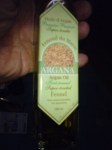
I utilized three different oils from three different countries to add a little inernationalization: Olive oil from Italy, Walnut oil from France and Argan oil from Morocco!

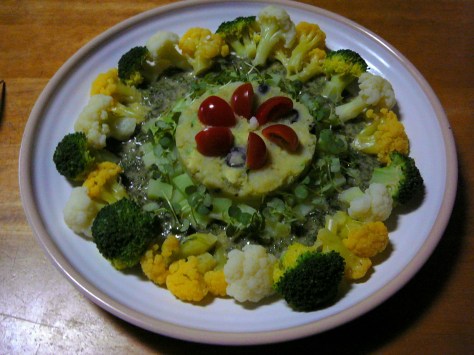
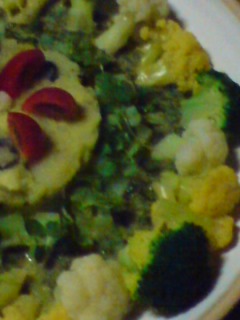
In the centre of the plate I arranged a “circle” of boiled potatoes mixed in “brandade style” with plenty of olive oil, avocado, black olives, lemon juice, a minimum of salt, chopped fresh garlic, pepper, nutmeg, thyme and yuzu chili pepper. Indian friends would probably add plenty more spices.
I surrounded it with a thin crown of boiled diced brocoli stems and shiso/perilla shoots/mini leaves.

farandole-2

I then added plenty of dressing around the lot. The dressing was made with walnut oil, taragon white wine vinegar, soft Dijon mustard (with seeds), lemon juice, a little salt, pepper and a large amount of very finely chopped fresh parsley and basil. It was very consistent and easy to spread without “leaking” everywhere.
Around the whole, I arranged boiled green brocoli, white cauliflower and yellow cauliflower (beautiful and very tasty) all grown in Shizuoka Prefecture.
I decorated the potato core with plum tomato wedges, and sprinkled both the cauliflower(s) and tomatoes with a little dash of argan oil (take it easy with this particular oil as it is particularly fragrant!).

I hope this will give ideas to my vegan and vegetarian friends for the New Year repast! By the way, “Farandole is a dance!

Edamame: Japanese Green Soybeans


The Japan Blog List

Please check the new postings at:
sake, shochu and sushi

—————————————-
日本語のブログ
—————————————-

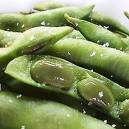
I’ve always been somewhat puzzled to find the word “edamame” in my U.S. (and European) friends’ blogs. This conspicuous vegetable seems to conjure grand images of Japanese gastronomy in spite of its almost base status in this country.

After all, “edamame” (枝豆/branch bean in Japanese) is nothing but green soybeans, a food mass-produced and heavily exported by North American farmers.
Or, is it that the soybean’s image has fallen so low on the other side of the Pacific because some people grow it for bio-ethanol that restaurateurs feel more comfortable with a grand-sounding Japanese name?

Alright, before I get collared for indulging into a cheap rant, let me introduce my own recipe for preparing the “delicacy”:
One does not have to boil it, cool it and serve it sprinkled with salt. This is probably the worst and least healthy way to consume it!
If you can, choose them fresh on the branch(es). This will guarantee they haven’t lost any of their nutrient qualities.
Cut out all the pods and throw away the branches (or re-process them inside your fertilizer box!).
Clean the pods under running water.
Drain water, but do not wipe them dry.
Drop them in an appropriate-sized non-stick pan and hand-rub them in a little coarse salt. The less salt, the better, but enough to season all pods. Experience and personal preferences will tell you how much you need.
Cover pan with a glass lid and switch on fire to medium-low. Cook until water seeps out of the pods. Switch off fire and keep inside covered pan (do not take the lid off!) for a good 5 minutes. By then, they should be sufficiently cooked.
Serve immediately.

In Japan there exists another variety called Kuro Edamame/黒枝豆-Black Edamame.
Actually they are a light brown-green soybean grown in Shizuoka Prefecture and elsewhere. They are definitely tastier and deserve the title of “delicacy”.
The beans out of their pods also make for great addition to salads, artful presentation with meat dishes, and are great mixed inside “nigiri”!