Tag Archives: Japan

Japanese Food Humor!


The Japan Blog List

Please check the new postings at:
sake, shochu and sushi

—————————————-

one-noodle1
(Sorry, mate!
this might be the best noodle, but you can get only one!)

In Japan, like in many non-English speaking countries (not a general rule, mind you!), one can find some humorous gems when people feel the need to use English for whatever PR purposes!
The above noodle example is a fairly tame one!

junk1
But advertizing “Junk Food” might be going a bit too far!


Too much writing can only take you that far!


This “Marine Choir” is not only strikingly funny, it is a real piece of art!

sushi-eraser.jpg
You might have a hard time using those erasers!

heart-space.gif
Heart Space? No comment!

gargoyle-bar.jpg
That Bar is definitely tempting!


True! This is the name of a bar in Fujieda City!

pick-up.gif
Who’s on the pick up? I wonder, …

atago.gif
Keep your paws off the grub, mate!

smorking.jpg
Not only customers are invited to smoke in this cheap cafe, but English teachers might do some good work there!

sushi-bus-1.jpg
Sushi is very popular in Shizuoka City, even on the buses!

shizuoka-pic02.jpg
Outrageous Recipe?

For more fun, visit Shizuoka Pictures!

Shochu: the way to drink and taste it!/ Parlons de la dégustation du SHOCHU


The Japan Blog List

Please check the new postings at:
sake, shochu and sushi 

Version français ci-dessous !

—————————————-

kampai-shochu.jpg
Kampai!

I’ve been asked a few times already about shochu and how to drink it.
Shochu is distilled spirit as opposed to Japanese sake which is a fremented drink.
Like Japanese sake, shochu, if made in proper clean environment is an alcohol that both vegans and vegetarians can enjoy!
For extensive information on Shochu made in Shizuoka Prefecture (38 found so far by 10 breweries!), check Shizuoka Shochu!

If you use shochu simply as an additive, or to quickly reach an irresponsible inebriety, just skip reading the following!

-Shochu comes in four main varieties: imo/tubers, mugi/wheat-grain, kome/rice and finally in what I call “fancy shochu” (which is not a detrimental term at all!).
The latter includes green tea (the best is from Shizuoka Prefecture), buckwheat and what else.

-So, first decide on the variety. As far as quality is concerned, shochu in Shizuoka Prefecture is only produced by Sake Brewers, which means higher quality and dependability.
-Once you have chosen your baby, first pour a tiny bit inside a normal glass, turn it around until the bouquet (smell) reaches your nostrils (smokers, get out of here!). Taste it at room temperature. It will give you a kick, but you will learn its true character.
-Next, if you are a true shochu lover, fill a large glass with ice (one very large block is best), pour a reasonable quantity of shochu on it, and drink it slowly through (or around) the ice. As the ice slowly melts, the shochu taste will subtly change, giving you an indication, whether you want to drink it straight, on the rocks, or with a certain amount of ice and water, or added with warm water.
-After all, you are in Shizuoka, so why don’t you try the “Shizuoka Hai”. Pour hot or ice-cold Shizuoka green tea, or better, mixed with powdered “macha” tea. You might get hooked!
-The other step is to find what goes best with shochu (as regards your personal taste): ginger ale, oolong tea, soda,… There is no end to it!
Enjoy!
Robert-Gilles

Kampai!

I

Cela fait plusieurs fois que l’mon demande comment boire le shochu, qui est un alcool distillé, contrairement au saké qui lui est fermenté. Tout comme le saké, que l’on appelle plutôt nihonshu, le shochu a bien des qualités, et y compris celles du respect de l’environnement. Jetez un oeil à notre autre blog ici pour plus d’informations (en anglais) sur les variétés de Shizuoka: Shizuoka Shochu! A Shizuoka on a pour l’instant selon mes comptes 38 variétés pour 10 distilleries.

Si vous vous servez du shochu pour cuisiner ou pour vous faire tourner la tête vous pouvez éviter de lire les paragraphes qui suivent !

On a principalement 4 variétés de shochu : Patates/tubercules, blé (mugi), riz (kome) et ensuite ce qu’on pourrait appeler les shochu fantaisie (avec tout le respect et la considération que j’ai pour eux néanmoins ! )

Je pense qu’il faut déjà penser à la variété. Bien que la qualité soit un facteur tout autant essentiel, dans Shizuoka tous les shochus sont fabriqués avec conscience par les distilleries de saké, donc très fiables.


Quand vous aurez choisi votre petit bébé, mettez-le dans un verre et faites le tourner jusqu’à ce que l’odeur pénètre vos narines (évitons de fumer en même temps). Dégustez-le à température ambiante si vous voulez bien faire connaissance avec lui, même si cela devrait vous mettre un coup de fouet.

Si vous êtes un vrai amateur de shochu, remplissez un verre avec de la glace, un gros glaçon est l’idéal, mettez une quantité “raisonnable” de shochu à l’intérieur et buvez-le ainsi. Avec la fonte du glaçon, le goût du shochu se verra aussi modifié ce qui devrait vous donner aussi plus d’informations sur la manière idéale de le déguster (mélange d’eau, plus de glaçons, avec de l’eau chaude, de l’eau pétillante)…


Après tout si vous êtes à Shizuoka, n’hésite pas le Shizuoka Hai, à base d’eau chaude ou froid et de thé vert de Shizuoka ou encore mieux avec du Macha ! Vous pourriez vous laisser prendre 🙂

Enfin il existe plein de manières d’agrémenter son Shochu : Gingembre, thé oolong, soda etc… !

Duck Confit White Sauce Gnocchi


The Japan Blog List

Please check the new postings at:
sake, shochu and sushi

—————————————-

gnocchi.jpg

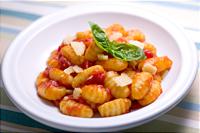
For once, I took advantage of the Internet to concoct some great and simple food for the Missus the other day.
There is a great company based in Osaka City called Dining Plus Com selling online all kinds of imported foods from France, Italy, Belgium and many other countries at unbeatable prices. Furthermore, whatever you order will reach you within 24 hours or on the requested day. I know that Lojol‘s Missus has heard of it, and being a great cook herself, she will have to satisfy some new requests!

Ingredients (2~4 people):
dining-plus-confit.jpg
(courtesy of Dining Plus Com)
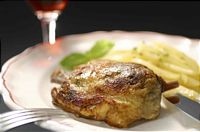
Duck Confit leg: 1
dining-plus-gnocchi.jpg
(Courtesy of Dining Plus Com)
Frozen Gnocchi: 200g
Bacon: 2 large slices, cut in thin strips across.
Mushrooms of your choice: 1 large fistful (frozen mushrooms are fine as they give out a lot of great juices! A good way to use leftovers!), sliced if necessary.
Garlic: 1 clove, chopped in slices
Madeira Wine (or Red Port): 50 cc (a quarter of a cup)
Fresh cream: 200 cc
Sour cream: 1 large tablespoon
Herbs: parsley, dill and sweet basil (of course, it is your choice), a couple of tablespoons finely chopped.
Salt, pepper, nutmeg, thyme, laurel (all powdered). Keep inmind you will need very little salt.

Recipe:
-Heat a large pan of salted water (1 litre). It will have to be brought to boil when the sauce is being made.
-Heat a large deep non-stick frying pan and place Duck Confit leg skin down. Cover with a glass lid. Lower fire to medium and let cook. The duck is already cooked. What you want is to cook the skin to a crispy state.
When satisfied with the cooking switch off fire. DO NOT throw the fat or wash the pan!
When the duck has cooled a bit (try to proceed as hot as possible), shred the duck away from the bone. Try to obtain very thin strips. As for the grilled skin, cut it in thin strips. Discard excess fat sticking to the bone or under the skin. Keep in separate bowl.
-Throw in the sliced garlic in the pan on a medium fire. Once they have reached a brownish colour, carefully take them out and discard them.
-Throw in the bacon strips and fry until crispy. Carefully take them out and put them aside with duck.
-Lower the fire to low medium and throw in the mushrooms. When cooked to satisfaction, take them out carefully and put them aside with duck.
-Turn fire to medium high. Pour in the Madeira wine and stir with a wooden spatula to get it well-mixed with the juices. Pour in the fresh cream and sour cream. Stir until smooth.
-Throw the frozen gnocchi into boiling water. When water boils again, count 1~2 minutes for gnocchi to be ready.
-Add spices to sauce and mix in well. Add duck, bacon and mushrooms. Stir. Only then check if more salt is needed, which I doubt quite some is already included in the duck and bacon.
-When gnocchi are ready, take them out of water, drain them (excess water is not a problem. It can actually be used to lighten the sauce in case you find it too thick) and add them into pan. Stir.
-When ready, pour the lot in a large dish and sprinkle with the chopped herbs. Serve and eat at once.

Little secret: as for many other recipes, use the same pan and DO NOT wash it! You could add some parmiggiano cheese over it, but I would think it a bit heavy.

Bryan Baird’s Newsletter


The Japan Blog List

Please check the new postings at:
sake, shochu and sushi

—————————————-
日本語のブログ
—————————————-

Baird Beer & Taproom Events Bulletin 2008 #24
bryan-sayuri.gif

Dear Taproom Friend & Baird Beer Enthusiast:

The holiday season is upon us. Jubilation is in the air. Jubilation also is in the glass! Yes, Friday, December 12 marks the 2008 debut of a Baird Beer holiday classic — Jubilation Ale. It also marks the release of a specially festive first-time Baird Beer brewed at the request and with the cooperation of the fine liquor store, Nakaya: Autumn Harvest Blueberry Ale.

(1) Jubilation Ale (ABV 7%):

This is our annually crafted holiday season ale. It’s hallmark flavor stems chiefly from the addition of two special ingredients: (1) fully ripened figs candied in Japanese red sugar and (2) cinnamon twigs culled from a Japanese Nikki tree. A sublimely balanced interplay of sweet and spice results. The ruby red hue and the wafting aroma of Japanese nikki warm the heart and furbish the soul.

This year we are unveiling a newly designed label for our Jubilation Ale that, we think, captures the spirit and flavor of this celebratory ale in a very esthetically pleasing way. (Thanks go to our talented and loyal designer, Ms. Eiko Nishida, for her splendid work). Fifty of these 633 ml bottles will be specially gift-wrapped and available for purchase direct from our brewery. The cost is 1,200 yen and limit one per person. To reserve one of these gift bottles, please contact directly either the Fishmarket or Nakameguro Taprooms. Pickup and payment for your reserved bottle can be made at either Taproom beginning Friday, December 19.

Non-gift wrap bottles (633 ml) are available for purchase through the Baird Beer estore as well as through the fine family of Baird Beer retailing liquor stores in Japan. A limited number of 2007 edition, long-maturation bottles (360 ml) of Jubilation Ale also will be available for purchase through these channels. The flavor comparison between the two years is highly interesting. Draught versions of Jubilation Ale 2008 will be pouring from the taps of Baird Beer retailing pubs and restaurants throughout Japan beginning Friday, December 12 (including at our own Fishmarket and Nakameguro Taprooms).

(2) Autumn Harvest Blueberry Ale (ABV 6%):

What do you get when you combine a passionate Isehara beer-retailing liquor store, fresh Kanagawa prefecture blueberries, and a devoted fruit beer craft brewery? Of course, you get a great idea for an interesting beer. Autumn Harvest Blueberry Ale is the final product of that idea. Brewed exclusively with European base malts and Japanese sugar, lightly hopped with English Fuggles, and dosed with loads of hand-crushed Kanagawa blueberries, Autumn Harvest Blueberry Ale is piquant and effervescent — a fruited beer champagne, if you will.

633 ml bottles of this gorgeous elixir are being sold exclusively through the online estore of liquor shop Nakaya (please visit http://www.craftbeers.jp). Draught versions are available for sampling at three locations: (1) Craft Beer Bar in Yokohama, (2) Nakameguro Taproom in Tokyo and (3) Fishmarket Taproom in Numazu.

Finally, please mark your calendar for upcoming events at the Nakameguro and Fishmarket Taprooms.

Nakameguro Taproom:

*Wednesday, December 24 (hosting a Christmas Eve celebration that includes a special menu and an appeal to all the loveless and forlorn — 500 yen pints for all those who visit by themselves. Christmas Eve in Japan is not just for the love birds!).

*Wednesday, December 31 (hosting a New Year’s Eve countdown party that features all-you-can-drink Baird Beer and an all-you-can-eat light buffet for only 5,000 yen per person. Party begins at 7:00 pm).

Fishmarket Taproom:

*Tuesday (National Holiday) December 23 – Thursday, December 25 (hosting a three-day Christmas celebration that features a special Christmas food menu, a vertical draught tasting of Jubilation Ale 2007 and Jubilation Ale 2008, and 500 yen pint servings of Jubilation Ale for the entire 3 days).

Wednesday, December 31 (hosting a New Year’s Eve countdown party that features our traditional an all-you-can-eat Mexican buffet for only 1,000 yen per person and 500 yen Baird Beer pints. Buffet begins at 5:00 pm and ends at 10:00 pm. 500 yen pints run through the entire evening).

Cheers!
Bryan Baird

Baird Brewing Company
Numazu, Japan
HOMEPAGE

Japanese seasonal Fish: Saba/Mackerel


The Japan Blog List

Please check the new postings at:
sake, shochu and sushi

—————————————-

saba1.jpg

Mackerel or saba, not to be confused with sanma/mackerel pike, is a fish eaten over the whole Northern Hemisphere and does come under many varieties and names.
In Japan it is mainly called “Saba”, “Masaba” or “Sekisaba”.
“Saba” is written 鯖 in Japanese, that is a combination of kanji characters for “fish” and “blue”!
Here, it is mainly caught off Oita, Saga Prefecture (Kyushu), although quite a few are caught off our coasts. They feed on plankton mainly.
saba-yaizu.jpg
(mackerel catch in Yaizu Harbour)
They are prepared and cooked in many guises.
In France, my birthplace, they are steamed and then pickled in white wine and spices. In Northern Europe they are also eaten half raw as smorgasbrod and pickled fish.
It can be appreciated as sashimi, but it must be absolutely fresh and is best served with grated fresh ginger and lemon:
saba2.jpg
As far as sushi is concerned, “masaba” variety is best:
saba3.jpg
It is especially popular as “oshizushi” (pressed sushi).
My preference goes for konbu zume saba. the mackerel is kept inside a variety of wet seaweed for an hour or so before put whole on top of a long “bar” of rice, then cut to size:
saba-sushi.jpg
(picture taken at Tomii estaurant, Shizuoka City)

Japanese seasonal Fish: Sanma/Mackerel Pike


The Japan Blog List

Please check the new postings at:
sake, shochu and sushi

—————————————-

“Sanma” or Mackerel Pike has come on our plates with the advent of Autumn and will stay with us until almost end of the year.
Known under other names such “Saira” or “Banjyo”, it is a fish with red meat rich with proteins.
In Japanese, 秋刀魚, it means “Autumn Sword Fish”!
In season, the flesh is fatty and sweet and ought to be sampled as sashimi served with grated fresh ginger and thinly cut leeks:

(Pic taken at Tonami, Shizuoka City. Notice the shiso/perilla flowers)
It is mainly caught off the north eastern shores of Japan as the fish swim down from Hokkaido.
But the more south it is caught, the less fat it will contain.
The annual catch exceeds 20,000 tonnes, although breeding is increasingly successful.
Incidentally for all the fish consumed in this country, Japan is the World leader when it comes to marine research and stock renewal develoment!
If you eat it at a good place such as Tonami in Shizuoka, you will be served its with its bones and head deep-fried.
Of course, as a sushi it is a morsel to savour!

Today’s Lunch Box/Bento (46)


The Japan Blog List

Please check the new postings at:
sake, shochu and sushi

—————————————-

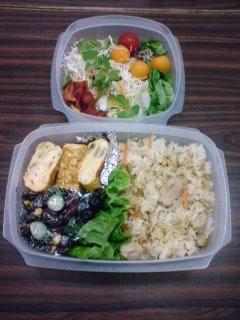
bento-2008-12-09a

Yesterday’s bento was a very traditional Japanese one with the exception of the salad!

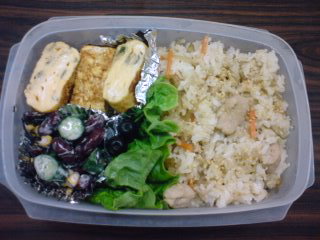
bento-2008-12-09b

The rice part was “maze gohan/mixed rice”, that is it contained chunks of chicken, bits of “gobo/burdock roots”, carrot and fresh ginger, the whole seasoned with “shiro goma/white (actually light brown) sesame.

The “tamagoyaki/Japanese omelette” contained chopped “shiso/perilla leaves/ (Rowena, next time you make an omelette, think about it!).
Plenty of lettuce was provided to wrap the tamagoyaki in.
A salad of azuki beans, baby cucumber, corn and “hijiki/sweetened seaweed” and a few olives completed the dish.

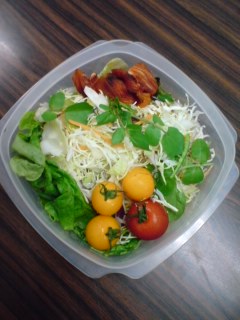
bento-2008-12-09c

As for the salad (seasoned later with dressing I keep at work), it consisted of fresh Shizuoka cress, mini tomatoes, more lettuce and pieces of chickory on a bed of finely chopped vegetables.
The little orange bits you see were my dessert: home-dried “kaki/persimmon”!

Vegetables and Seafood Gratin


The Japan Blog List

Please check the new postings at:
sake, shochu and sushi

—————————————-

seafood-gratin1.jpg

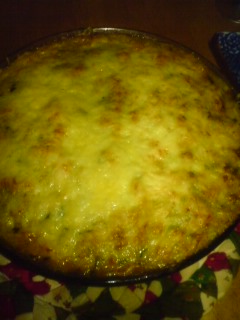
Winter has come upon us, even in Japan, and it’s time for hot and hearty food!

Gratins should not be complicated. Restaurants serve them for a good reason. They are easy to prepare and come at a handsome profit the moment you present them in individual portions with a few expensive decorative items. Alright, they certainly look better than in your plate at home, but this is what you pay for!
The key is to be well-organized, so make sure you have everything within hand’s reach!
The recipe below leaves plenty of room for improvisation, even for vegetarians!

Ingredients (for 2~4 people):
-Potatoes: 2, medium-sized, cut in 8
-Cauliflower: a handful of “flowers” cut to size
-Mussles: 1~2 dozens
-Oysters: 12 (without the shells! LOL)
-Crab: a whole, medium-sized, completely dressed (you cannot cook the shell, sorry!), with “miso”/brains on a separate plate. If fresh crab not available, use good quality tinned crab. Strain it carefully first by pressing it in your fist. Water can be used in the white sauce.
-1 large echalotte/shallot, finely chopped. If unavailable use one small violet onion or small sweet onion.
-Garlic: 2 cloves, finely chopped
-Basil: 12 leaves, thinly cut
Noilly Prat or sweet white wine: 50cc (1 quarter cup)
Olive oil
Salt, pepper.

-White sauce:
Milk: 300cc (1 cup and a half)
Butter: 50 g
Flour: 60g (2 full large spoons). This may reduced or increased depending on the consistency you wish to obtain.
Salt, pepper, nutmeg, laurel
Curry paste: 1 spoon (optional. If you like your food spicy, then increase amount)
Finely shredded cheese: to taste

Recipe:

1) Boil cut potatoes and cauliflower beforehand in salted water until “80% cooked”. Strain water and put aside within reach.
2) Wash mussles under cold running water and pull out “roots”. In large deep non-stick frying pan pour about 2 large spoons of olive oil. Heat oil and drop echalotte and garlic inside. As soon as the echalottes (or onion) become transparent, pour in the wine and all the mussles. Cover with glass lid. As soon as the mussles are all open, switch off fire. Take mussles out one by one, shake them over the pan to leave only the meat inside. Take off the meat and leave it inside a small bowl. If they give off “water” in the bowl, throw liquid away.
3) Switch on fire again and keep to medium. Drop oysters inside. Let them cook until they have changed colour. Switch off fire and take them carefully out one by one, and leave them in small bowl. If they give off “water” in the bowl, throw liquid away.
4) Switch on fire again to high and reduce the “soup” left inside the frying pan. Once it has reduced to about 50cc/one quarter cup, strain it into a cup and keep it aside for white sauce.
5) Lightly wipe (do not wash in water!) the frying pan with clean kitchen paper. Drop in some butter. Switch on heat to medium and lightly saute/fry first the cauliflower for a couple of minutes with a little salt and pepper, and put aside. Do the same with potatoes. This will help the vegetables “suck in” the gratin taste.
6) Preheat oven at 180 degrees Celsius (medium high)
7) Drop the butter (50g) into frying pan and let melt. Drop in flour and stir until smooth. Pour in the seafood juices (“soup”) and stir. Once smooth, add milk half by half and keep stirring until it has reached the appropriate consistency. Switch off fire.
First stir in the curry paste, then crab “miso/brains”. Add salt, pepper, nutmeg and laurel to taste. Add crab and basil and stir until you have reached a certain homogeneity.
8) In a large shallow oven dish, place potatoes, cauliflower, mussles and oyters equally (to avoid arguments!). No need to butter the dish beforehand as all ingredients contain enough fat.
Spread white sauce equally over vegetables and seafood. Sprinkle the lot with shredded cheese (the more, the better for those who like their gratin with a dark cheese “topping”!).
Cook in oven for 30 minutes, or until it has reached the appropriate colour (all the ingredients having been cooked, nothing to worry about if you decide to cook it at 250 degrees Celsius to just grill the top).

seafood-gratin2.jpg
Serve hot and enjoy. Of course, you could cook the gratin in individual dishes, but it is so nice to break the whole and serve it steaming onto the plate. Sorry, the pictures do not do justice to the dish, but then if it is looks you are caring about, you could always ask for it at a restaurant! LOL

Small secret: Cook everything in the same large non-stick frying pan. Wipe it, do not wash it! It will give this extra taste!

More recipes with mussles coming soon!

Eel Species

Please check the new postings at:
sake, shochu and sushi

—————————————-
日本語のブログ
—————————————-

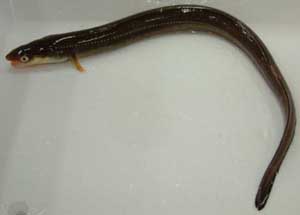
Here is another fish, second only to tuna, so popular in Japan!

Anago/Conger Eel
anago1.jpg

Anago or Conger Eel, a favourite all over Japan, does come in many varieties, some edible, some not.

The most popular conger eel in Japan is “Maanago” (“True Conger Eel”).
It is also called “Anago”, “Hakarime” and “Hamo” (although this particular kind should be treated separately)
Summer is the best season, although they are available all year round in Sushi restaurants.
They are mainly caught in Tokyo Bay, Jyowata Bay and Seto Sea.
anago3.jpg
Most Japanese appreciate them first boiled in broth then cooked on a grill over charcoal fire and then dipped in “tare/Japanese grill sauce”.
anago4.jpg anago5.jpg
As for nigiri, they come in many guises: topped with “tare” (sauce) or just with a light brush of shoyu (see above pics)
anago6.jpg anago7.jpg
Or a bit on the crispy side, or on the very soft and melting one (see above pics)
It basically depends on the chef’s skills and preferences.
anago2-tempura.jpg
One should not forget they also taste great as tempura, including the bones, a particular favourite of mine!

Samples with bright skin transaprent flesh are the best.
Imports from China and Korea have increased recently, although Japan is starting putting strong regulations to protect the species.
As for Shizuoka Prefecture, we do have access to fresh fish. Select your sushi restaurant accordingly!
———————————
Unagi/Common Eel

Unagi or common eel is fish which made Hamanako/Hamana Lake famous in western Shizuoka Prefecture.
As summer approaches, the Japanese are looking forward to eat the delicacy as it is supposed to revitalize your body on very hot days.
Also called “Kayoko”, “Subera” or “Aobai”, it is farmed mainly in Shizuoka, Aichi and Gifu Prefectures.
It is only in the Edo Period that the Japanese starting it after they realized it could not be eaten raw as opposed to anago/conger eel or hamo/pike conger eel (coming soon!).
Japan presently produces more than 24,000 tonnes and still imports 14,000 tonnes whole and 71,000 tonnes cooked, most of it from China.

It is quite popular as nigiri in any part of Japan.

But the Japanese are simply crazy about “kabayaki”, which requires to grill and baste the fish at the same time, a fairly tedious process. It is a bit of an acquired taste as the connoisseurs eat the skin, which a bit oily to my liking.
In Hamamtsu, it is possible to eat the real wild fish in a very few restaurants, but you will know the difference when the bill comes!

Today’s lunch Box/Bento (45)

Please check the new postings at:
sake, shochu and sushi

—————————————-
日本語のブログ
—————————————-

bento-2008-12-08a

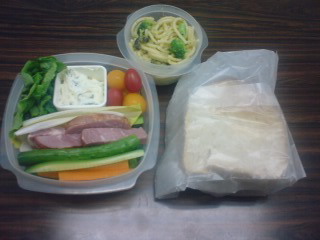
Yesterday’s bento was in the “Open-sandwich” mode again!
Before I explained the “main dish”, the “side dish” in the small round box contained brocoli and balck olives spaghetti salad (the Missus feard I didn’t have enough!).

bento-2008-12-08b

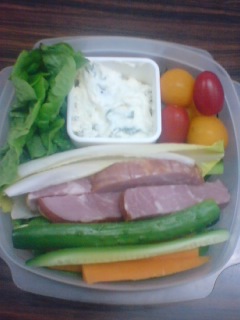
The ‘main dish” included sticks of cucumber, carrot and ham with chickory and lettuce leaves, orange and red mini tomatoes and a “pot” of dip-dressing I had made myself the ight before for the trout-salmon pie (posting coming soon!). The dressing consisted of fresh cream, a little olive oil, lemon juice, chopped shiso leaves, salt, white pepper and nutmeg.

bento-2008-12-08c

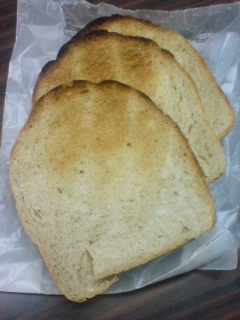
The bread baked the night before and toasted in the morning was cumin bread!

Chinese Restaurant: Shikinjo (revisited)

Please check the new postings at:
sake, shochu and sushi

—————————————-
日本語のブログ
—————————————-

shichi-1

Shizuoka City is lucky to count one real Chinese Restaurant whose owner and staff are all from Beijing!
The Missus and I visit regularly. The main chef has changed, meaning that some seafood dishes have been added!
Here is what we enjoyed last Sunday (sorry for the late posting!)

shichi-2
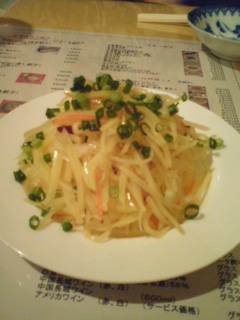
Half-raw potato salad, a great appetizer with the first drink (beer in that case).

shichi-3
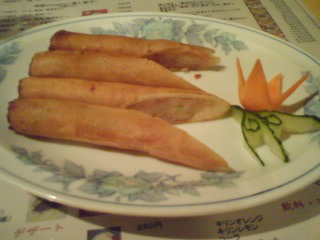
Deep-fried seafood Spring rolls.

shichi-4 shichi-5
Time for the dim sung: steamed gyooza/dumplings. Above are pork dumplings.

shichi-6 shichi-7
Carrot dumplings.

shichi-8
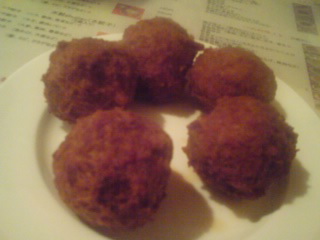
A favourite: deep-fried pork balls. And a must as the Missus have given up of reproducing at home!

shichi-9
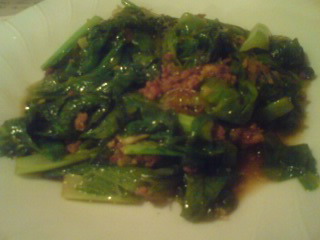
Sauteed greens with minced pork meat and rice vermicelli for the Vitamin C!

shichi-10
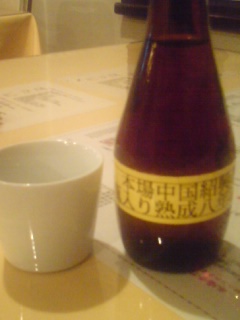
Shikinjo has great old Chinese rice wines that I never fail to taste (at room temperature)! That’s when the Missus switch to Chinese Great Wall white wine!

shichi-111
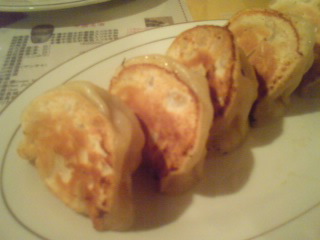
As we still had some space left in our stomachs, fried (sauteed) seafood gyooza and

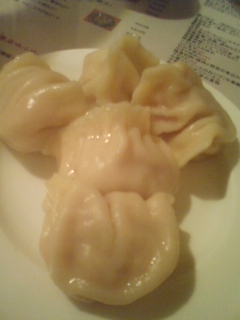
shichi-12
boiled seafood dumplings!

No more space left for dessert!
Pity as they have some great home-made almond curd!

Shikinjo
Shizuoka City, Aoi Ku, Takajo Machi, 3-21-20, Kawai Bldg 1F
Tel. & fax: 054-2742727
Opening hours:
weekdays: 11:30~13:30 & 17:30~22:00
Saturdays, Sundays & National Holidays: 17:00~22:00
Closed on Wednesdays.
Parties welcome
Very reasonable
Homepage: Homepage (Japanese)
10 minutes walk from Shin Shizuoka Station

French Cake: Nectarines Tart

Please check the new postings at:
sake, shochu and sushi

—————————————-
日本語のブログ
—————————————-

nectarinetart.jpg

Nectarines being smaller and a lot firmer than peaches, they make for a great fruit in tarts.
Here is a simple enough recipe you could apply for other fruit such as apricots, apples and even mangoes, fresh or in Syrup (the latter would have to drained out, though)!

Ingredients (for 6 people):
Pastry: flour: 200g
butter: 75g
egg: 1
powdered sugar: 50g
water
salt
Filling: nectarines: 750g
butter: 100g
powdered sugar
almond powder: 125g
eggs: 2
rum: 1 tablespoon
minced pistachio: 1 tablespoon
glazing sugar: 2 tablespoons

Recipe:

A) Pastry:
In an all-purpose bowl mix eggs with sugar until smooth. Then mix in butter (softened) until smooth. Add a pinch of salt. Then mix in flour little by little to obtain a homogeneous paste. Mix in water little by little until pastry is “as soft as your earlobe”. Wrap in cellophane and leave in refrigerator for an hour.
B) Take pastry out of refrigerator and knead a little until soft enough to spread.
Spread inside tart dish and punch a few holes with a fork.
C) Preheat oven to 6 (180 degrees Ceslius). Melt the butter and pour it in an electric blender (if you do not have one, use some elbow power and mix in all-purpose bowl), add almond powder, sugar, whole eggs and rum. Blend until smooth and pour on pastry.
D) Clean nectarines in cold water. Wipe and cut them in thin slices. Put them onto almond paste pushing them each a little onto the paste so as to make a nice regular pattern for better impression and easier cutting. Sprinkle with glazing sugar. Cook for 50 minutes.
Take out of the oven and out of its mold onto a dish or cake grill. Let it cool. Sprinkle with minced pistachio before serving.

Tuna Species

Please check the new postings at:
sake, shochu and sushi

—————————————-
日本語のブログ
—————————————-

I noticed that many friends at Foodbuzz are anglers and fish lovers.
Here is some useful information on the most popular fish in Japan (and in Spain, too), namely Tuna!
Kuromaguro/Blue Fin Tuna

kuromaguro.jpg

Tuna or “Maguro” is the most popular fish for sushi and sashimi lovers in Japan (and abroad). It is said that more than 60% of total catch is consumed in Japan alone (and probably a lot higher depending on species). Incidentally, Japan is not the single bigger consumer of fish. Spain is!

Now, there is tuna and tuna. Briefly said there many species with many names and very different price tags as well!

The first species I would like to introduce is “Kuromaguro”, or Blue Fin Tuna (or Tunny). It has many other names in Japanese: Honmaguro, Maguto,Meji,Yokowa, Shibi, Imoshii, Shibimaguro, Kuroshibi, and Hatsu!

The best are caught in Winter mainly in the seas off Kochi (Shikoku Island), Miyagi and Hokkaido Prefectures.
This variety is the most expensive and can reach astronomical prices, especially caught in Winter off Hokkaido.
Imported Kuromaguro usually reaches Japan frozen, but in recent years the fish has been successfully raised in semi-wild environments in Spain, Australia and Croatia and arrives in Japan fresh by plane.
Import and sale of Kuromaguro are monopolised by Japanese trade associations, unless you are lucky enough to catch one (careful here, as poaching is a major offense in Japan!).
Between you and me, if you want to eat Kuromaguro sashimi, it might come cheaper if you do it while travelling in Spain!
Did you know that Japanese importers will fly to Spain and other countries just to check that the fish are bled properly?
kuromaguro-otoro
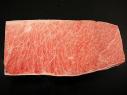
Kuromaguro Otoro (fat part)

kuromaguro-chutoro
Kuromaguro Chutoro (semi-fat part)

kuromaguro-akami
Kuromaguro Akami (lean part)

———————

Mebachi/Big-eyed Tuna

mebachi.jpg

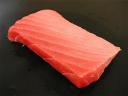
We are nearing the season for savouring Mebachi or Big-eyed Tuna, a fairly reasonable kind of tuna especially popular for its “akami” (lean part)
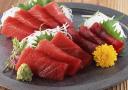
mebachi-akami

It has different names according to the areas: “Darumashibi” (Mie Prefecture), “Mebuto” (Kyushu). In Tokyo, Shizuoka and Wakayama, it is called “Daruma” when caught a young age.
The best seasons for catching are during the rainy season or the Fall.
This kind of tuna is mainly caught off the shores of Miyagi, Kagoshima, Kochi, Shizuoka, Kanagawa and Hokkaido Prefectures.

As said before it is mainly appreciated for its lean beautiful red flesh, but also cooked and grilled as “kama”:
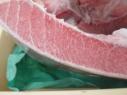
mebachi-kama
In the fall it is also a source of toro (fatty part) when kuromaguro is not available.
In recent years it has been extensively caught in the Pacific, Atlantic and Indian Oceans and in the Mediterranean Sea. It also comes frozen from Chile, Peru and North America. It is also flown fresh from Australia, Indonesia and New York. A lot equally comes frozen from South Korea and Taiwan.

——————–

Kihada: Yellowfin Tuna

kihada1.jpg

“Kihada maguro” or Yellowfin Tuna” will appear on our tables from early summer.
It is mainly caught off Shizuoka, Miyagi and Kochi Prefectures coasts.
Like all other fish it is called other names in different regions:
Kiwada, Itoshibi (Wakayama, Kochi, Kyushu), Shibi (Kyusyu, Osaka), Ban (Osaka) and Tuna Kajibi (Okinawa)
Kihada roams over many seas between 30 degrees north latitude and 30 degrees south latitude and even wider depending on the season.
Most of the fish caught in Japan is served locally as sashimi:
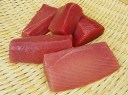
efbd8befbd89efbd88efbd81efbd84efbd81efbc92
Very recognizable for its pinkish colour.
It is also widely appreciated as Zuke (first lightly grilled, then dipped into ice water before being cut in thin slices) on nigiri:
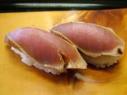
kihada3
A lot is imported frozen.
In Shizuoka try to go for the freshly caught samples coming from Yaizu or Numazu.

—————–

Minamimaguro/Southern Blue Fin Tuna

minamimaguro.jpg

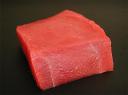
Minamimaguro or Southern Blue Fin Tuna could be called a true Shizuoka Prefecture tuna as our Prefecture accounts for 30% of the total in Japan!
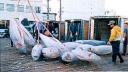
shizuokaminamimaguro
Like all fish it has different names: Indomaguro, Goushyumaguro, Bachimaguro.
In Autumn it is mainly caught off Australia, New Zealand, Capetown (South Africa) in the Southern Hemisphere and off the coasts of Shizuoka, Kochi, Kagoshima and Miyagi Prefectures in Japan.
Mianmimaguro is comparatively cheaper than its fellows as it contains little fat, which on the other hand makes it very easy to freeze and preserve.
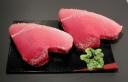
shizuokaminamimagurochu
Regardless of the lack of fat, it makes for excellent sashimi, sushi and various parts are succulent grilled or cooked.
The parts discarded by humans make for a lot of cat food!

————————

Binnaga/Albacore Tuna

binnaga.jpg

Binnaga or Albacore is very often called Tonbo Maguro in Japan. It is also known under the name of Binchyou.
It is caught in the Summer off the coasts of Miyagi, Kochi, Mie and Miyazaki Prefectures.
This is probably the cheapest kind of tuna available in Japan apart of Marlin.
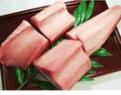
binnagatonbo
It makes for most of the cheaper tuna sashimi in supermarkets.
I personally like it fried in large slices before eating them as tuna hamburgers. Absolutely delicious and far healthier than a McDonald’s (let them sue me!)!
efbd82efbd89efbd8eefbd8eagatataki
For people who want to try their hand at making “tataki”, it would be the perfect first step into Japanese gastronomy.
It is also vastly used by canneries under the name of “Sea Chicken”.
It is probably the most popular tuna species outside Japan.
———————–
Mekajiki/Big-eye Marlin

mekajiki.jpg

Strictly speaking, marlins are only a different branch from tuna, but as it is so often offered as a substitute for true tuna, I decided to introduce it as such.
There are many types of marlins all over the world, but the most commonly caught and eaten is “Mekajiki”/Big-eye Marlin.
kajiki1.jpg
It is found in various supermarkets and cheap izakaya. Still it is a very popular as sashimi as well as grilled fish. Even in my home country it is served as “Carpaccio”.
It is caught all around Japan from Atumn to Winter.
It is also called “Meka” in Tokyo or “Mesara” in Kanagawa Prefecture.
Sashimi varieties came in two main kinds: “kuro” and “shiro”.
“Makajiki” (“true marlin”) is peach pink while “Mekajiki” (“big-eye marlin”) is of a whitish orange.
More than 1,000 tonnes are caught off Japan, whereas imports amount to more than 1,100 tonnes.
In Europe and America it is popular as canned food or grilled.
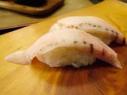
mekajiki-sushi
One can enjoy it as cheap “nigiri” in sushi restaurants.
Fresh marlin should be shiny and show veins bright red.
It is mainly caught at night as it swims near the surface then.


Japanese Fast Food

Please check the new postings at:
sake, shochu and sushi

—————————————-
日本語のブログ
—————————————-

jap-fast-1

Fast food is not an American invention. And our friends on the other side of the Pacific Ocean may not even boast the dubious title of the biggest junk food producer. The Chinese and Japanese are way ahead!

jap-fast-4 jap-fast-5 jap-fast-6 jap-fast-7

Italian “invented” slow food, but as far as as fast food is concerned, the French may claim to be the initiators when Napoleon ordered the production of the first-ever canned food in 1810!

junk

Japan, as demonstrated in other firleds, is a living contradiction. Here you have nation which prides itself, deservedly, in creating arguably some of the best gastronomy in the World. On the other hand, it has become a paradise for junk food packet collectors!
Some establishments go as far as advertising their food as “junk food” (see pic above taken in Shizuoka City)!
An interesting twist is that the Japanese make a point of advertising their “fast food” as “instant food”!

jap-fast-8

Americans have the hamburger, which incidentally could make for a properly balanced meal if fries (don’t call them French, they are Belgian!) and soda drinks (no names here as someone might sue me!) were not adding as many calories (empty) on top of the most popular meat contraption (no names, either!) in The US and the World.
jap-fast-2
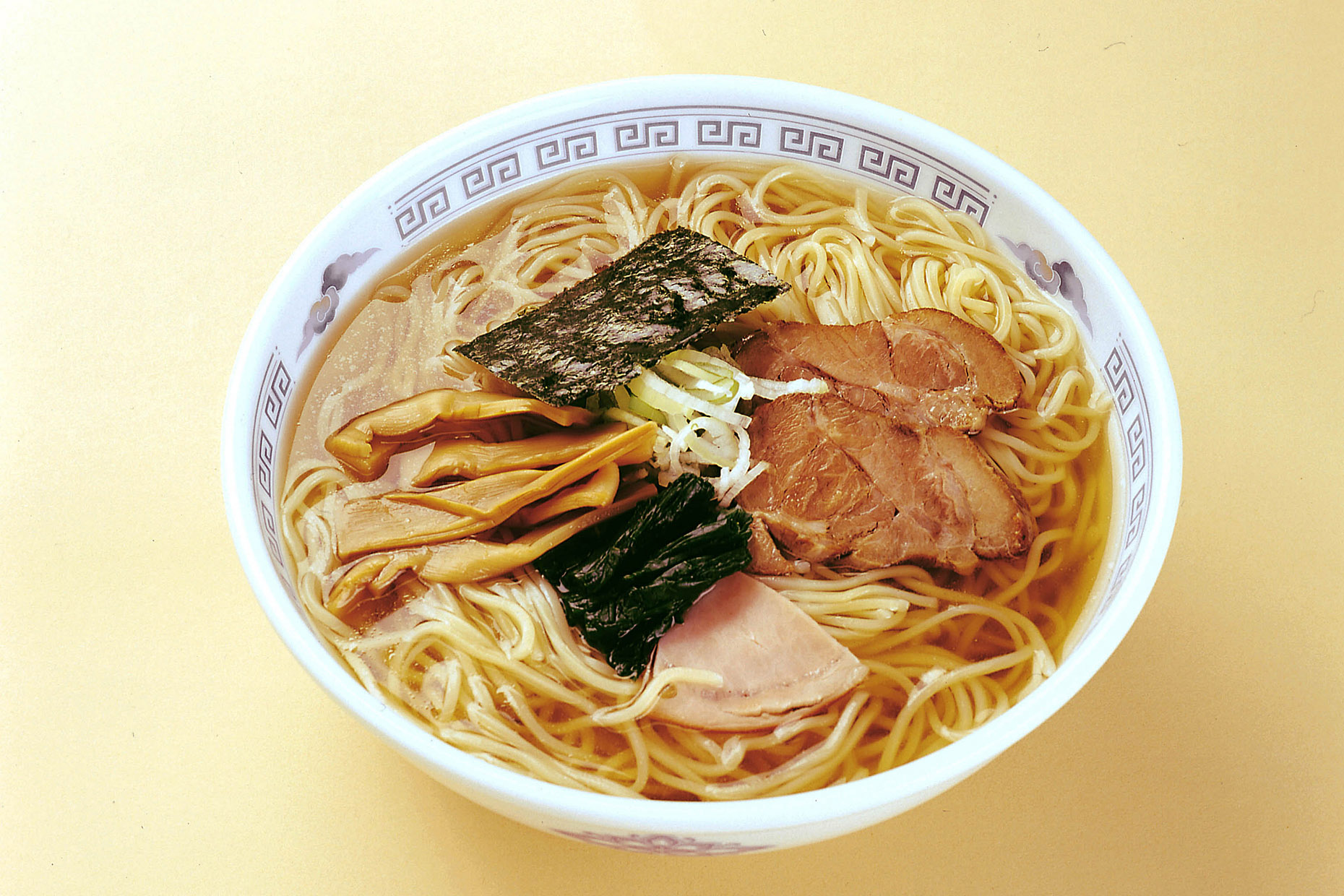
Ramen is the exact replica in Japan when it comes to unwanted salt, empty calories and what else when served at cheap food stands, or dehydrated in “convenience stores” and supermarkets.
Do not misunderstand me: ramen can make for a great meal too with the correct addition of fresh greens, fresh meat or fish!

jap-fast-3

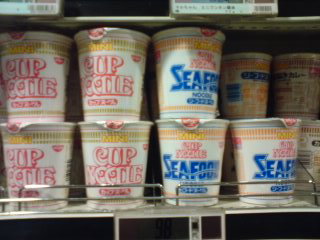
But more dangerous, because they are the epitome of practicality, are the notorious “Cup Noodles” whose concept has been adopted under many guises all over the World, even on planes!
Next time you order or buy one cup for a quick fix, ponder a while on the amount of salt, preservatives, additives and more that you are going to inject into your system!

N.B.: Whereas I’m careful about citing American brand names, “Cup Noodles”, although a brand name, is considered as a variety of food, not a particular brand.
That is unless someone somewhere begs to differ!

Vegetarian French Cuisine: Cream Mushrooms

Please check the new postings at:
sake, shochu and sushi

—————————————-
日本語のブログ
—————————————-

cream-mushrooms.gif

We are still in mushrooms season, wild ones or cultivated species, fresh, dehydrated or frozen. Mushrooms are low in calories, but high in quality, whether it concerns taste or nutrients.
Some people have told that mushrooms cannot be frozen. This is a fallacy. Full stop.
I personally receive frozen chanterelles, trompettes and what else from the internet and I can assure they are delicious.

Here is the recipe of a dish my father (83) cooked for us last time I came back home in Burgogne, France. It was made with exclusively frozen mushrooms! It can accompany any meat, especially white-flesh meat, or can be appreciated on its own as accompaniment with a solid white wine or heady Japanese sake.
Great for vegetarians! Vegans can accomodate it witheir own substitutes, too.

Ingredients (3~4 people):
Mixed mushrooms of your choice, fresh or frozen (if frozen, let them thaw slowly inside refrigerator for a few hours and get rid of excess water): 500g
Shallots (echalottes): 2 finely chopped
Garlic: 2~3 cloves finely chopped (crush garlic before chopping it. Do not forget to discard core!)
Parsley or Italian flat parsley: half a cup finely chopped
Fresh cream: 200cc
Madeira wine: 50cc (yellow port is fine, too, as well as sweet sherry)
Olive oil and unsalted butter: about 2 large spoons of each
Salt, pepper, nutmeg (to taste)

Recipe:
On a medium fire in large frypan melt an equal quantity of olive oil and unsalted butter (some people prefer more, some less. Experiment!). Throw in the shallots and garlic and slowly fry until shallots turn transparent. Throw in all the mushrooms and fry untilthey give back enough water. Add Madeira wine. Stir well. Next add fresh cream and stir until cream is perfectly blended. Add salt, peeper and nutmeg last, stir. Check taste and add more spices if needed.
Pour the whole in a large dish and sprinkle parsley over the mushrooms before serving.
Eat hot.