
“Sansai/Wild Mountain Plants” are around the corner so I thought it might be a good idea to draw people’s attention back to them for easier reference! They also include wild fruit that can be eaten both as vegetables and fruit with various preparations.
Some can be boiled, others fried, prepared as tempura, cooked in soup, prepared as pickles or jam, etc.
As it would become far too big (already massive, but inexhaustive) a posting if I wrote everything, please pick up one item at a time if you want more explanations and I will write an individual article for your pleasure!
Here we go:
(No particular order)
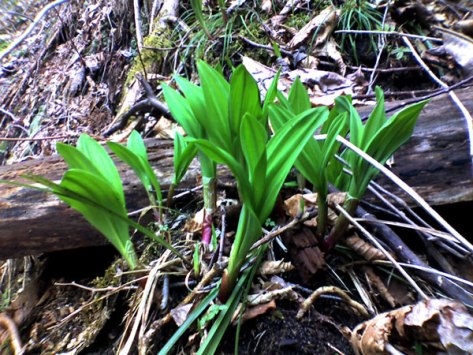
AINU NEGI: ALIUM VICTORIALIS
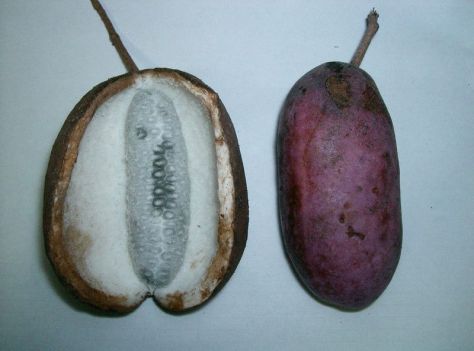
AKEBI: CHOCOLATE VINE

AMADOKORO: POLYGONATUM ODORATUM

AZAMI: THISTLE
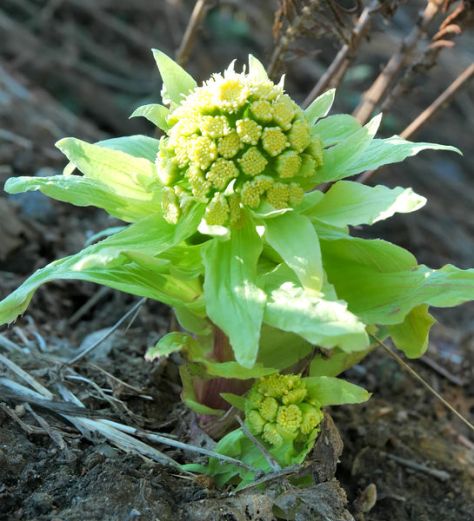
FUKINOTO: GIANT BUTTERBUR
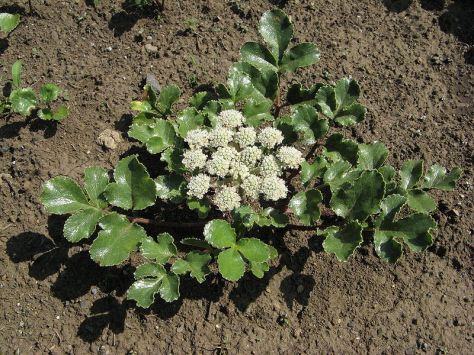
HAMABOUFUU: GLEHNIA LITTORALIS
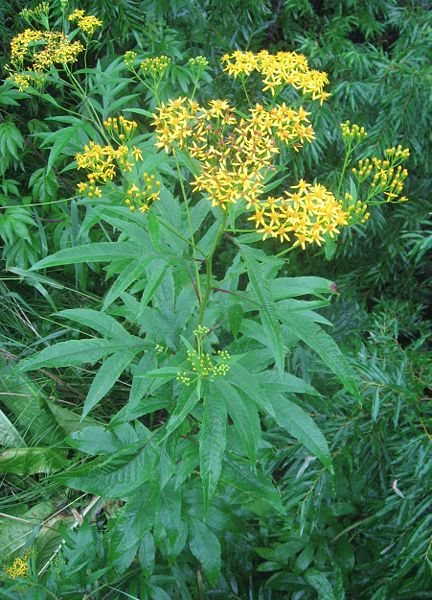
HANGONSOU: SENECIO CANNABIFOLIUS
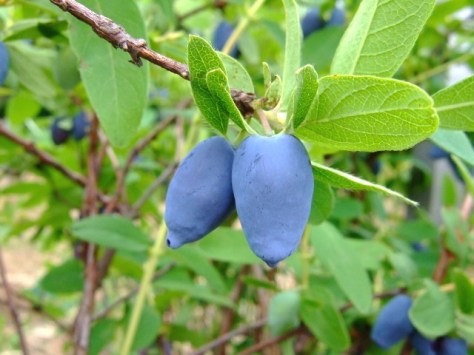
HASUKAPPU: LONICERA CAERULEA/HASCUP
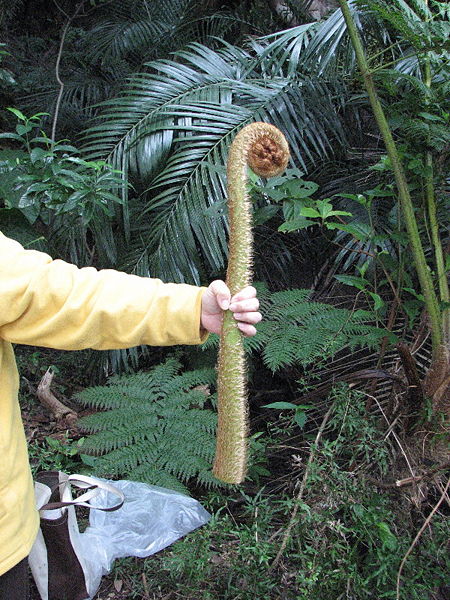
HIKAGEHEGO: FLYING SPIDER MONKEY TREE FERN

IRAKUSA: URTICA THUNBERGIANA

ITADORI: JAPANESE KNOTWEED
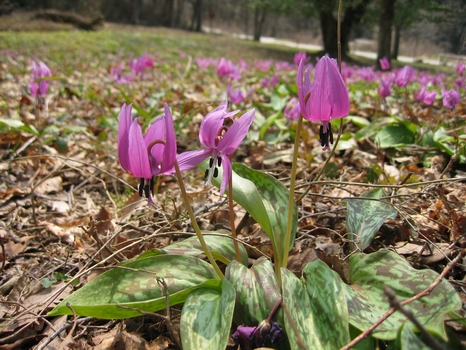
KATAKURI: DOGTOOTH VIOLET

KIBOUSHI: PLANTAIN LILY HOSTA FORTINEI ( a variety of Hosta Montana)
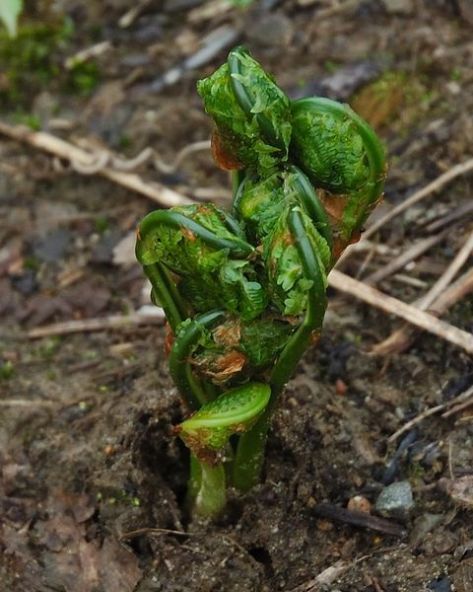
KOGOMI: OSTRICH FERN (exists as green and red)
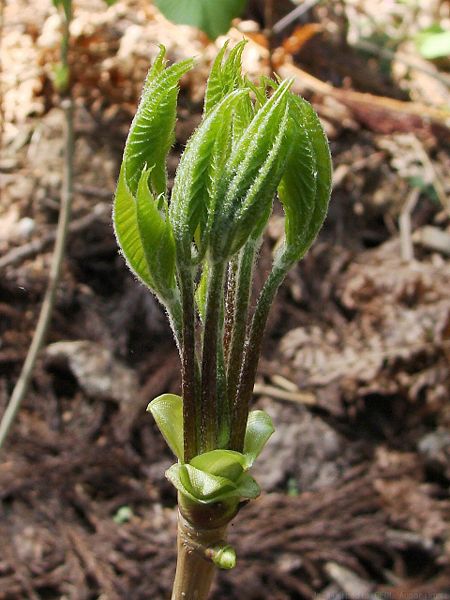
KOSHIABURA : ASCATHOPANAX SCIADOPHYLLOIDES
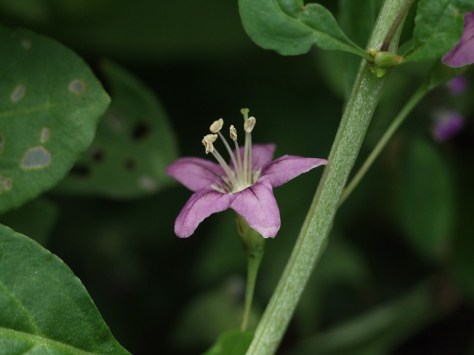
KUKO: CHINESE WOLFBERRY
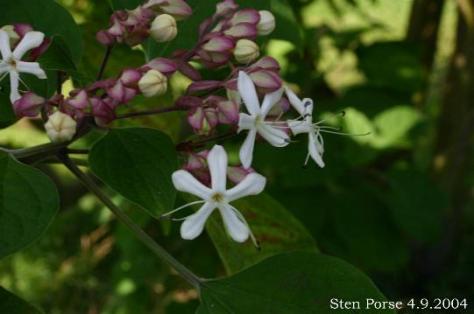
KUSAGI: HARLEQUIN GLORY BOWER PEANUT BUTTER SHRUB

MATATABI: SILVER VINE
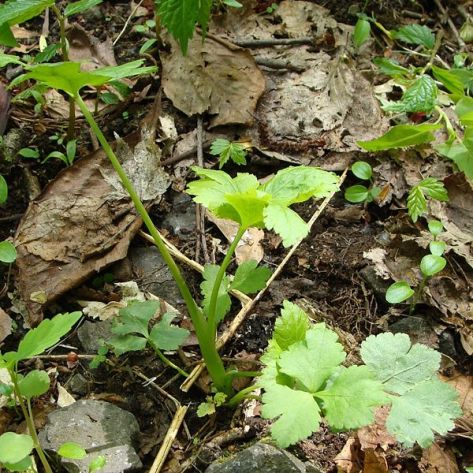
MITSUBA: JAPANESE HONEYWORT
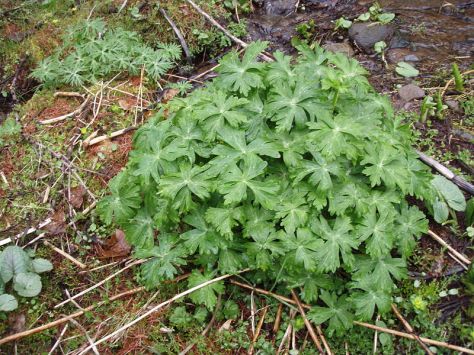
NIRINSOU: ANEMONE FLACCIDA

NOBIRU: ALIUM MACROSTEMON

OYAMABOKUCHI: SYNURUS PUNGENS

RYOUBU: CLERTHRA BARBINERVIS
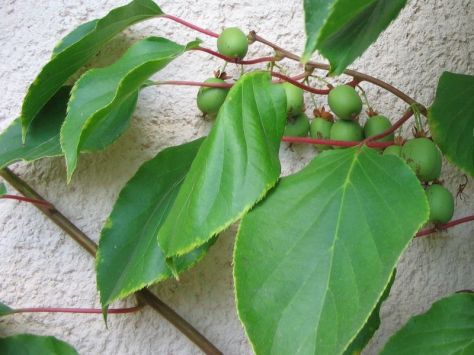
SARUNASHI: ACTINIA ARGUTA

SERI: JAPANESE PARSLEY
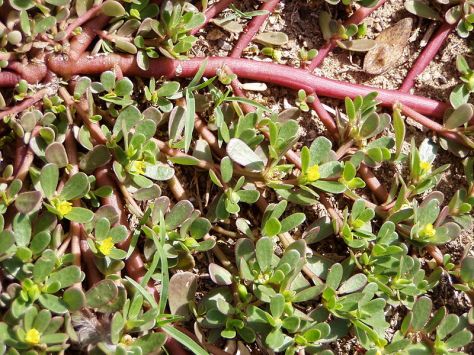
SUBERIYU: COMMON PURSLANE
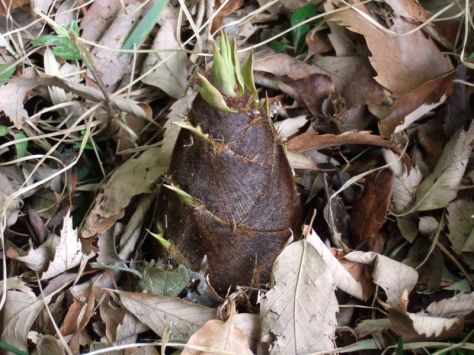
TAKENOKO: BAMBOO SHOOTS (SPROUTS)
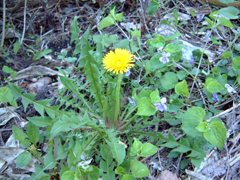
TANPOPO: DANDELION
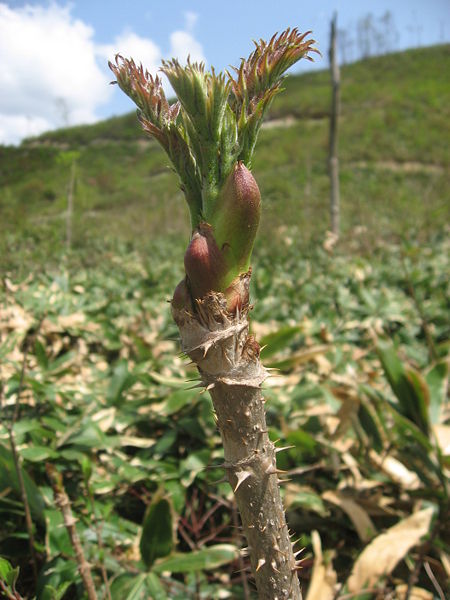
TARA NO ME: ARALIA ELATA

TSUKUSHI: HORSETAIL
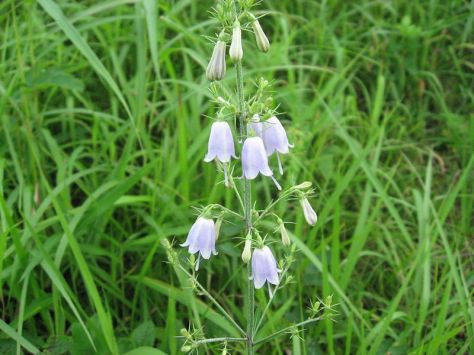
TSUROGANENINJIN: ADENOPHORA TRIPHYLLA

UDO: ARALIA CORDATA
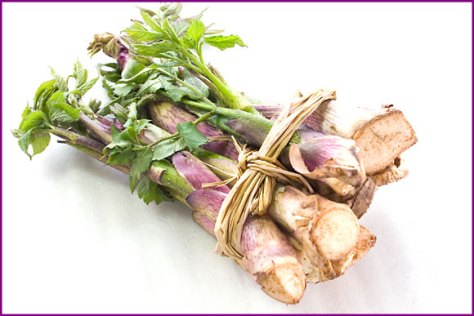
YAMAUDO: same as UDO (above)

URUI: HOSTA MONTANA
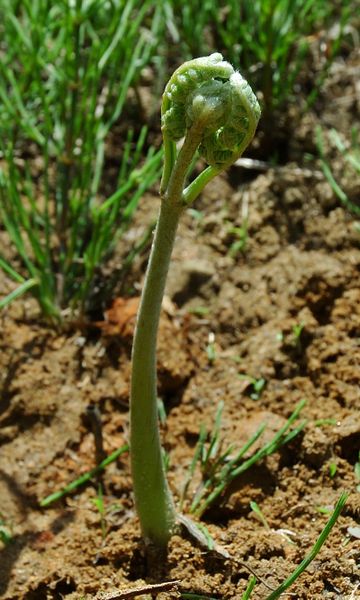
WARABI: PTERIDIUM AQUILINUM
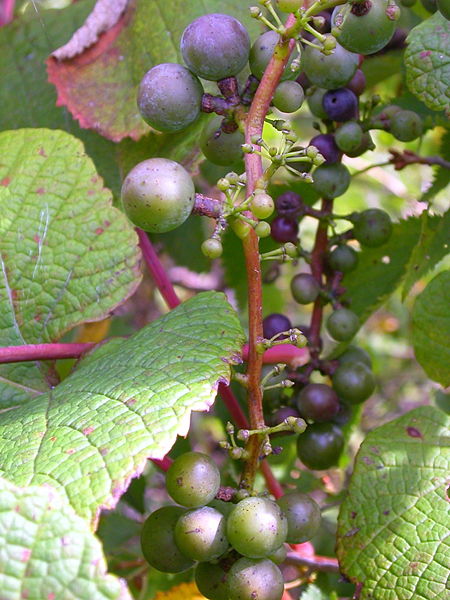
YAMABUDO: CRIMSON GLORY VINE
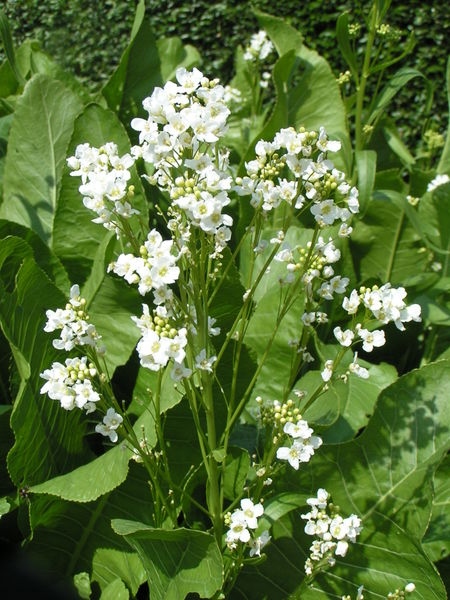
YAMAWASABI: WILD HORSERADISH

ZENMAI: OSMUNDA JAPONICA
—————————
Still have to find the English names for the following ones!
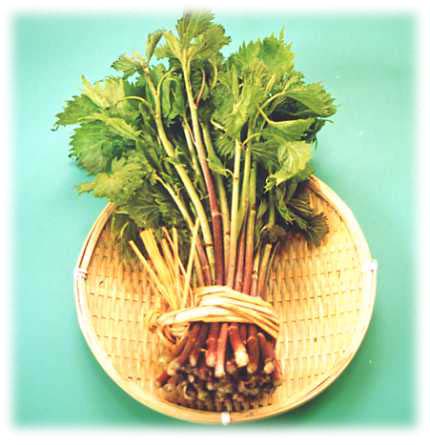
AIKO
AKAMIZU
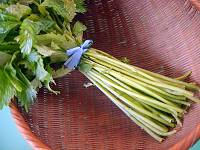
AOMIZU
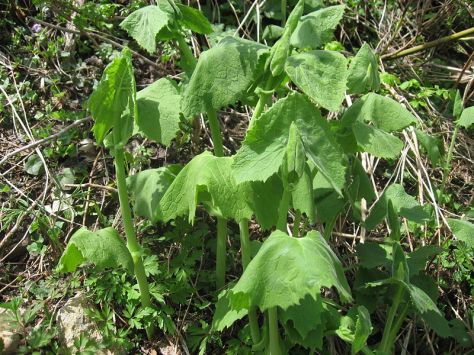
INUDOUNA
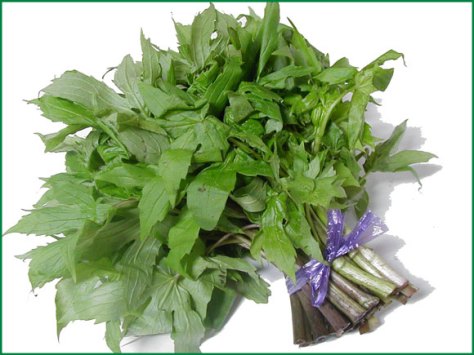
SHIDOKE
RECOMMENDED RELATED SITES:
With a Glass,
Bread + Butter, Zoy Zhang, Hungry Neko, Think Twice, Frank Fariello, Mangantayon, Hapabento, Elinluv Tidbit Corner, Tokyo Terrace, Maison de Christina, Chrys Niles,Lexi, Culinary Musings, Wheeling Gourmet, Comestiblog, Chronicles Of A Curious Cook, Tokyo Through The Drinking Glass, Tokyo Foodcast, Palate To Pen, Yellin Yakimono Gallery, Tokyo Terrace, Hilah Cooking, More than a Mount Full, Arkonite Bento, Happy Little Bento; 5 Star Foodie; Jefferson’s Table; Oyster Culture; Gourmet Fury; Island Vittles; Good Beer & Country Boys; Rubber Slippers In Italy; Color Food daidokoro/Osaka;/a; The Witchy Kitchen; Citron Et Vanille, Lunsj Med Buffet/Estonian Gastronomy (English), Cook, Eat, Play, Repeat, Chrisoscope, Agrigraph, The Agriculture Portal to shizuoka!
 SHIZUOKA GOURMET
I am thrilled about this post! Leafy green, pure white, resplendent in the sun 🙂 thank you!
LikeLike
You are most welcome, my friend!
LikeLike
Magic!!!!! It is one of my favourite posts on your blog. Some plants look like from a different planet. I don’t know why, but they make me miss mushroom picking I haven’t done for ages 😦
It also reminds me of an episode of Kuitan tv series (I have recently been discovering and greatly enjoying food-related Japanese tv series), where an old lady tried to poison someone with wild plants…
I was wondering whether ainu negi is related to Alium ursinum (ail aux ours in French, ramsons/bear’s garlic). The leaves look very similar, although the bear’s garlic has thinner stems I think. I love it in pesto instead of basil.
Yamawasabi looks (at least leaves and flowers) like the European horseradish. This is probably what is put into the false wasabi paste I buy…
I am impatient to taste my very first fresh mitsuba: I have small sprouts growing on my balcony!
LikeLike
Dear Sissy!
I’m glad to please you!
Actually there a lot of natural mountain vegetables being ignored in Europe!
LikeLike