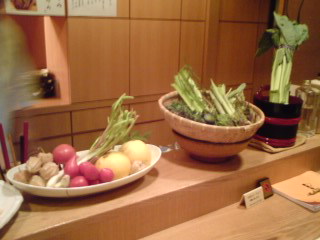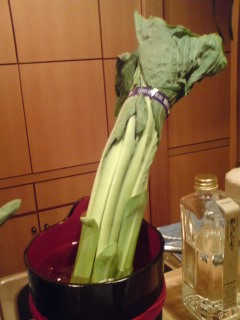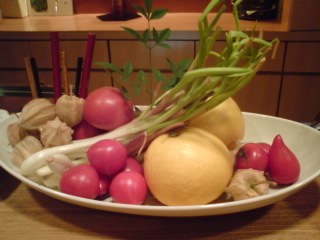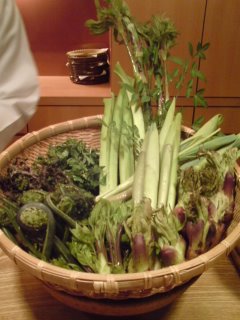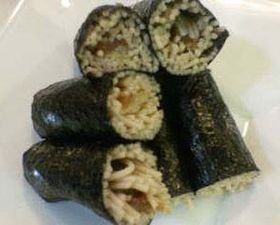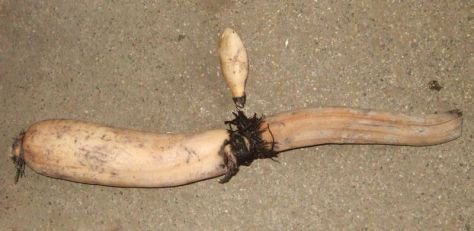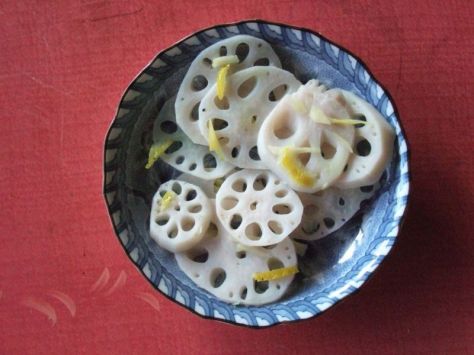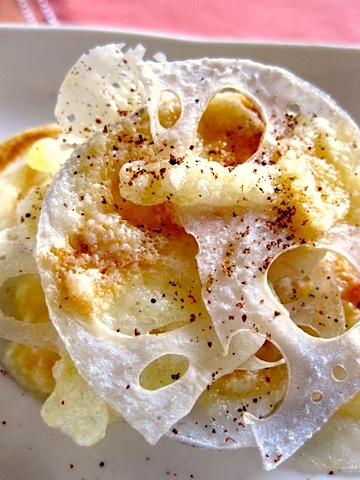
Tag Archives: Vegetarian

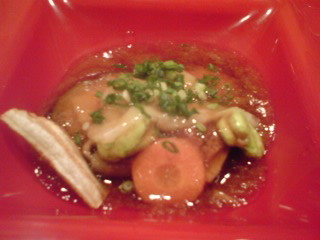
Vegan/Vegetarian Recipe: Japanese-style String Beans and Tofu

INGEN-DISH-1

Here is a simple and popular Japanese recipe that can please anyone, vegans, vegetarians and omnivores alike: String Beans and Tofu!

INGREDIENTS: For 2 people
-String Beans, 5~6
-Tofu: half a block
-Miso (of your choice), 1 teaspoon
-Mirin/sweet sake, half a teaspoon
-Sugar, half a teaspoon
-Freshly crushed Sesame seeds (do it in a mortar with pestle)

RECIPE:
-Drain water form tofu and roughly mix with miso, mirin and sugar.
-Peel away strings if any, cut beans into 4cm trunks and boil for 40 seconds. The beans should still be a bit crispy. Drain and let cool.
-Drop beans into tofu. Mix roughly with a spoon, cutting the tofu into small bits as in above pic.
-Sprinkle with sesame powder before serving.

Enjoy!
Naturally, this could be one of a whole plate of vegan/vegetarian snacks.
One can also add lightly boiled carrots. The combinations are endless!

Please check the new postings at:
sake, shochu and sushi

—————————————-
日本語のブログ
—————————————-

Vegetables Facts and Tips (14): String Beans, French Beans or Common Beans

STRING-BEANS-PLANT

Common beans, when green and immature are either called String Beans or French Beans when they don’t have a string.
When reaching maturity they gave way to all kinds of beans.
They were first discovered in Central and South America in the 16th Century and were later introduced in Europe, then China. The French first planted the beans in Japan in rhe second half of the 19th Century.

90% of the crop is harvested three times a year in Hokkaido Island in Japan.

Ther are two main varieties in this country:

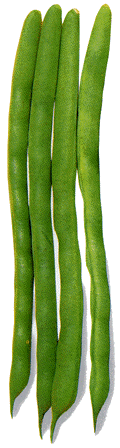
STRING-BEANS-DOJYOINGEN
“Dojyo-Ingen”, also called “Kentucky Wonder”. Slightly soft variety.

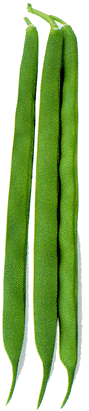
STRING-BEANS-SAABERUINGEN
“Saaber-Ingen”, thinner and rounder than above without strings.

The Japanese usually boil them lightly or just just cut them in trunks about 5 cm long and add them to all kinds of dishes from clear soups to sauteed food.

FACTS:
-Season: June~September
-Main beneficial elements: Protein, Carotene, Vitamin B group, Vitamin C, Calcium, vegetal fibers.
-Eaten with other food high in protein, teir Vitamin C are easily ingested by human bodies.
Cooked with oil, their carotene will be easily assimilated by human bodies.

TIPS:
-Just after boiling drain them and let cool inside a sieve. They will be tastier for it.
-If you have plenty, first boil them before storing them in the refrigerator.
-Peel strings away before cooking.
-Choose firm and straight specimens.

Please check the new postings at:
sake, shochu and sushi

—————————————-
日本語のブログ
—————————————-

Tofu Recipe: Aburaage/ Recette de Tofu : Aburaage

ABURAAGE-1
(Aburaage Soup)

Aburaage is basically a deep-fried thin slice of tofu.
It does offer a very versatile option as it can be used as it is, or open as a pouch it becomes the base for inari sushi and many other variations!

Here is a simple recipe:

INGREDIENTS:
Tofu (firm Momen tofu type): 1 large piece/block (Icho in Japanese)
Thick Towel
Cellophane paper
Long wooden disposable chopsticks (wari-bashi)
“Piano string”, or the equivalent
Water drainer
Oil
Oil thermometer (up to 200 degrees Celsius)

RECIPE:

ABURAAGE-2
Make identations or marks on the chopsticks every 5 mm up to the height of the tofu block.
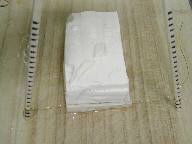
ABURAAGE-3
Tie “piano string” around chopsticks as shown on pic first at 10 mm height (or higher up to 15 mm if you wish), and cut tofu by sliding chopsticks along the cutting table (it should easy, but make sure you cut tofu evenly!)

ABURAAGE-4
Tofu being soft, it is not easy to manipulate.
Later, when you will manipulate it, the best way is to first turn over the whole onto your open palm and have each slice slide away.
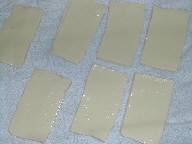
ABURAAGE-6
Before manipulating the tofu, first put a 500g weight (anything over a thin wooden plank if you don’t have asushi weight) on top of the tofu for 2 hours to get as much water off as possible.
Transfer slices onto thick towel and leave them there for an hour.

ABURAAGE-7
First frying step: fry tofu slice at 130 degrees Celsius (make sure to keep the temperature constant!) for 6 minutes. This will allow for a uniform heating.
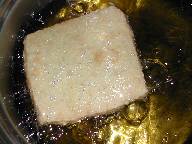
ABURAAGE-8
Second frying step: bring oil temperature to 160 degrees Celsius.
If tofu contains too much water or if you fry in a single step, it will fail to achieve the right shape and quality.
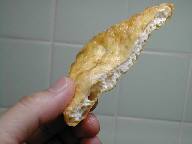
ABURAAGE-9
Aburaage will usually be a bit hard upon frying.
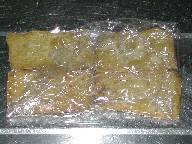
ABURAAGE-10
To make it soft, wrap it in cellophane paper and and heat inside electric oven. As soon as water comes out of aburaage inside the cellopahne paper, take the whole out and unwrap aburaage.
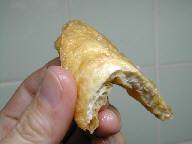
ABURAAGE-11
The aburaage should be soft by then.

ABURAAGE-12
Check if the aburaage needs a second frying (according to your liking).
if you fry it at 130 degrees, it will reduce as the one on the right in the picture.
If you fry it at 160 degrees you will obtain an aburaage like the left one on the picture (longer one).

ABURAAGE-13
To properly open it, cut in half, and then cut inside to form a pouch!

Recette de Tofu frit : Aburaage

ABURAAGE-1
(Soupe de Aburaage )

L’aburaage est un une fine tranche de tofu que l’on fait frire. C’est une met assez polyvalent, car il peut être dégusté tel quel (recouvert de sauce soja, et de gingembre en le faisant un peu griller par exemple), en soupe, ou alors devenir l’enveloppe d’inari sushi.

Je vous donne une recette simple mais il en existe bien d’autres, notamment on peut jouer sur l’épaisseur du tofu frit.

:

INGREDIENTS:
Tofu (type momen) :  1 bloc (Icho en japonais)

Une serviette épaisse
Du film célophane
Des baguettes longues (wari-bashi)
Une corde de piano, ou quelque chose équivalent
Un égouttoir
De l’huile
Et un thermomètre qui peut monter jusqu’à 200 degrés.

RECETTE:

ABURAAGE-2

Faire des marques tous les 5mm le long de la hauteur du bloc (Cela représente la future hauteur découpée). Vous pouvez aussi enrouler la corde de piano le long des baquettes que vous aurez aussi marquées tous les 5 millimètres.

ABURAAGE-3

Enrouler la corde de piano comme ci-dessus le long des baguettes. Commencez à partir de 10mm en haut, voire 15 si vous voulez et coupez le tofu en faisant glisser les baguette le long de la planche à découper. Ce n’est pas compliqué mais soyez sûr d’être bien droits.

ABURAAGE-4

Le tofu même quand il est en bloc n’est pas facile à manipuler, alors les tranches, je vous laisse imaginer. L’idéal est quand vous le manipuler de toujours saisir ses tranches dans l’intégralité de la paume de votre main.

ABURAAGE-6

Avant de commencer, mettez un poids de 500g sur le tofu, de quoi faire pression pour en évacuer l’eau. Cela prendra deux heures. Ensuite posez-le sur une serviette pour extraire encore plus d’eau.

ABURAAGE-7

Première friture : Il faut le chauffer à 130 degrés, et que cette température ne varie pas pendant 6 minutes. L’uniformité de la cuisson est indispensable.

ABURAAGE-8
Deuxième friture: On monte à 160 degrés. Si vous avez trop d’eau dans votre tofu, et si vous ne respectez pas les étapes, vous allez le rater.

ABURAAGE-9
L’aburaage est un peu dur une fois la cuisson terminée.

ABURAAGE-10

Pour le rendre plus mou, il faut le mettre dans du papier cellophane et le chauffer au four électrique. Quand l’eau s’échappe de l’aburaage il se ramollira.

ABURAAGE-11
Vous devez obtenir ce résultat.

ABURAAGE-12

Vérifiez si vous avez besoin de faire une deuxième friture, selon votre goût. 130 degrés vous donnerons le résultat de droite sur la photos du dessus, 160 celui de gauche (plus long).

ABURAAGE-13
En général quand vous le coupez en deux, vous voyez si vous avez réussi… ou pas !

Please check the new postings at:
sake, shochu and sushi

—————————————-
日本語のブログ
—————————————-
Tomatoes: Local varieties in Shizuoka

AGRI-TOMATO1

I had my good friend Rich in mind when I set off on my bicycle yesterday morning in the direction of the Abe River in Shizuoka City. This major river is dotted almost all the way up to its source with farmland. Very often, while the men are busy with staple crops like rice,tubers and even peanuts, some housewives grow vegetables and other produce as a “side business” to contribute some cash to their homesteads.
About an hour ride from my place one will find a JA (Japan Agriculture) market called “Agri Road Miwa” associated with 13 such housewives who sell their vegetables, fruit, flowers, tea, honey and home-made cakes on a daily basis, guaranteeing fresh produce everyday.
The only problem is that you must be there when the market opens at 9:30 and fight off the local “o-baasan/grannies”! LOL
Being seasonal produce only, you can expect something new every morning!
I had already picked some great burdock roots, pink potatoes and maountain veggies, when my eyes stopped on some unusual tomatoes.
Interestingly enough. the grannies were more interested in the lettuce and strawberries, so I had enough time to choose the best specimens!

AGRI-TOMATO2

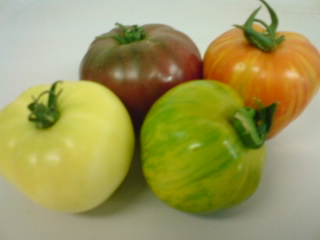
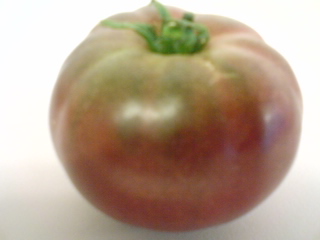
“Black Tomato”. Actually it is a very deep red colour, practically dark blue-violet.

AGRI-TOMATO3

“Orange Tiger”. Beautiful name, isn’t it?

AGRI-TOMATO4

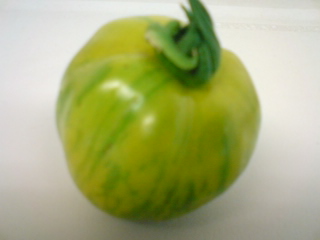
“Green Tiger”. A cousin of the above!

AGRI-TOMATO5

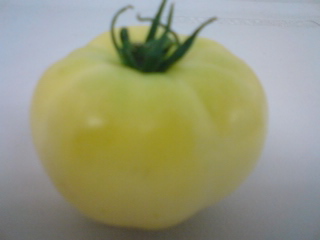
“White Tomato”. Actually more of a mild beige colour.

Bear in mind that all these tomatoes, in spite of their colour, were ripe.
I bought enough for myself and Yasaitei, a favourite local Japanese Izakaya which specializes in vegetables (I just give them away as the prices are simple ridiculous. If Yasaitei can promote these farmers’ products, I’m more than happy!).
Some actually did not reach my office intact (a long rough bicycle ride is not a great idea for shopping!). I just “sampled” them,… I ended up eating all the “damaged” tomatoes! They were sweet and tangy at the same time, firm and juicy, all basically of the same taste. No need for drinking water after that!
I stored the intact tomatoes in the fridge and later brought them to Yasatei. This izakaya is run by ladies only, and it was a discovery for them! No need to say that the tomatoes were immediately displayed for the customers’ pleasure!

Agri Road Miwa
Shizuoka City, Aoi Ku, Abeguchi Shinden, 537-1
TEL:054-296-7878
Business hours: 09:30~15:30 (from 08:30 on Saturdays)
Homepage (Japanese)
Even if you don’t understand Japanese look at their products!

Yasaitei
Shizuoka City, Aoi Ku, Tokiwa-Cho, 1-6-2 Green Heights Wamon 1-C
Tel.: 054-2543277
Business hours: 17:30~22:00
Closed on Sundays
Reservations highly recommended

Please check the new postings at:
sake, shochu and sushi

—————————————-
日本語のブログ
—————————————-
Vegetables Facts and Tips (13): Salicorne

SALICORNE-1

I decided to run this posting on this rare vegetable following a query from my dear friend Jenn.

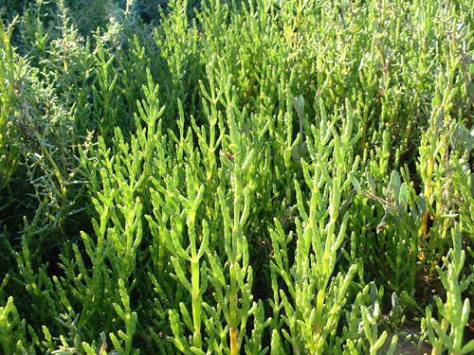
Salicorne has a slightly salty with a fresh, not overpowering, herbal taste. It grows exceptionally well in salt marshes and can sometimes be harvested under wharves. Although salicorne is a weed and does grow by the sea, it does not look like seaweed. It is more like a sprig off a tree with small dark green fleshy branches.
Apparently they are grown or collected in France onlyalong its Westen and Northern shores.

SALICORNE-2

Salicorne has no comfortable English name. Some call it sea asparagus, and it does have a little of the sweet flavour of that vegetable. It is also known as slender glasswort, La salicorne, or criste-marine and perce-pierre in French. Its etymology is actually the Arabic word: “salcoran”. It is also thought to mean salt (sali) horn (corne) in French. So salicorne is how it is usually called in English and French.

It is exported to Canada fresh, pickled or in cans.
Human-grown as opposed to natural salicorne is better suited for cooking as it does not include all kinds of unwanted twigs and other unrelated plants when harvested in the wild.

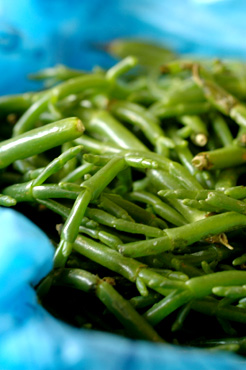
Vegetarians and vegans can eat it fresh as it is, in salads or as pickles.

SALICORNE-3

Cooking/cuisine suggestion:
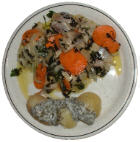
Smoked herring marinated in Salicorne cream:
Place 250 g of smoked herring in a deep oven dish. Cover fish with milk and let marinate for 2 hours. Drain and take moisture out by placing fish on kitchen paper.
Put them back inside the oven dish and cover with whote wine. Let them marinate again for 2 hours.
Drain them and cut the fish acrss into slices 2 or 3 cm thick.
Place te fish slices in a terrine dish, alternating them with thin slices of onion and carrot, a few parsley leaves, a branch of thyme and a leaf of laurel both chopped fine, some pepper and a tablespoon of finely cut wakame/Japanese seaweed. Cover with olive oile and let marinate inside fridge for 4~5 hours.
Take out a dozen sprigs of vinegared salicorne (canned), cut them finaly and mix them into a bowl of fresh cream that one can use later at will.
Place herring, onions and carrots on a dish with a little oil from the marinade.
Serve with hot boiled potatoes!

Please check the new postings at:
sake, shochu and sushi

—————————————-
日本語のブログ
—————————————-
Sushi Restaurant: Sushi Ko (revisited)

012

As advertised on Foodbuzz, I finally managed to drag the Missus to a belated visit of our favourite Sushi Restaurant in Shizuoka City: Sushi Ko!
I also succeeded in persuading the Missus in helping me with the pics. I hope this will become useful with friends who need information!

007

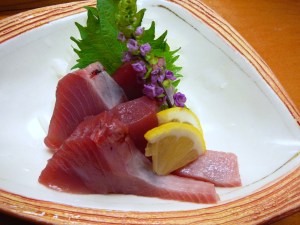
As we are just in season we started with katsuo/bonito. Maybe I told you that the best bonito is caught by fishermen from Shizuoka Prefecture who bring it to the Harbours of Numazu and Yaizu!
Notice the shiso/perilla flower sprig!

010

Every time, and I say every time, we visit Sushi Ko, the Missus must have deep-fried tuna served with momijioroshi (grated daikon with cayenne pepper)! Alright, it’s a great morsel, indeed!

008

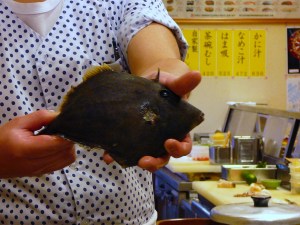
Kawahagi/Filefish is in season, too.
We asked Mr. Oda to serve it as to serve it as tsukuri:

011

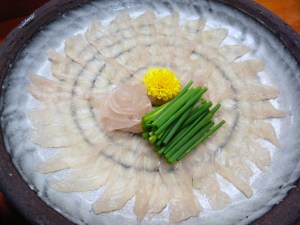
You roll a few pieces around a couple of hosonegi/thin leek and dip it in a sauce made with the fresh raw liver of the fish and some soy sauce and sake (see pic at the top)!

013

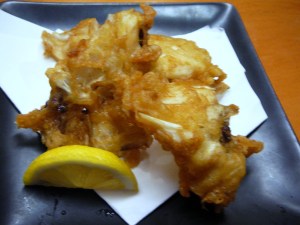
The “jowls” came later deep-fried!

015

I then challenged Mr. Oda to serve us one of his vegetarian sushi set:
Menegi/dwarf leek, Soba Me/Buckwheat Sprouts, Mitsuba/Trefoil, Kawaire Daikon!

017

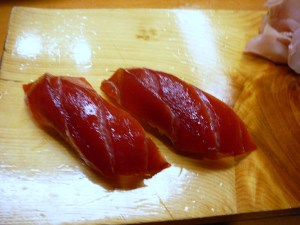
Maguro Zuke/Marinated raw tuna. Another specialty of the house!

020

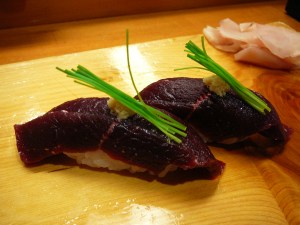
Kujira/Whale meat. Shizuoka Prefecture is one of the rare places where you can find it in Japan!

022

Sakura Ebi/Cherry Shrimps, fresh from Yui as gunkan. Can be found in that state only in Shizuoka Prefecture!

024

Pirikara Hotate Maki/Hot Scallops Roll. Another specialty of the house. American Friends, I can hear you salivating (drooling)!

026

Tamagoyaki! Cute, ain’t it?

027

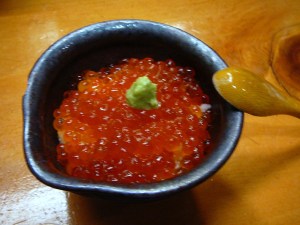
Ikura no Mini Donburi/Mini bowl of salmon roe!

We did drink a lot, and only ate that. Mind you, we came back home full and content!

Sushi Ko
shizuoka City, Aoi Ku, Ryogae-cho. 2-3-1 (Aoba Koen)
Tel.: 054-2512898
Business Hours: 17:00~25:00. 17:00~23:00 (Sundays)
Closed on Wednesdays
Reservations recommended
Credit cards OK
HOMEPAGE (Japanese)

Please check the new postings at:
sake, shochu and sushi

—————————————-
日本語のブログ
—————————————-

Vegetables Facts and Tips (9/2): Japanese Cultivated Mushrooms

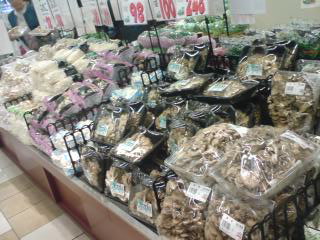
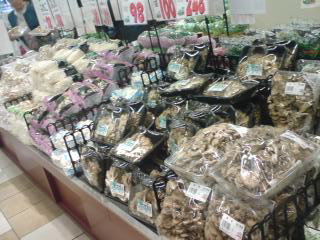
mushrooms-market

Mushrooms at Supermarket in Shizuoka City

This the second part concerning edible mushrooms in general.
Instead of going through one by one, which might turn into a boring chore, let me show what is available in Japan!

I don’t intend to talk about wild mushrooms here as I would need a very thick book to post!

Japan is arguably the country cultivating the greatest number of varieties (new ones appear and disappear every year!), so I will limit myself to give information on the varieties I have found so far in Japanese supermarkets (most of them should be available in many countries.
Note that the names are in Japanese as most are marketed this way abroad.

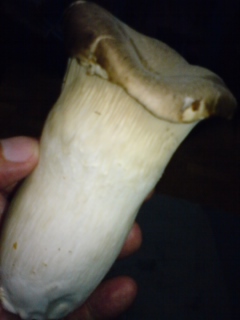
ERINGE or ERINGI
mushrooms-eringe-2

Very interesting mushrooms as they keep firm and lose only some of their volumes. Vegetarians can prepare them suteed like scallops!

mushrooms-eringe-1
As sold in the supermarkets

TAMOGITAKE
tamogitake1
As found in the nature

efbd94efbd81efbd8defbd8fefbd87efbd89efbd94efbd81efbd8befbd85efbc92
As human-grown.

tamogitake3
As sold in the supermarkets
Very elegant small mushroom

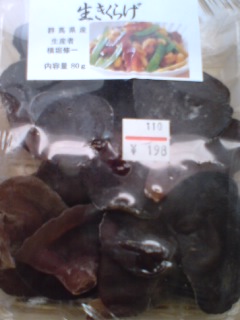
KIKURAGE

kikurage
Called Judas Ear, as sold in the supermarkets.

BUNAPII

mushrooms-hara
As found in the supermarkets. A rcent variety!

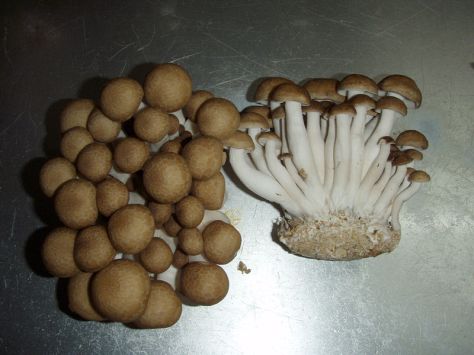
BROWN MUSHROOM

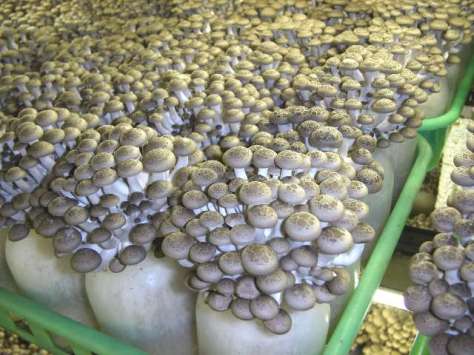
mushrooms-brown
Brown Mushrooms are called so in Japan. Ther are a variety of Agaricus originall imported from Canada.
As found in the supermarkets.

TAMPA SHIMEJI

mushrooms-tampa
A variety of Shimeji.
As foundin the Supermarkets.

HON-SHIMEJI

mushrooms-honshimeji
“True” Shimeji as found in the supermarkets.

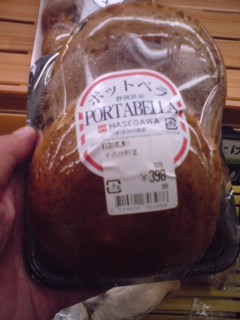
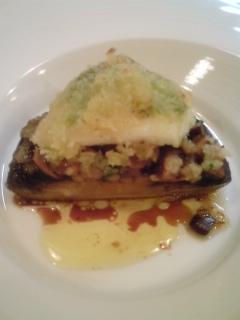
PORTOBELLA MUSHROOM

portobella-mushroom
A universally loved mushroom.
As found in the supermarkets.

mushrooms-portobella-sugimoto-3
Before being cooked!

mushrooms-portobella-sugimoto-21
As prepared by Tetsuya Sugimoto!

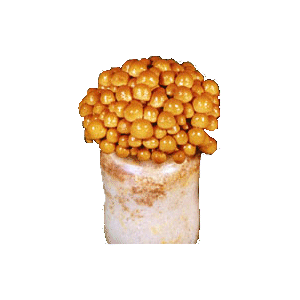
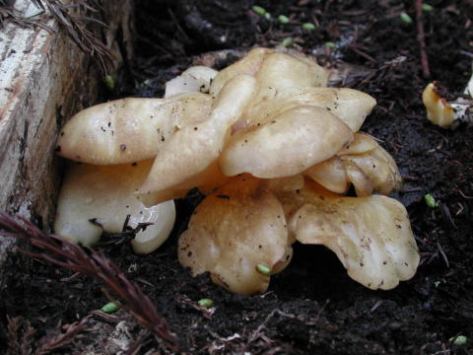
NAMEKO

nameko1
As found in nature.

nameko2pholiota_nameko
As sold in the supermarkets.

efbd8eefbd81efbd8defbd85efbd8befbd8fefbc91
Grown in earthenware bottles.

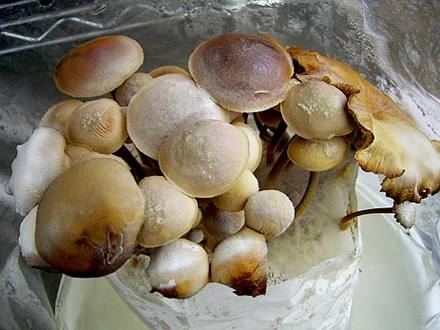
BUNA-SHIMEJI

bunashimeji-hypsizygus_marmoreus
As found in nature.

bunashimejihypsizygus_tessellatus03
Human-grown ans as sold in the supermarkets.

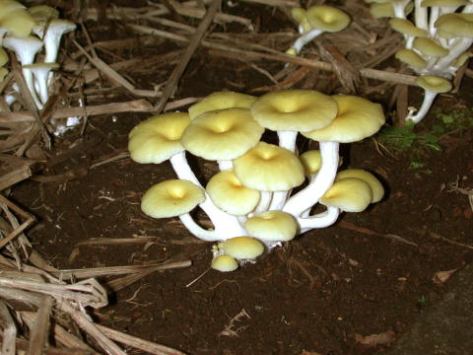
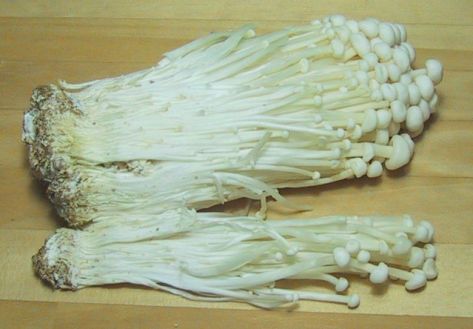
ENOKITAKE

efbd85efbd8eefbd8fefbd8befbd89efbd94efbd81efbd8befbd85-flammulina_velutipes
As found in nature.

efbd85efbd8eefbd8fefbd8befbd89efbd94efbd81efbd8befbd85efbc91
As fully human-grown.

enokitakejapanesemushroom
As very youn human-grown and usually sold in the supermarkets. Very popular in soups, nabe and sukiyaki.

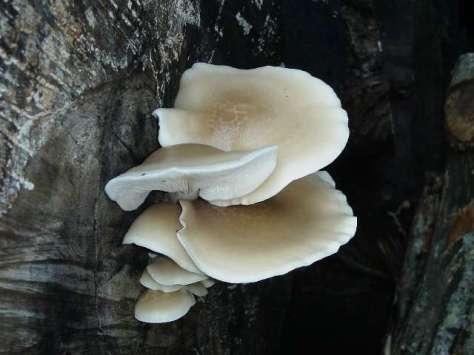
HIRATAKE

hiratake2
Also called Oyster Mushrooms as found in nature.

hiratake1
Human-grown.

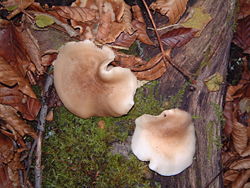
MUKITAKE

mukitake
As found in nature.

Will keep looking for more!

Please check the new postings at:
sake, shochu and sushi

—————————————-
日本語のブログ
—————————————-
Vegetables facts and Tips (12): Sansai/Japanese Wild Mountain Plants

tomii-veg31

Following the recent posting on the all-vegetable dinner at Tomii, Rich nicely asked me for more information, especially concerning the names of wild edible plants found in Japan as he rightly recognized it could come very handy to vegans and vegetarians everywhere!

Now, I titled this particular posting “Sansai/Wild Mountain Plants”, because they also include wild fruit that can be eaten both as vegetables and fruit with various preparations.
Some can be boiled, others fried, prepared as tempura, cooked in soup, prepared as pickles or jam, etc.

As it would become far too big (already massive, but inexhaustive) a posting if I wrote everything, please pick up one item at a time if you want more explanations and I will write an individual article for your pleasure!

Here we go:
(No particular order)

ainu-negi-alium-victorialis
AINU NEGI: ALIUM VICTORIALIS

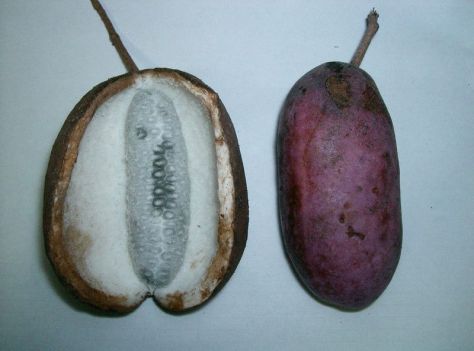
akebi-chocolate-vine
AKEBI: CHOCOLATE VINE

amadokoro-polygonatum-odoratum
AMADOKORO: POLYGONATUM ODORATUM

azami-thistle
AZAMI: THISTLE

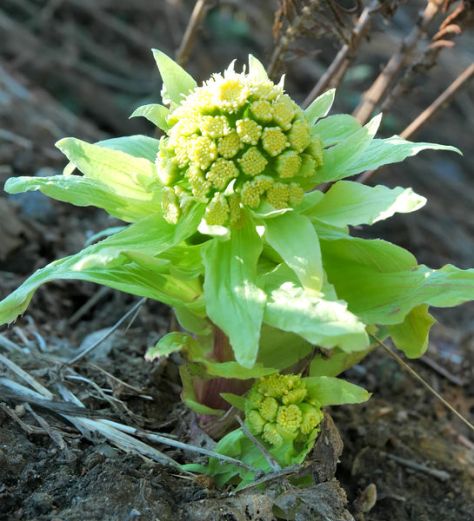
fukinoto-giant-butterbur
FUKINOTO: GIANT BUTTERBUR

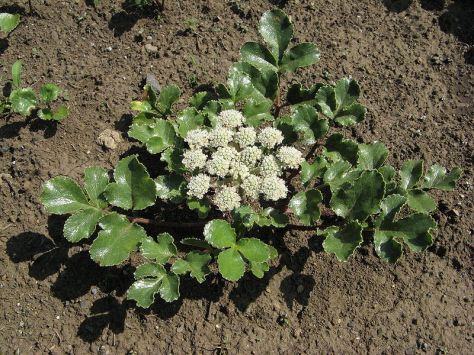
hamaboufuu-glhnia-littoralis
HAMABOUFUU: GLEHNIA LITTORALIS

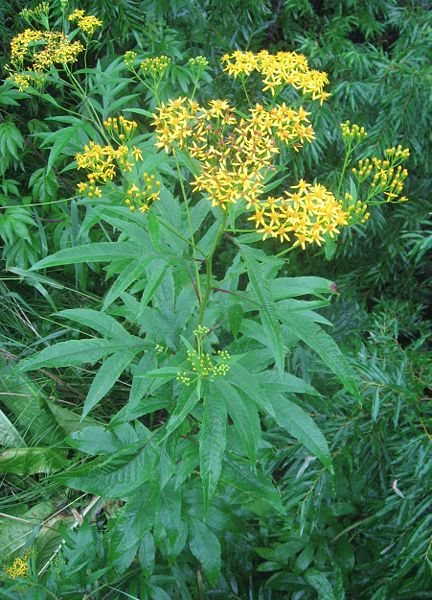
hangonsou-senecio-cannabifolius
HANGONSOU: SENECIO CANNABIFOLIUS

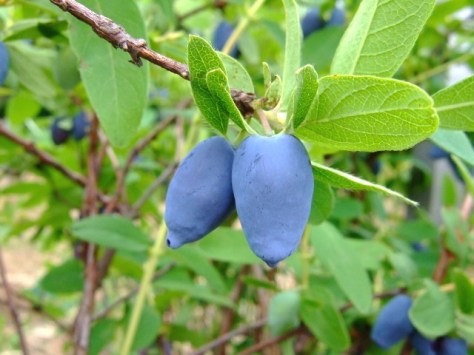
hasukappu-lonicera-caerulea
HASUKAPPU: LONICERA CAERULEA/HASCUP

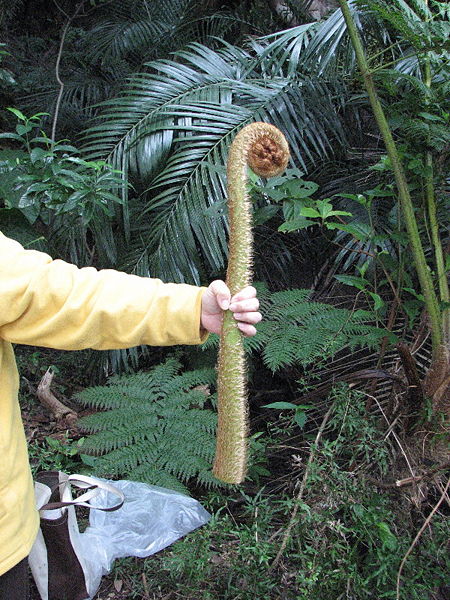
hikagehego-flying-spider-monkey-tree-fern
HIKAGEHEGO: FLYING SPIDER MONKEY TREE FERN

irakusa-urtica-thunbergiana
IRAKUSA: URTICA THUNBERGIANA

itadori-japanese-knotweed
ITADORI: JAPANESE KNOTWEED

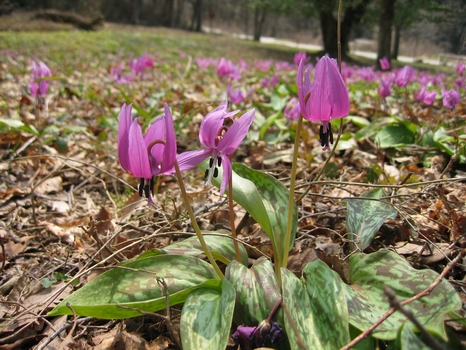
katakuri-dogtooth-violet
KATAKURI: DOGTOOTH VIOLET

kiboushi-plantain-lily-hosta-fortinei
KIBOUSHI: PLANTAIN LILY HOSTA FORTINEI ( a variety of Hosta Montana)

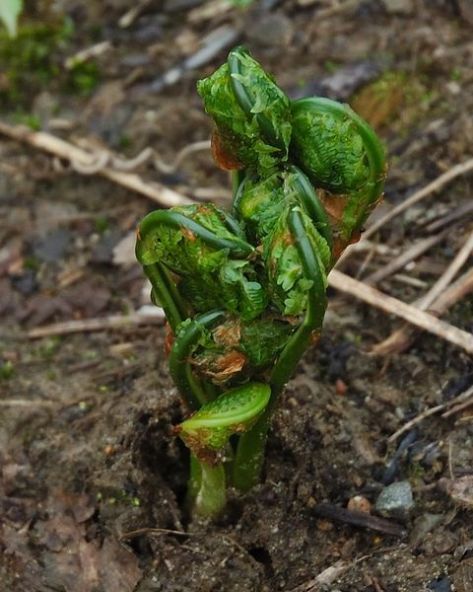
kogomi-ostrich-fern
KOGOMI: OSTRICH FERN (exists as green and red)

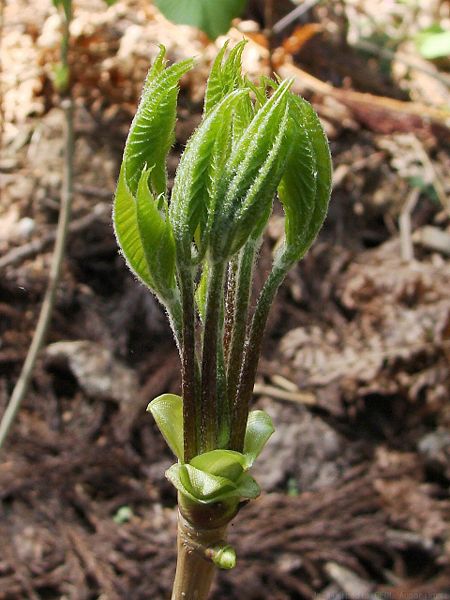
koshiabura-ascathopanax-sciadophylloides
KOSHIABURA : ASCATHOPANAX SCIADOPHYLLOIDES

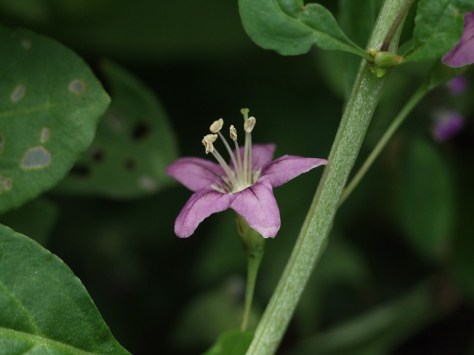
kuko-chinese-wolfberry
KUKO: CHINESE WOLFBERRY

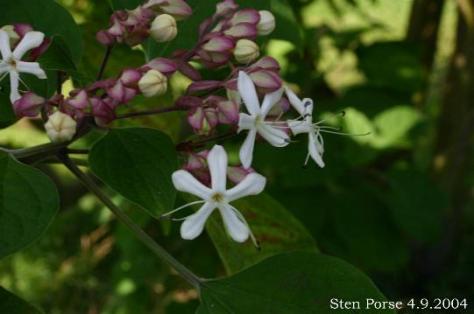
kusagi-harlequin-glory-bower-peanut-butter-shrub2
KUSAGI: HARLEQUIN GLORY BOWER PEANUT BUTTER SHRUB

matatabi-silver-vine
MATATABI: SILVER VINE

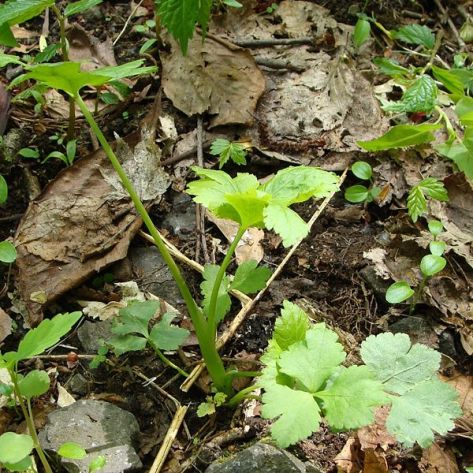
mitsuba-japanese-honeywort
MITSUBA: JAPANESE HONEYWORT

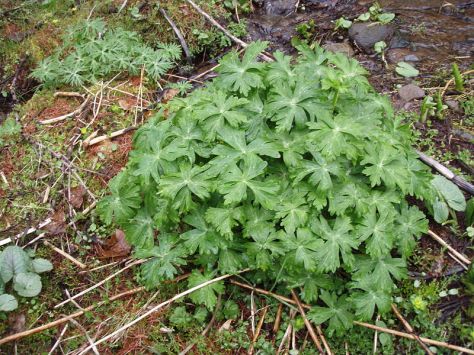
nirinsou-anemone-flaccida
NIRINSOU: ANEMONE FLACCIDA

nobiru-alium-macrostemon
NOBIRU: ALIUM MACROSTEMON

oyamabokuchi-synurus-pungens
OYAMABOKUCHI: SYNURUS PUNGENS

ryoubu-clrthra-barbinervis
RYOUBU: CLERTHRA BARBINERVIS

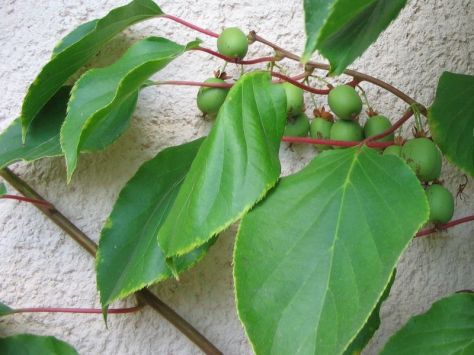
sarunashi-actinia-arguta
SARUNASHI: ACTINIA ARGUTA

seri-japanese-parsley
SERI: JAPANESE PARSLEY

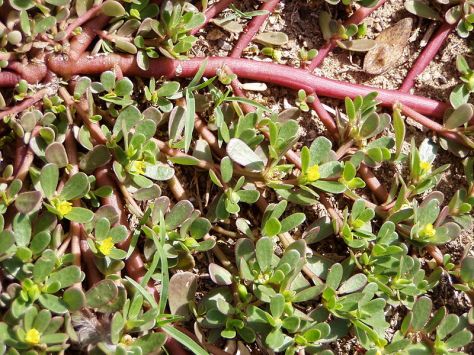
suberiyu-common-purslane
SUBERIYU: COMMON PURSLANE

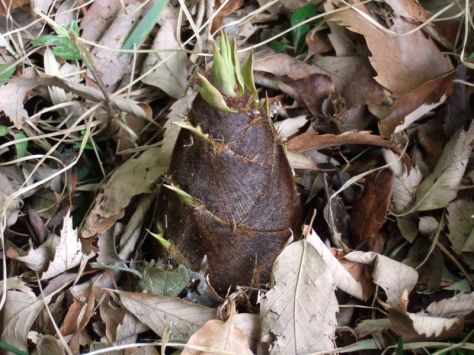
takenoko-bamboo-shoots
TAKENOKO: BAMBOO SHOOTS (SPROUTS)

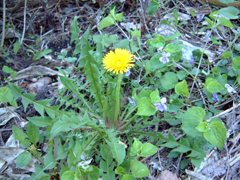
tanpopo-dandelion
TANPOPO: DANDELION

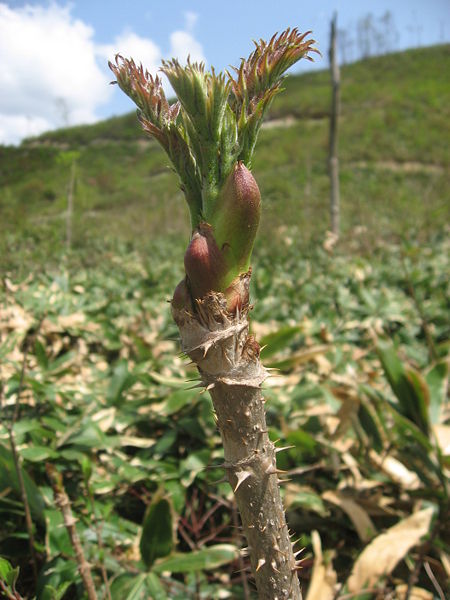
tara-no-me-aralia-elata
TARA NO ME: ARALIA ELATA

tsukushi-horsetail
TSUKUSHI: HORSETAIL

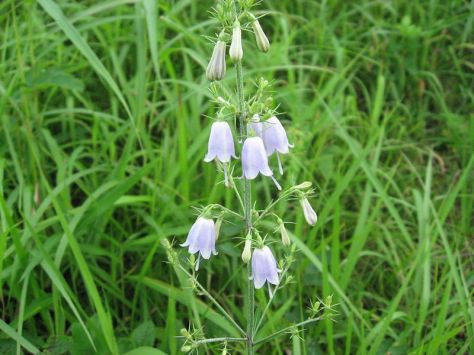
tsuroganeninjin-adenophora-triphylla
TSUROGANENINJIN: ADENOPHORA TRIPHYLLA

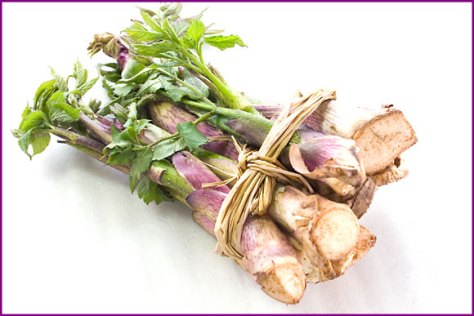
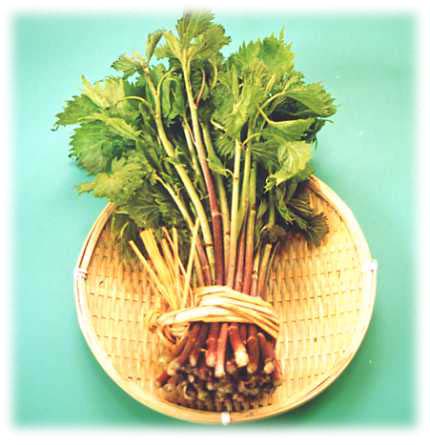
udo-aralia-cordata
UDO: ARALIA CORDATA

yamaudo
YAMAUDO: same as UDO (above)

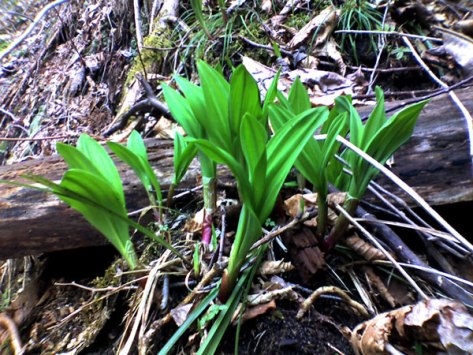
urui-hosta-montana
URUI: HOSTA MONTANA

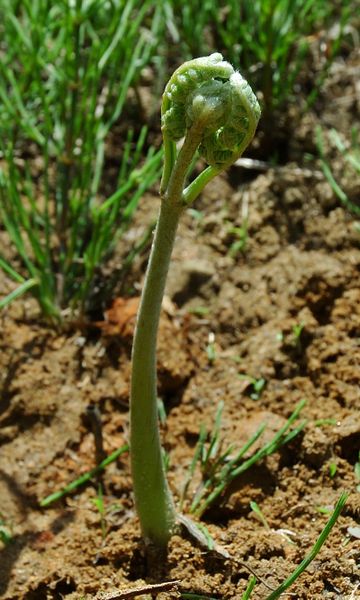
warabi-pteridium-aquilinum
WARABI: PTERIDIUM AQUILINUM

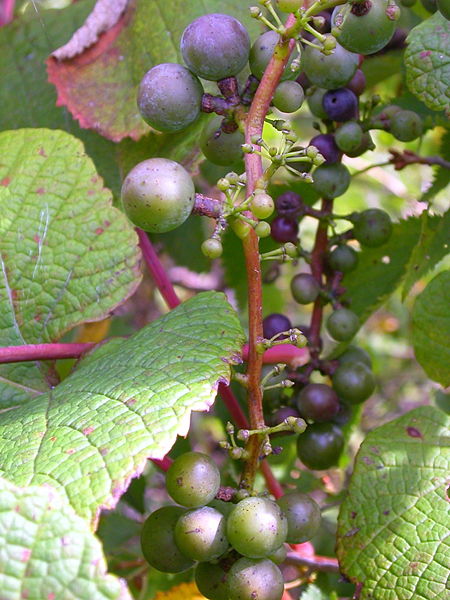
yamabudo-crimson-glory-vine
YAMABUDO: CRIMSON GLORY VINE

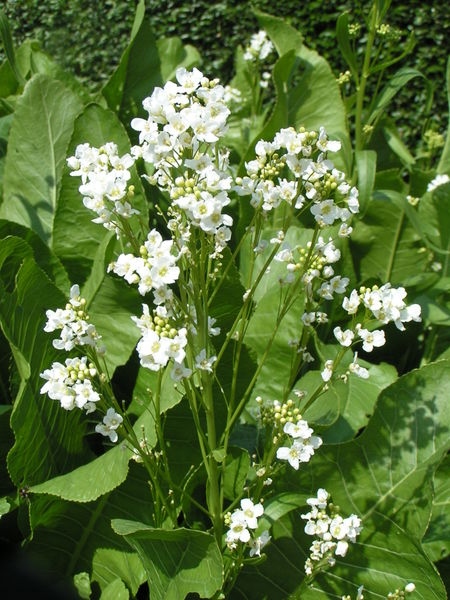
yamawasabi-wild-horseradish
YAMAWASABI: WILD HORSERADISH

zenmai-osmunda-japonica
ZENMAI: OSMUNDA JAPONICA

—————————
Still have to find the English names for the following ones!

aiko
AIKO

akamizu
AKAMIZU

aomizu
AOMIZU

inudouna
INUDOUNA

shidoke
SHIDOKE

Please check the new postings at:
sake, shochu and sushi

—————————————-
日本語のブログ
—————————————-
Vegan & Vegetarian Feast at Tomii: Sansai/Japanese Wild Mountain Vegetables

tomii-veg1

It seems I can’t away from Tomii these days!
The reason (s) is (are) pretty simple:
This Japanese restaurant not only offers the best value for food (although a little expensive), but they scrupulously serve only seasonal culinary marvels!

tomii-veg2
“Sanbo”

Its young (33) second-generation chef-owner, Kazuya Tomii, has always been surprised to hear that many expat vegans or vegetarians had a hard time to find appropriate food in restaurants or even markets.

tomii-veg4
Vegetables and fruit from Shizuoka Prefecture

Having spent 6 years learning his trade in Tokyo, Kyoto, Gifu and Shizuoka before taking over in 2004, he knows very well there is plenty to savour for non-meat eaters!

tomii-veg3
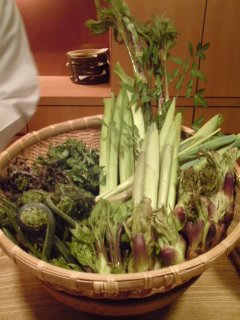
Sansai/Japanese Wild Mountain Plants from Yamagata Prefecture

When I went there for dinner last Friday, he had just received a whole batch of “Sansai” from a relative in Yamagata Prefecture who owns a mountain (no joke) awash with these succulent wild plants!
I don’t have to tell you that I went vegetarian on that particular night!
I asked him to just prepare them away as he deemed best with some great local Shizuoka Sake!

Here is what I was served (I keep all the items in Japanese in case you have the occasion to find them. Asking in English would be very complicated. If needed, I will send a glossary to any friend who asks for it!):

tomii-veg5

Hors d’oeuvres/starter:
From top clockwise
-Ginbo
-Ukogi
-Ichiya Kogomi

tomii-veg6

Top: Amadokoro with white miso sauce
Bottom: Aka Kogomi

tomii-veg7
A better view of the sansai from Yamagata Prefecture!

tomii-veg8
Nice ware to serve hot sake in!

tomii-veg9

Udo and konyaku kimpira!

tomii-veg10

Sansai Tempura!
From left to right:
-Aka kogomi
-Tara no me
-Udo leaf
-Amadokoro (long stem)
-Koshiabura

Note: vegans, when making tempura, should use cornstarch instead of egg whites!

tomii-veg11

Agedashi yasai with mochi!
Now, this particular dish is absolutely vegan and vegetarian. Very satisfying!

I guarantee you I was full!

TOMII
Shizuoka City, Aoi Ku, Tokiwa-cho, 1-2-7, Tomii Bldg, 1F
Tel.: 054-274-0666
Business hours: 17:00~22:00
Closed on Sundays
HOMEPAGE (Japanese)

————————-
Please check the new postings at:
sake, shochu and sushi

—————————————-
日本語のブログ
—————————————-
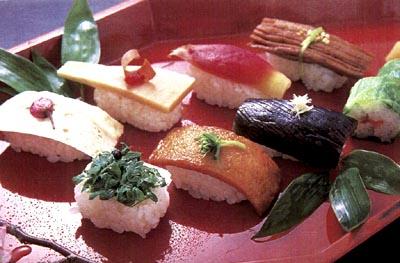
Vegan and Vegetarian Sushi (renewed)

iroha-2.jpg
(from top to bottom and left to right: Konnyaku/Devil’s Tongue Tuber, Celery marinated in Amazu/sweet vinegar and pickled Japanese plums, Shiro negi/White leek, Na no Hana/Rape Blossoms, Gobo/Burdock roots, Satsuma Imo/Sweet yams, Daikon/Long Japanese radish)

Whenever I can convince there is Japanese food fit for Vegans and Vegetarians (I’m neither!), I make a point of posting articles that might help friends with different culinary priorities!
I have recently received more requests about recipes and examples.
Therefore I decided to re-post a former article with the addition of more discoveries!

There is vegan and vegetarian sushi in Japan and elsewhere!
As a proof have a good look at the picture and explanations above. The pic was taken at Iroha Sushi, a small but extremely renown sushi restaurant in Iwata City, an area celebrated for its vegetables!

vegan-sushi1
Kyoto is a renown place for Vegan & Vegetarian Sushi!
From right to left, top to bottom:, Yuuba (tofu sheets), Takenoko (Bamboo shoots), Myoga (myoga ginger), Zenmai (Spring vegetable variety), Ki no mi (Spring vegetables), Awafu (grilled tofu sheets), Kamo Nasu (kamo egg-plant), Hakusai Maki (Chinese cabbage).
Print a copy of this pic, show it to your local Sushi Restaurant and challenge him/her into preparing your favorite tidbits!

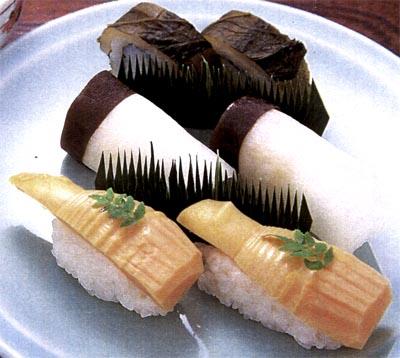
vegan-sushi2
From bottom to top: Takenoko (boiled bamboo shoots topped with a sprig of sansho/Japanese pepper plant)), Kabu Tsukemono (pickled turnip), Sugiku no Ha Maki (sugiku Chrysanthemum leaves)
And what about these? Not only tasty but fulfilling!

efbd8befbd81efbd8defbd90efbd99efbd8fefbd95efbd8daki
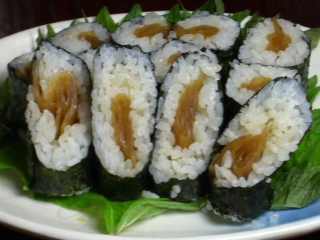
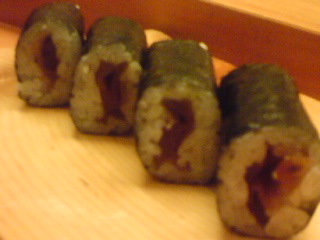
“Kanpyou maki”/dry gourd shavings: here is one that any sushi restaurant will serve you!

vegan-sushi3
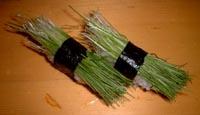
That small one is my personal favourite: “menegi”/thin leeks sprouts!

24-24-24-311
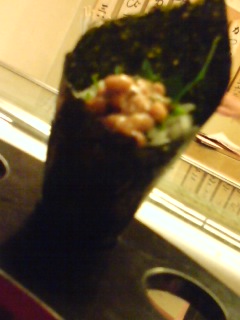
Vegan/vegetarian Te-maki: natto, shiso, ume/Japanese pickled plum.
(Sushi Ko in Shizuoka City!)

24-24-24-33
Another Vegan/vegetarian Kanpyo-maki/dry gourd shavings roll for second dessert!

24-24-24-8

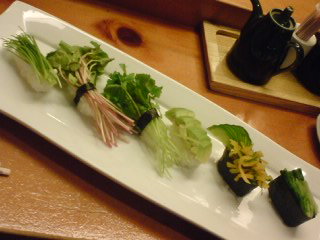
Menegi/leek sprouts, Soba no Shinme/buckwheat sprouts, Mitsuba, avocado, Takuan/pickled daiko and shiso nd cucumber gunkan, mizuna gunkan.
(Sushi Ko in Shizuoka City!)

sobasushimaki

And how about Soba Sushi maki?

I’ll still keep looking!

————————-
Please check the new postings at:
sake, shochu and sushi

—————————————-
日本語のブログ
—————————————-

Vegetables Facts and Tips (11): Lotus Roots/Renkon

lotus-root1

In Japan we are at the end of Lotus Roots season, but eat them all year round!
Lotus roots come from a plant called Nelumbo nucifera, also known by a number of names including Indian lotus, sacred lotus, bean of India, or simply lotus. This plant is an aquatic perennial. Under favorable circumstances its seeds may remain viable for many years.
A common misconception is referring to the lotus as a water-lily (Nymphaea), an entirely different plant.

Native to Greater India and commonly cultivated in water gardens, the lotus is the national flower of India and Vietnam.

The flowers, seeds, young leaves, and “roots” (rhizomes) are all edible. In Asia, the petals are used sometimes for garnish, while the large leaves are used as a wrap for food. In Korea, the leaves and petals are used as a tisane. Yeonkkotcha (연꽃차) is made with dried petals of white lotus and yeonipcha (연잎차) is made with the leaves. The rhizome (called ǒu (藕) in pinyin Chinese, ngau in Cantonese, bhe in Hindi, renkon (レンコン, 蓮根 in Japanese), yeongeun (연근) in Korean is used as a vegetable in soups, deep-fried, stir-fried and braised dishes. Petals, leaves, and rhizome can also all be eaten raw, but there is a risk of parasite transmission (e.g., Fasciolopsis buski): it is therefore recommended that they be cooked before eating.

FACTS:
-Season: September~December in Japan.
-Beneficial elements:
Lotus roots have been found to be rich in dietary fiber, vitamin C, potassium, thiamin, riboflavin, vitamin B6, phosphorus, copper, iron and manganese, while very low in saturated fat.
Various parts of the lotus are also used in traditional Asian herbal medicine.

TIPS:

-Choose specimens with a clear white cut section. There should not be any black spots.
-Use large specimen as they are easier to cut and use.
-To prevent oxydising, warp cut specimen into wet kitchen paper.
-Add vinegar to water when bolingthem to keep them white.
-The easiest way to peel them is to use a potato peeler!

COOKING:

The stamens can be dried and made into a fragrant herbal tea called liánhuā cha (蓮花茶) in Chinese, or (particularly in Vietnam) used to impart a scent to tea leaves. The lotus seeds or nuts (called liánzĭ, 蓮子; or xian liánzĭ, 鲜莲子, in Chinese) are quite versatile, and can be eaten raw or dried and popped like popcorn, phool makhana. They can also be boiled until soft and made into a paste, or boiled with dried longans and rock sugar to make a tong sui (sweet soup). Combined with sugar, lotus seed paste becomes one of the most common ingredient used in pastries such as mooncakes, daifuku, and rice flour pudding.

Japanese popular Renkon dishes:

lotus-root-nimono

“NIMONO”

lotus-root-sumono

“SUMONO”

lotus-root-kimpira

“KIMPIRA”

lotus-roots-chips

“CHIPS”

Please check the new postings at:
sake, shochu and sushi

—————————————-
日本語のブログ
—————————————-
Vegetables Facts and Tips (10): Egg plants/Aubergines

aubergines-1

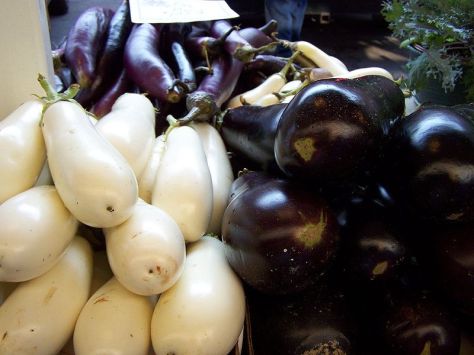
The eggplant, aubergine, or brinjal (Solanum melongena) is a plant of the family Solanaceae (also known as the nightshades) and genus Solanum. It bears a fruit of the same name, commonly used as a vegetable in cooking. As a nightshade, it is closely related to the tomato and potato and is native to India and Sri Lanka.

That for the Wikipedia definition. The word Aubergine is mainly used in Europe. It comes in many shapes, sizes and even colours, but they share the same facts.

FACTS:
-Season: June to September in the Northern Hemisphere, but are available all year round thanks to greenhouse cultivation.
-Main beneficial elements: Potassium, Vitamin C and B1
-90% is water, but the skin contains a lot of polyphenols so useful against aging and arteries cleaning!
It is also of a great help to fight diabetes.

VARIETIES:

As mentioned above, aubergines come in many varieties, but Japa has come up with another interesting kind:
aubergines-mizu
“Mizu Nasu”, litterally “Water Aubergine”
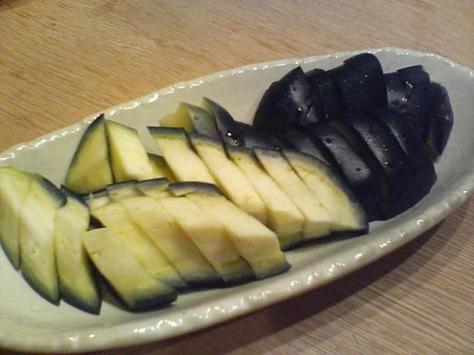
It has the particularity that it can be eaten raw cut and served like sashimi! With miso, pickled plum flesh, wasabi or soy sauce, it opens all kindsof possibilities fro vegans, vegetarians and raw food lovers!

TIPS:

-Choose specimens with a deep colour, bright appearance and comparatively light weight.
-To preserve them, wrap them individually in cellophane paper before storing them in the refrigerator.
-Before cooking them, cut them and leave them in clear water util usage to prevent oxydizing.
If you want to fry them, cut them first and rub them with a lttle salt to take excess water out of them.

Please check the new postings at:
sake, shochu and sushi

—————————————-
日本語のブログ
—————————————-
Vegetables Facts and Tips (9/1): Mushrooms/Shitake

mushrooms-market
(Mushrooms at at a Shizuoka Supermarket)

I don’t intend to talk about wild mushrooms here as I would need a very thick book to post!
Japan is arguably the country cultivating the greatest number of varieties ( new ones appear and disappear every year!), so I will limit myself to give information on at least four of them and furthermore introduce most varieties I have found in Japanese supermarkets (most of them should be available in many countries.

SHIITAKE

efbd93efbd88efbd89efbd89efbd94efbd81efbd8befbd85

FACTS:
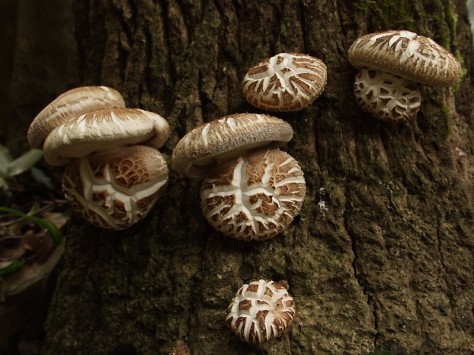
Shiitake/Lentinula Edodes (Black Forest Mushrooms) are native to China but have been grown in both Japan and China since prehistoric times[2]. They have been cultivated for over 1000 years; the first written record of shiitake cultivation can be traced to Wu Sang Kwuang, born during the Song Dynasty (AD 960–1127). However, some documents record the uncultivated mushroom being eaten as early as AD 199.
Fresh and dried shiitake have many uses in the cuisines of East Asia. In Chinese cuisine, they are often sauteed in vegetarian dishes such as Buddha’s delight. In Japan, they are served in miso soup, used as the basis for a kind of vegetarian dashi, and also as an ingredient in many steamed and simmered dishes. In Korean cuisine, they are commonly used in dishes such as bulgogi (marinated grilled beef), jjigae (stews), and namul (sauteed vegetable dishes). In Thailand, they may be served either fried or steamed.

Shiitake are often dried and sold as preserved food in packages. These must be rehydrated by soaking in water before using. Many people prefer dried shiitake to fresh, considering that the sun-drying process draws out the umami flavour from the dried mushrooms by breaking down proteins into amino acids and transforms ergosterol to vitamin D. The stems of shiitake are rarely used in Japanese and other cuisines, primarily because the stems are harder and take longer to cook than the soft fleshy caps. The highest grade of shiitake are called donko in Japanese.
Extracts from shiitake mushrooms (such as ichtyol) have also been researched for many other immunological benefits, ranging from anti-viral properties to possible treatments for severe allergies, as well as arthritis.
The Japanese actually consume them from their raw form more than in any other country.

-Season: best in October~March for outdoors cultivation
-Main beneficial ingredients: Vitamin B1, B2, N6, Ergosterol, Lentinan, Fibers.

TIPS:

-Loosely wrap them in clean Newspaper or Kitchen Paper and store them in fridge away from the light.
-Choose specimens with unbroken “umbrella” and no black marks under.
-Fresh Shiitake are best enjoyed for their taste by keeping their cooking simple such as frying them over a grill with a dash of soy sauce and sake!

Please check the new postings at:
sake, shochu and sushi

—————————————-
日本語のブログ
—————————————-
Vegetables Facts and Tips (8): Leeks

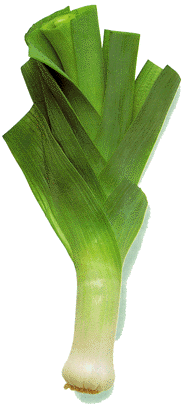
negi-1

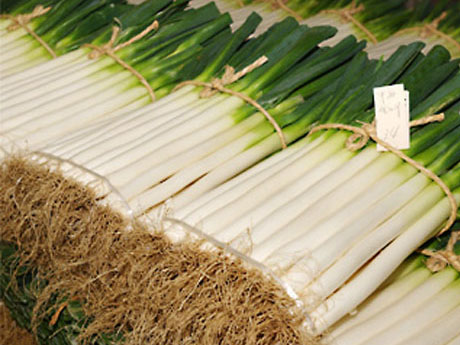
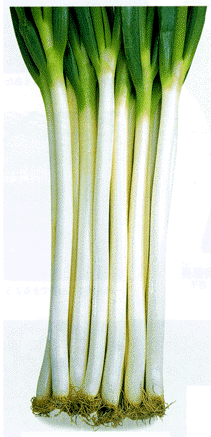
Leeks, or “negi” in Japanese, is an almost universal vegetable.
It is used in cuisine at restaurants and homes on all continents and has been recognized for ages as very beneficial plant.

Recent research has demonstrated that it is an effective cure against cold in particular, not only for humans, but for many animals, too.
Some people do not appreciate them because of their pungent smell and taste, but this can be taken care of with a couple of simple steps.

Back home in France, we boil the central part of fat leeks and eat them under the name of “poor man’s asparaguses”!

FACTS:
-Season: leeks can be bought all year round, but the best season is from November to February in the Northern Hemisphere.

-Main beneficial elements: Carotene (green part), Vitamin C (white part), Calcium, Vitamin B1 (beneficial for blood circulation).
It is not only efficient against colds, but also to the stomach and innards health.

TIPS:
-Fatter specimens will have more taste.
-Choose specimen with a “wet” bottom cut.
-If you use large specimen raw in salads, first cut 5=8 cm long sections, then cut them thin lengthwise and leave them some time in clean cold water. The pungency will greatly diminish.
-To chop leeks for cooking, cut them first in 5~10 cm sections, then cut them thin lengthwise and only then chop them crosswise.

VARIETIES:
There are innemurable varieties in the World, but I will introduce here the main varieties encountered in Japan:

negi-senju
“Senju”
The most common and popular variety

negi-hakata-manno-negi
“Hakata Manno”:
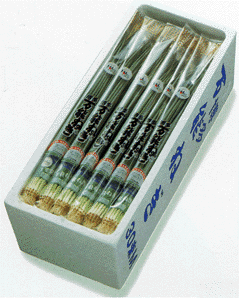
A choice specimen raised in Kyushu Island

negi-hime
“Me” or “Hime”:
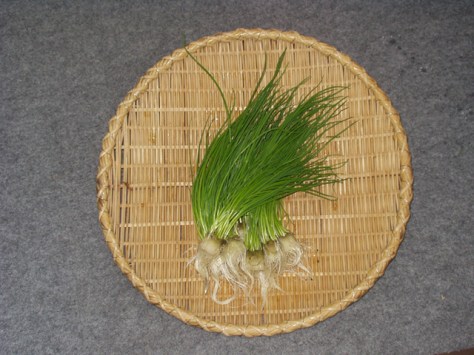
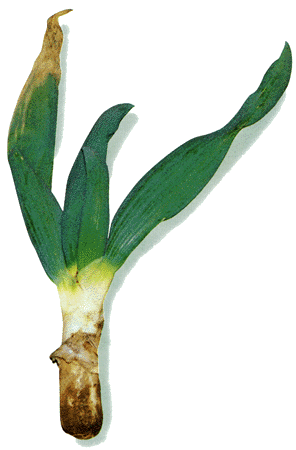
Could be called leek sprouts,too.
Eaten raw in salads, sushi, finger foods.

negi-ito-negi
“Ito” or Thread Leek, used in the same way as “Me/Hime”.

negi-kositsu-negi
“Koshitsu”, another common and popular variety.

negi-kujo-futo-negi
“Kujo-Futo”:
A choice specimen origintaing from Kyoto.

negi-kujo-hoso1
“Kujo Hoso”. Same as above, but a lot thinner.

negi-riiki
“Riiki”
A short fat specimen popular for “nabe” and soups.

negi-shimonita-negi
“Shimonita”.
A fat variety with a short stem and long leaves. Popular with soupsand “nabe” (Japanese-style pot-au-feu)

Please check the new postings at:
sake, shochu and sushi

—————————————-
日本語のブログ
—————————————-
Quick Snack: Cream Cheese Tomato Rolls for the Beer!

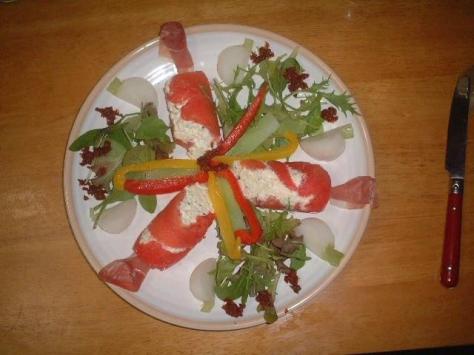
tomatospringroll

There are times, be it in Winter, Spring, Summer or Autumn, when you just don’t have the will to venture into another cooking expedition, but still want to offer and eat quick, simple and yummy food!

Here is suggestion that you can store inside the fridge just in case hungry friends barge in with some beer (or mineral water! LOL). It can be easily adapted for vegetarians!:

I don’t have to bother with quantities really.
Just know that you need an equal amount (in volume) of Philadelphia (for example) cream cheese and fresh cream lightly beaten to a semi-hard consistency.
In a bowl mix the cheese and cream well. Add a little salt, pepper, nutmeg and whatever spice you fancy. Add some finely chopped herbs!
As for the tomatoes, choose them as large as possible, but not too ripe to avoid them breaking away. Peel them first, by making a light cut near the stem and plunging them in hot water (or holding them over a flame). When the skin starts opening, take them out and plunge them in cold water. They should peel off very easily.
Cut them in half, empty them, “spread” (you might have to help with a few small cuts) them on a kitchen paper to sponge water off.

Note: do not salt the tomatoes, or they’ll give out gallons of water!

On a large enough piece of cellophane paper spread the tomato flesh, fill with an adequate amount of cream cheese mix, and make a roll closing the cellophane paper around. Twist the ends shut.
Leave in refrigearator until served.

Simple presentation suggestion (look at pic!):
A three-piece presentation is easiest with cut sweet pimento and boiled broccoly stems (a good way to use them!).
Cut the tomato rolls half-way at a slant for better effect.
Add lightly boiled turnips, pieces of raw ham, and plenty of greens.
Serve with a pot of vinaigrette or dip sauce.

Simple and appetizing!
Good for hungry kids, too!

Please check the new postings at:
sake, shochu and sushi

—————————————-
日本語のブログ
—————————————-