Category Archives: Uncategorized

Shellfish Species 3: Oysters/Kaki

Oysters! One would be hard put to find a produce from the sea more internationally recognized as a gourmet’s choice! Moreover, it is the only shellfish you coul survive on if you get marrooned on a desert island! It is a complete food in irself if consumed raw.
For a long time (that is before coming to Japan), I had thought that my country, France, was the place to eat them. Well, I must admit it was a little pretentious from me, especially in the light that more than half of the oysters consumed back at home originated from Japan!

Now the Japanese has come with many ways of appreciating them:
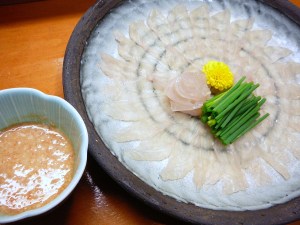
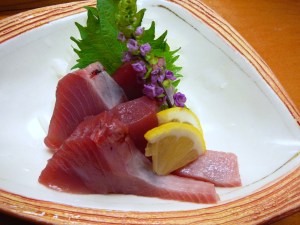
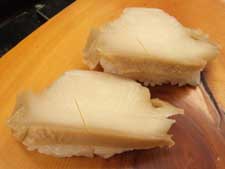
-As in the picture above they would eat them as sashimi with a dash of wasabi and soy sauce.

-Or just a little lemon juice as in Euope, Americas or Oceania.

-Or in another japanese fashion, with ponzu and momijioroshi (succulent!)

-Or, and here Japanese and foreigners are simply crazy about them, as “kakifrai”, deep-fried oysters in batter and breadcrumbs with a nice tartare sauce!

-Or finally, and I would recommend the experience to all foreigners, as “kaki-gohan”, either with oysters steamed together with the rice, or cooked apart in light broth poured over a bowl of freshly steamed rice!

Of course, any good sushi restaurants will serve oysters as nigiri or gunkan!

In Japan, oysters come from various areas, mainly Hiroshima, Iwate and so on.
As for Shizuoka Prefecture, oysters mainly come from Hamanako inland sallted lake near Hamamatsu City.

————————-
Please check the new postings at:
sake, shochu and sushi

—————————————-
日本語のブログ
—————————————-

Shellfish Species 2: Scallops/Hotategai

hotategai.jpg

Hotategai, or Scallops, is another worldwide favourite and also a source of dispute caused by illegal poaching, international or domestic.
The season is summer and the shellfish is sometimes called Akitagai, as of Akita Prefecture.
They are caught off Hokkaido, Aomori, Iwate and Miyagi Prefectures.
The domestic production/catch is over 300.000 tonnes a year, while 400 tonnes are imported from China as whole Scallops and 700 tonnes as the muscle part only (“kaibashira”). Japanese scallops will be significantly larger than the Chinese.

Of course, they are much appreciated as sashimi, but also as sushi:
HOTATENIGIRI
(pic taken at Sushi Ko in Shizuoka City)

They are also much appreciated cooked/grilled in the shell with just a little shoyu and sake:
HOTAGE-GRILLED

Actually, a good-class sushi restaurants will serve the muscle part as sashimi or sushi, and will serve the rest of the shellfish cooked in light broth inside the shell later!

————————-
Please check the new postings at:
sake, shochu and sushi

—————————————-
日本語のブログ
—————————————-

Shellfish Species 1: Abalone/Awabi

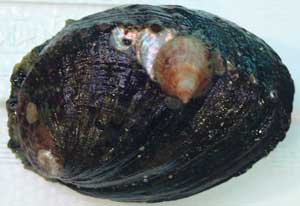
AWABI-KURO-2
Kuro Awabi/”Black Abalone

With the weather definitely turning hotter, the first abalones or “awabi” start appearing on the markets.
The Japanese are great connoisseurs and amateurs of abalones, and they do have to import a lot to satisfy their demand!
There amany varieties of different quality avalaible inthe markets and restaurants.
Most are eaten raw, especially as sushi on nigiri!

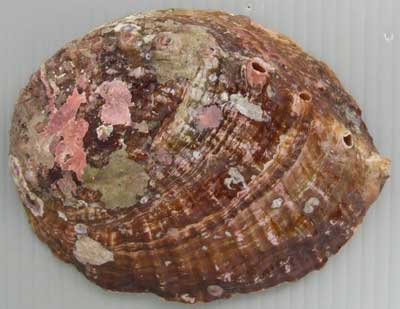
AWABI-KURO-1
Kuro Awabi/”Black Abalone”

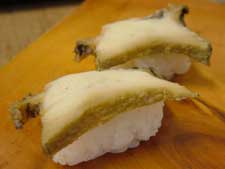
As for the main varieties, you can sample expensive Kuro Awabi or “Black Abalones”

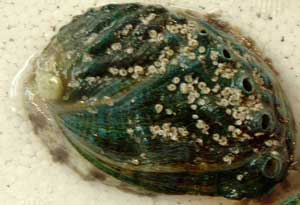
AWABI-EZO-1

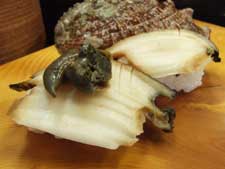
Another expensive variety is Ezo Awabi/”Ezo Abalone”

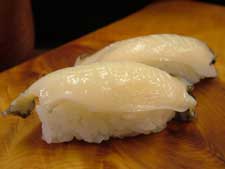
AWABI-EZO-2
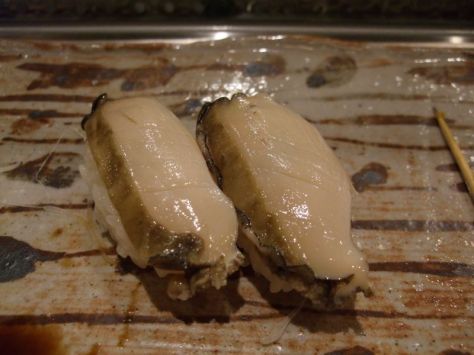
Ezo Awabi as sushi.

Lesser varieties include:

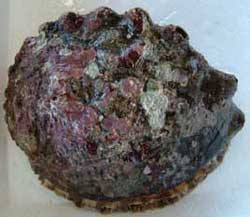
AWABI-MADAKA-1
Madaka Awabi

AWABI-MADAKA-2
Madaka Awabi as sushi

AWABI-MEGAI-1
Megai Awabi

AWABI-MEGAI-2
Megai Awabi as sushi.

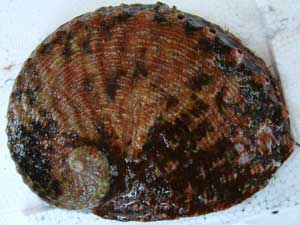
AWABI-VICTORIA-1
Victoria Awabi imported from Australia.

AWABI-VICTORIA-2
Victoria Awabi as sushi.

Do not forget that catching abalones in a ny place in Japan without a proper license is a severly punished poaching offense!

————————-
Please check the new postings at:
sake, shochu and sushi

—————————————-
日本語のブログ
—————————————-
French Gastronomy on Stamps (29): Traditional Ingredients & Dishes

TIMBRES-GASTRONOMIE-1

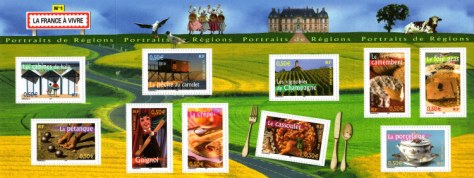
France has issued many stamps on food (not foodstamps!) on her own gastronomy for quite some time including the new series will be issued on April 25th and wil be printed in the form of mini-sheets dedicated to a particular region with stamps, pics and explanations.
As for stamps issued since the first stamp in 1849, a number of them were issued with Traditional Ingredients and Dishes as a theme:

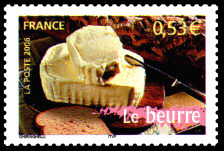
TIMBRES-BEURRE
BEURRE/butter
Someone said that France is a muntain of butter in the middle of a lake of milk, a statement hotly disputed by Denmark!

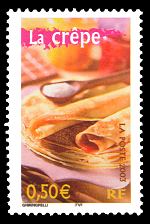
TIMBRES-CREPE
CREPE
The word crepe apllies only for the sweet whet flour pancake. Its original meaning is “lace” as of a lace veil.
The buckwheat pancake is called “galette”.

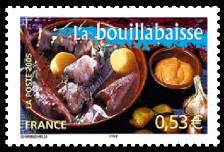
TIMBRES-GASTRONOMIE-BOUILLABAISSE
BOUILLABAISSE
Oriinally a poor man/fisherman’s soup eaten with toasted bread has beome an extravagant “national” dish almost unrelated with the real one.

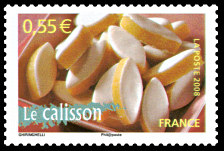
TIMBRES-GASTRONOMIE-CALISSON
CALISSON
A traditional sweet from south France.

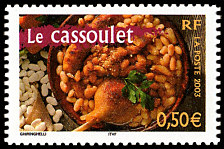
TIMBRES-GASTRONOMIE-CASSOULET
CASSOULET
Created with beans originally from India. It takes four hours to cook it with beans, tomatoes and meat (pork, duck or goose) before being gratineed in an oven for at leat an hour.

TIMBRES-GASTRONOMIE-FOIEGRAS
FOIE GRAS
Made in different regions of France. originally mad with goose liver. I, for myself prefer duck foie gras!

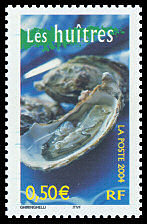
TIMBRES-GASTRONOMIE-HUITRES
HUITRES/Oysters
Did you know that all oysters in France, except for the Belon variety either came from Great Britain or Japan?

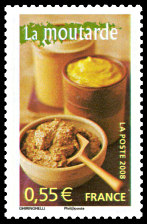
TIMBRES-GASTRONOMIE-MOUTARDE
MOUTARDE/Mustard
Originally from the Middle East, it is mainly prepared in Dijon, my birthplace!

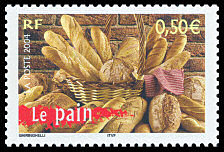
TIMBRES-GASTRONOMIE-PAIN
PAIN/Bread
Baguette is not French by the way. It was introduced by the Austrian Queen, marie-Antoinette!

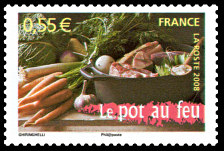
TIMBRES-GASTRONOMIE-POTAUFEU
POT AU Feu/Pot on the Fire
Has become universal!

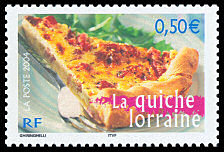
TIMBRES-GASTRONOMIE-QUICHE
QUICHE LORRAINE
The original one, cooked with fresh cream, eggs and bacon only!

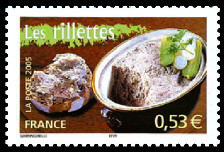
TIMBRES-GASTRONOMIE-RILLETTES
RILLETTES
made with lean pork and lard. Great, but careful with those calories!

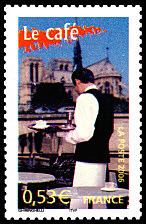
TIMBRES-LECAFE

CAFES, the symbol of a lifestyle originally came from Austria!

————————-
Please check the new postings at:
sake, shochu and sushi

—————————————-
日本語のブログ
—————————————-
Chicken Ham: Recipe

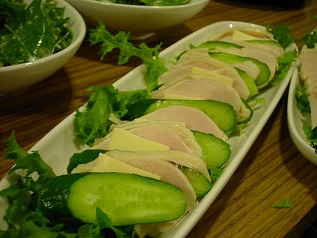
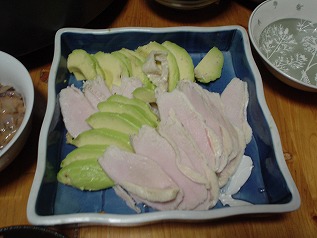
CHICKEN-HAM-SALAD

Following queries by Jenn and the unamed-yet friend at Food to Make you Miss your Plane about the Missus’ chicken Ham included in some of my bentoes, I decided to do some personal research (complemented by some comments from the Missus who is very cagey about her own recipes!).

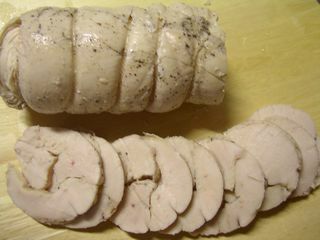
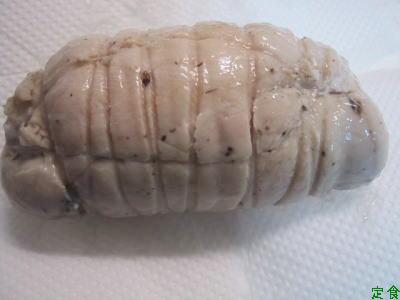
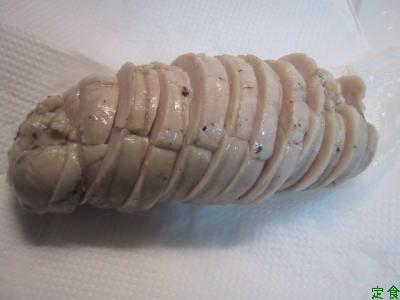
CHICKEN-HAM-ROLL1

Now, the following recipe is for Chicken Ham in the shape of a “ham”.
Natyrally, you can, like the Missus keep the original shape of the chicken breast.

CHICKEN-HAM-SALAD-2

You can slice or shred the chicken as shown above in the combination chicken/avocado salad. Variations are almost endless!

Ingredients:
-One large chicken breast: 250g
-Sugar: 1 large tablespoon
-Coarse salt-black pepper mixture: 1 large tablespoon

Recipe:

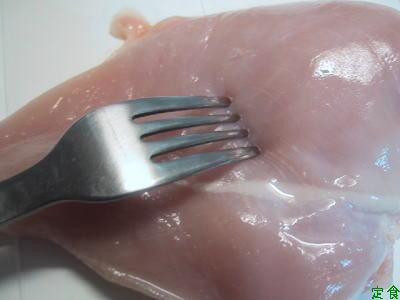
CHICKEN-HAM-RECIPE-1
Get rid of all skin and fat.
“Puncure” chicken shallowly on both sides.

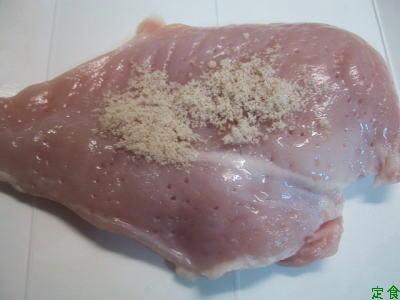
CHICKEN-HAM-RECIPE-2
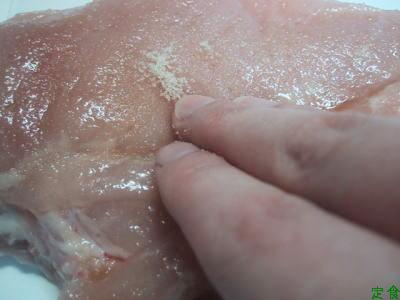
Sprinkle sugar on both sides and

CHICKEN-HAM-RECIPE-3
throughly brush it in on both sides.

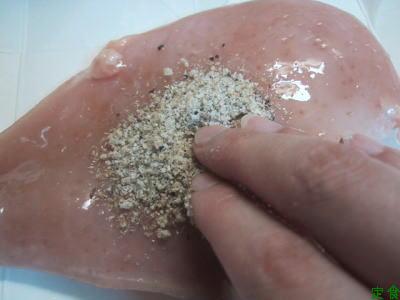
CHICKEN-HAM-RECIPE-4
repeat procedure with coarse salt-black pepper mixture.
Water will start oozing out.

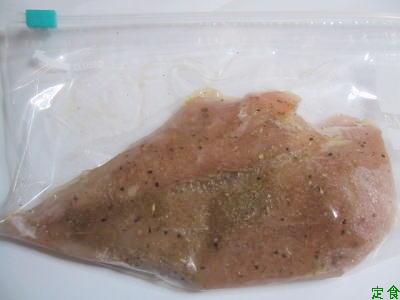
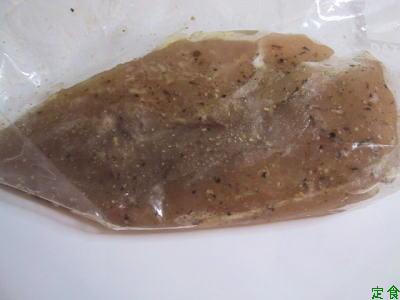
CHICKEN-HAM-RECIPE-5
Tightly seal inside zip-lock type vinyl envelope and leave it 48 hours inside the fridge (Get as much air out as possible before sealing!).

CHICKEN-HAM-RECIPE-6
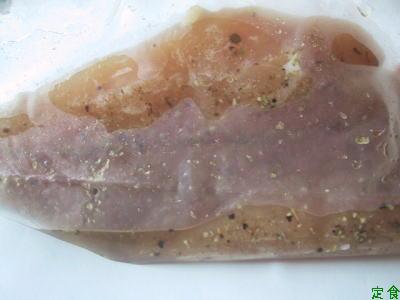
After the first 24 hours inside the fridge, throw out the water that has accumulated, reseal and put back inside the fridge.

CHICKEN-HAM-RECIPE-7
That’s how it looks when you take it out of the fridge after 48 hours.

CHICKEN-HAM-RECIPE-8
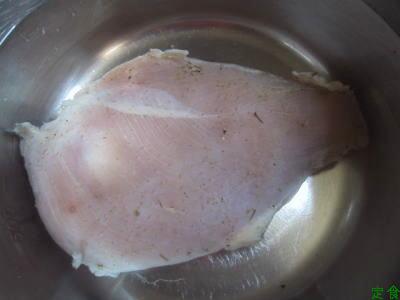
Take chicken ou, clean lightly with running water, and then let it rest in clear water for 30 minutes to get rid of the excess salt.

CHICKEN-HAM-RECIPE-9
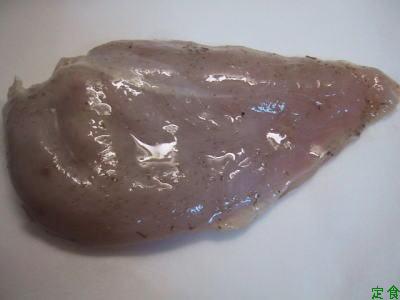
Take out of water and carefully get the chicken rid of water with kitchen paper.

CHICKEN-HAM-RECIPE-10
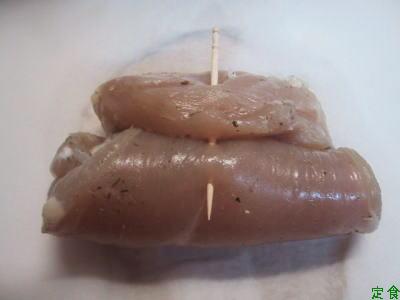
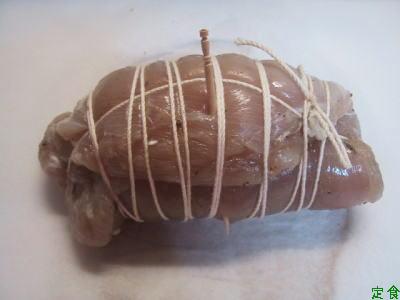
“Roll” the chicken breast into a “hm” shape and secure it with a wooden toothpick 8avoid any contact with naked metal!).

CHICKEN-HAM-RECIPE-11
Bind the chicken with cooking thread tightly until you have attained a ham shape. Take toothpick out and discard.

CHICKEN-HAM-RECIPE-12
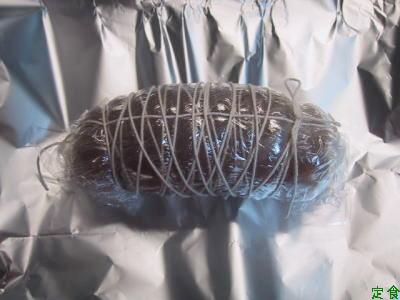
Wrap tightly into cellophane paper.

CHICKEN-HAM-RECIPE-13
Wrap into foil paper twice.
Note: the Missus does not wrap it into anthing and just lowly directly boil the chicken into chicken bouillon.

CHICKEN-HAM-RECIPE-14
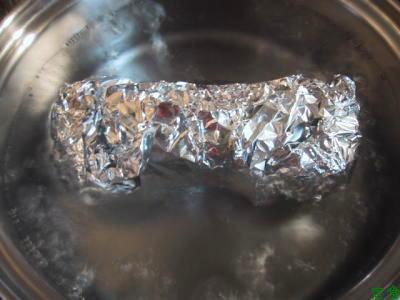
In a big enough pan bring water to boil.

CHICKEN-HAM-RECIPE-15
Put the foil paper-wrapped chicken inside water and switch off fire.

CHICKEN-HAM-RECIPE-16
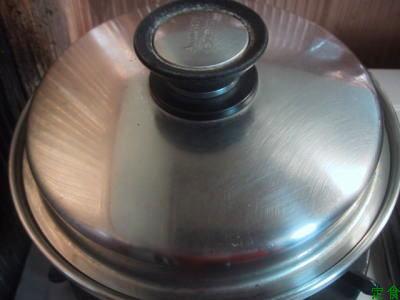
Cover with lid and leave it as it it is for 7~8 hours.
Take chicken out with its foil paper and let it rest inside fridge for 24 hours.
Note: The Missus will put the chicken and the whole broth inside a Tupperware box before puttin it inside the fridge.

CHICKEN-HAM-RECIPE-17
Get Chicken ham out. Discard foil paper and thread.

CHICKEN-HAM-RECIPE-18
Cut it to your liking.

CHICKEN-HAM-RECIPE-20
Serve.
That is when the fun starts!
Great as salads, in sandwiches and of course bentoes!

Note: The Missus sometimes, as an extra last step, smokes the whole chicken in green tea leaves!

————————-
Please check the new postings at:
sake, shochu and sushi

—————————————-
日本語のブログ
—————————————-
French Gastronomy on Stamps (28): River Fish

TIMBRES-GASTRONOMIE-1

France has issued many stamps on food (not foodstamps!) on her own gastronomy for quite some time including the new series will be issued on April 25th and wil be printed in the form of mini-sheets dedicated to a particular region with stamps, pics and explanations.
As for stamps issued since the first stamp in 1849, a number of them were issued with River Fish as a theme:

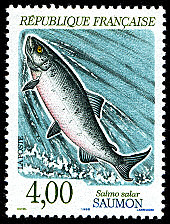
TIMBRES-GASTRONOMIE-POISSON-Saumon

SAUMON/Salmon

Of course most varieties of Salmo both live in the sea and in rivers.
In France, salmon fishing regulations are very strict and define the season when one can catch the fish, its minimum size and fishing area.
The French probably appreciate it most poached, and served cold with a jelly coating and mayonnaise either served whole or in medaillons/thick slices.

TIMBRES-GASTRONOMIE-POISSONS-Brochet

BROCHET/Pike

Both caled the “King of Rivers” and the “River Shark”, its catches are also strictly regulated.
Most apprecated either poached and cold like salmon, or as quenelles/dumplings served hot in a gratineed bechamel sauce as made in Lyon!

TIMBRES-GASTRONOMIE-POISSONS-Gardon

GARDON/Common Roach

Found in big schools in quiet rivers, it is a small cousin of the carp.
The French mostly appreciate it in small size, emptied, rolled into flour and deep-fried, served with lemon and a good glass of white wine or beer.

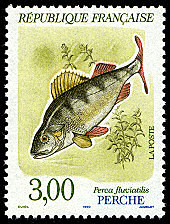
TIMBRES-GASTRONOMIE-POISSONS-Perche

PERCHE/Perch=River Bass

here is a fish whose catching, except for the season, is practically not regulated as it tends to overpopulate rivers and lakes to the detriment of other fish.
Best appreciated as deep-fried filets served with lemon or tartatr sauce! Great with a solid beer!

Look forward to the next postings! There are plenty more!

————————-
Please check the new postings at:
sake, shochu and sushi

—————————————-
日本語のブログ
—————————————-
TAKY’S classic Cakes (9): Buche Pistache

TAKYS-PISTACCHIO2

I have just discovered another new creation by talented Takuya Hanai and served it to two of my students today. The beginning of the week is always a good time as Mr. Iwai tries his new cakes out then!
I don’t have to tell you I have to keep a constant lookout as this talented and still young patissier.

“Buche” means a French roll cake in the form and shape of a wooden log, although it would be half a log in this cake. This why it caught my eye as I tend to avoid full rounded roll cakes.

TAKYS-PISTACCHIO1

It is another marvel as you go through all kinds of textures and falvours!
From bottom to top (although you will probably appreciate it theother way round):
-Thin flat base layer of chocolate sponge cake containing dry cherries and flavoured with cherry liqueur.
-Pistacchio Mousse. very elegant, light and very feminine in concept.
-Chocolate Sponge Cake, simple and light.
-Chocolate Mousse, creamy and savoury.
-A layer of Chocolate Ganache, firm, hard and crispy enough to incite you to break through it!

To appreciate with a great coffee or English tea!

TAKY’S
420-0839 Shizuoka City, Aoi Ku, Takajo, 1-11-10
Tel.: 054-255-2829
Opening hours: 11:00~22:00
Closed on Sundays

Please check the new postings at:
sake, shochu and sushi

—————————————-
日本語のブログ
—————————————-
Vegetables Facts and Tips (13): Salicorne

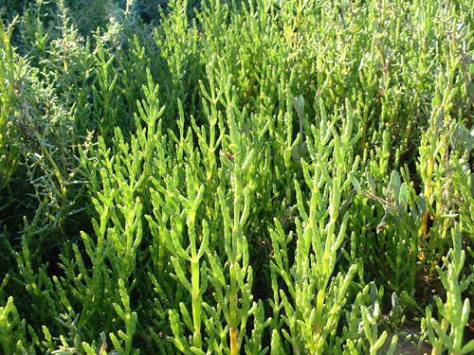
SALICORNE-1

I decided to run this posting on this rare vegetable following a query from my dear friend Jenn.

Salicorne has a slightly salty with a fresh, not overpowering, herbal taste. It grows exceptionally well in salt marshes and can sometimes be harvested under wharves. Although salicorne is a weed and does grow by the sea, it does not look like seaweed. It is more like a sprig off a tree with small dark green fleshy branches.
Apparently they are grown or collected in France onlyalong its Westen and Northern shores.

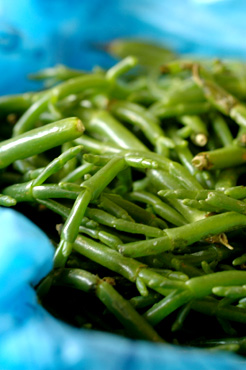
SALICORNE-2

Salicorne has no comfortable English name. Some call it sea asparagus, and it does have a little of the sweet flavour of that vegetable. It is also known as slender glasswort, La salicorne, or criste-marine and perce-pierre in French. Its etymology is actually the Arabic word: “salcoran”. It is also thought to mean salt (sali) horn (corne) in French. So salicorne is how it is usually called in English and French.

It is exported to Canada fresh, pickled or in cans.
Human-grown as opposed to natural salicorne is better suited for cooking as it does not include all kinds of unwanted twigs and other unrelated plants when harvested in the wild.

Vegetarians and vegans can eat it fresh as it is, in salads or as pickles.

SALICORNE-3

Cooking/cuisine suggestion:
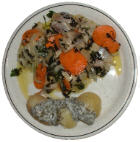
Smoked herring marinated in Salicorne cream:
Place 250 g of smoked herring in a deep oven dish. Cover fish with milk and let marinate for 2 hours. Drain and take moisture out by placing fish on kitchen paper.
Put them back inside the oven dish and cover with whote wine. Let them marinate again for 2 hours.
Drain them and cut the fish acrss into slices 2 or 3 cm thick.
Place te fish slices in a terrine dish, alternating them with thin slices of onion and carrot, a few parsley leaves, a branch of thyme and a leaf of laurel both chopped fine, some pepper and a tablespoon of finely cut wakame/Japanese seaweed. Cover with olive oile and let marinate inside fridge for 4~5 hours.
Take out a dozen sprigs of vinegared salicorne (canned), cut them finaly and mix them into a bowl of fresh cream that one can use later at will.
Place herring, onions and carrots on a dish with a little oil from the marinade.
Serve with hot boiled potatoes!

Please check the new postings at:
sake, shochu and sushi

—————————————-
日本語のブログ
—————————————-
Today’s Lunch Box/Bento (’09/32)

BENTO-09-05-11a

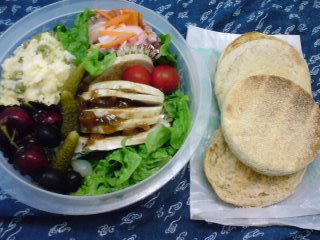
Today’s bento was a simple affair or quick fix: Open Muffin Sandwiches.

BENTO-09-05-11b

The Muffins were “English” made in Japan. They had been toatsed for consistency.
As for the filling: lettuce almost everywhere, potato and green peas salad, home-made chicken ham with British chutney, French pickles, black olives, mini tomatoes, and dark cherries (imported)

Was still a bit hungry after that!

Please check the new postings at:
sake, shochu and sushi

—————————————-
日本語のブログ
—————————————-
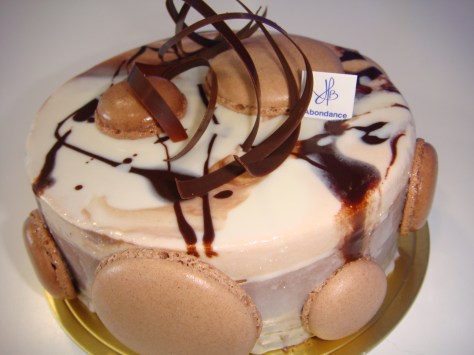
ABONDANCE’S CLASSIC CAKES (4): ELEGANCE

ELEGANCE2

My Good French friend in Hamamatsu City is very busy: His message was very laconic this time. LOL

“Robert
Voici ” Élégance” un gâteau au chocolat , lait et noir 70% avec un biscuit chocolat sans farine…très léger et plein de saveur.
Au plaisir…
Bernard”

“Here is “Elegance”, a chocolate cake, milk, and a 70% black cocolate.
On top of a biscuit. No flour used. Very light and full of flavour”.

He forgot to mention the small macarons!

Abondance
Address: Hamamatsu Shi, Sumiyoshi, 2-14-27 (in front of Seirei Hospital)
Tel.: 053-4738400
Fax: 053-4738401
Opening hours: 10:00~20:00. Closed on Tuesdays.
Homepage

Please check the new postings at:
sake, shochu and sushi

—————————————-
日本語のブログ
—————————————-
Robert Yellin’s Newsletter: Koinuma Michio–Significant Objects–Exhibition Previews

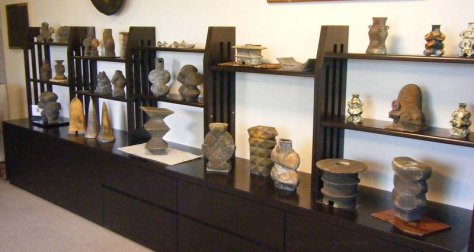
picture10
Greetings from Mishima,

To all yakimono fans far and wide, it’s been awhile indeed. We hope that this finds you and yours well enjoying the joys of spring.

Here in our gallery we continue to offer one-of-a-kind works each
weekday shown on our online gallery pages. Recently we offered a look at Seto potter Takeuchi Shingo, new works by Takahashi Samon and Sasaki Izuru’s tenmoku sake cups. Now, we’d like to share preview links to one of Japan’s most respected veteran potters, Koinuma Michio.

picture1

Koinuma (b.1936) was selected in a 2001 survey by a leading Japanese ceramic art magazine as one of most popular veteran potters of the 20th century. In that list number one was Kamoda Shoji–more about their connection later on–with Koinuma being in a tie for number 11 with votes that equaled Itaya Hazan, Furutani Michio, Koie Ryoji, Shimizu Uichi, Kato Hajime, Fujiwara Kei, Yamamoto Toshu and Tamura Koichi (the latter five all Living National Treasures). Yabe Yoshiaki of the Tokyo National Museum wrote of visiting a Koinuma exhibition after having just returned from the US, “I was instilled with a powerful impression of a man pursuing the most solemn and expression-oriented work in the whole international world of modern arts and crafts.”

picture4

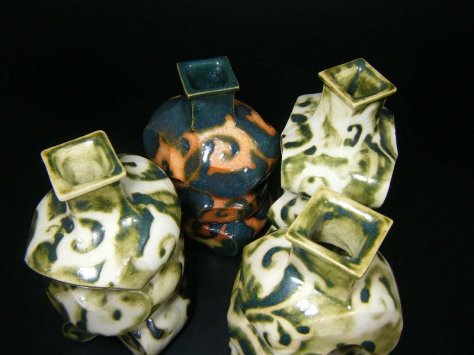
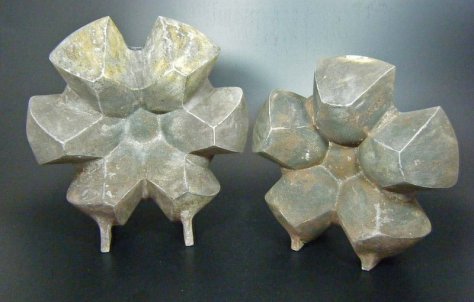
As you’ll see in the following links to Koinuma’s most recent works–I visited him a few weeks ago and selected just fired pieces–Koinuma’s ceramic art is indeed solemn, there is an ancient feel and aura to his output not only in form, yet in firing as well. The works have a magnetic power that the current Head Curator of the National Museum of Modern Art, Craft Gallery, Tokyo Kaneko Kenji described as ‘possessive.”

All Koinuma’s forms are hand-built with slabs of clay and he hardly ever repeats forms, like that of Kamoda Shoji. Koinuma was inspired by Kamoda back on the 60s and is one reason he moved to Mashiko; at that time Kamoda was making ash-glazed works, Koinuma told me Kamoda’s work took a dramatic change in form after he met Koinuma. The two had planned to do an exhibition together, yet fate took Kamoda away much too early.

Many young potters have sought out Koinuma’s advice over the years on making forms and firing and Koinuma mentioned when now hot Mihara Ken came to visit about twenty years ago to learn about sekki-stoneware firing forms and burnishing techniques; the styles and spirituality of both potters are inspiring indeed.

picture11

We’ve offered Koinuma’s single pieces now and then over the years, this is the first time to show a number of works. The exhibition will go online from May 13th and below are hidden links of the exhibition. All pertinent details are noted in photo captions and any additional photos or details will be gladly send upon request. Koinuma does not provide boxes, yet we can order them here for a small fee and send the lids to him to have signed. He will be visiting the gallery during the exhibition,
which ends on May 29th–and we’d be happy to take a photo of any
work with him if requested. Koinuma is a rare and important Japanese ceramic artist and we hope you find at least one piece to add to your home to inspire and delight the senses and spirit.

Check more on Homepage: 1, 2, 3, 4, 5, 6, 7, 8, 9, 10, 11, 12


The Japan Blog List

———————————
Must-see tasting websites:
-Sake: Tokyo Through The Drinking Glass, Tokyo Foodcast, Urban Sake, Sake World
-Wine: Palate To Pen
-Beer: Good Beer & Country Boys, Another Pint, Please!
-Japanese Pottery to enjoy your favourite drinks: Yellin Yakimono Gallery
——————————–
Please check the new postings at:
sake, shochu and sushi

—————————————-
日本語のブログ
—————————————-
Bryan Baird’s Newsletter (2009/12)

Baird Beer & Taproom Events Bulletin 2009 #12
bryan-sayuri.gif

Dear Taproom Friend & Baird Beer Enthusiast:

The onset of this sultry, summer-like weather seems the perfect opportunity to release two extremely quenching Baird Beer seasonals: Saison Sayuri & European Summer Ale.

*Saison Sayuri 2009 (ABV 5.5%):

Saison is an idiosyncratic Belgian-style beer of moderate strength that tends to be spicy and highly refreshing. Sayuri, of course, is my wife and partner and matron saint of Baird Beer. Saison Sayuri is my annual birthday tribute to this lovely woman. The 2009 version is brewed with small spice-like additions of the peels and fresh juice of local daidai citrus fruit and is fermented with a combination of two highly characterful Belgian yeast strains. The result is a piquantly quenching brew that still manages a great, albeit understated, depth of character. Saison Sayuri is available on draught at our Taprooms and at other excellent Baird Beer retailing pubs in Japan. It also is being sold by fine liquor stores in Japan in 633 ml bottles.

*European Summer Ale (ABV 5.5%):

This is an English-style summer ale brewed with English malts but hopped with German and Czeh hop varieties (Hallertau Tradition, Hallertau Hersbrucker and Czeh Saaz). It is playful and zesty in the mouth and sports a wonderfully floral, herbal hop aroma. This small-batch brew is available only on hand-pump as Real Ale at our Nakameguro and Fishmarket Taprooms. Come in for a pint or three while the gettin’ is good.

Cheers,
Bryan Baird

Baird Brewing Company
Numazu, Japan
HOMEPAGE


The Japan Blog List

———————————
Must-see tasting websites:
-Sake: Tokyo Through The Drinking Glass, Tokyo Foodcast, Urban Sake, Sake World
-Wine: Palate To Pen
-Beer: Good Beer & Country Boys, Another Pint, Please!
-Japanese Pottery to enjoy your favourite drinks: Yellin Yakimono Gallery
——————————–
Please check the new postings at:
sake, shochu and sushi

—————————————-
日本語のブログ
—————————————-
French Gastronomy on Stamps (27): Fruits, Vegetables, Herbs

timbres-gastronomie-2

France has issued many stamps on food (not foodstamps!) on her own gastronomy for quite some time including the new series will be issued on April 25th and wil be printed in the form of mini-sheets dedicated to a particular region with stamps, pics and explanations.
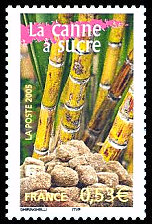
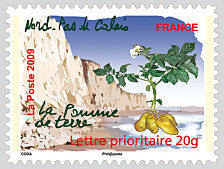
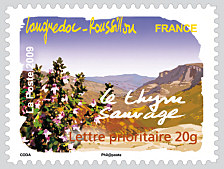
As for stamps issued since the first stamp in 1849, a great number of them were issued with edible Fruits, Vegetables and Herbs as a theme:

TIMBRES=GASTRONOMIE-CANNEASUCRE

CANNE A SUCRE/Sugarcane
France produces a lot of its brown sugar from sugarcanes grown in the West French Indies and African Islands in the Indian Ocean.

TIMBRES=GASTRONOMIE-POMMEDETERRE

POMME DE TERRE/Potatoes.
France was comparatively late in Europe adopting this particular vegetable.

TIMBRES=GASTRONOMIE-THYME

THYM/Thyme
What would the French do witout it?

TIMBRES-GASTRONOMIE-AWARA

AWARA
Exclusively grown in French Guyana/Guyanne.

TIMBRES-GASTRONOMIE-CASSIS

CASSIS
Cassis is mainly grown and poduced in Dijon, my birthplace!

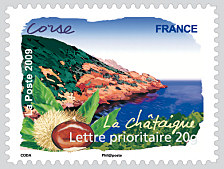
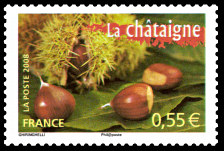
TIMBRES-GASTRONOMIE-CHATAIGNE TIMBRES-GASTRONOMIE-CHATAIGNE-b

CHATAIGNE/Chestnuts
For a long time, in many rural areas of France, chestnuts provided the flour for bread!

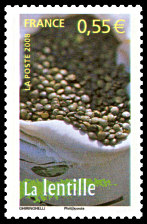
TIMBRES-GASTRONOMIE-LENTILS

LENTILLES/Lentils
Originally coming from Indian, the green small ones are the best!

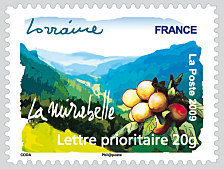
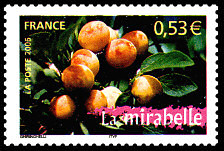
TIMBRES-GASTRONOMIE-MIRABELLE TIMBRES-MIRABELLE

MIRABELLES
At one time almost extinct, they are evrywhere to be found in early Autumn!

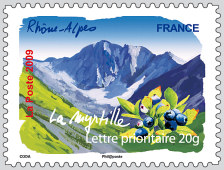
TIMBRES-GASTRONOMIE-MYRTILLE

MYRTILLE/Blueberry
Used in making jams and also spirits!

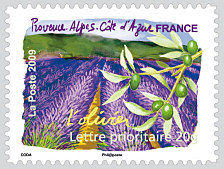
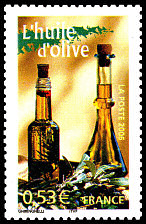
TIMBRES-GASTRONOMIE-OLIVE TIMBRES-OLIVEOIL

OLIVES-HUILE D’OLIVE/Olives and Olive Oil
Grown in Provence mainly!

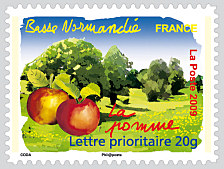
TIMBRES-GASTRONOMIE-POMME

POMMES/Apples
Make for great Cider and Pommeau! (and cakes!)

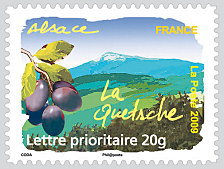
TIMBRES-GASTRONOMIE-QUETSCHE

QUETSCHE/Plums
What I would give for a tart of them!

TIMBRES-GASTRONOMIE-SALICORNE

SALICORNE
A very rare vegetable/plant growing in salted waters!
Great as pickles!

Look forward to the next postings! There are plenty more!

————————-
Please check the new postings at:
sake, shochu and sushi

—————————————-
日本語のブログ
—————————————-
Sushi Restaurant: Sushi Ko (revisited)

012

As advertised on Foodbuzz, I finally managed to drag the Missus to a belated visit of our favourite Sushi Restaurant in Shizuoka City: Sushi Ko!
I also succeeded in persuading the Missus in helping me with the pics. I hope this will become useful with friends who need information!

007

As we are just in season we started with katsuo/bonito. Maybe I told you that the best bonito is caught by fishermen from Shizuoka Prefecture who bring it to the Harbours of Numazu and Yaizu!
Notice the shiso/perilla flower sprig!

010

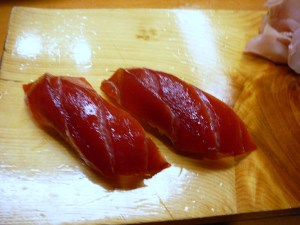
Every time, and I say every time, we visit Sushi Ko, the Missus must have deep-fried tuna served with momijioroshi (grated daikon with cayenne pepper)! Alright, it’s a great morsel, indeed!

008

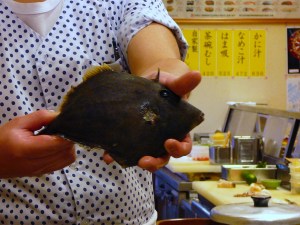
Kawahagi/Filefish is in season, too.
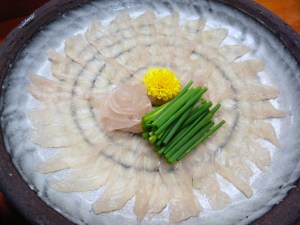
We asked Mr. Oda to serve it as to serve it as tsukuri:

011

You roll a few pieces around a couple of hosonegi/thin leek and dip it in a sauce made with the fresh raw liver of the fish and some soy sauce and sake (see pic at the top)!

013

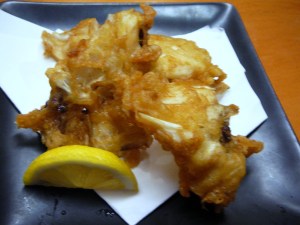
The “jowls” came later deep-fried!

015

I then challenged Mr. Oda to serve us one of his vegetarian sushi set:
Menegi/dwarf leek, Soba Me/Buckwheat Sprouts, Mitsuba/Trefoil, Kawaire Daikon!

017

Maguro Zuke/Marinated raw tuna. Another specialty of the house!

020

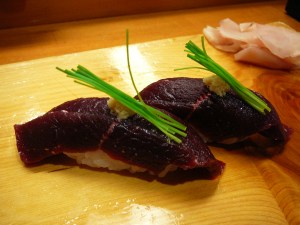
Kujira/Whale meat. Shizuoka Prefecture is one of the rare places where you can find it in Japan!

022

Sakura Ebi/Cherry Shrimps, fresh from Yui as gunkan. Can be found in that state only in Shizuoka Prefecture!

024

Pirikara Hotate Maki/Hot Scallops Roll. Another specialty of the house. American Friends, I can hear you salivating (drooling)!

026

Tamagoyaki! Cute, ain’t it?

027

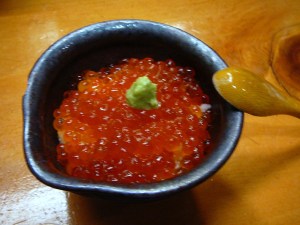
Ikura no Mini Donburi/Mini bowl of salmon roe!

We did drink a lot, and only ate that. Mind you, we came back home full and content!

Sushi Ko
shizuoka City, Aoi Ku, Ryogae-cho. 2-3-1 (Aoba Koen)
Tel.: 054-2512898
Business Hours: 17:00~25:00. 17:00~23:00 (Sundays)
Closed on Wednesdays
Reservations recommended
Credit cards OK
HOMEPAGE (Japanese)

Please check the new postings at:
sake, shochu and sushi

—————————————-
日本語のブログ
—————————————-
Foodbuzz: How to submit a Recipe on Foodbuzz

1-sake

Greetings again!

As I said before, many new blogmates have some problems to get used to Foodbuzz which is becoming more and more sophisticated!

Tranthai recently asked me how to submit a Recipe on Foodbuzz.
This is fairly simple, but you still have to go through it!
-Copy your posting url (Ctrl + C)
-Open Foodbuzz page
-Click on “Posts” on the top toolbar
-On your left look for the “Submit” small window.
-Scrol it down.
-Click on “Submit a recipe” and fill he form!
-Don’t forget to include a picture to illustrate your posting!

If you have any questions, don’t hesitate!

Cheers,
Robert-Gilles

Please check the new postings at:
sake, shochu and sushi

—————————————-
日本語のブログ
—————————————-