Tag Archives: 美食

Daikon Couple: The Pious and The Pervert…

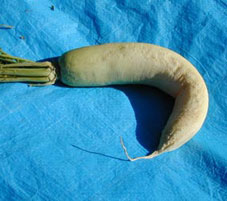
Just found this odd couple lying on the kitchen floor lying in unknowing bliss before being chopped into stew!
They had come form the Missus’ parents farm.

Now, why did the Missus trim that appendage?

RECOMMENDED RELATED SITES:
Bread + Butter, Comestilblog, Greedy Girl, Bouchon For 2, Zoy Zhang, Hungry Neko, Mangantayon, Elinluv Tidbit Corner, Maison de Christina, Chrys Niles, Lexi, Culinary Musings, Eats and Everything, Bite Me New England, Heather Sweet, Warren Bobrow, 5 Star Foodie, Frank Fariello, Oyster Culture, Ramendo, Alchemist Chef, Ochikeron, Mrs. Lavendula, The Gipsy Chef, Spirited Miu Flavor, Wheeling Gourmet, Chef de Plunge, Sushi Nomads, Island Vittles, The French Market Maven, Tokyo Through The Drinking Glas, Palate To Pen, Tokyo Foodcast, Good Beer & Country Boys, Tokyo Terrace, Think Twice, Jefferson’s Table

Please check the new postings at:
sake, shochu and sushi,
—————————————-
日本語のブログ
—————————————-

French Restaurants: Dinner at Pissenlit

Service: excellent and very friendly
Facilities: great washroom, great cleanliness overall
Prices: reasonable, good value.
Strong points: Interesting wine list. Great use of local products.
no-smoking-logo!

The other day, the Missus finally got her wish, dinner at Pissenlit (as for me I already had a couple!)
I already introduced this particular French restaurant time and again as one of the best in town using great ingredients, seasonal only, at really “soft” prices!

Actually we had timed this visit perfectly as the chef was going to call me as he had finally received something I’d been crying for time and time again (tell you later!)

To put things short again here what we had:

First the wine: a very well-priced honest Bourgogne Pinot Noir red by Domaine Malvoissine 2007 distributed by Louis Latour.

Very dark clean red, plenty of nose, a bit young, but just appropriate for the whole meal.

Cute gougeres to help overcome our impatience and start tasting the wine!

As the Missus also wanted to have a try I chose the new white asparaguses with cod sperm sacs sauteed meuniere with Provencale sauce. Something you won’t get outside Japan! Even the Missus who usually can’t face cod sperm sacs appreciated them!

The Missus had been waiting for that!
Cassolette de Champignons et d’Escargots de Bourgogne!
I can tell I had some of these mushrooms and snails!
They were perfect and not overwhelmed with garlic!

The Missus delved into this colourful beef cheek in cassis sauce and Shizuoka Organic vegetables. I also made sure she left me a bit!

Now I was looking forward to these little beauties: Rognons de Veau/Veal Kidneys!
The Missus was not convinced this time. Cooked to perfection, soft outside, crunchy inside flambee with cognac in cream sauce!
My Dad would cross the World for these (a specialty of my brother!)!

To ned it (and the wine with it) I had a small plate of French cheese: Cote, Camembert at Pave d’Affinois.

The Missus went for the specila strawberry short cake. A very light and tasty marvel miles ahead of what we find at cake shops!

Red Fruit Dance!

PISSENLIT
420-0839 Shizuoka City, Aoi Ku, Takajo, 2-3-4
Tel.: 054-270-8768
Fax: 054-627-3868
Business hours: 11:30~14:30; 17:00~22:00
Closed on Tuesdays and Sunday evening
Homepage (Japanese)
Credit Cards OK

RECOMMENDED RELATED SITES:
Bread + Butter, Comestilblog, Greedy Girl, Bouchon For 2, Zoy Zhang, Hungry Neko, Mangantayon, Elinluv Tidbit Corner, Maison de Christina, Chrys Niles, Lexi, Culinary Musings, Eats and Everything, Bite Me New England, Heather Sweet, Warren Bobrow, 5 Star Foodie, Frank Fariello, Oyster Culture, Ramendo, Alchemist Chef, Ochikeron, Mrs. Lavendula, The Gipsy Chef, Spirited Miu Flavor, Wheeling Gourmet, Chef de Plunge, Sushi Nomads, Island Vittles, Jefferson’s Table, Rubber Slippers in Italy, The London Foodie

Please check the new postings at:
sake, shochu and sushi,
—————————————-
日本語のブログ
—————————————-

Gastronomic Cycling in Shizuoka (5)

It’s never been so cold in Shizuoka City, the mildest area in Japan after Okinawa, and although we don’t have snow in our city it is chilly and windy. But cycling around is certainly a great way to get warmer!

The Aoba and its prolongation the Tokiwa Park streets start from behind the Shizuoka City Hall, rebuilt after the Mayor of time, a sister idot called (I will have a few words against our mayors in this article! Soory!) Ogino decided he would build a city hall higher, even by a single metre that the Prefectural Hall standing across the street. True!

They’re everywhere, ain’t they? (like the spammers?)

Aoba Koen means Green Leaves Park. That is until another beauty of an idiot Mayor called Shingo Amano was long enough in office before a finacial scandal forced him into early retirement had all the trees uprooted and the whole park redesigned as a concrete walking area!

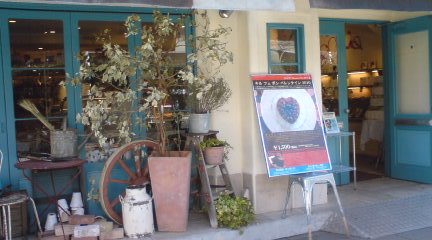
Nonetheless, Shizuoka People took it in their stride and made do with what was left and trued to add a touch of olour. This very popular cake shop (has branches in Tokyo and Kyoto, although it from Shizuoka City) is called “Qu’il Fait Bon!” (should have been called “Que c’est Bon!”….)

The entrance of LOFT, probably the best odds and ends shop in town.

Just loved this izakaya sign, Daikon!

Is thi fish edible? I can imagine what the French would use it for on the First of April!

Happy New Hair!

Sumarutei, one of the most conspicuous standing noodles counter shop.

Sushi Ko, my favourite Sushi Restaurant!

The greatest vegan sushi in the Prefecture!

Not a church, but a beauty salon!

Aka Kara/Red Hot! Cheap and hard on your ulcers?

Encounter of the third kind?

Pets are kings (and queens) in Japan. This shop is cafe where owners and their pets can enjoy a coffee and buy all kinds of gadgets (and clothes!) for thei dogs in particular!

Now, that wasteful idiot of (kickedout) Mayor Shingo Amano had a French (tears…) artist build that contraption which rolls over when full of water.

And how much did that cost the taxpayers?
500,000 US$ (at the time!), and to think it will probably roll away for good when we have THE earthquake we all expect!

Well, we already had a “coyote”!

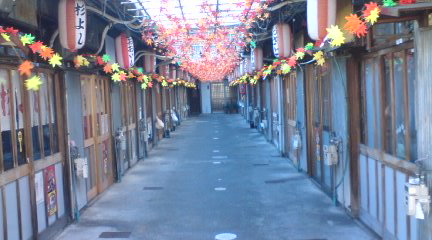
Aoba Oden Row.
22 minuscule restaurants specializing in oden/Jpaanese pot au feu.
The shops were asked to move all into that alley when new hygiene rules forced them out of the Park!

View inside in daytime.
As for night time it will have to wait as I’m planning a special posting!

As far as it goes that is not too bad as a piece of art….

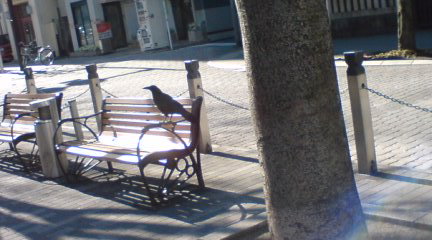
The local winged food connoisseur!

The local Shinto Shrine.

And its guardian lion.
Beware, or it will make minced meat of you for dinner!

SIESTA Love Hotel!

Day time and night time prices….

Do be careful, it is slippery. The city just does not the money to scrub it!

Hara Donuts! The best donuts in Shizuoka and most probably in Japan!

The healthiest donuts, anyway!

Whereas shinto shrines are open to everyone, why do the big money-spinning temples need to surround themselves with high fences or walls?

An ecological solar battery dolphin illumination objet!

A bit tacky though…

Talking of illuminations, that’s what Aoba park looks like at night. Cheap….

This is not a Love Hotel, but the Aoba Police Box!

A real musical fountain park at the Tokiwa end.

At night.

Lighting and waterworks synchronized until 9:00 p.m.
Not easy to take with a mobile phone.

The real Tokiwa Park is located behind the fountain.

If you go around, get off your bicycle and climb to the top of the Fountain.

You can enjoy the fullview over Tokiwa and Aoba Park Streets.

The Fountain stands in the middle of an amphitheater, a favourit place for lovers (and drunks!)

Good fashion are open late along Aoba Koen!

Just slong the Tokiwa Park and behind the fountain, discover Cia del Borgo, one of the top Italian restaurants in the Prefecture!

Have you ever tried Venison Ragu Tagliatelle?

Or black truffles risotto?

What’s next?
Probably a street parallel to Aoba Park Street!

RECOMMENDED RELATED SITES:
Bread + Butter, Comestilblog, Greedy Girl, Bouchon For 2, Zoy Zhang, Hungry Neko, Mangantayon, Elinluv Tidbit Corner, Maison de Christina, Chrys Niles, Lexi, Culinary Musings, Eats and Everything, Bite Me New England, Heather Sweet, Warren Bobrow, 5 Star Foodie, Frank Fariello, Oyster Culture, Ramendo, Alchemist Chef, Ochikeron, Mrs. Lavendula, The Gipsy Chef, Spirited Miu Flavor, Wheeling Gourmet, Chef de Plunge, Sushi Nomads, Island Vittles, The French Market Maven, Tokyo Through The Drinking Glas, Palate To Pen, Tokyo Foodcast, Good Beer & Country Boys, Tokyo Terrace, Think Twice, Jefferson’s Table

Please check the new postings at:
sake, shochu and sushi,
—————————————-
日本語のブログ
—————————————-

Japanese Seasonal Fish: Shimaaji/Striped Horsemackerel

Shimaaji, or Striped Horsemackerel is one variety of Aji/Horsemackerel-Saurel.
Although the season is said to be in Summer, the taste varies little with the time of the year.
Striped Horsemackerel caught by anglers off the Izu Peninsula are said to be the best in Japan.
It is known under the other names of Ookami, Kose and Katsuoaji.

In English it called Striped Horsemackerel, Saurel or White Trevally.
White trevally, Pseudocaranx dentex, is a jack of the family Carangidae widespread in tropical and warm temperate areas between 40°N and 47°S, in the Atlantic, Mediterranean, Indian and Pacific Oceans. It has a deep body, and a greenish colour with metallic overtones and a dark spot above the gills. The fins are yellow.
In New Zealand, this trevally is known by the Māori as araara, and is generally confined to waters north of Cook Strait, although it sometimes reaches as far south as Otago in the summer.

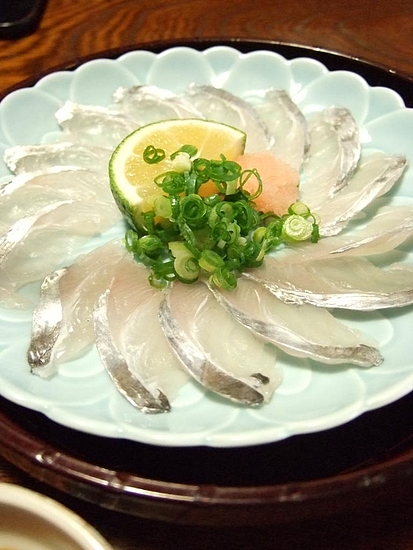
It is a great fish to serve as sashimi, either in simple slices as above,

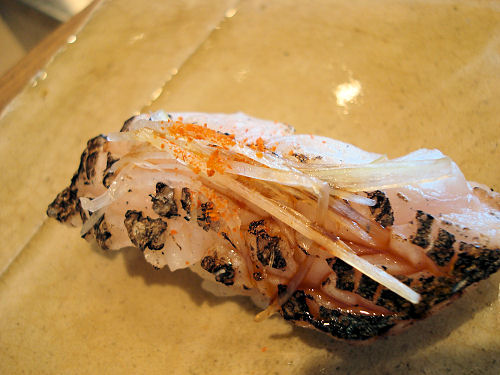
Or the whole fish as Tataki/tartare!

In Shizuoka, where the fish is usually served still alive, the bone and heads will served later deep-fired. Superb snack!

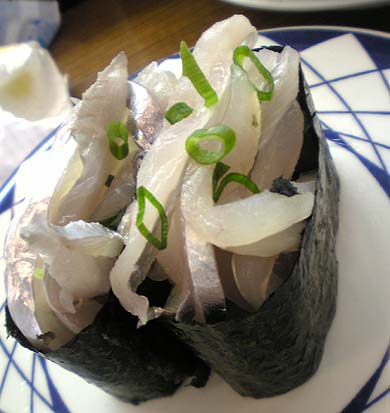
The fish is easy to manipulate to make beautig\ful maki with daikon as above!

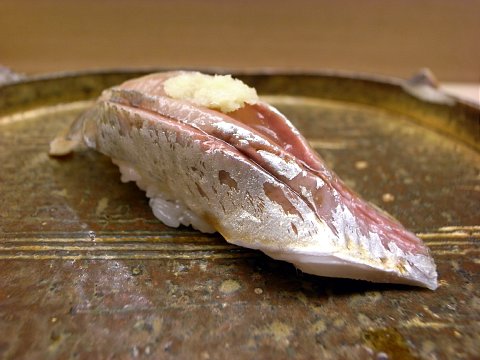
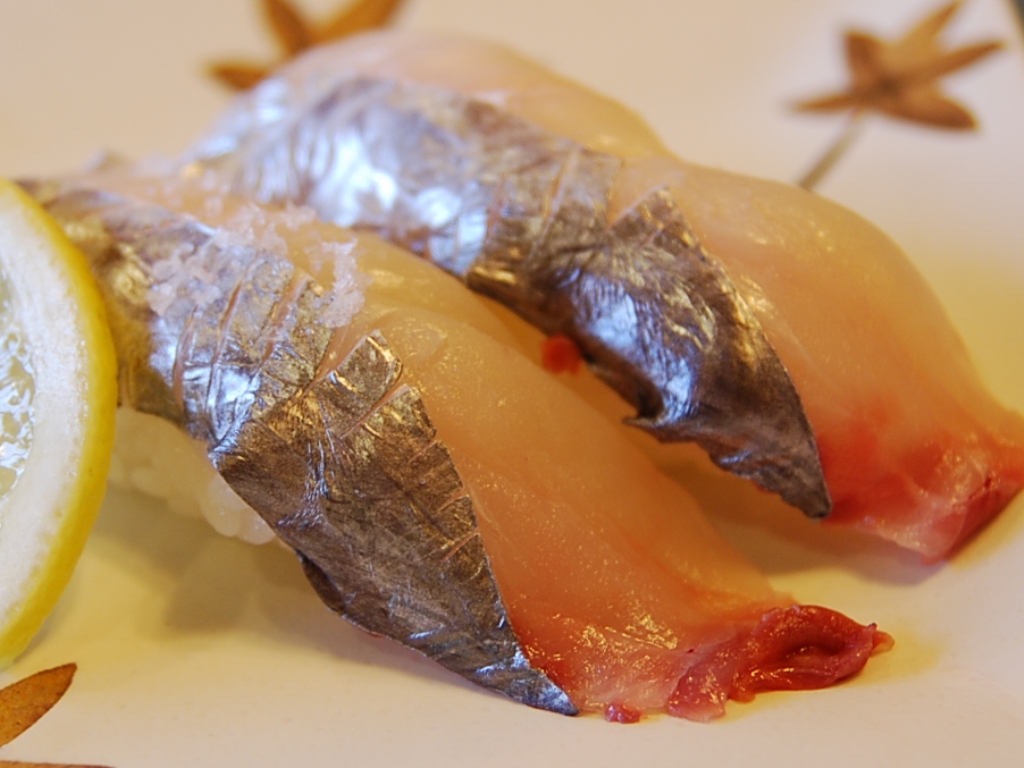
The sushi nigiri will have photograpers on constant alert!

See what I mean?

Of course aji can be enjoyed grilled with a simple seasoning of soy sauce or ponzu!

Like most white-fleshed fish it can deep-fired in batter and breadcrumbs at home!

RECOMMENDED RELATED SITES:
Bread + Butter, Comestilblog, Greedy Girl, Bouchon For 2, Zoy Zhang, Hungry Neko, Mangantayon, Elinluv Tidbit Corner, Maison de Christina, Chrys Niles, Lexi, Culinary Musings, Eats and Everything, Bite Me New England, Heather Sweet, Warren Bobrow, 5 Star Foodie, Frank Fariello, Oyster Culture, Ramendo, Alchemist Chef, Ochikeron, Mrs. Lavendula, The Gipsy Chef, Spirited Miu Flavor, Wheeling Gourmet, Chef de Plunge, Sushi Nomads, Island Vittles, Jefferson’s Table, Rubber Slippers in Italy, The London Foodie

Please check the new postings at:
sake, shochu and sushi,
—————————————-
日本語のブログ
—————————————-

Japanese Seasonal Fish: Suzuki/Seabass

Suzuki or seabass is a fish so popular with anglers all over the world that a lot of people forget it is also an extremely popular for sashimi and sushi in Japan.

“Simple” Sashimi Plate

Her the seabass was first seared before before being sliced for sashimi!

Like any other fish, it bears many names: Madaka, Hakura, Shiibasu.

In the Kanto (Eastern Japan) area, including Shizuoka Prefecture, it is called Seigo when under 25cm. At 3 years of age, when it has attained a length near 60cm, it is called Fukko or Suzuki.
In Kansai (Western Japan) it is called Seigo, Hane, and Suzuki.

A summer fish par excellence, it is caught mainly in Central and western Japan. But it is also caught in winter in Shizuoka waters.

The bigger and the older the fish, the better it is considered. After a decline in the 1980’s, catches have increased recently, reaching more than 9,300 tonnes after 2000.
It has been raised succesfully, thus replenishing stocks.
170.000 seabasses were raised in 1992!

Great as a sushi and appreciated for it natural taste. A little salt and lemon juice are enough.

As a sashimi it canbe declined in many ways such as carpaccio!

Raw, it can be combined as a simple and sublime salad with octopus for example.

Italian style as fritters combined with a salad!

Of course it is a very versatile fish you can appreciate cooked, simmered, or grilled, although it becomes fragile upon being cooked.

Grilled, Japanese style, with a aonori/seaweed coating!

Grilled on its skin and served French style!

And why not eat it simply as steamed fish?

RECOMMENDED RELATED SITES:
Bread + Butter, Comestilblog, Greedy Girl, Bouchon For 2, Zoy Zhang, Hungry Neko, Mangantayon, Elinluv Tidbit Corner, Maison de Christina, Chrys Niles, Lexi, Culinary Musings, Eats and Everything, Bite Me New England, Heather Sweet, Warren Bobrow, 5 Star Foodie, Frank Fariello, Oyster Culture, Ramendo, Alchemist Chef, Ochikeron, Mrs. Lavendula, The Gipsy Chef, Spirited Miu Flavor, Wheeling Gourmet, Chef de Plunge, Sushi Nomads, Island Vittles, Jefferson’s Table

Please check the new postings at:
sake, shochu and sushi,
—————————————-
日本語のブログ
—————————————-

Gastronomic Cycling in Shizuoka (4)

Ryogae Cho Street in Shizuoka City where Koya machi meets Edogawa Street, one of the main arteries crossing the city parrallel to the sea.
“Ryogae” means “Money Exchange” and was the hubbub of the city in Feudal Times. The street of the same name. although being comparatively narrow and parallel to a more important thoroughfare is nonetheless one of the main venues for diners and revellers.
It is a very long street, making it impossible to cover in one single article, so let’s proceed slowly!LOL

Like the entrance of any by-night street it looks pretty drab in day time.

Much the same atmosphere even halfwy up.

But it starts lightening up at dusk.

Like in any other revelling streets expect all kinds of giant signboards!
“Woody Cloud” is the name of a large cheap izakaya, not a heavy contrapption hanging over your head!

At night the (chgeap places) neons seem to attract all kinds of people.
Did you know that in Japanese moths if described as night butterflies stand for women working in bars?

Those big sign boards are a bit difficult to investigate at night at leisure.

But in daytime you are in for a filed day!

don’t be afraid of climbing stairs. You will be left in peace in daytime. After all the night butterflies are still sleeping!

I have a special fondness for the meaning of this sign: Tsuki no Oto/The Sound of the Moon!

The same night sushi restaurant ha another larger sign on theopposite wall. Aren’t these rabbits cute?

but some places are open for business at lunch and dinner.
Above is the advertised lunch sets.

At night the same sign is turned around to announce the dinner sets!

The same sushi restaurant advertizes the setsubun festival/the day when the Japanese throw beans to ward off bad spirits. Contrary to what you might think, these two are good spirits!

We are still at the same place, but as I have some reservations about the quality of their food, I will not divulge their name. Actually they are known for having sued a magazine who criticized them.
On the other hand they the best array of sushi plastic models in town!

I would steal these!

And those too!
But I’m not ready to compromise myself yet!LOL

Now, in the next building there are signs definitely needing some explanations!
You will not get shot in this bar! They just mean they sell the drinks by the shot!

Do you speak French? If you do, you are in trouble!

Take your pick!
I don’t really understand what “lavless” stands for, even after so many years in Shizuoka! “loveless”, maybe, but it doesn’t stand to reason…

Now, what kind of shop can call itself “Psyche”?

A flower shop! which stays open very late at night: a ot of flowers are needed for uncountable reasons in such a neighbourhood!

Shidax is the largest single karaoke shop chain company in Japan!
They even own a semi-professional baseball team!

Back to the signs.
I wonder where I left my wallet!

Now, that sign could get you into trouble in some countries!

Don’t they have mountain cats in America?

The back entrance of Loft, a favourite shop of the Missus! They sell all kinds of clothes, stationery and crafts.

Sawamura, a good if small art gallery with exhibitions regularly changing.

A major lottery booth.
It stands at the very corner of Ryogae Street and Aoba/Green Leaves Park Street.
We shall not proceed any further this time but go back slowly for more investigation as dusk is coming on us.

Although the place is a cheap izakaya chain restaurant, the sign gives you a good indication of Japanese food. Left is shabu shabu/Japanese meat fondue, right is nabe/Japanese pot au feu.

What kind of customers patronize this nonetheless well-known night bar?

People drink very late in Shizuoka City!

Don’t complain later!

Part of the street is slowly turning into a mini China Town.
I’d love to try those egg tarts!

Cuthroat prices competition among those Chinese restaurateurs!

The third one within to entrances. Working day and night!
They must be from the same family!

Real cheap!

The dusk is slowly shrouding the street.
Shinchikurin, one of the older izakayas reamaining in the street.

Now as far as I know, this sign hasn’t changed for the last 20 years! C’mon!

Well-known cheap izakaya with a benevolent guardian.

The same guardian keeps a watch on the ridiculously low prices!

Akachoshin/Traditional red lantern (they were a lot smaller not o long ago!) denoting an izakaya!

Shidax Karaoke at night. Cheap! (I don’t mean the prices!)

Still closed at dusk, but I have promised myself to investigate this takoyaki shop!

Cheap store speciliazing in “hostess dress” open till late at night. You never know, you might firnd some interesting garments!

Venturing into a dark side alley would be dodgy at best in many countries. In Shizuoka it would very often end up in discovering a little well-kept secret (gourmet secret!)!

Well, I’m afraid I will have to leave my bicycle somewhere as walking is more practical at night!

Next: Aoba Park Street!

RECOMMENDED RELATED SITES:
Bread + Butter, Comestilblog, Greedy Girl, Bouchon For 2, Zoy Zhang, Hungry Neko, Mangantayon, Elinluv Tidbit Corner, Maison de Christina, Chrys Niles, Lexi, Culinary Musings, Eats and Everything, Bite Me New England, Heather Sweet, Warren Bobrow, 5 Star Foodie, Frank Fariello, Oyster Culture, Ramendo, Alchemist Chef, Ochikeron, Mrs. Lavendula, The Gipsy Chef, Spirited Miu Flavor, Wheeling Gourmet, Chef de Plunge, Sushi Nomads, Island Vittles, The French Market Maven, Tokyo Through The Drinking Glas, Palate To Pen, Tokyo Foodcast, Good Beer & Country Boys, Tokyo Terrace, Think Twice, Jefferson’s Table

Please check the new postings at:
sake, shochu and sushi,
—————————————-
日本語のブログ
—————————————-

Japanese Seasonal Fish: Kawahagi/Thread-sail Filefish

Kawahagi or Thread-sail Filefish (or simply Filefish) is an angler’s favourite in summer, although it is caught almost all year round in Shizuoka.
Like any other fishes, it has other names such as “Gihagi, “Hagi”, “Gyuu”, “Subuta” or “bakuchiuchi”.
It is fairly common in Central and South Japan.
It is called Leatherjacket down in Australia where it is considered a pest!

The skin should be rough like that of a shark and brightly coloured.
Avoid sticky skin fish.
The bigger the size, the greater the taste (anglers, enjoy!)

In Kansai area, it replaces Fugu/Globefish when it is out of season for its similarity as sashimi.

Actually it makes for superlative sashimi as demonstrated by the above O-Tsukuri served at Sushi Ko in Shizuoka City!

012

The same served with its own liver dip!

It can make for a spectacular sashimi presentation as a whole fish sashimi plate!

Both its flesh and liver can served raw!

Australians would be surprised to discover it served as tartare on Italian-style crostinis!

The perfect Kawahagi sushi nigiri must have be topped with its liver!

Cut in small slices, it makes for beautiful sushi gunkan!

Cooked, it is very popular simmered in soy sauce, mirin and sugar. A great accompaniment for a nice bowl of freshly steamed rice!

If you want to serve it as tempura, first season it with umeboshi/Japanese pickled plums flesh of the sweet kind.

Now, what does this remind you of? Foie gras? Almost right! Grilled kawahagi Liver!

——————————————————————
Savouring the full Filfish meal at Sushi Ko, Shizuoka City:

Back in June, as I had to atone for some somewhat egoistical pleasure-seeking, I took the Missus to our favourite Sushi Restaurant in Shizuoka City, namely Sushi Ko,located along Aoba Park.

Although we did order the inevitable favourites, “katsuo/bonito” sashimi, “Shirako to Ankimo/Combination of Cod Sperm sacs and Frogfish/Monkfish liver”, “Pon Kara Maguro/Deep-fried tuna cubes”, “Shishamo/Spirinchus lanceolatus”, “Hotate/Scallops”, “Maguro Zuke/Marinated Tuna sushi”, and “Amaebi nigiri to Shiraebi Gunkan/Sweet shrimp and white shrimp sushi”, the star of the day was “Kawahagi/Filefish”!

The chef took a splendid live specimen (see top pic) just caught off Mochimune coast in Shizuoka City out of the “aquarium” and proceeded to serve the complete fish in three different manners:


“O-Tsukuri”:
After having taken away the inedible skin, the chef first cut the fillets into very thin slices to be served with thin leeks and dip sauce made of ponzu mixed with the fresh liver of the same fish. As now is the best season, those comparatively thin fish come up with enormous livers!


“O nigiri”:
The chef managed to keep four slices aside to prepare nigiri with the fish flesh topped with a piece of its liver, some “momiji oroshi/grated daikon with chili pepper” and seasoned with ponzu!

SUSHI-KO-2008-10-11
“Kara age”:
The “cheeks bones” with their meat were last deep-fried and served as they are with some lemon. Simple and great!
All this with one single fish!

Sushi Ko
shizuoka City, Aoi Ku, Ryogae-cho. 2-3-1 (Aoba Koen)
Tel.: 054-2512898
Business Hours: 17:00~25:00. 17:00~23:00 (Sundays)
Closed on Wednesdays
Reservations recommended
Credit cards OK
HOMEPAGE (Japanese)

RECOMMENDED RELATED SITES:
Bread + Butter, Comestilblog, Greedy Girl, Bouchon For 2, Zoy Zhang, Hungry Neko, Mangantayon, Elinluv Tidbit Corner, Maison de Christina, Chrys Niles, Lexi, Culinary Musings, Eats and Everything, Bite Me New England, Heather Sweet, Warren Bobrow, 5 Star Foodie, Frank Fariello, Oyster Culture, Ramendo, Alchemist Chef, Ochikeron, Mrs. Lavendula, The Gipsy Chef, Spirited Miu Flavor, Wheeling Gourmet, Chef de Plunge, Sushi Nomads, Island Vittles, Jefferson’s Table

Please check the new postings at:
sake, shochu and sushi,
—————————————-
日本語のブログ
—————————————-

Bryan Baird’s Newsletter (2010/02/01)

Baird Beer & Taproom Events Bulletin
bryan-sayuri.gif

Dear Taproom Friend & Baird Beer Enthusiast:

Official Opening: Baird Beer Online E-Shop

Dear Taproom Friend & Baird Beer Enthusiast:

The wait is over; the Baird Beer online E-Shop is now officially open for business!

The Baird Beer E-Shop is actually two shops: one English and one Japanese (each can be accessed via the appropriate language section of our website). The Baird Beer E-Shop sells two things: (1) Baird Beer (both year-round and seasonal brands) and (2) Baird Beer accessory goods (T-shirts, glassware and posters). Delivery of beer and accessory goods is available only in Japan. Payment options available on the E-Shop are: (1) PayPal (via which you can use a credit card), (2) COD, and (3) bank wire transfer.

The impetus behind the building of a new Baird Beer E-Shop is the commitment we have to the following:

Maintenance and growth of direct sales of Baird Beer from brewery to consumer.
Offering an easy and pleasurable shopping experience to the ENTIRE Japan community through a completely bi-lingual format.
Providing consumers with purchase convenience through the selection of a diversity of simple and low-cost payment options.
Please give the new Baird Beer E-Shop a look and a try at your earliest convenience. I am sure that there remain some kinks to be worked out and we greatly appreciate both your input and understanding as we move ahead to create better and simpler access for the beer enthusiast to good craft beer in Japan.

Cheers & Yoroshiku,

Bryan Baird
Baird Brewing Company
Numazu, Japan
HOMEPAGE


The Japan Blog List

———————————
Must-see tasting websites:
-Sake: Tokyo Through The Drinking Glass, Tokyo Foodcast, Urban Sake, Sake World
-Wine: Palate To Pen, Warren Bobrow, Cellar Tours
-Beer: Good Beer & Country Boys, Another Pint, Please!
-Japanese Pottery to enjoy your favourite drinks: Yellin Yakimono Gallery
——————————–
Please check the new postings at:
sake, shochu and sushi

—————————————-
日本語のブログ
—————————————-

Japanese Cuisine: Taro & Chicken Stew

Taro/sato imo are a very eclectic vegetable. Like potatoes, they can be cooked with almost anything!

ere is a simple very Japanese recipe:

Taro & Chicken Stew!

INGREDIENTS: For 3~4 people

-Taro/sato imo: 400 g
-Chicken breast: 1
-Japanese sake: 1 tablespoon
-Salt: to taste

-Sugar: 2 tablespoons
-Japanese sake: 2 tablespoons
-Soy sauce: 2 tablespoons

RECIPE:

-First cut the chicken into bits-sized pieces. Marinate for a while in Japanese sajke and a little salt.

-Peel taro/sato imo and cut into bite-sized pieces.
Sprinkle with a little salt, than wash thoroughly.

-In a saucepan pour some oil (not included in above ingredients) and heat. Fry the marinated chicken until it has changed colour.

-Add the taro/sato imo. Lightly fry until the oil has covered all the taro/sato imo. Add sugar, Japanese sake and soy sauce. Bring to boil first, then lower fire to low. Cover with lid. Stew for 15~20 minutes until taro/sato imo are soft.

-Stir from time to time. When you are satisfied with the tenderness of the taro/sato imo, it is ready to serve!

-Place in a dish and eat while hot.
Decorate/season with a few sprigs or leaves.

NOTE:

-There is no need to add water.
-Season with a little sesame oil at the end!

RECOMMENDED RELATED SITES:
Bread + Butter, Comestilblog, Greedy Girl, Bouchon For 2, Zoy Zhang, Hungry Neko, Mangantayon, Elinluv Tidbit Corner, Maison de Christina, Chrys Niles, Lexi, Culinary Musings, Eats and Everything, Bite Me New England, Heather Sweet, Warren Bobrow, 5 Star Foodie, Frank Fariello, Oyster Culture, Ramendo, Alchemist Chef, Ochikeron, Mrs. Lavendula, The Gipsy Chef, Spirited Miu Flavor, Wheeling Gourmet, Chef de Plunge, Sushi Nomads, Island Vittles, Jefferson’s Table

Please check the new postings at:
sake, shochu and sushi,
—————————————-
日本語のブログ
—————————————-

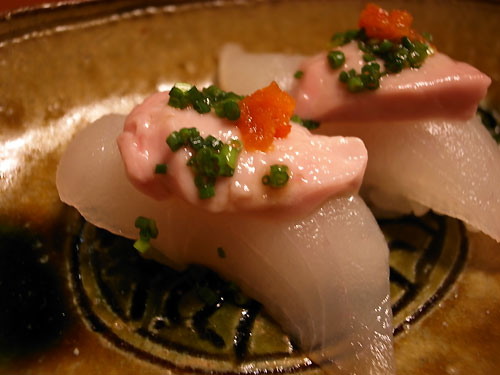
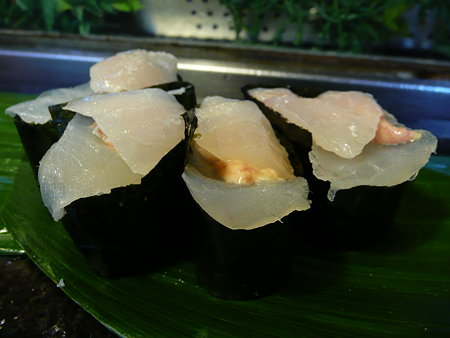
Japanese Seasonal Fish: Ishigarei/Stone Flounder

Ishigarei, イシガレイ、石鰈 in Japanese, is another popular flatfish/flounder in theis country. For the specialists the Englidh name is stone flounder, and its Latin name Kareus bicoloratus. Interestingly enough these fishes are commonly called flatfishes in Englis, wheeras the Jaapnese write them as “leaf Fishes”!

In Japan, depending upon the region it will be called other names, such as Ishimochi, Ishimochigarei or Shirogarei.
Their season is mainly in Summer in Hokkaido and Eastern Japan, although they might appear a lot earlier in Shizuoka.

Ishigarei is considered the best of all flounders in this country. People generally avoid to catch them during the female egg incubation, but the same egg-bearing fish are a delicacy in Tokyo.

Always choose “lively” specimens when buying them as the taste will soon deteriorate if the fish is not dressed quickly first.
If angler-friend of yours calls on the phone with one of them, don’t discuus and buy the fish!

Stone flounders make for such superlative sashimi that it becomes a bit of a waste to consume in another way.

But who would pass such a Japanese-style carpaccio?

Or an Italian Carpaccio?

Sushi lovers will appreciate it as a sushi nigiri!

A truly extravagant sushi nigiri display. Eat it quickly!

Alright, you were not lucky enough to get it absolutely fresh.
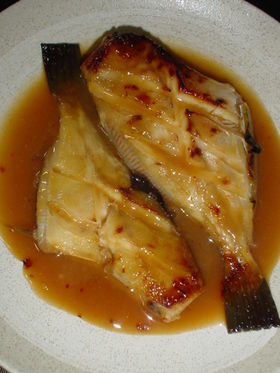
In this case simmer it the Japanese way as Ishigarei Ni (Ni stands for simmer) with soy sauce, sake, mirin and ginger!

Or do it the Italian way with olive oil and dry tomatoes!

RECOMMENDED RELATED SITES:
Bread + Butter, Comestilblog, Greedy Girl, Bouchon For 2, Zoy Zhang, Hungry Neko, Mangantayon, Elinluv Tidbit Corner, Maison de Christina, Chrys Niles, Lexi, Culinary Musings, Eats and Everything, Bite Me New England, Heather Sweet, Warren Bobrow, 5 Star Foodie, Frank Fariello, Oyster Culture, Ramendo, Alchemist Chef, Ochikeron, Mrs. Lavendula, The Gipsy Chef, Spirited Miu Flavor, Wheeling Gourmet, Chef de Plunge, Sushi Nomads, Island Vittles, Jefferson’s Table

Please check the new postings at:
sake, shochu and sushi,
—————————————-
日本語のブログ
—————————————-

Japanese Seasonal Fish: Tachiuo/Scabbard Fish

Scabbard Fish or “Tachiuo” is a summer fish very popular in Japan in spite of its great length.
Tachiuo in Japanese, 太刀魚, means “Great Sword Fish”, not the scabbard!
The Suruga Bay being warmer than the rest of Japan, we have scabbard fish in the dead of winter.
Like other fish it owns other names: Tachi (not in Hokkaido, where the word means ” Cod sperm sacs”!), Shirada and Tachinouo.
It is mainly caught off Wakayama, Ehime and Oita Prefectures.
In Shizuoka it is both caught by line or net.
In 1999, 37,000 tonnes were caught in the whole of Japan, but it fell to 23,000 tonnes in 2000.
It is also imported from Korea and China, although the fish is slightly different from the Japanese variety. More than half of imported fish are eaten west of Kansai.

Scabbard Fish Sashimi Plate

Tachiuo is bot popular raw and cooked.
Raw, it is usually served with ponzu instead of soy suce and topped with momijioroshi/grated daikon mixed with chili pepper.

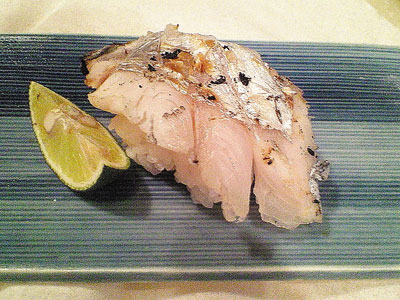
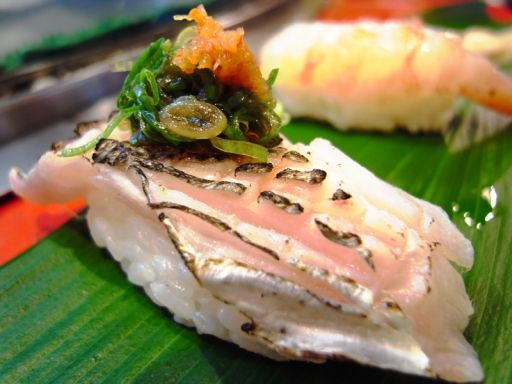
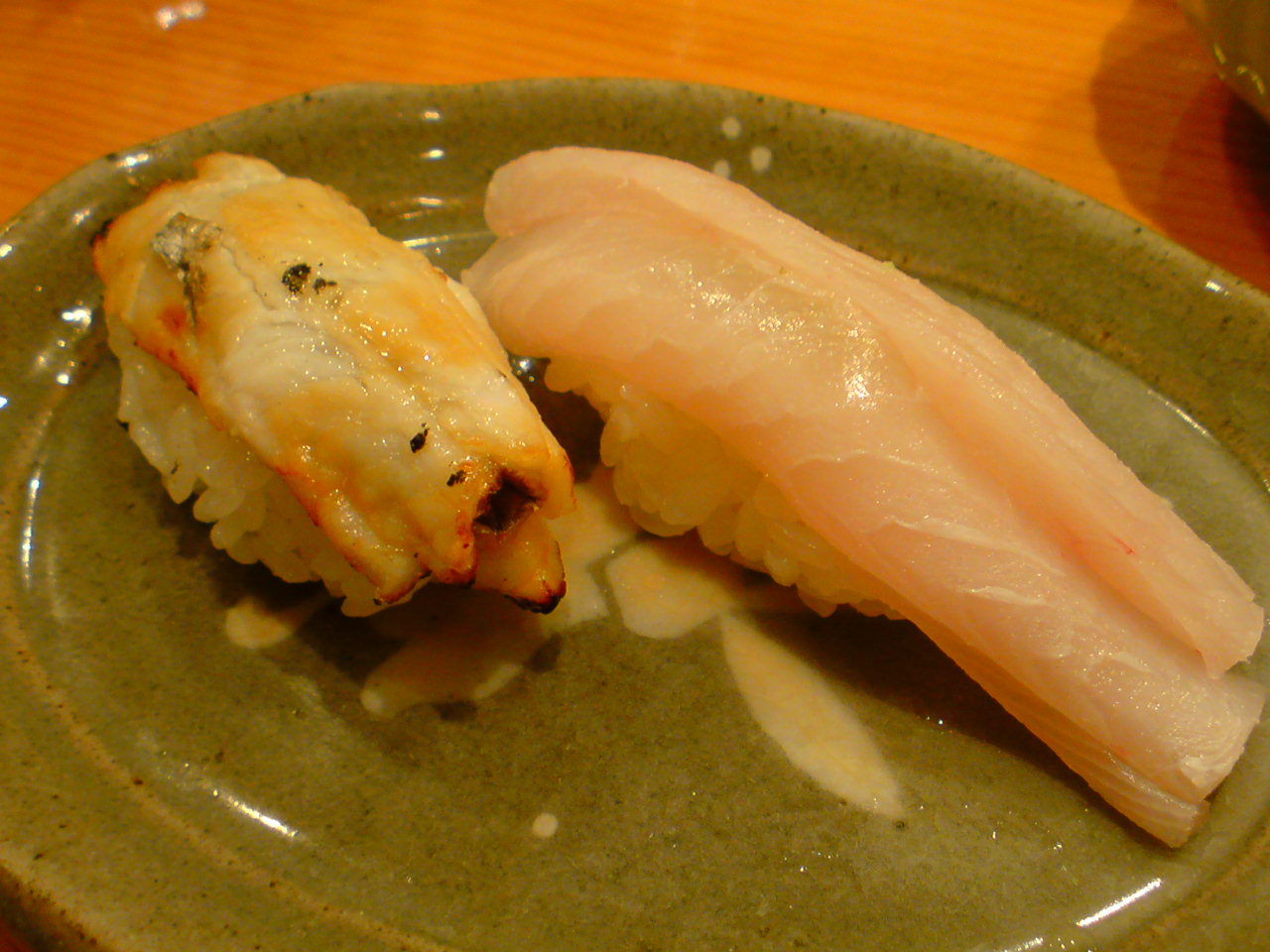
Raw, it is of course popular as sushi nigiri,

cut into fine strips and served as gunkan.

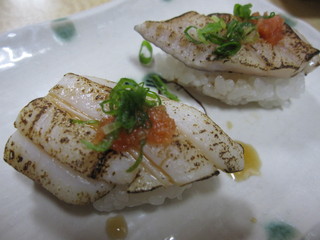
As sashimi I personally prefer it “aburi” (slightly grilled) with a dash of ponzu and some momijioroshi (grated daikon with chili pepper), or with some finely cut vegetables.

The same applies for sushi nigiri as I like my scabbard fish a little grilled first.

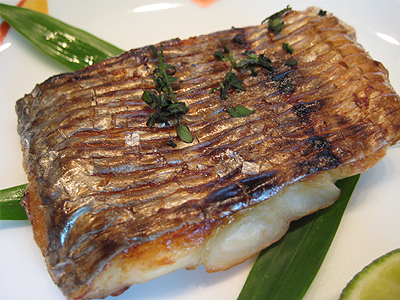
Making incisions into the fish before grilling it will make for another prsentation!

It does not have to be complicated to be yummy!

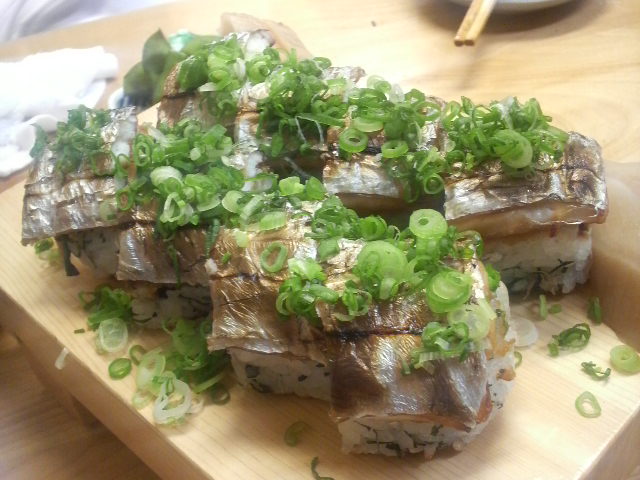
In the Kansai/western Japan region it is very popular in oshizushi/pressed sushi thanks to its flat and long shape.

How about a combination of both raw and aburi style sushi nigiri?

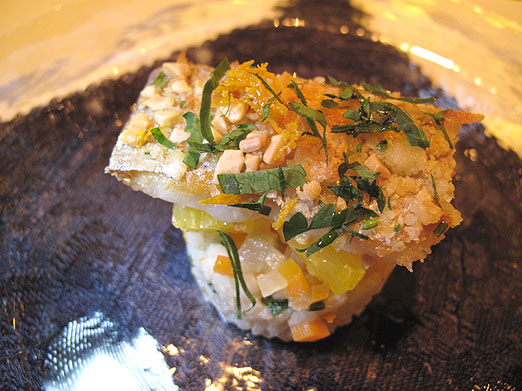
How about an Italian-style sushi nigiri?

As for the cooked scabbard fish, grilling is the most commoon way here in Japan where it is served as simple and healthy food at many meals.

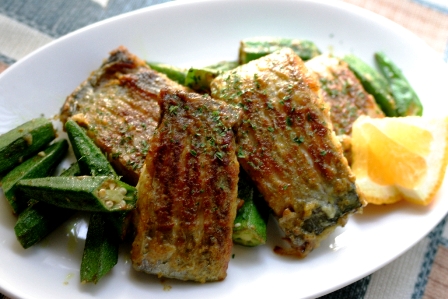
Sauteed with colourful vegetables (okra) make for great presentation in spite of the simplicity of the dish!

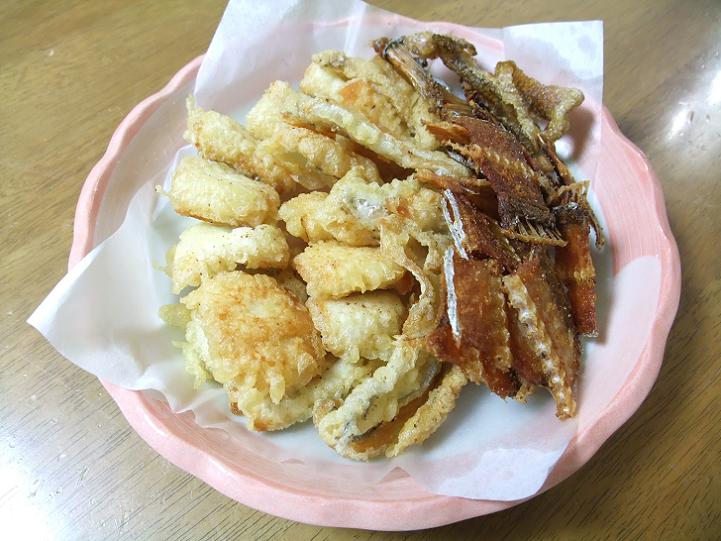
Deep-frying is also very popular especially with its bones when it is very fresh. Such deep-fried bones make for one vital source of calcium for the Japanese.

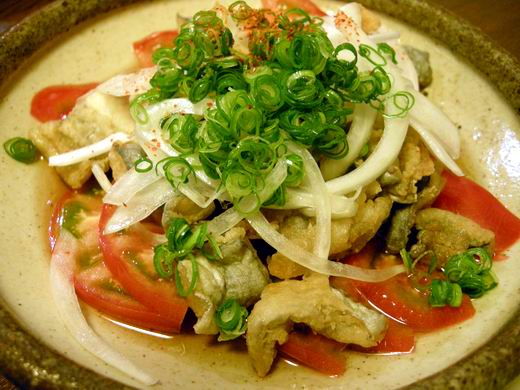
Fried scabbard fish salad.

Cooked, it is a very versatile fish and easy to prepare!

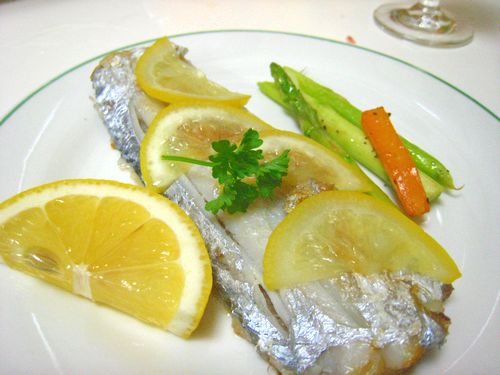
Grilled with lemon!

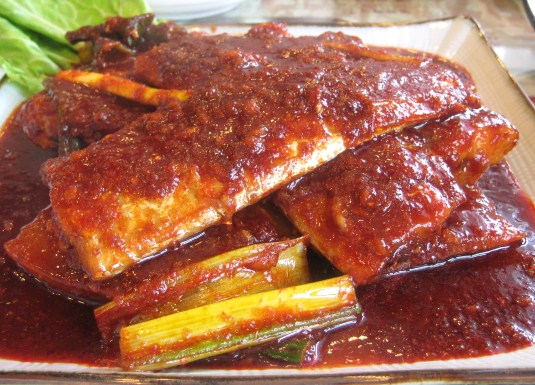
Cooked with chili peppers and miso paste, it makes for an intriguing sweet and hot combination!

RECOMMENDED RELATED SITES:
Bread + Butter, Comestilblog, Greedy Girl, Bouchon For 2, Zoy Zhang, Hungry Neko, Mangantayon, Elinluv Tidbit Corner, Maison de Christina, Chrys Niles, Lexi, Culinary Musings, Eats and Everything, Bite Me New England, Heather Sweet, Warren Bobrow, 5 Star Foodie, Frank Fariello, Oyster Culture, Ramendo, Alchemist Chef, Ochikeron, Mrs. Lavendula, The Gipsy Chef, Spirited Miu Flavor, Wheeling Gourmet, Chef de Plunge, Sushi Nomads, Island Vittles, Jefferson’s Table

Please check the new postings at:
sake, shochu and sushi,
—————————————-
日本語のブログ
—————————————-

Gastronomic Cycling in Shizuoka (3)

Eating Veal Kidneys at Pissenlit!

Venturing into side streets might be tantamount to tempting fate in some countries, but in Japan, and particularly in Shizuoka, it is more like opening an intriguing Pandora box!

The side street is called koya Machi and is parallel to the traditional merchant artery called Gofuku-cho.

Japan does not have fire hydrants but fire “holes”. Keep an eye at ground level and you are bound to discover some interesting “manhole covers”!

Koya Machi Street entrance in day time.

Any city in Japan shows two distinctive faces in day time and at night.
The same spot might look drab and even decrepit in the afternoon but come dusk and you enter another world.

Koya Machi entrance at dusk.

Koya Machi Street starts across from Shizuoka JR Station and is only a few hundred metres long (the continuing and busy Ryogae Street is much, much longer) but pack enough for investigation.

At the very beginning on the left side stands Fugetsuro, the abode of the klast Shogun of Japan, Tokugawa Yoshinobu who retired there after the failed Bakufu Revolt.

It has then been transformed into an expensive restaurant-hotel by his descendants. It surrounds the best private Japanese garden in the city, complete with pond, bridge and guest house.

View of the garden from the Ukidono Izakaya.

One of the annexes was transformed seven years ago to accomodate a better-class izakaya, Ukidono, but still cheaper than the unaffordable Fugetsuro Restaurant, a renown, if somewhat old-fashioned, kaiseki restaurant.

Ukidono is worth paying a visit because it has a very extensive list of Shizuoka sake!

Just across the street is Lavigne Wine Shop.

Lavigne seels exclusively French wine you can also savour at the standing pay cash on delivery bar until 10:00 p.m.!

Walking past Lavigne, you will see this small curry restaurant with a somewhat strange name, Kabocha, written as “Kabo Cha/Kabo Tea” instead of the real name, “Kabocha/南瓜/Southern Gourd”.

just a little further up stands the oldest Izakaya (founded in 1922!), Takano!

Notice the real flower arrangement outside!

More real flowers outside!

The entrance at night.

Takano has recently been voted one of the best true izakayas in Japan!
It serves true local food such as sakuraebi kakiage/sakura shrimps tempura.

The present generation speaks fluent English!

The sashimi plate is simply a bargain!

And the Japanese sake is exclusively from Haginishiki Brewery in Shizuoka City!

Go across the street again and you will find Life Time, the other place owned by Fugetsuro.
It is a cafe opening late until night with a selection of drinks (alcoholic and non-alcoholic) and the jazz concert place in Shizuoka City!

Life Time on a cold winter night.

On the right at the next corner, stands a thin building.
on the second floor you will find an izakaya called Ichi. Never been there but must be very old, because…

the sake, Kikugenji/菊源氏, advertised on their sign was brewed by a brewery called Toyo Shuzo (Izu eninsula), which disappeared more than 10 years ago!

The sign makes clear you have to climb the stairs up to the second floor to Ichi in case you don’t know!

Ichi at night.
The sushi bar on the first floor has not much interest unfortunately.

A litle further up and you notice people busy delivering bottles of sake and beer to this busy and cheap izakaya.

The same place at night.
The name means “Showa Era Hormones”! (hormones are actually animal intestines).

Another ubiquitous “Ramen Shop”.

“Five Bucks Bar” or “Fine Bucks Bar”?

I wonder what customers drink there!

Beware! The larger and the most colourful the poster, the more forgettable food!

back again to the Showa Hormones Izakaya for more investigation!

I found this “notice” pinned on the wall at eye-level in the men’s toilets.
The notice says:
“Genki no nai Otoko ha mamushi sake!”/Viper Sake for people (men) not feeling energetic!”
This is real sake in which a snake was marinated!
The note says above that you should be careful not to drink too much, or you will suffer from nosebleed (Japanese men supposedly go through this predicament when their libido is overstimulated!).
Actually, orders are limited to a single glass. It had better work as it costs a whopping 22 US$!
Last, but not least, as if men needed more incentive, they added a picture of a “well-endowed” man (face not shown!) wearing snake skin pants!

N.B.: A lady friend told me that there was nothing hanging on the wall inside the ladies’ facilities!

More seriously, the place also serves “oden/Japanese pot au feu”. Shizuoka Oden is famous all over Japan!

Behind the place I found this notice.
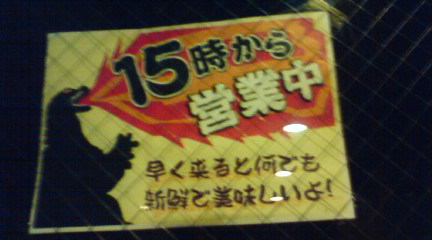
It says, “Open form 15:00. The earlier you come, the fresher the food!”
Thank you for telling us!

The same place at night. Empty…. I wonder why….

On the first floor of the next building stand this sign introducing no less than 26 watering holes!

Some names are worth a second look!
Oratoire, in French! I wonder what people are visiting this place for!

Lay back maybe?

Back across the street you will find a horror show of a restaurant (?) sign! Interesting grammar notwithstanding…

The sign in question to prove I’m not kidding you!
Now, for the horror show!
Take your time and read slowly!

Aargh!

Tears….

Blast me!

I definitely trust you!

At night….. empty…..

Next: Ryogae Street!

RECOMMENDED RELATED SITES:
Bread + Butter, Comestilblog, Greedy Girl, Bouchon For 2, Zoy Zhang, Hungry Neko, Mangantayon, Elinluv Tidbit Corner, Maison de Christina, Chrys Niles, Lexi, Culinary Musings, Eats and Everything, Bite Me New England, Heather Sweet, Warren Bobrow, 5 Star Foodie, Frank Fariello, Oyster Culture, Ramendo, Alchemist Chef, Ochikeron, Mrs. Lavendula, The Gipsy Chef, Spirited Miu Flavor, Wheeling Gourmet, Chef de Plunge, Sushi Nomads, Island Vittles, The French Market Maven, Tokyo Through The Drinking Glas, Palate To Pen, Tokyo Foodcast, Good Beer & Country Boys, Tokyo Terrace, Think Twice, Jefferson’s Table

Please check the new postings at:
sake, shochu and sushi,
—————————————-
日本語のブログ
—————————————-

Perfect Napolitana Pizza Trio at Venty Due!

Margarita Pizza!

Service: Excellent and very friendly
Facilities: great cleanliness
Prices: reasonable
Specialty: Real Napolitan Pizza baked on wood fire
no-smoking-logo1 Completely Non-smoking!

I had to come back to Venty Due and taste all their pizza on the same day/evening!
But I certainly couldn’t do it on my own and had to wait to find a friend to help me!
Finally this I could achieve last night!

As I explained before, the pizza will be on your plate within 3 minutes from the moment you order it: crusty to a perfection with all its ingredients cooked as they should be!
Why and how?
That is where “simple” becomes extravagant:
the pizza is cooked inside a real wood oven.
All wood is “nara no ki/Japanese oak” delivered all the way from Tottori Prefecture on the other side of Japan!
It takes two hours to bring the oven to the right temperature of 450 degrees Celsius, but then the pizza will come litterally smoking on your plate.

So we ordered the Margarita as a start since I had already tasted for better comparison with next two:

Marinara Pizza, with fresh tomatoes, peccorino, organo and olive oil!

Bianca, all peccorino!

The three of them quickly disappeared with a few glasses of solid Itlian red wine!

Did I say simple is best?

22 Venty Due
420-0839 Shizuoka City, Aoi Ku, Takajyo Machi, 3-21-20
Tel & Fax: 054-260-4522
Business hours:18:00~21:30
Closed on Sundays
Reservations advised.

RECOMMENDED RELATED SITES:
Bread + Butter, Comestilblog, Greedy Girl, Bouchon For 2, Zoy Zhang, Hungry Neko, Mangantayon, Elinluv Tidbit Corner, Maison de Christina, Chrys Niles, Lexi, Culinary Musings, Eats and Everything, Bite Me New England, Heather Sweet, Warren Bobrow, 5 Star Foodie, Frank Fariello, Oyster Culture, Ramendo, Alchemist Chef, Ochikeron, Mrs. Lavendula, The Gipsy Chef, Spirited Miu Flavor, Wheeling Gourmet, Chef de Plunge, Sushi Nomads, Island Vittles, Jefferson’s Table

Please check the new postings at:
sake, shochu and sushi,
—————————————-
日本語のブログ
—————————————-

Wild Table visits Hunt’s Point Wholesale Fish Exchange in the Bronx-NY. by Warren Bobrow

You thought that Tsukiji in Tokyo was the one destination to see all the best fish in the world packed into one location!
You will have to think again!LOL

Join Warren Bobrow, Contributing Editor at Wild River Review, on Wild Table visits Hunt’s Point Wholesale Fish Exchange in the Bronx-NY. and leave your comments to encourage him to do even more!

A must-read!

RECOMMENDED RELATED SITES:
Bread + Butter, Comestilblog, Greedy Girl, Bouchon For 2, Zoy Zhang, Hungry Neko, Mangantayon, Elinluv Tidbit Corner, Maison de Christina, Chrys Niles, Lexi, Culinary Musings, Eats and Everything, Bite Me New England, Heather Sweet, Warren Bobrow, 5 Star Foodie, Frank Fariello, Oyster Culture, Ramendo, Alchemist Chef, Ochikeron, Mrs. Lavendula, The Gipsy Chef, Spirited Miu Flavor, Wheeling Gourmet, Chef de Plunge, Sushi Nomads, Island Vittles, Jefferson’s Table

Please check the new postings at:
sake, shochu and sushi,
—————————————-
日本語のブログ
—————————————-

Takuan/Japanese Pickled Daikon: Basic Recipe/ Pickle de radis japonais : Takuan !

French version down

Takuan (沢庵), also known as takuwan or takuan-zuke, is a popular traditional Japanese pickle. It is made from daikon radish. In addition to being served alongside other types of tsukemono/Japanese-style pickles in traditional Japanese cuisine, takuan is also enjoyed at the end of meals as it is thought to aid digestion.

Takuan is made by first hanging a daikon radish in the sun for a few weeks until it becomes flexible. Next, the daikon is placed in a pickling crock and covered with a mix of salt, rice bran, optionally sugar, daikon greens, kombu/Dry seaweed, and perhaps chilli pepper and/or dried persimmon peels/even flowers for colouring. A weight is then placed on top of the crock, and the daikon is allowed to pickle for several months. The finished takuan is usually yellow in colour, although most mass-produced takuan rely on food coloring for this effect.

Takuan is popular also in South Korea, and is called danmuji (단무지). It is used as a filling for gimbap, or as an accompaniment to Korean dishes, typically jajangmyeon.

Here is a simple basic recipe to make when you get hold of plenty cheap daikon. Since it is vegan in nature, it shoild please everyone!
Check the extra recipe for ideas!

INGREDIENTS: Bear in mind that the bigger the batch, the better!

-Daikon: 10~15 with their leaves!
-Rice bran: 15 % of the dried daikon weight
-Salt: 6% of the dried daikon weight
-Brown Sugar: half a tablespoon
-Chili pepper: half one, chopped, fresh
-Konbu/dry seaweed: 3~5 cm piece chopped thin
-Fruit peel (persimmon, orange according to colour): 2 fruits
-White sugar: 1 tablespoon per daikon

FIRST RECIPE:

Wash the daikon with their leaves. It is important to dry them with their leaves as to prevent a loos in quality. Place them to dry in a spot well exposed to the sun and wind. Let them dry for 1~2 weeks. Bring them inside at night if you think morning dew will come on them!
They will be ready the moment they bend easily.

-Wipe daikon with a clean towel.
Weight the daikon then and prepare rice bran (15% of daikon weight) and salt (6% of daikon weight).

-Cut the leaves with the end of the daikon. Cut enough of the daikon so that the leaves hold together. Put leaves aside. You will use them later!

-Put each daikon (work on one at a time) on a working table. Roll it by solidly pressing your palms on the daikon all along its length to soften evental hard spots and even the humidity inside.

-In a separate bowl pour in the rice bran, salt, brown sugar, chopped konbu/seaweed, chopped chili pepper and white sugar. Mix well.

-Use a large pickles jar/bucket.
First line the bottom with some of the pickle mixture.
Line a first layer of daikon, leaving as little sapce between as possible.
Sprinkle with pickle mixture.
Fill any space left with the daikon leaves.
Repeat same procedure with the rest of the daikon.

-Line the top with the remaining daikon leaves.
Press down with your hands, putting all your weight behind your hands.
Sprinkle some extra salt over the top to prevent mold from forming.

You can use a special pickle vat as in picture above and screw down the lid for maximum pressure.
If you uve a normal vat, plce a clean wooden or plastic circle on top of the daikon and lay a weight/stone at least 3 times the weight of the daikon.
In the latter case cover with newspaper and a lid to prevent any dust insid.e

-Pickle for 4 weeks in winter, or 3 weeks in summer.
Clean them quickly in clean cold running water before cutting and serving them!

SECOND RECIPE: Traditional but the process is the same!

INGREDIENTS:

-1) Dried daikon: 12 kg
-2) Rice bran: 1.5 kg
-3) Salt: 720 g
-4) Kaki/Persimmon (frozen): 5~6
-Chili peppers: 10 (cut in halves9
-Konbu/seaweed: 40 cm (to be chopped)

Look at the pictures, the process is the same!

Drying
Soft enough to bend

Cutting the leaves away

Pickle mixture

Pickle mixture added with kobu, chili peppers and persimmons

Fitting the daikon in tightly

Covering with the pickle mixture

Covering with the leaves

Putting the weights on top!
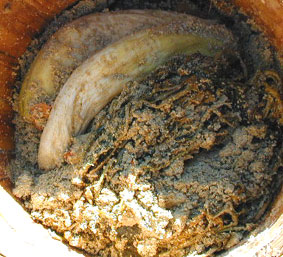
Two months later.
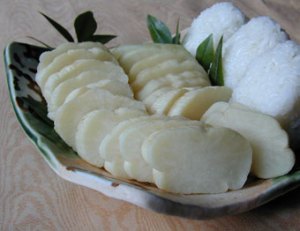
Washed, cut and served!

Le Takuan (沢庵), aussi appelé takuwan ou takuan-zuke est un pickle traditionnel japonais courant ! Il est fait à partir de radis japonais daikon et est servi avec d’autres légumes vinaigrés dans les plats traditionnels japonais. On peut aussi le consomme en fin de repas étant donné qu’il est réputé pour favoriser la digestion !

Tout d’abord il vous faudra suspendre le radis au soleil pendant quelques semaines pour qu’il soit plus maléable, ensuite il faudra le placé dans un pot de fermentation recouvert d’un mélange de sel, de son de riz, et à votre goût du sucre, d’algue kombu ou autre algue séchée ou du piment, de la peau de kaki et même des fleurs qui donneront de la couleur à votre ouvrage ! La plupart des takuan utilisent la couleur comme argument de vente !

On trouve le Takuan en Corée du Sud sous le nom de danmuji (단무지) souvent utilisé comme garniture pour le gimbap ou en accompagnement d’autres plats tels que le jajangmyeon.

Voici une recette simple et utile si vous mettez la main sur plein de daikon, ou alors les obtenez à bon prix !. Une recette végétarienne qui devrait vous donner des idées.

INGREDIENTS: Gardez à l’esprit que plus c’est gros, mieux c’est !

-Daikon: 10~15 avec leurs feuilles!
-Son de riz: 15 % du poids des daikon
-Sel: 6% du poids des daikon secs
-Sucre brun: la moitié d’une cuillère à soupe
-Piment: Une demi piment frais et haché
-Konbu/algue sèche: 3~5 cm haché finement
-Peua de fruits : (selon la couleur que vous voudrez, kaki ou orange): 2 fruits
-Sucre blanc: 1 cuillère à soupe par légume

Première recette :

Lavez le daikon avec ses feuilles. Il est important qu’ils soient séchés avec le feuilles pour ne pas qu’ils perdent en qualité. Mettez-les dans un un endroit sec et bien exposé au soleil et au vent. Laissez les sécher pendant une ou deux semaines. Ramnez les dans l’intérieur de la maison pendant la nuit si vous pensez que la rosée va les endommager ! Ils seront considérés comme prêts une fois que vous pourrez les plier facilement.

Essuyez-les avec un linge propre et pesez-le pour faire en sorte que le son de riz en pèse 15 pour cent et 6 pour cent de sel.

Coupez les feuilles à l’extrémitié du daikon. Coupez-le assez pour que les feuilles restent liées entre elles et gardez-les de côté pour une utilisation ultérieure.

Mettez chaque daikon (maniez-en un seul à la fois) sur un plan de travail. Roulez-le fermement avec vos paumes et sur toute sa longueur pour ramollir les nœuds un peu trop durs et en retirer l’humidité.

Dans un récipient séparé, mettez le son de riz, le sucre brun, les algues hachées finement, les piments et le sucre blanc. Mélangez bien.

Prenez ensuite un gros récipient, et au premier étage mettez vos pickles en faisant en sorte que ce premier étage ait peut d’espace entre ses pickles. Saupoudrez-le avec la mixture et remplissez les espaces avec les feuilles. Refaire cette procédure avec tous les daikons que vous avez sous la main.

Couvrez le dessus avec le reste de vos feuilles de daiko, et appuyez de tout votre poids. Saupoudrez de sel pour éviter la moisissure.

Vous pouvez utiliser un accessoir pour pickles comme celui ci-dessus pour un maximum de pression, il suffira de placer un bout de bois propre ou de plastique au dessus des daikons ainsi qu’une pierre d’environs trois fois le poids des radis japonais ! Dans ce cas il faudra couvrir avec des journaux pour bloquer l’entrée de particules étrangères.

-Pickle for 4 weeks in winter, or 3 weeks in summer.
Clean them quickly in clean cold running water before cutting and serving them!

Laissez fermenter tout ce beau monde 4 semaines en hiver et 3 en été. Nettoyez les ensuite rapidement avec de l’eau froide avant de les couper et les servir.

Deuxième recette: La méthode à l’ancienne, mais qui suit un peu le même processus !

INGREDIENTS:

-Son de riz: 1,5 kg
-Sel: 720grammes
 Piment: Une dizaine coupés en moitié
-Konbu/algue sèche:  40 cm à hacher
– Kaki (congelés) : 5 ou 

Séchage

On vérifie la flexibilité !

On coupe les feuilles !

La mixture à pickles!

Avec les algues, les kakis et les piments.

On serre les daikons !

On couvre le tout avec la mixture !

Puis les feuilles !

On met un peu de poids là dessus.

Et voici après deux mois.

Le festin après lavage !

RECOMMENDED RELATED SITES:
Bread + Butter, Comestilblog, Greedy Girl, Bouchon For 2, Zoy Zhang, Hungry Neko, Mangantayon, Elinluv Tidbit Corner, Maison de Christina, Chrys Niles, Lexi, Culinary Musings, Eats and Everything, Bite Me New England, Heather Sweet, Warren Bobrow, 5 Star Foodie, Frank Fariello, Oyster Culture, Ramendo, Alchemist Chef, Ochikeron, Mrs. Lavendula, The Gipsy Chef, Spirited Miu Flavor, Wheeling Gourmet, Chef de Plunge, Sushi Nomads, Island Vittles, The French Market Maven, Tokyo Through The Drinking Glas, Palate To Pen, Tokyo Foodcast, Good Beer & Country Boys, Tokyo Terrace, Think Twice, Jefferson’s Table, While mY Sautoir Gently Weeps

Please check the new postings at:
sake, shochu and sushi,
—————————————-
日本語のブログ
—————————————-