Tag Archives: Recipes

ABONDANCE’S CLASSIC CAKES (4): ELEGANCE

ELEGANCE2

My Good French friend in Hamamatsu City is very busy: His message was very laconic this time. LOL

“Robert
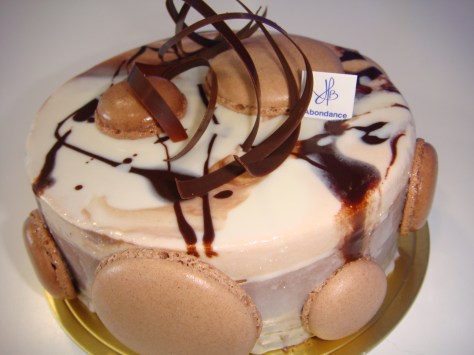
Voici ” Élégance” un gâteau au chocolat , lait et noir 70% avec un biscuit chocolat sans farine…très léger et plein de saveur.
Au plaisir…
Bernard”

“Here is “Elegance”, a chocolate cake, milk, and a 70% black cocolate.
On top of a biscuit. No flour used. Very light and full of flavour”.

He forgot to mention the small macarons!

Abondance
Address: Hamamatsu Shi, Sumiyoshi, 2-14-27 (in front of Seirei Hospital)
Tel.: 053-4738400
Fax: 053-4738401
Opening hours: 10:00~20:00. Closed on Tuesdays.
Homepage

Please check the new postings at:
sake, shochu and sushi

—————————————-
日本語のブログ
—————————————-

French Cake: Tourteau Fromager

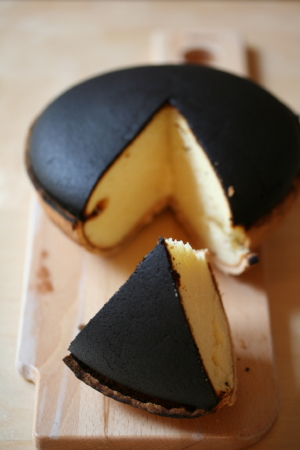
tourteau-1

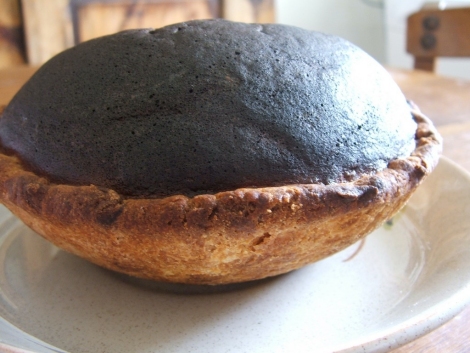
Following a discussion with my good Foodbuzz Friend, Jennifer Razon, about the Tourteau Fromager Cheese cake mentiond on my last posting on French Gastronomy on Stamps (No 20: Poitou-Charente), I decided it was best to introduce the recipe (with the help of Wikipedia) for all our friends’ benefit!

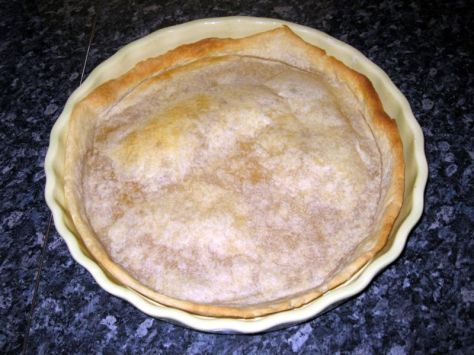
tourteau-2

Tourteau Froamger is an ancient French regional Pastry/cake from Poitou Region, not to be confused with “tourtons”, which are mountain cakes.

Ingredients:

-Very fresh cheese (in Poitou it is fresh goat cheese, just out of the dairy. Similar to Fromage blanc. Goat cheese is best, but mixed with Cow cheese is fine, too. Cow’s fromage blanc is fine, too!): 200 g
-Sugar: 150 g
-Flour: 50 g
-Egg yolks: 4
-Yeast: 1 teaspoon
-Bitter Almond (amande amère) extracr: a few drops
-Beaten egg whites: 4
-Pâte brisée

tourteau-3

Pate Brisee recipe (Shortcrust pastry recipe):
Ingrédients
Flour: 200 g
Butter: 125 g
Sugar: 100 g
Oil: 20 cc
Water: 200 cc
Alt: a pinch

Pour the flour into a large bowl and “dig a well” in the center.
Pur oil in well.
Add butter (the butter is soft, never melted!).
Add Sugar and salt.
Knead the whole as to form a ball.
Spread on oven paper inside cake dish.
Cook in oven until hard enough.
Take out and let cool completely.

Utensil:
Use a high and round Mold made of metal.

Recipe:

Mix cheese and sugar. Once the mixture is homogeonous (regular), add eggs and the flour/yeast mixture.
Pour inside Pate Brisee/Shortcrust pastry and let rest for a couple of hours.

Then cook for 1 hour (mderate) or 45 minutes at 180 Celsius degrees (hot).
Once cooked, the cake appears as seared black outside, but this is only a thin layer over a soft body. It will protect your cake for a good deal of time.
The French eat it as it is, but you might want to scrape the black ayer away.

All traditional recipes are slightly ifferent from home to home. This is an example you can work on!

Please check the new postings at:
sake, shochu and sushi

—————————————-
日本語のブログ
—————————————-

The Pride of Shizuoka: Sakura Ebi/Cherry shrimp!

sakura-ebi1.jpg

With Spring comes the season for a specialty found in Shizuoka Prefecture only!
“Sakura Ebi” or Sakura shrimp is a vey small (maximum 5 cm) crustacean caught in the Suruga Bay of Shizuoka Prefecture. Most of ships are anchored in Yui City (part of Shizuka City city) and Fujikawa Harbours.

sakura-ebi-yui.jpg sakura-ebi-catch.jpg sakura-ebi-market.jpg
The shrimps are caught in special net baskets. They are then siphoned through special “tubes” with the baskets kept just above the water. Later all sea creatures inadvently caught in the nets are released alive back into the sea! Who said the Jpanese are not environment-conscious?
Moreover, for the first time in Japan, the Association of Cherry Shrimps Fishermen decided in 1965 to strictly limit their yearly total catch to preserve stocks. A salutary initiative long before normal citizens became aware of conservation and environment!

According to long traditions they are put on the market immediately for auction.
Many fishermen open their own sushi restaurants, bars and often their catches of the night until early in the afternoon before taking a well-earned sleep.

sakura-ebi2.jpg sakura-ebi-cuisine.jpg sakura-ebi-gunkan.jpg

For people who prefer them as sushi, the gunkan style is the most appreciated!
Most French and Italian Restaurants in Shizuoka City and around will serve them in quiches!

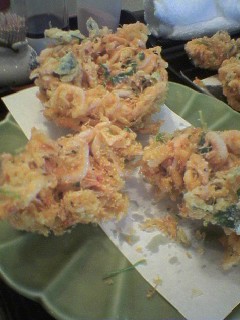
izutsuya6.jpg
(Pic taken at Izutsuya Restaurant, Yui)

Another popular way to eat them is of course as a tempura called kaki-age, either with fresh sakura ebi in season or frozen/dried ones.
Fishermen use to dry their catch for sale and export until the government had the great idea to run an expressway just along the harbour!
The shrimps are now dried along nearby Fujikawa River at the foot of Mount Fuji, creating large quaint rose expanses in the most useen for locations!

sakura-ebi-drying.jpg

Please check the new postings at:
sake, shochu and sushi

—————————————-
日本語のブログ
—————————————-

Quick Snack: Cream Cheese Tomato Rolls for the Beer!

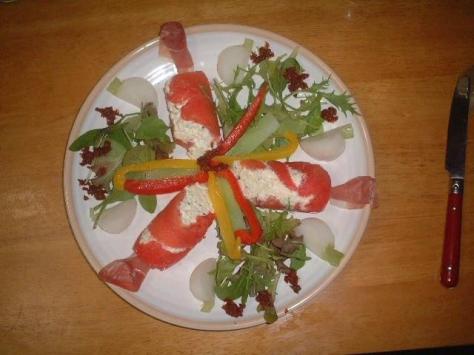
tomatospringroll

There are times, be it in Winter, Spring, Summer or Autumn, when you just don’t have the will to venture into another cooking expedition, but still want to offer and eat quick, simple and yummy food!

Here is suggestion that you can store inside the fridge just in case hungry friends barge in with some beer (or mineral water! LOL). It can be easily adapted for vegetarians!:

I don’t have to bother with quantities really.
Just know that you need an equal amount (in volume) of Philadelphia (for example) cream cheese and fresh cream lightly beaten to a semi-hard consistency.
In a bowl mix the cheese and cream well. Add a little salt, pepper, nutmeg and whatever spice you fancy. Add some finely chopped herbs!
As for the tomatoes, choose them as large as possible, but not too ripe to avoid them breaking away. Peel them first, by making a light cut near the stem and plunging them in hot water (or holding them over a flame). When the skin starts opening, take them out and plunge them in cold water. They should peel off very easily.
Cut them in half, empty them, “spread” (you might have to help with a few small cuts) them on a kitchen paper to sponge water off.

Note: do not salt the tomatoes, or they’ll give out gallons of water!

On a large enough piece of cellophane paper spread the tomato flesh, fill with an adequate amount of cream cheese mix, and make a roll closing the cellophane paper around. Twist the ends shut.
Leave in refrigearator until served.

Simple presentation suggestion (look at pic!):
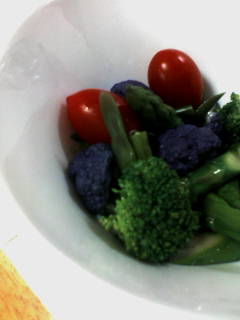
A three-piece presentation is easiest with cut sweet pimento and boiled broccoly stems (a good way to use them!).
Cut the tomato rolls half-way at a slant for better effect.
Add lightly boiled turnips, pieces of raw ham, and plenty of greens.
Serve with a pot of vinaigrette or dip sauce.

Simple and appetizing!
Good for hungry kids, too!

Please check the new postings at:
sake, shochu and sushi

—————————————-
日本語のブログ
—————————————-

Herb-Roasted Quail & Ratatouille

quailratatouille

I did publish the pic of this dish I made for the Missus (Yes, Rowena, I do sometimes cook! LOL) some time ago, but never had the time to publish the recipe.
It is pretty simple and straightforward and has the advantage to look appetizing and satisfying! Even kids will love it!
Of course you can replace the quail with any fowl (have you ever tried guinea fowl?)
Natasha will certainly agree with me, if the ingredients are good, you cannot fail!

For 2 persons:

-2 large quails
-Filling:
Finely chopped onion: 2 large tablespoons
Finely chopped shallot or red onion: 1 large tablespoon
Finely chopped garlic: 2 cloves
Finely chopped herbs (of your choice/I usually include fresh Italian
parsley, rosemary, sweet basil and celery): 2 large tablespoons)
Whole pink pepper: 1 teaspoon
Breadcrumbs: 2 large tablespoons
salt, pepper, nutmeg to taste. You can add your favourite spices, of course!
Olive oil: 2 tablespoons

Fresh sprigs of thyme and rosemary: half a dozen each

Lightly seasonthe whole quail with a little salt and pepper.
Mix all the ingredients of the filling into a bowl and fill the quails with it.
Place the quails on an oiled oven plate. Place the thyme and rosemary sprigs on the quails. Pour a little olive over both quails and tp each with a dollop of butter.
Preheat the oven to 200 degrees Celsius/about 400F.
Cook the quail until you are satisfied (taste vastly differ with people).

Ratatouille
This can done the day before. Re-heated ratatouille is even better.
I will not bother with weights and measures as there are thousands of ways.
Just know that I use an equal quantity of egg-plants/aubergines, onion, and courgettes/zucchini.
First cut them to the same (important) wanted size (the smaller, the quicker the cooking). Heat olive oil in a large pan. Pour the lot into the pan and cook until onions have become translucent. Turn down the fir to low. Add chopped garlic, one lemon juice, a glass of white wine, plenty of roughly cut tomatoes. Season with Chopped fresh herbs (the more, the better!), salt (easy on that! You can rectify later!), pepper, nutmeg and others.
Cover and let cook until you are satisfied with taste and texture.

Service and presentation:

Take out quails.
Take out the filling and place on a side plate.
Open the quail and “flatten” them.
Serve the quails on a large plate. Top it with the filling and surround it with plenty of ratatouille.

Bon appetit!

Please check the new postings at:
sake, shochu and sushi

—————————————-
日本語のブログ
—————————————-

Vegetables Facts and Tips (6): Asparaguses

asparagus-varieties

Asparagus has been used from very early times as a vegetable and medicine, owing to its delicate flavour and diuretic properties. There is a recipe for cooking asparagus in the oldest surviving book of recipes, Apicius’s third century AD De re coquinaria, Book III. It is said that it was cultivated by the ancient Egyptians, Greeks and Romans, who ate it fresh when in season and dried the vegetable for use in winter.It lost its popularity in the Middle Ages but returned to favour in the seventeenth century.

Facts:
Season: They are at their best March~June in the Northern Hemisphere, but can be obtained all year round thanks to state-of-the-art greenhouse cultivation.
Beneficial elements: Carotene, Vitamin C and E, Vitmanins from the B group, Rutin, Vegetal fibers, Folic Acid, Potassium. The amino acid asparagine gets its name from the plant.
Asparagus rhizomes and root are used ethnomedically to treat urinary tract infections, as well as kidney and bladder stones.
Asparagus is also believed to have aphrodisiac properties (this belief is at least partially due to the phallic shape of the shoots).

Tips:
-Choose asparaguses with a clean cutting surface. No black spots should appear.
-The darker the colour, the better. As for white asparaguses, choses with a “wet cutting”
-When storing your asparaguses in the fridge, have them stand upright in a long narrow container with their foot wrapped in wet kitchen paper. Discard bent asparaguses on the supermarket stands.
-Choose green asparaguses with the smallest possible foliage along the stems and dark tips.
-When boiling them, either boil them stading upright inside a pasta mesh container, or absolutely flat in a sauce pan. Do not bend them.
-Asparaguses are best digested when lightly fried with oil.
-If Asparaguses cannot be obtained directly from the farmer, lightly peel but keep yop half as it is to preserve Vitamins.

Varieties:
Most popular varieties are shown in the picture above: White, Green and “wild-style” (apeelations vary!)

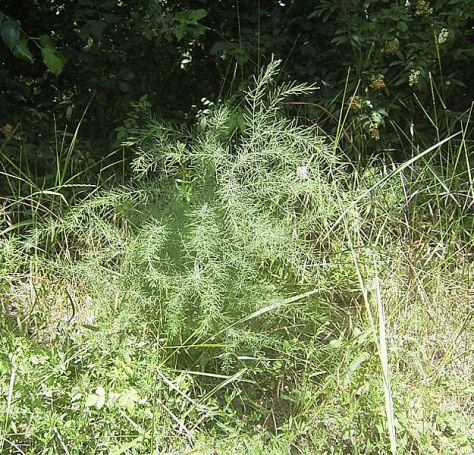
asparagus-wild

Asparaguses are abundant in the while, but they grow very quickly and get too hard for consumption.
The wild ones picked in their natural environment are my favourite as I fondly rememebr picking them up as a soldier in the South of France during our drills and cooking them in simple omelettes!

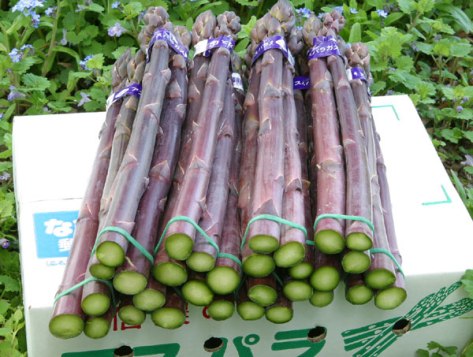
asparagus-violet

Violet asparaguse are very popular in any restaurants!

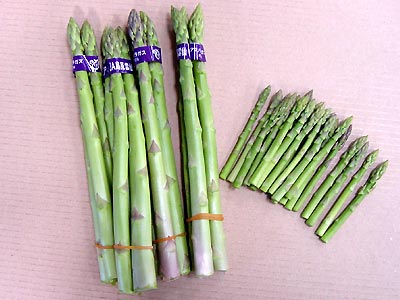
asparagus-mini

Mini-asparaguses are ever so popular in Japan thanks to their practical size.

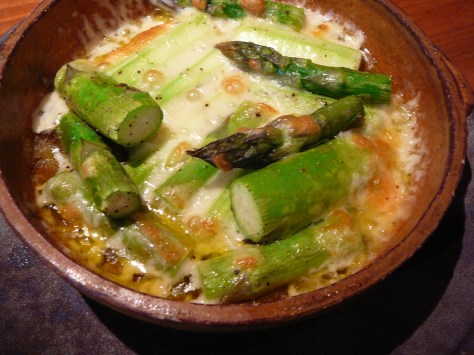
uzu-41

Recipes are endless, but my favourite is the large green asparaguses and mozzarella gratin as prepared and served at Uzu Izakaya in Shizuoka City!

Please check the new postings at:
sake, shochu and sushi

—————————————-
日本語のブログ
—————————————-

Foodbuzz Virtual Bar (second proposal): Submit a Drink!

drinks

Greetings, everyone!
You can’t stop the old geezer!

I recently made a proposal for a Foodbuzz Virtual Bar, but after some talks (Thanks, Natasha and Jen!) and a lot of thinking (not true, LOL, pining, I would say!), it might prove too big an enterprise for the Foodbuzz gurus to change the whole tool bar to accomodate a new “Tasting/Drinks/Bar” portal.

Now, until time and technology is found, a (momentarily) satisfactory solution could be to add a new item to the “Submit Foodbuzz” window called “Submit a Drink”!
To this, a whole range of alternate subdivisions could be added like in the “Submit a Recipe” item (courses, cuisines, diets, etc.) such as “Wines”, “Beers”, “Sake”, “Spirits”, Soft Drinks”, etc.

What do you all think?


The Japan Blog List

Please check the new postings at:
sake, shochu and sushi

—————————————-
日本語のブログ
—————————————-
24 Ways of Preparing Chicken by Mira of Malaysia!

myra-2
Glancing Thru My Crystal Ball

Mira of Malaysia (from Sarawak, Borneo, now living in Kuching) is a student from Malaysia who has been recently chosen by Foodbuzz, a world-wide Food Bloggers Community counting more than 18,000 (in only 2 years!), with 23 other bloggers to post a food event article and pictures for the pleasure of all!

myra-1
Glancing Thru My Crystal Ball

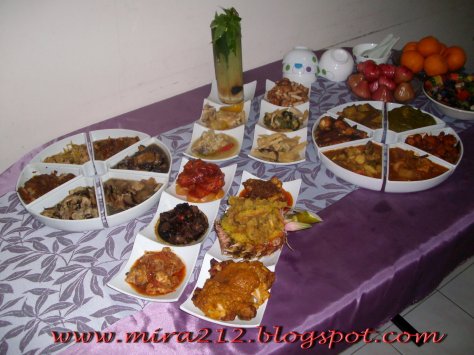
So Mira, with a little help of her friends prepared, cooked and presented no less than 24 different chicken dishes, including Malay, Chinese, Indian and Sarawak, her home, in as many pictures and recipes!

Do visit her blog at Glancing Thru My Crystal Ball, I can guarantee you will not only enjoy every recipe, picture and comment, but you will feel the more cognizant for it!
I forgot to mention it: Mira is apparently setting a record (as far as I know!) as the youngest blogger chosen by Foodbuzz for their 24, 24, 24 Worldwide Event!

Now, you can be sure the Missus will ask me to do all Mira’s recipes! LOL


The Japan Blog List

Please check the new postings at:
sake, shochu and sushi

—————————————-
日本語のブログ
—————————————-

Tofu Recipes (1): Fried Namaage with Cheese and Ponzu


The Japan Blog List

Please check the new postings at:
sake, shochu and sushi

—————————————-
日本語のブログ
—————————————-

toofu-recipe-1

This is I hope the first installment of a long series of simple recipes with tofu. Some will be vegan and vegetarian, some vegetarian like this one, others for omnivores!

tofu-kinds-21

This particular one is one one of the Missus’ favorites.
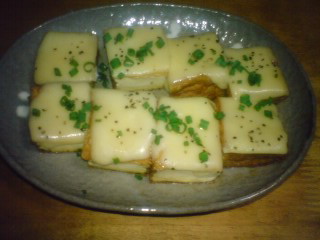
She uses on full “namaage tofu”, tofu that was deep-fried whole and that you can buy either fresh at a Japanese market or packaged.

She cuts the tofu in equal-sized bite pieces about 1 cm thick and fry them in a non-stick pan. No real need for any oil as what is contained in the surface of the tofu will be sufficient.
The point is that she fries them only on side. While they cook she lay a thin piece of mild/processed cheese over each tofu piece, add some black pepper, and cover with a glass lid. When the cheese has nicely melted over the tofu, she takes off the lid, sprinkles the whole with ponzu and fries for another minute. She serves on a dish with the sauce and liberally sprinkles the lot with chopped thin leeks!

Great snack with Japanese sake or beer!

Vegetables Facts and Tips (5): Yams


The Japan Blog List

Please check the new postings at:
sake, shochu and sushi

—————————————-
日本語のブログ
—————————————-

satsuma-1

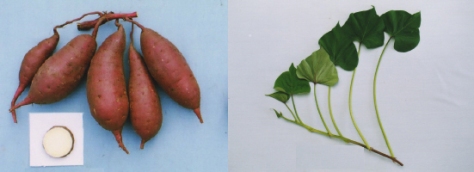
Yams or “Satsuma Imo” were first introduced to Japan in the rykyu Islands (Okinawa) in 1604 by the Chinese. It was then introduced in Kyushu in 1609, an area that grows 80% of the total Japanese production.

It has been recognized in this country fro a long time for both its nutritional and pharmaceutical qualities.

satsumabeni_haruka

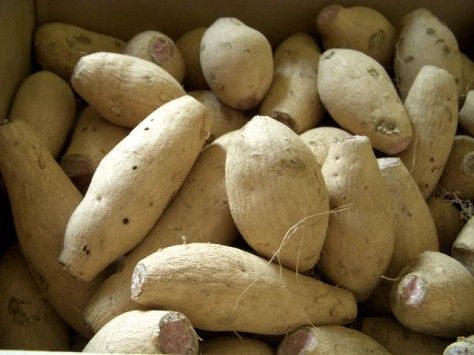
There are over a hundred species in Japan, but the most popular edible ones (not the ones exclusively used for making shochu) have red skins and light yellow flesh.

satsumatanegashima

My personal favorite is the “Tanekoshima Gold Imo” grown in Taneko Island south of Kyushu. It has the particularity of being red when raw before chaning to a rich golden color when cooked. Among other varieties, the violet yams are getting increasingly popular.

yummy
Tanekoshima yam (deep yellow), “common yam” (light yellow) and Murasaki/Violet yam.

The Missus particularly likes to mix the three above as a cold salad with mayonnaise or cream-based dressing.

FACTS:
-Season: September to November
-Main elements: Carbohydrates, Carotene, Vitamin C, Vitamin E, Potassium, Calcium, Magnesium, vegetal fibers.
-Beneficial to digestion.
-Lose very little of its beneficial elements even after a long cooking.

TIPS:
-Choose specimens with nice color and a “fat/roundish” aspect!
-Plunge yam in cold water as soon as you have cut them. They will not lose their color!
-Boil, bake or steam long enough before taking skin off. Discard skin!

Vegetables Facts and Tips (4): Carrots


The Japan Blog List

Please check the new postings at:
sake, shochu and sushi

—————————————-
日本語のブログ
—————————————-

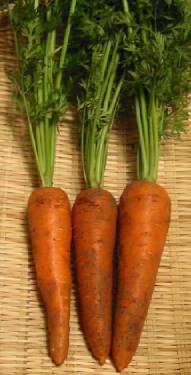
carrot-1

Carrots are consumed everywhere in the World, raw or cooked in so many manners, including desserts, that you need a whole book to describe all the recipes! And you might have to come up with a special addenda leaflet to introduce all its varieties!

Now, people might have forgotten that this cousin of the spinach orignated from Afghanistan before it was first introduced in China and Europe (by the Dutch) in the 12th Century. Japan had to wait until the 16th Century before the Chinese brought it to the Island of the Rising Sun.

FACTS:

Some time ago carrots were not popular in Japan because of their strong taste characteristics, but the Japanese have come with sweeter and softer varieties:
carrot-kyo
“Kyo-Ninjin”, a variety developed in Kyoto, with a deep dark red colour and very sweet taste.

carrot-gosun
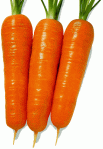
“Go-Sun Ninjin”, the most common in Japan.

carrot-sansu
“San-Sun Ninjin”, a smaller variety of the above.

carrot-daijyo
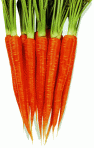
“Daijyo Ninjin”, a very long and thin variety very popular in Japanese restaurants! Great for sticks!

carrot-kinji
“Kinji Ninjin”, probably the most elegant of them all!

carrot-shim-yellow
“Kiiro Ninjin”, beautiful and very sweet!

carrot-mini
“Mini Ninjin”, so much fun!

carrot-leaves-vitaminc
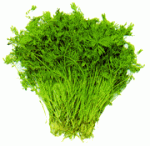
Now, do not forget the leaves which contain an enormous amount of Vitamin C!

-Season: May to June, and October to Deecember in the Northern Hemisphere.
-Beneficial elements:
Carotenes
An absolute need for humans. Carotenes are more easily absorbed by the body systems when the carrots are eaten together with oil, dressing or “glace”.
Vitamin C, Potassium, Calcium.

TIPS:

Preservation: Carrots should not be kept inside too cold fridges. Protect them by wrapping them into newspaper “standing up”, or into cellophane paper if they are cut.
Choose specimen with a good constant colour and with a small stem core if you buy them with leaves already cut away.

Important: When you peel them, do so as thinly as possible as the majority of the carotenes lie just under the skin!

Foodbuzz Virtual Bar (proposal)


The Japan Blog List

Please check the new postings at:
sake, shochu and sushi

—————————————-
日本語のブログ
—————————————-

virtual-bar

Greetings, everyone!

This is an appeal to all Foodbuzz friends who not only enjoy their drink(s) but also endeavor to share, compare and expand their tasting experiences and discoveries.

There are a lot of people out there who drink a lot, if I may indulge in the ever-corny expression, be it alcohol or just plain (but good) water!
One cannot ignore them any longer!

As much as savoring sublime food and creating outstanding recipes at home or in restaurants, drinking is an integral part of a meal. One may not attain a certain (elevated) epicurean knowledge and at the same time ignore the physical need for a large daily amount of liquid matter.
After all, until not so long ago, eating was limited to the obligation of feeding one’s body, while drinking was the sine qua non requisite to a meaningful social life, be it a glass of wine or a cup of tea!

Now, how about asking the Foodbuzz team to insert a “VIRTUAL BAR” or “TASTING”, or “BEVERAGES” portal/button besides “RECIPES” and “RESTAURANTS”, giving access to a featured page? It would certainly become more practical than having to submit tasting reports on “Recipes” or as a “blog post”!
Such a page could be expanded in many ways and categories. For example, a “DAILY TASTING” would emulate the successful “DAILY RECIPE”.
Classifications could be introduced:
-Wines: Red, White, Rose, Sparkling, Still wines, …
-Beer: Microbreweries, Lager, Ale, Port, Stout, ….
-Sake: Futsu/normal, Junmai, Honjozo, ….
-Spirits: Whiskies (single malt, ….),Schnapps, Vodka, Liqueurs, …
-Soft drinks: Tea, Coffee, Fruit juices, Vegan Drinks, Water, Mineral water, …

Judging from the very high number of present Foodies writing about their tasting adventures into the “RECIPES” section, a new page featuring only drinks would easily double the membership in a very near future!

Cheers, sante, Namaste, Kanpai, Prosit, Salute, Kanpai, Chin chin, ….!

Robert-Gilles Martineau

Vegetables Facts and Tips (3): Broccoli


The Japan Blog List

Please check the new postings at:
sake, shochu and sushi

—————————————-
日本語のブログ
—————————————-

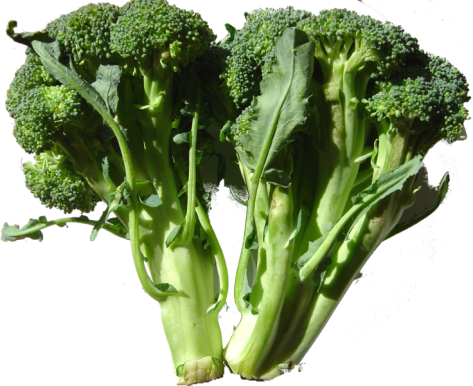
broccoli-1a

In a recent National Geographic Magazine survey, Broccoli was at the very top when considering nutrients beneficient to humans in our everyday food!

Vegans, Vegetarians and Omnivores, rejoice! Doctors, start moaning!
A cousin of cabbages and cauliflowers, the flowers are the mainly consumed part, but people forget that the stems are great, too (explained later)!

FACTS:
-Season: November to January and March to April in the Northern Hemisphere.
-Main elements:
Carotene, Vitamin C and Vitamin E in very large amounts. Together they combine as an elixir to fight ageing and stress.
Potassium
Iron, which helps increase red blood cells and control cholesterol.
Calcium
Fibers, which help digestion.
Sulforafan which helps fight poisonous intruders.

VARIETIES:

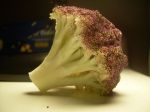
broccoli-2
Italian red broccoli

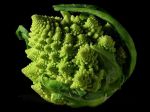
broccoli-romanesco
Broccoli Romanesco, a favourite of mine!

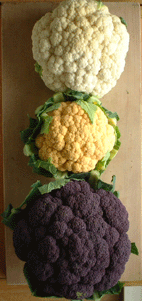
broccoli-colour
In Japan, a violet variety (bottom) is becoming popular, making for some great combinations with white and yellow cauliflower,

broccoli-dish
and other dishes!

TIPS:
-As I said above, the stem is not only edible, it is succulent, with a taste between avocadoes and asparaguses! Peel the skin, cut it in any shape you wish and boil it for a while in slightly salted water. let cool and use for salads, stews and gratins!
-Choose specimens with big and dense buds, shiny and fat stems. Check whether the cut at the stem looks fresh!
-After boiling in slightly salted water, plunge into cold water immediately. The colour will not change!
-Preservation: Wrap in wet paper towel, seal it inside a polyester rigid box and keep inside refrigerator’s chilled compartment away from light.
As it will change in contact with natural light, better to cut it, boil it, cool it, seal it inside vinyl pouches and freeze if you have too much of it!

Vegetables Facts and Tips (2): Tomatoes


The Japan Blog List

Please check the new postings at:
sake, shochu and sushi

—————————————-
日本語のブログ
—————————————-

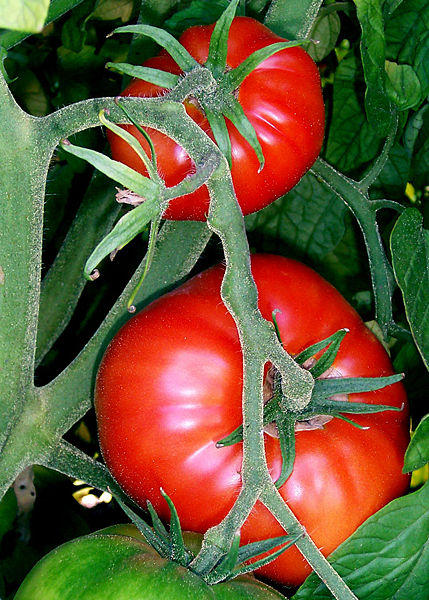
tomato1

Tomatoes have laid on our tables for so long that we have almost forgotten they came from South America. The Spanish and the Portuguese ignored them. The British studied them. The French brought them to Europe under the name of “Love Apple”, a name still existing in Italy. So it is said,…
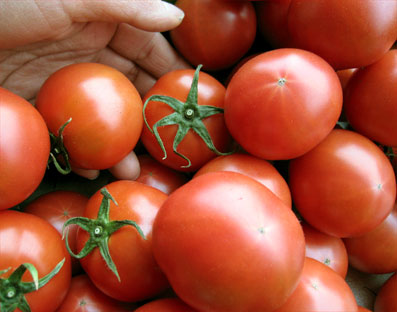
tomato-fruit
“Fruit Tomatoes”

This summer-maturing fruit can be bought all year round with the interesting consequence that tomatoes ripened in winter are sweeter than their summer cousins as they contain less water, earning themselves the name of “fruit tomatoes”, a great oxymoron, if there was one!

Thanks to consumers’ insatiable appetite for novelty, tomatoes are grown into all kinds of size, shape and colour.
Just to cite a few, the following are the most popular in Japan:

tomato-momotaro
“Momotaro Tomatoes”

-Momotaro (after the Japanese “Peach Boy” tale), which becomes “Fruit tomato” in winter.
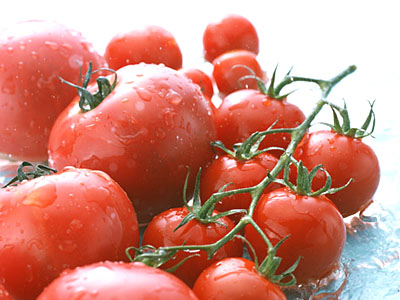
tomato-midi
“Midi Tomatoes”

-Midi Tomato (sometimes called “Plum tomatoes”), a larger cousin of the “Mini tomato”, is very sweet and very high in nutrients. Its aroma has a particularly long life.

tomato-italian
“Italian tomatoes”

-Italian Tomato: mainly used for cooking, it may often come in a comparatively elongated shape.
It contains less water and reveals both large amounts of sweetness and acidity, making it very conducive to long cooking with the extra bonus of actually improving in taste upon heating.
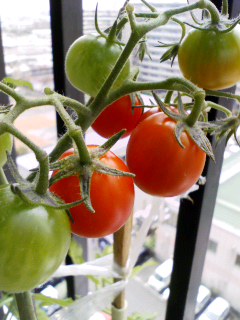
tomato-mini
“Mini Tomatoes”

-Mini Tomato: one-bite sized, it is also called “Petit tomato”. It contains twice as many Vitamin C, and it is very rich in beneficient ingredients.

tomato-yellow-mini
“Yellow Mini Tomatoes”

-Yellow Mini Tomato: characteristic for a lot of sweetness and very little acidity. Very handy for children who dislike vegetables!
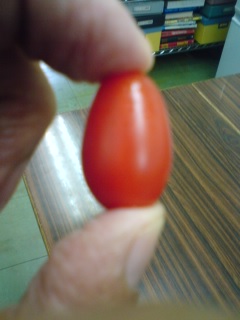
rubbins
“Ameera Rubbins”

-Ameera Rubbins: with its larger Ammeera tomato, it is grown exclusively (until now, but they are bound to expand beyond our borders!) in Shizuoka Prefecture. They are the sweetest of all, tasting like strawberries, and very firm, making them ideal for decoration, notwithstanding their nutrient value. The smallest variety called “Rubbins” is grown by only two farmers near Iwata City!

tomato-micromini
“Micro Mini Tomatoes”

-Micro Mini Tomatoes: increasingly popular, they are only 8~10 mm and look somewhat like redcurrants. Very tasty with a beautiful acidity, the Japanese use them not only in salads, but also as the final touch on a plate of sashimi!

FACTS:

-Season: All year round
-Main elements: Licopin (Ricopin), Vitamin C, B Vitamins, Potassium, Pectin, Luchin (Ruchin).
Licopin is a carotene variety particularly beneficial in fights against allergies and ageing. The Potassium and Vitamin C and Pectin help control cholesterol in blood.
Luchin reinforces capillary veins and arteries.
Recent researches in Germany and China have proven that tomatoes help control high blood pressure.
Who said that the Italians look healthier than everybody else? LOL

TIPS:

-Choose tomatoes with a deep colour and healthy strong skin!
-Preservation: before storing them into the vegetable compartment of your fridge, wrap themin newspaper or put them inside a vinyl bag, or even better, inside a rigid plastic sealed box.
-Peeling: better than boiling water, direct contact with a flame! Make a very shallow cut near the stem area, firmly stick a fork or thin skewer into the stem area, hold the tomato directly over the gas flame for a few seconds, then plunge it into cold water. Skin should come off very easily.
Vegetables Facts and Tips (1): Potatoes


The Japan Blog List

Please check the new postings at:
sake, shochu and sushi

—————————————-
日本語のブログ
—————————————-

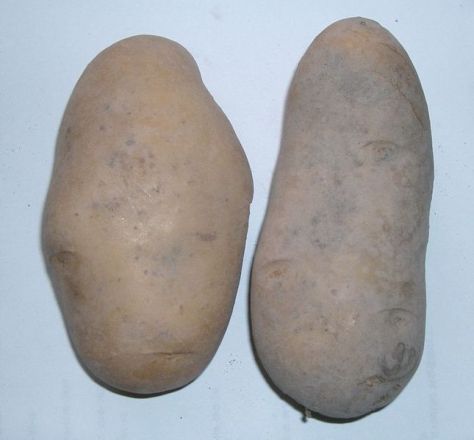
potatoes

This is the first of a series of articles on vegetables, which I hope will help my vegan and vegetarian (I’m not!) friends.
Incidentally、 nothing, pictures included, is copyrighted in my food blogs, so please feel free to use anything!

POTATOES

danshaku-potato
“Danshaku”

Potatoes were first introduced to Japan in 1910 by Baron Kawata from Great Britain/Ireland giving the name of “Danshaku/Baron” to the most commonly used potato in Japan, especially in croquettes and salads.

The biggest potato exporters to Japan are China and India, although more and more grown locally.

The varieties found in supermarkets are:

kitaakari-potato
“Kita Akari” used for mashed potatoes and croquettes,

mayqueen-potato
“May Queen” used in stews,

toyoshiro-potato
“Toyoshishiro” used for fried potatoes,

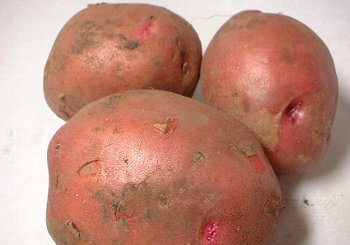
redandespotato
“Red Andes” used for croquettes and Pot au feu,

incanomezame-potato
“Inca No Mezame” used for stews.

Potatoes are available all year round, but are at their peak from February to May when new potatoes can be eaten whole!

FACT CARD:

-Season: All year round
-Main elements: carbohydrates (high energy), Vitamin C1, B1 (thanks to a large amount of natural starch in potatoes, the vitamin C will resist heating!), Potassium
-Preservation: Wrap potatoes inside newspaper and keep them in a dark, well-ventilated place away from the sunlight.

TIPS:

-Choose specimens well-rounded and with healthy skin. Avoid specimens with buds or of greenish colour (risks of diarrhea). Cut out all “dark spots”!
-To avoid a change of colour, wash potatoes in water after peeling or cutting.
-If you want to keep your potatoes for a while after boiling them, plunge them in (change it as many times as necessary) cold water until completely cooled down. They will not break or crumble when used later.
-After boiling cut potatoes, throw away water and keep heating them until they have lost a great part of their moisture. They will attain a crispy enough nature without resorting to deep-frying!