Tag Archives: Vegan

Japanese Gastronomy: Udon-The Basic Recipe

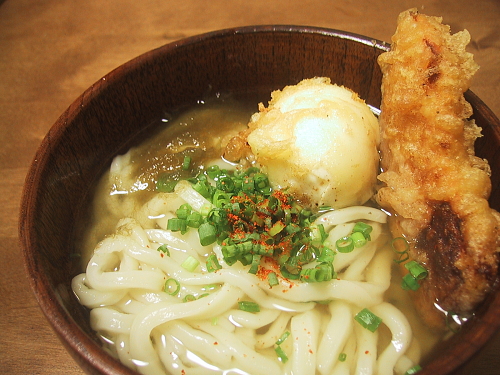
Udon/饂飩/うどん, although not suitable for wheat allergics, can be easily turned vegetarian or vegan, depending on the soup and seasonings/accompaniments.
It is fullfilling and healthy and can be eaten hot in soup or fried, or cold, especially in salads!

INGREDIENTS (basic):

-Wheat flour: 1 kg (fine, light type)
-Salt: 40 g (can be reduced to 30 g)
-Water: 460 ml

RECIPE:
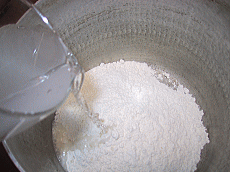
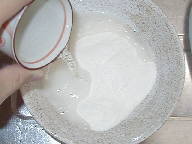
Dissolve salt in water first.
Pour flour in an all-purpose large bowl.
Pour the water onto the flour little by little.
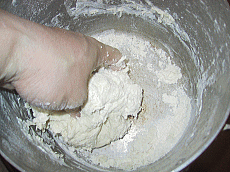
Mix and knead little by little until all the water has been used.
At that time you may think you haven’t added enough water. Don’t worry. Just keep kneading for 10 minutes. it will eventually become smooth.

The following is interesting. In restaurants it is done with a special wooden lever with the chef standing on one end!
Wrap the dough in a cellophane paper and press the whole (wash your feet!) with the whole foot until the dough has spread somewhat flat. Take the dough out of the cellophane paper, shape it into a ball, wrap it again and press again with your foot.
Do that for 15 minutes.
Do not skip that step!
Ask hubby or (big) kids to help if necessary!

Shape the dough in a ball, wrap it in cellophane paper and leave it to rest for a while.
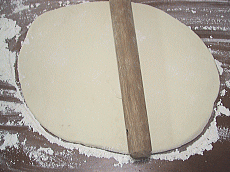
Sprinkle flour on a working table.
Roll the dough out into a 3 mm thick sheet.

Sprinkle flour on the dough sheet surface, fold the dough as shown on pic above and cut every 3 mm to obtain square section noodles/udon.
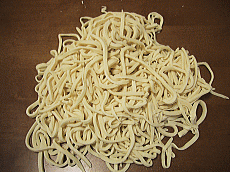
Shake and separate the udon and gather them as in picture above.
They are ready!

Throw the udon in water heated just before boiling point. Cook (make sure the water does not boil) for 6 minutes.
You can use the udon just after after but it is better to go through the next step:

Drop the udon into a strainer and wash them quickly under cold clear water. They will look far more appetizing this way and easy to conserve until you drop them into soup, fry them or dress them into a salad!

As for the soup, there are many ways to make it, whereas you are vegan, vegetarian or omnivore. If you use dashi, use konbu/seaweed dashi if you are not an omnivore. One can add soy sauce, mirin/sweet sake and sugar.
Serve the udon as they are or with chopped leeks and aburaage tofu and so forth!

RECOMMENDED RELATED WEBSITES

Masala Herb by Helene Dsouza in Goa, India
Mummy I Can Cook! by Shu Han in London
Pierre.Cuisine, Francescannotwrite, My White Kitchen, 47 Japanese Farms Through The Eyes of Its Rural Communities, Foodhoe, Chucks Eats, Things that Fizz & Stuff, Five Euro Food by Charles,Red Shallot Kitchen by Priscilla,With a Glass, Nami | Just One Cookbook, Peach Farm Studio, Clumsyfingers by Xethia, PepperBento,Adventures in Bento Making, American Bent, Beanbento, Bento No, Bento Wo Tsukurimashou, Cooking Cute, Eula, Hapabento , Happy Bento, Jacki’s Bento Blog, Kitchen Cow, Leggo My Obento, Le Petit Journal Bento & CO (French), Lunch In A Box,
Susan at Arkonlite, Vegan Lunch Box; Tokyo Tom Baker, Daily Food Porn/Osaka, Only Nature Food Porn, Happy Little Bento, The Herbed Kitchen, J-Mama’s Kitchen, Cook, Eat, Play, Repeat, Bento Lunch Blog (German), Adventures In Bento, Anna The Red’s Bento Factory, Cooking Cute, Timeless Gourmet, Bento Bug, Ideal Meal, Bentosaurus, Mr. Foodie (London/UK), Ohayo Bento,

Must-see tasting websites:

-Sake: Tokyo Through The Drinking Glass, Tokyo Foodcast, Urban Sake, Sake World
-Wine: Palate To Pen, Warren Bobrow, Cellar Tours, Ancient Fire Wines Blog
-Beer: Good Beer & Country Boys, Another Pint, Please!
-Japanese Pottery to enjoy your favourite drinks: Yellin Yakimono Gallery

Vegan Life & Gastronomy in Japan (& Shizuoka)

Vegan Fried Avocado

I have always been intrigued by the priorities and needs of my vegan and vegetarian friends. I’m an incorrigible omnivore and will ever be, but I can appreciate other gastronomies, be they even based on vegetables only.
I also hold a deep interest in anything organic, although I don’t make it a tenet of my everyday life.
As a general rule I strive for balance.
Vegans and vegetarians have their reasons to be so, and that is their private concern. Full stop.
On the other hand, I cannot be forced into changing my ways. I did recently have to fend a concerted hate mail assault by a group of slightly misled vegans following an article of mine, but that is not going to stop me from trying to help my friends in this country.

Many vegans and vegetarians harbour doubts as to whether visit Japan, or Shizuoka for that matter.
They should not be wary of the life here. I dare say that it is almost the ideal country for them to live!
Shizuokaisalso a paradise for organic vegetables. I know of one extraordinary farmer who grows more than 190 varieties on 3 ha in Fujinomiya City!
Alright, vegans and vegetarians certainly need to be prepared!

Japanese Vegan Dashi

The very first query I have to field is:
-“But they use dashi everywhere!”
The Japanese certainly do, but there two basic kinds of dashi/Japanese soupstocks: one made with dry bonito shavings and the other made with konbu/seaweed. Check Vegan Dashi Recipe.

Now miso is also vegan, so you can imagine all the soup recipes you can concoct! Just Have a look at Vegan Recipes and you will discover what I’m suggesting!

-“Alright! Now, I have my soup to keep me hot in winter. But I also fancy a drink with my food. Now, what would you recommend?”
Well there is a atriaght easy answer: Japanese Sake!
To cut a long story short, do read what I wrote about the ultimate vegan drink!
Let just me say that true high quality (Shizuoka is the best! Lucky, aren’t I?) is made with pure water, rice, and yeast. That is all! Sometimes lactic acid is used, but it is of vegetal origin.
Incidentally, high quality shochu is also vegan!

Vegan sashimi at Yasaitei, Japan.

Now, that we have covered this important subject, shall we go to our main concern, namely vegetables?
You will be, I’m ready to bet about it, really flabbergasted by the variety of vegetables available in this country and especially Shizuoka, a famed area for organic vegetable cultivation.
The Japanese are even cultivating vegetables that have been forgotten elsewhere!
Check the following:
Vegetables Facts & Tips.
For Vegans and Vegetarians: Forgotten Vegetables.

tomii-veg31

Mountain vegetables at Tomii, Shzuoka City.

Have you heard of the Japanese mountain vegetables/Sansai/山菜?
It is just mind-boggling to discover them all!
Check: Japanese Mountain Vegetables!

Do not forget that tea and soba can be vegan! How about a combination of tea and soba for a quick lunch?

CHAZUKE-1

Chazuke

And how about Somen, Chazuke, and Tofu?

zarudofu

“Zarudofu”

Learn how to make your own Tofu!

tofu-kinds-5

“Tofu Doughnuts” at Shizutetsu Supermarket in Shizuoka City

Ever heard of Tofu Donuts?
Why don’t you try your hand after reading that easy Vegan Tofu Donut Recipe?

Vegan sushi plate at Sushi Ko, Shizuoka City.

-“I want to eat sushi, but how can I get vegan sushi in Japan?”
That should not be a problem.
First why don’t you have a look at the following:
Vegan & Vegetarian Sushi.
Vegan Sushi Recipe Suggestions.

Just walk around and try to find a friendly Sushi Restaurant along with some friends first and gently ask for vegetable sushi (without the bonito shavings or mayonnaise!). Keep going to the same place and soon or later the chef will enjoy the challenge and even propose you new creations.
Or check the Sushi Rice Basic Recipe and try making it at home!

And Wasabi is also vegan!

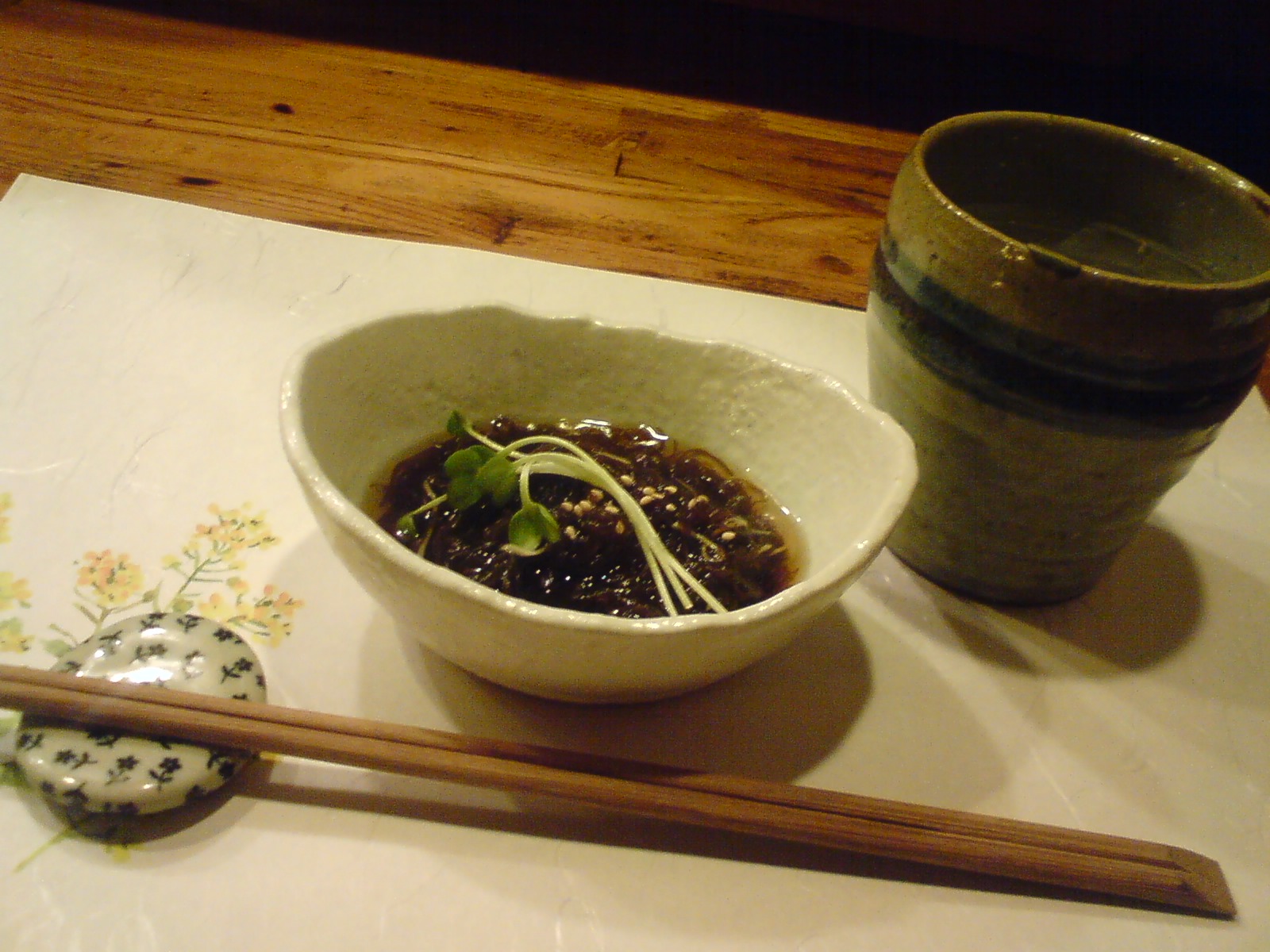
Mozuku seaweed served at Yasaitei, Shizuoka City.

Do not forget all the possibilities offered by seaweed, probably the most ubiquitous gastronomic ingredient in this country!
And ther are plenty of varieties: check Seaweed, the Vegetable of the Oceans!
Actually Shizuoka is not only a great producer of agar but also boasts the greatest number of edible seaweed varieties!

The all-organic vegetables lunch tray at Magokoro in Kamakura, Kanagawa Prefecture. They have a vegan version!

I’m not that keen on religion, but if your are a Buddhist, Japanese temples sometimes offer vegan/vegetarian meals! Kamakura is just but an example!

WAGASHI-1

Wagashi Tray.

-“And what for dessert?”
I knew you were going to ask that!
Have you heard of Wagashi?
Just reading about it will make you salivate!

Aright, if you need help, just drop me a line!LOL
At least I sincerely hope I have contributed to the image of Japan you wished to see!

RECOMMENDED RELATED WEBSITES

Masala Herb by Helene Dsouza in Goa, India
Mummy I Can Cook! by Shu Han in London
Pierre.Cuisine, Francescannotwrite, My White Kitchen, 47 Japanese Farms Through The Eyes of Its Rural Communities, Foodhoe, Chucks Eats, Things that Fizz & Stuff, Five Euro Food by Charles,Red Shallot Kitchen by Priscilla,With a Glass, Nami | Just One Cookbook, Peach Farm Studio, Clumsyfingers by Xethia, PepperBento,Adventures in Bento Making, American Bent, Beanbento, Bento No, Bento Wo Tsukurimashou, Cooking Cute, Eula, Hapabento , Happy Bento, Jacki’s Bento Blog, Kitchen Cow, Leggo My Obento, Le Petit Journal Bento & CO (French), Lunch In A Box,
Susan at Arkonlite, Vegan Lunch Box; Tokyo Tom Baker, Daily Food Porn/Osaka, Only Nature Food Porn, Happy Little Bento, The Herbed Kitchen, J-Mama’s Kitchen, Cook, Eat, Play, Repeat, Bento Lunch Blog (German), Adventures In Bento, Anna The Red’s Bento Factory, Cooking Cute, Timeless Gourmet, Bento Bug, Ideal Meal, Bentosaurus, Mr. Foodie (London/UK), Ohayo Bento,

Must-see tasting websites:

-Sake: Tokyo Through The Drinking Glass, Tokyo Foodcast, Urban Sake, Sake World
-Wine: Palate To Pen, Warren Bobrow, Cellar Tours, Ancient Fire Wines Blog
-Beer: Good Beer & Country Boys, Another Pint, Please!
-Japanese Pottery to enjoy your favourite drinks: Yellin Yakimono Gallery

Sansai/Edible Wild Japanese Mountain Vegetables (2012 edition)

tomii-veg31

“Sansai/Wild Mountain Plants” are around the corner so I thought it might be a good idea to draw people’s attention back to them for easier reference! They also include wild fruit that can be eaten both as vegetables and fruit with various preparations.
Some can be boiled, others fried, prepared as tempura, cooked in soup, prepared as pickles or jam, etc.

As it would become far too big (already massive, but inexhaustive) a posting if I wrote everything, please pick up one item at a time if you want more explanations and I will write an individual article for your pleasure!
But some have added some since the last time I wrote about them and I added some facts!

Here we go:
(No particular order)

ainu-negi-alium-victorialis
AINU NEGI: ALIUM VICTORIALIS
Also called: GYOUJA NINIKU/VICTORY ONION/ALPINE LEEK

High in Vitamin B1

akebi-chocolate-vine
AKEBI: CHOCOLATE VINE

High in Potassium, Vitamin B1, B2, B6, C and vegetal fibers.
Provide great stamina!

amadokoro-polygonatum-odoratum
AMADOKORO: POLYGONATUM ODORATUM

azami-thistle
AZAMI: THISTLE

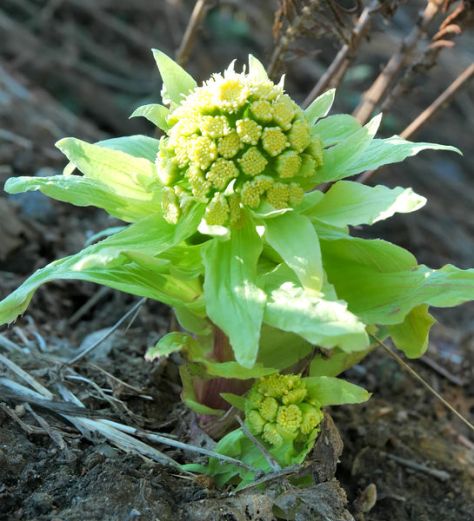
fukinoto-giant-butterbur
FUKINOTO: GIANT BUTTERBUR/FLOWER CLUSTER

High in Vitamin A Beta carotene, B1, B2, b6, C, vegetal Fibers and Potassium.

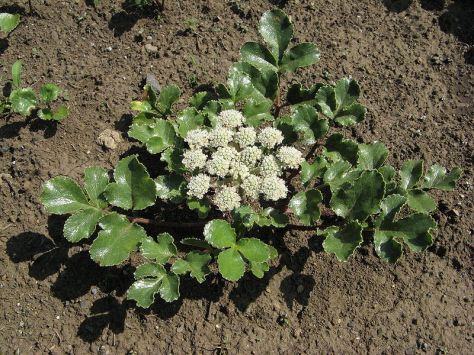
hamaboufuu-glhnia-littoralis
HAMABOUFUU: GLEHNIA LITTORALIS

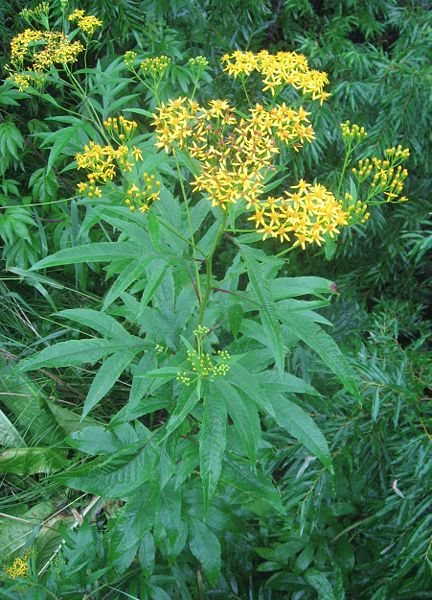
hangonsou-senecio-cannabifolius
HANGONSOU: SENECIO CANNABIFOLIUS

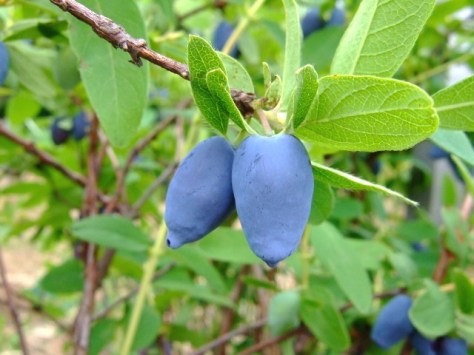
hasukappu-lonicera-caerulea
HASUKAPPU: LONICERA CAERULEA/HASCUP

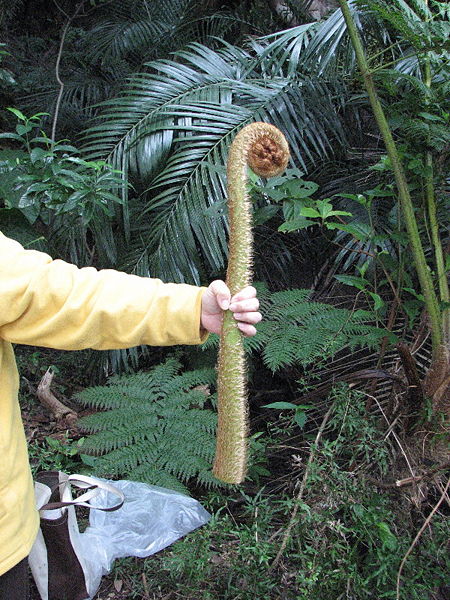
hikagehego-flying-spider-monkey-tree-fern
HIKAGEHEGO: FLYING SPIDER MONKEY TREE FERN

irakusa-urtica-thunbergiana
IRAKUSA: URTICA THUNBERGIANA

itadori-japanese-knotweed
ITADORI: JAPANESE KNOTWEED

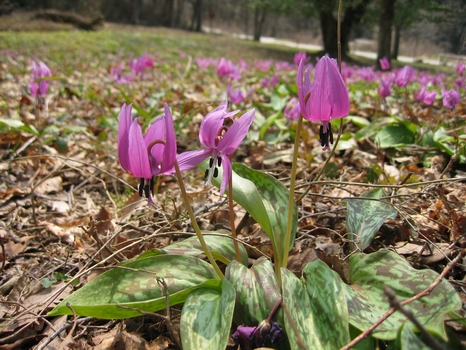
katakuri-dogtooth-violet
KATAKURI: DOGTOOTH VIOLET

Flowers are also edible.

kiboushi-plantain-lily-hosta-fortinei
KIBOUSHI: PLANTAIN LILY HOSTA FORTINEI ( a variety of Hosta Montana)

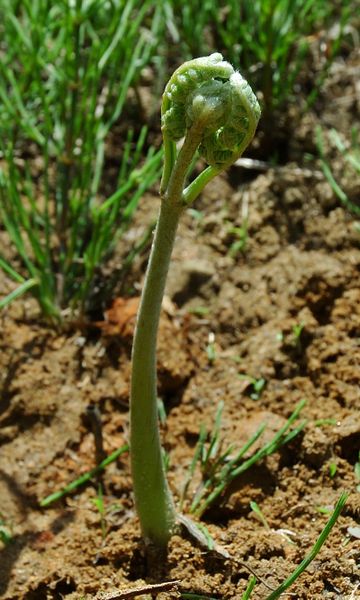
kogomi-ostrich-fern
KOGOMI: OSTRICH FERN (exists as green and red)

Great plant as it needs no special procees to erase tanginess.
High Carotenes, Vitamin C, Amino acids and vegetal fibers.

koshiabura-ascathopanax-sciadophylloides
KOSHIABURA : ASCATHOPANAX SCIADOPHYLLOIDES

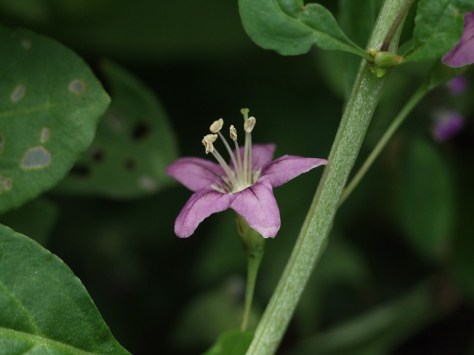
kuko-chinese-wolfberry
KUKO: CHINESE WOLFBERRY

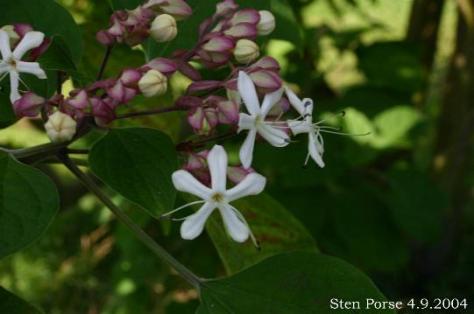
kusagi-harlequin-glory-bower-peanut-butter-shrub2
KUSAGI: HARLEQUIN GLORY BOWER PEANUT BUTTER SHRUB

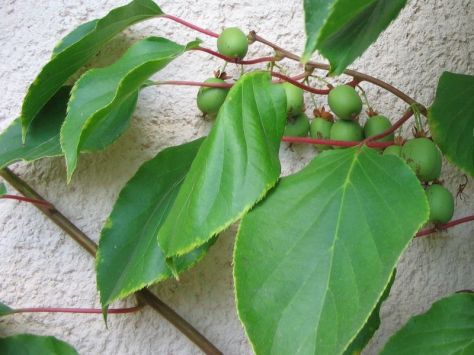
matatabi-silver-vine
MATATABI: SILVER VINE

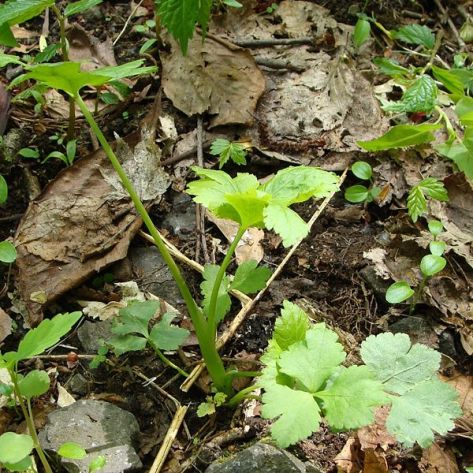
mitsuba-japanese-honeywort
MITSUBA: JAPANESE HONEYWORT

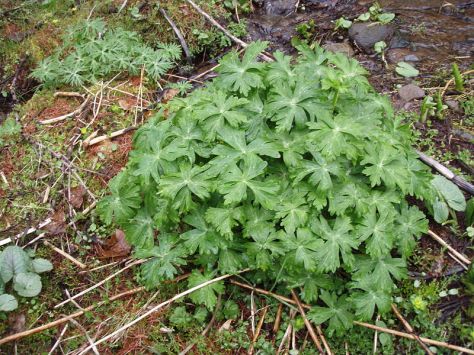
nirinsou-anemone-flaccida
NIRINSOU: ANEMONE FLACCIDA

nobiru-alium-macrostemon
NOBIRU: ALIUM MACROSTEMON

High in Vitamin C, Carotenes, Calcium, Potassium and vegetal fibers.

oyamabokuchi-synurus-pungens
OYAMABOKUCHI: SYNURUS PUNGENS

ryoubu-clrthra-barbinervis
RYOUBU: CLERTHRA BARBINERVIS

sarunashi-actinia-arguta
SARUNASHI: ACTINIA ARGUTA

seri-japanese-parsley
SERI: JAPANESE PARSLEY

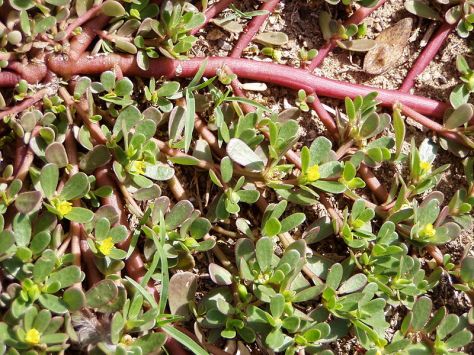
suberiyu-common-purslane
SUBERIYU: COMMON PURSLANE

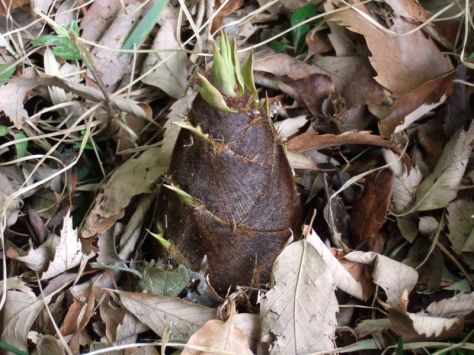
takenoko-bamboo-shoots
TAKENOKO: BAMBOO SHOOTS (SPROUTS)

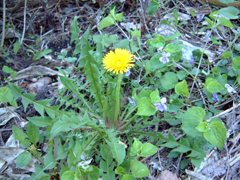
tanpopo-dandelion
TANPOPO: DANDELION

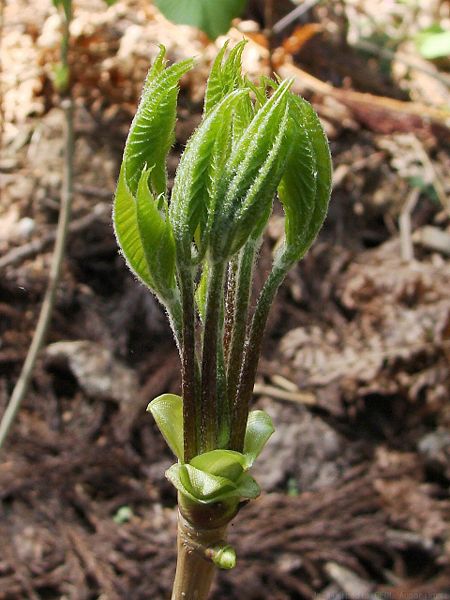
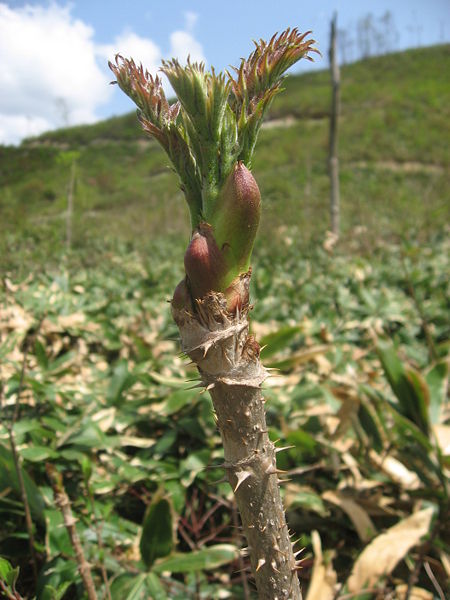
tara-no-me-aralia-elata
TARA NO ME: ARALIA ELATA

High in Potassium, Vitamin A Beta Carotenes, B2 and vegetal fibers.

tsukushi-horsetail
TSUKUSHI: HORSETAIL

High in Potassium, Magnesium, Carotenes and Vitamin E.

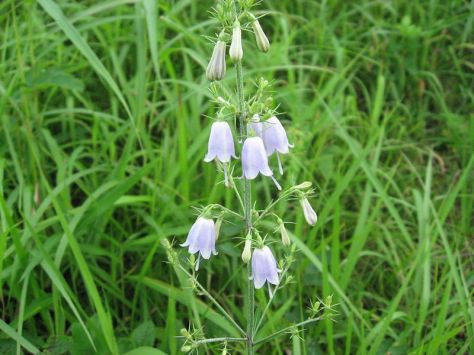
tsuroganeninjin-adenophora-triphylla
TSUROGANENINJIN: ADENOPHORA TRIPHYLLA

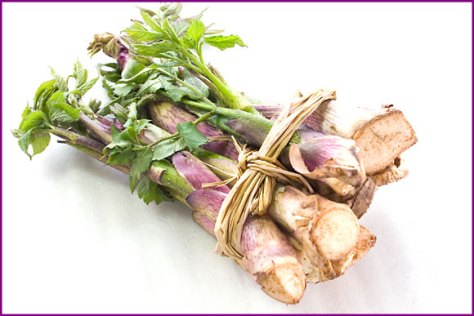
udo-aralia-cordata
UDO: ARALIA CORDATA

High in Potassium, Calcium, Magnesium, Vitamin B1, C, Pantotene acid.
Helps combat human body acidity.

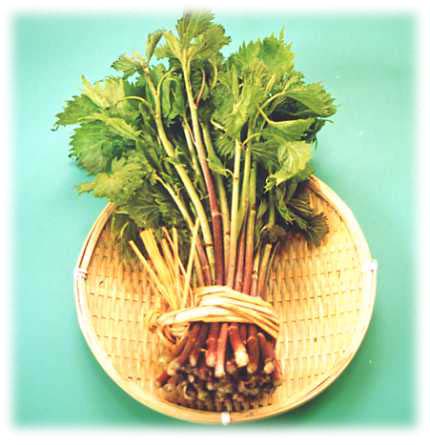
yamaudo
YAMAUDO: same as UDO (above)

urui-hosta-montana
URUI: HOSTA MONTANA

Can be eaten raw.
Great in salads. Have become a common vegetable in Japan.

warabi-pteridium-aquilinum
WARABI: PTERIDIUM AQUILINUM/BRACKEN

High Potassium, Calcium, Magnesium, Iron, Vitamin B2, C, E and vegetal fibers.

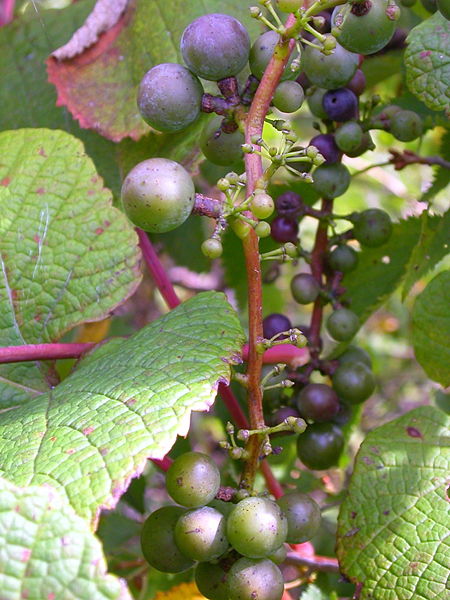
yamabudo-crimson-glory-vine
YAMABUDO: CRIMSON GLORY VINE

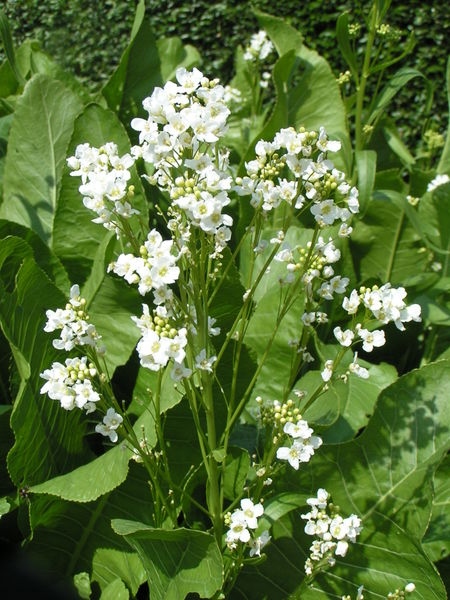
yamawasabi-wild-horseradish
YAMAWASABI: WILD HORSERADISH

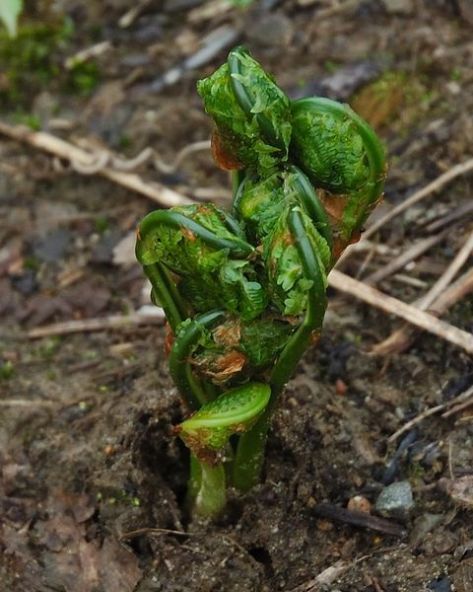
zenmai-osmunda-japonica
ZENMAI: OSMUNDA JAPONICA/ROYAL FERN

High in Potassium, Vitamin A Beta Carotenes, B2, B6, C and vegetal fibers.


FUKI:JAPANESE BUTTERBUR/GIANT BUTTERBUR

High in Potassium, Calcium, Vitamin B2 and vegetal fibers.

—————————
Still have to find the English names for the following ones!

aiko
AIKO

akamizu
AKAMIZU/ELATOSTEMA UMBELLATUM var. NAJUS

Found the name!

aomizu
AOMIZU

inudouna
INUDOUNA

shidoke
SHIDOKE

ITADORI


HONNA/Also called SUPPON


YOMOGI/MUGWORT

Not to be confused with absinthe!


NOKANZOU


YUKINOSHITA/BEEFSTEAK GERANIUM

Found the name!

RECOMMENDED RELATED WEBSITES

Pierre.Cuisine, Francescannotwrite, My White Kitchen, 47 Japanese Farms Through The Eyes of Its Rural Communities, Foodhoe, Chucks Eats, Things that Fizz & Stuff, Five Euro Food by Charles,Red Shallot Kitchen by Priscilla,With a Glass, Nami | Just One Cookbook, Peach Farm Studio, Clumsyfingers by Xethia, PepperBento,Adventures in Bento Making, American Bent, Beanbento, Bento No, Bento Wo Tsukurimashou, Cooking Cute, Eula, Hapabento , Happy Bento, Jacki’s Bento Blog, Kitchen Cow, Leggo My Obento, Le Petit Journal Bento & CO (French), Lunch In A Box,
Susan at Arkonlite, Vegan Lunch Box; Tokyo Tom Baker, Daily Food Porn/Osaka, Only Nature Food Porn, Happy Little Bento, The Herbed Kitchen, J-Mama’s Kitchen, Cook, Eat, Play, Repeat, Bento Lunch Blog (German), Adventures In Bento, Anna The Red’s Bento Factory, Cooking Cute, Timeless Gourmet, Bento Bug, Ideal Meal, Bentosaurus, Mr. Foodie (London/UK), Ohayo Bento,

Must-see tasting websites:

-Sake: Tokyo Through The Drinking Glass, Tokyo Foodcast, Urban Sake, Sake World
-Wine: Palate To Pen, Warren Bobrow, Cellar Tours, Ancient Fire Wines Blog
-Beer: Good Beer & Country Boys, Another Pint, Please!
-Japanese Pottery to enjoy your favourite drinks: Yellin Yakimono Gallery

Japanese Vegetarian & Vegan Cakes: Wagashi/和菓子 18: Sweet Potato Wagashi Recipe

Sweet potatoes or Satsuma Imo/薩摩芋 in Japanese are a popular vegetable throughout the world as it can be accomodated both as a vegetable dish or a dessert!
The Japanese make a great use of it in Wagashi/和菓子/Japanese cakes, especially in home-cooking!
Here is a very simple and easy to adapt recipe that will please vegans, vegetarians and omnivores alike, kids and adults!
The style is ohagi/おはぎ!

SATSUMA IMO OHAGI/薩摩芋おはぎ RECIPE

-INGREDIENTS (for 6 balls)
Sweet potato (steamed): 70g
Marmelade or yuzu (Japanese Lime) jam: 1 tablespoon
White miso paste (shiro miso): 2.5g (small teaspoon)
Sweetmeats/Anko/餡子: 120=150g
Ground sesame seeds: as you like

-RECIPE

Steam the sweet potato or soften it ina microwave oev. Mix it well with the white miso and the jam.

Form 6 balls of equal size.

Divide the sweetmeats into 6 equal portions.
Spread one portion over a piece of cellophane paper into a circle large enough to wrap around the whole sweet potato ball.

Place a sweet potato ball in the center of the sweetmeat circle.

This is the only “difficult” part you will master easily enough: bring the cellophane paper sides up and twist them together so as to form a ball by bringing the sweetmeat around the sweet potato ball.

If you think that the ball is too warm to unwrap easily after all this work, leave it in the fridge until before serving (not in the freezer!).
Unwrap the balls over a serving plate and sprinkle them with ground sesame seeds.
Naturally it is open to your imagination!

Have the kids make them!

RECOMMENDED RELATED WEBSITES

With a Glass,
Clumsyfingers by Xethia
Adventures in Bento Making, American Bento, Beanbento, Bento No1, Bento Wo Tsukurimashou, Cooking Cute, Eula, Hapabento , Happy Bento, Jacki’s Bento Blog, Kitchen Cow, Leggo My Obento, Le Petit Journal Bento & CO (French), Lunch In A Box, My Bento Box, Vegan Lunch Box; Tokyo Tom Baker, Daily Food Porn/Osaka, Only Nature Food Porn, Happy Little Bento, The Herbed Kitchen, J-Mama’s Kitchen, Cook, Eat, Play, Repeat; Bento Lunch Blog (German); Adventures In Bento; Anna The Red’s Bento Factory; Cooking Cute; Timeless Gourmet; Bento Bug; Ideal Meal; Bentosaurus; Mr. Foodie (London/UK); Ohayo Bento

Must-see tasting websites:

-Sake: Tokyo Through The Drinking Glass, Tokyo Foodcast, Urban Sake, Sake World
-Wine: Palate To Pen, Warren Bobrow, Cellar Tours, Ancient Fire Wines Blog
-Beer: Good Beer & Country Boys, Another Pint, Please!
-Japanese Pottery to enjoy your favourite drinks: Yellin Yakimono Gallery
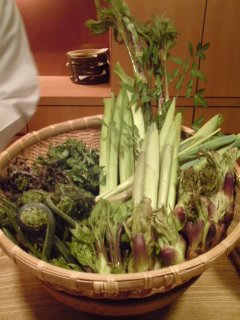
Vegan and Vegetarian Vegetable of the Oceans: Seaweed!

Mozuku in amazu/sweet vinegar as served at Yasaitei, Shizuoka City.

Seaweed or algae have been used for eons by humans, but have only been recently rediscovered as a food of their own.
Seaweeds are consumed by coastal people, particularly in East Asia, e.g., Japan, China, Korea, Taiwan, Thailand, and Vietnam, but also in Indonesia, Belize, Peru, the Canadian Maritimes, Scandinavia, Ireland, Wales, Philippines, and Scotland.
It is rich in calcium and magnesium and seaweed noodles can be cooked into pancit canton, pancit luglug, spaghetti or carbonara.

Nori

In Asia, Zicai (紫菜) (in China), gim (in Korea) and nori (in Japan) are sheets of dried Porphyra used in soups or to wrap sushi. Chondrus crispus (commonly known as Irish moss or carrageenan moss) is another red alga used in producing various food additives, along with Kappaphycus and various gigartinoid seaweeds. Porphyra is a red alga used in Wales to make laver. Laverbread, made from oats and the laver, is a popular dish there. Affectionately called “Dulce” in northern Belize, seaweeds are mixed with milk, nutmeg, cinnamon, and vanilla to make a common beverage.

Seaweeds are also harvested or cultivated for the extraction of alginate, agar and carrageenan, gelatinous substances collectively known as hydrocolloids or phycocolloids. Hydrocolloids have attained commercial significance as food additives. The food industry exploits their gelling, water-retention, emulsifying and other physical properties. Agar is used in foods such as confectionery, meat and poultry products, desserts and beverages and moulded foods. Carrageenan is used in salad dressings and sauces, dietetic foods, and as a preservative in meat and fish products, dairy items and baked goods.

Alginates are used in wound dressings, and production of dental moulds. In microbiology research, agar is extensively used as culture medium.

Seaweed is a source of iodine, necessary for thyroid function and to prevent goitre.

Seaweed extract is used in some diet pills. Other seaweed pills exploit the same effect as gastric banding, expanding in the stomach to make the body feel more full.

Konbu Tsukudani, a popular Japanese seaweed dish.

The Japanese divide their edible seaweed into three main groups:
BROWN ALGAE:

-Konbu/昆布, or Laminariaceae Bory (Latin), comprises many varieties, some of them regional: Makonbu or Saccharina japonica(真昆布), Onikonbu or Laminaria diabolica(羅臼昆布), Rishiri Konbu or Laminaria ochotensis(利尻昆布), Hosome Konbu or Laminaria religiosa(細目昆布), Hitaka or Mitsuishi Konbu or Laminaria angustata(日高昆布、三石昆布), Naga or Hamanaka Konbu or Laminaria longissima(長昆布、浜中昆布), and Kagome or Kjellmaniella crassifolia(籠目昆布).

-Hijiki or hiziki (ヒジキ, 鹿尾菜 or 羊栖菜, hijiki) (Sargassum fusiforme, or Hizikia fusiformis) is a brown sea vegetable growing wild on rocky coastlines around Japan, Korea, and China. Its two names mean deer-tail grass and sheep-nest grass respectively.

-Hibatama or Fucus, a genus of brown alga in the Class Phaeophyceae to be found in the intertidal zones of rocky seashores almost everywhere in the world.

-Hondawara or ホンダワラ(馬尾藻、神馬藻 (Sargassum fulvellum)

-Mozuku, or Cladosiphon okamuranus (水雲; 藻付; 海蘊; 海雲) , a type of edible seaweed in the genus Cladosiphon, naturally found in Okinawa, Japan. Most of the mozuku now is farmed by locals, and sold to processing factories. The main use of mozuku is as food, and as source of one type of sulfated polysaccharide called Fucoidan to be used in cancer treatment aid health supplements.

-Wakame (ワカメ), Undaria pinnatifida, a sea vegetable, or edible seaweed. In Japan it is most widely used in miso soup.

Yes, these violet and green alagae are edible!

VIOLET ALGAE:

-Asakusa Nori, or アサクサノリ(浅草海苔 (Porphyra tenera).

-Tengusa, which gives agar agar, a gelatinous substance. Historically and in a modern context, it is chiefly used as an ingredient in desserts throughout Japan, but also as solid jelly used as decoration in salads and others.

GREEN ALGAE:

-Aosa or sea lettuce comprising comprise the genus Ulva, a group of edible green algae that are widely distributed along the coasts of the world’s oceans.

-Aonori (青海苔 or アオノリ, “blue seaweed” or “green seaweed”), also known as green laver, a type of edible green seaweed, including species from the genera Monostroma and Enteromorpha of Ulvaceae. It is commercially cultivated in some bay areas in Japan, such as Ise Bay. It contains rich minerals such as calcium, magnesium, lithium, vitamins, and amino acids such as methionine.

-Umibudou, or sea grapes, a delicacy of its own!

MARKET AVAIBILITY IN JAPAN:

In Japan it is interesting to note you can easily buy seaweed in paste form:

Konbu

Aosa

Hijiki

Next here are some pics to help you discover/recognize edible varieties in the markets:

Akamoku

Makusa

They often come as a mixture!

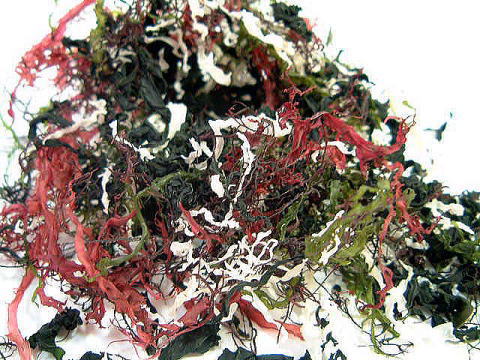
Red Algae

JAPANESE GASTRONOMY:

Here are some examples of the use of seaweed in Japanese gastronomy that can be expanded and inspired from wherever in the world you are, you being vegan, vegetarian or omnivore!
I have reduced the size of the pictures. Click on them to enlarge and copy them!

Agar or Crystal Kaiso/Crystal Seaweed!

The same in a salad!

An example of seaweed salad with wakame and agar.

Another seaweed salad with samples harvesyed in Noto Peninsula, Ishikawa Prefecture!

An Okinawa variety called somen nori!

Another local variety called Tsunotama/Horns and Balls!

Wakame appetizer!

Wakame Noodles!

Another Wakame salad!

Wakame sticks cooked with miso paste!

Wakame and Miso Paste mix from Kanzanji, Shizuoka Prefecture!

Wakame and Miso Bread!

Wakame Miso Soup!

Wakame, tofu and miso Soup!

A bowl of freshly steamed rice with seaweed paste!

Soba/Buckwheat noodles with nori and green leaf vegetables!

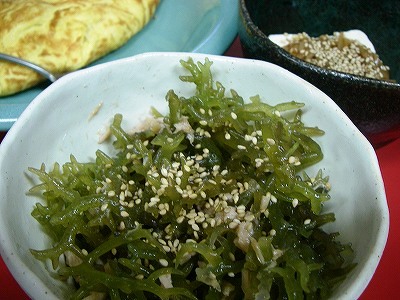
Seaweed, trefoil and ground seame seeds salad!

The best way to eat rice?

RECOMMENDED RELATED WEBSITES

With a Glass,
Clumsyfingers by Xethia
Adventures in Bento Making, American Bento, Beanbento, Bento No1, Bento Wo Tsukurimashou, Cooking Cute, Eula, Hapabento , Happy Bento, Jacki’s Bento Blog, Kitchen Cow, Leggo My Obento, Le Petit Journal Bento & CO (French), Lunch In A Box, My Bento Box, Vegan Lunch Box; Tokyo Tom Baker, Daily Food Porn/Osaka, Only Nature Food Porn, Happy Little Bento, The Herbed Kitchen, J-Mama’s Kitchen, Cook, Eat, Play, Repeat; Bento Lunch Blog (German); Adventures In Bento; Anna The Red’s Bento Factory; Cooking Cute; Timeless Gourmet; Bento Bug; Ideal Meal; Bentosaurus; Mr. Foodie (London/UK); Ohayo Bento

Must-see tasting websites:

-Sake: Tokyo Through The Drinking Glass, Tokyo Foodcast, Urban Sake, Sake World
-Wine: Palate To Pen, Warren Bobrow, Cellar Tours, Ancient Fire Wines Blog
-Beer: Good Beer & Country Boys, Another Pint, Please!
-Japanese Pottery to enjoy your favourite drinks: Yellin Yakimono Gallery
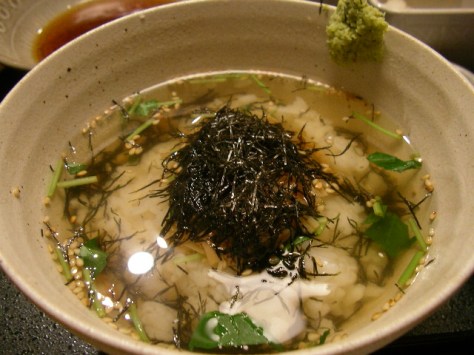
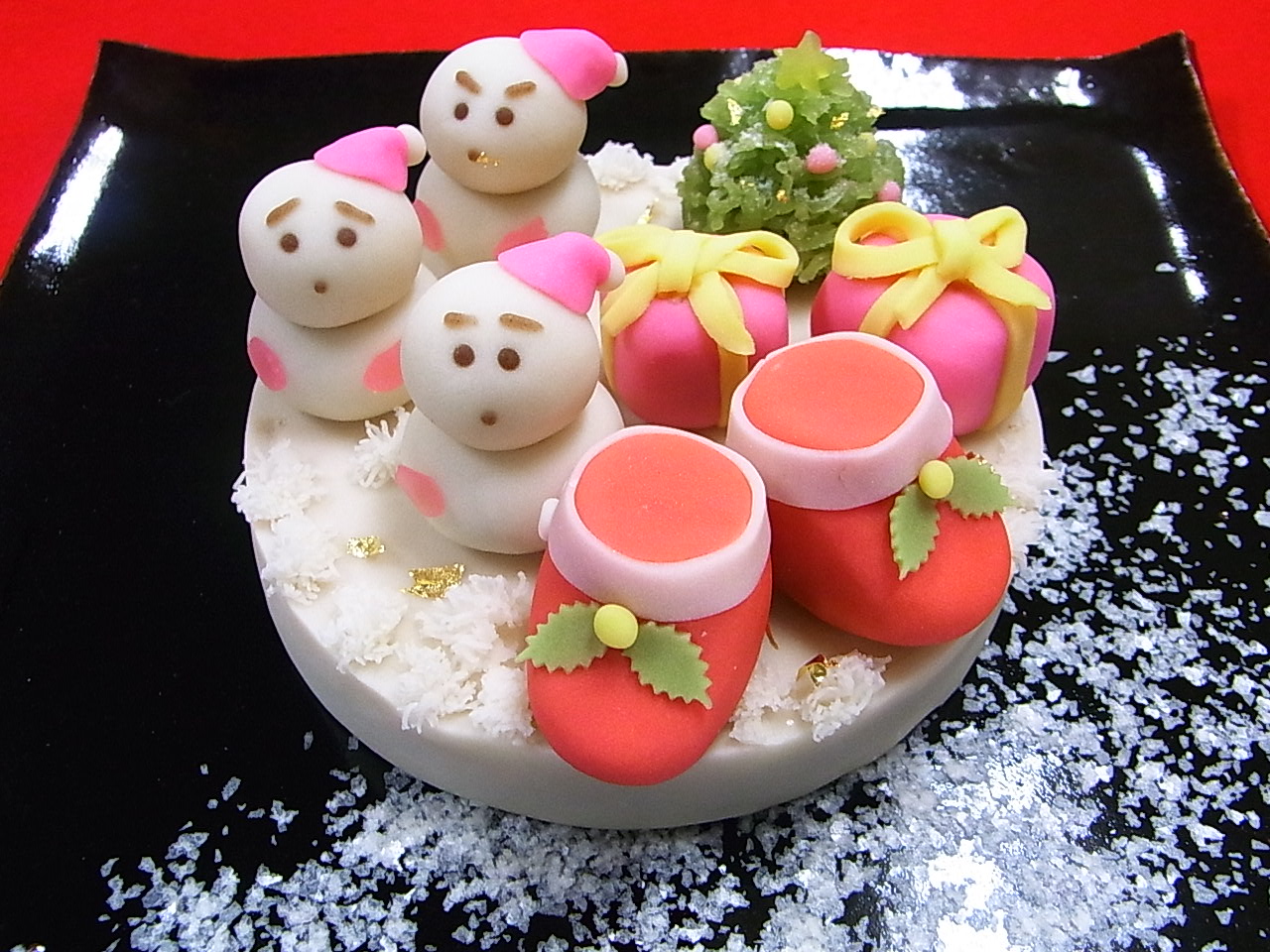
Japanese Vegetarian & Vegan Cakes: Wagashi/和菓子 17: Wagashi Christmas Cakes Pictures

Pyramid-style Christmas Tree?

I’m an unrepentant agnostic hedonist (and an omnivore to boot!), but since some of my vegan and vegetarain friends are Christian, I hope these pictures will inspire them!

Flowery Christmas!

What’s in Santa’s bag?

Bring your forks and knives!

Holy (Holly) Christmas!

For the toddlers!

Pity you have to eat it!

Definitely Japanese-style!

They almost look like sushi!

Elegant simplicity!

RECOMMENDED RELATED WEBSITES

With a Glass,
Clumsyfingers by Xethia
Adventures in Bento Making, American Bento, Beanbento, Bento No1, Bento Wo Tsukurimashou, Cooking Cute, Eula, Hapabento , Happy Bento, Jacki’s Bento Blog, Kitchen Cow, Leggo My Obento, Le Petit Journal Bento & CO (French), Lunch In A Box, My Bento Box, Vegan Lunch Box; Tokyo Tom Baker, Daily Food Porn/Osaka, Only Nature Food Porn, Happy Little Bento, The Herbed Kitchen, J-Mama’s Kitchen, Cook, Eat, Play, Repeat; Bento Lunch Blog (German); Adventures In Bento; Anna The Red’s Bento Factory; Cooking Cute; Timeless Gourmet; Bento Bug; Ideal Meal; Bentosaurus; Mr. Foodie (London/UK); Ohayo Bento

Must-see tasting websites:

-Sake: Tokyo Through The Drinking Glass, Tokyo Foodcast, Urban Sake, Sake World
-Wine: Palate To Pen, Warren Bobrow, Cellar Tours, Ancient Fire Wines Blog
-Beer: Good Beer & Country Boys, Another Pint, Please!
-Japanese Pottery to enjoy your favourite drinks: Yellin Yakimono Gallery

Japanese Vegetarian & Vegan Cakes: Wagashi/和菓子 16: Yatsuhashi/-Tabe

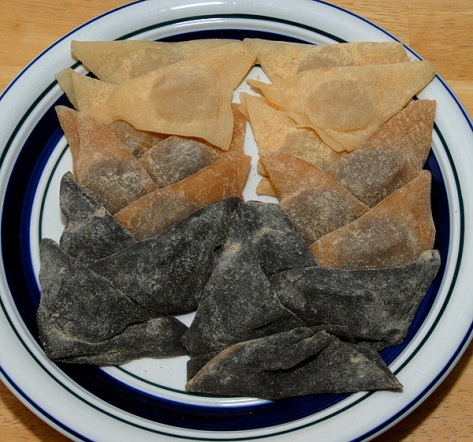
Yatsuhashi (八ツ橋 or 八橋) is a Japanese confectionery sold mainly as a souvenir sweet (miyagegashi/土産菓子). It is one of the best known meibutsu/名物 (famous regional products) of Kyoto.
It is also widely known under the name of O-Tabe/お食べ (“please eat”).

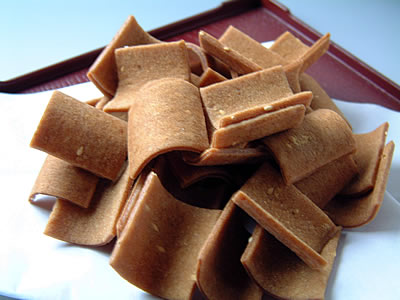
It is made from rice flour (上新粉, jōshinko), sugar and cinnamon. Baked, it is similar to senbei, making it suitable for both vegans and flour allergics!

Baked Yatsuhashi

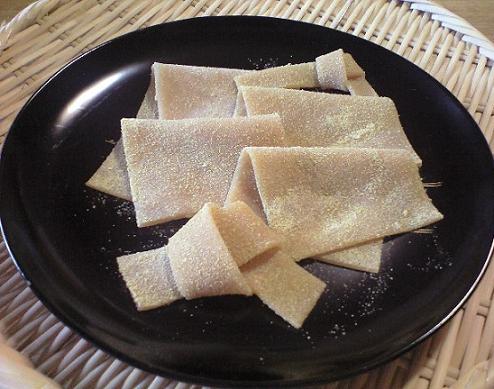
Raw Yatsuhashi

Raw, unbaked yatsuhashi (Nama yatsuhashi/生八橋) has a soft, mochi-like texture and is often eaten wrapped around red bean paste (餡, an), and may come in a variety of different flavours.

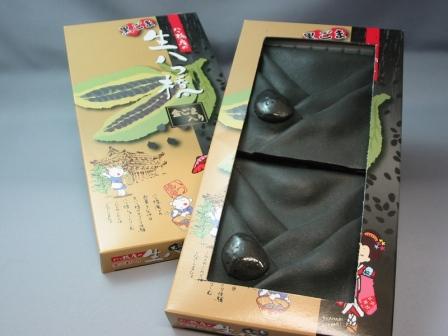
Black Yatsuhashi

Most notable to the Kyoto area is the black version of this. The addition of black bean powder and black sesame seed powder to the wrapper and the an give a distinctive black color.

Different flavoured Yatsuhashi

Not so long ago, there were only a few flavours available.
Now, all kinds of flavours are on sale for the pleasur of all:
Cinnamon, Matcha Tea, Ume an (sweetmeats mixed with Jpanese plum), Mandarine, Strawberries, Cherry blossoms, Ramune, Chocolate-banana, Chocolate, Kyoto baked sweet potato, Chestnuts, Green apple, Blueberries, Mango, Orange, Red wine and more seasonal offerings!

RECOMMENDED RELATED WEBSITES

With a Glass,
Clumsyfingers by Xethia
Adventures in Bento Making, American Bento, Beanbento, Bento No1, Bento Wo Tsukurimashou, Cooking Cute, Eula, Hapabento , Happy Bento, Jacki’s Bento Blog, Kitchen Cow, Leggo My Obento, Le Petit Journal Bento & CO (French), Lunch In A Box, My Bento Box, Vegan Lunch Box; Tokyo Tom Baker, Daily Food Porn/Osaka, Only Nature Food Porn, Happy Little Bento, The Herbed Kitchen, J-Mama’s Kitchen, Cook, Eat, Play, Repeat; Bento Lunch Blog (German); Adventures In Bento; Anna The Red’s Bento Factory; Cooking Cute; Timeless Gourmet; Bento Bug; Ideal Meal; Bentosaurus; Mr. Foodie (London/UK); Ohayo Bento

Must-see tasting websites:

-Sake: Tokyo Through The Drinking Glass, Tokyo Foodcast, Urban Sake, Sake World
-Wine: Palate To Pen, Warren Bobrow, Cellar Tours, Ancient Fire Wines Blog
-Beer: Good Beer & Country Boys, Another Pint, Please!
-Japanese Pottery to enjoy your favourite drinks: Yellin Yakimono Gallery

Vegan Gastronomy: a Heaven in Shizuoka, Japan!

Chinese vegan gastronomy at Cham!

How many times have I heard expats and Japanese telling me, “I dare not go out of Tokyo as I’m vegan!”
Well, you may have some specialized vegan restaurants in Tokyo, but here in Shizuoka, the Prefecture counting (officially!) the greatest number of vegetable varieties in Japan, you do not need to look for (in vain!) a vegan restaurant!
Either you can find enough in the local markets, or better explore the many restaurants of this Prefecture and City of the same name that is THE gastronomic region of Japan. As you will discover below you are bound to find something absolutely delicious according to your priorities in menus of all genres!

Let me take your hand (or arm) and leave it to me! And we are visiting Shizuoka City only!

Vietnamese Sauteed vegetables at Annam!

Italian sauteed organic vegetables at Aquavite!

West African lunch, all vegetables cooked in coconut milk at Capu!

Chinese steamed vegetables at Cham served with a scented oil and soy sauce, or just plain salt and matcha powder!

Vegan sushi at Sushi Ko!

Organic shiitake at Yasaitei!

Vegetables baked in skillet from Solio Italian Restaurant’s own garden!

Tomato tempura (no egg white used) with yuzu koshio at Uzu Izakaya!

“Goro goro” fried and steamed salad at Uzu Izakaya!

Vegetable sashimi at Yasaitei!

Vegan steak at Tetsuya Sugimoto French Restaurant!

Fried Vegetables at Yasaitei!

Yomogi Wagashi, anywhere in town!

Misoyaki (miso paste and buckwheat), a personal favorite of mine at Yoshino Soba Restaurant!

If you need more explanations and guidance, I’ll be glad to help!

Incidentally I’m neither a vegan or vegetarian, but I understand my friends’ priorities!

RECOMMENDED RELATED WEBSITES

With a Glass,
Clumsyfingers by Xethia
Adventures in Bento Making, American Bento, Beanbento, Bento No1, Bento Wo Tsukurimashou, Cooking Cute, Eula, Hapabento , Happy Bento, Jacki’s Bento Blog, Kitchen Cow, Leggo My Obento, Le Petit Journal Bento & CO (French), Lunch In A Box, My Bento Box, Vegan Lunch Box; Tokyo Tom Baker, Daily Food Porn/Osaka, Only Nature Food Porn, Happy Little Bento, The Herbed Kitchen, J-Mama’s Kitchen, Cook, Eat, Play, Repeat; Bento Lunch Blog (German); Adventures In Bento; Anna The Red’s Bento Factory; Cooking Cute; Timeless Gourmet; Bento Bug; Ideal Meal; Bentosaurus; Mr. Foodie (London/UK); Ohayo Bento

Must-see tasting websites:

-Sake: Tokyo Through The Drinking Glass, Tokyo Foodcast, Urban Sake, Sake World
-Wine: Palate To Pen, Warren Bobrow, Cellar Tours, Ancient Fire Wines Blog
-Beer: Good Beer & Country Boys, Another Pint, Please!
-Japanese Pottery to enjoy your favourite drinks: Yellin Yakimono Gallery

Japanese Vegetarian & Vegan Cakes: Wagashi/和菓子 15: Daifuku

DAIFUKU-1

Daifukumochi (大福餅), or Daifuku (大福) (literally “great luck”), is a Japanese confection consisting of a small round mochi (glutinous rice cake) stuffed with sweet filling, most commonly anko, sweetened red bean paste made from azuki beans.

The traditional daifuku, like all Wagashi are vegan in concept.

But Daifuku comes in many varieties.
The most common is white, pale green or pale pink colored mochi filled with anko.
These come in two sizes, one approximately the diameter of a half-dollar coin, the other palm-sized.
Some versions contain whole pieces of fruit, mixtures of fruit and anko or crushed melon paste.
Nearly all daifuku are covered in a fine layer of corn or taro starch to keep them from sticking to each other, or to the fingers. Some are covered with confectioner’s sugar or cocoa.

DAIFUKU-2

HISTORY:
Daifuku were originally called Harabuto mochi (腹太餅) (belly thick rice cake) because of its filling nature. Later the name was changed to Daifuku mochi (大腹餅) (big belly rice cake). Since the pronunciation of Fuku (腹) (belly) and Fuku (福) (luck) is the same in Japanese, the name was further changed to Daifuku mochi (大福餅) (great luck rice cake), a bringer of good luck. By the end of the 18th century, Daifuku were gaining popularity and people began eating them toasted. They were also used for gifts in ceremonial occasions

VATIETIES:

DAIFUKU-3
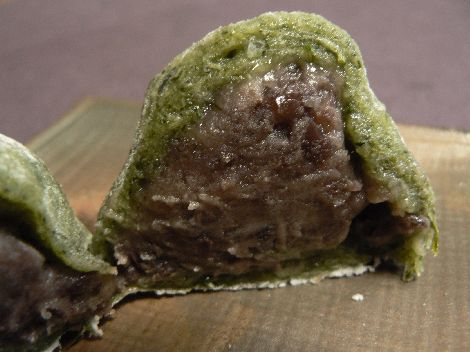
Yomogi daifuku (蓬大福)
A version made with kusa mochi (草餅), which is mochi flavored with mugwort.

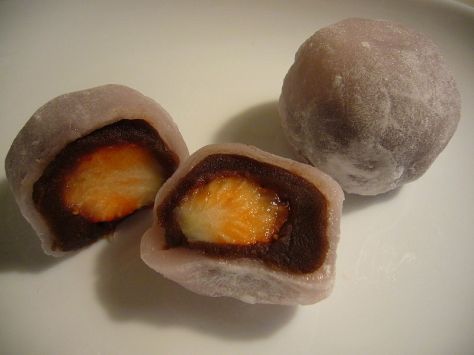
DAIFUKU-4
Ichigo daifuku (イチゴ大福)
A variation containing strawberry and sweet filling, most commonly anko, inside a small round mochi. Creams are sometimes used for sweet filling. Because it contains strawberry, it is usually eaten during the spring time. It was invented in the 1980s. Many patisseries claim to have invented the confection, so its exact origin is vague.

DAIFUKU-5
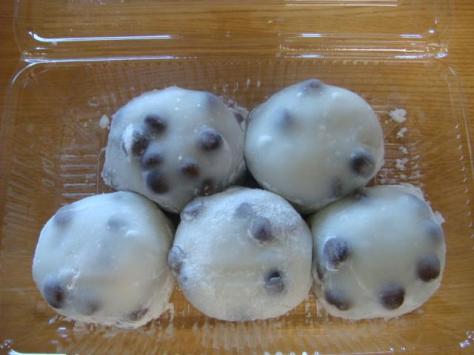
Mame daifuku (豆大福)
Another variation made of mochi mixed with red peas or soy beans.

RECOMMENDED RELATED WEBSITES

With a Glass,
Clumsyfingers by Xethia
Adventures in Bento Making, American Bento, Beanbento, Bento No1, Bento Wo Tsukurimashou, Cooking Cute, Eula, Hapabento , Happy Bento, Jacki’s Bento Blog, Kitchen Cow, Leggo My Obento, Le Petit Journal Bento & CO (French), Lunch In A Box, My Bento Box, Vegan Lunch Box; Tokyo Tom Baker, Daily Food Porn/Osaka, Only Nature Food Porn, Happy Little Bento, The Herbed Kitchen, J-Mama’s Kitchen, Cook, Eat, Play, Repeat; Bento Lunch Blog (German); Adventures In Bento; Anna The Red’s Bento Factory; Cooking Cute; Timeless Gourmet; Bento Bug; Ideal Meal; Bentosaurus; Mr. Foodie (London/UK); Ohayo Bento

Must-see tasting websites:

-Sake: Tokyo Through The Drinking Glass, Tokyo Foodcast, Urban Sake, Sake World
-Wine: Palate To Pen, Warren Bobrow, Cellar Tours, Ancient Fire Wines Blog
-Beer: Good Beer & Country Boys, Another Pint, Please!
-Japanese Pottery to enjoy your favourite drinks: Yellin Yakimono Gallery

Japanese Vegetarian & Vegan Cakes: Wagashi/和菓子 14: Satsuma Imo/Sweet Potatoes-Recipe

SATSUMA-WAGASHI-1

Satsuma Imo or Sweet Potatoes are often used in Japanese cakes/Wagashi.
The great advantage is that it makes for completely vegan cakes with an almost endless source of variations.

Here is the basice recipe from you will be able to improvise!

INGREDIENTS:

-Satsuma/Sweet Potato: 400g (peeled)
-Sugar: 75 g
-Agar agar powder: 3 g
-Salt: a pinch
-Water: 20 ml

RECIPE:

SATSUMA-WAGASHI-2
-Cut the sweet potato into small pieces and wash under clear cold water to take off astringency.
Boil in a pan with 20 ml of water until soft.

-Just before the potatoes are completely cooked, add sugar, agar agar and salt. Bring to boil and switch off fire. Bear in mind there will be very little water. Do not burn the poatoes!

-Transfer potatoes into a frying pan and fry until they get smooth.

-Return to boiling pan and heat to get all excess water out.

-Pass through a sieve, or process.

-Wet the inside of a refrigerator recipient before spreading cellophane paper inside. Pour the potato puree into the recipient and fold the cellophane paper on top, leaving no air between cellophane paper and potato. Chill inside refrigerator.

SATSUMA-WAGASHI-3

Before eating unwrap cellophane paper and cut into preferred shape.
This is where the fun begins!

RECOMMENDED RELATED WEBSITES

With a Glass,
Clumsyfingers by Xethia
Adventures in Bento Making, American Bento, Beanbento, Bento No1, Bento Wo Tsukurimashou, Cooking Cute, Eula, Hapabento , Happy Bento, Jacki’s Bento Blog, Kitchen Cow, Leggo My Obento, Le Petit Journal Bento & CO (French), Lunch In A Box, My Bento Box, Vegan Lunch Box; Tokyo Tom Baker, Daily Food Porn/Osaka, Only Nature Food Porn, Happy Little Bento, The Herbed Kitchen, J-Mama’s Kitchen, Cook, Eat, Play, Repeat; Bento Lunch Blog (German); Adventures In Bento; Anna The Red’s Bento Factory; Cooking Cute; Timeless Gourmet; Bento Bug; Ideal Meal; Bentosaurus; Mr. Foodie (London/UK); Ohayo Bento

Must-see tasting websites:

-Sake: Tokyo Through The Drinking Glass, Tokyo Foodcast, Urban Sake, Sake World
-Wine: Palate To Pen, Warren Bobrow, Cellar Tours, Ancient Fire Wines Blog
-Beer: Good Beer & Country Boys, Another Pint, Please!
-Japanese Pottery to enjoy your favourite drinks: Yellin Yakimono Gallery
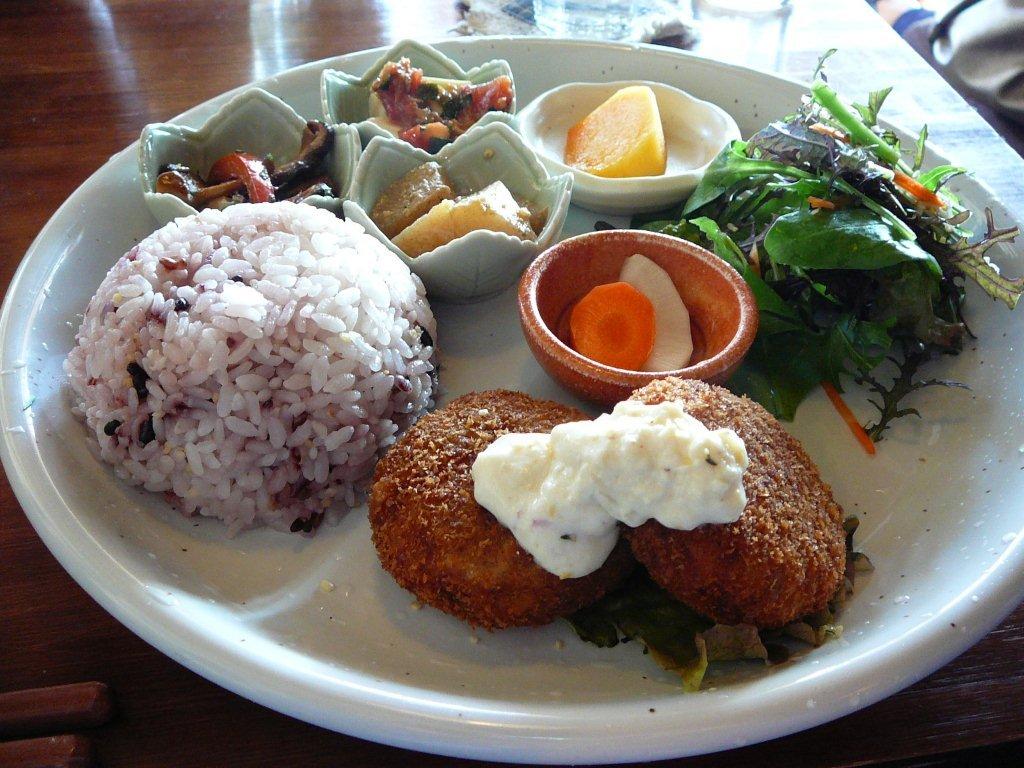
Japanese Vegetarian & Vegan Cakes: Wagashi/和菓子13: Recipe-Kabotcha/Pumpkins

WAGASHI-PUMPKIN-1

Just found this recipe to please vegans (and others) with a sweet tooth:
Japanese Cake/Wagashi: Pumpkin/Kabotcha Wagashi!

INGREDIENTS: For 5 cakes
-Pumkin paste: 20 g
-Rice flour: 30 g
-Sugar: 12 g
-Water: 50 ml
-Sweetmeats/Anko (See Recipe here)
-Cornstarch: enough for operation
-Pumpkin seeds or pine nuts: 5 (for decoration)

RECIPE:

WAGASHI-PUMPKIN-2
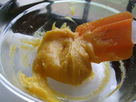
-Peel skin from pumkin and heat pulp inside microwave oven until soft enough to make paste. Let cool down completely.

WAGASHI-PUMPKIN-3
-In an oven bowl mix well punpkin paste, rice flour, sugar and water until it becomes bubbly. Cover with cellophane paper and heat for 40 seconds at 700W inside microwave oven.

WAGASHI-PUMPKIN-4
-Work the paste until smooth.

WAGASHI-PUMPKIN-5
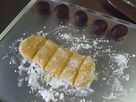
-Using cornstarch to work paste more easily as it will easily stick to your fingers, divide the paste into 5 identical portions.

WAGASHI-PUMPKIN-6
-Divide sweetmeats/anko into 5 identical parts and fashion them into small balls.
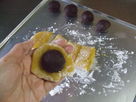
Coat your fingers with a little cornstarch and completely wrap sweetmeat/anko ball with pumpkin paste as shown in picture.

WAGASHI-PUMPKIN-7
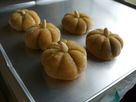
-Make indents around the ball with a wooden sticks to shape the ball into a small pumpkin.

WAGASHI-PUMPKIN-8
-As soon as the ball is finished, gently brush away whatever cornstarch is left on the surface.

WAGASHI-PUMPKIN-9
-On top of each pumpkin cake place a seed for decoration and effect!

WAGASHI-PUMPKIN-10
-That is how your “pumpkin” will look when you cut it!

NOTE:
You can sieve the pumpkin pulp first for a finer texture.

RECOMMENDED RELATED WEBSITES

With a Glass,
Clumsyfingers by Xethia
Adventures in Bento Making, American Bento, Beanbento, Bento No1, Bento Wo Tsukurimashou, Cooking Cute, Eula, Hapabento , Happy Bento, Jacki’s Bento Blog, Kitchen Cow, Leggo My Obento, Le Petit Journal Bento & CO (French), Lunch In A Box, My Bento Box, Vegan Lunch Box; Tokyo Tom Baker, Daily Food Porn/Osaka, Only Nature Food Porn, Happy Little Bento, The Herbed Kitchen, J-Mama’s Kitchen, Cook, Eat, Play, Repeat; Bento Lunch Blog (German); Adventures In Bento; Anna The Red’s Bento Factory; Cooking Cute; Timeless Gourmet; Bento Bug; Ideal Meal; Bentosaurus; Mr. Foodie (London/UK); Ohayo Bento

Must-see tasting websites:

-Sake: Tokyo Through The Drinking Glass, Tokyo Foodcast, Urban Sake, Sake World
-Wine: Palate To Pen, Warren Bobrow, Cellar Tours, Ancient Fire Wines Blog
-Beer: Good Beer & Country Boys, Another Pint, Please!
-Japanese Pottery to enjoy your favourite drinks: Yellin Yakimono Gallery
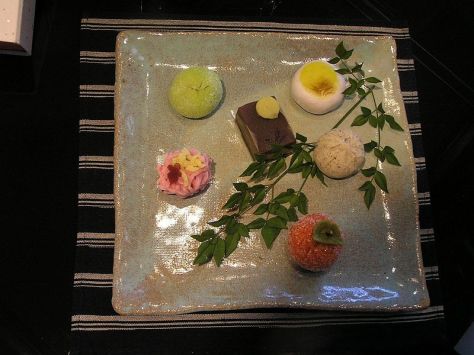
Japanese Vegetarian & Vegan Cakes: Wagashi/和菓子12: Dango-団子-Sweet Dumplings-Recipe

DANGO-1a
(Mitarashi Dango)

Japanese dango are not complicated, although it might be better to make a lot at a time!

INGREDIENTS:
-Rice (“Uruchi Kome”/normal Japnese round rice): 200g
-Water (for dango): 130cc
-Water (for sauce): 60cc
-Cornstarch: 1 teaspoon
-Sugar: 1 teaspoon
-Soy sauce: 2 teaspoons

RECIPE:

DANGO-RECIPE-1

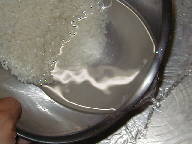
Wash rice thoroughly.
If rice is no-wash type, skip 3 first steps.

DANGO-RECIPE-2

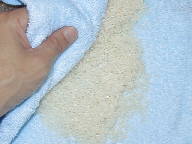
Once the rice washing water is coming out clean, drain rice and spread ontowel. Take off all excess humidity.

DANGO-RECIPE-4

Let the rice dry for two hours.

DANGO-RECIPE-3

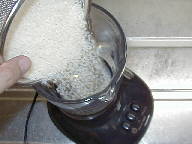
Pour rice in Blender/mixer. First work the blender for only a few seconds at a time until all the rice has been broken completeley. Then blend three times 15 seconds at a time.

DANGO-RECIPE-5

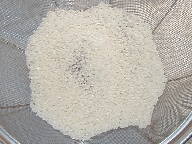
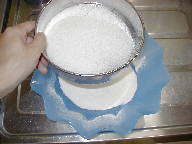
If the rice does not turn into powder easily, sift rice as many times as necessary until all rice has been reduced to powder.

DANGO-RECIPE-6

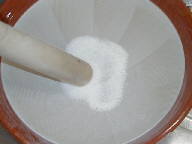
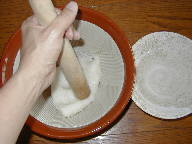
Finish the job with mortar and pestle.

DANGO-RECIPE-7

Once the rice has been reduced completely into powder, work the pestle in for 5 more minutes.

DANGO-RECIPE-8

Add water and mix well with spoon.

DANGO-RECIPE-9

Divide into small portions and steam for 15 minutes.

DANGO-RECIPE-10

In a pan add cornstarch to water (for the sauce). keep stirring over a low fire. once the water has been become transparent add sugar and soy sauce and mix well until you obtain a smooth syrup. take off fire.

DANGO-RECIPE-11

Fill a glass with water and keep within arm’s reach.
Drop all the steamed dango paste into mortar.
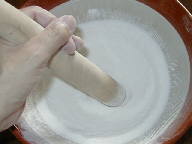
Work dango paste with a wet wooden pestle.
Once the paste has been become sticky and elastic, form small balls (the operation should not last more than 10 minutes).
Wet them to prevent them from sticking to each other.

DANGO-RECIPE-12

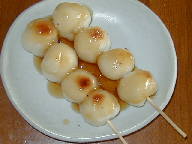
Push a wet (important!) stick through the balls (4 or 5 at the most).
Grill the balls (or not) for better effect.
Serve them smeared with syrup.

RECOMMENDED RELATED WEBSITES

With a Glass,
Clumsyfingers by Xethia
Adventures in Bento Making, American Bento, Beanbento, Bento No1, Bento Wo Tsukurimashou, Cooking Cute, Eula, Hapabento , Happy Bento, Jacki’s Bento Blog, Kitchen Cow, Leggo My Obento, Le Petit Journal Bento & CO (French), Lunch In A Box, My Bento Box, Vegan Lunch Box; Tokyo Tom Baker, Daily Food Porn/Osaka, Only Nature Food Porn, Happy Little Bento, The Herbed Kitchen, J-Mama’s Kitchen, Cook, Eat, Play, Repeat; Bento Lunch Blog (German); Adventures In Bento; Anna The Red’s Bento Factory; Cooking Cute; Timeless Gourmet; Bento Bug; Ideal Meal; Bentosaurus; Mr. Foodie (London/UK); Ohayo Bento

Must-see tasting websites:

-Sake: Tokyo Through The Drinking Glass, Tokyo Foodcast, Urban Sake, Sake World
-Wine: Palate To Pen, Warren Bobrow, Cellar Tours, Ancient Fire Wines Blog
-Beer: Good Beer & Country Boys, Another Pint, Please!
-Japanese Pottery to enjoy your favourite drinks: Yellin Yakimono Gallery
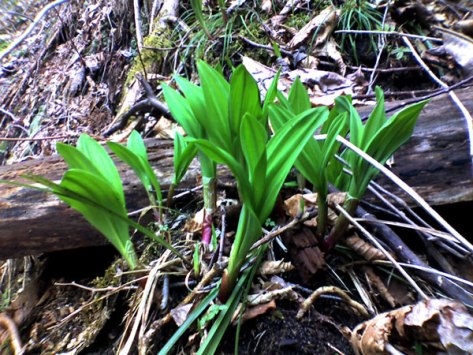
Japanese Vegetarian & Vegan Cakes: Wagashi/和菓子11: Dango-団子-Sweet Dumplings

DANGO-1a
(Mitarashi Dango)

Dango (団子) is a Japanese dumpling made from mochi-ko (rice flour), related to mochi. It is often served with green tea.
In Edo times, they were very popular at tea stands along the country roads.

Dango are eaten year-round, but the different varieties are traditionally eaten in given seasons. Three to four dango are often served on a skewer. One variety of dango from Hokkaidō is made from potato flour and baked with shoyu (soy sauce).

Types of dango:

There are many different varieties of dango which are usually named after the various seasonings served on or with it.

DANGO-2
Chadango: Green-tea flavored Dango.

DANGO-4
Dango served covered with anko.

Actually, if you want to write all about Dango, you’d need to publish a whole book!

But I will publish an easy recipe tomorrow!

RECOMMENDED RELATED WEBSITES

With a Glass,
Clumsyfingers by Xethia
Adventures in Bento Making, American Bento, Beanbento, Bento No1, Bento Wo Tsukurimashou, Cooking Cute, Eula, Hapabento , Happy Bento, Jacki’s Bento Blog, Kitchen Cow, Leggo My Obento, Le Petit Journal Bento & CO (French), Lunch In A Box, My Bento Box, Vegan Lunch Box; Tokyo Tom Baker, Daily Food Porn/Osaka, Only Nature Food Porn, Happy Little Bento, The Herbed Kitchen, J-Mama’s Kitchen, Cook, Eat, Play, Repeat; Bento Lunch Blog (German); Adventures In Bento; Anna The Red’s Bento Factory; Cooking Cute; Timeless Gourmet; Bento Bug; Ideal Meal; Bentosaurus; Mr. Foodie (London/UK); Ohayo Bento

Must-see tasting websites:

-Sake: Tokyo Through The Drinking Glass, Tokyo Foodcast, Urban Sake, Sake World
-Wine: Palate To Pen, Warren Bobrow, Cellar Tours, Ancient Fire Wines Blog
-Beer: Good Beer & Country Boys, Another Pint, Please!
-Japanese Pottery to enjoy your favourite drinks: Yellin Yakimono Gallery
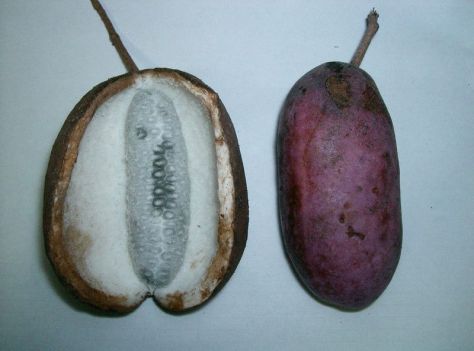
Japanese Vegetarian & Vegan Cakes: Wagashi/和菓子10: Youkan-Easy Recipe-Mizu Youkan

MIZU-YOKAN-1

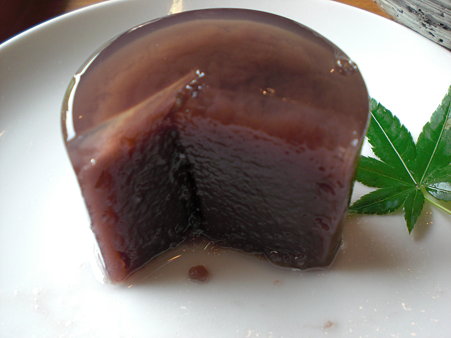
Youkan come in many guises. Here is an easy and very basic recipe for “Mizu Youkan” that you will be able to adapt into many creations of yours! For vegans, vegetarians and omnivores!

INGREDIENTS:
-Boiled azuki beans: 1 can (430 g)
-Brown sugar: 60 g
-Salt: a pinch
-Agar agar Powder (“kanten” in Japanese): 4 g
-Water: 300 ml + 300 ml

RECIPE:

MIZU-YOKAN-2

Blend beans and 300 ml of water until smooth.

MIZU-YOKAN-3

Pass mixture through fine sieve.

MIZU-YOKAN-4

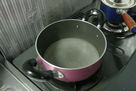
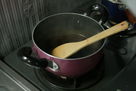
In 300 ml of water drop agar agar. Bring to boil, stiring at the same time. Then keep stiring vover medium fire for 1 minute.

MIZU-YOKAN-5

Switch off fire. Add sugar and salt. Mix well. Add bean paste. Mix well.

MIZU-YOKAN--6

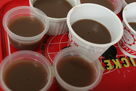
Pour in recipients of your choice (that is when the fun starts!) and let cool completely. Keep in fridge (not too cold, please). Take out of recipient and serve!

RECOMMENDED RELATED WEBSITES

With a Glass,
Clumsyfingers by Xethia
Adventures in Bento Making, American Bento, Beanbento, Bento No1, Bento Wo Tsukurimashou, Cooking Cute, Eula, Hapabento , Happy Bento, Jacki’s Bento Blog, Kitchen Cow, Leggo My Obento, Le Petit Journal Bento & CO (French), Lunch In A Box, My Bento Box, Vegan Lunch Box; Tokyo Tom Baker, Daily Food Porn/Osaka, Only Nature Food Porn, Happy Little Bento, The Herbed Kitchen, J-Mama’s Kitchen, Cook, Eat, Play, Repeat; Bento Lunch Blog (German); Adventures In Bento; Anna The Red’s Bento Factory; Cooking Cute; Timeless Gourmet; Bento Bug; Ideal Meal; Bentosaurus; Mr. Foodie (London/UK); Ohayo Bento

Must-see tasting websites:

-Sake: Tokyo Through The Drinking Glass, Tokyo Foodcast, Urban Sake, Sake World
-Wine: Palate To Pen, Warren Bobrow, Cellar Tours, Ancient Fire Wines Blog
-Beer: Good Beer & Country Boys, Another Pint, Please!
-Japanese Pottery to enjoy your favourite drinks: Yellin Yakimono Gallery

Japanese Vegetarian & Vegan Cakes: Wagashi/和菓子9: Youkan/羊羹

YOUKAN-JELLY

Here is another popular type of Japanese Wagashi fit for Vegans and Vegetarians: Youkan!

YOUKAN-MIZUYOKAN
Mizu Youkan

Yōkan (羊羹) is a thick jellied dessert made of red bean paste, agar (寒天/”kanten” in Japanese), and sugar. It is usually sold in a block form, and eaten in slices.

There are two main types: neri yōkan and mizu yōkan. “Mizu” means “water”, and indicates that it is made with more water than usual. Mizu yōkan is often chilled and eaten in summer.
Although most yōkan found in Japan and abroad are typically made with red bean paste, yōkan made from white kidney bean paste (しろあん, 白餡, “shiro an” in Japanese) are also relatively common. This type of yōkan is milky and translucent with a much milder flavour than the ones made of red bean paste.

YOUKAN-GREENTEAYOUKAN
Tea Youkan

As such, they can be effectively flavored and colored by using green tea powder or matcha.

YOUKAN-TRICOLOUR

MizuyōkanYōkan may also contains chopped chestnuts, persimmons, whole sweetened azuki beans, figs, and sweet potato, among other additions. Sugar can be also be substituted with honey, dark brown sugar, or molasses to alter the taste of the yōkan produced. There is also shio yōkan, which uses small amounts of salt (shio/塩) as an additive.

Other Pictures of Youkan:

YOUKAN-BICOLOUR

YOUKAN-CHERRY

YOUKAN-PINK

I will introduce an easy recipe soon!

RECOMMENDED RELATED WEBSITES

With a Glass,
Clumsyfingers by Xethia
Adventures in Bento Making, American Bento, Beanbento, Bento No1, Bento Wo Tsukurimashou, Cooking Cute, Eula, Hapabento , Happy Bento, Jacki’s Bento Blog, Kitchen Cow, Leggo My Obento, Le Petit Journal Bento & CO (French), Lunch In A Box, My Bento Box, Vegan Lunch Box; Tokyo Tom Baker, Daily Food Porn/Osaka, Only Nature Food Porn, Happy Little Bento, The Herbed Kitchen, J-Mama’s Kitchen, Cook, Eat, Play, Repeat; Bento Lunch Blog (German); Adventures In Bento; Anna The Red’s Bento Factory; Cooking Cute; Timeless Gourmet; Bento Bug; Ideal Meal; Bentosaurus; Mr. Foodie (London/UK); Ohayo Bento

Must-see tasting websites:

-Sake: Tokyo Through The Drinking Glass, Tokyo Foodcast, Urban Sake, Sake World
-Wine: Palate To Pen, Warren Bobrow, Cellar Tours, Ancient Fire Wines Blog
-Beer: Good Beer & Country Boys, Another Pint, Please!
-Japanese Pottery to enjoy your favourite drinks: Yellin Yakimono Gallery