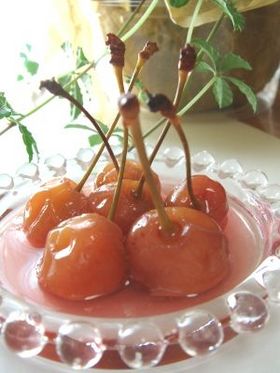
Cherries Red Wine Compote

SAKURA-COMPOTE-1

While cherries are still to found aplenty and at cheap prices, it is always a good idea to make preserves.
I remember my father back home preserving dark cherries in kirsch (cherry brandy), putting the jars away inside a small pantry, locking it and keeping the key with him as they would quickly disappear as I, my two brothers and one sister got drunk on them as kids!

Here is a simple recipe making use of light coloured cherries and red wine:
Cherries Red Wine Compote:

INGREDIENTS:
-Cherries: 150 g
-Sugar: 3 large tablespoons
-Red wine: 2 larg tablespoons

RECIPE:
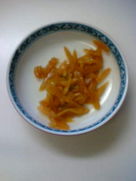
Wash cherries in clear cold water. Stab 5 of them with thin needle.
In a small bowl, drop in sugar with a little water. Warm up in a microwave oven until sugar has dissolved. Add a little more water and let cool down completely.

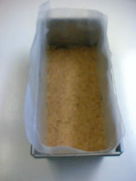
SAKURA-COMPOTE-2

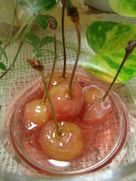
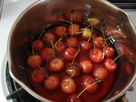
Place cherries inside the pan with their stems taking care that the cherries don’t overlap.

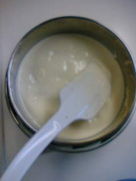
Pour in red wine. Add sugared water. Add water to just reach the top of the cherries. Cook on a small fire for 10~15 minutes.

SAKURA-COMPOTE-3

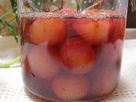
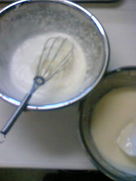
Pour the lot inside a preserve glass jar and close. Let cool completely and leave inside the refrigerator for a whole week.

SAKURA-COMPOTE-4

Here they are!
Savour them with a coffee, dark tea or a dram of kirsch!
Note that they should be cooked over a low fire, otherwise the skins would break.
These cherries can be used on ckaes in clafoutis!

Please check the new postings at:
sake, shochu and sushi

—————————————-
日本語のブログ
—————————————-

Easy Summer Salad: Zucchini, Grapefruit & Dill Salad

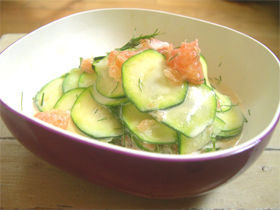
ZUCCHINI-GRAPEFRUIT-DILL-SALAD

As I said before, Summer comes with all kinds of fruit and vegetables that can be combined into simple and refreshing salads. They are welcome at home and summer parties.
To be enjoyed with all kinds of ades (for the kids?) or white wines (including the bubbly ones). In Japan, sake of course!

Easy Zucchini, Grapefruit & Dill Salad

Ingredients: For 2 people
-Zucchini: 1 preferably green, but yellow would be intereesting (or even a combination of the two!)
-Grapefruit: hal a fruit
-Dill: 5=6 sprigs
-Olive oil (EV): half a large tablespoon
-Fresh cream: 1 nad hal large tablespoons
-Salt and white pepper (to taste). One may add (up to a point) other spices including chili pepper! One may use ground black pepper instead of white pepper for better effect!

Recipe:
-Cut extremities of zucchini and discard. Cut into very thin slices. Warap inside cellophane paper and leave in microwave oven for 2 minutes. Cool and then chill. Discard water.

-Extract flesh out of grafruit and cut wedges into small bits.
Separate “leaves” from dill sprigs as finely as possible.

-In a bowl, pour oil, salt, fresh cream and mix. Add dill and mix. Add zucchini and grapefruit.
Arrange into individual dishes as delicately (lovingly?) as possible. The visual effect is most important!

I leave to you as to which variation you might tempted to try!

Please check the new postings at:
sake, shochu and sushi

—————————————-
日本語のブログ
—————————————-

Easy Summer Salad: Grapefruit & Avocado Salad

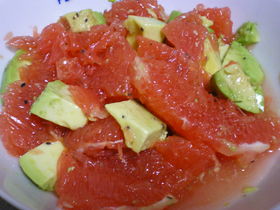
GRAPEFRUIT-AVOCADO-SALAD

Summer comes with all kinds of fruit and vegetables that can be combined into simple and refreshing salads. Moreover, they make for healthy snacks for the family and summer parties.
To be enjoyed with all kinds of ades or white wines (including the bubbly ones). In Japan, sake of course!

Simple Grapefruit & Avocado Salad

Ingredients: For 2 people
-Grapefruit: 1 large, sanguine type preferable
-Avocado: 1 large. Choose it soft, but firm enough to be cut
-Salt: a pinch (to taste)
-Ground pepper (to taste)
-Lemon juice
-Olive oil (EV): 1 large tablespoon

Recipe:
-Peel grapefruit and extract the “meat” carefully the wedges over a bowl. Cut the wedges into bite size pieces and drop them in the bowl where they will be kept with any juice that has flowed from them.

-Cut Avocado in two, discard the large seed, peel and cut into bite-size pieces. Add some lemon juice to them to preserve colour in a separate bowl.

-Add Avocado to grapefruit. Add salt, ground pepper and olive oile. Mix well but as delicately as possible.

-Serve in individual plates with all the “juice”. Add basil of other herb leaves for decoration and taste.

Please check the new postings at:
sake, shochu and sushi

—————————————-
日本語のブログ
—————————————-

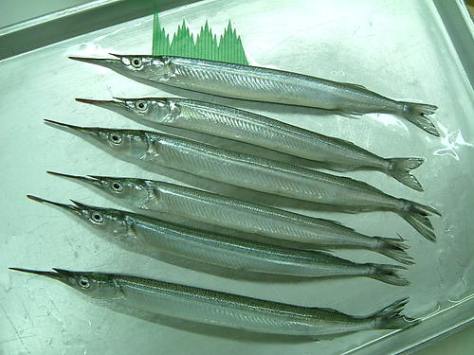
Japanese Seasonal Fish: Sayori/Japanese Half Beak

SAYORI-1

The Japanese Half beak or “Sayori” is a very popular fish in Japan as sashimi or sushi.

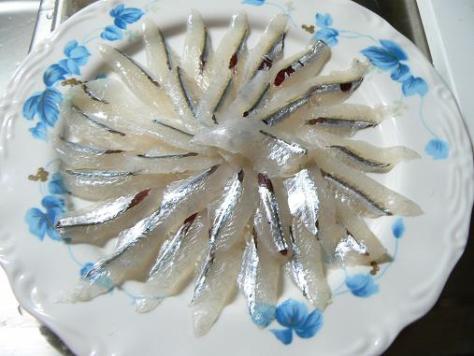
SAYORI-2

Although difficult to dress, it is much appreciated for its “clean look”.

It is also known unde the names of “Hariuo”, “Kannuki”. The latter name is used for large sprcimen sold in the Tokyo area.
It is mainly caught between Winter and Summer, but the best specimens are before and after the spawning season in April~June.
The Japanese sayori mainly come from the shores of Mie, Hyogo, Ishikawa, Hiroshima and Wakayama Prefectures.
It is also imported from China, Korea and Australia.

SAYORI-

One can easily buy it filletted at suoermakets and fishmongers, making for some beautiful sashimi!

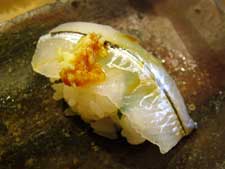
SAYORI-3

It makes for superlative sushi open to all kind of variations!

Please check the new postings at:
sake, shochu and sushi

—————————————-
日本語のブログ
—————————————-

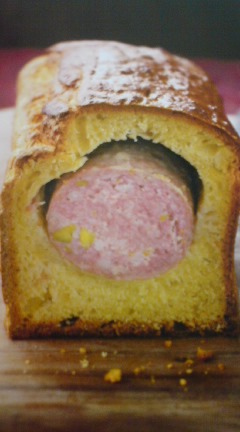
French Cuisine: Saucisson Brioche/Sausage in Brioche

SAUCISSN-BRIOCHE

Even to these days I cherish the memory of this French specialty originating from the City of Lyon that we were served either as an appetizer or main dish: Saucisson Brioche, namely a sausage baked inside a salty (as opposed to the sweet pastry) brioche.

The recipe is not that difficult and open to many variations!

INGREDIENTS:: For up to 6 people
-One sausage. In France, it would be a Lyon sausage, of the soft type including pistacchio. Some soft sausages found in Italy, Germany and the US should well! If you eat kosher or halall, choose a sausage of mutton or beef.
-All purpose flour: 250 g
-Dry baking yeast: 4~5 g
-Eggs: 3
-Fresh Cream: 150 ml (thick type or sour cream)
-salt: to taste

RECIPE:

-Prepare the pastry:
In a large bowl break the eggs and beat them with a fork. In a separate bowl sift the flour and yeast first. Add the eggs to flour little by little mixing them in with a spatula. Then add cream and mix until you get a smooth batter.

-Poach the sausage for 15 minutes in boiling water. Take out and peel “skin” off.

-In a pound cake mold, non-stick if possible, put a large piece of cooking paper buttered on both sides. Pour in half of the batter. delicately put the sausage in the meiddle and cover with the rest of the batter. Cover with a piece of cloth and let rest for 15 minutes at room temperature.
During that time preheat oven to 6/7 (200 degrees Cesius).

Bake in oven for 40 minutes.
Take out of the mold still hot and serve just above lukewarm with a lettuce salad.
Red Bourgogne wine is best with it!

Note: You can cook the day before and reheat it before serving!

Please check the new postings at:
sake, shochu and sushi

—————————————-
日本語のブログ
—————————————-

French Cake: Gironde Tot-Fait

tot-fait.jpg

The Gironde Estuary between Bordeaux and the Atlantic Ocean is famous for the following cake, a kind of French rum-flavoured short cake. This cake is best accompanied with wine jam or fresh grapes. Enjoy an old rum with it.
I dedicate this recipe to Kamran Siddiqui who is complaining I’m teasing his sweet tooth! (LOL). One person who will not complain is his sister!!

INGREDIENTS: (4 people or more)
Powdered sugar: 200g
Flour: 200g
Rum: 150cc
Vanilla extract ( or essence): 1 teaspoon
Milk: 3 tablespoons
Butter: 30g
Salt

RECIPE:

-Separate egg yolks from whites. Beat the egg yolks with the sugar in a big all-purpose bowl until it whitens. Add flour, vanilla and rum swiftly beating at same time. Add milk and mix well.

-Preheat oven to 6 (180 degrees Celsius).

-Beat the whites with a pinch of salt until very firm and gently mix with above mixture.

-Butter the inside of an oven dish (square if possible) and pour in mixture. Cook for 30 minutes.

-Serve lukewarm or cold.

Please check the new postings at:
sake, shochu and sushi

—————————————-
日本語のブログ
—————————————-

Uncovering Sake’s hidden Stories by Melinda Joe

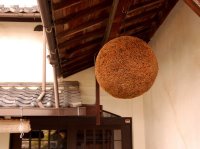
Sake-Pine-Ball

The present article has been written by my good friend Melinda Joe on behalf of a common friend, namely John Gauntner, the foreign (as to the Japanese) authority on Japanese sake!

MELINDA-JOE
Melinda Joe

I like secrets as much as, if not slightly more than, the next guy, so it didn’t take much convincing to get me to read John Gauntner’s new e-book, Sake’s Hidden Stories. Although it wasn’t the juicy, tell-all memoir I hope he’ll pen one day, this collection of essays offers a glimpse of a world that is closed to most of us, particularly non-speakers of Japanese. It tells stories of strong wills, iconoclasts, and errant sons who return home to carry on the work of generations. In our fast-paced modern society, where individualism reigns supreme, the words honor, duty, and tradition seem like anachronistic concepts; yet, these are the very forces that have kept the sake industry alive.

Part of what attracted me, and my fellow nihon-shu bloggers Tim, Etsuko, and Robert-Gilles; to sake was the spirit and enthusiasm of the folks who make it. However, much of the sake literature out there – at least in English – focuses mainly on the products themselves. It’s refreshing to finally find a book that introduces the people behind the brand. A sake insider for more than a decade, Mr. Gauntner is the perfect man for the job. He takes us with him up the gravelly roads and through the cool, dark rooms of centuries-old buildings. Some of the anecdotes describe his first meetings with the brewery owners and staff, and readers feel his surprise and, in many cases, awe.

After meeting the former president of Tairin Brewery in Gifu, Gauntner asks how he was able to control the milling of the rice, which was done at that time on a primitive machine.

The older gentleman answered very simply and humbly, “Well, I listen to it.” You listen to it? Huh?

He walked over to one end of the small machine and lifted up – of all things – a stethoscope that hung neatly over a pipe. “Well, Yeah. I use this, and I listen to it. I have been doing this in this way for so many years that I can easily tell by the sound of the rice spinning inside how much has been milled away.”

Amazing. Most modern seimaiki are automated so the operator has to do nothing, just put in the rice, set the controls, and wait. But for decades this gentleman has been listening to the sound of the rice as it rolled around inside the cylindrical drum, and by using only his senses, polished with years of experience, he can be so accurate that they could make the fine sake Tairin is known for. By using a stethoscope. Simply wild.

The book contains a fair amount of technical information, and, although the first section is devoted to sake basics, true novices may find it difficult to take everything in. The author was a former engineer and his fascination with machinery is evident. For those with a firm foundation of sake knowledge, however, the book is a terrific resource providing in-depth details of production.

Still, everyone can relate to he characters themselves (and, in the sake world, there are plenty of them). When he meets the purple-track-suit-wearing Nakao-san, president and toji of Tsuyu Masamune in Osaka, Gauntner wonders how he learned to make sake.

“Ah, but that’s another long story,” he begins, raising his teacup as if toasting the idea for emphasis. He sets it down on the low table between us before continuing. “You see, I never wanted to be in this business. Originally I was not going to take over the brewery here. I wanted to be a phys ed instructor.”

That’s not the only surprise the kuramoto has in store for him.

In another departure from precedent, Nakao-san has begun to hold the occasional rap concert inside his brewery for the local community rap fans. “It’s kind of tight, but we have barely enough space. The band is down there, people dance up there, on that platform, just in front of the tanks. It’s kinda cool, actually.

These kinds of delightful details make Sake’s Hidden Stories a lot of fun to read, and you’ll definitely feel like an insider by the end of the book. In fact, you may end up itching to take to the sake road yourself. I certainly did!

Must-see tasting websites:
-Sake: Tokyo Through The Drinking Glass, Tokyo Foodcast, Urban Sake, Sake World
-Wine: Palate To Pen
-Beer: Good Beer & Country Boys, Another Pint, Please!
-Japanese Pottery to enjoy your favourite drinks: Yellin Yakimono Gallery
Japanese Mango and Rare Cheese Cake

MANGO-CHEESE-1

The Japanese make a distinction between two kinds of cheese cakes:
-Just “cheese cake” means it has been baked
-“Rare Cheese cake” means that the cake is not cooked.

This particular recipe is dedicated to Elin and her love for mangoes!

INGREDIENTS: For 4 servings (18×9 cm pound cake mold)
-Cream cheese (Philadelphia): 150 g
-Lemon juice: 1 large Tablespoon
-Sugar: 45 g
-Plain yoghurt: 150 g
-White wine: 3 large tablespoons
-Gelatin powder or agar agar powder: 5 g
-Fresh cream: 100 ml (half a cup)
-Rum: 1 large tablespoon
-Cake margarine: 30 g
-Coconuts sable biscuits: 60 g
-Allspice: half a teaspoon
-Dried mango: 3~4 slices
-Fresh or canned mango: 4 cubes
-Green pistachio: 4

RECIPE:

MANGO-RARE-CHEESE-2

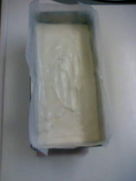
Place cooking paper inside a pound cake mold.
Mix crushed coconuts sable biscuits, margarine and allspice.
Spread equally on bottom of the mold.
Leave inside refrigerator.

MANGO-CHEESE-3

Cut dried mango into small pieces and season with rum.

MANGO-RARE-CHEESE-4

In a separate small bowl/deep plate pour in wine. Then (the other round will result in failure!) sprinkle with gelatin powder and mix until smooth.

MANGO-RARE-CHEESE-5

Soften cream cheese in a microwave oven for about 30 seconds. Add lemon juice, sugar and yoghurt. Mix well until smooth.

MANGO-CHEESE-6

Add wine and gelatin to cheese cake mixture and mix well, taking care not to make bubbles!

MANGO-RARE-CHEESE-7

In a separate bowl, whisk fresh cream up to 7/10 solidity (too solid is not welcome!) . It should still be bubbly. Add a small part to cheese cake mixture and mix well. Add rest of fresh cream and mix carefully, taking care not tobreak bubbles.

MANGO-CHEESE-8

Add rum-soaked dried mango to cheese cake mixture. Mix just enough for uniformity.
Pour the lot into mold and leave insid eefrigerator until it has completely solidified.

MANGO-CHEESE-9

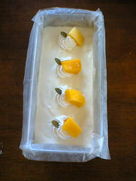
Decorate with whipped cream, pistachio and mango cube before cutting and serving!

Please check the new postings at:
sake, shochu and sushi

—————————————-
日本語のブログ
—————————————-

Tofu and Egg Dumplings in Sweet and Sour Sauce

TOFU-EGG-1

Here is another very easy tofu recipe for the “Tofu Tribe” (Terecita, Elin, Jenn and all tofu lovers!

INGREDIENTS: For 4 people
-Tofu: 350~400 g
-Eggs: 2
-Soy sauce: 1 large tablespoon
-Dashi/Japanese stock soup. Add a little sy sauce and mirin/sweet sake for taste
-Cornstarch: 1 large Tablespoon
-Trefoil (mitsuba) or available leaves: enough for decoration and taste

RECIPE:

-Drain water from tofu. Put in a bowl and break it up. Break eggs in and add soy sauce. Mix well.

TOFU-EGG-2

-Divide into 4 bowls. Cob\ver ach bowl with kitchen cellophane paper (30 cm wide square).

TOFU-EGG-3

-Turn over bowl and wrap tofu inside cellophane paper. Secure with a rubber band.

-Bring water to boil inside a lare dep pan. Drop tofu dumplings in boiling water and cook for 15 minutes to make sure they properly coked inside.

-Place each dumpling inside its cellophan paper in a serving dish. Cut top of the cellophane paper and carefully pull out the cellophane paper or turn over (whatever way you feel comfortable with.

-In a separate pan prpare the sweet and sour sauce.
Pour in dashi to which you would have added soy sauce and mirin (Taste varies with individuals. Need for a lttle experimentation!).
Heat sauce.
Mix cornstarch in some water and then add to sauce.
Once ready pour over dumpling and serve it decorated with trefoil cut to size.

NOTE:
Take care that cellphane paper does not get in contact with bare parts of the pan as the cellophane paper might melt on contact!

Please check the new postings at:
sake, shochu and sushi

—————————————-
日本語のブログ
—————————————-

Sushi Rice: The Recipe

015
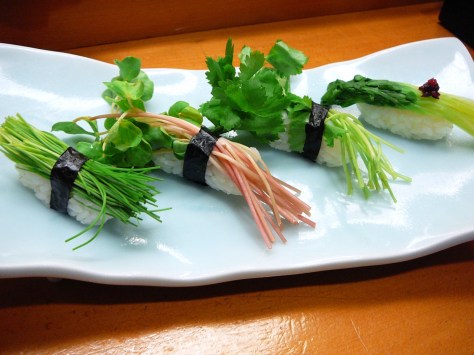
Vegan Sushi at Sushi Ko, Shizuoka City

I’ve been asked for some time about the secrets of making sushi rice, or “shari/シャリ in Japanese, but actually there are no real secrets, only a method.
The following recipe is professional and involves a large volume. Think of a sushi party before preparing it. There are simpler versions (the Missus is particularly good at it!) and I’ll be glad to reply to enquiries!
The advantage of this recipe is that it will fit the needs of vegans, vegetarians and omnivores alike. It is also open to a lot of variations. Read the notes at the end!

-Check the pics for the tools you will need, or their subsitutes.
-I do not explain the rice steaming itself. I assume you Know how to steam rice.
Note: a simple trick to add taste to your rice: steam with a piece of konbu/昆布/seaweed!

INGREDIENTS:

-Rice: 3 “go”/540 cc/2.7 cups. A “go” is a traditional measure in Japan: 180 cc.

Sushi Stock (about 120 cc/0.6 cup):
-White sugar: 55 g
-Salt: 18 g
-Rice vinegar: 82 cc/0.82 cup
Mix all above ingredients until dissolved and keep ready.

RECIPE:
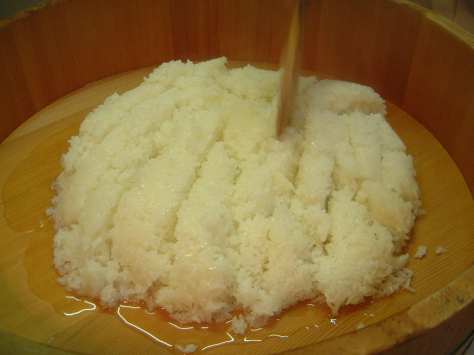
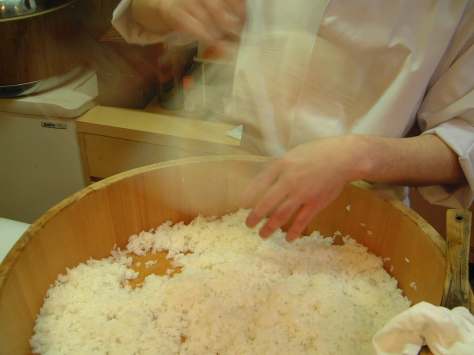
SUSHI-RICE-1

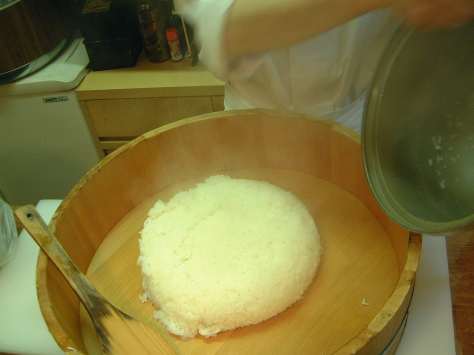
Steam the rice to slightly harder than usual. Drop inside wooden sushi bowl/飯台/handai (keep in mind to humidify the bowl with clean water before using!)

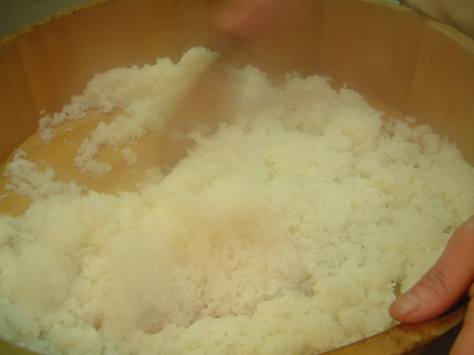
SUSHI-RICE-2

While the rice is still hot (important!) pour sushi stock all over it.
A technique is to hold the wooden rice spoon/しゃもじ/hamoji over the rice and pour the stock onto it for better uniformity.
“Cut” through rice with wooden sushi spoon/shamoji.

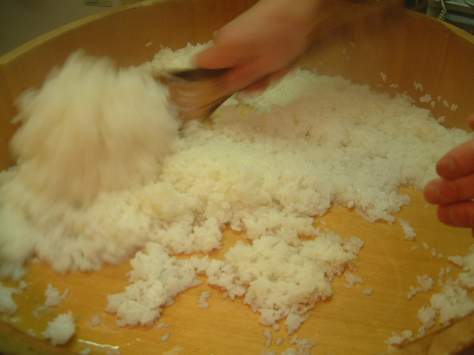
SUSHI-RICE-3

After having made “cuts” through the rice, mix quickly (this is probably the most important step!). As the stock will flow down, mix from bottom to top, scooping the rice and flipping it over.

SUSHI-RICE-4

Scoop rice and drop it on top and “cut” through.

SUSHI-RICE-5

When mixing the rice, bear in mind that overmixing will result into sticky rice. Just “cut” through and mix. It should take only a minute. Next spread the rice and cool it with a hand held traditional fan/うちわ/uchiwa for 10 seconds.

SUSHI-RICE-6

By cooling the rice with a fan/uchiwa, it will allow for an even expansion of the vinegar. Turn rice over once more and fan it for 10 more seconds.
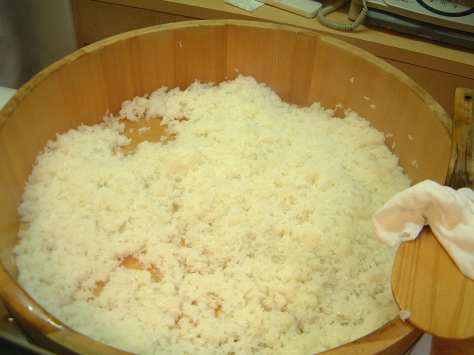
If you use the rice at once, it will get sticky. Leave it covered with a humid and clean cloth for a couple of hours.
Don’t forget to clean the wooden bowl with clean water after usage!

NOTES:
-The type and brand of rice, vinegar, sugar and salt will all play into the taste. Investigate and experiment!
Depending upon the region, sushi rice will taste vastly different in Japan.
In Tokyo, it will taste almost sour, while it will appear sweet here in Shizuoka.
You may use brown sugar instead of white sugar for a different colour.
But it will be easier to make a mistake in taste balance!
The same if you want to introduce a little soy sauce in the stock!

Please check the new postings at:
sake, shochu and sushi

—————————————-
日本語のブログ
—————————————-

French/Japanese Dessert: Pear Madeleine

PEAR-MADELEINE-1

Just discovered this intriguing little cake called Pear Madeleine by a Japanese friend. American friends would definitely find another name including the word “cupcake”!
Incidentally my own mother’s name was Madeleine! Coincidence?

INGREDIENTS: for about 12~13 cakes
-Butter: 125 g
-Egg: 1 large
-Sugar: 70 g
-All-purpose flour: 100 g
-Baking powder: 1 small teaspoon
-Almond powder: 20 g
-Walnuts: 20 g
-Pears: 4 cuts from halved pear can
For the nappage/topping:
-Water: 100 ml (half a cup)
-Sugar: 40 g
-Agar agar: 1 g

RECIPE:

-Cut half of the pear slices into small bits for the cake pastry. Cut the rest of the pears into thin slices for topping. Crush walnuts into bits, roast them lightly and put aside.

-Beat butter until it becomes whitish. Add sugar and mix well. In a separate bowl break egg and beat into light omelette. Add and mix with butter mixture little by little.

-Add in the following order: almond powder, flour and baking powder, mixing them in with spatula.

-Add and mix in crushed walnuts and pears bits. Leave in refrigerator overnight.

-Transfer cake mixture into cup of your choice with a spoon. The paste will be a bit hard, but try to put the same amount in each cup. Preheat oven to 180 degrees Celsius.

-Bake inside oven for 5 minutes and take out. Place a pear cut on each cake and put back into oven for 20~30 minutes.

-Nappage: Pour all ingredients in a bowl and heat over a light fire. When completely dissolved, brush syrup on the cakes.
When completely cooled down, preserve them so as they do not dry up.

NOTE:
The cake mixture will somewhat feel too hard/solid but it will melt in quickly inside oven.

Please check the new postings at:
sake, shochu and sushi

—————————————-
日本語のブログ
—————————————-

Today’s Lunch Box/Bento (’09/47)

BENTO-09-07-07a

I think I can safely assume that today’s bento is of the “healthy type”!
Plenty of vegetables and more as you will see!

BENTO-09-07-07e

The Missus first prepared konbu soba from Shiretoko. Shiretoko is a great UNESCO World nature Heritage in Northeastern Hokkaido we visited last year. They are famous for their knobu/seaweed and a derivated products such as the konbu soba we brought back. They are green and might look like tea soba, but they aren’t. Extremely healthy!

BENTO-09-07-07d

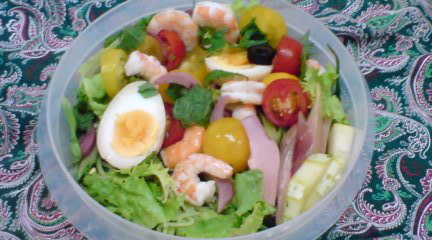
On top she placed hand-broken lettuce and shiso/perilla leaves, home-pickled mini lemons, home-pickled myoga and onions, pickled ginger, red and yellow tomatoes from her family’s garden, thinly cut cucumber, boiled shrimps, boiled egg marinated in soy sauce, and black olives.

BENTO-09-07-07b

She provided me with “mentsuyu/めんつゆ/cold stock soup for the soba. You just pour them on top as it goes well with the veg, too.

BENTO-09-07-07c

And for dessert red grapefruit, mini kiwi and blueberries!

Simple, tasty and healthy!

Please check the new postings at:
sake, shochu and sushi

—————————————-
日本語のブログ
—————————————-

Easy Vegan Tomato Appetizer

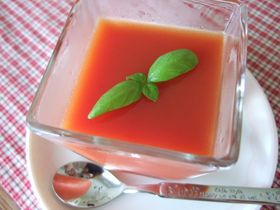
TOMATO-KANTEN

Just found the idea in a Japanese cookbook for an easy vegan/vegetarian appetizer based on tomato:
Agar agar Tomato Jelly!

INGREDIENTS:
-Tomato Juice: 300 ml (make your own juice form tomatoes freshly bought or picked!9
-Orange Juice: 250 ml (same a for tomato juice. Choose biologically grown ones!)
-Sugar: 3 large tablespoons
-Agar agar powder: 4 g

RECIPE:
-Pour all ingredients into pan. Het until suagr and agar and agra are completely dissolved.
-Pour into recipients o your choice and let cool.
-Put inside the fridge and serve when the jelly has completely solidified.

NOTES:
This is a very basic recipe, which calls for variations and ideas:
-If on a diet, discard sugar, and add a lttle celery salt, white pepper and spices of your choice. ecorate with basil leaves.
-Can be used as solid base under fruit or vegetable salads!
-Mixing alcohol with it, vodka for example, and you have jelly cocktail.

Have some good fun!

Please check the new postings at:
sake, shochu and sushi

—————————————-
日本語のブログ
—————————————-

Tempura Plate at Tomii (’09/07/01)

TOMI-TEMPURA-MEL
(Courtesy of Melinda Joe)

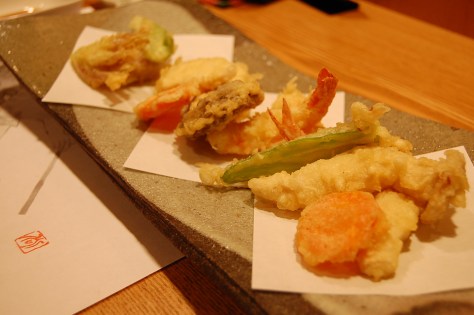
This was the second dish we were served at my favourite Japanese Restaurant, Tomii, in Shizuoka City after accompanying Melinda Joe at Aoshima Brewery in Fujieda City during her Japan Times interview.

Can you recognize any of the tempura?

Waiting for your answers! LOL

TOMII
Shizuoka City, Aoi Ku, Tokiwa-cho, 1-2-7, Tomii Bldg, 1F
Tel.: 054-274-0666
Business hours: 17:00~22:00
Closed on Sundays
HOMEPAGE (Japanese)

Please check the new postings at:
sake, shochu and sushi

—————————————-
日本語のブログ
—————————————-

Sashimi Plate at Tomii (’09/07/01)

TOMII-SASHIMI-MEL
(Courtesy of Melinda Joe)

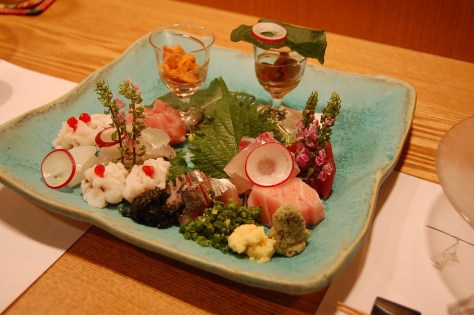
Last week, Wednesday, I had the occasion to sample a plate of sashimi at my favourite Japanese Restaurant, Tomii, in Shizuoka City after accompanying Melinda Joe at Aoshima Brewery in Fujieda City during her Japan Times interview.
Can you recognize any of the sashimi?

TOMII
Shizuoka City, Aoi Ku, Tokiwa-cho, 1-2-7, Tomii Bldg, 1F
Tel.: 054-274-0666
Business hours: 17:00~22:00
Closed on Sundays
HOMEPAGE (Japanese)

Waiting for your answers! LOL
Please check the new postings at:
sake, shochu and sushi

—————————————-
日本語のブログ
—————————————-