Tag Archives: 日本

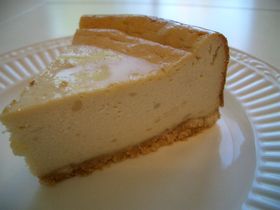
Baked Tofu Cheese Cake

BAKED-TOFU-CHEESE-CAKE

One way to lighten your cheese cake and invest into a new taste is to introduce tofu!

Here is a simple recipe that will please anyone woorying about unwanted calories:
Baked Tofu Cheese Cake!

INGREDIENTS:

-Cream Cheese (Philadelphia): 230 g
-Tofu (kinu tofu): 200g (before pressing water out)
-Sugar: 70g (of your choice)
-Eggs: 2
-Vanilla bean pod: 1 (small) (if not available use vanilla essence)
-Soy milk: a little
-Flour: 2 tablespoons (flour of any kind is fine)
-Cornstarch: 1 tablespoon
-Biscuits (crushed to form a solid base under the cheese cake/optional)

RECIPE:

-Line the bottom of a oven cake mold with a layer of crushed biscuit.
You may do without it but it will help absorb excess water from tofu.

-Soften cream cheese to room temperature (you may warm it a bit inside a microwave oven) and mix with sugar.

-Once the cheese and sugar misture has become smooth, add the tofu by crushing it between your palms, addd the whole eggs and mix well with an eletric whisker until you obtain a smooth mixture.

-Cut the vanilla bean lengthwise and extract the inside (or use vanilla essence), mix it with some soy milk and add to the mixture. Mix well.

-The last three steps may be done with a food processor, but mixing all ingredients one by one give you a “right feel”!

-Pour the mixture inside the mold over the biscuit layer and flatten the surface with a spatula.

-Preheat oven to 180 degrees Celsius. Bake for 50 minutes r until you have obtained the right colour and a raising mound in the middle.

-If the colour even then is too white, raise temperature to 200 degrees Celsius and bake for 10 more minutes.

-Let cake completely cool down.
Only then may you take it out of its mold and leave it inside the refrigerator overnight before eating it.

RECOMMENDED RELATED SITES:
Warren Bobrow
Bread + Butter
5 Star Foodie
Frank Fariello
Elinluv Tidbit Corner
Tokyo Terrace
Maison de Christina
Chrys Niles
Comestilblog
Greedy Girl
Bouchon For 2

Please check the new postings at:
sake, shochu and sushi

—————————————-
日本語のブログ
—————————————-

Today’s Lunch Box/Bento (’09/71): PC Crash Bento 2

BENTO-09-11-02a

As of November 2nd, the Kojima Company had not called me back yet to announce that my laptop was finally ready for me to collect. I had been without it for 11 days by then and for all the time suddenly found to write and read, I was really beginning to suffer from hi-tec retrieval!

BENTO-09-11-02b

I had requested the Missus to prepare a musubi/rice balls bento that time.
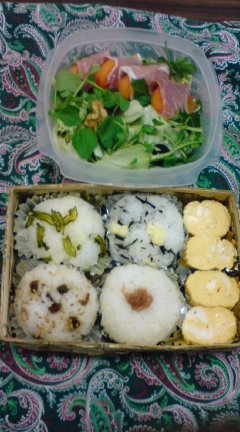
She came up with four different balls:

BENTO-09-11-02c

-One with Japanese-style pickled cucumber
-One with hijiki/sweet seaweed, sesame seeds and cheese
-One with pickled ginger and sesame seeds
-And the last one with umeboshi/Japanese pickled plums.

BENTO-09-11-02d

The tamagoyaki/Japanese omelette was of the plain variety. Just sweet enough.

BENTO-09-11-02e

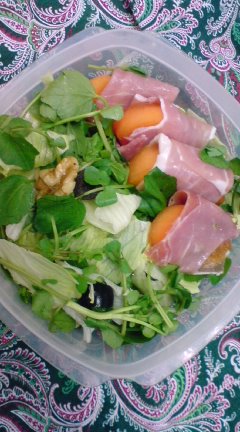
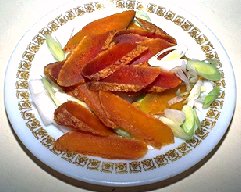
As for the salad/dessert side dish she rolled wedges of jiro kaki/squat persimmon inside raw ham and place dthem over a bed of lettuce, cress, walnuts and black olives.

Very healthy!

RECOMMENDED RELATED SITES:
Warren Bobrow
Bread + Butter
5 Star Foodie
Think Twice
Frank Fariello
Mangantayon
Hapabento
Elinluv Tidbit Corner
Tokyo Terrace
Maison de Christina
Chrys Niles

Please check the new postings at:
sake, shochu and sushi

—————————————-
日本語のブログ
—————————————-

Vegan Tofu Cupcakes

VEGAN-TOFU-CUPCAKE-1

Cupcakes are the norm all over the world when it comes to bakery and tofu is a must for vegans.
Now, it is possible to make very simple cupcakes for vegans!
Wheat flour allergics can replace the wheat flour with chestnut flour like the Corsicans and Portguese do in their traditional food!
This is only the basic recipe to which you can add fruits and vegetables!

Vegan Tofu Cupcakes!

INGREDIENTS: For 5~6 cupcakes

-Tofu (kinu toufu): 300 g
-All-purpose flour (for substitutes, read above): 100 g
-Sugar (white, cane, or even honey): 30 g

RECIPE:

VEGAN-TOFU-CUPCAKE-2

-Get ingrediens ready and pre-heat oven to 200 degrees Celsius.

VEGAN-TOFU-CUPCAKE-3

-Mix tofu and sugar. Mix well.

VEGAN-TOFU-CUPCAKE-4

-Sprinkle flour over tofu and mix roughly so as to leave a little flour on the surface.

VEGAN-TOFU-CUPCAKE-5

-Bake for 25~30 minutes at 200 degrees Celsius or until desired colour.

VEGAN-TOFU-CUPCAKE-6

-Dead simple, aren’t they?
Now your skills will reside in what you add!

RECOMMENDED RELATED SITES:
Warren Bobrow
Bread + Butter
5 Star Foodie
Frank Fariello
Elinluv Tidbit Corner
Tokyo Terrace
Maison de Christina
Chrys Niles
Comestilblog
Greedy Girl
Bouchon For 2

Please check the new postings at:
sake, shochu and sushi

—————————————-
日本語のブログ
—————————————-

Today’s Lunch Box/Bento (’09/70): PC Crash Bento 1

BENTO-09-10-26a

My PC (laptop) having crashed for the third time in the last four years, these bento reports are a bit late. This one was due on October 26th!
The PC being brand new at the time I purchased it and still has great speed. I’m reluctant to part from it, but I might soon be forced into a painful reconversion (Microsoft to Mac?).

BENTO-09-10-26b

Therefore I will call this particular lunch box the “PC Crash Bento 1”!
The same bento was consumed on a heavy rainy day to compound my misery, but I must say the meal lifted my spirits somewhat!

BENTO-09-10-26c

For all her grumpiness on that day, the Missus did not disappoint me:
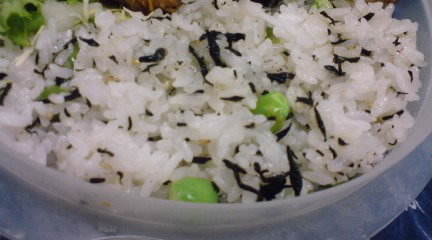
After steaming the rice, she mixed it with hijiki/sweet seaweed, green peas and roasted sesame seeds.

BENTO-09-10-26d

As for the garnish, it came in all kinds of ingredients and colours:
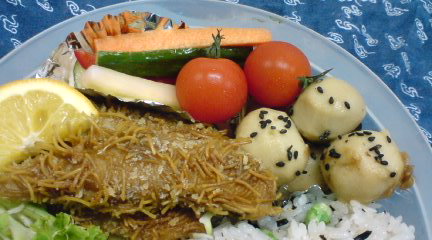
She deep-fried (shallow-fried would be a more precise term) pork fillets sticks she had dipped in batter and then coated with broken fried soba (the soba was purchased fried, then dried and cold in package). She placed the pork atop lettuce and shredded greens.
Hand-made pickles (carrots, ginger, pimento) were added for the vinegary part.
Fresh plum tomatoes for the Vitamin C and the decorative note.
She boiled a few “sato imo”, a kind of sweet tuber typical of Japan. After peeling them, she fried them for a while in sweet sauce and seasoned them with black sesame seeds. Finally, a slice of orange for the finishing touch.

BENTO-09-10-26e

The dessert consisted of jiro kaki/squat persimmon wedges grown in Shizuoka and mini red-haert kiwi fruit, also grown locally.

Certainly a hearty lunch!

RECOMMENDED RELATED SITES:
Warren Bobrow
Bread + Butter
5 Star Foodie
Think Twice
Frank Fariello
Mangantayon
Hapabento
Elinluv Tidbit Corner
Tokyo Terrace
Maison de Christina
Chrys Niles

Please check the new postings at:
sake, shochu and sushi

—————————————-
日本語のブログ
—————————————-

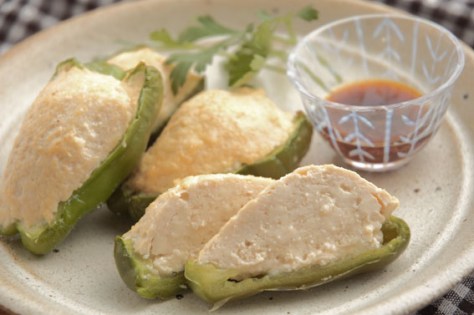
Tofu & Chicken stuffed Green Peppers

TOOFU-CHICKEN-PIMAN

Tofu when mixed with other ingredients opens a door on an infinite number of easy recipes!

Here is a very simple Japanes-style snack:
Tofu & Chicken stuffed Green Peppers!

INGREDIENTS: For 4 people

-Green peppers: 6
-Kinu tofu: 400 g
-Minced chicken: 175 g
-Japanese Sake: 1 tablespoon
-Soy sauce: 2 teaspoons
-Cheese powder: 1 tablespoon
-Salt: 1/2 teaspoon
-Black or white pepper: to taste
-Cornstarch: a small amount according to preferences

RECIPE:

-Leave a weight on top of the tofu to drain water and reduce it about two thirds of its volume.
-Wash the green peppers, cut in halves and wipe off humidity.
-In a bowl drop the tofu and minced chicken. Mix well by hand until you obtain a soft smooth paste.
-Add Japanese sake, cheese powder, salt and pepper and mix well.
Sprinkle insides of peppers with cornstach and fill each pepper half with tofu/chicken mixture.
-Place on oven plate and cook at 200 degrees Celsius for 15 minutes.
Serve with a little salt or soy sauce.

RECOMMENDED RELATED SITES:
Warren Bobrow
Wild River Review
Bread + Butter
5 Star Foodie
Frank Fariello
Mangantayon
Hapabento
Elinluv Tidbit Corner
Think Twice

Please check the new postings at:
sake, shochu and sushi

—————————————-
日本語のブログ
—————————————-

Sushi and Sashimi: Eat Local!

009

Saurel pike/Aji from Suruga Bay, Shizuoka Prefecture

Very few people will disagree with the notion that Japan is the ideal place to discover and savour sushi and sashimi in the whole world. Nevertheless, there are a few rules of the thumb to respect even in this gastronomic paradise.
The overriding rule is that you should try and eat only local fish or seafood.
Tsukiji might be considered a sushi paradise by Tokyoites, but the cheap prices enjoyed by tourists cannot conceal the reality: the fish and seafood are “imported” from all over Japan and beyond!
More than often, Edomae (Tokyo) sushi is nothing but a clever way to “dress up” ingredients to lure officionados (and customers) into believing they are eating top quality sushi (with the consequent prices).
Now, if you have the chance and time to explore Japan beyond Tokyo, you will discover an unfathomable treasure trove of gastronomic pleasure and knowledge!
After all, this country is a vast archipelago stretched across greatly different seas and climates, making for a diversity difficult to equal.
So, even if you cannot possibly explore all the shores of this nation, make a point to learn about the food available wherever you choose to stay.
The same goes for residents, not only for their own sake, but for that of their visitors and friends!

018

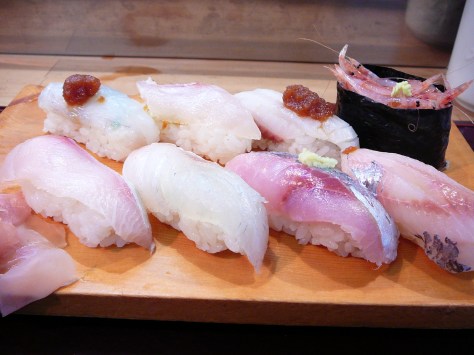
Sushi set with fish all caught in Suruga Bay, Shizuoka Prefecture

You also ought to do some homework. Sushi chefs worthy of their salt will be only too happy to answer questions to genuinely interested customers and come up with revelations of their own.
As an example to illustrate the need for some basic knowledge, in Hokkaido “oyakodon” is not cooked chicken and omelette on a bowl of rice, but raw salmon and its roe spread on top the same bowl of rice!
Likewise, the same fish will more than often be sold under a myriad of names.
Many morsels will not be found anywhere else as “sakura ebi/cherry shrimps” and fresh”shirasu/sardine whiting” in Shizuoka Prefecture.
Sashimi in most cases has to be perfectly fresh as typified by “kubiore saba” in Yakushima Island where fishermen break the neck (“kubiore”) of mackerels (“saba”) to preserve their quality upon catching. The same fish will be served within a few hours, or less, on the local tables.
On the other hand, tuna sashimi is best consumed after ripening for a few days in a refrigerator.
In Hokkaido, large shrimps, especially “botan ebi” will be served only raw, whereas “kuruma ebi” will be first boiled in other regions.

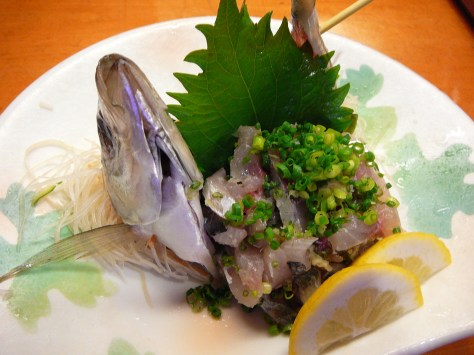
If you ask for “tataki”, make sure it means the whole fish, especially “aji/mackerel pike” that will be served finely cut as tartare atop the dressed fish.

002

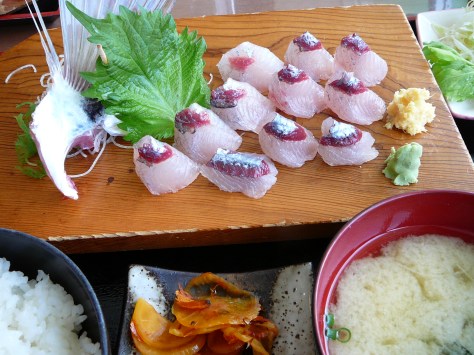
Flying Fish/Tobiuo sashimi from Yakushima Island

On the other hand, sushi follows different rules.
Fish and seafood placed on “donburi” (bowl) are usually of the freshly brought variety but fish served as nigiri is prepared in a different way.
The greatest sushi (and this cannot be done in Tsukiji!) are made with fish which has been gutted and cleaned live within seconds, then dressed into strips/fillets left to mature in a refrigerator on clean cloth/kitchen paper. This can be done only with fish caught locally!
The same obviously goes with shellfish and other marine ceatures: One cannot sample better “uni/sea urchin” away from Hokkaido or sakura ebi from Shizuoka.

Vegan and vegetarians, upon finding a restaurant willing to satisfy their priorities should also ask for food grown locally, a search easier than one might think at first as there are many non-meat eaters in this mainly Budhist country.
The same vegetables will make for the perfect combination when associated with local fish!

RECOMMENDED RELATED SITES:
Warren Bobrow
Wild River Review
Bread + Butter
5 Star Foodie
Frank Fariello
Mangantayon
Hapabento
Elinluv Tidbit Corner
Think Twice

Please check the new postings at:
sake, shochu and sushi

—————————————-
日本語のブログ
—————————————-

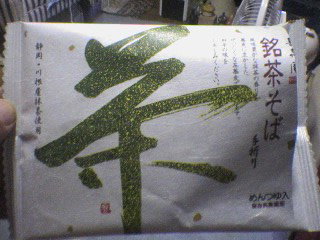
Vegan Tea Buckwheat Noodles: “Tya-soba”

cha-soba1.jpg

Shizuoka Prefecture is celebrated for its green tea all the World.
I had the pleasure to taste something of value for many recently.
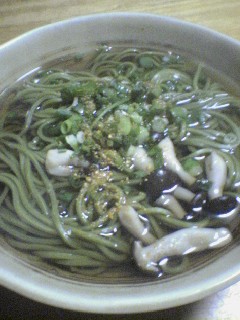
Vegeterians (and vegans!), rejoice! A company called Ikejima Foods in Hamakita Ku, Hamamatsu City has come up with Tea Buckwheat Noodles/Tya-soba!.
Tea comes from the Kawane area which produces some of the best tea in the Prefecture.
The noodles contain no preservatives and neither the noodles, nor the tsuyu/soup contains any animal extracts whatsoever (no milk or egg products).
One pack contains enough for 4 small or 2 medium portions.

cha-soba2.jpg

As for cooking, here are simple instructions:
Cold Noodles style:
Dilute tsuyu/soup in 100 ml of clean water.
In one big pan heat 2 litres of water. Bring to boiling point. Drop in noodles. Lower fire to samll. Stir with long chopsticks. The noodles are ready when they readily come to the surface. Wash them rapidly under running cold water inside a “zaru”/small basket or inside a bowl full of cold water until noodles are cool enough. Drain water and place on a flat dish over a bamboo net if possible. Eat noodles by dipping them in tsuyu/soup to which you can add freshly cut raw leeks and wasabi (or any spices you fancy!)

Hot noodles style:
Dilute tsuyu/soup into 230 ml of hot water.
Cook noodles as for cold style. Drain and drop into bowl full of tsuyu/soup. Add vegetables, freshly cut raw leeks and spices to taste.

“Meicha Soba”
Ikejima Foods
Hamamatsu City, Hamakita Ku, Terajima, 2351
Tel.: 053-587-1025

RECOMMENDED RELATED SITES:
Warren Bobrow
Bread + Butter
5 Star Foodie
Frank Fariello
Elinluv Tidbit Corner
Tokyo Terrace
Maison de Christina
Chrys Niles
Comestilblog
Greedy Girl
Bouchon For 2

Please check the new postings at:
sake, shochu and sushi

—————————————-
日本語のブログ
—————————————-

Tea as Food!

fugetsuro-2.jpg

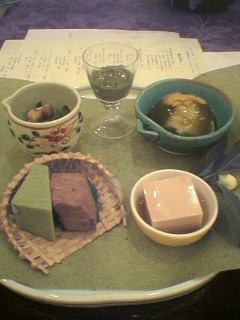
(from top middle, clockwise: Salted Cuttle fish marinated in tea leaves and rice yeast, conger eel pike and urchin in green tea jellied fish broth, tea leaves walnut tofu curd, tuna simmered in green tea with tea leaves dumpling cake, matsutake mushroom cooked in tea leaves)

Tea is mainly known as a drink all over the World in spite of puddings and a limited variety of desserts made with red or green tea.
Shizuoka Prefecture where more than 50% of all green tea in Japan has witnessed some gastronomic research by local chefs of all leanings and events have regularly been organised to share the information and skills.

Fugetsuro is one of the restaurants in Shizuka holding such welcome events:

fugetsuro-1.jpg

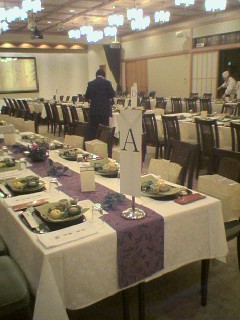
Above is a view of a dinner Mr. Hitoshi Yamada, Master Chef at Fugetsuro was asked to design for some 120 guests with the overriding concept that tea must be included in all dishes.

Including the first dish described above, the menu ran as follows (I let you judge!)
fugetsuro-3.jpg

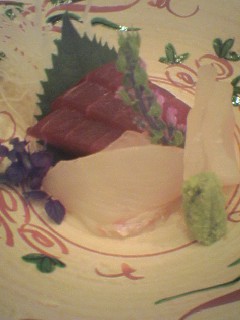
Raw fish assortment: Tuna, seabream, sole, seasoned with fresh tea, edible flowers, salt and soy sauce.

fugetsuro-4.jpg

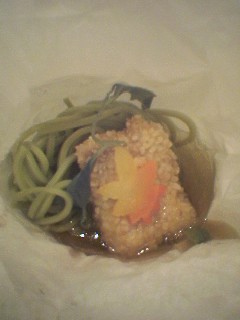
Surugani: tea sob/buckwheat noodles, seabream cooked in whole rice, “kouyou” carrot, tea leaves.

fugetsuro-5.jpg

Oven-baked black pork seasoned with tea, five color vegetables, tea sauce.

fugetsuro-6.jpg

Tofu bean curd and whole rice Pouch, deep-fried tea leaves. Seasoned with
“macha” tea salt.

fugetsuro-7.jpg

Autumn salmon marinate in seaweed and tea, yuuba/bean curd sheet. Seasoned with golden vinegar.

fugetsuro-8.gif

Tea rice, salmon roe, soup.

fugetsuro-9.jpg

Persimmon, grape, “macha” tea Bavarois, green tea cube jelly.

Fugetsurou
420-0852 Shizuoka City, Aoi Ku, Koya Machi, 11-1
Tel.: 054-2526500
Fax: 054-2528411
Homepage (Japanese)

RECOMMENDED RELATED SITES:
Warren Bobrow
Wild River Review
Bread + Butter
5 Star Foodie
Frank Fariello
Mangantayon
Hapabento
Elinluv Tidbit Corner
Think Twice
Oyster Culture
Tokyo Terrace
Maison de Christina
Chrys Niles
Comestilblog
Greedy Girl
Bouchon For 2

Please check the new postings at:
sake, shochu and sushi

—————————————-
日本語のブログ
—————————————-

Japanese Izakaya: Uzu (’09/09/13)

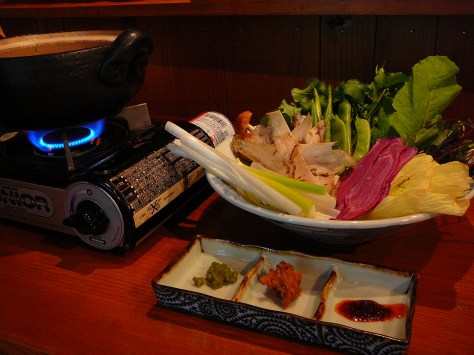
UZU-4

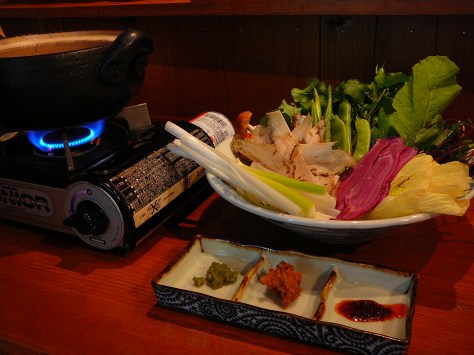
Vegetables Shabu shabu

Service: excellent, easy-going and very friendly
Facilities: great washroom, great cleanliness overall
Prices: very reasonable, good value.
Strong points: Very fresh local ingredients especially organic vegetables extensively used.

I said before that Uzu was bound the become an addicton!
The difference is that the Missus shares the same addiction!
Accordingly we felt it was about time we checked the menu as it always a seasonal one.

UZU-1

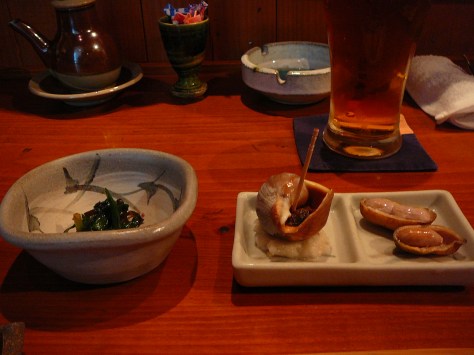
The “0-toshi”, or a snack served automatically with the first drink order, is clearly representative of Uzu, not only as far as food is concerned, but also because all earthenware and glassware are made by local artists!
Did you notice the size of the boiled peanuts/
Yes, they are eaten boiled in Shizuoka and make for a healthier todbit than the usual roasted variety. These jumbo-sized ones are grown near Mount Fuji!

UZU-2

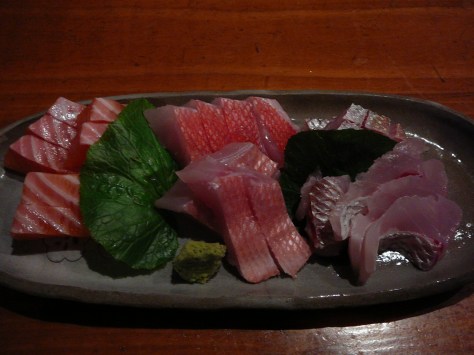
As for the sashimi plate we chose local fish including beni matsu/salmon trout raised in Fujinomiya City at the foot of Mount Fuji, Hanadai and Hondai, both varieties of groupers.

UZU-3

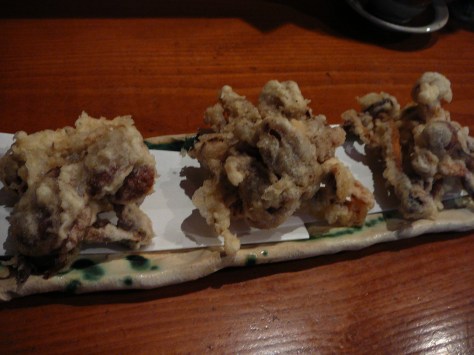
As for tempura,wewere told that a batch of wild mushrooms had just arrived.
No need to say we needed to be asked again.
Giant Enokitake, Shimejitake and Maitake!

UZU-4

But the star of the evening was the organic (all local) vegetables sgabu shabu (you will served seaweed/konbu dashi for it if you order so!)
Frankly speaking I did not havethe time to ask about thevegetables in detail as the Missus could not wait! Jut let me say they included red sweet potato and that they were a discovery!

Looking forward to the next one!
Incidentally the Missus had beer and white wine while I sipped local sake…

UZU
Shizuoka City, Otowa-cho, 3-18
Tel.: 054-249-6262
Business hours: 17:00=23:00
Closed on Mondays and first Tuesday
Reservations recommended
Credit cards OK

HOMEPAGE (Japanese)
RECOMMENDED RELATED SITES:

Warren Bobrow
Wild River Review
Bread + Butter
5 Star Foodie
Frank Fariello
Mangantayon
Hapabento
Elinluv Tidbit Corner
Think Twice

Please check the new postings at:
sake, shochu and sushi

—————————————-
日本語のブログ
—————————————-

Marine Life Sustainability and Stock Preservation in Japan

research-fishingship

Foodbuzz never asked me for such an article. I just wrote it first out of concern for some of my Foodbuzz Friends!

It was Lou-Ann‘s surprise in particular which originally prompted me into investigation to back up knowledge acquired though many years spent in this great country, Japan. It is the second time I publish this article as it has become more of actuality and new information has been made available.

I use the word “great” when applied to Japan for a simple reason:
Japan is the one country which most extensively conducts and sponsors research and development of fish stocks.
This country has also come up with some momentous discoveries related to the fishing environment:
-Japanese fishermen south of Kyushu Island discovered that planting trees on small islands increased manifold the amount of vegetal plankton carried into the surrounding sea resulting in an immediate increase of the fish population.
-Japanese researchers found out that building small pyramids on the sea floor with concrete or plastic (a beneficial dumping at last?) blocks attracted corals, sea anemones, seaweed and shellfish, thus creating a food chain for fish. Such pyramids will surely prove more beneficial to mankind than all the Egyptian pyramids put together!
They have also realised that dragging out sunk ships was not needed as the same lost vessels were populated by all kinds of marine life!
In the north of Japan crab stocks are been replenished by simply sinking giant scaffolds to the bootom of the sea, thus providing the delicious critters with the subtarreanean geography they love best!
Sakura ebi/Cherry shrimps fishermen in Yui (Shizuoka Prefecture again!) syphon the shrimp out of the nets before opening and releasing all other marine lie safely back into the sea!

The Japanese have been (unjustly) accused of emptying the seas. Actually Spain holds the world record for fish catch and consumption.
I already have written an article on whale meat. I find it galling that Japan is villified for eating whale meat by the very countries which depopulated the globe of sea-mammals in the 19th Century: US, Canada, Russia, Australia and New Zealand (alright, Great Britain for the last two maybe!) in the Pacific Ocean. US, Canada, Norway, Great Britain, France, Spain and Russia in the Atlantic Ocean. And most of them again in the Arctic and Antarctic Oceans. What do you think Commodore Perry was before he was delegated to order Japan to “open its doors”?
This country is repeatedly thrown into the same basket of evils. I was recently “told off” because the Japanese kill sharks for their fins before throwing the dead fish back into the sea. Sorry, mate, but you will have to ask the Chinese! The Japanese eat the whole fish when they catch it and make kamaboko from it!

It could go on and on, but this was never the real purpose of this article.

Now, to illustrate and justify the heading of this posting, here is a list of the fish and seafood raised in Japan as opposed to being caught in the wild:
research-honmaguro
Blue Fin Tuna/Honmaguro

Yes, you read it, Blue Fin Tuna! After 23 years of experimentation, a Kyushu fishmonger has finally succeeded in producing the fish from natural mating inside giant offshore sea parks. The fish is already sold over the counter at supermarkets.
No later than last year the Tokai Marine University in Shimizu, Shizuoka City (I live in a great place, don’t I?) also succedein a more sientific manner the raising of the same tuna from the egg, promising that domestic Blur Fin Tuna will roam the same waters in Suruga bay as their wild cousins!
With a ban on tuna fishing in the Mediterranean Sea being pushed through legislation by the EU, Japan will find itself one day in the rich position of actually exporting tuna!
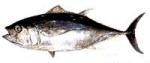
research-mebachi
Big-eyed Tuna/Mebachi Maguro

Human-raising Research is conducted and nearly brought to fruition.
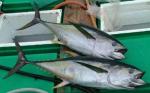
research-kihada
Albacore Tuna: Kihada Maguro

Human-raising Research is conducted and will soon be sucessful.

Note:
Indian Ocean Tuna/Indo Maguro: Human-raising Research is conducted abroad and such fish are imported to Japan.
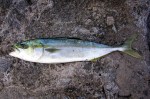
research-buri
Yellowtail/Buri

Over 62,000 tons of human-raised fish consumed last year.
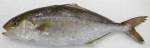
research-kanpachi
Amberjack/Kanpachi

Over 49,000 tons of human-raised fish consumed last year.
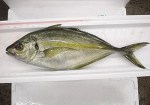
research-shimaaji
Striped Jack/Shima Aji

Over 3,000 tons of human-raised fish consumed last year.
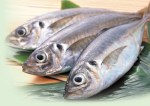
research-maaaji
Horse Mackerel/Ma Aji

Over 3,500 tons of human-raised fish consumed last year.
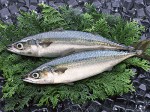
research-masaba
True Mackerel-Japanese Mackerel/Ma Saba

Human raising succeeded and fish are already sold over the counter.
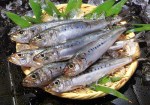
research-maiwashi
True Sardine-Pilchard/Ma Iwashi

Human-raising Research is being conducted and could created a real revolution as the same fish also become feed for above tuna.
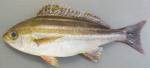
research-isaki
Isaki/Grouper variety-Parapristipona Trilinoatum

9 tons of human-raised fish consumed in Nagasaki Prefecture alone last year. Shizuoka is also coming up with them!
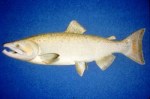
research-silversalmon
Silver Salmon/Gin Sake

Over 8,000 tons of human-raised fish consumed last year.
Production very fast.
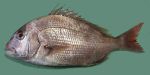
research-madai
Porgy/Madai

Over 71,000 tons of human-raised fish consumed last year as opposed to 15,000 tons caught at sea.
Al kinds of seabreams are actually on the line.
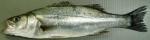
research-suzuki
Seabass/Suzuki

382 tons tons of human-raised fish consumed in Kagawa Prefecture (Shikoku) alone last year.
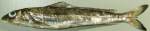
research-kisu
Sand Borer-Sillago/Kisu

Human-raising Research is being conducted.
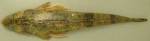
research-kochi
Bar-tailed Flathead/Kochi

Human-raising is being conducted.
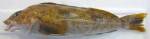
research-ainame
Ainame/Alexagrammos otakii

Human-raising has succeeded and some fish is already sold over the counter.
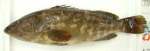
research-kue
Kelp Bass/Kue

A success story in Shizuoka and Nagasaki Prefectures where human-raised fish are already sold over the counter.
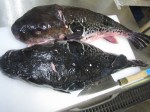
research-torafugu
Globefish-Tiger Globefish/Tora Fugu

Over 5,000 tons of human-raised fish consumed last year.
Shizuoka is rapidly becoming a major producer, especially inhamana (sea) Lake in the Western part of the Prefecture.
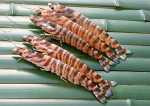
research-kurumaebi
Large Prawn/Kuruma Ebi

Over 1,700 tons of human-raised prawns consumed last year.
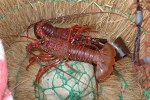
research-iseebi
Spiny Lobster/Ise Ebi

Human-raising Research is being conducted.
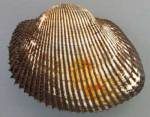
research-akagai
Ark Shell-Bloody Clam/Akagai

Human-raising Research is being conducted.
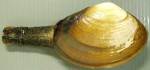
research-mirugai
Gaper/Mirugai

Human-raising Research is being conducted
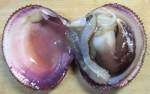
research-torigai
Large Cockle/Torigai

Human-raising Research is being conducted
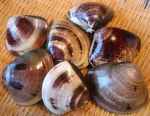
research-hamaguri
Hard Clam/Hamaguri

Very large amounts of half human-raised shellfish consumed last year.
All the clams picke by tourist in Hamana lake have actually been planted young there!
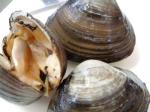
research-hokkigai
Surf Clam/Hokkigai

Human-raising Research bein conducted
research-awabi
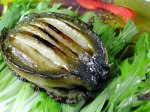
Abalone/ Awabi

32 tons tons of human-raised abalones consumed in Hokkaido and Nagasaki Prefectures alone last year.
Now, knowing the price of such shellfish and the enormous consumption in other countries, it promises to become a very lucrative business!
research-hotate1
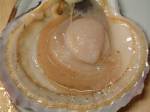
Scallops/Hotate

Over 270,000 tons of human-raised scallops consumed last year.
The shellffish being hermaphrodite, it will become easier and easier tomake and sell. Here in Shizuoka it has simply become ridiculaoulsy cheap!
research-kaki
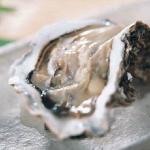
Oysters/Kaki

Over 220,000 tons of human-raised oysters + over 35,000 tons of the same out of the shell consumed last year as opposed to 1,600 tons of wild oysters.
Actually soon or later the catch of wild oysters will become strictly regulated as many other shellfish. Poaching both by Japanese and “foreigners” is being fought off in earnest.
research-uni
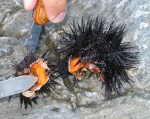
Sea Urchin/Uni

7 tons tons of human-raised sea urchin consumed in Hokkaido Prefecture alone last year.

research-maanago
Conger Eel/ Ma Anago

Human-raising Research is being conducted

research-unagi
Common Eel/Unagi

Over 21,000 tons of human-raised fish consumed last year as opposed to 610 tons caught in the wild.

In some places, notably Mishima City, eel restaurants refuse to serve wild eels.

research-hamo
Oike Conger eel/Hamo

Human-raising Research is being conducted.

The Japanese have also starting research on different varieties of octopus/tako and squids/ika.

Probably more coming soon or later!

RECOMMENDED RELATED SITES:
Warren Bobrow
Wild River Review
Bread + Butter
5 Star Foodie
Frank Fariello
Elinluv Tidbit Corner
Tokyo Terrace
Maison de Christina
Chrys Niles
Comestilblog
Greedy Girl
Bouchon For 2

Please check the new postings at:
sake, shochu and sushi

—————————————-
日本語のブログ
—————————————-
Karasumi/Botarga/Boutargue Season in Shizuoka!

karasumi.gif
(Courtesy of Shizuoka Shimbun Daily)

Karasumi, known as “boutargue” in French, or as “botarga” in Italian, is the natrally dried/preserved roe pouches of the mullet.
It is quite an expensive morsel in Japanese cuisine as well as in Europe (that is, the real one!).

Numazu City, one of the main fishing harbors in Shizuoka Prefecture, is quite renown for its karasumi.
The season for catching bora/鯔, or mullet in English, has begun and fishermen have just started drying their roe pouches/karasumi/カラスミ under the Autumn sun in this comparatively rainless time of the year.
It is grim and painstaking businees as the the roe pouches have to be carefully cleaned, got rid of any blood vesels, and sprinkled with the right quantity of salt.

karasumi2.jpg

They will be served thinly cut as they are in Japanese restaurants, or used in Italian and French restaurants, especially with pasta.

This yearly catch is slowly dwindling due to high demand, so brace yourselves when you open your purse!

Note: beware of imported specimens, especially from “Asia”!

RECOMMENDED RELATED SITES:
Warren Bobrow
Bread + Butter
5 Star Foodie
Frank Fariello
Elinluv Tidbit Corner
Tokyo Terrace
Maison de Christina
Chrys Niles
Comestilblog
Greedy Girl
Bouchon For 2

Please check the new postings at:
sake, shochu and sushi

—————————————-
日本語のブログ
—————————————-
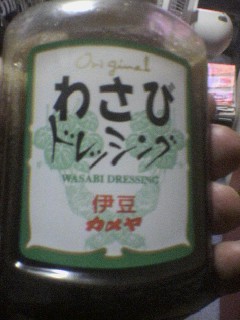
Vegan Dressing: Shizuoka Wasabi Dressing

wasabi-dressing.jpg

Shizuoka has claimed world fame for being the first to grow wasabi in the 17th Century (in Yutogi, Shizuoka City exactly, up along the Abe River) and for producing more than 80% of the wole Japanese output, but people tend to forget that it can be accomodated in varuious manners, apart of being used a condiment for sashimi, sushi and the ubuquitous makisushi/rolled sushi!

The whole plant for instance can be made ito a pickled delicacy of its own.

One more great use has been initiated in Mishima City in eastern Shizuoka Prefecture: Wasabi Dressing!

It is not at all hot, but almost sweet and makes great accompaniment for any salads, on omelettes (Japanese or traditional) and mixed with sauces. I (and my better/worse) half are still disovering more usages!

Definitely worth a try! Moreover it contains a crowd of healthy ingredients!
Moreover, as it contains only vegetal oil, vinegar and ntural spices, it makes for the perfect vegan or vegetarian dressing!

Wasabi Dressing
Izu Kameya Co.
Mishima City, Heiseidai 5
Tel.: 0120369981
Can be bought in Sunpu Raku Ichi Shop, Asty, Shizuoka JR Station

RECOMMENDED RELATED SITES:
Warren Bobrow
Bread + Butter
5 Star Foodie
Frank Fariello
Elinluv Tidbit Corner
Tokyo Terrace
Maison de Christina
Chrys Niles
Comestilblog
Greedy Girl
Bouchon For 2

Please check the new postings at:
sake, shochu and sushi

—————————————-
日本語のブログ
—————————————-

Italian Restaurant: Lunch at Il Paladino

PALADINO-3

Service: Excellent and very friendly
Facilities: great and very large washroom, great cleanliness overall
Prices: reasonable to expensive.
Specialty:Sicilian Cuisine. Top-class Italian wines and great collection of Grappa.
Non-smoking at tables.

The Autumn days are definitely getting shorter but we still enjoy plenty of warm fine weather making ideal for lunches taken on a terrace!
Although Il paladino’s Terrace is a bit small I would never exchange it for a seat inside!
Though I must say there is always a good chance for its seats to be available as the Japanese haven’t caught onthe habit of eating outside yet!

PALADINO-1

Il Paladino offers great lunch courses for a bargain.
Since their ingredients are seasonal only, there is little chance for a repeat menu.
The Missus and I visited them the other Thursday, a rare day when we can go out together.
Mylady had the antipasti misto of the day, including agreat little quiche!

PALADINO-2

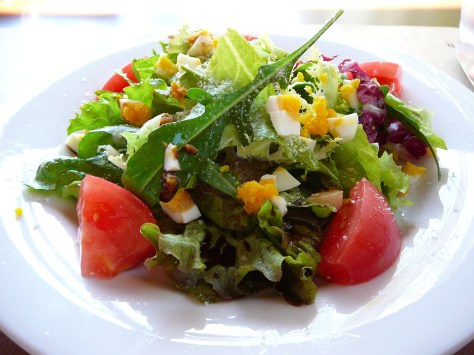
As for me I started with a salad of vegetables rown locally. Very well chosen, they would please any vegan or vegetarian friend!

PALADINO-4

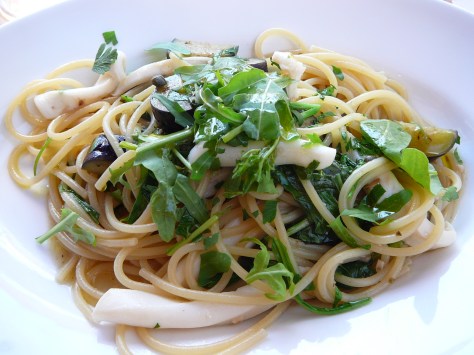
The Missus, being a pasta fanatic, couldn’t resist the spaghetti of the day with calamari squid, mushrooms, greens and parmegiano.

PALDINO-5

Veg and pasta are fine, but I needed something more solid.
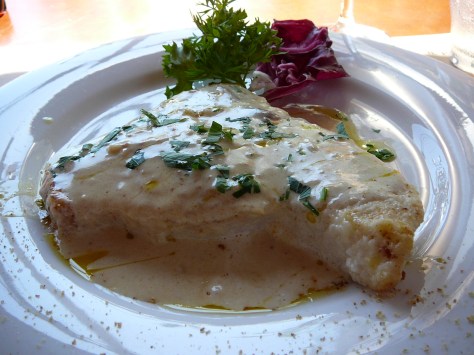
I chose the grilled marlin with a parmegiano cream sauce.
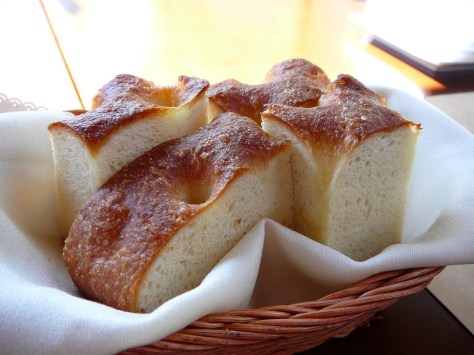
Plentiful, very tasty and going so well with the home-made fogaccia bread (see pic ath top of this posting)!

Looking forward to our next dinner there!

Tratorria . Il Paladino
420-9839 Shizuoka City, Aoi-Ku, Takajo, 2-8-19
Tel.: 054-253-6537
Opening hours: 11:30~13:30, 17:00~22:00
Closed on Mondays
Credit cards OK (Dinner only)

RECOMMENDED RELATED SITES:
Warren Bobrow
Wild River Review
Bread + Butter
5 Star Foodie
Frank Fariello
Mangantayon
Hapabento
Elinluv Tidbit Corner
Think Twice

Please check the new postings at:
sake, shochu and sushi

—————————————-
日本語のブログ
—————————————-

Organic Cafe: Giono

GIONO-4

Service: excellent and very friendly
Facilities: great cleanliness overall
Prices: reasonable, good value.
Strong points: Very fresh local ingredients extensively used. Seasonal ingredients only. All organic.

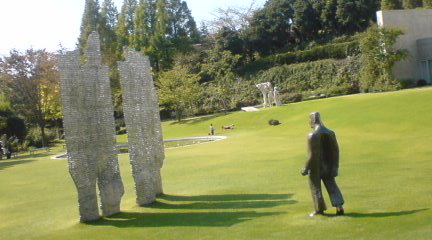
If you have the chance to visit Mishima City at the foot of Mount Fuji, there is a place where to enjoy a full day in an art-filled park of the highest level: Clematis no Oka/Clematis Hill.

VANGI-17

A free shuttle bus will take you from Mishima JR Station all the way to Nagaizumi Cho past vegetable farms and resort villas and drop you at this grand art complex in the middle of a forest.

It comprises two main parts:
-The Clematis Garden Area with an enormous (by Japanese standards) park with an infinite amount of flowers and a Museum/Park concept called the Vangi Statues Garden Art Museum, enough of a venue by itself.
-Buffet Area: not a diner-buffet area but the Bernard Buffet Museum you can either acceed to by shuttle or by walking across from the Vangi Park and a exquisite suspended bridge.
The Bernard Buffet is a major Museum in Japan with regular visiting exhibitions such as Leonard Foujita.
Check their great Homepage!

GIONO-1

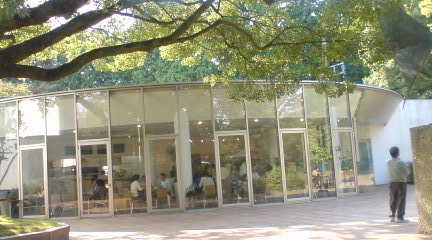
Right in front of the Museum entrance stands an inviting cafe/restaurant/boutique.
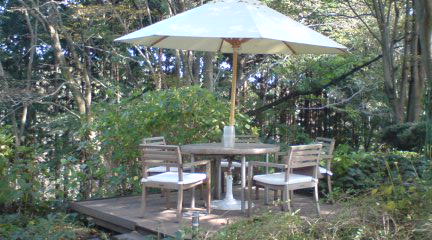
You can choose a seat either inside the cafe or at one of the three parasol tables (choose the latter if possible).

GIONO-3

Open only for lunch in accordance to the Musuem business hours it offers an exclusively organic menu, be it vegan, vegetarian or omnivore.
Almost all vegetables are grown in neighbourhood gardens and farms.
Mishima City and its surroundings are a reference in Shizuoka Prefecture when it comes to agricultural produce of any kind, including organic and biological growing and raising.

GIONO-2

The menu is purely seasonal, and where not available locally, the ingredients, such as olive oil, are carefully chosen among products from France, Italy and other countries.
The Missus and I on that day opted for two different set-courses.
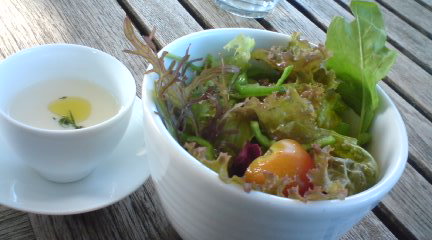
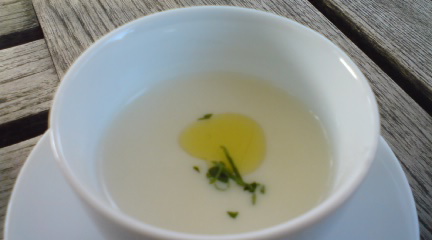
Both courses come with an appetizer. In this case, chilled vychissoise soup with olive oil and a sprinkle of fresh herbs, and a pot of organic vegetables salad.

GIONO-5

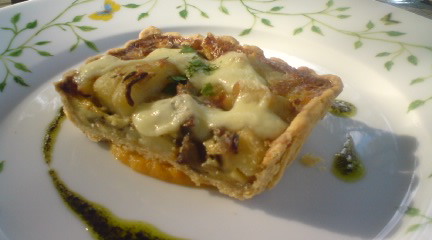
The Dragon (my other half) had a delicious mushroom and potato quiche. I managed to steal half of it! Beautifully light but satisfying, I must emulate it as soon as possible!

GIONO-6

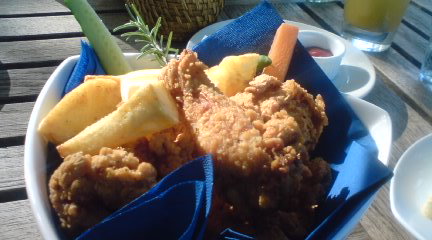
The Rabbit (me!) ordered the deep-fried chicken in a batter containing 14 spices and garnished with organic fried potatoes. A lunch to convince you away from those famed/notorious diners (can you guess?)!

We were also offered a complimentary drink with the course.
Note: Lunches are served with a big bottle of water coming directly from the streams flowing down Mount Fuji!

GIONO
411-0931, Mshima City, Nagaizumi-Cho, Clematis Garden (Suruga Oka), 347-1, Bernard Buffet Museum
Tel.: 055-980-5856
Opening hours: 10:00~17:30 (lunches until 15:00). Time will change in winter.
Closed on Tuesdays or on Wednesdays if Tuesday is a National Holiday.
HOMEPAGE (English)

RECOMMENDED RELATED SITES:
Warren Bobrow
Wild River Review
Bread + Butter
5 Star Foodie
Frank Fariello
Mangantayon
Hapabento
Elinluv Tidbit Corner
Think Twice

Please check the new postings at:
sake, shochu and sushi

—————————————-
日本語のブログ
—————————————-

Japanese Cheese: NEEDS Co. (Hokkaido)

CHEESE-NEEDS2

I have already said that the Japanese have been steadily increasing their own cheese production for the last 10 years or so with some reamarkable results.
Moreover, these cheese have slowly but steadily become available over the whole country at specialised shops and department stores.
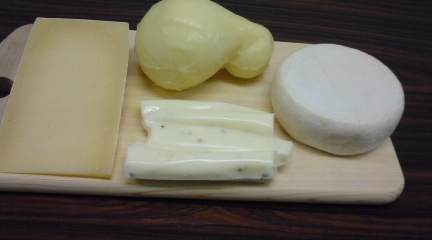
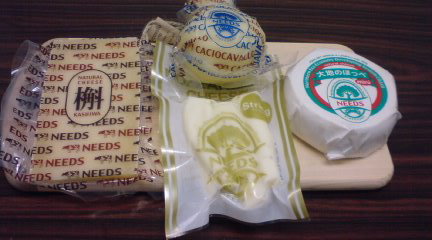
As a futher proof I have discovered four more cheeses by a different company I hadn’t heard of before: NEEDS Co Ltd in the island of Hokkaido!
NEEDS stands for “Northern Eco Economy Developing System”.
The amusing details are that names are in English or Japanese while weights and packaging are written in French.
NEEDS Co. Ltd. is relatively new as it was founded in 2003.

CHEESE-NEEDS1

They are all made from raw cow’s milk and very safely packaged, a must in this country with very changeable climates!

CHEESE-NEEDS3

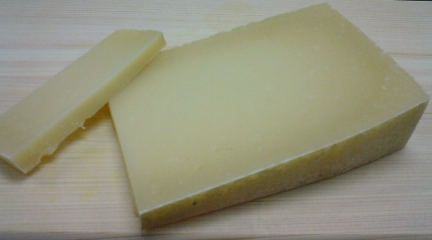
The above cheese, a hard type variety is called Kashiwa/槲 (Japanese Emperor Oak), the name of a tree found in Hokkaido.
It is a cross obtween Emmental and Gruyere, with some welcome pungency and solid taste.

CHEESE-NEEDS4

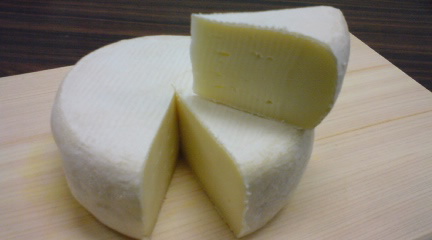
This cheese is called “Oochi no Hoppe/大地のほっぺ” meaning the “Cheek of the Large lands”!
Reblochon-style, it is quite soft and pobably will do better with some more maturing.

CHEESE-NEEDS5

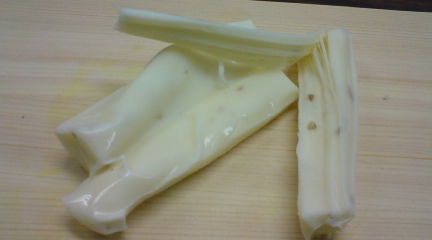
The cheese above is called “Sakeru Type Mozzarella/White pepper/String/さけるタイプ・モッツアレラチーズ・ホワイトペッパーストリング”. in brief it is a string-type cheese you can tear easily. great as a snack. The pepper contained in the cheese is a good initiative. As for the name Mozzarella, it just shows that the Japanese laws are somewhat a bit lax! great snack with beer.

CHEESE-NEEDS6

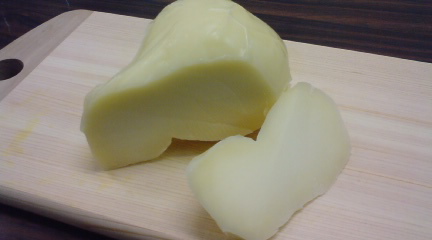
As the name “Caciocavallo” indicates, the above cheese is Italian-inspired!
Softer than its Italian counterpart, it has nonetheless a solid taste with plenty of supleness, making for a great snack!

NEEDS Co. Ltd.
Hokkaido, Nakagawa Gun, Makubetsu cho, Shinwa, 162-111
Tel.: (819(0)155-57-2511

RECOMMENDED RELATED SITES:
Warren Bobrow
5 Star Foodie
Think Twice
Frank Fariello
Cheesemonger’s Weblog

Please check the new postings at:
sake, shochu and sushi

—————————————-
日本語のブログ
—————————————-