Tag Archives: Asian

My best 10 Desserts in Shizuoka in 2011!

Dessert plate at Contorno, Mochimune, Shizuoka City!
Chocolate Cake, pear compote and blueberry sauce, sweet tomato, lemon sauce and organic mint.

People have a sweet tooth in Shizuoka Prefecture, but since the region is extravagantly rich in agricultural products real Shizuoka desserts are very much on offer in superlative restaurants!
These are the best ten in my biased opinion.
Note that there is no particular order to them!

Sakekasu/Japanese sake white lees sorbet at Cham, Suruga Ku, Shizuoka City!

Dessert plate at Il Castagno, Aoi Ku, Shizuoka City!
Fig tart, “Pone” expresso coffee and chocolate pudding, peach and plum sorbets!

Dessert plate at Orta, Naka Ku, Hamamtsu City!
Blueberry cheese cake, chocolate cake and mango ice-cream

Fig compote and Darjheeling tea jelly at Pissenlit in Aoi Ku, Shizuoka City!

Pheasant eggs (Hamamatsu City) and sugar cane brown sugar caramel (Kakegawa City) and sugar cane brown sugar sorbet at Testuya Sugimoto in Aoi Ku, Shizuoka City!

Soy sauce (Gotemba City) mousse, frozen mikan orange and lemon sorbet at Tetsuya Sugimoto in Aoi Ku, Shizuoka City!

Peach Compote and vanilla ice cream at Ninosa in Aoi Ku, Shizuoka City!

“Splendeur” by Bernard Heberle at Abondance Cake Shop in Naka Ku, Hamamatsu City!

Carrot Creme Brulee and organic mikan orange caramelisee at Pissenlit in Suruga Ku, Shizuoka City!

If you need the addresses and contacts of all the establishments I’ll be glad to oblige!

RECOMMENDED RELATED WEBSITES

With a Glass,
Clumsyfingers by Xethia
Adventures in Bento Making, American Bento, Beanbento, Bento No1, Bento Wo Tsukurimashou, Cooking Cute, Eula, Hapabento , Happy Bento, Jacki’s Bento Blog, Kitchen Cow, Leggo My Obento, Le Petit Journal Bento & CO (French), Lunch In A Box, My Bento Box, Vegan Lunch Box; Tokyo Tom Baker, Daily Food Porn/Osaka, Only Nature Food Porn, Happy Little Bento, The Herbed Kitchen, J-Mama’s Kitchen, Cook, Eat, Play, Repeat; Bento Lunch Blog (German); Adventures In Bento; Anna The Red’s Bento Factory; Cooking Cute; Timeless Gourmet; Bento Bug; Ideal Meal; Bentosaurus; Mr. Foodie (London/UK); Ohayo Bento

Must-see tasting websites:

-Sake: Tokyo Through The Drinking Glass, Tokyo Foodcast, Urban Sake, Sake World
-Wine: Palate To Pen, Warren Bobrow, Cellar Tours, Ancient Fire Wines Blog
-Beer: Good Beer & Country Boys, Another Pint, Please!
-Japanese Pottery to enjoy your favourite drinks: Yellin Yakimono Gallery

Japanese Crab Species 3: Japanese Spider Crab/Takaashigani/高足蟹

TAKAASHIGANI-1

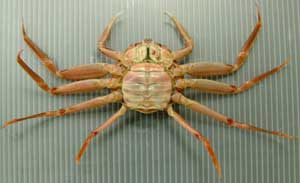
Takaashigani/高足蟹, literally meaning “Tall Legs Crab” is the largest crab in the worldand is caught almost only around Japan especially in the Suruga Bay In Shizuoka Prefecture and Izu Islands, but numbers of the crab have diminished over recent years, and there are many efforts to protect them. In Shizuoka Prefecture, people even help them grow from the eggs before returning them to the sea!

Fully grown, it can reach a leg span of almost 4 m (13 ft), a body size of up to 37 cm (15 inches) and a weight of up to 20 kg (44 lb). The crab’s natural habitat is on the bottom of the Pacific Ocean (some 300 to 400 m deep) around Japan, where it feeds on dead animals and shellfish. It is believed to have a life expectancy of up to 100 years.

The Japanese spider crab has 10 legs. The front two legs have been adapted into claws. It has an orange body with white spots on its thin legs. In males, the limbs on which the claws are located become longer than its other limbs, and a large male can widen them to more than 3 m. The oval-shaped and vertically rounded shell can reach 30 cm in width and can be up to 40 cm long. The compound eyes are situated on the front, and two thorns stick out between them. Younger specimens feature hair and thorns on the shell, and their frontal horns are longer, but these gradually atrophy as the crab ages.

In Japan it is considered a delicacy and prices can easily jump!
The Japanese spider crab is caught using small trawling nets, and is often eaten salted and steamed.

TAKAASHIGANI-BOILED

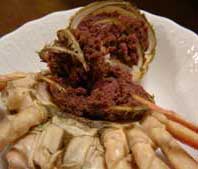
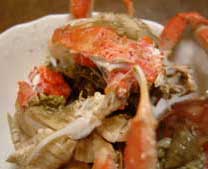
Interestingly enough, when bolied/steamed, not only the shell but also the flesh turns red.

TAKAASHIGANI-SUSHI

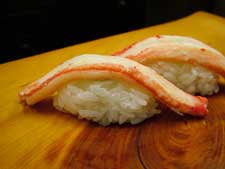
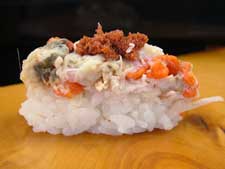
They do make for impressive sushi!

RECOMMENDED RELATED WEBSITES

With a Glass,
Clumsyfingers by Xethia
Adventures in Bento Making, American Bento, Beanbento, Bento No1, Bento Wo Tsukurimashou, Cooking Cute, Eula, Hapabento , Happy Bento, Jacki’s Bento Blog, Kitchen Cow, Leggo My Obento, Le Petit Journal Bento & CO (French), Lunch In A Box, My Bento Box, Vegan Lunch Box; Tokyo Tom Baker, Daily Food Porn/Osaka, Only Nature Food Porn, Happy Little Bento, The Herbed Kitchen, J-Mama’s Kitchen, Cook, Eat, Play, Repeat; Bento Lunch Blog (German); Adventures In Bento; Anna The Red’s Bento Factory; Cooking Cute; Timeless Gourmet; Bento Bug; Ideal Meal; Bentosaurus; Mr. Foodie (London/UK); Ohayo Bento

Must-see tasting websites:

-Sake: Tokyo Through The Drinking Glass, Tokyo Foodcast, Urban Sake, Sake World
-Wine: Palate To Pen, Warren Bobrow, Cellar Tours, Ancient Fire Wines Blog
-Beer: Good Beer & Country Boys, Another Pint, Please!
-Japanese Pottery to enjoy your favourite drinks: Yellin Yakimono Gallery

Japanese Crab Species 2: Red King Crab/Tarabagani/鱈場蟹

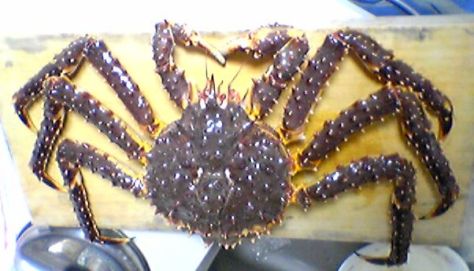
TARAGANI-KINGCRAB-1

Tarabagani or Red King Crab/鱈場蟹 is caught in Autumn and Winter.
It is the most coveted of the commercially sold king crab species, and is the most expensive per unit weight. It was named after the colour it turns when it is cooked rather than the colour of a living animal, which tends to be more burgundy.

Red king crabs can be very large, sometimes reaching a carapace width of 11 in (28 cm) and a leg span of 6 ft (1.8 m) [2]. It is most commonly caught in the Bering Sea and Norton Sound, Alaska, and is particularly difficult to catch, but is nonetheless one of the most preferred crabs for consumption.

The King Crab is native to the Bering Sea, north Pacific Ocean, around the Kamchatka Peninsula and neighbouring Alaskan waters.
In Japan it is caught in the Japan Sea and neighbouring Okhotsk Sea.

In Japan 100 tonnes are caught every year, whereas 40,000 tonnes are imported, mainly from Russia!

There are so many way to enjoy this great crab!
Here are a few examples:

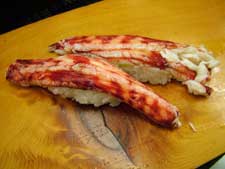
TARAGANI-KINGCRAB-SUSHI

Boiled as Sushi Nigiri of course!

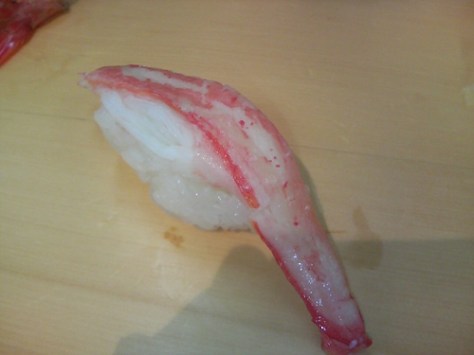
TARAGANI-KINGCRAB-SUSHI-RAW

Even more extravagant, raw as sushi nigiri!

TARAGANI-KINGCRAB-CHIRASHIZUSHI-2

Just plain boiled on a bowl of freshly steamed rice. My favourite for its extravagant simplicity!

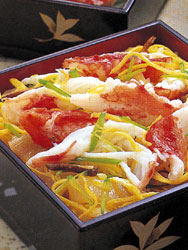
TARAGANI-KINGCRAB-CHIRASHIZUSHI

As Chirashizushi it should please anyone!

TRABAGANI-SOUP

And how about a great soup with miso!?

Naturally, there are more ways, including grilling!
I will leave it to your imagination! LOL

RECOMMENDED RELATED WEBSITES

With a Glass,
Clumsyfingers by Xethia
Adventures in Bento Making, American Bento, Beanbento, Bento No1, Bento Wo Tsukurimashou, Cooking Cute, Eula, Hapabento , Happy Bento, Jacki’s Bento Blog, Kitchen Cow, Leggo My Obento, Le Petit Journal Bento & CO (French), Lunch In A Box, My Bento Box, Vegan Lunch Box; Tokyo Tom Baker, Daily Food Porn/Osaka, Only Nature Food Porn, Happy Little Bento, The Herbed Kitchen, J-Mama’s Kitchen, Cook, Eat, Play, Repeat; Bento Lunch Blog (German); Adventures In Bento; Anna The Red’s Bento Factory; Cooking Cute; Timeless Gourmet; Bento Bug; Ideal Meal; Bentosaurus; Mr. Foodie (London/UK); Ohayo Bento

Must-see tasting websites:

-Sake: Tokyo Through The Drinking Glass, Tokyo Foodcast, Urban Sake, Sake World
-Wine: Palate To Pen, Warren Bobrow, Cellar Tours, Ancient Fire Wines Blog
-Beer: Good Beer & Country Boys, Another Pint, Please!
-Japanese Pottery to enjoy your favourite drinks: Yellin Yakimono Gallery

Japanese Crab Species 1: Snow Crab-Suwagani-楚蟹

Snow Crabs, or Zuwagani/楚蟹 in Japanese, are very popular not only in Japan, but also in Russia, Canada and many other countries.

In Japan, they are also known under the following names: Matsubagani, Echizengani and Yoshigani.
The females are also called Seikogani, Megani or Koubakogani.
They are caught mainly in Autumn and Winter.
Their number has decreased in the Japan seas down to a yearly catch of 5,000 tonnes while 60,000 tonnes are imported from Russia and Canada.

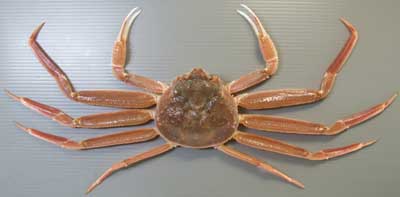
ZUWAGANI-MALE-1

(Male Snow Crab)

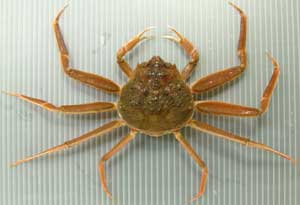
ZUWAGANI-FEMALE-1

(Female snow Crab)

Male and female snow crabs are equally succulent, but the males contain more flesh and are accordingly more expensive.

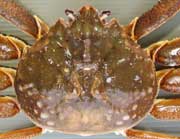
ZUWAGANI-MALE-2
The “thorns” of a male snow crab are bigger.

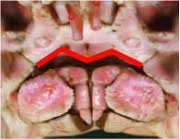
ZUWAGANI-MALE-3
The “teeth” of a male snow crab are triangular in a seesaw shape.
The female “teeth” are in a straight line.

ZUWAGANI-FEMALE-2
The underbelly of a female snow crab is flatish.

ZUWAGANI-FEMALE-3

When buying a female (10 times as cheap) snow crab, choose a specimen with as few eggs as possible. Above speciman just has too many!

ZUWAGANI-FEMALE-4

A female snow crab should contain plenty of succulent orange egg sacs (the eggs not yet “born”). Otherwise, there is very little reason to buy any!

Crabs can be eaten in many ways, even raw, but my favourites are on sushi!

ZUWAGANI-SUSHIZUWAGANI-FEMALE-SUSHI

Male Snow crab leg Sushi Nigiri and Female snow crab Sushi Nigiri and its egg sacs!

Suwagani/Snow Crab legs, when lightly boiled can make for beautiful sushi nigiri.

Cheaper varieties can still make for some remarkable gunkan sushi combining the boiled white flesh and “miso”/brains!

If the Japanese can get their hands on the whole crab, they will simply boil it and eat the meat directly out of the shell with a sweet vinegar dressing.
As for the “miso”/brains they will be served in the shell heated again with a big helping of Japanese sake!

Now, live snow crabs make for extravagant sashimi!

The same can be savoured in shabu-shabu!

Italian restaurants in Japan regularly serve them in pasta!

RECOMMENDED RELATED WEBSITES

With a Glass,
Clumsyfingers by Xethia
Adventures in Bento Making, American Bento, Beanbento, Bento No1, Bento Wo Tsukurimashou, Cooking Cute, Eula, Hapabento , Happy Bento, Jacki’s Bento Blog, Kitchen Cow, Leggo My Obento, Le Petit Journal Bento & CO (French), Lunch In A Box, My Bento Box, Vegan Lunch Box; Tokyo Tom Baker, Daily Food Porn/Osaka, Only Nature Food Porn, Happy Little Bento, The Herbed Kitchen, J-Mama’s Kitchen, Cook, Eat, Play, Repeat; Bento Lunch Blog (German); Adventures In Bento; Anna The Red’s Bento Factory; Cooking Cute; Timeless Gourmet; Bento Bug; Ideal Meal; Bentosaurus; Mr. Foodie (London/UK); Ohayo Bento

Must-see tasting websites:

-Sake: Tokyo Through The Drinking Glass, Tokyo Foodcast, Urban Sake, Sake World
-Wine: Palate To Pen, Warren Bobrow, Cellar Tours, Ancient Fire Wines Blog
-Beer: Good Beer & Country Boys, Another Pint, Please!
-Japanese Pottery to enjoy your favourite drinks: Yellin Yakimono Gallery

Italian Gastronomy: Hot Appetizers at Soloio in Shizuoka City!

Service: Pro and very friendly
Equipment & Facilities: Great overall cleanliness and superb washroom
Prices: Reasonable
Strong points: Fresh local ingredients whenever possible. Both traditional and inventive Italian cuisine. Good wine list at moderate prices. Open late!

Great Italian cuisine is a hit here in Japan due to the abundant supply of vegetables, especially in Shizuoka Prefecture which boasts the largest number of varieties in Japan.
But come winter, customers are expecting to start their gastronomic escapade with something light, healthy and hot!
Chef Takehiko Katoh/加藤武彦 knows that too well and always has a seasonal appetizers menu on hand!

Even if you are an expat the title of the dish will give you a good indication of what to expect!
As for the Japanese customers (and expats who can read it) the abundant explanations are a real bonus!
I’ve had the pleasure recently to sample three of them:

Polenta e Gorgonzola, an appetizer popular in North Italy!

This polenta is white polenta made with corn flour and lighter than the more common yellow polenta found in many Mediterranean countries.

The hot combination of corn and blue cheese Gorgonzola with the raw ham results in an explosion of flavors inside the palate!

As you can see the polenta is very soft and easy on the palate.
Sommelier Mieko Ozawa/小澤美恵子 recommends a solid white wine to accompany it!

The second one had no special Italian name and was called “Various vegetables from Mr. Kato’s (the Chef!) garden cooked and baked in a Nanbu Tekki (from Iwate Prefecture) wrought iron skillet”!

Cooked only with olive oil, salt and pepper (there might be a supplementary secret…), the shape, color and taste of the vegetables are beautifully preserved in spite of the intense heat!
Let me show you more detailed photos!

Red carrot, red daikon, leeks…

Sato imo/taro! The skin was so fresh and crispy that I ate the whole of them!

Garlic, turnip, leek, broccoli…

The third appetizer was Ribollita.
You could describe it as a fine vegetable stew!

Really appetizing Toscanan dish by a cold winter night!
The toasted home-baked bread is the attention to details of a worthy Chef!

All these finely cut vegetables including Romanesco cauliflower and tubers contribute to a sophisticated dish of its own!

What’s next?
A symphony of risotto!

SOLOIO
420-0858 Shizuoka City, Aoi Ku, Tenmacho, 9-7, Kita, 1
Tel./fax: 054-260-4637
Business hours: 16:00~24:00
Closed on Monday
Credit cards OK
Private parties welcome!
Smoking allowed BUT Non-smoking until 20:00 everyday!

RECOMMENDED RELATED WEBSITES

With a Glass,
Clumsyfingers by Xethia
Adventures in Bento Making, American Bento, Beanbento, Bento No1, Bento Wo Tsukurimashou, Cooking Cute, Eula, Hapabento , Happy Bento, Jacki’s Bento Blog, Kitchen Cow, Leggo My Obento, Le Petit Journal Bento & CO (French), Lunch In A Box, My Bento Box, Vegan Lunch Box; Tokyo Tom Baker, Daily Food Porn/Osaka, Only Nature Food Porn, Happy Little Bento, The Herbed Kitchen, J-Mama’s Kitchen, Cook, Eat, Play, Repeat; Bento Lunch Blog (German); Adventures In Bento; Anna The Red’s Bento Factory; Cooking Cute; Timeless Gourmet; Bento Bug; Ideal Meal; Bentosaurus; Mr. Foodie (London/UK); Ohayo Bento

Must-see tasting websites:

-Sake: Tokyo Through The Drinking Glass, Tokyo Foodcast, Urban Sake, Sake World
-Wine: Palate To Pen, Warren Bobrow, Cellar Tours, Ancient Fire Wines Blog
-Beer: Good Beer & Country Boys, Another Pint, Please!
-Japanese Pottery to enjoy your favourite drinks: Yellin Yakimono Gallery

Vegan and Vegetarian Vegetable of the Oceans: Seaweed!

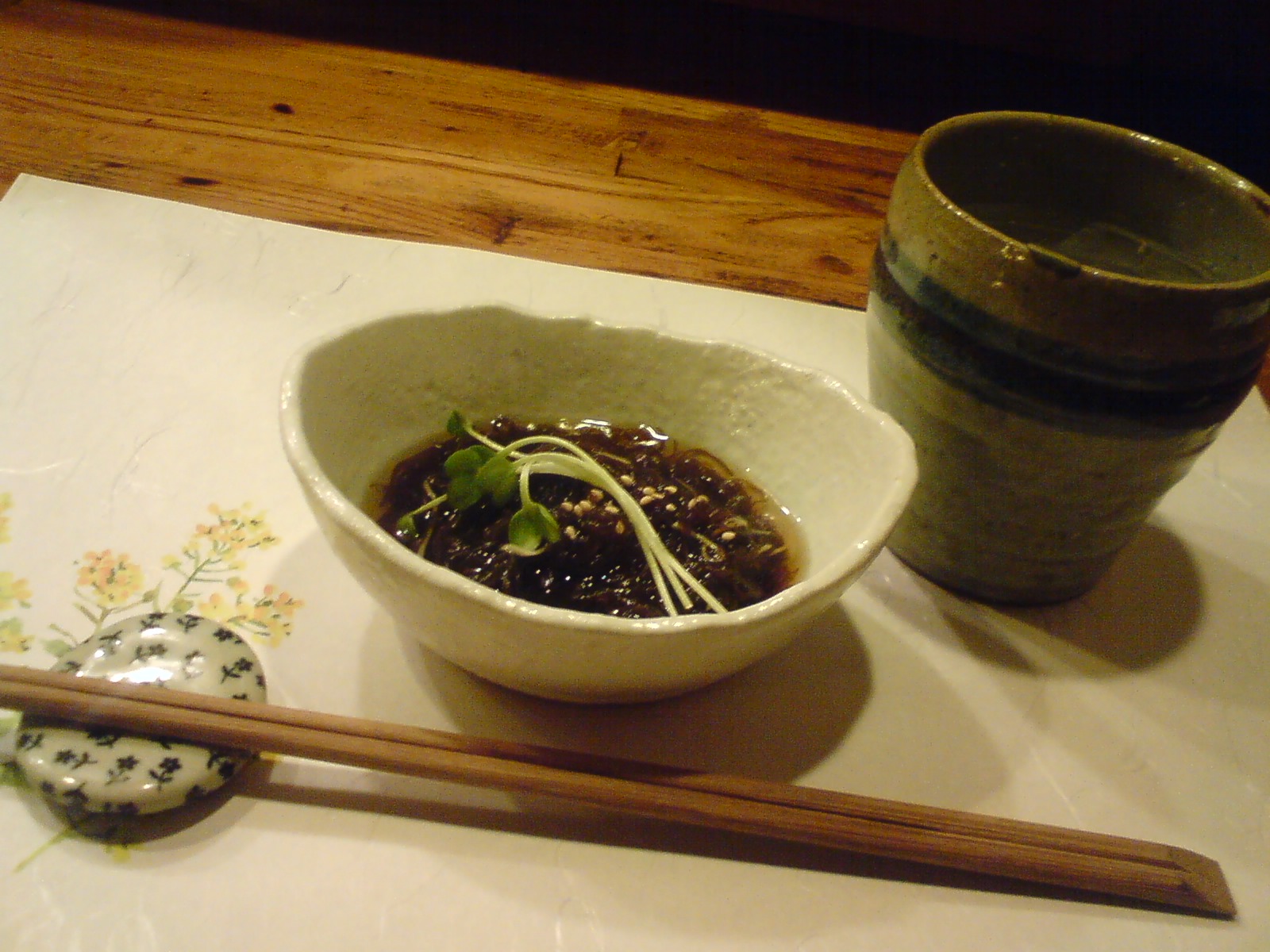
Mozuku in amazu/sweet vinegar as served at Yasaitei, Shizuoka City.

Seaweed or algae have been used for eons by humans, but have only been recently rediscovered as a food of their own.
Seaweeds are consumed by coastal people, particularly in East Asia, e.g., Japan, China, Korea, Taiwan, Thailand, and Vietnam, but also in Indonesia, Belize, Peru, the Canadian Maritimes, Scandinavia, Ireland, Wales, Philippines, and Scotland.
It is rich in calcium and magnesium and seaweed noodles can be cooked into pancit canton, pancit luglug, spaghetti or carbonara.
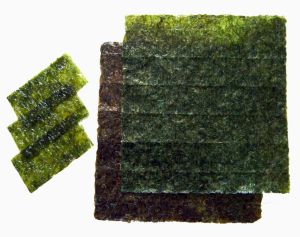
Nori

In Asia, Zicai (紫菜) (in China), gim (in Korea) and nori (in Japan) are sheets of dried Porphyra used in soups or to wrap sushi. Chondrus crispus (commonly known as Irish moss or carrageenan moss) is another red alga used in producing various food additives, along with Kappaphycus and various gigartinoid seaweeds. Porphyra is a red alga used in Wales to make laver. Laverbread, made from oats and the laver, is a popular dish there. Affectionately called “Dulce” in northern Belize, seaweeds are mixed with milk, nutmeg, cinnamon, and vanilla to make a common beverage.

Seaweeds are also harvested or cultivated for the extraction of alginate, agar and carrageenan, gelatinous substances collectively known as hydrocolloids or phycocolloids. Hydrocolloids have attained commercial significance as food additives. The food industry exploits their gelling, water-retention, emulsifying and other physical properties. Agar is used in foods such as confectionery, meat and poultry products, desserts and beverages and moulded foods. Carrageenan is used in salad dressings and sauces, dietetic foods, and as a preservative in meat and fish products, dairy items and baked goods.

Alginates are used in wound dressings, and production of dental moulds. In microbiology research, agar is extensively used as culture medium.

Seaweed is a source of iodine, necessary for thyroid function and to prevent goitre.

Seaweed extract is used in some diet pills. Other seaweed pills exploit the same effect as gastric banding, expanding in the stomach to make the body feel more full.
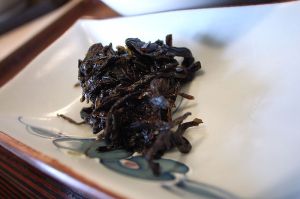
Konbu Tsukudani, a popular Japanese seaweed dish.

The Japanese divide their edible seaweed into three main groups:
BROWN ALGAE:

-Konbu/昆布, or Laminariaceae Bory (Latin), comprises many varieties, some of them regional: Makonbu or Saccharina japonica(真昆布), Onikonbu or Laminaria diabolica(羅臼昆布), Rishiri Konbu or Laminaria ochotensis(利尻昆布), Hosome Konbu or Laminaria religiosa(細目昆布), Hitaka or Mitsuishi Konbu or Laminaria angustata(日高昆布、三石昆布), Naga or Hamanaka Konbu or Laminaria longissima(長昆布、浜中昆布), and Kagome or Kjellmaniella crassifolia(籠目昆布).

-Hijiki or hiziki (ヒジキ, 鹿尾菜 or 羊栖菜, hijiki) (Sargassum fusiforme, or Hizikia fusiformis) is a brown sea vegetable growing wild on rocky coastlines around Japan, Korea, and China. Its two names mean deer-tail grass and sheep-nest grass respectively.

-Hibatama or Fucus, a genus of brown alga in the Class Phaeophyceae to be found in the intertidal zones of rocky seashores almost everywhere in the world.

-Hondawara or ホンダワラ(馬尾藻、神馬藻 (Sargassum fulvellum)

-Mozuku, or Cladosiphon okamuranus (水雲; 藻付; 海蘊; 海雲) , a type of edible seaweed in the genus Cladosiphon, naturally found in Okinawa, Japan. Most of the mozuku now is farmed by locals, and sold to processing factories. The main use of mozuku is as food, and as source of one type of sulfated polysaccharide called Fucoidan to be used in cancer treatment aid health supplements.

-Wakame (ワカメ), Undaria pinnatifida, a sea vegetable, or edible seaweed. In Japan it is most widely used in miso soup.
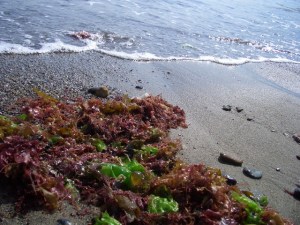
Yes, these violet and green alagae are edible!

VIOLET ALGAE:

-Asakusa Nori, or アサクサノリ(浅草海苔 (Porphyra tenera).

-Tengusa, which gives agar agar, a gelatinous substance. Historically and in a modern context, it is chiefly used as an ingredient in desserts throughout Japan, but also as solid jelly used as decoration in salads and others.

GREEN ALGAE:

-Aosa or sea lettuce comprising comprise the genus Ulva, a group of edible green algae that are widely distributed along the coasts of the world’s oceans.

-Aonori (青海苔 or アオノリ, “blue seaweed” or “green seaweed”), also known as green laver, a type of edible green seaweed, including species from the genera Monostroma and Enteromorpha of Ulvaceae. It is commercially cultivated in some bay areas in Japan, such as Ise Bay. It contains rich minerals such as calcium, magnesium, lithium, vitamins, and amino acids such as methionine.
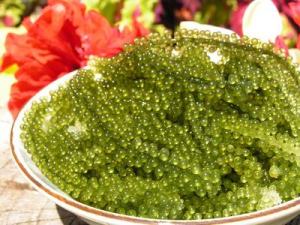
-Umibudou, or sea grapes, a delicacy of its own!

MARKET AVAIBILITY IN JAPAN:

In Japan it is interesting to note you can easily buy seaweed in paste form:
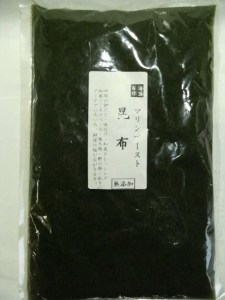
Konbu
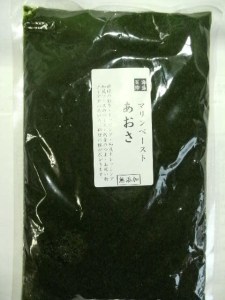
Aosa
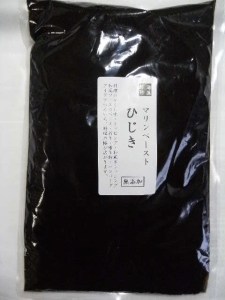
Hijiki

Next here are some pics to help you discover/recognize edible varieties in the markets:
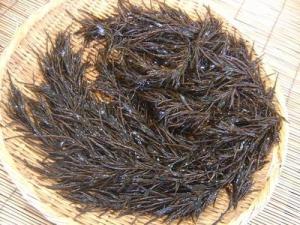
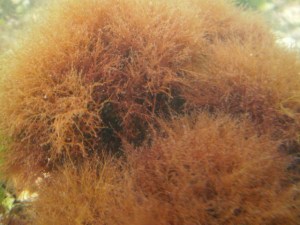
Akamoku
Makusa
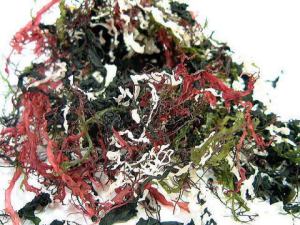
They often come as a mixture!
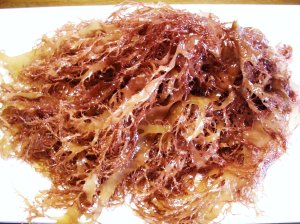
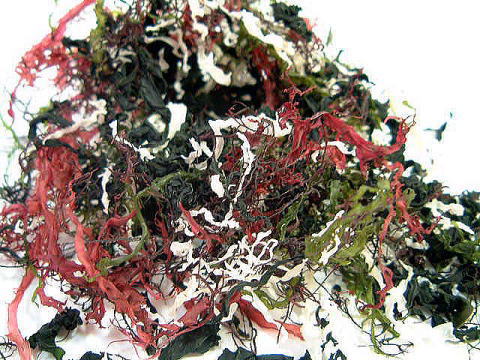
Red Algae

JAPANESE GASTRONOMY:

Here are some examples of the use of seaweed in Japanese gastronomy that can be expanded and inspired from wherever in the world you are, you being vegan, vegetarian or omnivore!
I have reduced the size of the pictures. Click on them to enlarge and copy them!
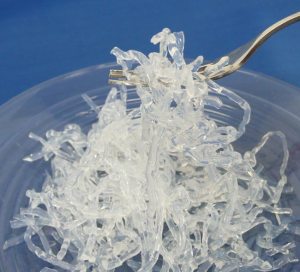
Agar or Crystal Kaiso/Crystal Seaweed!
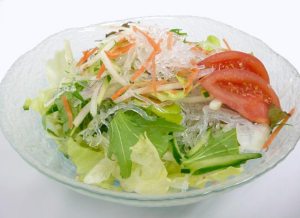
The same in a salad!

An example of seaweed salad with wakame and agar.
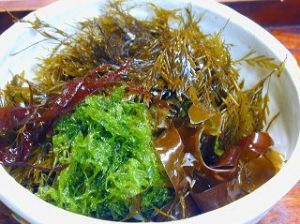
Another seaweed salad with samples harvesyed in Noto Peninsula, Ishikawa Prefecture!
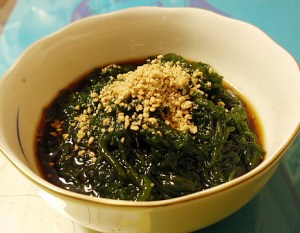
An Okinawa variety called somen nori!
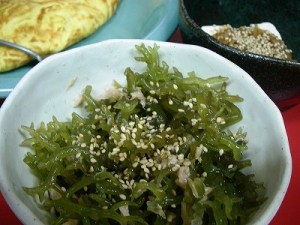
Another local variety called Tsunotama/Horns and Balls!
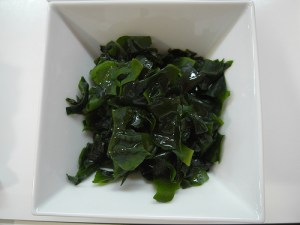
Wakame appetizer!
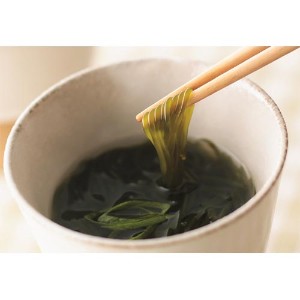
Wakame Noodles!
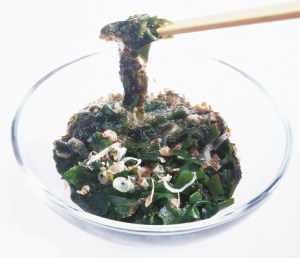
Another Wakame salad!
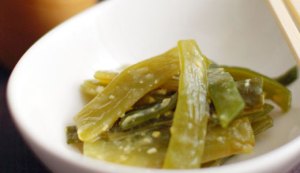
Wakame sticks cooked with miso paste!
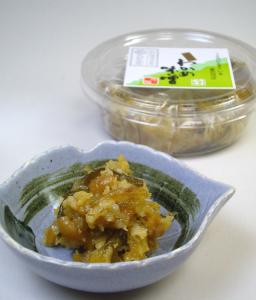
Wakame and Miso Paste mix from Kanzanji, Shizuoka Prefecture!
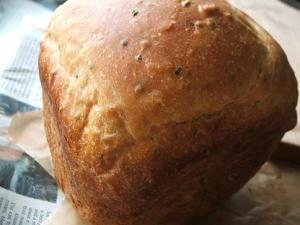
Wakame and Miso Bread!
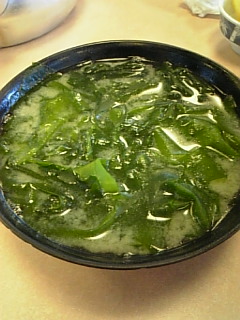
Wakame Miso Soup!
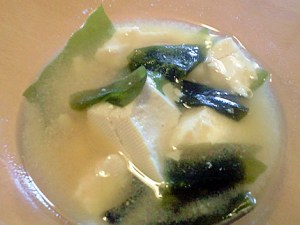
Wakame, tofu and miso Soup!
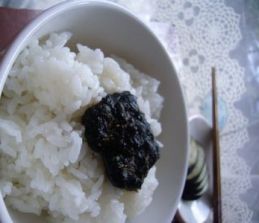
A bowl of freshly steamed rice with seaweed paste!
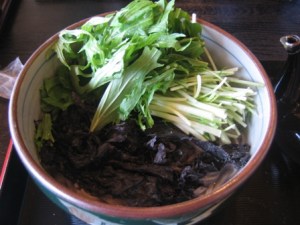
Soba/Buckwheat noodles with nori and green leaf vegetables!
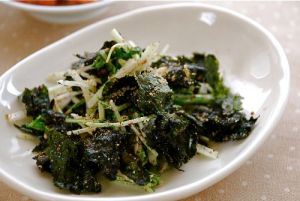
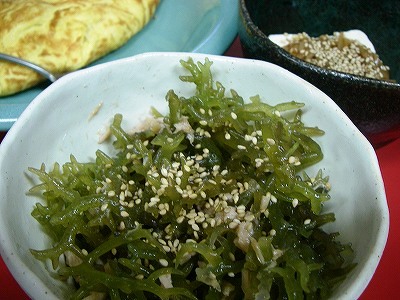
Seaweed, trefoil and ground seame seeds salad!
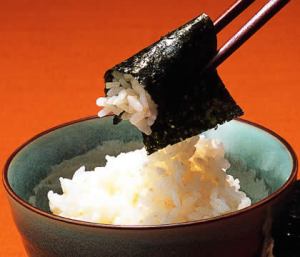
The best way to eat rice?

RECOMMENDED RELATED WEBSITES

With a Glass,
Clumsyfingers by Xethia
Adventures in Bento Making, American Bento, Beanbento, Bento No1, Bento Wo Tsukurimashou, Cooking Cute, Eula, Hapabento , Happy Bento, Jacki’s Bento Blog, Kitchen Cow, Leggo My Obento, Le Petit Journal Bento & CO (French), Lunch In A Box, My Bento Box, Vegan Lunch Box; Tokyo Tom Baker, Daily Food Porn/Osaka, Only Nature Food Porn, Happy Little Bento, The Herbed Kitchen, J-Mama’s Kitchen, Cook, Eat, Play, Repeat; Bento Lunch Blog (German); Adventures In Bento; Anna The Red’s Bento Factory; Cooking Cute; Timeless Gourmet; Bento Bug; Ideal Meal; Bentosaurus; Mr. Foodie (London/UK); Ohayo Bento

Must-see tasting websites:

-Sake: Tokyo Through The Drinking Glass, Tokyo Foodcast, Urban Sake, Sake World
-Wine: Palate To Pen, Warren Bobrow, Cellar Tours, Ancient Fire Wines Blog
-Beer: Good Beer & Country Boys, Another Pint, Please!
-Japanese Pottery to enjoy your favourite drinks: Yellin Yakimono Gallery

Shizuoka Sake Tasting: Shidaizumi Brewery Honjozo “Tatsudoshi”

2012, or more precisely the 24th Year of the Heisei Era, will come under the Sign of the Dragon/Tatsu/龍!
I’ve always had a special fondness for dragons to the point of using them for my e-mail addresses and passwords (part of)!
Shidaizumi Brewery has a tradition of coming with a honjozo every year with a splendid label for collectors!

Shidaizumi Brewery: Honjozo-Tatsudoshi/龍歳

Rice milled down to 60%
Alcohol: 15~16 degrees
Bottled in December 2011

Clarity: Very clear
Color: Transparent
Aroma: Strong, complex and fruity. Banana, dark chocolate, pears.
Body: Fluid
Taste: Drier attack than expected, very fruity and complex.
Lingers on for a short while with a dry note backed by pleasant alcohol.
Fruity and dry. Complex. Oranges, banana, dark chocolate, macadamia nuts.
Finishes on a dry note with strong hints of nuts and a faint trace of coffee beans.
Varies little with food.
Shows more facets than expected, especially oranges and coffee beans fighting for supremacy as taste lingers away.

Overall: A sake obviously conceived to accompany and enhance food, although its high (extravagant) quality makes it eminently drinkable on its own.
Can be appreciated at room temperature and nurukan/lukewarm.
Tends to surprise with many unexpected facets appearing out of nowhere.
A surely extravagant honjozo!

RECOMMENDED RELATED WEBSITES

With a Glass,
Clumsyfingers by Xethia
Adventures in Bento Making, American Bento, Beanbento, Bento No1, Bento Wo Tsukurimashou, Cooking Cute, Eula, Hapabento , Happy Bento, Jacki’s Bento Blog, Kitchen Cow, Leggo My Obento, Le Petit Journal Bento & CO (French), Lunch In A Box, My Bento Box, Vegan Lunch Box; Tokyo Tom Baker, Daily Food Porn/Osaka, Only Nature Food Porn, Happy Little Bento, The Herbed Kitchen, J-Mama’s Kitchen, Cook, Eat, Play, Repeat; Bento Lunch Blog (German); Adventures In Bento; Anna The Red’s Bento Factory; Cooking Cute; Timeless Gourmet; Bento Bug; Ideal Meal; Bentosaurus; Mr. Foodie (London/UK); Ohayo Bento

Must-see tasting websites:

-Sake: Tokyo Through The Drinking Glass, Tokyo Foodcast, Urban Sake, Sake World
-Wine: Palate To Pen, Warren Bobrow, Cellar Tours, Ancient Fire Wines Blog
-Beer: Good Beer & Country Boys, Another Pint, Please!
-Japanese Pottery to enjoy your favourite drinks: Yellin Yakimono Gallery

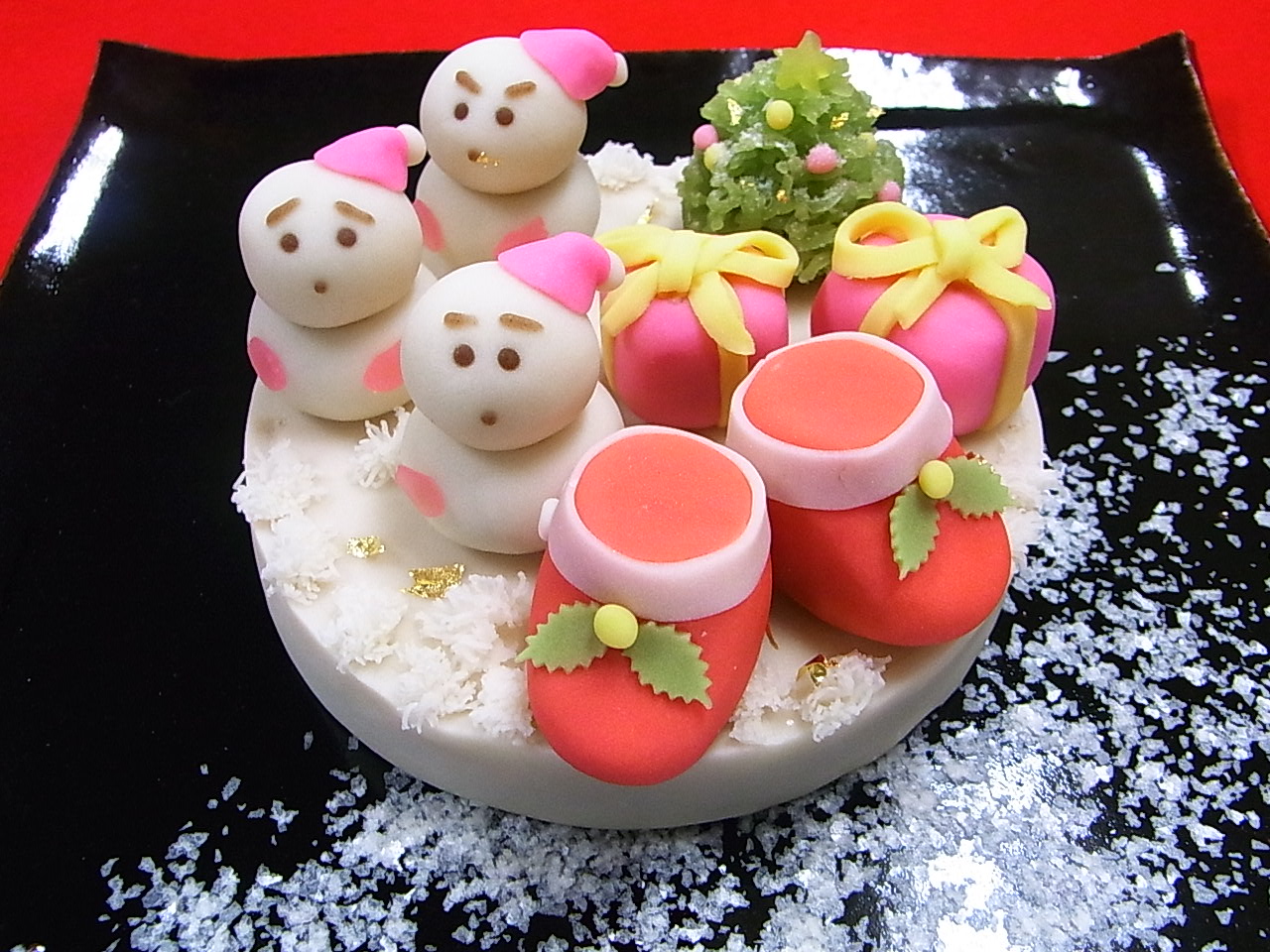
Japanese Vegetarian & Vegan Cakes: Wagashi/和菓子 17: Wagashi Christmas Cakes Pictures

Pyramid-style Christmas Tree?

I’m an unrepentant agnostic hedonist (and an omnivore to boot!), but since some of my vegan and vegetarain friends are Christian, I hope these pictures will inspire them!

Flowery Christmas!

What’s in Santa’s bag?

Bring your forks and knives!

Holy (Holly) Christmas!

For the toddlers!

Pity you have to eat it!

Definitely Japanese-style!

They almost look like sushi!

Elegant simplicity!

RECOMMENDED RELATED WEBSITES

With a Glass,
Clumsyfingers by Xethia
Adventures in Bento Making, American Bento, Beanbento, Bento No1, Bento Wo Tsukurimashou, Cooking Cute, Eula, Hapabento , Happy Bento, Jacki’s Bento Blog, Kitchen Cow, Leggo My Obento, Le Petit Journal Bento & CO (French), Lunch In A Box, My Bento Box, Vegan Lunch Box; Tokyo Tom Baker, Daily Food Porn/Osaka, Only Nature Food Porn, Happy Little Bento, The Herbed Kitchen, J-Mama’s Kitchen, Cook, Eat, Play, Repeat; Bento Lunch Blog (German); Adventures In Bento; Anna The Red’s Bento Factory; Cooking Cute; Timeless Gourmet; Bento Bug; Ideal Meal; Bentosaurus; Mr. Foodie (London/UK); Ohayo Bento

Must-see tasting websites:

-Sake: Tokyo Through The Drinking Glass, Tokyo Foodcast, Urban Sake, Sake World
-Wine: Palate To Pen, Warren Bobrow, Cellar Tours, Ancient Fire Wines Blog
-Beer: Good Beer & Country Boys, Another Pint, Please!
-Japanese Pottery to enjoy your favourite drinks: Yellin Yakimono Gallery

Japanese Vegetarian & Vegan Cakes: Wagashi/和菓子 16: Yatsuhashi/-Tabe

Yatsuhashi (八ツ橋 or 八橋) is a Japanese confectionery sold mainly as a souvenir sweet (miyagegashi/土産菓子). It is one of the best known meibutsu/名物 (famous regional products) of Kyoto.
It is also widely known under the name of O-Tabe/お食べ (“please eat”).

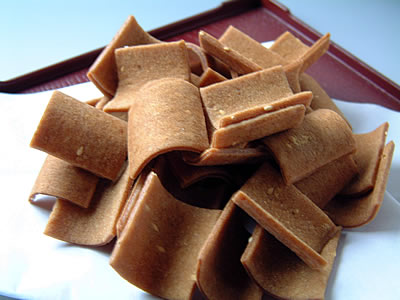
It is made from rice flour (上新粉, jōshinko), sugar and cinnamon. Baked, it is similar to senbei, making it suitable for both vegans and flour allergics!

Baked Yatsuhashi

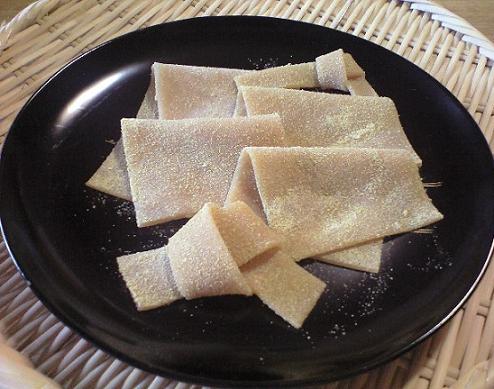
Raw Yatsuhashi

Raw, unbaked yatsuhashi (Nama yatsuhashi/生八橋) has a soft, mochi-like texture and is often eaten wrapped around red bean paste (餡, an), and may come in a variety of different flavours.

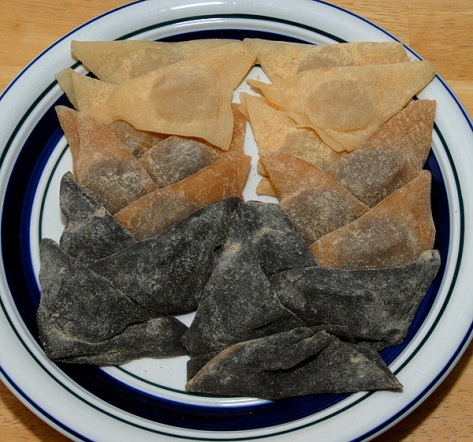
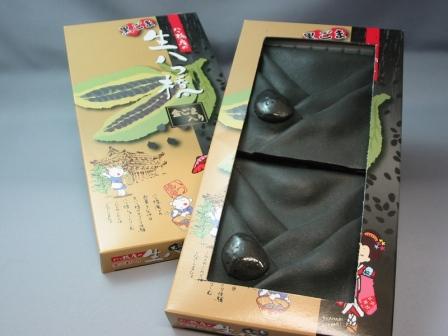
Black Yatsuhashi

Most notable to the Kyoto area is the black version of this. The addition of black bean powder and black sesame seed powder to the wrapper and the an give a distinctive black color.

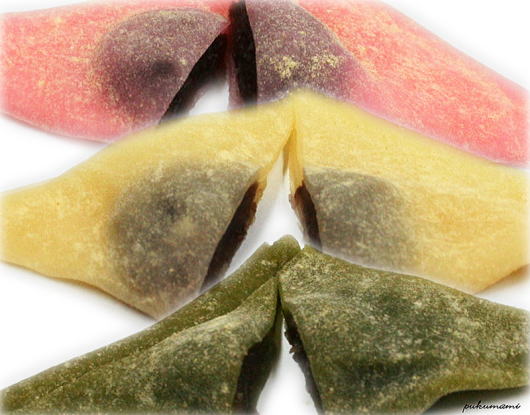
Different flavoured Yatsuhashi

Not so long ago, there were only a few flavours available.
Now, all kinds of flavours are on sale for the pleasur of all:
Cinnamon, Matcha Tea, Ume an (sweetmeats mixed with Jpanese plum), Mandarine, Strawberries, Cherry blossoms, Ramune, Chocolate-banana, Chocolate, Kyoto baked sweet potato, Chestnuts, Green apple, Blueberries, Mango, Orange, Red wine and more seasonal offerings!

RECOMMENDED RELATED WEBSITES

With a Glass,
Clumsyfingers by Xethia
Adventures in Bento Making, American Bento, Beanbento, Bento No1, Bento Wo Tsukurimashou, Cooking Cute, Eula, Hapabento , Happy Bento, Jacki’s Bento Blog, Kitchen Cow, Leggo My Obento, Le Petit Journal Bento & CO (French), Lunch In A Box, My Bento Box, Vegan Lunch Box; Tokyo Tom Baker, Daily Food Porn/Osaka, Only Nature Food Porn, Happy Little Bento, The Herbed Kitchen, J-Mama’s Kitchen, Cook, Eat, Play, Repeat; Bento Lunch Blog (German); Adventures In Bento; Anna The Red’s Bento Factory; Cooking Cute; Timeless Gourmet; Bento Bug; Ideal Meal; Bentosaurus; Mr. Foodie (London/UK); Ohayo Bento

Must-see tasting websites:

-Sake: Tokyo Through The Drinking Glass, Tokyo Foodcast, Urban Sake, Sake World
-Wine: Palate To Pen, Warren Bobrow, Cellar Tours, Ancient Fire Wines Blog
-Beer: Good Beer & Country Boys, Another Pint, Please!
-Japanese Pottery to enjoy your favourite drinks: Yellin Yakimono Gallery

Vegan Gastronomy: a Heaven in Shizuoka, Japan!

Chinese vegan gastronomy at Cham!

How many times have I heard expats and Japanese telling me, “I dare not go out of Tokyo as I’m vegan!”
Well, you may have some specialized vegan restaurants in Tokyo, but here in Shizuoka, the Prefecture counting (officially!) the greatest number of vegetable varieties in Japan, you do not need to look for (in vain!) a vegan restaurant!
Either you can find enough in the local markets, or better explore the many restaurants of this Prefecture and City of the same name that is THE gastronomic region of Japan. As you will discover below you are bound to find something absolutely delicious according to your priorities in menus of all genres!

Let me take your hand (or arm) and leave it to me! And we are visiting Shizuoka City only!

Vietnamese Sauteed vegetables at Annam!

Italian sauteed organic vegetables at Aquavite!

West African lunch, all vegetables cooked in coconut milk at Capu!

Chinese steamed vegetables at Cham served with a scented oil and soy sauce, or just plain salt and matcha powder!

Vegan sushi at Sushi Ko!

Organic shiitake at Yasaitei!

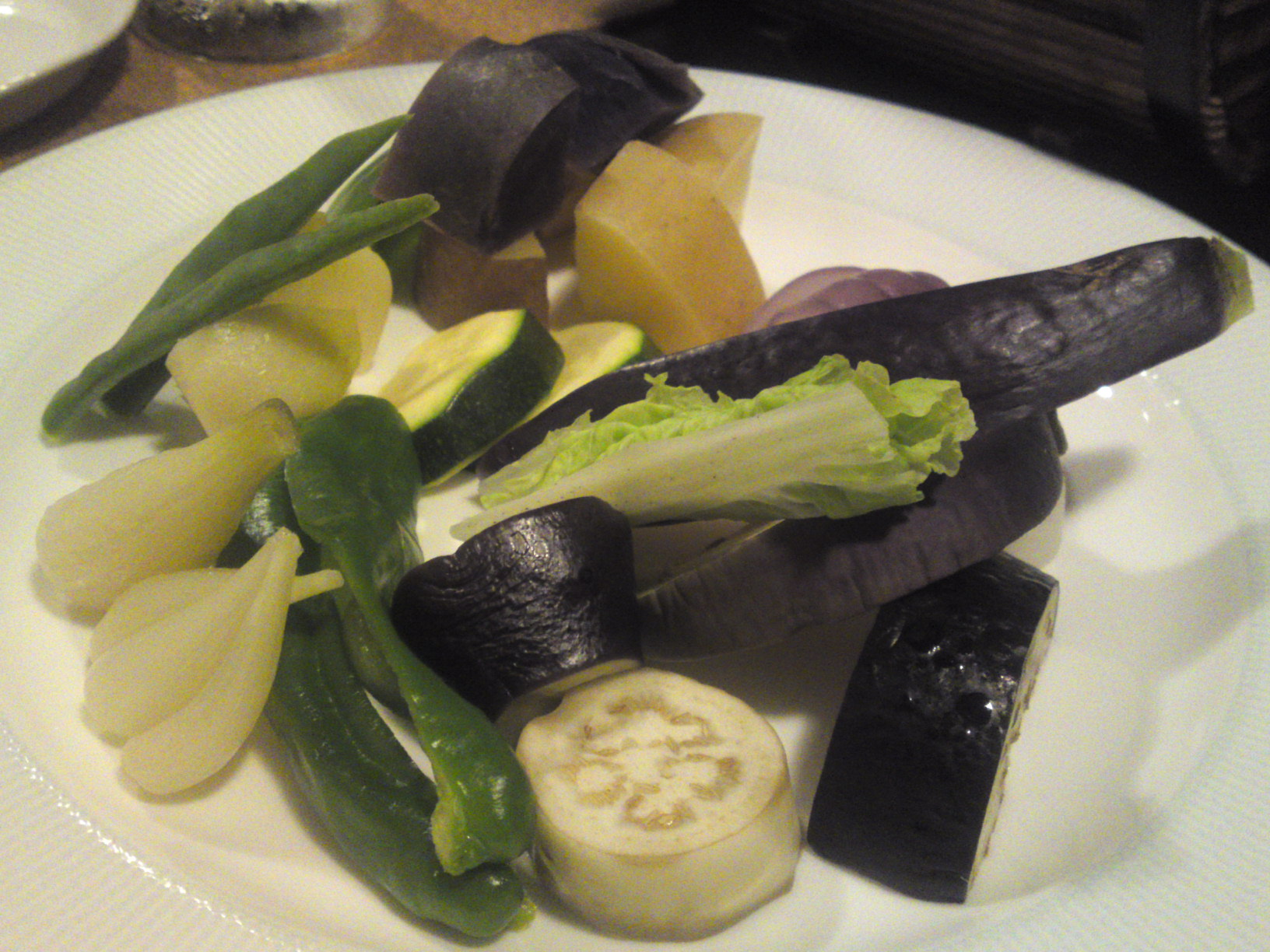
Vegetables baked in skillet from Solio Italian Restaurant’s own garden!

Tomato tempura (no egg white used) with yuzu koshio at Uzu Izakaya!

“Goro goro” fried and steamed salad at Uzu Izakaya!

Vegetable sashimi at Yasaitei!

Vegan steak at Tetsuya Sugimoto French Restaurant!

Fried Vegetables at Yasaitei!

Yomogi Wagashi, anywhere in town!

Misoyaki (miso paste and buckwheat), a personal favorite of mine at Yoshino Soba Restaurant!

If you need more explanations and guidance, I’ll be glad to help!

Incidentally I’m neither a vegan or vegetarian, but I understand my friends’ priorities!

RECOMMENDED RELATED WEBSITES

With a Glass,
Clumsyfingers by Xethia
Adventures in Bento Making, American Bento, Beanbento, Bento No1, Bento Wo Tsukurimashou, Cooking Cute, Eula, Hapabento , Happy Bento, Jacki’s Bento Blog, Kitchen Cow, Leggo My Obento, Le Petit Journal Bento & CO (French), Lunch In A Box, My Bento Box, Vegan Lunch Box; Tokyo Tom Baker, Daily Food Porn/Osaka, Only Nature Food Porn, Happy Little Bento, The Herbed Kitchen, J-Mama’s Kitchen, Cook, Eat, Play, Repeat; Bento Lunch Blog (German); Adventures In Bento; Anna The Red’s Bento Factory; Cooking Cute; Timeless Gourmet; Bento Bug; Ideal Meal; Bentosaurus; Mr. Foodie (London/UK); Ohayo Bento

Must-see tasting websites:

-Sake: Tokyo Through The Drinking Glass, Tokyo Foodcast, Urban Sake, Sake World
-Wine: Palate To Pen, Warren Bobrow, Cellar Tours, Ancient Fire Wines Blog
-Beer: Good Beer & Country Boys, Another Pint, Please!
-Japanese Pottery to enjoy your favourite drinks: Yellin Yakimono Gallery

Japanese Vegetarian & Vegan Cakes: Wagashi/和菓子 15: Daifuku

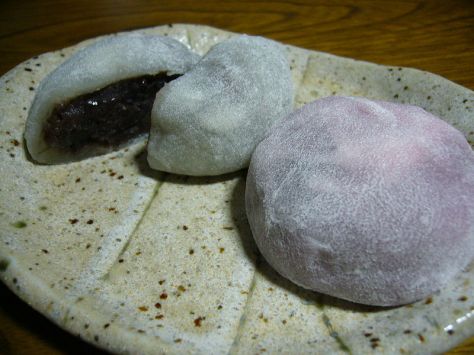
DAIFUKU-1

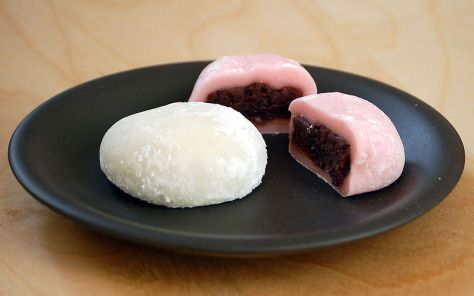
Daifukumochi (大福餅), or Daifuku (大福) (literally “great luck”), is a Japanese confection consisting of a small round mochi (glutinous rice cake) stuffed with sweet filling, most commonly anko, sweetened red bean paste made from azuki beans.

The traditional daifuku, like all Wagashi are vegan in concept.

But Daifuku comes in many varieties.
The most common is white, pale green or pale pink colored mochi filled with anko.
These come in two sizes, one approximately the diameter of a half-dollar coin, the other palm-sized.
Some versions contain whole pieces of fruit, mixtures of fruit and anko or crushed melon paste.
Nearly all daifuku are covered in a fine layer of corn or taro starch to keep them from sticking to each other, or to the fingers. Some are covered with confectioner’s sugar or cocoa.

DAIFUKU-2

HISTORY:
Daifuku were originally called Harabuto mochi (腹太餅) (belly thick rice cake) because of its filling nature. Later the name was changed to Daifuku mochi (大腹餅) (big belly rice cake). Since the pronunciation of Fuku (腹) (belly) and Fuku (福) (luck) is the same in Japanese, the name was further changed to Daifuku mochi (大福餅) (great luck rice cake), a bringer of good luck. By the end of the 18th century, Daifuku were gaining popularity and people began eating them toasted. They were also used for gifts in ceremonial occasions

VATIETIES:

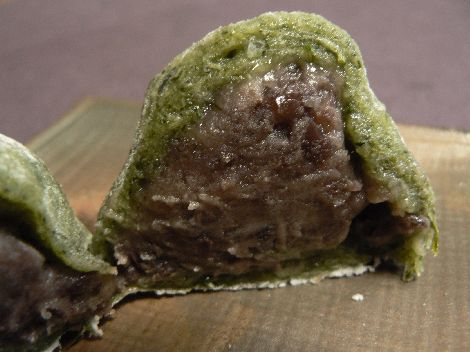
DAIFUKU-3
Yomogi daifuku (蓬大福)
A version made with kusa mochi (草餅), which is mochi flavored with mugwort.

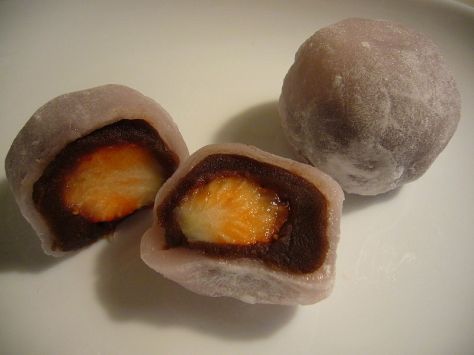
DAIFUKU-4
Ichigo daifuku (イチゴ大福)
A variation containing strawberry and sweet filling, most commonly anko, inside a small round mochi. Creams are sometimes used for sweet filling. Because it contains strawberry, it is usually eaten during the spring time. It was invented in the 1980s. Many patisseries claim to have invented the confection, so its exact origin is vague.

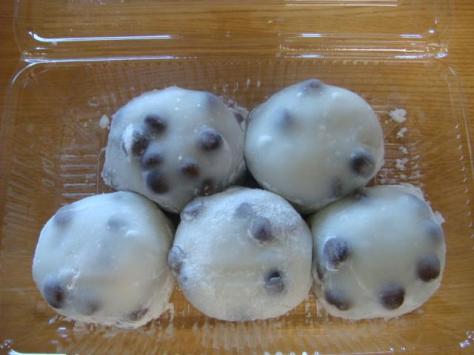
DAIFUKU-5
Mame daifuku (豆大福)
Another variation made of mochi mixed with red peas or soy beans.

RECOMMENDED RELATED WEBSITES

With a Glass,
Clumsyfingers by Xethia
Adventures in Bento Making, American Bento, Beanbento, Bento No1, Bento Wo Tsukurimashou, Cooking Cute, Eula, Hapabento , Happy Bento, Jacki’s Bento Blog, Kitchen Cow, Leggo My Obento, Le Petit Journal Bento & CO (French), Lunch In A Box, My Bento Box, Vegan Lunch Box; Tokyo Tom Baker, Daily Food Porn/Osaka, Only Nature Food Porn, Happy Little Bento, The Herbed Kitchen, J-Mama’s Kitchen, Cook, Eat, Play, Repeat; Bento Lunch Blog (German); Adventures In Bento; Anna The Red’s Bento Factory; Cooking Cute; Timeless Gourmet; Bento Bug; Ideal Meal; Bentosaurus; Mr. Foodie (London/UK); Ohayo Bento

Must-see tasting websites:

-Sake: Tokyo Through The Drinking Glass, Tokyo Foodcast, Urban Sake, Sake World
-Wine: Palate To Pen, Warren Bobrow, Cellar Tours, Ancient Fire Wines Blog
-Beer: Good Beer & Country Boys, Another Pint, Please!
-Japanese Pottery to enjoy your favourite drinks: Yellin Yakimono Gallery

Japanese Vegetarian & Vegan Cakes: Wagashi/和菓子 14: Satsuma Imo/Sweet Potatoes-Recipe

SATSUMA-WAGASHI-1

Satsuma Imo or Sweet Potatoes are often used in Japanese cakes/Wagashi.
The great advantage is that it makes for completely vegan cakes with an almost endless source of variations.

Here is the basice recipe from you will be able to improvise!

INGREDIENTS:

-Satsuma/Sweet Potato: 400g (peeled)
-Sugar: 75 g
-Agar agar powder: 3 g
-Salt: a pinch
-Water: 20 ml

RECIPE:

SATSUMA-WAGASHI-2
-Cut the sweet potato into small pieces and wash under clear cold water to take off astringency.
Boil in a pan with 20 ml of water until soft.

-Just before the potatoes are completely cooked, add sugar, agar agar and salt. Bring to boil and switch off fire. Bear in mind there will be very little water. Do not burn the poatoes!

-Transfer potatoes into a frying pan and fry until they get smooth.

-Return to boiling pan and heat to get all excess water out.

-Pass through a sieve, or process.

-Wet the inside of a refrigerator recipient before spreading cellophane paper inside. Pour the potato puree into the recipient and fold the cellophane paper on top, leaving no air between cellophane paper and potato. Chill inside refrigerator.

SATSUMA-WAGASHI-3

Before eating unwrap cellophane paper and cut into preferred shape.
This is where the fun begins!

RECOMMENDED RELATED WEBSITES

With a Glass,
Clumsyfingers by Xethia
Adventures in Bento Making, American Bento, Beanbento, Bento No1, Bento Wo Tsukurimashou, Cooking Cute, Eula, Hapabento , Happy Bento, Jacki’s Bento Blog, Kitchen Cow, Leggo My Obento, Le Petit Journal Bento & CO (French), Lunch In A Box, My Bento Box, Vegan Lunch Box; Tokyo Tom Baker, Daily Food Porn/Osaka, Only Nature Food Porn, Happy Little Bento, The Herbed Kitchen, J-Mama’s Kitchen, Cook, Eat, Play, Repeat; Bento Lunch Blog (German); Adventures In Bento; Anna The Red’s Bento Factory; Cooking Cute; Timeless Gourmet; Bento Bug; Ideal Meal; Bentosaurus; Mr. Foodie (London/UK); Ohayo Bento

Must-see tasting websites:

-Sake: Tokyo Through The Drinking Glass, Tokyo Foodcast, Urban Sake, Sake World
-Wine: Palate To Pen, Warren Bobrow, Cellar Tours, Ancient Fire Wines Blog
-Beer: Good Beer & Country Boys, Another Pint, Please!
-Japanese Pottery to enjoy your favourite drinks: Yellin Yakimono Gallery

Sushi Restaurants: Shizuoka Seafood at Sushi Ko (December 2011)

Service: Pro and very friendly
Facilities: Very clean. Excellent toilets
Prices: Reasonable
Strong points: Great variety of seafood from Shizuoka Prefecture and the rest of Japan. Great list of sake!

December has seen the cold weather settle in at long last!
This is good news for sushi lovers as a marked change of weather means new seafood varieties coming in!
Naturally, we visited our favorite sushi restaurant in Shizuoka, namely Sushi Ko in Aoba Koen Street!
Here is what we enjoyed!

Snack coming with the first drink: Kanpachi aburi/環八炙り, seared Amberjack.

No need to say that sake was on order: Masu Ichi Brewery from Shizuoka City!

Little beauties from Shizuoka and Akita Prefectures!

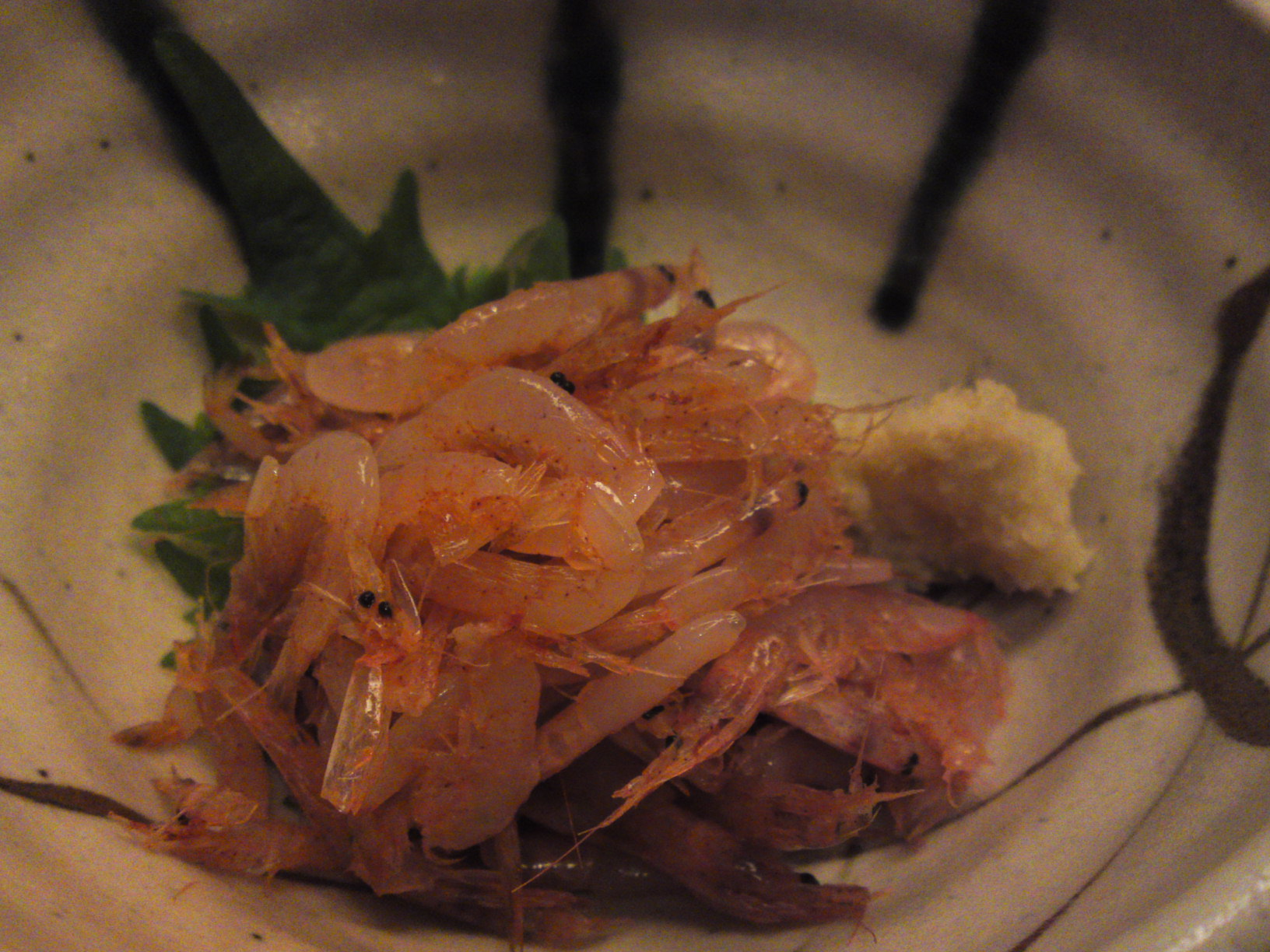
Sakura ebi/桜海老/Cherry shrimps from Yui!

Shirauo/白魚/Icefish from Akita Prefecture!

Hirame/平目/Flafish sashimi from Suruga Bay!

Seguro Iwashi/背黒鰯/”Black back” Sardine sashimi from Suruga Bay!

Buri/鰤/Yellowtail chu toro and toro sashimi from Ishikawa Prefecture!

It’s not all raw fish at Sushi Ko!
Among their cooked specialties we have a special fondness for their Ponkara Maguro/ポンカラ鮪/Deep-fried tuna cubes served with momijioroshi/紅葉下ろし/grated daikon with chili pepper!

Kampachi Tataki/環八タタキ/Amberjack filets that have been seared well before being plunged into cold water and later served as sashimi.

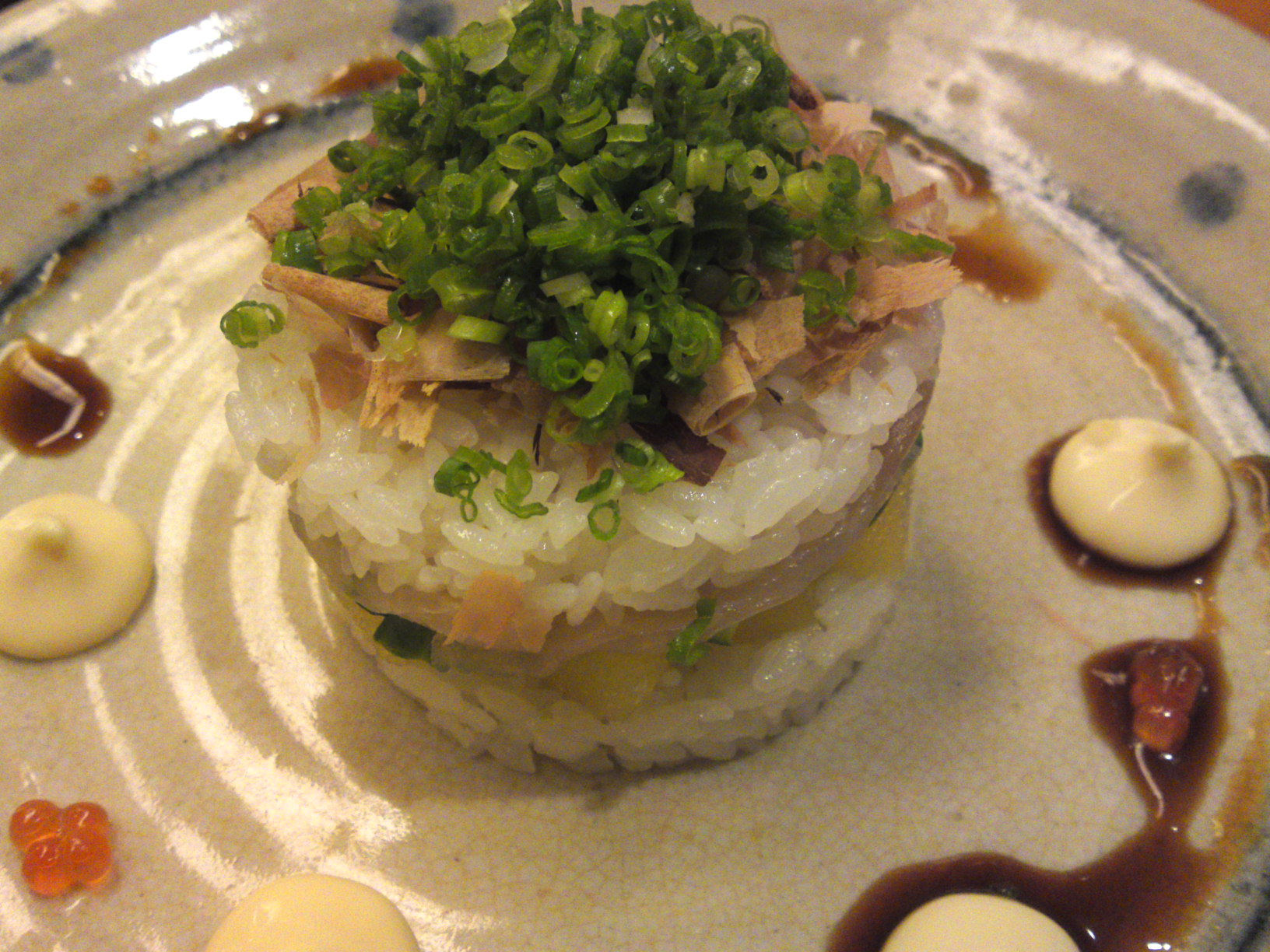
Sushi Ko’s specialty: Sushi Millefeuille!

I cannot visit a sushi restaurant without asking for Maguro Zuke/鮪漬け”/marinated tuna akami/lean part

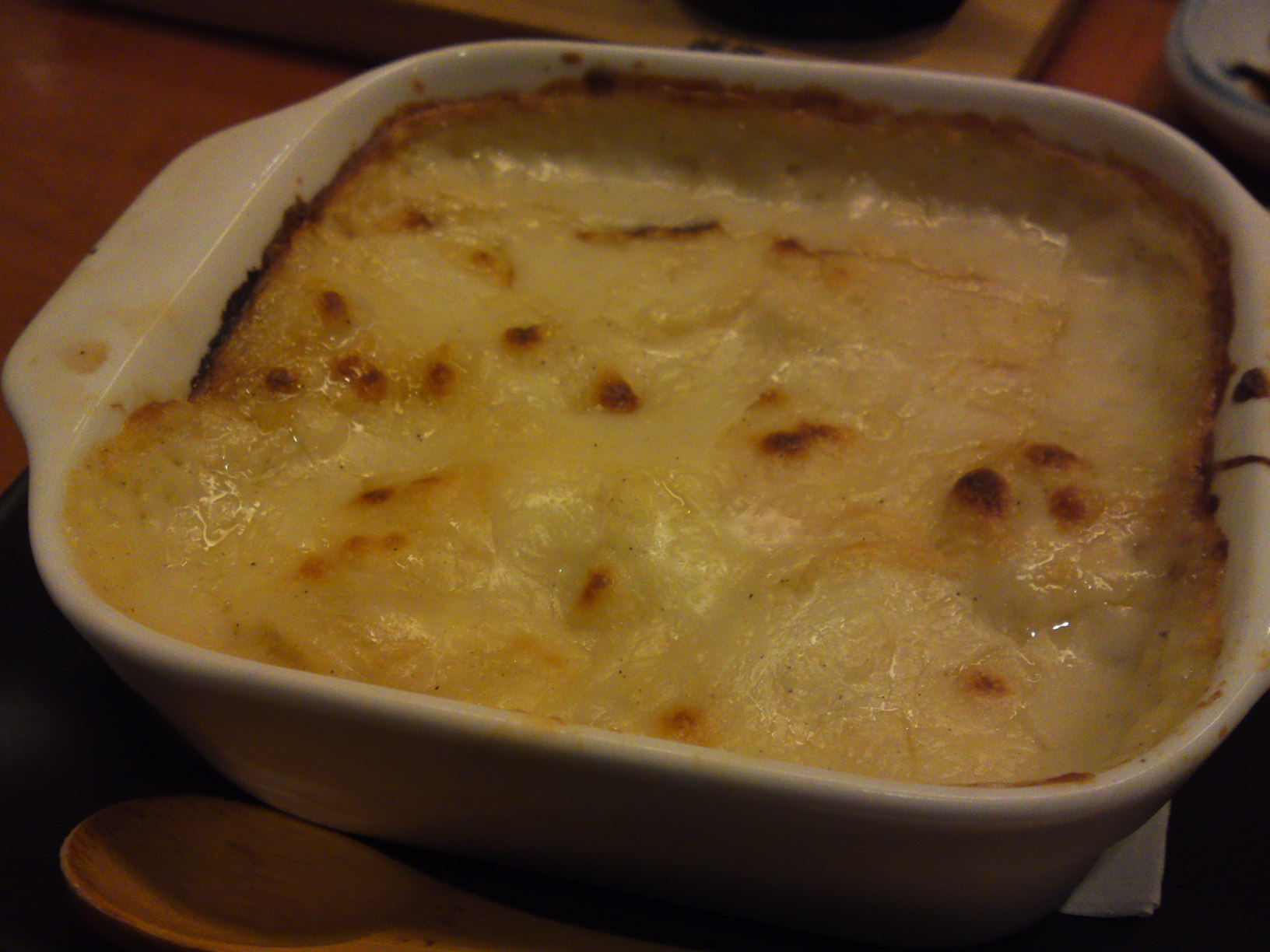
Comfort dishes for a cold winter: Hotate guratan/帆立グラタン/Scallops Gratin!

Chawanmushi/茶碗蒸し/Japanese hot salted pudding!

Geso karaage/ゲソ唐揚げ/Deep-fried squid tentacles!

Back to raw food! Hotate nigiri/帆立握り?Scallops nigiri!

Ama ebi/甘海老/Sweet Shrimps

Sushi for vegetarians: Yama Imo Gunkan/山芋軍艦!

A universal favorite: Piri kara hotate kariforunya roru/ピリ辛帆立カリフォルニアロル/Hot scallops California Roll!

Tamagoyaki/玉子焼き/Japanese omelette for dessert!

And kinoko miso siru/キノコ味噌汁/miso soup with mushrooms, and plenty of seaweed, to wash it all down!

To be continued…

SUSHI KO
420-0032 Shizuoka City, Aoi Ku, Ryogae-cho, 2-3-1 (Aoba Park Street)
Tel.: 054-251-9701
Business Hours: 17:00~25:00. 17:00~23:00 (Sundays)
Closed on Wednesdays
Reservations recommended
Credit cards OK
HOMEPAGE (in Japanese)
Smoking allowed. Private room can be arranged for non-smoking (4 people)


RECOMMENDED RELATED WEBSITES

With a Glass,
Clumsyfingers by Xethia
Adventures in Bento Making, American Bento, Beanbento, Bento No1, Bento Wo Tsukurimashou, Cooking Cute, Eula, Hapabento , Happy Bento, Jacki’s Bento Blog, Kitchen Cow, Leggo My Obento, Le Petit Journal Bento & CO (French), Lunch In A Box, My Bento Box, Vegan Lunch Box; Tokyo Tom Baker, Daily Food Porn/Osaka, Only Nature Food Porn, Happy Little Bento, The Herbed Kitchen, J-Mama’s Kitchen, Cook, Eat, Play, Repeat; Bento Lunch Blog (German); Adventures In Bento; Anna The Red’s Bento Factory; Cooking Cute; Timeless Gourmet; Bento Bug; Ideal Meal; Bentosaurus; Mr. Foodie (London/UK); Ohayo Bento

Must-see tasting websites:

-Sake: Tokyo Through The Drinking Glass, Tokyo Foodcast, Urban Sake, Sake World
-Wine: Palate To Pen, Warren Bobrow, Cellar Tours, Ancient Fire Wines Blog
-Beer: Good Beer & Country Boys, Another Pint, Please!
-Japanese Pottery to enjoy your favourite drinks: Yellin Yakimono Gallery

Shizuoka Ekiben/Railway Station Bento: Kazutoyo Gozen in Kakegawa JR Railway Station

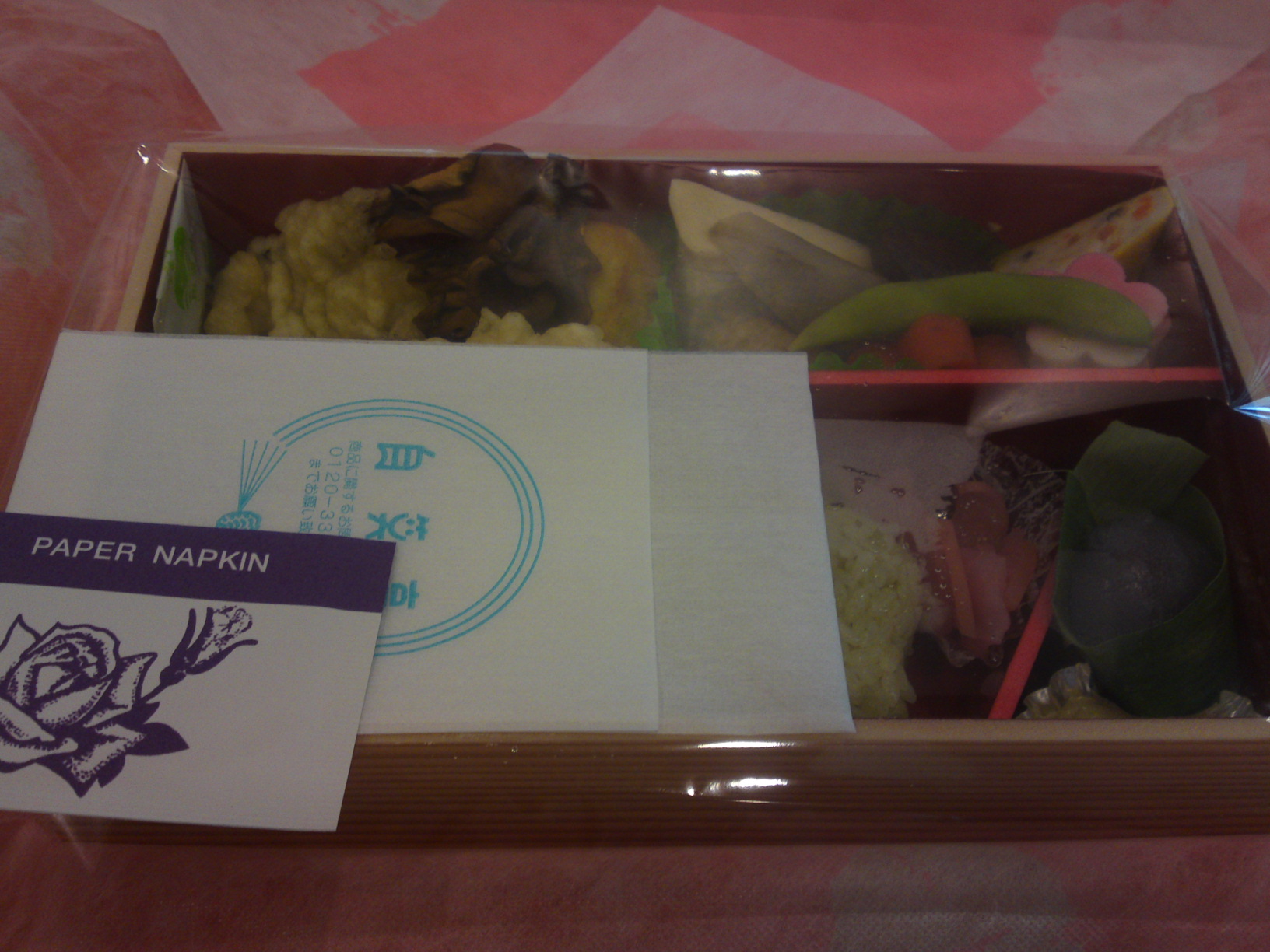
Kazutoyo Gozen/一豊御膳 refers to Kazutoyo Yamauchi, a Lord that lived in Kakegawa City during the Feudal Japan Era in the 16th Century and made famous in a TV Drama Series, while Gozen means “Repast”!
I bought this ekiben inside the Kakegawa JR Station on my way to work!

The whole ekiben could have made for a real present to take home!

As usual Jishotei Company in Hamamatsu City give precise explanations of the contents!

The ekiben as it looks without the sticker.
It is wrapped in very sturdy paper in the shape of a “furoshiki/bento box wrapping cloth”!

The box cover is another collector’s item with the introduction to the story of Lord Kazutoyo Yamauchi!

The inside was protected by a sheet of hard translucent paper and a wet towel was also provided!

Now, what do we have?

Two o-musubi/rice balls both molded into the shape of cherry blossom.
The first one is mixed with sansai/山菜/wild mountain vegetables and topped with a salted cherry blossom!

The second one consists of rice steamed into green tea from Kakegawa City!

Pickles and wasabi zuke to season the rice and a wagashi/Japanese cake made of anko/sweetmeats and jelly.

Chicken meat ball, simmered carrot, tofu flower atop a boiled sato imo/taro, boiled edamame, simmered burdock root, simmered shiitake mushroom, Takano tofu and Yuuba maki/tofu skin roll.

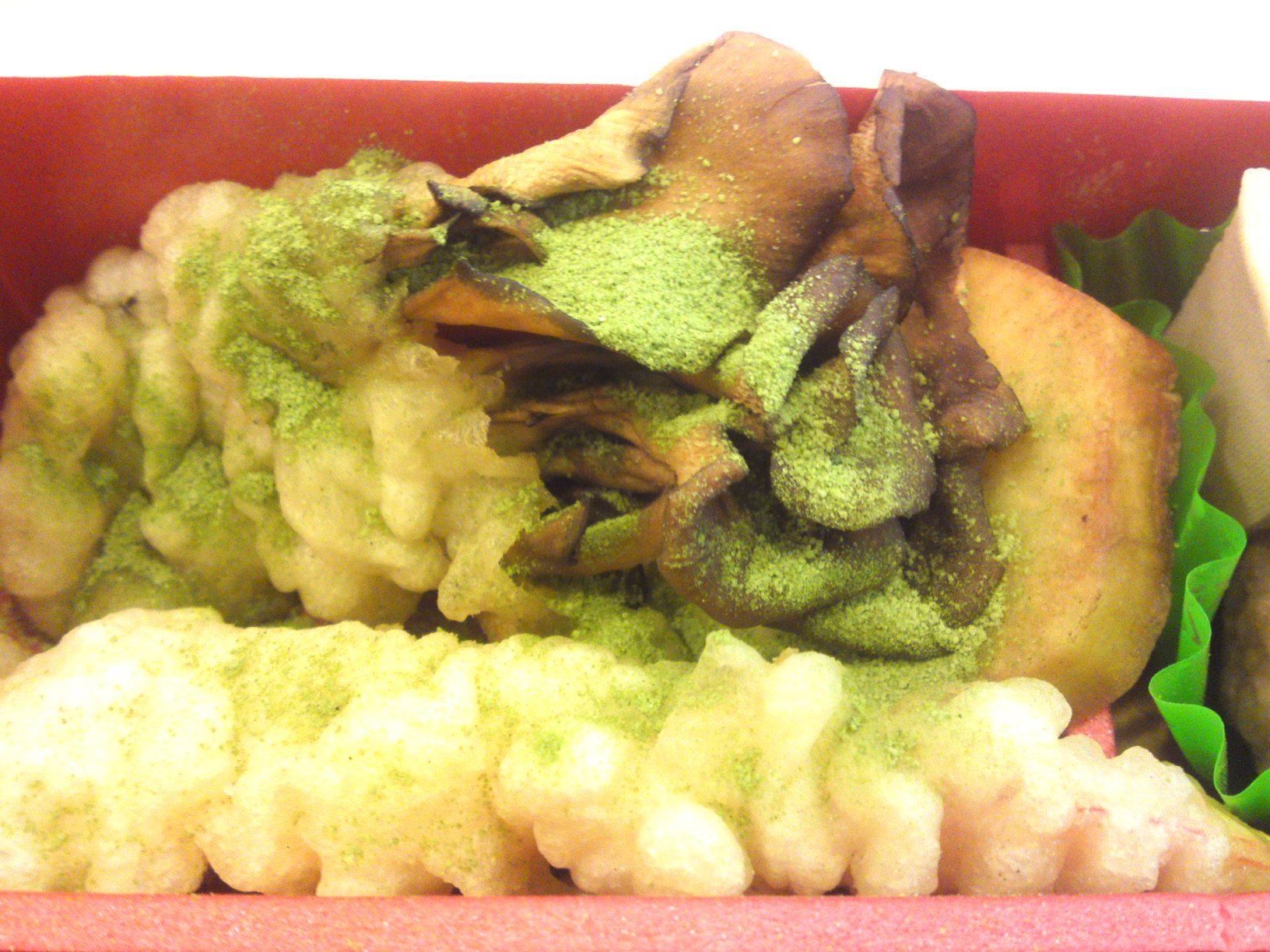
Maitake mushroom/Hen-of-the-Woods Mushroom tempura, prawn tempura and deep-fried sweet potato.

Salted matcha tea was provided to season the tempura!

The tempura once seasoned with salted matcha tea!

I wouldn’t mind going back to the 16th Century if people then ate like that!

RECOMMENDED RELATED WEBSITES

With a Glass,
Clumsyfingers by Xethia
Adventures in Bento Making, American Bento, Beanbento, Bento No1, Bento Wo Tsukurimashou, Cooking Cute, Eula, Hapabento , Happy Bento, Jacki’s Bento Blog, Kitchen Cow, Leggo My Obento, Le Petit Journal Bento & CO (French), Lunch In A Box, My Bento Box, Vegan Lunch Box; Tokyo Tom Baker, Daily Food Porn/Osaka, Only Nature Food Porn, Happy Little Bento, The Herbed Kitchen, J-Mama’s Kitchen, Cook, Eat, Play, Repeat; Bento Lunch Blog (German); Adventures In Bento; Anna The Red’s Bento Factory; Cooking Cute; Timeless Gourmet; Bento Bug; Ideal Meal; Bentosaurus; Mr. Foodie (London/UK); Ohayo Bento

Must-see tasting websites:

-Sake: Tokyo Through The Drinking Glass, Tokyo Foodcast, Urban Sake, Sake World
-Wine: Palate To Pen, Warren Bobrow, Cellar Tours, Ancient Fire Wines Blog
-Beer: Good Beer & Country Boys, Another Pint, Please!
-Japanese Pottery to enjoy your favourite drinks: Yellin Yakimono Gallery

Japanese Vegetarian & Vegan Cakes: Wagashi/和菓子13: Recipe-Kabotcha/Pumpkins

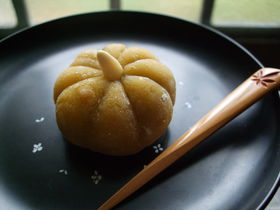
WAGASHI-PUMPKIN-1

Just found this recipe to please vegans (and others) with a sweet tooth:
Japanese Cake/Wagashi: Pumpkin/Kabotcha Wagashi!

INGREDIENTS: For 5 cakes
-Pumkin paste: 20 g
-Rice flour: 30 g
-Sugar: 12 g
-Water: 50 ml
-Sweetmeats/Anko (See Recipe here)
-Cornstarch: enough for operation
-Pumpkin seeds or pine nuts: 5 (for decoration)

RECIPE:

WAGASHI-PUMPKIN-2
-Peel skin from pumkin and heat pulp inside microwave oven until soft enough to make paste. Let cool down completely.

WAGASHI-PUMPKIN-3
-In an oven bowl mix well punpkin paste, rice flour, sugar and water until it becomes bubbly. Cover with cellophane paper and heat for 40 seconds at 700W inside microwave oven.

WAGASHI-PUMPKIN-4
-Work the paste until smooth.

WAGASHI-PUMPKIN-5
-Using cornstarch to work paste more easily as it will easily stick to your fingers, divide the paste into 5 identical portions.

WAGASHI-PUMPKIN-6
-Divide sweetmeats/anko into 5 identical parts and fashion them into small balls.
Coat your fingers with a little cornstarch and completely wrap sweetmeat/anko ball with pumpkin paste as shown in picture.

WAGASHI-PUMPKIN-7
-Make indents around the ball with a wooden sticks to shape the ball into a small pumpkin.

WAGASHI-PUMPKIN-8
-As soon as the ball is finished, gently brush away whatever cornstarch is left on the surface.

WAGASHI-PUMPKIN-9
-On top of each pumpkin cake place a seed for decoration and effect!

WAGASHI-PUMPKIN-10
-That is how your “pumpkin” will look when you cut it!

NOTE:
You can sieve the pumpkin pulp first for a finer texture.

RECOMMENDED RELATED WEBSITES

With a Glass,
Clumsyfingers by Xethia
Adventures in Bento Making, American Bento, Beanbento, Bento No1, Bento Wo Tsukurimashou, Cooking Cute, Eula, Hapabento , Happy Bento, Jacki’s Bento Blog, Kitchen Cow, Leggo My Obento, Le Petit Journal Bento & CO (French), Lunch In A Box, My Bento Box, Vegan Lunch Box; Tokyo Tom Baker, Daily Food Porn/Osaka, Only Nature Food Porn, Happy Little Bento, The Herbed Kitchen, J-Mama’s Kitchen, Cook, Eat, Play, Repeat; Bento Lunch Blog (German); Adventures In Bento; Anna The Red’s Bento Factory; Cooking Cute; Timeless Gourmet; Bento Bug; Ideal Meal; Bentosaurus; Mr. Foodie (London/UK); Ohayo Bento

Must-see tasting websites:

-Sake: Tokyo Through The Drinking Glass, Tokyo Foodcast, Urban Sake, Sake World
-Wine: Palate To Pen, Warren Bobrow, Cellar Tours, Ancient Fire Wines Blog
-Beer: Good Beer & Country Boys, Another Pint, Please!
-Japanese Pottery to enjoy your favourite drinks: Yellin Yakimono Gallery