Tag Archives: Japan

Bryan Baird’s Newsletter (2009/11)

Baird Beer & Taproom Events Bulletin 2009 #11
bryan-sayuri.gif

Dear Taproom Friend & Baird Beer Enthusiast:

We are excited to inaugurate Golden Week with the release of three Baird spring seaonal brews: (1) Temple Garden Yuzu Ale, (2) Bureiko Jikan Strong Golden Ale and (3) Love Potion Ale.

*Temple Garden Yuzu Ale (ABV 6.5%):

Yuzu is a Japanese citron fruit the aroma of which is gorgeously spicy and the juice lemon-like tart. This sprite, yet fairly strong ale, is fruited with yuzu and hopped in a complimentary way. This is a perfect spring libation.

*Bureiko Jikan Strong Golden Ale (ABV 7.6%):

This Belgian-inspired ale, fermented with our non-Belgian house ale yeast, is wickedly strong in a wickedly stealthy sort of way. Brewed exclusively with base malts and Japanese sudakito sugar, the body is light relative to the firm bready-malty flavor. The unique hop aroma comes courtesy of a combination of Vanguard and Santiam hops. This brew is designed to facilitate the release of inhibitions (and with no recriminations, guaranteed!).

*Love Potion Ale (ABV 7.5%):

Good beer is the lubricant to many wonderful things, none more important than love. Baird Beer and The Taproom played a lubricating role in the love and recent matrimony struck between two great friends and patrons — Seiji and Naomi. Love Potion Ale, dark in color and strong in alcohol, is surprisingly sprite and wonderfully aromatic. It is at once playful and provocative yet strong and substantive — much like the love in a good relationship. Enjoy a pint in toast to Seiji and Naomi!

All three ales will be pouring from our Taproom taps beginning Saturday, May 2 (Love Potion is available exclusively on draught at the Fishmarket and Nakameguro Taprooms). Temple Garden Yuzu Ale will be available on draught and bottles at restaurants and retailers throughout Japan beginning Sunday, May 3. Bureiko Jikan Strong Golden Ale is draught-only but will be available at fine Baird Beer retailers throughout Japan beginning May 3.

Nakameguro Taproom anniversary reminder:

Nakameguro Taproom 1-Year Anniversary Celebration

The Nakameguro Taproom will be celebrating its one-year anniversary on the weekend of Saturday-Sunday, May 9-10. It will be open from noon each day offering 700 yen pint and 500 yen half-pint prices on all Baird Beer (Numazu prices), including the 1-Year Anniversary Ale (an original fruited-ale brewed with pomegranate from California), and featuring a terrific beer-inspired buffet (all-you-can-eat) for 1,500 yen per person. Sayuri and I will be there welcoming guests and celebrating the ocassion on Saturday and lingering on to tap the debut keg of Saison Sayuri 2009 on Sayuri’s birthday, Sunday, May 10.

When: Saturday – Sunday (May 9-10) (noon until midnight)
Where: Nakameguro Taproom (Nakameguro, Tokyo)
Food: Original Beer Inspired Buffet (all-you-can-eat) @ 1,500 yen per person
Beer: 700 yen pint and 500 yen half-pint prices on all Baird Beer (May 9 debut of Nakameguro 1-Year Anniversary Ale; May 10 debut of Saison Sayuri 2009)
Reservations: Not Necessary

Cheers,
Bryan Baird

Baird Brewing Company
Numazu, Japan
HOMEPAGE


The Japan Blog List

———————————
Must-see tasting websites:
-Sake: Tokyo Through The Drinking Glass, Tokyo Foodcast, Urban Sake, Sake World
-Wine: Palate To Pen
-Beer: Good Beer & Country Boys, Another Pint, Please!
-Japanese Pottery to enjoy your favourite drinks: Yellin Yakimono Gallery
——————————–
Please check the new postings at:
sake, shochu and sushi

—————————————-
日本語のブログ
—————————————-

Foodbuzz: A few tips for blogmates

1-sake

Greetings again!

I’m not a member of the Foodbuzz Team (Fate helps them, lol!), but having been a member for more than a year in Foodbuzz’s less than three-year history, I’ve come across some general patterns, and I thought it was time the old geezer shared his little (hard-earned) know-how with his blogmates before an unknown entity’s chopsticks pick him up out of this world (I’m an agnostic, incidentally!)!

-I’ve noticed that many foodies, new and old, did not include their url/blog adddress on their Foodbuzz Profile. I understand that the Foodbuzz homepage does need time to learn how to use and navigate, but advertising your website is the one reason you become a Foodbuzz Member!

-Being a WordPress and Internet Explorer user I found myself refused to leave a message inside a Blogspot user’s Comment Box once out of twice.
It is extremely frustrating not to be able to greet or compliment a fellow blogger who deserves the attention.
Blogspot does offer Comment Boxes compatible with WordPress and other systems.
It would be great if a Blogspot user could inform everyone on which is the best Comment Box to use. That is, if one wants to communicate with everyone else!

-Courtesy makes good sense:
If you blog to advertise yourself, your business or someone else’s business, please be frank and open about it.
The more respect you will get for your honesty!

-Foodbuzz is a great tool to make new friends all over the World with the minimum time and sweat.
I would advise all my blogmates to at least buzz every new blogger and request their friendship.
At the present daily rate of 40~60 new foodies you are bound to discover a like-minded soul. You can always limit yourself to your own living area or common interests.
It is certainly bound to pay off someday!
For instance, I obtained a part-time writing job at Japan-I thanks to a blogmate’s recommendation. Very appreciated in these hard-economy times! On the other hand, I had the pleasure to guide new Italian friends from Holland for two full days around Shizuoka last month!

-Make a point to reply to any comment written by fellow bloggers on your Foodbuzz Comments Page (formerly Chalkboard). This is where fruitful relations start!

-Foodbuzz Profile: write as much as you can about yourself. It will help first acquaintances to acquire a good idea of your personality.
Photoes are subject to personal tastes and priorities, but please do not let that window empty too long: fruit plates can become very boring/negative at length!

-Last, not but not least, food,drinks and recipes are great, but a little word about the people who made them and the places where you enjoyed them will add spice (sorry for the pun!). There is a story, however small, behind everything. This will encourage visitors to read your postings twice.
On the other hand, if you wish to leave a comment on a great blog/posting, a little effort in proving you have effectively read your blogmate’s article will sound more sincere and positive than a dry “great blog! great posting!…”

Cheers,
Robert-Gilles Martineau

Please check the new postings at:
sake, shochu and sushi

—————————————-
日本語のブログ
—————————————-

Today’s Lunch Box/Bento (’09/31)

bento-09-05-01a

Today’s bento was “Catch the Train Bento”!
I have to take the train to go and teach at University on Friday afternoons. Usually the Missus makes sandwiches for my trip. But she had forgotten to buy bread! Therefore I ended up with a classic trip bento!

bento-09-05-01b

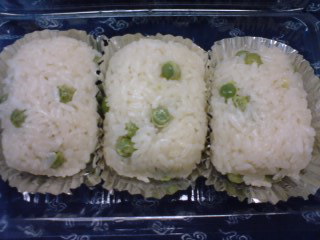
She steamed the rice with large fresh green peas to make big musubi/rice balls.

bento-09-05-01c

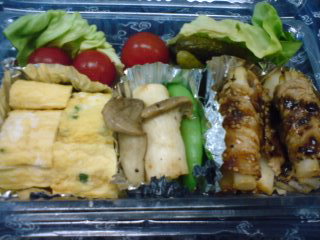
As for the accompaniment, she improvised with was left inthe refrigerator:
Lettuce, mini tomatoes, French pickles, tamagoyaki containing finely chopped thin leeks, fried eringi mushrooms, boiled sweet peas intheir pods, and fried bacon and white asparagus rolls.

A quick fix, maybe, but a pretty satisfying bento!

Please check the new postings at:
sake, shochu and sushi

—————————————-
日本語のブログ
—————————————-

Vegetables facts and Tips (12): Sansai/Japanese Wild Mountain Plants

tomii-veg31

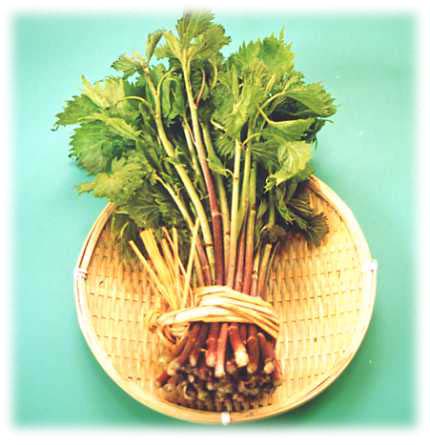
Following the recent posting on the all-vegetable dinner at Tomii, Rich nicely asked me for more information, especially concerning the names of wild edible plants found in Japan as he rightly recognized it could come very handy to vegans and vegetarians everywhere!

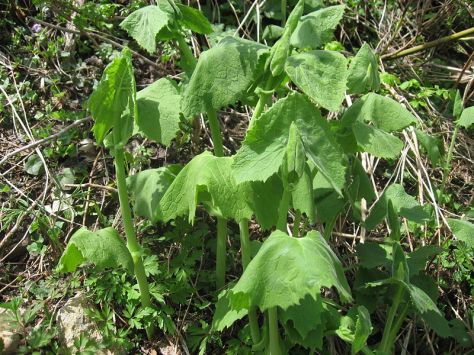
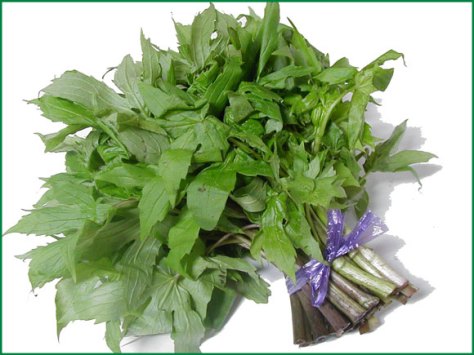
Now, I titled this particular posting “Sansai/Wild Mountain Plants”, because they also include wild fruit that can be eaten both as vegetables and fruit with various preparations.
Some can be boiled, others fried, prepared as tempura, cooked in soup, prepared as pickles or jam, etc.

As it would become far too big (already massive, but inexhaustive) a posting if I wrote everything, please pick up one item at a time if you want more explanations and I will write an individual article for your pleasure!

Here we go:
(No particular order)

ainu-negi-alium-victorialis
AINU NEGI: ALIUM VICTORIALIS

akebi-chocolate-vine
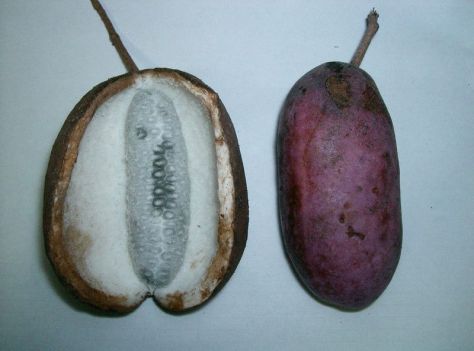
AKEBI: CHOCOLATE VINE

amadokoro-polygonatum-odoratum
AMADOKORO: POLYGONATUM ODORATUM

azami-thistle
AZAMI: THISTLE

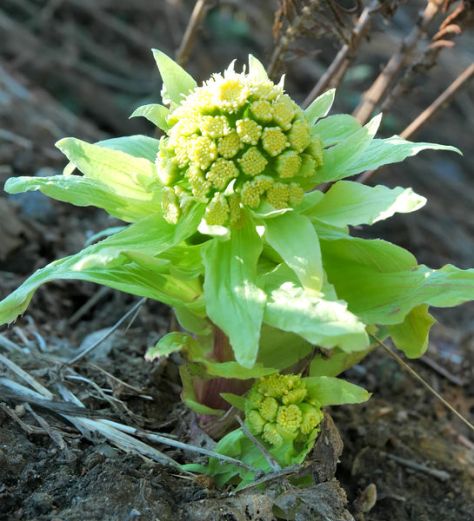
fukinoto-giant-butterbur
FUKINOTO: GIANT BUTTERBUR

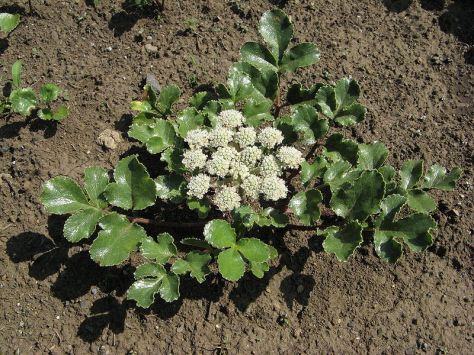
hamaboufuu-glhnia-littoralis
HAMABOUFUU: GLEHNIA LITTORALIS

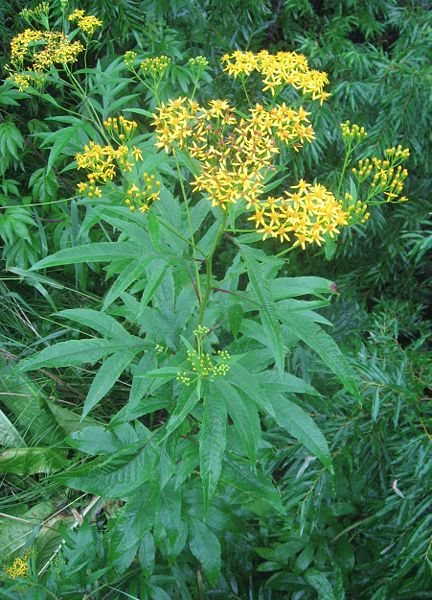
hangonsou-senecio-cannabifolius
HANGONSOU: SENECIO CANNABIFOLIUS

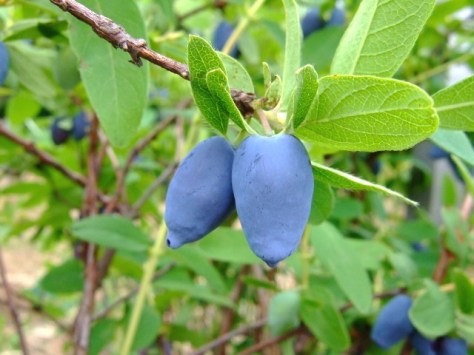
hasukappu-lonicera-caerulea
HASUKAPPU: LONICERA CAERULEA/HASCUP

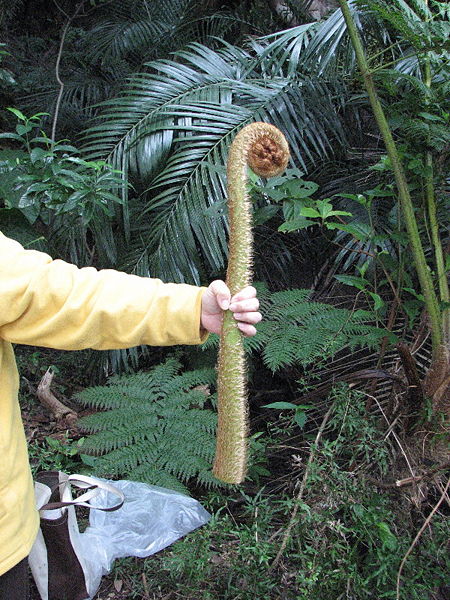
hikagehego-flying-spider-monkey-tree-fern
HIKAGEHEGO: FLYING SPIDER MONKEY TREE FERN

irakusa-urtica-thunbergiana
IRAKUSA: URTICA THUNBERGIANA

itadori-japanese-knotweed
ITADORI: JAPANESE KNOTWEED

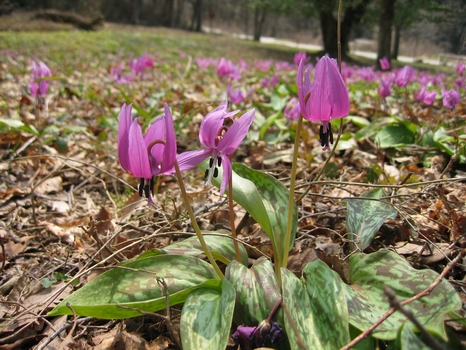
katakuri-dogtooth-violet
KATAKURI: DOGTOOTH VIOLET

kiboushi-plantain-lily-hosta-fortinei
KIBOUSHI: PLANTAIN LILY HOSTA FORTINEI ( a variety of Hosta Montana)

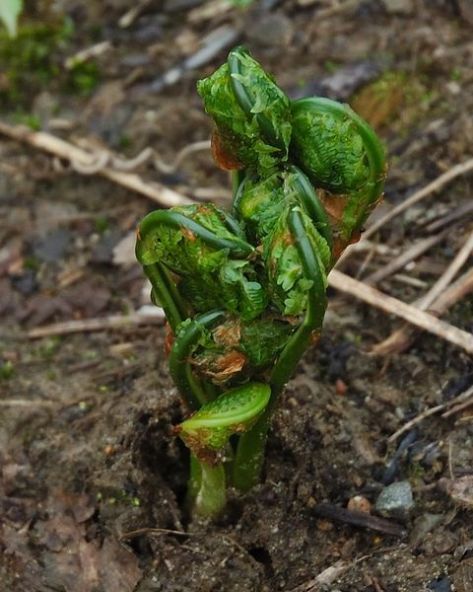
kogomi-ostrich-fern
KOGOMI: OSTRICH FERN (exists as green and red)

koshiabura-ascathopanax-sciadophylloides
KOSHIABURA : ASCATHOPANAX SCIADOPHYLLOIDES

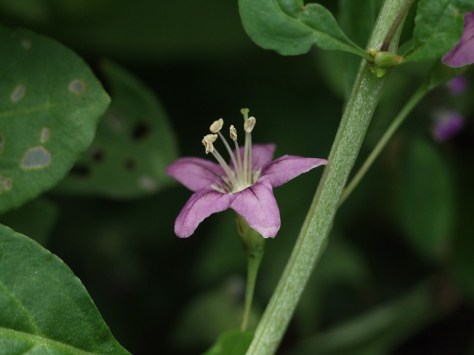
kuko-chinese-wolfberry
KUKO: CHINESE WOLFBERRY

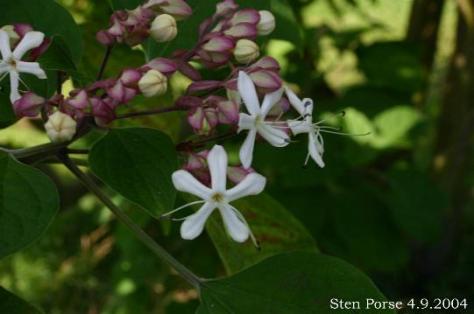
kusagi-harlequin-glory-bower-peanut-butter-shrub2
KUSAGI: HARLEQUIN GLORY BOWER PEANUT BUTTER SHRUB

matatabi-silver-vine
MATATABI: SILVER VINE

mitsuba-japanese-honeywort
MITSUBA: JAPANESE HONEYWORT

nirinsou-anemone-flaccida
NIRINSOU: ANEMONE FLACCIDA

nobiru-alium-macrostemon
NOBIRU: ALIUM MACROSTEMON

oyamabokuchi-synurus-pungens
OYAMABOKUCHI: SYNURUS PUNGENS

ryoubu-clrthra-barbinervis
RYOUBU: CLERTHRA BARBINERVIS

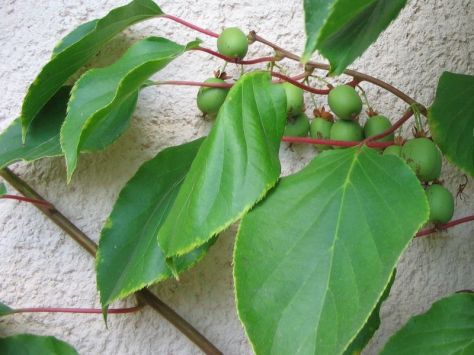
sarunashi-actinia-arguta
SARUNASHI: ACTINIA ARGUTA

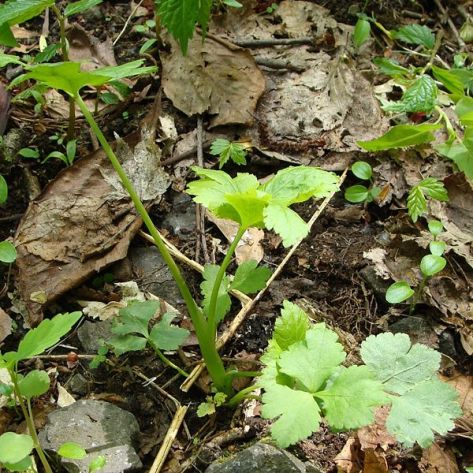
seri-japanese-parsley
SERI: JAPANESE PARSLEY

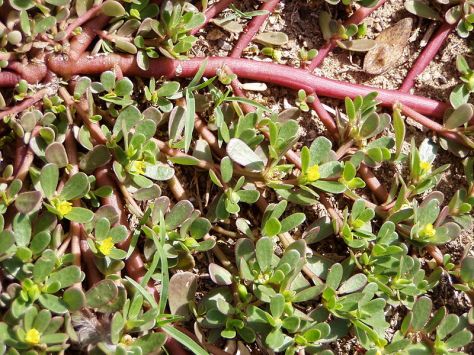
suberiyu-common-purslane
SUBERIYU: COMMON PURSLANE

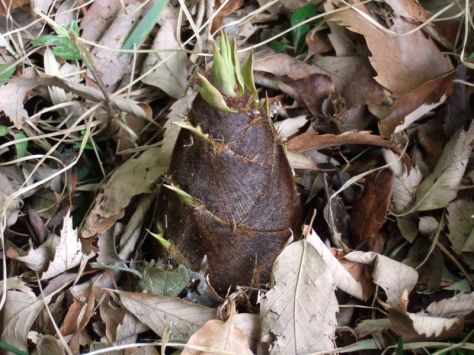
takenoko-bamboo-shoots
TAKENOKO: BAMBOO SHOOTS (SPROUTS)

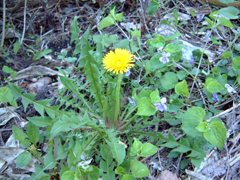
tanpopo-dandelion
TANPOPO: DANDELION

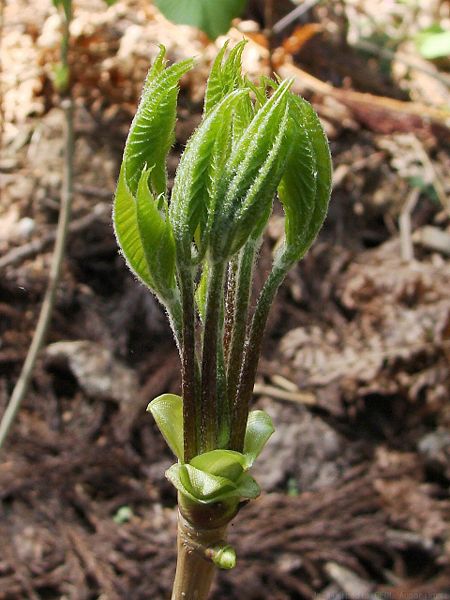
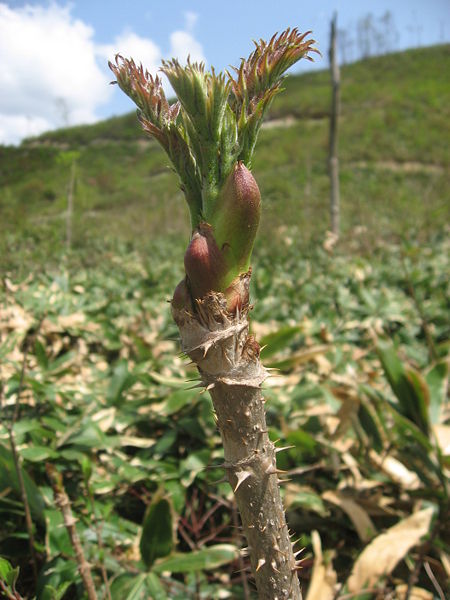
tara-no-me-aralia-elata
TARA NO ME: ARALIA ELATA

tsukushi-horsetail
TSUKUSHI: HORSETAIL

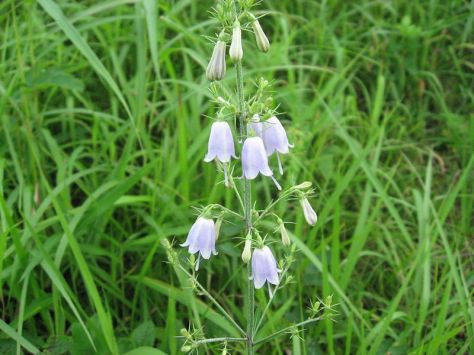
tsuroganeninjin-adenophora-triphylla
TSUROGANENINJIN: ADENOPHORA TRIPHYLLA

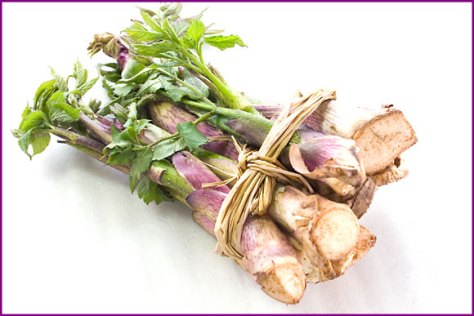
udo-aralia-cordata
UDO: ARALIA CORDATA

yamaudo
YAMAUDO: same as UDO (above)

urui-hosta-montana
URUI: HOSTA MONTANA

warabi-pteridium-aquilinum
WARABI: PTERIDIUM AQUILINUM

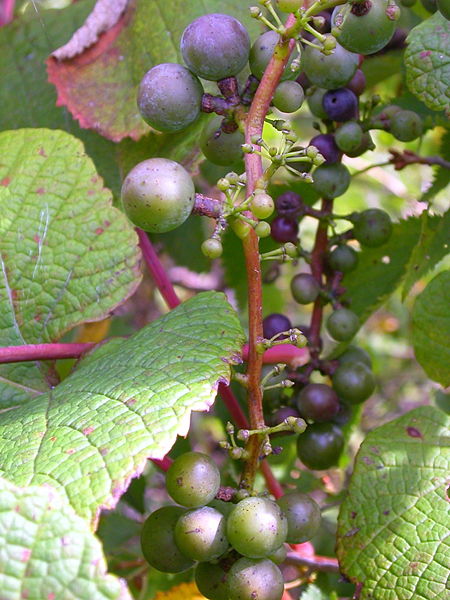
yamabudo-crimson-glory-vine
YAMABUDO: CRIMSON GLORY VINE

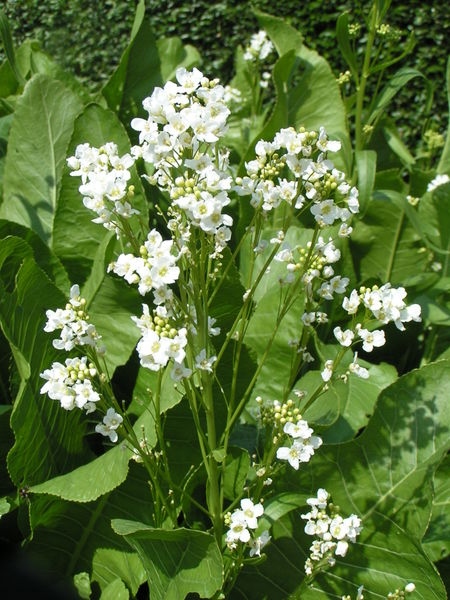
yamawasabi-wild-horseradish
YAMAWASABI: WILD HORSERADISH

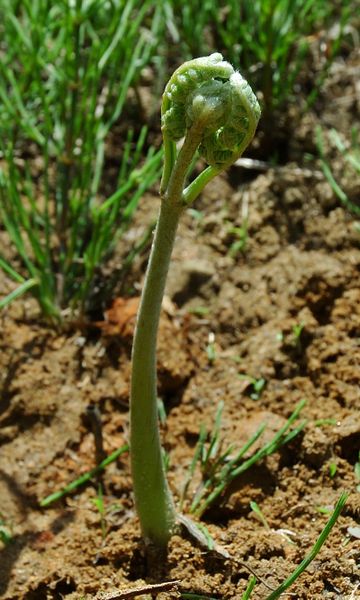
zenmai-osmunda-japonica
ZENMAI: OSMUNDA JAPONICA

—————————
Still have to find the English names for the following ones!

aiko
AIKO

akamizu
AKAMIZU

aomizu
AOMIZU

inudouna
INUDOUNA

shidoke
SHIDOKE

Please check the new postings at:
sake, shochu and sushi

—————————————-
日本語のブログ
—————————————-

Today’s Lunch Box/Bento (’09/30)

bento-09-04-30a

Yesterday was a National Holiday in Japan, and we took the pportunity to share dinner at Lojol‘s place. We certainly ate (and drank) a lot as usual.
As the Missus was busy today, she prepared me a healthy lunch box to help my body ease up a bit!

bento-09-04-30b

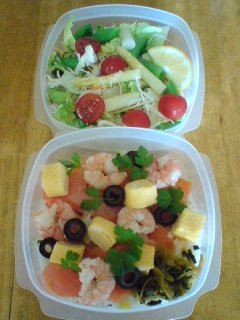
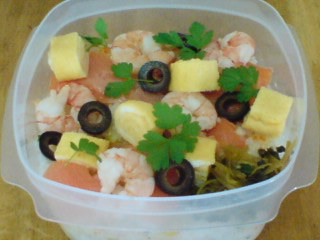
The main dish was very Japanese in concept: “Chirashizushi/Decoration Sushi”:
The rice had been steamed with a piece of konbu/seaweed and later mixed with dickled Japanese cucumber and daikon as well as with “Tobikko/Flying Fish roe”.
She then placed lemon juice-seasoned smoked salmon, boiled shrimps, square cut tamagoyaki, sliced black olives, Italian parsely from the verandah and home-made wasabi pickles.

bento-09-04-30c

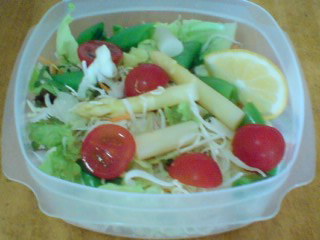
As for the salad: on a bed of shredded veg, cut mini tomatoes, boiled white asparaguses, sweet peas in their pods, lettuce, lemon and shredded cheese on which I poured dressing kept in the fridge at work!

Very healthy indeed, but quite a lot in fact!

Please check the new postings at:
sake, shochu and sushi

—————————————-
日本語のブログ
—————————————-

Vegan & Vegetarian Feast at Tomii: Sansai/Japanese Wild Mountain Vegetables

tomii-veg1

It seems I can’t away from Tomii these days!
The reason (s) is (are) pretty simple:
This Japanese restaurant not only offers the best value for food (although a little expensive), but they scrupulously serve only seasonal culinary marvels!

tomii-veg2
“Sanbo”

Its young (33) second-generation chef-owner, Kazuya Tomii, has always been surprised to hear that many expat vegans or vegetarians had a hard time to find appropriate food in restaurants or even markets.

tomii-veg4
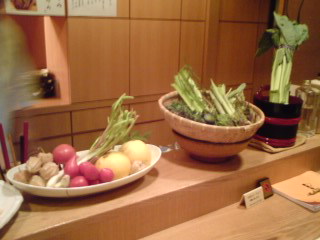
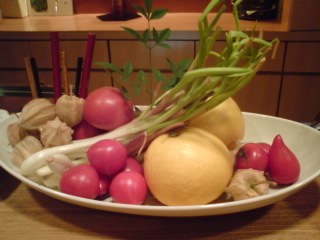
Vegetables and fruit from Shizuoka Prefecture

Having spent 6 years learning his trade in Tokyo, Kyoto, Gifu and Shizuoka before taking over in 2004, he knows very well there is plenty to savour for non-meat eaters!

tomii-veg3
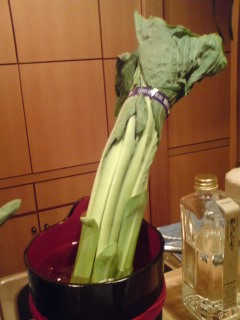
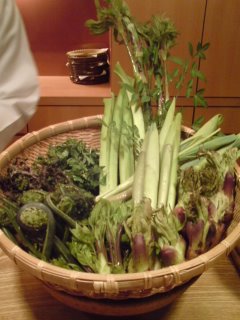
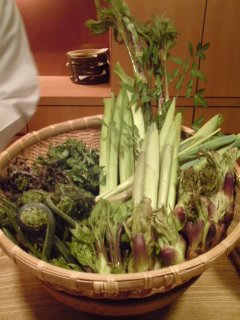
Sansai/Japanese Wild Mountain Plants from Yamagata Prefecture

When I went there for dinner last Friday, he had just received a whole batch of “Sansai” from a relative in Yamagata Prefecture who owns a mountain (no joke) awash with these succulent wild plants!
I don’t have to tell you that I went vegetarian on that particular night!
I asked him to just prepare them away as he deemed best with some great local Shizuoka Sake!

Here is what I was served (I keep all the items in Japanese in case you have the occasion to find them. Asking in English would be very complicated. If needed, I will send a glossary to any friend who asks for it!):

tomii-veg5

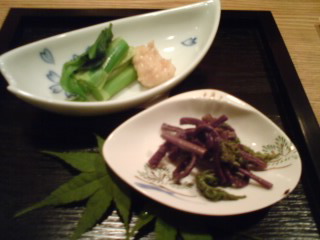
Hors d’oeuvres/starter:
From top clockwise
-Ginbo
-Ukogi
-Ichiya Kogomi

tomii-veg6

Top: Amadokoro with white miso sauce
Bottom: Aka Kogomi

tomii-veg7
A better view of the sansai from Yamagata Prefecture!

tomii-veg8
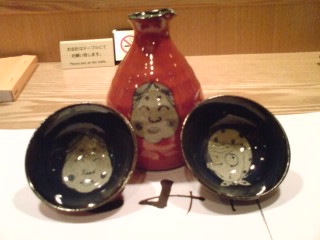
Nice ware to serve hot sake in!

tomii-veg9

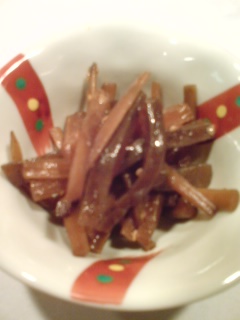
Udo and konyaku kimpira!

tomii-veg10

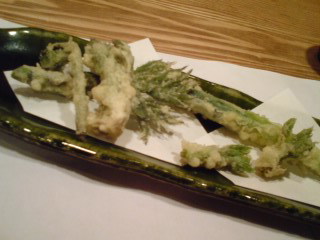
Sansai Tempura!
From left to right:
-Aka kogomi
-Tara no me
-Udo leaf
-Amadokoro (long stem)
-Koshiabura

Note: vegans, when making tempura, should use cornstarch instead of egg whites!

tomii-veg11

Agedashi yasai with mochi!
Now, this particular dish is absolutely vegan and vegetarian. Very satisfying!

I guarantee you I was full!

TOMII
Shizuoka City, Aoi Ku, Tokiwa-cho, 1-2-7, Tomii Bldg, 1F
Tel.: 054-274-0666
Business hours: 17:00~22:00
Closed on Sundays
HOMEPAGE (Japanese)

————————-
Please check the new postings at:
sake, shochu and sushi

—————————————-
日本語のブログ
—————————————-

Today’s Lunch Box/Bento (’09/29)

bento-09-04-28-a1

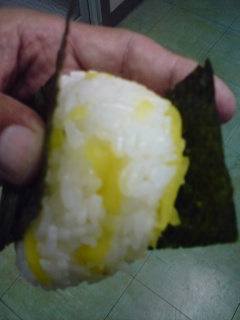
I had a little argument with the Missus this morning when she refused to tell me what was included in one of the nigiri/rice balls.
-Secret! In any case, you should be able to find out when you eat it!
-Kudaranai!/Silly answer!, I replied.
-I’m silly! Fine, you can make your own bento next time!
-No problem!, I replied knowing fully well this was the best way to provoke her into making the next one. LOL

bento-09-04-28-b

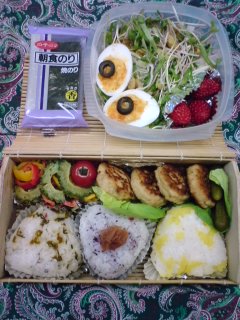
The main part consisted of three nigiri: one containing seaweed, the second one umeboshi/pckled Japanese plum and pickled cherry blossom, the last one takuan/pickled daikon.

bento-09-04-28-d

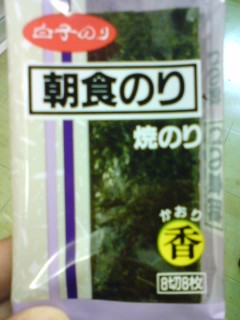
The Missus had included a small pack of nori/dry seaweed.

bento-09-04-28-e2

This way, the nori would be dry and crispy when eaten. The idea is either to wrap around the nigiri, or just hold it as a “sandwich”.

As for the garnish, the Missus prepared a small salad of lightly fried pimento and goya, mini chicken patties from last night dinner, tomato, lettuce and French pickles.

bento-09-04-28-c

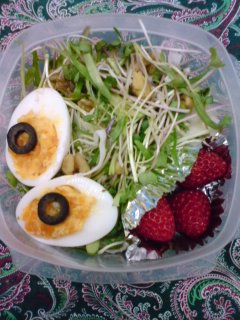
As for the salad I got Japanese-style mimosa eggs on a bed of greens and Shizuoka “Beni Hoppe/red cheeks” strawberies for dessert.

Don’t to have another argument! LOL

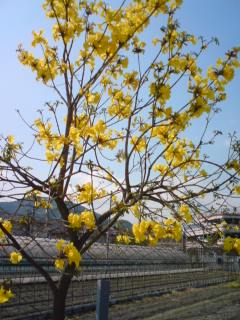
My good friend Elin nicely asked me to include some pictures of flowers as it is Spring in Japan:

flower-tree3

That flowering tree is an “Ippei” originating from Brazil!

Please check the new postings at:
sake, shochu and sushi

—————————————-
日本語のブログ
—————————————-

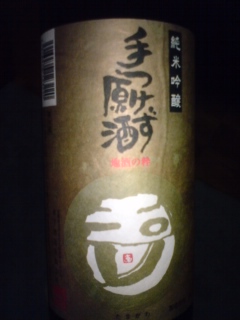
English Sake Brewer Master in Japan: Phillip Harper (3) (Postnotes added!)

tetsukezu

A lot has been written and will be written both here in Japan and abroad on Phillip Harper as he has, with the likes of John Gauntner, Timothy Sullivan and Melinda Joe, established himself as one of the references proving once for all that Japanese sake has at last expanded beyond the confines of this island for the good of all.
It is only a question of time when sake breweries will become a part of life like wine and beer abroad as demonstrated by the five existing branches of large Japanese breweries in the United States employing a full American staff and Moto I, the entirely owned and run American Sake Brewery.

harper-1

What makes the difference is that Phillip has gone as far as becoming the only foreign sake “toji”/master brewer in a Japanese brewery, namely Ki no Shita Brewery in Kyoto Prefecture!
An Oxford graduate hailing from Cornwall, it took him 18 years of sheer courage and guts to break into the closely guarded world of Japanese sake to gain recognition and earn his master brewer status in 2001.
The media (including The Los Angeles Times) finally take good note of his achievements when he was formally asked by Owner Yoshito Kinoshita to become his new Master Brewer (incidentally Phillip had already held that position in Osaka for two years).

This the third of the three bottles I received from his fans in Tokyo. That particular one was sent to me by Melinda Joe.

Kinoshita Brewery, Tamagawa, Tetsukezu Genshu Junmai Ginjo
Rice: Gohyakumangiku
Rice milled down to: 60%
Alcohol: 18~19 degrees (high as it is a genshu/unaltered alcohol contents)

Clarity: Very clear
Colour: Transparent
Aroma: Fruity, elegant. Strawberries, apricot.
Body: Velvety
Taste: Strong attack backed by alcohol.
Shortish tail. Warms up back of the palate.
Complex. Junmai tingle.
Fruity and dryish: apricots with hints of strawberries, almonds and macadamia nuts.
Elegant.
Dry almonds making a regular comeback.
Holds its own well with food, but revealing different facets, especially strawberries with a dry finish.

Overall: Elegant and easy to drink in spite of high alcohol contents.
For once, similar to Shizuoka-brewed sake.
Combines fruitiness and dryness into a remarkably palatable (eminently drinkable) creation!

PHILLIP’S COMMENTS:

The specs for that sake are:

SMV +4, Acidity 1.7, Amino Acids 1.5, Alcohol 18.7.

It was brewed with the same organic rice used to make the Konotori kimoto you reviewed the other day – at 60% polish this time.
Though it doesn’t seem to have made an impression on you, that sake isslightly effervescent. Bubbly sake is usually made either by refermenting in the bottle (like Champagne…), or injecting gas into the sake itself. Oh,and a few people do a kind of sparkling wine thing with secondary fermentationin tanks. Tetsukezu bubbles are different, because they derive from the originalfermentation in the mash itself. We trap them in by a secret method that I can’t
reveal, except to say that it is as high-tech as all the other stuff we do at Tamagawa.

Regards, Philip

———————————
Must-see tasting websites:
-Sake: Tokyo Through The Drinking Glass, Tokyo Foodcast, Urban Sake, Sake World
-Wine: Palate To Pen
-Beer: Good Beer & Country Boys, Another Pint, Please!
-Japanese Pottery to enjoy your favourite drinks: Yellin Yakimono Gallery
———————————————–
Please check the new postings at:
sake, shochu and sushi

—————————————-
日本語のブログ
—————————————-

Today’s Lunch Box/Bento (’09/28)

bento-09-04-27a

This morning The Missus said that I ate too much rice for my comfort, meaning it was fattening me!
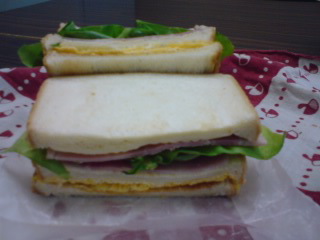
Therefore she declared that I was going to have sandwich Bento today!
Actually, I’m pretty sure that bread contains more calories than rice!

bento-09-04-27b

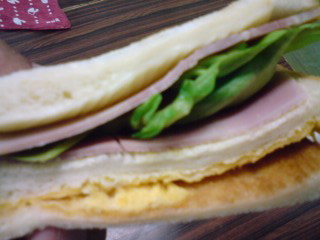
The sandwich was double-decker with three slices of bread.

bento-09-04-27d

Fairly simple in concept (and probably healthier!), it was laid with a very thin omelette on the first deck, then cheese (toasted), ham (seasoned with mustard) and lettuce for the second deck.

bento-09-04-27c

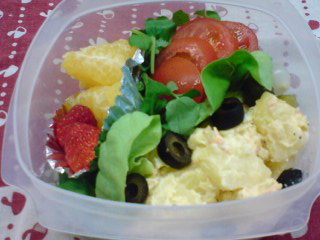
The Salad dish was pretty voluminous:
Bed of cress.
Plum tomatoes.
French pickled cucumbers and onions,.
Lettuce.
Black olives
Potato salad.
Oranges and strawberries for dessert.

Quite big in the end! LOL

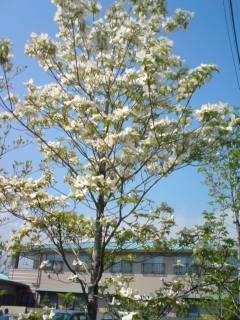
My good friend Elin nicely asked me to include some pictures of flowers as it is Spring in Japan:

flower-tree2

That flowering tree is a Dogwood Tree or Hanamizukira in Japanese!

Please check the new postings at:
sake, shochu and sushi

—————————————-
日本語のブログ
—————————————-
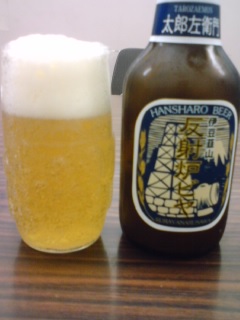
Shizuoka Beer 7/2: Hansharo Beer/Kurayanarusawa Brewery-Tarozaemon

tarozaemon

The weather having definitely turned warmer, I just becomes too difficult to get away from real beer! Time again to delve back into more Shizuoka micro-breweries brews!
The Good Beer and Country Boys in Nagoya will get tempted!

This particular brew, “Tarozaemon is another Pilsen type by Kurayanarusawa in Izu-Nagaoka (Izu no Kuni City in Izu Peninsula)

Hansharo Beer/Kurayanarusawa Brewery-Tarozaemon
Ingredients: Grain Malt, Hops, Yeast
Alcohol: 5%
Contents: 300ml
Live yeast, unfiltered, unpasteurized.

Clarity: Very clear
Colour: Golden
Foam: Long head, fine bubbles
Aroma: Dry, oranges, bread
Taste: Shortish tail. Dry. Oranges, bread.
Solid, refreshing impression

Overall: Very refreshing, easy to drink. Thirst-quaffing.
Light, but solid.

Kurayanarusawa Brewery
Shizuoka Ken, Izu no Kuni Shi, Naka, 272-1
Tel.: 055-949-1208
Sales on site or through the Internet (Japanese)
Visits possible
Restaurant on site

———————————
Must-see tasting websites:
-Sake: Tokyo Through The Drinking Glass, Tokyo Foodcast, Urban Sake, Sake World
-Wine: Palate To Pen
-Beer: Good Beer & Country Boys, Another Pint, Please!
-Japanese Pottery to enjoy your favourite drinks: Yellin Yakimono Gallery
————————

Please check the new postings at:
sake, shochu and sushi

—————————————-
日本語のブログ
—————————————-
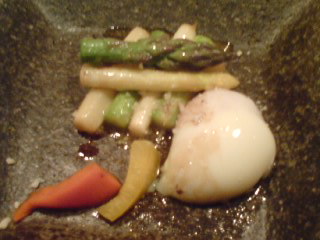
Japanese Fusion Cuisine at Tomii

tomii-fusion

I visited Tomii, my favourite Japanese restaurant in Shizuoka City last night to sample the “Sansai/Wild Mountain Vegetables” menu (coming posting for vegans and vegetarians!). Befi\ore the last dish, I was offered a great dish in its simpicity and taste that I couldn’t include in posting for vegans and vegetarians!

I call it “Japanese Fusion” because it is clever, if simple, association of Japanese and Italian tastes:

Two kind of (green and white) extremely frsh asparaguses were simply fried in olive oil. No need for boiling them.
They were then served with freshly grated Parmeggiano and sprinkled with a balsamico-base dressing.
Mr. Tomii added a “onsen tamago/Japanese-style poached egg” to break and eat together wth the asparaguses.
Some pimentoes added the final colour touch.

Simple and so “oishii/scrumptious”!
A great combination of crunchiness (asparaguse) and tenderness (egg)!

TOMII
Shizuoka City, Aoi Ku, Tokiwa-cho, 1-2-7, Tomii Bldg, 1F
Tel.: 054-274-0666
Business hours: 17:00~22:00
Closed on Sundays
HOMEPAGE (Japanese)

————————-
Please check the new postings at:
sake, shochu and sushi

—————————————-
日本語のブログ
—————————————-
Today’s Lunch Box/Bento (’09/27)

bento-09-04-25a

Saturday is definitely not a “bento day”, but with the storm announced for the whole day by the weather forecast, we decided it would be more practical for both of us instead of having to travel inside stuffy slow buses!

bento-09-04-25b

The Missus kept things simple:
She already had ready to fry thin pork slices in the fridge.
She placed them on a bed of teamed rice first overlaid with finely chopped greens. She had seasoned the pork with bbq sauce and sprinl\kled them with white sesame. She added “takuan”/yellow pickled daikon and home-made wasabi flowers and stem pickles.

bento-09-04-25c

The side dish was fairly simple, too:
Plenty of “kawaire daikon” for vitamin C, mini tomatoes, simmered black beans and tamagoyaki.

Plenty enough!

My good friend Elin nicely asked me to include some pictures of flowers as it is Spring in Japan:

flower-tree1

Last Cherry blossoms in Shizuoka City!

Please check the new postings at:
sake, shochu and sushi

—————————————-
日本語のブログ
—————————————-
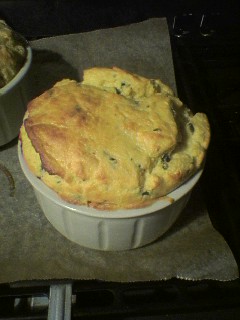
French Cuisine: Seafood Souffle

Last night I cooked an old favourite of mine: Seafood Souffle
Souffle is not that complicated.
There are simple rules to follow though:
-Get all your ingredients ready within reach first.
-Souffle must be savoured as soon as it comes out of the oven. As the adage says, “The guests wait for the souffle; the souffle does not wait for the guests!”.
It is another way to eat seafod in season and it’s a favourite when Spring and Autumn nights are still cool or cold. Of course it is a great dish in winter as it will warm up your guests or family!
Ingredients can be easy replaced according to season or supply. The spices indicated are basic and also open to imagination!

Ingredients (large portions for 2 persons)
-Eggs:5
Separate yolks from whites. Keep yolks in a small dish. Pour the whites into a large bowl with a pinch of salt.
-Milk: 1 cup/200 cc
-Butter: 50 grams
-Flour: 70 grams/2 large tablespoons
-Salt, pepper, nutmeg, thyme (powder) to taste.
-Olive oil: 1 large tablespoon
-Oysters: 12 out of their shells in a small strainer to allow excess water out.
-Mussles: 24 large shells bushed and cleaned under running water.
-Crab: 1 small tin. If fresh, a “fistful” slightly boiled or steamed).
-Shallots: 1 large, thinly chopped
-Garlic: 1 clove, thinly chopped
-Noilly or sweet white wine: 1 glass/50cc/a quarter cup
-Thinly chopped fresh herbs (Italian parsley, basil, etc.): 1 “fistful”.

Recipe:
1) Pour oil into a deep non-stick frypan over a medium high fire. Cook shallots and garlic until shallots turn transparent. Take care that garlic does not darken.
2) Drop the mussles in. Close with glass lid.
3) When mussles are all open switch off fire and take them out shaking all vegetables and juice out. Delicately separate mussles from their shells. Put aside in a small dish. Discard shells.
4) Switch on ffire again to medium and drop oysters in.
Cook them just long enough for them to stay tender. Switch off fire and take oysters out delicately. Put aside in a small dish.
5) Take crab out of the tin and squeeze out juices into the frying pan.
Put aside in a small dish.
6) Switch on fire again and reduce sauce at least to half. Switch off fire and strain the sauce into a cup. Put aside for white sauce.
7) White sauce:
On a medium fire, in a large deep pot melt butter completely. Drop in all the flour and whisk until smooth. Pour in milk little by little, whiking all the time to attain a smooth sauce. Add salt, pepper, nutmeg and thyme, and cup of reduced juices. Mix. Keep stirring gently until sauce is very thick and adheres to the whisker.
8) Switch off fire. Mix in the yolks with whisker until smooth. Drop in fresh herbs and mix well.
Beat the egg whites until very firm
Fold whites into sauce one third at a time with a spatula (if you mix with a whisker, the souffle will not rise. If you pour all the whites at once you will end up with white “blobs” and uncooked liquid yellow sauce).

9) butter the inside of 2 (or more reducing the size) oven dishes about 12 cm across and 7 cm high.
Pour in one layer of sauce on the bottom of each dish.
Place half of the oysters in each dish and cover with one more layer of sauce.
Place half of the mussles on top and cover with one more layer of sauce.
Spread half of the crab in each dish on top of the last layer of sauce and cover the lot with the rest of the sauce.

Preheat the oven to 180 degrees.
Cook for 35~45 minutes depending on your oven.
Chck if souffle is ready with a thin stick. It should come out with no sauce attached to it.
Serve immediately!

————————-
Please check the new postings at:
sake, shochu and sushi

—————————————-
日本語のブログ
—————————————-
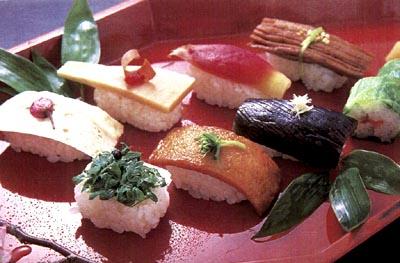
Vegan and Vegetarian Sushi (renewed)

iroha-2.jpg
(from top to bottom and left to right: Konnyaku/Devil’s Tongue Tuber, Celery marinated in Amazu/sweet vinegar and pickled Japanese plums, Shiro negi/White leek, Na no Hana/Rape Blossoms, Gobo/Burdock roots, Satsuma Imo/Sweet yams, Daikon/Long Japanese radish)

Whenever I can convince there is Japanese food fit for Vegans and Vegetarians (I’m neither!), I make a point of posting articles that might help friends with different culinary priorities!
I have recently received more requests about recipes and examples.
Therefore I decided to re-post a former article with the addition of more discoveries!

There is vegan and vegetarian sushi in Japan and elsewhere!
As a proof have a good look at the picture and explanations above. The pic was taken at Iroha Sushi, a small but extremely renown sushi restaurant in Iwata City, an area celebrated for its vegetables!

vegan-sushi1
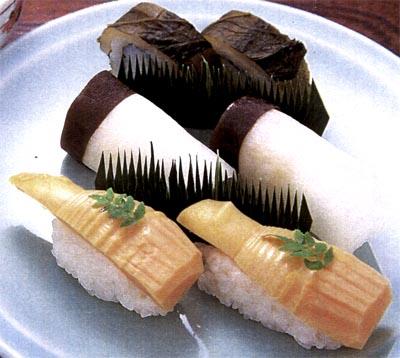
Kyoto is a renown place for Vegan & Vegetarian Sushi!
From right to left, top to bottom:, Yuuba (tofu sheets), Takenoko (Bamboo shoots), Myoga (myoga ginger), Zenmai (Spring vegetable variety), Ki no mi (Spring vegetables), Awafu (grilled tofu sheets), Kamo Nasu (kamo egg-plant), Hakusai Maki (Chinese cabbage).
Print a copy of this pic, show it to your local Sushi Restaurant and challenge him/her into preparing your favorite tidbits!

vegan-sushi2
From bottom to top: Takenoko (boiled bamboo shoots topped with a sprig of sansho/Japanese pepper plant)), Kabu Tsukemono (pickled turnip), Sugiku no Ha Maki (sugiku Chrysanthemum leaves)
And what about these? Not only tasty but fulfilling!

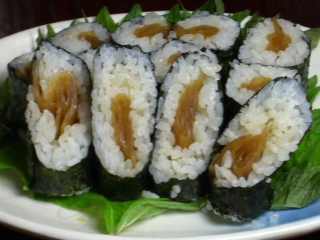
efbd8befbd81efbd8defbd90efbd99efbd8fefbd95efbd8daki
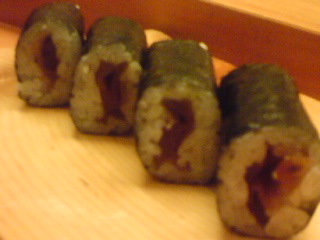
“Kanpyou maki”/dry gourd shavings: here is one that any sushi restaurant will serve you!

vegan-sushi3
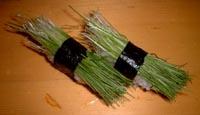
That small one is my personal favourite: “menegi”/thin leeks sprouts!

24-24-24-311
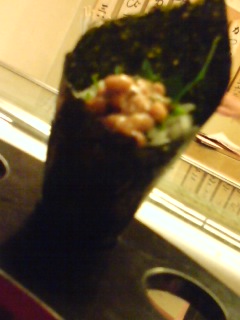
Vegan/vegetarian Te-maki: natto, shiso, ume/Japanese pickled plum.
(Sushi Ko in Shizuoka City!)

24-24-24-33
Another Vegan/vegetarian Kanpyo-maki/dry gourd shavings roll for second dessert!

24-24-24-8

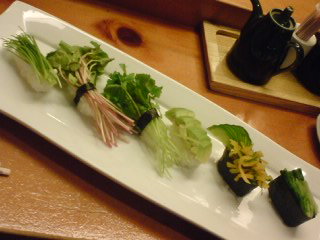
Menegi/leek sprouts, Soba no Shinme/buckwheat sprouts, Mitsuba, avocado, Takuan/pickled daiko and shiso nd cucumber gunkan, mizuna gunkan.
(Sushi Ko in Shizuoka City!)

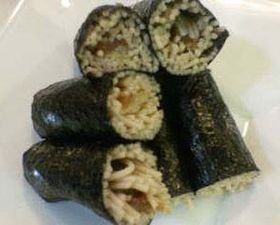
sobasushimaki

And how about Soba Sushi maki?

I’ll still keep looking!

————————-
Please check the new postings at:
sake, shochu and sushi

—————————————-
日本語のブログ
—————————————-

New Green Tea Season opened in Shizuoka!

shinsha-1

The new green tea season has just opened in Shizuoka Prefecture!
Our Prefecture produces more than half of all green tea harvested in Japan and is the leader not only in quantity but also in quality!

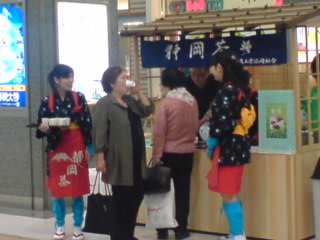
If you happen to stop at Shizuoka JR Railway Station, keep an eye open!

shinsha-2

The MOTOYAMA Tea Growers Association is offering a free tasting of their new tea to all and sundries!
New tea is called “Shinsha” (New Tea) or “Ichiban cha” (First Tea) in Japanese.
A great occasion to make acquaintance with Japanese Nationla Beverage!

————————-
Please check the new postings at:
sake, shochu and sushi

—————————————-
日本語のブログ
—————————————-