Tag Archives: Simple Recipes

Today’s Bento/Lunch Box (11/64): Oyako Bento!

“Oyako/親子” in Japanese means “Parent and Child”. It is used to describe two different combinations in Japanese Gastronomy, Chicken & Eggs or Fish & Roe. The Missus opted for the latter this morning with smoked salmon and salmon’s roe! Mind you, I could have called it a “Russian Bento”!

All orange color, the official color of Shizuoka Prefecture (though we do not have salmon here!) and that of my rugby club back home in France!

The Missus prepared sushi rice she actually mixed with tiny bits of seasoned seaweed and filled one box with it.
She covered half with seasoned smoked salmon.

She covered the other half with soy sauce-seasoned salmon roe from Hokkaido.
She separated the “Parent ” and the “Child” with fresh cress, sliced black olive and half a sudachi lemon for extra seasoning.

Plenty of colors again for the salad and dessert box!

Spicy burdock root/gobo (cooked) and water spinach sprouts/空心菜/kōngxīncài (raw) seasoned with gomadare/sesame dressing.

The Missus’ specialty, tamagoyaki, this time containing finely chopped parsley and red carrot, lettuce, Ameera pearl tomatoes and Red Heart Kiwi fruit!

Very, very tasty and very satisfying again!

RECOMMENDED RELATED WEBSITES

With a Glass,
Clumsyfingers by Xethia
Adventures in Bento Making, American Bento, Beanbento, Bento No1, Bento Wo Tsukurimashou, Cooking Cute, Eula, Hapabento , Happy Bento, Jacki’s Bento Blog, Kitchen Cow, Leggo My Obento, Le Petit Journal Bento & CO (French), Lunch In A Box, My Bento Box, Vegan Lunch Box; Tokyo Tom Baker, Daily Food Porn/Osaka, Only Nature Food Porn, Happy Little Bento, The Herbed Kitchen, J-Mama’s Kitchen, Cook, Eat, Play, Repeat; Bento Lunch Blog (German); Adventures In Bento; Anna The Red’s Bento Factory; Cooking Cute; Timeless Gourmet; Bento Bug; Ideal Meal; Bentosaurus; Mr. Foodie (London/UK); Ohayo Bento

Japanese Vegetarian & Vegan Cakes: Wagashi/和菓子8: Recipe-Beni Mochi

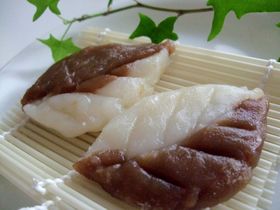
BENI-MOCHI-1

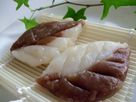
Here is a simple Japanese Cake/Wagashi Recipe that can be adapted to all shapes by vegans and vegetarians! Beni Mochi.
Beni Mochi, or 紅餅 in Japanese, means “Red Mochi”.

INGREDIENTS: 16 pieces

-Rice flour: 250 g
-White sugar: 80 g
-Water: 100 ml/half a cup (for white mochi)
-Brown sugar (take care in choosing the colour): 80 g
-Water: 100 ml/half a cup (for red mochi)

RECIPE:

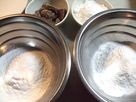
BENI-MOCHI-2

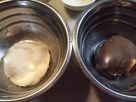
Divide rice flour into two equal parts (125 g) and pour into two different bowls.

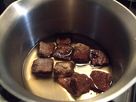
BENI-MOCHI-3

In a deep pan, drop red sugar and add water. Heat over fire until completely melted. Switch off fire. Add rice flour and mix well.
Repeat same procedure with white sugar.

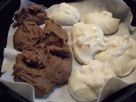
BENI-MOCHI-4

In a steamer, put mochi pastes (take care no to mix them) on a steaming paper and steam for 10 minutes.

BENI-MOCHI--5

Take out. Let cool. Make two balls and keep in different bowls.

BENI-MOCHI--6

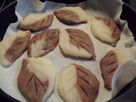
Shape the mochi as above or according to your preference. Put them back inside the steamer on steaming paper and steam for 10 more minutes.

BENI-MOCHI--7

Let cool and serve!
Are best enjoyed with Japanese tea, hot or cold!

RECOMMENDED RELATED WEBSITES

With a Glass,
Clumsyfingers by Xethia
Adventures in Bento Making, American Bento, Beanbento, Bento No1, Bento Wo Tsukurimashou, Cooking Cute, Eula, Hapabento , Happy Bento, Jacki’s Bento Blog, Kitchen Cow, Leggo My Obento, Le Petit Journal Bento & CO (French), Lunch In A Box, My Bento Box, Vegan Lunch Box; Tokyo Tom Baker, Daily Food Porn/Osaka, Only Nature Food Porn, Happy Little Bento, The Herbed Kitchen, J-Mama’s Kitchen, Cook, Eat, Play, Repeat; Bento Lunch Blog (German); Adventures In Bento; Anna The Red’s Bento Factory; Cooking Cute; Timeless Gourmet; Bento Bug; Ideal Meal; Bentosaurus; Mr. Foodie (London/UK); Ohayo Bento

Must-see tasting websites:

-Sake: Tokyo Through The Drinking Glass, Tokyo Foodcast, Urban Sake, Sake World
-Wine: Palate To Pen, Warren Bobrow, Cellar Tours, Ancient Fire Wines Blog
-Beer: Good Beer & Country Boys, Another Pint, Please!
-Japanese Pottery to enjoy your favourite drinks: Yellin Yakimono Gallery

Today’s Bento/Lunch Box (11/63): Curry Hamburger Bento!

There are two things that the Japanese love, namely curry and hamburgers!
Mind you, the Missus didn’t agree with the naming of this bento as for her, hamburgers must be served with buns!
I beg to differ…
And when it comes to curry, the Japanese have this interesting notion of “dry curry”!

Actually “dry curry” in Japanese means rice flavored with curry mix and not in curry sauce!
So the Missus steamed the rice with some curry powder mix and some garam masala curry paste!
Once steamed, she mixed the lot and formed a well into the main box and sprinkled the rice with freshly chopped parsley.

I was not allowed to look at her preparing the hamburger, but I know it was made with minced beef and pork and her usual set of spices and that it contained some cheese before she fried it slowly in sauce. She placed it in the rice well and covered it with a tomato sauce she concocted with the hamburger juices.
She decorated the lot with some fresh cress and sliced cornichons.

The colorful salad dish consisted of an egg mimosa decorated with a black olive slice, Ameera Pearl Tomatoes, apple cuts, walnuts, Trevise and plenty of lettuce for beautiful colors and nutritious balance!

Very satisfying and delicious!

RECOMMENDED RELATED WEBSITES

With a Glass,
Clumsyfingers by Xethia
Adventures in Bento Making, American Bento, Beanbento, Bento No1, Bento Wo Tsukurimashou, Cooking Cute, Eula, Hapabento , Happy Bento, Jacki’s Bento Blog, Kitchen Cow, Leggo My Obento, Le Petit Journal Bento & CO (French), Lunch In A Box, My Bento Box, Vegan Lunch Box; Tokyo Tom Baker, Daily Food Porn/Osaka, Only Nature Food Porn, Happy Little Bento, The Herbed Kitchen, J-Mama’s Kitchen, Cook, Eat, Play, Repeat; Bento Lunch Blog (German); Adventures In Bento; Anna The Red’s Bento Factory; Cooking Cute; Timeless Gourmet; Bento Bug; Ideal Meal; Bentosaurus; Mr. Foodie (London/UK); Ohayo Bento

Japanese Vegetarian & Vegan Cakes: Wagashi/和菓子7: Creation 2-Hanabira Mochi

WAGASHI-HANABIRAMOCHI

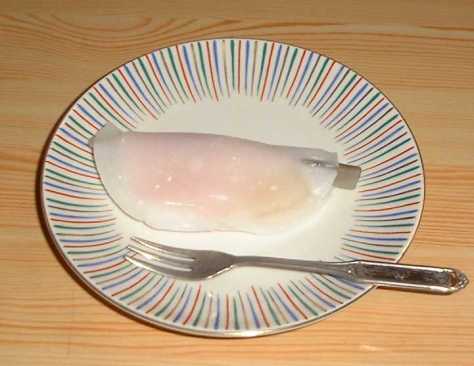
Here is another traditional Japanese Cake/Wagashi: Hanabira Mochi (菱葩餅 in Japanese)!
Hanabiramochi is a Japanese sweet usually eaten at the beginning of the year. Hanabiramochi is also served at the first tea ceremony of the New Year.

The name “Hanabiramochi” literally means “Flower petal mochi”. The original form of Hanabiramochi is Hishihanabira, a dessert that was eaten by the Imperial family at special events coinciding with the beginning of the year.

Hanabiramochi was first made in the Meiji Era (8 September 1868 – 30 July 1912), but it is now a familiar New Year wagashi.

The exact shape of Hanabiramochi is strictly defined by tradition. The white mochi covering is flat and round, folded over to form a semicircular shape, and must have a pink color showing through in the center of the confection, fading to a white at the edge. Unlike a daifuku, the mochi must not completely seal the insides.

In the center of a hanabiramochi is a layer of anko, a sweet bean paste, commonly the white kind made from sweetened mung beans. In the very center is a thin strip of sweetly flavoured gobo (burdock root) which protrudes from the mochi on both sides.

Each element of the hanabiramochi is significant.

The red colour showing through the white mochi is not only appropriate to the celebration of the New Year but also evokes the Japanese apricot/plum (ume) blossom, which in turn represents the purity, perseverance, and renewal associated with the New Year.

The gobo represents pressed ayu, a fish exclusive to East Asia, and a prayer for a long life.

A vegan way to celebrate the New Year!

RECOMMENDED RELATED WEBSITES

With a Glass,
Clumsyfingers by Xethia
Adventures in Bento Making, American Bento, Beanbento, Bento No1, Bento Wo Tsukurimashou, Cooking Cute, Eula, Hapabento , Happy Bento, Jacki’s Bento Blog, Kitchen Cow, Leggo My Obento, Le Petit Journal Bento & CO (French), Lunch In A Box, My Bento Box, Vegan Lunch Box; Tokyo Tom Baker, Daily Food Porn/Osaka, Only Nature Food Porn, Happy Little Bento, The Herbed Kitchen, J-Mama’s Kitchen, Cook, Eat, Play, Repeat; Bento Lunch Blog (German); Adventures In Bento; Anna The Red’s Bento Factory; Cooking Cute; Timeless Gourmet; Bento Bug; Ideal Meal; Bentosaurus; Mr. Foodie (London/UK); Ohayo Bento

Must-see tasting websites:

-Sake: Tokyo Through The Drinking Glass, Tokyo Foodcast, Urban Sake, Sake World
-Wine: Palate To Pen, Warren Bobrow, Cellar Tours, Ancient Fire Wines Blog
-Beer: Good Beer & Country Boys, Another Pint, Please!
-Japanese Pottery to enjoy your favourite drinks: Yellin Yakimono Gallery

Japanese Vegetarian & Vegan Cakes: Wagashi/和菓子6: Creation 2-Sakura Mochi (& Recipe!)

WAGASHI-SAKURA-MOCHI-2

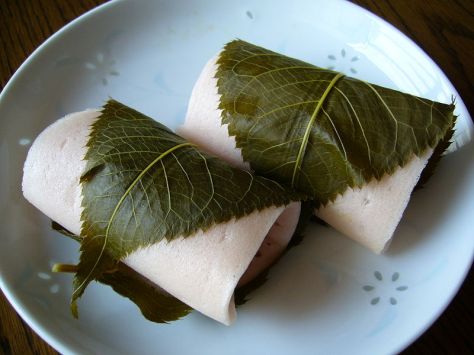
Sakura Mochi (桜餅) is a variety of wagashi, or Japanese confectionery consisting of a sweet pink mochi (rice cake) and red bean paste, covered with a leaf of sakura (cherry blossom).

Sakura Mochi (桜餅) or Cherry Blossom Mochi has been popular all over Japan since the beginning of gastronomy in the Land of the Rising Sun.
The style of Sakura Mochi differs with the regions in Japan.
Basically, the east of Japan such as Tokyo uses shiratama-ko (白玉粉/ rice flour) and the west side such as Kansai uses dōmyōji-ko (道明寺粉/glutinous rice flour) for “batter”.

WAGASHI-SAKURA-MOCHI
Anko is folded inside a mochi sheet and again inside an edible cherry tree leaf.

WAGASHI-SAKURA-MOCHI-3

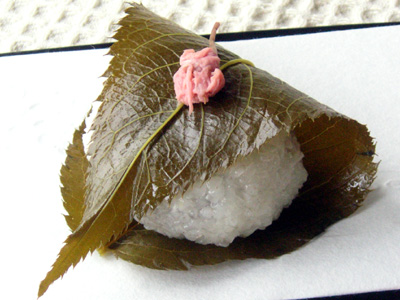
Here the anko is inside white mochi, then folded in cherry tree leaf and topped with an edible cherry flower.

WAGASHI-SAKURA-MOCHI-4

A smaller, very cute Sakura Mochi: the colored mochi contains anko and is presented inside an edible cherry tree leaf.

WAGASHI-SAKURA-MOCHI-5

Sakura mochi as sold over the counter in the Kansai/West Japan Region.
They are also called Sakura Dango/Cherry Balls (no comment, please!LOL)

SIMPLE RECIPE
This recipe is for making Western-style sakuramochi. Serves 8.

INGREDIENTS:
3/4 cup glutinous rice flour
1/3 cup sugar
1 cup water
3/4 cup red bean paste
red food coloring (optional)
8 sakura leaves pickled in salted water

PREPARATION:
Wash pickled sakura leaves and dry.
Boil water in a pan.
Mix glutinous flour in the water.
Cover the pan with a lid and leave it for 5 minutes.
Place a wet cloth in a steamer and put the dough on the cloth.
Steam the dough for about 20 minutes over medium heat.
Remove the steamed dough to a bowl.
Mash the dough slightly with a wooden pestle, mixing sugar into the dough.
Dissolve a little bit of red food color in some water.
Add some of the red water in the dough and mix well.
Divide the pink mochi into 8 balls.
Flaten each mochi ball by hands and place red bean paste filling on the dough.
Wrap the filling with mochi and rounds by hands.
Wrap each mochi with a sakura leaf.

RECOMMENDED RELATED WEBSITES

With a Glass,
Clumsyfingers by Xethia
Adventures in Bento Making, American Bento, Beanbento, Bento No1, Bento Wo Tsukurimashou, Cooking Cute, Eula, Hapabento , Happy Bento, Jacki’s Bento Blog, Kitchen Cow, Leggo My Obento, Le Petit Journal Bento & CO (French), Lunch In A Box, My Bento Box, Vegan Lunch Box; Tokyo Tom Baker, Daily Food Porn/Osaka, Only Nature Food Porn, Happy Little Bento, The Herbed Kitchen, J-Mama’s Kitchen, Cook, Eat, Play, Repeat; Bento Lunch Blog (German); Adventures In Bento; Anna The Red’s Bento Factory; Cooking Cute; Timeless Gourmet; Bento Bug; Ideal Meal; Bentosaurus; Mr. Foodie (London/UK); Ohayo Bento

Must-see tasting websites:

-Sake: Tokyo Through The Drinking Glass, Tokyo Foodcast, Urban Sake, Sake World
-Wine: Palate To Pen, Warren Bobrow, Cellar Tours, Ancient Fire Wines Blog
-Beer: Good Beer & Country Boys, Another Pint, Please!
-Japanese Pottery to enjoy your favourite drinks: Yellin Yakimono Gallery

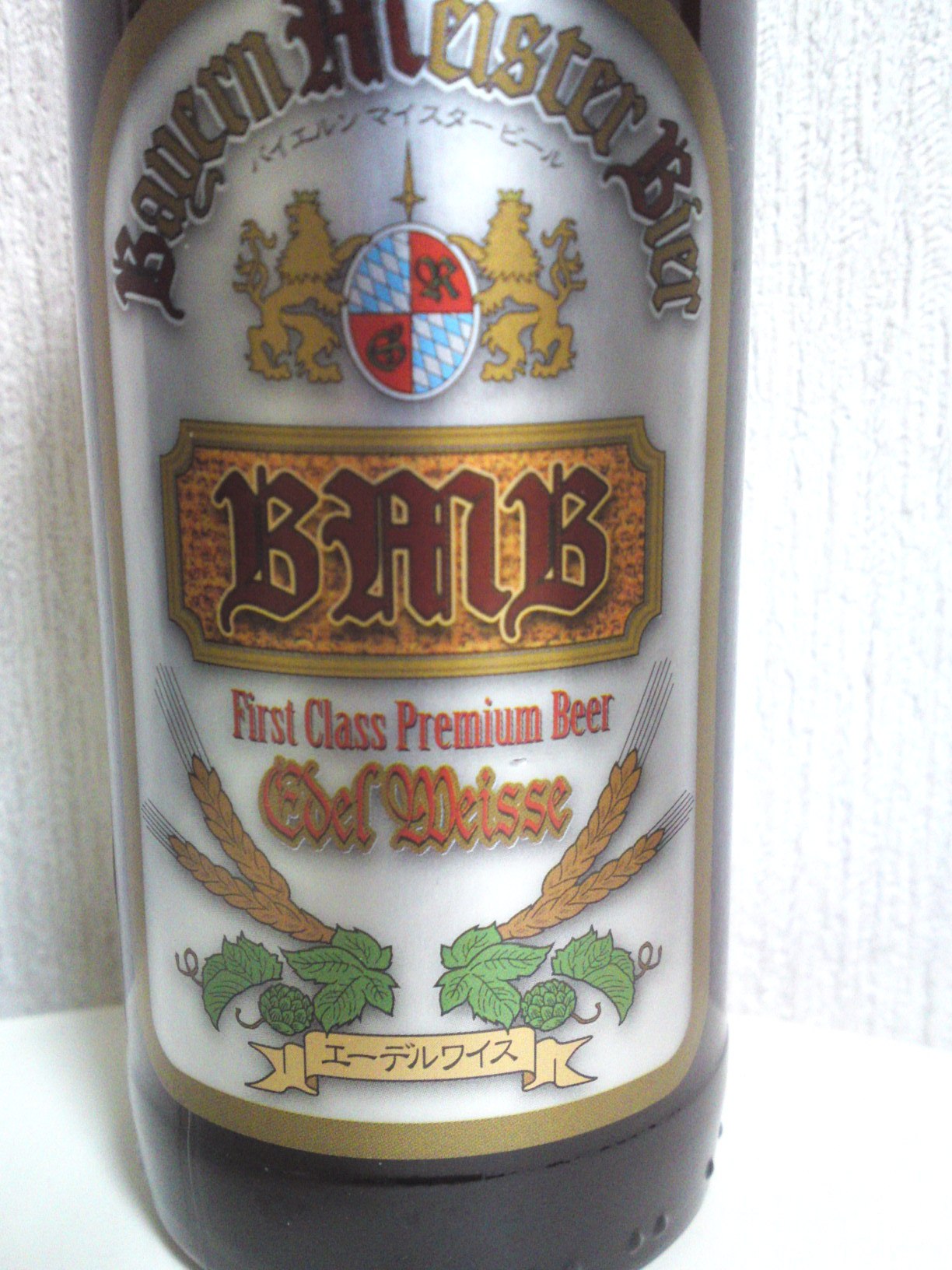
Shizuoka Beer Tasting: Bayern Meister Bier, Edel Weiss First Class Premium Beer

Stephan Rager in Fujinomiya City is the only German national who is both the owner and the master brewer of a brewery in Japan!
The German Embassy in Tokyo is fully aware of it and regularly orders his beer for special occasions!

Stephan fluently speaks English and Japanese on top of his own native language, and if you cannot read Japanese you might have to call him for more information!

At least the cap is overwritten in plain German!
I did actually conducted a tasting of the same brand two years ago with my good friend Patrick, but I certainly needed some refreshing!

Product name: Edelweiss First Class Premium Beer
Contents volume: 330 ml
Alcohol: 5.5%
Ingredients: barley malt, hops and live yeast all imported from Southern Germany.

Clarity: smoky and clean
Colour: Dark orange-apricot color
Foam: Fine bubbles, disappearing quickly. Soapy head.
Aroma: Strong, sweetish and fruity. Bread, yeast, faint oranges
Taste: Dry deep and refreshing attack. Complex and sophisticated. Fruity, yeasty, tangy, moreish (British expression), looking forward to drinking more. Bread and faint oranges, Lingers on palate for quite a while.
Very solid. Marries well with food, especially pork, potatoes and Izakaya fare.
Varies little with food and stays very dry and deep all the time.

Overall: Refreshing and reassuringly solid. Nice long aromatic aftertaste. Can’t wait for the second glass.

Bayern Meister Beer Co. Ltd.
Shizuoka Prefecture, Fujinomiya City, Kami-Ideji, Kawaharatan, 1254-1
Tel.: 0544-443311

RECOMMENDED RELATED WEBSITES

With a Glass,
Clumsyfingers by Xethia
Adventures in Bento Making, American Bento, Beanbento, Bento No1, Bento Wo Tsukurimashou, Cooking Cute, Eula, Hapabento , Happy Bento, Jacki’s Bento Blog, Kitchen Cow, Leggo My Obento, Le Petit Journal Bento & CO (French), Lunch In A Box, My Bento Box, Vegan Lunch Box; Tokyo Tom Baker, Daily Food Porn/Osaka, Only Nature Food Porn, Happy Little Bento, The Herbed Kitchen, J-Mama’s Kitchen, Cook, Eat, Play, Repeat; Bento Lunch Blog (German); Adventures In Bento; Anna The Red’s Bento Factory; Cooking Cute; Timeless Gourmet; Bento Bug; Ideal Meal; Bentosaurus; Mr. Foodie (London/UK); Ohayo Bento

Must-see tasting websites:

-Sake: Tokyo Through The Drinking Glass, Tokyo Foodcast, Urban Sake, Sake World
-Wine: Palate To Pen, Warren Bobrow, Cellar Tours, Ancient Fire Wines Blog
-Beer: Good Beer & Country Boys, Another Pint, Please!
-Japanese Pottery to enjoy your favourite drinks: Yellin Yakimono Gallery

Japanese Vegetarian & Vegan Cakes: Wagashi/和菓子5: Creation 1-Birthday Cake

WAGASHI-VARIETIES-1

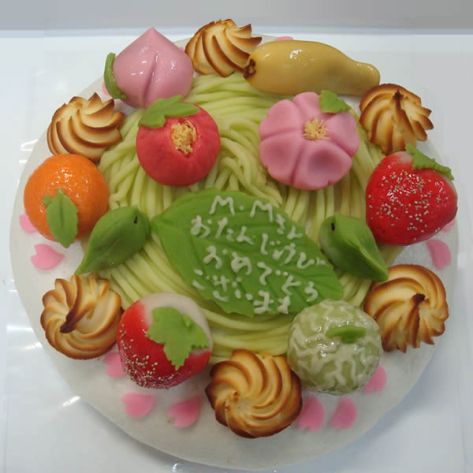
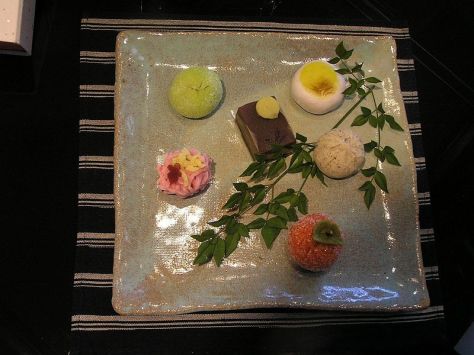
Here is an example of what could be done by a Japanese chef as Wagashi/Japanese Cake!
This particular Birthday Cake creation is the work of Chef Maeda at Kouseido in Osaka City!
Will look around and post other creations whenever I can!

Here is a breakdown of the above:

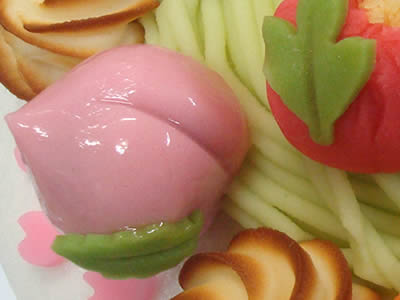
WAGASHI-VARIETIES-MOMO

“Momo”/Peach

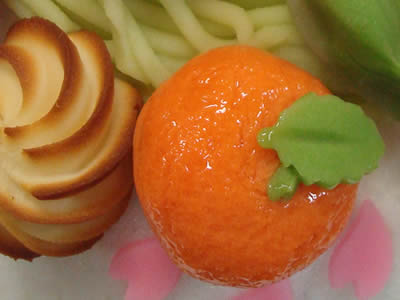
WAGASHI-VARIETIES-MIKAN

“MIkan”/Orange

WAGASHI-VARIETIES-TSUBAKI

“Tsubaki”/Camelia

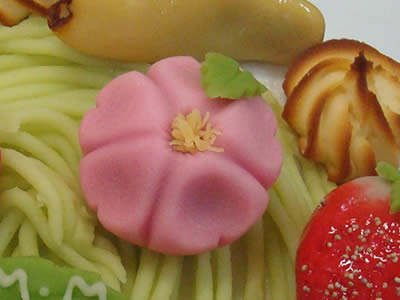
WAGASHI-VARIETIES-SAKURA

“Sakura”/Cherry Blossom

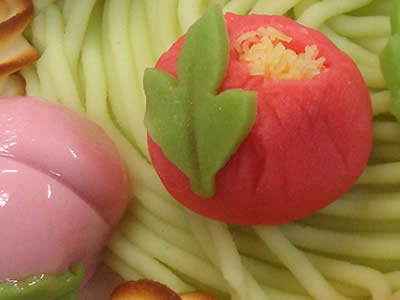
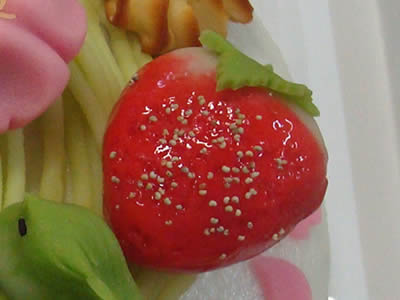
WAGASHI-VARIETIES-ICHIGO

“Ichigo”/Strawberry

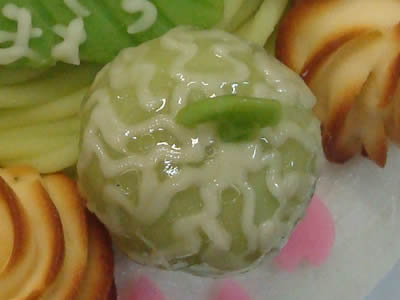
WAGASHI-VARIETIES-MELON

“Meron”/Melon

RECOMMENDED RELATED WEBSITES

With a Glass,
Clumsyfingers by Xethia
Adventures in Bento Making, American Bento, Beanbento, Bento No1, Bento Wo Tsukurimashou, Cooking Cute, Eula, Hapabento , Happy Bento, Jacki’s Bento Blog, Kitchen Cow, Leggo My Obento, Le Petit Journal Bento & CO (French), Lunch In A Box, My Bento Box, Vegan Lunch Box; Tokyo Tom Baker, Daily Food Porn/Osaka, Only Nature Food Porn, Happy Little Bento, The Herbed Kitchen, J-Mama’s Kitchen, Cook, Eat, Play, Repeat; Bento Lunch Blog (German); Adventures In Bento; Anna The Red’s Bento Factory; Cooking Cute; Timeless Gourmet; Bento Bug; Ideal Meal; Bentosaurus; Mr. Foodie (London/UK); Ohayo Bento

Must-see tasting websites:

-Sake: Tokyo Through The Drinking Glass, Tokyo Foodcast, Urban Sake, Sake World
-Wine: Palate To Pen, Warren Bobrow, Cellar Tours, Ancient Fire Wines Blog
-Beer: Good Beer & Country Boys, Another Pint, Please!
-Japanese Pottery to enjoy your favourite drinks: Yellin Yakimono Gallery

Shizuoka Ekiben/Railway Station Bento: Fuyu Chisen

Fuyu Chisen/冬千扇 means the “Thousand Fans of Winter”.
This is the fourth ekiben of a year-long limited series I already have introduced in Spring, Summer and Autumn! I finally made it all!

The ekiben as it was sold to me this morning at Shizuoka City Railway Station!

As usual Tokaiken has clearly written the contents on their wrap!

Some collectors will want this box!

Notice that it lies on the table in front of me on the Shinkansen Bullet Train!

Beautiful design, isn’t it?

As usual a film of rigid transparent paper protects the contents!

Now, what do we have?

Rice steamed with chicken and burdock root shavings and a little soy sauce.

Boiled lotus root and cucumber lightly marinated in rice vinegar.

Boiled green asparagus, steamed mushrooms, steamed sweet potato and mandarine orange.

Boiled egg with soft yolk seasoned with black sesame seeds, boiled string bean, carrot, burdock root, seaweed (konbu) and konyaku jelly.

Shuumai, Ebi chiri Harumaki/Shrimp Spring Roll and fried buri/Japanese Amberjack!

No better way to learn about Winter food in Shizuoka!

RECOMMENDED RELATED WEBSITES

With a Glass,
Clumsyfingers by Xethia
Adventures in Bento Making, American Bento, Beanbento, Bento No1, Bento Wo Tsukurimashou, Cooking Cute, Eula, Hapabento , Happy Bento, Jacki’s Bento Blog, Kitchen Cow, Leggo My Obento, Le Petit Journal Bento & CO (French), Lunch In A Box, My Bento Box, Vegan Lunch Box; Tokyo Tom Baker, Daily Food Porn/Osaka, Only Nature Food Porn, Happy Little Bento, The Herbed Kitchen, J-Mama’s Kitchen, Cook, Eat, Play, Repeat; Bento Lunch Blog (German); Adventures In Bento; Anna The Red’s Bento Factory; Cooking Cute; Timeless Gourmet; Bento Bug; Ideal Meal; Bentosaurus; Mr. Foodie (London/UK); Ohayo Bento

Must-see tasting websites:

-Sake: Tokyo Through The Drinking Glass, Tokyo Foodcast, Urban Sake, Sake World
-Wine: Palate To Pen, Warren Bobrow, Cellar Tours, Ancient Fire Wines Blog
-Beer: Good Beer & Country Boys, Another Pint, Please!
-Japanese Pottery to enjoy your favourite drinks: Yellin Yakimono Gallery

Japanese Vegetarian & Vegan Cakes: Wagashi/和菓子4: Recipe-Mochi

WAGASHI-SAKURA-MOCHI
Wagashi/Sakura Mochi

Mochi/餅 is probably the most ancient sweet/cake confectioned by humans in Japan as its main ingredient is glutinous rice.
It is the more popular as it can be eaten and made all year round.
Kinako/黄粉 is a powder made from roasted soy beans (next article).
The combination of the two and other ingredients such as sweetmeats/anko/餡子, also made from soy beans, make for a valuable, tasty and nourishing food!
Read notes below!

Here is a simple way to make mochi.
Bear in mind that mochi can be eaten fresh as it is, especially with wagashi cakes, and that it can be mixed with other ingredients for colouring. It can be also dried and grilled and also included in soups and other recipes such as mochi pizza!

INGREDIENTS:
Glutinous rice: 3 go (Japanese measure): 540 cc (2.8 cups)
Kinako (to taste)

Notes on kinako and glutinous rice:
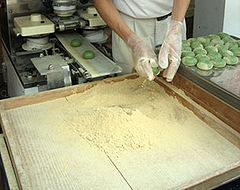
MOCHI-KINAKO

Kinako (黄粉 or きなこ), also known as soybean flour, is a product commonly used in Japanese cuisine. In order to create the soybean flour, soybeans are toasted and ground into powder. Its flavor is commonly compared to that of peanut butter.

Kinako, being composed of soybeans, is a healthy topping and flavoring which contains B vitamins and protein. It can also be used as a drink;. For example, warabi mochi is a famous kinako-covered sweet.

I will introduce a recipe soon!
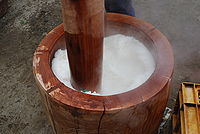
MOCHI-TRADITIONAL

Glutinous rice (Oryza sativa var. glutinosa or Oryza glutinosa; also called sticky rice, sweet rice, waxy rice, botan rice, biroin chal, mochi rice, and pearl rice) is a type of short-grained Asian rice that is especially sticky when cooked. It is called glutinous (Latin glūtinōsus) in the sense of being glue-like or sticky and not in the sense of containing gluten; on the other hand, it is called sticky but should not be confused with the other varieties of Asian rice that become sticky to one degree or another when cooked.

RECIPE:
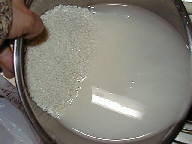
MOCHI-1
Wash the rice and let it soak in water overnight.
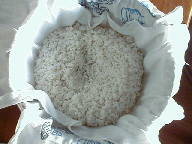
MOCHI-2
Pour water in steamer. Bring to boil. Set a clean cloth inside. Drain rice. Pour rice inside cloth. Dig a “well” in the middle for better cooking.
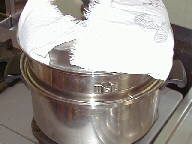
MOCHI-3
Steam over a medium fire for 20~25 minutes.
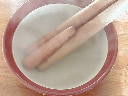
MOCHI-4
Pour hot water inside pestle bowl and leave the wooden sticks inside water for long enough to have all of them well impregnated with water. Throw water away just before next step. This will insure a better mochi!

MOCHI-5
Check rice for an even cooking. No water should be left or the mochi will be runny. If you make a small quantity, softer rice than usual is better as it will tend to dry faster than a large quantity.

MOCHI-6
Now this is the hard part!
You will need three adults to press hard on the rice with the wooden sticks at the same time to crush the rice completely. It might take as long as 10 minutes.

MOCHI-7
Now that the rice has been softened, one can continue on his own or work in shifts. Pound the rice in the middle 10 times. Turn over the rice from outside to inside and continue always around the clock.
Important: always pound in the middle, never on the sides or you will break the bowl!
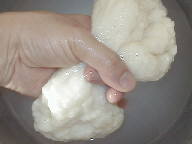
MOCHI-8
That is how it should look. Make balls by twisting rice out.
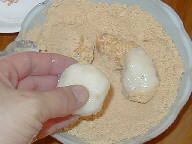
MOCHI-9
Roll mochi in kinako mixed with sugar to taste. They are ready to be eaten!
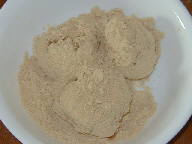
MOCHI-10
This is how they are served in Japan for children (and adults!)

MOCHI-11
If you want to preserve them for a while before eating, roll them in rice powder. Rice powder will come in useful if you want to fashion the mochi into thin sheets or else.

MOCHI-12
That is how they look grilled!

RECOMMENDED RELATED WEBSITES

With a Glass,
Clumsyfingers by Xethia
Adventures in Bento Making, American Bento, Beanbento, Bento No1, Bento Wo Tsukurimashou, Cooking Cute, Eula, Hapabento , Happy Bento, Jacki’s Bento Blog, Kitchen Cow, Leggo My Obento, Le Petit Journal Bento & CO (French), Lunch In A Box, My Bento Box, Vegan Lunch Box; Tokyo Tom Baker, Daily Food Porn/Osaka, Only Nature Food Porn, Happy Little Bento, The Herbed Kitchen, J-Mama’s Kitchen, Cook, Eat, Play, Repeat; Bento Lunch Blog (German); Adventures In Bento; Anna The Red’s Bento Factory; Cooking Cute; Timeless Gourmet; Bento Bug; Ideal Meal; Bentosaurus; Mr. Foodie (London/UK); Ohayo Bento

Must-see tasting websites:

-Sake: Tokyo Through The Drinking Glass, Tokyo Foodcast, Urban Sake, Sake World
-Wine: Palate To Pen, Warren Bobrow, Cellar Tours, Ancient Fire Wines Blog
-Beer: Good Beer & Country Boys, Another Pint, Please!
-Japanese Pottery to enjoy your favourite drinks: Yellin Yakimono Gallery

Japanese Vegetarian & Vegan Cakes: Wagashi/和菓子3: Recipe-Shiro Anko/White Sweetmeats

WAGASHI-SHIROANKO-1

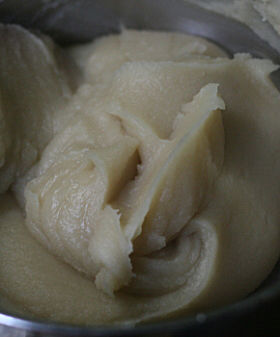
In my previous article, I introduced the recipe for “red sweetmeats” or just “anko” in Japanese, an important ingredients in Wagashi.
But the red/violet colour is not always wanted.
Another popular way to make anko is to use “ingen mame”/kidney beans (US), or string/French beans (Europe).
Note that soy beans/”daizu” are not used in this recipe!
The advantage are multiple, as the “white” (actually beige) colour can be modified by adding green peas (green), pumpkin (yellow or orange), fruit pulp from papaya and mango (orange). Variations are practically unlimited!

INGREDIENTS:
Kidney beans: 500g
Sugar: 400g
Salt: three small pinches

RECIPE:

WAGASHI-SHIROANKO-2
Put beans with 3 times their volume of water in a large pan. Let soak for two nights. Change water twice a day.

WAGASHI-SHIROANKO-3
Beans should have lost their “wrinkles” by then.

WAGASHI-SHIROANKO-b
Bring water to boil over strong fire. Simmer for 5 minutes over medium fire.

WAGASHI-SHIROANKO-4
Drain water, making sure beans don’t dry up. The skin of the beans should peel off easily. Take skins and dark spots away.

WAGASHI-SHIROANKO-5
Simmer again peeled beans until they get soft and start breaking up. Start on a strong fire to bring to boil, then lower to medium fire.

WAGASHI-SHIROANKO-6
Heat until most of the water has evaporated. Beans will pass through sieve more easily.

WAGASHI-SHIROANKO-7
Pass all the beans through the sieve. Wash and dry the pan.

WAGASHI-SHIROANKO-8
Add sugar to sieved beans and stir/mix over low fire.

WAGASHI-SHIROANKO-9
Sugar becoming liquid upon heating will give a watery aspect to the mixture. Heat over low fire, stirring all the time for 25 minutes.

WAGASHI-SHIROANKO-10
Once satisfied with the paste consistency, add salt, mix and stop fire.

WAGASHI-SHIROANKO-11
Transfer to another dish for preserving until use. Do it at once while it is still hot.
Make sure it does not dry up.
Cover with a lid.
If lid does not close well enough, wrap the whole into cellophane paper.

RECOMMENDED RELATED WEBSITES

With a Glass,
Clumsyfingers by Xethia
Adventures in Bento Making, American Bento, Beanbento, Bento No1, Bento Wo Tsukurimashou, Cooking Cute, Eula, Hapabento , Happy Bento, Jacki’s Bento Blog, Kitchen Cow, Leggo My Obento, Le Petit Journal Bento & CO (French), Lunch In A Box, My Bento Box, Vegan Lunch Box; Tokyo Tom Baker, Daily Food Porn/Osaka, Only Nature Food Porn, Happy Little Bento, The Herbed Kitchen, J-Mama’s Kitchen, Cook, Eat, Play, Repeat; Bento Lunch Blog (German); Adventures In Bento; Anna The Red’s Bento Factory; Cooking Cute; Timeless Gourmet; Bento Bug; Ideal Meal; Bentosaurus; Mr. Foodie (London/UK); Ohayo Bento

Must-see tasting websites:

-Sake: Tokyo Through The Drinking Glass, Tokyo Foodcast, Urban Sake, Sake World
-Wine: Palate To Pen, Warren Bobrow, Cellar Tours, Ancient Fire Wines Blog
-Beer: Good Beer & Country Boys, Another Pint, Please!
-Japanese Pottery to enjoy your favourite drinks: Yellin Yakimono Gallery

First Shizuoka Gastronomic Skills Meet-2011/食の芸術(集い・平成23年度)

Top award-winning chefs Touru Arima/有馬亨 (Pissaenlit/Shizuoka City) and Fuminori Nishitani/西谷文紀 (Nori/Fujieda City)

On November 29th was held the First Gastronomic Skills Meet/食の芸術(集い) in Shizuoka City under the auspices of the Shizuoka Prefecture Government which has been actively been active in promoting the gastronomic products and skills of our Prefecture notably with the publication of a book titled [ふじのくに食の都つくり仕事人]/[The Professionals who promote the gastronomy of the Land of Mount Fuji] which introduced 200 of the top-class chefs of our Prefecture.

For the first year 13 Chefs were given the top cccolade of Chefs of the Year (2011) while 63 of their colleagues were also given official recognition and 26 products were officially labeled as Designated Products of Shizuoka Prefecture.

The official banner!

A total attendance of more than 300 professionals, officials and gastronomes!

Some of the laureates!

A beautiful MC from a local TV Channel!

Shizuoka Governor Heita Kawakatsu/川勝平太 made a passionate (and loger than expected) speech about Shizuoka Prefecture products. An easy task when you realize it has been officially recognized by the Japanese government as the Prefecture boasting the greatest (by very far) number of agricultural and sea products!

Top-award winning chefs waiting for their accolade.

A small sample of the media in attendance!

After all this somewhat stiff officialdom (this is Japan!) we were finally invited to the neighboring hall to discover the Shizuoka-branded products and dishes prepared by some of the award-winning chefs!

Wasabi, persimmons and tomatoes naturally!

Two of my favorite products: Milk from Oratche Company in Kannami, Mishima City and Bioran Eggs from Shimizu Farm in Shizuoka City!

Salmon trout from Fujinomiya City are famous all over Japan!

Tuna sashimi on red orange slices

And the food! It was certainly a battle to get even near it!

A dessert from Shizuoka!

And another one!

Fried fish balls!

Ebi imo taro and sakura ebi/cherry shrimps appetizers!

Venison and wild boar from Izu no Kuni City in Izu Peninsula!

Tea roulade!

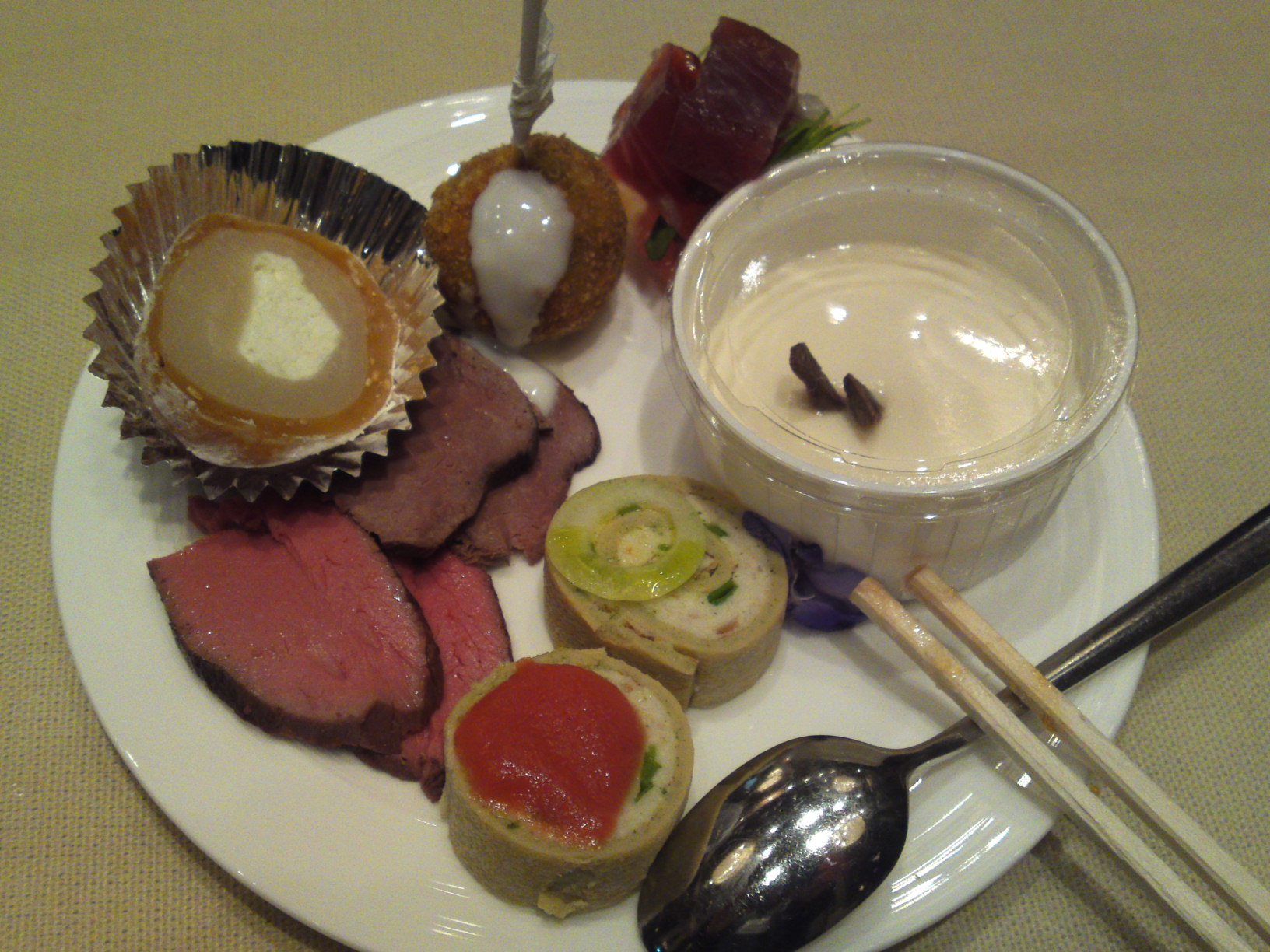
The plate I somehow battled away from the tables!

No need to tell you that I battled again for a second helping!

RECOMMENDED RELATED WEBSITES

With a Glass,
Clumsyfingers by Xethia
Adventures in Bento Making, American Bento, Beanbento, Bento No1, Bento Wo Tsukurimashou, Cooking Cute, Eula, Hapabento , Happy Bento, Jacki’s Bento Blog, Kitchen Cow, Leggo My Obento, Le Petit Journal Bento & CO (French), Lunch In A Box, My Bento Box, Vegan Lunch Box; Tokyo Tom Baker, Daily Food Porn/Osaka, Only Nature Food Porn, Happy Little Bento, The Herbed Kitchen, J-Mama’s Kitchen, Cook, Eat, Play, Repeat; Bento Lunch Blog (German); Adventures In Bento; Anna The Red’s Bento Factory; Cooking Cute; Timeless Gourmet; Bento Bug; Ideal Meal; Bentosaurus; Mr. Foodie (London/UK); Ohayo Bento

Must-see tasting websites:

-Sake: Tokyo Through The Drinking Glass, Tokyo Foodcast, Urban Sake, Sake World
-Wine: Palate To Pen, Warren Bobrow, Cellar Tours, Ancient Fire Wines Blog
-Beer: Good Beer & Country Boys, Another Pint, Please!
-Japanese Pottery to enjoy your favourite drinks: Yellin Yakimono Gallery

Japanese Vegetarian & Vegan Cakes: Wagashi/和菓子2: Recipe-Anko/Sweetmeats

WAGASHI-4

One main ingredients in traditional Wagashi/Japanese Cakes is “anko/餡子” (or more simply “an”) which can be translated as “sweetmeats” or “bean jam”.

I would like here to introduce a simple way to make one’s own “anko” at home:

INGREDIENTS:

Azuki/Adzuki/red beans (in Japanese: 小豆): 150 g
Sugar: 150g
Salt: a little

RECIPE:

a) Wash azuki lightly. Put in a large basin with an equal amount of water and turn on heat to high.

b) Bring to boil. If beans level is higher that of water, add water till beans are completely covered. Let simmer. Add water 2 or 3 times as soon as the water does not cover completely the beans and this until beans stop floating on water.

c) Drain beans, put them back into basin with same amount of water and turn fire to high. Repeat a) operation.

d) Cook as c) for 40~60 minutes.

e) Mash azuki beans lightly. Add sugar. Simmer and stir to mix, making sure the jam does not overboil.

f) Add a little salt (to your taste) and mix.
Let cool completely.
You can eat it as it is of course, but you will need it to make your cakes!
You can either sieve it to make it a very fine paste, sieve a part and mix it with the unsieved part, or use it as it is. In any case it will be easy to fashion!

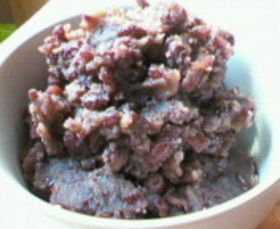
WAGASHI-ANKO

RECOMMENDED RELATED WEBSITES

With a Glass,
Clumsyfingers by Xethia
Adventures in Bento Making, American Bento, Beanbento, Bento No1, Bento Wo Tsukurimashou, Cooking Cute, Eula, Hapabento , Happy Bento, Jacki’s Bento Blog, Kitchen Cow, Leggo My Obento, Le Petit Journal Bento & CO (French), Lunch In A Box, My Bento Box, Vegan Lunch Box; Tokyo Tom Baker, Daily Food Porn/Osaka, Only Nature Food Porn, Happy Little Bento, The Herbed Kitchen, J-Mama’s Kitchen, Cook, Eat, Play, Repeat; Bento Lunch Blog (German); Adventures In Bento; Anna The Red’s Bento Factory; Cooking Cute; Timeless Gourmet; Bento Bug; Ideal Meal; Bentosaurus; Mr. Foodie (London/UK); Ohayo Bento

Must-see tasting websites:

-Sake: Tokyo Through The Drinking Glass, Tokyo Foodcast, Urban Sake, Sake World
-Wine: Palate To Pen, Warren Bobrow, Cellar Tours, Ancient Fire Wines Blog
-Beer: Good Beer & Country Boys, Another Pint, Please!
-Japanese Pottery to enjoy your favourite drinks: Yellin Yakimono Gallery

Shiitake Mushrooms Cultivation without Agrochemicals: Shizuo Nanjyo in Shizuoka City!

It is never too late to become conscious of health and to contribute to its betterment!
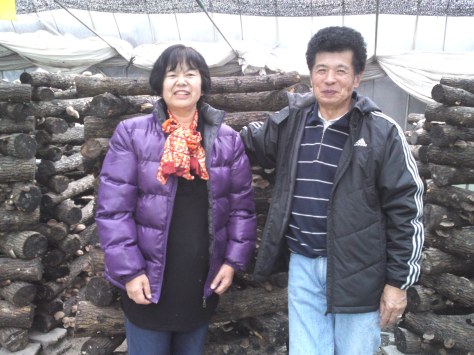
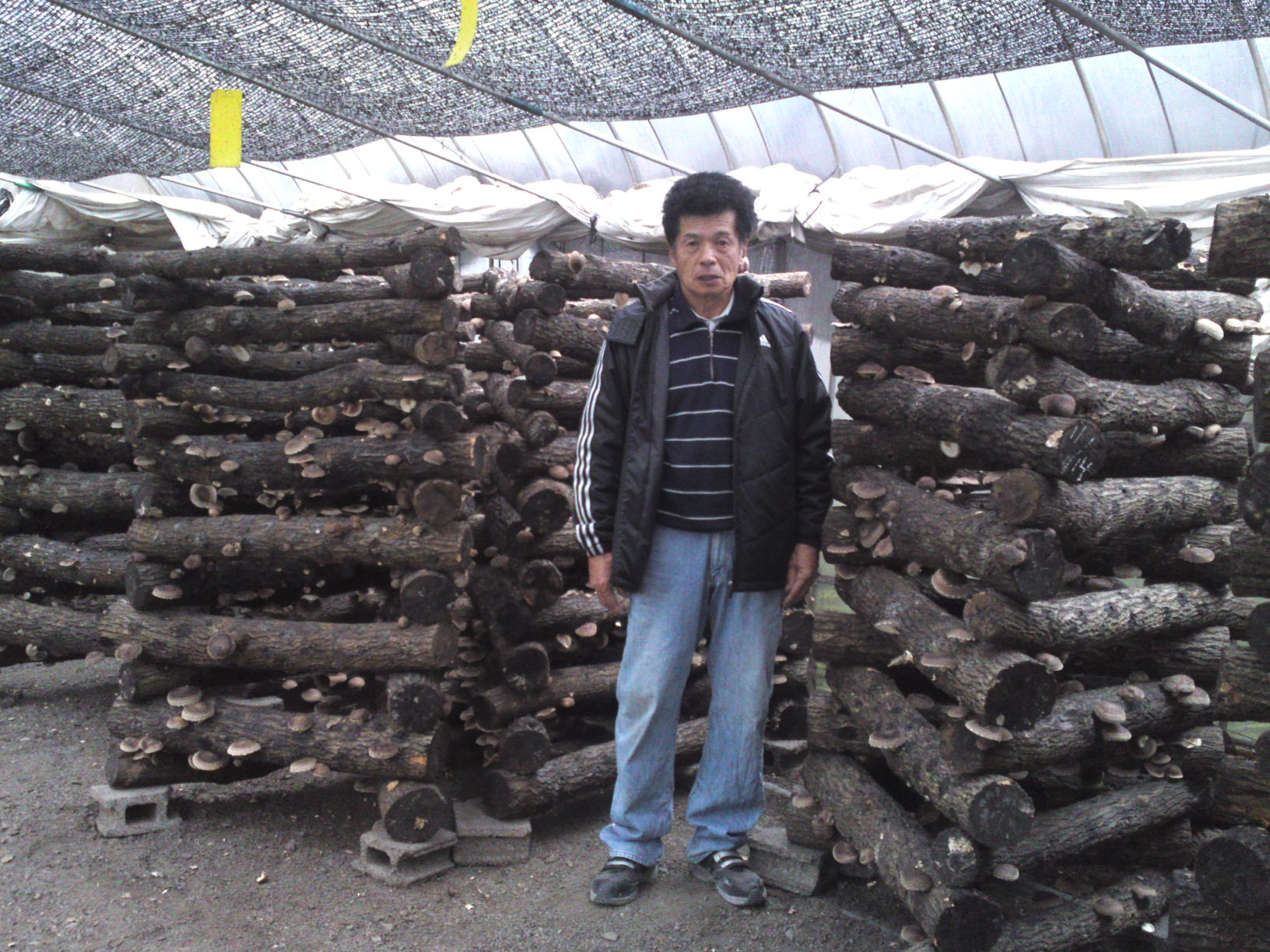
I did not enquire about his age but Shizuo Nanjyo is definitely my elder but he has never lost his enthusiasm and belief when it comes to insure a healthy product of the highest quality.
A second-generation tea grower for 58 years but a first-generation shiitake mushroom grower for 50 years he decided to get away from the beaten tracks this year and assume not only the cultivation but also the marketing of his shiitake mushrooms.

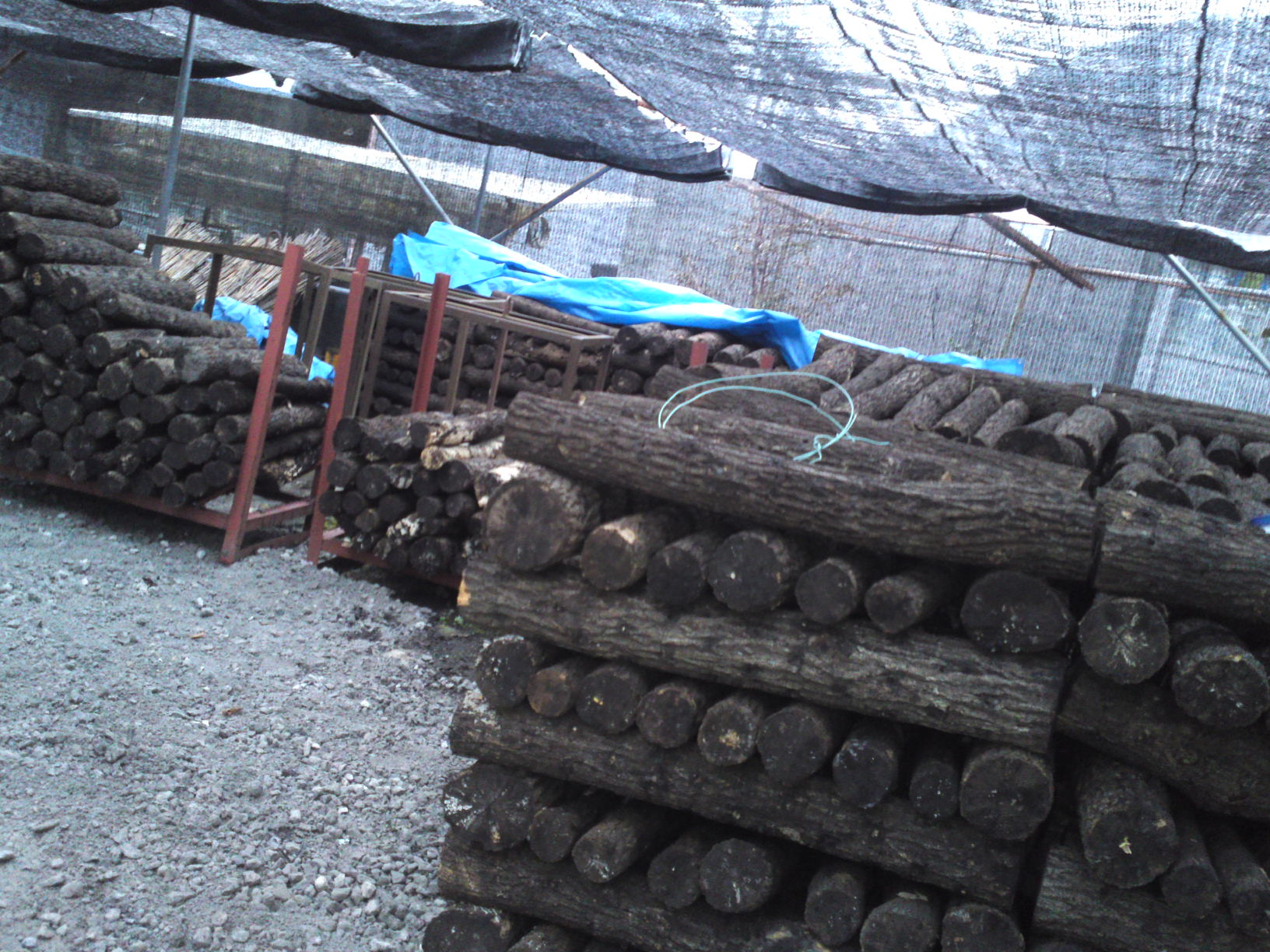
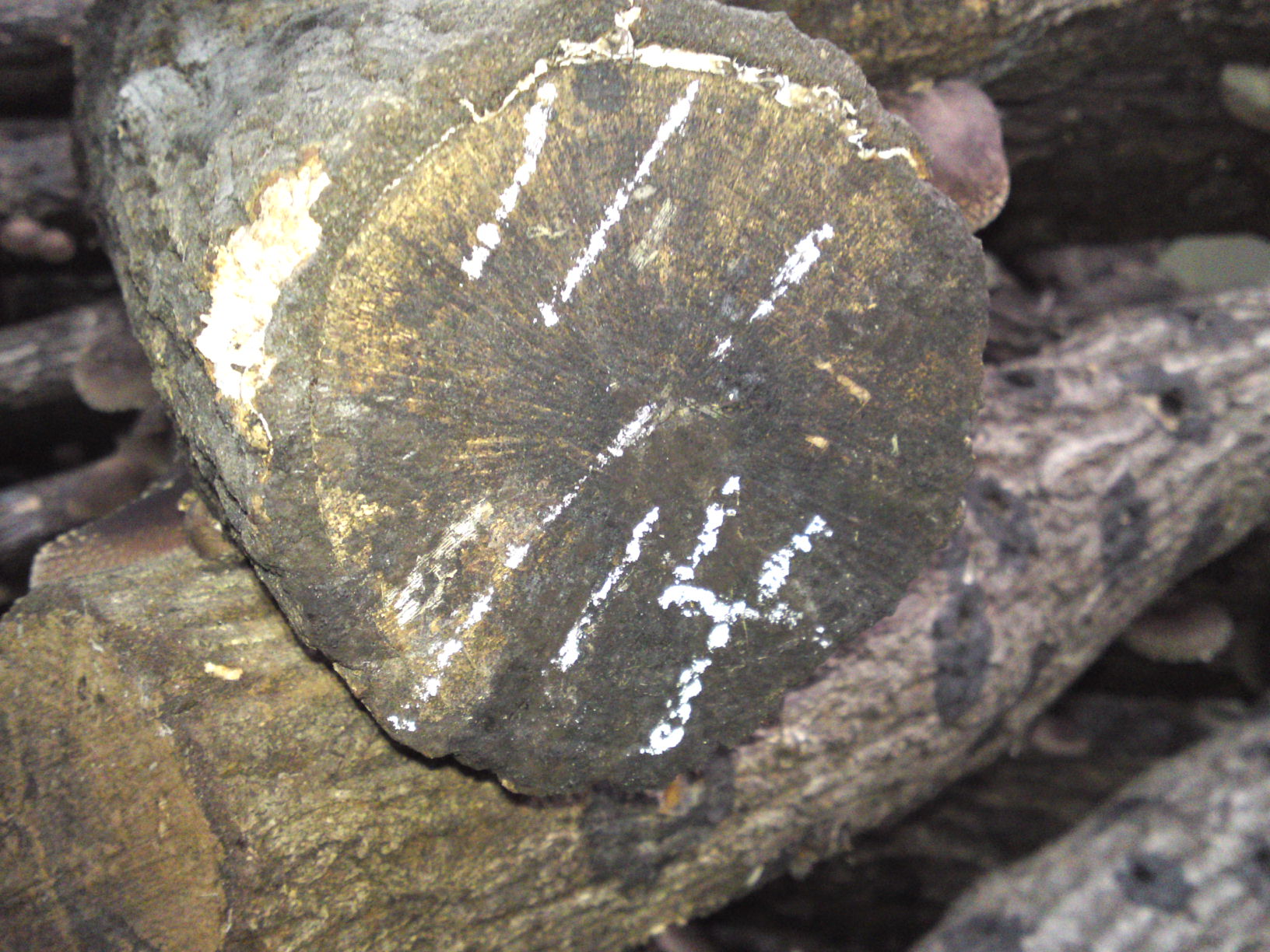
Logs to be used for shiitake cultivation.

I finally managed to pay him a visit thanks to my good friend Asami Ito who kindly drove me all the way up the Abe River in Shizuoka City into the middle of wasabi and green tea land (mountains) in Do District.

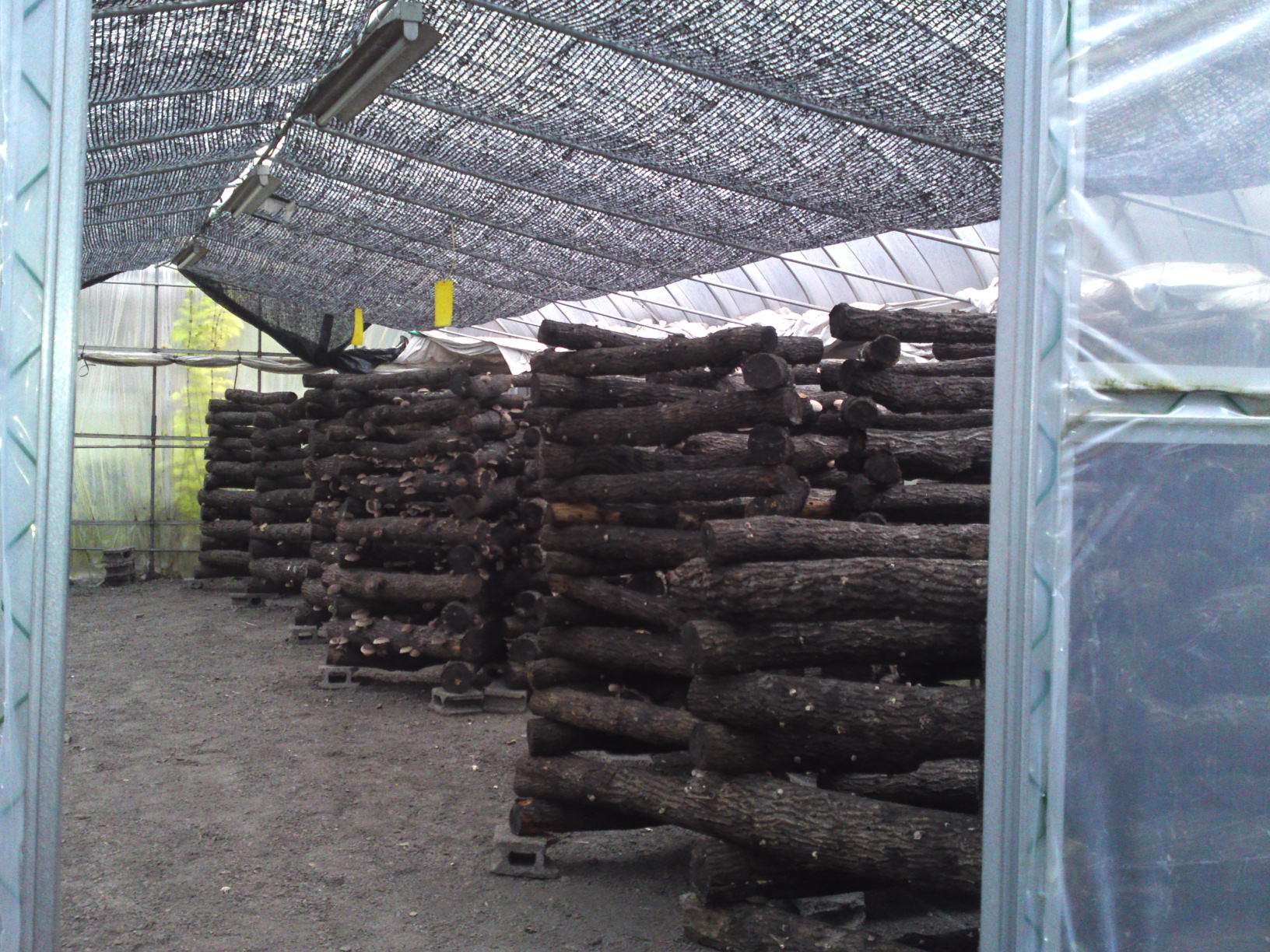
Mr. Nanjyo grows his shiitake in a large greenhouse in a very clean environment without the use of any agrochemicals to ensure the heath and safety of his products.

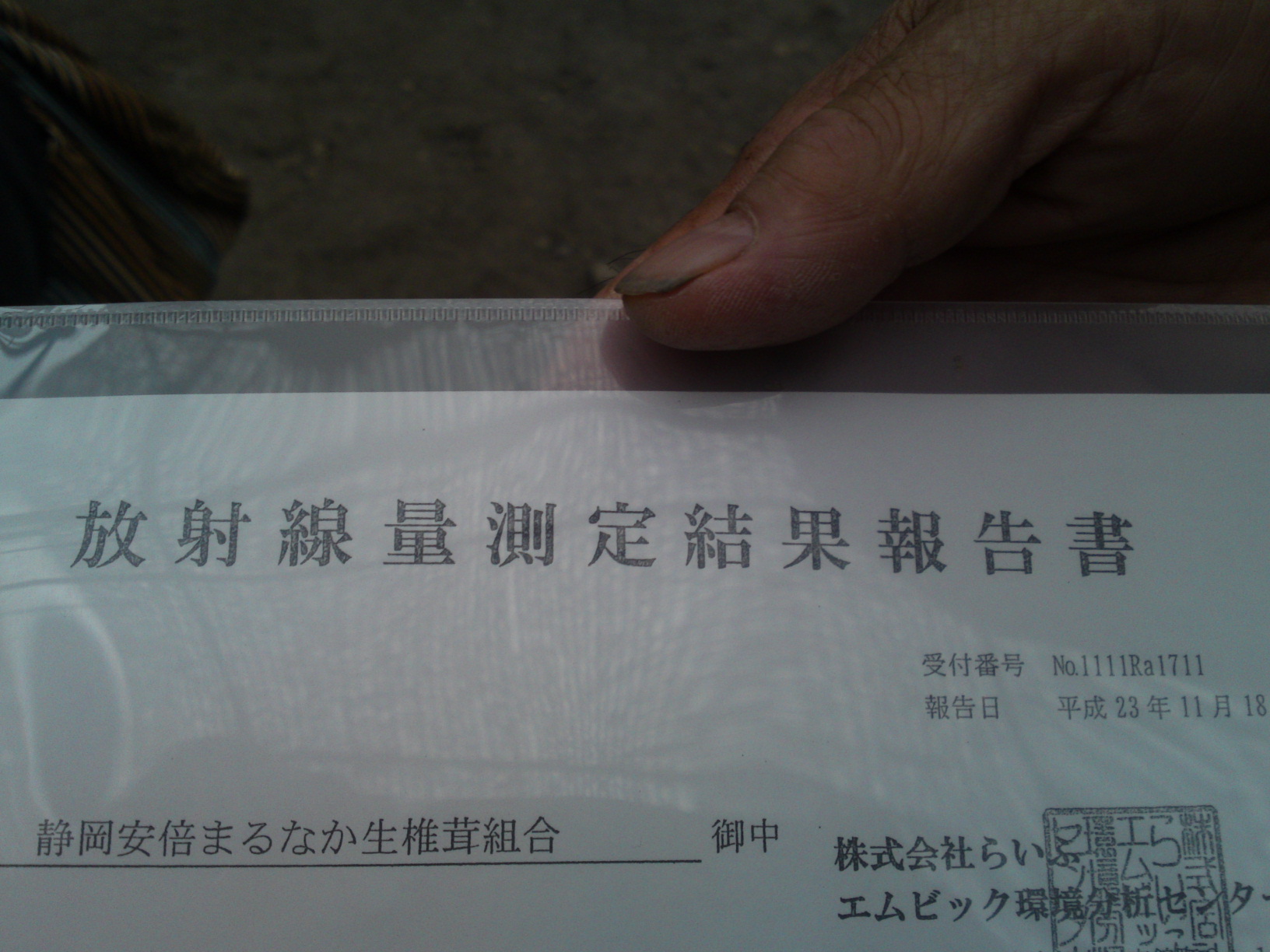
As a further proof of his attention to health he had the government survey his crop and give him a certificate stating that his mushrooms are radioactivity free!

Insects and pests are taken care of with sticking tape traps (can you see the yellow pieces overhead?)
The wood logs come from kunugi/椚/Sawtooth Oaks (90%) and nara/楢/Japanese Oak from neighbouring Yamanashi Prefecture.

Logs are first inoculated with shiitake mushroom mycelium (also from Yamanashi Prefecture).

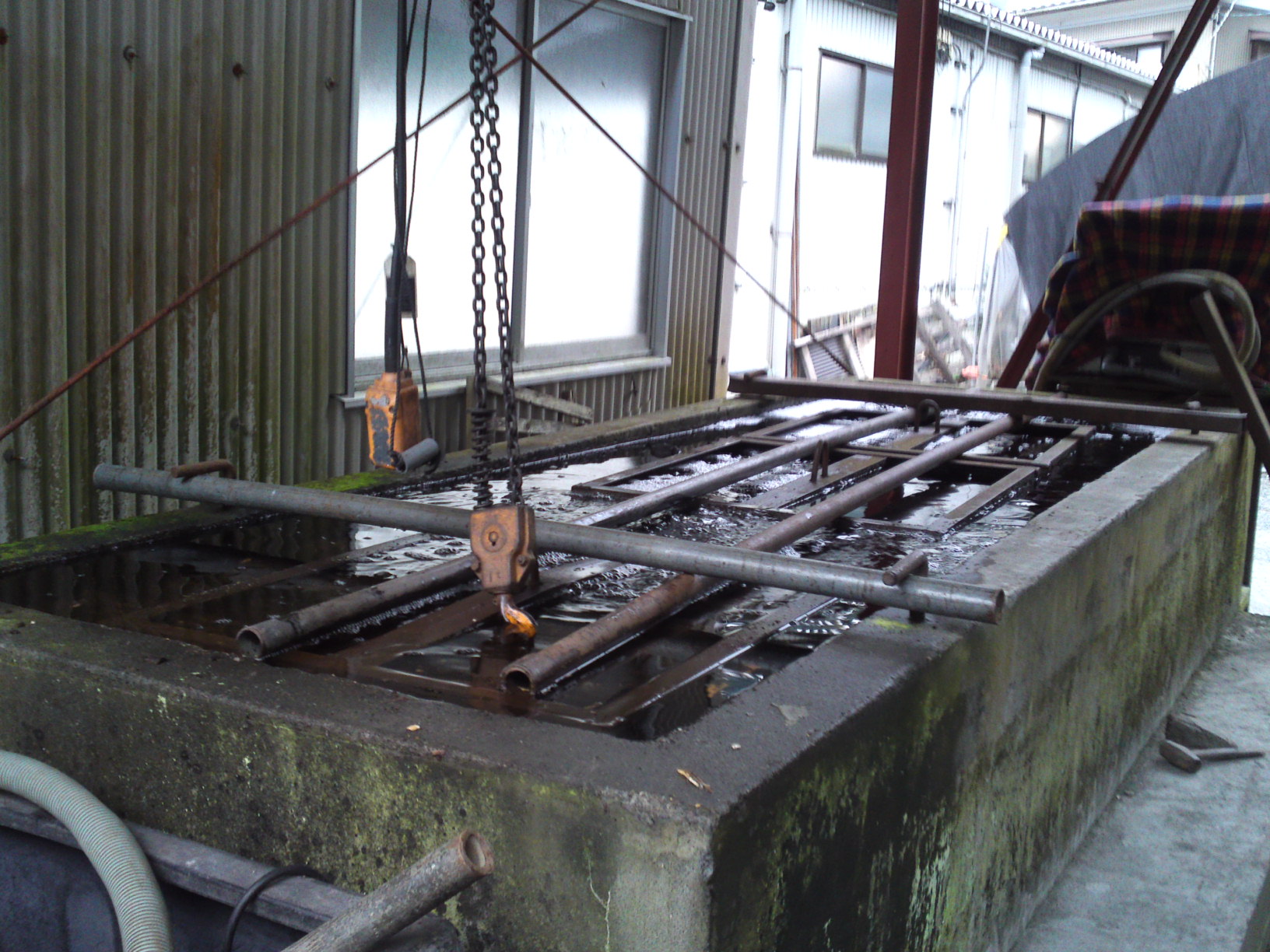
The logs are then soaked into clean water to help the mycelium to spread inside the log.

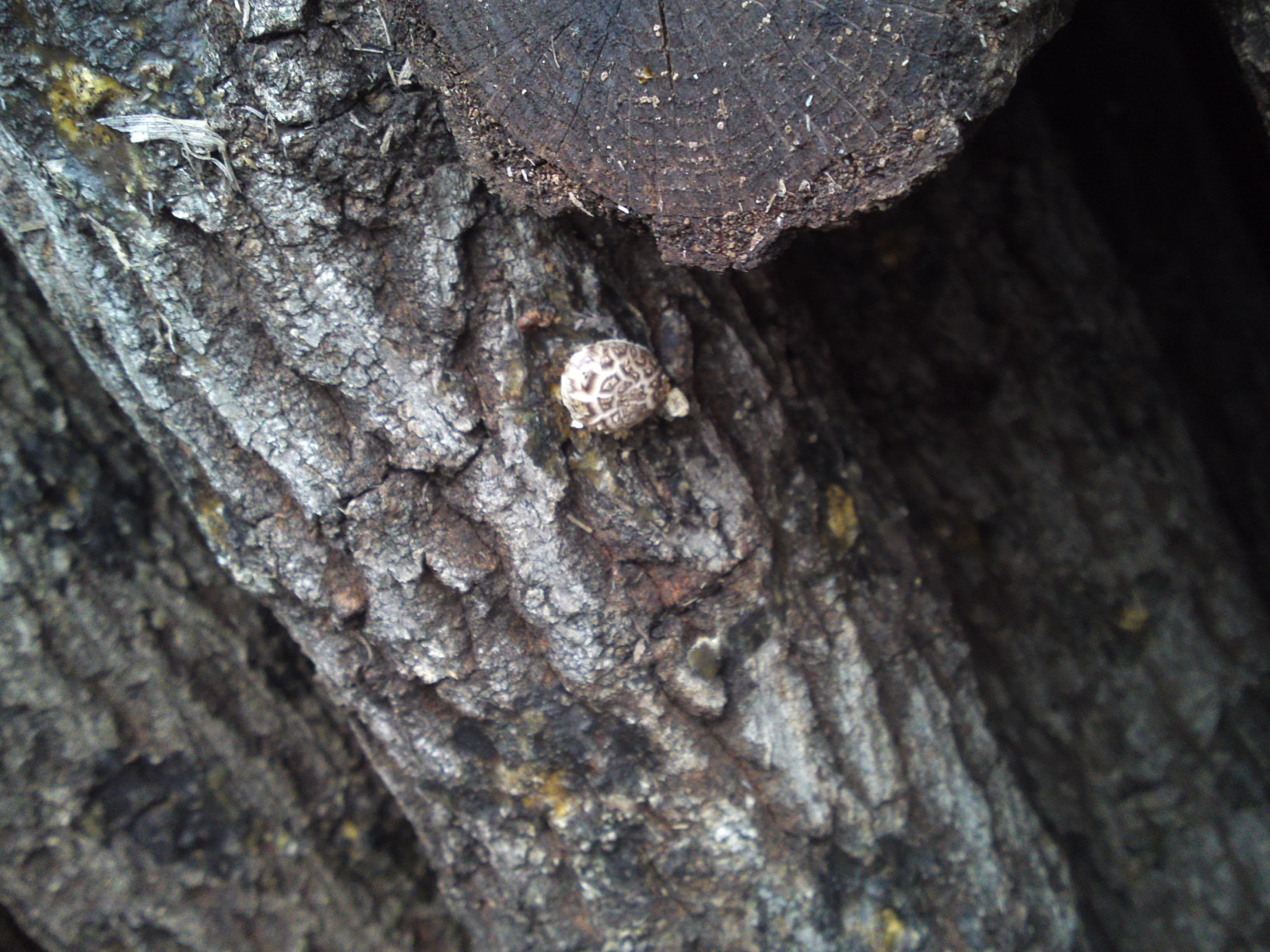
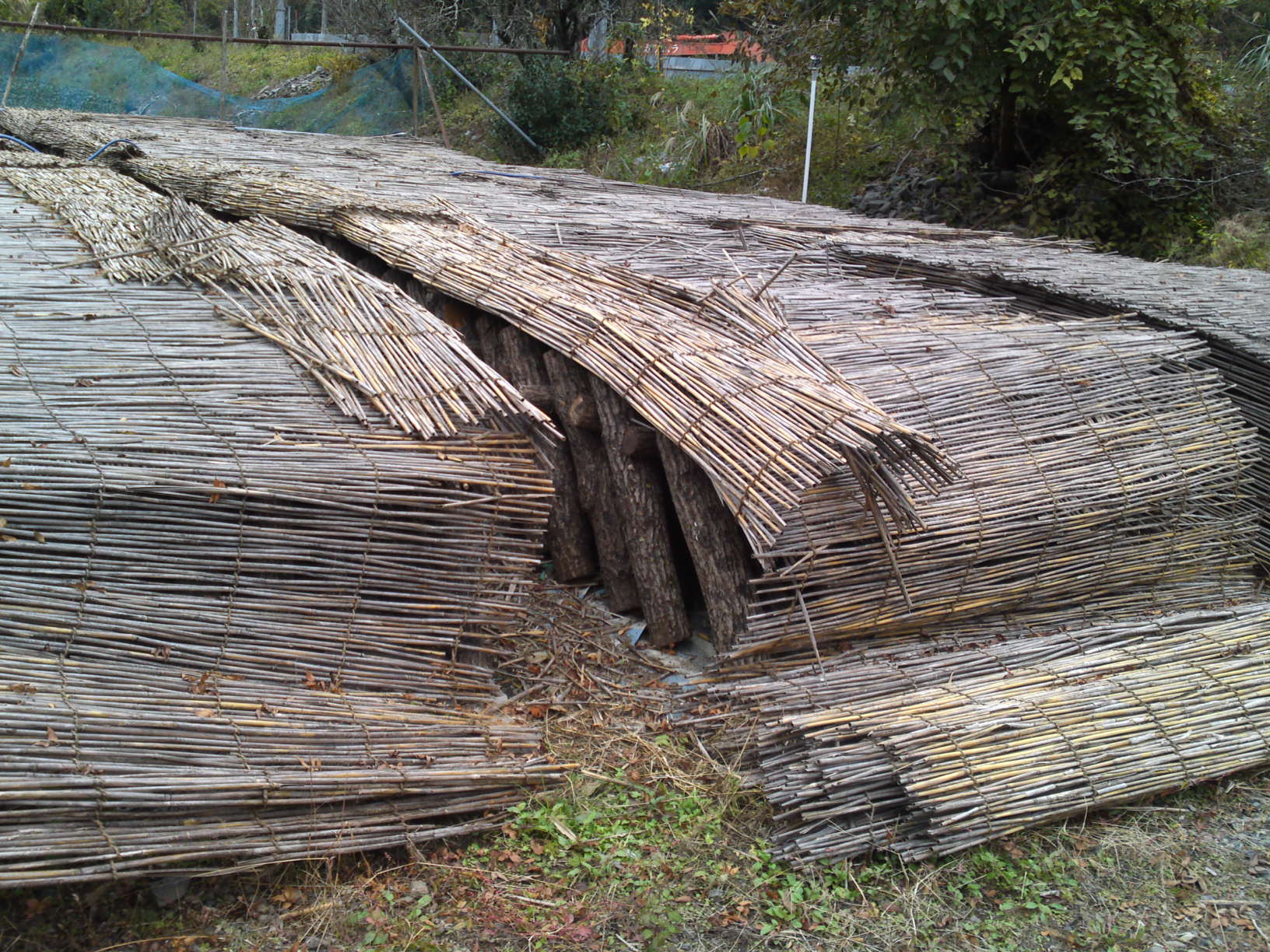
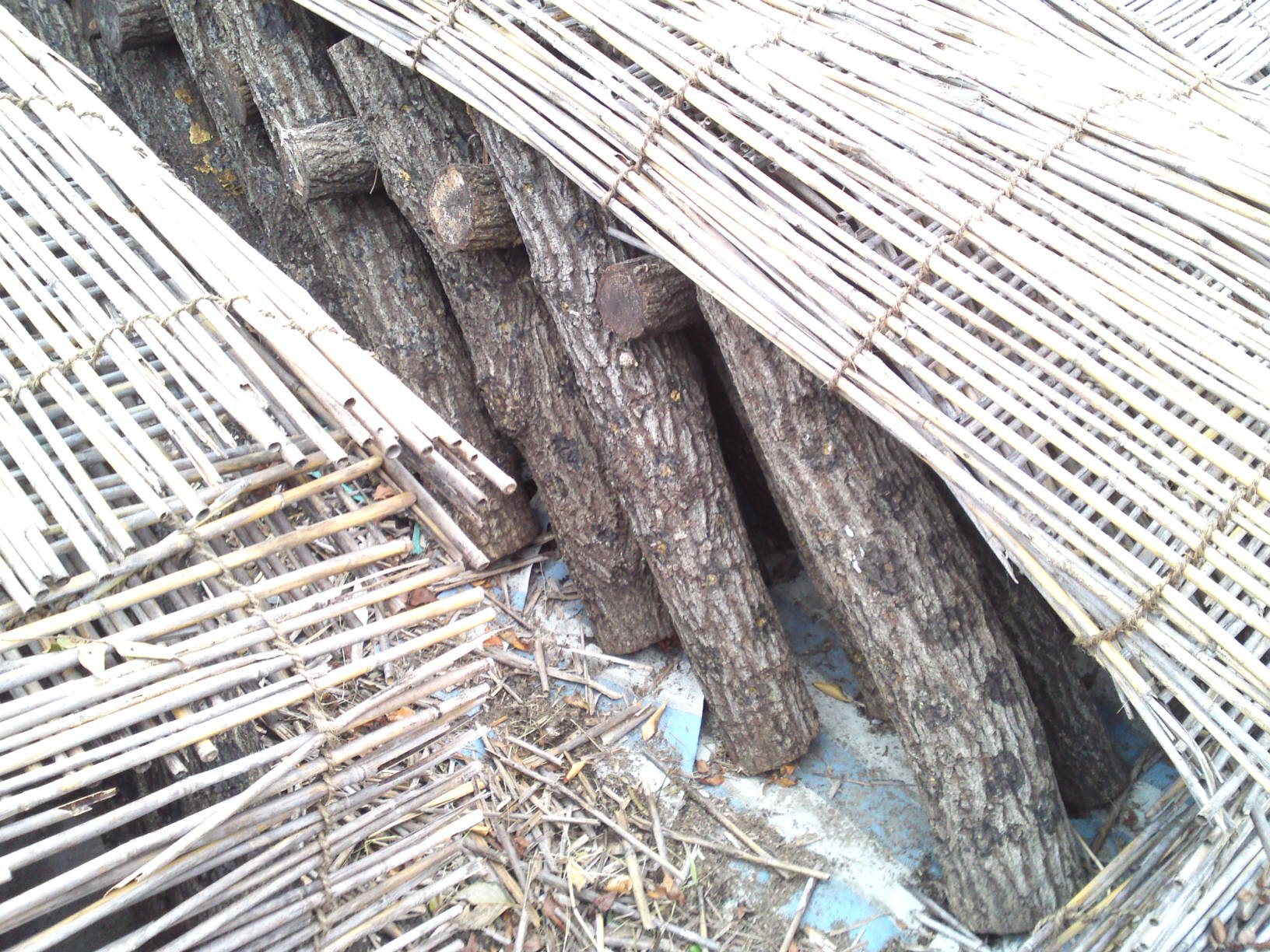
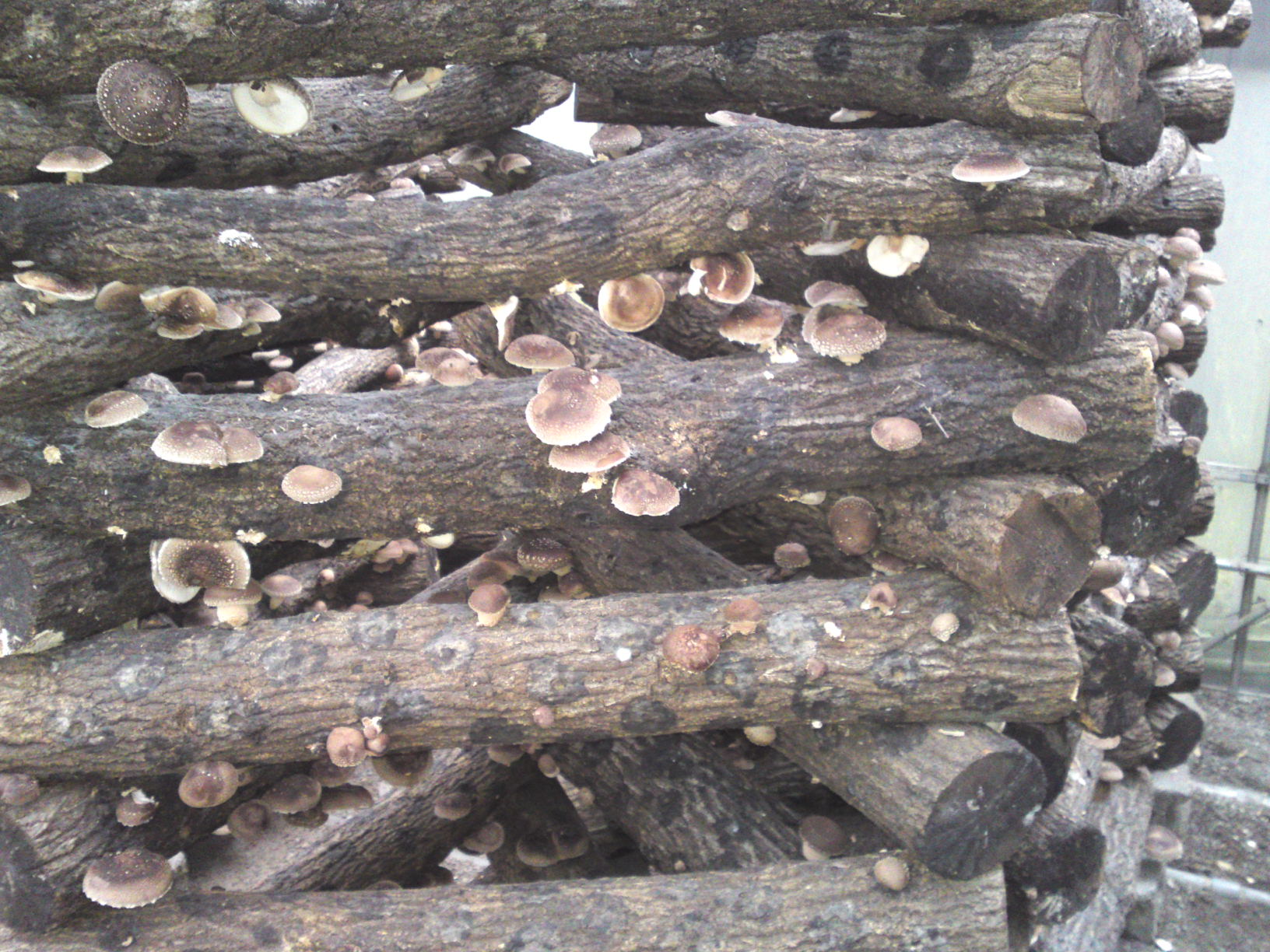
When the first tiny mushrooms start appearing the logs are then stacked and stored outside for 6 months.

They are protected from the sun, rain and big temperature gaps with reeds imported all the way from lake Biwa!
What about that for ecology!
Vinyl sheets are ineffective as they don’t allow air drafts and actually negatively help the temperature to rise under them.
This type and method of cultivation is only a return to traditional farming after all!
Logs are used for 4 years and then will be sent to specialized companies who will turn them into compost or sawdust for effective recycling.

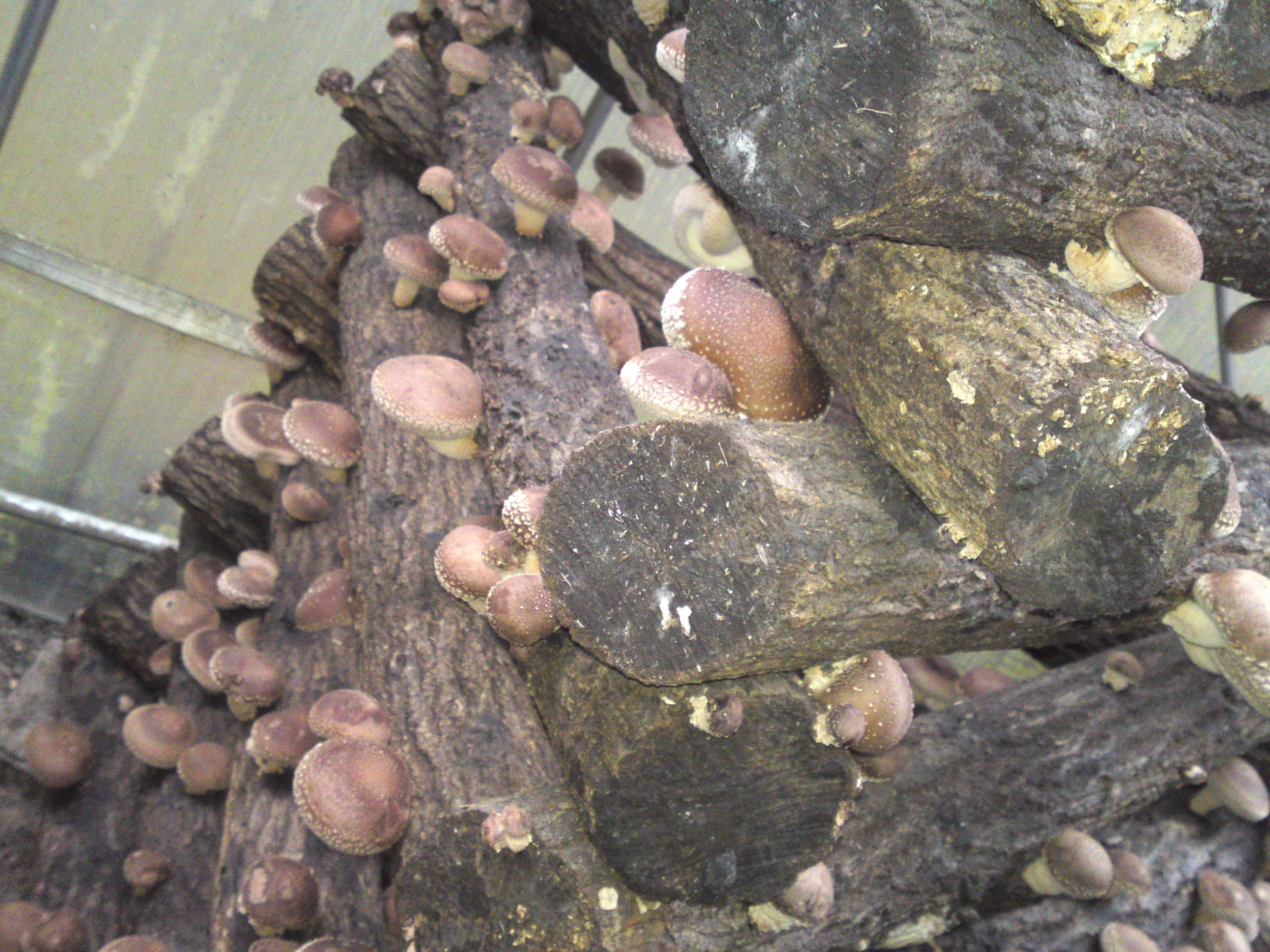
When the logs are ready for fructification Shizuo will then move them inside the greenhouse kept at a regular temperature of around 25 degrees between October and May. Each log will be dated to know exactly when the mushrooms will be ready for harvest.

After that it is a question of timing as some customers want their mushrooms small,…

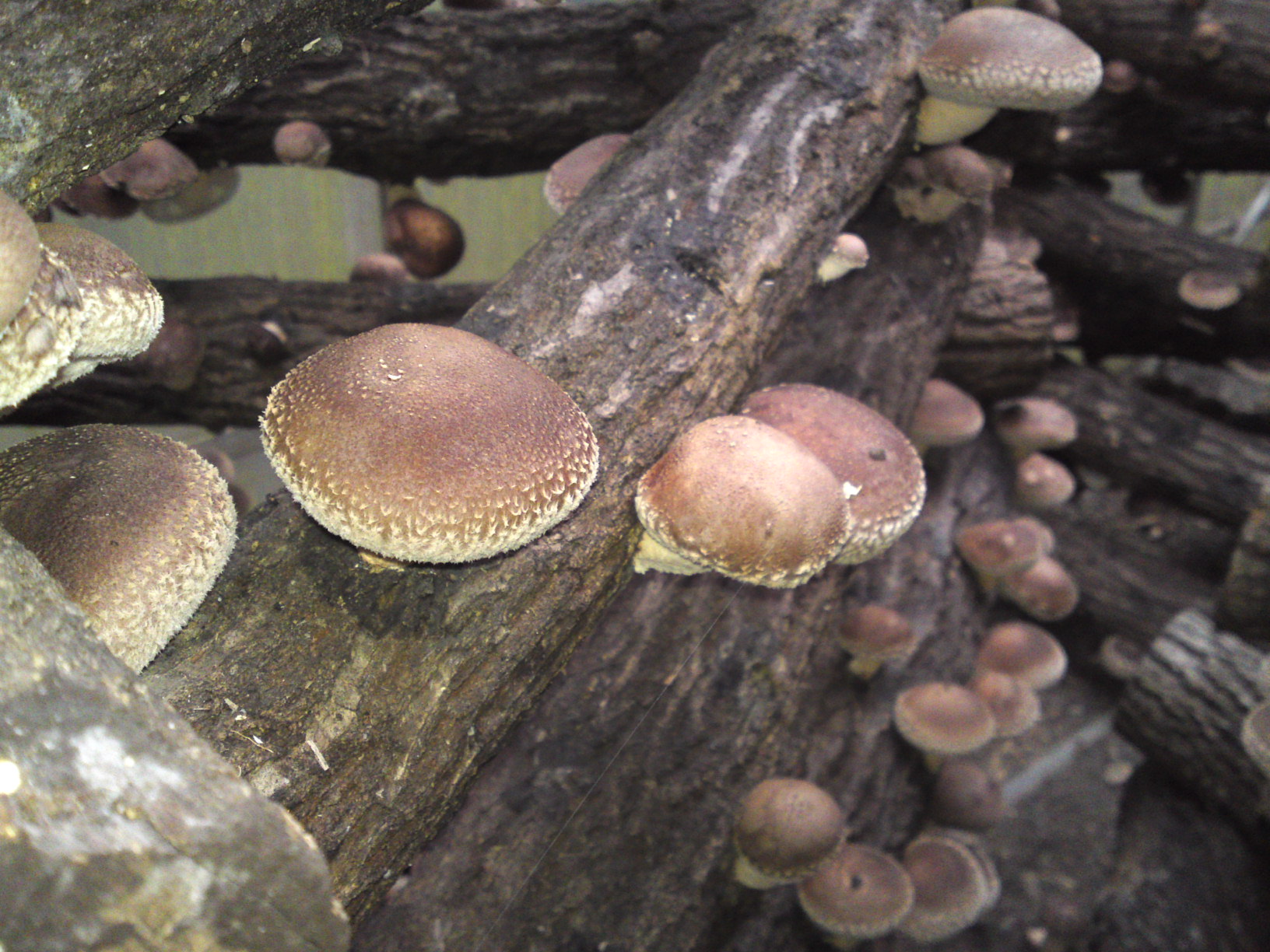
Others larger…

Shizuo kindly offered me to choose mine from those beauties as a souvenir!

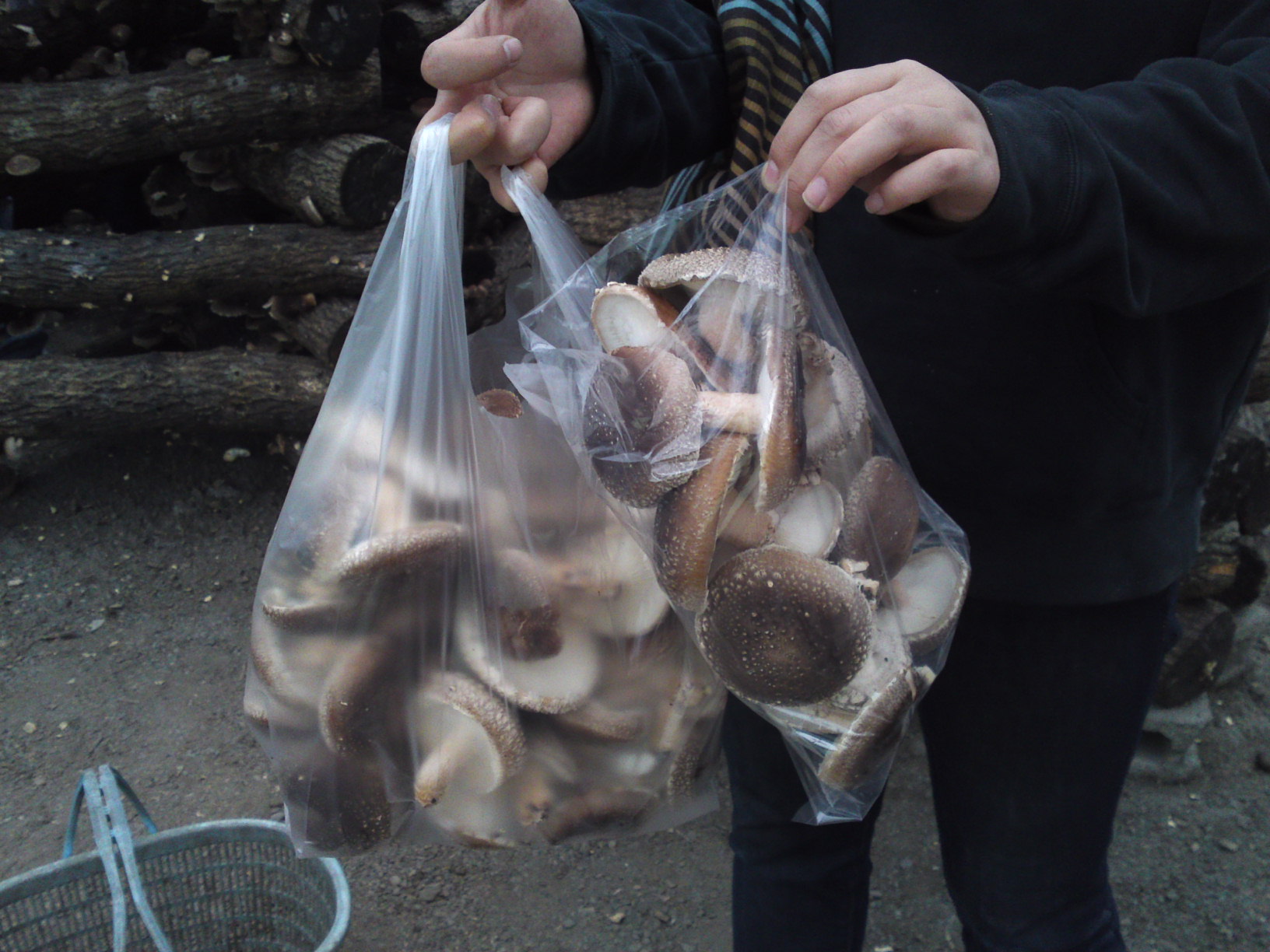
Actually, I was still very busy talking with the kind producer about farming in general and Asami kindly picked some (plenty!) for me (in her left hand!), but Shizuo would not let me go without accepting an even bigger bunch of them (in Asami’s right hand!)!

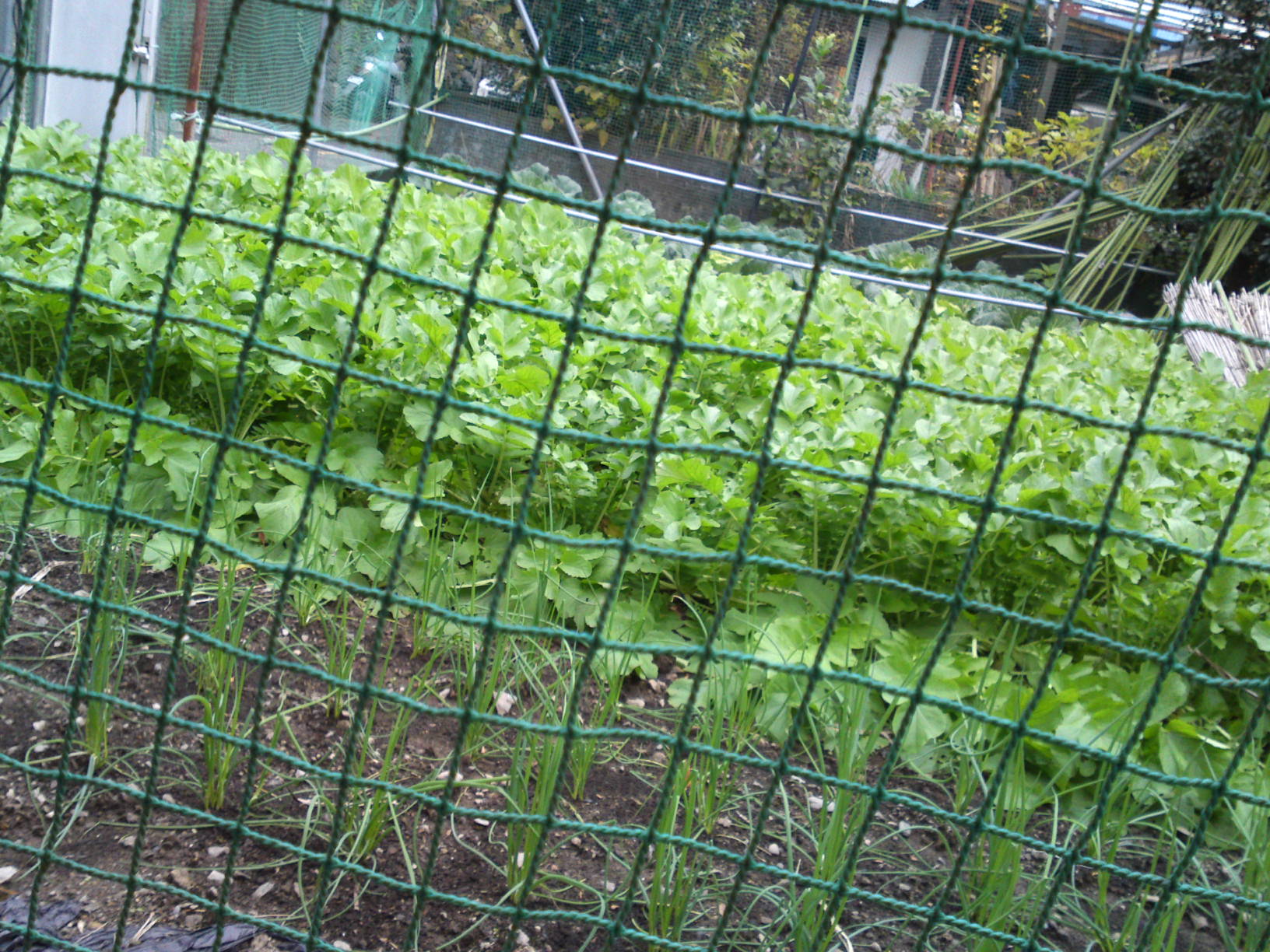
Not only that, but I also ended up with two succulent daikon and a truly enormous cabbage from their personal garden!

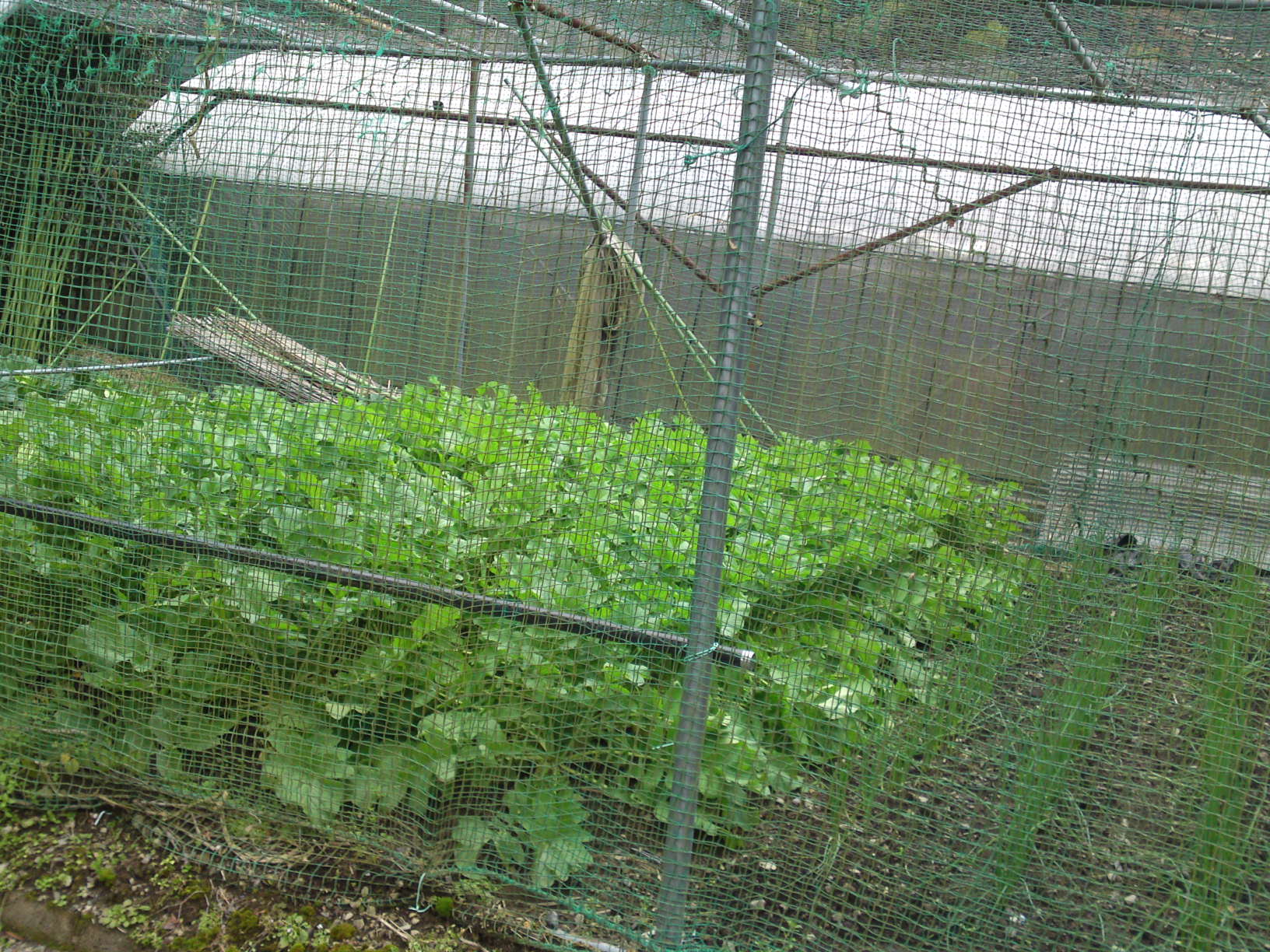
Their garden is very popular as they have to protect it with a double netting to fend off monkeys, wild boars and deer which regularly pay an unwelcome visit to farms in the mountains!

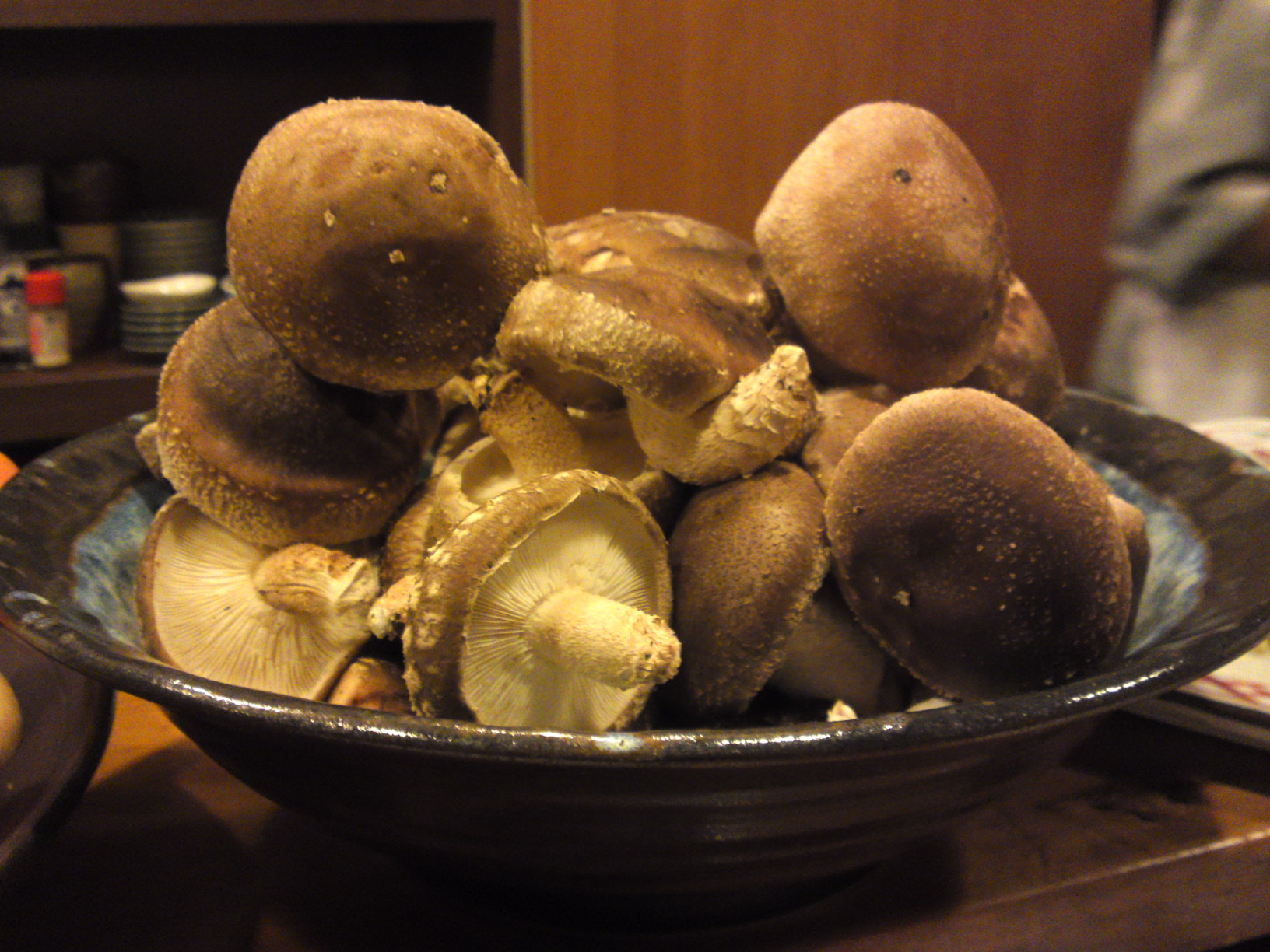
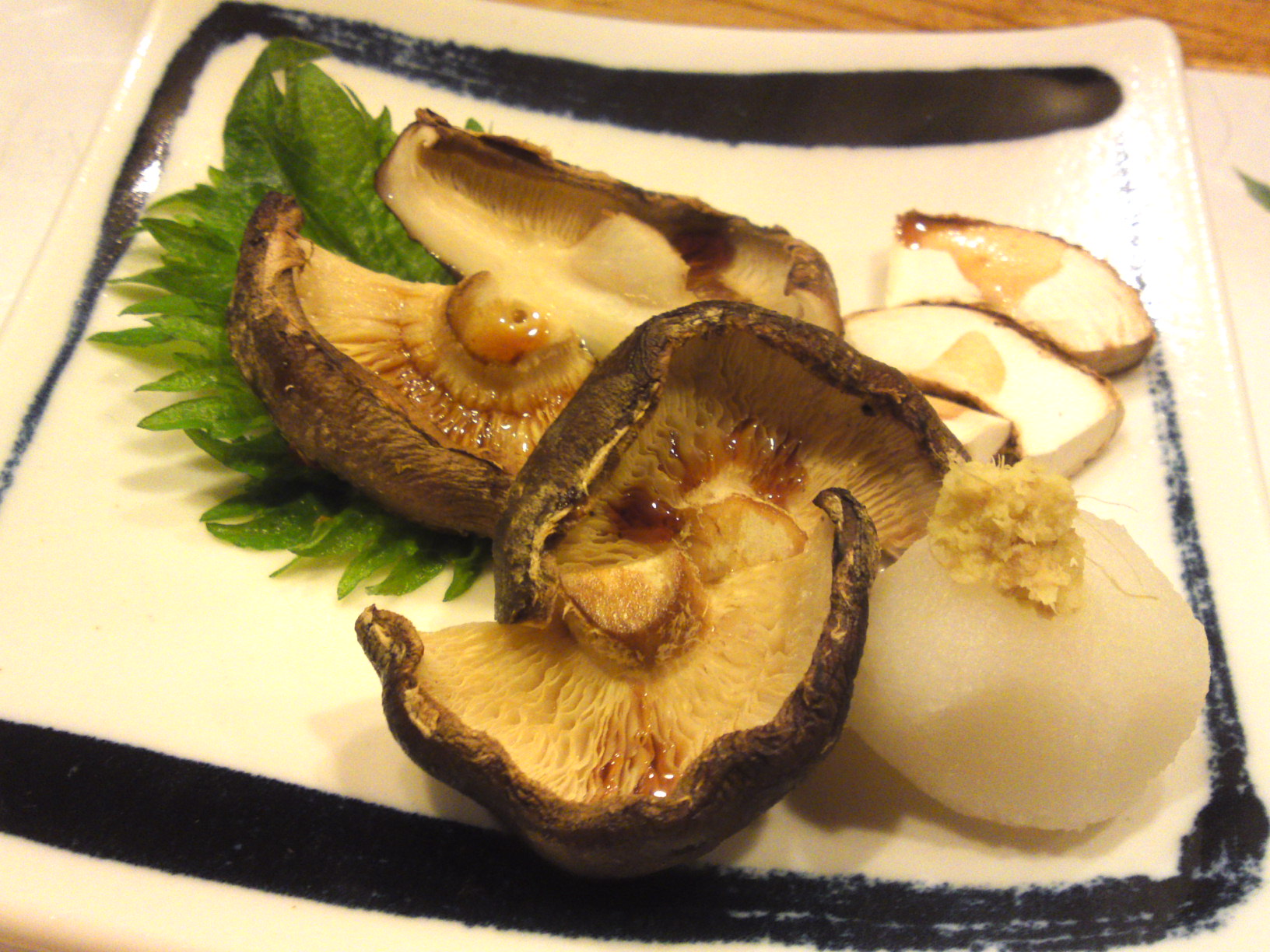
It was only natural to put all these beautiful super fresh mushrooms to good use and bring plenty of them to Yasaitei Izakaya to be served and introduced to customers!

There is no better way to advertise great produce than having them served at once to happy gastronomes by knowledgeable chefs!

Shizuo Nanjyo, Shiitake Grower
Shizuoka Shi, Aoi Ku, Do, 504-2
Tel.: 054-298-2155
Individual orders welcome
Mr. Nanjyo’s shiitake mushrooms will also be on sale every Sunday from 9:30 to 12:30 from December 11th at the car park of Marufuku Tea Company, Shizuoka Shi, Aoi Ku, Wakamatsu, 112.
Fpr more details call Ms. Asami Ito: 0120-36-4188

RECOMMENDED RELATED WEBSITES

With a Glass,
Clumsyfingers by Xethia
Adventures in Bento Making, American Bento, Beanbento, Bento No1, Bento Wo Tsukurimashou, Cooking Cute, Eula, Hapabento , Happy Bento, Jacki’s Bento Blog, Kitchen Cow, Leggo My Obento, Le Petit Journal Bento & CO (French), Lunch In A Box, My Bento Box, Vegan Lunch Box; Tokyo Tom Baker, Daily Food Porn/Osaka, Only Nature Food Porn, Happy Little Bento, The Herbed Kitchen, J-Mama’s Kitchen, Cook, Eat, Play, Repeat; Bento Lunch Blog (German); Adventures In Bento; Anna The Red’s Bento Factory; Cooking Cute; Timeless Gourmet; Bento Bug; Ideal Meal; Bentosaurus; Mr. Foodie (London/UK); Ohayo Bento

Must-see tasting websites:

-Sake: Tokyo Through The Drinking Glass, Tokyo Foodcast, Urban Sake, Sake World
-Wine: Palate To Pen, Warren Bobrow, Cellar Tours, Ancient Fire Wines Blog
-Beer: Good Beer & Country Boys, Another Pint, Please!
-Japanese Pottery to enjoy your favourite drinks: Yellin Yakimono Gallery

Japanese Vegetarian & Vegan Cakes: Wagashi/和菓子1: Introduction

WAGASHI-1

There is a traditional way of making cakes in Japan that ought to please no end vegans and people allergic to wheat flour and dairy products, namely Wagashi!

Wagashi (和菓子) is a traditional Japanese confectionery which is often served with tea, especially the types made of mochi, azuki bean paste, and fruits.

Wagashi is typically made from natural based (mainly plant) ingredients. The names used for wagashi commonly fit a formula—a natural beauty and a word from ancient literature; they are thus often written with hyōgaiji (kanji that are not commonly used or known), and are glossed with furigana.

Generally, confectioneries that were introduced from the West after the Meiji Restoration (1868) are not considered wagashi. Most sorts of Okinawan confectionery and those originating in Europe or China that use ingredients alien to traditional Japanese cuisine, e.g., kasutera, are only rarely referred to as wagashi.

WAGASHI-2
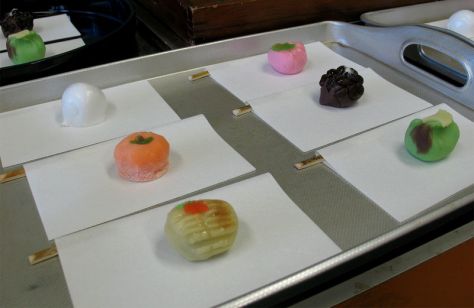
Assortment of wagashi for a tea ceremony

During the Edo period, the production of sugarcane in Okinawa became highly productive, and low quality brown sugar as well as heavily processed white sugar became widely available. A type of sugar, wasanbon, was perfected in this period and is still used exclusively to make wagashi. Wagashi was a popular gift between samurai, in significance much like a good wine. Wagashi is served as part of a Japanese tea ceremony, and serving a good seasonal wagashi shows one’s educational background.

WAGASHI-3
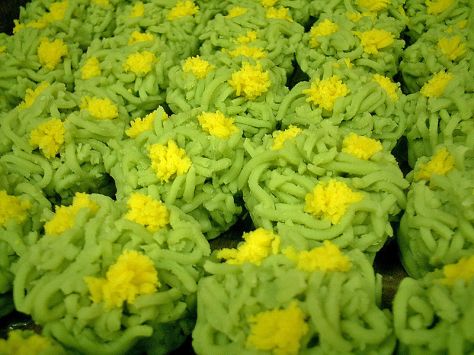
Wagashi in the shape of rape flowers/Na no Hana

There are many, many kinds of Wagashi.
I will (re-)introduce them in the next postings, followed by other postings on the basic preparation.

WAGASHI-ABEKAWAMOCHI-2
Shizuoka’s Abekawa Mochi

Just know that about every region in Japan has its own traditional Wagashi!

Avaibility:
Wagashi is widely available in Japan, but quite rare outside it.
Minamoto Kitchoan (源 吉兆庵)
Has a varied selection, and stores in New York City (shipping throughout the US), London (shipping throughout Europe), and Singapore, in addition to Japan.
Toraya (とらや)
Has a full Paris store, stores in Japan, and sells a limited selection (yōkan only) at New York stores.
Fugetsu-do
Family owned and operated in the USA, since 1903, Fugetsu-do now ships anywhere in the USA.

RECOMMENDED RELATED WEBSITES

With a Glass,
Clumsyfingers by Xethia
Adventures in Bento Making, American Bento, Beanbento, Bento No1, Bento Wo Tsukurimashou, Cooking Cute, Eula, Hapabento , Happy Bento, Jacki’s Bento Blog, Kitchen Cow, Leggo My Obento, Le Petit Journal Bento & CO (French), Lunch In A Box, My Bento Box, Vegan Lunch Box; Tokyo Tom Baker, Daily Food Porn/Osaka, Only Nature Food Porn, Happy Little Bento, The Herbed Kitchen, J-Mama’s Kitchen, Cook, Eat, Play, Repeat; Bento Lunch Blog (German); Adventures In Bento; Anna The Red’s Bento Factory; Cooking Cute; Timeless Gourmet; Bento Bug; Ideal Meal; Bentosaurus; Mr. Foodie (London/UK); Ohayo Bento

Must-see tasting websites:

-Sake: Tokyo Through The Drinking Glass, Tokyo Foodcast, Urban Sake, Sake World
-Wine: Palate To Pen, Warren Bobrow, Cellar Tours, Ancient Fire Wines Blog
-Beer: Good Beer & Country Boys, Another Pint, Please!
-Japanese Pottery to enjoy your favourite drinks: Yellin Yakimono Gallery

Japanese Vegetarian & Vegan Cuisine Ingredient: Yomogi!

“Yomogi”, also called “Mochigusa” (mochi grass) has been picked, used and grown for ages in most of this country, first as a medicinal herb and second for food.
Its latin name is “Artemisia princeps”. It mainly grows in mountains on sun-exposed slopes. Not to be confused with “niga-yomogi”, the Japanese name for thujone, e.g. absinthe!

Preparation of wagashi/Japanese cakes made with rice flour, yomogi and anko/sweetmeats!

It blooms in June~July. Farmers have long used its roots as medicine, after pressing water out and drying them.
The leaves are considered to help against lack of appetite, thin blood, stomach colds, diarrhea, nose bleed, constipation and gout. They are aslo extensively used in baths.
As for medicine make Yomogi sake: Leave 300g. of leaves in 1.8 l. of sake for half a year. Drink a 20ml, 3 times a day.
Leaves can be applied on insect-bitten skin.

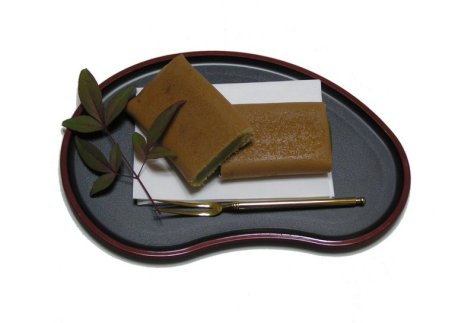
“Kintsuba/Sabre guard” wagashi made with rice flour, yomogi and sweetmeats (Miwa Supermarket, Shizuoka City)

There are many ways to enjoy them as food as well as medicine:
-Tempura
-Sasa Dango

Sasa Dango

In Shizuoka, you will also find many farmers selling a sweet in the shape of a hot cake with sweetmeats (anko) inside.

RECOMMENDED RELATED WEBSITES

With a Glass,
Clumsyfingers by Xethia
Adventures in Bento Making, American Bento, Beanbento, Bento No1, Bento Wo Tsukurimashou, Cooking Cute, Eula, Hapabento , Happy Bento, Jacki’s Bento Blog, Kitchen Cow, Leggo My Obento, Le Petit Journal Bento & CO (French), Lunch In A Box, My Bento Box, Vegan Lunch Box; Tokyo Tom Baker, Daily Food Porn/Osaka, Only Nature Food Porn, Happy Little Bento, The Herbed Kitchen, J-Mama’s Kitchen, Cook, Eat, Play, Repeat; Bento Lunch Blog (German); Adventures In Bento; Anna The Red’s Bento Factory; Cooking Cute; Timeless Gourmet; Bento Bug; Ideal Meal; Bentosaurus; Mr. Foodie (London/UK); Ohayo Bento

Must-see tasting websites:

-Sake: Tokyo Through The Drinking Glass, Tokyo Foodcast, Urban Sake, Sake World
-Wine: Palate To Pen, Warren Bobrow, Cellar Tours, Ancient Fire Wines Blog
-Beer: Good Beer & Country Boys, Another Pint, Please!
-Japanese Pottery to enjoy your favourite drinks: Yellin Yakimono Gallery