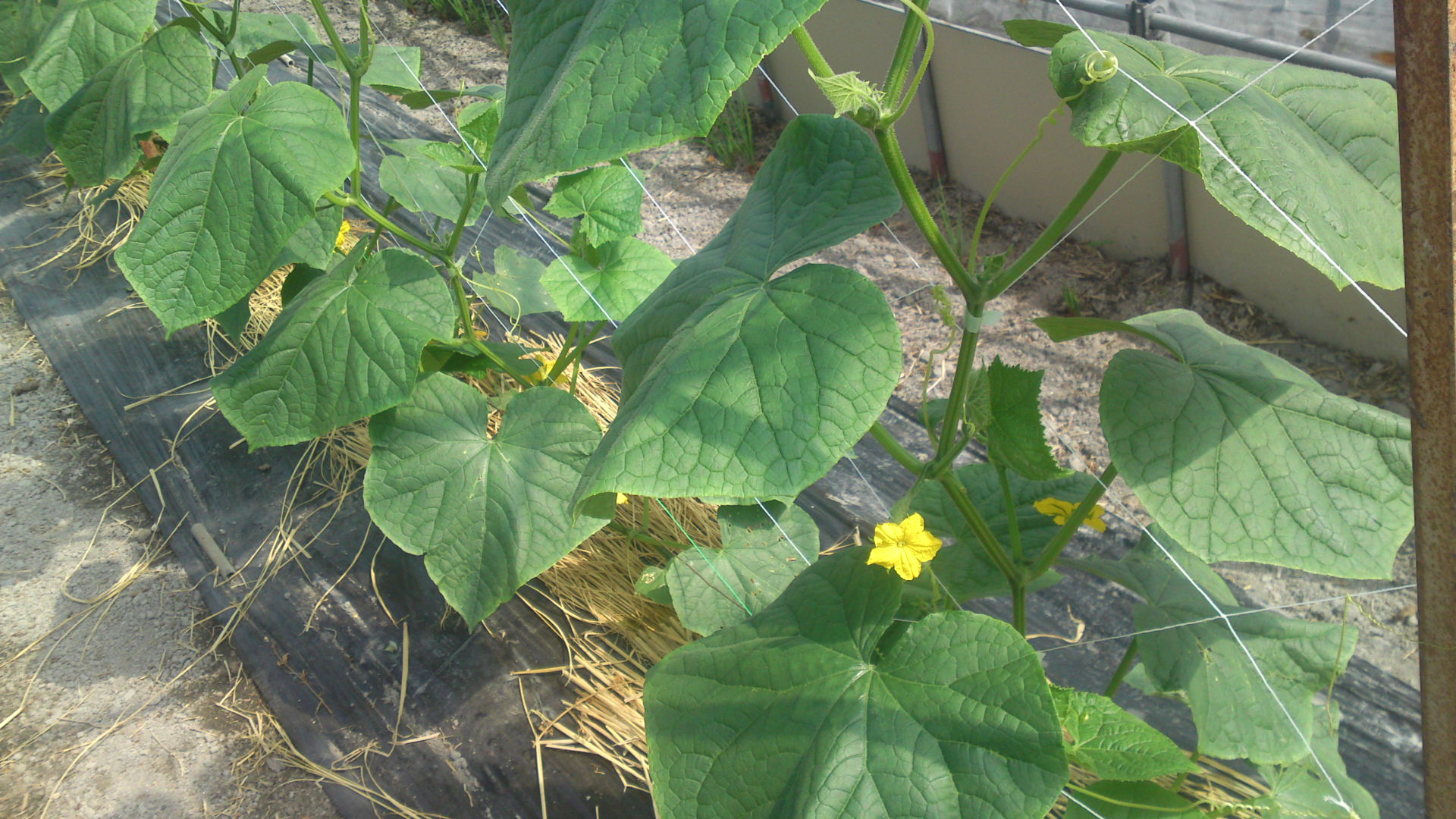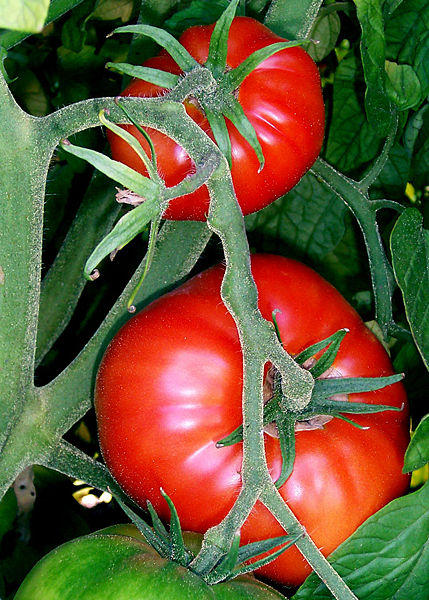
Tag Archives: vegetables

Japanese Vegetables 3: Tomatoes

tomato1

Tomatoes have appeared on our tables for so long that we have almost forgotten they came from South America. The Spanish and the Portuguese ignored them. The British studied them. The French brought them to Europe under the name of “Love Apple”, a name still existing in Italy. So it is said,…

FACTS:

-Season: All year round for greenhouse tomatoes, June=September for open-air tomatoes

-Analytic data (as per 100g):
Energy: 19 kcal
Water: 94.0 g
Carbohydrates: 4.7 g

Inorganic qualities:
Natrium: 3 mg
Potassium: 210 mg
Magnesium: 9 mg
Phosphorus: 26 mg

Vitamins:
A Beta caroten: 540 microg
B1: 0.05mg
B2: 0.02 mg
B6: 0.08 mg
C: 15 mg

Dietary fibers: 1.0 g

Licopin (Ricopin), Pectin, Luchin (Ruchin).
Licopin is a carotene variety particularly beneficial in fights against allergies and ageing. The Potassium and Vitamin C and Pectin help control cholesterol in blood.
Luchin reinforces capillary veins and arteries.
Recent researches in Germany and China have proven that tomatoes help control high blood pressure.

HEALTH FACTS:

-Combined with Potatoes, or Broccoli, or garlic, or onion, helps combat ageing.
-Combined with cabbage, or chilies, or spinach, helps combat cancer and helps blood flow.
-Combined with lemon, or cauliflower, or pimentoes, or parsley, helps lower blood pressure and improve blood flow.
-Combined with vinegar, or oranges, or apples, or strawberries, helps recovery from illness and injury, helps combat stiff shoulder.

Who said that the Italians look healthier than everybody else? LOL

VARIETIES
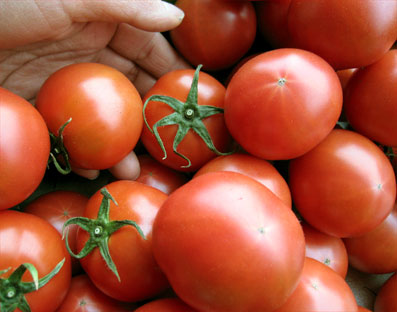
tomato-fruit

“Fruit Tomatoes”

This summer-maturing fruit can be bought all year round with the interesting consequence that tomatoes ripened in winter are sweeter than their summer cousins as they contain less water, earning themselves the name of “fruit tomatoes”, a great oxymoron, if there was one!

Thanks to consumers’ insatiable appetite for novelty, tomatoes are grown into all kinds of size, shape and colour.
Just to cite a few, the following are the most popular in Japan:

tomato-momotaro

“Momotaro Tomatoes”

-Momotaro (after the Japanese “Peach Boy” tale), which becomes “Fruit tomato” in winter.
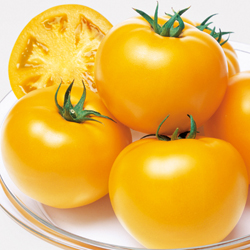
“Momotaro Tomato/Gold Variety”
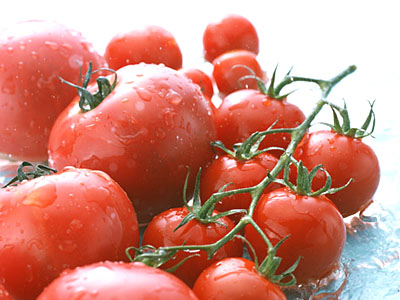
tomato-midi

“Midi Tomatoes”

-Midi Tomato (sometimes called “Plum tomatoes”), a larger cousin of the “Mini tomato”, is very sweet and very high in nutrients. Its aroma has a particularly long life.

tomato-italian
“Italian tomatoes”

-Italian Tomato: mainly used for cooking, it may often come in a comparatively elongated shape.
It contains less water and reveals both large amounts of sweetness and acidity, making it very conducive to long cooking with the extra bonus of actually improving in taste upon heating.
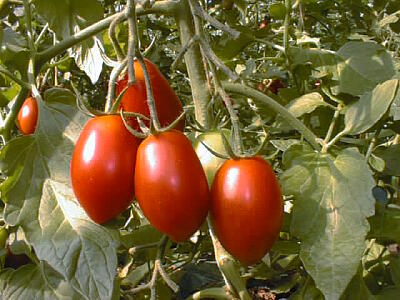
“Sicilian Rouge”, both for cooking and salads.
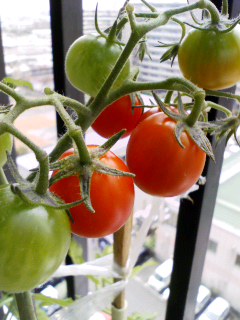
tomato-mini
“Mini Tomatoes”

-Mini Tomato: one-bite sized, it is also called “Petit tomato”. It contains twice as many Vitamin C, and it is very rich in beneficent ingredients.

tomato-yellow-mini
“Yellow Mini Tomatoes”

-Yellow Mini Tomato: characteristic for a lot of sweetness and very little acidity. Very handy for children who dislike vegetables!
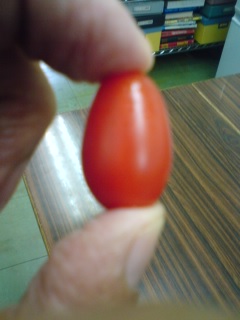
rubbins

“Ameera Rubbins”

-Ameera Rubbins: with its larger Ammeera tomato, it used to be grown exclusively in Shizuoka Prefecture. They are the sweetest of all, tasting like strawberries, and very firm, making them ideal for decoration, notwithstanding their nutrient value. The smallest variety called “Rubbins” used to be grown by only two farmers near Iwata City!
Recently a yellow version is being grown experimentally.

tomato-micromini

“Micro Mini Tomatoes”

-Micro Mini Tomatoes: increasingly popular, they are only 8~10 mm and look somewhat like redcurrants. Very tasty with a beautiful acidity, the Japanese use them not only in salads, but also as the final touch on a plate of sashimi!

“Fruit Yellow”, a small variety popular with kids!
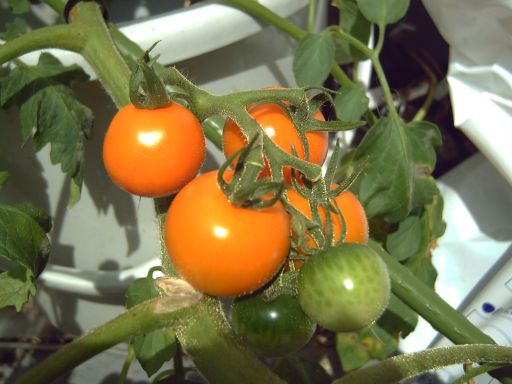
“Fruit Gold”, sweet and rich in vitamins!

“Nitakikoma”, a Japanese variety which does not break away even after long cooking.
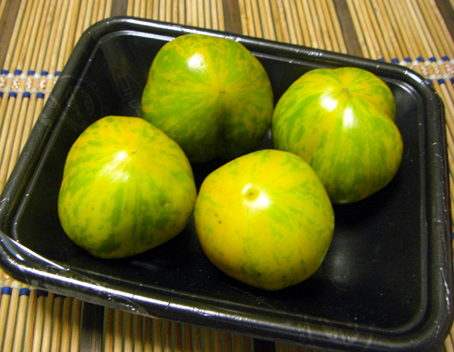
“Green Zebra”, Japanese name for green heirloom tomato
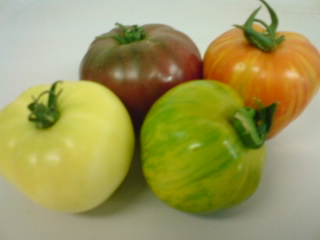
AGRI-TOMATO1

Heirloom Tomatoes grown in Shizuoka City!
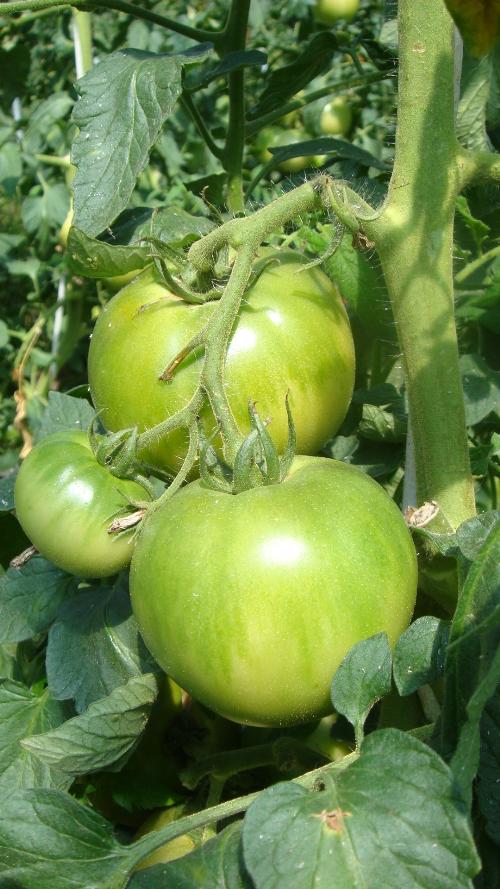
“Green”, stays green when ripe
Great in tenpura!
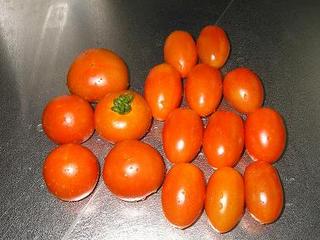
“Cindy Sweet”, well-balanced and sweet
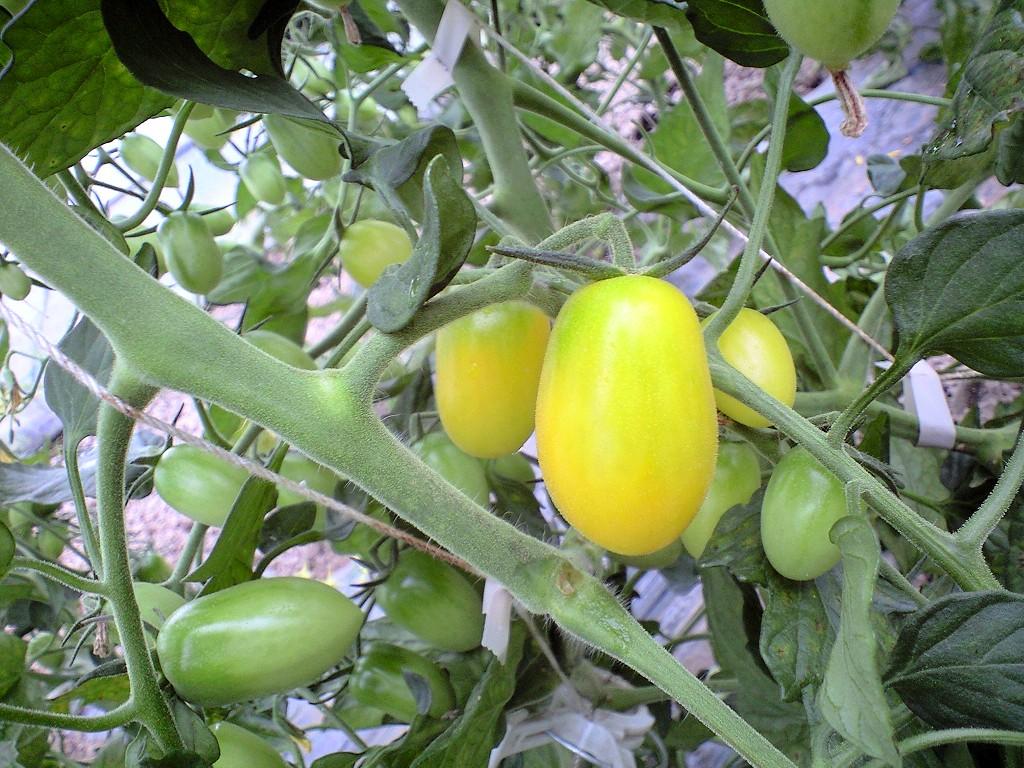
“Aiko”, Japanese variety. Exists both in yellow and red. Eaten cooked or raw.
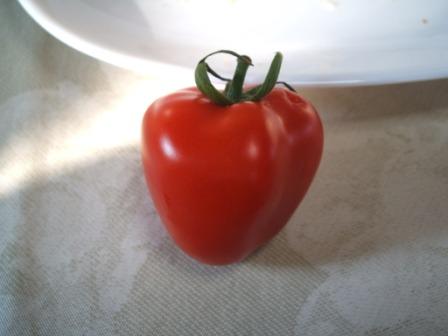
“Tomato Berry”, small, sweet and well-balanced.
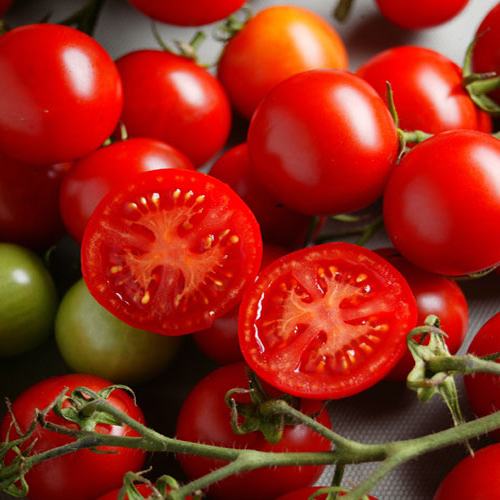
“Campari”, grown in Hokkaido, Japan, originally from Holland. Fruity!

“Amakko”, similar to “Campari”. Very sweet!
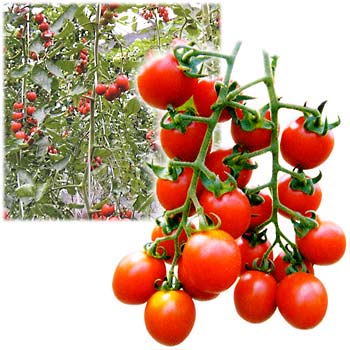
“Piccola Rouge”, Japanese version of an Italian Mini-tomato variety.
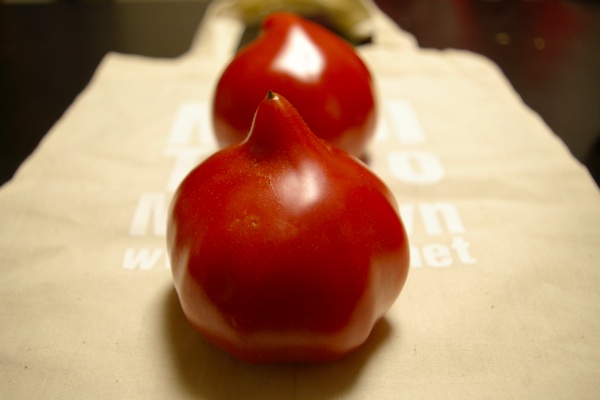
“First”. Appears in Winter. Grown in Iwata City, too! Beautiful pointed shape. Juicy!
Also called “Renaissance” in Shizuoka Prefecture.

“Piccola Canaria”, an orange variety of the Piccola.
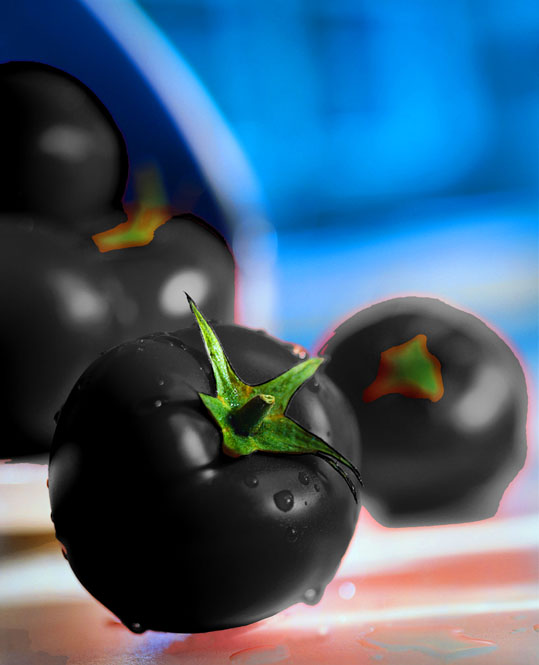
“Black”, as it is called!
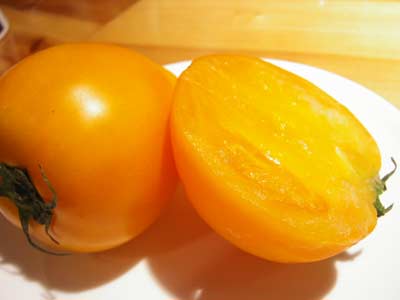
“Kisu”. Beautiful colour and very sweet!
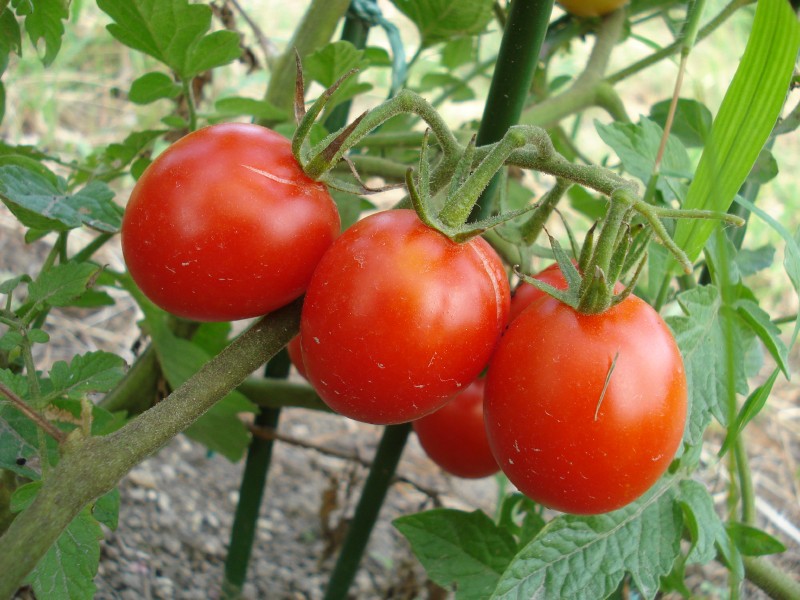
“Zeitaku Tomato”, meaning “Extravagant Tomato” in Japanese! Fruity, juicy and sweet!
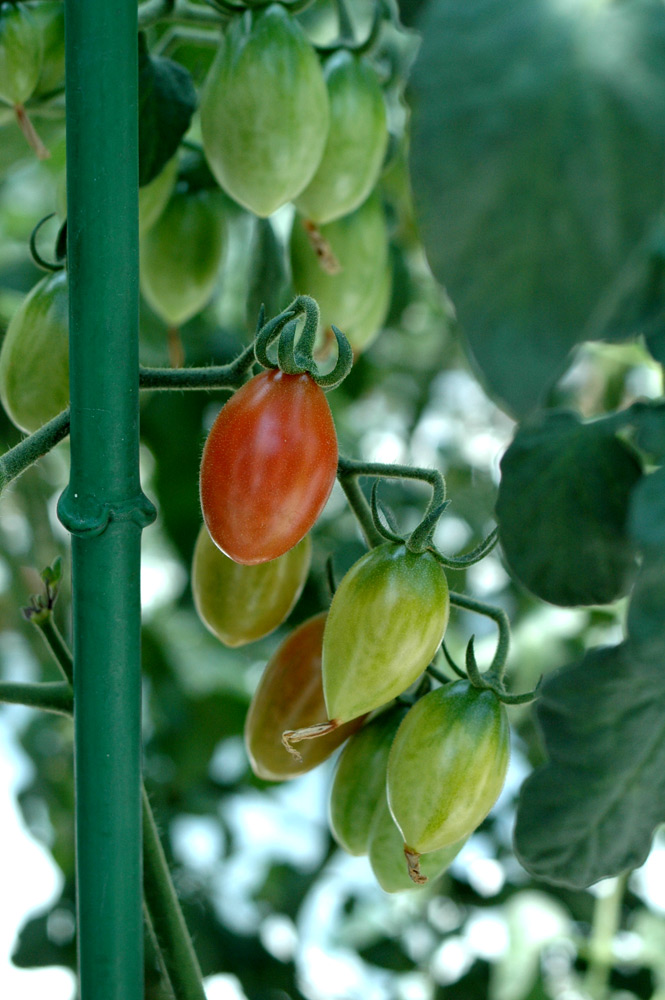
“Guppi”, a tasty tomato apt for cooking.
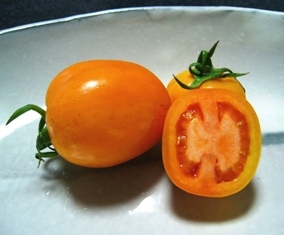
“Carrot Tomato”. High in carotens, taste similar to carrot. Appreciated raw.
“Orange Banana” from Russia! Very sweet!
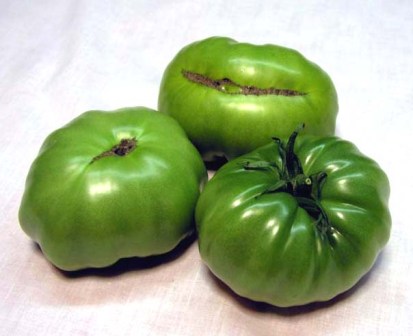
“Evergreen”. Versatile, can be eaten raw, cooked or pickled.

“Strawberry Tomato”. A cousin of tomatoes. God balance between sweetness and acidity.
Also used as decoration.
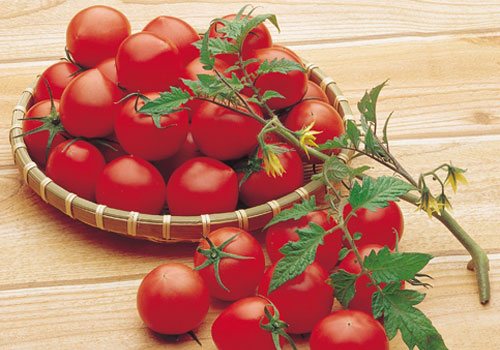
“Tokutani Tomato”. Fruit tomato, especially grown in Shikoku Island. Brand Tomato. Very expensive!

Many more varieties are regularly imported!

RECOMMENDED RELATED SITES:
Warren Bobrow, Bread + Butter, Zoy Zhang, Hungry Neko, Think Twice, Frank Fariello, Mangantayon, Hapabento, Elinluv Tidbit Corner, Tokyo Terrace, Maison de Christina, Chrys Niles,Lexi, Culinary Musings, Wheeling Gourmet, Comestiblog, Chronicles Of A Curious Cook, Tokyo Through The Drinking Glass, Tokyo Foodcast, Palate To Pen, Yellin Yakimono Gallery, Tokyo Terrace, Hilah Cooking, More than a Mount Full, Arkonite Bento, Happy Little Bento; 5 Star Foodie; Jefferson’s Table; Oyster Culture; Gourmet Fury; Island Vittles; Good Beer & Country Boys; Rubber Slippers In Italy; Color Food daidokoro/Osaka;/a; The Witchy Kitchen; Citron Et Vanille, Lunsj Med Buffet/Estonian Gastronomy (English), Cook, Eat, Play, Repeat, Chrisoscope, Agrigraph, The Agriculture Portal to shizuoka!

Please check the new postings at:
sake, shochu and sushi

Vegan Japanese Recipe: Burdock, Lotus Root & Carrot Kinpira

There are vast treasures to explore for vegetarians and vegans in Japanese gastronomy.
Once such pleasure (rhyme with treasure) is Kinpira/金平!
Here is a recipe that can be built on at will depending on the available vegetables: Burdock, Lotus Root & Carrot Kinpira/gobou, Renkon to Ninjin no Kinpira/牛蒡・蓮根・人参の金平!

INGREDIENTS: 4 people~

-Burdock root: 1
-Carrot: 1/2
-Lotus root: 4~5 cm long piece
-Grated fresh ginger: 1 teaspoon
-Spices of your choice (include chili pepper!)
Vegan Dashi: 1 cup
-Sesame oil: 2 teaspoons
-Mirin/sweet Japanese sake: 3 tablespoons
-Soy sauce 1+1/2 Tablespoons.

RECIPE:

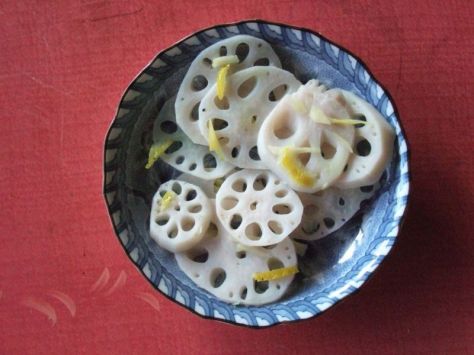
-Clean the burdock root under running clear water, cut out in appropriate-sized thin sticks. Drain well. Peel carrot and cut in same size as burdock root. Peel the lotus roots, slice into 5 mm thick pieces, clean in fresh cold water and drain well.

-In a frypan (if possible, non-stick), pour the sesame oil, drop well-drained vegetables and fry.
When the lotu root pieces have started changing color, add dashi, spices of your choice, grated ginger, mirin and soy sauce, and fry on a low fire (10 minutes).
Once the juices have almost reduced stop fire.

Can be served hot, lukewarm or cold!

RECOMMENDED RELATED SITES:
Warren Bobrow, Bread + Butter, Zoy Zhang, Hungry Neko, Think Twice, Frank Fariello, Mangantayon, Hapabento, Elinluv Tidbit Corner, Tokyo Terrace, Maison de Christina, Chrys Niles,Lexi, Culinary Musings, Wheeling Gourmet, Comestiblog, Chronicles Of A Curious Cook, Tokyo Through The Drinking Glass, Tokyo Foodcast, Palate To Pen, Yellin Yakimono Gallery, Tokyo Terrace, Hilah Cooking, More than a Mount Full, Arkonite Bento, Happy Little Bento; 5 Star Foodie; Jefferson’s Table; Oyster Culture; Gourmet Fury; Island Vittles; Good Beer & Country Boys; Rubber Slippers In Italy; Color Food daidokoro/Osaka;/a; The Witchy Kitchen; Citron Et Vanille, Lunsj Med Buffet/Estonian Gastronomy (English), Cook, Eat, Play, Repeat, Chrisoscope, Agrigraph, The Agriculture Portal to shizuoka!

Please check the new postings at:
sake, shochu and sushi

Japanese Vegetables 2: lotus Roots/Renkon/蓮根

lotus-root1

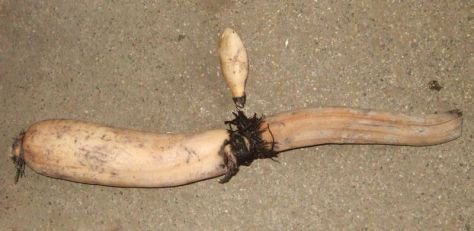
Lotus roots come from a plant called Nelumbo nucifera, also known by a number of names including Indian lotus, sacred lotus, bean of India, or simply lotus. This plant is an aquatic perennial. Under favorable circumstances its seeds may remain viable for many years.
A common misconception is referring to the lotus as a water-lily (Nymphaea), an entirely different plant.

Native to Greater India and commonly cultivated in water gardens, the lotus is the national flower of India and Vietnam.

The flowers, seeds, young leaves, and “roots” (rhizomes) are all edible. In Asia, the petals are used sometimes for garnish, while the large leaves are used as a wrap for food. In Korea, the leaves and petals are used as a tisane. Yeonkkotcha (연꽃차) is made with dried petals of white lotus and yeonipcha (연잎차) is made with the leaves. The rhizome (called ǒu (藕) in pinyin Chinese, ngau in Cantonese, bhe in Hindi, renkon (レンコン, 蓮根 in Japanese), yeongeun (연근) in Korean is used as a vegetable in soups, deep-fried, stir-fried and braised dishes. Petals, leaves, and rhizome can also all be eaten raw, but there is a risk of parasite transmission (e.g., Fasciolopsis buski): it is therefore recommended that they be cooked before eating.

FACTS:

-Season (in Japan): September~December

-Analytic data (as per 100g):

Energy: 66 kcal
Water: 81.5 g
Protein: 1.9 g
Carbohydrates: 15.5 g

Inorganic qualities:
Natriu: 24 mg
Potassium: 440 mg
Calcium: 20 mg
Iron: 00.5 mg
Zinc: 0.3 mg
Manganese: 0.78 mg

Vitamins:
B1: 0.10 mg
B6: 0.09 mg

Dietary fibers: 5.7 g

HEALTH FACTS:

-Combined with liver, or beef, or pork, or chicken, helps revitalize human blood and organs.

-Combined with turnips, or daikon, or beansprouts, or trefoil, helps digestion and bowels.

-Combined with leafy vegetables, or potato, or apples, helps combat cancer and obesity.

-Combined with konnyaku, or celery, or lettuce, or green peppers, helps lower blood cholesterol. helps combat artery hardening and prevent heart diseases.

VARIETIES

Kaga Renkon/加賀れんこん

Very fine texture and high content in starch,
Best appreciated steamed.

Iwakuni Renkon/岩国れんこん

Large specimen with large holes.

TIPS:

-Choose specimens with a clear white cut section. There should not be any black spots.
-Use large specimen as they are easier to cut and use.
-To prevent oxydising, wrap cut specimen into wet kitchen paper.
-Add vinegar to water when boling them to keep them white.
-The easiest way to peel them is to use a potato peeler!

COOKING:

The stamens can be dried and made into a fragrant herbal tea called liánhuā cha (蓮花茶) in Chinese, or (particularly in Vietnam) used to impart a scent to tea leaves. The lotus seeds or nuts (called liánzĭ, 蓮子; or xian liánzĭ, 鲜莲子, in Chinese) are quite versatile, and can be eaten raw or dried and popped like popcorn, phool makhana. They can also be boiled until soft and made into a paste, or boiled with dried longans and rock sugar to make a tong sui (sweet soup). Combined with sugar, lotus seed paste becomes one of the most common ingredient used in pastries such as mooncakes, daifuku, and rice flour pudding.

Japanese popular Renkon dishes:

lotus-root-nimono

“NIMONO”

lotus-root-sumono

“SUMONO”

lotus-root-kimpira

“KIMPIRA”

“STUFFED LOTUS ROOTS”

“DEEP-FRIED LOTUS ROOT SANDWICH”

lotus-roots-chips

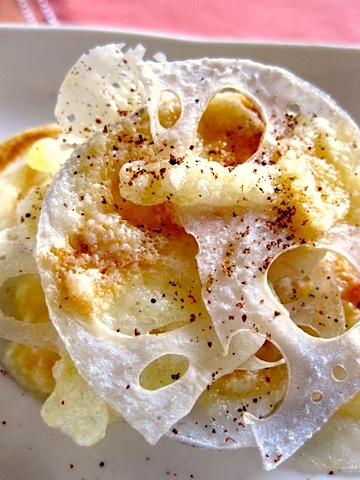
“CHIPS”

RECOMMENDED RELATED SITES:
Warren Bobrow, Bread + Butter, Zoy Zhang, Hungry Neko, Think Twice, Frank Fariello, Mangantayon, Hapabento, Elinluv Tidbit Corner, Tokyo Terrace, Maison de Christina, Chrys Niles,Lexi, Culinary Musings, Wheeling Gourmet, Comestiblog, Chronicles Of A Curious Cook, Tokyo Through The Drinking Glass, Tokyo Foodcast, Palate To Pen, Yellin Yakimono Gallery, Tokyo Terrace, Hilah Cooking, More than a Mount Full, Arkonite Bento, Happy Little Bento; 5 Star Foodie; Jefferson’s Table; Oyster Culture; Gourmet Fury; Island Vittles; Good Beer & Country Boys; Rubber Slippers In Italy; Color Food daidokoro/Osaka;/a; The Witchy Kitchen; Citron Et Vanille, Lunsj Med Buffet/Estonian Gastronomy (English), Cook, Eat, Play, Repeat, Chrisoscope, Agrigraph, The Agriculture Portal to shizuoka!

Please check the new postings at:
sake, shochu and sushi

Japanese Vegetables 1: Burdock Root/Gobou/牛蒡

Burdock root, greater burdock or edible burdock root is called “gobou/牛蒡” in Japanese.
Its Latin name is Arctium lappa.

Although it is a root vegetable with great nutritious and even medical properties, it is commonly eaten only in Japan and Taiwan.

This species is native to the temperate regions of the old world, from Scandinavia to the Mediterranean, and from the British Isles through Russia, and the Middle East to China and Japan, including India.

It is naturalized almost everywhere and is usually found in disturbed areas, especially in soil rich in nitrogen. It is commonly cultivated in Japan.

It prefers a fresh, worked soil, rich in humus, and should be positioned in full sunlight. Burdock is very reactive to nitrogen fertilizer. Propagation is achieved through sowing the seeds midsummer. The harvest occurs three to four months after the seeding until late autumn, when the roots become too fibrous.
In shizuoka it is more and more cultivated in organic fashion with natural/organic fertilizer and no pesticides.

Greater burdock was used during the Middle Ages as a vegetable, but now it is rarely used, with the exception of Japan where it is called gobō (牛蒡 or ゴボウ), Taiwan (牛蒡), Korea where it is called ueong (우엉), Italy, Brazil and Portugal, where it is known as bardana. Plants are cultivated for their slender roots, which can grow about 1 meter long and 2 cm across.

Immature flower stalks may also be harvested in late spring, before flowers appear. The taste resembles that of artichoke, to which the burdock is related.

The root is very crisp and has a sweet, mild, and pungent flavor with a little muddy harshness that can be reduced by soaking julienned/shredded roots in water for five to ten minutes. The harshness shows excellent harmonization with pork in miso soup (tonjiru) and takikomi gohan (a Japanese-style pilaf).

A popular Japanese dish is kinpira gobō, julienned or shredded burdock root and carrot, braised with soy sauce, sugar, mirin and/or sake, and sesame oil. Another is burdock makizushi (rolled sushi filled with pickled burdock root; the burdock root is often artificially colored orange to resemble a carrot). In Kyoto, gobō can also be found as a snack food similar to potato chips. The root is eaten cooked and the young sprout can be eaten just like asparagus. Gobo is also used in tempura.

Apart of its obvious culinary value, it is also valuable for its high content in dietary fibers and beneficiary nutrients.
It has been utilized as a medicinal plant with diuretic, diaphoretic, and blood purifying capabilities. The Japanese have also recognized it to prevent cancer and combat diabetes.

FACTS:

-Season (in Japan): November to January and April to May

-Analytic data (as per 100g):

Energy: 65 kcal
Water: 81.7 g
Protein: 1.8 g
Carbohydrates: 15.4 g
Ash: 0.9 g

Inorganic qualities:
Potassium: 320 mg
Calcium: 46 mg
Magnesium: 54 mg
Phosphorus: 62 mg
Iron: 0,7 mg
Zinc: 0.8 mg

Vitamins:
B1: 0.05 mg
B6: 0.10 mg

Dietary fibers: 5.7 g

HEALTH FACTS:

-Combined with seaweed (wakame), or celery, or enoki mushroom, or konnyaku, helps prevent high blood pressure and blood vessels hardening, helps with hair health and recovery from constipation.
-Combined with dried daikon, or shiitake mushrooms, or celery, or turnips, helps prevent cancer, helps fotiify stomach, and increases skin qulaity.
-Combined with hijiki sweet seaweed, or tofu, or bamboo shoots, or agar agar, helps reduce blood cholesterol and general diets.
-Combined with whole rice (genmai), or oatmeal, or corn flakes, helps prevent diabetes, helps combat obesity and helps prevent blood vessels hardening.

VARIETIES:

Common burdock/gobou/牛蒡

Oura Gobou/大浦ごぼう (on the left), a very thick variety, which reaches 10cm in diameter for 1 meter in length.

Yama Gobou/山gpぼう, a thinner and shorter variety.

Super Risou Gobou/スーパー理想ごぼう, a75 cm long and thin variety with a smooth skin.

TIPS
Do not peel before cooking as the skins contain a lot of nutrients.
Just brush the dirt away under clear running water
Can be easily preserved frozen once cooked

GASTRONOMY

Steamed and seasone burdock root

Simmered burdock appetizer

“Kinpira” burdock, thinly cut and fried with sake, soy sauce, mirin and chili sesame oil.

Simmered Oura Gobou.

Grilled gobou salad

Mixed vegetable “kinpira”

Super Risou Gobou salad/appetizer

Steamed/fried Yama Gobou

Vegan Yama Gobou Sushi

RECOMMENDED RELATED SITES:
Warren Bobrow, Bread + Butter, Zoy Zhang, Hungry Neko, Think Twice, Frank Fariello, Mangantayon, Hapabento, Elinluv Tidbit Corner, Tokyo Terrace, Maison de Christina, Chrys Niles,Lexi, Culinary Musings, Wheeling Gourmet, Comestiblog, Chronicles Of A Curious Cook, Tokyo Through The Drinking Glass, Tokyo Foodcast, Palate To Pen, Yellin Yakimono Gallery, Tokyo Terrace, Hilah Cooking, More than a Mount Full, Arkonite Bento, Happy Little Bento; 5 Star Foodie; Jefferson’s Table; Oyster Culture; Gourmet Fury; Island Vittles; Good Beer & Country Boys; Rubber Slippers In Italy; Color Food daidokoro/Osaka;/a; The Witchy Kitchen; Citron Et Vanille, Lunsj Med Buffet/Estonian Gastronomy (English), Cook, Eat, Play, Repeat, Chrisoscope, Agrigraph, The Agriculture Portal to shizuoka!

Please check the new postings at:
sake, shochu and sushi

Masahiro Sugimoto at Sugimoto Garden: A Young Farmer Looking Ahead!

Masahiro Sugimoto/杉本政紘

Agriculture in Japan (and Shizuoka, which s no exception in spite of its favorable position) is suffering from two chronic problems: ageing of the farming population and too much untended farming land.
The situation as far ageing is concened is slowly improving in Shizuoka but there are still 12.000 ha of untended farming land asking to be exploited.

On the bright side more and more young people not only choose farming as their life but also adopt new directions even if it means breaking “traditions”.

One such farmer is Masahiro Sugimoto, only 26 years of age and still only in his second year as an individual farmer.

Experimenting with Italian putarella.

After graduating form Shizuoka Industrial High School/静岡市立商業高校, instead of attending a full university course, he opted for a meaningful two-year study at the Iwata Agricultural Institute/磐田農林大学校 to enable him to continue and improve of his family’s farming venture which had been growing vegetables for 10 generations.

Although mainly growing lettuces and corn on a total of 80 ha comprising 7 ha in greenhouses, he also experiment with all kinds of vegetables for a meaningful diversification.

A closer view of the putarella.

Corn is grown from February to June and lettuces from September to March.
That still leaves him with plenty of time to experiment with different vegetable varieties.

European cabbage variety.

He is on contract with markets such as Shizutetsu as far as his lettuce and corn are concerned but he is actively seeking new markets including local restaurants always looking for new varieties.

Masahiro’s lettuce greenhouses.

Lettuce is big business in Shizuoka!

Masahiro is also reducing all artificial pesticides and fertilizers to the minimum to produce those beautiful vegetables!

He is seriously thinking of making more organic fertilizers and is always carefully listening to suggestions.

Lettuces grown in open fields have to be covered with insect nets to avoid using pesticides.

His own mother is experimenting with wasabina/わさび菜/ a variety of lettuce called such because its taste remniscing of wasabi!

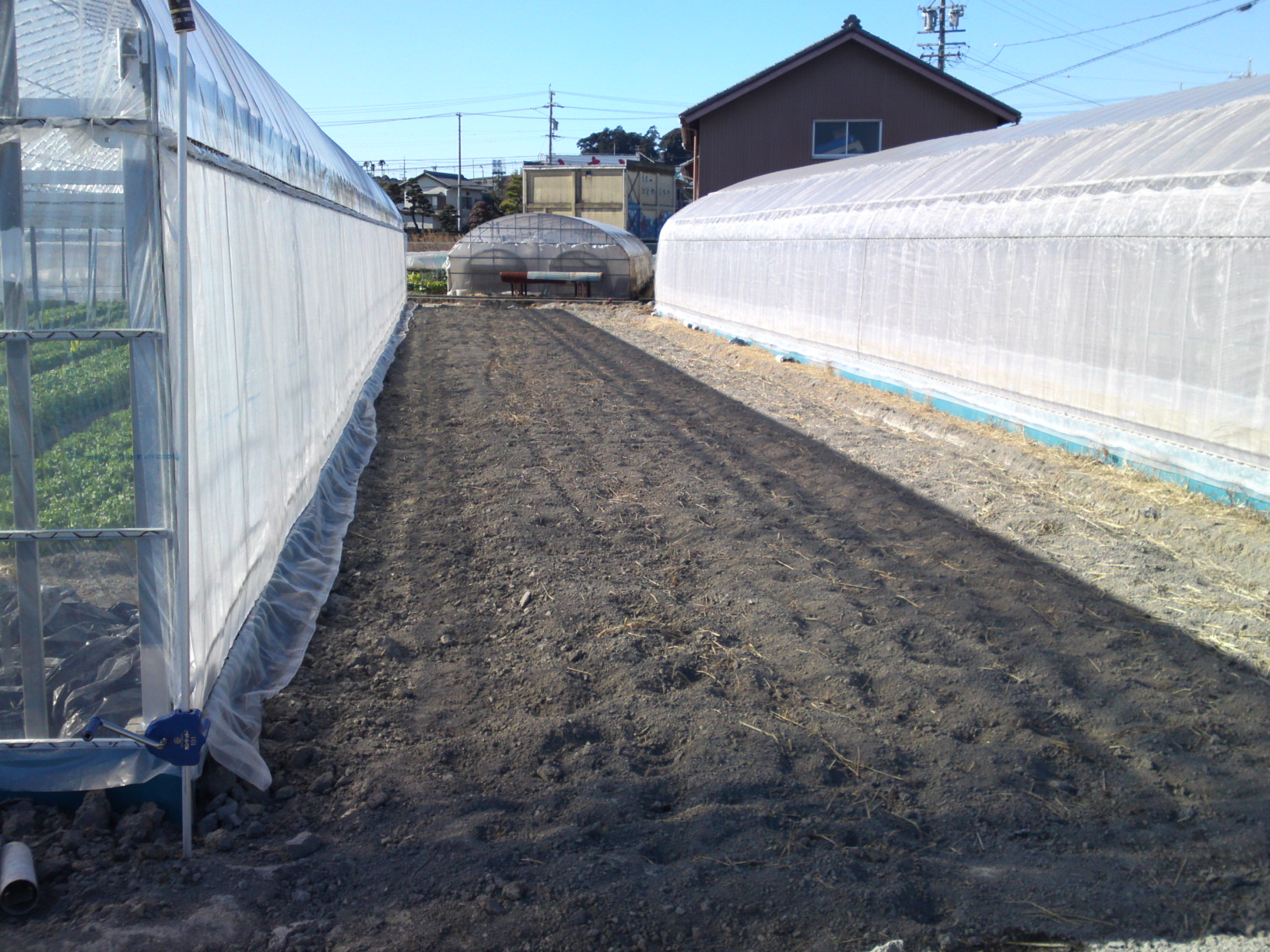
Masahiro will lend this vacant space between his greenhouses for free to local primary schools for on-field classes. A young man already thinking of the future generations!

Atsushi Sugimura/杉村敦志 (33) and Masahiro Sugimoto/杉本政紘 (26)

Masahiro is also very active exchanging views with his peers to form a farming community with better communications and a new common direction not only in farming but also in agri-business!

Sugimoto Garden
Masahiro Sugimoto
427-0111 Shizuoka Ken, Shimada Shi, Sakamoto, 1007-1
Tel. & Fax: 0547-38-08305
Mobile: 090-7958-8969
E-mail: masahiro@smile.tnc.ne.jp
Homepage & Blog: http://hatake.eshizuoka.jp/

RECOMMENDED RELATED SITES:
Warren Bobrow, Bread + Butter, Zoy Zhang, Hungry Neko, Think Twice, Frank Fariello, Mangantayon, Hapabento, Elinluv Tidbit Corner, Tokyo Terrace, Maison de Christina, Chrys Niles,Lexi, Culinary Musings, Wheeling Gourmet, Comestiblog, Chronicles Of A Curious Cook, Tokyo Through The Drinking Glass, Tokyo Foodcast, Palate To Pen, Yellin Yakimono Gallery, Tokyo Terrace, Hilah Cooking, More than a Mount Full, Arkonite Bento, Happy Little Bento; 5 Star Foodie; Jefferson’s Table; Oyster Culture; Gourmet Fury; Island Vittles; Good Beer & Country Boys; Rubber Slippers In Italy; Color Food daidokoro/Osaka;/a; The Witchy Kitchen; Citron Et Vanille, Lunsj Med Buffet/Estonian Gastronomy (English), Cook, Eat, Play, Repeat, Chrisoscope, Agrigraph, The Agriculture Portal to shizuoka!
Please check the new postings at:
sake, shochu and sushi

Italian Cuisine: Shizuoka Local Land an Sea Products at Contorno!

Service: Excellent and very friendly
Facilities: great cleanliness overall
Prices: reasonable.
Strong points: Many local products be they from the land or the sea. Organic vegetables. Car park.
no-smoking-logo1 Entirely non-smoking!
Map

Many more restaurants in Shizuoka join the “Local Products” trend for the pleasure and health of their customers.
One does not have to explain why one ought to eat fully traceable food!
But we are on the very lucky side of Japan as Shizuoka Prefecture could manage to live on its own resources alone for at least 6 months, a feat unequalled anywhere in Japan!

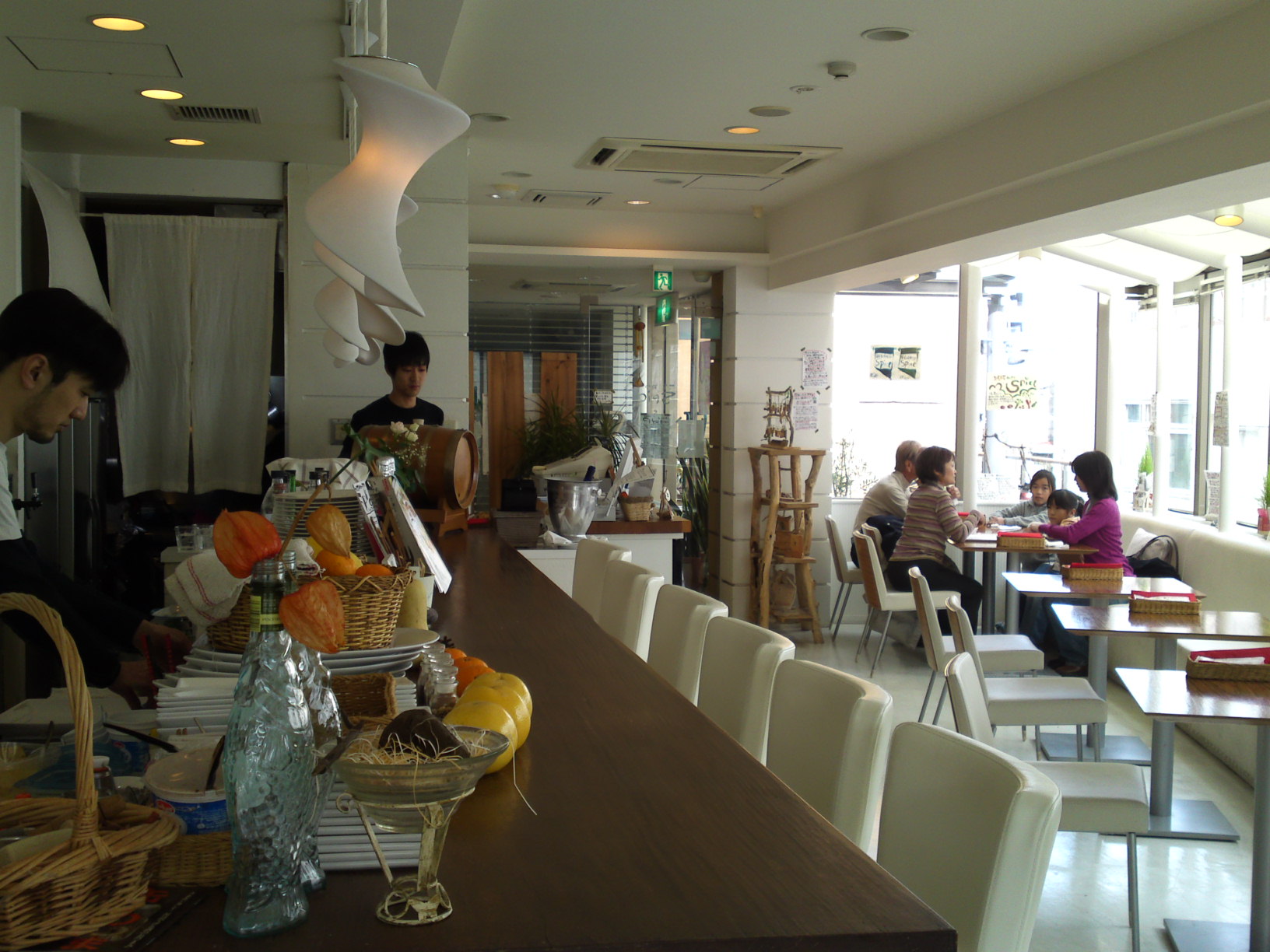
Contorno is great place, not only for its gastronomy (naturally!), but because it is so well exposed to the sun in a quiet area not far from the sea of Mochimune whose harbor is famous all over the country for its shirasu/whitebait and other bounties from the sea.

And it has the enormous merit to be completely non smoking!

Their lunches are not only a bargain but a healthy joy!
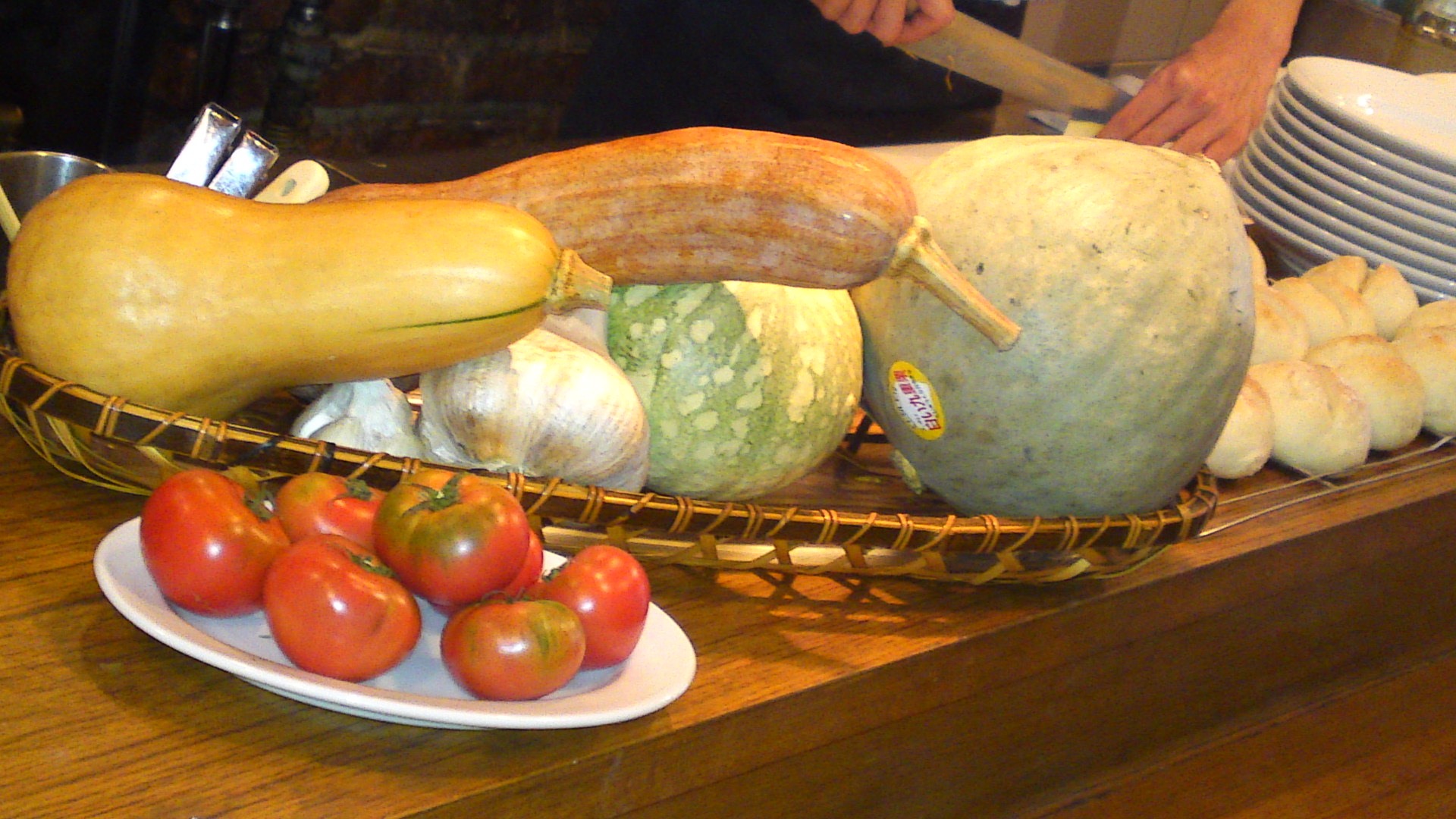
All vegetables are organic by Mr. Nagomi in Fujinomiya City at the foot os Mount Fuji.
The above antipasto misto vegetables (except for the French cornichon) are all above-mentioned vegetables with a chicken-pork terrine and a shrimps-fish terrine.

The bread is naturally all home-made and served with a high quality olive oil!

For lunch I ordered this black bass (suzuki/鱸) from the Suruga Bay sauteed on its skin and served with Provencal-style organic vegetables.

The Missus opted for this delicious plate of prawn pasta!
beautiful colors! I managed to get a forkful!

And look forward to a great different dessert everyday!

And they serve the coffee the right way!

Dinner report to come next!LOL

CONTORNO
421-0122, Shizuoka City, Suruga Ku, Mochimune, 5-1-10, Sunrise Mochimune (5 minutes walk from Mochimune JR Station. Second stop after Shizuoka)
Tel.: 054-2565877
Business hours: 11:30~14:30, 17:00~21:30
Closed on Wednesdays
Credit Cards OK
HOMEPAGE (Japanese)
BLOG

Lunch sets: 1,480 yen~
Dinner: Appetizers: 500~yen, 1,000 yen~
Pasta: 930 yen~
Pizza (oven-baked): 1,180 yen~
Carte available

RECOMMENDED RELATED SITES:
Warren Bobrow, Bread + Butter, Zoy Zhang, Hungry Neko, Think Twice, Frank Fariello, Mangantayon, Hapabento, Elinluv Tidbit Corner, Tokyo Terrace, Maison de Christina, Chrys Niles,Lexi, Culinary Musings, Wheeling Gourmet, Comestiblog, Chronicles Of A Curious Cook, Tokyo Through The Drinking Glass, Tokyo Foodcast, Palate To Pen, Yellin Yakimono Gallery, Tokyo Terrace, Hilah Cooking, More than a Mount Full, Arkonite Bento, Happy Little Bento; 5 Star Foodie; Jefferson’s Table; Oyster Culture; Gourmet Fury; Island Vittles; Good Beer & Country Boys; Rubber Slippers In Italy; Color Food daidokoro/Osaka;/a; The Witchy Kitchen; Citron Et Vanille, Lunsj Med Buffet/Estonian Gastronomy (English), Cook, Eat, Play, Repeat, Chrisoscope, Agrigraph, The Agriculture Portal to shizuoka!

Please check the new postings at:
sake, shochu and sushi

Italian Cuisine: Shizuoka Products at Aquavite!

Service: Excellent and very friendly
Facilities: great and very large washroom, great cleanliness overall
Prices: reasonable to expensive. Top-class Italian wines. Private room for~8 people.
no-smoking-logo1 Non-smoking at counter!

Like many restaurants in Shizuoka City and Shizuoka Prefecture, many restaurants are going through changes for many reasons including some unavoidable.
When chefs decide to leave to work under other skies recruiting new and good staff is vital.
Aquavite has had to go through that time and came out for the better!

The new team (Chef: Masaru Aoki/青木優 and Maitre d’Hote: Kazuma Mochizuki/望月計満) is not only young and enthusiastic, but also professional and endeavouring to use as many local products as possible.

Vegetables from Shizuoka Prefecture!

They are always on the lookout for new producers and farmers when it comes to vegetables and fruit!

Antipasto Misto (Broccoli and Cauliflower in Anchovy sauce, stewed red and yellow pimento with dry tomatoes, mizudako octopus and Inca mezame potato and mushrooms and shrimps)

Like all good Italian Restaurants Aquavite bake their own bread!

They also propose a great variety of pasta!

Now, this excellent pasta was made with Barilla N05 spaghetti and a ragu of cuttlefish caught in the Suruga Bay!

Fish and seafood is the true specialty at Aquavite.
The above is matodai/John Dory or St. Peter’s Fish caught of Numazu Harbour fried in Meuniere style with a herb sauce!

This succulent sauteed chicken is “Jidori/地鶏” from Fuji City. All vegetables are Shizuoka-Grown!

Artistic and delicious tiramisu for dessert!

Real coffee served the proper way!

And exquisite home-made Italian biscuits!

Looking forward to the next visit!

Address: 420-0034 Shizuoka Shi, Tokiwa-cho, 1-2-7, Tomii Bldg. 3F
Tel. & fax: 054-2740777
Opening hours: 11:30~14:00, 18:00~22:00
Closed on Sundays
Homepage (Japanese)
Credit Cards OK

RECOMMENDED RELATED SITES:
Warren Bobrow, Bread + Butter, Zoy Zhang, Hungry Neko, Think Twice, Frank Fariello, Mangantayon, Hapabento, Elinluv Tidbit Corner, Tokyo Terrace, Maison de Christina, Chrys Niles,Lexi, Culinary Musings, Wheeling Gourmet, Comestiblog, Chronicles Of A Curious Cook, Tokyo Through The Drinking Glass, Tokyo Foodcast, Palate To Pen, Yellin Yakimono Gallery, Tokyo Terrace, Hilah Cooking, More than a Mount Full, Arkonite Bento, Happy Little Bento; 5 Star Foodie; Jefferson’s Table; Oyster Culture; Gourmet Fury; Island Vittles; Good Beer & Country Boys; Rubber Slippers In Italy; Color Food daidokoro/Osaka;/a; The Witchy Kitchen; Citron Et Vanille, Lunsj Med Buffet/Estonian Gastronomy (English), Cook, Eat, Play, Repeat, Chrisoscope, Agrigraph, The Agriculture Portal to shizuoka!

Please check the new postings at:
sake, shochu and sushi

Shizuoka Products from the Producer to the Gastronomic Table: SPICE in Mishima City

Service: excellent and very friendly
Facilities: great washroom, great cleanliness overall
Prices: reasonable, good value.
Strong points: Great use of local products. Vegetables extensively used.

More and more restaurants in the whole of Shizuoka Prefecture are not only conscious of good food and health but actively promote local products. You do not have to be pretentious about it, but just show your love for good food and health!

SPICE in the City of Mishima is such an establishement which opened only a few years ago and has acquired a fame spreading well over the cities boundaries. After all it’s on the other side of our large Prefecture!

The place will fill very quickly at lunch and dinner. Either you come ealry or reserve!
The staff are all young local people who know farmers in Mishma and West Hakone, a region famed for its vegetables all year round.
They also the merit to organize parties with great hors d’oeuvres/starters to please vegetarians and omnivore alike!

Last week we manged to grab a table for lunch on our way to Izu Peninsula and ordered the set menu for 2011 yen (because it was the beginning of 2011 year!).
It comprised the the hors d’oeuvres tray above with beautiful local vegetables,

a choice of pasta dishes: I chose (above) the vegetables and parmegiano cheese one,

and the Missus chose the Mushrooms pasta in sea urchin sauce.

The set menu also included the dessert of the day, raspberry panacotta, coffee 8or tea) with a real fresh cream pot (a luxury in Japan) and cane sugar!

Extremely great value!
Another must druring my next visit to dear Mishima City!

SPICE
Shizuoka ken, Mishima Shi, Hon Cho, 7-30
Tel.: 055-981-8889
Business hours: 11:30~14:30, 18:00~22:00
HOMEPAGE (Japanese)
Lunch sets: 1.050~1890 yen
Special Chef’s Lunch: 2,625 yen
Dinner: Vegetables dinner: 2,280 yen
A la carte: 420~1,890 yen
Parties on reservation

RECOMMENDED RELATED SITES:
Warren Bobrow, Bread + Butter, Zoy Zhang, Hungry Neko, Think Twice, Frank Fariello, Mangantayon, Hapabento, Elinluv Tidbit Corner, Tokyo Terrace, Maison de Christina, Chrys Niles,Lexi, Culinary Musings, Wheeling Gourmet, Comestiblog, Chronicles Of A Curious Cook, Tokyo Through The Drinking Glass, Tokyo Foodcast, Palate To Pen, Yellin Yakimono Gallery, Tokyo Terrace, Hilah Cooking, More than a Mount Full, Arkonite Bento, Happy Little Bento; 5 Star Foodie; Jefferson’s Table; Oyster Culture; Gourmet Fury; Island Vittles; Good Beer & Country Boys; Rubber Slippers In Italy; Color Food daidokoro/Osaka;/a; The Witchy Kitchen; Citron Et Vanille, Lunsj Med Buffet/Estonian Gastronomy (English), Cook, Eat, Play, Repeat, Chrisoscope, Agrigraph, The Agriculture Portal to shizuoka!

Please check the new postings at:
sake, shochu and sushi

French Cuisine: Shizuoka Products at Pissenlit (end of 2010)

Service: excellent and very friendly
Facilities: great washroom, great cleanliness overall
Prices: reasonable, good value.
Strong points: Interesting wine list. Great use of local products. Organic vegetables extensively used.
no-smoking-logoentirely non-smoking!

Pheasant/Kiji/雉 rasied by Mr. Horiuchi/堀内 in Enshyu/遠州 and organic vegetables by Mr. Hirooka/広岡 in Mishima City/三島市

Mr. Touru Arima/有馬亨 has written his name all over the Prefecture for his extensive use of Shizuoka products. I have already introduced him many a time, so I will keep things easy this time as I intend only to publish and comment on photographs I took recently at his famed restaurant, Pisssenlit in Shizuoka City!

Here is the other side of the top picture showing the organic vegetables grown by mr. Hirooka In Mishima City.
The sauce is basically a cognac brandy cream sauce. The flesh of the pheasant was so tender and superlative!

This three-colored vegetable terrine was made with organic carrots and spinach and non-organic mushrooms, all from Shizuoka Prefecture!
Healthy and so tasty!

Anago/Conger Eel/穴子 terrine.
The conger eel are from Shizuoka Prefecture as well the the lettuce and tomatoes. The whole terrine was wrapped into Italian pancetta bacon. A east and West marriage?

Ezo Shika/Venison from Hokkaido/エゾ鹿 in wine sauce and organic vegetables.
Although the succulent Ezo Shika/venison was from the island of Hokkaido and the was was mainly made with red wine from France, the vegetables are all organic vegetables by Mr. Hirooka in Mishima City!

For a better view of the organic vegetables!

Usuiton Pork/湧水豚 from Fujinomiya City/富士宮市 roasted in Dijon Mustard with Cheese and organic vegetables.
Shizuoka Prefecture is becoming famous for some truly extravagant pork. I already have tasted at least 3 kinds of prime pork produced in the Prefecture!

Organic vegetables Pasta!
Although Mr. Arima’s cuisine is basically French, this Italian-inpsired pasta in cream sauce with a host of beautiful organic vegetables has become a specialty of his!

Don’t worry, this is far from being the end!

PISSENLIT
420-0839 Shizuoka City, Aoi Ku, Takajo, 2-3-4
Tel.: 054-270-8768
Fax: 054-627-3868
Business hours: 11:30~14:30; 17:00~22:00
Closed on Tuesdays and Sunday evening
Homepage (Japanese)
Credit Cards OK

RECOMMENDED RELATED SITES:
Warren Bobrow, Bread + Butter, Zoy Zhang, Hungry Neko, Think Twice, Frank Fariello, Mangantayon, Hapabento, Elinluv Tidbit Corner, Tokyo Terrace, Maison de Christina, Chrys Niles,Lexi, Culinary Musings, Wheeling Gourmet, Comestiblog, Chronicles Of A Curious Cook, Tokyo Through The Drinking Glass, Tokyo Foodcast, Palate To Pen, Yellin Yakimono Gallery, Tokyo Terrace, Hilah Cooking, More than a Mount Full, Arkonite Bento, Happy Little Bento; 5 Star Foodie; Jefferson’s Table; Oyster Culture; Gourmet Fury; Island Vittles; Good Beer & Country Boys; Rubber Slippers In Italy; Color Food daidokoro/Osaka;/a; The Witchy Kitchen; Citron Et Vanille, Lunsj Med Buffet/Estonian Gastronomy (English), Cook, Eat, Play, Repeat, Chrisoscope, Agrigraph, The Agriculture Portal to shizuoka!
Please check the new postings at:
sake, shochu and sushi

Oranges in Shizuoka City

Shizuoka prefecture is not only known nationally and internationally for its tea and strawberries but also for its oranges.
We have so many here that Shizuoka City use them as ornaments!

If you walk around the moat of Sumpu Castle you will find orange trees planted in big pots along the pavement.
These oranges are winter oranges and will a couple more months to mature.
As nobody steals them, the birds usually take of them!
The same pavement is very popular with tourists and locals alike as it unveils some surprises along the way!

How about sitting and having a chat withose guys from another era? LOL

Unfortunately the present Sumpu Castle/駿府城 is only a 2-thirds replica of the grand castle which was burnt down in the 17th Century!
Incidentally, the old name of Shizuoka City wa Sumpu City!
You can also stroll inside a large park on the Castle, a great palce for relaxation.
I’ll see if I can find some fruit trees inside!

RECOMMENDED RELATED SITES:
Warren Bobrow, Bread + Butter, Zoy Zhang, Hungry Neko, Think Twice, Frank Fariello, Mangantayon, Hapabento, Elinluv Tidbit Corner, Tokyo Terrace, Maison de Christina, Chrys Niles,Lexi, Culinary Musings, Wheeling Gourmet, Comestiblog, Chronicles Of A Curious Cook, Tokyo Through The Drinking Glass, Tokyo Foodcast, Palate To Pen, Yellin Yakimono Gallery, Tokyo Terrace, Hilah Cooking, More than a Mount Full, Arkonite Bento, Happy Little Bento; 5 Star Foodie; Jefferson’s Table; Oyster Culture; Gourmet Fury; Island Vittles; Good Beer & Country Boys; Rubber Slippers In Italy; Color Food daidokoro/Osaka;/a; The Witchy Kitchen; Citron Et Vanille, Lunsj Med Buffet/Estonian Gastronomy (English), Cook, Eat, Play, Repeat, Chrisoscope, Agrigraph, The Agriculture Portal to shizuoka!

Please check the new postings at:
sake, shochu and sushi

Kiwi Fruits & Agritourism at Kiwifruit Country Japan

Masatoshi and Tsuneyo Hirano/平野正俊・常代 at Kiwifruit Country Japan in Kakegawa City.

“Let’s introduce the greatness of the nature, importance of agriculture and taste of the real thing! Let’s learn together! Discover the valuable life!” is Masatoshi Hirano’s motto, in his own words, for farm management.

Entrance to Kiwifruit Country Japan

Mr. Masatoshi Hirano (and his two sons, too) speaks fluent English, because he spent a long time researching about citruses in four different States in the US before starting agriculture at his parents’ farm. His family has seen a lot of history go by as he is the 19th generation!
Nonetheless, as a youngster he understood that tradition was one thing, and good farming management another.

Kiwi fruits across the parking lot!

This led him, originally against his parents’ disagreement, to enlarge the family enterprise and introduce new cultures.
One was that of kiwifruit which he started from a single spoonful of seeds he had brought back home!

Agritour programs in front of the shop.

Then for the last 21 years he has expanded the cultivated land to include the largest Kiwifruit Agritour Orchard in Japan, tea, organic citruses, organic vegetables, organic edible flowers, space for domestic animals (as food and pets), self service stand direct sale shop, a whole forest for kids and adults alike, a BBQ area capable of welcoming 500 guests, a campsite, onsite field classes for children and students and agritours for Japanese and foreigners.

Baby goat.

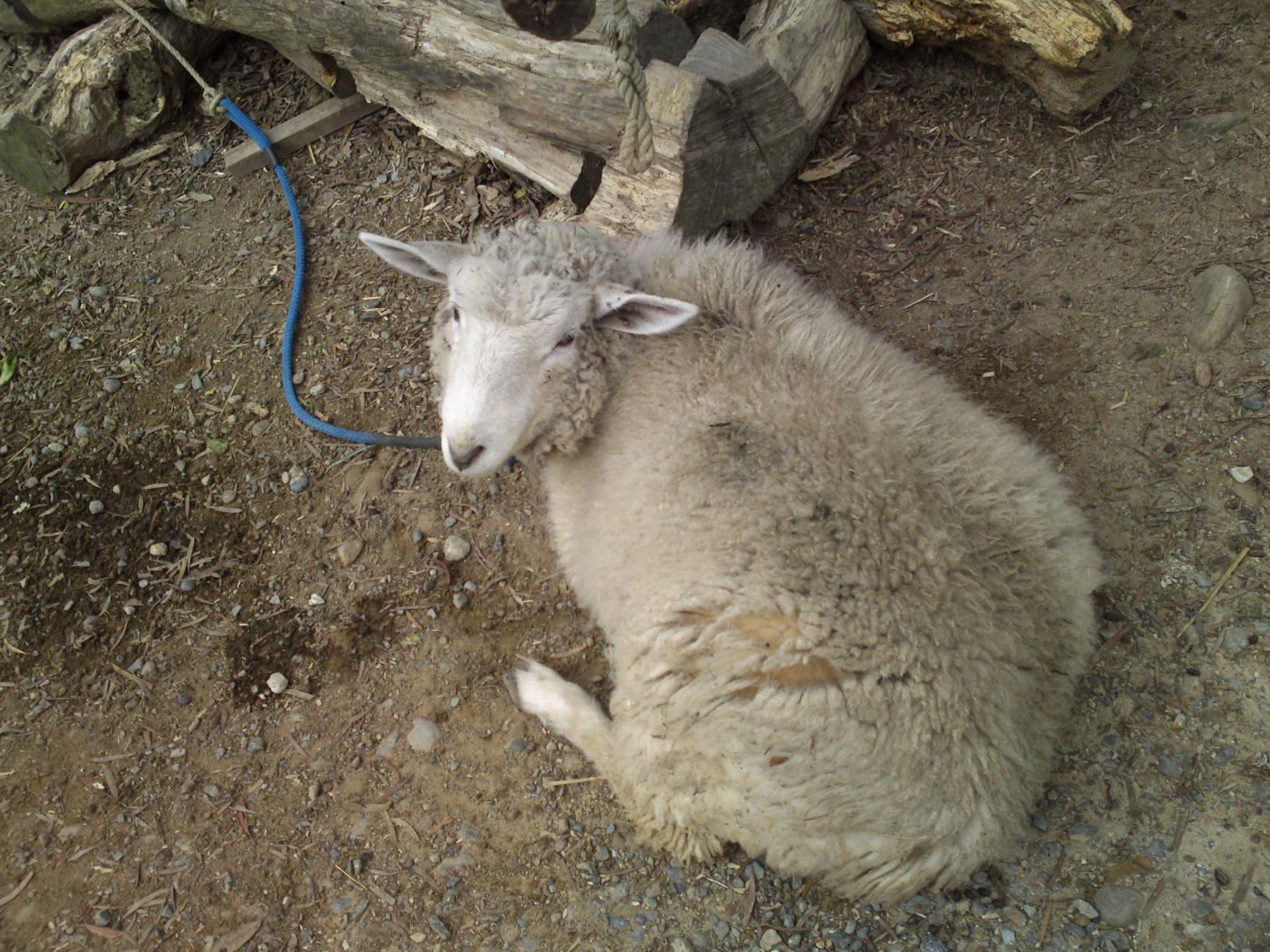
A pet sheep.

A pet goat.

Pet rabbits.

Mischievous baby goats!

A baby pig, not a wild boar!

A peacock (there are two varieties, actually!)!

Kiwifruits, according to varieties (he grows 80 of them and conduct experiments on 500!), are either grown in an enormous greenhouse (which also serves as an BBQ and event space) or in open-air fields.

This kiwifruit tree wood is actually very popular with local artists!
Another great way to recycle nature!

Greenhouse-grown kiwifruit on display for practical information!

Kiwifruit varieties ready for sampling!

One can study about kiwifruits in Japanese and English while eating them!

Chickens for their meat and eggs.

More chickens!

And even more chickens! These are pets kept together with rabbits!

And more chickens. These always seem hungry!

The whole range of edible organic flowers and mountain vegetables/sansai/山菜 grown on site!

Organic shiitake.

Organic pumpkins!

Peaceful sheep.

Organic mandarines/mikan/蜜柑.

The grass and plants are left to grow naturally from the soil mixed with natural compost.

Another variety of organic mandarines.

Tea fields.

Vast open-fields of kiwifruit trees. Would you believe that Mr. Hirano pollinate them all by hand? A back and shoulder-breaking work!

A view inside the very old forest. It is actually crossed by a centuries-old path!

Small concerts are organized in that space inside the forest!

A kids’ heaven!

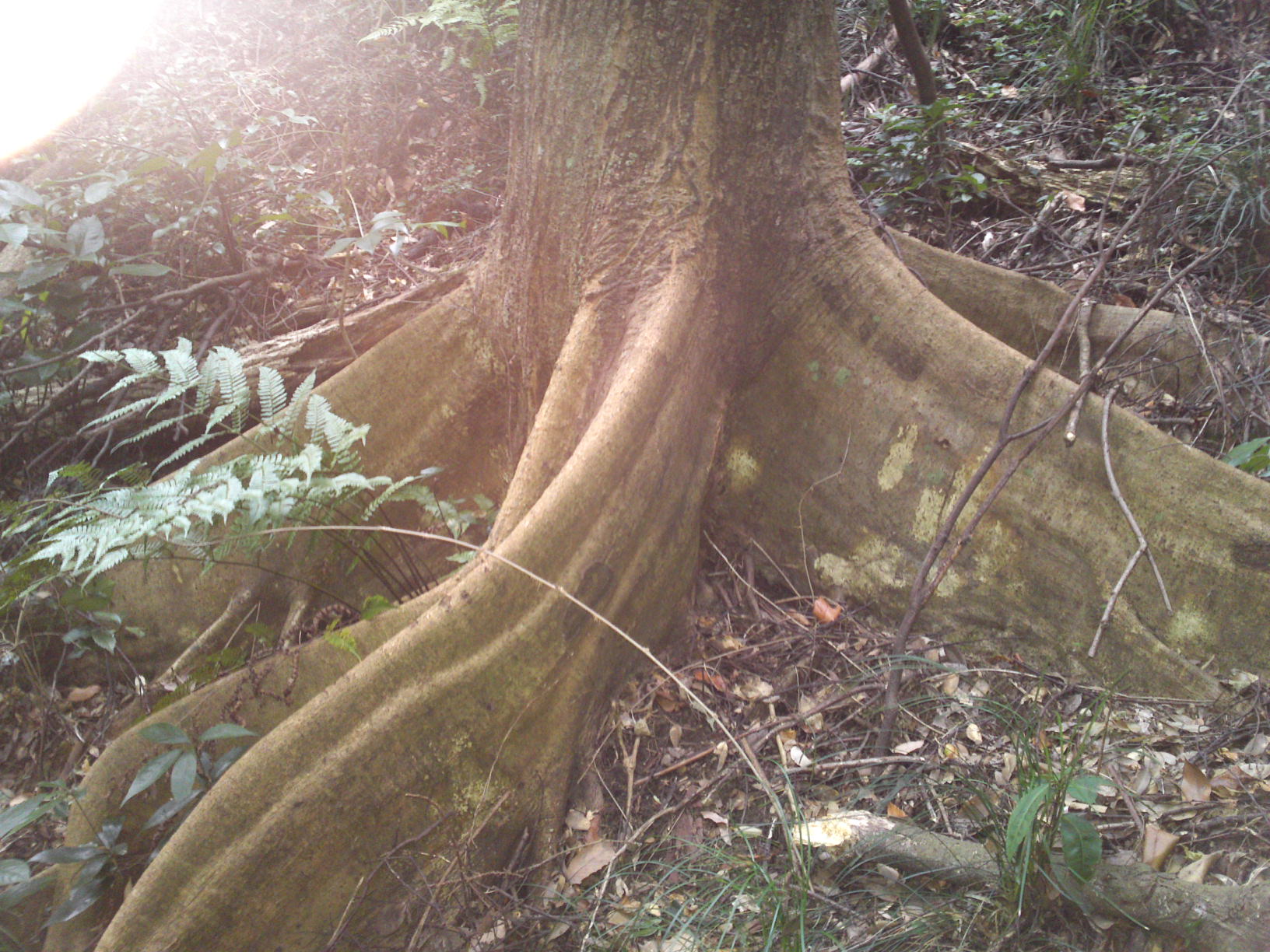
Look at these air-breathing roots. Now, this is an ancient tree!

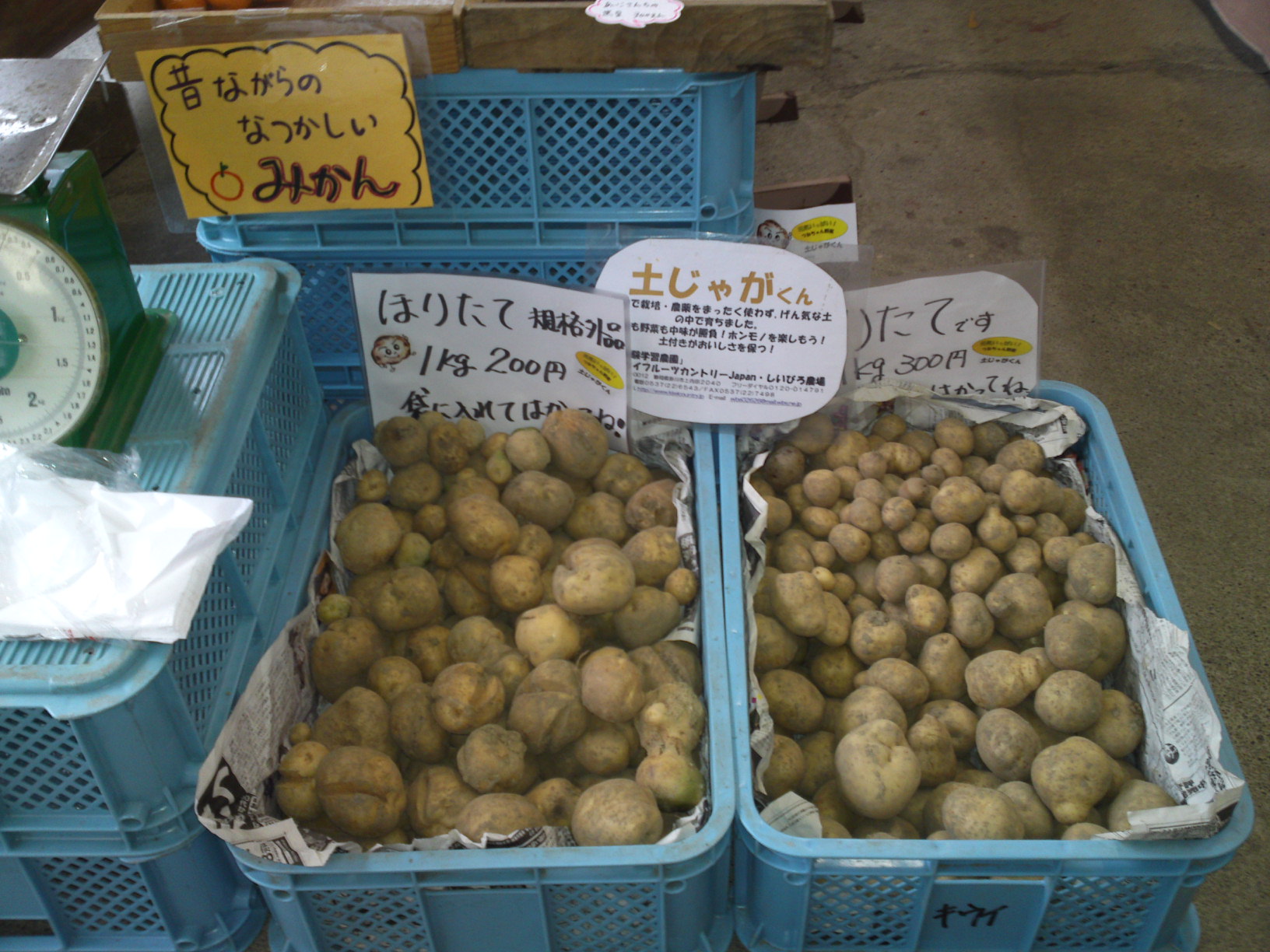
100% organic potatoes sold at the shop!

Kiwis on sale at the shop.
One can eat as many as one wants onsite for a fee!

All kinds of varieties and packaged kiwifruit can be sent all over Japan directly from the shop!

These are the ones I took back hoe!

Obviously this is only the first of a long series of articles as the place will have to be visited every month by your servant or reporters from Agrigraph!

Kiwi Fruit Country/Experience & Learning Farm
Masatoshi & Tsuneyo Hirano
436-0012 Shizuoka Ken, Kakegwa Shi, Kamiuchida, 2040
Tel.: 0537-22-6543
Fax: 0537-22-7498
Free dial: 0120-014791
E-mail: wbs02626@mail.wbs.ne.jp
HOMEPAGE(Japanese, but phone calls can be taken in English)

Business hours: 09:00~17:00
BBQ (even by rainy weather) and tours possible on reservation.

RECOMMENDED RELATED SITES:
Warren Bobrow, Bread + Butter, Zoy Zhang, Hungry Neko, Think Twice, Frank Fariello, Mangantayon, Hapabento, Elinluv Tidbit Corner, Tokyo Terrace, Maison de Christina, Chrys Niles,Lexi, Culinary Musings, Wheeling Gourmet, Comestiblog, Chronicles Of A Curious Cook, Tokyo Through The Drinking Glass, Tokyo Foodcast, Palate To Pen, Yellin Yakimono Gallery, Tokyo Terrace, Hilah Cooking, More than a Mount Full, Arkonite Bento, Happy Little Bento; 5 Star Foodie; Jefferson’s Table; Oyster Culture; Gourmet Fury; Island Vittles; Good Beer & Country Boys; Rubber Slippers In Italy; Color Food daidokoro/Osaka;/a; The Witchy Kitchen; Citron Et Vanille, Lunsj Med Buffet/Estonian Gastronomy (English), Cook, Eat, Play, Repeat, Chrisoscope, Agrigraph, The Agriculture Portal to shizuoka!

Please check the new postings at:
sake, shochu and sushi

Shizuoka Marine Products at Sushi Ko: Seabream and Cuttlefish

Left: Tennen Madai/天然真鯛/Wild Red Seabream
Right: Aori Ika/障泥烏賊/Bigfin Reef Squid

Last night I had another occasion to visit my favorite Sushi Restaurant Sushi Ko in Aoba Koen/青葉公園/”Green Leaves Park” in Shizuoka City.
I go through many of my own traditional enquiries before choosing my morsels, and one of them is to find out what is on the “sashimi menu of the day”!

This was when I noticed two items labeled “Tennen/天然, meaning “natural/wild” from Shizuoka Prefecture, more precisly from the Suruga Bay:

Madai/真鯛/Red Seabream (English information, Japanese information)

The fish is not only served as sashimi, but being very fresh (actually alive in a tank at Sushi Ko!), it is also served with its skin in aburi/炙り/grilled style!
The flesh is extremely tender and almost sweet. No wonder it is so prized in Japan!

Aori Ika/障泥烏賊/Bigfin Reef Squid (English information, Japanese information)

Sushi Ko serves it in strips that have been indented at regular spaces for an easier bite and for a better exposure to taste.
The cuttlefish is in fact easy to chew and very tasty!

Notice the edible perilla/shiso/紫蘇 flowers and grated wasabi from Shizuoka, too!

Sushi Ko
shizuoka City, Aoi Ku, Ryogae-cho. 2-3-1 (Aoba Koen)
Tel.: 054-2512898
Business Hours: 17:00~25:00. 17:00~23:00 (Sundays)
Closed on Wednesdays
Reservations recommended
Credit cards OK
HOMEPAGE (Japanese)

RECOMMENDED RELATED SITES:
Warren Bobrow, Bread + Butter, Zoy Zhang, Hungry Neko, Think Twice, Frank Fariello, Mangantayon, Hapabento, Elinluv Tidbit Corner, Tokyo Terrace, Maison de Christina, Chrys Niles,Lexi, Culinary Musings, Wheeling Gourmet, Comestiblog, Chronicles Of A Curious Cook, Tokyo Through The Drinking Glass, Tokyo Foodcast, Palate To Pen, Yellin Yakimono Gallery, Tokyo Terrace, Hilah Cooking, More than a Mount Full, Arkonite Bento, Happy Little Bento; 5 Star Foodie; Jefferson’s Table; Oyster Culture; Gourmet Fury; Island Vittles; Good Beer & Country Boys; Rubber Slippers In Italy; Color Food daidokoro/Osaka;/a; The Witchy Kitchen; Citron Et Vanille, Lunsj Med Buffet/Estonian Gastronomy (English), Cook, Eat, Play, Repeat, Chrisoscope, Agrigraph, The Agriculture Portal to shizuoka!

Please check the new postings at:
sake, shochu and sushi

Shizuoka Agricultural Products from The Producers to the Gastronomic Table: Dinner at UZU

Organic vegetables shabu-shabu

Service: excellent, easy-going and very friendly
Facilities: great washroom, great cleanliness overall
Prices: very reasonable, good value.
Strong points: Very fresh local ingredients, especially organic vegetables extensively used. Local sake. Home-made umeshu. Great shochu list.

Uzu has become the reference in the whole Shizuoka Prefecture when it comes to enjoy local ingredients of the highest quality in a Japanese Izakaya or Restaurant!

The “oyakata”/Chef, Mr. Yoshimura constantly scours the whole Prefecture for the best vegetables, meat, fish and fruit.
But he will neither scorn a great product if it is not from Shizuoka, especially shochu! But more than 90% of the food was grown, caught or raised in our plains, mountains and sea!
The overwhelming result of his enthusiasm is that he can please anyone whatever his/her gastronomic priorities.
A phone call beforehand will be enough to devise a vegan, vegetarian or omnivore meal!

As an example, let me describe what the four of us ordered there a couple of weeks ago. Do not forget we also had plenty of local sake/jizake/地酒!
The above picture features sashimi Shizuoka is particularly famous for:
-Katsuo/鰹/Bonito from Suruga Bay.
-Kinmedai/金目鯛/Splendid Alfonsino (interesting name in English!) from the Izu peninsula.
-Benimasu/紅鱒/Rainbow Trout raised in Fujinomya City at the foot of Mount Fuji!

Shamo Chicken/軍鶏 from Umegashima up the Abe River.
This dish solely consists of grilled or fried offal including shirako/白子/sperm sacs! Don’t worry, these morsels can be served only if they are super fresh and the chef has a special license!

Organic green tomatoes from Matsuki Biofarm in Fujinomiya City served as tempura!

Fried (enormous) lotus roots/renkon/蓮根 from Asabata/麻端 in Shizuoka City. So crunchy and satisfying!

Salad of organic mushrooms and broccoli from Matsuki Biofarm!

Organic Vegetables (from Matsuki Biofarm) Shabu Shabu!
Bear in mind this particular dish must be ordered at least 2 days in advance!

The Shabu Shabu is served with a great soup (can be ordered vegan!) in which you either dip or simmer the fresh vegetables to your liking!

Depending on the season and the ever-changing menu one can order organic salads such as above (I had it one month ago!) and many other delicacies!
Make a point of checking their homepage first (even if you don’t read Japanese, the pictures will give you a good idea of what’s in store for you!)

UZU
Shizuoka City, Otowa-cho, 3-18
Tel.: 054-249-6262
Business hours: 17:00~23:00
Closed on Mondays and first Tuesday
Reservations recommended
Credit cards OK
HOMEPAGE (Japanese)

RECOMMENDED RELATED SITES:
Warren Bobrow, Bread + Butter, Zoy Zhang, Hungry Neko, Think Twice, Frank Fariello, Mangantayon, Hapabento, Elinluv Tidbit Corner, Tokyo Terrace, Maison de Christina, Chrys Niles,Lexi, Culinary Musings, Wheeling Gourmet, Comestiblog, Chronicles Of A Curious Cook, Tokyo Through The Drinking Glass, Tokyo Foodcast, Palate To Pen, Yellin Yakimono Gallery, Tokyo Terrace, Hilah Cooking, More than a Mount Full, Arkonite Bento, Happy Little Bento; 5 Star Foodie; Jefferson’s Table; Oyster Culture; Gourmet Fury; Island Vittles; Good Beer & Country Boys; Rubber Slippers In Italy; Color Food daidokoro/Osaka;/a; The Witchy Kitchen; Citron Et Vanille, Lunsj Med Buffet/Estonian Gastronomy (English), Cook, Eat, Play, Repeat, Chrisoscope, Agrigraph, The Agriculture Portal to shizuoka!

Please check the new postings at:
sake, shochu and sushi

A Japanese Gardener’s Winter Preparations

Looking at my dear neighbor, Mr. Yoshizo Sugiyama’s garden this morning I realized that winter was about to fall on us in spite of the prevailing mild weather.
The telltale signs were the fruit and vegetables hung out to dry as the climate will turn very dry and cold enough for such a process.

I know he has a few persimmon/kaki/柿 trees in another plot he’s lent for some time.
Dried persimmons are a typical Japanese delicacy, and they certainly don’t come cheap on the market. It is definitely worth drying them yourself!
The persmmons are first peeled, then a twine is passed through them under their sepals before they are hung to dry.
The fruit will reduce to less than half their size and will be delicious with all their concentrated sugar!

The daikon of the same garden were being for takuan/沢庵 or Japanese pickled daikon!

In spite of their crazy shapes, these dailon will make excellent pickles.
They were first thoroughly washed before being hung.
Beside them you can also freshly hung persimmons and more that are almost completely matured into dry fruit.

The picture shows you how easy to hang the daikon.
Their heavy leaves are used as a counterweight with the result there is not need to secure them with twine.
After the daikon have dried to almost half their size they will be pickled for the whole winter!
The same picture shows you again the persimmons!

RECOMMENDED RELATED SITES:
Warren Bobrow, Bread + Butter, Zoy Zhang, Hungry Neko, Think Twice, Frank Fariello, Mangantayon, Hapabento, Elinluv Tidbit Corner, Tokyo Terrace, Maison de Christina, Chrys Niles,Lexi, Culinary Musings, Wheeling Gourmet, Comestiblog, Chronicles Of A Curious Cook, Tokyo Through The Drinking Glass, Tokyo Foodcast, Palate To Pen, Yellin Yakimono Gallery, Tokyo Terrace, Hilah Cooking, More than a Mount Full, Arkonite Bento, Happy Little Bento; 5 Star Foodie; Jefferson’s Table; Oyster Culture; Gourmet Fury; Island Vittles; Good Beer & Country Boys; Rubber Slippers In Italy; Color Food daidokoro/Osaka;/a; The Witchy Kitchen; Citron Et Vanille, Lunsj Med Buffet/Estonian Gastronomy (English), Cook, Eat, Play, Repeat, Chrisoscope

Please check the new postings at:
sake, shochu and sushi

Shizuoka Agricultural Products: Horiuchi Vegetables Garden

“We grow vegetables 364 days a year, and sometimes 365 days!”, replied Mrs. Satoko Horiuchi/堀内里子 when asked how busy she and her husband were.

Her family has been growing tea and rice for 6 or 7 generations (“I don’t remember!” confided the sweet old lady with a laugh).

Eggplants.

The Horiuchi family was introduced to me by my good friend Natsuko Koyanagi/小柳奈津子from Agriroad/アグリロード in Miwa/美和 in Aoi Ku/葵区 in Shizuoka City.

Basil.

“Whenever we are short of vegetables at Agriroad Market, we just give her a call and she will fill the place again!” Natsuko explained.

Komatsuna/小松菜 or Japanese Mustard Spinach.

The Horiuchi family cultivates vegetables over an area of 25 acres.
Satoko and her husband do most of the work with occasional from their daughter.

Satoimo/里芋, taro

As far as fertilizer is concerned they use a combination of organic manure fertilizer and artificial fertilizer.

Can you guess what these are?
Peanuts/Rakkasei/落花生!

Exploring their garden is like a lesson!
These are kabocha/南瓜 flowers!

The kabocha itself. Still too young and soft yet!

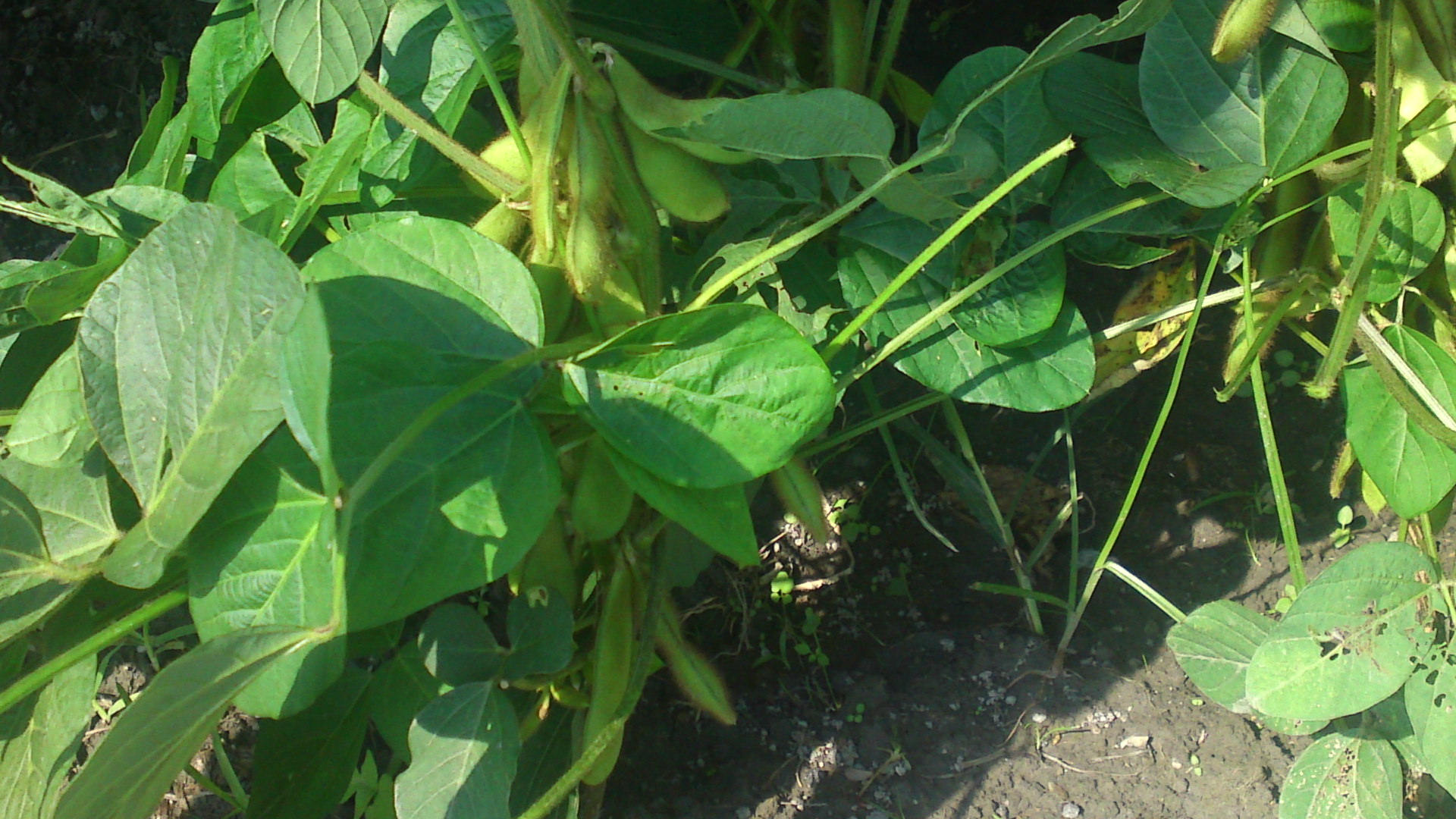
Edamame/枝豆! They are actually soy beans/daizu/大豆 harvested still green like you would do with string beans.

Enormous okra/オクラ!
The Japanese like them small, although I like biting through their seeds after having steamed and marinated them!

Satsuma Imo/Sweet potatoes/薩摩芋.
The Horiuchis use as little pesticide as possible although it is a daily fight with their daughter who wishes to grow more organic vegetables to satisfy the new demands!

Broccoli in front and myoga/myoga ginger/茗荷 at the back.

Japanese lettuce variety.

The Horiuchis on the average will grow at least two if not three of vegetable varieties on the same plot of land depending on the season.

Cucumbers.
This particular greenhouse is their daughter’s organic domain!

Beautiful and healthy!

The “heart” of the garden!

All these are the Horiuchis’ property, not counting the oranges and tea fields in nearby mountains!

There is a constant demand for peppers or piman/ピーマン in Japanese!

Daikon still at an early stage.
Don’t forget that the leaves are also edible. They make for great pickles!

And the leeks/negi/葱 naturally!
I’m convinced that the Japanese must be some of the highest consumers in the world!

You will understand why I will have to visit their garden in the near future!

Incidentally they also take direct orders apart of of selling their vegetables in many markets. Give them a call to find out what is available!

Horiuchi Garden
Shizuoka City, Aoi Ku, Nakanogo, 32
静岡市葵区中乃郷32
Tel.: 054-296-3886

RECOMMENDED RELATED SITES:
Warren Bobrow, Bread + Butter, Zoy Zhang, Hungry Neko, Think Twice, Frank Fariello, Mangantayon, Hapabento, Elinluv Tidbit Corner, Tokyo Terrace, Maison de Christina, Chrys Niles,Lexi, Culinary Musings, Wheeling Gourmet, Comestiblog, Chronicles Of A Curious Cook, Tokyo Through The Drinking Glass, Tokyo Foodcast, Palate To Pen, Yellin Yakimono Gallery, Tokyo Terrace, Hilah Cooking, More than a Mount Full, Arkonite Bento, Happy Little Bento; 5 Star Foodie; Jefferson’s Table; Oyster Culture; Gourmet Fury; Island Vittles; Good Beer & Country Boys; Rubber Slippers In Italy; Color Food daidokoro/Osaka;/a; The Witchy Kitchen; Citron Et Vanille, Lunsj Med Buffet/Estonian Gastronomy (English), Cook, Eat, Play, Repeat, Chrisoscope

Please check the new postings at:
sake, shochu and sushi