Tag Archives: 静岡

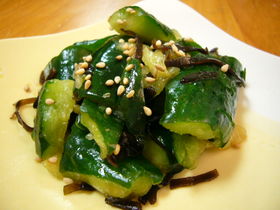
Seaweed-pickled Cucumbers

SEAWEED-PICKLED-CUCUMBERS

Cucumbers are in season, and the Japanese pickle a lot of them before they become scarce and more expensive!
Here is a very simple recipe to preserve them and enjoy them anytime (with a cool drink?):
Seaweed-pickled Cucumbers!

INGREDIENTS: For 1~2 persons
-Cucumber: 1 fairly long. Japanese cucumbers are comparatively thin and crunchy. Be aware that the large soft cucumbers found in “Western” countries might not be appropriate. Moreover, the Japanese eat the cucumbers whole.
-Salt: a pinch
-Salted seaweed (shio konbu): to taste. I personally like quite a lot!
-Sesame oil: to taste (do some pesonal research/experiments as to how much you would fancy!)
-White sesame seeds: to taste. i use quite a good amount myself!

RECIPE:
-Cut both extremities of the cucumber and discard.
Wash rapidly.
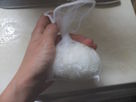
Close inside a vynil pouch and strike cucumber with a wooden pestle or the equivalent to break cucumber in uneven pieces.

-Take out. Drop cucmber pieces into a bowl. Add salt. Stir with yoyr hand. Let rest for a while.
Discard water which has seeped out of the cucumber.
Add salted seaweed. Stir the whole gently by hand for a little while.

-Transfer onto a dish. Arrange it for presentation. Sprinkle with sesame oil, then sesame seeds.

Note: Some people like it without the salt.
Washing the cucumber will take acidity out.
Breaking the cucumber by beating it will allow other ingredients to penetrate it more efficiently. If you don’t like the breaking method and prefer to cut the cucmber instead, let it rest for 10 minutes before adding the salt.

Please check the new postings at:
sake, shochu and sushi

—————————————-
日本語のブログ
—————————————-

Watermelon non-wheat flour mini-Cakes

SUIKA-PUDDING-1

This particular recipe is dedicated to This Cat Can Cook who amused me with his comments and has a love for Watermelon.
Now, wheat flour allergics will be glad to know that none of it is being used!

INGREDIENTS: for 9~10 cakes
-Watermelon, red part, no pips: 150 g
-Eggs: 2
-Rice flour/powder: 60 g
-Sugar: 25 g
-Butter: 50 g

RECIPE:
SUIKA-PUDDING-2

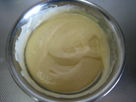
Cut 100g of the watermelon in small cubes 1x1x1 cm. Blend rest into juice (40 ml).

SUIKA-PUDDING-3

Melt butter in electric oven at 5~600W for 40~50 seconds or until it is completely melted. Keep warm.
Pre-heat oven to 180 degrees Celsius.

SUIKA-PUDDING-4

Mix sugar and eggs together. Warm sufficiently until it gets to your “skin temperature”.
Beat up at High Medium speed until it forms a bubbly but fine paste. Continue to beat at low speed for 3 more minutes.

SUIKA-PUDDING-5

Add rice flour and delicately with a spatula.

SUIKA-PUDDING-6

Mix in melted butter and watermelon juice delicately.

SUIKA-PUDDING-7

Pour in molds.

SUIKA-PUDDING-8

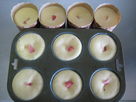
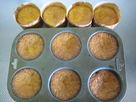
Place a watermelon cube on top and bake for 20 minutes at 180 degrees Celsius.

SUIKA-PUDDING-9

Let the cakes cool before taking them out of their molds.

SUIKA-PUDDING-10

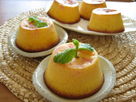
Serve them upside down decorated with mint leaves.

Please check the new postings at:
sake, shochu and sushi

—————————————-
日本語のブログ
—————————————-

Today’s Lunch Box/Bento (’09/45)

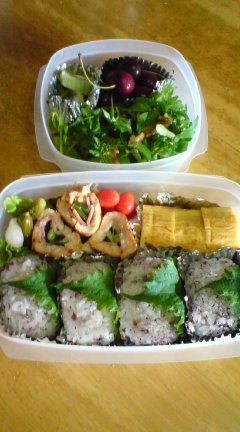
BENTO-09-06-29a

Back to some rice at last! I must confess i eat more rice than the Missus who is obsessed with anything in the shape of pasta or noodles!

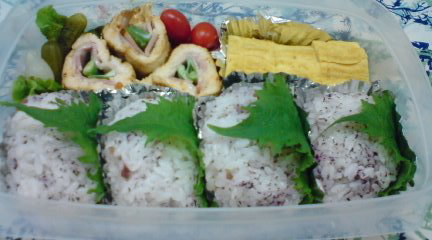
BENTO-09-06-29b

The bento was definitely adult-size (or hungry high school stdent-size!)

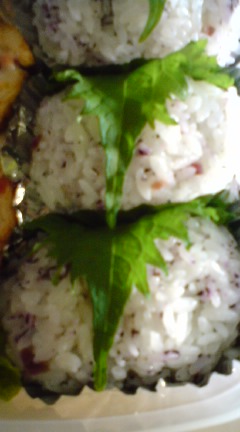
BENTO-09-06-29e

The “musubi/rice balls” consisted of fresh syeamed rice mixed with very tiny pieces of red cucumber pickles and umeboshi/Japanese pickled plums, the whole wrapped inside a shiso/perilla leaf.

BENTO-09-06-29c

The garnish consisted of meat rolls: boiled string beans rolled inside cheese, bacon and chicken, the whole fried with soy sauce and I don’t know what (?). Succulent with the French cornichons and the minuscule and very sweet Ameera Rubbins tomatoes exclusively grown in Shizuoka Prefetcure!

Naturally some feshly-made tamagoyaki/Japanese omelette (beware of the cheap article sold at markets wrapped and all. Thay are full of sugar and preservatives!).

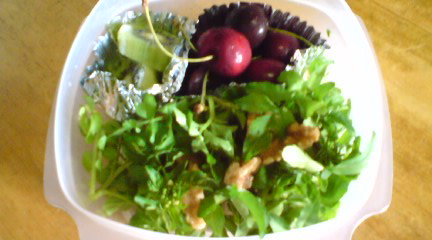
BENTO-09-06-29f

The salad, a very simple affair, consisted of cress (Shizuoka-grown), walnuts, kiwi and American dark cherries!

Alright, I reckon the Missus worked hard on that one!

Please check the new postings at:
sake, shochu and sushi

—————————————-
日本語のブログ
—————————————-

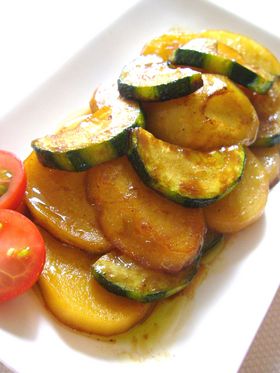
Zucchini and Potato in Soy Sauce Marinade

ZUCCHINI-POTATO-SALAD-1

As Lojol rightly said, zucchini is a very versatile vegetable that can be paired with all kinds of other ingredients.
Here is a simple recipe to illustrate:
Zucchini and Potato Soy Sauce Marinade!

INGREDIENTS: For 3~4 people
-Zucchini: 1 medium large, 200 g
-Potatoes: 2 small, 200 g
-Olive Oil (for frying)
-Salt and pepper: a little to taste
-EV Olive Oil: 1 large tablespoon
-Soy sauce: 2 large tablespoons

RECIPE:
ZUCCHINI-POTATO-SALAD-2

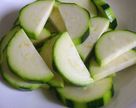
-Withe a vegetable peeler, peel small strips of zucchini skin for better pattern.
Cut Zucchini into 8 mm thick slices and again across to create “half moons”.
Peel skin off potatoes, cut in 8 mm thick slices and clean in clear cold water.

-Drain potatoes (don’t wipe them) and put them inside a heat-resistant bow. Cover bowl with cooking cellophane paper. Leave 4~4:30 minutes inside Microwave oven at 500W.

-Pour soy sauce and EV oil in another bowl and mix well with an electic whisk.

-Heat olive oil in a frying pan and fry zucchini over a fairly fire.

-When the zucchini has aattained a satisfying color on both sides, add potatoes. Fry for 1~2 minutes. Add a little salt (not much needed there) and asome pepper ( a little more might be welcome.
Mix and drop everything into the soy sauce-olive oil marinade while it is still hot.

-Turn over for time to time until it has completely cooled down.

-Serve with a few small tomato slices for better colour presentation!

Please check the new postings at:
sake, shochu and sushi

—————————————-
日本語のブログ
—————————————-

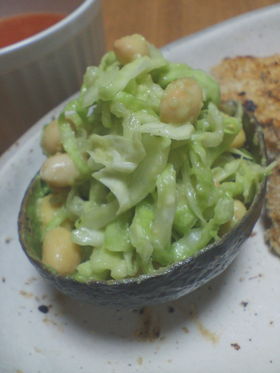
Non-Mayonnaise Avocado and Soy Beans Coleslaw

AVOCADO-CLOESLAW-1

Here is a simple coleslaw recipe that vegans, vegetarians and omnivores alike can enjoy in Summer:
Non-Mayonnaise Avocado and Soy Beans Coleslaw!

INGREDIENTS: For 4 people
-Cabbage: 4~5 leaves
-Onion: half a large one, shredded, washed in cold water and drained before usage
-Avocado: 1 large
-Lemon Juice (or apple vinegar): 1 large Tablespoon
-Soybeans: 100 g. Boiled in water, cooled and drained (if uanavailable, can be replaced with any kinds of beans or chick peas)
-Salt and Pepper: to taste

RECIPE:
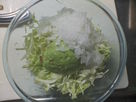
Cut the cabbage in vey thin strips (chopped). Drop into a large bowl. add a little salt. Mix and little while.
As explained above, mince onion, washi in clear cold water and drain thoroughly to take off the onion acidity.

AVOCADO-CLOESLAW-2

Once the cabbage has become softer, mix with onion, cut avocado and lemon juice. Mix the whole, crushing/mashing the avocado in at the same time.

Once mixed to you liking, add soy beans and check taste. Rectify if necessary.

AVOCADO-CLOESLAW-3

Note: Put chopped onion inside a stocking-style fined netting piece. Keeping it close with your hand, dip it in cold clear water for a while, then take out and press water out. If you do it stongly enough, no need to waste kitchen paper!
Careful about the amount of salt added to the cabbage. Too much and the cabbage will become soggy. If there is too much salt, watch it with clean cold water. The cabbage will taste and feel better if still a little crunchy.
Serve inside a half avocado “skin” (keep some sprinkled with a little lemon juice and securely closed inside a Tuperware box in side the fridge until usage).

Please check the new postings at:
sake, shochu and sushi

—————————————-
日本語のブログ
—————————————-

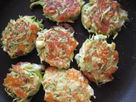
Zucchini and Cheese Patties

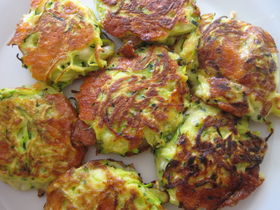
ZUCCHINI-CHEESE-1

Zucchini are in season right now.
Here is a healthy idea for a hot snack to go with your cold drink:
Zucchini and Cheese Patties!
I dedicate this recipe to Lojol as it is very easy and great for adults and kids alike!

INGREDIENTS: For 5, 6 people
-Zucchini: 300 g
-Eggs: 2
-Shredded cheese: 120 g
-Flour: 3 large tablespoons
-Saltand pepper: a littke (to taste)
-Oil: a little

RECIPE:
ZUCCHINI-CHEESE-2

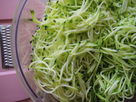
Shred the whole zucchini with their skin and put inside a large mixing bowl.

ZUCCHINI-CHEESE-3

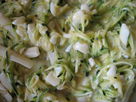
Add eggs, shredded cheese and flour. Mix well.
Just before cooking add salt and pepper. Mix well.
Note: If you add salt and leave alone for too long, water will come out of the zucchini!

ZUCCHINI-CHEESE-4

Heat thick frypan ell. add a little oil and fry patties until they attain a rich light-brown colour.

ZUCCHINI-CHEESE-5

As there is enough to make 15 small patties, do it in two sequences.
Great as they are or in addition to a bento.
Really easy, think as them as a children’s cooking lesson!
Adults can work on the recipe and add all kinds of ingredients, or serve with differents sauces!

Please check the new postings at:
sake, shochu and sushi

—————————————-
日本語のブログ
—————————————-

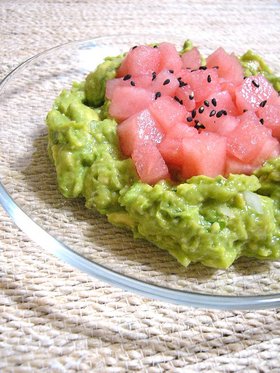
Avocado and Watermelon Salad

WATERMELON-AVOCADO-SALAD

Here is a very simple and basic recipe for a summer snack or starter that should please vegans, vegetarians and omnivores alike: Avocado and watermelon salad!

INGREDIENTS: For 2 ~3 people
-Watermelon flesh without skin or pips/seeds: 50~60 g
-Freshly pressed lemon juice: half a large tablespoon
-Avocado: 1 whole, ripe
-Thinly chopped onion: 1 large tablespoon
-Shiso/perilla leaves: 2~3
-Salt: 1 pinch
-Soy sauce: a little (according to taste)
-Coarsely ground black pepper: a little (according to taste)

RECIPE:
-Cut watermelon in 7~8 mm cubes and sprinkle with lemon juice.
Chop shiso/perilla thinly after having rolled them together.
Take meat out of avocado and mash it.

-In a bowl mix avocado, chopped onion and shiso together. Add salt and soy sauce. Mix well.

-On a plate place avocado mix first. decorate with watermelon. Last sprinkle the coarsely ground black pepper on the watermelon.
Serve.

This still leaves you with plenty of leeway for improvisation and variation!
Enjoy!

Please check the new postings at:
sake, shochu and sushi

—————————————-
日本語のブログ
—————————————-

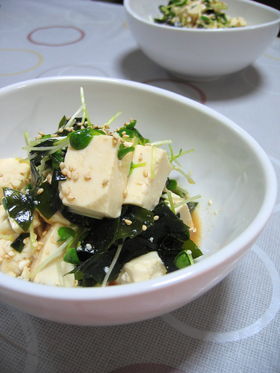
Tofu Recipe: Tofu and Wakame Seaweed salad

TOFU-WAKAME-SALAD-1

Here is another very easy recipe to help you and the “Tofu Tribe” (Terecita, Elin, Jenn and Jennifer modify and preserve tofu for all kinds of usages!
I’d like to take the opportunity to apologize to Tinako for my past mistake!
Tofu and Wakame Salad!

INGREDIENTS: For 2~3 people
-Tofu: 300 g
-Salt-preserved wakame: 20 g
If bought dried, let it “come back” in lukewarm water first.
If you are worried about the salt, let them rest in water for a while first and drain.
-Kawaire daikon, or any fresh sprouts available: To taste.
-Ponzu: 2 large tablespoons
-Sesame oil: half a large tablespoon
-White sesame seeds: to taste

RECIPE:
TOFU-WAKAME-SALAD-2

Leave tofu in clean cold water for 30 minutes. Wash and clean wakame seaweed and cut in bite-sized pieces. Cut sprouts in thirds.

TOFU-WAKAME-SALAD-3

In bowl mix seaweed, sprouts, ponzu and sesame oil.

TOFU-WAKAME-SALAD-4

Drain tofu and cut in bite-sized pieces. Mix in.
Place salad in serving bowls and sprinkle white sesame seeds.

Note: You can use either kinu tofu or momen tofu.
You may use green shiso/perilla leaves vinaigrette instead of ponzu.
In summer add cut plum tomatoes.
I personally like to add a little sweet umeboshi/pickled Japanese plums!

Please check the new postings at:
sake, shochu and sushi

—————————————-
日本語のブログ
—————————————-

Shiso/ Perilla Leaves

I felt compelled to answer again questions from foodie friends like Rowena and provide some useful information on “shiso” or perilla/beefsteak plant in a simple posting that I hope will help Japanese food lovers and vegetarians!

First of all, one can grow shiso, be it green or violet, almost anywhere as long as you have plenty of sunshine and water at opportune times (as long as you water it yourself, fine!).
For example, Rowena presently lives in Italy and has successfully grown some from seeds I sent her.

Seeds should be planted in March/ April in the Northen atmosphere, although until June would be fine in Japan and south east Asia. The hotter the prevailing climate, the earlier it should be done. Prepare some moist vegetables-growing soil and make small shallow holes on top at a comfortable distance from each other. drop 2 or 3 seeds in each hole. Cover with more soil and spread a newspar sheet over the lot. Keep in shade. Once the first shoots have come out, take newspaper out and expose to sun all day long. Water morning and evening at the base of the stems, not on the leaves (or they would “burn”!).


By August (or earlier) to September the shiso will start flowering!
These flowers, if picked early enough, are edible!

(Pic taken at Tomii)
Reputable Sushi and Japanese restaurants extensively use them all year round. They make for exquisite decoration and are really tasty!

Now, if you want your own seeds, wait until the flowers and stems turn brown and shake them over a plate. You should get plenty of minuscule seeds for the following year. I checked this very morning with my neighbour, a retired farmer who is looking after his own garden. He said there is little use to keep them indoors in winter unless you want to start a green house business with all the hassles involved! Just collect the seeds and replant! Actually such seeds could become a source of business in Italy and elsewhere!

Now, the leaves can be accomodated in hundred of ways. Pick them up young and tender enough. The Missus keep them in a plastic Tupperware-type box with a sheet of clean kitchen paper imbibed with clean water (put it at the bottom of the box) before storing it in the fridge vegetables compartment.

You can wrap them around nigiri/rice balls instead of nori/seaweed.


(Pic taken at Oddakui)

Make a liberal use of them with sashimi!

They are also great as tempura!
Do not hrow away the small or damaged leaves. Chop them fine and add them to fresh salads or to any stews and ratatouille!

The violet variety is edible of course, although the Japanese do not use for decoration like the green one, except for the flowers.
They usually pickle them for their sake or add them to other pickled vegetables such as cucumber.
They also make juice, sherbet or sauces with them, too.


The Japan Blog List

Please check the new postings at:
sake, shochu and sushi

—————————————-
日本語のブログ
—————————————-

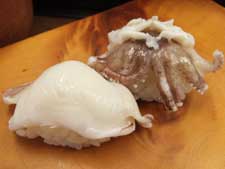
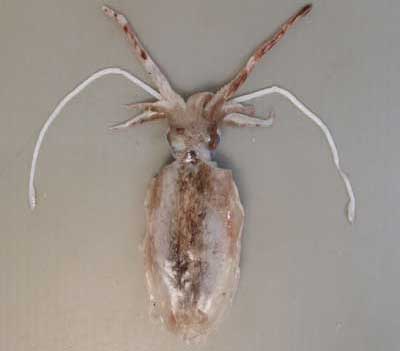
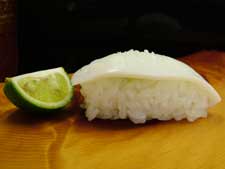
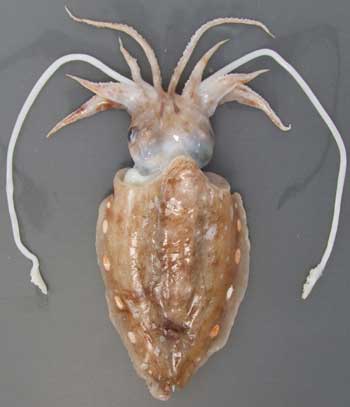
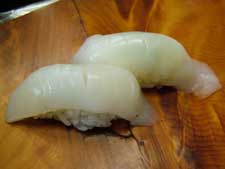
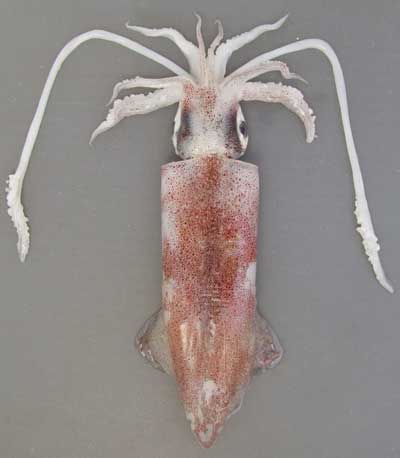
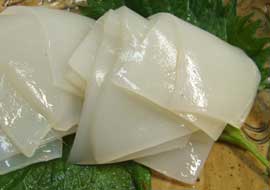
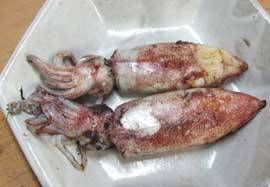
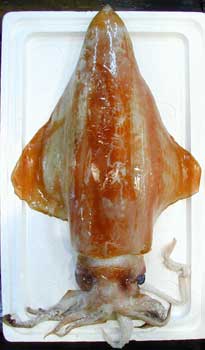
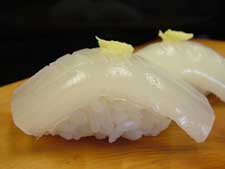
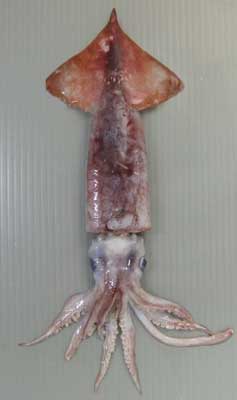
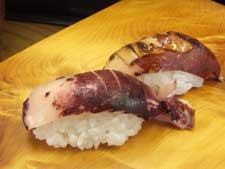
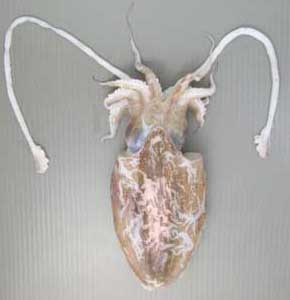
Cuttlefish/Squid Species 6: “Japanese lesser” Varieties

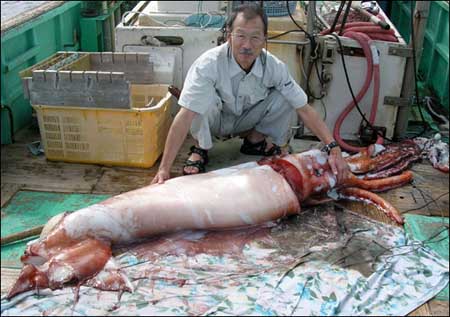
IKA-MONSTER
Inedible Lesser Variety!: Giant Squid

Here is the last article on this series called “The Jacques Cousteau” upon suggestion by Jaded Fork and forBread + Butter, and Elin who don’t mind being on a long haul! LOL

By “Japanese lesser” I mean species both more difficult to find on markets, more local and not as appreciated as the former five varieties.
Howeve these should looked over as they are still good enough for the finnicky Japanese and appreciated as rarities!

BOZU IKA
IKA-BOUZUIKA-1

IKA-BOUZUIKA-2

IKA-BOUZUIKA-3

IKA-BOUZUIKA-4

EZOHARI IKA
IKA-EZOHARIIKA-1

IKA-EZOHARIIKA-2

HAKUTENKOU IKA
IKA-HAKUTENKOUIKA-1

IKA-HAKUTENKOUIKA-2

HIMEKOU IKA
IKA-HIMEKOUIKA-1

IKA-HIMEKOUIKA-2

KAMINARI IKA
IKA-KAMINARIIKA-1

IKA-KAMINARIIKA-2

KO IKA
IKA-KOIKA-1

IKA-KOIKA-2

IKA-KOIKA-3

IKA-KOIKA-4

SHINDO IKA
IKA-SHINDOIKA-1

IKA-SHINDOIKA-2

IKA-SHINDOIKA-3-SHIOYAKI

IKA-SHINDOIKA-4

SHIRIYAKE IKA
IKA-SHIRIYAKEIKA-1

IKA-SHIRIYAKEIKA-2

IKA-SHIRIYAKEIKA-3

SODE IKA
IKA-SODEIKA-1

IKA-SODEIKA-2

SUJI IKA
IKA-SUJIIKA-1

IKA-SUJIIKA-2

USUBENI IKA
IKA-USUBENIIKA-1

IKA-USUBENIIKA-2

If you have any questions, don’t hesitate!

Please check the new postings at:
sake, shochu and sushi

—————————————-
日本語のブログ
—————————————-

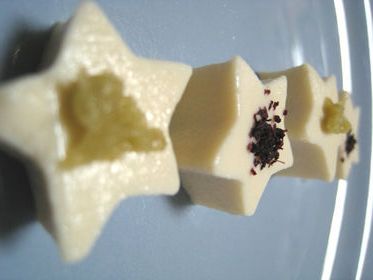
Tofu Recipe: Tofu Shiozuke/Salt-preserved Tofu

TOFU-SALT-1

Here is an easy recipe to help you and the “Tofu Tribe” (Terecita, Elin, Jenn and Jennifer modify and preserve tofu for all kind of usages!
Tofu Shiozuke/Salt-preserved Tofu!

INGREDIENTS:
-Tofu: 1 “cho”/200 g (Kinu or Momen type)
-Salt: 2g

RECIPE:
TOFU-SALT-2

Take tofu block out of its package and put it kitchen working plank. Sprinkle it with 1 g of salt.

TOFU-SALT-3

Cover with a sheet of kitchen paper.

TOFU-SALT-4

Cover the tofu and its kitchen paper with a plastic Tupperware-type box.

TOFU-SALT-5

Turn box and plank over holding them together.

TOFU-SALT-6

Take off plank and sprinkle the tofu bottom face with 1 g of salt.

TOFU-SALT-7

Close paper kitchen over tofu.

TOFU-SALT-8

Close the box and leave inside refrigerator in the evening.

TOFU-SALT-11

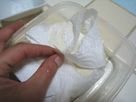
Next morning there should be about 20cc of water having seeped through the kitchen paper. Discard water.

TOFU-SALT-12

Wrap again in new clean kitchen paper. Put back into dry Tupperware-type plastic box and close. Put back into fridge until the next morning.
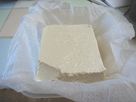
The tofu will have reduced size by half by then.

TOFU-SALT-13

That’s how it would look. Smaller and firmer. More water should have seeped out. Discard it.

USE SAMPLES:

TOFU-SALT-14

On a bowl of freshly steamed rice serve with with thinly sliced raw okra, preserved chrysanthemum leaves. Then pour hot tea on top!

TOFU-SALT-15

Pickle it with fresh miso for one night and eat it as a snack!

TOFU-SALT-16

Beautiful in salad with avocado slices!

TOFU-SALT-17

Served with chopped vegetables and garlic chips!

TOFU-SALT-18

Stuffed inside Aburaage with boiled beans then grilled and seasoned with seaweed dashi/stock and ponzu!

Please check the new postings at:
sake, shochu and sushi

—————————————-
日本語のブログ
—————————————-

Bryan Baird’s Newsletter (2009/15)

Baird Beer & Taproom Events Bulletin 2009 #14
bryan-sayuri.gif

Dear Taproom Friend & Baird Beer Enthusiast:

Harajuku Taproom:

The craft beer rumor mill has been rife with whispers of a new Tokyo-area Taproom. The scuttlebutt, it turns out, is true. Baird Brewing will be opening its second Tokyo Taproom in a lovely area of Harajuku this coming August (Saturday, August 8 is the hoped-for grand opening date). The Harajuku Taproom will be a sort of kushi-yaki beer bar with great grilled skewers, 15 Baird Beer taps and two Baird Beer real ale handpumps. 35 to 40 seats will be mostly counter seats with the exception of a sofa area and one large table. Specific details regarding operating hours and other matters will be announced shortly.

Also, in conjunction with this business expansion, we are on the lookout for good personnel. It you are an individual who is passionate about a career in the craft beer-restaurant industry, speak Japanese at an adequate level and possess a Japan work visa, please send along a cover letter and resume to: sayuri@bairdbeer.com. We are hiring for both the Harajuku and Nakameguro Taprooms.

Fishmarket Taproom 9-Year Anniversary Celebration (July 18 – 20):

We will be celebrating the 9-year birthday of our Numazu Fishmarket Taproom on the three-day holiday weekend of Saturday, July 18 through Monday, July 20. Highlights of the weekend festivities include:

*Baird Fruit & Beer Festival
*1,500 yen all-you-can-eat beer-inspired buffet (our new chef, Michiru, has hit the ground running and this promises to be an extraordinary treat)
*Baird brewery tours twice a day (2:00 pm and 4:00 pm)
*Outdoor yaki-tori grilling below the Taproom (everyday, 3:00 – 7:00 pm)
*Saturday evening live music

Please mark your calendar and plan a festive summer trip to idyllic Numazu for what promises to be a great beer bonanza! More detailed beer and event information will be forthcoming in an upcoming bulletin.

Cheers,
Bryan Baird

Baird Brewing Company
Numazu, Japan
HOMEPAGE


The Japan Blog List

———————————
Must-see tasting websites:
-Sake: Tokyo Through The Drinking Glass, Tokyo Foodcast, Urban Sake, Sake World
-Wine: Palate To Pen
-Beer: Good Beer & Country Boys, Another Pint, Please!
-Japanese Pottery to enjoy your favourite drinks: Yellin Yakimono Gallery
——————————–
Please check the new postings at:
sake, shochu and sushi

—————————————-
日本語のブログ
—————————————-

Japanese Octopus Dumplings: Takoyaki

TAKOYAKI-1

This particular posting is dedicated to Lou Ginocchio who had the occasion to sample this food served by Japanese residents in Paraguay!

Please note that this is a very basic recipe. Especially concerning the sauce, there are so many ways to prepare it that it becomes very well-guarded professional secrets in Japan!
As for the contents, octopus is always there, but as for other additions, it varies from region to region, and from home to home!
Its existence dates back to the 1930’s and it is most popular in Osaka City presently, although many people aver that it originated from the Toyo area.
There is a similarly named dish called ikayaki but it is a broiled whole squid and bears no resemblance

INGREDIENTS: for 35~40 dumplings
-Boiled Octopus: 1 tentacle
-Flour: 1 cup/200 ml=110g
-Baking powder: 1 quarter of a teaspoon
-Salt: 1 pinch
-Egg: 1
-Dashi Stock (seaweed or fish): 300 cc
-Dry seaweed powder, green laver (“aonon”) (to taste)
-Katsuo Bushi/Dry bonito shavings (to taste)
-Worcester sauce (to taste)
-Ketchup (to taste)
(or okonomiyaki sauce instead of two above)
-Tempura scraps (“tenkasu”) : 1 handful
-Red pickled ginger (“beni shoga”): (to taste)
-Chopped thin leeks (to taste)
-Mayonnaise (to taste)

UTENSILS:
TAKOYAKI-2
Takoyaki Hot Plate (1 or up to 4)

TAKOYAKI-3
Pick to turn (flip) takoyaki around. If unavailable, use a long toothpick.

TAKOYAKI-4
Sauce Brush

RECIPE:

TAKOYAKI-RECIPE-1

Cut boiled octopus into 5~7 mm cubes/bits. If you prefer to have only one bigger bit in the middle of the dumplings, cut accordingly.

TAKOYAKI-RECIPE-2

In a bowl break the egg, add dashi, chopped pickled red ginger (Omit if you serve to children), and salt. Mix well.

TAKOYAKI-RECIPE-3

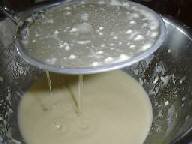
Add flour and baking powder. Mix wel a if to attain a pancake batter.

TAKOYAKI-RECIPE-4

Heat the takoyaki hot plate and oil well.
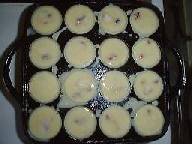
Pour in takoyaki batter inside holes from center to outring (important).
Do not worry about spilling batter between holes as it will be folded inside the holes later!
Put octopus bits (2~3 small bits or 1 large bits) in the middle of each hole.

TAKOYAKI-RECIPE-5

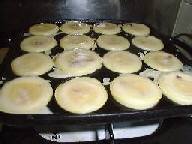
With the pick drag excess batter over each hole and flip every bowl around inside its hole.

TAKOYAKI-RECIPE-6

Keep flipping dumplings over until they attain a beautiful uniform light brown colour.

TAKOYAKI-RECIPE-7

Transfer to serving plate and brush an equal amount of Worcester sauce and ketchup (you may mix both beforehand or use an okonomiyaki sauce) over each dumpling.
Do not be afraid to brush plenty of it!

TAKOYAKI-RECIPE-8

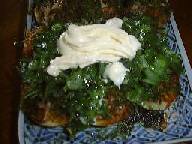
Sprinkle plenty of dry seaweed and dry bonito shavings all over them.

TAKOYAKI-RECIPE-9

For a final touch (and if you like it so!), add chopped thin leeks, tempura scraps and mayonnaise!

Please check the new postings at:
sake, shochu and sushi

—————————————-
日本語のブログ
—————————————-

Oil Varieties

OLIVE-OIL-PRODUCTION
(The Manufacture of Oil drawn and engraved by J Amman in the Sixteenth Century/Wikipedia)

Once again, this morning during my bus ride to work (it’s pouring outside!), I was thinking of my vegan and vegetarian friends and also my omnivore (I’m one of them!) ones. As far as I can recollect, there is little written about oils and I thought I write up a useful posting for all to copy and borrow!

Have you ever wondered how many kinds of oil there are out there?

All right shall we start (and I’m sure to forget some along the way!):

OLIVE OIL
OIL-OLIVES

Now, we all seem to know what olive oile is all about.
But there is only one good type of olive oil: Extra Vrigin Olive Oil! That is what comes out first caused by the natural pressure of all these olives piled upon each other.
The rest is sub-standard, whatever the name.
Back in France (and most probably in may other countries) we have olive oil sommeliers/tasters!
have you ever heard of the expressions: fruitiness, bitterness, pungency, and mouth feel.
And I’m not talking about the olives themselves!
I will not tell and hope I got you hooked!

SWEET ALMOND OIL
OIL-ALMOND

Almond Oil was used as perfume in ancient times.
Light and very fragrant, it is particularly welcome in marinades (raw salmon seasoned with dill or basil) or drizzled over seafood, pasta or fish prior to serving.

ARGAN OIL
OIL-ARGAN

Also called Moroccan Fennel Oil, Argan oil is an oil produced from the kernels of the endemic argan tree, that is valued for its nutritive, cosmetic and numerous medicinal properties. That tree is found only in North Africa.
Bold and wild in taste, it is a favourite of mine. Use it isparingly n salads, couscous and tagines. Works wonders on a beef carpaccio and on goat cheese.

PEANUT and ROASTED PEANUT OIL
OIL-PEANUTS

Peanuts oil is very common, all right, but roasted peanut has a startling flavour. Perfect for salad and cheese dishes. Suited to all warm climate cuisines: Mexican, African, Indonesian.

CANOLA or RAPE SEED OIL
OIL-RAPESEED

The Japanese eat the unopened flowers and young shoots after boiling them.
They reveal a full-bodied in taste with a distinct cabbage flavor. Enhances potato or beet salads. Try it on fresh cottage cheese!

HAZLENUT OIL
OIL-HAZELNUT

Another favourite of mine. I use it extensively in salad dressings.
Hazelnuts are rich in protein and unsaturated fat. Moreover, they contain significant amounts of thiamine and vitamin B6, as well as smaller amounts of other B vitamins.
Suave and lightly aromatic. Great in all types of salads. Replaces butter (vegans, listen!) on all starches, vegetables, fish, pasta, pastries. Adds a festive touch when drizzled on a potato, green bean or carrot dish.

WALNUT OIL
OIL-WALNUT

Another favourite of mine!
In France we make bread, pickles and liqueurs with them!
Walnuts are also an excellent source of omega-3 fatty acids, and have been shown as helpful in lowering cholesterol.
They have a pronounced nutty flavour. Well suited for bitter greens (endives, chicory, dandelion); excellent drizzled on starches. This oil is a good companion to a lightly seasoned fresh cheese. This oil fears heat!

PECAN NUTOIL
OIL-PECAN

Pecans are a good source of protein and unsaturated fats. A diet rich in nuts can lower the risk of gallstones in women. The antioxidants and plant sterols found in pecans reduce high cholesterol by reducing the “bad” LDL cholesterol levels.
It reveals a pronounced nut taste, in between walnut and almond. Good on any type of rice, cold, hot or in a salad.

GRAPE SEED OIL
OIL-GRAPESEED

Grape seed oil is also a preferred cosmetic ingredient for damaged and stressed tissues!
Neutral taste (it is unscented). Perfect for mixing with other more pungent oils; ideal for deep frying. Grape seed contains potent antioxidants such as vitamin E alpha and procyandanians, which contribute to its numerous health benefits.

PINE NUT OIL
PINE-NUT

Pine nut oil has a relatively low smoke point, and is therefore not generally used during cooking. Rather, it is added to foods for “finishing”, to add flavor.
It reveals a very subtle and mild taste. Enhances the flavour of any dish on which it is drizzled. Added in the final moments of cooking, it does wonders with seafood stews, sauces (especially wine) and soups (particularly minestrone).

PISTACHIO OIL
OIL-PISTACHIO

In July 2003, the Food and Drug Administration (FDA) approved the first qualified health claim specific to nuts lowering the risk of heart disease.
Its oil has a very distinct, long-lasting taste. It is not suited to all types of vinegars: balsamic and honey are the best. A vinaigrette composed of this oil, balsamic vinegar, chives and seasoning is superb on an endive and smoked trout (or salmon) salad.

SESAME OIL
OIL-SESAME

In Japan, the best tempura is deep-fried in pure sesame oil only!
Used extensivley all over the World, it has a very strong roasted, nutty flavour. A few drops in a salad or stir fry gives the dish a definite oriental touch.
I use it extensively with tofu, natto and salads!

SOY BEAN OIL
OIL-SOYBEAN

Soy bean oil is mainly used as a bulk cooking oil especially in South Asia and in the Middle East.
The most important point regarding the use of soybeans for human nutrition is the absolute necessity to cook the soybean with “wet” heat in order to destroy the trypsin inhibitors; serine protease inhibitors.
Soybeans are considered by many agencies, including the US Food and Drug Administration, to be a source of complete protein.

MUST-SEE WEBSITE:
1001 HUILES (Engish & French)

Please check the new postings at:
sake, shochu and sushi

—————————————-
日本語のブログ
—————————————-
Tofu Recipe: Tips for Easy Snacks

TOFU-OIL

I was thinking of the “Tofu Tribe” (Terecita, Elin, Jenn and Jennifer) when riding the bu to work this morning. No bicycle these days as we are in the midlle of the rainy season!

The day before the Missus had served a quick snack (see pic above) consisting of tofu on which she poured extra virgin olive oil, coarsely ground black pepper and a little salt.
Very simple. Not very artistic, I admit, but the idea was there.

Now, many vegans and vegetarians like their tofu, but are running out of ideas…

How about, for example, creating a plate (use a large one with “compartments” for better effect!) with an assortment of tofu pieces seasoned with different varieties of oils, ground peppers and other spices, finely chopped vegetables such as carrots, cucumbers for good colouring. I love my tofu mounted with chopped shiso/perilla leaves, umeboshi/Japanese pickled plums meat and a dash of ponzu!
And what about natto/fermented beans with chopped shiso leaves and grated fresh ginger?

You could do the same thing with fried tofu, deep-fried tofu and aburaage.
How about a piece of fsh tofu mounted with freshly cut and fried aburaage, wasabi, grated fresh ginger and ponzu?

Endless bliss!

Will be introducing oils in my next posting!

Please check the new postings at:
sake, shochu and sushi

—————————————-
日本語のブログ
—————————————-