Tag Archives: Agricultural Products

Japanese Vegan Treat: Cha Soba/Tea Soba

cha-soba1.jpg

Shizuoka Prefecture is celebrated for its green tea all the World.
It grows no less than 50% of the national crop.
Vegetarians (and vegans!), rejoice!
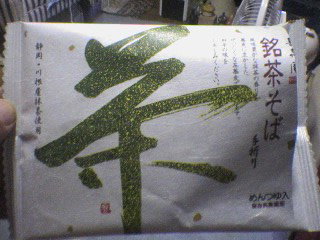
A company called Ikejima Foods in Hamakita Ku, Hamamatsu City has come up with Tea Buckwheat Noodles/Cha-soba! (or Tya Soba)!
Tea comes from the Kawane area which produces some of the best tea in the Prefecture.
The noodles contain no preservatives, and neither the noodles, nor the tsuyu/soup contains any animal extracts whatsoever (no milk or egg products).
One pack contains enough for 4 small or 2 medium portions.
cha-soba2.jpg

As for cooking, here are simple instructions:
Cold Noodles style:
Dilute tsuyu/soup in 100 ml of clean water.
In one big pan heat 2 litres of water. Bring to boiling point. Drop in noodles. Lower fire to small. Stir with long chopsticks. The noodles are ready when they readily come to the surface. Wash them rapidly under running cold water inside a “zaru”/small basket or inside a bowl full of cold water until noodles are cool enough. Drain water and place on a flat dish over a bamboo net if possible. Eat noodles by dipping them in tsuyu/soup to which you can add freshly cut raw leeks and wasabi (or any spices you fancy!)

Hot noodles style:
Dilute tsuyu/soup into 230 ml of hot water.
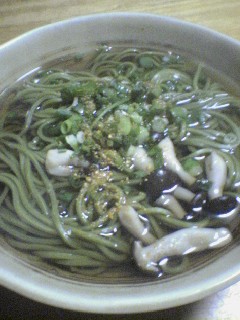
Cook noodles as for cold style. Drain and drop into bowl full of tsuyu/soup. Add vegetables, freshly cut raw leeks and spices to taste.

“Meicha Soba”
Ikejima Foods
Hamamatsu City, Hamakita Ku, Terajima, 2351
Tel.: 053-587-1025


The Japan Blog List

Please check the new postings at:
sake, shochu and sushi

—————————————-
日本語のブログ
—————————————-

Wasabi: Japanese Horseradish


The Japan Blog List

Please check the new postings at:
sake, shochu and sushi

—————————————-
日本語のブログ
—————————————-
wasabi-harvest.jpg

As winter is approaching again I felt compelled to write again in this Shizuoka Gourmet Blog an article I had written some time ago in Shizuoka Sushi Blog.
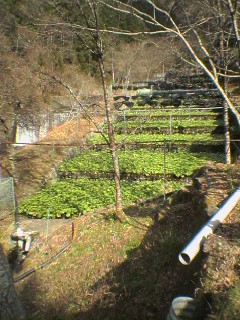
Wasabi harvest will soon start in earnest in Shizuoka City, Aoi Ku, Utougi (along the Abe River), the birthplace of wasabi (c. 1600) as shown in picture above.
They will soon appear on the markets and Internet all over the country. A sizeable amount is also directly exported to South Korea and theU.S.
—————-
Wasabi: Japanese green horseradish

wasabi.jpg

Did you know that wasabi originated from Shizuoka City?
Around 1600, farmers in Utougi District, some 33 km from Shizuoka JR STation along the Abe River, first started experimenting with the culture of that particular plant, which they already knew as a wild vegetable used for pickling. At the time they were only processing the stems, leaves and flowers.

wasabiplant.jpg

This is still a very popular kind of pickles in Shizuoka where they are sold in season.
In 1604, Tokugawa Ieyasu, who had just moved to Sumpu (presently Shizuoka City), grew extremely fond of the grated root and helped spread its use all over the country. Its present culture has expanded outside our Prefecture, especially in Nagano, but Shizuoka still produces the best In Utougi and in the Amagi Range in Izu Peninsula (80% of the total Japanese production!).
The above-ground part of the plant is also used for making delicious “wasabi zuke” with “sake kasu” (Sake white lees). You can imagine why Shizuoka products are of so high quality when you realize what “sake kasu” is being used!
wasabizuke.jpg
In my own biased opinion, the best “wasabi zuke” is made by Tamaruya Company in Shizuoka City.
tamuraya-haneda.jpg
Above picture was taken in Haneda Airport where the Company has its own stand!

Now, if you want to buy and serve your own “wasabi”, which I would recommend to any real Japanese cuisine amateur, you will need a wasabi grater.
wasabigrater.jpg
If you want to visit Utougi, where you will find a soba restaurant and other shops as well as the possibility of trekking and festivals watching in April and October, either go by car (55 minutes) or take a bus (bus platform 7 at Shizuoka JR Station/75 minutes). The trip along along the Abe River is worth it with all the changing landscapes!
utouki.jpg wasabi.jpg

Now, you might not know it, but thinly sliced wasabi root is not as strong as grated wasabi. In Shizuoka, as it is not that expensive, try and ask your favourite sushi chef to cut it in very thin strips and roll as it is in a “maki”. It’s called “bakudan maki” (the real one, not the buster made with grated wasabi!). A favourite of mine!

Note: Wasabi is proper food for vegans!

Local Agricultural Products: Agriroad Miwa


The Japan Blog List

Please check the new postings at:
sake, shochu and sushi

—————————————-
日本語のブログ
—————————————-

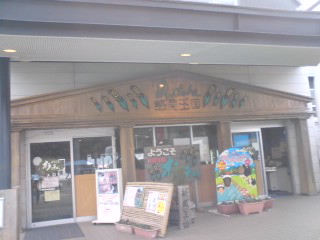
11 years ago, farmers’ wives living in Miwa and in the vicinity of the Abe River in Shizuoka City founded Agriroad (Agricultural Road) Miwa with the help of JA.
A good friend of mine who lives nearby had told me many a time about it and had strongly recommended me to visit it, but it seemed I needed something special prod me into action.

Actually, the opportunity that finally triggered me into cycling all the way on a blistering hot Wednesday morning was a round orange zucchini I discovered last week at Bu-Ichi, a favourite izakaya of mine. When the Oyakata/Chef-owner mentioned it had been grown in Miwa, I had no recourse but to check for myself!
So, I arrived in JA Agriroad Miwa at exactly 9:30, its opening hour (I did not know…).
It is a small establishment by all accounts, but before I talked to anyone I had a look at the wares on sale.

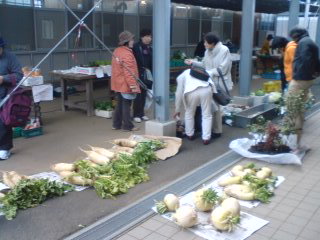
All vegetables are not only grown in the vicinity, making them easily traceable, but all labels featured the name of its grower and the date of harvest!
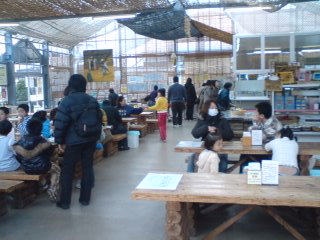
The place was crowded with local people, but also a few obvious “strangers” (not mentioning the barging expat!) were seen coming in cars apparently knowing well what they intended to buy. I found out later that some of were clever owners of restaurants downtown (a good 10 km away, mind you!).

The quality would have been enough to warrant regular visits and the originality (Shizuoka goya, for example) of some vegetables should attract many a food critique.
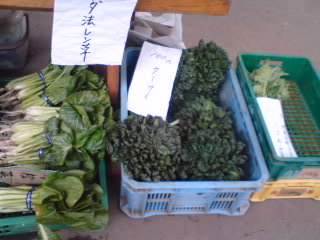
But the prices! Absolutely ridiculously low! How do they make business?
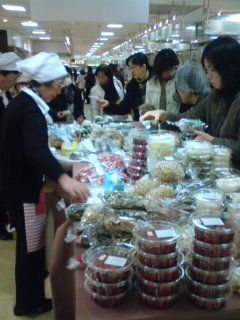
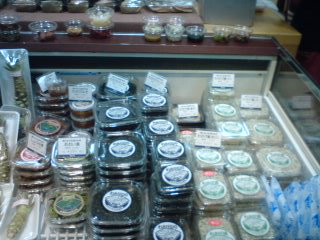
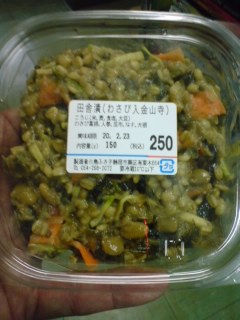
Try to decipher the prices on the following pictures:


Most of them are 100 yen (less than 1$ in Japan!) or 150 yen (less than 1 Euro!)!
Even recipes to prepare and serve them are provided for all interested!


Naturally the green tea for which Shizuoka Prefecture (70% of the total national output!) is so famous is purely local!


Great fresh eggs with not only names but also pictures of the farmers!


Even the flowers are local!


That is when I noticed one of the employees (actually they work in shifts on a association basis) cooking “Kin Tsuba” cakes (their name comes from the shape of a samurai sword guard). They are made of a batter containing “yomogi”, a plant common all over Japan and “Anko”/Japanese azuki beans sweatmeats. The lady answered to the name of Natsuko Koyanagi (Small Willow). We quickly started chatting and the “interview” became a real pleasure with lthe dear ady needing no prodding into answering my questions. I actually obtained more than I bargained for!
The cakes were not on sale as they had all been ordered early in the morning. The poor lady had to refuse them to all local customers who seemed to have a developped a particular liking for them! I felt a bit embarrassed (and pleased) when she offered me one when no one was looking!
Hot and freshly cooked, it ate like a delicious pancake!
This was when I mentioned that round orange zucchini that Rowena would like so much to find about.
She knew the lady who grew them and so generously offered to drive me to her place as soon as she had fished cooking all those cakes!

I certainly had a great time visiting her friend’s plots after I had been invited to refeshments in her home!
Unfortunately, this was the end of the season for zucchini/courgettes and the treasures I had been looking for were all gone!
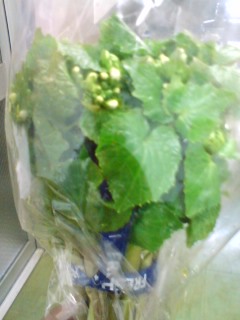
But when I mentioned all those flowers that seemed to go to waste, I asked the two ladies if they knew how to cook them. They did not! Taste Memory Girl will never believe me!
At last I could give something back! I told them at least three ways to cook them, and Mrs. Koyanagi started picking them up in earnest!

Unfortunately again, I could not stay too long with them as work was waiting for me, but you can expect more articles as I plan to cycle there regularly!
Problem is that they might ask me to contribute to their recipes. LOL.

〒421-2114 Shizuoka Shi, Aoi Ku, Abeguchishinden, 537-1.
Tel.: 054-296-7878.
Fax: 054-296-7878
Business hours: 09:30~15:30 (from 08:30 on Saturday, Sunday and Holidays)

Peaches Season!


The Japan Blog List

Please check the new postings at:
sake, shochu and sushi

—————————————-
日本語のブログ
—————————————-


[Courtesy of Shizuoka Shinbun, June 21st, 2008]

The rainy season in Japan is called “Tsuyu”. The kanji characters 梅雨 mean “Plum Rain”, because it is the season when Japanese plums are harvested and preserved either as umeboshi/梅干-salted pickled plums, or in umeshu/梅酒-plums in sake.

But this is also the season for great peaches/桃(momo) being harvested in Shizuoka Prefecture, especially in Shimizu Ku, Shizuoka City, an area nationally famous for its greenhouse fruit growers.
This year promises a rich and very high quality crop!

Shizuoka Foods Festival at Isetan Department Store


The Japan Blog List

Please check the new postings at:
sake, shochu and sushi

—————————————-
日本語のブログ
—————————————-

From August 5th to 10th (still two days left, hurry up!), Isetan Deaprtment Store in Shizuoka City has finally come up with a proper event for the Prefecture of Shizuoka!
The upper staff of the company having been “changed” due to the recent merger with Mitsukoshi Department Store, we may hope to see a marked improvement in their general sales and events policies.
Although the event in itself was only on the same scale of the usual Food Fairs celebrating products from Hokkaido, Okinawa and Kyushu, that is a bit small for my own satisfaction, it was still an effort worthy of attention.
Here is a quick overlook of some of the better stands:

Two friends of mine were serving some extravagant brews from Isojiman, Aoshima, Shidaizumi, Suginishiki and Hatsukame Sake Breweries.

The celebrated Abekawa (Shizuoka City) Mochi, a very traditional Japanese cake had a stand at the very entrance.

I discovered a really good soba and udon maker from Shibakawa Cho I intend to interview very soon!

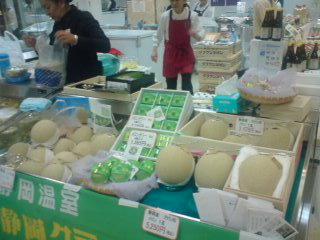
Everybody knows the great melons of Fukuroi City!

Kawane is not only producing some of the best green tea in Japan, but have some interesting ways of turning it into food, such as “Kawane Ocha Man”!

On the other hand, few people know that Shizuoka Prefecture and City make some extravagant meat and delicatessen products!
</a
But kamaboko/Fish Paste from Yui has reached the plates (and saucers) in far away corners of the nation.

Farmers in Iwata City and its surroundings have long grown some of the very best tomatoes in Japan!

Do I need to introduce wasabi from Shizuoka City (I’m sorry, but they are better than those mass-cultivated in Izu Peninsula!)!

Matsuzaki at the very tip of Izu Peninsula prides itself with its own extravagant shochu!

Sakura Ebi can be found only of Yui,

but I even discovered a very nice lady whose company makes sardine biscuits in nearby Kambara!

Naturally, I had to close the loop with my good friends at Oratche Brewery in Kannami who also produce some fine dairy products!

Isetan Department Store
420-0031 Shizuoka City, Aoi Ku, Gofuku Cho, 1-7
Tel.: 054-2512211
Business hours: 10:00~19:30

Shizuoka Cheeses: O-Sashimi Cheese


The Japan Blog List

Please check the new postings at:
sake, shochu and sushi

—————————————-
日本語のブログ
—————————————-

This is the second cheese variety by Fuji Milk Land Co in Fujinomiya City.
The name “O-Sashimi” means that they suggest it to be eaten like Sashimi!

Actually it is easy to cut either into thick or thin slices.
It does go well with soy sauce, and even with a little dash of wasabi.
I also found it tasty on top of a salad, on toasts and of course on pizza. Easy to eat for children, too as salt contents are low, but as an adult makes a perfect snack with beer!

Fuji Milk Land
Milk Land Co. Ltd.
Fujinomiya City, Kami Ide 3690
Tel.: 0544-54-3690

Shizuoka Cheeses: Asagiri Stripe Cheese


The Japan Blog List

Please check the new postings at:
sake, shochu and sushi

—————————————-
日本語のブログ
—————————————-

“Stripe Cheese”, or “sakeru cheese” in Japanese, is a very popular snack in this country.
I have already described one made by Oratche in Kannami.
This one produced by Fuji Milk Land, Milk Land Co. Ltd. in Fujinomiya City on the slopes of Mount Fuji is slightly different.

I would definitely suggest friends to eat it along with a beer as it bites and chews well. The right amount (little in fact) of salt makes it safe to consume aplenty. And it’s fun to see how thin ou can stripe it down!

Fuji Milk Land
Milk Land Co. Ltd.
Fujinomiya City, Kami Ide 3690
Tel.: 0544-54-3690

Oratche: an ecological symbiosis


The Japan Blog List

Please check the new postings at:
sake, shochu and sushi

—————————————-

oratche-int15.jpg

In 1997, when Mr. Tomoyuki Shimono came all the way from Tokyo to Kannami, near Mishima City, he surely had a grand idea: not only he wanted to create his own bio dairy products and beer, but he also knew how to develop it to contribute to a better environment and cooperation with locals.
He certainly needed a lot of courage to achieve his goals: Kannami is far away from urban life regardless of the great numbers of Tokyoites-owned villas sprouting all over a nearby mountain. At the time he arrived there, the land was poor and grew little but oranges due to its exposure to cold winds in winter and searing heat in summer. Oratche’s beer was not called “Wind Valley Beer” because it sounded good, but because it was a fact of life!
I had already written a few articles about their surprisingly good cheeses when I met their young business department executive, Mr. Satoru Nishimura, by pure chance in Isetan Department Store in Shizuoka City. The gentleman most readily assented when I asked him if I may visit and investigate his company. He went as far as picking me up at the station, about ten minutes away from his establishment.
oratche-int1.jpg oratche-int4.jpg
Oratche is a multiple-purpose company as they include a large shop, a dairy classroom for kids, an attraction park with rabbits, goats and ponies.
oratche-int2.jpg oratche-int3.jpg
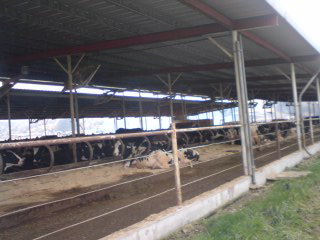
Local farmers have their own space where they can sell their own bio vegetables to visitors. Oratche had a good idea to recycle the refuse from the many cows they keep for milk and calves they raise for meat. They just give it to the local farmers who can use it as biological fertiliser!
oratche-int12.jpg oratche-int14.jpg oratche-int13.jpg
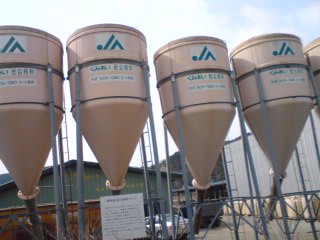
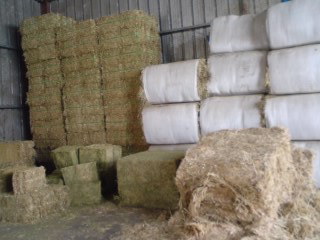
They certainly never run out of it, I can tell you, as everything is well planned and quickly disposed of! They grow their own corn for feed combined with hay directly imported from the States. Knowing the Japanese Customs’ pickiness, I do not harbour any worry about its quality!
oratche-int6.jpg
Now, their beer was a discovery!
oratche-int7.jpg oratche-int10.jpg oratche-int9.jpg oratche-int8.jpg
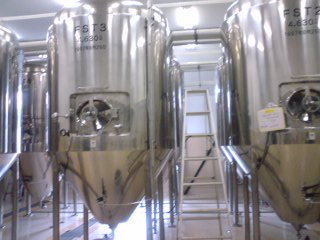
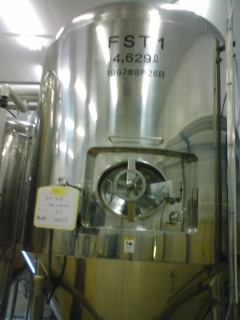
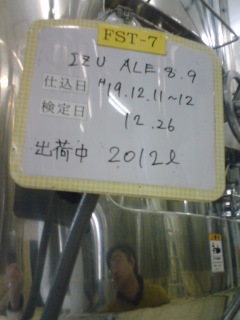
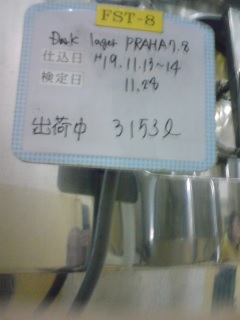
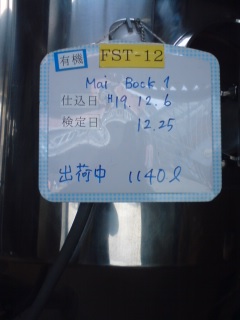
I was lucky to come just after the new batch was finished. It was Sunday, and the beer brewery was on holiday, but they opened for my sole person and was offered a premium taste of three beers (see boards above. I had to decline the others, as I did not trust myself! Lucky I don’t drive!)
Great beer, seven of them, unfiltered and organic, with a very creamy foam. Wait until I report on the bottles I brought back home!
oratche-int16.jpg
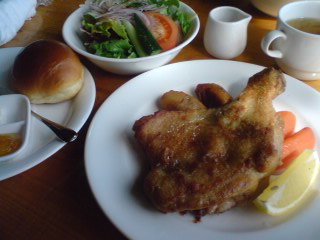
Before taking my leave, the company graciously offered me lunch at their restaurant where most ingedients are local. The enormous chicken side I chose is from Mishima, and the vegetables from local farmers. The carrots were so sweet!

Do look at their homepage, ven if it in Japanese (they are planning to start a blog soon), and you will see their wealth of products: milk, cream, butter, cheese,yoghurt, ice-creams, fruit juices, jams, cakes and beer!

I’m planning on more visits. If you are interested, do join me!

ORATCHE
419-0105 Shizuoka Ken, Tagat Gun, Tanna, 349-1
Tel.: 055-974-4192
Fax: 055-974-4191
Business hours: 10:00~18:00 (week days), 10:00~20:00 (Sat., Sun. and National Holidays)
Free car park.
HOMEPAGE

Vegetable Sashimi at Yasatei


The Japan Blog List

Please check the new postings at:
sake, shochu and sushi

—————————————

yasai-sashimi1.jpg

It was another one of my quick “evening breaks” this evening, and I just decided to pop up at Yasatei as I knew I would be able to nibble on a great morsel or two.
Now, what I ordered should please vegetarians and vegans alike (I’m neither), but I suspect Simaldeff (because of his weight problems). Allison (she loves her veg) and Lindsay (always keen on Healthy food) would particularly be curious to find out what I ate.

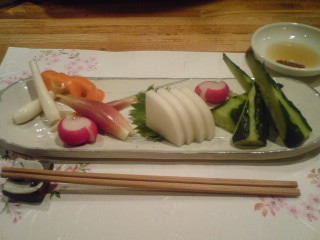
Well, I ordered “yuuki yasai no sashimi”.
Translation: bio vegetables sashimi.

From left to right:
“Eshyaletto/Japanese echalottes”, “daidai piman/soft orange pimento”, “myoga/ginger sprouts”, “aka radisyu/red radishes”, “shiso/perilla”, “daikon/Japanese long radish”, and “kyuuri/cucumber”.
All vegetables, except for the orange soft pimento also have the merit to be grown in Shizoka Prefecture!

yasai-sashimi2.jpg

As for “seasoning”, I was offered “goma abura/sesame oil” from Kyoto (see pic) with salt and miso paste.

Yasaitei
Shizuoka City, Aoi Ku, Tokiwa-Cho, 1-6-2 Green Heights Wamon 1-C
Tel.: 054-2543277
Reservations highly recommended

Shizuoka Cheeses (3): Minami Hakone Gouda


The Japan Blog List

Please check the new postings at:
sake, shochu and sushi

—————————————

oratche-gouda.jpg

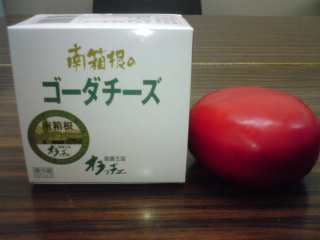
This is the third cheese variety from Oratche Co in Tagata Gun (vegetarians and health-conscious friends like Lindsay at DeLuscious Life, rejoice again!) I have recently found. I will actually travel to Kannami on March 2nd to interview them as they also have a great beer brewery!

oratche-cheese2.jpg

Extremely clean and tasty cheese with the right amount of salt. Reminiscent of a young Gouda from Holland. I really appreciated it with wine and beer.
As the other two cheeses I have already surveyed, thay are made with milk from cows raised in altitude near Mount Fuji, where they graze natural grass and are fed with real non-transgenic cereals.

Minami Hakone no Sakeru Cheese
Oratche Co.
Tagata Gun, Kannami Cho, Tanna, 349-1
HOMEPAGE (Japanese)

Shizuoka Cheeses (2): Minami Hakone “Sakeru Cheese”


The Japan Blog List

Please check the new postings at:
sake, shochu and sushi

—————————————-

oratche-cheese1.jpg

This is the second cheese from Oratche Co in Tagata Gun (I have a third one to introduce, so vegetarians and health-conscious friends like Lindsay at DeLuscious Life, rejoice!).
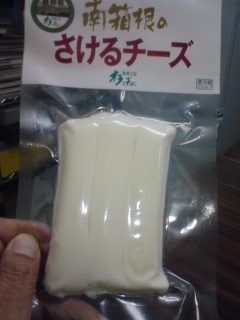
The name “Sakeru Cheeze” means “Cheese to be split”.
oratche-cheese3.jpg
As its name indicates, it is easy to split, shred or cut in very thin strips, allowing it to be added to all kinds of salads, and even, Allison at Sushi Day will be happy to learn, added in nice combinations inside sushi rolls.
Very light texture. Pleasant to eat. In my case I eat it with a glass of sake or beer.

Minami Hakone no Sakeru Cheese
Oratche Co.
Tagata Gun, Kannami Cho, Tanna, 349-1
HOMEPAGE (Japanese)

Shizuoka Cheeses (1): Minami Hakone Mozzarella


The Japan Blog List

Please check the new postings at:
sake, shochu and sushi

—————————————-

mozarella2.jpg

Shizuoka Prefecture does come with pleasing surprises, indeed!
Not only are we supplied uncountable kinds of marine and agricultural products, including even meat, some companies have for some time manufactured remarkable dairy products.
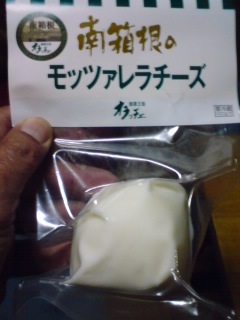
One of these, Oratche in Tagata Gun, has been noticed for creating cheese with local milk, including mozarella cheese.
mozarella1.jpg
This is definitely a bonafide for vegetarians and lovers of good food as they can trace it back to its very origin, instead of relying on importers’ information.
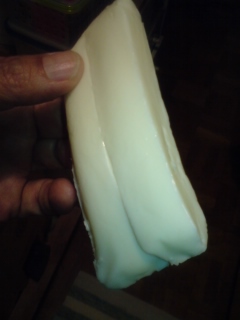
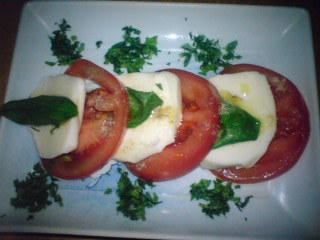
This particular mozzarella has the great merit to be firm, making it easy to cut, arrange and present. It is tastier than a lot of bland items I was brought to sample in this country, and so easy to adapt into salads, sandwiches and panini.
I definetely plan to fill zucchini/courgettes flowers with it in season before deep-frying, or steam them and serve them with cream-mushroom sauce! I’m pretty sure that Lindsay at DeLuscious Life is expecting the recipe!

Minami Hakone no Mozarella
Oratche Co.
Tagata Gun, Kannami Cho, Tanna, 349-1
HOMEPAGE (Japanese)

Shizuoka Agricultural products: Shizuoka Utsurogi Fair


The Japan Blog List

Please check the new postings at:
sake, shochu and sushi

—————————————-

utsurogi3.jpg

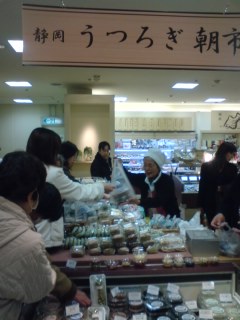
On every first Wednesday of the month, a lsmall but very special fair is held in the basement of Isetan Store in Shizuoka City.
It is called “Shizuoka Utsurogi Ichiba” after a group of farmers residing and conducting business up Abe River in Shizuoka City, up to an altitude of 1,500 metres, around Utogi, the birthplace of wasabi, and still considered the best in the world.

utsurogi5.jpg

Try to come as soon as Isetan opens as it can become quite a unashamed tussle with all these local grannies fighting for the best morsel!

utsurogi4.jpg

All products on sale are purely local and practically devoid of industrial fertilizers. It is actually a paradise for vegetarians as only vegetables are represented there. A multitude of succulent and extravagant wasabi pickles, pickled plums, onions, etc.
The names, addresses and even phone numbers of the farmers are clearly stated, making all purchases eminently traceable.

utsurogi1.jpg utsurogi2.jpg

But the pinnacle is some incredible fresh vegetables, including enormous fresh wasabi roots at ridiculously low prices. I grabbed a couple of fresh bouquets of wasabi stems, leaves and flowers for my better half (worse?) who loves them as tempura or home-made pickles! I wonder what people in Tokyo would have to pay for that!

If you read Japanese, do have a look at their HOMEPAGE

It is possible to travel up to Utogi and buy directly from the Farmers Cooperative at:
422–8031 Shizuoka City, Yumei Cho, 2-20
TEl.: 054-2869018
(75 minutes by bus, 55 minutes by car, or 2 hours by bicycle like I did last year!)

Tea Buckwheat Noodles: “Tya-soba”


The Japan Blog List

Please check the new postings at:
sake, shochu and sushi

—————————————-
日本語のブログ
—————————————-

cha-soba1.jpg

Shizuoka Prefecture is celebrated for its green tea all the World.
Vegeterians (and vegans!), rejoice! A company called Ikejima Foods in Hamakita Ku, Hamamatsu City has come up with Tea Buckwheat Noodles/Tya-soba!.
Tea comes from the Kawane area which produces some of the best tea in the Prefecture.
The noodles contain no preservatives and neither the noodles, nor the tsuyu/soup contains any animal extracts whatsoever (no milk or egg products).
One pack contains enough for 4 small or 2 medium portions.

cha-soba2.jpg

As for cooking, here are simple instructions:
Cold Noodles style:
Dilute tsuyu/soup in 100 ml of clean water.
In one big pan heat 2 litres of water. Bring to boiling point. Drop in noodles. Lower fire to samll. Stir with long chopsticks. The noodles are ready when they readily come to the surface. Wash them rapidly under running cold water inside a “zaru”/small basket or inside a bowl full of cold water until noodles are cool enough. Drain water and place on a flat dish over a bamboo net if possible. Eat noodles by dipping them in tsuyu/soup to which you can add freshly cut raw leeks and wasabi (or any spices you fancy!)

Hot noodles style:
Dilute tsuyu/soup into 230 ml of hot water.
Cook noodles as for cold style. Drain and drop into bowl full of tsuyu/soup. Add vegetables, freshly cut raw leeks and spices to taste.

“Meicha Soba”
Ikejima Foods
Hamamatsu City, Hamakita Ku, Terajima, 2351
Tel.: 053-587-1025

Lime Chili Pepper Condiment: Yuzu Nanban

Please check the new postings at:
sake, shochu and sushi

—————————————-
日本語のブログ
—————————————-

yuzu-nanba.jpg

Many a foreigner in Japan has discovered “yuzu Koshyo”/lime salt condiment, which is also produced in Shizuoka Prefecture and other places.
But have you heard of Yuzu Naban? It is a particularly useful mixture of lime and ground chili pepper. It accompanies well almost any “ethnic cuisine” as well as nabe/Japanes pot-au feu.
The bonus is that it does include any additives, but only natural spices!
This particular one is locally produced in Iawata City, although nt always easy to find away from Westen Shizuoka.

Yuzu Nanban
Shibayuzuen Farm
Shizuoka Ken, Iwata Gun, Sakuma-cho, Sakuma, 1689
Tel.: 0539-87-1051