Tag Archives: Japanese Cuisine

Avocado & Crab Gratin (Japanese style?)

There is little to say again how tasty and healthy avocadoes are.
Since we can find them all year round, try and find some crab meat, and you will able to reproduce this easy Japanese cuisine-inspired recipe:. I’m sure you will expand on it!

Avocado & Crab Gratin!

INGREDIENTS: For two people

-Avocado: 1 large and just ripe
-Crab meat: a standard small tin (about a quarter of a cup/50 CC)
-Onion (finely chopped): 1 and half tablespoons
-Lemon juice: to taste
-Mayonnaise (make your own!): 4 tablespoons
-Mozzarella cheese: 1/4 ~1/2 ball
-Wasabi (try to real one. If not available, horseradish should be ok!): 2 teaspoons (grated)
-Salt: to taste
-Pepper: to taste

RECIPE:

-Cut the mozzarella cheese into 1 cm cubes
-Take crab meat out of tin with its water (will add taste!) and drop it in a bowl with mozzarella cheese, onion, mayonnaise, lemon juice, grated wasabi, salt and pepper. Try to experiment with quantities!. Mix well.

-Cut avocado in half(ves) and discard the seed.
Fill each half of the avocado with half of the crabmeat sauce.

-Bake in oven at 200 dgrees Celsius for 15 minutes.

-Eat it hot! Hot avocado is suprisingly tasty, so have this appetizer in cold weather!

RECOMMENDED RELATED SITES:
Warren Bobrow, Bread + Butter, Zoy Zhang, Hungry Neko, Think Twice, Frank Fariello, Mangantayon, Hapabento, Elinluv Tidbit Corner, Tokyo Terrace, Maison de Christina, Chrys Niles,Lexi, Culinary Musings, Wheeling Gourmet, Social Culinaire, Sushi Nomads, Cook, Eat & Share, Gourmet Fury, 5 Star Foodie, Easy Does It Recipes, Oyster Culture, Once A Chef, All In Good Food, Cooking Stuff

Please check the new postings at:
sake, shochu and sushi

—————————————-
日本語のブログ
—————————————-

Sashimi Plate at Uzu (’10/02/25)

Service: excellent, easy-going and very friendly
Facilities: great washroom, great cleanliness overall
Prices: very reasonable, good value.
Strong points: Very fresh local ingredients especially organic vegetables extensively used.

Just had our regular visit, the Missus and I last night at Uzu, the talk of the town (on TV nest Sunday!) as far as Izakayas arec ocncerned in this city.

Apart of supremely extravagant vegatables and meat, one can expect the best quality sashimi there, too. And most of it local!

From right to left:
-Isaki/Chicken Grunt (what a name!), both as sashimi and seared sashimi/aburi sashimi (Suruga Bay).
-Kihada Magura/Albacore Tuna
-Madako/True Octopus
-Grated fresh wasabi from up the Abe River, Shizuoka City.
-Benimasu/Salmon Trout from Fijnomya City.

A real treat!

UZU
Shizuoka City, Otowa-cho, 3-18
Tel.: 054-249-6262
Business hours: 17:00=23:00
Closed on Mondays and first Tuesday
Reservations recommended
Credit cards OK

RECOMMENDED RELATED SITES:
Warren Bobrow, Bread + Butter, Zoy Zhang, Hungry Neko, Think Twice, Frank Fariello, Mangantayon, Hapabento, Elinluv Tidbit Corner, Tokyo Terrace, Maison de Christina, Chrys Niles,Lexi, Culinary Musings, Wheeling Gourmet, Social Culinaire, Sushi Nomads, Cook, Eat & Share, Gourmet Fury, 5 Star Foodie, Easy Does It Recipes, Oyster Culture, Once A Chef

Please check the new postings at:
sake, shochu and sushi

—————————————-
日本語のブログ
—————————————-

Vegan Caprese-Style Tomato & Tofu Salad

I’ve already introduced vegan tofu salads for my friends.
This is another one with a lttle twist!

INGREDIENTS: For 1~2 persons

-Tofu (kinu tofu): 1/2 block: 200g
-Tomato: a large whole one
-Basil leaves: 10 (large and fresh!)

Dressing:
-Wine vinegar: 1/4 cup: 50 cc/ml
-Salt: 1/3 teaspoon
-Whole black peppers: 3 seeds, ground (use a bottle!)
-Garlic: 1/2 clove (fresh!)
-Red chili pepper: 1/2 (fresh if possible) (Chopped finely)
-Olive oil (EV): 1.1/4~ tablespoon
-Onion: 15 g (Fresh and new if possible!)

RECIPE:

-Cut the tofu in 1 cm-thick slices.

-Cut out the stem end off the tomato and cut into half-moon slices.

-Crush the garlic and throw it into a small pan with the wine vinegar, Salt, black pepper, and red chili pepper and heat it until reduced to half.

-Transfer the dressing into a bowl floating on a larger bowl half-filled with water and ice and leave until chilled.

-Take out unsightly pieces out of the dressing. Grate the onion over it and mix. Add the oil oil and mix.

-On a serving dish place the slices of tofu and tomatoes and the basil leaves alternatively as shown on picture above. Season with dressing and serve!

-Very low in calories!

RECOMMENDED RELATED SITES
Not-Just-Recipes, Bengal cuisine, Cooking Vegetarian, Frank Fariello, Gluten-free Vegan Family, Meatless Mama, Warren Bobrow, Wheeling Gourmet, Le Petit Cuisinier, Vegan Epicurean, Miss V’s Vegan Cookbook, Comestiblog, To Cheese or not To Cheese, The Lacquer Spoon, Russell 3, Octopuspie, Bread + Butter, Pegasus Legend, Think Twice, The French Market Maven

Please check the new postings at:
sake, shochu and sushi

—————————————-
日本語のブログ
—————————————-

Vegan Japanese Cuisine: New Lotus Roots & Umeboshi

Lotus roots, when new and fresh, should be prized for their great natural taste. They can even be eaten almost raw after a little marinating. The Japanese have a simple and delicate way to prepare them with umeboshi/Japanese pickled plums, which should please vegans and vegetarians (and omnivores). It certainly makes for a great snack with Japanese sake or shochu!

INGREDIENTS:

-Lotus root: 1 piece, 10 cm long. Choose it absolutely fresh and comparatively slender.
-Umeboshi: 2
-Shiso/perilla leaves: 2
-Japanese sake: according to taste and preferences.
-Soy sauce: according to taste and preferences.
-Rice vinegar: according to taste and preferences.

RECIPE:

-Peel and cut the lotus root into hin slices. Wash them 2 or 3 times in cold clean water.

-In a pan heat some water to just before boiling point. Add some rice vinegar and cook the lotus roots in eat until they become translucent.
Do not overcook them. Drain them thoroughly and put aside.

-Take the seeds out of the umebshi and sieve the meat into a bowl. Add Japanese sake (or cooking sake) to make it into a thin liquid paste. add a few drops of soy sauce for seasoning. Taste. If it is too sour to your liking add some mirin/sweet Japanese sake.

-Add the umeboshi to the lotus roots slices and mix well so as to cover all the lotus root slices surface.

-Cut the shiso/perilla leaves in 3 first, then chopp them fine across.

-Serve as in the picture, lotus root sliced mounted on top of each other and topped with chopped shiso leaves.

RECOMMENDED RELATED SITES
Not-Just-Recipes, Bengal cuisine, Cooking Vegetarian, Frank Fariello, Gluten-free Vegan Family, Meatless Mama, Warren Bobrow, Wheeling Gourmet, Le Petit Cuisinier, Vegan Epicurean, Miss V’s Vegan Cookbook, Comestiblog, To Cheese or not To Cheese, The Lacquer Spoon, Russell 3, Octopuspie, Bread + Butter, Pegasus Legend, Think Twice, The French Market Maven

Please check the new postings at:
sake, shochu and sushi

—————————————-
日本語のブログ
—————————————-

Japanese Cuisine: Deep-fried Meat Balls

Meat balls are easy to make and they arepopular all over the world!
The difference resides in the way of cooking and ingredients.
Here is a favourite Japanese recipe you can enjoy all year round with Japanese sake, shochu or beer!

Deep-fried Meat Balls!

INGREDIENTS:

-Minced pork: 400 g
-Green leeks: 1 tablespoon (finely chopped)
-Ginger juice: half a teaspoon
-Grated garlic: half a teaspoon
-Egg: 1
-Japanese sake: 1 tablespoon
-Salt: half a teaspoon
-Soy sauce: 1 tablespoon
-Sesame oil: 1 teaspoon
-Cornstarch: 2 tablespoons
-Flour: 2 tablespoons

-Deep-frying oil

-Greens/green leaves: for decoration

RECIPE:

-Mix well all ingredients in a larg bowl.

-Shape balls of your preferred size (small is best!)

-Deep-fry. Now if the oil is too hot, only the outside will be well-cooked. Deep-fry at about 170 degrees Celsius and slowly/long enough to allow the inside to be well-cooked.

-As they are tasty enough as they are, just add a few greens and serve!

RECOMMENDED RELATED SITES:
Warren Bobrow, Bread + Butter, Zoy Zhang, Hungry Neko, Think Twice, Frank Fariello, Mangantayon, Hapabento, Elinluv Tidbit Corner, Tokyo Terrace, Maison de Christina, Chrys Niles,Lexi, Culinary Musings, Wheeling Gourmet, Social Culinaire, Sushi Nomads, Cook, Eat & Share, Gourmet Fury, 5 Star Foodie, Easy Does It Recipes, Oyster Culture, Once A Chef

Please check the new postings at:
sake, shochu and sushi

—————————————-
日本語のブログ
—————————————-

Sashimi Feast at Ekimae Matsuno Sushi

Now, what makes sushi restaurants of so high level in Shizuoka?
Tokyoites will say that they have Tsukiji and that is enough…
Have you ever wondered how fresh fish, shellfish and others are “fresh” there?
“Fresh fish” at all costs has become a very misleading notion.
The fact it is alive and swimming does not mean it is fresh.

All fish must be caught first and depending on their kind have to be either eaten right away or…
For example seabreams should be kept at least a day alive in an aquarium/tub to get them rid of unwanted parasites inside their innards. But at the same time keeping them alive longer will result in a loss of proteins and fat with the consequence of a fast quality decline.
Tuna has to be blooded very precisely first, then frozen. Once thawed and cut it is usually left at least a week for maturing/ripening before reaching the perfect taste.
On the other hand, squids must be dressed and eaten alive (still moving!).
It is a “case by case” (said in English) as explained by the chef at Ekimae Matsuno Sushi in Shizuoka City.
Founded in 1930, the oldest sushi restaurant know what they are talking about!

Bachi Maguro/目鉢鮪/Big-eyed Tuna from Ogasawara/Shizuoka Prefecture, Tairagai/玉珧/Pen shell from Aichi Prefecture, Sayori/細魚/Japanese Halfbeak from Suruga Bay/Shizuoka Prefecture

The key to appreciating top-class sashimi at all times and seasons is to savour it locally. Only then will you be sure of its origin and quality.
Naturally you must also discover a trustworthy sushi restaurant and chef. Not very difficult here where the competition is intense!

Tachiuo/太刀魚/Scabbard fish partly seared/aburi/炙り, Aori Ika/障泥烏賊/Bigfin Reef Squid rolled with seaweed/nori/海苔, and Madai/真鯛/Japanese red seabream, red seabream snapper. All from Suruga Bay in Shizuoka Prefecture.

Ekimae matsuno Sushi pride themselves in providing Shizuoka Prefecture fare whenever possible, including Japanese sake (all from Shizuoka Prefecture!), and they make no bones (fish bones!LOL) about that! Shy and reserved, they will quickly warm up to your questions if asked in a gentle enough manner good manners!).

I sudenly felt an urgent longing for more Sayori/細魚/Japanese Halfbeak after having sampled it in the first sashimi set. It is such a great and delicate fish and ripened to perfection as a whole fish inside the refrigerated display window. It canbe manipulated in all kinds of designs.

Sorry for the fuzzy pic. I’m still getting used to the newly discovered possibilities of my old mobile phone camera (up to 2 MB).

Kawahagi no Kimo Ae/カワハギの肝和え/Thread-Sail File Fish sashimi seasoned with its Liver. From Suruga Bay, Shizuoka Prefecture.

Now, here is a fish you must eat as fresh as possible!
Take it out alive (caught the day before maximum) out of the aquarium, dress it quickly, clean the liver, and serve the fish cut either in thin strips or slices with its liver chopped into a dip sauce, or season the cut fish directly (once cut) with its live, and serve it with chopped scallions/thin leeks and grated wasabi!
Ah, I forgot to mention that wasabi is from Shizuoka Prefecture (80% of the total national crop!)! Actually I’m repeating that every time! LOL

The chef had the grace (and pride) of showing me this (small, although reaching more than 20 cm!) Aori Ika/障泥烏賊/Bigfin Reef Squid live and kicking before preparing it for me!

It was still moving (I mean the very strips) under my chopsticks.
The chef gently asked me to taste it first as it is with nothing.
Incredible! Crunchy, not the merest hint of “fishy” taste. An experience!
Then he asked me to try it with a little salt only. Another discovery!

Last, the chef brought an enormous fresh egg yolk in a small crystal bowl and invited me to add a little soy sauce to it before dipping the squid in it. You must try that!

This was lunch and I am not eating much then as a rul these days.
I decided to skip the sushi for another (near) day and asked for tamagoyaki/卵焼き/japanese Omelette as dessert.
It came in two varieties:
the thin slices were eggs mixed with fish paste and the other were plain tamagoyaki fried with shiso.

Now, how much did I pay for all that?
60 US $!
Have I convinced you?

Ekimae Matsuno Sushi/駅前松乃鮨
Shizuoka City, Aoi Ku, Koya Machi, 9-3 (in front of Shizuoka City JR Station, North Side)
Tel.: 054-251-0123
Business hours: 11:00~21:00
Closed on Wednesdays and third Tuesday
HOMEPAGE (Japanese)

RECOMMENDED RELATED SITES:
Bread + Butter, Comestilblog, Greedy Girl, Bouchon For 2, Zoy Zhang, Hungry Neko, Mangantayon, Elinluv Tidbit Corner, Maison de Christina, Chrys Niles, Lexi, Culinary Musings, Eats and Everything, Bite Me New England, Heather Sweet, Warren Bobrow, 5 Star Foodie, Frank Fariello, Oyster Culture, Ramendo, Alchemist Chef, Ochikeron, Mrs. Lavendula, The Gipsy Chef, Spirited Miu Flavor, Wheeling Gourmet, Chef de Plunge, Sushi Nomads, Island Vittles, Jefferson’s Table, Rubber Slippers in Italy, The London Foodie

Please check the new postings at:
sake, shochu and sushi,
—————————————-
日本語のブログ
—————————————-

Shizuoka Oden Festival!

The 2010 Shizuoka Oden Festival kicked off today!
I made a quick visit in-bewteen work to have a quick snack!

Going to the Aoba Koen/Aoba Park Street behind the City Hall, one just could miss it clearly markde as it was giant red lanterns with “ODEN” wrote on them (in Japanese only, mind you!).

Now, choosing one was a bit of a dilemna!
Knowing that the festival would last until Sunday, I decided to wait until a particularly big and troublesome local TV crew left the premises to get some hot food and a glas of local sake!

The great thing about these oden foodstands (they actually were held by regular izakaya in town) is that most of them made an effort to serve local Shizuoka sake.
Above picture shows Masu Ichi Brewery (Shizuoka City), Shidaizumi Brewery (Fujieda City) and Hana no Mai Brewery (Hamamatsu City)!

But the one I had chosen today (I’m planning to go there again during the week-end!) had some unusual sake:
Hana no Mai Brewery (Hamamatsu City), Kumpai Brewery (Shizuoka City) and Kansagawa Brewery (Yui)!

This foodstand had been erected by “Showa Hormone Izakaya, south of Shizuoka JR Station.

All oden were very typical of Shizuoka-Style (almost every region in Japan has its own style) oden.

In Shizuoka, most oden are skewered with a stick for easier consumption.

“Motsu/kind of tripe”, also very popular here!

Pity I couldn’t tay all evening there. The Festival is held between 5 and 7 p.m. for 3 days. I wonder why they choose the colder time of the year. LOL

RECOMMENDED RELATED SITES:
Bread + Butter, Comestilblog, Greedy Girl, Bouchon For 2, Zoy Zhang, Hungry Neko, Mangantayon, Elinluv Tidbit Corner, Maison de Christina, Chrys Niles, Lexi, Culinary Musings, Eats and Everything, Bite Me New England, Heather Sweet, Warren Bobrow, 5 Star Foodie, Frank Fariello, Oyster Culture, Ramendo, Alchemist Chef, Ochikeron, Mrs. Lavendula, The Gipsy Chef, Spirited Miu Flavor, Wheeling Gourmet, Chef de Plunge, Sushi Nomads, Island Vittles, Jefferson’s Table, Rubber Slippers in Italy, The London Foodie

Please check the new postings at:
sake, shochu and sushi,
—————————————-
日本語のブログ
—————————————-

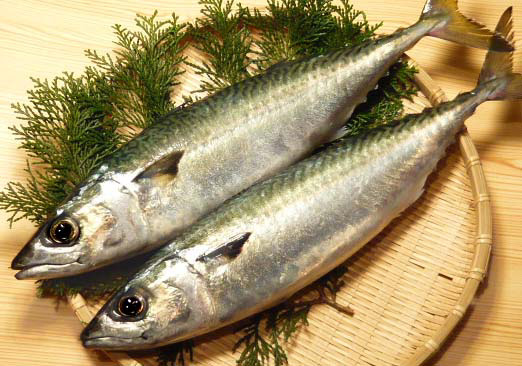
Japanese Seasonal Fish: Saba/Mackerel

Mackerel or saba is a fish eaten over the whole Northern Hemisphere and does come under many varieties and names.
In Japan it is mainly called “Saba”, “Masaba” or “Sekisaba”.
In this country it is mainly caught off Oita, Saga Prefecture, although quite a few are caught off our coasts, especially off Yaizu.
They feed on plankton mainly.

They are prepared and cooked in many guises. In France, my birthplace, they are steamed and then pickled in white wine and spices before being canned.

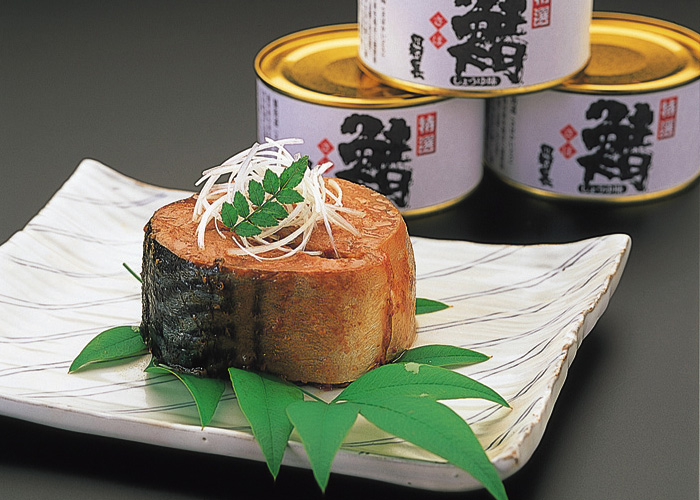
naturally tinned tuna is available in Japan,too!

In Northern Europe they also eaten half raw as smorgasbrod and pickled fish.

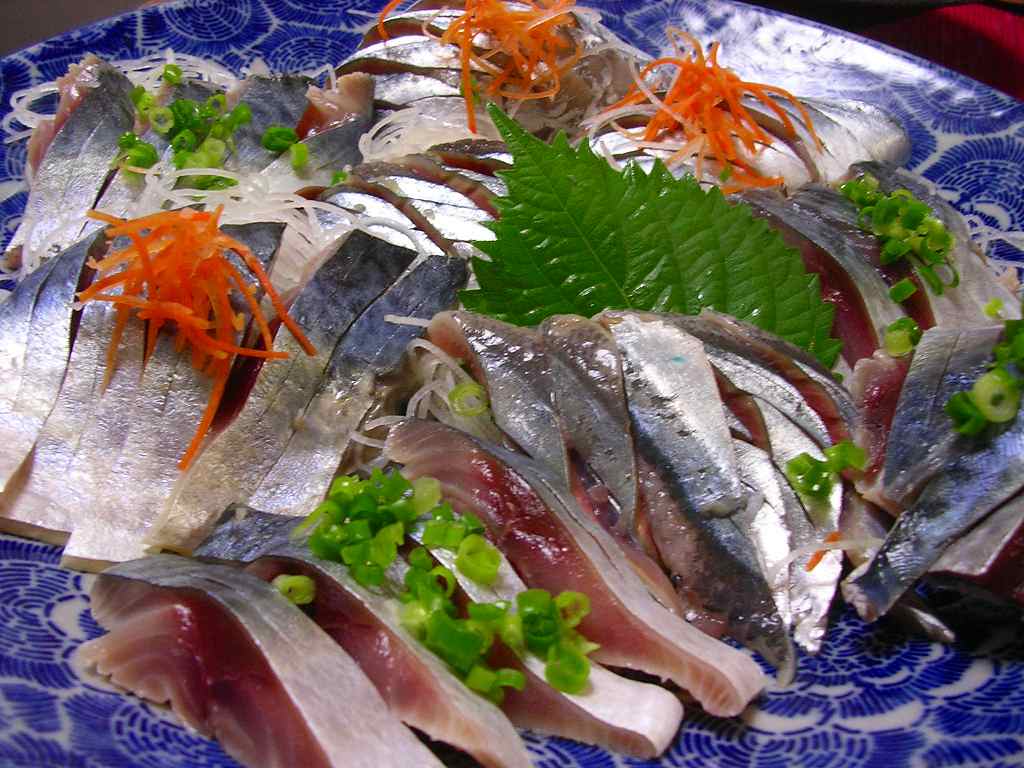
It can be appreciated as sashimi, but it must be absolutely fresh and is best served with grated fresh ginger and lemon.
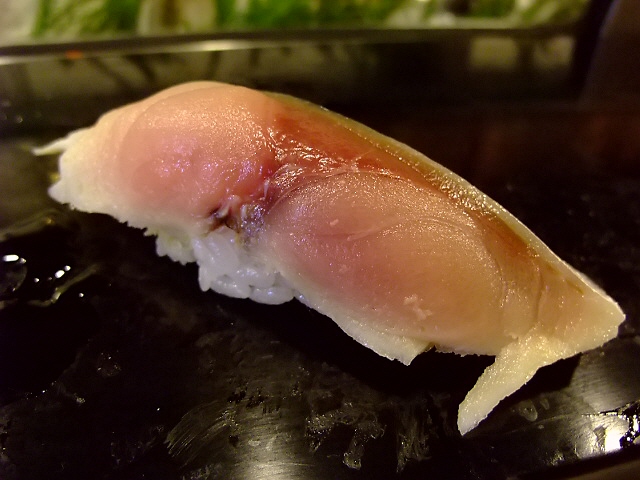
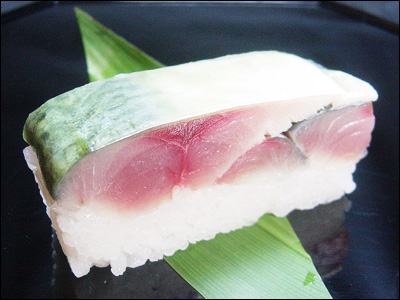
As far as sushi is concerned, “masaba” variety is best

Saba Konbujime nigiri.

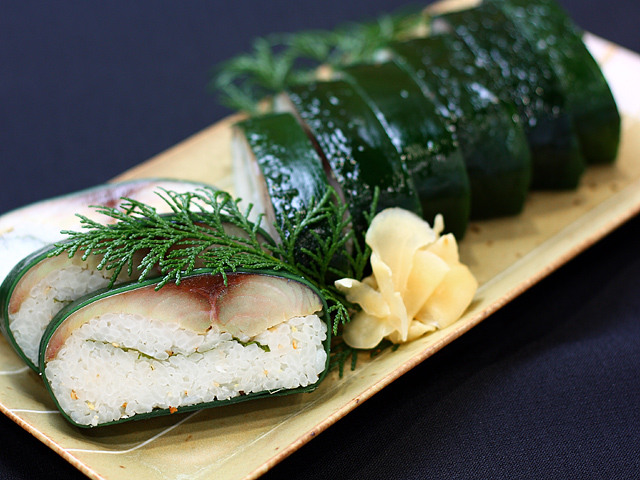
It is especially popular as “oshizushi” (pressed sushi).

Double oshizushi!

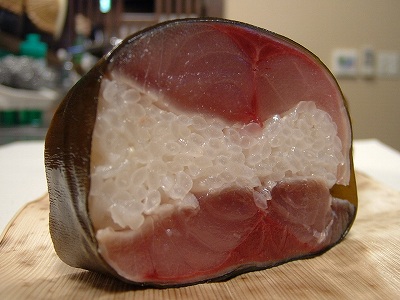
My preference goes for Saba konbujime.

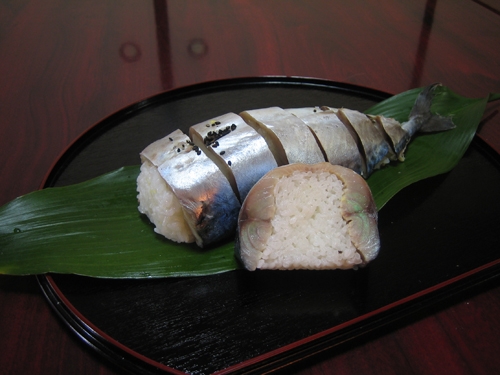
Saba Bogata

The mackerel is kept inside a variety of wet seaweed for an hour or so before put whole on top of a long “bar” of rice, then cut to size.

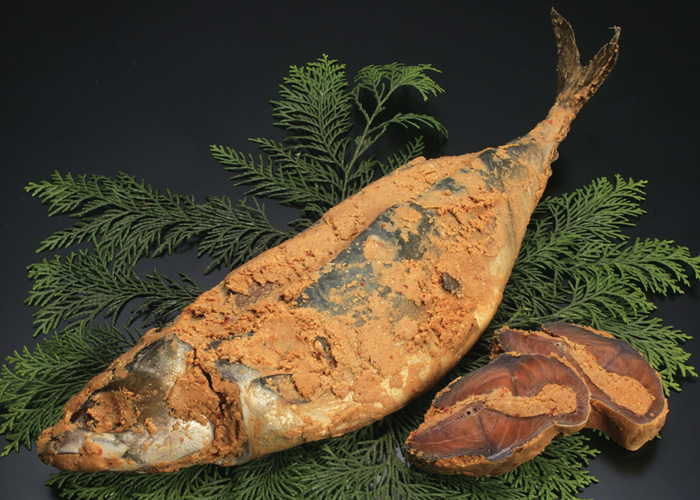
Saba Heshiko Zuke.
Saba/Mackerel has been a staple fish in Japan since immemorial times.
One way to conserve it for better transport away from the shores was “Saba Heshiko zuke”, that is pickled in miso and sake white lees.

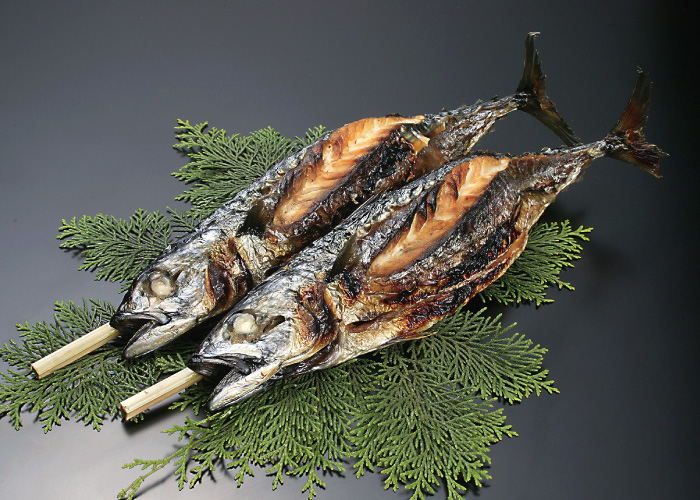
Saba/mackerel is easily grilled, either on the stick as above,

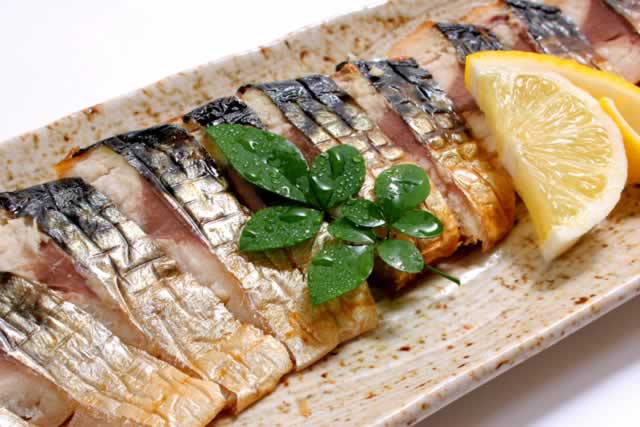
or grilled and served cut in slices.

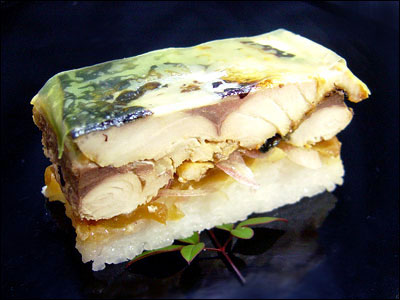
The same grilled saba can be served as oshizushi/presed sushi!

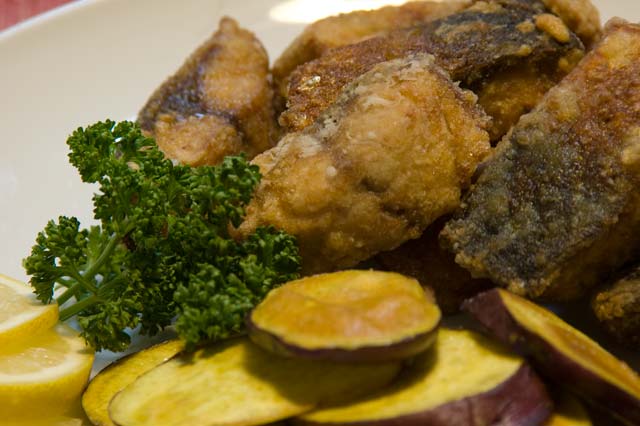
Saba can be also served to a tatsty crispiness by deep-frying it!

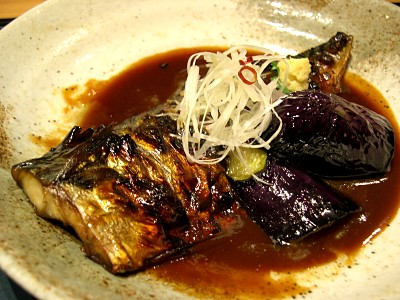
Or simmered the Japanese way with miso, sake, soy sauce, ginger and mirin!

A very versatile fish!

RECOMMENDED RELATED SITES:
Bread + Butter, Comestilblog, Greedy Girl, Bouchon For 2, Zoy Zhang, Hungry Neko, Mangantayon, Elinluv Tidbit Corner, Maison de Christina, Chrys Niles, Lexi, Culinary Musings, Eats and Everything, Bite Me New England, Heather Sweet, Warren Bobrow, 5 Star Foodie, Frank Fariello, Oyster Culture, Ramendo, Alchemist Chef, Ochikeron, Mrs. Lavendula, The Gipsy Chef, Spirited Miu Flavor, Wheeling Gourmet, Chef de Plunge, Sushi Nomads, Island Vittles, Jefferson’s Table, Rubber Slippers in Italy, The London Foodie

Please check the new postings at:
sake, shochu and sushi,
—————————————-
日本語のブログ
—————————————-

Oden: A Shizuoka Delicacy!

Dark Shizuoka Oden

When winter seems bent on holding us company and taking a sadistic pleasure listening to our moans, everything to warm up our bodies is welcome.
The Japanese have come up with the ideal solution: Oden (おでん)!
The beauty of it is that it is sustaining food, quite cheap fare by this country standards and very comforting.
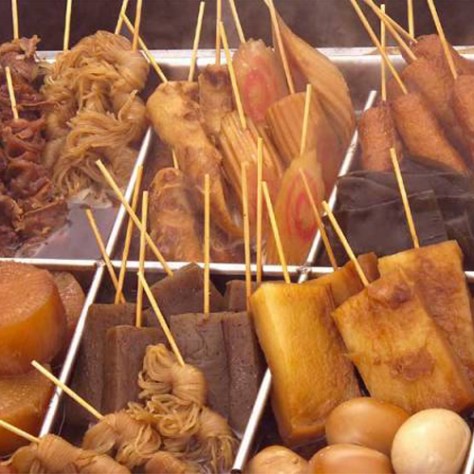
For a closer look!

Oden has a long history. It can be traced back to Edo times when it was called Kanto-daki/関東煮, meaning Kanto region stew. At the time it was mainly made with strong soy sauce and soup stock extracted from a combination of konbu/seaweed, whale meat and beef tendons.
The whalemeat has disappeared but the broth is still made with the same soy sauce, seaweed and beef tendons in the east of Japan.
On the other hand, many contend that Oden was originally what is now commonly called misodengaku or simply dengaku. Take your pick!

Dark Shizuoka Oden again!

It can be found all over the Japanese archipelago all year round (not only in winter!) in many guises and many trends, although it can roughly be divided into three categories:
-Simmered in a light broth most popular in the Kansai Region/Western Japan.
-Served with Miso, notably in the Nagoya area.
-Cooked in a dark soup in the Kanto Region/Eastern Japan.
Many people will argue that each region, or even city, has its own original brand of oden, and they might be right as ingredients greatly vary although the three above methods prevail.
The Japanese are so entrenched in their fondness of oden that regular TV shows extol the virtues of their national comfort food with “talents” recruited in each Prefecture on a single stage!

Even darker Shizuoka Oden!

But wherever you go, look forward to sampling common ingredients:
-Eggs: they are first boiled before being skewered and left in the broth. Actually skewering oden is far from being universal. But the sticks attached to them will certainly help you when choose them out of impossibly dark soup in Shizuoka!
-Potatoes: popular almost everywhere, they are seemingly a favorite of expats.
Now, have you ever wondered how potatoes do not break up being left for ages in hot broth and roughly manipulated around?
The potatoes are first boiled to about 80% and then plunged into ice water or immediately locked in a fridge. Do not be worried when the local odenyasan/oden shop owner opens his/her fridge for more potatoes to add into the broth, but choose them with a nice color when fishing them out!
-Daikon, or Japanese long radish: these are also prepared like potatoes to ensure they do not break.
-Konnyaku: Devil’s Tongue tuber jelly: some odenya will serve it in thick triangular or rectangular pieces or as ito konnyaku/konnyaku vermicelli.
-Tofu or bean curd: it is usually of the harder kind and seared first before plunging them in the broth.

Out of the pot!

Oden is often sold from food carts, and most Japanese convenience stores now have simmering oden pots in winter containing different kinds of oden sold, with single-ingredient varieties as cheap as 50 yen.

You can of course buy any ingredients of your liking, cook them in your preferred broth at home with hot Japanese mustard and some beer or (hot) sake like many do in Japanese households.
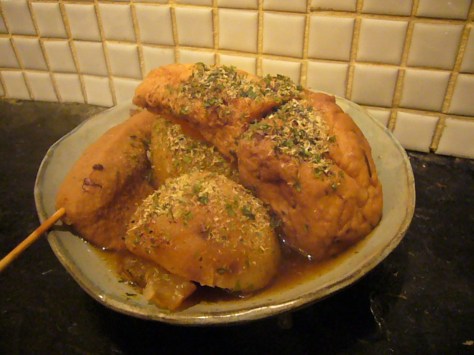
As served in Odenya!

But the best way to enjoy oden and discover their varieties is to eat outside with a mind to have a (few) drinks on your own or with special company!

Shizuoka Aoba Koen Oden Alley!

Now Shizuoka Oden has probably become the most famous (maybe notorious?) variety in Japan.
In an era when so-called B-Gourmet, or even C-Gourmet (Japanese expressions!) have become a regular feature on TV and other media, Shizuoka is not following the norms.
Odenya there serve a dark (and even black to visitors from Kansai who favour a light dashi!) broth flavored with beef stock and strong soy sauce. Moreover all ingredients are skewered, that for “true” Shizuoka Oden. Another peculiarity is that they are served with a powdery mixture of dried ground fish (sardine, mackerel or bonito shavings) and aonori (edible seaweed). More often customers will be handed plates and allowed to take out their preferred morsels and spoon out some oden seasoning powder they will liberally sprinkle over their food. On top of this the same customers will add hot Japanese mustard from one of the pots on the table or counter.
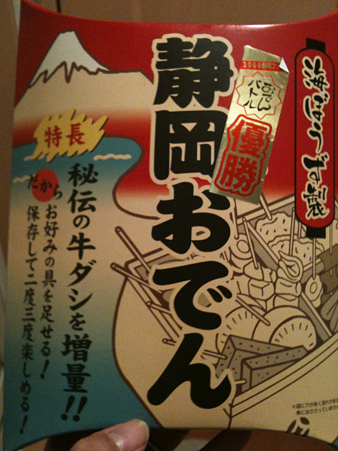
Shizuoka Oden Pack

Visitors from other regions might entertain some reservations when witnessing Shizuokans choose with utmost care the oldest pieces, some of them eggs which have become a solid burnt brown on the outside or triangular pieces of fish paste that no one else would be able to recognize as such!

Now, if you have the occasion to stop and visit Shizuoka City (other areas in the prefecture do also have their own peculiar tidbits on offer like beef lungs in Gotenba!), go to Aoba Koen Park Street.
The whole park used to be lined with yatai/food stands serving oden and drinks from as early as 3 o’clock in the afternoon (some still do) until the wee hours of the morning.
But a new hygiene law in the 1960’s forced them into moving inside alleys and corridors between other buildings where the became Aoba Oden Alleys.
They totalled at least 36 shops at the present, all with their specialties and famous characters. Actually an official pamphlet lists more than 80 specialized odenya and more than 300 izakayas serving real Shizuoka Oden!

Shizuoka Oden Festival Poster.

Every year a Shizuoka Oden Festival is held in mid-February in the Aoba Koen and Gofuku-cho area for the pleasure all, adults and children, day or night, Japanese or expats!
The perfect comfort food with superlative Shizuoka Sake!

For people who do not have the time to visit Shizuoka, oden are sold in tins, cans, and bags on the Shizuoka JR Station platforms!

RECOMMENDED RELATED SITES:
Bread + Butter, Comestilblog, Greedy Girl, Bouchon For 2, Zoy Zhang, Hungry Neko, Mangantayon, Elinluv Tidbit Corner, Maison de Christina, Chrys Niles, Lexi, Culinary Musings, Eats and Everything, Bite Me New England, Heather Sweet, Warren Bobrow, 5 Star Foodie, Frank Fariello, Oyster Culture, Ramendo, Alchemist Chef, Ochikeron, Mrs. Lavendula, The Gipsy Chef, Spirited Miu Flavor, Wheeling Gourmet, Chef de Plunge, Sushi Nomads, Island Vittles, Jefferson’s Table, Rubber Slippers in Italy, The London Foodie

Please check the new postings at:
sake, shochu and sushi,
—————————————-
日本語のブログ
—————————————-

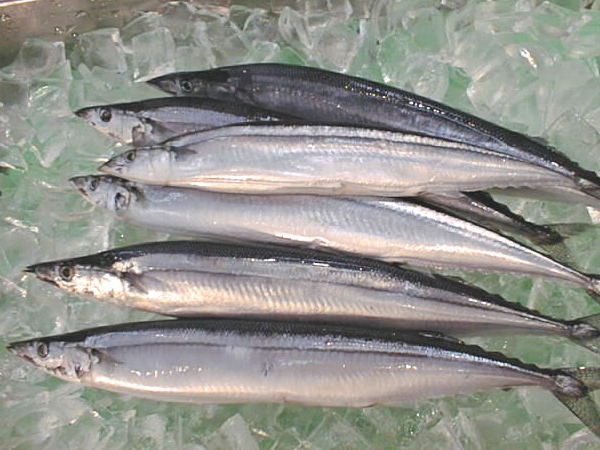
Japanese Seasonal Fish: Sanma/Mackerel Pike

“Sanma” or Mackerel Pike usually comes on our plates with the advent of Autumn, but can be found until mid-winter in Shizuoka Prefecture
Known under other names such “Saira” or “Banjyo”, it is a fish with red meat rich with proteins.
In season, the flesh is fatty and sweet.

Its Japanese name 秋刀魚 means Autumn Sword Fish!

It is mainly caught off the north eastern shores of Japan as the fish swims down from Hokkaido.
But the more south it is caught, the less fat it will contain.
The annual catch exceeds 20,000 tonnes, although breeding is increasingly successful.
If you eat it at a sushi restaurant, you can expect its bones and head served deep-fried.

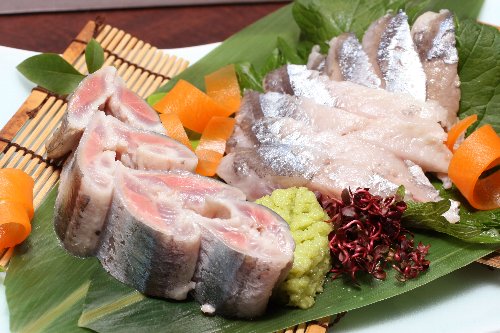
As sashimi it can be enjoyed straight with wasabi and soy sauce.
But as it is a red-flesh fish it beautifully combines with grated ginger, sliced myoga or chopped thin leeks.

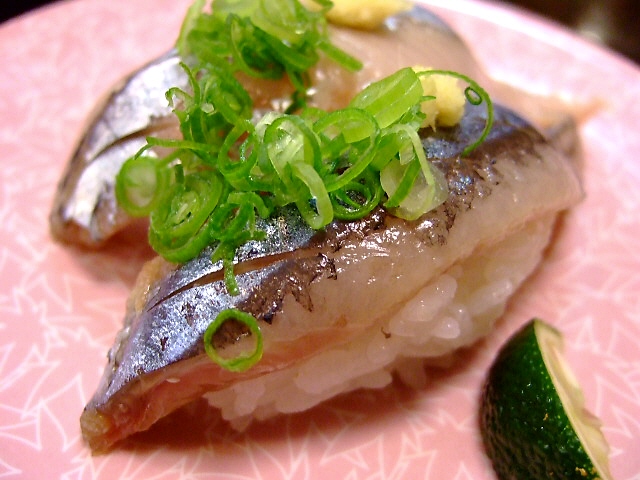
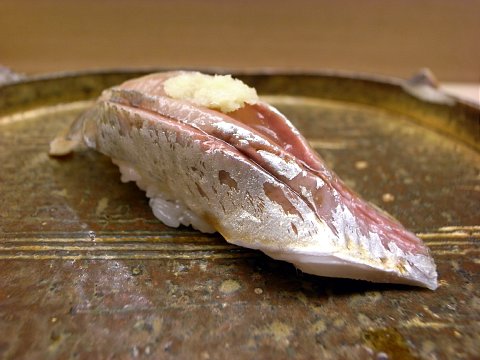
As sushi it does come in many forms and can be pretty spectacular as a single sushi nigiri serving!

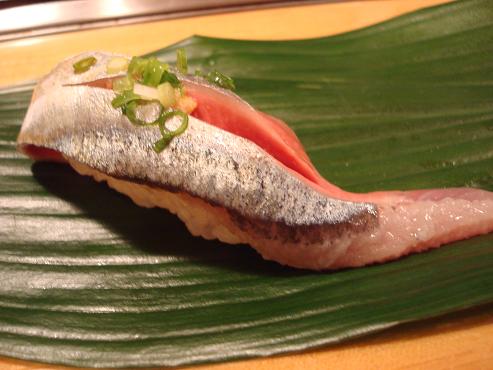
Another sushi nigiri sample!

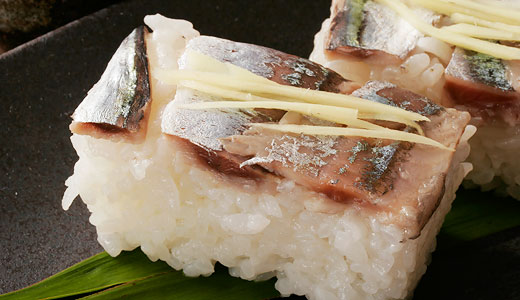
In waetern Japan it is very popular as oshizushi/pressed sushi.

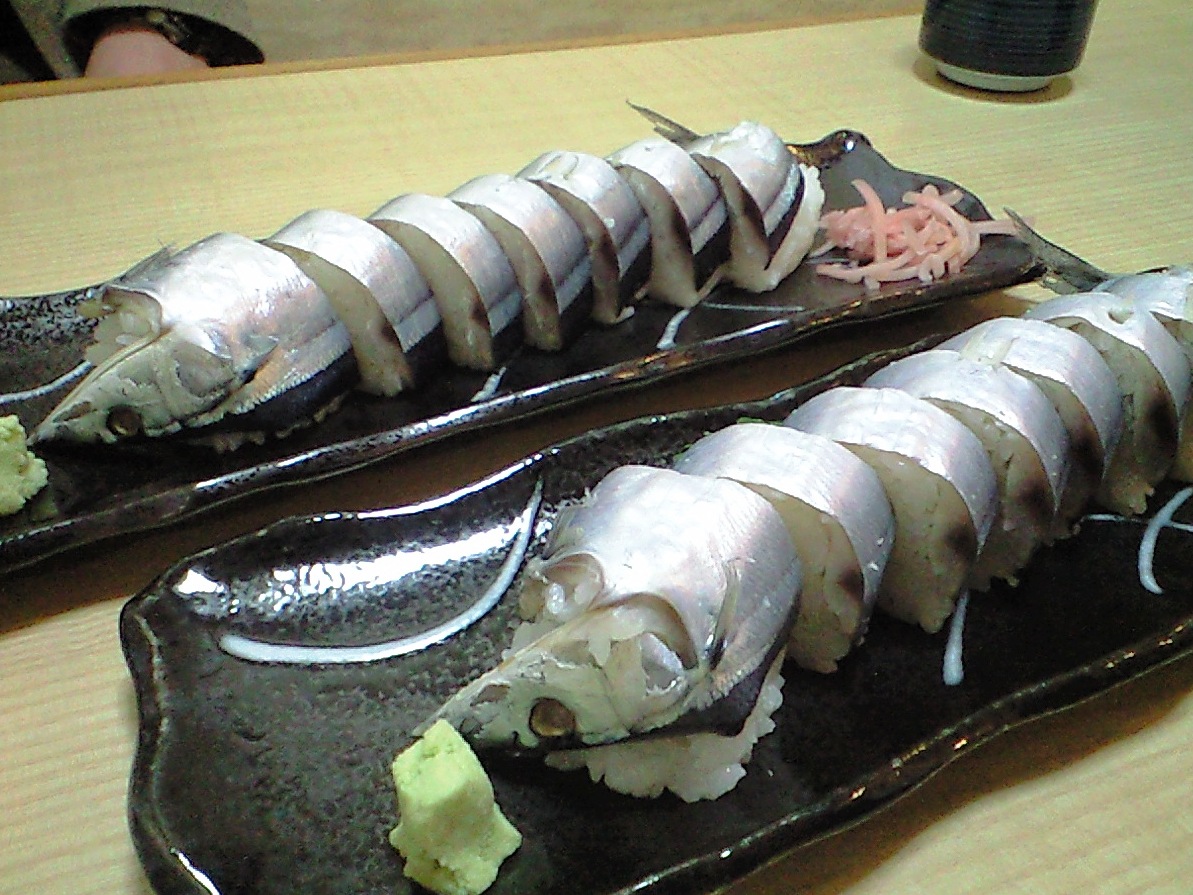
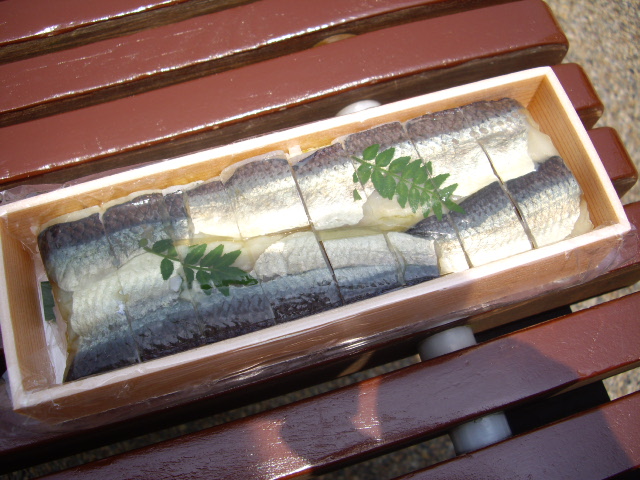
Another popular oshizushi version is “bo-gata/whole fish sushi”!

Bo-gata is often encountered as a sushi bento/lunch box!

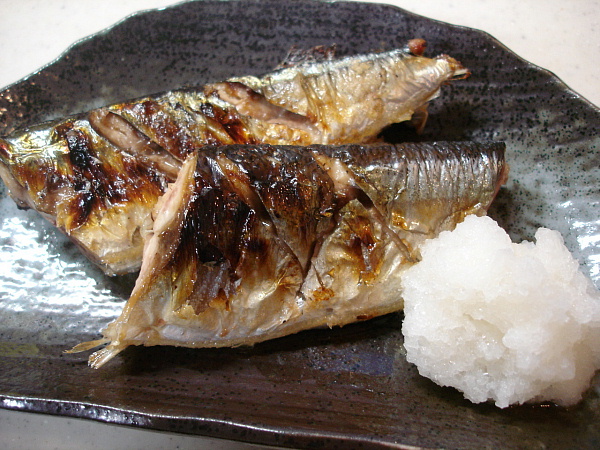
As it is a very rich fish, it can be eaten simply grilled with its skin and grated daikon and lemon.

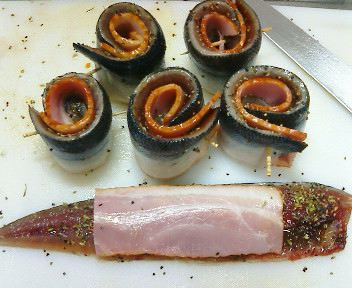
It is easy to manipulate such as the above sanma and bacon roll (later grilled)!

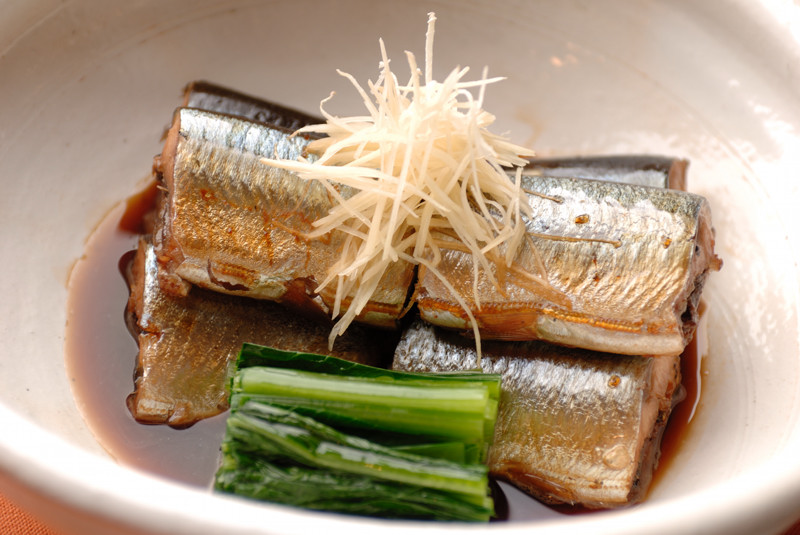
Of course it can be simmered Jpaanese style with soy sauce, mirin, sake and ginger!

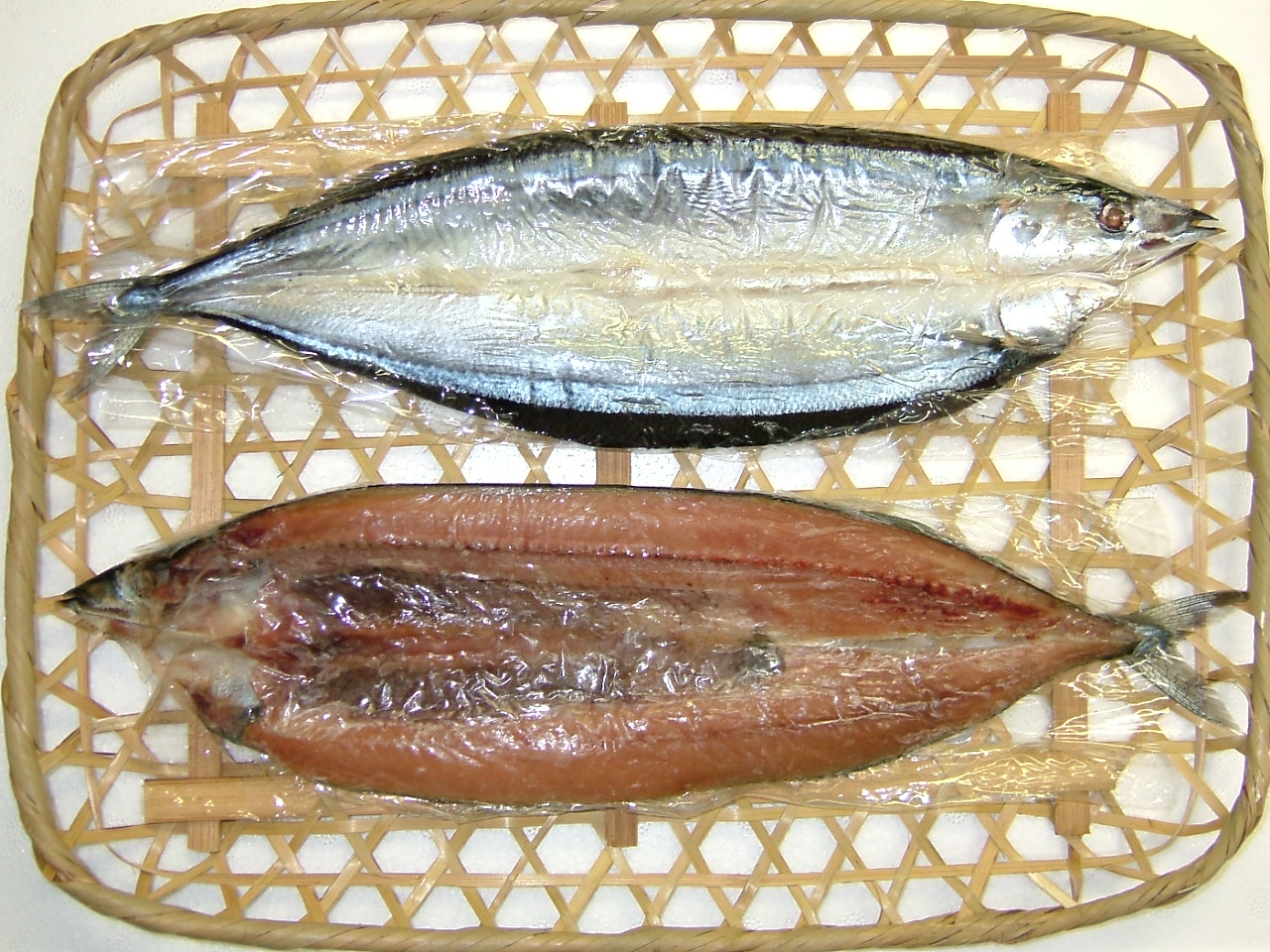
As himono/dried fish it is practical for carrying and grilling later!

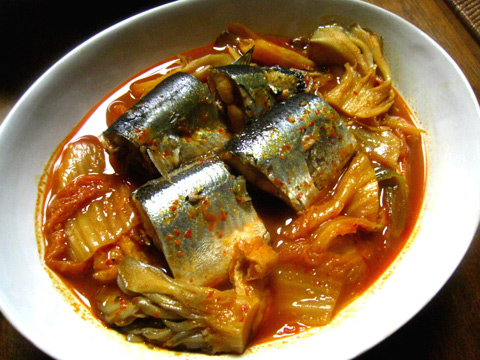
Tinned/canned it is comparatively cheap and can be accomodated in many ways, such as with kimchi!

RECOMMENDED RELATED SITES:
Bread + Butter, Comestilblog, Greedy Girl, Bouchon For 2, Zoy Zhang, Hungry Neko, Mangantayon, Elinluv Tidbit Corner, Maison de Christina, Chrys Niles, Lexi, Culinary Musings, Eats and Everything, Bite Me New England, Heather Sweet, Warren Bobrow, 5 Star Foodie, Frank Fariello, Oyster Culture, Ramendo, Alchemist Chef, Ochikeron, Mrs. Lavendula, The Gipsy Chef, Spirited Miu Flavor, Wheeling Gourmet, Chef de Plunge, Sushi Nomads, Island Vittles, Jefferson’s Table, Rubber Slippers in Italy, The London Foodie

Please check the new postings at:
sake, shochu and sushi,
—————————————-
日本語のブログ
—————————————-

Daikon Couple: The Pious and The Pervert…

Just found this odd couple lying on the kitchen floor lying in unknowing bliss before being chopped into stew!
They had come form the Missus’ parents farm.

Now, why did the Missus trim that appendage?

RECOMMENDED RELATED SITES:
Bread + Butter, Comestilblog, Greedy Girl, Bouchon For 2, Zoy Zhang, Hungry Neko, Mangantayon, Elinluv Tidbit Corner, Maison de Christina, Chrys Niles, Lexi, Culinary Musings, Eats and Everything, Bite Me New England, Heather Sweet, Warren Bobrow, 5 Star Foodie, Frank Fariello, Oyster Culture, Ramendo, Alchemist Chef, Ochikeron, Mrs. Lavendula, The Gipsy Chef, Spirited Miu Flavor, Wheeling Gourmet, Chef de Plunge, Sushi Nomads, Island Vittles, The French Market Maven, Tokyo Through The Drinking Glas, Palate To Pen, Tokyo Foodcast, Good Beer & Country Boys, Tokyo Terrace, Think Twice, Jefferson’s Table

Please check the new postings at:
sake, shochu and sushi,
—————————————-
日本語のブログ
—————————————-

Japanese Seasonal Fish: Shimaaji/Striped Horsemackerel

Shimaaji, or Striped Horsemackerel is one variety of Aji/Horsemackerel-Saurel.
Although the season is said to be in Summer, the taste varies little with the time of the year.
Striped Horsemackerel caught by anglers off the Izu Peninsula are said to be the best in Japan.
It is known under the other names of Ookami, Kose and Katsuoaji.

In English it called Striped Horsemackerel, Saurel or White Trevally.
White trevally, Pseudocaranx dentex, is a jack of the family Carangidae widespread in tropical and warm temperate areas between 40°N and 47°S, in the Atlantic, Mediterranean, Indian and Pacific Oceans. It has a deep body, and a greenish colour with metallic overtones and a dark spot above the gills. The fins are yellow.
In New Zealand, this trevally is known by the Māori as araara, and is generally confined to waters north of Cook Strait, although it sometimes reaches as far south as Otago in the summer.

It is a great fish to serve as sashimi, either in simple slices as above,

Or the whole fish as Tataki/tartare!

In Shizuoka, where the fish is usually served still alive, the bone and heads will served later deep-fired. Superb snack!

The fish is easy to manipulate to make beautig\ful maki with daikon as above!

The sushi nigiri will have photograpers on constant alert!

See what I mean?

Of course aji can be enjoyed grilled with a simple seasoning of soy sauce or ponzu!

Like most white-fleshed fish it can deep-fired in batter and breadcrumbs at home!

RECOMMENDED RELATED SITES:
Bread + Butter, Comestilblog, Greedy Girl, Bouchon For 2, Zoy Zhang, Hungry Neko, Mangantayon, Elinluv Tidbit Corner, Maison de Christina, Chrys Niles, Lexi, Culinary Musings, Eats and Everything, Bite Me New England, Heather Sweet, Warren Bobrow, 5 Star Foodie, Frank Fariello, Oyster Culture, Ramendo, Alchemist Chef, Ochikeron, Mrs. Lavendula, The Gipsy Chef, Spirited Miu Flavor, Wheeling Gourmet, Chef de Plunge, Sushi Nomads, Island Vittles, Jefferson’s Table, Rubber Slippers in Italy, The London Foodie

Please check the new postings at:
sake, shochu and sushi,
—————————————-
日本語のブログ
—————————————-

Japanese Seasonal Fish: Suzuki/Seabass

Suzuki or seabass is a fish so popular with anglers all over the world that a lot of people forget it is also an extremely popular for sashimi and sushi in Japan.

“Simple” Sashimi Plate

Her the seabass was first seared before before being sliced for sashimi!

Like any other fish, it bears many names: Madaka, Hakura, Shiibasu.

In the Kanto (Eastern Japan) area, including Shizuoka Prefecture, it is called Seigo when under 25cm. At 3 years of age, when it has attained a length near 60cm, it is called Fukko or Suzuki.
In Kansai (Western Japan) it is called Seigo, Hane, and Suzuki.

A summer fish par excellence, it is caught mainly in Central and western Japan. But it is also caught in winter in Shizuoka waters.

The bigger and the older the fish, the better it is considered. After a decline in the 1980’s, catches have increased recently, reaching more than 9,300 tonnes after 2000.
It has been raised succesfully, thus replenishing stocks.
170.000 seabasses were raised in 1992!

Great as a sushi and appreciated for it natural taste. A little salt and lemon juice are enough.

As a sashimi it canbe declined in many ways such as carpaccio!

Raw, it can be combined as a simple and sublime salad with octopus for example.

Italian style as fritters combined with a salad!

Of course it is a very versatile fish you can appreciate cooked, simmered, or grilled, although it becomes fragile upon being cooked.

Grilled, Japanese style, with a aonori/seaweed coating!

Grilled on its skin and served French style!

And why not eat it simply as steamed fish?

RECOMMENDED RELATED SITES:
Bread + Butter, Comestilblog, Greedy Girl, Bouchon For 2, Zoy Zhang, Hungry Neko, Mangantayon, Elinluv Tidbit Corner, Maison de Christina, Chrys Niles, Lexi, Culinary Musings, Eats and Everything, Bite Me New England, Heather Sweet, Warren Bobrow, 5 Star Foodie, Frank Fariello, Oyster Culture, Ramendo, Alchemist Chef, Ochikeron, Mrs. Lavendula, The Gipsy Chef, Spirited Miu Flavor, Wheeling Gourmet, Chef de Plunge, Sushi Nomads, Island Vittles, Jefferson’s Table

Please check the new postings at:
sake, shochu and sushi,
—————————————-
日本語のブログ
—————————————-

Japanese Seasonal Fish: Kawahagi/Thread-sail Filefish

Kawahagi or Thread-sail Filefish (or simply Filefish) is an angler’s favourite in summer, although it is caught almost all year round in Shizuoka.
Like any other fishes, it has other names such as “Gihagi, “Hagi”, “Gyuu”, “Subuta” or “bakuchiuchi”.
It is fairly common in Central and South Japan.
It is called Leatherjacket down in Australia where it is considered a pest!

The skin should be rough like that of a shark and brightly coloured.
Avoid sticky skin fish.
The bigger the size, the greater the taste (anglers, enjoy!)

In Kansai area, it replaces Fugu/Globefish when it is out of season for its similarity as sashimi.

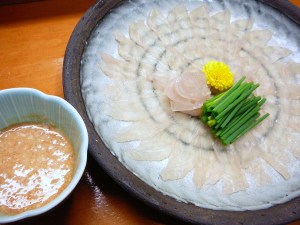
Actually it makes for superlative sashimi as demonstrated by the above O-Tsukuri served at Sushi Ko in Shizuoka City!

012

The same served with its own liver dip!

It can make for a spectacular sashimi presentation as a whole fish sashimi plate!

Both its flesh and liver can served raw!

Australians would be surprised to discover it served as tartare on Italian-style crostinis!

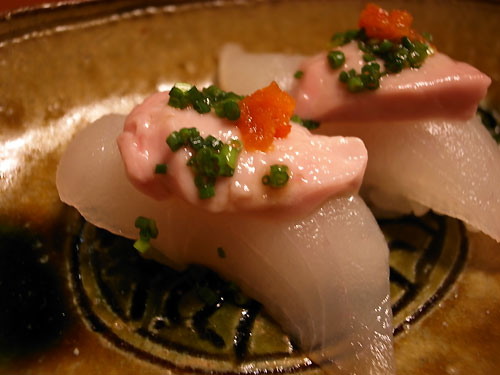
The perfect Kawahagi sushi nigiri must have be topped with its liver!

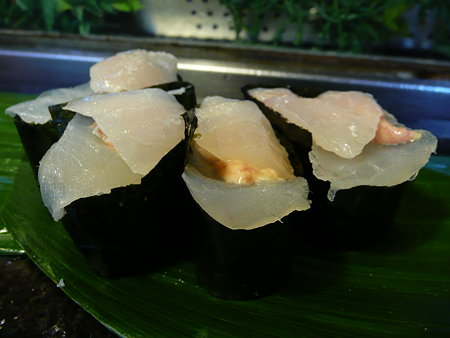
Cut in small slices, it makes for beautiful sushi gunkan!

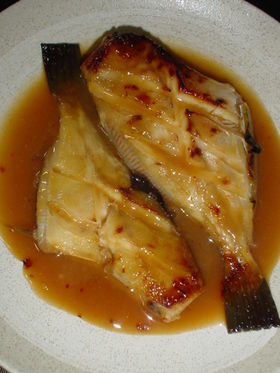
Cooked, it is very popular simmered in soy sauce, mirin and sugar. A great accompaniment for a nice bowl of freshly steamed rice!

If you want to serve it as tempura, first season it with umeboshi/Japanese pickled plums flesh of the sweet kind.

Now, what does this remind you of? Foie gras? Almost right! Grilled kawahagi Liver!

——————————————————————
Savouring the full Filfish meal at Sushi Ko, Shizuoka City:

Back in June, as I had to atone for some somewhat egoistical pleasure-seeking, I took the Missus to our favourite Sushi Restaurant in Shizuoka City, namely Sushi Ko,located along Aoba Park.

Although we did order the inevitable favourites, “katsuo/bonito” sashimi, “Shirako to Ankimo/Combination of Cod Sperm sacs and Frogfish/Monkfish liver”, “Pon Kara Maguro/Deep-fried tuna cubes”, “Shishamo/Spirinchus lanceolatus”, “Hotate/Scallops”, “Maguro Zuke/Marinated Tuna sushi”, and “Amaebi nigiri to Shiraebi Gunkan/Sweet shrimp and white shrimp sushi”, the star of the day was “Kawahagi/Filefish”!

The chef took a splendid live specimen (see top pic) just caught off Mochimune coast in Shizuoka City out of the “aquarium” and proceeded to serve the complete fish in three different manners:


“O-Tsukuri”:
After having taken away the inedible skin, the chef first cut the fillets into very thin slices to be served with thin leeks and dip sauce made of ponzu mixed with the fresh liver of the same fish. As now is the best season, those comparatively thin fish come up with enormous livers!


“O nigiri”:
The chef managed to keep four slices aside to prepare nigiri with the fish flesh topped with a piece of its liver, some “momiji oroshi/grated daikon with chili pepper” and seasoned with ponzu!

SUSHI-KO-2008-10-11
“Kara age”:
The “cheeks bones” with their meat were last deep-fried and served as they are with some lemon. Simple and great!
All this with one single fish!

Sushi Ko
shizuoka City, Aoi Ku, Ryogae-cho. 2-3-1 (Aoba Koen)
Tel.: 054-2512898
Business Hours: 17:00~25:00. 17:00~23:00 (Sundays)
Closed on Wednesdays
Reservations recommended
Credit cards OK
HOMEPAGE (Japanese)

RECOMMENDED RELATED SITES:
Bread + Butter, Comestilblog, Greedy Girl, Bouchon For 2, Zoy Zhang, Hungry Neko, Mangantayon, Elinluv Tidbit Corner, Maison de Christina, Chrys Niles, Lexi, Culinary Musings, Eats and Everything, Bite Me New England, Heather Sweet, Warren Bobrow, 5 Star Foodie, Frank Fariello, Oyster Culture, Ramendo, Alchemist Chef, Ochikeron, Mrs. Lavendula, The Gipsy Chef, Spirited Miu Flavor, Wheeling Gourmet, Chef de Plunge, Sushi Nomads, Island Vittles, Jefferson’s Table

Please check the new postings at:
sake, shochu and sushi,
—————————————-
日本語のブログ
—————————————-

Japanese Cuisine: Taro & Chicken Stew

Taro/sato imo are a very eclectic vegetable. Like potatoes, they can be cooked with almost anything!

ere is a simple very Japanese recipe:

Taro & Chicken Stew!

INGREDIENTS: For 3~4 people

-Taro/sato imo: 400 g
-Chicken breast: 1
-Japanese sake: 1 tablespoon
-Salt: to taste

-Sugar: 2 tablespoons
-Japanese sake: 2 tablespoons
-Soy sauce: 2 tablespoons

RECIPE:

-First cut the chicken into bits-sized pieces. Marinate for a while in Japanese sajke and a little salt.

-Peel taro/sato imo and cut into bite-sized pieces.
Sprinkle with a little salt, than wash thoroughly.

-In a saucepan pour some oil (not included in above ingredients) and heat. Fry the marinated chicken until it has changed colour.

-Add the taro/sato imo. Lightly fry until the oil has covered all the taro/sato imo. Add sugar, Japanese sake and soy sauce. Bring to boil first, then lower fire to low. Cover with lid. Stew for 15~20 minutes until taro/sato imo are soft.

-Stir from time to time. When you are satisfied with the tenderness of the taro/sato imo, it is ready to serve!

-Place in a dish and eat while hot.
Decorate/season with a few sprigs or leaves.

NOTE:

-There is no need to add water.
-Season with a little sesame oil at the end!

RECOMMENDED RELATED SITES:
Bread + Butter, Comestilblog, Greedy Girl, Bouchon For 2, Zoy Zhang, Hungry Neko, Mangantayon, Elinluv Tidbit Corner, Maison de Christina, Chrys Niles, Lexi, Culinary Musings, Eats and Everything, Bite Me New England, Heather Sweet, Warren Bobrow, 5 Star Foodie, Frank Fariello, Oyster Culture, Ramendo, Alchemist Chef, Ochikeron, Mrs. Lavendula, The Gipsy Chef, Spirited Miu Flavor, Wheeling Gourmet, Chef de Plunge, Sushi Nomads, Island Vittles, Jefferson’s Table

Please check the new postings at:
sake, shochu and sushi,
—————————————-
日本語のブログ
—————————————-