Tag Archives: Vegetarian

Vegetarian & Vegan Cuisine: Ginger as a Vegetable


The Japan Blog List

Please check the new postings at:
sake, shochu and sushi

—————————————-
日本語のブログ
—————————————-
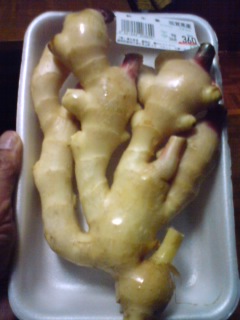
Ginger when eaten outside Japan generally comes under its semi-dry or dry root.
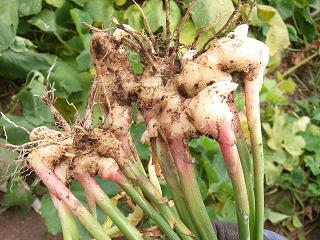
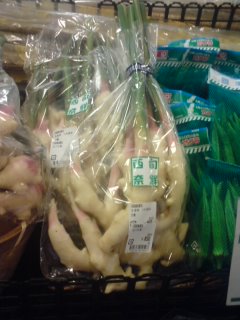
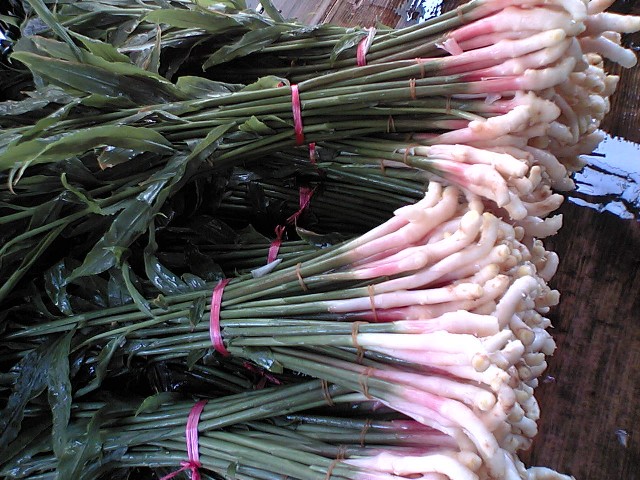
Actually here, and in Shizuoka especially, fresh ginger or “Ha Shoga”/Leaf Ginger comes into some great recipes to please any one who does not consume meat (of course ginger is used in many meat recipes!)

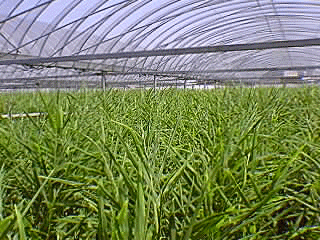
Extensively grown in our Prefecture, it can be bought fresh in season in any Supermarket:

There are many ways to prepare and eat it:


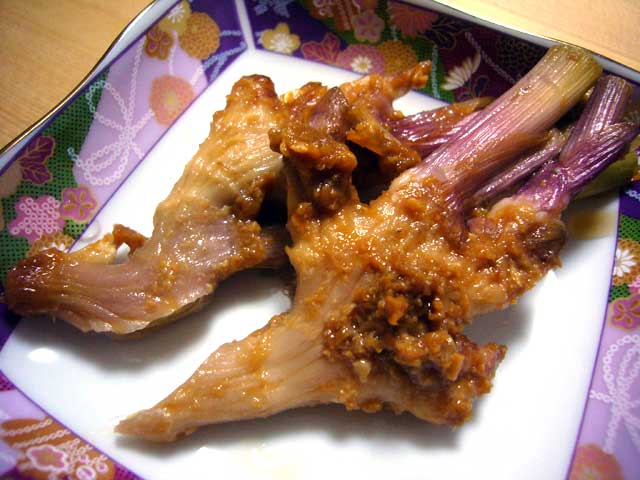
Fresh Ginger pickled in miso.
Very practical when you can buy loads in season. Choose your miso paste well so as avoid too much salt!


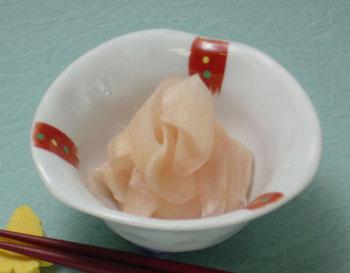
Everyone knows pickled sliced ginger (use fresh plants only!) served with sushi!


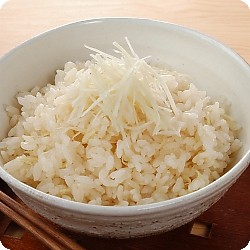
Ginger can be steamed with rice or served very finely cut on top of a bowl of steaming rice!


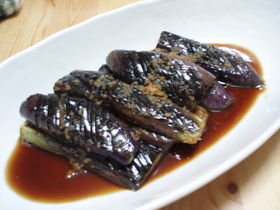
Ginger is great finely chopped and fried with egg-plant/aubergines, soy sauce and mirin!
(Plan to introduce recipe!)


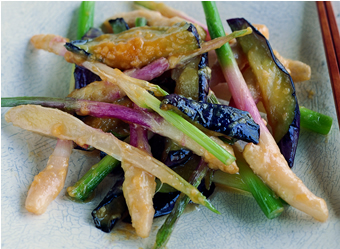
Fresh thin ginger roots are simply beautiful fried/sauteed with othe vegetables!
(Plan to introduce recipe!)

Enjoy!

Vegetarian & Vegan Cuisine: Myoga as a Vegetable


The Japan Blog List

Please check the new postings at:
sake, shochu and sushi

—————————————-
日本語のブログ
—————————————-

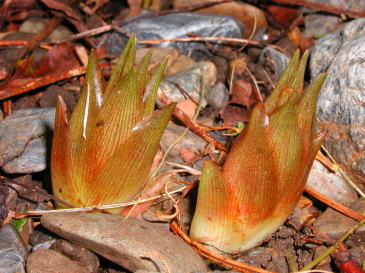
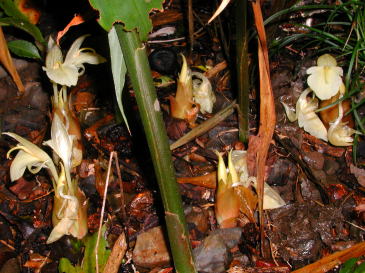
Myōga (茗荷) or myoga ginger (Zingiber mioga, Zingiberaceae) is an herbaceous, deciduous, perennial native to Japan that is grown for its edible flower buds and flavorful shoots.

As a woodland plant myoga has specific shade requirements for its growth. It is frost-tolerant to 0F, -18C possibly colder.
Some constituents of myoga have shown promise for potentially anti-carcinogenic properties

A traditional crop in Japan, myoga has been introduced to cultivation in Australia and New Zealand for export to the Japanese market. I’ve always wondered if it were available on American and European Markets.
It is a great plant for use in vegetarian and vegan dishes as it adds lots of soft flavors.
Flower buds are usually found finely shredded raw in Japanese cuisine as a garnish.
But there are many other possibilities:


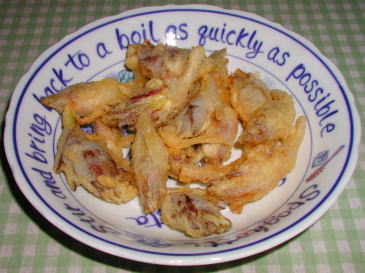
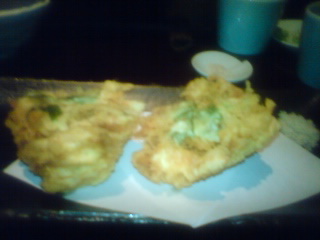
Tenpura.
Actually some Japanese restaurants will prepare the flowers as well as tenpura.
Vegans should replace the egg white included in the batter with a little cornstarch.


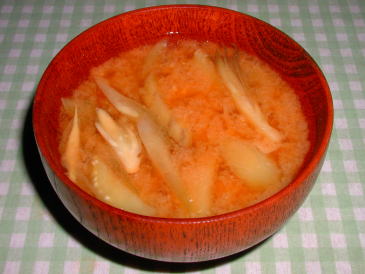
Myoga in Miso Soup.
Cut the myoga into thin strips and just add them to the miso soup inside bowls before serving it.


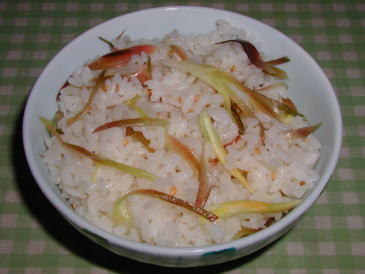
Myoga Gohan/Myoga Rice.
Cut the myoga in very thin strips and put it on top of the rice before steaming it. When the rice is cokked, mix in the myoga with rice and serve.
Vegetarians and Vegans may use genmai/whole rice for higher nutritients.
Beautiful when freshly cooked!


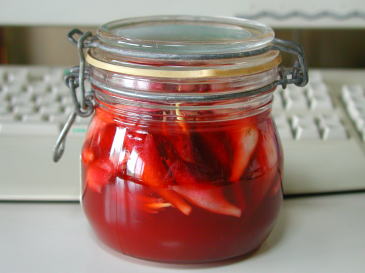
Myoga Pickles
Wash myoga quickly under running water. Drain and take excess water with kitchen paper.
Best pickled with amazu/sweet rice vinegar. If not available use rice vinegar, sugar and soft umeboshi/Japanese pickled plums.

Enjoy!

Shizuoka Sobaya (Soba/Buckwheat Noodles): Setsugetsuka


The Japan Blog List

Please check the new postings at:
sake, shochu and sushi

—————————————-
日本語のブログ
—————————————-

Last week, during that memorable day spent in the merry company of Etsuko Nakamura, Melinda Joe and Timothy Sullivan, we had lunch at a sobaya I had planned to visit for quite some time in Shimada City: Setsugetsuka.

This is the kind of place I can recommend to a lot of people with very different culinary tastes, be they vegetarian, vegan or omnivourous (that’s for me).
The interior has just been revamped into a great Japanese semi-traditional atmosphere, which should please guests in search of a true Japanese setting.

The food from complimentary soba tofu (see above picture) to dessert is of refined quality at very reasonable prices.
The 7th generation chef (the place was opened 90 years ago) tries to combine classics and original recipes:


“Fuwa fuwa tamagoyaki”/a Japanese omelette with a twist: The tamagoyaki is first cooked, put inside a bowl with “dashi/soup stock”, then covered with beaten eggs and cooked again in an oven to attain a “cloudy omelette” reminiscent of a souffle!


Tenpura are served one at a time to ensure freshness.


Tenpura includes “sakura Ebi Kakiage”, made with Sakura Shrimps which can be caught only off Yui-cho shore in the Prefecture!


Soba come in many varieties from stright “10-wari” to:


violet soba (mixed with violet yam!)

Frankly speaking one cannot exhaust all the possibilities, so visit their homepage (Click on anything printed in blue or violet!). Even if you do not understand Japanese, you will enjoy the pics!

Incidentally, they serve great local sake from their neighbours at Oomuraya Brewery!

Setsugetsuka
Shimada City, Hotoori, 2-3-4
TEL: 0547-35-5241
Opening hours: 11:30~14:30; 17:00~22:00
Closed on Mondays and third Tuesdays
HOMEPAGE

Shizuoka Izakaya: Drinking History at Yasaitei


The Japan Blog List

Please check the new postings at:
sake, shochu and sushi

—————————————-
日本語のブログ
—————————————-

Last night I was invited by the owners of Odakkui, Katayurimo and Hana Oto Izakayas to share a very special bottle of sake (above pic).
This sake, a superlative Daiginjo, had been brewed back in 1997 by Okada Brewery which eventually ceased operations in 2006. In spite of its old age (for a sake) it had preserved in perfect condition all the time at very cold temperature by a collector cum liquor shop, Matsunagaya in Shizuoka City.
For the connoiseurs, this Daiginjyo is called Okinabeneten, brewed by Okada Brewery in Fujieda City. Rice: Yamada Nishiki milled down to an extravagant 35%. The yeast was a Shizuoka NEW-5 Yeast. Dryness is only +7~+9 and acidity a very low 1.0~1.3. The drawing process was “Fune shibori/tank press”. Alcohol was standard 15~16 degrees.
A great sake, so pleasant to drink with a dry elegant entry, short tail and a complex and rich aroma and taste. Tended to show different facets with food, alternatively turning drier and sweeter. An incredibly extravagant sake to drink with food. We drank it both chilled and heated.

Now, what did we eat with such a nectar?
First of all, sashimi of course. Not one kind, but two!
First seafood sashimi as shown on pic above:
(From top clockwise) Fresh Shirasu/baby sardines, Akami/lean tuna, Madai/red snapper, Hotategai/scallops, Katsuo/bonito. In the centre is boiled Tako/octopus. The whole was provided with wasabi (real one!), grated ginger, myoga cut into very fine strips and chopped thin leeks.

Yasai sashimi/vegetables sashimi, the specialty of the house. Great juicy and crunchy cucumber, daikon, red radishes, celery (Shizuoka Prefecture produces half of all celery in Japan!), myoga and sweet red pimento. You probably noticed the big shiso leaf concealing chopped sweet onions. A treat for vegetarians (and vegans!)!

Yasatei is also renown for its superlative Kansai-style oden!

And finally another treat for vegetarians: renkon/lotus roots sauteed with soy sauce and sprinkled with sesame seeds!

Great food for a great sake!

Yasaitei
Shizuoka City, Aoi Ku, Tokiwa-Cho, 1-6-2 Green Heights Wamon 1-C
Tel.: 054-2543277
Business hours: 17:30~22:00
Closed on Sundays
Reservations highly recommended

Shizuoka Izakaya: Bu-Ichi (re-visited)


The Japan Blog List

Please check the new postings at:
sake, shochu and sushi

—————————————-
日本語のブログ
—————————————-


(Oumuraya Brewery, Hakuen Bishamon Honjozo)

The Missus has this special liking for Bu-Ichi Izakaya (which I share!), not only because she loves the food, drinks and atmosphere, but also because she always happens to learn something new she will be glad to try reproduce (in her own way) back home! I’m not one to complain, and I certainly enjoy writing about the place over and over again!
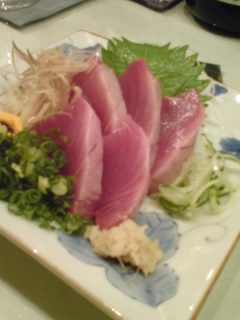

One thing is certain: this is one the very best places in the whole Prefecture to enjoy sashimi as once again demonstrated by the succulent katsuo/bonito served with grated ginger and thinly-chopped leeks.

Another reason is the top-class Shizuoka Sake!
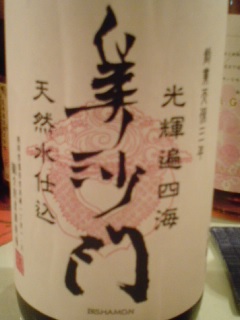
I (my wife drinks wine as a matter of course) chose this very limited edition (only 300 bottles) by Oumuraya Brewery in Shimada (Tim, are you reading?):
Hakuen Bishamon, Honjozo, a very soft, almost sweet sake (Dryness: +1, acidity: 1.3).
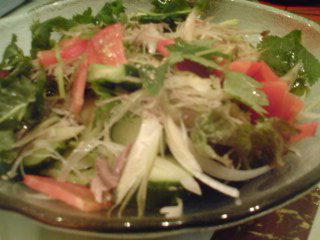

Sanma/Mackerel Pike is in season. We ordered a yaki sanma sarada/grilled mackerel pike salad. The fish is first grilled, then shred into small bite-sized chunks and served with vegetables and home-made dressing. This is the recipe that the Missus has a special interest for!
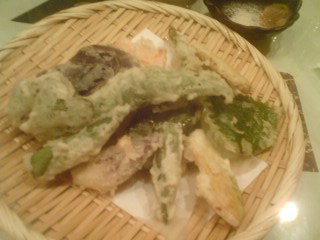

Talking of vegetables,Bu-Ichi, in spite of all its great fish and meat, would be the perfect place for a vegetarian too thanks to perfect vegetables tenpura! Wherever they come from, they are always exlusively seasonal!
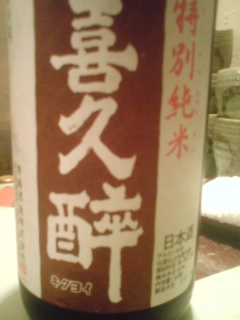

With such meals, sake tends to disappear too quickly! My next order was a Kikuyoi Tokubetsu Junmai by Aoshima Brewery in Fujieda City. Mr. Aoshima makes superlative sake getting recognition all over Japan in spite of its relatively small size. Incidentally he also speaks fluent English for those who would like to visit his brewery!
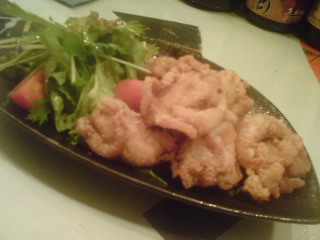
As we are both omnivores, we felt a little meat was in order to finish our meal (we usually skip dessert in Japanese restaurants as there is always the open possibility to visit another one later!).
Bu-Ichi serves a scrumptious sansho tori karaage/fried chicken with Japanese pepper. A beauty that my American friends in particular would swim across oceans to taste!

Look forward to the next meal there!

Bu-Ichi
420-0032 Shizuoka City, Aoi Ku, Ryogae-cho, 1-6-10, Dai 2 Matsunaga Bldg. 2F
Tel.: 054-2521166
Closed on Wednesdays
Reservations advisable
Simple Recipes: Shiso/perilla Flowers and Leaves


The Japan Blog List

Please check the new postings at:
sake, shochu and sushi

—————————————-
日本語のブログ
—————————————-

I felt compelled to answer a question from Rowena and provide some useful information on “shiso” or perilla/beefsteak plant in a simple posting that I hope will help Japanese food lovers and vegetarians!

First of all, one can grow shiso, be it green or violet, almost anywhere as long as you have plenty of sunshine and water opportune times (as long as you water it yourself, fine!).
For example, Rowena presently lives in Italy and has successfully grown some from seeds I sent her.

Seeds should be planted in March/ April. The hotter the prevailing climate, the earlier it should be done. Prepare some moist vegetables-growing soil and make small shallow holes on top at a comfortable distance from each other. drop 2 or 3 seeds in each hole. Cover with more soil and spread a newspar sheet over the lot. Keep in shade. Once the first shoots have come out, take newspaper out and expose to sun all day long. Water morning and evening at the base of the stems, not on the leaves (or they wuld “burn”!).


By August (or earlier) to September the shiso will start flowering!
These flowers, if picked early enough are edible!

(Pic taken at Tomii)
Reputable Sushi and Japanese restaurants extensively use them all year round. They make for exquisite decoration and are really tasty!

Now, if you want your own seeds, wait until the folwers and stems turn brown and shake them over a plate. You should get plenty of minuscule seeds for the following year. I checked this very morning with my neighbour, a retired farmer who is looking after his own garden. He said there is little use to keep them indoors in winter unless you want to start a greeh House business with all the hassles involved! Just collect the seeds and replant! Actually such seeds could become a source of business in Italy and elsewhere!

Now, the leaves can be accomodated in hundred of ways. Pick them up young and tender enough. The Missus keep them in a plastic Tupperware-type box with a sheet of clean kitchen paper imbibed with clean water (put it at the bottom of the box) before storing it in the fridge vegetables compartment.

You can wrap them around nigiri/rice balls instead of nori/seaweed.


(Pic taken at Oddakui)

Make a liberal use of them with sashimi!

They are also great as tenpura!
Do not hrow away the small or damaged leaves. Chop them fine and add them to fresh salads or to any stews and ratatouille!

The violet variety is edible of course, although the Japanese do not use for decoration like the gree one, except for the flowers.
They usually pickle them for their sake or add them to other pickled vegetables such as cucumber.
They also make juice, sherbet or sauces with them, too.

Shizuoka Cheeses (3): Minami Hakone Gouda


The Japan Blog List

Please check the new postings at:
sake, shochu and sushi

—————————————

oratche-gouda.jpg

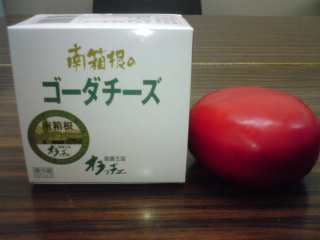
This is the third cheese variety from Oratche Co in Tagata Gun (vegetarians and health-conscious friends like Lindsay at DeLuscious Life, rejoice again!) I have recently found. I will actually travel to Kannami on March 2nd to interview them as they also have a great beer brewery!

oratche-cheese2.jpg

Extremely clean and tasty cheese with the right amount of salt. Reminiscent of a young Gouda from Holland. I really appreciated it with wine and beer.
As the other two cheeses I have already surveyed, thay are made with milk from cows raised in altitude near Mount Fuji, where they graze natural grass and are fed with real non-transgenic cereals.

Minami Hakone no Sakeru Cheese
Oratche Co.
Tagata Gun, Kannami Cho, Tanna, 349-1
HOMEPAGE (Japanese)

Shizuoka Cheeses (2): Minami Hakone “Sakeru Cheese”


The Japan Blog List

Please check the new postings at:
sake, shochu and sushi

—————————————-

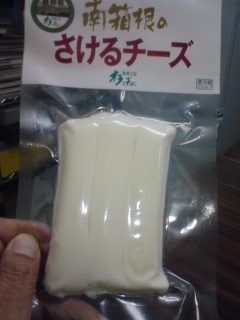
oratche-cheese1.jpg

This is the second cheese from Oratche Co in Tagata Gun (I have a third one to introduce, so vegetarians and health-conscious friends like Lindsay at DeLuscious Life, rejoice!).
The name “Sakeru Cheeze” means “Cheese to be split”.
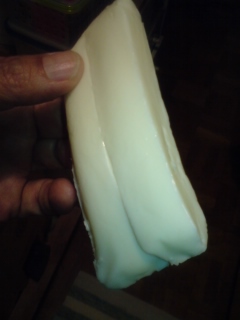
oratche-cheese3.jpg
As its name indicates, it is easy to split, shred or cut in very thin strips, allowing it to be added to all kinds of salads, and even, Allison at Sushi Day will be happy to learn, added in nice combinations inside sushi rolls.
Very light texture. Pleasant to eat. In my case I eat it with a glass of sake or beer.

Minami Hakone no Sakeru Cheese
Oratche Co.
Tagata Gun, Kannami Cho, Tanna, 349-1
HOMEPAGE (Japanese)

Shizuoka Cheeses (1): Minami Hakone Mozzarella


The Japan Blog List

Please check the new postings at:
sake, shochu and sushi

—————————————-

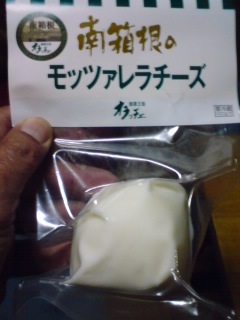
mozarella2.jpg

Shizuoka Prefecture does come with pleasing surprises, indeed!
Not only are we supplied uncountable kinds of marine and agricultural products, including even meat, some companies have for some time manufactured remarkable dairy products.
One of these, Oratche in Tagata Gun, has been noticed for creating cheese with local milk, including mozarella cheese.
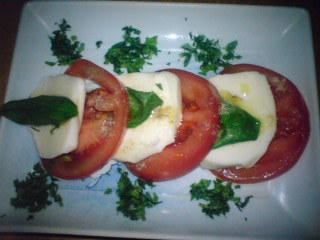
mozarella1.jpg
This is definitely a bonafide for vegetarians and lovers of good food as they can trace it back to its very origin, instead of relying on importers’ information.
This particular mozzarella has the great merit to be firm, making it easy to cut, arrange and present. It is tastier than a lot of bland items I was brought to sample in this country, and so easy to adapt into salads, sandwiches and panini.
I definetely plan to fill zucchini/courgettes flowers with it in season before deep-frying, or steam them and serve them with cream-mushroom sauce! I’m pretty sure that Lindsay at DeLuscious Life is expecting the recipe!

Minami Hakone no Mozarella
Oratche Co.
Tagata Gun, Kannami Cho, Tanna, 349-1
HOMEPAGE (Japanese)

Vegetarian Cuisine: Tempura (3)


The Japan Blog List

Please check the new postings at:
sake, shochu and sushi

—————————————-

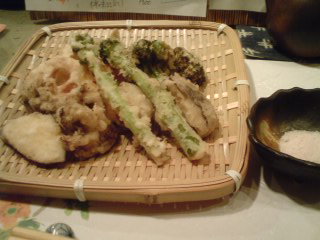
bu-ichi-tempura.jpg

Last night, not only did we enjoy great sashimi ( see earlier article ) at Bu-Ichi, but also savoured some beautiful tempura that would have vegetarinas come running!

From top to bottom, left to right:
“Fuki no To”/Butterbur, Brocoli.
“Renkon”/ Lotus roots, Asparaguses.
“Maitake” Mushrooms, Shiitake mushrooms,
“Satsuma Imo”/Yam.

Served with salt and pepper. No need for sauce!

BU ICHI
Shizuoka City, Aoi Ku, Ryogae-cho, 1-6-10, Dai Ni Matsunaga Bldg., 2F
Tel.: 054-2521166
Business hours: 17:30~23:00
Closed on Wednesdays

Sushi for Vegetarians & Vegans (2)


The Japan Blog List

Please check the new postings at:
sake, shochu and sushi

—————————————-

sushi-vegetarian-set1.jpg

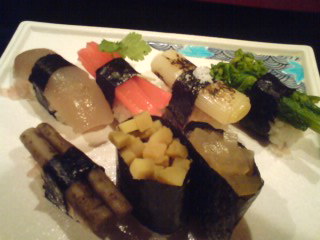
Here are other very typical examples of sushi fit for Vegetarians and even vegans!
So next time you are planning to eat sushi, come armed with your knowledge and tease your favourite sushi chef with it!

Top picture:
From right to left, top to bottom:
Yuuba (tofu sheets), Takenoko (bamboo shoot), Myoga (ginger sprout), Gobo (burdock roots)
Ki no mi (leaf vegetable variety), Awafu (cooked tofu), Kamo Nasu (pickled eggplant/aubergine variety), Hakusai Maki (Chinese cabbage roll)

sushi-vegetarian-set3.jpg

From top to bottom:
Sugiku no Ha Maki ((pickled chrysanthemum plant roll), Kabu Tsukemono (pickled turnip), Takenoko (bamboo shoot)

Sushi for Vegetarians & Vegans (1)


The Japan Blog List

Please check the new postings at:
sake, shochu and sushi

—————————————-
日本語のブログ
—————————————-

iroha-2.jpg

Although I’m not a vegetarian nor a vegan, I do understand the needs of people with different regimen and always try to inform them about gastronomic options available in Japan and Shizuoka Prefecture.
Now, sushi for strict vegetarians or vegans exist as sown in those two pictures I took yesterday in a very small but famous Sushi Restaurant called Sushi Iroha in Iwata City, south of Toyoda JR Station.

The picture above features vegetables all grown in then neighbourhood Which were first cooked or/and marinated:
From left to right and top to bottom:
Konnyaku/Devil’s Tongue Yuber Paste (nigiri)
Celery marinated in Amazu/sweet vinegar and Umeboshi/salted Japanese plum (nigiri)
Shiro Negi/white leek (nigiri)
Na no hana/Rape Blossoms (nigiri)
Gobo/Burdock Roots (nigiri)
Satsuma Imo/Yams (gunkan)
Daikon/Japanese Long Radish (gunkan)

iroha-3.jpg

Next I was served a sublime creation concocted with Ebine Imo/Ebine Tuber served mille-feuilles style intersped with sushi rice and presnted with dashes of olive oil, seame oil/goma abura and soy sauce/shoyu.

Look forward to reading Part 2!
HOMEPAGE

Tea Buckwheat Noodles: “Tya-soba”


The Japan Blog List

Please check the new postings at:
sake, shochu and sushi

—————————————-
日本語のブログ
—————————————-

cha-soba1.jpg

Shizuoka Prefecture is celebrated for its green tea all the World.
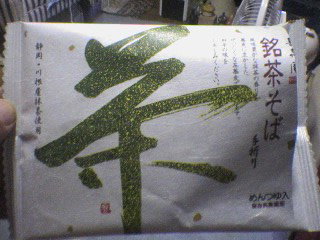
Vegeterians (and vegans!), rejoice! A company called Ikejima Foods in Hamakita Ku, Hamamatsu City has come up with Tea Buckwheat Noodles/Tya-soba!.
Tea comes from the Kawane area which produces some of the best tea in the Prefecture.
The noodles contain no preservatives and neither the noodles, nor the tsuyu/soup contains any animal extracts whatsoever (no milk or egg products).
One pack contains enough for 4 small or 2 medium portions.

cha-soba2.jpg

As for cooking, here are simple instructions:
Cold Noodles style:
Dilute tsuyu/soup in 100 ml of clean water.
In one big pan heat 2 litres of water. Bring to boiling point. Drop in noodles. Lower fire to samll. Stir with long chopsticks. The noodles are ready when they readily come to the surface. Wash them rapidly under running cold water inside a “zaru”/small basket or inside a bowl full of cold water until noodles are cool enough. Drain water and place on a flat dish over a bamboo net if possible. Eat noodles by dipping them in tsuyu/soup to which you can add freshly cut raw leeks and wasabi (or any spices you fancy!)

Hot noodles style:
Dilute tsuyu/soup into 230 ml of hot water.
Cook noodles as for cold style. Drain and drop into bowl full of tsuyu/soup. Add vegetables, freshly cut raw leeks and spices to taste.

“Meicha Soba”
Ikejima Foods
Hamamatsu City, Hamakita Ku, Terajima, 2351
Tel.: 053-587-1025

Soba Restaurant: Bokunenji

Please check the new postings at:
sake, shochu and sushi

—————————————-
日本語のブログ
—————————————-

bokunenjin3.jpg

My Japanese better (worse?) half who is a soba-addict had always wanted to visit Bokunenji in Shuzenji, Izu peninsula. The comparatively long train and bus journey (a couple of hours from Shizuoka City) means that we do not have many opprtunities to visit this charming little city.

bokunenjin5.jpg bokunenjin1.jpg
Bokunenji is your typical traditional Japanese restaurant set in an ancient wooden house fit with tatami and cushions. A bit tough for my stiff body, but stiil worth suffering a little!

bokunenjin2.jpg
Bokunenji serves “juwari” soba/buckwheat noodles in 9 different manners, hot or cold, as well as 8 kinds of side dishes. Any soba restaurant worth its salt should serve “tamago yaki/Japanese omelette” and “yaki soba miso”/soba seeds and miso grilled on a wooden spoon. Therefore we ordered tamago yaki, which was excellent by any standards.

bokunenjin3.jpg bokunenjin4.jpg
As for the noodles my better (worse?) half ordered hot noodles with slices of duck, and I “oroshi soba” (cold noodles served with grated daikon radish).
They were really tasty andI came to understand why the place is so popular as demonstrated by the guests keeping coming in all the time.
Eating such food in such a place will provide with a true Japanese experience.
The prices are a bit stiff, but this is a very popular tourist spot.
Among the proposed sake, they serve Isojiman (Yaizu City) Honjozo, which is definitely a plus in their favour!

Bokunenji
Shizuoka Prefecture, Izu City, Shuzenji, 3451-40
Tel: 0558-730073
Business hours: 10:30~16:00
Closed on Wednesdays

Shizuoka Izakaya: Takasagotei

Please check the new postings at:
sake, shochu and sushi

—————————————-
日本語のブログ
—————————————-

takasagotei-restaurant.jpg

If you happen to be staying, let’s say for a single night in Hamamatsu City, near the JR Station, I would suggest you visit Takasagotei Restaurant on the second floor of Hamamatsu Sago Terminal Hotel just right of the JR station south exit.

As a hotel izakaya since the 1970’s they are definitely above the run of the mill level of the fare usually delivered in business hotels.

tagasagotei-1.jpg
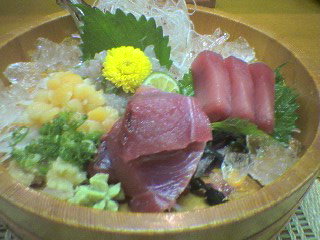
Their sashimi offerings are within the good level prevalent throughout the Prefecture.

tagasagotei-2.jpg
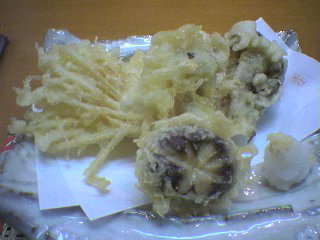
I found their mushroom tenpura (vegetarians, please note!) excellent.

tagasagotei-3.jpg tagasagotei-4.jpg
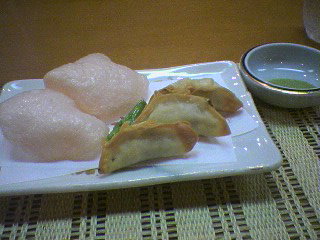
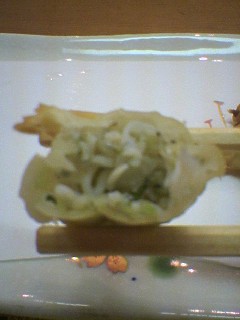
They also had an unusual “shirasu gyoza” (deep-fried whitebait dumpling), which would go well with a beer.

They also have the great merit to offer a large range of Shizuoka sake out of their long drink menu, which warrant a visit by other Prefectures’ guests:
Hana no Mai (Hamamatsu City: 2)
Hamamatsu-Tenjingura (Hamamatsu City: 1)
Senju (Iwata City: 1)
Doi-Kaiun (Kakegawa City: 1)
Oomuraya-Wakatake (Shimada City: 1)
Isojiman (Yaizu City: 1)
Hatsukamei (Shida Gun-Okabe Cho: 2)
Shosetsu (Yui: 1)
Fuji-Takasago (Fujinomiya City: 1)

Takasagotei
430-0926
Hamamatsu City, Sunayama-cho, 322-7, Hamamatsu Sago Terminal Hotel, 2F
Tel.: 053-4538686
Business hours: 11:30~14:30, 17:00~22:00

Homepage