Tag Archives: 魚

Japanese Seasonal Fish: Ainame/Fat Greening

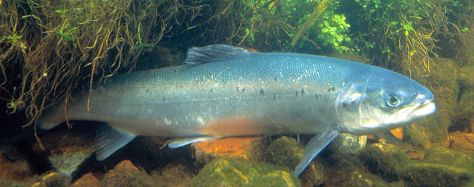
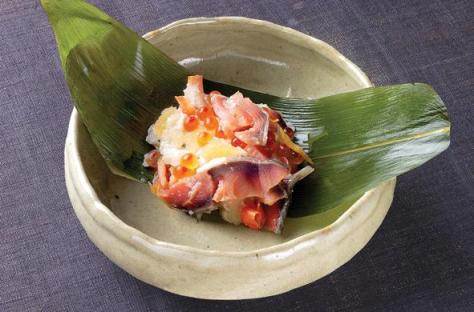
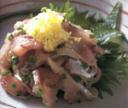
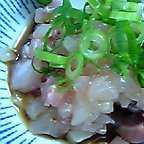
Ainame/アイナメ/Hexagrammos otakii or Fat Greening is a truly Japanese seasonal fish, which has become a rarity as it lives only around the Japanese archipelago along rocky shores in water comparatively high in salt (some are also found around the Korean Peninsula).
Luckily enough it has been raised successfully in the Western part of Shizuoka Prefecture for the last few years.
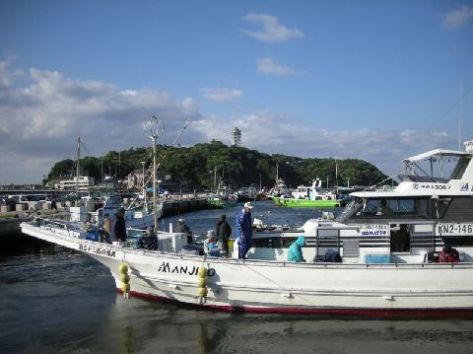
Its rarity is caused by its popularity with anglers and its very fine taste.
A cousin of the rock fish, it is called many other names such as Aburako, Aburame and when young, Kujime.
The best season is in may and June. As it lay eggs in Winter, the taste loses its appeal.

It is a real morsel to be enjoyed in many ways:

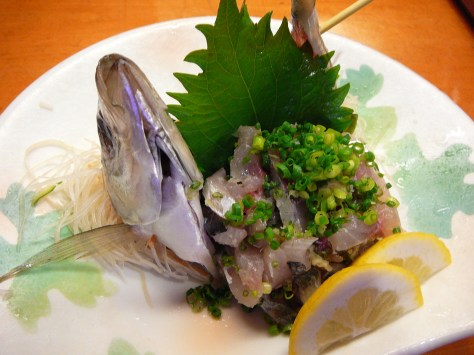
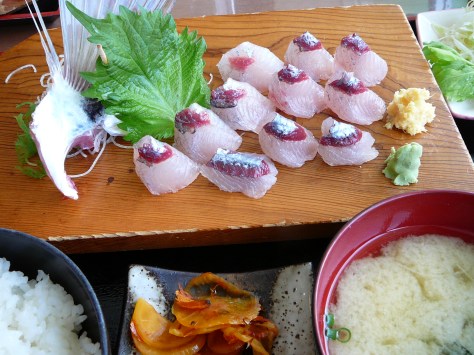
As sashimi, even its skin is edible!

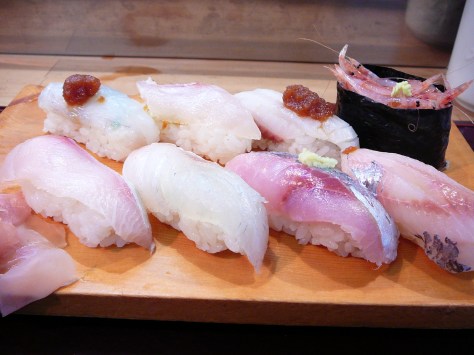
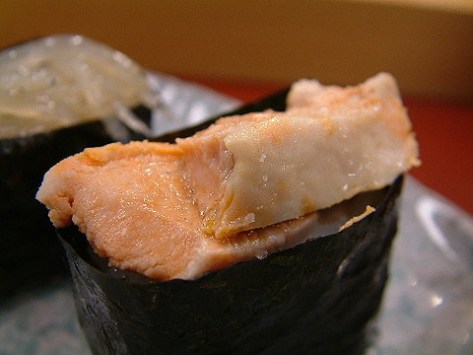
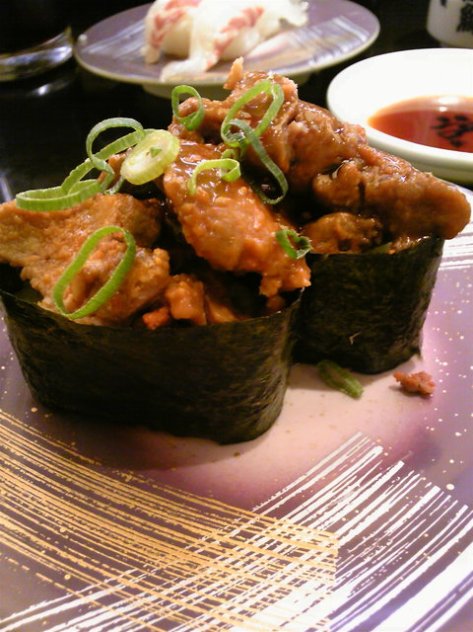
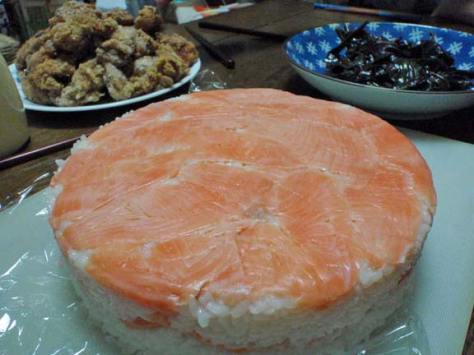
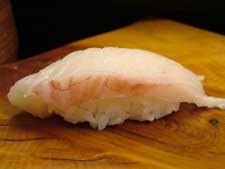
It makes for superb sushi nigiri!

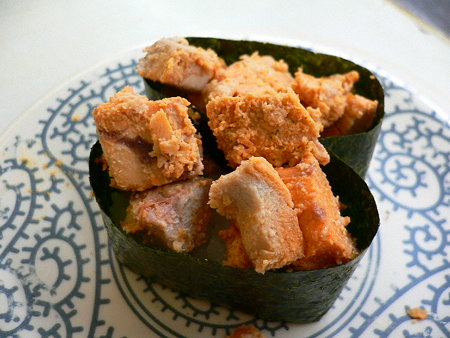
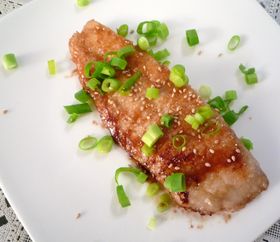
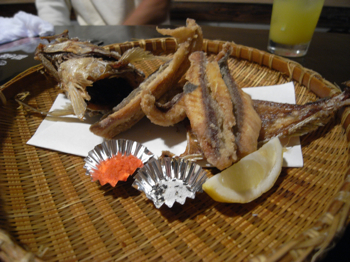
Like any great white-fleshed fish, you must sample it in karaage/deep-fried!

The same karaage can be then marinated!

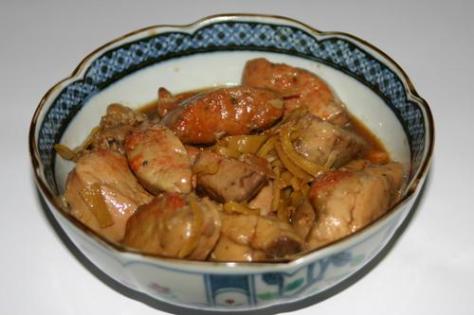
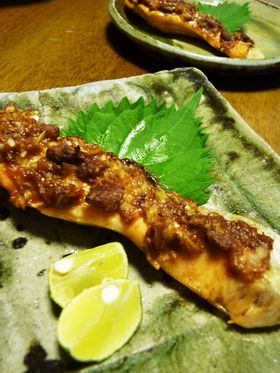
Another great way to enjoy it is to cook it as Japanese nimono, either slowly simmered or steamed and served with a soy sauce, sake and mirin sauce!

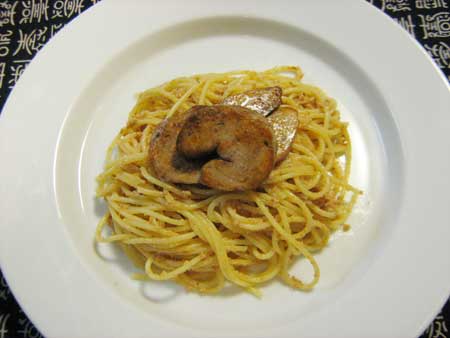
Of course it makes for a supreme delicacy “poele” in French or Italian gastronomy!

RECOMMENDED RELATED SITES:
Warren Bobrow, Bread + Butter, Zoy Zhang, Hungry Neko, Think Twice, Frank Fariello, Mangantayon, Hapabento, Elinluv Tidbit Corner, Tokyo Terrace, Maison de Christina, Chrys Niles,Lexi, Culinary Musings, Wheeling Gourmet, Comestiblog, Chronicles Of A Curious Cook, Tokyo Through The Drinking Glass, Tokyo Foodcast, Palate To Pen, Yellin Yakimono Gallery, Tokyo Terrace, Hilah Cooking, More than a Mount Full, Arkonite Bento, Happy Little Bento; 5 Star Foodie; Jefferson’s Table; Oyster Culture; Gourmet Fury; Island Vittles; Good Beer & Country Boys; Rubber Slippers In Italy; Color Food daidokoro/Osaka;/a; The Witchy Kitchen; Citron Et Vanille, Lunsj Med Buffet/Estonian Gastronomy (English), Cook, Eat, Play, Repeat, Chrisoscope

Please check the new postings at:
sake, shochu and sushi

Wild Table visits Hunt’s Point Wholesale Fish Exchange in the Bronx-NY. by Warren Bobrow

You thought that Tsukiji in Tokyo was the one destination to see all the best fish in the world packed into one location!
You will have to think again!LOL

Join Warren Bobrow, Contributing Editor at Wild River Review, on Wild Table visits Hunt’s Point Wholesale Fish Exchange in the Bronx-NY. and leave your comments to encourage him to do even more!

A must-read!

RECOMMENDED RELATED SITES:
Bread + Butter, Comestilblog, Greedy Girl, Bouchon For 2, Zoy Zhang, Hungry Neko, Mangantayon, Elinluv Tidbit Corner, Maison de Christina, Chrys Niles, Lexi, Culinary Musings, Eats and Everything, Bite Me New England, Heather Sweet, Warren Bobrow, 5 Star Foodie, Frank Fariello, Oyster Culture, Ramendo, Alchemist Chef, Ochikeron, Mrs. Lavendula, The Gipsy Chef, Spirited Miu Flavor, Wheeling Gourmet, Chef de Plunge, Sushi Nomads, Island Vittles, Jefferson’s Table

Please check the new postings at:
sake, shochu and sushi,
—————————————-
日本語のブログ
—————————————-

Sashimi Mini-Plate for Christmas at Tomii!

The agnostic I am have little to do with Christmas and the New Year, except wishing for great ones to all and sundry.
Actually I worked both on the 24th and 25th (and will on the 26th).
Last night on my way back from University I was really starving (diet consequence as I’m already 5 kg lighter than in September!) and I had to store something into that body of mine.
A quick trip to Tomii was in order.

I managed to keep my hunger in check and asked for a small plate (I mean, a really small one) of sashimi.
Tomii gladly obliged and served me the following (see above picture)*

In thebackground, Kan Buri/寒鰤 or Japanese Amberjack/Five-ray Yellowtail ona bed of leaf spouts and a sprig of shiso/紫蘇 perilla flowers.

In front Honmaguro/本鮪 orBlue Fin Tuna O-toro (Belly fat part) and Akami (lean part) and Hirame/平目 or Sole/Flounder.

The colours of the fish are very reminsicent of Santa Claus, don’t you think? LOL

TOMII
Shizuoka City, Aoi Ku, Tokiwa-cho, 1-2-7, Tomii Bldg, 1F
Tel.: 054-274-0666
Business hours: 17:00~22:00
Closed on Sundays
HOMEPAGE (Japanese)

RECOMMENDED RELATED SITES:
Bread + Butter, Comestilblog, Greedy Girl, Bouchon For 2, Zoy Zhang, Hungry Neko, Mangantayon, Elinluv Tidbit Corner, Maison de Christina, Chrys Niles, Lexi, Culinary Musings, Eats and Everything, Bite Me New England, Heather Sweet, Warren Bobrow, 5 Star Foodie, Frank Fariello, Oyster Culture, Ramendo, Alchemist Chef, Ochikeron, Mrs. Lavendula, The Gipsy Chef, Spirited Miu Flavor, Wheeling Gourmet

Please check the new postings at:
sake, shochu and sushi

—————————————-
日本語のブログ
—————————————-

Sushi and Sashimi: Eat Local!

009

Saurel pike/Aji from Suruga Bay, Shizuoka Prefecture

Very few people will disagree with the notion that Japan is the ideal place to discover and savour sushi and sashimi in the whole world. Nevertheless, there are a few rules of the thumb to respect even in this gastronomic paradise.
The overriding rule is that you should try and eat only local fish or seafood.
Tsukiji might be considered a sushi paradise by Tokyoites, but the cheap prices enjoyed by tourists cannot conceal the reality: the fish and seafood are “imported” from all over Japan and beyond!
More than often, Edomae (Tokyo) sushi is nothing but a clever way to “dress up” ingredients to lure officionados (and customers) into believing they are eating top quality sushi (with the consequent prices).
Now, if you have the chance and time to explore Japan beyond Tokyo, you will discover an unfathomable treasure trove of gastronomic pleasure and knowledge!
After all, this country is a vast archipelago stretched across greatly different seas and climates, making for a diversity difficult to equal.
So, even if you cannot possibly explore all the shores of this nation, make a point to learn about the food available wherever you choose to stay.
The same goes for residents, not only for their own sake, but for that of their visitors and friends!

018

Sushi set with fish all caught in Suruga Bay, Shizuoka Prefecture

You also ought to do some homework. Sushi chefs worthy of their salt will be only too happy to answer questions to genuinely interested customers and come up with revelations of their own.
As an example to illustrate the need for some basic knowledge, in Hokkaido “oyakodon” is not cooked chicken and omelette on a bowl of rice, but raw salmon and its roe spread on top the same bowl of rice!
Likewise, the same fish will more than often be sold under a myriad of names.
Many morsels will not be found anywhere else as “sakura ebi/cherry shrimps” and fresh”shirasu/sardine whiting” in Shizuoka Prefecture.
Sashimi in most cases has to be perfectly fresh as typified by “kubiore saba” in Yakushima Island where fishermen break the neck (“kubiore”) of mackerels (“saba”) to preserve their quality upon catching. The same fish will be served within a few hours, or less, on the local tables.
On the other hand, tuna sashimi is best consumed after ripening for a few days in a refrigerator.
In Hokkaido, large shrimps, especially “botan ebi” will be served only raw, whereas “kuruma ebi” will be first boiled in other regions.

If you ask for “tataki”, make sure it means the whole fish, especially “aji/mackerel pike” that will be served finely cut as tartare atop the dressed fish.

002

Flying Fish/Tobiuo sashimi from Yakushima Island

On the other hand, sushi follows different rules.
Fish and seafood placed on “donburi” (bowl) are usually of the freshly brought variety but fish served as nigiri is prepared in a different way.
The greatest sushi (and this cannot be done in Tsukiji!) are made with fish which has been gutted and cleaned live within seconds, then dressed into strips/fillets left to mature in a refrigerator on clean cloth/kitchen paper. This can be done only with fish caught locally!
The same obviously goes with shellfish and other marine ceatures: One cannot sample better “uni/sea urchin” away from Hokkaido or sakura ebi from Shizuoka.

Vegan and vegetarians, upon finding a restaurant willing to satisfy their priorities should also ask for food grown locally, a search easier than one might think at first as there are many non-meat eaters in this mainly Budhist country.
The same vegetables will make for the perfect combination when associated with local fish!

RECOMMENDED RELATED SITES:
Warren Bobrow
Wild River Review
Bread + Butter
5 Star Foodie
Frank Fariello
Mangantayon
Hapabento
Elinluv Tidbit Corner
Think Twice

Please check the new postings at:
sake, shochu and sushi

—————————————-
日本語のブログ
—————————————-

Marine Life Sustainability and Stock Preservation in Japan

research-fishingship

Foodbuzz never asked me for such an article. I just wrote it first out of concern for some of my Foodbuzz Friends!

It was Lou-Ann‘s surprise in particular which originally prompted me into investigation to back up knowledge acquired though many years spent in this great country, Japan. It is the second time I publish this article as it has become more of actuality and new information has been made available.

I use the word “great” when applied to Japan for a simple reason:
Japan is the one country which most extensively conducts and sponsors research and development of fish stocks.
This country has also come up with some momentous discoveries related to the fishing environment:
-Japanese fishermen south of Kyushu Island discovered that planting trees on small islands increased manifold the amount of vegetal plankton carried into the surrounding sea resulting in an immediate increase of the fish population.
-Japanese researchers found out that building small pyramids on the sea floor with concrete or plastic (a beneficial dumping at last?) blocks attracted corals, sea anemones, seaweed and shellfish, thus creating a food chain for fish. Such pyramids will surely prove more beneficial to mankind than all the Egyptian pyramids put together!
They have also realised that dragging out sunk ships was not needed as the same lost vessels were populated by all kinds of marine life!
In the north of Japan crab stocks are been replenished by simply sinking giant scaffolds to the bootom of the sea, thus providing the delicious critters with the subtarreanean geography they love best!
Sakura ebi/Cherry shrimps fishermen in Yui (Shizuoka Prefecture again!) syphon the shrimp out of the nets before opening and releasing all other marine lie safely back into the sea!

The Japanese have been (unjustly) accused of emptying the seas. Actually Spain holds the world record for fish catch and consumption.
I already have written an article on whale meat. I find it galling that Japan is villified for eating whale meat by the very countries which depopulated the globe of sea-mammals in the 19th Century: US, Canada, Russia, Australia and New Zealand (alright, Great Britain for the last two maybe!) in the Pacific Ocean. US, Canada, Norway, Great Britain, France, Spain and Russia in the Atlantic Ocean. And most of them again in the Arctic and Antarctic Oceans. What do you think Commodore Perry was before he was delegated to order Japan to “open its doors”?
This country is repeatedly thrown into the same basket of evils. I was recently “told off” because the Japanese kill sharks for their fins before throwing the dead fish back into the sea. Sorry, mate, but you will have to ask the Chinese! The Japanese eat the whole fish when they catch it and make kamaboko from it!

It could go on and on, but this was never the real purpose of this article.

Now, to illustrate and justify the heading of this posting, here is a list of the fish and seafood raised in Japan as opposed to being caught in the wild:
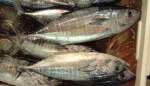
research-honmaguro
Blue Fin Tuna/Honmaguro

Yes, you read it, Blue Fin Tuna! After 23 years of experimentation, a Kyushu fishmonger has finally succeeded in producing the fish from natural mating inside giant offshore sea parks. The fish is already sold over the counter at supermarkets.
No later than last year the Tokai Marine University in Shimizu, Shizuoka City (I live in a great place, don’t I?) also succedein a more sientific manner the raising of the same tuna from the egg, promising that domestic Blur Fin Tuna will roam the same waters in Suruga bay as their wild cousins!
With a ban on tuna fishing in the Mediterranean Sea being pushed through legislation by the EU, Japan will find itself one day in the rich position of actually exporting tuna!
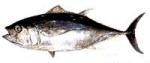
research-mebachi
Big-eyed Tuna/Mebachi Maguro

Human-raising Research is conducted and nearly brought to fruition.
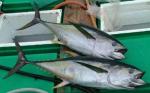
research-kihada
Albacore Tuna: Kihada Maguro

Human-raising Research is conducted and will soon be sucessful.

Note:
Indian Ocean Tuna/Indo Maguro: Human-raising Research is conducted abroad and such fish are imported to Japan.
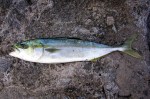
research-buri
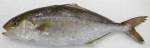
Yellowtail/Buri

Over 62,000 tons of human-raised fish consumed last year.
research-kanpachi
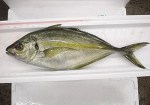
Amberjack/Kanpachi

Over 49,000 tons of human-raised fish consumed last year.
research-shimaaji
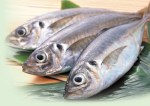
Striped Jack/Shima Aji

Over 3,000 tons of human-raised fish consumed last year.
research-maaaji
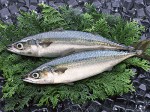
Horse Mackerel/Ma Aji

Over 3,500 tons of human-raised fish consumed last year.
research-masaba
True Mackerel-Japanese Mackerel/Ma Saba

Human raising succeeded and fish are already sold over the counter.
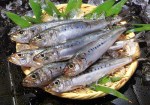
research-maiwashi
True Sardine-Pilchard/Ma Iwashi

Human-raising Research is being conducted and could created a real revolution as the same fish also become feed for above tuna.
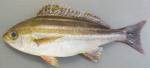
research-isaki
Isaki/Grouper variety-Parapristipona Trilinoatum

9 tons of human-raised fish consumed in Nagasaki Prefecture alone last year. Shizuoka is also coming up with them!
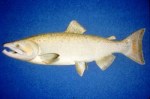
research-silversalmon
Silver Salmon/Gin Sake

Over 8,000 tons of human-raised fish consumed last year.
Production very fast.
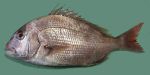
research-madai
Porgy/Madai

Over 71,000 tons of human-raised fish consumed last year as opposed to 15,000 tons caught at sea.
Al kinds of seabreams are actually on the line.
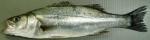
research-suzuki
Seabass/Suzuki

382 tons tons of human-raised fish consumed in Kagawa Prefecture (Shikoku) alone last year.
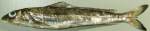
research-kisu
Sand Borer-Sillago/Kisu

Human-raising Research is being conducted.
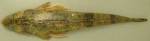
research-kochi
Bar-tailed Flathead/Kochi

Human-raising is being conducted.
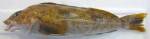
research-ainame
Ainame/Alexagrammos otakii

Human-raising has succeeded and some fish is already sold over the counter.
research-kue
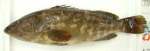
Kelp Bass/Kue

A success story in Shizuoka and Nagasaki Prefectures where human-raised fish are already sold over the counter.
research-torafugu
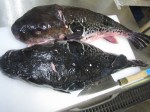
Globefish-Tiger Globefish/Tora Fugu

Over 5,000 tons of human-raised fish consumed last year.
Shizuoka is rapidly becoming a major producer, especially inhamana (sea) Lake in the Western part of the Prefecture.
research-kurumaebi
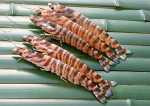
Large Prawn/Kuruma Ebi

Over 1,700 tons of human-raised prawns consumed last year.
research-iseebi
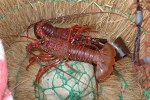
Spiny Lobster/Ise Ebi

Human-raising Research is being conducted.
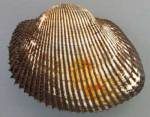
research-akagai
Ark Shell-Bloody Clam/Akagai

Human-raising Research is being conducted.
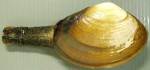
research-mirugai
Gaper/Mirugai

Human-raising Research is being conducted
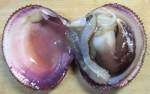
research-torigai
Large Cockle/Torigai

Human-raising Research is being conducted
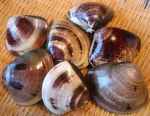
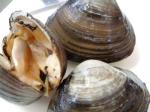
research-hamaguri
Hard Clam/Hamaguri

Very large amounts of half human-raised shellfish consumed last year.
All the clams picke by tourist in Hamana lake have actually been planted young there!
research-hokkigai
Surf Clam/Hokkigai

Human-raising Research bein conducted
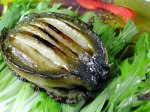
research-awabi
Abalone/ Awabi

32 tons tons of human-raised abalones consumed in Hokkaido and Nagasaki Prefectures alone last year.
Now, knowing the price of such shellfish and the enormous consumption in other countries, it promises to become a very lucrative business!
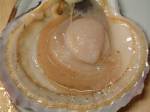
research-hotate1
Scallops/Hotate

Over 270,000 tons of human-raised scallops consumed last year.
The shellffish being hermaphrodite, it will become easier and easier tomake and sell. Here in Shizuoka it has simply become ridiculaoulsy cheap!
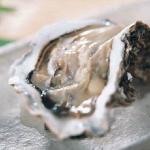
research-kaki
Oysters/Kaki

Over 220,000 tons of human-raised oysters + over 35,000 tons of the same out of the shell consumed last year as opposed to 1,600 tons of wild oysters.
Actually soon or later the catch of wild oysters will become strictly regulated as many other shellfish. Poaching both by Japanese and “foreigners” is being fought off in earnest.
research-uni
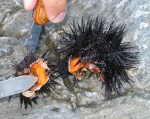
Sea Urchin/Uni

7 tons tons of human-raised sea urchin consumed in Hokkaido Prefecture alone last year.

research-maanago
Conger Eel/ Ma Anago

Human-raising Research is being conducted

research-unagi
Common Eel/Unagi

Over 21,000 tons of human-raised fish consumed last year as opposed to 610 tons caught in the wild.

In some places, notably Mishima City, eel restaurants refuse to serve wild eels.

research-hamo
Oike Conger eel/Hamo

Human-raising Research is being conducted.

The Japanese have also starting research on different varieties of octopus/tako and squids/ika.

Probably more coming soon or later!

RECOMMENDED RELATED SITES:
Warren Bobrow
Wild River Review
Bread + Butter
5 Star Foodie
Frank Fariello
Elinluv Tidbit Corner
Tokyo Terrace
Maison de Christina
Chrys Niles
Comestilblog
Greedy Girl
Bouchon For 2

Please check the new postings at:
sake, shochu and sushi

—————————————-
日本語のブログ
—————————————-

Karasumi/Botarga/Boutargue Season in Shizuoka!

karasumi.gif
(Courtesy of Shizuoka Shimbun Daily)

Karasumi, known as “boutargue” in French, or as “botarga” in Italian, is the natrally dried/preserved roe pouches of the mullet.
It is quite an expensive morsel in Japanese cuisine as well as in Europe (that is, the real one!).

Numazu City, one of the main fishing harbors in Shizuoka Prefecture, is quite renown for its karasumi.
The season for catching bora/鯔, or mullet in English, has begun and fishermen have just started drying their roe pouches/karasumi/カラスミ under the Autumn sun in this comparatively rainless time of the year.
It is grim and painstaking businees as the the roe pouches have to be carefully cleaned, got rid of any blood vesels, and sprinkled with the right quantity of salt.

karasumi2.jpg

They will be served thinly cut as they are in Japanese restaurants, or used in Italian and French restaurants, especially with pasta.

This yearly catch is slowly dwindling due to high demand, so brace yourselves when you open your purse!

Note: beware of imported specimens, especially from “Asia”!

RECOMMENDED RELATED SITES:
Warren Bobrow
Bread + Butter
5 Star Foodie
Frank Fariello
Elinluv Tidbit Corner
Tokyo Terrace
Maison de Christina
Chrys Niles
Comestilblog
Greedy Girl
Bouchon For 2

Please check the new postings at:
sake, shochu and sushi

—————————————-
日本語のブログ
—————————————-

Japanese Seasonal Fish: Kawahagi/Thread-sail Filefish

kawahagi1.jpg

Kawahagi or Thread-sail Filefish (or simply Filefish) is an angler’s favourite in summer.
Like any other fishes, it has other names such as “Gihagi, “Hagi”, “Gyuu”, “Subuta” or “bakuchiuchi”.
It is fairly common in Central and South Japan.
It is called Leatherjacket down in Australia where it is considered a pest!

In Kansai area, it replaces Fugu/Globefish when it is out of season for its similarity as sashimi

012

The skin should be rough like that of a shark and brightly coloured.
Avoid sticky skin fish.
The bigger the size, the greater the taste (anglers, enjoy!)

Savouring the full Filfish meal at Sushi Ko, Shizuoka City:

Back in June, as I had to atone for some somewhat egoistical pleasure-seeking, I took the Missus to our favourite Sushi Restaurant in Shizuoka City, namely Sushi Ko,located along Aoba Park.

Although we did order the inevitable favourites, “katsuo/bonito” sashimi, “Shirako to Ankimo/Combination of Cod Sperm sacs and Frogfish/Monkfish liver”, “Pon Kara Maguro/Deep-fried tuna cubes”, “Shishamo/Spirinchus lanceolatus”, “Hotate/Scallops”, “Maguro Zuke/Marinated Tuna sushi”, and “Amaebi nigiri to Shiraebi Gunkan/Sweet shrimp and white shrimp sushi”, the star of the day was “Kawahagi/Filefish”!

The chef took a splendid live specimen (see top pic) just caught off Mochimune coast in Shizuoka City out of the “aquarium” and proceeded to serve the complete fish in three different manners:


“O-Tsukuri”:
After having taken away the inedible skin, the chef first cut the fillets into very thin slices to be served with thin leeks and dip sauce made of ponzu mixed with the fresh liver of the same fish. As now is the best season, those comparatively thin fish come up with enormous livers!


“O nigiri”:
The chef managed to keep four slices aside to prepare nigiri with the fish flesh topped with a piece of its liver, some “momiji oroshi/grated daikon with chili pepper” and seasoned with ponzu!

SUSHI-KO-2008-10-11“Kara age”:
The “cheeks bones” with their meat were last deep-fried and served as they are with some lemon. Simple and great!
All this with one single fish!

Sushi Ko
shizuoka City, Aoi Ku, Ryogae-cho. 2-3-1 (Aoba Koen)
Tel.: 054-2512898
Business Hours: 17:00~25:00. 17:00~23:00 (Sundays)
Closed on Wednesdays
Reservations recommended
Credit cards OK
HOMEPAGE (Japanese)

RECOMMENDED RELATED SITES:
Warren Bobrow
Bread + Butter
5 Star Foodie
Frank Fariello
Elinluv Tidbit Corner
Tokyo Terrace
Maison de Christina
Chrys Niles
Comestilblog
Greedy Girl
Bouchon For 2

Please check the new postings at:
sake, shochu and sushi

—————————————-
日本語のブログ
—————————————-

Ankimo Presentations 2

ANKIMO-STEAMED
Plain steamed ankimo served with simple cold ponzu sauce

I have already introduced the recipe for preparing Ankimo/Frogfish Liver (Japanese Foie Gras) in a precedent article as well an article on various presentations.
This posting will show you other possibilities!

ANKIMO-SUSH-1

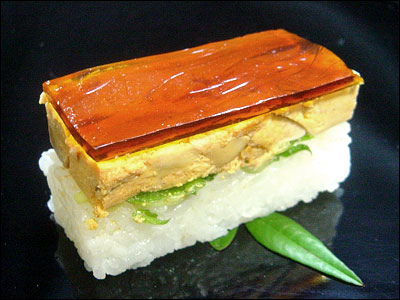
The oshizushi/pressed sushi above is a beauty with fish jelly on top!

—————–

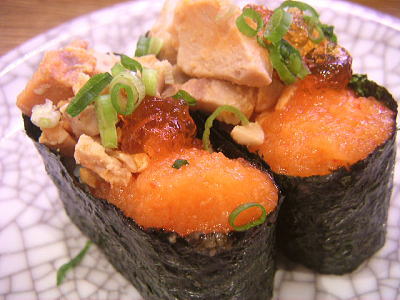
Ankimo Gunkan Mini Seriies!

ANKIMO-SUSHI-2

ANKIMO-SUSHI-3

ANKIMO-SUSHI-4

ANKIMO-SUSHI-5

————————–

ANKIMO-FRIED

Ankimo does not have to be on sushi.
It can be cooked for its own sake such as in Japanese style above or:

ANKIMO-PASTA

Ankimo Pasta. Japanese foie gras instead of duck/goose foie gras!

RECOMMENDED RELATED SITES:
Warren Bobrow
Bread + Butter
5 Star Foodie
Frank Fariello
Mangantayon
Hapabento
Elinluv Tidbit Corner
Tokyo Terrace
Maison de Christina
Chrys Niles
Comestilblog

Please check the new postings at:
sake, shochu and sushi

—————————————-
日本語のブログ
—————————————-

Japanese Seasonal Fish: Salmon-Sake

SAKE-1

Salmon is a favourite almost everywhere on the Globe, but it is in Japan that you can enjoy in the most numerous manners!

Like every other fish it has many names according to season and place:
Shirozake/White Salmon, Akiaji or Akizake for Autumn Salmon, Shake in Tokyo.
In Spring it is called Tokishirazu.
I don’t have to tell you there are many, many names for it all over the world!

SAKE-SUJIKO

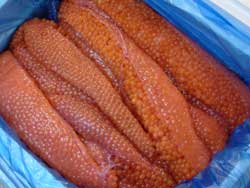
Its roe, before processing, is called Sujiko in Japanese, whereas the salmon roe, once treated, is called Ikura.

SAKE-ROE-SUSHI

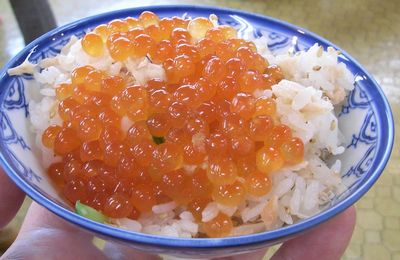
Many Japanese appreciate the roe untreated, but more people enjoy it on top of rice as it is with some soy sauce and grated wasabi.

SAKE-SUSHI

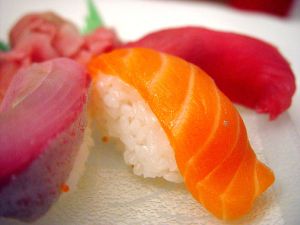
It also makes for some splendid colourful creation on a plate of sushi!

SAKE-SUSHI-2

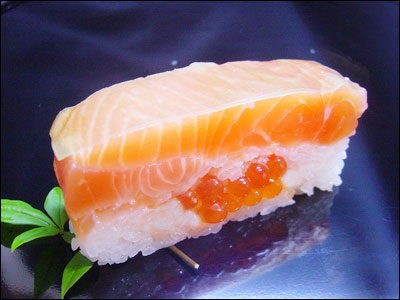
As oshizushi/pressed sushi, it can make some very interesting combinations with the salmon flesh and roe.

SAKE-GOHAN

Have you ever tasted Sake Gohan/Salmon Rice?

SAKE-OSHIZUSHI

Slightly smoked the Japanese way, It is extensively used in the making of bentoes!

RECOMMENDED RELATED SITES:
Warren Bobrow
Bread + Butter
5 Star Foodie
Frank Fariello
Mangantayon
Tokyo Foodcast
Tokyo Through The Drinking Glass
Urban sake
Hapabento
Elinluv Tidbit Corner

Please check the new postings at:
sake, shochu and sushi

—————————————-
日本語のブログ
—————————————-

Japanese Cuisine: Seabream in Kabayaki Style

TAI-KABAYAKI1

Seabreams or groupers are aslo common almost all year long.
They make for all kinds of preparation in Japanese cuisine, either in nabe/Japanese pot au feu or grilled.
This very simple recipe is a grill in kabayaki style:

Seabream in Kabayaki Style:

INGREDIENTS: For two persons

-White-flesh fish (seabreams or groupers. Recipe can apply to almost any white flesh fish): 120g~

Marinade
-Soy sauce: 1 teaspoon
-Japanese Sake: 1 teaspoon

-Cornstarch: 2 tablespoons~
-Oil: 1 tablespoon

Sauce:
-Soy sauce: 1 tablespoon
-Japanese Sake: 1 tablespoon
-Mirin/Sweet sake: half a tablespoon
-Sugar: half a tablespoon
-White sesame seeds: 1~2 teaspoons
-Finely chopped thin leeks: 2 tablespoons

RECIPE:

TAI-KABAYAKI2

-Marinate fish soy sauce and Japanese sake for about 10 minutes.
-In a separate bowl mix soy sauce, Japanese Sake, mirin and sugar.

-Rest fish on a piece of kitchen paper to take excess marinade.
-Sprinkle both sides with cornstarch.
-Heat oil on a frypan and grill fish on both sides util “bubbles/eyes” appear on it surface.

-Once the heat has reched/cooked the core of the fish, slide fish against the side or corner of the frypan. Pour the sauce in the remaing space of the frypan. As soon as sauce starts boiling, caramelize both sides of the fish with the sauce.

-As soon as you are satisfied with the cooking of the fish, serve fish on a dish. Mix white sesame seeds with reamining sauce and pour over fish. Sprinkle with chopped thin leeks.

NOTE:

-Keep in mind that fish can break easily when you flip it over to fry it on both sides.
-Fry the skin side first.

RECOMMENDED RELATED SITES:
Warren Bobrow
Bread + Butter
5 Star Foodie
Frank Fariello
Mangantayon
Tokyo Foodcast
Tokyo Through The Drinking Glass
Urban sake
Hapabento
Elinluv Tidbit Corner

Please check the new postings at:
sake, shochu and sushi

—————————————-
日本語のブログ
—————————————-

Japanese Cuisine: Salmon grilled with Leek Miso

SALMON-NEGI-1

Salmon is basically available all year round these days.
The Japanese prepare it in all kinds of ways.
Here is a simple recipe very popular in Japanese homes you can also enjoy as a snack with a cool beer!

Salmon grilled with leek miso:

INGREDIENTS: For 2 persons

-Salmon: 2 slices
-Miso: 1 large tablespoon
-Japanese sake: 1 tablespoon (can be reduced or increased)
-Leek: 5 cm long cut (chopped fine)
-Umeboshi/pickled Jpanes plum: 1 teaspoon (can be reduced or increased)

RECIPE:

SALMON-NEGI-2

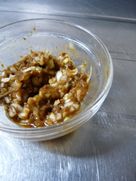
-In a bowl mix miso, sake, leek and umeboshi. Add sake if the mixture is not smooth enough. As for miso, choose one cotaining beans.
Do not be afraid to experiment as far as ingredients and quantities are concerned.

SALMON-NEGI-3

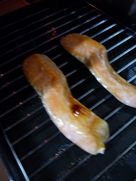
Grill with the lower face/side up first.
Turn over as the first “bubbles” appear on its surface.
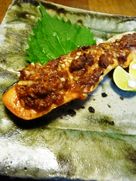
Smear the salmon with the leek miso mix and grill until “bubbles apear on the fish surface.

SALMON-NEGI-4

Serve with shiso or lettuce leaves for decoration and limes forthe final touch.

NOTES:

-Take care not to overgrill the fish.
-If you use salmon with its skin, grill skin first.

RECOMMENDED RELATED SITES:
Warren Bobrow
Bread + Butter
5 Star Foodie
Frank Fariello
Mangantayon
Tokyo Foodcast
Tokyo Through The Drinking Glass
Urban sake
Hapabento
Elinluv Tidbit Corner

Please check the new postings at:
sake, shochu and sushi

—————————————-
日本語のブログ
—————————————-

Japanese Cuisine: Buri Teriyaki/Yellowtail inTeriyaki Sauce

BURI-TERIYAKI

Here is a simple recipe for preparing fish in teriyaki style.
I chose Yellowtail/buri as it is about to come in season!

INGREDIENTS: For 3 people

-Yellowtail slices/steaks: 3
-Salad Oil: 1 tablespoon

Tare/sauce:
-Soy sauce: 4 tablespoons
-Mirin/sweet sake: 4 tab;espoons
-Japanese sake: 4 tablespoons
-Sugar: 2 tablespoons

RECIPE:

– Prepare the tare/sauce first by mixing all the ingredients well in a small bowl.

-Heat oil in frypan.
Fry fish on the their skin first, however narrow. Then fry on one side util a nice colour is attained.

-fry other side until a nice colour is attained. Lower fire. Cover with lid and steam fry for 2~3 minutes.

-Add all tare/sauce.
Fry on a low fire for 7~8 minutes, scooping the sauce over the fish regularly.
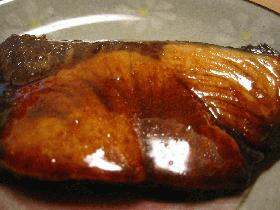
It will be ready whenthe sauce has reduced and started caramelizing!

NOTE:
-Serve it topped with grated daikon!

RECOMMENDED RELATED SITES:
Warren Bobrow
Bread + Butter
5 Star Foodie
Elinluv Tidbit Corner
Think Twice
Frank Fariello
Mangantayon
Hapabento

Please check the new postings at:
sake, shochu and sushi

—————————————-
日本語のブログ
—————————————-

Japanese Seasonal Fish: Sawara/Spanish Mackerel

SAWARA-1

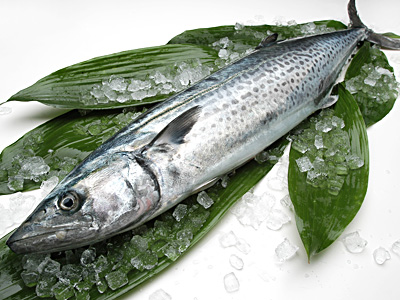
Sawara or Spanish Mackerel is considered as the best kind of Mackerel in Japan. Not only it is a big variety, but its comparatively white flesh is succulent in almost any kind of cooking!

It is known under different names such as Sagoshi and Sagochi when young and Yanagi when mature.
It is basically caught by trawling, but can be fished by line. It is, unlike other mackerels, a pretty solitary fish.

It is caught widely around Japan, off Russia, China and Korea.
The total catch has varied in recent years, but thanks to import, including 21.000 tonnes from China, it has become a feature in season from late Autumn to end of Spring.

UZU-2
(Kan-Sawara at Uzu, Shizuoka City)

In Winter, it is called Kan Sawara/寒鰆 (寒stands for cold, 鰆 stands for Sawara/Spring Fish) and is a sought after morsel. In Shizuoka it is sometimes caught then in Sagara bay, and I can tell you it disappears quickly form the table.

UZU-09-05-29-5
(Sawara at Uzu, Shizuoka City)

Later in Spring, it is just called Sawara and is leaner.

SAWARA-2

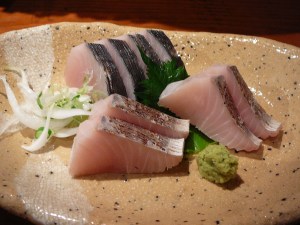
It can be cooked in many ways: broiled as above.

SAWARA-4

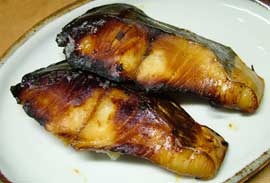
Or grilled.

SAWARA-3
(Small pic, sorry!)

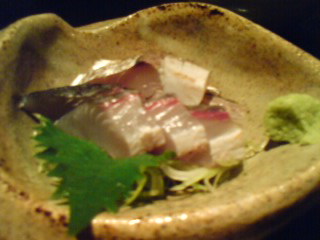
Of Course, as sushi nigiri! Especially Kan Sawara!

Please check the new postings at:
sake, shochu and sushi

—————————————-
日本語のブログ
—————————————-

Sashimi Set at Tomii (’09-04)

tomii-09-04

For all my regular visits at Tomii, my favourite Japanese Cuisine Restaurant in Shizuoka City, It had been some time since I last introduced one of their seasonal sashimi plates!

I need little to say anything about the quality and presentation as they are perect as usual, so I’ll just describe the assortment:

Front row, left to right:
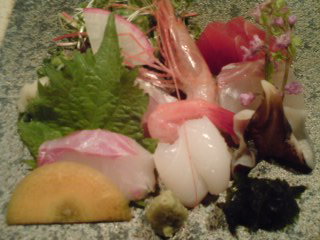
Sakuradai Seabream with a sllice of yellow carrot, Grated wasabi, Yari Ika/Calamari variety/Squid, Torigai/Surf Clam with fresh seaweed in front.

Second row:
Behind the shiso/perilla leaf, Aji/Horsemackerel-saurl from Kogawa, Shizuoka, Amaebi/Sweet Prawn, Ishidai Seabream with Shiao/Perilla flowers.

Third row:
Aka daikon/ red Daikon and various herbs, Honmaguro/Blue fin tuna.
Hoped you enjoyed the explanation as much as I enjoyed the taste! LOL

TOMII
Shizuoka City, Aoi Ku, Tokiwa-cho, 1-2-7, Tomii Bldg, 1F
Tel.: 054-274-0666
Business hours: 17:00~22:00
Closed on Sundays
HOMEPAGE (Japanese)

———————————————–
Please check the new postings at:
sake, shochu and sushi

—————————————-
日本語のブログ
—————————————-

Japanese Seasonal Fish: Striped Horse mackerel/Shimaaji

shimaaji-1

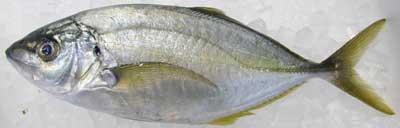
Shimaaji, or Striped Horsemackerel is one variety of Aji/Horsemackerel-Saurel.
Although the season is said to be in Summer, the taste varies little with the time of the year.
Striped Horsemackerel caught by anglers off the Izu Peninsula, Shizuoka Prefecture, are said to be the best in Japan.
It is known under the other names of Ookami, Kose and Katsuoaji.
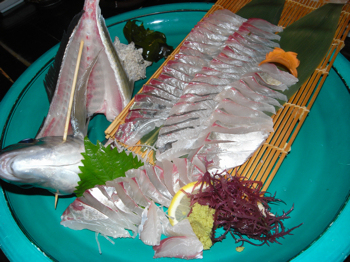
It is very popular as sashimi:

shimaaji-2

or as tataki (tartare), my favourite, with a dash of fresh grated ginger:
<a

shimaaji-3 shimaaji-3a

Of course, as a sushi, it has many lovers:

shimaaji-4

The best sushi restaurants will prepare the sashimi or sushi from live specimen swimming in their tanks and later serve the bones and head deep-fried. They will serve the whole fish deep-fried for the guests who are so keen on eating raw fish!

shimaaji-5

Recently, breeding the fish from their eggs off Chichijima Island has been successful, meaning more on our plates in the future!

Please check the new postings at:
sake, shochu and sushi

—————————————-
日本語のブログ
—————————————-