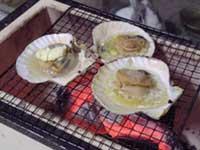
Category Archives: Food

Japanese Fish Species 4: Sole-Olive Flounder-Bastard Halibut-Tonguefish-Hirame-平目

Hirame/平目

“Hirame” could be translated in many ways depending of your country of origin: Flat Fish, Sole, Turbot (although the latter should define “karei”) and what else. There are many varieties, wild or human-raised. In Japanese, the names are numerous: Hirame, Shitabirame, Ooguchikarei, Oyanirami, etc.

Actually, they can be divided into two main groups:

1)The Olive flounder or Bastard halibut (Paralichthys olivaceus; Japanese: ヒラメ/平目) is a species of large-tooth flounder native to the north-western Pacific Ocean.
It is often referred to as the Japanese flatfish or Korea(n) flatfish (광어) when mentioned in the context of those countries.
It is the most common flatfish species raised in aquaculture in Korea. They are raised in Japan and China as well.

Shitabirame/舌平目

2) Tonguefishes (shitabirame/舌平目in Japanese) are a family, Cynoglossidae, of flatfishes. They are distinguished by the presence of a long hook on the snout overhanging the mouth, and the absence of pectoral fins. Their eyes are both on the left side of their body, which also lacks a pelvic fin.

The best season is Autumn to Winter. They are still available until Spring in Shizuoka Prefecture. Wild ones come from Hokkaido and Aomori. Human-raised ones mainly hail from Oita, Ehime, Mie, and Kagoshima Prefectures.

Hirame Sashimi

The domestic wild catch is around 7,600 tonnes a year, while farmed fish amounts to around 7,100 tonnes a year. A recent increase has been observed in recent years, though. A lot are imported from Korea through Fukuoka and Shimoseki.
They are found in tropical and subtropical oceans, mainly in shallow waters and estuaries, though a few species are found in deep sea floors, and a few in rivers.

Hirame can be enjoyed in many ways:
As sashimi, cut in various thickness, according to the chef’s preference and presented artfully.

It can be enjoyed cut in small dices, as tartare, especially shitabirame/tonguefish with tomato and strawberry!

Of course, hiirame is great as sushi nigiri with all kinds of seasoning. I prefer it just seasoned with a little lemon juice or yuzu (if available) and salt (preferably “snow salt” from Okinawa!

The Japanese have a fondness for “engawa”, that is the frilled border along the fillets which are usually thrown away in other countries. The texture is different, almost crunchy.

Hirame is great marinated with konbu/seaweed as konbujime/seaweed marinated.

The same konbujime hirame can be served as oshizushi/pressed sushi topped with more seaweed!

An interesting oshizusshi combination is hirame topped with kabu/turnip and seasoned with yuzu juice and zest!

It is also very popular dried as himono/干物, especially shitabirame/tonguefish.

Naturally the Japanese all kinds of hirame cooked in the French way in a simple and succulent manner as above,

or as a beautiful gratin!
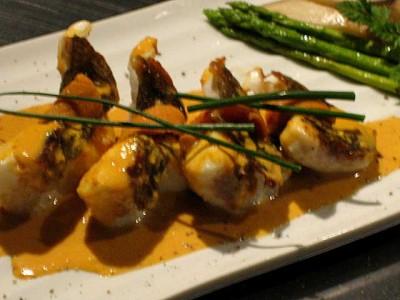
Last, but not least, how about grilled hirame with uni/sea urchin sauce?

RECOMMENDED RELATED WEBSITES

Green Tea Club by Satoshi Nihonyanagi in Shizuoka!, Mind Some by Tina in Taiwan, Le Manger by Camille Oger (French), The Indian Tourist, Masala Herb by Helene Dsouza in Goa, India, Mummy I Can Cook! by Shu Han in London, Pierre.Cuisine, Francescannotwrite, My White Kitchen, 47 Japanese Farms Through The Eyes of Its Rural Communities, Foodhoe, Chucks Eats, Things that Fizz & Stuff, Five Euro Food by Charles,Red Shallot Kitchen by Priscilla,With a Glass, Nami | Just One Cookbook, Peach Farm Studio, Clumsyfingers by Xethia, PepperBento,Adventures in Bento Making, American Bent, Beanbento, Bento No, Bento Wo Tsukurimashou, Cooking Cute, Eula, Hapabento , Happy Bento, Jacki’s Bento Blog, Kitchen Cow, Leggo My Obento, Le Petit Journal Bento & CO (French), Lunch In A Box,
Susan at Arkonlite, Vegan Lunch Box; Tokyo Tom Baker, Daily Food Porn/Osaka, Only Nature Food Porn, Happy Little Bento, The Herbed Kitchen, J-Mama’s Kitchen, Cook, Eat, Play, Repeat, Bento Lunch Blog (German), Adventures In Bento, Anna The Red’s Bento Factory, Cooking Cute, Timeless Gourmet, Bento Bug, Ideal Meal, Bentosaurus, Mr. Foodie (London/UK), Ohayo Bento,

Must-see tasting websites:

-Sake: Tokyo Through The Drinking Glass, Tokyo Foodcast, Urban Sake, Sake World
-Wine: Palate To Pen, Warren Bobrow, Cellar Tours, Ancient Fire Wines Blog
-Beer: Good Beer & Country Boys, Another Pint, Please!
-Japanese Pottery to enjoy your favourite drinks: Yellin Yakimono Gallery
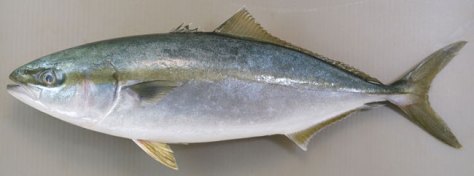
Japanese Fish Species 3: Yellowtail-Buri-鰤

BURI-1

Buri/鰤 or Yellowtail, as Hiramasa or young Yellowtail is caught in Summer and Buri/Mature Yellowtail is caught in Winter.

How do you recognize them apart?

BURI-AGO
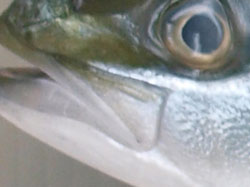
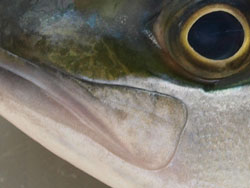
Buri has a “square chin” as they say in Japanese. Look at the back extremity of the mouth,

BURI-HIRAMASA-AGO
whereas it is more rounded for the hiramasa.

In Japan they are caught south of Hokkaido Island.
They come under many names: Wakashi, Inada, Warasa, Wakana, Hamachi and Mejiro.

Buri/Yellowyail is most popular when caught in rising waters in Winter when called Kan Buri/寒鰤 or “Cold Yellowtail”.

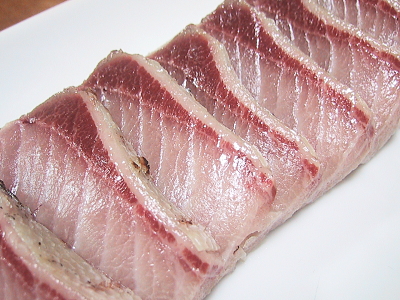
BURI-SASHIMI

Buri sashimi after light grill/Aburi/炙り

Young Yellowtails are best eaten as sahimi or

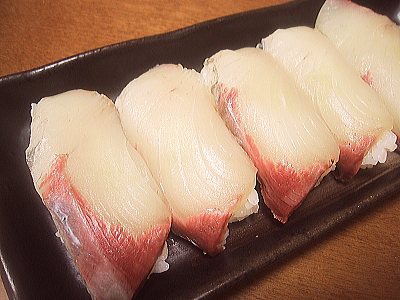
BURI-SUSHI-2

Buri Sushi

or as sushi as they are leaner then.

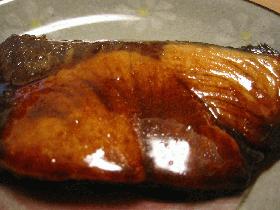
Older buri, containing a lot of fat, are better eaten cooked as

BURI-TERIYAKI

Buri Teriyaki,

BURI-ARA

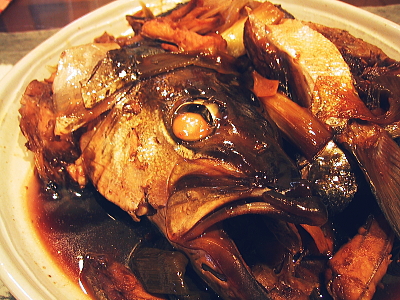
Buri Ara with the whole head, or

BURI-MOPPONZU

Buri Mopponzu, including innards, especially liver and heart.

In the West of Japan, a New Year Meal cannot be conceived without buri!

Natural Buri catch accounts for 70,000~80,000 tonnes, while human-raised buri accounts for over 130,000 tonnes every year.
Imported buri accounts for less than 3,000 tonnes.

RECOMMENDED RELATED WEBSITES

Green Tea Club by Satoshi Nihonyanagi in Shizuoka!, Mind Some by Tina in Taiwan, Le Manger by Camille Oger (French), The Indian Tourist, Masala Herb by Helene Dsouza in Goa, India, Mummy I Can Cook! by Shu Han in London, Pierre.Cuisine, Francescannotwrite, My White Kitchen, 47 Japanese Farms Through The Eyes of Its Rural Communities, Foodhoe, Chucks Eats, Things that Fizz & Stuff, Five Euro Food by Charles,Red Shallot Kitchen by Priscilla,With a Glass, Nami | Just One Cookbook, Peach Farm Studio, Clumsyfingers by Xethia, PepperBento,Adventures in Bento Making, American Bent, Beanbento, Bento No, Bento Wo Tsukurimashou, Cooking Cute, Eula, Hapabento , Happy Bento, Jacki’s Bento Blog, Kitchen Cow, Leggo My Obento, Le Petit Journal Bento & CO (French), Lunch In A Box,
Susan at Arkonlite, Vegan Lunch Box; Tokyo Tom Baker, Daily Food Porn/Osaka, Only Nature Food Porn, Happy Little Bento, The Herbed Kitchen, J-Mama’s Kitchen, Cook, Eat, Play, Repeat, Bento Lunch Blog (German), Adventures In Bento, Anna The Red’s Bento Factory, Cooking Cute, Timeless Gourmet, Bento Bug, Ideal Meal, Bentosaurus, Mr. Foodie (London/UK), Ohayo Bento,

Must-see tasting websites:

-Sake: Tokyo Through The Drinking Glass, Tokyo Foodcast, Urban Sake, Sake World
-Wine: Palate To Pen, Warren Bobrow, Cellar Tours, Ancient Fire Wines Blog
-Beer: Good Beer & Country Boys, Another Pint, Please!
-Japanese Pottery to enjoy your favourite drinks: Yellin Yakimono Gallery
Japanese Fish Species 2: Mullet-Bora-鯔

There are at least 12 recognized kinds of mullet being caught all over the world.
The flathead mullet in particular is an important food fish for many around the world, and can be both fished and farmed. The roe of this mullet is salted, dried, and compressed to make a specialty food across the world, such as Korean myeongran jeot, Japanese karasumi, Italian botargo, and Egyptian batarekh . In Egypt, the fish itself is salted, dried, and pickled to make feseekh.

Flathead Mullet, Mugil Cephalus in Latin, or Bora/鯔/鰡 in Japanese, will reach length of over 80 cm in Japan, although the average length will more around 50 cm.

It is caught south of Hokkaido near river mouths or in bays receiving lots of river waters.
Like any othe fish, it will be called other names depending upon the region: Isegoi (Western Japan), Itanebora (Ehime Prefecture), Mabora (Hiroshima Prefecture), Tsukura (Okinawa), Kuchime, Mejiro, Hebuna, Haku, Makuchi, Kurome, or Merome.

It is a versatile fish:

Served raw as sashimi in Japanese Cuisine or,

as carpaccio in Italian style.

It is more unusual as sushi nigiri (front two) and will probably be found as such only locally.

To answer a query from a friend, it is more encountered cooked:
Deep-fried and served with a soy-based sauce is common to many asian countries.

Deep-fried before being served with a sweet and sour sauce,

or the same again with tofu is popular in Taiwan (and in Japan!).

First steamed and then served with a sauce made with sweet pickled plum and miso is supposed to be of Chinese origin, but can be found again in many Asians countries.

But for all these recipes, the most valuable (and very expensive at that!) is the roe of the female mullets!

It is served as it is, extravagantly in Japanese or Italian cuisine sashimi or carpaccio.

The combinations are infinite!

An extravagant salad of Japanese and Italian inspiration!

Grated over an extravagant pasta dish!

RECOMMENDED RELATED WEBSITES

Green Tea Club by Satoshi Nihonyanagi in Shizuoka!, Mind Some by Tina in Taiwan, Le Manger by Camille Oger (French), The Indian Tourist, Masala Herb by Helene Dsouza in Goa, India, Mummy I Can Cook! by Shu Han in London, Pierre.Cuisine, Francescannotwrite, My White Kitchen, 47 Japanese Farms Through The Eyes of Its Rural Communities, Foodhoe, Chucks Eats, Things that Fizz & Stuff, Five Euro Food by Charles,Red Shallot Kitchen by Priscilla,With a Glass, Nami | Just One Cookbook, Peach Farm Studio, Clumsyfingers by Xethia, PepperBento,Adventures in Bento Making, American Bent, Beanbento, Bento No, Bento Wo Tsukurimashou, Cooking Cute, Eula, Hapabento , Happy Bento, Jacki’s Bento Blog, Kitchen Cow, Leggo My Obento, Le Petit Journal Bento & CO (French), Lunch In A Box,
Susan at Arkonlite, Vegan Lunch Box; Tokyo Tom Baker, Daily Food Porn/Osaka, Only Nature Food Porn, Happy Little Bento, The Herbed Kitchen, J-Mama’s Kitchen, Cook, Eat, Play, Repeat, Bento Lunch Blog (German), Adventures In Bento, Anna The Red’s Bento Factory, Cooking Cute, Timeless Gourmet, Bento Bug, Ideal Meal, Bentosaurus, Mr. Foodie (London/UK), Ohayo Bento,

Must-see tasting websites:

-Sake: Tokyo Through The Drinking Glass, Tokyo Foodcast, Urban Sake, Sake World
-Wine: Palate To Pen, Warren Bobrow, Cellar Tours, Ancient Fire Wines Blog
-Beer: Good Beer & Country Boys, Another Pint, Please!
-Japanese Pottery to enjoy your favourite drinks: Yellin Yakimono Gallery
Japanese Fish Species 1: Fat Greening-Ainame-鮎魚女

Ainame/鮎魚女/Hexagrammos otakii or Fat Greening is a truly Japanese seasonal fish, which has become a rarity as it lives only around the Japanese archipelago along rocky shores in water comparatively high in salt (some are also found around the Korean Peninsula).
Luckily enough it has been raised successfully in the Western part of Shizuoka Prefecture for the last few years.
Its rarity is caused by its popularity with anglers and its very fine taste.
A cousin of the rock fish, it is called many other names such as Aburako, Aburame and when young, Kujime.
The best season is in May and June. As it lay eggs in Winter, the taste loses its appeal.

It is a real morsel to be enjoyed in many ways:

As sashimi, even its skin is edible!

It makes for superb sushi nigiri!

Like any great white-fleshed fish, you must sample it in karaage/deep-fried!

The same karaage can be then marinated!

Another great way to enjoy it is to cook it as Japanese nimono, either slowly simmered or steamed and served with a soy sauce, sake and mirin sauce!

Of course it makes for a supreme delicacy “poele” in French or Italian gastronomy!

RECOMMENDED RELATED WEBSITES

Green Tea Club by Satoshi Nihonyanagi in Shizuoka!, Mind Some by Tina in Taiwan, Le Manger by Camille Oger (French), The Indian Tourist, Masala Herb by Helene Dsouza in Goa, India, Mummy I Can Cook! by Shu Han in London, Pierre.Cuisine, Francescannotwrite, My White Kitchen, 47 Japanese Farms Through The Eyes of Its Rural Communities, Foodhoe, Chucks Eats, Things that Fizz & Stuff, Five Euro Food by Charles,Red Shallot Kitchen by Priscilla,With a Glass, Nami | Just One Cookbook, Peach Farm Studio, Clumsyfingers by Xethia, PepperBento,Adventures in Bento Making, American Bent, Beanbento, Bento No, Bento Wo Tsukurimashou, Cooking Cute, Eula, Hapabento , Happy Bento, Jacki’s Bento Blog, Kitchen Cow, Leggo My Obento, Le Petit Journal Bento & CO (French), Lunch In A Box,
Susan at Arkonlite, Vegan Lunch Box; Tokyo Tom Baker, Daily Food Porn/Osaka, Only Nature Food Porn, Happy Little Bento, The Herbed Kitchen, J-Mama’s Kitchen, Cook, Eat, Play, Repeat, Bento Lunch Blog (German), Adventures In Bento, Anna The Red’s Bento Factory, Cooking Cute, Timeless Gourmet, Bento Bug, Ideal Meal, Bentosaurus, Mr. Foodie (London/UK), Ohayo Bento,

Must-see tasting websites:

-Sake: Tokyo Through The Drinking Glass, Tokyo Foodcast, Urban Sake, Sake World
-Wine: Palate To Pen, Warren Bobrow, Cellar Tours, Ancient Fire Wines Blog
-Beer: Good Beer & Country Boys, Another Pint, Please!
-Japanese Pottery to enjoy your favourite drinks: Yellin Yakimono Gallery
Food & Drink Bloggers in Japan (Spring 2012)

The number of foreigners and Japanese nationals who write about the food and drinks in Japan in English (or at least answer comments in English) has remarkably increased lately.
I thought it was about time to start some kind of round-up to help people discover these deserving foodies and their blogs!The list below is far from exhaustive, but I’m planning to update and announce it regularly!
Of course if you know more foodies residing in Japan, do please direct them to me and I will introduce them gladly!

HOKKAIDO TRIBE
(Hokkaido Island)
Meishu no Yutaka by Carlin

TOHOKU TRIBE
(Northeastern Japan: Aomori, Iwate, Miyagi, Akita, Yamagata, Fukushima)
Cooking with Mama Miyuki in Sendai
Slow Food From Japan by Nigel Fodgen in Miyagi Prefecture.

KANTO TRIBE
(Eastern Japan: Ibaraki, Tochigi, Gunma, Saitama, Chiba, Tokyo, Kanagawa)
Watch Japan in Tokyo
Little Japan Mama in Tokyo
Japan Eats (featured on request)
47 Japanese Farms Through The Eyes of Its Rural Communities By Sara and Roshni in Tokyo
Eating Out in Tokyo with DominicTokyo Through The Drinking Glass by Melinda Joe in Tokyo
Tokyo Foodcast by Etsuko Nakamura in Tokyo
Sake World by John Gauntner in Tokyo: The inernational Reference for Japanese Sake!
Tokyo Terrace by Rachael in Tokyo
Gaijin Tonic in Tokyo and Kanagawa Prefecture
Nonjatta by Chris Bunting in Tokyo
The Soul Of Japan in Kanagawa Prefecture
Sake, kimono and Tabi In Tokyo
Tokyo Kawai, Etc… in Tokyo
Blue Lotus in Tokyo
The Japanese Food Report by Harris Salat in Tokyo
The Sake Chronicles in Tokyo
Watashi to Tokyo by Mari Kanazawa in Tokyo
Japanese Food-Food Lover’s Guide by Yukari Yamamoto in Tokyo
Gaijin Life by a Canadian gentleman in Tokyo
Leo’s Japan Food Blog in Tokyo
Eating Out In Tokyo With Jon
Fugu Tabetai in Tokyo
Japan Style in Tokyo
COCO’s Oriental Kitchen by angela Cooper in Tokyo
Free Online Japanese Food Recipes in Tokyo
Reminiscenec in Tokyo
Cooking Japanese Style By Naoko, in Tokyo

CHUBU TRIBE
(Central Japan: Niigata, Toyama, Ishikawa, Fukui, Yamanashi, Nagano, Gifu, Shizuoka, Aichi)
Good Beer & Country Boys in Aichi Prefecture
Green Tea Club by Satoshi Nihonbayashi in Shizuoka City!
Damonde Life by Matt Ryan in Hamamatsu & Enshu, shizuoka Prefecture
Mangantayon in Shizuoka Prefecture
Shizuoka Gourmet, Shizuoka Sake, Shizuoka Sushi, Shizuoka Shochu in Shizuoka Prefecture
Bryan Baird’s Beer & Brewery in Numazu in Shizuoka Prefecture
A Modern Girl from Niigata and all over Japan!

KANSAI TRIBE
(Western Japan: Mie, Shiga, Kyoto, Osaka, Hyogo, Nara, Kyoto, Wakayama)
Yellin Yakimono Gallery by Robert Yellin in Shizuoka Prefecture, just moved to Kyoto!
Colorfood Daidokoro in Osaka (Englis & French)
Dominique Corby In Osaka (in French, but can answer and read in English)
Nagaijin in Osaka
Kyoto Foodie in Kyoto
Our Adventures in Japan by K and S Minoo in Osaka
Japan Food Addict by Mai in Kyoto

CHUGOKU
(“Central Country”: Tottori, Shimane, Okayama, Hiroshima, Yamaguchi)
Get Hiroshima Blog in Hiroshima
The Wide Island Review, The JET Programme Webzine Of Hiroshima Prefecture (includes food & drink articles)

SHIKOKU
(Shikoku Island: Kagawa, Kochi, Ehime, Tokushima)
Obachan’s Kitchen & Garden Balcony in Kochi Prefecture
Still Clumsy With Chopsticks in Kochi Prfecture (Continuation of Obachan’s Kitchen & Garden Balcony)
Rocking in Hakata by Deas Richardson

KYUSHU
(Kyushu Island: Fukuoka, Nagasaki, Saga, Kumamoto, Miyazaki, Kagoshima)
Finding Fukuoka
Food from Fukuoka, Kyushu and Japan by Fumiko Soda
Fukuoka Sake Guide by Daisuke Ito

OKINAWA
(Okinawa Archipelago)
HWN Pake in Okinawa in Chatan, Okinawa
I’m sorry to say that Nate has just passed away and that his blog has disappeared, but I’ll keep it there as it is in his memory!
Dojo Bar in Naha
Eating Okinawa
Okinawa Hai!
Total Okinawa

RECOMMENDED RELATED WEBSITES

Green Tea Club by Satoshi Nihonyanagi in Shizuoka!, Mind Some by Tina in Taiwan, Le Manger by Camille Oger (French), The Indian Tourist, Masala Herb by Helene Dsouza in Goa, India, Mummy I Can Cook! by Shu Han in London, Pierre.Cuisine, Francescannotwrite, My White Kitchen, 47 Japanese Farms Through The Eyes of Its Rural Communities, Foodhoe, Chucks Eats, Things that Fizz & Stuff, Five Euro Food by Charles,Red Shallot Kitchen by Priscilla,With a Glass, Nami | Just One Cookbook, Peach Farm Studio, Clumsyfingers by Xethia, PepperBento,Adventures in Bento Making, American Bent, Beanbento, Bento No, Bento Wo Tsukurimashou, Cooking Cute, Eula, Hapabento , Happy Bento, Jacki’s Bento Blog, Kitchen Cow, Leggo My Obento, Le Petit Journal Bento & CO (French), Lunch In A Box,
Susan at Arkonlite, Vegan Lunch Box; Tokyo Tom Baker, Daily Food Porn/Osaka, Only Nature Food Porn, Happy Little Bento, The Herbed Kitchen, J-Mama’s Kitchen, Cook, Eat, Play, Repeat, Bento Lunch Blog (German), Adventures In Bento, Anna The Red’s Bento Factory, Cooking Cute, Timeless Gourmet, Bento Bug, Ideal Meal, Bentosaurus, Mr. Foodie (London/UK), Ohayo Bento,

Must-see tasting websites:

-Sake: Tokyo Through The Drinking Glass, Tokyo Foodcast, Urban Sake, Sake World
-Wine: Palate To Pen, Warren Bobrow, Cellar Tours, Ancient Fire Wines Blog
-Beer: Good Beer & Country Boys, Another Pint, Please!
-Japanese Pottery to enjoy your favourite drinks: Yellin Yakimono Gallery
Japanese Fish Recipe: Curry-marinated Pike Mackerel/Aji No Kari Marine

Pike Mackerel, Horse Mackerel or Saurel is called Aji/鯵 in Japanese.
Shizuoka Prefecture, and especially Suruga Bay is very famous for great quality pike Mackerel almost all year round.

Here is a simple way to eat it cold, a welcome notion for the coming summer!

Curry-marinated Pike Mackerel/Aji No Kari Marine!
INGREDIENTS: for 5 persons

-Pike mackerel/Saurel: 2
-Red onion: 1
-Lemon slices: 3~4
-Flour: 2 tablespoons
-Curry mix powder: 1 tablespoon
-Salad oil: 100 cc/ml/1/2 cup
-Rice vinegar: 50 cc/ml/1/4 cup
-Salt: a little

RECIPE:

-Dress the fish (cut out the fillets) and cut into 4cm long pieces. Sprinkle with a little salt.

-Cut the red onion in half. Cut out the hard core. Slice it thin. Let the onion slices rest into clean cold water long enough to take out astringency (bitterness).

-Peel the lemon slices and cut them 6~8 “quarters”.

-Mix the flour with curry mix powder and lightly coat the fish with it. Deep-fry the fish.

-Line a large enough flat vessel (preferably rectangular) with the deep-fried fish. Place the lemon bits evenly on top. Cover evenly with the sliced red onion (drain it thouroughly first). Mix the oil, rice vinegar and salt and then pour the lot over the fish.
Cover with cellophane paper and let it marinate inside the fridge long enough for the taste to penetrate the fish.

SUGGESTION:

Grill sweet red pimentoes. Peel off the skin. Cut it in strips. You could do the same with string beans you boil first and then cut in strips.
Add them to the marinade for added taste and effect.

Don’t forget that the presentation will be the more important that this dish is simple!

RECOMMENDED RELATED WEBSITES

Le Manger by Camille Oger (French), The Indian Tourist, Masala Herb by Helene Dsouza in Goa, India, Mummy I Can Cook! by Shu Han in London, Pierre.Cuisine, Francescannotwrite, My White Kitchen, 47 Japanese Farms Through The Eyes of Its Rural Communities, Foodhoe, Chucks Eats, Things that Fizz & Stuff, Five Euro Food by Charles,Red Shallot Kitchen by Priscilla,With a Glass, Nami | Just One Cookbook, Peach Farm Studio, Clumsyfingers by Xethia, PepperBento,Adventures in Bento Making, American Bent, Beanbento, Bento No, Bento Wo Tsukurimashou, Cooking Cute, Eula, Hapabento , Happy Bento, Jacki’s Bento Blog, Kitchen Cow, Leggo My Obento, Le Petit Journal Bento & CO (French), Lunch In A Box,
Susan at Arkonlite, Vegan Lunch Box; Tokyo Tom Baker, Daily Food Porn/Osaka, Only Nature Food Porn, Happy Little Bento, The Herbed Kitchen, J-Mama’s Kitchen, Cook, Eat, Play, Repeat, Bento Lunch Blog (German), Adventures In Bento, Anna The Red’s Bento Factory, Cooking Cute, Timeless Gourmet, Bento Bug, Ideal Meal, Bentosaurus, Mr. Foodie (London/UK), Ohayo Bento,

Must-see tasting websites:

-Sake: Tokyo Through The Drinking Glass, Tokyo Foodcast, Urban Sake, Sake World
-Wine: Palate To Pen, Warren Bobrow, Cellar Tours, Ancient Fire Wines Blog
-Beer: Good Beer & Country Boys, Another Pint, Please!
-Japanese Pottery to enjoy your favourite drinks: Yellin Yakimono Gallery
Japanese Shellfish Species 12: Surf Clam-Ubagai-姥貝

UBAGAI-1

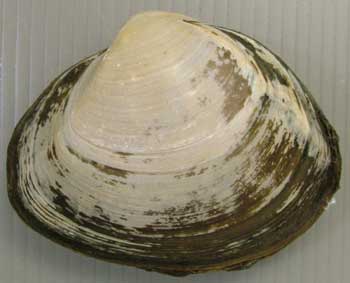
“Ubagai/姥貝” (Pseudocardium sachalinense) or more commonly called “Hokkigai/北寄貝” when served as sashimi or sushi have many names in English.
Member of the Trough Shells Groups, they are called Surf Clams, or more precisely, as pertains to the varieties eaten in Japan, either Japanese Surf Clams or Sakhalin Surf Clams as they are collected both along Japan and Sakhalin Islands shores. in Ainu, the original language of Hokkaido, it is called “poksey” or tutturep”.

8,000 tonnes are caught in Japan every year. 94% of fresh/live Surf Clams are collected in Hokkaido, Aomori, Fukushima and Miyagi Prefectures.
About 4,000 tonnes are imported frozen from Canada.
They are popular dried, in soups or cooked with vegetables and rice.

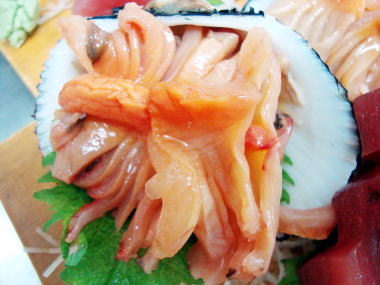
Their “tongues” can be appreciated as sashimi, but are most popular lightly poached and cooled down.
The color is black when raw.

The tongue turns red when it is heated as bakes, steamed or boiled.

That is the way they are usually processed before being served as sushi nigiri, either straight, or with a few small incisions for better effect! Very satisfying and beautiful!

RECOMMENDED RELATED WEBSITES

The Indian Tourist, Masala Herb by Helene Dsouza in Goa, India
Mummy I Can Cook! by Shu Han in London
Pierre.Cuisine, Francescannotwrite, My White Kitchen, 47 Japanese Farms Through The Eyes of Its Rural Communities, Foodhoe, Chucks Eats, Things that Fizz & Stuff, Five Euro Food by Charles,Red Shallot Kitchen by Priscilla,With a Glass, Nami | Just One Cookbook, Peach Farm Studio, Clumsyfingers by Xethia, PepperBento,Adventures in Bento Making, American Bent, Beanbento, Bento No, Bento Wo Tsukurimashou, Cooking Cute, Eula, Hapabento , Happy Bento, Jacki’s Bento Blog, Kitchen Cow, Leggo My Obento, Le Petit Journal Bento & CO (French), Lunch In A Box,
Susan at Arkonlite, Vegan Lunch Box; Tokyo Tom Baker, Daily Food Porn/Osaka, Only Nature Food Porn, Happy Little Bento, The Herbed Kitchen, J-Mama’s Kitchen, Cook, Eat, Play, Repeat, Bento Lunch Blog (German), Adventures In Bento, Anna The Red’s Bento Factory, Cooking Cute, Timeless Gourmet, Bento Bug, Ideal Meal, Bentosaurus, Mr. Foodie (London/UK), Ohayo Bento,

Must-see tasting websites:

-Sake: Tokyo Through The Drinking Glass, Tokyo Foodcast, Urban Sake, Sake World
-Wine: Palate To Pen, Warren Bobrow, Cellar Tours, Ancient Fire Wines Blog
-Beer: Good Beer & Country Boys, Another Pint, Please!
-Japanese Pottery to enjoy your favourite drinks: Yellin Yakimono Gallery

Gastronomic Nightmares in Japan: Calories Count at McDonald’s, Starbucks & Mr. Donuts

McDonald’s at Shinjuku, Tokyo

As demonstrated by many food bloggers, cooking and creating great foods and drinks have become incomplete and unsatisfying when not considering the benefits or adverse effects of the same foods and drinks regardless of their taste.
I do not intend to delve into counselling or consulting, but only to offer some knowledge about the nutrition and health facts in Japanese food.
The Japanese have their own imported diners represented mainly by McDonald’s, Starbucks and Mr. Donuts. Since they are doing good business here, I was curious about the calories intake in their offerings.
Here are the results of my research. Please note that these numbers concern only food served inside Japan. I will let you judge the benefits!

MCDONALD’S

-Double Quarter Pounder Cheese: 825 kcl
-Bacon Lettuce burger: 422 kcl
-Hamburger: 274 kcl
-Cheese Burger: 322 kcl
-Teriyaki Mac Burger: 509 kcl
-Fillet Fish: 352 kcl
-Chicken Mac Nuggets (5 pieces+bbq sauce): 322 kcl
-Cinnamon Melts: 449 kcl
-Mac Fried Potatoes (M size): 454 kcl
-Mac Shake Chocolate (S size9: 211 kcl
-Hot Apple Pie: 211 kcl

Starbucks, Shinjuku, Tokyo

STARBUCKS

Below drinks are all Tall Size

-Matcha Cream Frapuccino: 430 kcl
-Caramel Frapuccino: 307 kcl
-Caffe Mocha: 320 kcl
-Starbucks Latte: 203 kcl
-Soy Latte: 200 kcl
-Mango Passion Tea Frapuccino: 144 kcl
-Caramel Makiart: 189 kcl
-Drip Coffee: 20 kcl

Mr. Donuts, Sendai City

MR. DONUTS

-Cookie Cruller Coconuts: 397 kcl
-Choco Fashion: 307 kcl
-Honey Cello: 192 kcl
-Old Fashion: 277 kcl
-Baked Chou Custard & Whip: 176 kcl
-Double Chocolate: 240 kcl
-Rich Donut Honey dip: 190 kcl
-Bon.De.Ring: 225 kcl
-French Cruller: 158 kcl

As an indication a non-active (physical exercise) lady needs 1750 kcl a day, a moderately active lady needs 2050 kcl a day and a physically active lady needs 2350 kcl a day. Count 20% more for a gentleman.

RECOMMENDED RELATED WEBSITES

The Indian Tourist, Masala Herb by Helene Dsouza in Goa, India
Mummy I Can Cook! by Shu Han in London
Pierre.Cuisine, Francescannotwrite, My White Kitchen, 47 Japanese Farms Through The Eyes of Its Rural Communities, Foodhoe, Chucks Eats, Things that Fizz & Stuff, Five Euro Food by Charles,Red Shallot Kitchen by Priscilla,With a Glass, Nami | Just One Cookbook, Peach Farm Studio, Clumsyfingers by Xethia, PepperBento,Adventures in Bento Making, American Bent, Beanbento, Bento No, Bento Wo Tsukurimashou, Cooking Cute, Eula, Hapabento , Happy Bento, Jacki’s Bento Blog, Kitchen Cow, Leggo My Obento, Le Petit Journal Bento & CO (French), Lunch In A Box,
Susan at Arkonlite, Vegan Lunch Box; Tokyo Tom Baker, Daily Food Porn/Osaka, Only Nature Food Porn, Happy Little Bento, The Herbed Kitchen, J-Mama’s Kitchen, Cook, Eat, Play, Repeat, Bento Lunch Blog (German), Adventures In Bento, Anna The Red’s Bento Factory, Cooking Cute, Timeless Gourmet, Bento Bug, Ideal Meal, Bentosaurus, Mr. Foodie (London/UK), Ohayo Bento,

Must-see tasting websites:

-Sake: Tokyo Through The Drinking Glass, Tokyo Foodcast, Urban Sake, Sake World
-Wine: Palate To Pen, Warren Bobrow, Cellar Tours, Ancient Fire Wines Blog
-Beer: Good Beer & Country Boys, Another Pint, Please!
-Japanese Pottery to enjoy your favourite drinks: Yellin Yakimono Gallery

Weird Japan (13): Fancy a Drink Before a Break-in?

I love the name of this bar in Ryogae-Cho, Shizuoka City!
Mind you a couple too many drinks there could encourage me into some illegal activities!
They serve Guiness which explains the shamrock!

RECOMMENDED RELATED WEBSITES

The Indian Tourist, Masala Herb by Helene Dsouza in Goa, India
Mummy I Can Cook! by Shu Han in London
Pierre.Cuisine, Francescannotwrite, My White Kitchen, 47 Japanese Farms Through The Eyes of Its Rural Communities, Foodhoe, Chucks Eats, Things that Fizz & Stuff, Five Euro Food by Charles,Red Shallot Kitchen by Priscilla,With a Glass, Nami | Just One Cookbook, Peach Farm Studio, Clumsyfingers by Xethia, PepperBento,Adventures in Bento Making, American Bent, Beanbento, Bento No, Bento Wo Tsukurimashou, Cooking Cute, Eula, Hapabento , Happy Bento, Jacki’s Bento Blog, Kitchen Cow, Leggo My Obento, Le Petit Journal Bento & CO (French), Lunch In A Box,
Susan at Arkonlite, Vegan Lunch Box; Tokyo Tom Baker, Daily Food Porn/Osaka, Only Nature Food Porn, Happy Little Bento, The Herbed Kitchen, J-Mama’s Kitchen, Cook, Eat, Play, Repeat, Bento Lunch Blog (German), Adventures In Bento, Anna The Red’s Bento Factory, Cooking Cute, Timeless Gourmet, Bento Bug, Ideal Meal, Bentosaurus, Mr. Foodie (London/UK), Ohayo Bento,

Must-see tasting websites:

-Sake: Tokyo Through The Drinking Glass, Tokyo Foodcast, Urban Sake, Sake World
-Wine: Palate To Pen, Warren Bobrow, Cellar Tours, Ancient Fire Wines Blog
-Beer: Good Beer & Country Boys, Another Pint, Please!
-Japanese Pottery to enjoy your favourite drinks: Yellin Yakimono Gallery

Weird Japan (12): That’s the Point!

Found this in front of a food-stand & bar, “yatai” in Japnese, along Aoba Koen in Shizuoka City!

I found it quite funny as it it could be interpreted in so many ways!

RECOMMENDED RELATED WEBSITES

The Indian Tourist, Masala Herb by Helene Dsouza in Goa, India
Mummy I Can Cook! by Shu Han in London
Pierre.Cuisine, Francescannotwrite, My White Kitchen, 47 Japanese Farms Through The Eyes of Its Rural Communities, Foodhoe, Chucks Eats, Things that Fizz & Stuff, Five Euro Food by Charles,Red Shallot Kitchen by Priscilla,With a Glass, Nami | Just One Cookbook, Peach Farm Studio, Clumsyfingers by Xethia, PepperBento,Adventures in Bento Making, American Bent, Beanbento, Bento No, Bento Wo Tsukurimashou, Cooking Cute, Eula, Hapabento , Happy Bento, Jacki’s Bento Blog, Kitchen Cow, Leggo My Obento, Le Petit Journal Bento & CO (French), Lunch In A Box,
Susan at Arkonlite, Vegan Lunch Box; Tokyo Tom Baker, Daily Food Porn/Osaka, Only Nature Food Porn, Happy Little Bento, The Herbed Kitchen, J-Mama’s Kitchen, Cook, Eat, Play, Repeat, Bento Lunch Blog (German), Adventures In Bento, Anna The Red’s Bento Factory, Cooking Cute, Timeless Gourmet, Bento Bug, Ideal Meal, Bentosaurus, Mr. Foodie (London/UK), Ohayo Bento,

Must-see tasting websites:

-Sake: Tokyo Through The Drinking Glass, Tokyo Foodcast, Urban Sake, Sake World
-Wine: Palate To Pen, Warren Bobrow, Cellar Tours, Ancient Fire Wines Blog
-Beer: Good Beer & Country Boys, Another Pint, Please!
-Japanese Pottery to enjoy your favourite drinks: Yellin Yakimono Gallery

Dekopon Oranges Producer: Nobuhiko Onuma

Nobuhiko Onuma/小沼宣彦 between his daughter/睦代, and wife, Yoshiko/良子!

Dekopon (デコポン) is a seedless and very sweet citrus fruit, a hybrid between Kiyomi and ponkan (Nakano no.3), developed in Japan in 1972 starting from Kyushu Island. Originally a brand name, Dekopon has become a genericized trademark and it is used to refer to all brands of the fruit; the generic name is shiranuhi or shiranui (不知火). Dekopon is distinctive due to its sweet taste, large size and the large protruding bump on the top of the fruit.
Shizuoka prefecture has become a major producer thanks to its ideal climate.

Okitsu Mountains under a glaring sun.

I recently had the chance to make a new friend, Ms. Chikayo Onuma working as a nurse at the Shizuoka Children’s Hospital, whose parents are producers of Dekopon and other oranges in Okitsu, Shimizu Ku, Shizuoka City!
Her parents were very kind to accept this foreign resident to visit and interview them!
Okitsu in Shizuoka Prefecture is nationally famous for its citrus fruits thanks to an ideal sun exposure and wide differences of temperature between day and night contributing to an extraordinary sweetness of the fruit.

Unfortunately the picking season was finished but we still had a lot to talk about before moving to the Onuma’s home to have a look at their crops.
Mr. Onuma produces an annual crop of 3,000 kg of Dekopon, 1,000 kg of Aoshima (Aoshima Shutarou) Oranges, as well as Kiyomi and Suruga Elegant varieties.

A typical farmhouse in Shizuoka Prefecture!

Mr. Onuma sells some of his crop through the JA but mostly deals with a network of private customers and accepts orders through the phone/fax as long as there are any fruit left. You had better hurry as they will disappear soon!

Mr. Onuma was kind enough to prepare an explanation of the cultivation for my perusal:
May: Flowering
July~August: Pruning and thinning the trees to keep only the best fruit. A neck braking work!
From August: regular watering
About the 20th of November: Each fruit is individually protected with a paper bag. More neck-breaking work!
From January 20th: Harvesting.

But the work is far from being finished as I will explain later!

Moreover, fungicide has to be spread 12 times a year.
Mr. Onuma told me that he keeps any such fungicide to a minimum and does not use any other agrichemicals.

More work is to come as the fruit will be stored in a dark cool shed to mature.
The fruit must attain a level of 13 on the official sweetness scale before they may be called Dekopon.
Mr. Onuma’s crop of Dekopon has been awarded the special appellation of shiranuhi (不知火) by the Prefecture, as a sure mark of its excellence!

Mr. Ozawa’ shiranuhi have even been prized in spite of the fierce competition!

Even Japanese nationals will be hard pressed to pronounce the Kanji for shiranuhi (不知火) properly!

Temperature inside the shed is strictly regulated!

And the place is also kept dark at all times!

Moreover, each fruit has to be individually wrapped in an open vinyl pouch!
I can’t start to imagine all the work and time spent!

Not to mention all the back-breaking work carrying 10 kg trays out and preparing orders!

Mr. Ozawa’s dekopon in my bento!

All this to make sure that all the fruit reach customers in the perfect state!
Thank you so much, Mr. Onuma!

Nobuhiko Onuma/小沼宣彦, Dekopon and oranges producer
424-Shizuoka City, Shimizu Ku, Okitsu Inoue Machi, 177
424-0202静岡市清水区興津井上町177
Tel./Fax: 054-369-2670

RECOMMENDED RELATED WEBSITES

The Indian Tourist, Masala Herb by Helene Dsouza in Goa, India
Mummy I Can Cook! by Shu Han in London
Pierre.Cuisine, Francescannotwrite, My White Kitchen, 47 Japanese Farms Through The Eyes of Its Rural Communities, Foodhoe, Chucks Eats, Things that Fizz & Stuff, Five Euro Food by Charles,Red Shallot Kitchen by Priscilla,With a Glass, Nami | Just One Cookbook, Peach Farm Studio, Clumsyfingers by Xethia, PepperBento,Adventures in Bento Making, American Bent, Beanbento, Bento No, Bento Wo Tsukurimashou, Cooking Cute, Eula, Hapabento , Happy Bento, Jacki’s Bento Blog, Kitchen Cow, Leggo My Obento, Le Petit Journal Bento & CO (French), Lunch In A Box,
Susan at Arkonlite, Vegan Lunch Box; Tokyo Tom Baker, Daily Food Porn/Osaka, Only Nature Food Porn, Happy Little Bento, The Herbed Kitchen, J-Mama’s Kitchen, Cook, Eat, Play, Repeat, Bento Lunch Blog (German), Adventures In Bento, Anna The Red’s Bento Factory, Cooking Cute, Timeless Gourmet, Bento Bug, Ideal Meal, Bentosaurus, Mr. Foodie (London/UK), Ohayo Bento,

Must-see tasting websites:

-Sake: Tokyo Through The Drinking Glass, Tokyo Foodcast, Urban Sake, Sake World
-Wine: Palate To Pen, Warren Bobrow, Cellar Tours, Ancient Fire Wines Blog
-Beer: Good Beer & Country Boys, Another Pint, Please!
-Japanese Pottery to enjoy your favourite drinks: Yellin Yakimono Gallery

Today’s Bento/Lunch Box (12/13): Chicken Wings, Broccolini & Dekopon Bento!

Chicken wings seem to be a universal favorite and I surely like them although they are prepared with a slight difference here in Japan!

Today’s main box certainly included quite a few specialties from the Missus!

Having steamed fresh rice, she filled the main box with it and topped with chicken wings leftovers from last night.
The Missus makes her chicken wings in two steps:
1) She fries them first in oil over a hot fire.
2) After having attained a nice brown color she simmers them with mirin, soy sauce, “something else”, hot chilies and Coca Cola!
The meat is so tender and juicy that you can detach it from the bones with your fingers!
What you see above is the meat without the bones!
The Missus added her special marinated boiled egg with a sprinkle of black sesame seeds for contrast.

She added plenty of lightly boiled broccolini (also called rape flowers) seasoned with gomadare/sesame dressing and sesame seeds and a cup of home-made pickles: carrot. leaf ginger, cucumber and pimentoes.

For salad and dessert: lettuce and mini tomatoes and “dekopon” oranges. The latter come from Onuma Farm in Okitsu, Shimizu Ku, Shizuoka City (report coming soon!)! Incredibly sweet and fragrant!

Plentiful, tasty and colorful. The perfect lunch before going to interview a farmer all afternoon!

RECOMMENDED RELATED WEBSITES

The Indian Tourist, Masala Herb by Helene Dsouza in Goa, India
Mummy I Can Cook! by Shu Han in London
Pierre.Cuisine, Francescannotwrite, My White Kitchen, 47 Japanese Farms Through The Eyes of Its Rural Communities, Foodhoe, Chucks Eats, Things that Fizz & Stuff, Five Euro Food by Charles,Red Shallot Kitchen by Priscilla,With a Glass, Nami | Just One Cookbook, Peach Farm Studio, Clumsyfingers by Xethia, PepperBento,Adventures in Bento Making, American Bent, Beanbento, Bento No, Bento Wo Tsukurimashou, Cooking Cute, Eula, Hapabento , Happy Bento, Jacki’s Bento Blog, Kitchen Cow, Leggo My Obento, Le Petit Journal Bento & CO (French), Lunch In A Box,
Susan at Arkonlite, Vegan Lunch Box; Tokyo Tom Baker, Daily Food Porn/Osaka, Only Nature Food Porn, Happy Little Bento, The Herbed Kitchen, J-Mama’s Kitchen, Cook, Eat, Play, Repeat, Bento Lunch Blog (German), Adventures In Bento, Anna The Red’s Bento Factory, Cooking Cute, Timeless Gourmet, Bento Bug, Ideal Meal, Bentosaurus, Mr. Foodie (London/UK), Ohayo Bento,

Must-see tasting websites:

-Sake: Tokyo Through The Drinking Glass, Tokyo Foodcast, Urban Sake, Sake World
-Wine: Palate To Pen, Warren Bobrow, Cellar Tours, Ancient Fire Wines Blog
-Beer: Good Beer & Country Boys, Another Pint, Please!
-Japanese Pottery to enjoy your favourite drinks: Yellin Yakimono Gallery

Japanese Shellfish Species 10: Ark Shell-Bloody Clam-Akagai-赤貝

AKAGAI-5
(Ark shell sashimi in its own shell)

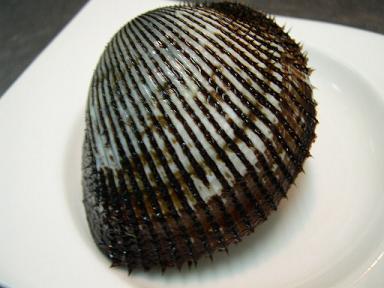
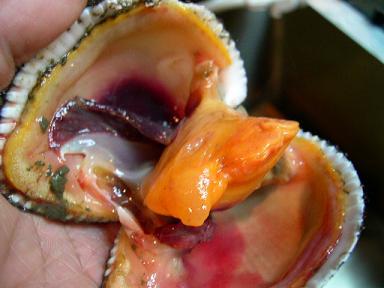
Akagai or Ark Shell tends to frighten potential sheffish amateurs because of its other English name, “Bloody Shell”, not only because of its deep reddish-orange colour, but also because of the reddish water it gives off upon opening.

AKAGAI-1

Now, shellfish does not have blood in our mammal concept.
Bear in mind that many shellfish are used for dyeing cloth, and if if I’m not mistaken, ark shells fulfill both utilitarian and gastronomic needs.

AKAGAI-2

It does require some skill to open and present.

AKAGAI-3

The main “Tongue” and “Thread/Akahimo” are edible.

The best season is Autumn, although they are available all year round. They are pretty abondant along the Japan southern coastlines, but many of them are also imported from Korea and China amounting to 80% of the total domestic consumption.

Ark shells are usually not served cooked.
Sashimi (see top picture) is very much appreciated but sushi nigiri is definitely the most popular way to savour them!

RECOMMENDED RELATED WEBSITES

The Indian Tourist, Masala Herb by Helene Dsouza in Goa, India
Mummy I Can Cook! by Shu Han in London
Pierre.Cuisine, Francescannotwrite, My White Kitchen, 47 Japanese Farms Through The Eyes of Its Rural Communities, Foodhoe, Chucks Eats, Things that Fizz & Stuff, Five Euro Food by Charles,Red Shallot Kitchen by Priscilla,With a Glass, Nami | Just One Cookbook, Peach Farm Studio, Clumsyfingers by Xethia, PepperBento,Adventures in Bento Making, American Bent, Beanbento, Bento No, Bento Wo Tsukurimashou, Cooking Cute, Eula, Hapabento , Happy Bento, Jacki’s Bento Blog, Kitchen Cow, Leggo My Obento, Le Petit Journal Bento & CO (French), Lunch In A Box,
Susan at Arkonlite, Vegan Lunch Box; Tokyo Tom Baker, Daily Food Porn/Osaka, Only Nature Food Porn, Happy Little Bento, The Herbed Kitchen, J-Mama’s Kitchen, Cook, Eat, Play, Repeat, Bento Lunch Blog (German), Adventures In Bento, Anna The Red’s Bento Factory, Cooking Cute, Timeless Gourmet, Bento Bug, Ideal Meal, Bentosaurus, Mr. Foodie (London/UK), Ohayo Bento,

Must-see tasting websites:

-Sake: Tokyo Through The Drinking Glass, Tokyo Foodcast, Urban Sake, Sake World
-Wine: Palate To Pen, Warren Bobrow, Cellar Tours, Ancient Fire Wines Blog
-Beer: Good Beer & Country Boys, Another Pint, Please!
-Japanese Pottery to enjoy your favourite drinks: Yellin Yakimono Gallery

Japanese Gastronomy with Local Shizuoka Products at Korosuke in Fuji City!

Service: Very friendly and attentive.
Facilities and equipment: Very clean. Superb toilets.
Prices: Reasonable.
Strong points: A great introduction to local products served with a very healthy concept. Private room available. Parking available.

Chef Koichi Satoh/佐藤高一さん opened Korosuke/ころ助 eight years ago in Fuji City and his fame has reached Shizuoka City where people do not get easily excited.
Today a good friend of mine was kind enough to drive all the way to share lunch with me!

You definitely need a car (or a taxi) to reach the place which is not easy to find, but the sign in the car park already gives you a good idea of what to expect: Portobella mushrooms by Mr. Hasegawa in Fuji City, Fuji no Jidori Chicken by Mr. Aoki in Fujinomiya City, Fuji Rainbow Trout by Mr. Kunugi in Fujinomiya City, Asagiri Kougen Beef (Wagyu) by Mr. Morimoto on the asagiri Plateau, Asagiri Yoguru Pork by the Matsuno Family on Asagiri Plateau, U no Hana Healthy Tofu by the Miwa Shop and so on!

It didn’t really look like a restaurant from the far side of the busy and wide thoroughfare!

But with the word “Dining” you couldn’t mistake it for anything else!

The privacy of the customers was certainly well protected!

Very interesting calligraphy!

Nobody seemed to be smoking inside and Mr. Satoh told me he intends to make the establishment non-smoking at all times from next month!

Local pottery on sale!

Mr. Hasegawa’s nationally famous Portobella Mushrooms!

A reasonably-priced lunch set considering the quality!
Individual plates and orders are naturally available but for my first visit the set lunch was the obvious choice!

Hot towels and a small salad!

These cute hot towel rabbits are not to be eaten!

The lunch is served inside an antique rice measure box!
What did we have then?

Plain rice seasoned with black rice!
Delicious and very tasty!

White miso soup with fish stock, egg whites, mizuna and daikon!

Top row:
Seared Fuji no Jidari Chicken sashimi from Aoki’s Farm.
Matsuno Family Asagiri Yoguru Pork Shabu shabu salad.
Tofu by Miwa Shop. Very nutritious tofu!

Middle row:
Deep-fried “kisu/Sillago”.
Sauteed Scallops.
Deep-fried Portobella Mushrooms from Mr. Hasegawa’s garden.

Bottom row:
Fuji no Jidori Chawanmushi.
Maguro no misoyaki/tuna grilled with miso.
Organic red shiso juice.

Coffee and dessert!

Baked sweet potato, vanilla ice cream and caramel sauce!

Now, I’m definitely planning to come again for dinner with plenty of wine and Shizuoka Sake!

KOROSUKE
416-0954 Fuji City, Moto Ichiba Cho, 975
Tel.: 0545-653-450
Business hours: 11:30~14:00, 17:30~23:00
Closed on Mondays
HOMEPAGE (Japanese)

RECOMMENDED RELATED WEBSITES

Masala Herb by Helene Dsouza in Goa, India
Mummy I Can Cook! by Shu Han in London
Pierre.Cuisine, Francescannotwrite, My White Kitchen, 47 Japanese Farms Through The Eyes of Its Rural Communities, Foodhoe, Chucks Eats, Things that Fizz & Stuff, Five Euro Food by Charles,Red Shallot Kitchen by Priscilla,With a Glass, Nami | Just One Cookbook, Peach Farm Studio, Clumsyfingers by Xethia, PepperBento,Adventures in Bento Making, American Bent, Beanbento, Bento No, Bento Wo Tsukurimashou, Cooking Cute, Eula, Hapabento , Happy Bento, Jacki’s Bento Blog, Kitchen Cow, Leggo My Obento, Le Petit Journal Bento & CO (French), Lunch In A Box,
Susan at Arkonlite, Vegan Lunch Box; Tokyo Tom Baker, Daily Food Porn/Osaka, Only Nature Food Porn, Happy Little Bento, The Herbed Kitchen, J-Mama’s Kitchen, Cook, Eat, Play, Repeat, Bento Lunch Blog (German), Adventures In Bento, Anna The Red’s Bento Factory, Cooking Cute, Timeless Gourmet, Bento Bug, Ideal Meal, Bentosaurus, Mr. Foodie (London/UK), Ohayo Bento,

Must-see tasting websites:

-Sake: Tokyo Through The Drinking Glass, Tokyo Foodcast, Urban Sake, Sake World
-Wine: Palate To Pen, Warren Bobrow, Cellar Tours, Ancient Fire Wines Blog
-Beer: Good Beer & Country Boys, Another Pint, Please!
-Japanese Pottery to enjoy your favourite drinks: Yellin Yakimono Gallery

Japanese Shellfish Species 2: Scallops-Hotategai-帆立貝

hotategai.jpg

Hotategai/帆立貝, or Scallops, is another worldwide favourite and also a source of dispute caused by illegal poaching, international or domestic.
The season is summer and the shellfish is sometimes called Akitagai/秋田貝, as of Akita Prefecture.
They are caught off Hokkaido, Aomori, Iwate and Miyagi Prefectures.
The domestic production/catch is over 300.000 tonnes a year, while 400 tonnes are imported from China as whole Scallops and 700 tonnes as the muscle part only (“kaibashira/貝柱”). Japanese scallops will be significantly larger than the Chinese.

Of course, they are much appreciated as sashimi, but also as sushi:
HOTATENIGIRI

(pic taken at Sushi Ko in Shizuoka City)

They are also much appreciated cooked/grilled in the shell with just a little shoyu and sake:
HOTAGE-GRILLED

Actually, a good-class sushi restaurant will serve the muscle part as sashimi or sushi, and will serve the rest of the shellfish cooked in light broth inside the shell later!

RECOMMENDED RELATED WEBSITES

Masala Herb by Helene Dsouza in Goa, India
Mummy I Can Cook! by Shu Han in London
Pierre.Cuisine, Francescannotwrite, My White Kitchen, 47 Japanese Farms Through The Eyes of Its Rural Communities, Foodhoe, Chucks Eats, Things that Fizz & Stuff, Five Euro Food by Charles,Red Shallot Kitchen by Priscilla,With a Glass, Nami | Just One Cookbook, Peach Farm Studio, Clumsyfingers by Xethia, PepperBento,Adventures in Bento Making, American Bent, Beanbento, Bento No, Bento Wo Tsukurimashou, Cooking Cute, Eula, Hapabento , Happy Bento, Jacki’s Bento Blog, Kitchen Cow, Leggo My Obento, Le Petit Journal Bento & CO (French), Lunch In A Box,
Susan at Arkonlite, Vegan Lunch Box; Tokyo Tom Baker, Daily Food Porn/Osaka, Only Nature Food Porn, Happy Little Bento, The Herbed Kitchen, J-Mama’s Kitchen, Cook, Eat, Play, Repeat, Bento Lunch Blog (German), Adventures In Bento, Anna The Red’s Bento Factory, Cooking Cute, Timeless Gourmet, Bento Bug, Ideal Meal, Bentosaurus, Mr. Foodie (London/UK), Ohayo Bento,

Must-see tasting websites:

-Sake: Tokyo Through The Drinking Glass, Tokyo Foodcast, Urban Sake, Sake World
-Wine: Palate To Pen, Warren Bobrow, Cellar Tours, Ancient Fire Wines Blog
-Beer: Good Beer & Country Boys, Another Pint, Please!
-Japanese Pottery to enjoy your favourite drinks: Yellin Yakimono Gallery