Tag Archives: recipe

Gastronomic Feast: Spring Dinner by Pissenlit and Nori-Behind the Scene!

On Saturday March 10th a very special dinner organised by two of the best chefs in Shizuoka, Fuminori Nishitani/藤谷文紀 of Nori in Fujieda City and Tooru Arima/有馬亨 of Pissenlit in Shizuoka City was held at Pissenlit Restaurant in Shizuoka City with the help of two great farmers, Mr. Yoshinori Iguchi/井口芳則 in Fujieda City and Mr. Masaaki Hirakaki/平垣正明 in Fujinomiya City who provided the vegetables. most of them organic!

The event was called:
“春の食の都 仕事人ウイーク”スペシャルディナー
“Spring Gastronomy City (Shizuoka) Chefs Week” Special Dinner

For once I was not sitting at the table enjoying the food and drinks but in the kitchen reporting behind the scene(s)!
This report is thus a photography rendition of the event seen from the other side of the fence:

Tooru Arima/有馬亨 and Fuminori Nishitani/藤谷文紀!

The dining room staff planning in the dark…
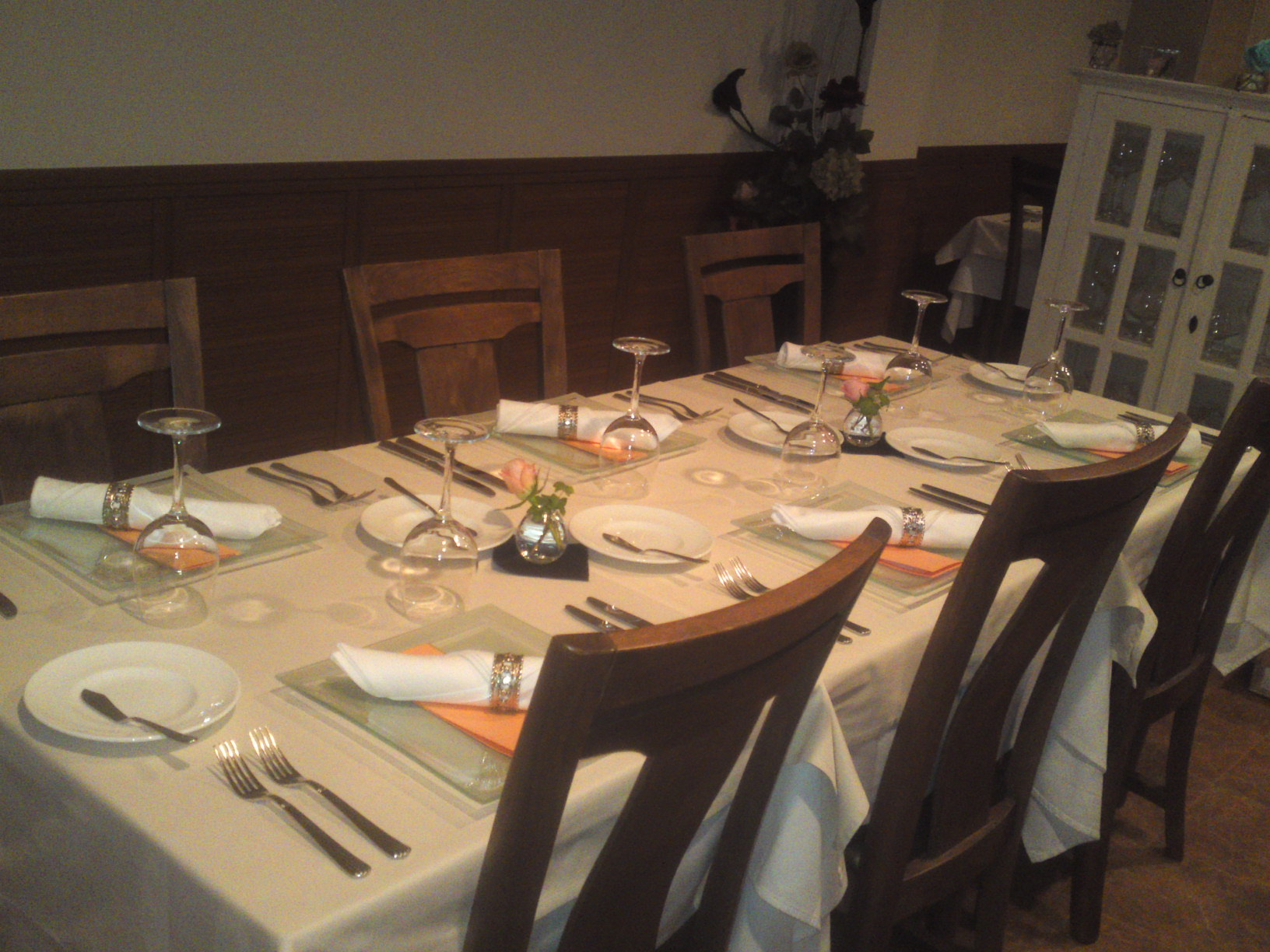
table setting.

White Asparagus flans were ready.

What are these dried mini carrots for?

We’Il see those again later!
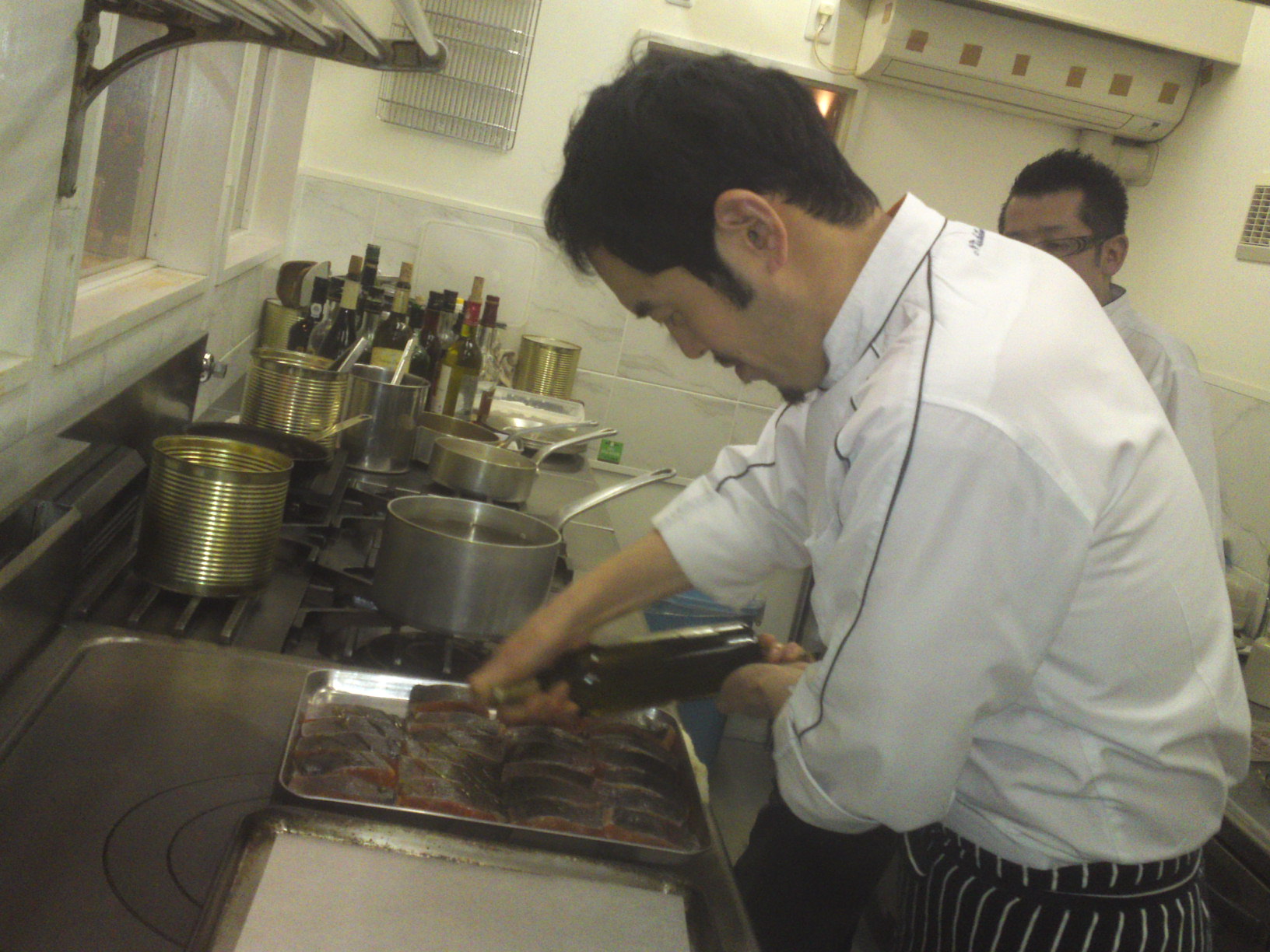
Seasoning the fish.

Was that enough seasoning?
Yup!

The dining room is ready to welcome the guests!

Rainbow Trout from Kunugi Fish Farm in Fujinomya City!

Getting ready for the aperitifs!

Mr. Yoshinori Iguchi/井口芳則 and Mr. Masaaki Hirakaki/平垣正明, the men who made it possible!

Searing the fish beforehand.
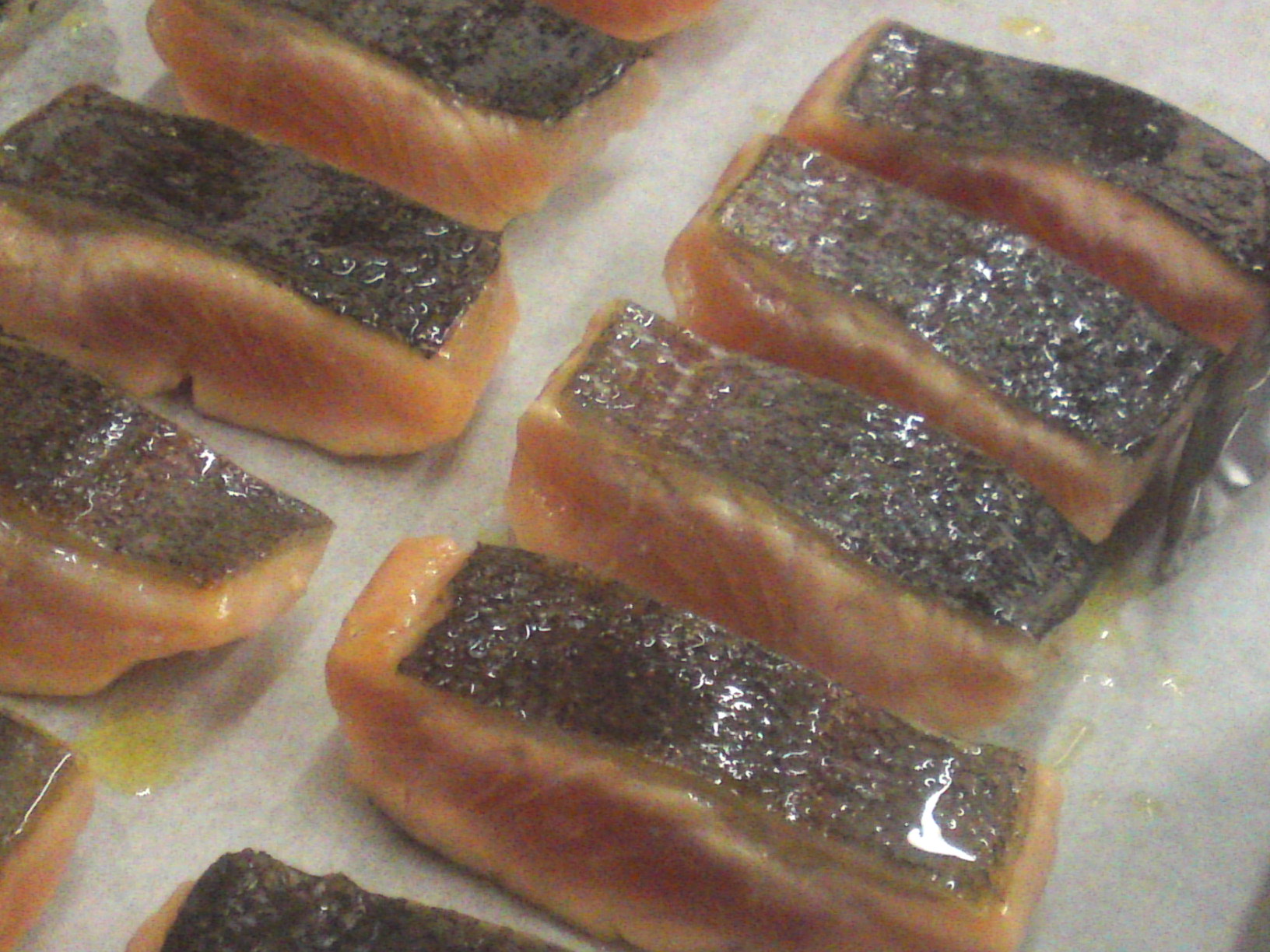
Only seared but already beautiful!

Home-made bread naturally!

Organic vegetables!

The aperitif was umeshu flavored with matcha by Fuji Takasago Brewery in Fujinomiya City!

Brushing pies with egg yolk.

The first (cold) hors d’oeuvre taking shape.

I had a hard time keeping my hands off these!

Adding the Genovese capellini.

The first cold hors d’oeuvres!

Searing the veal caillette in crepinette!

The second (hot) hors d’oeuvres in the starting blocks!

The white asparagus flans on parade.

Almost ready with the leek and spinach pies flavored with truffles!

The second (hot) hors d’oeuvres!

Oura burdock chips.

Oura burdock veloute.

Takinogawa burdock agnelotti being boiled!

The pasta dish taking shape!

Almost ready…

Some Pecorino cheese…

The pasta dish!

Some veal caillette in crepinette still to be prepared.

Fresh bamboo shoots from Fujieda City!

The sasa bamboo leaves to support the fish.

Shiso/perilla flowers for decoration.

The fish course taking shape.

Almost ready…

Rainbow trout on a black plate!

The same on a white plate!

Back to the veal caillettes in crepinete…

The same being seared…

into the oven…

The sauce!

finished with a torch instead of a salamander!

Onto the plates…

A meat dish so simple and so beautiful!

The last touch!

The meat course!

Organic deep red carrot gelato!

Sugar on the dried carrots…

Organic Takinogawa burdock tart!

You won’t find these outside Japan!

Such a healthy and beautiful dessert!

Time to go!

Incidentally, part of the bill was earmarked for charity for the victims of the Fukushima disaster!

PISSENLIT

420-0839 Shizuoka City, Aoi Ku, Takajo, 2-3-4
Tel.: 054-270-8768
Fax: 054-627-3868
Business hours: 11:30~14:30; 17:00~22:00
Closed on Tuesdays and Sunday evening
HOMEPAGE (Japanese)
E-Mail: pissenlit2008@ybb.ne.jp
Credit Cards OK
Entirely non-smoking!

NORI

426-0204 Shizuoka Ken, Fujieda Shi, Tokigaya, 864-3
Tel./Fax: 054-641-4778
Opening hours: 11:30~14:00; 18:00~22:00
On reservation only for dinner
Closed on Tuesdays and first Monday
Credit cards OK
HOMEPAGE (Japanese, but do check it for great photographs of the house and garden!)
Entirely non-smoking!

RECOMMENDED RELATED WEBSITES

Masala Herb by Helene Dsouza in Goa, India
Mummy I Can Cook! by Shu Han in London
Pierre.Cuisine, Francescannotwrite, My White Kitchen, 47 Japanese Farms Through The Eyes of Its Rural Communities, Foodhoe, Chucks Eats, Things that Fizz & Stuff, Five Euro Food by Charles,Red Shallot Kitchen by Priscilla,With a Glass, Nami | Just One Cookbook, Peach Farm Studio, Clumsyfingers by Xethia, PepperBento,Adventures in Bento Making, American Bent, Beanbento, Bento No, Bento Wo Tsukurimashou, Cooking Cute, Eula, Hapabento , Happy Bento, Jacki’s Bento Blog, Kitchen Cow, Leggo My Obento, Le Petit Journal Bento & CO (French), Lunch In A Box,
Susan at Arkonlite, Vegan Lunch Box; Tokyo Tom Baker, Daily Food Porn/Osaka, Only Nature Food Porn, Happy Little Bento, The Herbed Kitchen, J-Mama’s Kitchen, Cook, Eat, Play, Repeat, Bento Lunch Blog (German), Adventures In Bento, Anna The Red’s Bento Factory, Cooking Cute, Timeless Gourmet, Bento Bug, Ideal Meal, Bentosaurus, Mr. Foodie (London/UK), Ohayo Bento,

Must-see tasting websites:

-Sake: Tokyo Through The Drinking Glass, Tokyo Foodcast, Urban Sake, Sake World
-Wine: Palate To Pen, Warren Bobrow, Cellar Tours, Ancient Fire Wines Blog
-Beer: Good Beer & Country Boys, Another Pint, Please!
-Japanese Pottery to enjoy your favourite drinks: Yellin Yakimono Gallery

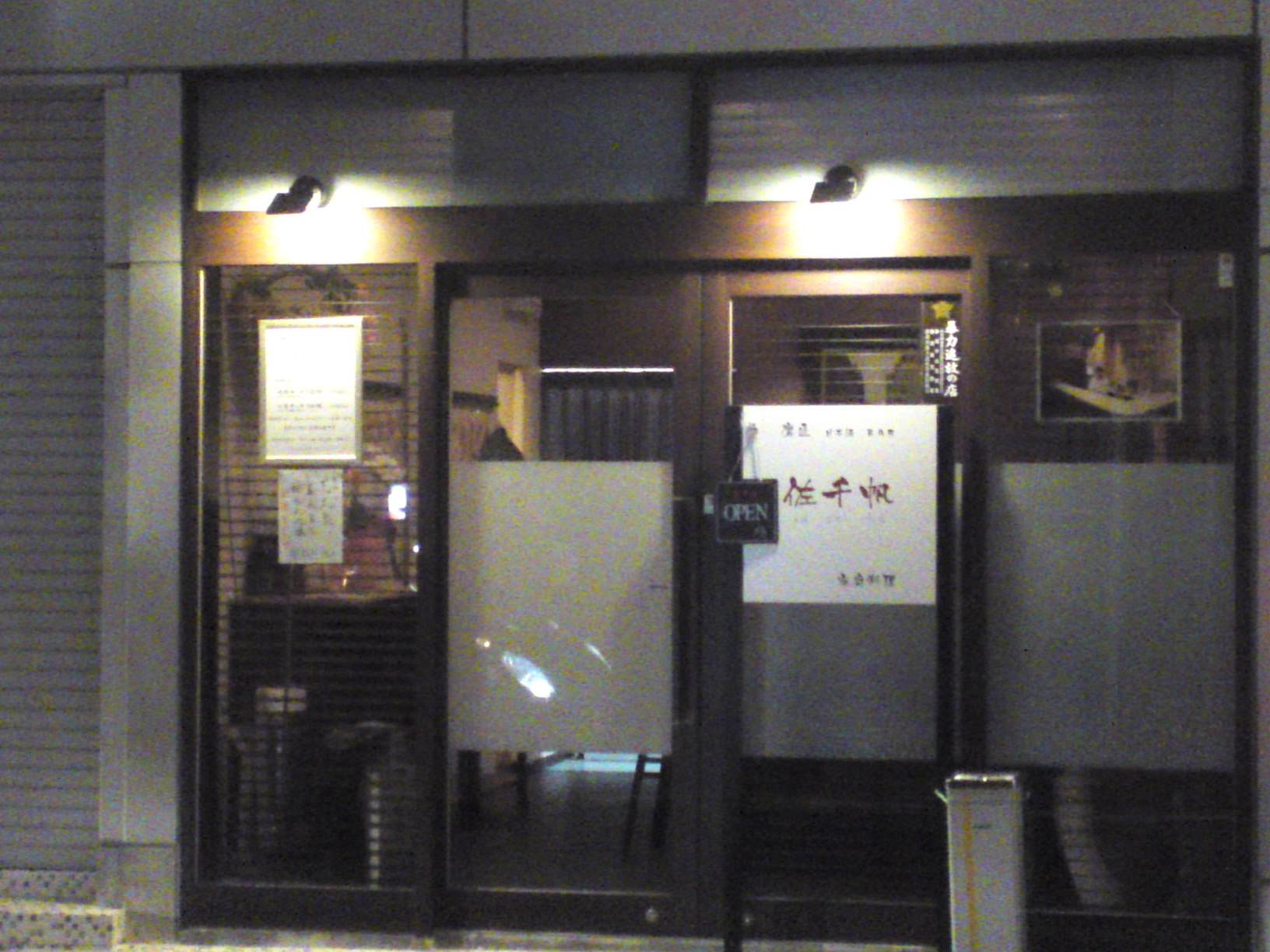
Shizuoka Sake Bar: Sachiho in Shizuoka City!

Some famous Shizuoka Sake!

Service: Very friendly and informal
Facilities: Very clean overall. Superb washroom
Prices: Reasonable
Strong points: Shizuoka Sake of course!

At long last a bar that offers a wide range of Shizuoka sakes as a theme was opened last December in Shizuoka City!
And it is entirely non-smoking!

Mind you, since it opens at 5 pm, it is not always easy to take pictures outside or inside if you do not want to bother people with a flash!

It is conveniently tucked away in Takajo, Aoi Ku, a very busy place at night.
It also has the merit to be patronized both by ladies and gentlemen, mostly real Japanese and Shizuoka sake connoisseurs!

Ms. Sachiho Nagasawa/長沢佐線帆さん has shochu with her own label!

Plenty of sake on display but I know for a fact there are some hidden (better become a regular customer! LOL)!

There are only 7 seats at the counter.
No risk of a noisy crowd, although it might be a good idea to reserve!

The system is pretty simple:
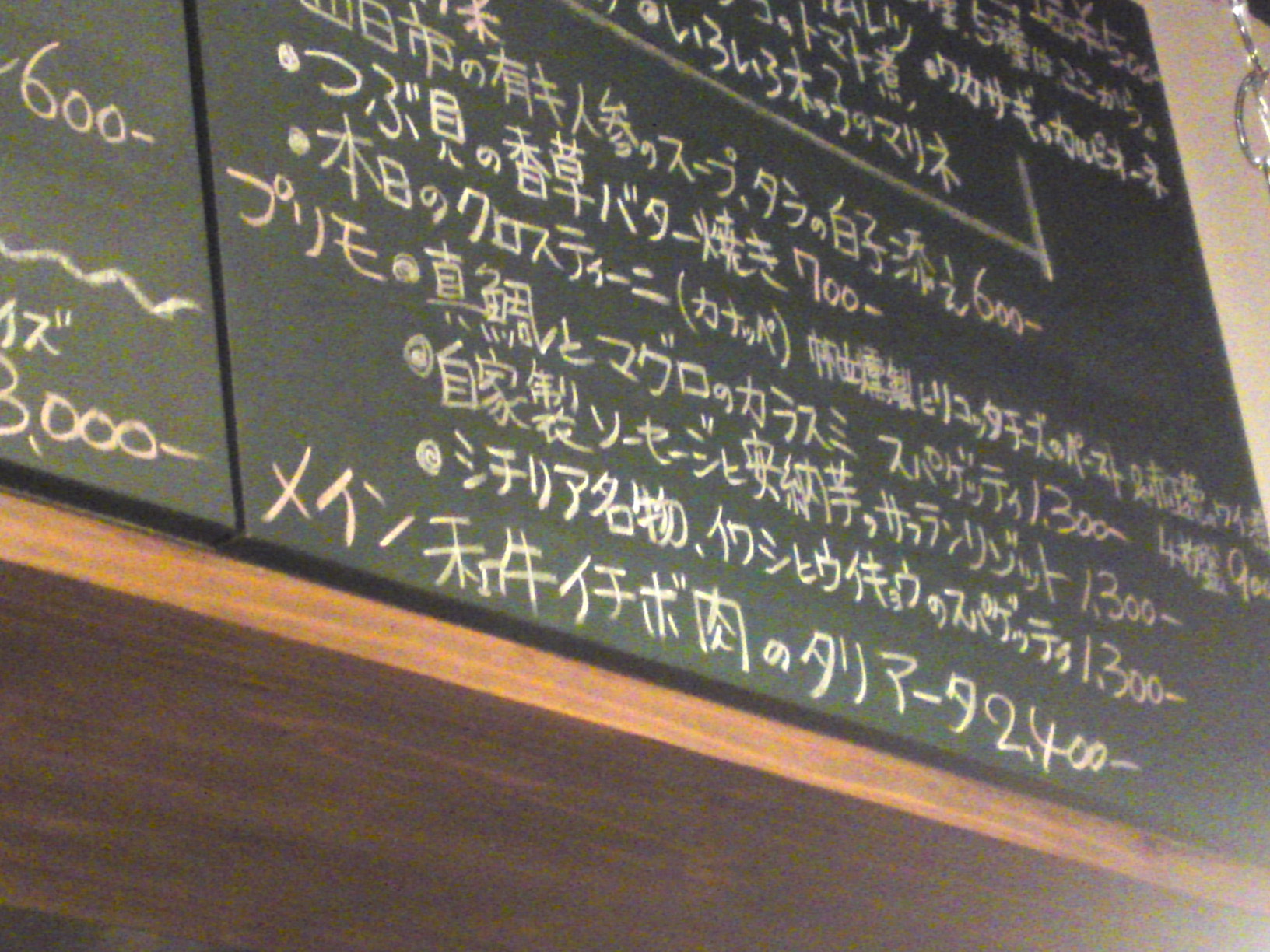
Between 05:00 and 10:00 you must choose between the menus at 1,500 yen or 2,500 yen, all home-style food.
After 10:00 only drinks is ok!

A nice message on your paper napkin!

Now I like that! The sake is served in wine glasses for proper tasting!
Do confer with Sachiho San before choosing your sake!

All typical local homey food!
Shizuoka oden!

Salad.
Sorry for the fuzzy pictures.
It was my first visit and my “camera” did not agree with me!
In any case I will come again soon and I promise better pics!

Simmered sardine.

Stewed chicken and vegetables.

Savory salad.

Japanese pickles.

Don’t worry, I’ll be back there very soon!
I’m actually thinking of conducting some real tasting late at night there!

To be continued…

Sachiho Japanese Sake Bar
420-0389 Shizuoka City, Aoi Ku, Takajyo, 1-49
Tel.: 054-255-6767
Opening hours: 17:00~24:00
Closed on Sundays & Mondays

RECOMMENDED RELATED WEBSITES

Masala Herb by Helene Dsouza in Goa, India
Mummy I Can Cook! by Shu Han in London
Pierre.Cuisine, Francescannotwrite, My White Kitchen, 47 Japanese Farms Through The Eyes of Its Rural Communities, Foodhoe, Chucks Eats, Things that Fizz & Stuff, Five Euro Food by Charles,Red Shallot Kitchen by Priscilla,With a Glass, Nami | Just One Cookbook, Peach Farm Studio, Clumsyfingers by Xethia, PepperBento,Adventures in Bento Making, American Bent, Beanbento, Bento No, Bento Wo Tsukurimashou, Cooking Cute, Eula, Hapabento , Happy Bento, Jacki’s Bento Blog, Kitchen Cow, Leggo My Obento, Le Petit Journal Bento & CO (French), Lunch In A Box,
Susan at Arkonlite, Vegan Lunch Box; Tokyo Tom Baker, Daily Food Porn/Osaka, Only Nature Food Porn, Happy Little Bento, The Herbed Kitchen, J-Mama’s Kitchen, Cook, Eat, Play, Repeat, Bento Lunch Blog (German), Adventures In Bento, Anna The Red’s Bento Factory, Cooking Cute, Timeless Gourmet, Bento Bug, Ideal Meal, Bentosaurus, Mr. Foodie (London/UK), Ohayo Bento,

Must-see tasting websites:

-Sake: Tokyo Through The Drinking Glass, Tokyo Foodcast, Urban Sake, Sake World
-Wine: Palate To Pen, Warren Bobrow, Cellar Tours, Ancient Fire Wines Blog
-Beer: Good Beer & Country Boys, Another Pint, Please!
-Japanese Pottery to enjoy your favourite drinks: Yellin Yakimono Gallery

Austrian Gastronomy: Austrian Cake Factory in Fujieda City!

Yesterday my good friend Pat, a cake lover if there is one, kindly drove me all the way to Fujieda City in Kariyado away from it all to pay a visit to an Austrian Chef and his wife who have been creating succulent Austrian cakes and other desserts for the past three years.

Peter Golbach who plied his trade in Wien, New York, Lyon before meeting his wife Shouko/昌子 in Wien where she worked for Sony Co., came to Fujieda City three years to establish a bakery with his wife in her large parents’ house.

It takes a little bit of driving to reach their place but it is worth the effort as you run across some beautiful land off the beaten tracks!

“Austrian Cake Factory”!

If you plan to pay them a deserved visit contact them on their mobile phone first!

The bakery may be Austrian but this is rural Japan!
Peter and his lively wife Shoko are a model of great hospitality and passion for their trade. It was a personal pleasure to meet them in person, I can assure you!

All the cakes and desserts are created in a very clean, sensible, practical and no-frill kitchen!

The ultra modern oven to bake Peter’s creations!

Peter and his wife create 7 varieties of Kugelhof and 1 Sachertorte as well as Vanille Kiffel crescent biscuits, order-made chocolate cakes and cheese cakes and other desserts.
All ingredients are natural and among them feature their own gyokuro tea macha and yuzu lime!

Some of their succulent and beautiful Kugelhof!

My favorite, the Fujieda gyokuro tea macha Kugelhof, a true Shizuoka Kugelhof!

One of Peter’s specialties: Yoghurt and Yuzu Cake!

An order-made Birthday Cake!

The four of us shared a long talk around coffee and some of their cakes reminiscing about the “joys of Europe”!
I had a hard time wrenching myself off their so hospitable home and table!

But I didn’t take my leave before savoring a magnificent yoghurt and lemon mousse!

Peter and Shoko will be selling their cakes in Aoba Park Street in Shizuoka City for 3 days in May.
I will have the pleasure to interview them again and I will announce it in good time beforehand!

Cakes can be ordered and reserved over the phone or by e-mail. Ask for directions!

Peter & Shoko Golbach at Austrian Cake Factory
426-0001, Fujieda City, Kariyado, 1092
E-mail: shoko-amano@hotmail.com
Mobile phone: 090-1629-3004
HOMEPAGE

RECOMMENDED RELATED WEBSITES

Masala Herb by Helene Dsouza in Goa, India
Mummy I Can Cook! by Shu Han in London
Pierre.Cuisine, Francescannotwrite, My White Kitchen, 47 Japanese Farms Through The Eyes of Its Rural Communities, Foodhoe, Chucks Eats, Things that Fizz & Stuff, Five Euro Food by Charles,Red Shallot Kitchen by Priscilla,With a Glass, Nami | Just One Cookbook, Peach Farm Studio, Clumsyfingers by Xethia, PepperBento,Adventures in Bento Making, American Bent, Beanbento, Bento No, Bento Wo Tsukurimashou, Cooking Cute, Eula, Hapabento , Happy Bento, Jacki’s Bento Blog, Kitchen Cow, Leggo My Obento, Le Petit Journal Bento & CO (French), Lunch In A Box,
Susan at Arkonlite, Vegan Lunch Box; Tokyo Tom Baker, Daily Food Porn/Osaka, Only Nature Food Porn, Happy Little Bento, The Herbed Kitchen, J-Mama’s Kitchen, Cook, Eat, Play, Repeat, Bento Lunch Blog (German), Adventures In Bento, Anna The Red’s Bento Factory, Cooking Cute, Timeless Gourmet, Bento Bug, Ideal Meal, Bentosaurus, Mr. Foodie (London/UK), Ohayo Bento,

Must-see tasting websites:

-Sake: Tokyo Through The Drinking Glass, Tokyo Foodcast, Urban Sake, Sake World
-Wine: Palate To Pen, Warren Bobrow, Cellar Tours, Ancient Fire Wines Blog
-Beer: Good Beer & Country Boys, Another Pint, Please!
-Japanese Pottery to enjoy your favourite drinks: Yellin Yakimono Gallery

Italian Gastronomy: Late Night Escapade at Soloio in Shizuoka City!

Service: Pro and very friendly
Equipment & Facilities: Great overall cleanliness and superb washroom
Prices: Reasonable
Strong points: Fresh local ingredients whenever possible. Both traditional and inventive Italian cuisine. Good wine list at moderate prices. Open late!

The other day, after an “official function” with chefs, producers and journalists the Missus and I still felt somewhat unsatisfied and at 10:00 p.m. were looking for a decent place before returning home.
This was a bit of a no-winner as the Missus’ radar was already fixed on Italian food and she knew too well that at that time of the night the options were pretty reduced. It was only natural (I still suspect my “worst half” to have it planned all the time!) that we ended up in Soloio, one of the very best Italian restaurants in town, and definitely the best at this time of the night!
Alright, what did we have/savor?

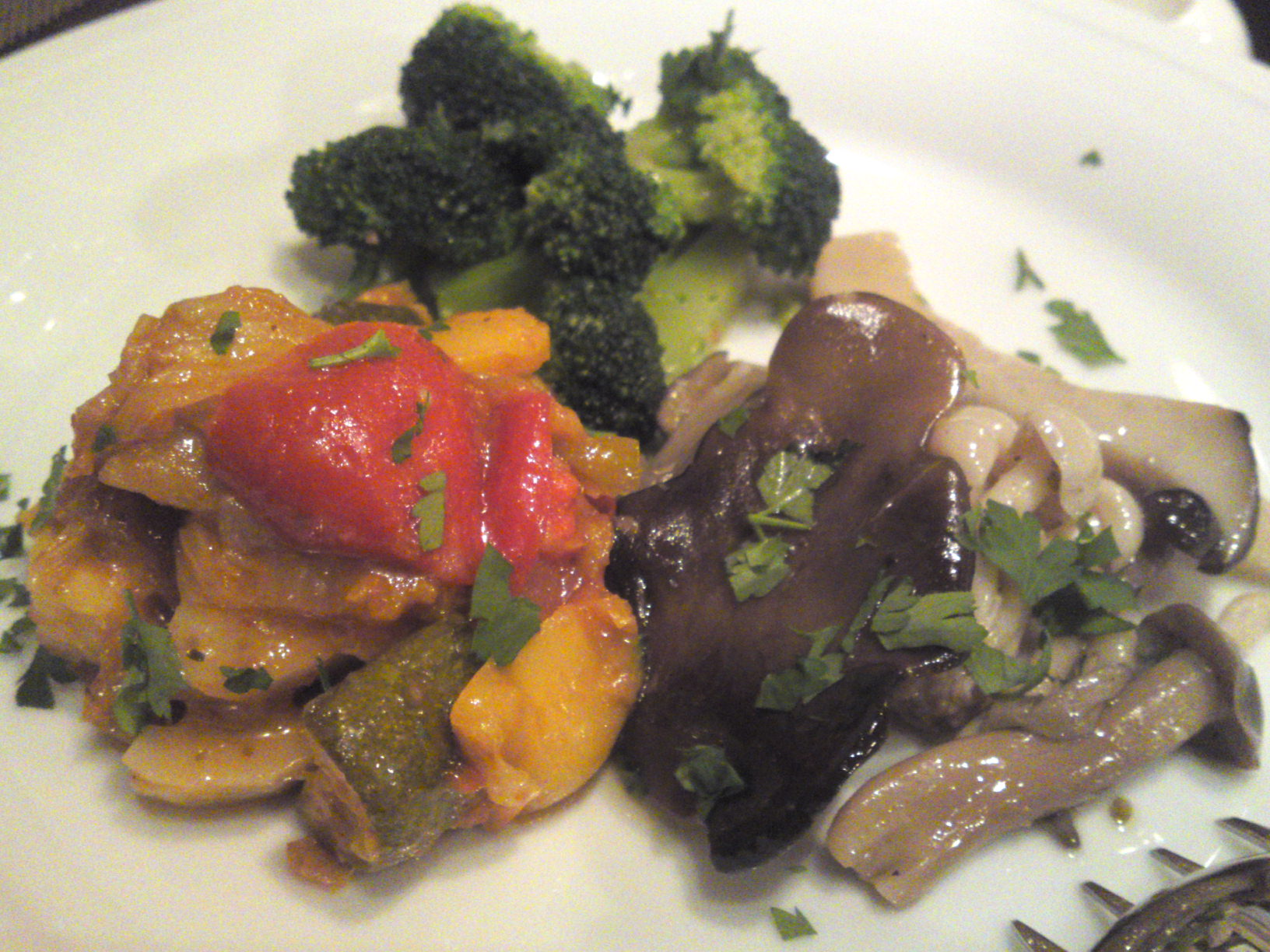
A plate of all vegetable antipasto!
Most of the vegetables are locally grown, naturally!

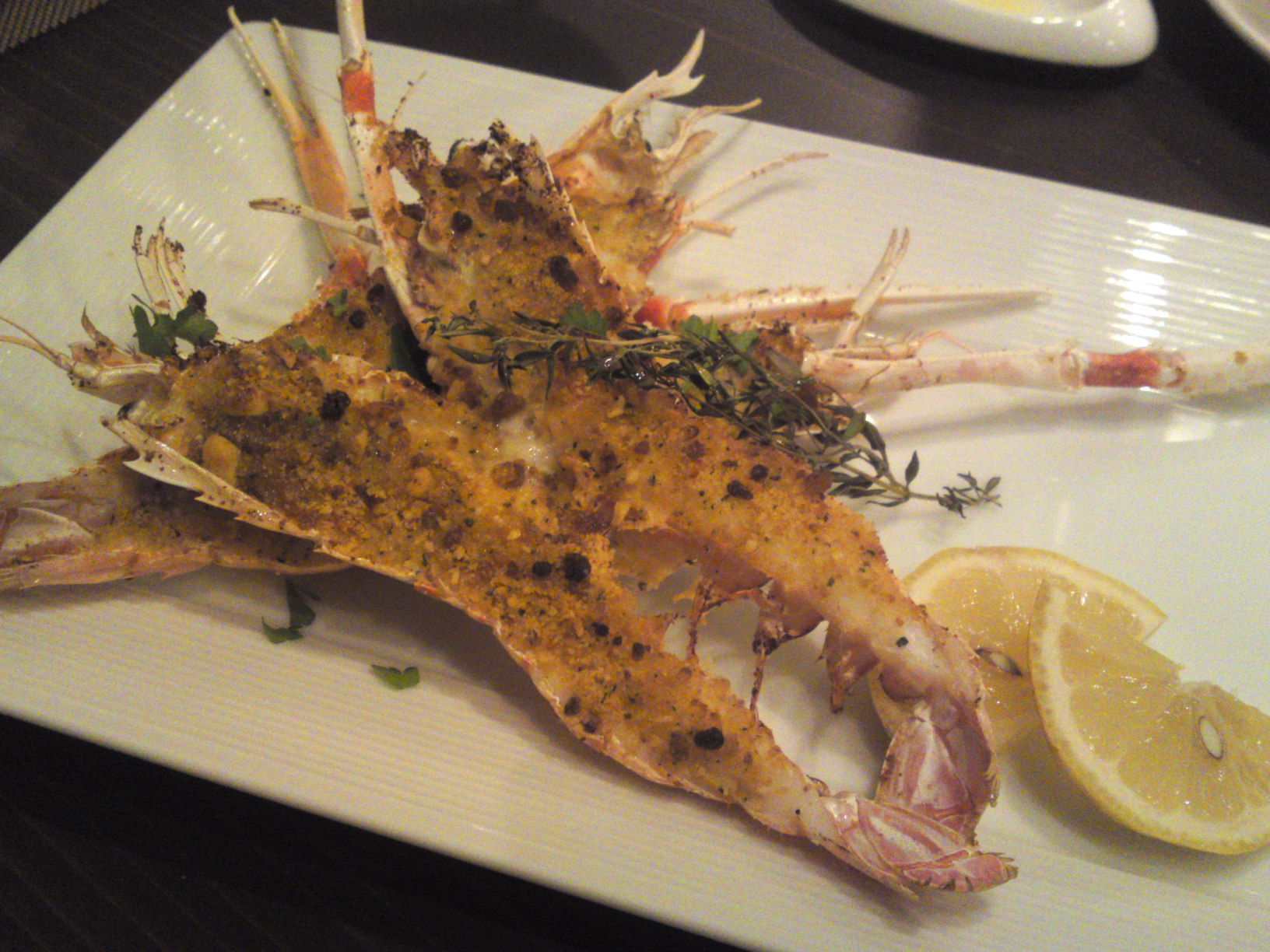
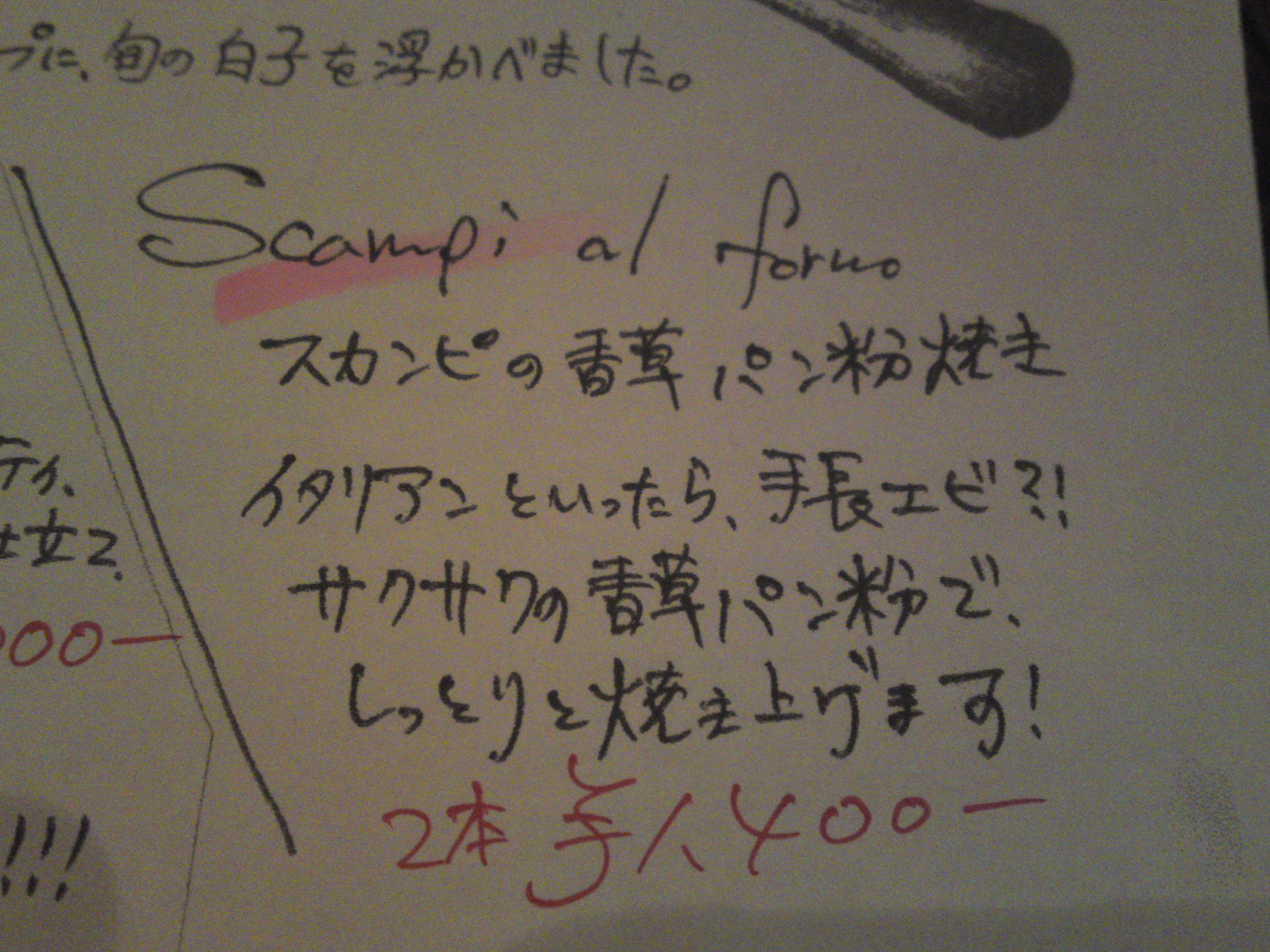
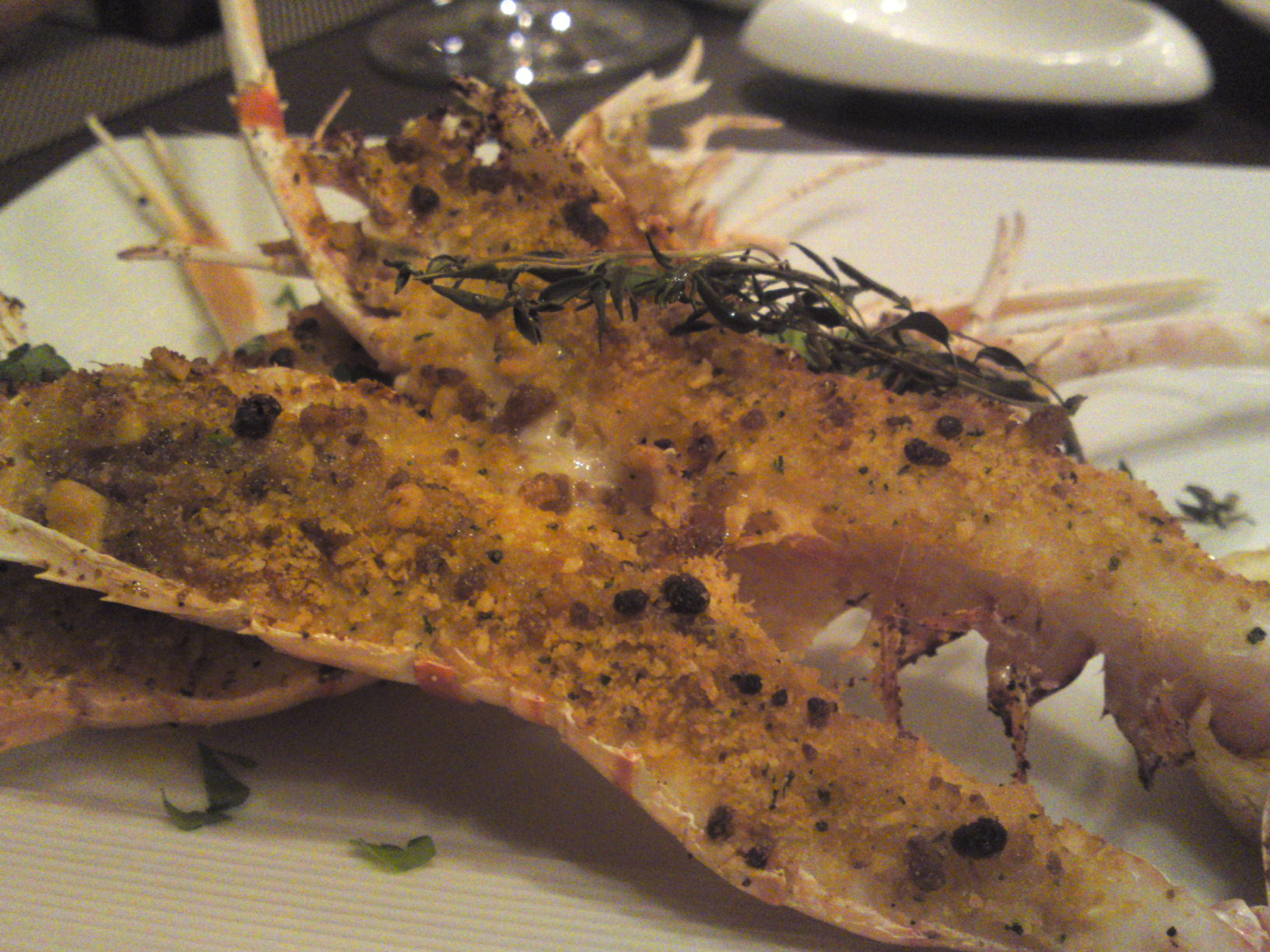
We discovered the above on the day’s specials: Scampi al Form!

Just beautiful and succulent!

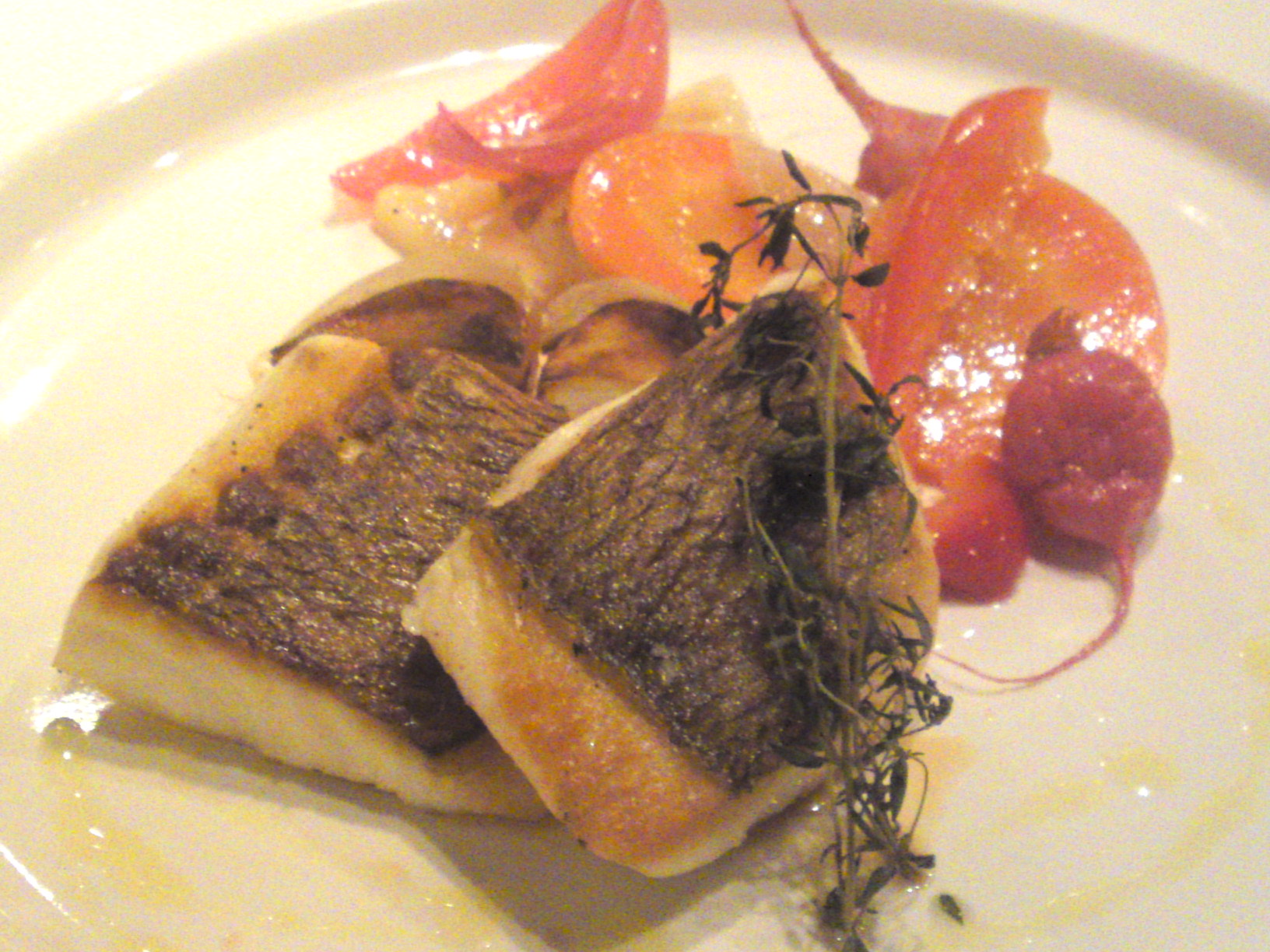
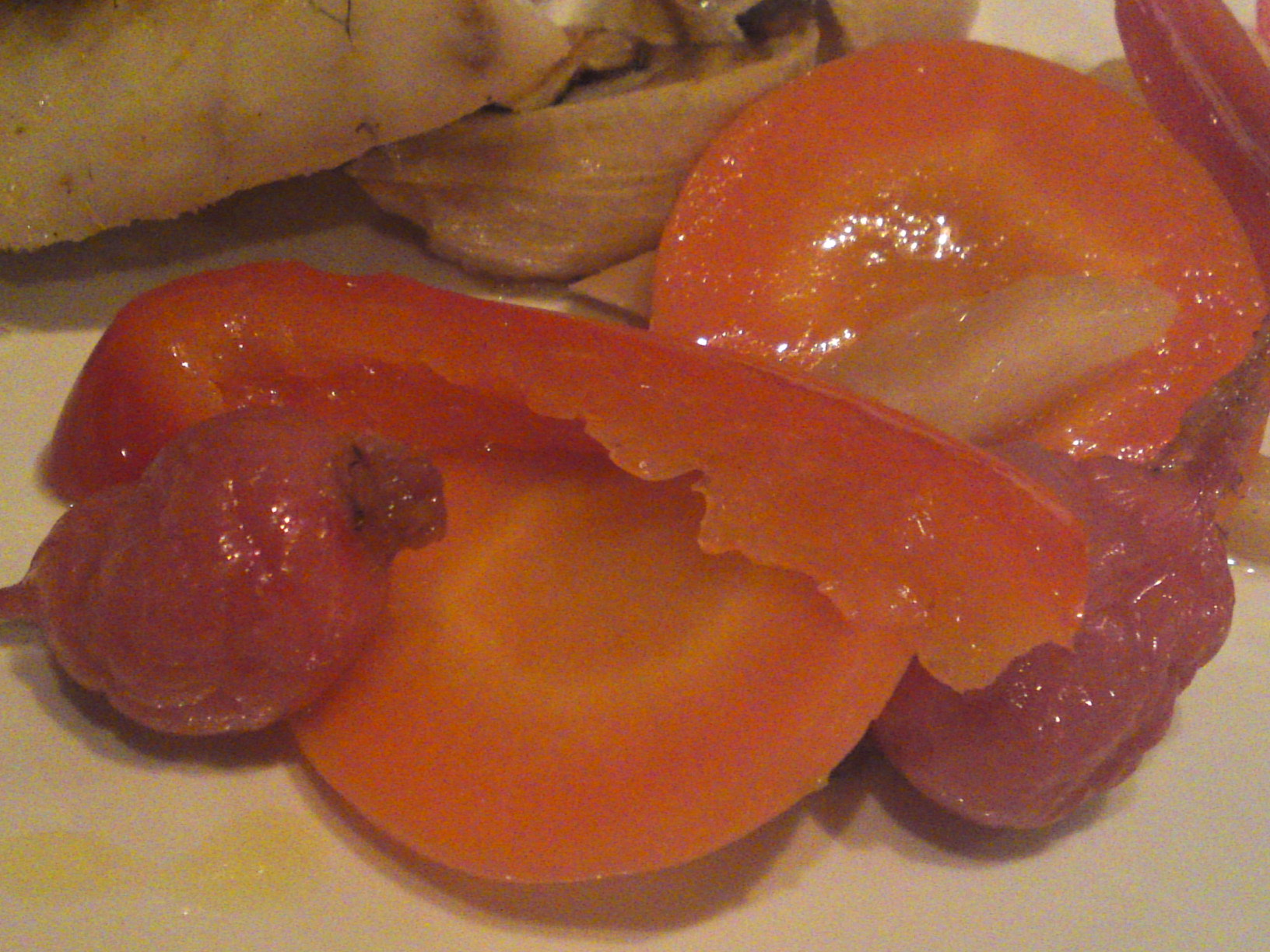
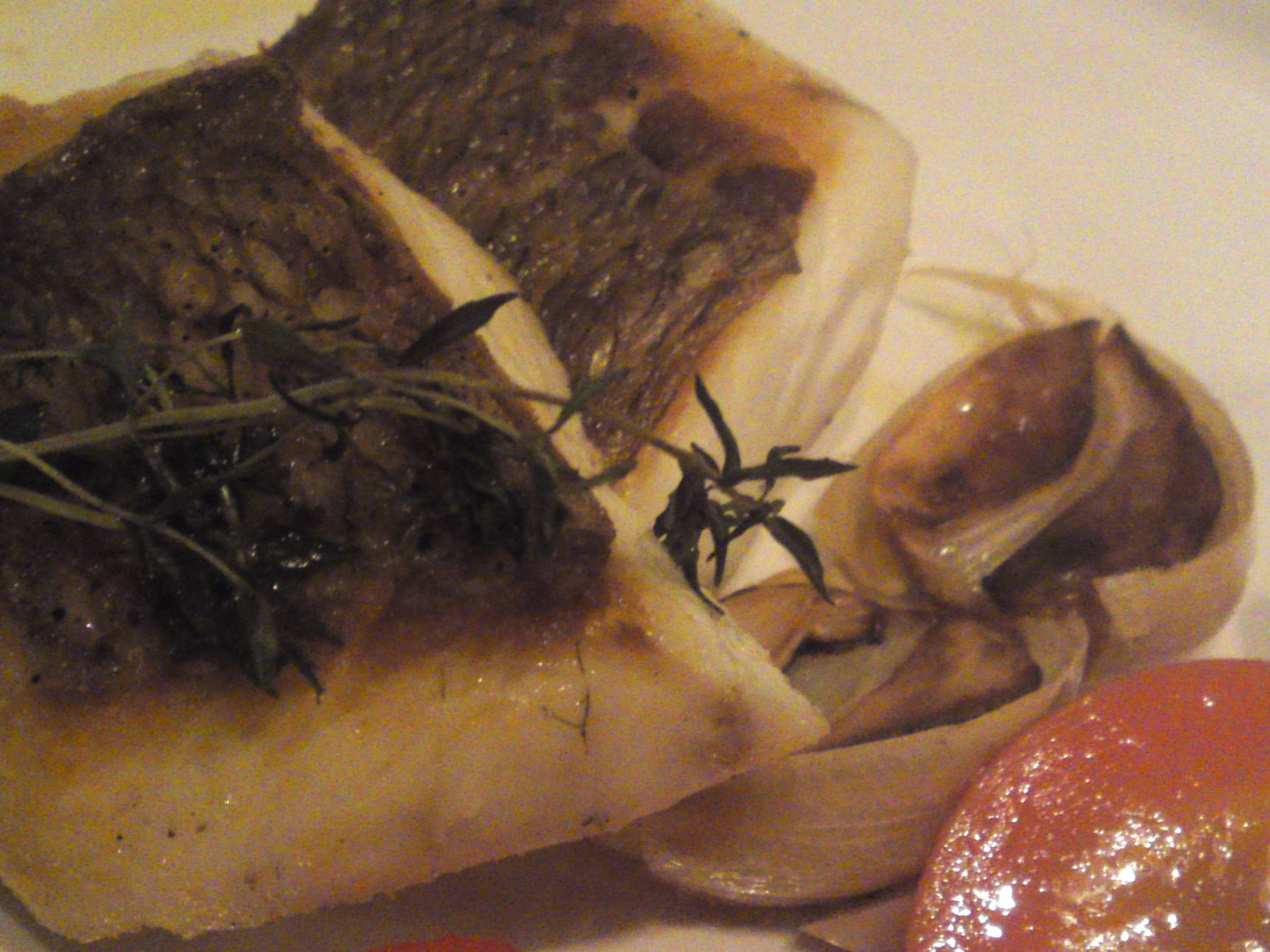
Pan-fried seabream/”madai” from Suruga Bay!

Soloio is fast becoming famous for their great care when it comes to choosing and preparing vegetables!
Vegetarians are welcome there!

The skin of the fish was fired to a perfect crisp. I’m not that fond of fish skin, but I would go for that any time!

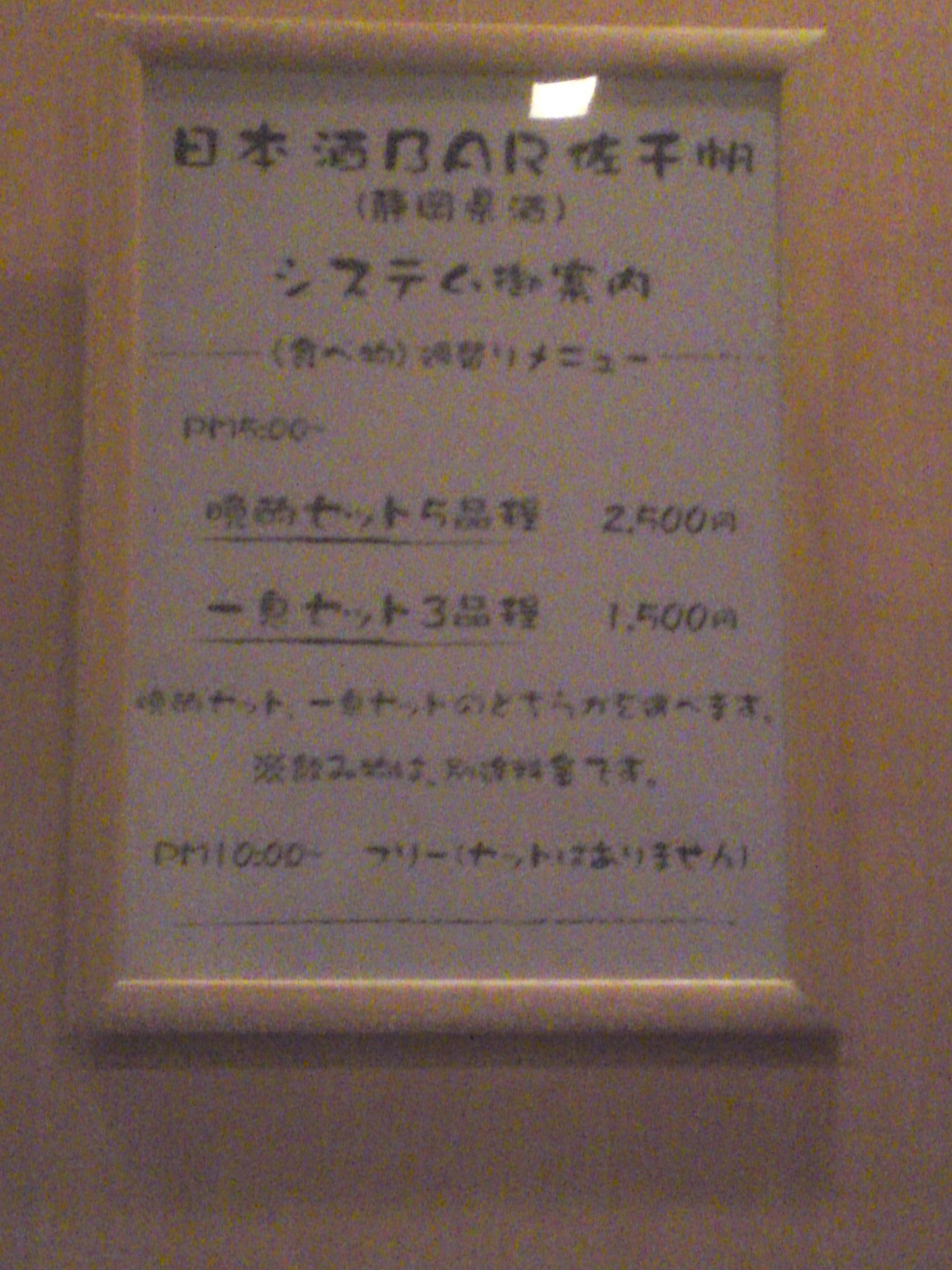
Then we noticed something interesting at the bottom of the overhead board! Mind you, you need some reading knowledge!

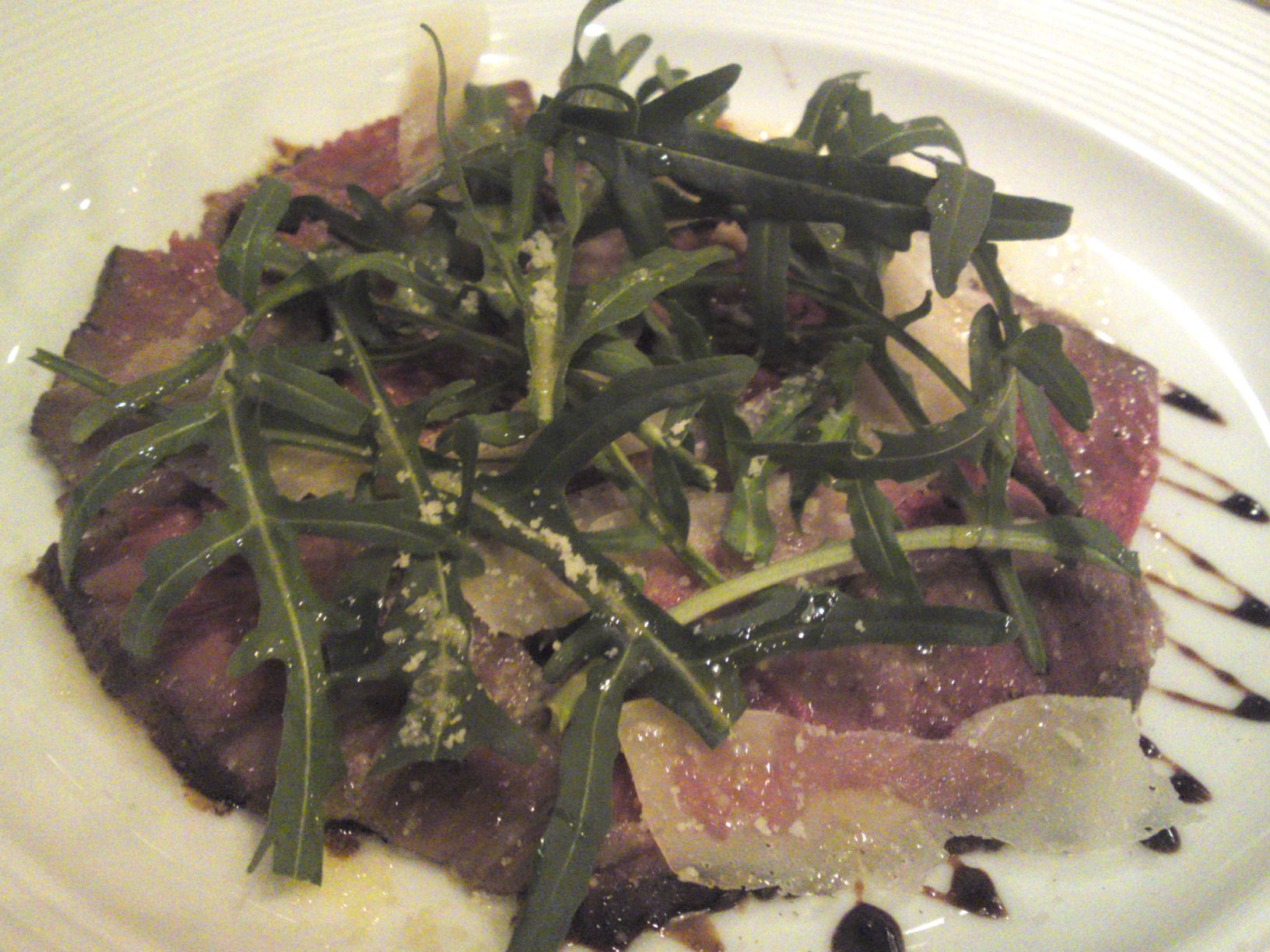
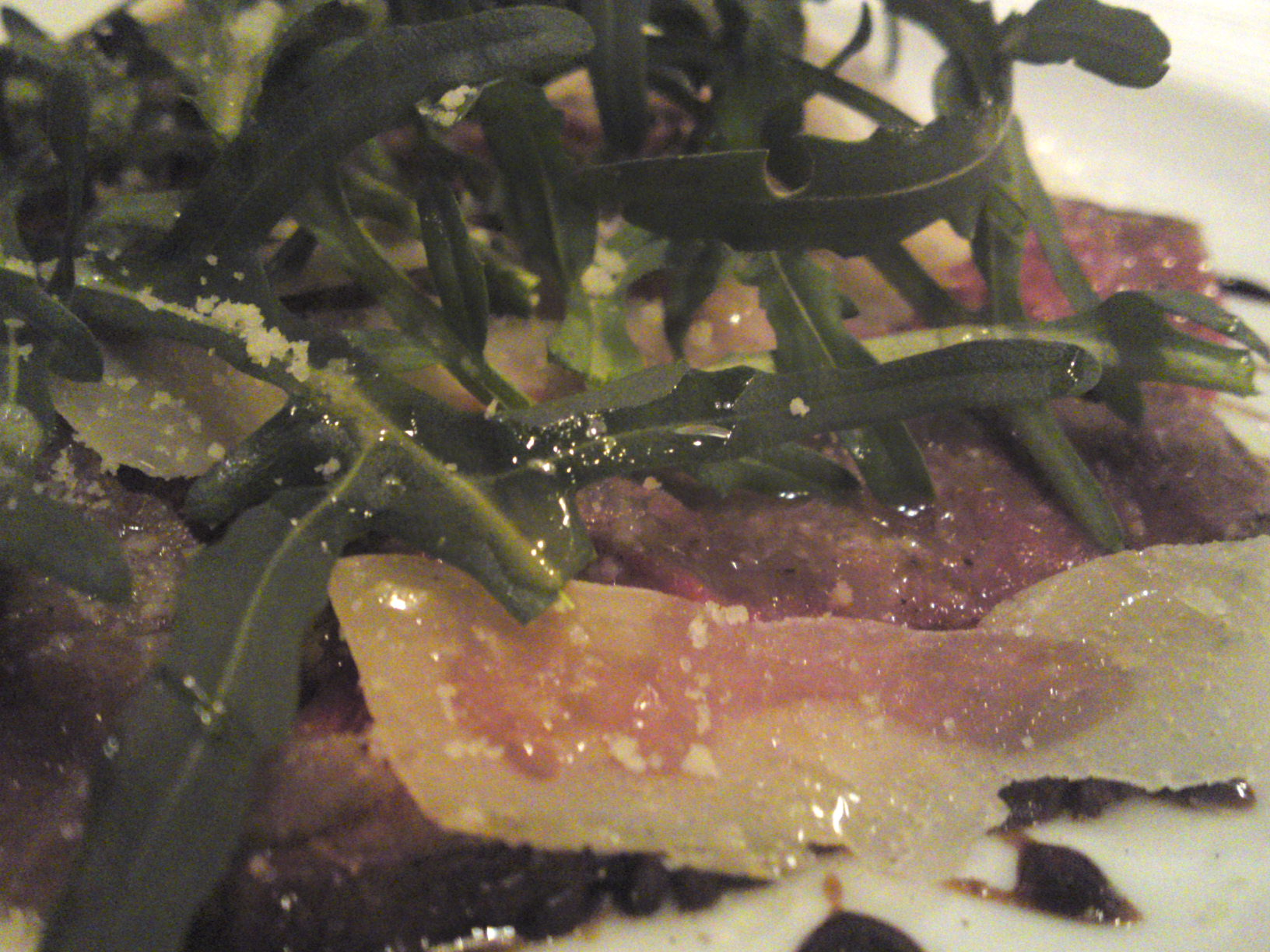
Wagyu Beef rump Tagliata!

Nothing less than an extravagant variety of carpaccio!

By then the escapade was turning into a full meal!
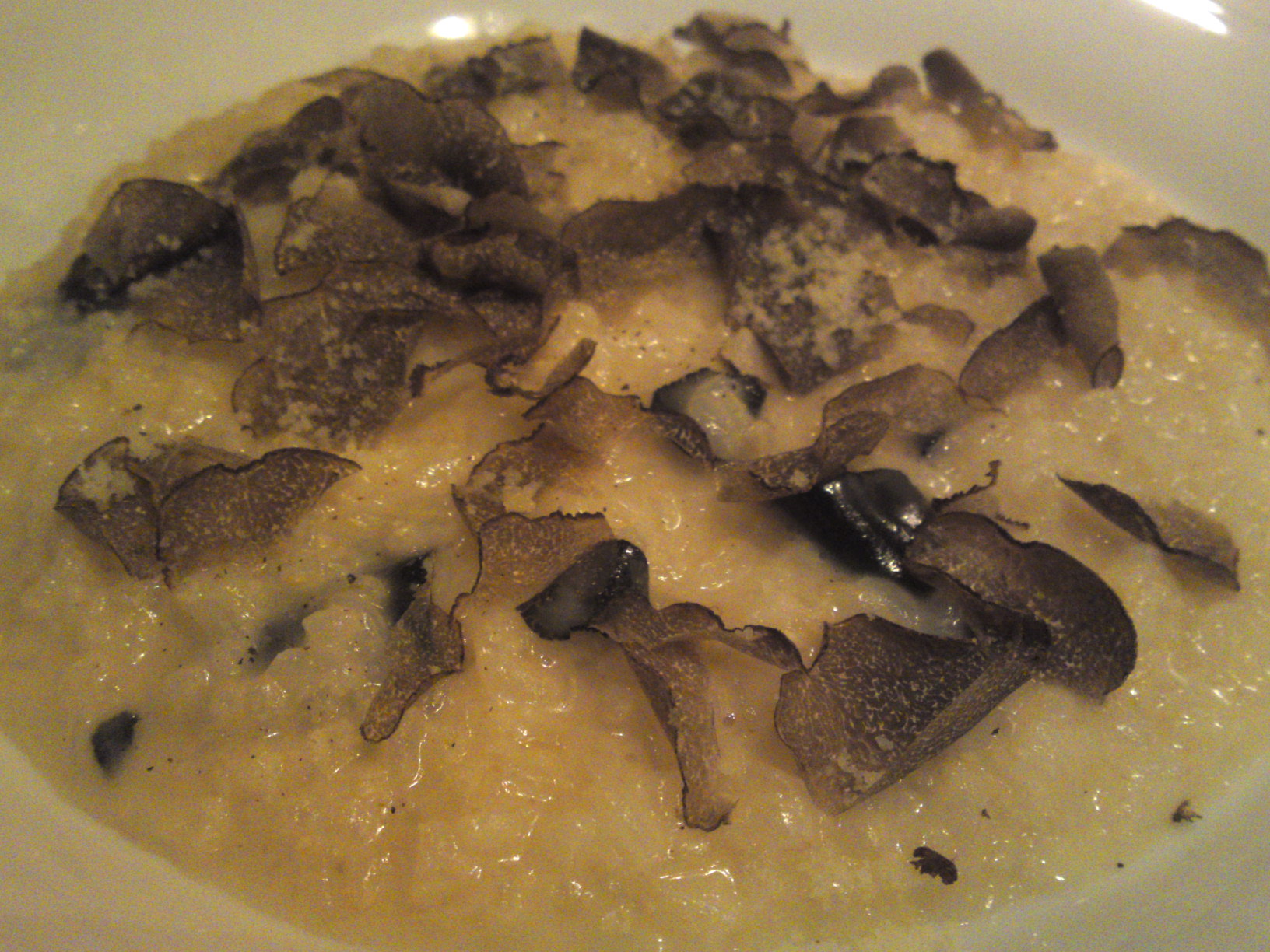
Finally it was down to a fight between having pasta or risotto. The latter won by a whisker!

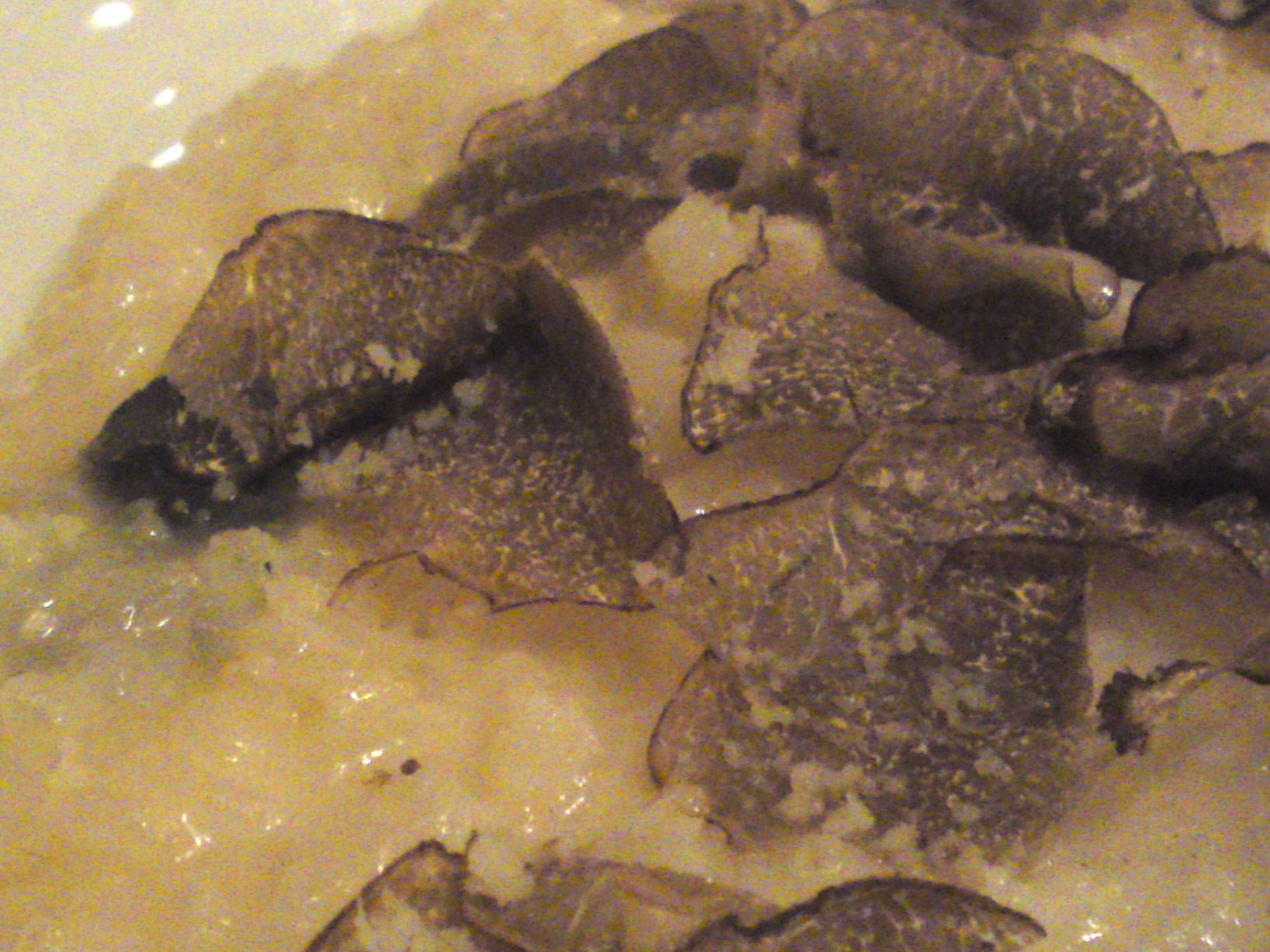
Risotto made with the last Piemonte truffles in store!
We’ll have to wait until next year for another one!

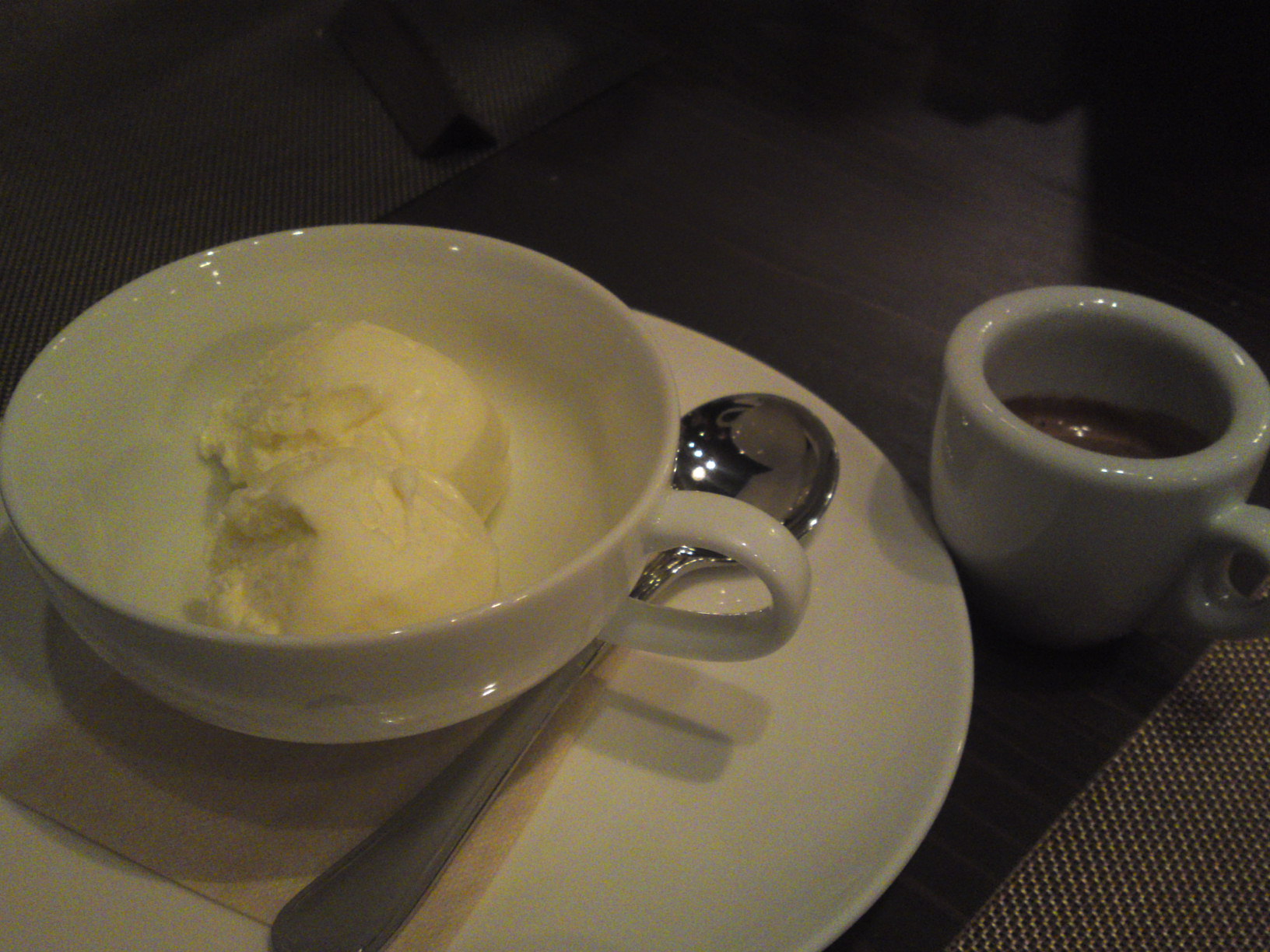
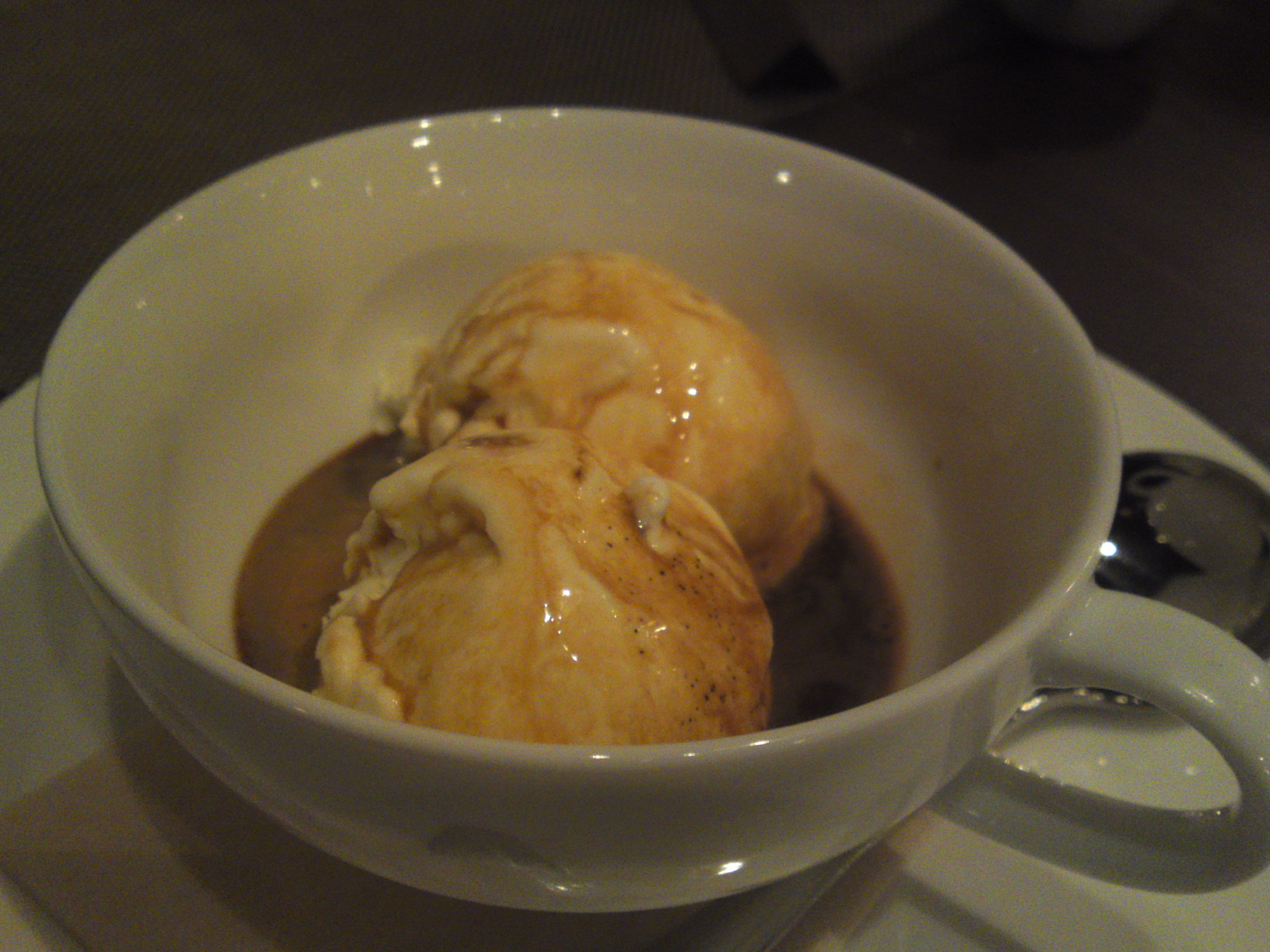
We needed something sweet to finish!

Strong expresso coffee poured over vanilla ice-cream!

To be continued…

SOLOIO
420-0858 Shizuoka City, Aoi Ku, Tenmacho, 9-7, Kita, 1
Tel./fax: 054-260-4637
Business hours: 16:00~24:00
Closed on Monday
Credit cards OK
Private parties welcome!
Smoking allowed BUT Non-smoking until 20:00 everyday!

RECOMMENDED RELATED WEBSITES

Masala Herb by Helene Dsouza in Goa, India
Mummy I Can Cook! by Shu Han in London
Pierre.Cuisine, Francescannotwrite, My White Kitchen, 47 Japanese Farms Through The Eyes of Its Rural Communities, Foodhoe, Chucks Eats, Things that Fizz & Stuff, Five Euro Food by Charles,Red Shallot Kitchen by Priscilla,With a Glass, Nami | Just One Cookbook, Peach Farm Studio, Clumsyfingers by Xethia, PepperBento,Adventures in Bento Making, American Bent, Beanbento, Bento No, Bento Wo Tsukurimashou, Cooking Cute, Eula, Hapabento , Happy Bento, Jacki’s Bento Blog, Kitchen Cow, Leggo My Obento, Le Petit Journal Bento & CO (French), Lunch In A Box,
Susan at Arkonlite, Vegan Lunch Box; Tokyo Tom Baker, Daily Food Porn/Osaka, Only Nature Food Porn, Happy Little Bento, The Herbed Kitchen, J-Mama’s Kitchen, Cook, Eat, Play, Repeat, Bento Lunch Blog (German), Adventures In Bento, Anna The Red’s Bento Factory, Cooking Cute, Timeless Gourmet, Bento Bug, Ideal Meal, Bentosaurus, Mr. Foodie (London/UK), Ohayo Bento,

Must-see tasting websites:

-Sake: Tokyo Through The Drinking Glass, Tokyo Foodcast, Urban Sake, Sake World
-Wine: Palate To Pen, Warren Bobrow, Cellar Tours, Ancient Fire Wines Blog
-Beer: Good Beer & Country Boys, Another Pint, Please!
-Japanese Pottery to enjoy your favourite drinks: Yellin Yakimono Gallery

Japanese Gastronomy: Omelet Ribbons for Decoration!

The Japanese not only make great tamagoyaki/omelettes but extensively use eggs for decoration, especially in sushi and salads.
One such decoration is omelette ribbons.

Here is the basic recipe that could help you with future ideas!

Japanese Omelette ribbons!

INGREDIENTS:

-Eggs
-Oil

RECIPE:

-Having beaten the eggs, sieve/filter them through a large piece of gaze (this is the little secret!) into another bowl as shown on picture above.
Organize yourself so as not to spill egg everywhere. Use large bowls and plenty of gaze!
No need to season the eggs as the thin size of the ribbons will facilitate the absorption of any environmental seasoning.

-Use a square or rectangular non-stick tamagoyaki frypan.
Pour and spread a small quantity of oil.
Pour the eggs into a thin layer.
Bear in mind that the oil needs not to be so hot or the eggs will “crackle”.
Also bear in mind that not enough egg will not spread evenly all over the surface of the frypan. Not enough or too much will end in failure. Practice will soon make you a master!

-One more reason the omelette ought to be thick enough is that, when you turn it over with a long chopstick as shown on above picture, it will not break up.

-Fry both sides.

-Spread the omelette sheet on a working table while you eventually fry more.

-First cut the sheet into wide strips/bands. Think about the eventual lenghth of your ribbons.

-Finally cut across into thin ribbons.

-Enjoy the fun of easy decoration later!

RECOMMENDED RELATED WEBSITES

Mummy I Can Cook! by Shu Han in London
Pierre.Cuisine, Francescannotwrite, My White Kitchen, 47 Japanese Farms Through The Eyes of Its Rural Communities, Foodhoe, Chucks Eats, Things that Fizz & Stuff, Five Euro Food by Charles,Red Shallot Kitchen by Priscilla,With a Glass, Nami | Just One Cookbook, Peach Farm Studio, Clumsyfingers by Xethia, PepperBento,Adventures in Bento Making, American Bent, Beanbento, Bento No, Bento Wo Tsukurimashou, Cooking Cute, Eula, Hapabento , Happy Bento, Jacki’s Bento Blog, Kitchen Cow, Leggo My Obento, Le Petit Journal Bento & CO (French), Lunch In A Box,
Susan at Arkonlite, Vegan Lunch Box; Tokyo Tom Baker, Daily Food Porn/Osaka, Only Nature Food Porn, Happy Little Bento, The Herbed Kitchen, J-Mama’s Kitchen, Cook, Eat, Play, Repeat, Bento Lunch Blog (German), Adventures In Bento, Anna The Red’s Bento Factory, Cooking Cute, Timeless Gourmet, Bento Bug, Ideal Meal, Bentosaurus, Mr. Foodie (London/UK), Ohayo Bento,

Must-see tasting websites:

-Sake: Tokyo Through The Drinking Glass, Tokyo Foodcast, Urban Sake, Sake World
-Wine: Palate To Pen, Warren Bobrow, Cellar Tours, Ancient Fire Wines Blog
-Beer: Good Beer & Country Boys, Another Pint, Please!
-Japanese Pottery to enjoy your favourite drinks: Yellin Yakimono Gallery

Japanese Gastronomy: Chawanmushi-Basic Recipe

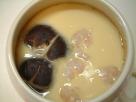
Chawanmushi or Chyawanmushi/茶碗蒸し is the Japanese equivalent of a French flan with the big difference that is not a dessert, but an appetizer!
It is quite easy to prepare and open to so many variations.
Here is the basic recipe. Just let your imagination fly!

Chawanmushi!

INGREDIENTS: For 2

-Eggs: 2
-Shrimps: 10 small
Shiitake mushrooms: 2
-Chopped leeks: to decorate and taste (or trefoil/mitsuba)
(you can use gingko nuts, kamaboko, crab, sea urchin, etc.)
-Dashi: 100 cc/ml (of your choice)
-Japanese sake: 50 cc/ml
Soy sauce: half a teaspoon
-Sugar: half a teaspoon
-Salt: 1 pinch
-Water: 2 cups, 400 cc/ml

RECIPE:

Take shell and head off every shrimp.
Let shrimps marinate in the sake for a while.
If you use frozen shrimps, thaw them and sponge off their water first.

Cut the shiitake in two.
If you use fresh shiitake, fry them just a little in butter and sponge them off.
If you use dried shiitake, let them marinate in lukewarm water for two hours. Their water can be used as part of the dashi.
If you use frozen shiitake, thaw them and sponge them off first.

in a saucepan, drop dashi, water, salt, sugar and soy sauce. Heat to before bubbles come up (bubbles will be the main reason for failure!).

Beat eggs and pour them slowly into the dashi, whisking them all the time.

Once all the eggs are mixed in, switch off fire and strain/sieve soup.

Place half of the shrimps and mushrooms at the bottom of each cup.

Slowly pour half of the soup in each cup/ramequin/small bowl.

Pour 3 cm of water into your steamer pan and bring to boil.

Place steaming tray inside steamer and place cups on it with lids on.

Cover as shown on above picture.
Cook over strong fire for 2 minutes, then 10 minutes over low fire (over high fire all the way through will end into failure!).

Check if chawanmushi are properly cooked. If you stab a toothpick in it, no dashi shoud come out.

Decorate with leeks or trefoil and serve!

RECOMMENDED RELATED WEBSITES

Mummy I Can Cook! by Shu Han in London
Pierre.Cuisine, Francescannotwrite, My White Kitchen, 47 Japanese Farms Through The Eyes of Its Rural Communities, Foodhoe, Chucks Eats, Things that Fizz & Stuff, Five Euro Food by Charles,Red Shallot Kitchen by Priscilla,With a Glass, Nami | Just One Cookbook, Peach Farm Studio, Clumsyfingers by Xethia, PepperBento,Adventures in Bento Making, American Bent, Beanbento, Bento No, Bento Wo Tsukurimashou, Cooking Cute, Eula, Hapabento , Happy Bento, Jacki’s Bento Blog, Kitchen Cow, Leggo My Obento, Le Petit Journal Bento & CO (French), Lunch In A Box,
Susan at Arkonlite, Vegan Lunch Box; Tokyo Tom Baker, Daily Food Porn/Osaka, Only Nature Food Porn, Happy Little Bento, The Herbed Kitchen, J-Mama’s Kitchen, Cook, Eat, Play, Repeat, Bento Lunch Blog (German), Adventures In Bento, Anna The Red’s Bento Factory, Cooking Cute, Timeless Gourmet, Bento Bug, Ideal Meal, Bentosaurus, Mr. Foodie (London/UK), Ohayo Bento,

Must-see tasting websites:

-Sake: Tokyo Through The Drinking Glass, Tokyo Foodcast, Urban Sake, Sake World
-Wine: Palate To Pen, Warren Bobrow, Cellar Tours, Ancient Fire Wines Blog
-Beer: Good Beer & Country Boys, Another Pint, Please!
-Japanese Pottery to enjoy your favourite drinks: Yellin Yakimono Gallery
Japanese Gastronomy: Char Siu/Chyashyu-Basic Recipe

Charsiu Pork (Chinese-flavored Barbecued Pork)
Origin
Alternative name(s) chasu, cha siu, chashao, and char siew, barbecued meat
Place of origin China
Region or state Chinese-speaking areas, Japan, Southeast Asia
Details
Main ingredient(s) Pork, mixture of honey, five-spice powder, fermented tofu (red), dark soy sauce, hoisin sauce, and sherry or rice wine

Char siu (also spelled chasu, cha siu, chashao, and char siew), otherwise known as barbecued meat (usually pork) in China or Chinese-flavored barbecued meat outside China, is a popular way to flavor and prepare pork in Cantonese cuisine. It is classified as a type of siu mei, Cantonese roasted meat. It is listed at number 28 on World’s 50 most delicious foods readers’ poll compiled by CNN Go in 2011.
That is for the wikipedia information.

But the Japanese also have their own recipes and her is the basic one:

INGREDIENTS:

As this is the basic recipe, I will explain the procedure only. I will leave it to you to decide on the exact amounts as priorities are vastly different!

-Pork Belly
-Salt
-Twine
-Sesame seeds
-Seven Spices/Shichimi/七味
-Thin leeks
-Large leeks
-Garlic
-Light taste soy sauce
-Japanese sake
-Laurel

RECIPE:

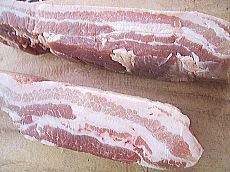
Choose a block of pork belly with the right proportion of meat and fat.
Personally, I ctually prefer blocks cut out the thighs or back.

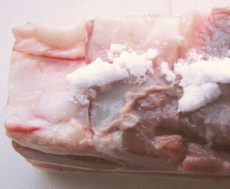
Make a few shallow cuts across the pork and salt it lightly. That step will ensure an even seasoning.

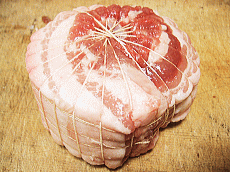
Bind the pork with cooking twine as shown in above picture with the fatty side outside.
Bind it tightly as to effectively shape the pork.

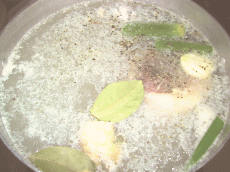
As the char siu has to be boiled first, prepare a large enough pan filled with water.
Drop the meat into the water.
Add just a drop of soy sauce, one clove of garlic, two leaves of laurel, some roughly cut leeks (thick variety), some Japanese sake and bring to boil.

Boil over a strong fire for one hour, scooping unwanted matters and scum from time to time.
Bear in mind the boiling water can be used as soupstock for other dishes!
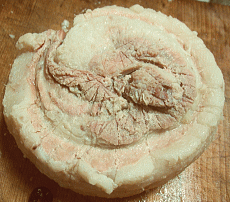
Once taken out of the pan, let it cool and cut the twine. The meat should hold by itself.
It can be consumed as it is.

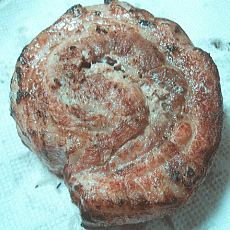
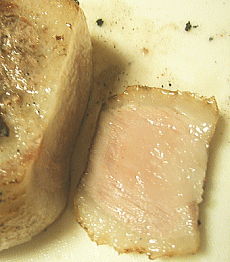
The Japanese then grill it (aburi/炙り) for an even deeper taste.

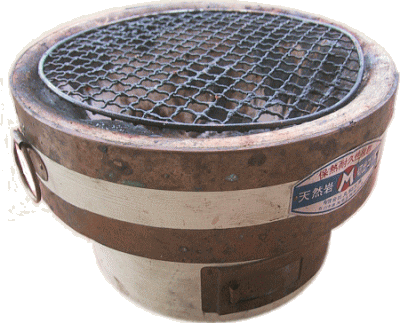
They use a special grill called nanarin/七輪 using charcoal.
Take care not to overgrill it and bear in mind oil could start flying!

Cut the char siu to the thickness wanted.
I like it very thin and eat it a it is. But when using it for ramen, I might cut it a bit thicker.

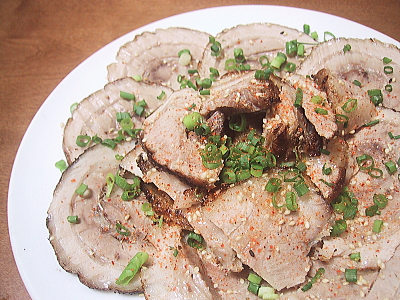
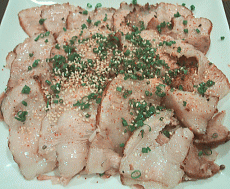
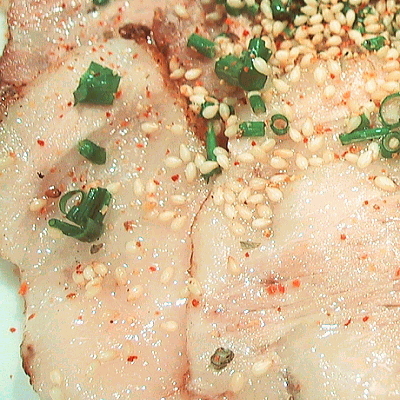
If you want to it eat and serve it for its own sake, cut many slices and arrange them on a serving dish and season it with seven spices mix/shichimi/七味, sesame seeds (whole or ground), chopped thin leeks, and a little ponzu.

Doesn’t that look appetizing!

RECOMMENDED RELATED WEBSITES

Mummy I Can Cook! by Shu Han in London
Pierre.Cuisine, Francescannotwrite, My White Kitchen, 47 Japanese Farms Through The Eyes of Its Rural Communities, Foodhoe, Chucks Eats, Things that Fizz & Stuff, Five Euro Food by Charles,Red Shallot Kitchen by Priscilla,With a Glass, Nami | Just One Cookbook, Peach Farm Studio, Clumsyfingers by Xethia, PepperBento,Adventures in Bento Making, American Bent, Beanbento, Bento No, Bento Wo Tsukurimashou, Cooking Cute, Eula, Hapabento , Happy Bento, Jacki’s Bento Blog, Kitchen Cow, Leggo My Obento, Le Petit Journal Bento & CO (French), Lunch In A Box,
Susan at Arkonlite, Vegan Lunch Box; Tokyo Tom Baker, Daily Food Porn/Osaka, Only Nature Food Porn, Happy Little Bento, The Herbed Kitchen, J-Mama’s Kitchen, Cook, Eat, Play, Repeat, Bento Lunch Blog (German), Adventures In Bento, Anna The Red’s Bento Factory, Cooking Cute, Timeless Gourmet, Bento Bug, Ideal Meal, Bentosaurus, Mr. Foodie (London/UK), Ohayo Bento,

Must-see tasting websites:

-Sake: Tokyo Through The Drinking Glass, Tokyo Foodcast, Urban Sake, Sake World
-Wine: Palate To Pen, Warren Bobrow, Cellar Tours, Ancient Fire Wines Blog
-Beer: Good Beer & Country Boys, Another Pint, Please!
-Japanese Pottery to enjoy your favourite drinks: Yellin Yakimono Gallery

Cheese, Wine and Sake Feast at the 2nd Mt. Fuji Network Forum in Shizuoka City!

After having reported on the lunch boxes served at the 2nd Mt. Fuji Network Forum held in Granship in Shizuoka City I came back in the evening as the same doctors were enjoying a feast of cheese, wines and sake organized by Ms. Keiko Kubota of Gentil restaurant and her friends!

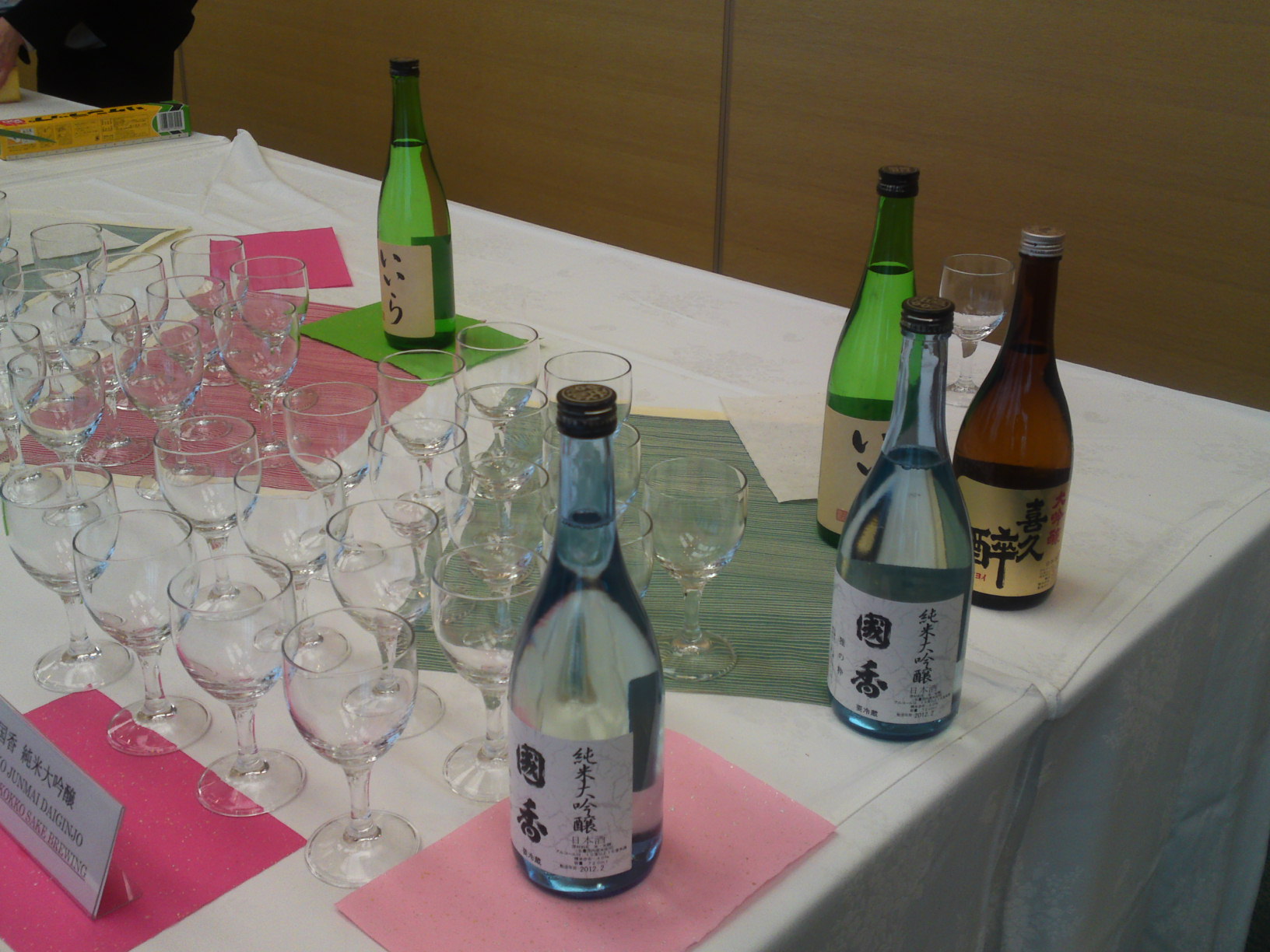
I wonder if the doctors realized they were sampling some of the finest and rarest sake in Japan made in Shizuoka Prefecture!

Ms. Keiko Kubota is the only Grand Chevalier de Taste Fromage in Japan!

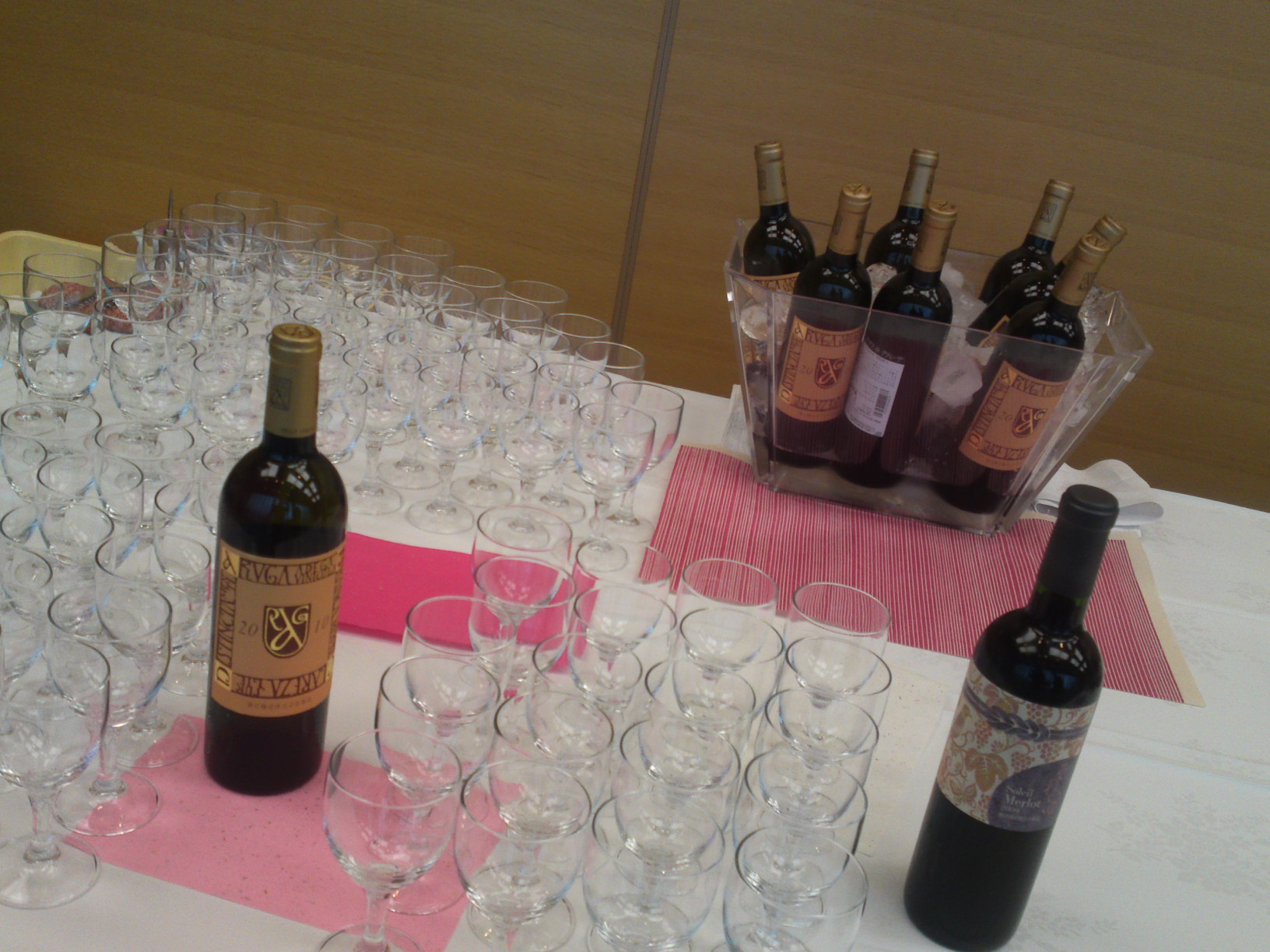
Japanese wines brought by Nagashima Saketen Co.!

Mr. Denbei Kawamura, the Godfather of Shizuoka sake in great company!

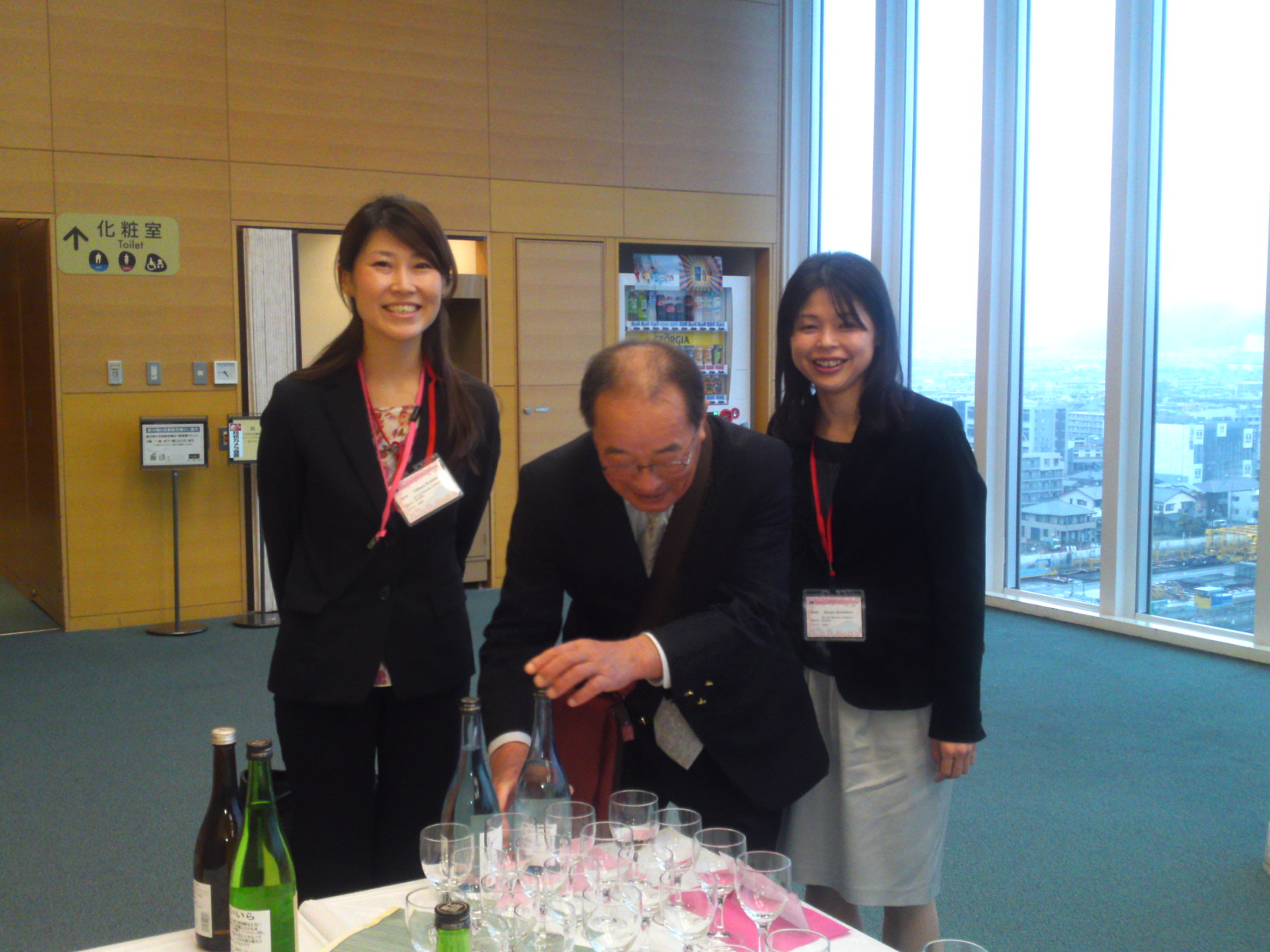
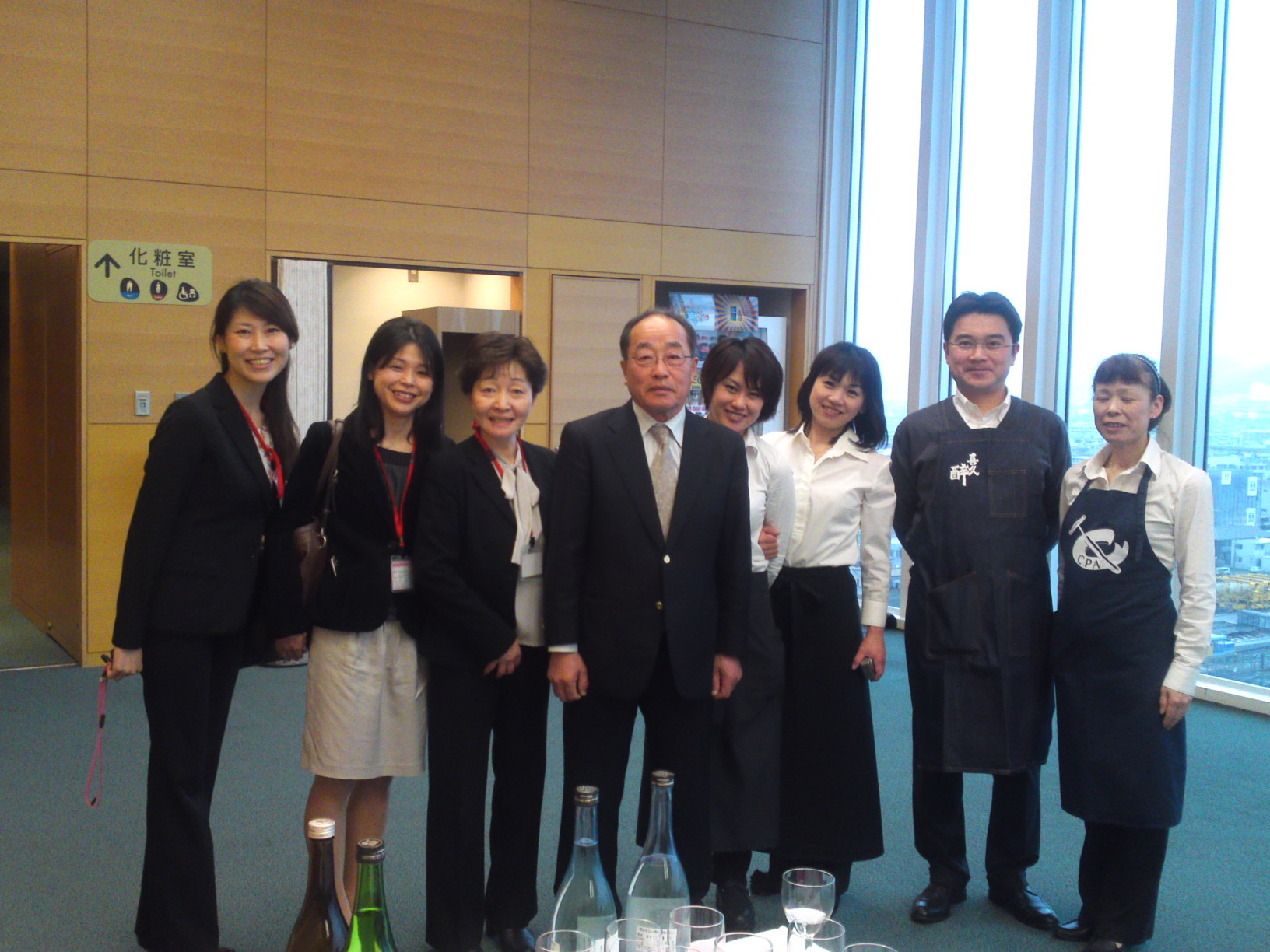
The staff of the day, including some famous Shizuoka Gastronomes!

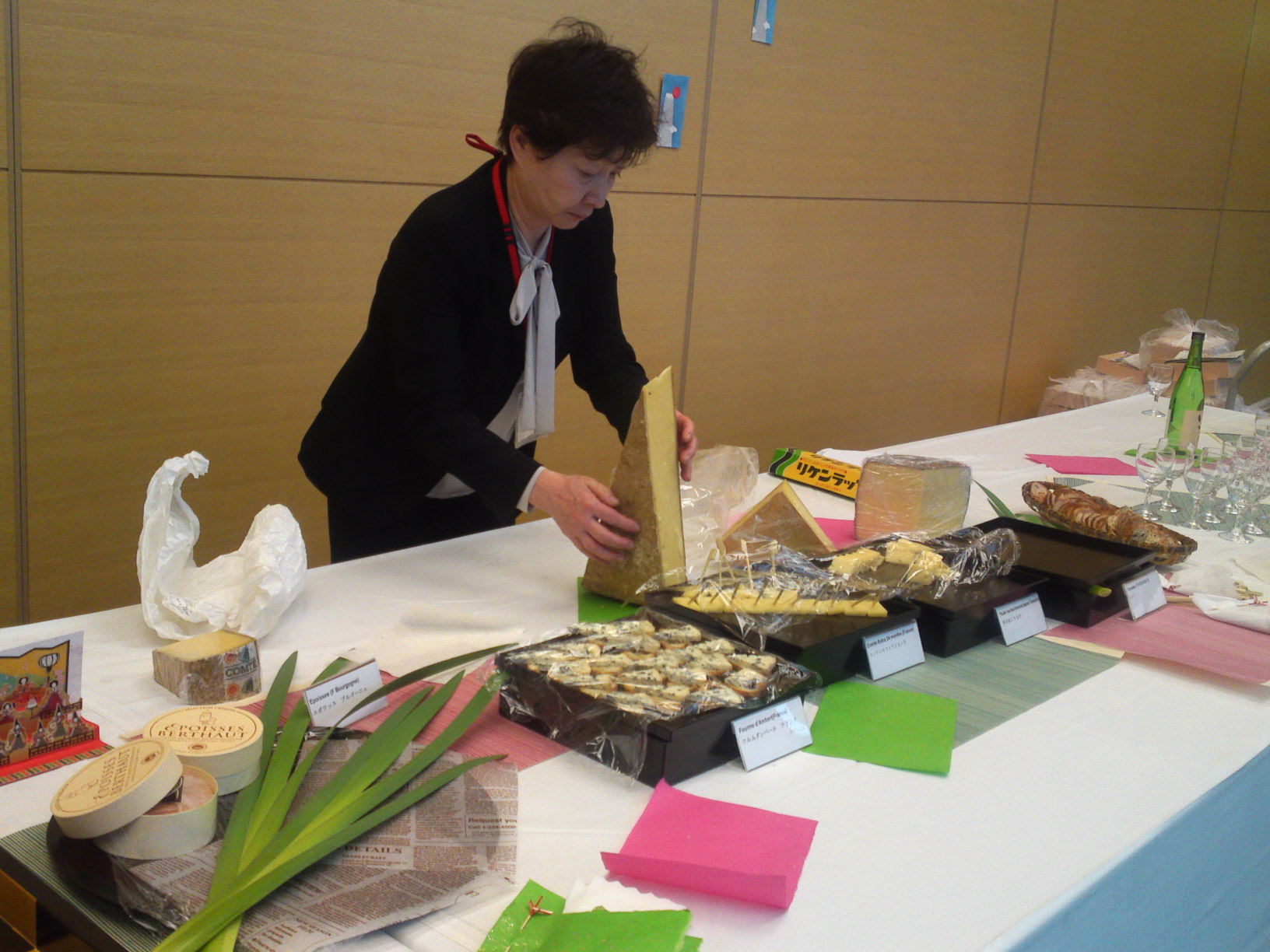
Almost ready…

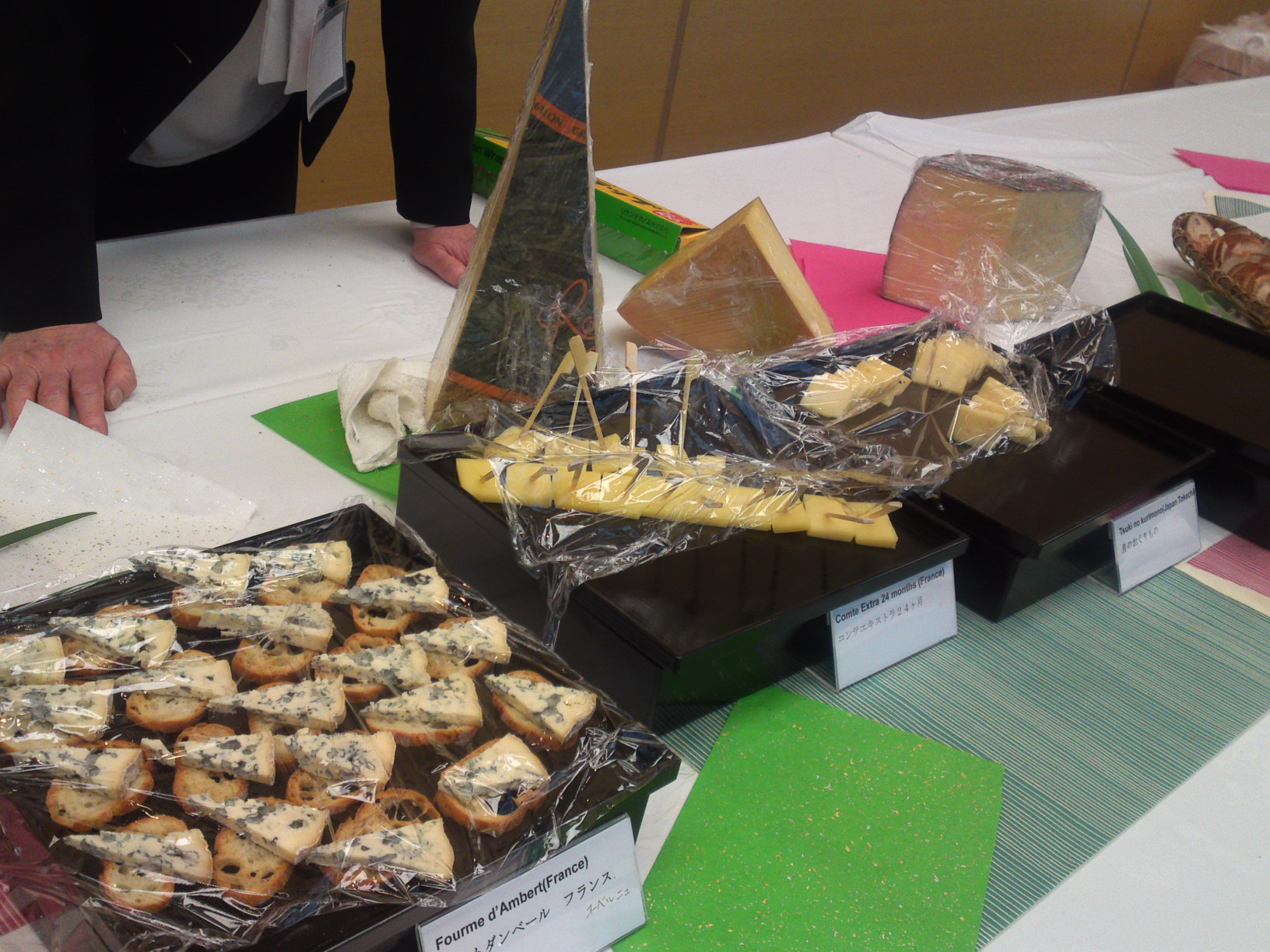
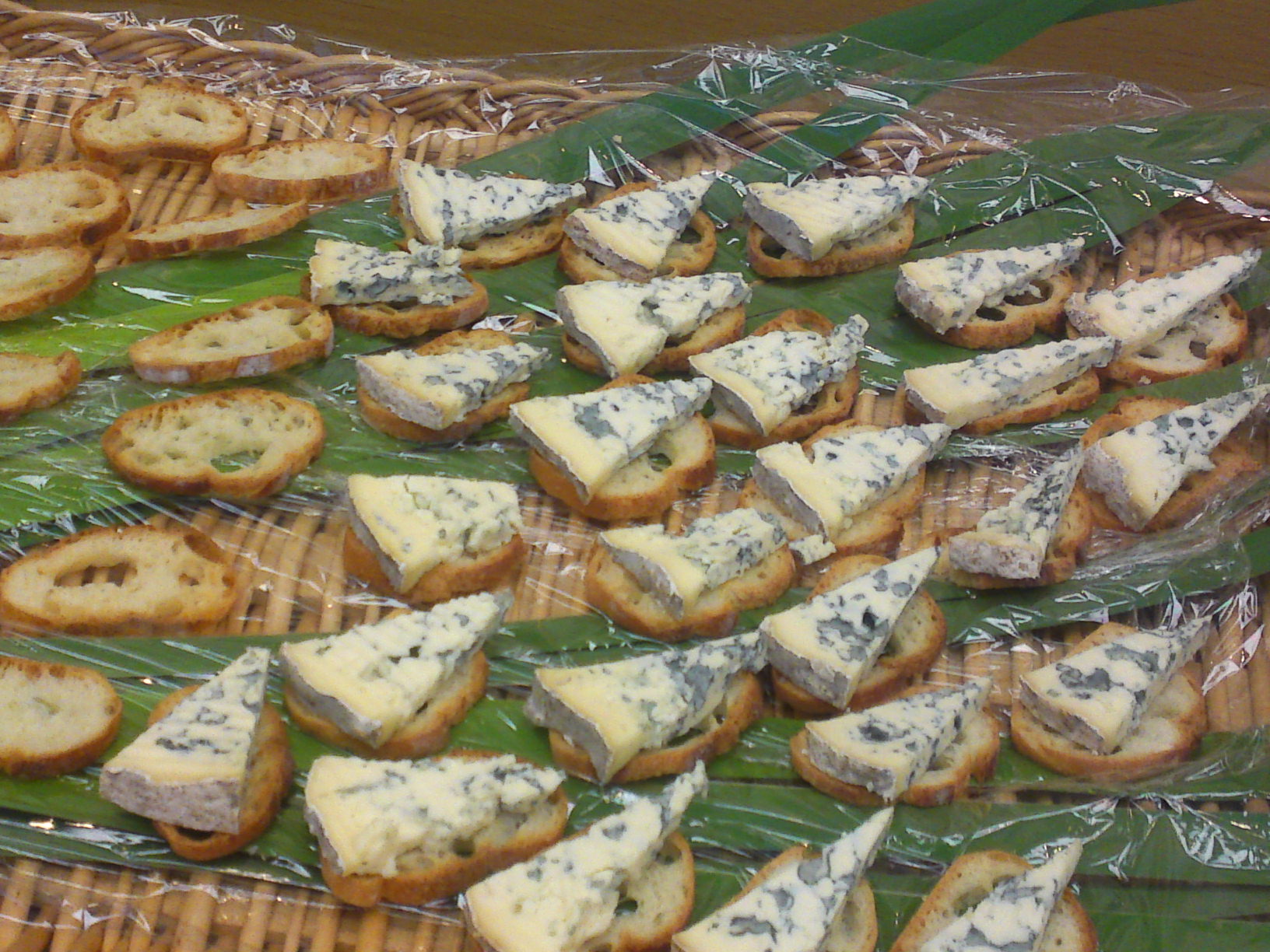
I love blue cheese!

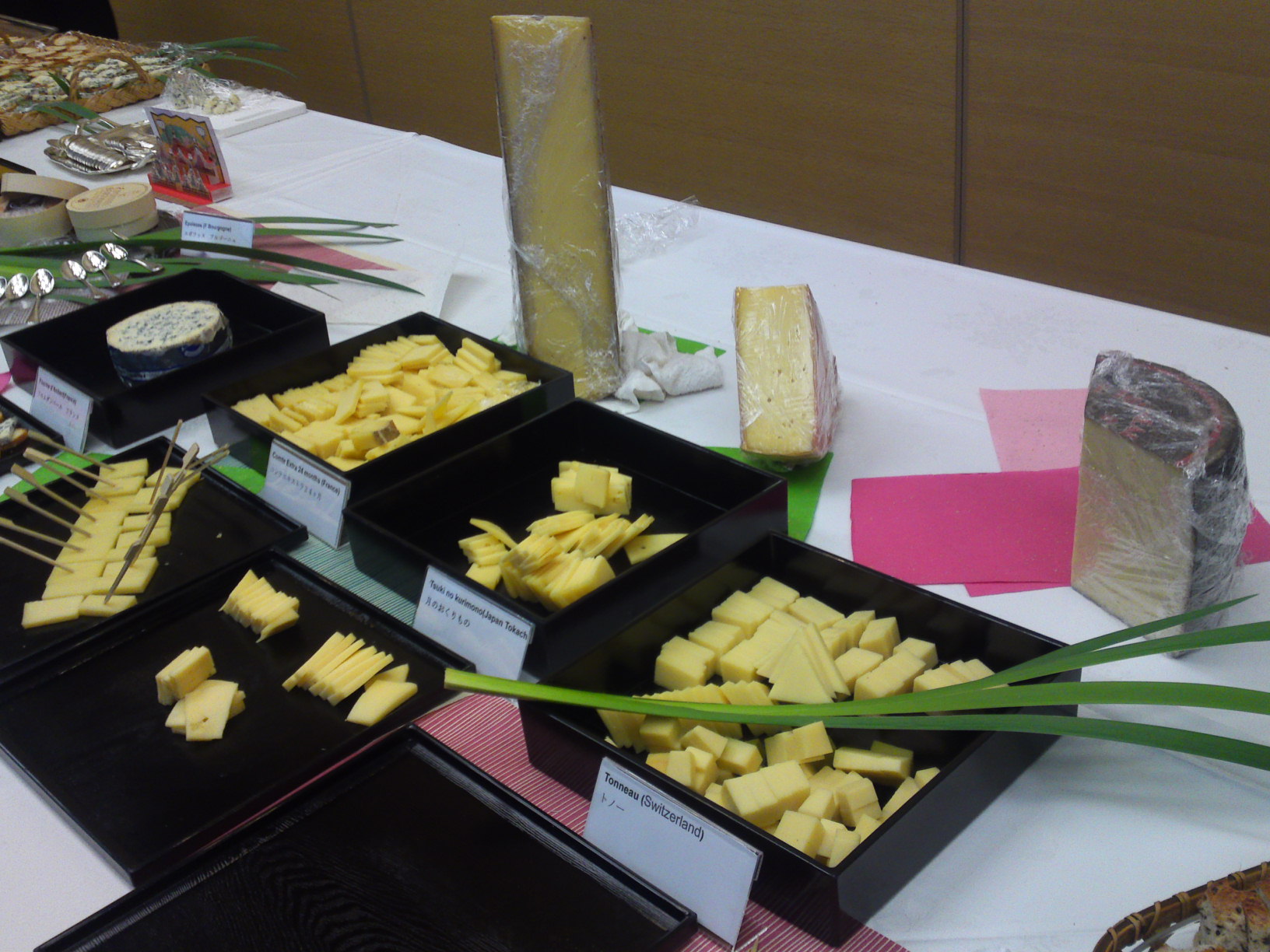
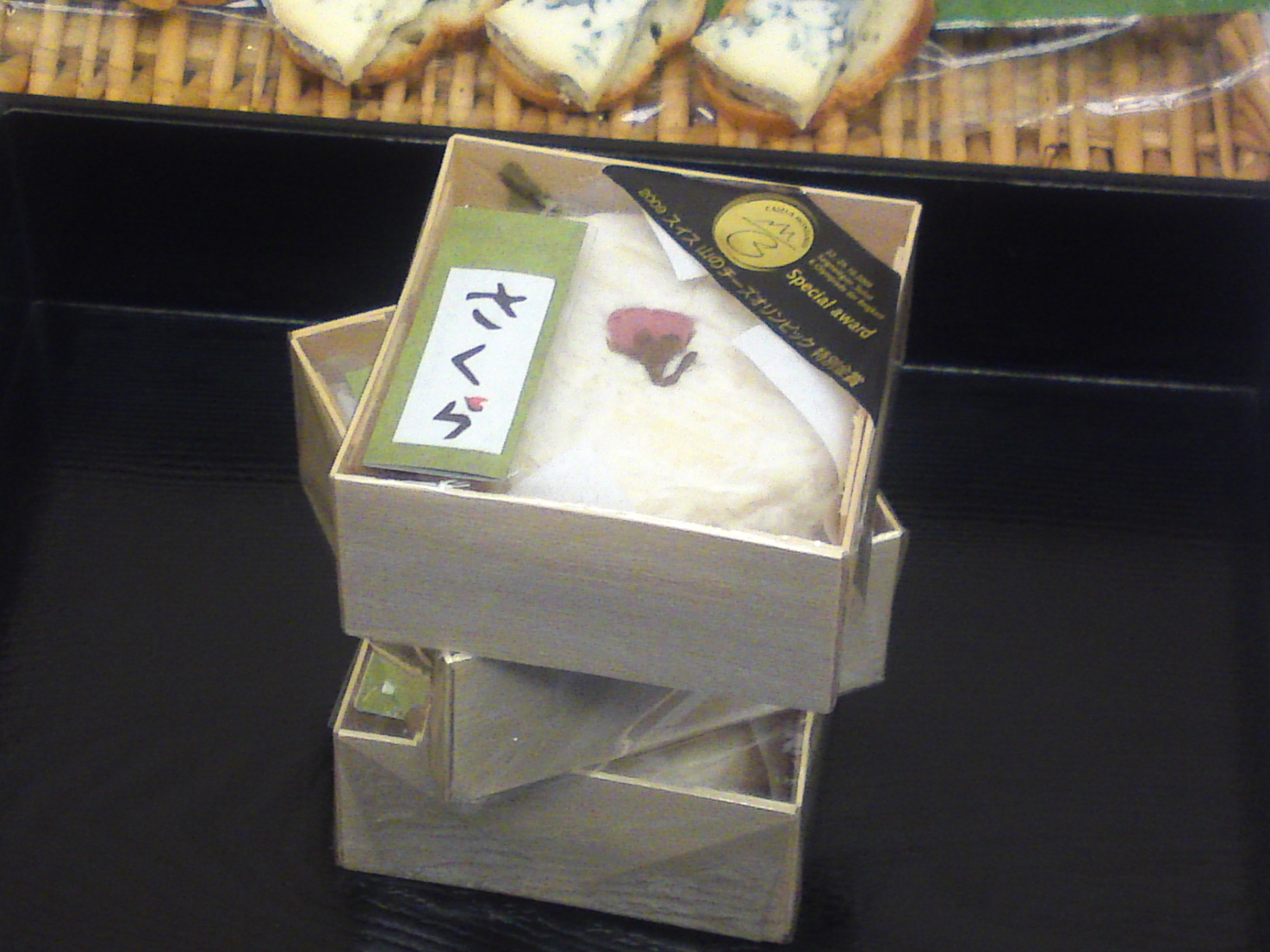
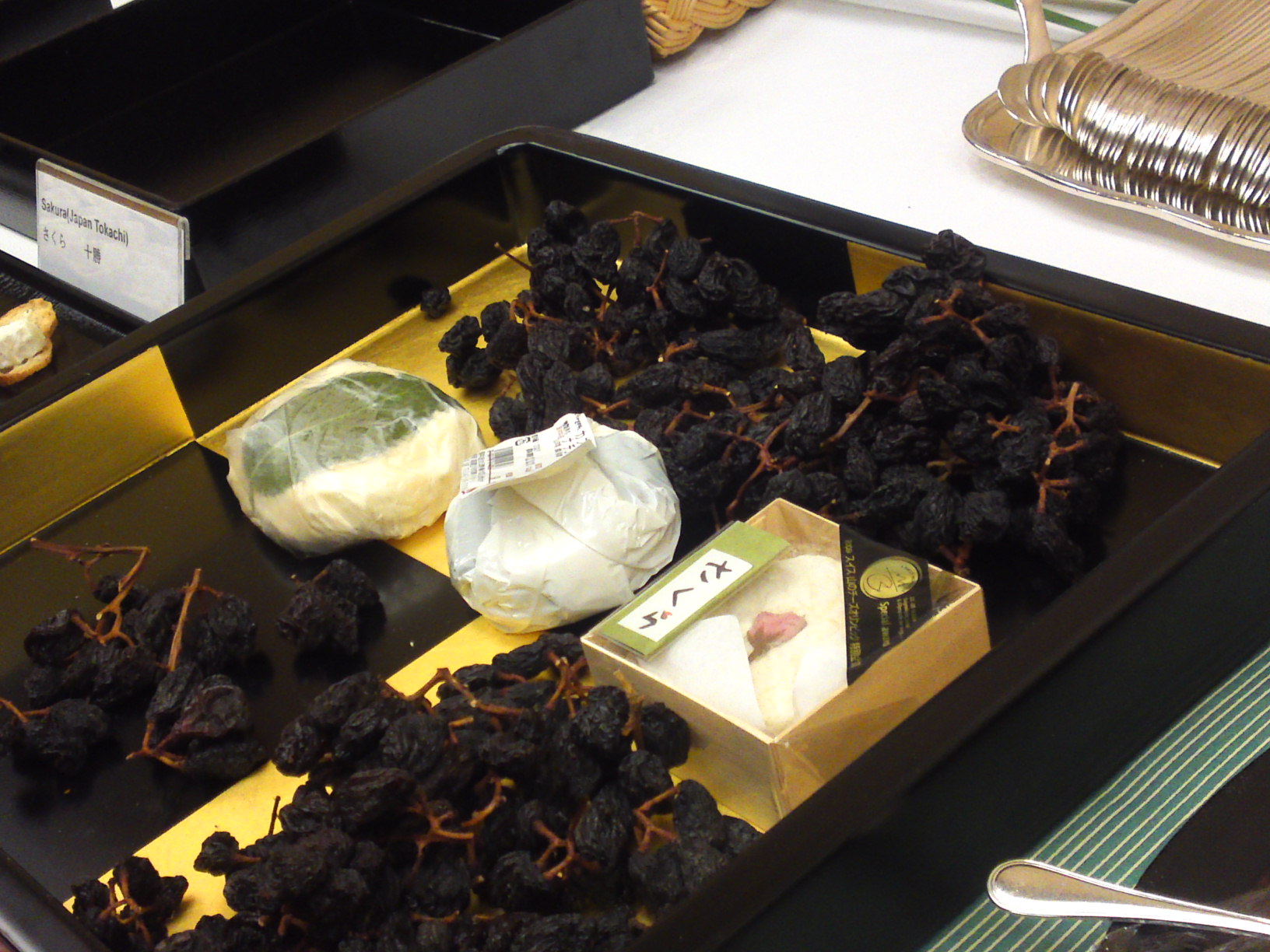
“Sakura”, elected the best cheese made in Japan, Tokachi, Hokkaido!

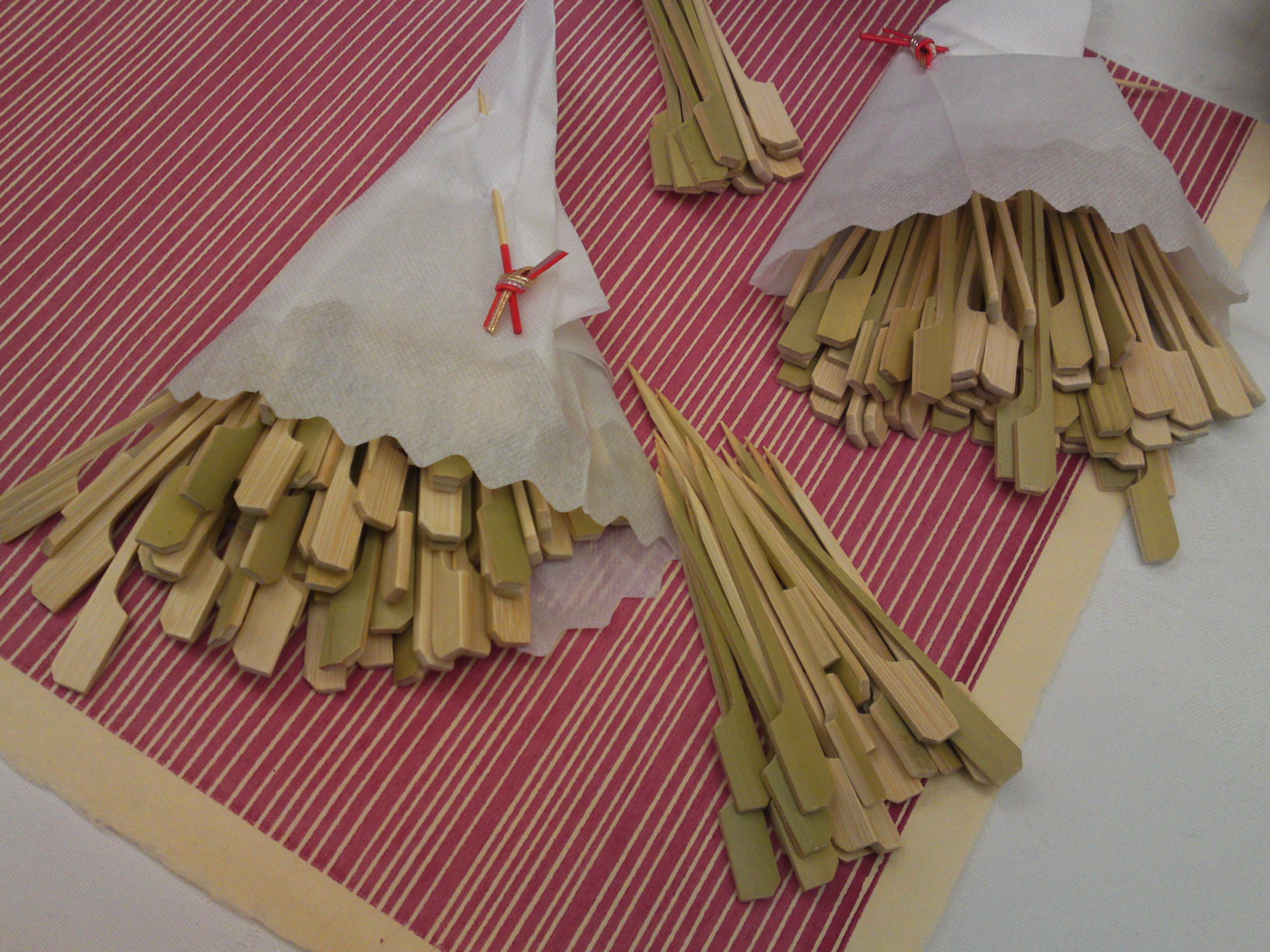
Charming bamboo cheese sticks!

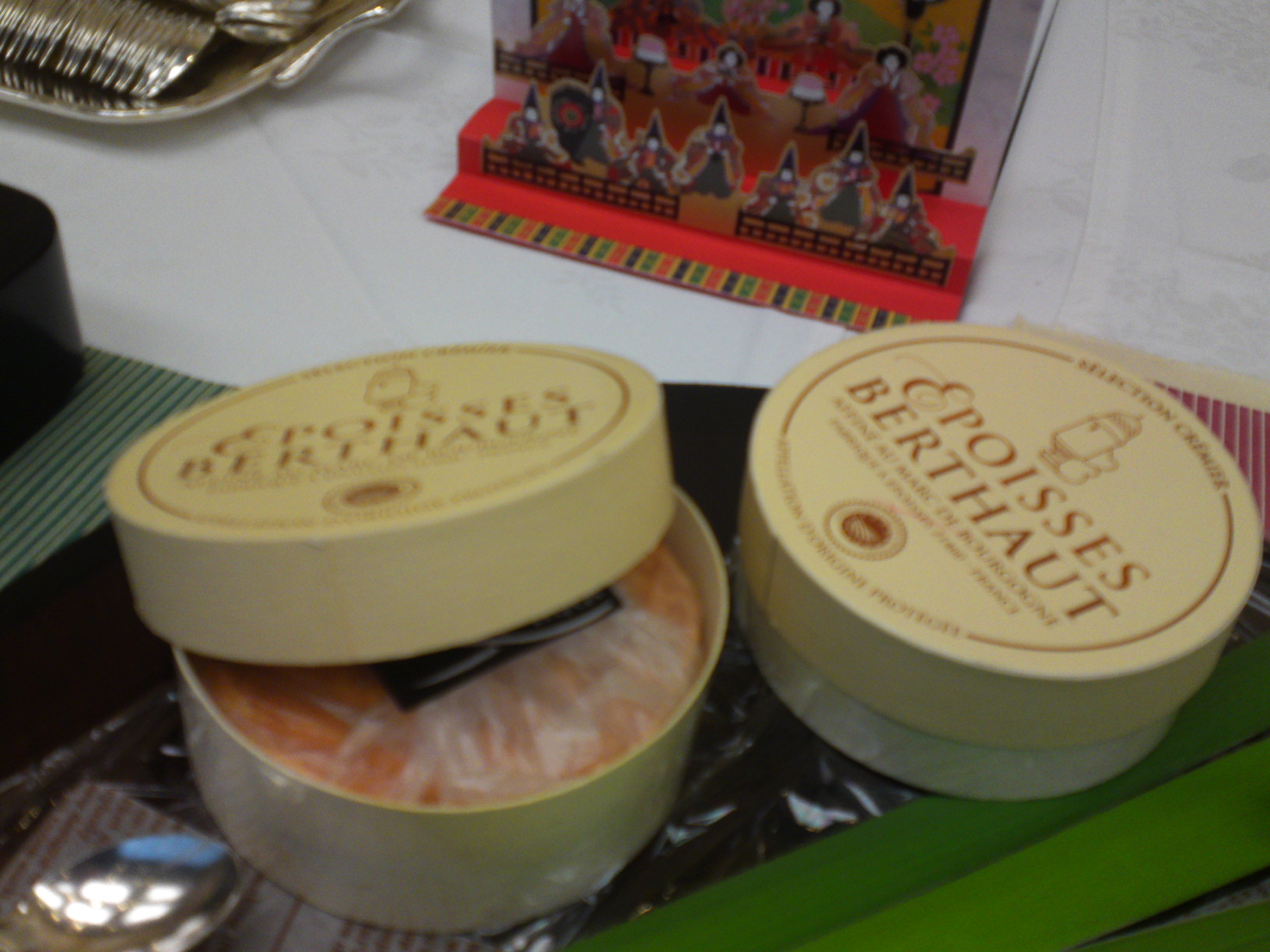
Epoisses from my home, Bourgogne!

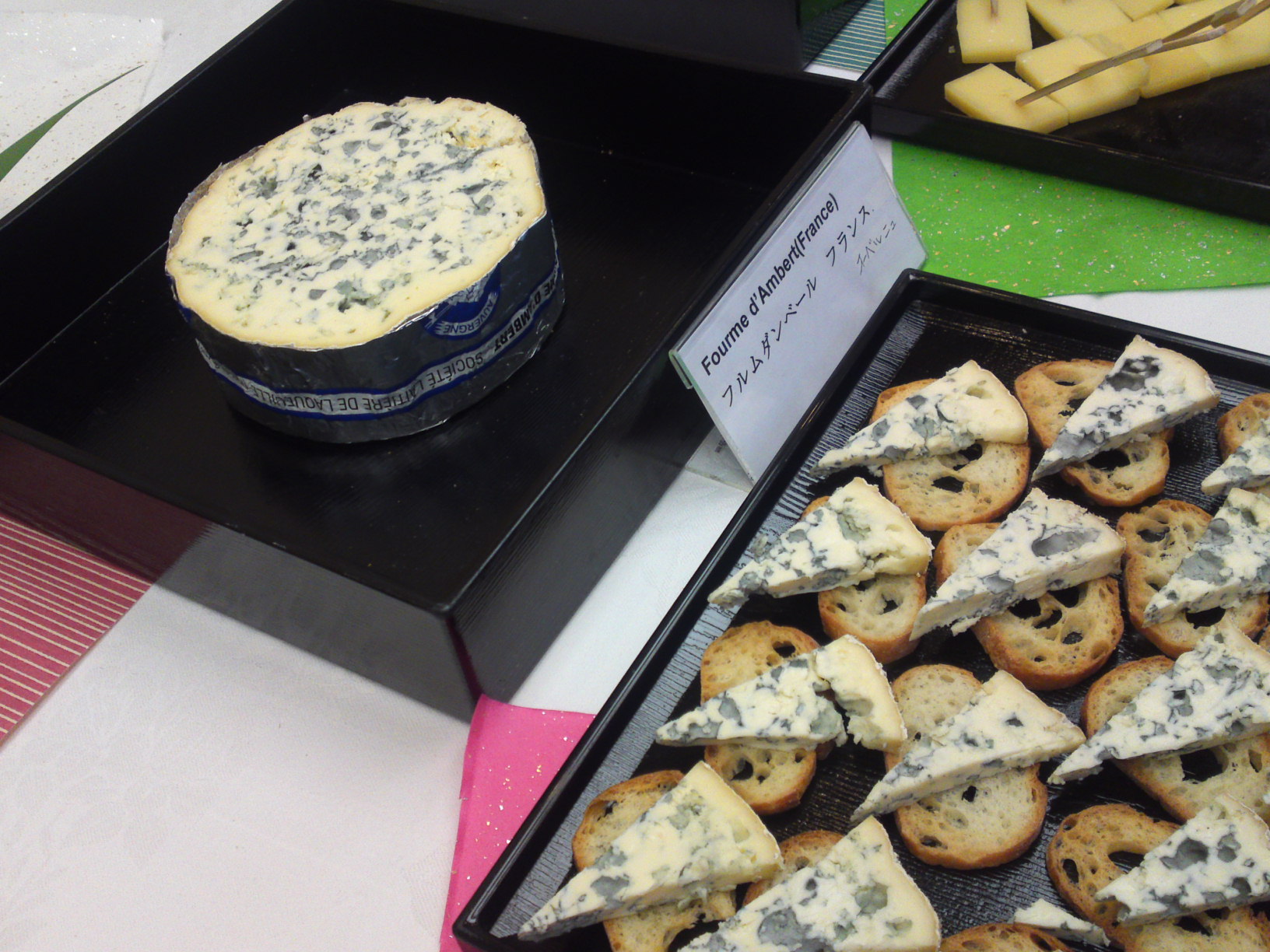
Fourme d’Ambert!

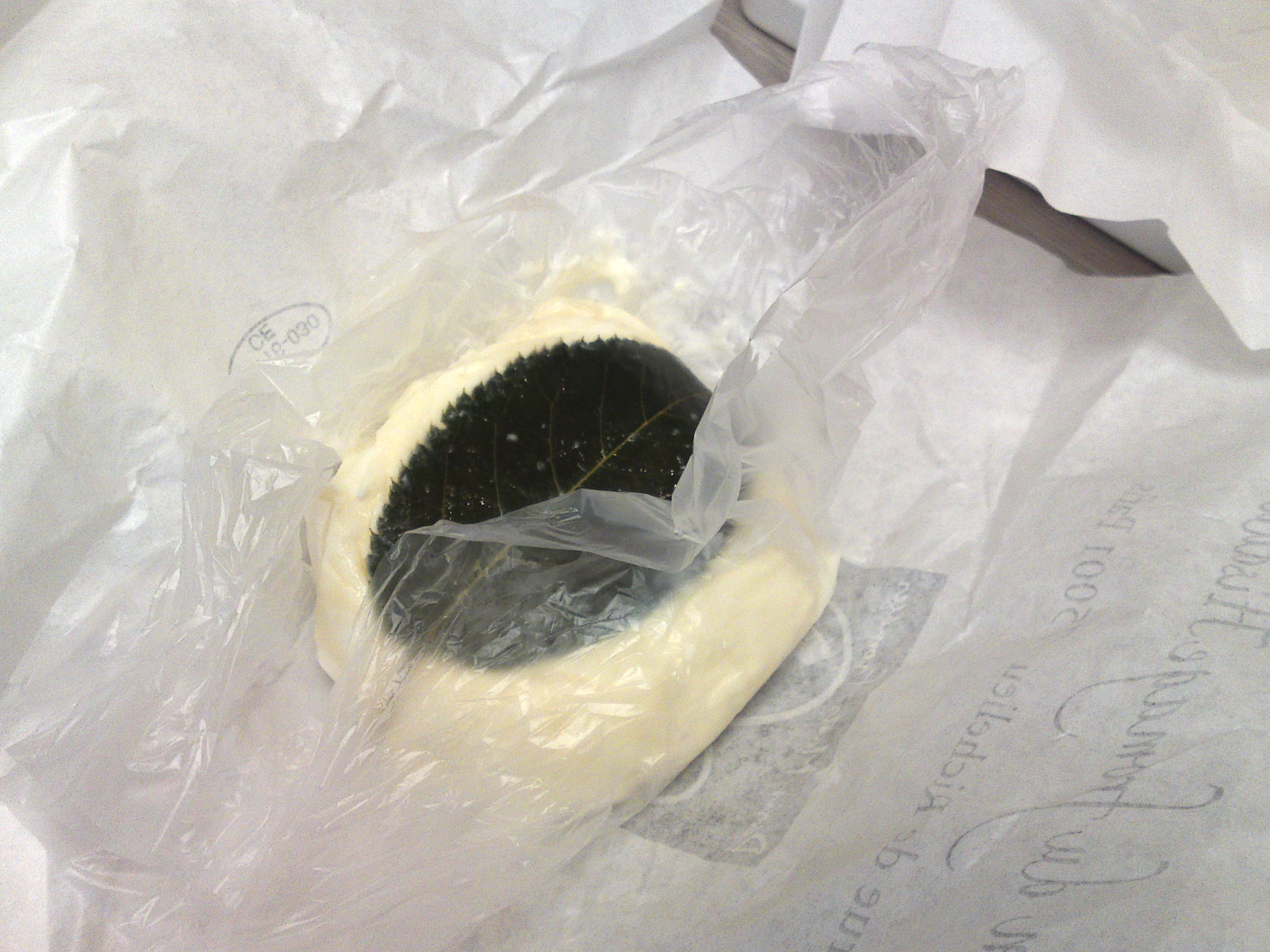
Italian cheese wrapped in Japanese cherry tree leaves!

Tempting, aren’t they?

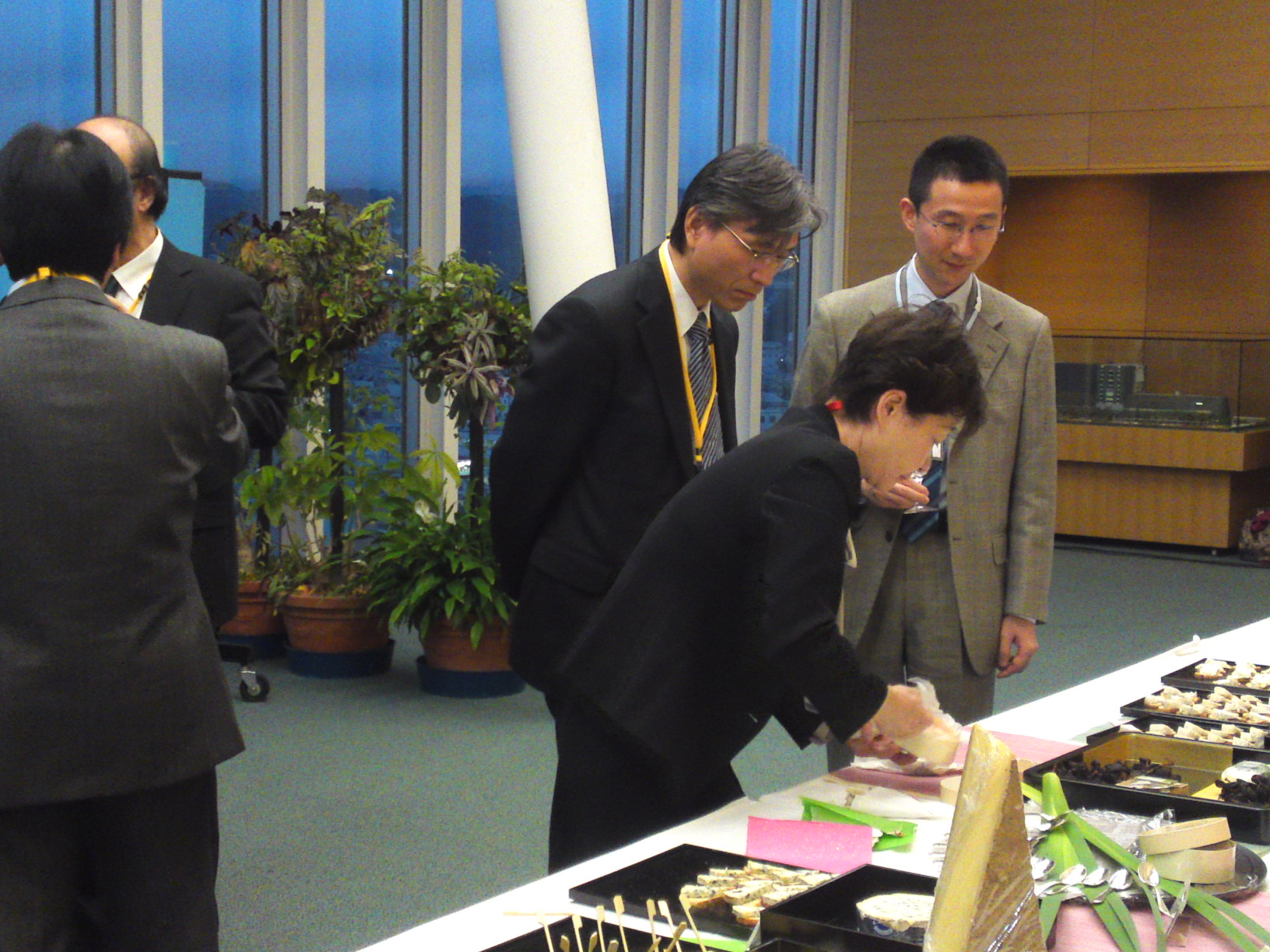
Ms. Kubota serving some very lucky doctors!

About time I visit Gentil Restaurant!

RECOMMENDED RELATED WEBSITES

Mummy I Can Cook! by Shu Han in London
Pierre.Cuisine, Francescannotwrite, My White Kitchen, 47 Japanese Farms Through The Eyes of Its Rural Communities, Foodhoe, Chucks Eats, Things that Fizz & Stuff, Five Euro Food by Charles,Red Shallot Kitchen by Priscilla,With a Glass, Nami | Just One Cookbook, Peach Farm Studio, Clumsyfingers by Xethia, PepperBento,Adventures in Bento Making, American Bent, Beanbento, Bento No, Bento Wo Tsukurimashou, Cooking Cute, Eula, Hapabento , Happy Bento, Jacki’s Bento Blog, Kitchen Cow, Leggo My Obento, Le Petit Journal Bento & CO (French), Lunch In A Box,
Susan at Arkonlite, Vegan Lunch Box; Tokyo Tom Baker, Daily Food Porn/Osaka, Only Nature Food Porn, Happy Little Bento, The Herbed Kitchen, J-Mama’s Kitchen, Cook, Eat, Play, Repeat, Bento Lunch Blog (German), Adventures In Bento, Anna The Red’s Bento Factory, Cooking Cute, Timeless Gourmet, Bento Bug, Ideal Meal, Bentosaurus, Mr. Foodie (London/UK), Ohayo Bento,

Must-see tasting websites:

-Sake: Tokyo Through The Drinking Glass, Tokyo Foodcast, Urban Sake, Sake World
-Wine: Palate To Pen, Warren Bobrow, Cellar Tours, Ancient Fire Wines Blog
-Beer: Good Beer & Country Boys, Another Pint, Please!
-Japanese Pottery to enjoy your favourite drinks: Yellin Yakimono Gallery

Bento designed by Gentil Restaurant, Shizuoka, at the 2nd Mt. Fuji Network Forum!

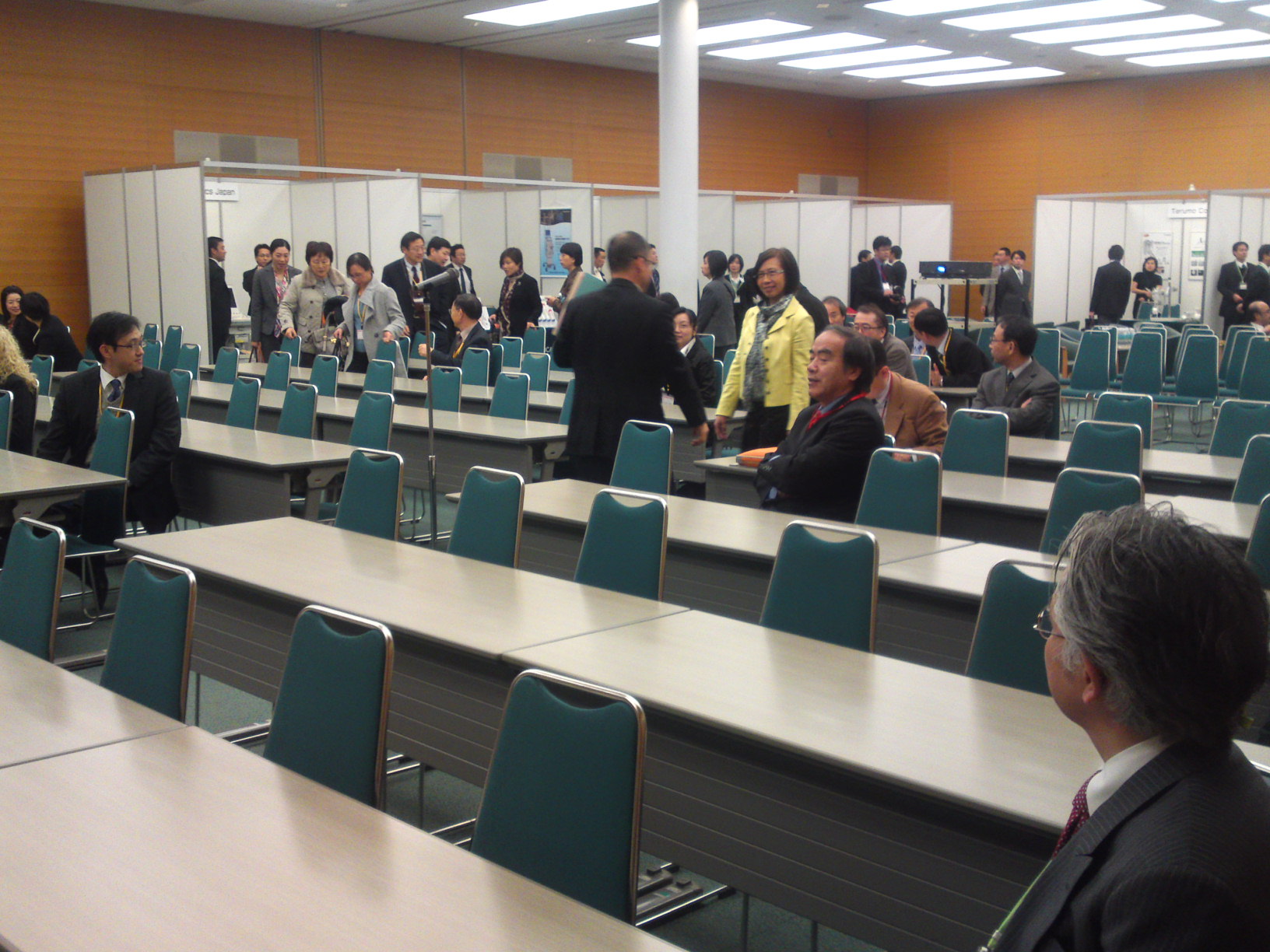
The 2nd Mt. Fuji Network Forum was being held at Grandship on the 2nd and 3rd of March 2012 for an international seminar on children with congenital heart diseases.
As Ms. Keiko Kubota, Chef at Restaurant Gentil, had devised a bento for the participants using exclusively products of Shizuoka Prefecture I deemed it of great interest!

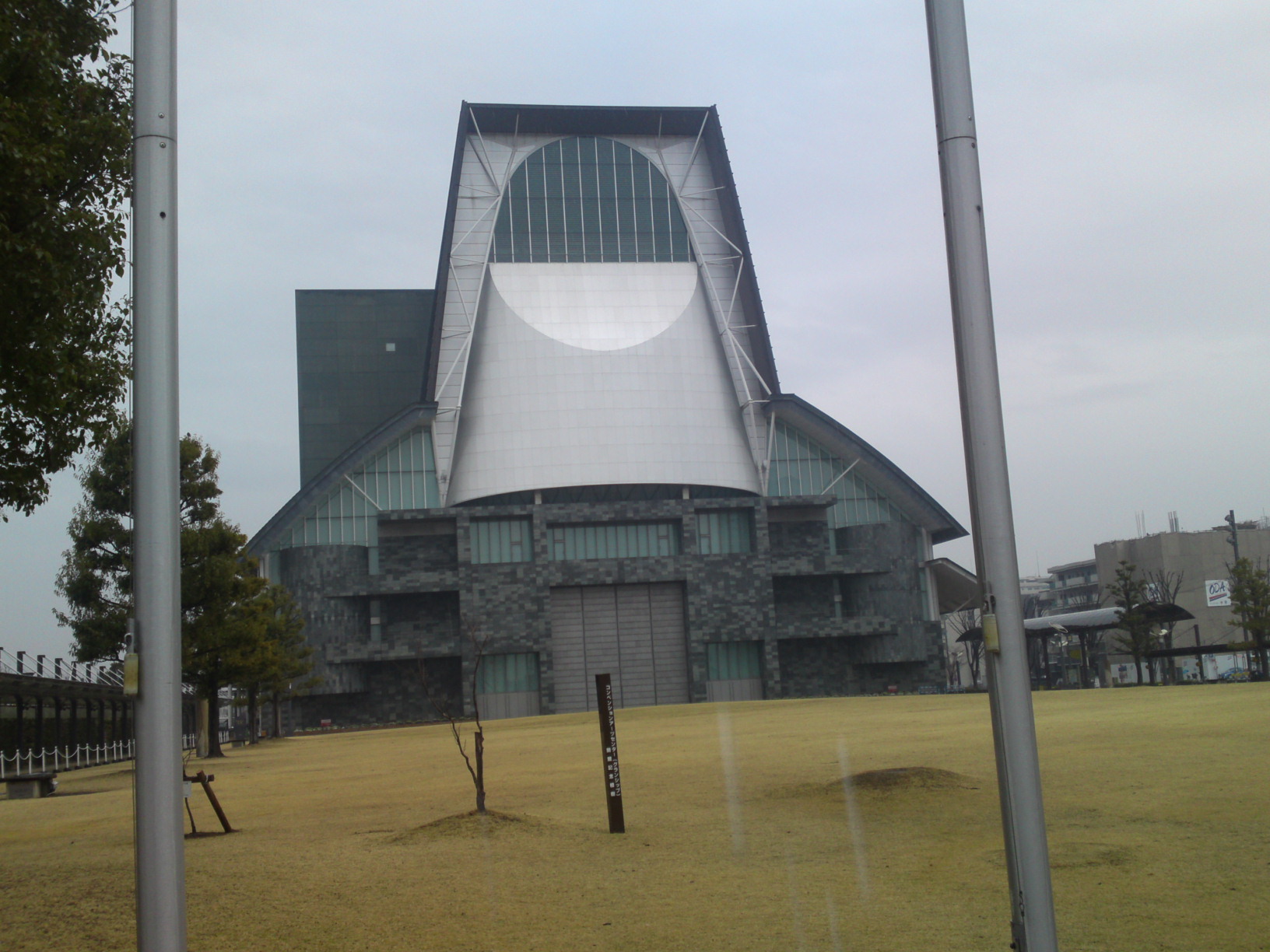
Granship really looks a ship!

The official event board organised by Shizuoka Children’s Hospital!

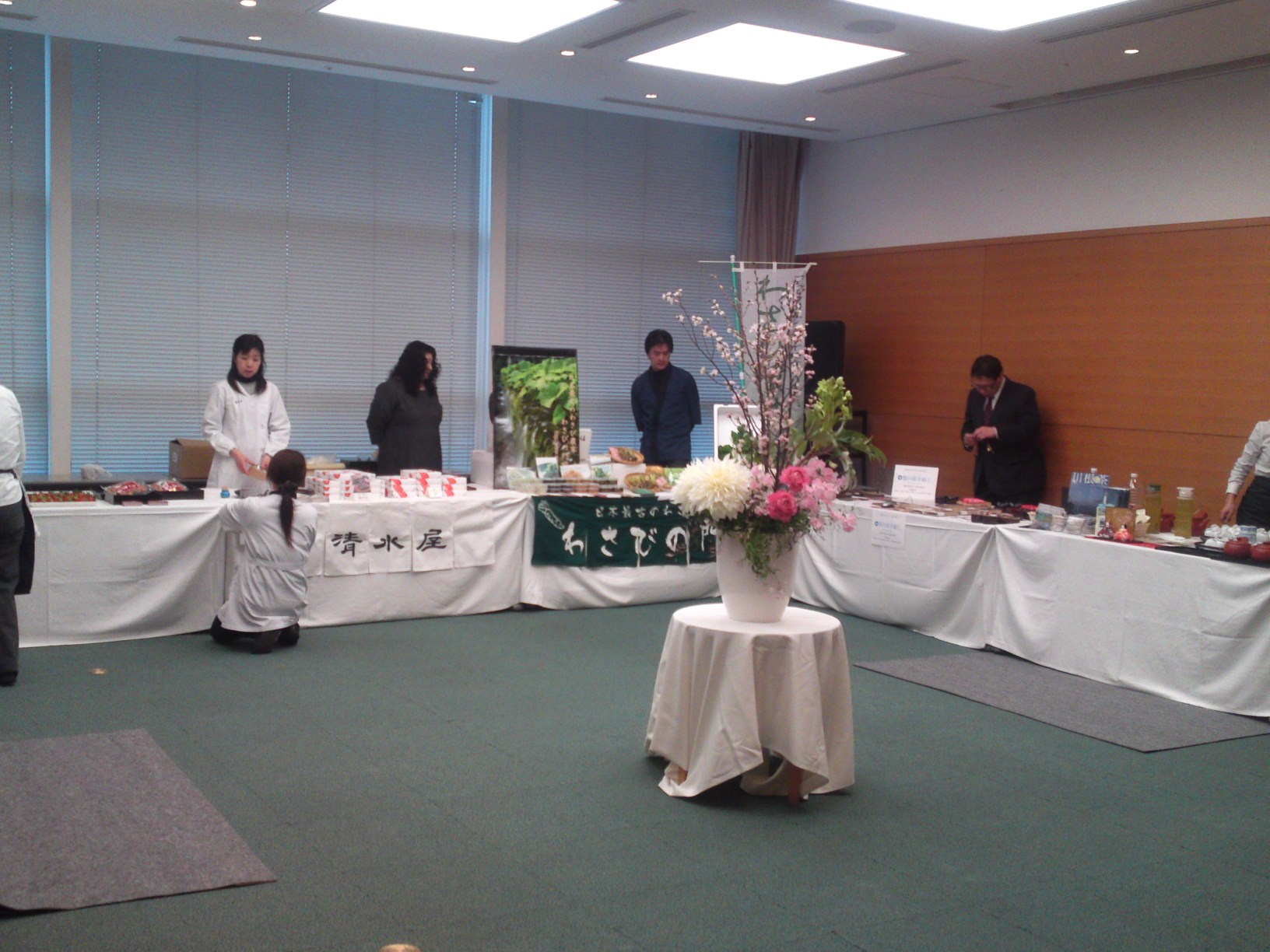
A room had been specially designated to promote some Shizuoka Products!

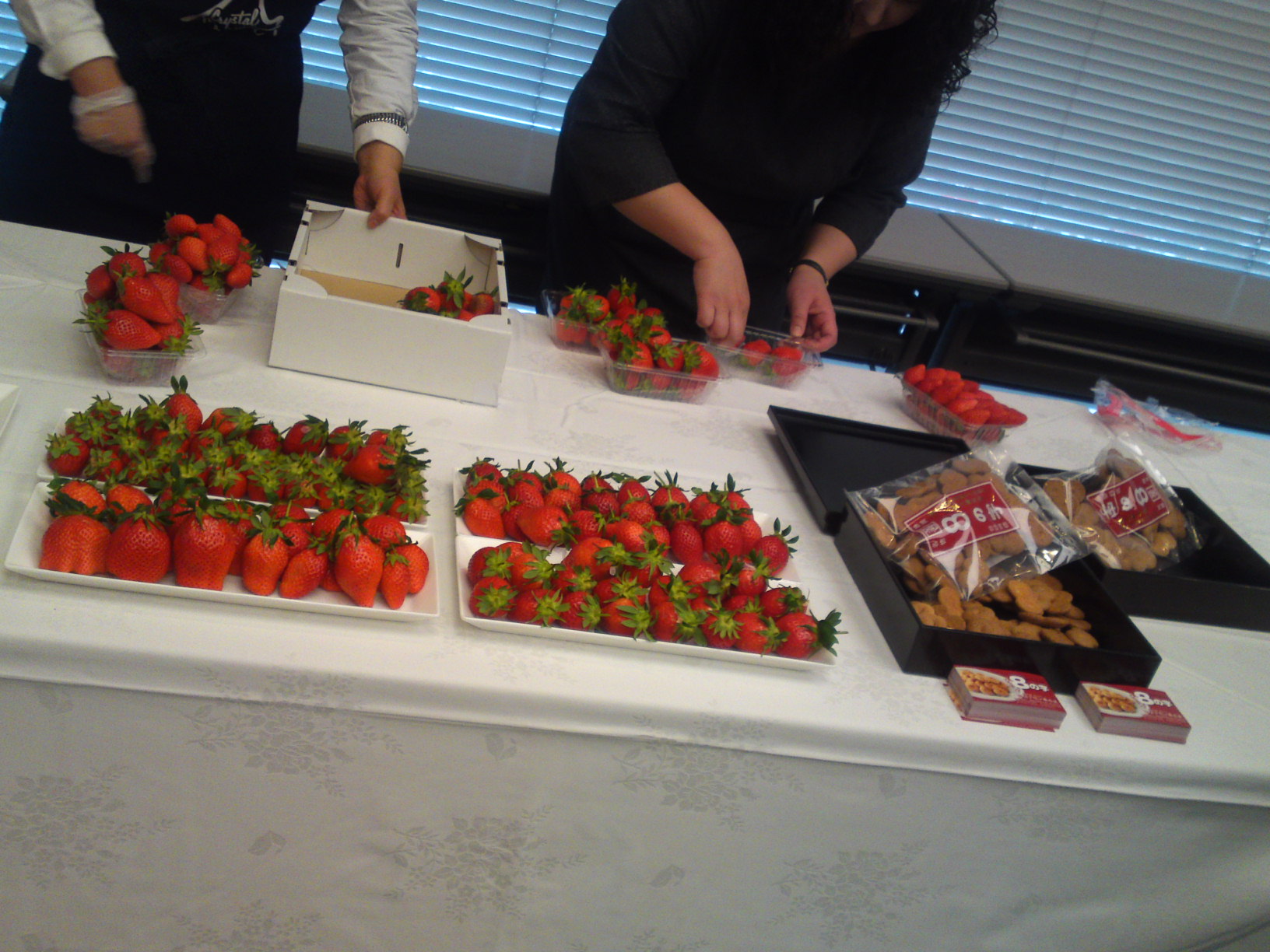
Extravagant strawberries from Fujieda City!

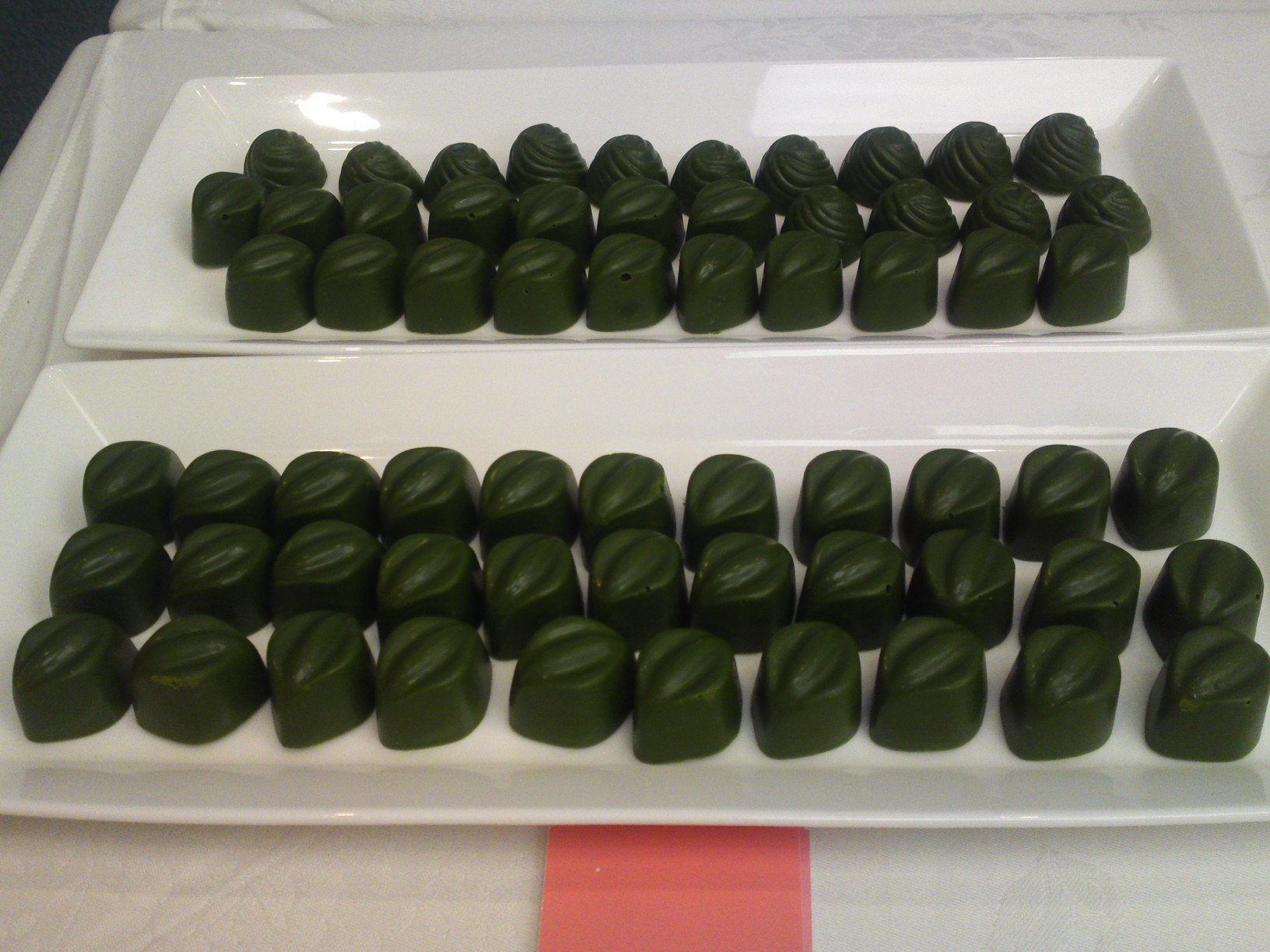
Shizuoka Matcha Chocolates by Gentil!

Azuki wagashi cakes by Shimmizuya in Shimada City!

Yummy!

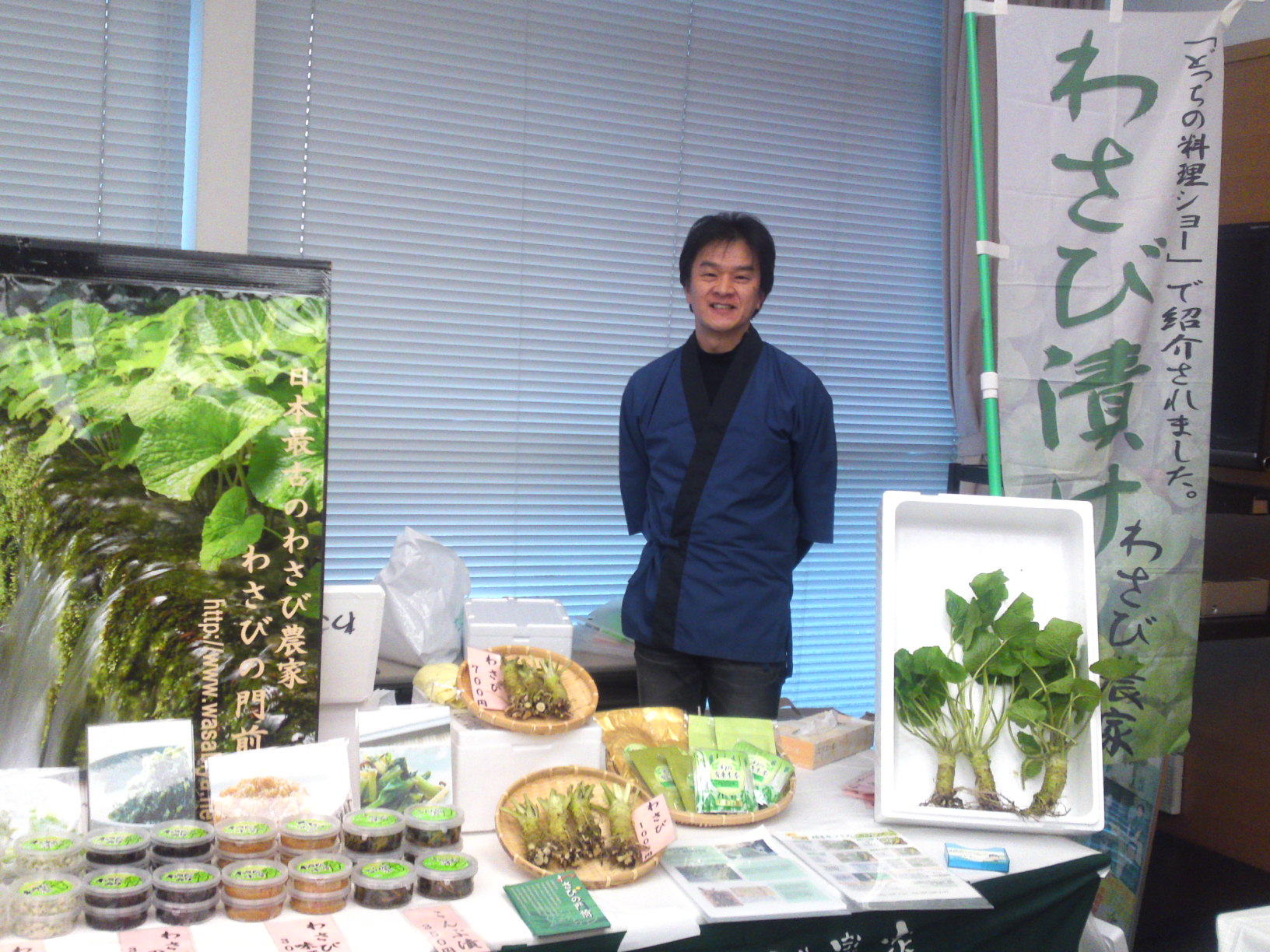
Mr. Shiratori, the 16th generation of the oldest wasabi growing family in Japan, in Utogi, Shizuoka City!

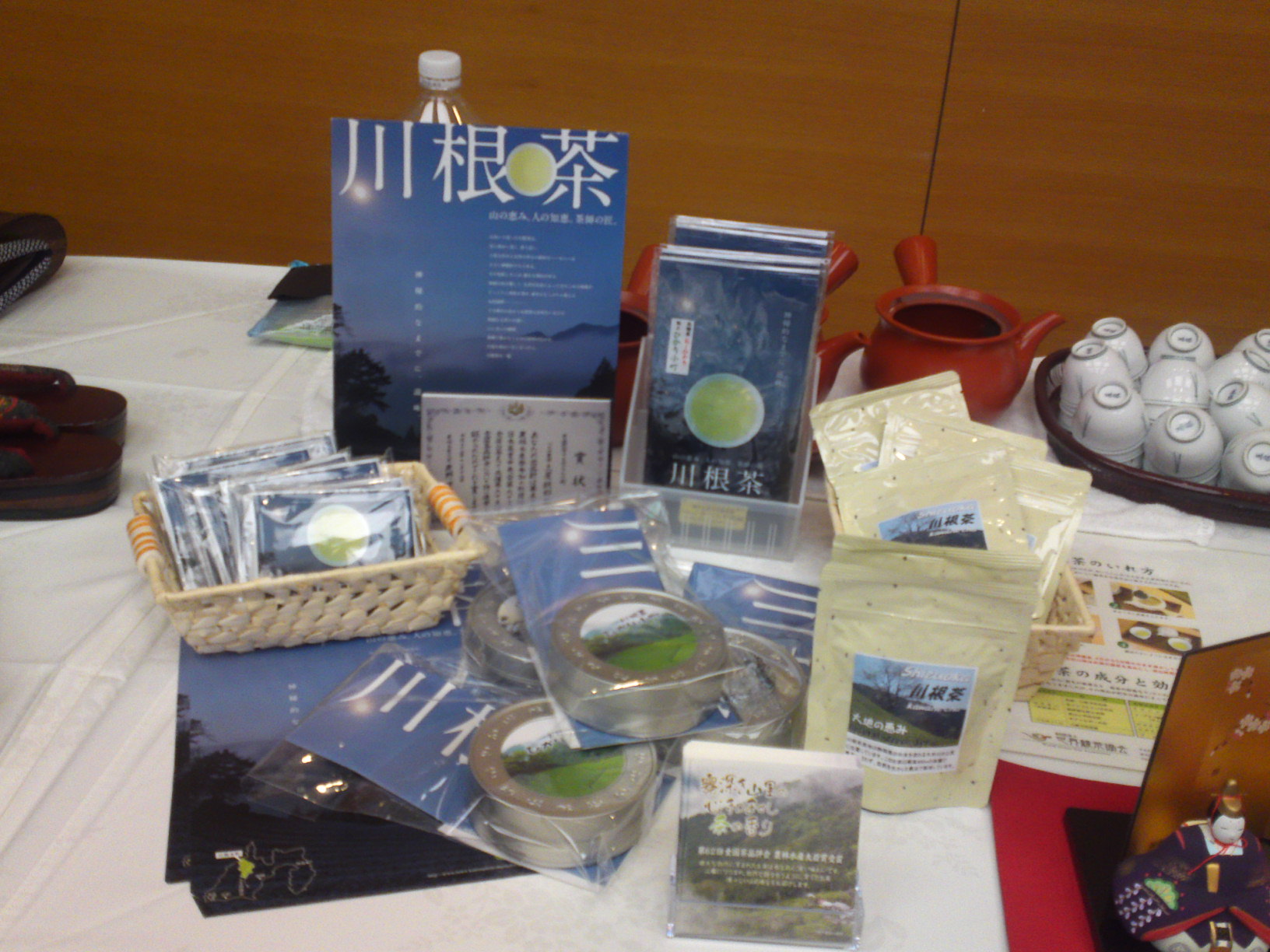
Famous green tea from Kawane!

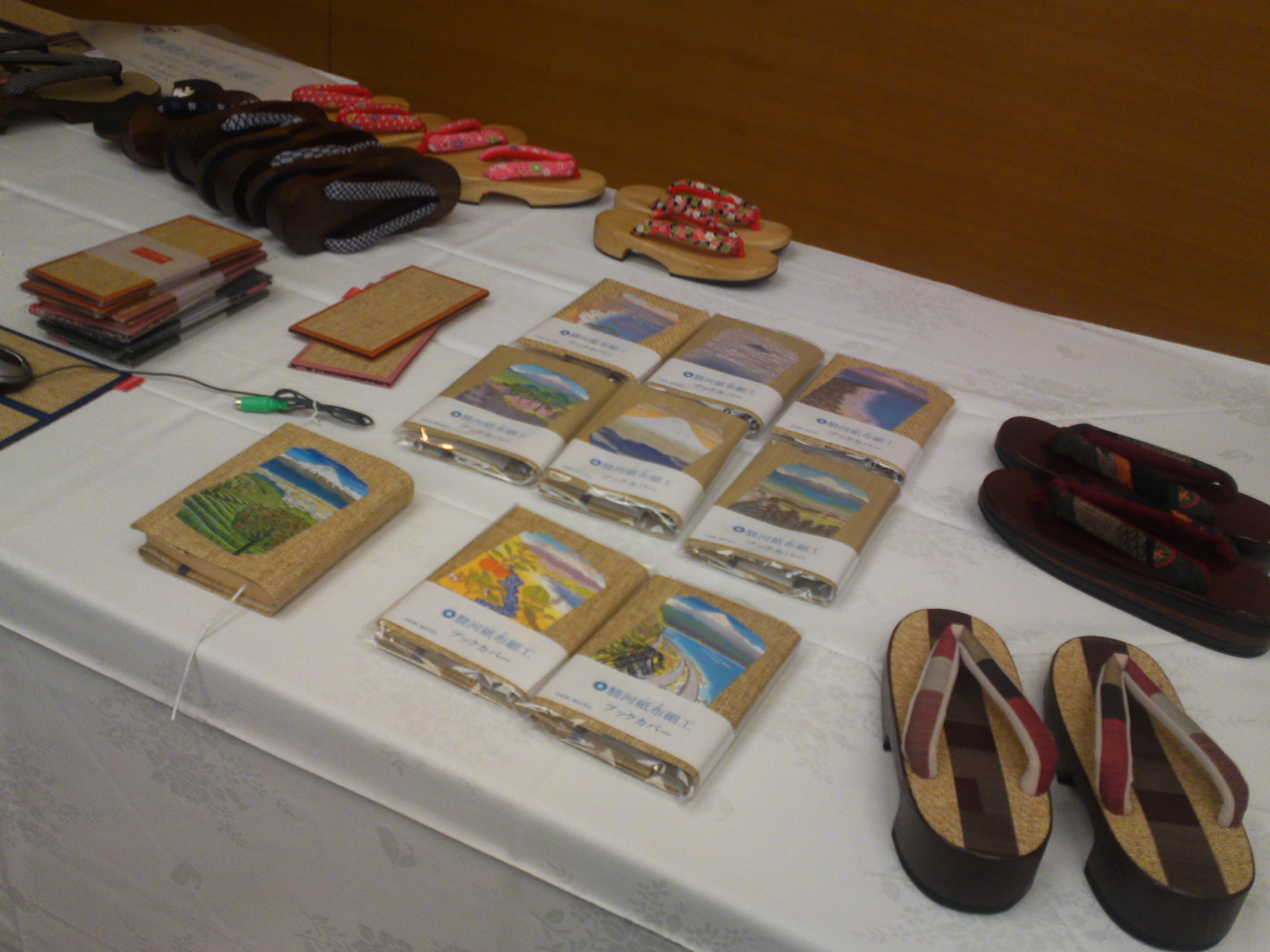
Crafts of Shizuoka including geta!

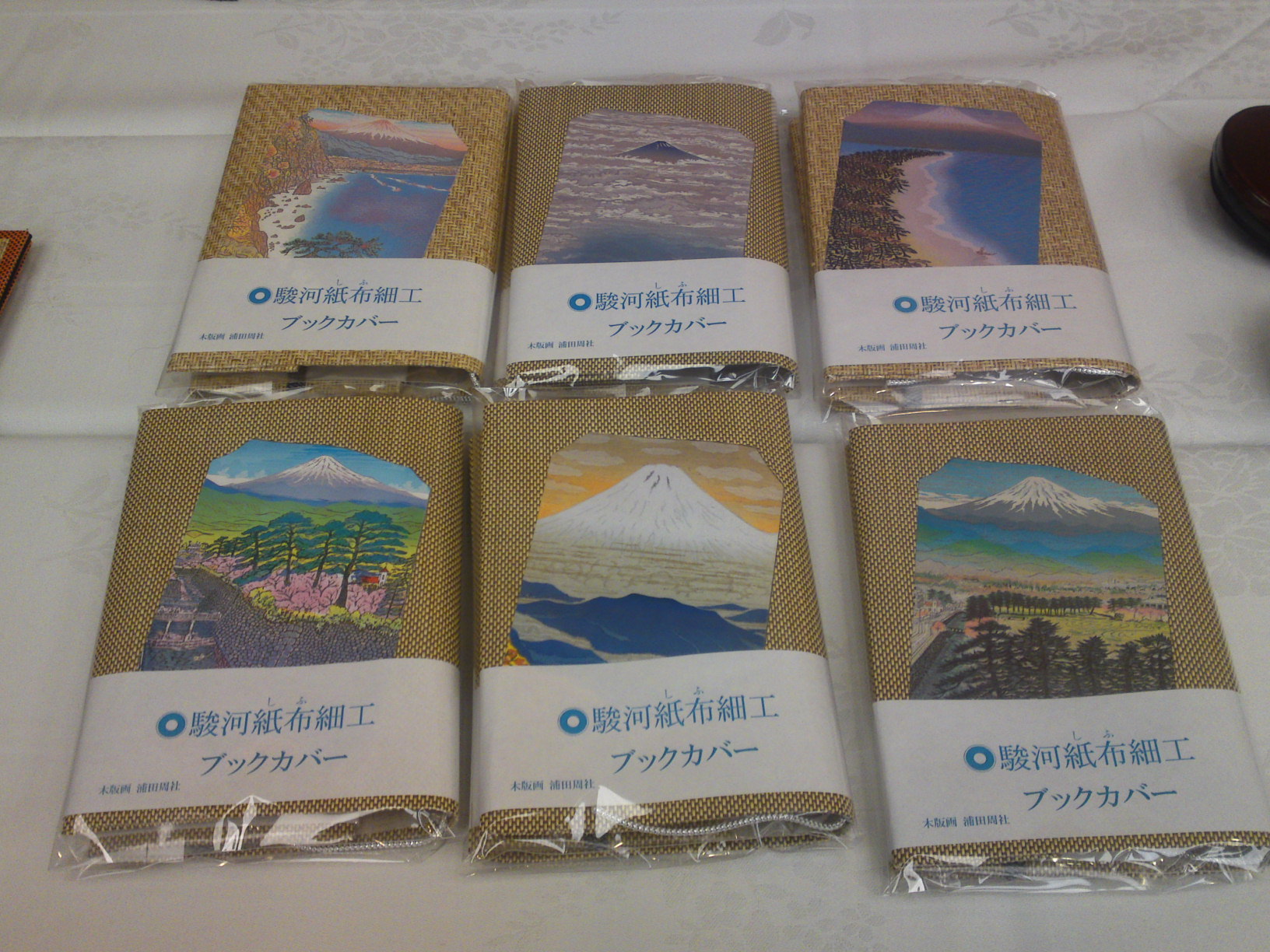
Handcrafted book covers!

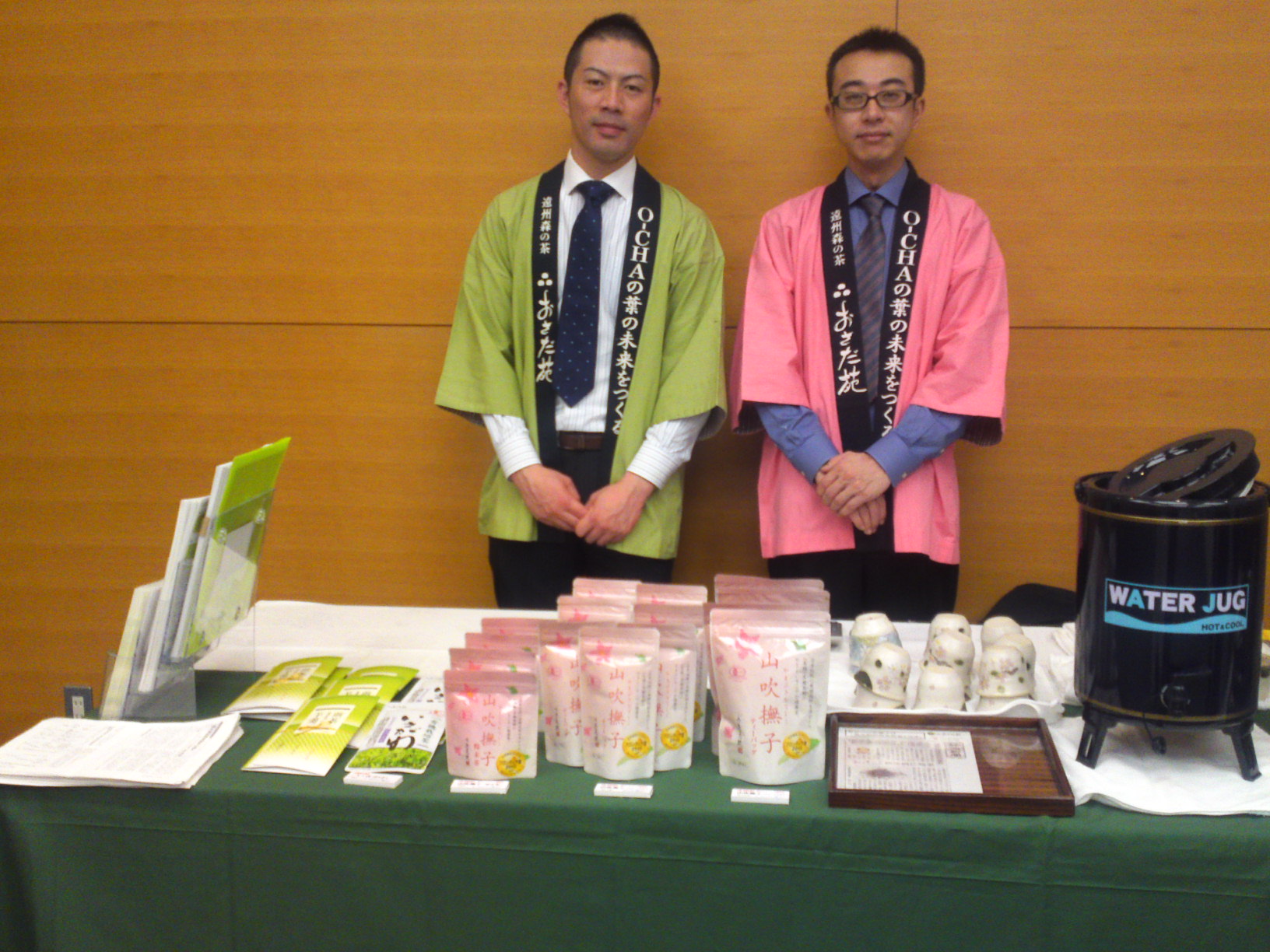
Yamabuki Nadeshiko Organic Health Tea by Osada Tea Factory in Mori Machi!

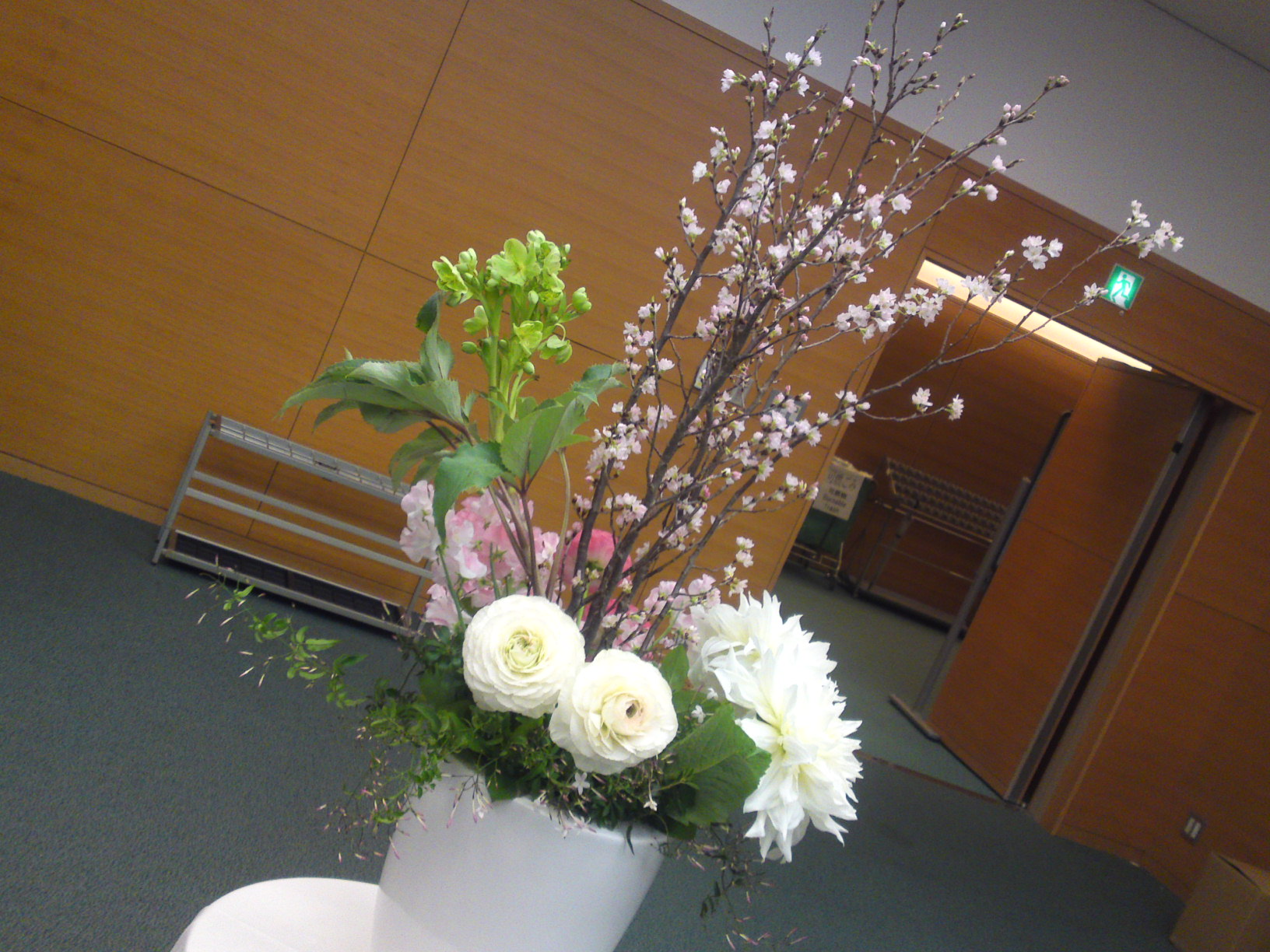
Real flowers including cherry blossoms!

The doctors havin a break and waiting for their bentos coming all the way from Yui!

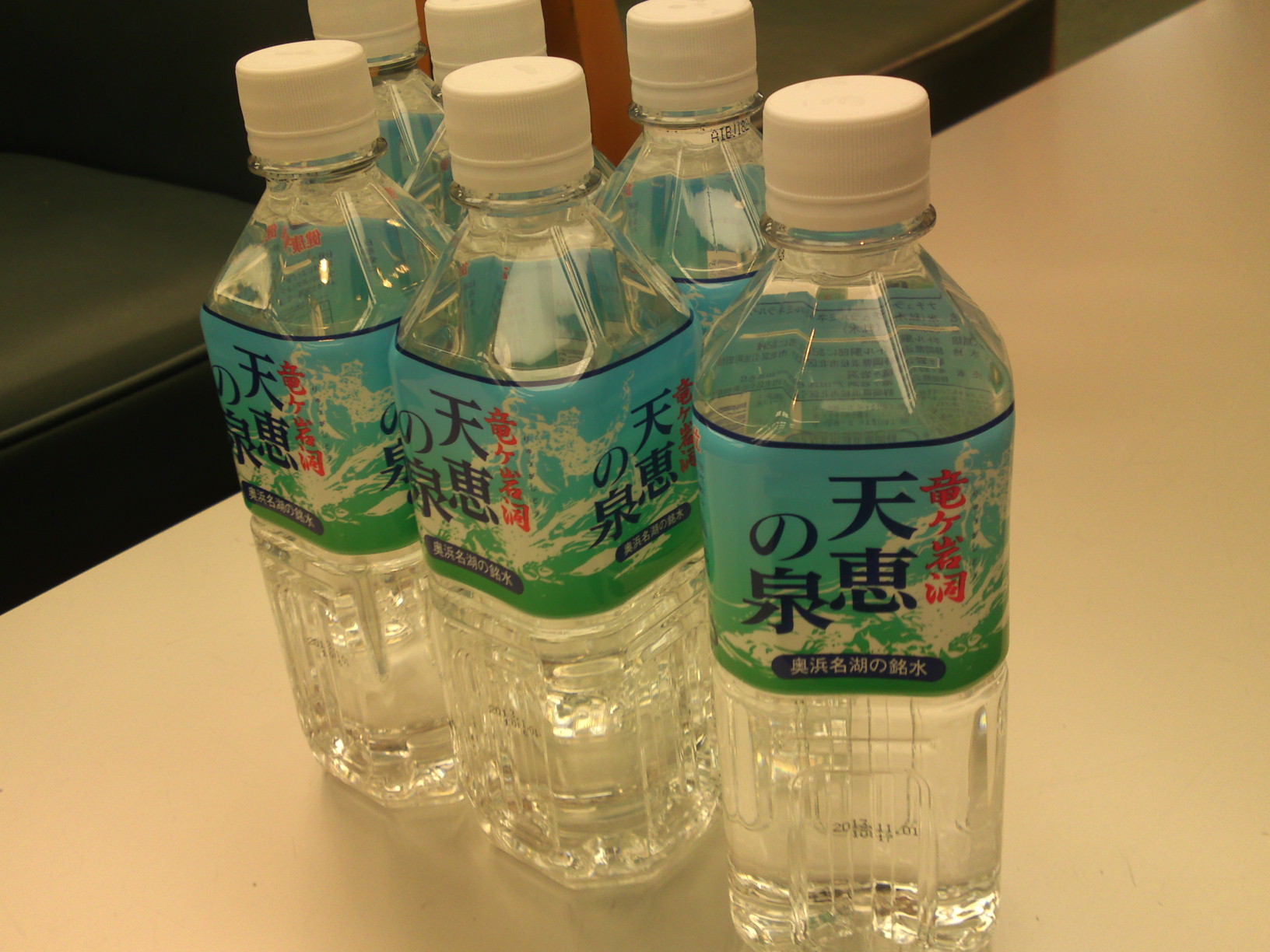
The water served at the seminar came from the Tenkei Source in Ryuugagandou, Hinasa Machi, Hamamatsu City!

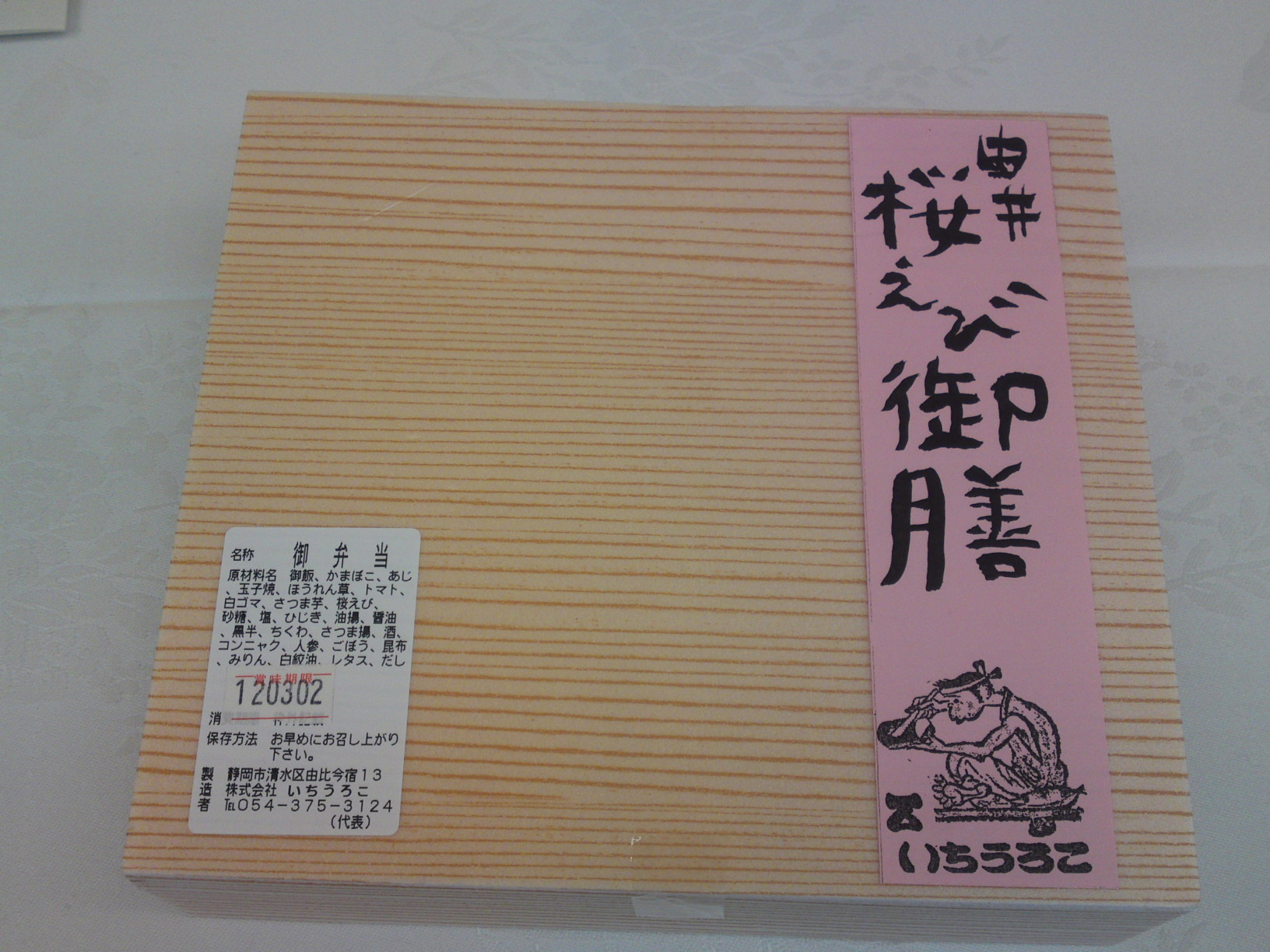
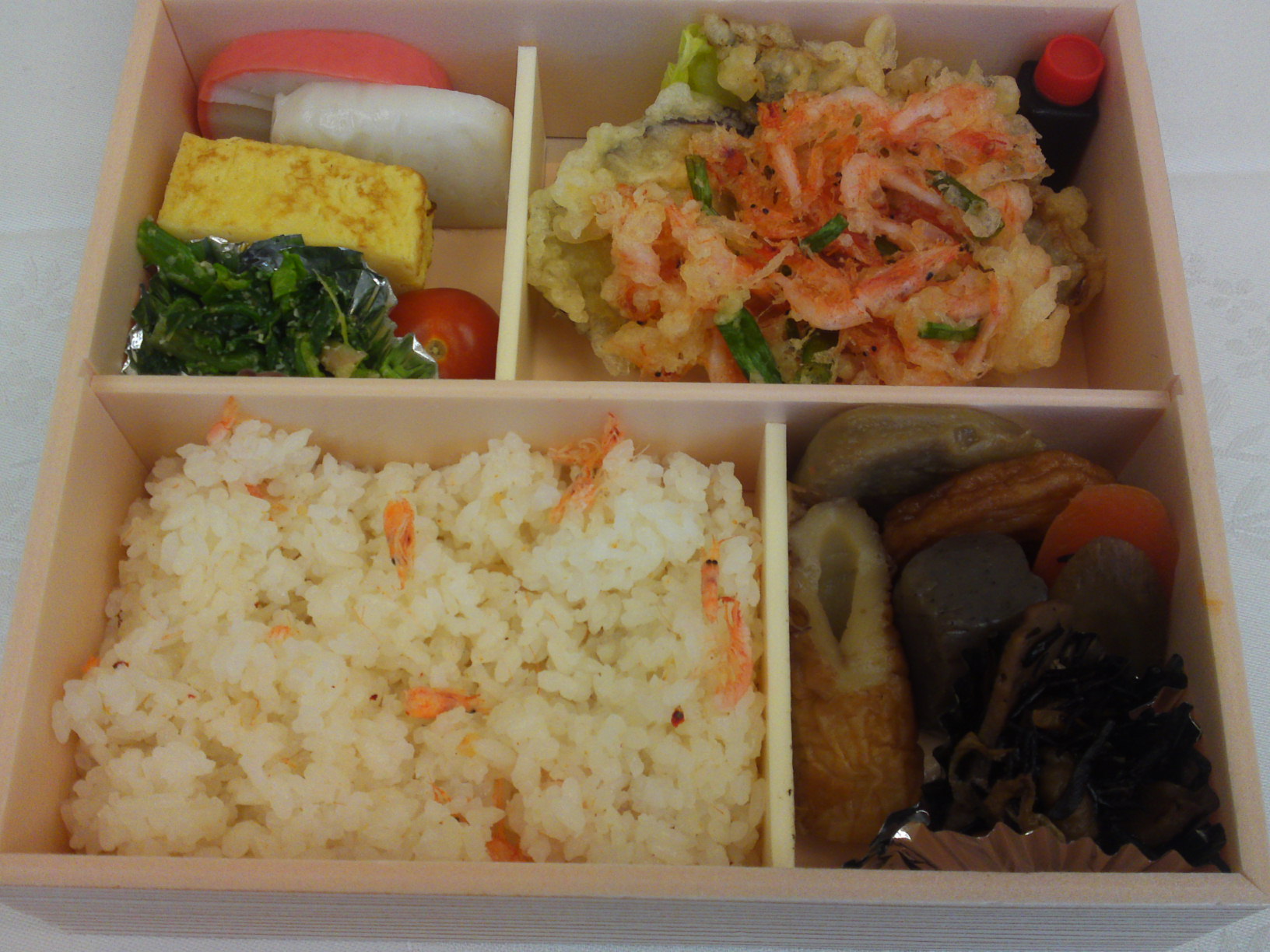
The bento box/lunch box!

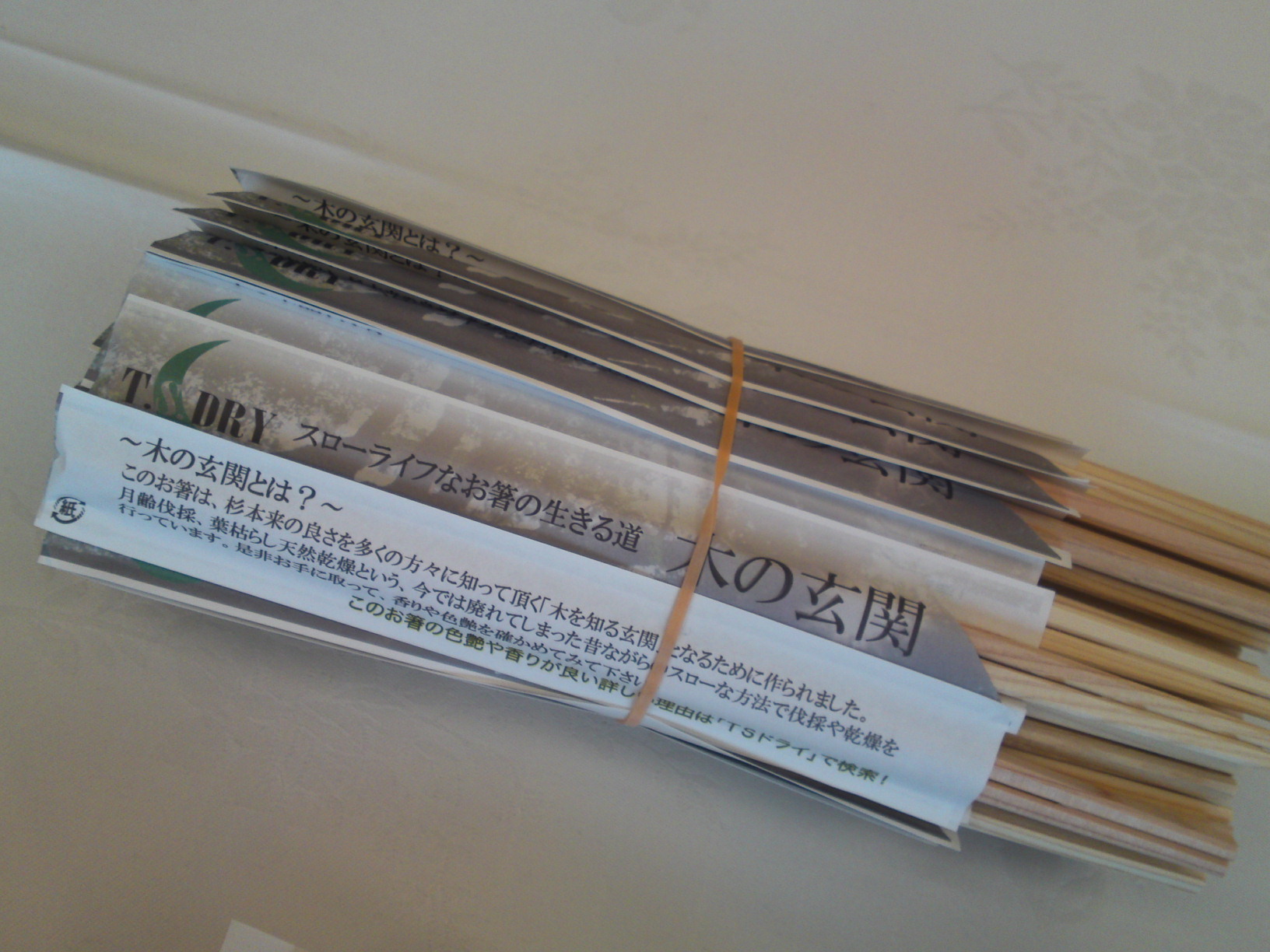
Even the chopsticks came from Shizuoka, namely in Tenryu, Hamamatsu City!

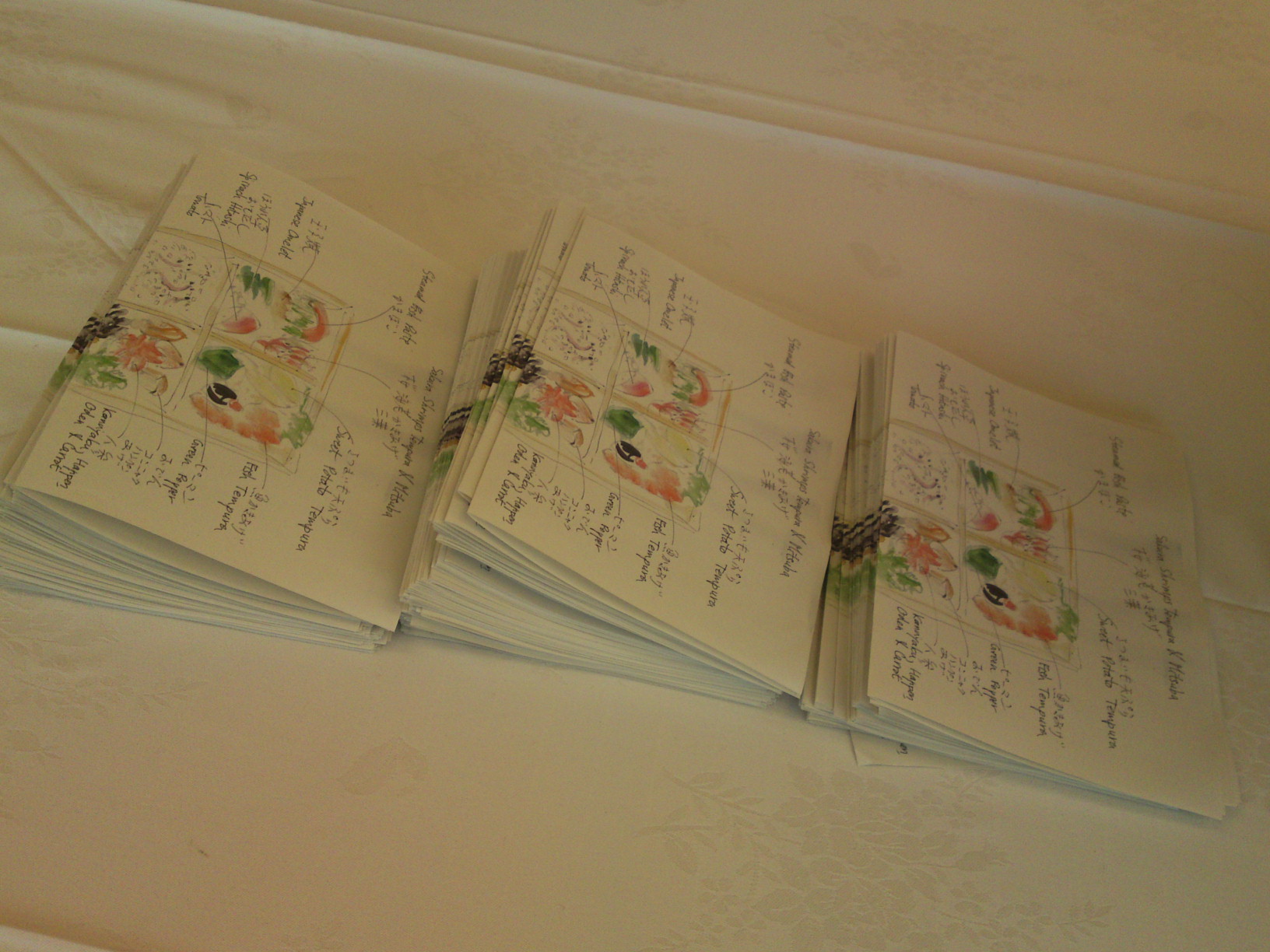
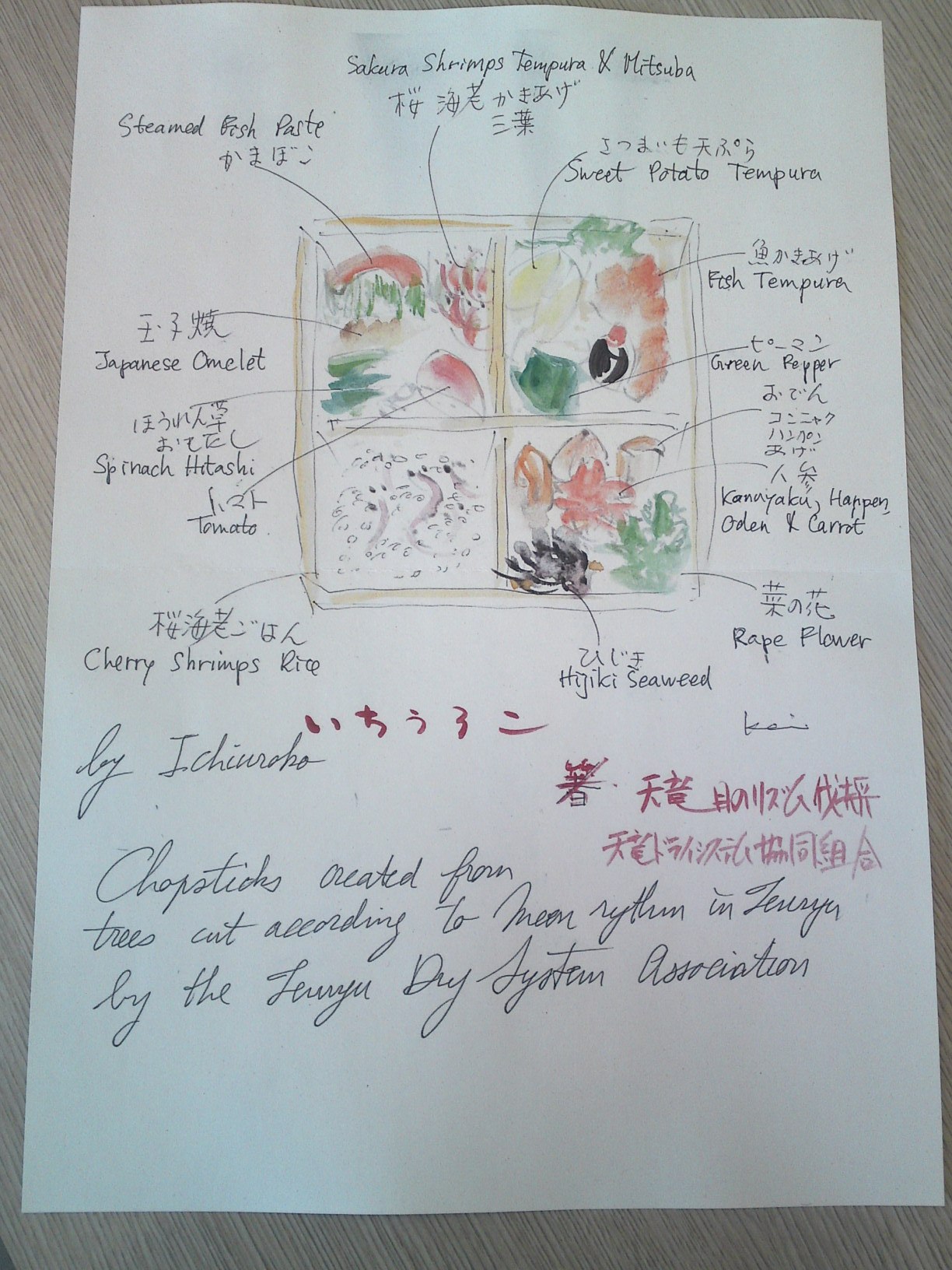
Pamphlets introducing the contents in Japanese and English had been readied!

The picture was hand-drawn by Ms. Keiko Kubota!

Alright, what did we have?
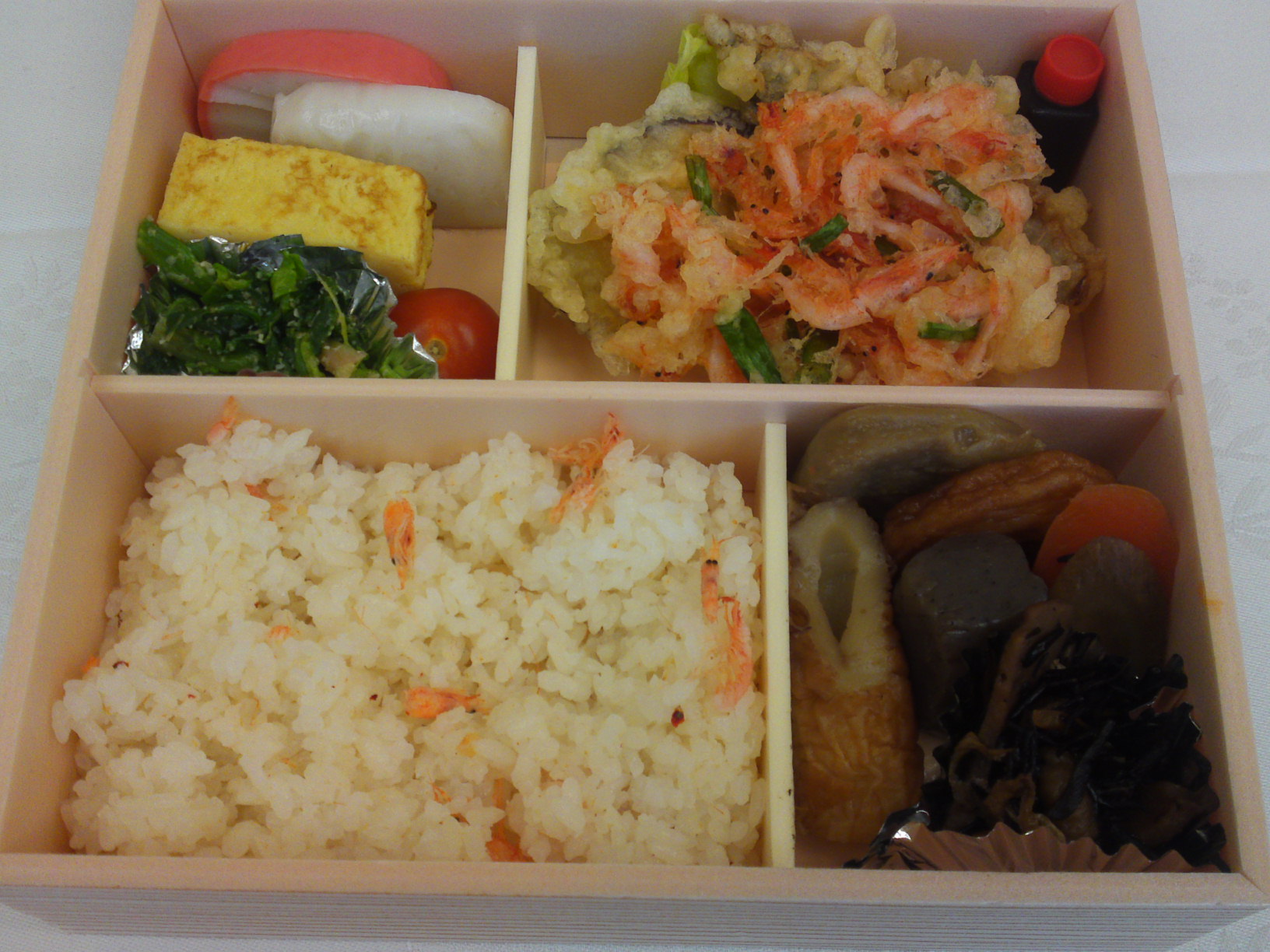
All Shizuoka products, even the rice and salt!

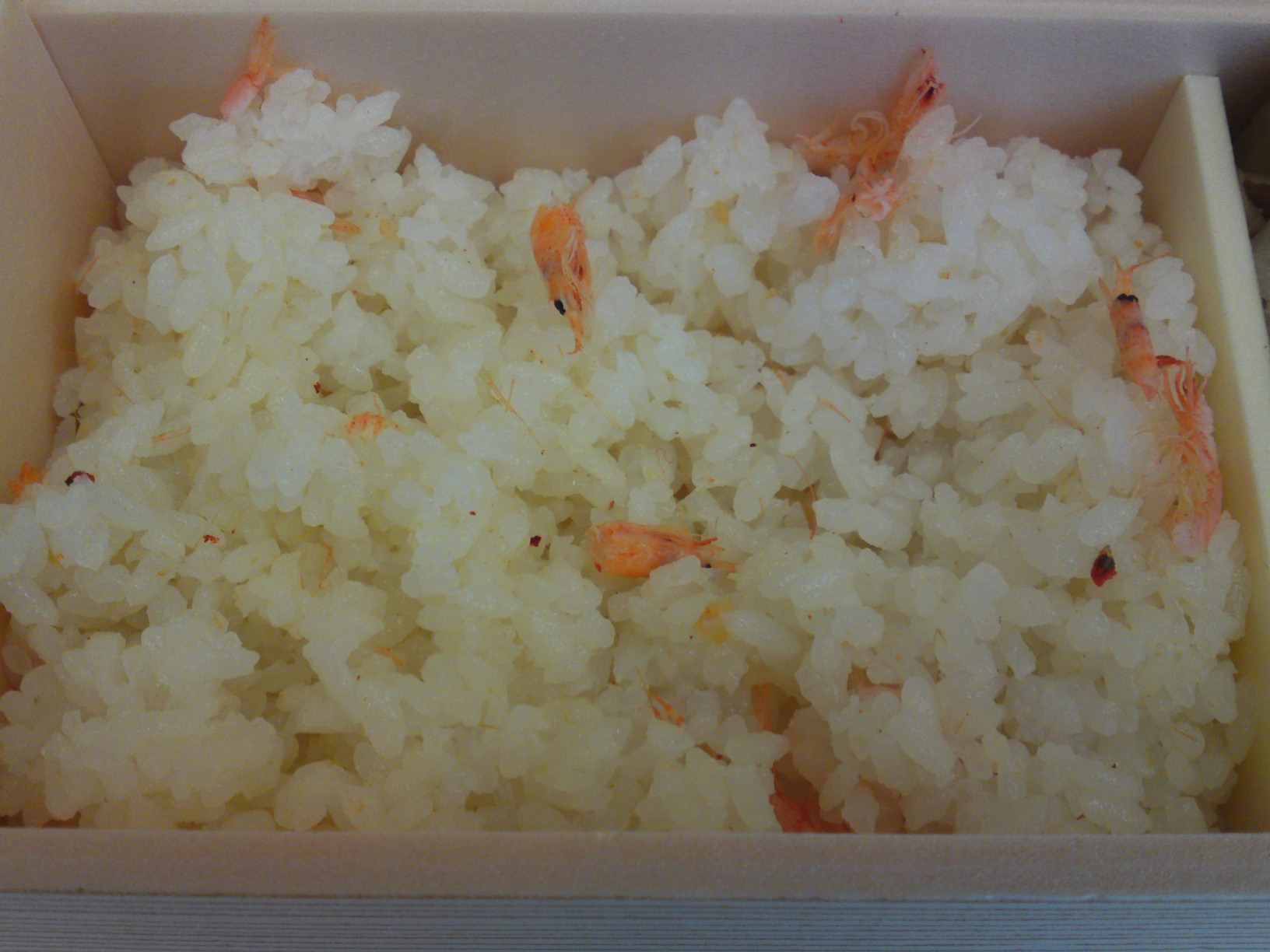
Cherry shrimps/Sakura ebi steamed rice!

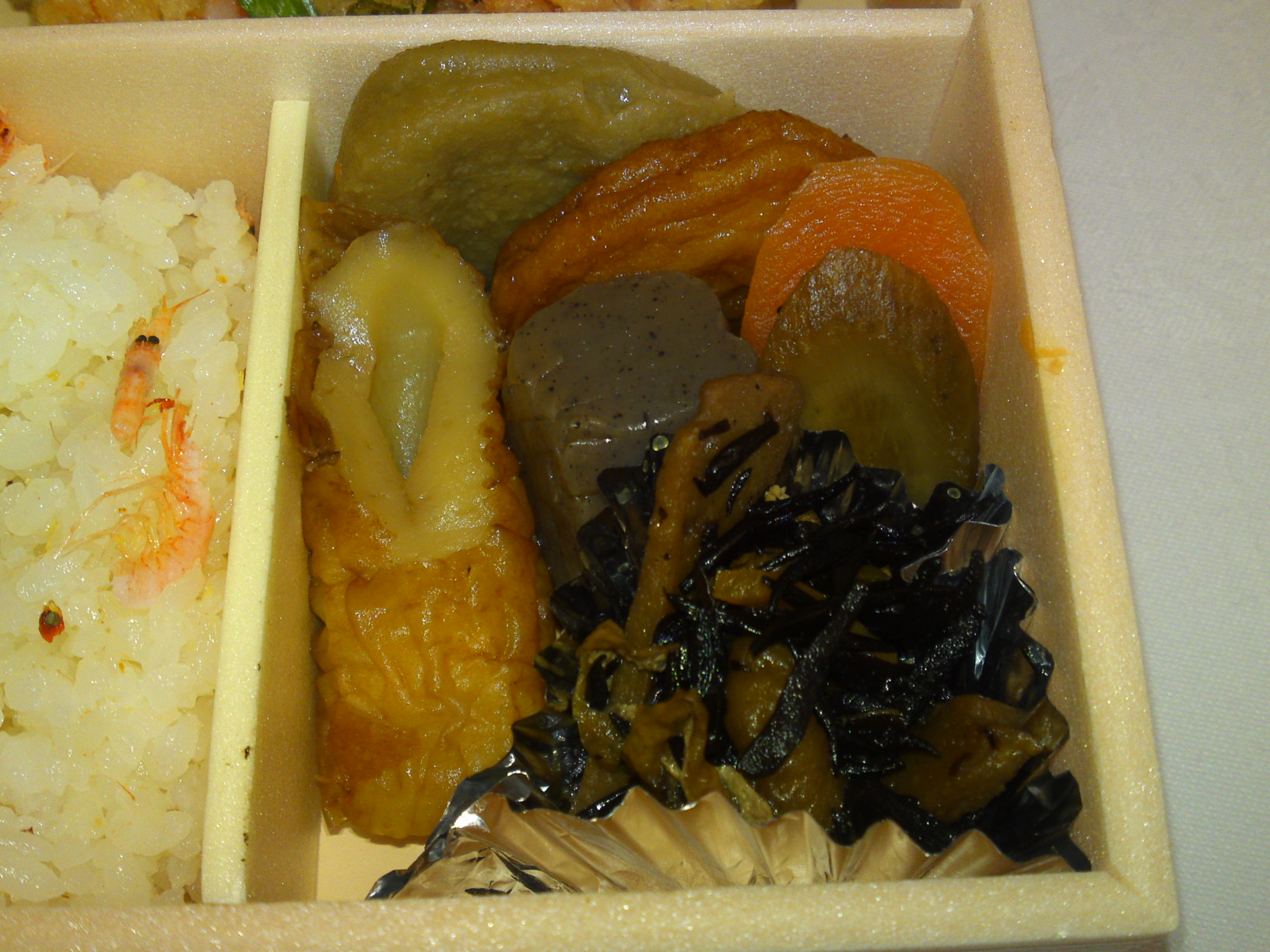
Hanpen, oden, carrot, konyaku, rape flowers and hijiki seaweed!

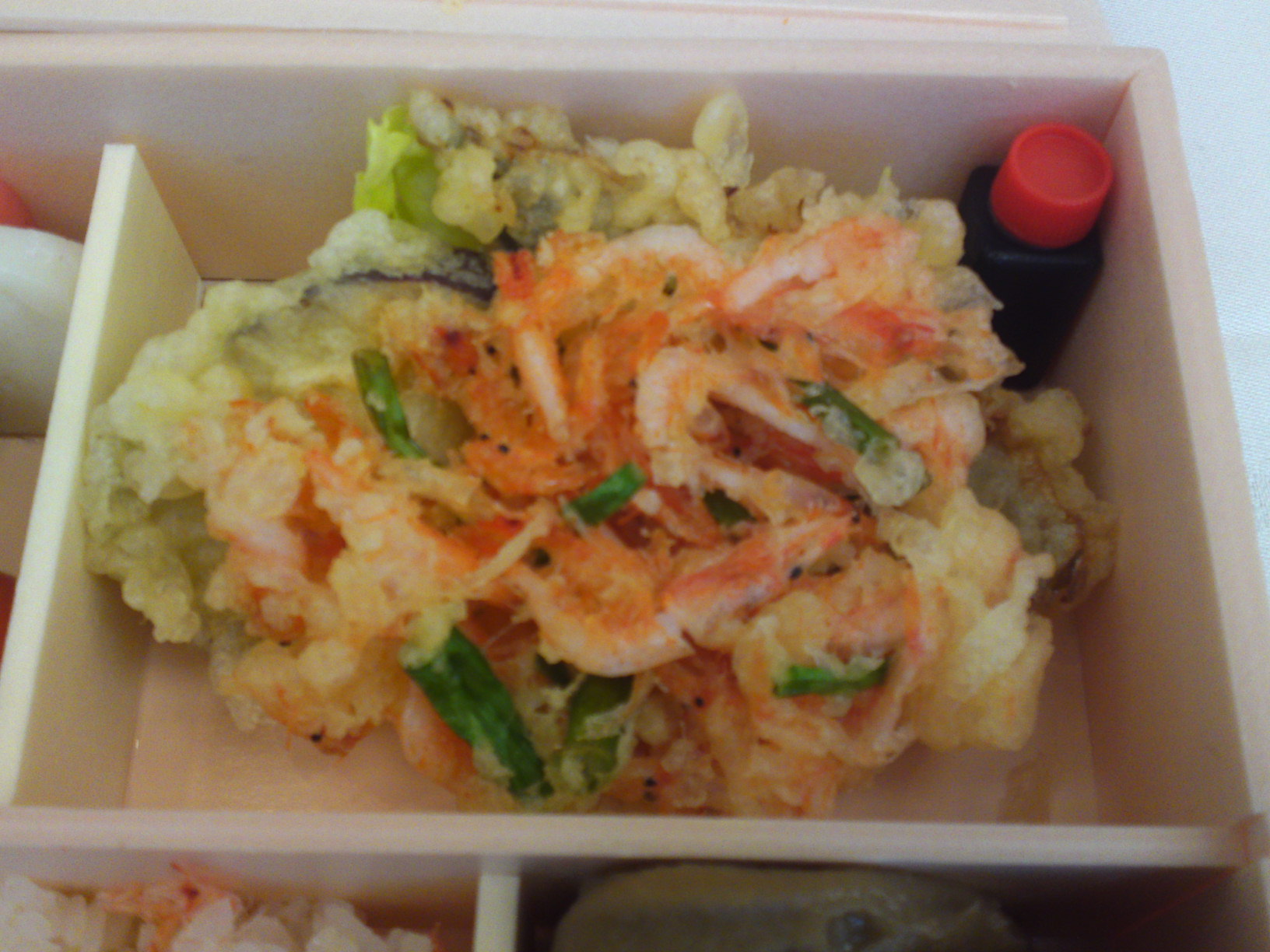
Tempura: Sweet potato, horse mackerel, green pepper and Sakura ebi/sakura shrimps!

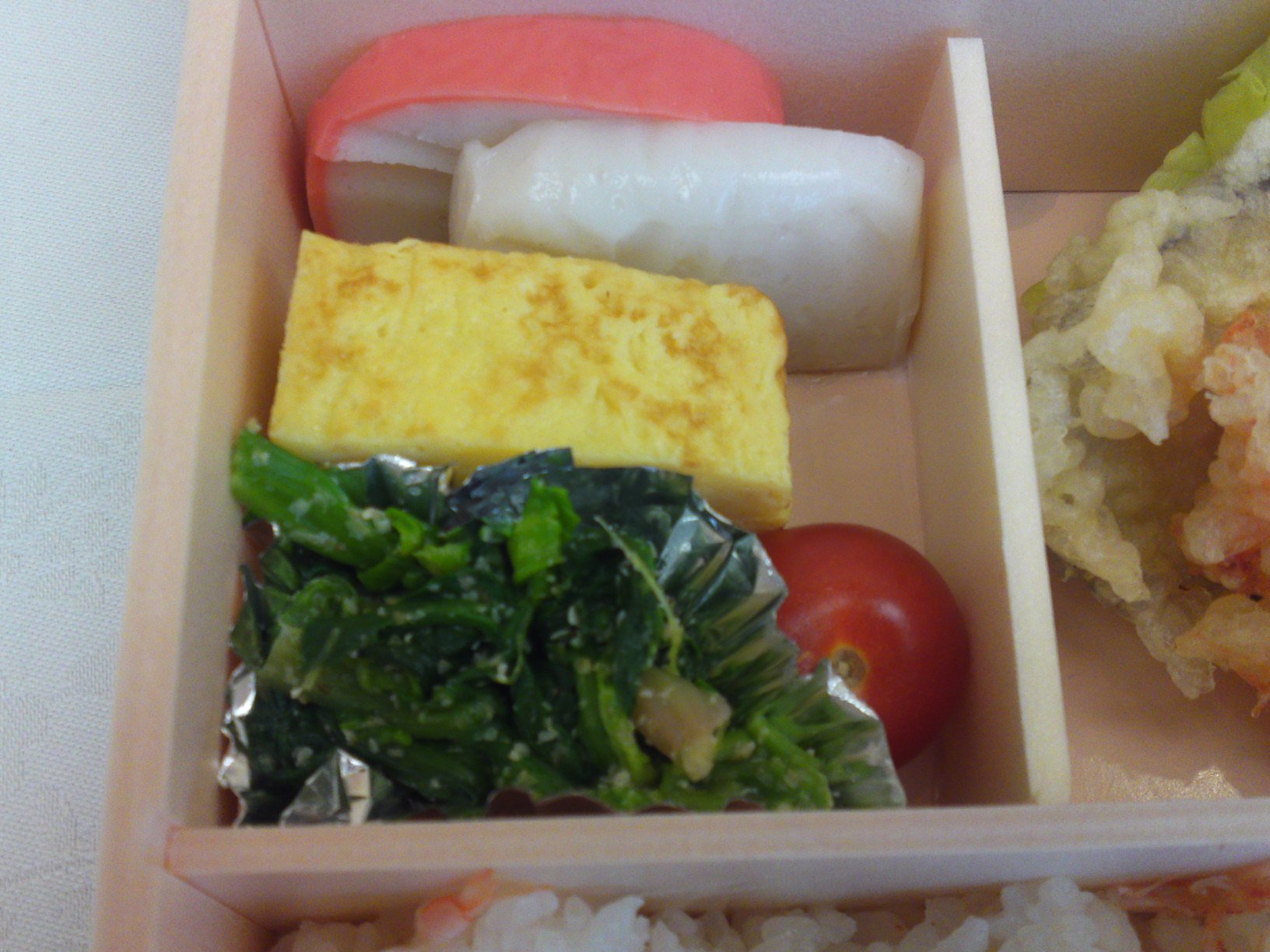
Kamaboko/steamed fish paste, tamagoyaki/Japanese omelet, spinach hitashi and tomato!

A very healthy lunch for doctors!

RECOMMENDED RELATED WEBSITES

Mummy I Can Cook! by Shu Han in London
Pierre.Cuisine, Francescannotwrite, My White Kitchen, 47 Japanese Farms Through The Eyes of Its Rural Communities, Foodhoe, Chucks Eats, Things that Fizz & Stuff, Five Euro Food by Charles,Red Shallot Kitchen by Priscilla,With a Glass, Nami | Just One Cookbook, Peach Farm Studio, Clumsyfingers by Xethia, PepperBento,Adventures in Bento Making, American Bent, Beanbento, Bento No, Bento Wo Tsukurimashou, Cooking Cute, Eula, Hapabento , Happy Bento, Jacki’s Bento Blog, Kitchen Cow, Leggo My Obento, Le Petit Journal Bento & CO (French), Lunch In A Box,
Susan at Arkonlite, Vegan Lunch Box; Tokyo Tom Baker, Daily Food Porn/Osaka, Only Nature Food Porn, Happy Little Bento, The Herbed Kitchen, J-Mama’s Kitchen, Cook, Eat, Play, Repeat, Bento Lunch Blog (German), Adventures In Bento, Anna The Red’s Bento Factory, Cooking Cute, Timeless Gourmet, Bento Bug, Ideal Meal, Bentosaurus, Mr. Foodie (London/UK), Ohayo Bento,

Must-see tasting websites:

-Sake: Tokyo Through The Drinking Glass, Tokyo Foodcast, Urban Sake, Sake World
-Wine: Palate To Pen, Warren Bobrow, Cellar Tours, Ancient Fire Wines Blog
-Beer: Good Beer & Country Boys, Another Pint, Please!
-Japanese Pottery to enjoy your favourite drinks: Yellin Yakimono Gallery

Gastronomic Dilemma: Can a vegetarian and an omnivore strike a durable relation?

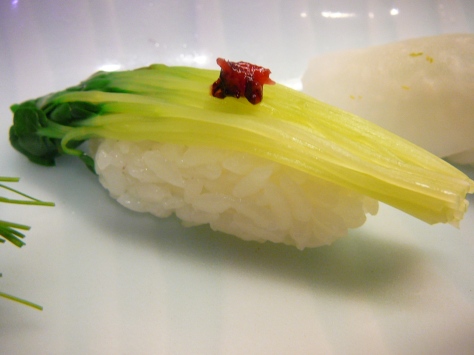
SUSHIK-09-08-31-14
Vegetarian Sushi

Some time ago a friend asked me a thorny question:
“Is my relation with my new vegetarian boyfriend doomed because I’m an omnivore?”

My personal reply would be that there is little reason for her relation to fail. But I sometimes tend to be a bit too simplistic, so I thought this was a good opportunity to delve on an ever growing issue.
I do not pretend to know all the solutions/answers, and I would be honored if anyone could offer her/his opinions on that matter!

I think that the key is to be positive about this gastronomic divergence.
Instead of considering it a matter of contention, it should be taken as a chance to expand one’s horizons.
I know of many vegans who cook for their omnivore halves. The opposite should hold true.
As long as it is not a religious issue (I’m agnostic), I see it as a source of daily joy and contentment.

I also see it as household cooperation.
If you decide to live together, why not have one take care of all the food (and washing the dishes!), and the other take care of all the house chores regardless of his/her gender? You can’t start to imagine how much time you would have left to enjoy each other’s company!

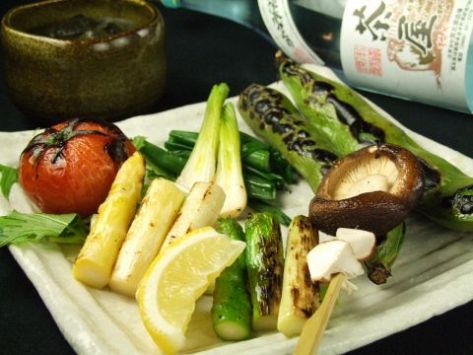
KUSHIYAKI-YASAI-1

Yasai Kushiyaki/Vegetables brochettes.

Having two different culinary priorities can become a lot of fun at parties:
You’re planning a BBQ? No problem!
Prepare two plates/grills over the same fire.
Hamburgers: meat ones on one side, tofu vegetables patties on the other one.
Yakitori/brochettes: meat ones one side, yasai kushiyaki/vegetables brochettes on the other.
Even vegetarian sausages exist!
You can always have two sets of sauces to make everyone happy!
And so on!
Even if your vegetarian half is strict, eating no eggs should not be much of a hindrance.
Use your imagination and ask around!
Tempura can be made without the egg white for example (use cornstarch)!

You are going to a restaurant?
In this case, try to find a restaurant which serves both cuisines.
Any good restaurant should be willing and able to tackle the challenge.
After all, one should go to a restaurant to learn and enjoy food. If you can make it at home, go to the market and spend a bit more money of your food. Remember that the more you pay on good food, the less you will pay a doctor!

As for restaurants, in my own city, Shizuoka, I know at least two French, one Italian, one Japanese, two izakaya and one sushi restaurant capable of devising a vegetarian meal in a pinch. And of course I do not include the vegetarian cuisine par excellence that Indian gastronomy is!
Even if you live in meat-eating Texas, there should not be a problem!

Do not forget that as an omnivore (which I am), you will have one day to reduce your meat consumption and eat more vegetables to hold in check your cholesterol, fat and blood pressure (come to Japan! LOL), whereas vegetarians will need to limit their sugar intake with all those cakes.

Great team work, no?

Looking forward to debating this (very tasty) issue!

RECOMMENDED RELATED WEBSITES

Mummy I Can Cook! by Shu Han in London
Pierre.Cuisine, Francescannotwrite, My White Kitchen, 47 Japanese Farms Through The Eyes of Its Rural Communities, Foodhoe, Chucks Eats, Things that Fizz & Stuff, Five Euro Food by Charles,Red Shallot Kitchen by Priscilla,With a Glass, Nami | Just One Cookbook, Peach Farm Studio, Clumsyfingers by Xethia, PepperBento,Adventures in Bento Making, American Bent, Beanbento, Bento No, Bento Wo Tsukurimashou, Cooking Cute, Eula, Hapabento , Happy Bento, Jacki’s Bento Blog, Kitchen Cow, Leggo My Obento, Le Petit Journal Bento & CO (French), Lunch In A Box,
Susan at Arkonlite, Vegan Lunch Box; Tokyo Tom Baker, Daily Food Porn/Osaka, Only Nature Food Porn, Happy Little Bento, The Herbed Kitchen, J-Mama’s Kitchen, Cook, Eat, Play, Repeat, Bento Lunch Blog (German), Adventures In Bento, Anna The Red’s Bento Factory, Cooking Cute, Timeless Gourmet, Bento Bug, Ideal Meal, Bentosaurus, Mr. Foodie (London/UK), Ohayo Bento,

Must-see tasting websites:

-Sake: Tokyo Through The Drinking Glass, Tokyo Foodcast, Urban Sake, Sake World
-Wine: Palate To Pen, Warren Bobrow, Cellar Tours, Ancient Fire Wines Blog
-Beer: Good Beer & Country Boys, Another Pint, Please!
-Japanese Pottery to enjoy your favourite drinks: Yellin Yakimono Gallery

Japanese Gastronomy: Chicken Bones Soup Stock: Tori Gara Soup-Basic Recipe

Quite a few friends, especially the ones who like ramen and any soup staock, have been asking me to re-pi\ublish the basic recipe for a very popular soup stock: Chicken Bones Soup Stock or Tori Gara Soup in Japanese!

It is called “Tori-gara soup”/鶏がらスープ in Japanese, as it means “Chicken carcass soup”.

The following recipe is basic and can be expanded and amended at will. It has also the merit to be useful for any kind of gastronomy, be it Asian, American, European, or African soups or sauces!

INGREDIENTS: As for quantities, do experiment!

-Chicken carcass and bones
-Long leeks
-Garlic
-Ginger (fresh if possible)
-Laurel (fried leaves)
-Black pepper (coarsely ground)
-Japanese sake (if you don’t have any, white wine should be ok)
-Fruit (apples are best)
Soy sauce

RECIPE:

Chicken carcass:
This is cheap and can be bought whole, unless you buy a whole chicken, dress it for another recipe and keep the bones and carcass. The latter can be deep-frozen, so don’t throw them away!

Break the bones roughly as the soup ingredients come from their insides. Clean then in running cold water. Drain them and leave them exposed in a recipient in the refrigerator for a whole night.

Leeks:
You will need a large pot to make your soup.
Use long leeks of the variety above if you can get them. Actually any leeks should do. Cut them in practical pieces.

Ginger:
If possible get it fresh. If slightly dried up as found in Asian markets abroad, no problem.
A piece 5×5 cm (2×2 inches) should be enough.
Peel it and cut into rough slices.

Garlic:
Use it as fresh as possible.
Take out their core out as it is almost indigestible.
One clove should be enough. Slice it roughly after crushing it.

Laurel:
2 dried leaves are enough.

Black pepper:
Grind it over the soup. Quantity is much up to preferences.

Japanese sake:
Use real sake or cooking sake.
You definitely need it.
If unavailable, use dry white wine.

Soy sauce:
Here too, quantity is much up to your preferences.

Fruit:
Fruit will provide you the right balance.
Apples are best.
Cut them in small pieces beforehand.

Fill the pan with water.
Drop in the whole carcass and bones.
Bring to boil.
Switch off fire.
Throw all the water away and refill with clean water. This is an important point. It might be troublesome, but if you don’t proceed accordingly the soup will be a failure!
Throw in all the ingredients cited above and stew over a low fire, scooping out unwanted matters and scum regularly.

After 3~4 hours, taste the soup, which should have become whitish and slightly opaque with bone fat floating on top. If it is still too bland, continue stewing.

Strain the soup into a clean pan.
The soup, whenever reheated, should be done so without a lid.

Having strained the soup, you will find there is still plenty of meat left on the bones.
It would be a shame to throw it away!
Just taste it and you will understand!

Pick the bones out carefully and throw away the rest.
The meat should come off easily enough to be done by hand.

Do be careful though when you do so as the meat will contain hidden bones piece, which are sharp!

I’m sure you can use all that meat for another succulent recipe!

RECOMMENDED RELATED WEBSITES

Mummy I Can Cook! by Shu Han in London
Pierre.Cuisine, Francescannotwrite, My White Kitchen, 47 Japanese Farms Through The Eyes of Its Rural Communities, Foodhoe, Chucks Eats, Things that Fizz & Stuff, Five Euro Food by Charles,Red Shallot Kitchen by Priscilla,With a Glass, Nami | Just One Cookbook, Peach Farm Studio, Clumsyfingers by Xethia, PepperBento,Adventures in Bento Making, American Bent, Beanbento, Bento No, Bento Wo Tsukurimashou, Cooking Cute, Eula, Hapabento , Happy Bento, Jacki’s Bento Blog, Kitchen Cow, Leggo My Obento, Le Petit Journal Bento & CO (French), Lunch In A Box,
Susan at Arkonlite, Vegan Lunch Box; Tokyo Tom Baker, Daily Food Porn/Osaka, Only Nature Food Porn, Happy Little Bento, The Herbed Kitchen, J-Mama’s Kitchen, Cook, Eat, Play, Repeat, Bento Lunch Blog (German), Adventures In Bento, Anna The Red’s Bento Factory, Cooking Cute, Timeless Gourmet, Bento Bug, Ideal Meal, Bentosaurus, Mr. Foodie (London/UK), Ohayo Bento,

Must-see tasting websites:

-Sake: Tokyo Through The Drinking Glass, Tokyo Foodcast, Urban Sake, Sake World
-Wine: Palate To Pen, Warren Bobrow, Cellar Tours, Ancient Fire Wines Blog
-Beer: Good Beer & Country Boys, Another Pint, Please!
-Japanese Pottery to enjoy your favourite drinks: Yellin Yakimono Gallery

Japanese Gastronomy: Korokke-Croquettes/Introduction & Basic Recipe!

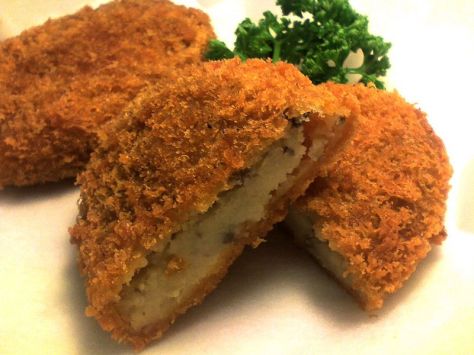
KOROKKE-1

Korokke (Japanese: コロッケ) is the Japanese name for a deep fried dish originally related to a French dish, the croquette. It is also said that it comes from the Dutch, Kroket.
It was introduced in the early 1900s. This dish is also popular in South Korea where it is typically sold in bakeries.

Korokke is made by mixing cooked chopped meat or seafood, vegetables with mashed potato or white sauce, or both, rolling it in wheat flour, eggs, and breadcrumbs/panko, then deep frying this until brown (fox colour in Japanese!) on the outside.
Korokke are usually shaped like flat patties. They are generally called “ingredient + Korokke”. For example, those using beef would be called “beef (gyu) korokke”, those using shrimp, “ebi korokke“, etc.. Those using white sauce may also be called “Cream Korokke”.

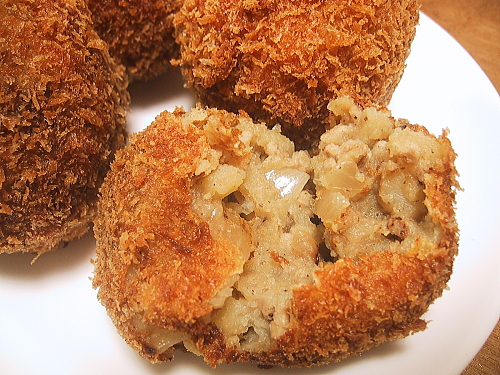
KOROKKE-2

Korokke are often served with Worcestershire sauce and shredded cabbage.

Korokke can be eaten as is, and are sometimes sold wrapped in paper at stalls. They may also be used as a topping for other dishes. When sandwiched between a piece of bread, they are be called “Korokke pan” (“pan” being bread in Japanese).

Korrokke was the most sold single frozen food in 2007 and has been among the top three ever since.

——————————–

BASIC RECIPE

Here is the basic recipe prevalent in restaurants and homesteads.
Naturally, it can be expanded and modified at will.
I will not bother you with measurements as the method is the point of this posting!

1) INGREDIENTS:

-Potatoes (you will have to decide which variety! In Japan, “Danshaku” are best!)
-Onion
-Minced meat (of your choice!)
-Salt and pepper
-Flour (of your choice)
-Egg
-Milk
-Breadcrumbs (fresh if possible)
-Oil
-Lard (skip that if you don’t like it, but it would be a pity!)

2) RECIPE:

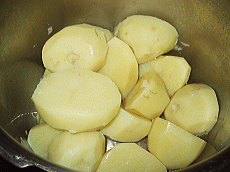
-Boil the potatoes with their skins.
Peel the skins off just out of the water when very hot. This way, the potatoes will not be too wet.

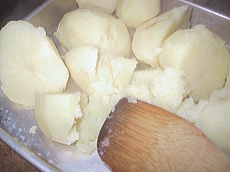
-Mash the potatoes roughly with a wooden spoon/spatula. Add salt and pepper and mix roughly. Cover with cellophane paper to keep the potatoes warm as long as possible.

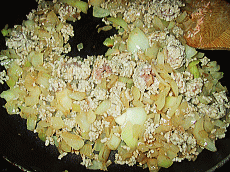
-Chop the onions finely and fry in lard if possible for better taste. If you don’t like lard, use oil. You could add chopped garlic and small pieces of bacon.
Add minced meat of your choice. Season with a little salt, pepper, sugar and soy sauce according to you preferences. Fry until the minced meat is cooked.

-Add the mashed potatoes. Mixing them all atogether at the same time fry until potatoes have become dry enough.
Let cool completely and transfer to a storage dish. Cover with cellophane paper and leave overnight in the refrigerator to allow taste to permeate the potatoes. This is an important point as not only it will enhance the taste but also make the croquettes easier to shape.

-Spread a little oil over your palms and shape croquettes into you prefered size.

-Roll in flour and “shake” croquettes so that not too much flour adheres to them.

-Prepare (you might better do that first, LOL) the croquettes egg dip by mixing beaten egg, flour and milk to your preference.
Dip the croquettes in the batter completely.

-Roll the croquettes in the breadcrumbs.
One way to make breadcrumbs is to use real bread which had turned completely solid, soften it in milk, let it dry again and crush it into powder!

-Deep-fry croquettes at 170 degrees Celsius until they have reached a color of your liking.
As everything is already cooked inside, don’t worry whether they are cooked enough or not.
Point: add a little sesame oil to your frying oil for extra taste.

There are all kinds of sauce and decoration you cane serve croquettes with, unless you like them plain with a little mustard for example.

Here is a little suggestion for good taste and appetizing presentation:
Prepare a light white sauce/bechamel in the aurora style sauce with plenty of white pepper and boiled green peas.

Don’t they look nice like that!

RECOMMENDED RELATED WEBSITES

Pierre.Cuisine, Francescannotwrite, My White Kitchen, 47 Japanese Farms Through The Eyes of Its Rural Communities, Foodhoe, Chucks Eats, Things that Fizz & Stuff, Five Euro Food by Charles,Red Shallot Kitchen by Priscilla,With a Glass, Nami | Just One Cookbook, Peach Farm Studio, Clumsyfingers by Xethia, PepperBento,Adventures in Bento Making, American Bent, Beanbento, Bento No, Bento Wo Tsukurimashou, Cooking Cute, Eula, Hapabento , Happy Bento, Jacki’s Bento Blog, Kitchen Cow, Leggo My Obento, Le Petit Journal Bento & CO (French), Lunch In A Box,
Susan at Arkonlite, Vegan Lunch Box; Tokyo Tom Baker, Daily Food Porn/Osaka, Only Nature Food Porn, Happy Little Bento, The Herbed Kitchen, J-Mama’s Kitchen, Cook, Eat, Play, Repeat, Bento Lunch Blog (German), Adventures In Bento, Anna The Red’s Bento Factory, Cooking Cute, Timeless Gourmet, Bento Bug, Ideal Meal, Bentosaurus, Mr. Foodie (London/UK), Ohayo Bento,

Must-see tasting websites:

-Sake: Tokyo Through The Drinking Glass, Tokyo Foodcast, Urban Sake, Sake World
-Wine: Palate To Pen, Warren Bobrow, Cellar Tours, Ancient Fire Wines Blog
-Beer: Good Beer & Country Boys, Another Pint, Please!
-Japanese Pottery to enjoy your favourite drinks: Yellin Yakimono Gallery

Tempura: Kakiage Recipe

“Kakiage” is a very popular form of Tempura in Japan, especially in homes as it can make use of whatever is available on any particular day.
The main difference with usual tempura is whole eggs are used for better consistency and taste as it is very often served over a bowl of freshly steamed rice.
In restaurants, depending on the level of the chefs, all kinds of kakiage are served and make for hearty meals, even for big caucasians.
Shizuoka has a specialty that everyone in Japan wishes to sample: sakura ebi/cherry shrimps kakiage that I have already introduced.

Below is the basic recipe. I refrained from giving exact proportions as everyones can easily improvise.

INGREDIENTS:

-Onion
-Carrot
-Burdock root
-Trefoil
-Shrimps
-Cuttle fish
-Etc… there is no restriction!

Batter:
-Thin, light (cookie) flour: 1 cup
-Water: 1 cup
-Egg (whole) 1
Above is basic, which can multiplied equally

-Salad oil
-Sesame oil

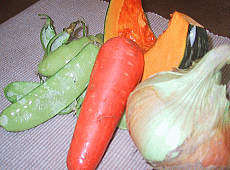
Above is picture of what was included in that particular kakiage. Notice the kabocha and peas in their pods! Let your imagination fly!

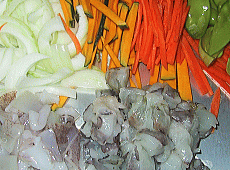
Cut the vegetables into thin strips, no longer than 5 cm/ 2 inches and all of the same size (important!). Cut cuttle fish, shrimps into according size.

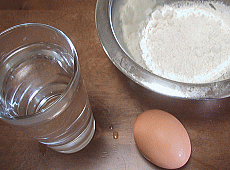
Prepare the ingredients for the batter. You don’t chasing them around later!
Important: All three ingredients should have been kept in the fridge to chill them all down to the same temperature.
Beat the egg lightly, not too much. Add water and mix lightly, not too much.
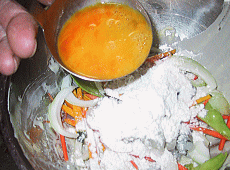
Divide the kakiage ingredients into single portions into different bowls.

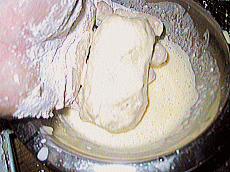
In each single bowl add flour and egg water to ingredients, thinking of batter proportions.
For example, 4 portions: 4 equal portions of flour and 4 equal proportions of egg water you have prepared beforehand.
Now, you could all mix everything into the same bowl and make kakiage into 4 batches. The problem is that there is a good chance of 4 portions unequal in proportion, consistency and taste!
Mix ingredients with flour and egg water roughly. Not too much or the kakiage will get hard and look like overfried fritters!

Add a little sesame oil to the salad oil to season oil and according to your preference. Bear in mind that too little oil will mean that the oil temperature will rise too quickly.
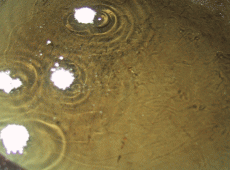
The perfect temperature before plunging the kakiage in is 175 degrees Celsius.

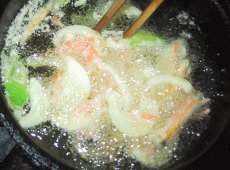
Using a ladle drop one portion into oil.
You may need a couple of long wooden chapsticks to keep the ingredients from separating at first and keeping the whole thing into a rough circle.
As for the ladle, a wooden one would be best if available.

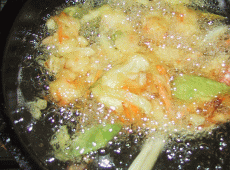
As soon as the lower side has solidified turn the kakiage over.
Fry turning 2 or 3 more times for equal even frying until you are staisfied with colour.
Don’t overcook, but don’t undercook either.
You will learn quickly by sampling them later!

Rest the kakiage for a little time over a grill or kitchen paper to get rid of excess oil.
Now, you can serve as it is on a bowl ofresh rice or dip it (break it then) into a tempura dashi soup stock you will have prepared and heated beforehand.
My preference is to season it with a little matcha powder mixed with fine salt.
You may season the kakiage beforehand by sprinkle ingredients with a little salt and pepper or add the same tothe flour.

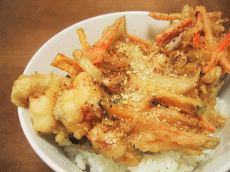
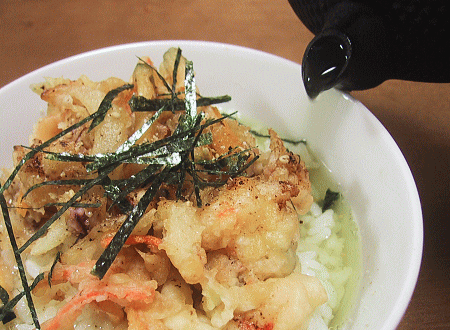
Here is another great way to serve it with leftover steamed rice.
Fill a bowl with leftover rice (even cold, but not chilled), palce the kakiage on top, top the kakiage with thinly cut dry seaweed, and pour hot green tea onto the rice!
It is called: “Kakiage Chazuke”!

RECOMMENDED RELATED SITES:
Bread + Butter, Comestilblog, Greedy Girl, Bouchon For 2, Zoy Zhang, Hungry Neko, Mangantayon, Elinluv Tidbit Corner, Maison de Christina, Chrys Niles, Lexi, Culinary Musings, Eats and Everything, Bite Me New England, Heather Sweet, Warren Bobrow, 5 Star Foodie, Frank Fariello, Oyster Culture, Ramendo, Alchemist Chef, Ochikeron, Mrs. Lavendula, The Gipsy Chef, Spirited Miu Flavor

Please check the new postings at:
sake, shochu and sushi

—————————————-
日本語のブログ
—————————————-

Japanese Cuisine: Ebi Furai/Deep-fried Prawns

The Japanese love to deep-fry their food to the point that many izakaya propose full deep-fried food sets including vegetables and seafood and the ubiquitous prawns.
The Japanese will usually utilize kuruma ebi/Imperial prawns or Black Tiger variety for the latter.
There is nothing complicated about preparing deep-fried prawns. The key is to use fresh ingredients and serve as soon as ready.

INGREDIENTS:

-Imperial Prawns/Black Tiger Prawns
-Salt and pepper: to taste
-All-purpose flour
-Egg (s)
-Breadcrumbs or panko (the rough style). Real fresh breadcrumbs are the best.
-Tartare sauce for serving. or tare/bulldog sauce and mustard.

RECIPE:

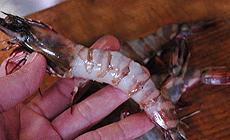
If the prawn is absolutely fresh take the shell off leaving the head and tail on.
If not, tail the head off but leave the tail on for “handling” when eating it.

Take off the innards with a toothpick by inserting under and pulling it out. Don’t worry about “breaking the back” of the prawn. Actually this is the trick which prevents the prawn from from bending upon frying!

Actually, continue with the trick by making a few shallow cuts acrosss the back of the prawn to make sure it will not bend at all!
Sprinkle with salt (a little only!) and pepper to taste.

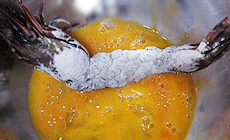
Roll prawns in flour.

Then in the beaten eggs.

Apply plenty of breadcrumbs/panko all over the prawns, head and tail included. Pat them lightly between you palms to help breadcrumbs to adhere.

Heat the oil at 170 degrees (less is unsuitable, 180 degrees is the very maximum). Drop the prawns gently into the oil head first.
Avoid manipulating them while frying.
Don’t fry too many at one time as the temperature of the oil will suddenly decrease.
Take them out with chopsticks. Place them on a grill for a few seconds to get rid of excess oil.
Serve with sauce and eat at once!

RECOMMENDED RELATED SITES:
Bread + Butter, Comestilblog, Greedy Girl, Bouchon For 2, Zoy Zhang, Hungry Neko, Mangantayon, Elinluv Tidbit Corner, Maison de Christina, Chrys Niles, Lexi, Culinary Musings, Eats and Everything, Bite Me New England, Heather Sweet, Warren Bobrow, 5 Star Foodie, Frank Fariello, Oyster Culture, Ramendo, Alchemist Chef, Ochikeron, Mrs. Lavendula, The Gipsy Chef, Spirited Miu Flavor, Social Culinaire

Please check the new postings at:
sake, shochu and sushi

—————————————-
日本語のブログ
—————————————-

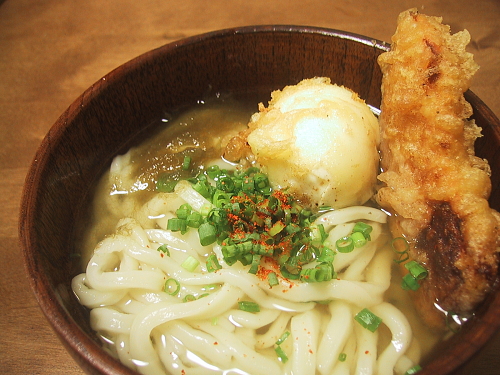
Udon: The Professional Basic Recipe

Udon/饂飩/うどん, although not suitable for wheat allergics, can be easily turned vegetarian or vegan, depending on the soup and seasonings/accompaniments.
It is fullfilling and healthy and can be eaten hot in soup or fried, or cold, especially in salads!

INGREDIENTS (basic):

-Wheat flour: 1 kg (fine, light type)
-Salt: 40 g (can be reduced to 30 g)
-Water: 460 ml

RECIPE:

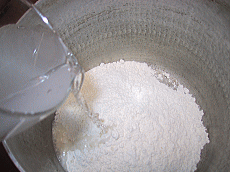
Dissolve salt in water first.
Pour flour in an all-purpose large bowl.
Pour the water onto the flour little by little.

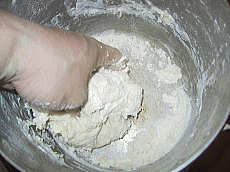
Mix and knead little by little until all the water has been used.
At that time you may think you haven’t added enough water. Don’t worry. Just keep kneading for 10 minutes. it will eventually become smooth.

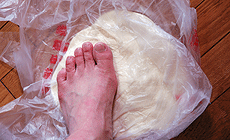
The following is interesting. In restaurants it is done with a special wooden lever with the chf standing on one end!
Wrap the dough in a cellophane paper and press the whole (wash your feet!) with the whole foot until the dough has spread somewhat flat. Take the dough out of the cellophane paper, shape it into a ball, wrap it again and press with your foot.
Do that for 15 minutes.
Do not skip that step!
Ask hubby or (big) kids to help if necessary!

Shape the dough in a ball, wrap it in cellophane paper and leave it to rest for a while.

Sprinkle flour on a working table.
Roll the dough out into a 3 mm thick sheet.

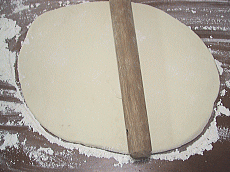
Sprinkle flour on the dough sheet surface, fold the dough as shown on pic above and cut every 3 mm to obtain square section noodles/udon.

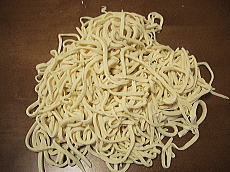
Shake and separate the udon and gather them as in picture above.
They are ready!

Throw the udon in water heated just before boiling point. Cook (make sure the water does not boil) for 6 minutes.
You can use the udon just after after but it is better to go through the next step:

Drop the udon into a strainer and wash them quickly under cold clear water. They will look far more appetizing this way and easy to conserve until you drop them into soup, fry them or dress them into a salad!

As for the soup, there are many ways to make it, whereas you are vegan, vegetarian or omnivore. If you use dashi, use konbu/seaweed dashi if you are not an omnivore. One can add soy sauce, mirin/sweet sake and sugar.
Serve the udon as they are or with chopped leeks and aburaage tofu and so forth!

RECOMMENDED RELATED SITES:
Bread + Butter, Comestilblog, Greedy Girl, Bouchon For 2, Zoy Zhang, Hungry Neko, Mangantayon, Elinluv Tidbit Corner, Maison de Christina, Chrys Niles, Lexi, Culinary Musings, Eats and Everything, Bite Me New England, Heather Sweet, Warren Bobrow, 5 Star Foodie, Frank Fariello, Oyster Culture, Ramendo, Alchemist Chef, Ochikeron, Mrs. Lavendula, The Gipsy Chef, Spirited Miu Flavor, Social Culinaire

Please check the new postings at:
sake, shochu and sushi

—————————————-
日本語のブログ
—————————————-