Tag Archives: Vegan

Vegan Sushi at Sushi Ko (2010/09/16)

For once, thatis last Thursday, the heat has somewhat abated.
We even had welcome rain almost all day long.
The Missus and I did not need more encouragement to pay a belated visit to our favourite sushi Restaurant in Shizuoka Cyt, Sushi Ko.
We did have a lot I will describe in the next posting but I thought my vegan and vegetarian friends would like to see a separate article about vegan/vegetarian sushi!

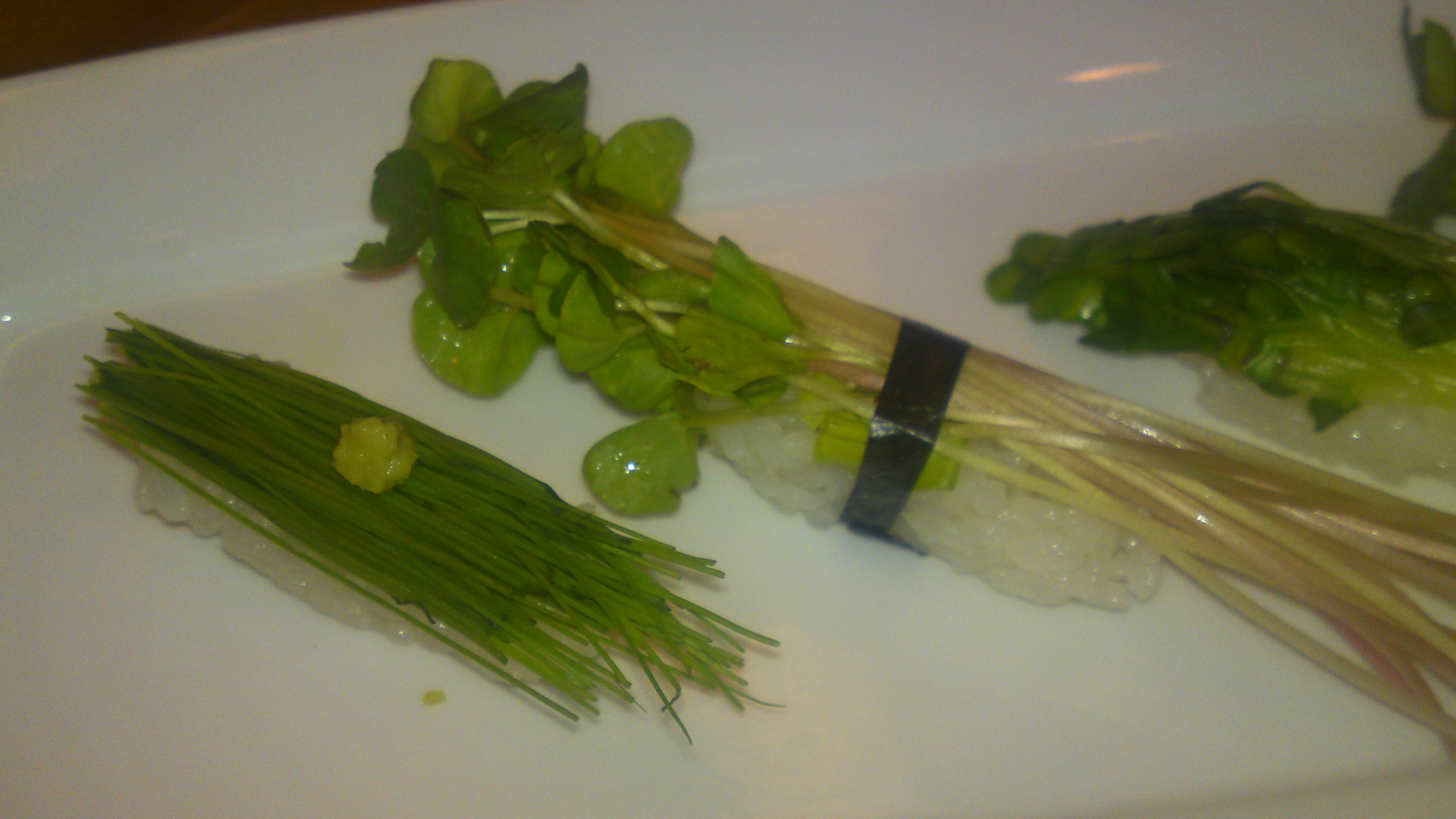
Mr. Oda seved us 5 different types.
The first two are menegi/芽葱 or thin leeks sprouts topped with a little yuzukoshio paste.
The second one is himesoba/姫蕎麦 or buckwheat sprouts secured with a small band of nori/dry seaweed.
Both were serve raw.

The third one was kaiwaredaikon/貝割れ大根 or daikon sprous, boiled and topped with some umeboshi/梅干 pickled Japanese plum paste.
The fourth was raw mitsuba/三つ葉 or Japanese Honeywort secured with a thin band of nori/dry seaweed.

The fifth was mitsuba/三つ葉 or Japanese Honeywort again but slightly boiled and served as gunkan shushi/軍艦寿司 style.

Looking forward to the next visit!

Sushi Ko
Shizuoka City, Aoi Ku, Ryogae-cho. 2-3-1 (Aoba Koen)
Tel.: 054-2512898
Business Hours: 17:00~25:00. 17:00~23:00 (Sundays)
Closed on Wednesdays
Reservations recommended
Credit cards OK
HOMEPAGE (Japanese)

RECOMMENDED RELATED SITES:
Warren Bobrow, Bread + Butter, Zoy Zhang, Hungry Neko, Think Twice, Frank Fariello, Mangantayon, Hapabento, Elinluv Tidbit Corner, Tokyo Terrace, Maison de Christina, Chrys Niles,Lexi, Culinary Musings, Wheeling Gourmet, Comestiblog, Chronicles Of A Curious Cook, Tokyo Through The Drinking Glass, Tokyo Foodcast, Palate To Pen, Yellin Yakimono Gallery, Tokyo Terrace, Hilah Cooking, More than a Mount Full, Arkonite Bento, Happy Little Bento; 5 Star Foodie; Jefferson’s Table; Oyster Culture; Gourmet Fury; Island Vittles; Good Beer & Country Boys; Rubber Slippers In Italy; Color Food daidokoro/Osaka;/a; The Witchy Kitchen; Citron Et Vanille, Lunsj Med Buffet/Estonian Gastronomy (English), Cook, Eat, Play, Repeat, Chrisoscope; Jacqueline Church; The Foodonymph (in Dubai!); Alchemy, Simple Ingredients, magical Food (in Ireland!); Curious Foodie; Mr. Foodie (London/UK)

Please check the new postings at:
sake, shochu and sushi

Where to eat locally grown organic vegetables in Shizuoka

Salad of organic vegetables from Bio Farm at Uzu

It is one thing to know that Shizuoka Prefecture is getting deserved fame for the quality and variety of its vegetables all year round and especially organic vegetables, but it is another to know where, or more precisley in which restaurants, to savour them in good company.
We are presently blessed with three restaurants in Shizuoka City (still looking for more in the whole Prefecture!) which not only serve them but can arrange full vegetarian and vegan meals on request!

UZU

Deep-fried organic potatoes from Bio Farm

Service: excellent, easy-going and very friendly
Facilities: great washroom, great cleanliness overall
Prices: very reasonable, good value.
Strong points: Very fresh local ingredients, especially organic vegetables extensively used. Local sake. Home-made umeshu. Great shochu list.

Uzu is arguably the best Izakaya in the whole Prefecture having won accolades from its peers, national medias and gastronme writers.
Although they serve all kinds of food, vegetarian and omnivores, they make organic vegetables their specialty. Most of them are grown at Matsuki Bio Farm in Shibakawa, Fujinomiya City at the foot of Mount Fuji.

Check their homepage as they update it as the menu changes, which is almost everyday as they serve only seasonal food.

UZU-4

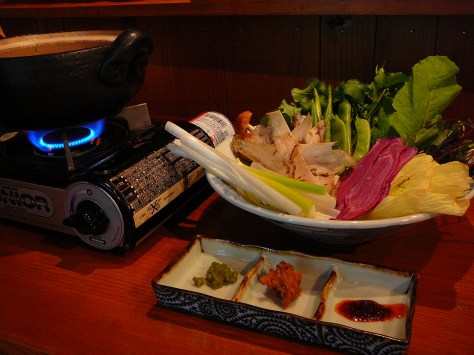
Vegetables Shabu shabu

UZU
Shizuoka City, Otowa-cho, 3-18
Tel.: 054-249-6262
Business hours: 17:00=23:00
Closed on Mondays and first Tuesday
Reservations recommended
Credit cards OK
HOMEPAGE (Japanese)

———————

TETSUYA SUGIMOTO

Ranking
Service: Highly professional and friendly
Equipment: Great overall cleanliness. Beautiful washroom
Prices:~
Strong points:Freshest produce and ingredients only, mainly from Shizuoka Prfecture. Organic vegetables. Seasonal food only

Map (Japanese)
Entirely non-smoking!

If you happen to visit Shizuoka City, you will find many restaurants and izakayas serving and mainly using produce/products and ingredients from Shizuoka Prefecture. There are many treasures to be discovered in this hoard!
One of them is the French restaurant going by the name of Sugimoto Tetsuya!

If you can read Japanese you will know what is waiting for you inside!
A gastronomic paradise in Shizuoka Prefecture!
Mr. Sugimoto does everything by himself: chef, waiter and entertainer! This is real slow food in its true and best meaning!
Almost all ingredients are from Shizuoka Prefecture, be they vegetables, fruit, meat or fish!
But his specialty is organic vegetables from Shizuoka Prefecture!
I requested that particular dish to feature only produce for Shizuoka Prefecture only.

All these were organic vegetables grown by different farmers in Hamamatsu City.
The dish included egg-plants/aubergines, 3 varieties of zucchini, tomato and “manganji” Chili pepper.

To give you an idea how Mr. Sugimoto works, all vegetables were first sauteed separately and cooked in the oven before served with two different dressings:
-Olive oil and orange juice
-Framboise/raspberry vinegar

Tetsuya SUGIMOTO
420-0038 Shizuoka City, Aoi Ku, Umeya,, 2-13,1F
Tel./Fax: 054-251-3051
Opening hours:11:30~14:30,17:30~21:30
Holidays: undecided
Cedit cards OK
HOMEPAGE

————————

PISSENLIT

Service: excellent and very friendly
Facilities: great washroom, great cleanliness overall
Prices: reasonable, good value.
Strong points: Interesting wine list. Great use of local products.
no-smoking-logoentirely non-smoking!

Great food is great food!
Be you vegan, vegetarian or omnivore, one can only appreciate and being thankful for savouring vegetables not only of the best quality, but local and organically grown to boot!
I will never tire of saying to everyone how lucky we are here in Shizuoka Prefecture, Japan, a region renown nationally and increasingly internationally for its exceptional gastronomy!

Pissenlit, with Uzu and Tetsuya Sugimoto is is generally considered as one of the “Shizuoka City Triumvirate” when it comes to healthy, local and sublime gastronomy.
Chef Tooru Arima has many contacts in the Prefecture and it is always a good idea what’s available as it can change very quickly. He is particularly fond of oraganic vegetables grown by Mr. Hideyaki Hirokawa in Mishima City

Even if I have nurtured a special relation with chef Tooru Arima (and many others), he he is only too happy to oblige with his custon\mers’ selfish requests!

The above is a sample of the greens grown by Mr. Hirokawa!

And these the other organic vegetables grown by the same farmer!

If you have the occasion to visit Mishima City this is the address of our great farmer!

Mr. Hideyaki Hirokawa, Mishima City, Kawaharagaya Yamada, 765
Tel.: 055-973-2702

PISSENLIT
420-0839 Shizuoka City, Aoi Ku, Takajo, 2-3-4
Tel.: 054-270-8768
Fax: 054-627-3868
Business hours: 11:30~14:30; 17:00~22:00
Closed on Tuesdays and Sunday evening
Homepage (Japanese)
Credit Cards OK

————————-

STILL LOOKING AROUND!

————————-

RECOMMENDED RELATED SITES:
Warren Bobrow, Bread + Butter, Zoy Zhang, Hungry Neko, Think Twice, Frank Fariello, Mangantayon, Hapabento, Elinluv Tidbit Corner, Tokyo Terrace, Maison de Christina, Chrys Niles,Lexi, Culinary Musings, Wheeling Gourmet, Comestiblog, Chronicles Of A Curious Cook, Tokyo Through The Drinking Glass, Tokyo Foodcast, Palate To Pen, Yellin Yakimono Gallery, Tokyo Terrace, Hilah Cooking, More than a Mount Full, Arkonite Bento, Happy Little Bento; 5 Star Foodie; Jefferson’s Table; Oyster Culture; Gourmet Fury; Island Vittles; Good Beer & Country Boys; Rubber Slippers In Italy; Color Food daidokoro/Osaka;/a; The Witchy Kitchen; Citron Et Vanille, Lunsj Med Buffet/Estonian Gastronomy (English), Cook, Eat, Play, Repeat, Chrisoscope; Jacqueline Church; The Foodonymph (in Dubai!); Alchemy, Simple Ingredients, magical Food (in Ireland!); Curious Foodie; Mr. Foodie (London/UK)

Please check the new postings at:
sake, shochu and sushi

Seaweed: The Vegan Food of the Oceans!

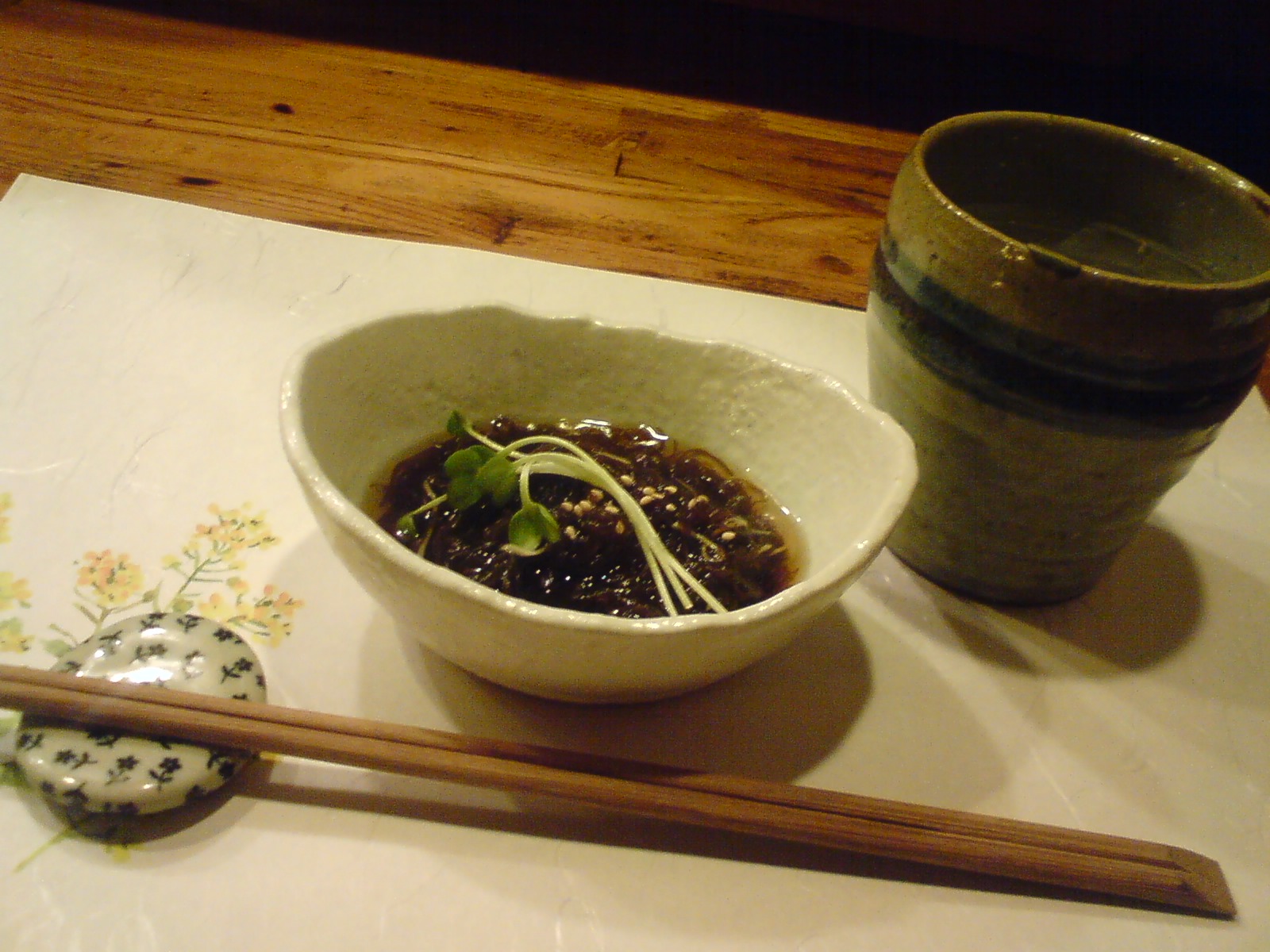
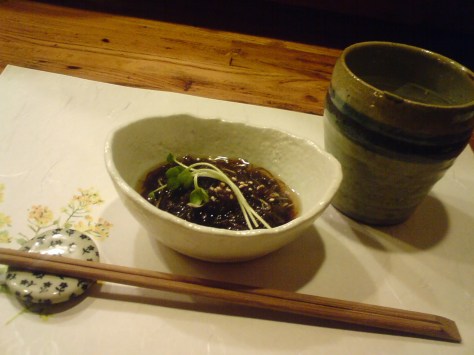
Mozuku in amazu/sweet vinegar as served at Yasaitei, Shizuoka City.

I have recently been asked again by many friends about seaweed in Japan. Here is the original posting with a few additions!

Seaweed or algae have been used for eons by humans, but have only been recently rediscovered as a food of their own.
Seaweeds are consumed by coastal people, particularly in East Asia, e.g., Japan, China, Korea, Taiwan, Thailand, and Vietnam, but also in Indonesia, Belize, Peru, the Canadian Maritimes, Scandinavia, Ireland, Wales, the Philippines, and Scotland.
It is rich in calcium and magnesium and seaweed noodles can be cooked into pancit canton, pancit luglug, spaghetti or carbonara.
Nori

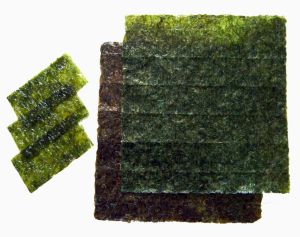
In Asia, Zicai (紫菜) (in China), gim (in Korea) and nori (in Japan) are sheets of dried Porphyra used in soups or to wrap sushi. Chondrus crispus (commonly known as Irish moss or carrageenan moss) is another red alga used in producing various food additives, along with Kappaphycus and various gigartinoid seaweeds. Porphyra is a red alga used in Wales to make laver. Laverbread, made from oats and the laver, is a popular dish there. Affectionately called “Dulce” in northern Belize, seaweeds are mixed with milk, nutmeg, cinnamon, and vanilla to make a common beverage.

Seaweeds are also harvested or cultivated for the extraction of alginate, agar and carrageenan, gelatinous substances collectively known as hydrocolloids or phycocolloids. Hydrocolloids have attained commercial significance as food additives. The food industry exploits their gelling, water-retention, emulsifying and other physical properties. Agar is used in foods such as confectionery, meat and poultry products, desserts and beverages and moulded foods. Carrageenan is used in salad dressings and sauces, dietetic foods, and as a preservative in meat and fish products, dairy items and baked goods. It is a vital jelly component for vegansand vegetarians.

Alginates are used in wound dressings, and production of dental moulds. In microbiology research, agar is extensively used as culture medium.

Seaweed is a source of iodine, necessary for thyroid function and to prevent goitre.

Seaweed extract is used in some diet pills. Other seaweed pills exploit the same effect as gastric banding, expanding in the stomach to make the body feel more full.

Finally seaweed provide jel for beauty products and make-ups!
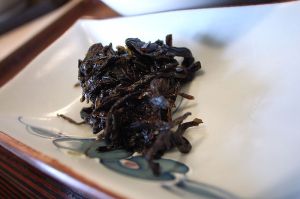
Konbu Tsukudani, a popular Japanese seaweed dish.

The Japanese divide their edible seaweed into three main groups:
BROWN ALGAE:

-Konbu/昆布, or Laminariaceae Bory (Latin), comprises many varieties, some of them regional: Makonbu or Saccharina japonica(真昆布), Onikonbu or Laminaria diabolica(羅臼昆布), Rishiri Konbu or Laminaria ochotensis(利尻昆布), Hosome Konbu or Laminaria religiosa(細目昆布), Hitaka or Mitsuishi Konbu or Laminaria angustata(日高昆布、三石昆布), Naga or Hamanaka Konbu or Laminaria longissima(長昆布、浜中昆布), and Kagome or Kjellmaniella crassifolia(籠目昆布).

-Hijiki or hiziki (ヒジキ, 鹿尾菜 or 羊栖菜, hijiki) (Sargassum fusiforme, or Hizikia fusiformis) is a brown sea vegetable growing wild on rocky coastlines around Japan, Korea, and China. Its two names mean deer-tail grass and sheep-nest grass respectively. It is also called sweet seaweed.

-Hibatama or Fucus, a genus of brown alga in the Class Phaeophyceae to be found in the intertidal zones of rocky seashores almost everywhere in the world.

-Hondawara or ホンダワラ(馬尾藻、神馬藻 (Sargassum fulvellum)

-Mozuku, or Cladosiphon okamuranus (水雲; 藻付; 海蘊; 海雲) , a type of edible seaweed in the genus Cladosiphon, naturally found in Okinawa, Japan. Most of the mozuku now is farmed by locals, and sold to processing factories. The main use of mozuku is as food, and as source of one type of sulfated polysaccharide called Fucoidan to be used in cancer treatment aid health supplements. Mozuu is usually served in rice vinegar in Japan.
-Wakame (ワカメ), Undaria pinnatifida, a sea vegetable, or edible seaweed. In Japan it is most widely used in miso soup.
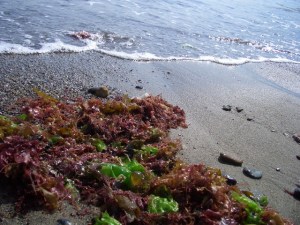
Yes, these violet and green alagae are edible!

VIOLET ALGAE:

-Asakusa Nori, or アサクサノリ(浅草海苔 (Porphyra tenera).

-Tengusa, which gives agar agar, a gelatinous substance. Historically and in a modern context, it is chiefly used as an ingredient in desserts throughout Japan, but also as solid jelly used as decoration in salads and others.

GREEN ALGAE:

-Aosa or sea lettuce comprising comprise the genus Ulva, a group of edible green algae that are widely distributed along the coasts of the world’s oceans.

-Aonori (青海苔 or アオノリ, “blue seaweed” or “green seaweed”), also known as green laver, a type of edible green seaweed, including species from the genera Monostroma and Enteromorpha of Ulvaceae. It is commercially cultivated in some bay areas in Japan, such as Ise Bay. It contains rich minerals such as calcium, magnesium, lithium, vitamins, and amino acids such as methionine.
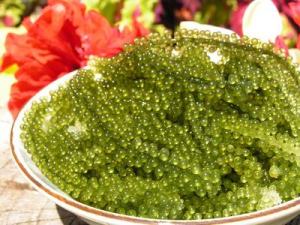
-Umibudou, or sea grapes, a delicacy of its own!

MARKET AVAIBILITY IN JAPAN:

In Japan it is interesting to note you can easily buy seaweed in paste form:
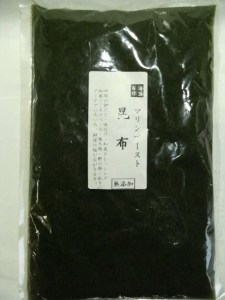
Konbu
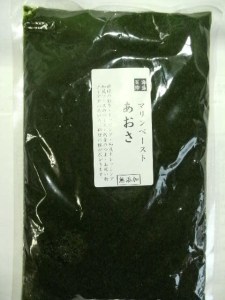
Aosa
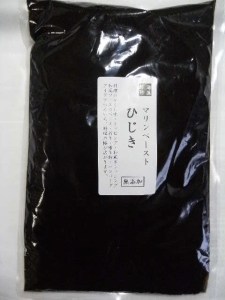
Hijiki

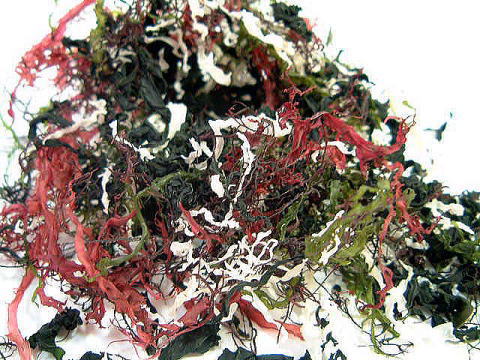
Next here are some pics to help you discover/recognize edible varieties in the markets:
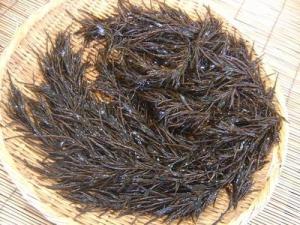
Akamoku
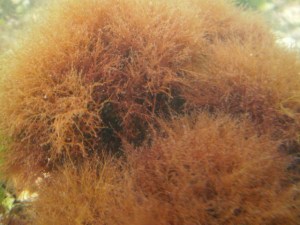
Makusa
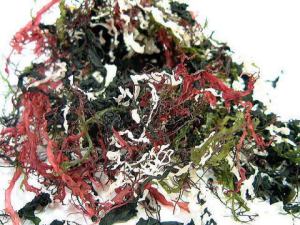
They often come as a mixture!
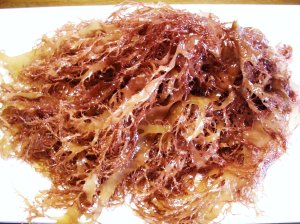
Red Algae

JAPANESE GASTRONOMY:

Here are some examples of the use of seaweed in Japanese gastronomy that can be expanded and inspired from wherever in the world you are, you being vegan, vegetarian or omnivore!
I have reduced the size of the pictures. Click on them to enlarge and copy them!
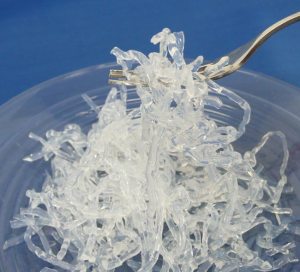
Agar or Crystal Kaiso/Crystal Seaweed!
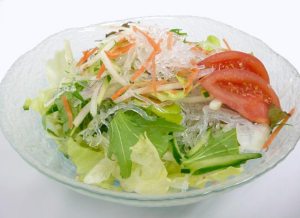
The same in a salad!

An example of seaweed salad with wakame and agar.
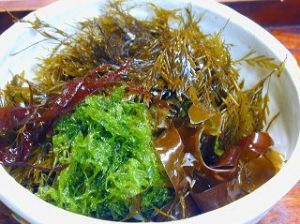
Another seaweed salad with samples harvesyed in Noto Peninsula, Ishikawa Prefecture!
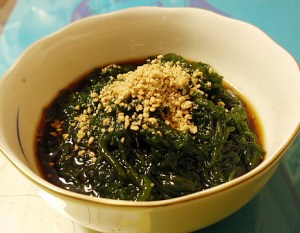
An Okinawa variety called somen nori!
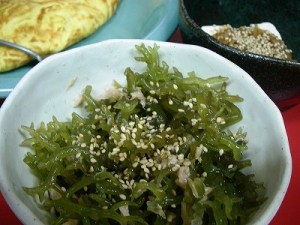
Another local variety called Tsunotama/Horns and Balls!
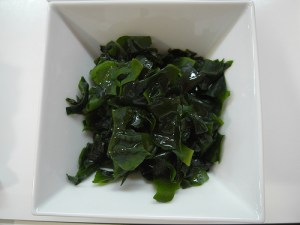
Wakame appetizer!
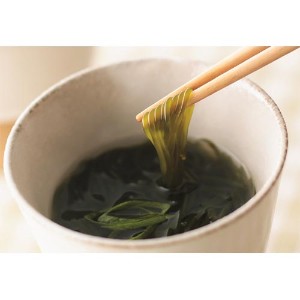
Wakame Noodles!
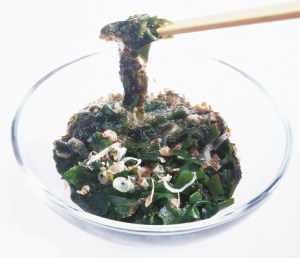
Another Wakame salad!
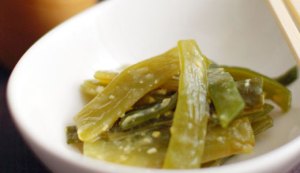
Wakame sticks cooked with miso paste!
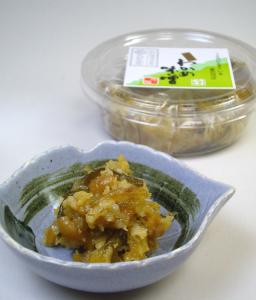
Wakame and Miso Paste mix from Kanzanji, Shizuoka Prefecture!
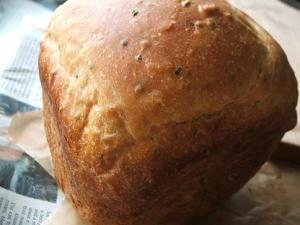
Wakame and Miso Bread!
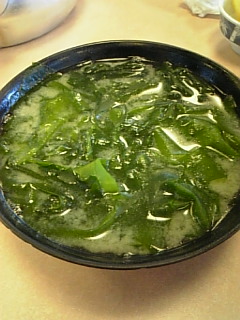
Wakame Miso Soup!
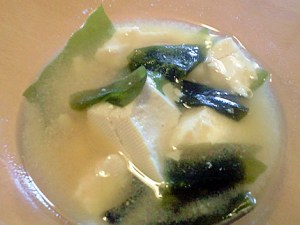
Wakame, tofu and miso Soup!
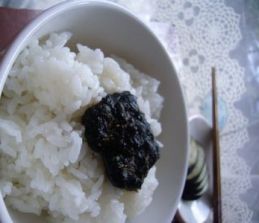
A bowl of freshly steamed rice with seaweed paste!
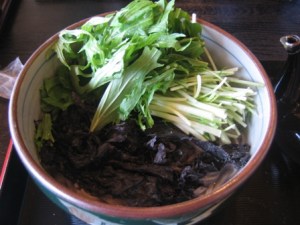
Soba/Buckwheat noodles with nori and green leaf vegetables!
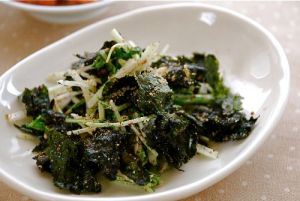
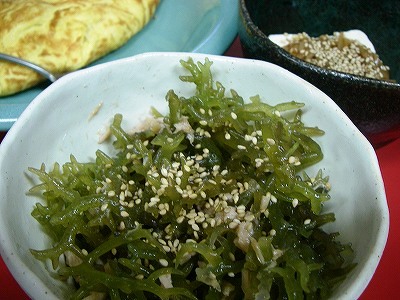
Seaweed, trefoil and ground seame seeds salad!
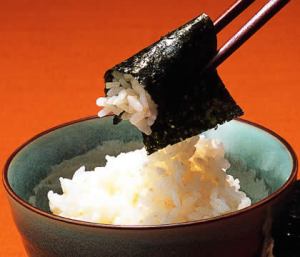
The best way to eat rice?

RECOMMENDED RELATED SITES:
Warren Bobrow, Bread + Butter, Zoy Zhang, Hungry Neko, Think Twice, Frank Fariello, Mangantayon, Hapabento, Elinluv Tidbit Corner, Tokyo Terrace, Maison de Christina, Chrys Niles,Lexi, Culinary Musings, Wheeling Gourmet, Comestiblog, Chronicles Of A Curious Cook, Tokyo Through The Drinking Glass, Tokyo Foodcast, Palate To Pen, Yellin Yakimono Gallery, Tokyo Terrace, Hilah Cooking, More than a Mount Full, Arkonite Bento, Happy Little Bento; 5 Star Foodie; Jefferson’s Table; Oyster Culture; Gourmet Fury; Island Vittles; Good Beer & Country Boys; Rubber Slippers In Italy; Color Food daidokoro/Osaka;/a; The Witchy Kitchen; Citron Et Vanille, Lunsj Med Buffet/Estonian Gastronomy (English), Cook, Eat, Play, Repeat, Chrisoscope; Jacqueline Church; The Foodonymph (in Dubai!); Alchemy, Simple Ingredients, magical Food (in Ireland!); Curious Foodie

Please check the new postings at:
sake, shochu and sushi

Wasabi: A Visit to Its Birthplace in Utogi at Maru Ichi Farm, Shizuoka!

Mr. Yoshihiro Mochizuki望月義弘

The other day I received a phone call from my good friend, Dominique Corby, the Chef/Owner of French Kappo Dominique Corby in Tokyo.
He told me that the French/German ARTE TV Channel was coming to Shizuoka City to make a long report on green tea (Shizuoka produces 45% of all green tea in Japan), wasabi (Shizuoka produces 80% of all organically-grown  wasabi in Japan) and the fishing industry in our Prefecture (they will visit the Fishing Harbor of Yaizu City)!
He wished to enroll my help to “prepare the ground” for the TV crew as I was not only living in Shizuoka City, but knew my wasabi well! He didn’t have to ask twice!
So on Thursday and Friday 12th and 13th, a third Musketeer, Stephane Danton of Ocharaka, a French specialist of green tea in Kanagawa Prefecture who exports green tea from Kawane Honcho in Shizuoka, joined us in a rented car and we left on a grand mission!

Utogi is also the starting point of some great treks!

We did spend the whole previous day following Stephane in tea growing farming homes and communities as the rain just made it impossible to visit the wasabi fields in altitude!
So we left early in the morning on Friday from Shizuoka City in blistering heat.
The ride is not that hard, 18 km along the Abe River and 3 more km up in altitude, what with the beautiful vistas between high steep forested mountains.
We reached Utogi at around 11:00 a.am. where Mr. Yuma Mochizuki was already waiting for us.

One of Mr. Yuma Mochizuki’s wasabi fields.

Mr. Yuma Mochizuki is the 10th generation of a celebrated wasabi growing family.
He presently owns 5 fields dispersed on in the Utogi Mountains, and is trying to buy more land in Fujinomiya City as the demand is growing and that there is simply no space left in Utogi!
Wasabi grows in the wild and its stems and leaves have been consumed as a vegetable and a natural medicinal herb for eons.
It is only in the beginning of the 17th Century that a farmer in Utogi succeeded in growing the root that is so appreciated in the world.
Roots of a small size will develop in the wild after 2 or 3 years, but they are too sour and “green” to be consumed at all. Although its cultivation is purely organic/macrobiotic in Shizuoka Prefecture it does need the help of a human hand.

Mr. Mochizuki first took us to his highest field at almost 1,000 metres (well over 300 feet) to an almost inaccessible locale among trees, steep slopes and up impossibly narrow and slippery “stairs”. But it was certainly worth it, although the TV crew will not have to climb so high.
He then took us (all the time by car as walking was not much of an option what with the heat and the distance between fields) to the field that would appear on TV.

The whole field is covered with a black mesh net to protect it from too much exposure to the sun. These nets are stretched over the field only when it is directly under the path of the sun. Some fields aren’t.
But all fields have to be protected with supplementary solid side nets to keep wild monkeys, wild boars and wild  deer away as they would leave nothing of the stems and leaves!

Wasabi seedlings have to be regularly replanted every one or two years depending upon the variety. There are axtually more than 100 varieties of them. Mr. Mochizuki grows ten of them.
The seedlings above had been replanted only one month ago.

Here is a “view” (from under the nets) of the upper part of that particular field with about one-year old wasabi plants in the background.

After 1 or 2 years the wasabi plant matures to almost one metre in height, root, stems and leaves included. Subsidiary plants will grow from the bottom of the main large root. These will be cut out to be replanted as seedlings.
The large root will be harvested for the wasabi paste. The stems will be pickled in Japanese sake white lees to become “Wasabi Tsuke”, a delicacy one can use to season his/her bowl of freshly steamed rice with or with fish and fish paste. The leaves can be pickled too, although they are eminently edible raw, steamed or cooked. Shizuoka people use them as “vessels” to taste miso paste!

Only pure mountain water flowing at a constant temperature may be used in the culture of wasabi, that is “sawa wasabi” which grown in water as opposed to “hatake wasabi”, of a very inferior variety, usually not grown in Shizuoka Prefecture. Stagnant water is out of question.
Moreover, and this is a little known fact, individual field sections and fields in general do not communicate with each other. Water comes through pipes directly connected to mountain streams to bring water to each field section. It is then diverted to side funnels which prevent any water to go back into another field!
True envirnomental/ecological and organic culture!
Apart of the bed sand and water, nothing else goes into those fields. Full stop!

Although Mr. Mochizuki was very busy preparing the big Festival to be held on Saturday and Sunday with the whole community, he kindly took the time to invite us to his enormous Japanese house (all sitting on tatami there) to share tea and sample his wasabi crop. We had the pleasure to meet his very gentle spouse and the energetic 11th generation Yuma Mochizuki/望月佑真!

Here are the best samples of 3 of the best out of the 10 varieties the Mochizuki family grows. Can you guess which is the best one?…
The one in the middle with the dark stems!

It was actually elected twice “Best wasabi in Japan”!

Now, where do you grate the stem from? The pointed end or the stem end?
Well, this is according to priorities, but usually after chopping the stems away from the root is first grated from the top as it will hotter as you come closer to its pointed extremity. This way you can control the “heat” of the root (or mix the whole later!).

Have you ever seen the cross section of a healthy root?

The traditional way to grate the wasabi root is on a wooden slat covered with shark skin.
Mr. Mochizuki explained this is now done only for the sake of tradition. Sushi and soba chefs will grate (away for the clients’ eyes) on a new and very efficient metal grater (in the background).

Look at that for extravagance!
Mr. Mochizuki was indeed so generous in his demonstration.
The TV crew will have a “field day”! LOL

MARU ICHI NOUEN/丸一置農園
(Yutogi Kodawari Club/有東木こだわり倶楽部)
Director: Yoshihiro Mochizuki/望月義弘
421-2303 Shizuoka Prefecture, Shizuoka City, Aoi Ku, Yutogi, 602
Tel./Fax: (81) (0)54-298-2077
E–mail: wasabiya-maruichi@vivid.ne.jp
Direct mail orders possible

RECOMMENDED RELATED SITES:
Warren Bobrow, Bread + Butter, Zoy Zhang, Hungry Neko, Think Twice, Frank Fariello, Mangantayon, Hapabento, Elinluv Tidbit Corner, Tokyo Terrace, Maison de Christina, Chrys Niles,Lexi, Culinary Musings, Wheeling Gourmet, Comestiblog, Chronicles Of A Curious Cook, Tokyo Through The Drinking Glass, Tokyo Foodcast, Palate To Pen, Yellin Yakimono Gallery, Tokyo Terrace, Hilah Cooking, More than a Mount Full, Arkonite Bento, Happy Little Bento; 5 Star Foodie; Jefferson’s Table; Oyster Culture; Gourmet Fury; Island Vittles; Good Beer & Country Boys; Rubber Slippers In Italy; Color Food daidokoro/Osaka;/a; The Witchy Kitchen; Citron Et Vanille, Lunsj Med Buffet/Estonian Gastronomy (English), Cook, Eat, Play, Repeat, Chrisoscope; Jacqueline Church; The Foodonymph (in Dubai!); Alchemy, Simple Ingredients, magical Food (in Ireland!)

Please check the new postings at:
sake, shochu and sushi
Vegan Tofu & Macha Tiramisu

I’m not vegan or vegetarian, but I’m certainly interested, not only for the sake of healthy food, but also for the challenge.
Tiramisu is difficult to imagine for vegans and even vegetarians, but don’t forget that the Japanese are blessed with both tofu for consistent food and macha for extra taste!

Vegan Tofu & Macha Tiramisu!

INGREDIENTS: For 4 people

-Avocado 1 (ripe)
-Tofu/Silk tofu: 125 g
-Soy milk: 60 cc
-Agave Strup: 1.5 tablespoon
-Oatmeal: 70 g
-Vanilla Oil: as appropriate
-Macrobiotic coffee: 1.5 tablespoons
-Powdered macha: as appropriate

RECIPE:

-Mix oatmeal with coffee. Add 1 tablepoon of hot water and mix. It will will turn up as soft cookie when all the liquid has been absorbed..

-Thorw in the cut avocado, tofu, soy milk, agave syrup and vanilla oil into a blender. Mix. Check taste and add syrup if not sweet enough.

-Line bottom of cup with oatmeal mix.

-Top with avocado cream, Chill inside fridge.

-Top with plenty of macha powder and serve!

Simple, ain’t it!

RECOMMENDED RELATED SITES:
Warren Bobrow, Bread + Butter, Zoy Zhang, Hungry Neko, Think Twice, Frank Fariello, Mangantayon, Hapabento, Elinluv Tidbit Corner, Tokyo Terrace, Maison de Christina, Chrys Niles,Lexi, Culinary Musings, Wheeling Gourmet, Comestiblog, Chronicles Of A Curious Cook, Tokyo Through The Drinking Glass, Tokyo Foodcast, Palate To Pen, Yellin Yakimono Gallery, Tokyo Terrace, Hilah Cooking, More than a Mount Full, Arkonite Bento, Happy Little Bento; 5 Star Foodie; Jefferson’s Table; Oyster Culture; Gourmet Fury; Island Vittles; Good Beer & Country Boys; Rubber Slippers In Italy; Color Food daidokoro/Osaka;/a; The Witchy Kitchen; Citron Et Vanille, Lunsj Med Buffet/Estonian Gastronomy (English), Cook, Eat, Play, Repeat, Chrisoscope; Jacqueline Church; The Foodonymph (in Dubai!); Alchemy, Simple Ingredients, magical Food (in Ireland!)

Please check the new postings at:
sake, shochu and sushi

Organic French Fries at Uzu/An Interesting Cooking Technique

Service: excellent, easy-going and very friendly
Facilities: great washroom, great cleanliness overall
Prices: very reasonable, good value.
Strong points: Very fresh local ingredients, especially organic vegetables extensively used. Local sake. Home-made umeshu. Great shochu list.

The other day when I visited Uzu with the Missus, I had found the fried potatoes included in the Vegan Oarganic Salad so intriguing that I couldn’t help ordering them separately!

The potatoes are of two kinds:
Pinkish ones called Red Moon and the other yellowish called Inca Mezame.
Both were gron organically by Mr. Matsuki at Bio Farm in Shibakawa Cho in Fujinomiya City at the foot of Mount Fuji.

Now the cooking technique was a bit out of the ordinary:
The potatoes are first steamed whole with their skins.
Instead of slicing them or cutting them into sticks, the potatoes are broken by hand. The potates are chosen small enough to be broken only in two to four chunks of irregular shape.
They are then deep-fried in high quality oil.
The fact their shape is uneven allows for a bigger outer surface with a lot of crispiness, especially when accounting with the skins!
Having been steamed, the potatoes have acquired the perfect balance of outside crispiness and inside tenderness, but keeping their firmness at the same time, allowing for a deep and satisfactory bite!

Do try it!

UZU
Shizuoka City, Otowa-cho, 3-18
Tel.: 054-249-6262
Business hours: 17:00=23:00
Closed on Mondays and first Tuesday
Reservations recommended
Credit cards OK
HOMEPAGE (Japanese)

RECOMMENDED RELATED SITES:
Warren Bobrow, Bread + Butter, Zoy Zhang, Hungry Neko, Think Twice, Frank Fariello, Mangantayon, Hapabento, Elinluv Tidbit Corner, Tokyo Terrace, Maison de Christina, Chrys Niles,Lexi, Culinary Musings, Wheeling Gourmet, Comestiblog, Chronicles Of A Curious Cook, Tokyo Through The Drinking Glass, Tokyo Foodcast, Palate To Pen, Yellin Yakimono Gallery, Tokyo Terrace, Hilah Cooking, More than a Mount Full, Arkonite Bento, Happy Little Bento; 5 Star Foodie; Jefferson’s Table; Oyster Culture; Gourmet Fury; Island Vittles; Good Beer & Country Boys; Rubber Slippers In Italy; Color Food daidokoro/Osaka;/a; The Witchy Kitchen; Citron Et Vanille, Lunsj Med Buffet/Estonian Gastronomy (English), Cook, Eat, Play, Repeat, Chrisoscope; Jacqueline Church

Please check the new postings at:
sake, shochu and sushi

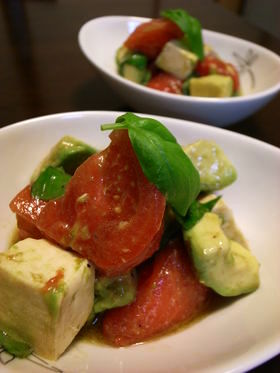
Vegan Japanese Cuisine: Tofu, Avocado & Tomato Marinade

Tofu, Avocado & Tomato?
Very much in “season”! Actually could be obtained easily all year round!
Here is a Japanese (and Italian?) inspired vegan (and vegetarian) recipe for the hot days of summer!
Choose your ingredients well, striving for the best and organic, if you can!

INGREDIENTS: For 2~ people

-Tomato: 1
-Avocado: 1
-Tofu: half a standard block~200 g
-Basil: 6 medium leaves

Marinade:
-Olive oil (EV): 2 tablespoons
-Lemon juice: 1.5 tablespoons
-Balsamico vinegar: 1 teaspoon
-Sugar: 1/2 teaspoon
-Salt & black pepper: as appropriate

RECIPE:

-Press water out of tofu (cover it with a clean cloth and a weight on top).
Cut tomatoes, tofu and avocado in same size chunks/cubes (important!).
Think of final look!

-Cut basil in small enough bits for easy mixing.

-Mix all marinade ingredients in a large bowl.

-Add tofu, tomato, avocado and cut basil. Mix delicately. Cover with cellophane paper. Keep in fridge long enough to chill or until you serve.

-Try to be inventive on presentation!

-So easy and yummy!

NOTES:

-Peel skin off tomato if too hard. Choose “fleshy” tomatoes with a little water and seeds as possible. Take the later off if possible.

-Choose a particularly aromatic lemon juice. Meyer would be interesting!

-Keep basil leaves handy for decoration! Mint could be interetsing, too!

RECOMMENDED RELATED SITES:
Warren Bobrow, Bread + Butter, Zoy Zhang, Hungry Neko, Think Twice, Frank Fariello, Mangantayon, Hapabento, Elinluv Tidbit Corner, Tokyo Terrace, Maison de Christina, Chrys Niles,Lexi, Culinary Musings, Wheeling Gourmet, Comestiblog, Chronicles Of A Curious Cook, Tokyo Through The Drinking Glass, Tokyo Foodcast, Palate To Pen, Yellin Yakimono Gallery, Tokyo Terrace, Hilah Cooking, More than a Mount Full, Arkonite Bento, Happy Little Bento; 5 Star Foodie; Jefferson’s Table; Oyster Culture; Gourmet Fury; Island Vittles; Good Beer & Country Boys; Rubber Slippers In Italy; Color Food daidokoro/Osaka;/a; The Witchy Kitchen; Citron Et Vanille, Lunsj Med Buffet/Estonian Gastronomy (English), Cook, Eat, Play, Repeat, Chrisoscope; Jacqueline Church

Please check the new postings at:
sake, shochu and sushi

Vegan Local Organic Salad at Uzu

Service: excellent, easy-going and very friendly
Facilities: great washroom, great cleanliness overall
Prices: very reasonable, good value.
Strong points: Very fresh local ingredients, especially organic vegetables extensively used. Local sake. Home-made umeshu. Great shochu list.

I wish all my vegan and vegeterian friends could at least visit once Uzu Izakaya in Shizuoka City!
They try really hard to serve local organic vegetables, especially those grown by Mr Satsuki at Satsuki Bio Farm in Shibakawa Cho, Fujinomiya City at the foot of Mount Fuji!

The above salad was ordered last Thursday by the Missus.
It was enormous and I was certainly supposed to help finishi it!
We were actually lucky to get as they they were limited to 5 serving only.
We always make a point of ordering it as the vegetables will be different next time!

They did include many varieties, some of which I can’t remember.
There are red okra, white goya, Red Moon and Inca mezame potatoes (first fried), black tomatoes, green peppers, shishito chili pepper, red chickory/endive, orange, zucchini, the whole basket!

Another view!

To be savored one at a time, with chopsticks (and a great glass of sake!)!

UZU
Shizuoka City, Otowa-cho, 3-18
Tel.: 054-249-6262
Business hours: 17:00=23:00
Closed on Mondays and first Tuesday
Reservations recommended
Credit cards OK
HOMEPAGE (Japanese)

RECOMMENDED RELATED SITES:
Warren Bobrow, Bread + Butter, Zoy Zhang, Hungry Neko, Think Twice, Frank Fariello, Mangantayon, Hapabento, Elinluv Tidbit Corner, Tokyo Terrace, Maison de Christina, Chrys Niles,Lexi, Culinary Musings, Wheeling Gourmet, Comestiblog, Chronicles Of A Curious Cook, Tokyo Through The Drinking Glass, Tokyo Foodcast, Palate To Pen, Yellin Yakimono Gallery, Tokyo Terrace, Hilah Cooking, More than a Mount Full, Arkonite Bento, Happy Little Bento; 5 Star Foodie; Jefferson’s Table; Oyster Culture; Gourmet Fury; Island Vittles; Good Beer & Country Boys; Rubber Slippers In Italy; Color Food daidokoro/Osaka;/a; The Witchy Kitchen; Citron Et Vanille, Lunsj Med Buffet/Estonian Gastronomy (English), Cook, Eat, Play, Repeat, Chrisoscope; Jacqueline Church

Please check the new postings at:
sake, shochu and sushi
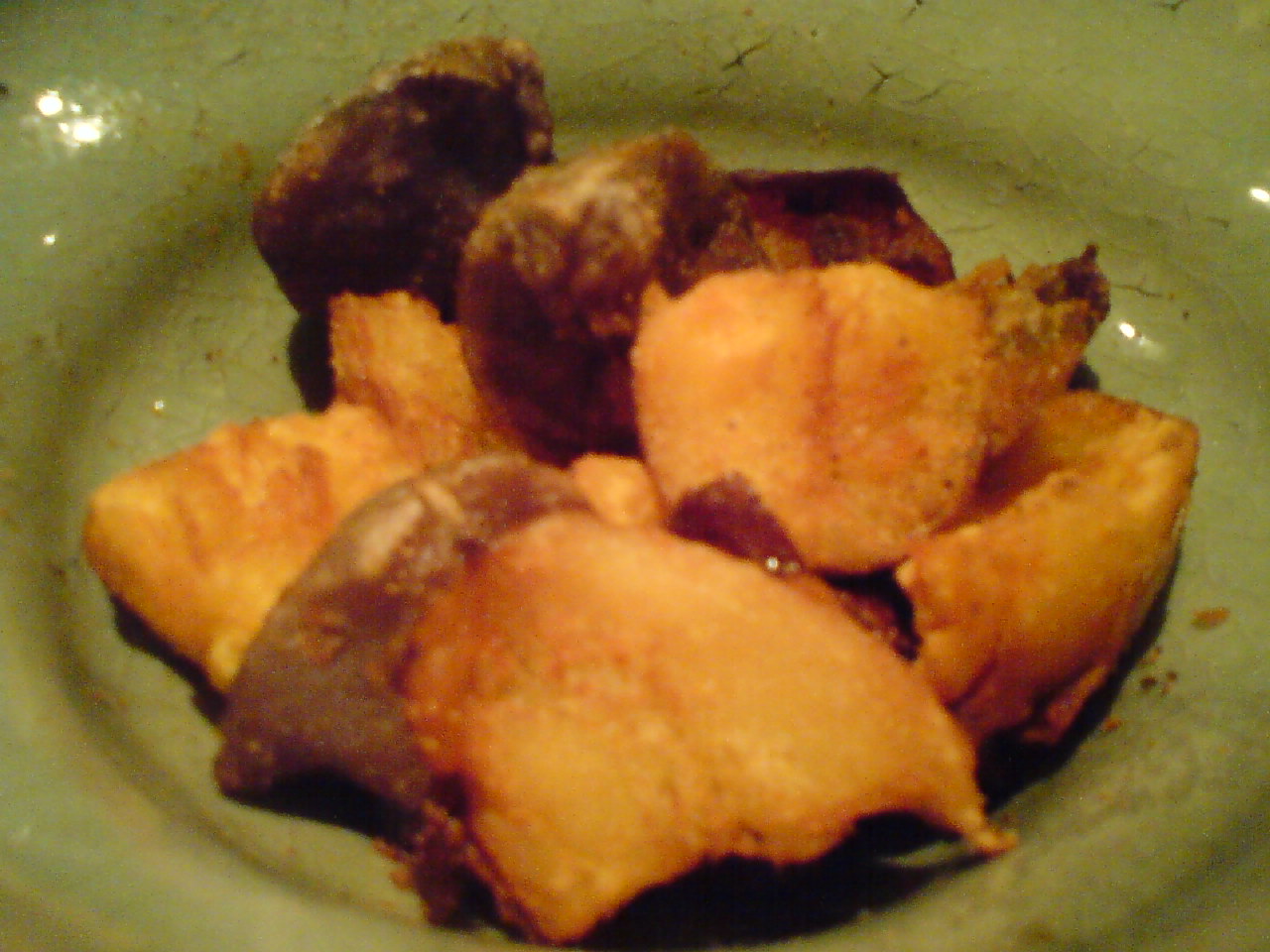
Vegan Sashimi at Yasaitei (2010/08/04)

Service: Excellent and very friendly. All ladies!
Facilities: very clean
Prices: reasonable
Specialty: Vegan and vegetarian Cuisine, Izakaya gastronomy, local products, oden.

In these hot days of summer (and sultry nights) in Japan, one is in a constant need for water/fluid and vitamins.
Although I’m no vegan or vegetarian, I totally agree that fresh vegetables are best.
Here in Shizuoka, we are not only blessed with a wealth of local vegetables, but due to the central location in this country, vegetables from all other parts of Japane find their way quickly onto our plates.

“Mokuzu seaweed” appetizer.

We are also blessed with great izakayas who make a point of serving as much local produce as possible.
One of them is the famed Yasaitei in downtown Shizuoka.
It might be a good idea to call or reserve beforehand as it is packed what the time of the day/night or the economic situation!

A closer look at mokuzu seaweed served in rice vinegar with a few seame seeds and lemon zests.

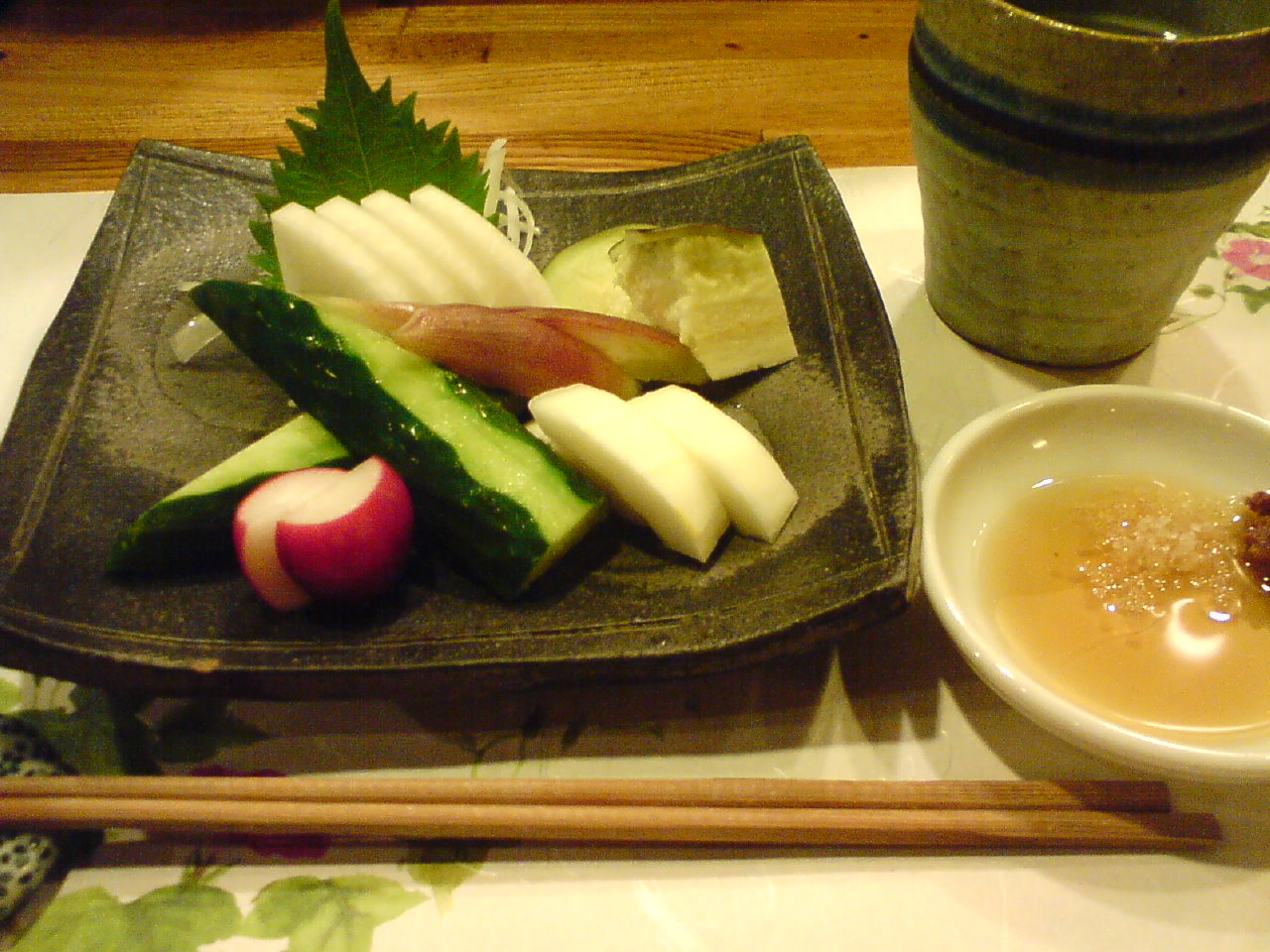
If you are vegan or vegetarian, you must ask: “Yasai no Sashimi kudasai! (Vegetables Sashimi, please!)”.
And this a sample of what going to be served.
Actually you can even ask which vegetables you would like to sample by pointing at them displayed on the shelf along the counter!

The dressing is also vegan!
Sesame oil/goma abura, rock salt/gaien and miso paste!

A side view which will give you an idea of the plate design!

And another one!

Alright, time for a detailed explanation:
Front: Radish, Cucumber, both crucnshy and juicy, and “Makuwa Uri”

“Makuwa Uri” is Oriental Melon in English, although they come in many varieties.
If you call a melon “uri/瓜” in Japanese, it refers to thekinds eaten as vegetables.
This particular is a bit of a misnomer as it is sweet and can be eaten only raw.
It tastes like pears, but less sweet. it makes for a beautiful note among other vegetables.

As for the second row, I was served daikon, myoga ginger sprouts and mizu nasu/water eggplants. The latter are eaten raw and mostly come from Osaka.

The last row/supporting row consists of shiso/perilla leaf and finely sliced white onion (sweet!).

I hope I have given you an idea for a refreshing and healthy summer appetizer!

YASAITEI
Shizuoka City, Aoi Ku, Tokiwa-Cho, 1-6-2 Green Heights Wamon 1-C
Tel.: 054-2543277
Business hours: 17:30~22:00
Closed on Sundays
Reservations highly recommended
Seating: 6 at counter + 14 at tables
Set Courses: 3,000, 4,000, 5,000 yen
HOMEPAGE (Japanese)

RECOMMENDED RELATED SITES:
Warren Bobrow, Bread + Butter, Zoy Zhang, Hungry Neko, Think Twice, Frank Fariello, Mangantayon, Hapabento, Elinluv Tidbit Corner, Tokyo Terrace, Maison de Christina, Chrys Niles,Lexi, Culinary Musings, Wheeling Gourmet, Comestiblog, Chronicles Of A Curious Cook, Tokyo Through The Drinking Glass, Tokyo Foodcast, Palate To Pen, Yellin Yakimono Gallery, Tokyo Terrace, Hilah Cooking, More than a Mount Full, Arkonite Bento, Happy Little Bento; 5 Star Foodie; Jefferson’s Table; Oyster Culture; Gourmet Fury; Island Vittles; Good Beer & Country Boys; Rubber Slippers In Italy; Color Food daidokoro/Osaka;/a; The Witchy Kitchen; Citron Et Vanille, Lunsj Med Buffet/Estonian Gastronomy (English), Cook, Eat, Play, Repeat

Please check the new postings at:
sake, shochu and sushi
Vegan Japanese Cuisine: Nasu Somen/Egg-plant Somen

I’m neither vegan or vegetarian, but I can tell you that the present scorching weather might convince me to become one! LOL
Egg-plants or aubergines (frankly speaking, I orefer the latter!) are abondant in this season, and they are easily available as organic vegetables, too. There are so many kinds in Jpaan, including Mizu Nasu/Water Aubergines that are eaten raw!

Grilled or fried aubergines are very popular, but there are simpler and healthier ways to prepare them!
Somen/素麺 are very thin noodles that are enjoyed cold/chilled in summer.
Here is a simple recipe just in between: Nasu Somen.

INGREDIENTS & RECIPE:

-Count one long-type aubergine per person.

-Peel the aubergine and cut it in very thin strips with the point of a sharp knife.

-Coat the the aubergine strips with cornstarch.

-Prepare one pan full of hot (just before boiling point) and a large bowl full of icy (leave some cubes of ice in it) water.

-Cook the cornstarch-coated aubergine strips in the pan full of hot water (keep the fire low), a small bunch at a time, and as soon as cooked to satisfaction (should not take long, bu experiment!) transfer into icy water.

-Once the aubergine strips have cooled down completely, transfer into a sieve and drain thoroughly. Place on a serving dish as shown on picture above.

-Use vegan dashi and some light soy sauce or ponzu as sauce. Add a little chili pepper if you like your food hot.
Top with plenty of available sprouts and greens as well as grated ginger. Experiment again! There is no end to delicious variations!

RECOMMENDED RELATED SITES:
Warren Bobrow, Bread + Butter, Zoy Zhang, Hungry Neko, Think Twice, Frank Fariello, Mangantayon, Hapabento, Elinluv Tidbit Corner, Tokyo Terrace, Maison de Christina, Chrys Niles,Lexi, Culinary Musings, Wheeling Gourmet, Comestiblog, Chronicles Of A Curious Cook, Tokyo Through The Drinking Glass, Tokyo Foodcast, Palate To Pen, Yellin Yakimono Gallery, Tokyo Terrace, Hilah Cooking, More than a Mount Full, Arkonite Bento, Happy Little Bento; 5 Star Foodie; Jefferson’s Table; Oyster Culture; Gourmet Fury; Island Vittles; Good Beer & Country Boys; Rubber Slippers In Italy; Color Food daidokoro/Osaka;/a; The Witchy Kitchen; Citron Et Vanille, Lunsj Med Buffet/Estonian Gastronomy (English), Cook, Eat, Play, Repeat

Please check the new postings at:
sake, shochu and sushi

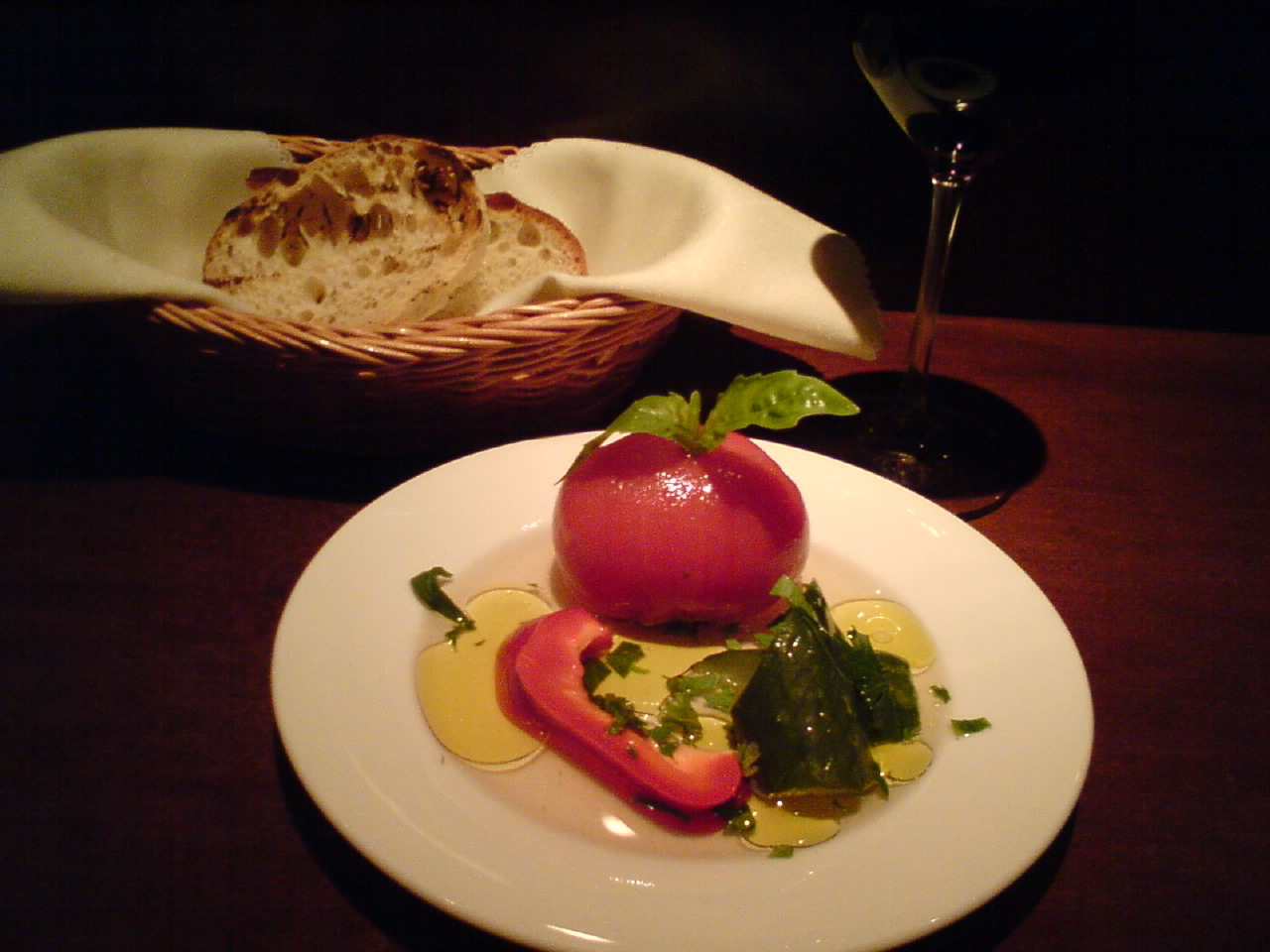
Vegan Italian Cuisine: Appetizer at Il Paladino

Service: Excellent and very friendly
Facilities: great and very large washroom, great cleanliness overall
Prices: reasonable to expensive.
Specialty:Sicilian Cuisine. Top-class Italian wines and great collection of Grappa.
no-smoking-logo1 Non-smoking at tables.

With the scalding heat frying us all day long, what can we possibly eat without overcrowding our system?
When I visited Il Paladino, probably the best Italian restaurant in the Prefecture (BG is going to kill me again for that kind of comment!), the chef genially replied: “Just eat vegetables, more vegetables, and even more vegetables!”

Shizuoka Prefecture is blessed with an almost limitless array of vegetable varieties. Actually one has to keep his eyes, nose, and even ears well open, as many more new ones come by the day! I am certainly not one to complain as such knowledge comes inhandy at work when interviewing local farmers!

Present (notice I said “present”) Italian gastronomy wouldn’t exist without tomatoes. Well, I know some good Italian friends who would love to discover the local cultivars.
Shizuoka is receiving a lot of attention for its tomatoes, especially the “Ameera/Very Sweet” genus, which comes in various sizes, from minuscule to large plum-sized.
Il Paladino’s chef chose the latter to prepare his appetizer. They are not only very sweet and fleshy, they also are red all the way through with very little water and pips. You thoroughly enjoy cutting them with a knife, a rarity in Japan!

The tomatoes are peeled first before being marinated with garlic, cucumber (that is served together), lemon, vinegar, olive oil, laurel leaves, sugar, salt, pepper and some “secrets”.

The tomato is then served chilled with the cucumber. Red pimento (not marinated) and basil leaves are added for taste and looks. Finally marinade will be sieved above the whole before being served with toasted home-made bread. I cannot guarantee that the latter was vegan, though, but you certainly need the bread to sponge off the marinade (make sure your bread is vegan, then!)

Tratorria Il Paladino
420-9839 Shizuoka City, Aoi-Ku, Takajo, 2-8-19
Tel.: 054-253-6537
Opening hours: 11:30~13:30, 17:00~22:00
Closed on Mondays
Credit cards OK (Dinner only)

RECOMMENDED RELATED SITES:
Warren Bobrow, Bread + Butter, Zoy Zhang, Hungry Neko, Think Twice, Frank Fariello, Mangantayon, Hapabento, Elinluv Tidbit Corner, Tokyo Terrace, Maison de Christina, Chrys Niles,Lexi, Culinary Musings, Wheeling Gourmet, Comestiblog, Chronicles Of A Curious Cook, Tokyo Through The Drinking Glass, Tokyo Foodcast, Palate To Pen, Yellin Yakimono Gallery, Tokyo Terrace, Hilah Cooking, More than a Mount Full, Arkonite Bento, Happy Little Bento; 5 Star Foodie; Jefferson’s Table; Oyster Culture; Gourmet Fury; Island Vittles; Good Beer & Country Boys; Rubber Slippers In Italy; Color Food daidokoro/Osaka;/a; The Witchy Kitchen; Citron Et Vanille, Lunsj Med Buffet/Estonian Gastronomy (English), Cook, Eat, Play, Repeat

Please check the new postings at:
sake, shochu and sushi

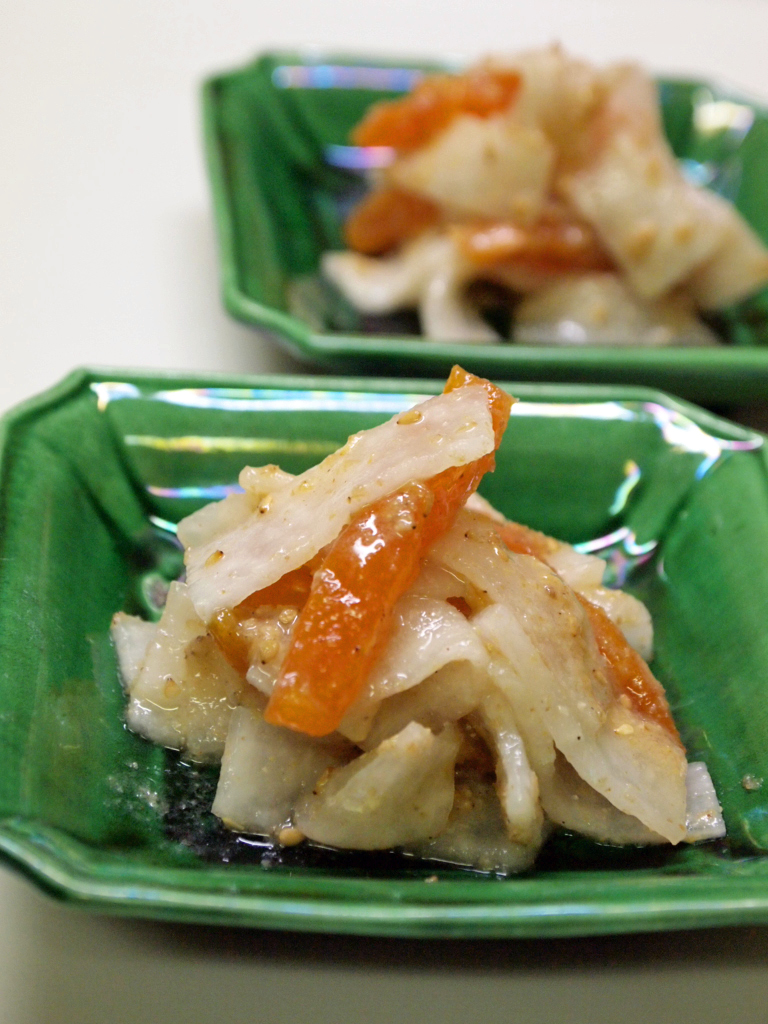
Vegan Japanese Cuisine: Daikon & Dried Persimmon Salad

Persimmon can be enjoyed all year round if you dry them.
Now, if you cannot get them on the market, dry them yourself in season next time. It’s not difficult:
Peel them completely, keeping the petal and stem core. Pass a thread through the persimmon and under the stem core. Hang them to dry in the sun (when it rains hang them in dry place).
Preserve them with a sugar coating in a dry box or freeze them!

INGREDIENTS:

-Daikon: 4 cm long cut
-Dried persimmons: 2~3
-Ground sesame seeds/surigoma: 2 tablespoons
-Rice vinegar: 2 tablespoons
-Sugar: 1 and a half tablespoons
-Light soy sauce: a little
-Salt: a pinch

RECIPE:

-Cut the daikon in 2 mm thick, 1×3 cm strips. Massage them with salt and wash them in clear cold water. Drain thoroughly by pressing them inside your hand/fist.

-Cut the stem core out of the dried persimmon. Wash the persimmon with rice vinegar. First cut cut in half, spread and cut in 2=3 mm thick strips.

-Drop the ground sesame seeds in a bowl Add the rice vinegar, sugar, soy sauce and salt (experiment!). Mix well.
If you do not have ground sesame seeds, first grind 2 tablespoons of sesame seeds in a mortar with a pestle until it has turned into a rough paste.
Add the daikon and persimmon. Mix well and serve (themore artistically, the better!LOL)

Add some small leaf greens for the finishing touch!

RECOMMENDED RELATED SITES:
Warren Bobrow, Bread + Butter, Zoy Zhang, Hungry Neko, Think Twice, Frank Fariello, Mangantayon, Hapabento, Elinluv Tidbit Corner, Tokyo Terrace, Maison de Christina, Chrys Niles,Lexi, Culinary Musings, Wheeling Gourmet, Comestiblog, Chronicles Of A Curious Cook, Tokyo Through The Drinking Glass, Tokyo Foodcast, Palate To Pen, Yellin Yakimono Gallery, Tokyo Terrace, Hilah Cooking, More than a Mount Full, Arkonite Bento, Happy Little Bento; 5 Star Foodie; Jefferson’s Table; Oyster Culture; Gourmet Fury; Island Vittles; Good Beer & Country Boys; Rubber Slippers In Italy; Color Food daidokoro/Osaka;/a; The Witchy Kitchen; Citron Et Vanille, Lunsj Med Buffet/Estonian Gastronomy (English), Cook, Eat, Play, Repeat

Please check the new postings at:
sake, shochu and sushi

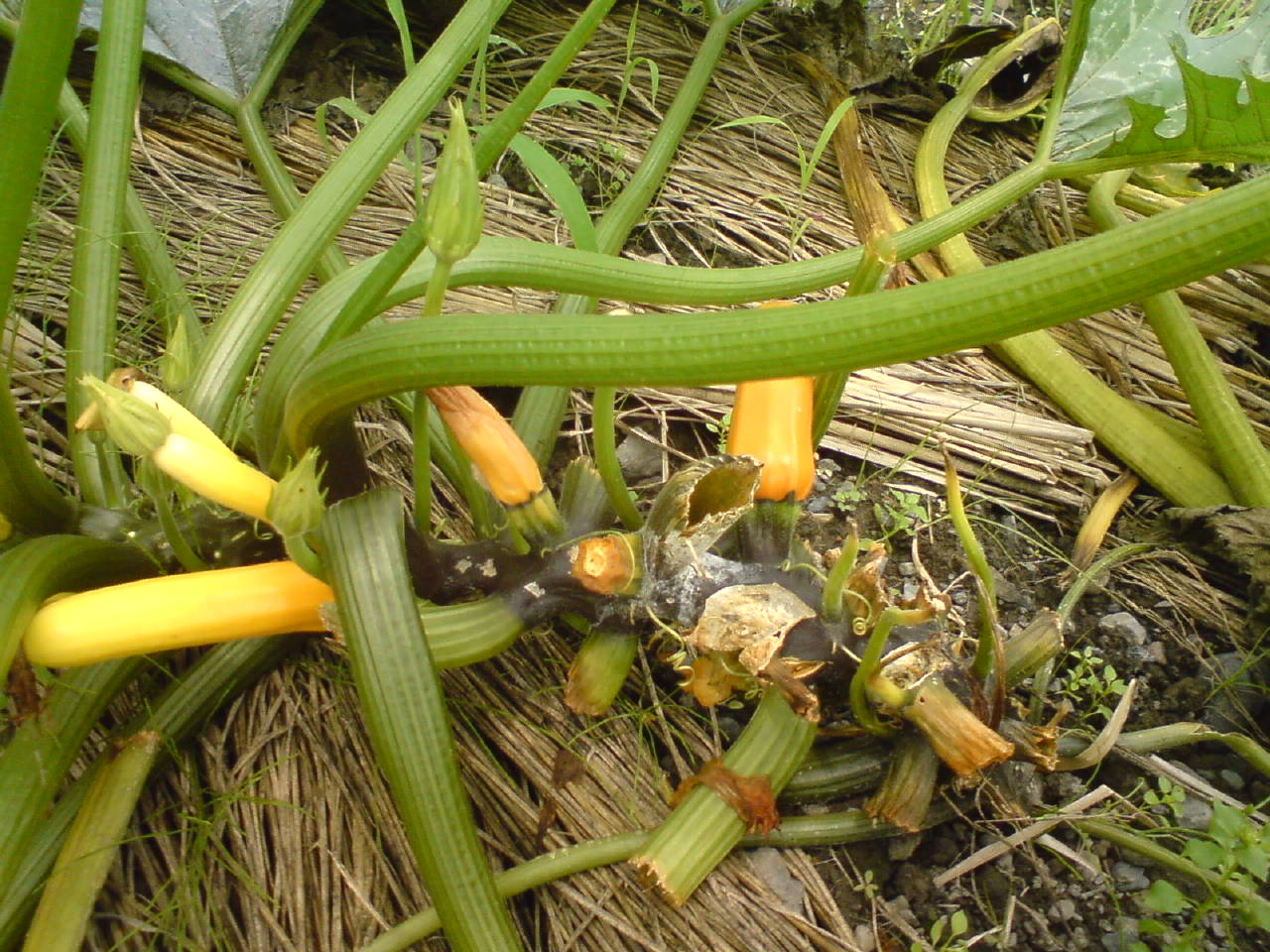
Shizuoka Agricultural Products: Mrs. Jitsuko Ishihara’s Zucchini!

In Japan, like in any country worth its salt and name, you always need a little help from your friends. And when that applies to agriculture and farmers, it is simply vital!

Luckily enough, I’m blessed with this tireless lady friend, namely Mrs. Natsuko Koyanagi, the recognized leader of all those farmer housewives selling their produce at Agriroad in Shizuoka City!
When you realize that the community accounts for more than a hundred members, interviewing simply becomes a pleasure!

Last year she introduced me to this sweet ladyfarmer, Mrs. Jitsuko Ishihara who has a special fondness for zucchini, especially of the colourful round kind!
Sorry for the small pic, but it was taken last year, as the lady was busy up in the mountain harvesting tea with her husband tis morning!

But in the Shizuoka (and elsewhere in Japan) countryside you don’t need a key to open a fence. Natsuko gave her a call to inform her that that strange foreigner (-“You know, the Frenchman who loved your zucchini last year?”) wanted to have another look at those beautiful vegetables. -“Is it ok for us to visit your field/garden?”
-“No problem, you know the place! Thanks for taking hime around!”
Simple as that!

Since I have started writing these local agriculture articles for the prefectural government I intend to conduct a full interview of Mrs. Ishihara very soon!
Natsuko, having given me a ride to Yuyama, along the Abe River (a good 5 minutes ride. For once, I was happy to leave my bicycle!) we were soon trampling Mrs. Ishihara’s domain and taking pics.

Not a really easy task as you have to delve deep under those large leaves with insects buzzing in your eyes (we are in the middle of the reason!)
There was no way I could leave the place without a hoard of those little treasures…

-“Natsuko, could you please ask Mr. Ishihara if I can have some of these?”
Natsuko was soon talking over her mobile phone (at least one reason to welcome IT in farms, thus cutting distances to zero!”)
-“She says she’ll be glad to let you pick one of your choice back home!” (Sweet lady!)
-“No, I mean to buy 3 or 4 of them! Ask her if I may, and how much she wants for them!”
-“……………

-“She says you can take 3 or 4 of them at 100 yen a piece (just over 1 US$)!”
-“But that’s ridiculously cheap (they would fetch 4 times as much in a supermarket) for a zucchini I need two hands to wrap them completely, and moreover fresh and of such a quality!”

Well, I did go away with my 4 beauties for a grand total of 400 yen! I tried to explain they would be served tonight at a friend’s izakaya who would be ready to the real price, but to no avail!

I will make sure my friends at Yasaitei in Shizuoka City know where these zucchini come from and answer their guests’ queries!
Do visit this great place, an institution here in Shizuoka Prefecture!
They will prepare and serve these zucchini according to your preferences, probably as tempura, steamed or fried with superb olive oil!

Can you see them?

YASAITEI
Shizuoka City, Aoi Ku, Tokiwa-Cho, 1-6-2 Green Heights Wamon 1-C
Tel.: 054-2543277
Business hours: 17:30~22:00
Closed on Sundays
Reservations highly recommended
Seating: 6 at counter + 20 at tables
Set Courses: 3,000, 4,000, 5,000 yen
HOMEPAGE (Japanese)

RECOMMENDED RELATED SITES:
Warren Bobrow, Bread + Butter, Zoy Zhang, Hungry Neko, Think Twice, Frank Fariello, Mangantayon, Hapabento, Elinluv Tidbit Corner, Tokyo Terrace, Maison de Christina, Chrys Niles,Lexi, Culinary Musings, Wheeling Gourmet, Comestiblog, Chronicles Of A Curious Cook, Tokyo Through The Drinking Glass, Tokyo Foodcast, Palate To Pen, Yellin Yakimono Gallery, Tokyo Terrace, Hilah Cooking, More than a Mount Full, Arkonite Bento, Happy Little Bento; 5 Star Foodie; Jefferson’s Table; Oyster Culture; Gourmet Fury; Island Vittles; Good Beer & Country Boys; Rubber Slippers In Italy; Color Food daidokoro/Osaka;/a; The Witchy Kitchen; Citron Et Vanille, Lunsj Med Buffet/Estonian Gastronomy (English), Cook, Eat, Play, Repeat

Please check the new postings at:
sake, shochu and sushi

Foodbuzz: Blogspot/WordPress Comment Boxes Compatibility: What works and does not work! (repeat)

1-sake

Greetings again!

This is a epeat of my article posted om May 3rd, 2009.
I felt it necessary to re-publish because it is still a problem, Blogspot does not agree much with WordPress users. I know some of the reasons, but I would prefer not to delve in “internet politics”!

This said, this is an appeal to Blogspot users to try and publish a Comment Box that is compatible with other systems, in particular Wodpress and Internet Explorer. It certainly will add to comments on your postings and new friends in your mail list!

Thanks to Jenn for helping!

I could not think of a better system than taking pics with my mobile phone as I don’t have a scanner in my office!

WHAT WORKS:

commentbox1

Jenn’s comments:
“I have this comment box for my blog: it is called “Full Page.” It’s in the comment form placement section in the comments tab under setting. In the “who can comment” section under the same tab I selected “anyone” and used the word verification setting. ”

Bear in mind that it must include an “Open ID” to allow access to other systems!

WHAT DOES NOT WORK:

commentbox2

This is the main culprit!
For all its simple design and the fact it says it allows other systems in, it just does not! Full stop.

Snicerly hoping this will help everyone!
Cheers,
Robert-Gilles Martineau

RECOMMENDED RELATED SITES:
Warren Bobrow, Bread + Butter, Zoy Zhang, Hungry Neko, Think Twice, Frank Fariello, Mangantayon, Hapabento, Elinluv Tidbit Corner, Tokyo Terrace, Maison de Christina, Chrys Niles,Lexi, Culinary Musings, Wheeling Gourmet, Comestiblog, Chronicles Of A Curious Cook, Tokyo Through The Drinking Glass, Tokyo Foodcast, Palate To Pen, Yellin Yakimono Gallery, Tokyo Terrace, Hilah Cooking, More than a Mount Full, Arkonite Bento, Happy Little Bento; 5 Star Foodie; Jefferson’s Table; Oyster Culture; Gourmet Fury; Island Vittles; Good Beer & Country Boys; Rubber Slippers In Italy; Color Food daidokoro/Osaka;/a; The Witchy Kitchen; Citron Et Vanille, Lunsj Med Buffet/Estonian Gastronomy (English), Cook, Eat, Play, Repeat

Please check the new postings at:
sake, shochu and sushi

Please check the new postings at:
sake, shochu and sushi

—————————————-
日本語のブログ
—————————————-

Vegan Natto Imperial Rolls

You happen to some steamed (cold) rice leftovers?
Great! You just need (made from rice rice powder or wheat flour) imperial roll wrappers, some natto, thi leeks and soy sauce to make a satisfying and crunchy vegan meal!

Vegan Natto Imperial Rolls!

INGREDIENTS: for 10 rolls

-Imperial roll wrappers: 10 sheets
-Natto: 3 standard packs
-Cold steamed rice (leftovers): 1 large bowl (standard rice ball/experiment!)
-Thin leeks (chopped): 3 tablespoons
-Soy sauce: 1 large spoon

Optional: mustard, hot sesame oil, tare, etc…

RECIPE:

-That’s all you need!

-Mix all ingredients well!

-Place an equal amount of the natto-rice mixture in/on themiddle of an imperial wrapper/sheet and roll.
You know how to do it?
Don’t forget to prepare a little cornstarch dissoled in lukewarm water to seal the rolls!

-Deep-fry in good oil!

Simple again!

RECOMMENDED RELATED SITES:
Warren Bobrow, Bread + Butter, Zoy Zhang, Hungry Neko, Think Twice, Frank Fariello, Mangantayon, Hapabento, Elinluv Tidbit Corner, Tokyo Terrace, Maison de Christina, Chrys Niles,Lexi, Culinary Musings, Wheeling Gourmet, Comestiblog, Chronicles Of A Curious Cook, Tokyo Through The Drinking Glass, Tokyo Foodcast, Palate To Pen, Yellin Yakimono Gallery, Tokyo Terrace, Hilah Cooking, More than a Mount Full, Arkonite Bento, Happy Little Bento; 5 Star Foodie; Jefferson’s Table; Oyster Culture; Gourmet Fury; Island Vittles; Good Beer & Country Boys; Rubber Slippers In Italy; Color Food daidokoro/Osaka;/a; The Witchy Kitchen; Citron Et Vanille, Lunsj Med Buffet/Estonian Gastronomy (English), Cook, Eat, Play, Repeat

Please check the new postings at:
sake, shochu and sushi