Tag Archives: Japanese Gastronomy

Shizuoka Vegetables: Shizen No Chikara Garden Party at Aquavite!

Service: Excellent and very friendly
Facilities: great and very large washroom, great cleanliness overall
Prices: reasonable to expensive. Top-class Italian wines. Private room for~8 people.
no-smoking-logo1 Non-smoking at counter! Private room can be made non-smoking, too!

Yesterday a party for 23 happy guests was organized by Shizen no Chikara Garden (“The Power of Nature”) at Aquavite with the help of Chef Masaru Aoki/青木勝!

A printed menu had been prepared for everyone for easy comprehension (if you asked for the translation in Italian, anyone would have understood! LOL)

I usually make a point to come a bit early at such parties “to take the temperature”!
The place was used to full capacity on that day!

The preparations started as early as the day before!
Incidentally I was sitting at the middle of the counter away from the crowd!

Real battle in the kitchen!

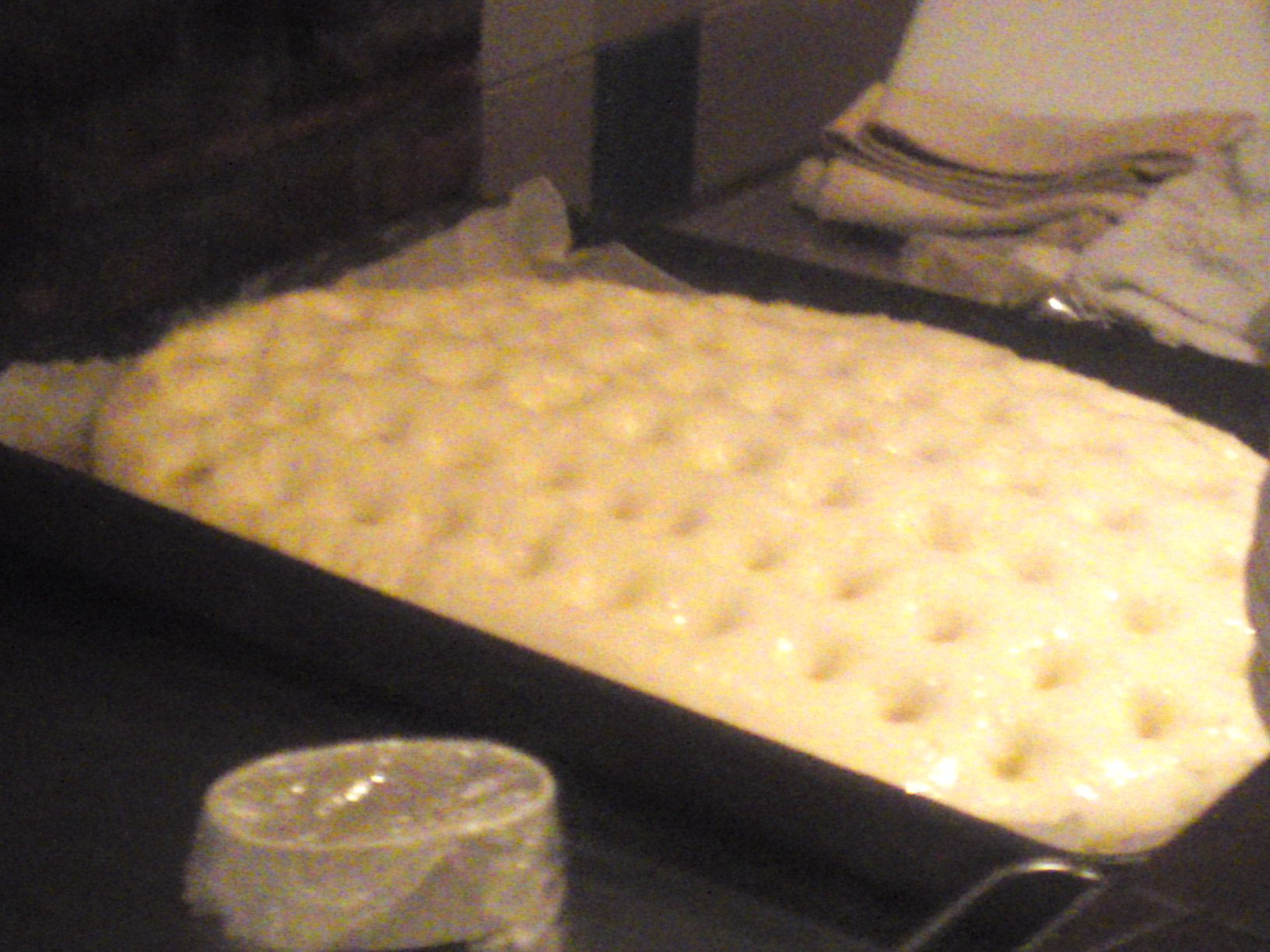
The Focaccia before being baked!

Out of the oven!

On the plate!

Organic vegetable directly from Shizen No Chikara Garden!

The first appetizer!
Can you guess what these green leaves are?
Green tea!

Second appetizer. Remember that all the vegetables are organic from the same Garden!

Cute little Spring onion!

Aquavite-style Barniacauda!

From another angle!
Such fun and pleasure dipping first-class vegetables into sophisticated dip!

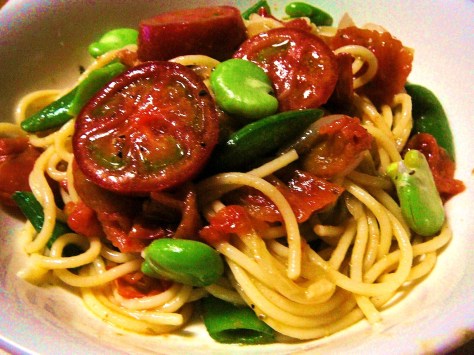
Aiko pearl tomato spaghetti!

Unlike the other guests, I had the pleasure to witness their creation in front of my very eyes!

Involtini: broad beans and ricotta paste-filled Asahi Chicken roll!

.

From another angle!

Baked risotto!

The Involtini!

It was such a pleasure to break it up!

Making desserts from vegetables for such a big party is just unpractical, so Chef Aoki came with his own!

Sherbet created with musk melon from Fukuroi City!

Chef Aoki’s (very) special Tiramisu!

A big thanks to chef Aoki for a true pro’s work!

AQUAVITE
Address: 420-0034 Shizuoka Shi, Tokiwa-cho, 1-2-7, Tomii Bldg. 3F
Tel. & fax: 054-2740777
Opening hours: 11:30~14:00 18:00~22:00
Closed on Sundays
Homepage (Japanese)
Credit Cards OK

RECOMMENDED RELATED SITES:
With a Glass,
Bread + Butter, Zoy Zhang, Hungry Neko, Think Twice, Frank Fariello, Mangantayon, Hapabento, Elinluv Tidbit Corner, Tokyo Terrace, Maison de Christina, Chrys Niles,Lexi, Culinary Musings, Wheeling Gourmet, Comestiblog, Chronicles Of A Curious Cook, Tokyo Through The Drinking Glass, Tokyo Foodcast, Palate To Pen, Yellin Yakimono Gallery, Tokyo Terrace, Hilah Cooking, More than a Mount Full, Arkonite Bento, Happy Little Bento; 5 Star Foodie; Jefferson’s Table; Oyster Culture; Gourmet Fury; Island Vittles; Good Beer & Country Boys; Rubber Slippers In Italy; Color Food daidokoro/Osaka;/a; The Witchy Kitchen; Citron Et Vanille, Lunsj Med Buffet/Estonian Gastronomy (English), Cook, Eat, Play, Repeat, Chrisoscope, Agrigraph, The Agriculture Portal to shizuoka!

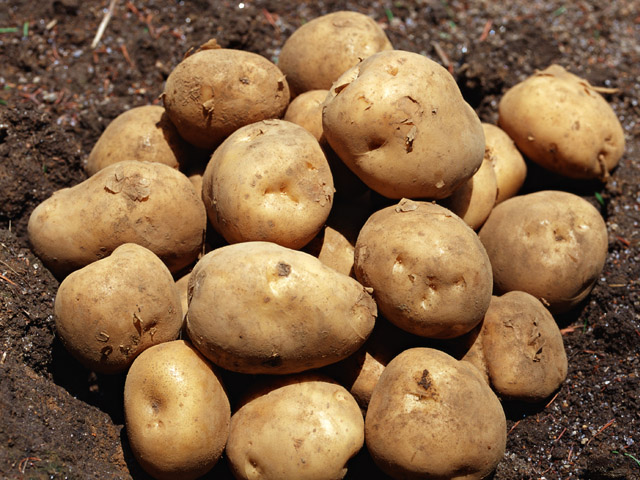
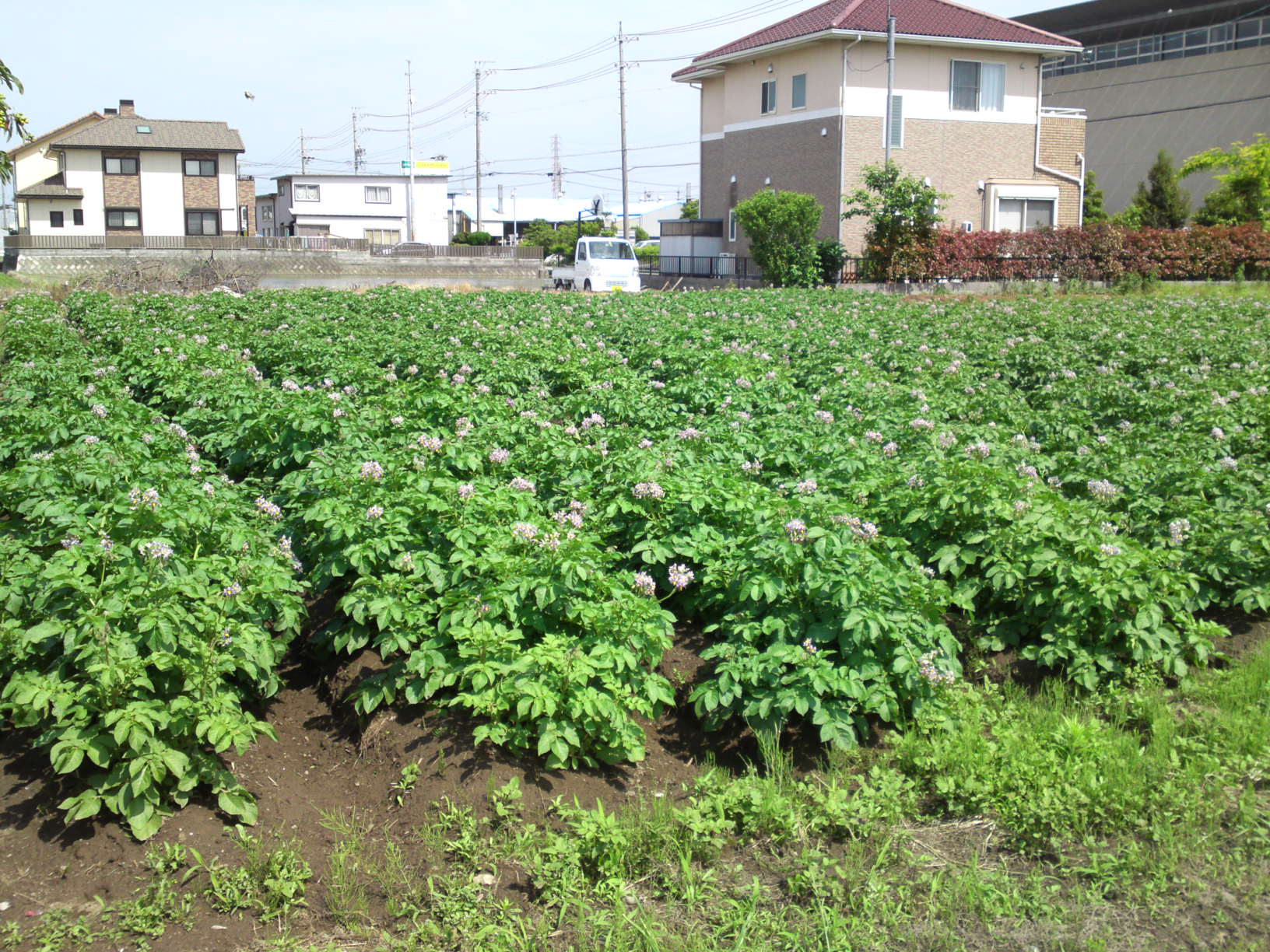
Japanese Vegetables: Potatoes (updated)

potatoes

Potatoes were first introduced to Japan in 1910 by Baron Kawata from Great Britain/Ireland giving the name of “Danshaku/Baron” to the most commonly used potato in Japan, especially in croquettes and salads.
The biggest potato exporters to Japan are China and India, although more and more are grown locally.
Over the years Japanese famers have greatly expanded the number of varieties, and it has became an embarrassment of choices.

FACTS:

Potatoes are available all year round, but are at their peak from May to July in Japan when new potatoes can be eaten whole!
New potatoes can be found from Februray to June.

-Analytic data (as per 100g):
Energy: 76 kcal
Water: 79.8 g
Carbohydrates: 17.6 g
Proteins: 1.6 g
Inorganic qualities:
Potassium: 410 mg
Magnesium: 20 mg
Phosphorus: 40 mg
Iron: 0.4 mg
Zinc: 0.2 mg
Manganese: 0.11 mg
Vitamins:
B1: 0.09mg
B2: 0.03 mg
B6: 0.18 mg
C: 35 mg
Dietary fibers: 1.3 g

TIPS:

-Preservation: Wrap potatoes inside newspaper and keep them in a dark, well-ventilated place away from the sunlight.

-Choose specimens well-rounded and with healthy skin. Avoid specimens with buds or of greenish colour (risks of diarrhea). Cut out all “dark spots”!
-Preserve them together with apples to prevent buds from coming out!
-To avoid a change of colour, wash potatoes in water after peeling or cutting.
-If you want to keep your potatoes for a while after boiling them, plunge them in (change it as many times as necessary) cold water until completely cooled down. They will not break or crumble when used later.
-After boiling cut potatoes, throw away water and keep heating them until they have lost a great part of their moisture. They will attain a crispy enough nature without resorting to deep-frying!

HEALTH FACTS:

-Combined with kiwi fruit or cucumber, or green tea, or mayonnaise, they help combat cancer, high blood pressure and ageing.
-Combined with Chinese cabbage, or peach, or banana, or honey, they help combat digestive disorders.
-Combined with lemon, or strawberries, or spinach, or broccoli, they help combat stress, constipation and cancer.
-Combined with vinegar, or chicken, or bonito (katsuo), or oysters, they provide extra body stamina.

VARIETIES

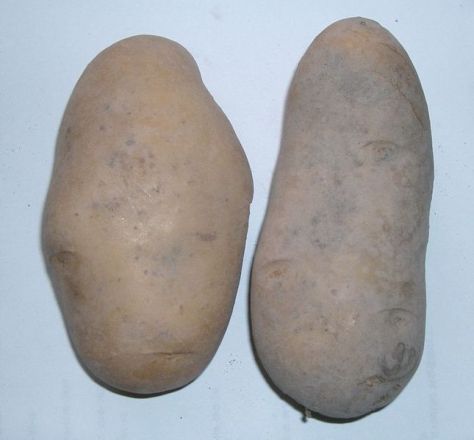
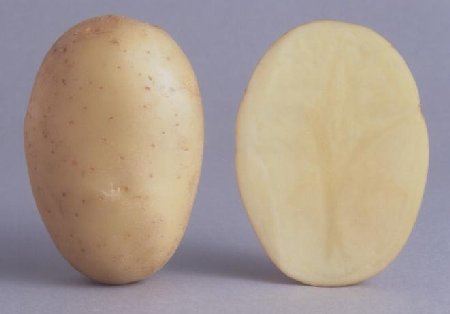
danshaku-potato

“Danshaku”

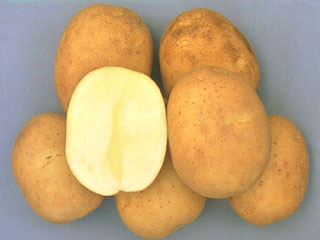
kitaakari-potato
“Kita Akari” used for mashed potatoes and croquettes,

mayqueen-potato
“May Queen” used in stews,

toyoshiro-potato
“Toyoshishiro” used for fried potatoes,

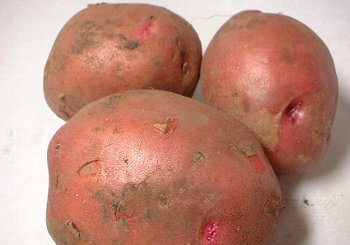
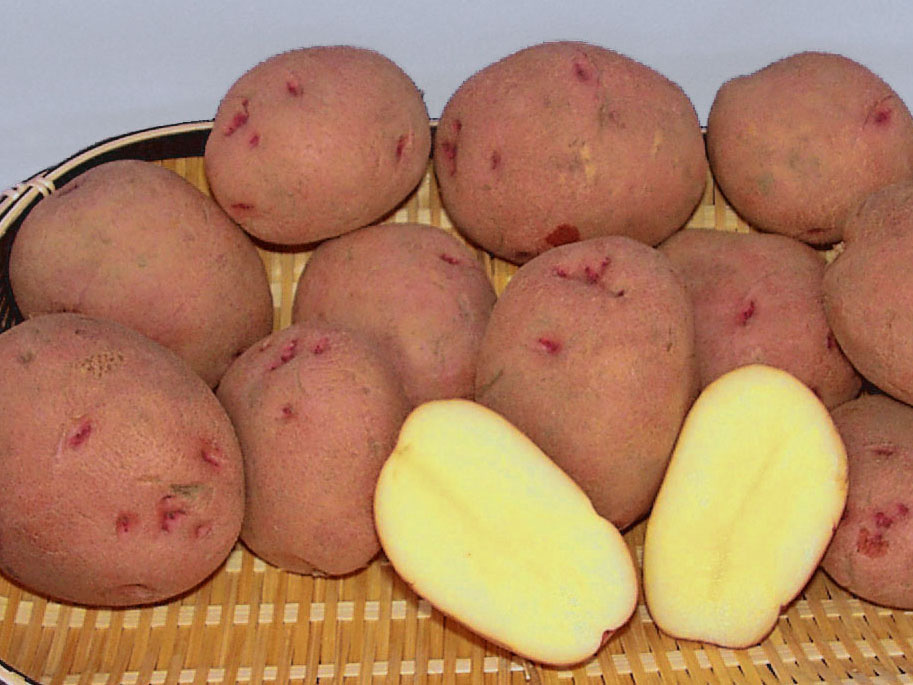
redandespotato
“Red Andes” used for croquettes and Pot au feu,

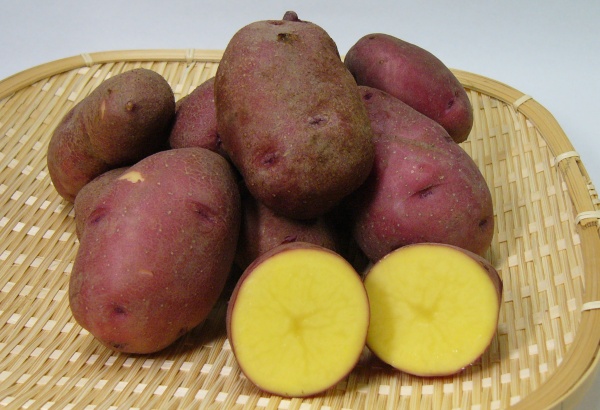
incanomezame-potato
“Inca No Mezame” used for stews.

“Inca No Hitomi”. Also called “Inca no Mezame”, they are popular for their nutty taste.

“Hokkai Kogane”. Grown mainly in Hokkaido Island, they have the particularity to oxydize and change colour a lot later than other potatoes.

“Tokachi Kogane”. Can be stocked and preserved a long time. Make for great fried potato chips!

“Mathilda”. Fine-grained and usually vey regular-shaped, theycan be presented whole for good effect.

“Touya”. Very good for long cooking as they don’t break away easily.

“Star Ruby”. A relatively new viety very apt for stews.

“Cynthia”. Recently imported vaiety from France. Very fine grain. Does break up even after being cooked long time.

“Kita Murasaki”. Very unusual potato with skin and flesh of the same colour. Better fried than boiled as wate will get couloured.

“Red Moon”. Also called “Red May Queen”, great for stews.

RECOMMENDED RELATED SITES:
With a Glass,
Bread + Butter, Zoy Zhang, Hungry Neko, Think Twice, Frank Fariello, Mangantayon, Hapabento, Elinluv Tidbit Corner, Tokyo Terrace, Maison de Christina, Chrys Niles,Lexi, Culinary Musings, Wheeling Gourmet, Comestiblog, Chronicles Of A Curious Cook, Tokyo Through The Drinking Glass, Tokyo Foodcast, Palate To Pen, Yellin Yakimono Gallery, Tokyo Terrace, Hilah Cooking, More than a Mount Full, Arkonite Bento, Happy Little Bento; 5 Star Foodie; Jefferson’s Table; Oyster Culture; Gourmet Fury; Island Vittles; Good Beer & Country Boys; Rubber Slippers In Italy; Color Food daidokoro/Osaka;/a; The Witchy Kitchen; Citron Et Vanille, Lunsj Med Buffet/Estonian Gastronomy (English), Cook, Eat, Play, Repeat, Chrisoscope, Agrigraph, The Agriculture Portal to shizuoka!

Shizuoka Sake Tasting: Doi Brewery-Hana no Ka Homare Fuji Rice Junmai Ginjyo Nama Genshu

Doi Brewery has been already been producing this Hana no Ka/華の香 for the past few years according to old traditional methods
This particular brew was concocted with Homare Fuji Sake Rice grown in Shizuoka Prefecture and is the untouched product as it is nama (no sterilizing) Junmai (no alcohol added) muroka/unfiltered, a true connoisseur’s delight!

It also comes with plenty of comments: kasumi ka kumo ka nigori zake/霞か雲かにごり酒/A sake like a haze or a cloud? (referring to the presence of sakekasu/white lees!

Rice: Homare Fuji (100% Shizuoka-grown)
Rice milled down to 55%
Yeast: Shizuoka Yeast
Alcohol: 17 degrees
Bottled in March 2011

Clarity: very clear when at rest, slightly smoky when stirred
Color: Faint golden hue
Aroma: Pleasant. Alcohol. Fruity. Pineapple.
Body: fluid and siruppy
Taste: Strong alcohol and junmai petillant attack which quickly disappears.
Fruity: pineapple, custard, almonds.
Makes a complete turn from sweetish to dryish, a telltale mark of sakekasu/white lees
Lingers for a while with alcohol leaving a somewhat marked impression.
Marries and changes little with food.

Overall: A sake obviously devised for food in spite of its ginjyo status.
A sake for the connoisseurs as it is absolutely left untouched.
Great for a Japanese izakaya-style party!

Must-see tasting websites:
-Sake: Tokyo Through The Drinking Glass, Tokyo Foodcast, Urban Sake, Sake World
-Wine: Palate To Pen, Warren Bobrow, Cellar Tours, Ancient Fire Wines Blog
-Beer: Good Beer & Country Boys, Another Pint, Please!
-Japanese Pottery to enjoy your favourite drinks: Yellin Yakimono Gallery

Miso: The Basics (updated)

MISO-1
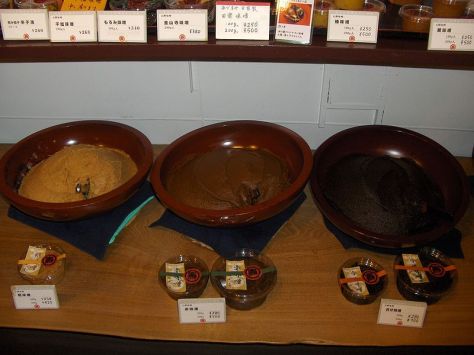
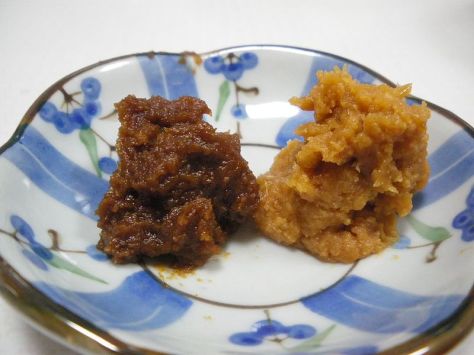
Three types of miso

Since Sissi and her many friends seem to be more than interested in miso I thought it was grand time i published again this old article of mine, hoping it will prove useful to many

Miso (みそ or 味噌) is a traditional Japanese seasoning produced by fermenting rice, barley and/or soybeans, with salt and a yeast called kōjikin (麹菌) in Japanese, the most typical miso being made with soybeans. The result is a thick paste used for sauces and spreads, pickling vegetables or meats, and mixing with dashi soup stock to serve as miso soup, Misoshiru (味噌汁), a Japanese culinary staple. High in protein and rich in vitamins and minerals, miso played an important nutritional role in feudal Japan. Miso is still very widely used in Japan, both in traditional and modern cooking, and has been gaining world-wide interest. Miso is typically salty, but its flavor and aroma depend on various factors in the ingredients and fermentation process. Different varieties of miso have been described as salty, sweet, earthy, fruity, and savory, and there is an extremely wide variety of miso available.

MISO-8
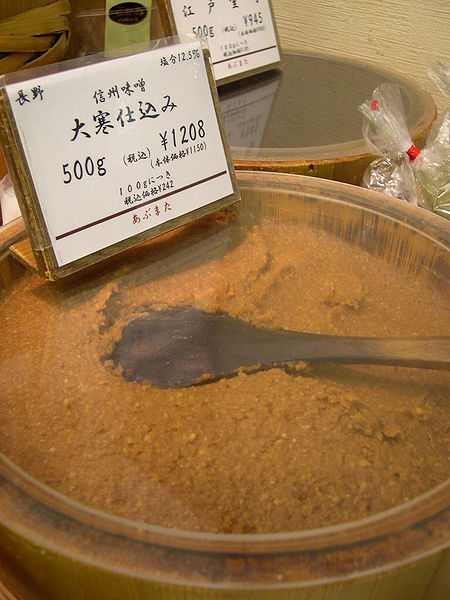
Miso from Nagano Prefecture on sale in Kyoto

The predecessor of miso originated in China during the 3rd century BC or earlier, and it is probable that this, together with related fermented soy-based foods, was introduced to Japan at the same time as Buddhism in the 6th century AD.This fermented food was called “Shi”.
Until the Muromachi era, miso was made without grinding the soybeans, somewhat like natto. In the Kamakura era, a common meal was made up of a bowl of rice, some dried fish, a serving of miso, and a fresh vegetable. In the Muromachi era, Buddhist monks discovered that soybeans could be ground into a paste, spawning new cooking methods where miso was used to flavor other foods.
In the Sengoku (Feudal) era, miso was useful as a military provision and precious nourishing food for soldiers.
During the Edo period miso was also called hishio and kuki.
In the modern era, the industrial method of producing miso in large quantities was established and it became rare to make miso at home, although miso made in farms has suddenly become fashinable as a health food.

MISO-2
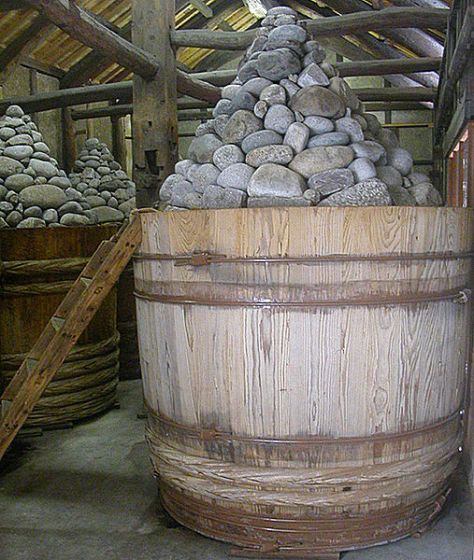
Miso being fermented inside a large wood cask

VARIETIES (FLAVOUR)

The taste, aroma, texture, and appearance of any specific miso vary with the miso type as well as the region and season for which the miso was made. The ingredients used, temperature and duration of fermentation, salt content, variety of kōji/yeast, and fermenting vessel all contribute. The most common flavor categories of soy miso are:

Shiromiso, “white miso”
Akamiso, “red miso”

MISO-5
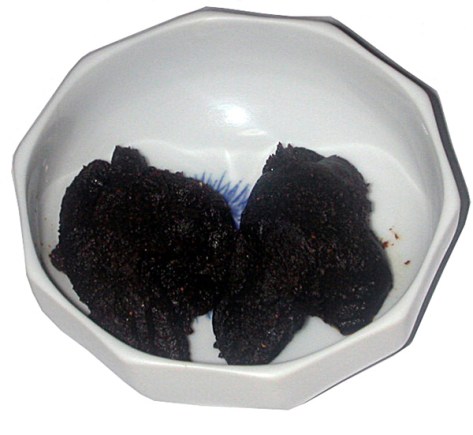
Kuromiso, “black miso”

Hatchomiso
White and red (shiromiso and akamiso) are the basic types of miso available in all of Japan as well as overseas. Different varieties are preferred in particular regions. For example, in the eastern Kantō region that includes Tokyo, the lighter shiromiso is popular, while in the western Kansai region encompassing Osaka, Kyoto, and Kobe, darker brownish hatchomiso is preferred, and akamiso is favored in the Tokai area.

MISO-4
Akamiso and shiromiso

VARIETIES (INGREDIENTS)

The raw materials used to produce miso may include any mix of soybeans, barley, rice, buckwheat, millet, rye, wheat, hemp seed, and cycad, among others. Lately, producers in other countries have also begun selling miso made from chick peas, corn, azuki beans, amaranth, and quinoa. Fermentation time ranges from as little as five days to several years. The wide variety of Japanese miso is difficult to classify, but is commonly done by grain type, color, taste, and background.

MISO-6
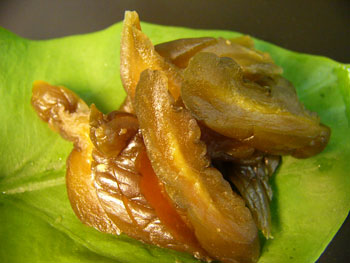
Kinzanji/Kinzan Temple (金山寺味噌) miso

mugi (麦): barley
tsubu (粒): whole wheat/barley
aka (赤): red, made with rice koji and soybeans, medium flavor, most widely used in Japan
Hatchō (八丁): aged, strongest flavor, used mostly in Central Japan
shiro (白): rice, sweet white, fresh
shinshu (信州): rice, brown color
genmai (玄米): brown rice
awase (合わせ): layered, typically in supermarket
moromi (醪): chunky, healthy (kōji/yeast is unblended)
nanban (南蛮): chunky, sweet, for dipping sauce
inaka (田舎): farmstyle
taima (大麻): hemp seed
sobamugi (蕎麦): buckwheat
hadakamugi (裸麦): rye
meri (蘇鉄): made from cycad pulp, Buddhist temple diet
gokoku (五穀): “5 grains”: soy, wheat, barley, proso millet, and foxtail millet
Many regions have their own specific variation on the miso standard. For example, the soybeans used in Sendai miso are much more coarsely mashed than in normal soy miso.

Miso made with rice (including shinshu and shiro miso) is called kome (rice) miso (米味噌).

MISO-3
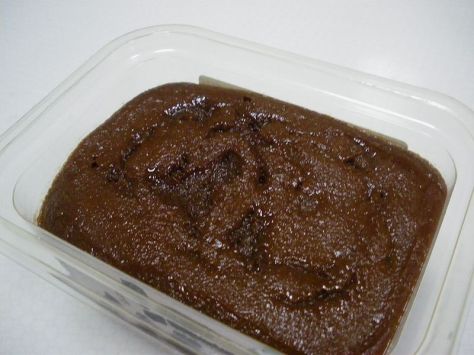
Miso sold in plastic container.

STORAGE AND PREPARATION

Miso typically comes as a paste in a sealed container, and should be kept refrigerated after opening. It can be eaten raw, and cooking changes its flavor and nutritional value; when used in miso soup, most cooks do not allow the miso to come to a full boil. Some people, especially those outside of Japan, go so far as to only add miso to preparations after they have cooled, to preserve the biological activity of the kōjikin/fermented yeast. Since miso and soy foods play a large role in the Japanese diet, there are a variety of cooked miso dishes as well.

MISO-7
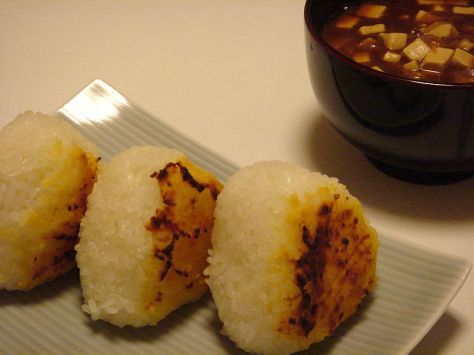
Grilled miso seasoned rice balls and miso soup

MISO AS FOOD

Miso is a part of many Japanese-style meals. It most commonly appears as the main ingredient of miso soup, which is eaten daily by much of the Japanese population. The pairing of plain rice and miso soup is considered a fundamental unit of Japanese cuisine. This pairing is the basis of a traditional Japanese breakfast, although more and more Japanese in big towns eat European style as opposed to people living in the country.

MISO-9
Cucmber pickled in “gold miso”

Miso is used in many other types of soup and souplike dishes, including some kinds of ramen, udon, nabe, and imoni. Generally, such dishes have the title miso prepended to their name (for example, miso-udon), and have a heavier, earthier flavor and aroma compared to other Japanese soups that are not miso-based.

MISO-10
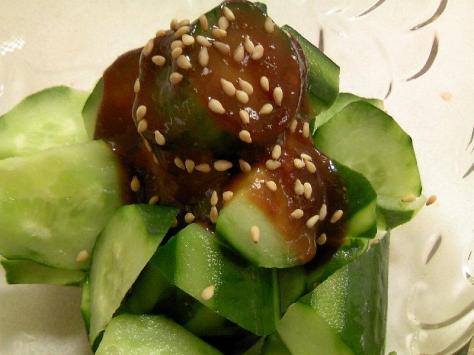
Fresh cucumber served with miso and sesame seeds

Many traditional confections use a sweet, thick miso glaze, such as mochidango. Miso glazed treats are strongly associated with Japanese festivals, although they are available year-round at supermarkets. The consistency of miso glaze ranges from thick and taffy-like to thin and drippy.

Soy miso is used to make a type of pickle called “misozuke” (味噌漬け). These pickles are typically made from cucumber, daikon, hakusai/Chinese cabbage, or eggplant/aubergine, and are sweeter and less salty than the standard Japanese salt pickle. Barley miso, or nukamiso (糠味噌), is used to make another type of pickle. Nukamiso is a fermented product, and considered a type of miso in Japanese culture and linguistics, but does not contain soy, and so is functionally quite different. Like soy miso, nukamiso is fermented using kōji mold.

Other foods with miso as an ingredient include:

dengaku (charcoal-grilled miso covered tofu)
yakimochi (charcoal-grilled miso covered mochi)
miso braised vegetables or mushrooms
marinades: fish or chicken can be marinated in miso and sake overnight to be grilled.
corn on the cob in Japan is usually coated with shiro miso, wrapped in foil and grilled.
sauces: sauces like misoyaki (a variant on teriyaki) are common.

NUTRITION AND HEALTH

The nutritional benefits of miso have been widely touted by commercial enterprises and home cooks alike. However, claims that miso is high in vitamin B12 have been contradicted in some studies. Part of the confusion may stem from the fact that some soy products are high in B vitamins (though not necessarily B12), and some, such as soy milk, may be fortified with vitamin B12. Some, especially proponents of healthy eating, suggest that miso can help treat radiation sickness, citing cases in Japan and Russia where people have been fed miso after the Chernobyl nuclear disaster and the atomic bombings of Hiroshima and Nagasaki. Also some experts suggest that miso is a source of Lactobacillus acidophilus or Lecithin which is a kind of phospholipid caused by fermentation is effective in the prevention of high blood pressure. Miso contains salt. A small amount is essential to animal life but most scientists believe an excess of it can cause a variety of health problems.

RECOMMENDED RELATED SITES:
With a Glass,
Bread + Butter, Zoy Zhang, Hungry Neko, Think Twice, Frank Fariello, Mangantayon, Hapabento, Elinluv Tidbit Corner, Tokyo Terrace, Maison de Christina, Chrys Niles,Lexi, Culinary Musings, Wheeling Gourmet, Comestiblog, Chronicles Of A Curious Cook, Tokyo Through The Drinking Glass, Tokyo Foodcast, Palate To Pen, Yellin Yakimono Gallery, Tokyo Terrace, Hilah Cooking, More than a Mount Full, Arkonite Bento, Happy Little Bento; 5 Star Foodie; Jefferson’s Table; Oyster Culture; Gourmet Fury; Island Vittles; Good Beer & Country Boys; Rubber Slippers In Italy; Color Food daidokoro/Osaka;/a; The Witchy Kitchen; Citron Et Vanille, Lunsj Med Buffet/Estonian Gastronomy (English), Cook, Eat, Play, Repeat, Chrisoscope, Agrigraph, The Agriculture Portal to shizuoka!

French Cuisine: Harmony in Iwata City

Service: easy-going and friendly
Facilities: good general cleanliness
Prices: reasonable
Strong points: Most of ingredients are local!
Completely non-smoking!

Do not be misled by the somewhat passé look of this Restaurant and Souvenir Shop along a busy thoroughfare and its interior of a past gone.

The decor might be out of date but the food is alive and worth regular visits!

The sign is not easy to miss in any case!

A retro look?
Maybe, but Chef Hiroyuki Adachi is on a mission: he has devoted his life and craft to the local producers, breeders and fishermen and endeavored to make them known to all through his exclusively seasonal menus he offers his guests whoever they are!

Each month witnesses a different lunch course titled according to the flavor or ingredient of the season/month!

Mr. Adachi has little problem finding his ingredients, surrounded as he is by arguably the richest garden in Japan in Iwata City!

A quick walk in the vicinity after lunch (before the next interview) certainly revealed how good food was close by!

Many farmers offer on-field lessons!

Strawberry seedlings being prepared for the next season!

Chef Adachi and a young farmer, Takeshi Ichikawa (my next interview), who supplies sweet corn (beautiful raw!) to the restaurant!

As this was my first visit I opted for the “mini-dinner course lunch” to get a good idea of the food offered at Harmony!

Enormous appetizers plate!

Semi-dried tomato in olive oil and its essence jelly in the small glass beside it!

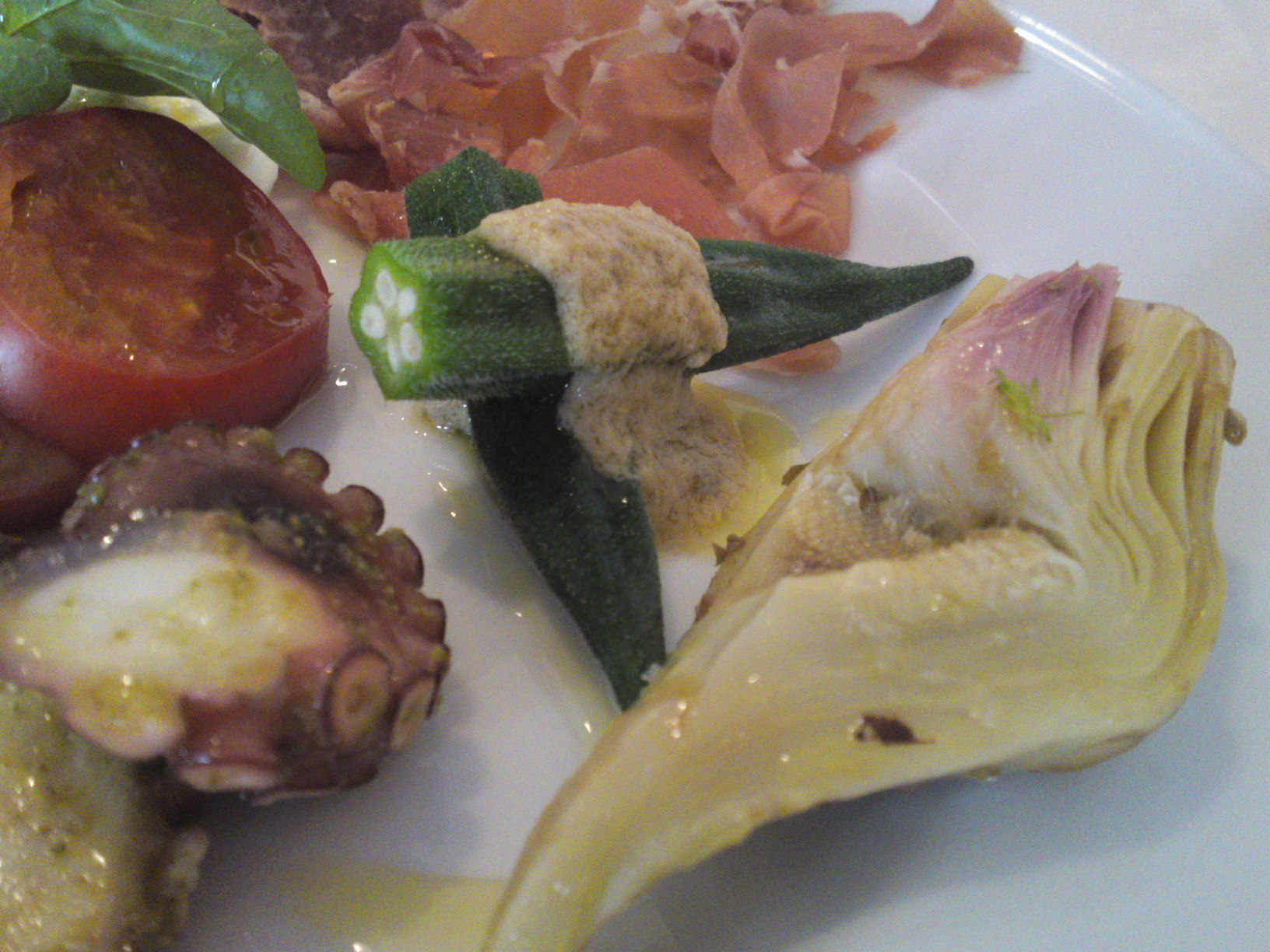
In between local vegetables octopus and local seared black bass.

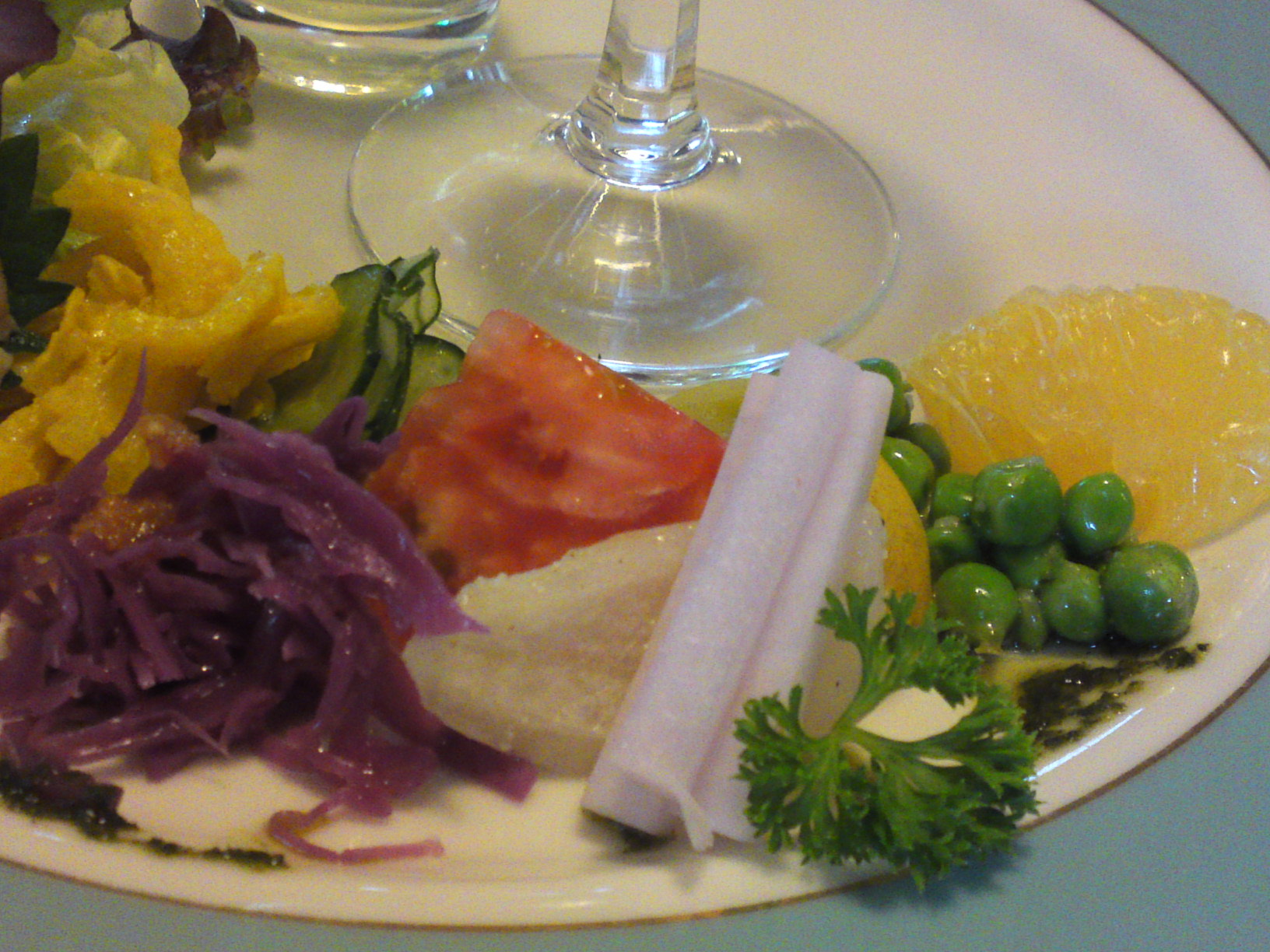
Local vegetables and fruit!

The seared black bass from Hamanako!

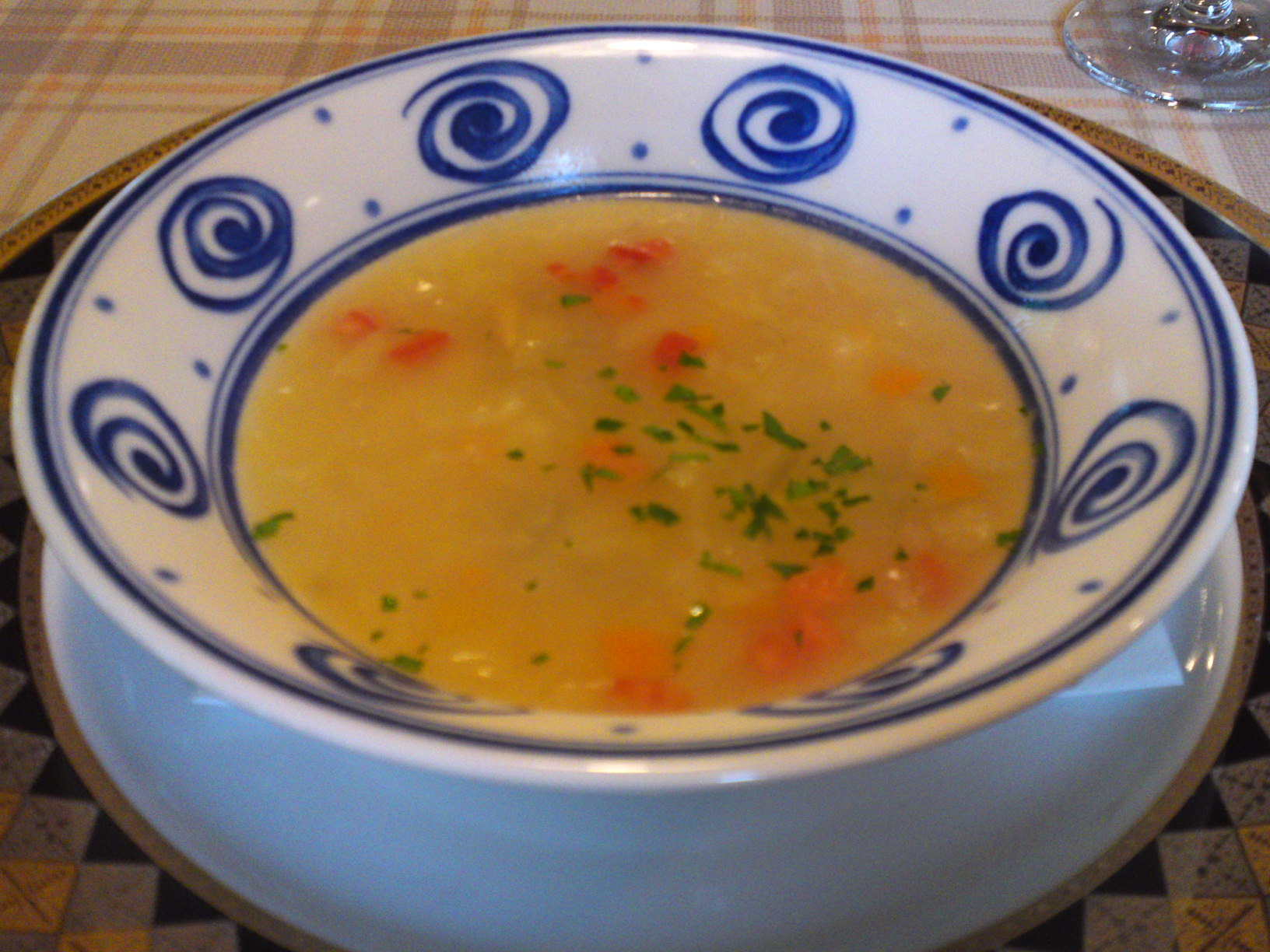
A very tasty soup of local seasonal vegetables!

Home-made matcha and turmeric bread!

Local “tai”/red grouper in Southern French style with its local vegetables!

For a closer look!

Beautiful local vegetables!

From another angle!
The “white flower” is actually a lily bulb! Delicious!

Enshyuu Mikawa Beef Filet!

Beautiful and so tender steak! Extravagant in Japan!

The steamed local vegetables. Great with the beef sauce!

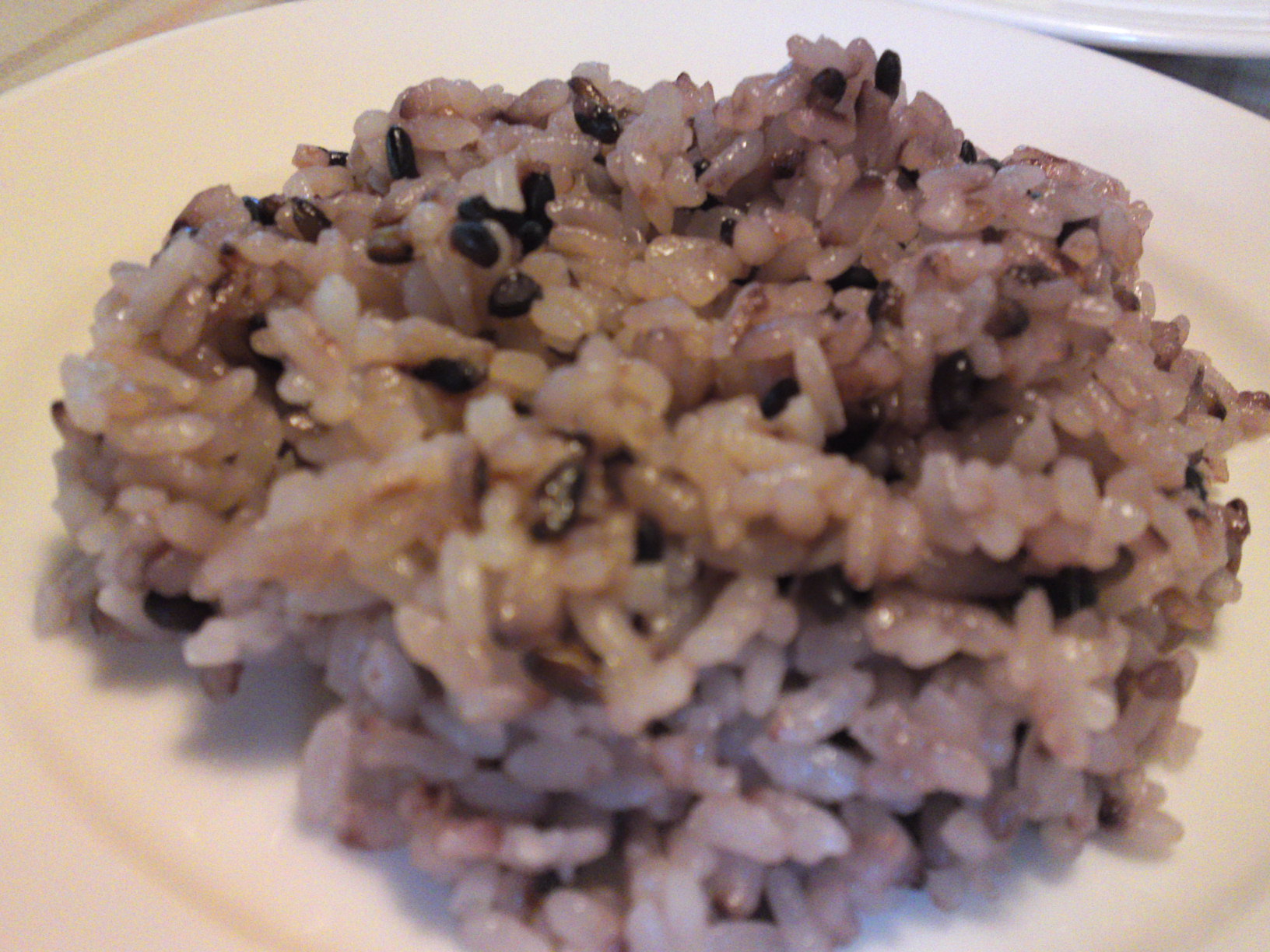
Very healthy rice mixed with black rice!

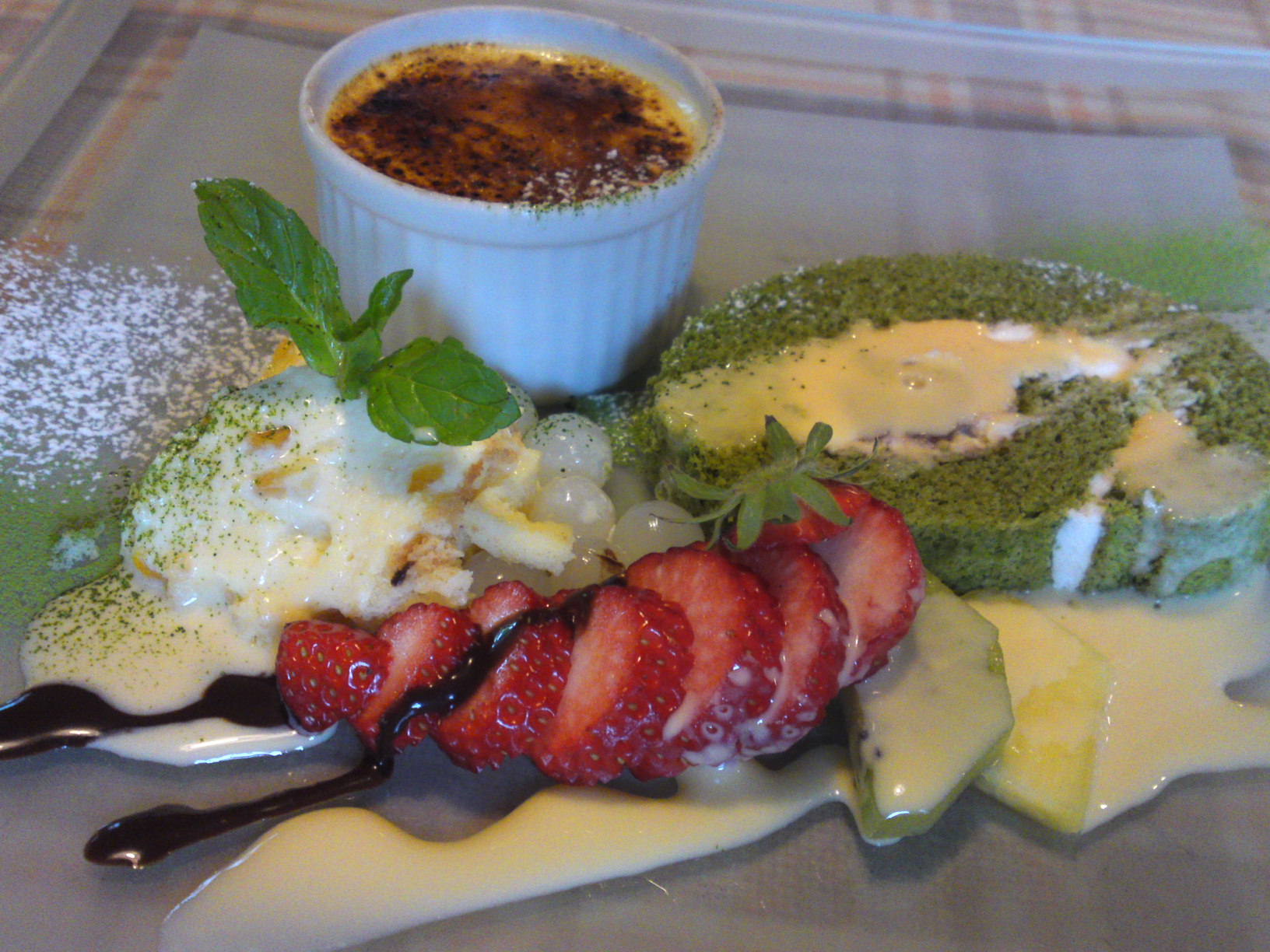
And now the local dessert plate!

Natsu mikan orange blanc mange and strawberries!

Japanese-style matcha roll cake!

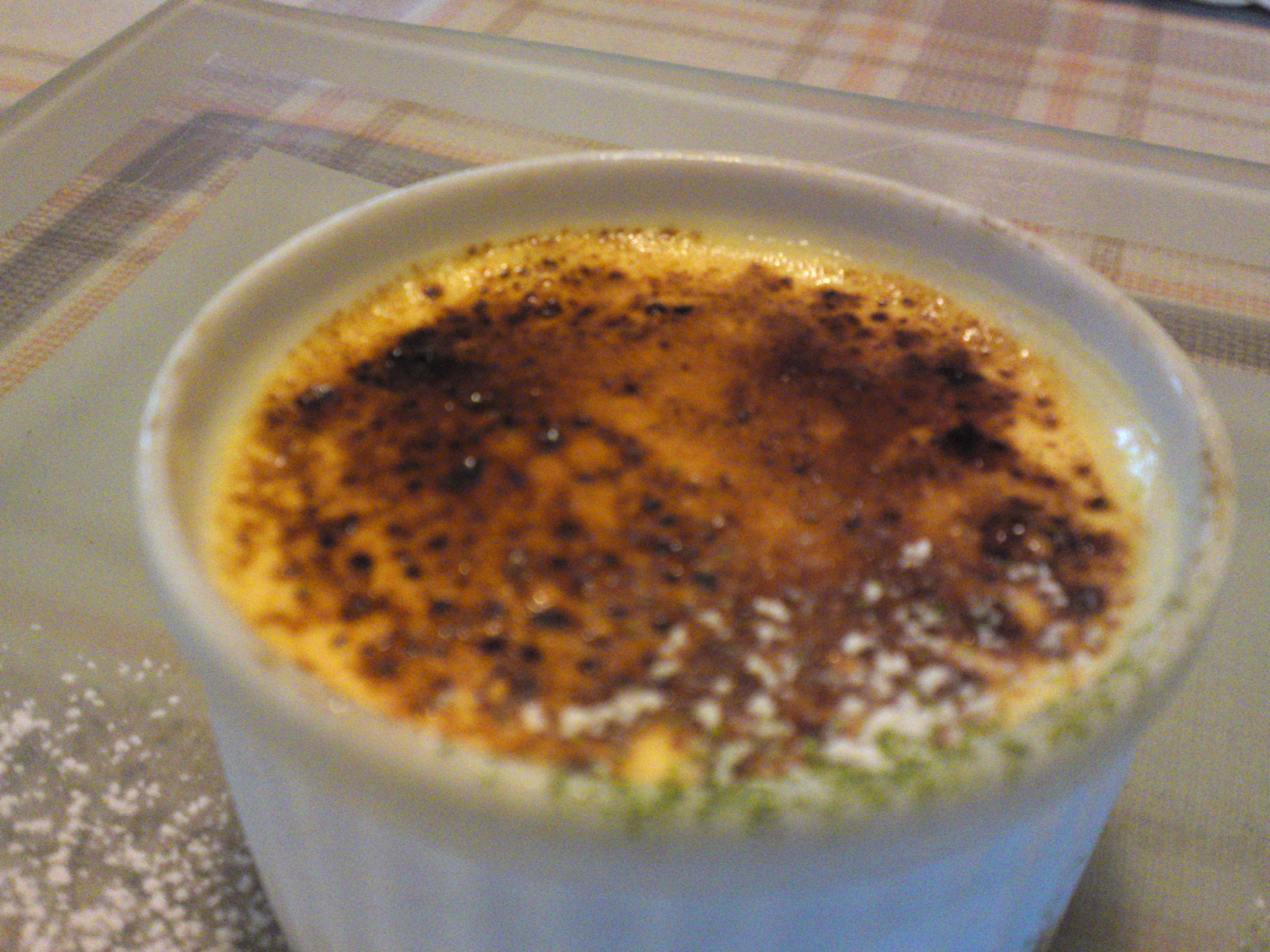
Now, why is Mr. Adachi’s creme brulee so famous?
The secret lies under the cream!

Iwata tomato sherbet!
Now, this is a creation!

I hope you understand why I’m planning to travel all the way from Shizuoka City again (1 hour by train!)!

HARMONY
438-0831, Shizuoka Ken, Iwata Shi, Kamishinya, 499-1
Tel.: 0538-21-1511
Fax: 0538-21-1515
Business hours: 11:00~14:00, 17:00~21:00
Closed on Mondays, 1st & 3rd Tuesdays
Big parking available
HOMEPAGE

RECOMMENDED RELATED SITES:
With a Glass,
Bread + Butter, Zoy Zhang, Hungry Neko, Think Twice, Frank Fariello, Mangantayon, Hapabento, Elinluv Tidbit Corner, Tokyo Terrace, Maison de Christina, Chrys Niles,Lexi, Culinary Musings, Wheeling Gourmet, Comestiblog, Chronicles Of A Curious Cook, Tokyo Through The Drinking Glass, Tokyo Foodcast, Palate To Pen, Yellin Yakimono Gallery, Tokyo Terrace, Hilah Cooking, More than a Mount Full, Arkonite Bento, Happy Little Bento; 5 Star Foodie; Jefferson’s Table; Oyster Culture; Gourmet Fury; Island Vittles; Good Beer & Country Boys; Rubber Slippers In Italy; Color Food daidokoro/Osaka;/a; The Witchy Kitchen; Citron Et Vanille, Lunsj Med Buffet/Estonian Gastronomy (English), Cook, Eat, Play, Repeat, Chrisoscope, Agrigraph, The Agriculture Portal to shizuoka!

French Cuisine at Pissenlit: Suruga Beef, Hirokawa Organic Vegetables and Fukumaru Green Tea Tempura!

Service: excellent and very friendly
Facilities: great washroom, great cleanliness overall
Prices: reasonable, good value.
Strong points: Interesting wine list. Great use of local products.
no-smoking-logoentirely non-smoking!

This superb dish conceived by Chef Tooru Arima at Pissenlit in Shizuoka City has a history I actively contributed to!
To make a long story short I spent this morning high in the mountains in Hirano picking the first tea of the year in the fields of Marufuku Tea Factory (details at the end of this article) and I was really starving when I came back downtown at noon. I decided to visit Pissenlit as I had a couple of ideas in mind!

I did enjoy a full meal before and after the main dish but allow me to concentrate on the latter as it is a true Shizuoka Gastronomic experience!
First the beef is fillet of local Suruga Beef raised in Aoi Ku, Shizuoka City. It was prepared as a classic French steak with Madeira sauce!

Except for the tea leaves the vegetables come from Hirokawa Organic Garden in Mishima City.
As usual Mr. Arima steamed them to perfection preserving their taste, flavor and crispiness!

Marufuku Tea Factory Organic Tea Fields in Hirano, Aoi Ku, Shizuoka City!

Mr. Bunji Itoh grows among others two varieties of green tea organically in altitude (over 800 m.!) up in the mountains of Hirano, Aoi Ku, Shizuoka City near the source of the Abe River.
I joined him and his daughter, Asami, to pick up the first leaves of the year (Ichi ban cha)!
While workers were busy cutting the rest of the fields I was invited to hand-pick my own new tea leaves, a great honor if there is one!

I knew how to choose and pick the tender tips like the one shown above.
I found myself with a whole bunch of them. By bunch I mean a bag full of them!
The ideal idea came to my mind (sometimes my brain works in the right direction…): I brought them to Mr. Arima at Pissenlit who was more than glad to obtain the first leaves of the year of authentic organic tea from his own city. There are all kinds of ways that a great chef can accommodate them but probably the best one is tempura!

Tender new tea leaves as tempura is not only a gastronomic experience but you can imagine how difficult it is to get the opportunity to taste such a delicacy reserved to the first day of the first crop of the year!
I very much doubt you can be served it even in the best restaurant in Tokyo!

What’s going to be next…? I already have a clear idea! LOL

PISSENLIT
420-0839 Shizuoka City, Aoi Ku, Takajo, 2-3-4
Tel.: 054-270-8768
Fax: 054-627-3868
Business hours: 11:30~14:30; 17:00~22:00
Closed on Tuesdays and Sunday evening
Homepage (Japanese)
Credit Cards OK

Marufuku Seishya Co. Ltd. (Mr. Bunji Itoh)
Shizuoka Shi, Aoi Ku, Wakamatsu Cho, 25
Tel.: 054-271-2011
Fax: 054-271-2010

RECOMMENDED RELATED SITES:
With a Glass,
Bread + Butter, Zoy Zhang, Hungry Neko, Think Twice, Frank Fariello, Mangantayon, Hapabento, Elinluv Tidbit Corner, Tokyo Terrace, Maison de Christina, Chrys Niles,Lexi, Culinary Musings, Wheeling Gourmet, Comestiblog, Chronicles Of A Curious Cook, Tokyo Through The Drinking Glass, Tokyo Foodcast, Palate To Pen, Yellin Yakimono Gallery, Tokyo Terrace, Hilah Cooking, More than a Mount Full, Arkonite Bento, Happy Little Bento; 5 Star Foodie; Jefferson’s Table; Oyster Culture; Gourmet Fury; Island Vittles; Good Beer & Country Boys; Rubber Slippers In Italy; Color Food daidokoro/Osaka;/a; The Witchy Kitchen; Citron Et Vanille, Lunsj Med Buffet/Estonian Gastronomy (English), Cook, Eat, Play, Repeat, Chrisoscope, Agrigraph, The Agriculture Portal to shizuoka!

Dessert: Pheasant Eggs Pudding & Soy Sauce Ice Cream at Tetsuya Sugimoto!

Ranking</</</
Service: Highly professional and friendly
Equipment:
Great overall cleanliness. Beautiful washroom
Prices:~
Strong points:Freshest produce and ingredients only, mainly from Shizuoka Prefecture. Organic vegetables. Seasonal food only

Map (Japanese)
Entirely non-smoking!

One reason why Tetsuya Sugimoto is arguably considered as the most remarkable French Cuisine Chef in Shizuoka Prefecture is that he is always exploring new ways and ingredients!
Once again he had the occasion (and obvious pleasure!) to baffle me with his new inventions!

Yes, this pudding was made with pheasant eggs!
And there are not many available during a very short season as there is only one breeder in Shizuoka Prefecture, more precisely in Hamamatsu City!
Tetsuya explained that although the eggs are small their solid texture make them ideal for puddings!

The breeder is called Nakabe Pheasant Farm.
Check their HOMEPAGE (Japanese)

And here are the eggs!

Note that the caramel sauce was made with cane sugar from Kakegawa City, the northernest point for growing sugarcane in Japan!

Yes, this ice cream was made with soy sauce (and vanilla), more precisely soy sauce brewed (it is a real brewing process) by Sakae Co. in Kakegawa City!
I doubt you could find a more local dessert marriage!
Concerning the soy sauce, Testuya told me it was actually fun to combine its salty taste with the sweetness of a vanilla ice-cream!

Expect more very soon!

Tetsuya SUGIMOTO
420-0038 Shizuoka City, Aoi Ku, Umeya,2-13,1F
Tel./Fax: 054-251-3051
Opening hours:11:30~14:30,17:30~21:30
Holidays: undecided
Credit cards OK
HOMEPAGE

RECOMMENDED RELATED SITES:
With a Glass,
Bread + Butter, Zoy Zhang, Hungry Neko, Think Twice, Frank Fariello, Mangantayon, Hapabento, Elinluv Tidbit Corner, Tokyo Terrace, Maison de Christina, Chrys Niles,Lexi, Culinary Musings, Wheeling Gourmet, Comestiblog, Chronicles Of A Curious Cook, Tokyo Through The Drinking Glass, Tokyo Foodcast, Palate To Pen, Yellin Yakimono Gallery, Tokyo Terrace, Hilah Cooking, More than a Mount Full, Arkonite Bento, Happy Little Bento; 5 Star Foodie; Jefferson’s Table; Oyster Culture; Gourmet Fury; Island Vittles; Good Beer & Country Boys; Rubber Slippers In Italy; Color Food daidokoro/Osaka;/a; The Witchy Kitchen; Citron Et Vanille, Lunsj Med Buffet/Estonian Gastronomy (English), Cook, Eat, Play, Repeat, Chrisoscope, Agrigraph, The Agriculture Portal to shizuoka!

Italian Cuisine: Shizuoka Agricultural products: Fennel Gratin at Osteria Porta Porta!

Service: Very friendly and attentive
Equipment: Great general cleanliness
Prices: reasonable
Strong points: Great appetizers. Mainly local vegetables. Good wine list.
Non smoking at lunch time!

Chef Hidetake Suzuki/鈴木秀武 has his own “secret” source of vegetables in his own home-town, Fujieda City, about 20 minutes away by train from Shizuoka City.
When I say “secret”, it is actually more or less true as the farmer who grows these Italian/French vegetables do it on the chef’s request.
Although the two of us will visit that particular garden very soon, I am not allowed to divulge the name or its address!

Regular customers or friends at such an establishment do not need to look through a menu. A quiet word to the waitress (“please ask the chef to prepare a small antipasto misti for a start”) and a succulent array of appetizers will quickly materialize!

The artichoke also comes from that “secret” garden in Fujieda City!

Beautiful Ameera Tomatoes (and other vegetables) from Shizuoka Prefecture!

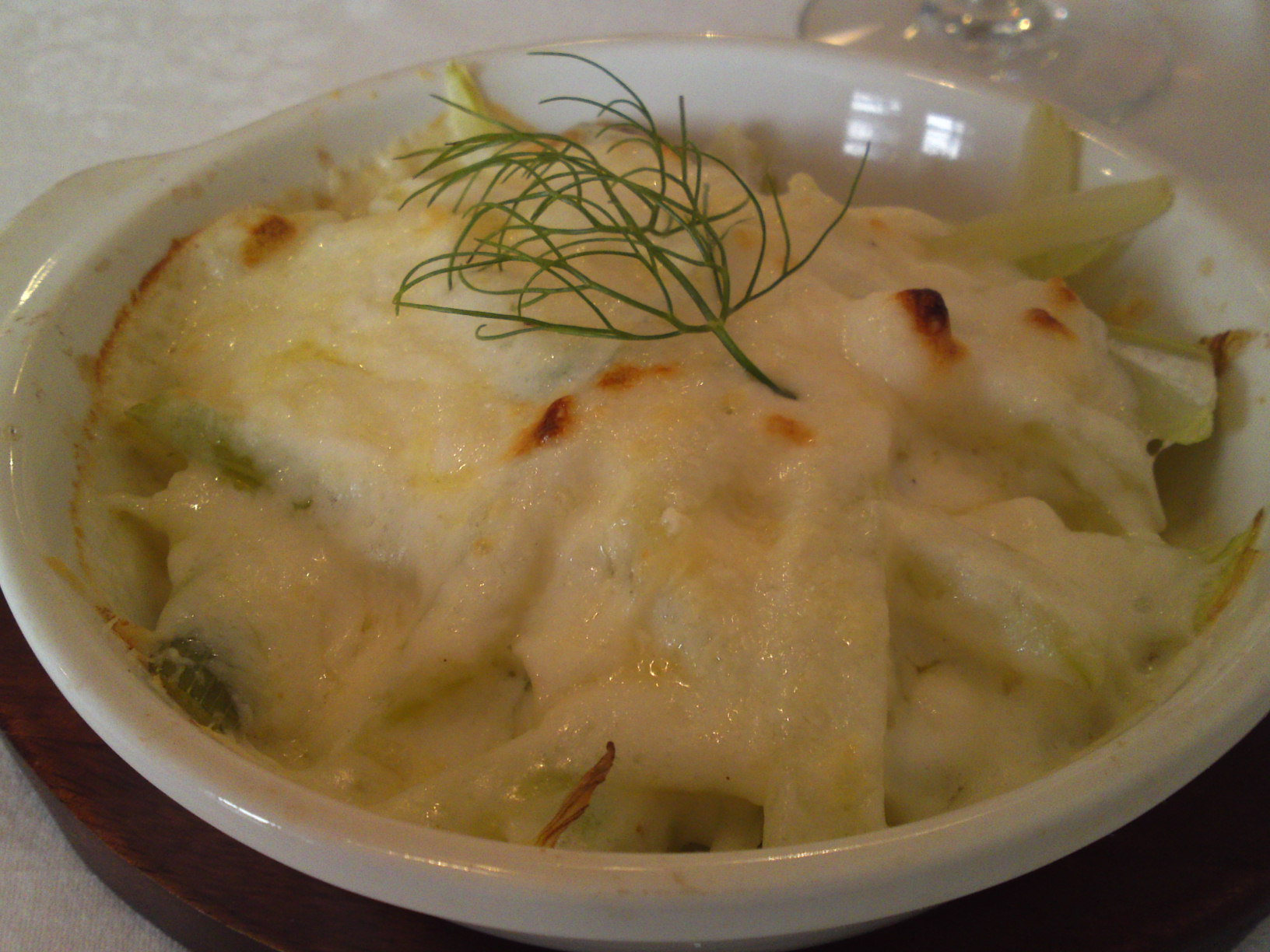
But I came for this: fresh fennel grown in the “secret” garden!

Fennel gratin!
It was on the specialty of the day menu last week and although it had disappeared I knew there was still some of the vegetable in the fridge!

Incidentally, when I was a kid there were a lot of leafy vegetables I wouldn’t eat including fennel.
My departed Mum must be screaming at me from where she is seeing me having developed a craving for them!

A very light bechamel sauce emphasized the natural taste of the fennel.
As it was hot I did take my time to savor it! LOL

In France we usually boil or steam the fennel beforehand or even fry it to soften it first, but it becomes a totally different dish.
This gratin with its fennel just cooked enough to enjoy its true taste is not only delicious but also so healthy!

What will the chef come up with next time…

Osteria Porta Porta
420-0839 Shizuoka Shi, Aoi Ku, Takajyo, 2-13-11, Topia Takajyo, 103
Tel./fax: 054-266-7320
Business hours: 11:30~14:00, 17:30^22:00
Closed on Wednesdays
Credit cards OK from July

RECOMMENDED RELATED SITES:
With a Glass,
Bread + Butter, Zoy Zhang, Hungry Neko, Think Twice, Frank Fariello, Mangantayon, Hapabento, Elinluv Tidbit Corner, Tokyo Terrace, Maison de Christina, Chrys Niles,Lexi, Culinary Musings, Wheeling Gourmet, Comestiblog, Chronicles Of A Curious Cook, Tokyo Through The Drinking Glass, Tokyo Foodcast, Palate To Pen, Yellin Yakimono Gallery, Tokyo Terrace, Hilah Cooking, More than a Mount Full, Arkonite Bento, Happy Little Bento; 5 Star Foodie; Jefferson’s Table; Oyster Culture; Gourmet Fury; Island Vittles; Good Beer & Country Boys; Rubber Slippers In Italy; Color Food daidokoro/Osaka;/a; The Witchy Kitchen; Citron Et Vanille, Lunsj Med Buffet/Estonian Gastronomy (English), Cook, Eat, Play, Repeat, Chrisoscope, Agrigraph, The Agriculture Portal to shizuoka!

Non-Smoking & Partially non-Smoking Restaurants List in Shizuoka Prefecture (updated)

I agree that this particular article has been long overdue.
Not only my expats friends, but many Japanese friends have been at pains at finding restaurants, bars and cafes where they wouldn’t have to put up with the hazards and stink of smoke inhaled and expelled by uncaring customers.

This is of course not an exhaustive list, but it will be regularly updated as I visit establishments for work!

One more important point: Non-smoking is not the only criterion, good food is, too!

ENTIRELY NON-SMOKING ESTABLISHMENTS:

TETSUYA SUGIMOTO

Ranking
Service: Highly professional and friendly
Equipment: Great overall cleanliness. Beautiful washroom
Prices:~
Strong points:Freshest produce and ingredients only, mainly from Shizuoka Prefecture. Organic vegetables. Seasonal food only

Map (Japanese)
Entirely non-smoking!

Tetsuya SUGIMOTO
420-0038 Shizuoka City, Aoi Ku, Umeya,, 2-13,1F
Tel./Fax: 054-251-3051
Opening hours:11:30~14:30,17:30~21:30
Holidays: undecided
Credit cards OK
HOMEPAGE
————————————
PISSENLIT
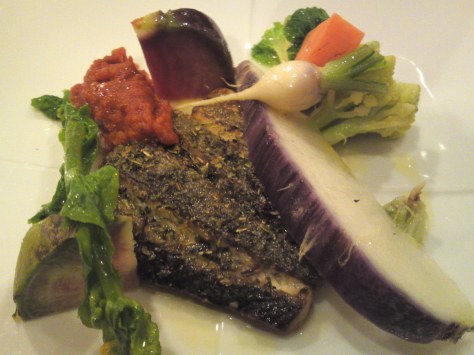
Service: excellent and very friendly
Facilities: great washroom, great cleanliness overall
Prices: reasonable, good value.
Strong points: Interesting wine list. Great use of local products.
no-smoking-logoentirely non-smoking!

PISSENLIT
420-0839 Shizuoka City, Aoi Ku, Takajo, 2-3-4
Tel.: 054-270-8768
Fax: 054-627-3868
Business hours: 11:30~14:30; 17:00~22:00
Closed on Tuesdays and Sunday evening
Homepage (Japanese)
Credit Cards OK
————————————-
“Real Food Restaurant” Italytei
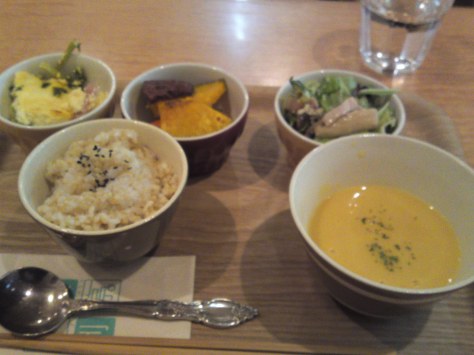
Service: Very friendly and attentive. slow food!
Equipment: Great general cleanliness
Prices: reasonable
Strong points: Mainly local vegetables. Vegetarian meal ok!. Local sake, too!
Completely Non smoking!

Real Food Restaurant Italytei/リアルフードレストラン伊太リ亭
Shizuoka Shi, Aoi Ku, Gofuku Cho, 3-4, Basement of Gofuku Cho
Tel.: 054-251-0456
Opening hours: 11:00~20:00
Closed on Tuesdays
Private parties possible
HOMEPAGE (Japanese)
————————————–
Grill Kuramoto
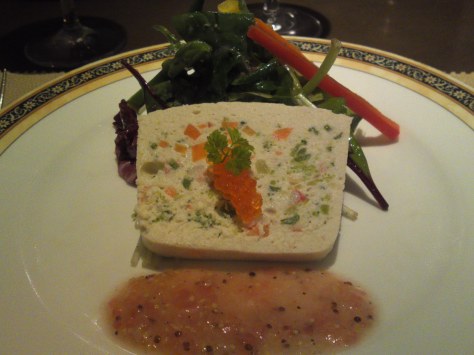
Service:A bit shy but friendly
Equipment: Great general cleanliness. Beautiful washroom
Prices: Reasonable
Strong points: Interesting combination of French and Japanese bistro-style cuisine. Traditional tarts and cakes.
Entirely non-smoking!

Grill-Kuraramoto
420-0081 Shizuoka Shi, Aoi Ku, Gofuku-cho, 2-5-17
Tel.: 054-255-3090
Business hours: 11:30^14:00, 17:30~20:00
Closed on Wednesdays and 3rd Tuesday
HOMEPAGE (Japanese)

————————————–
IL CASTAGNO
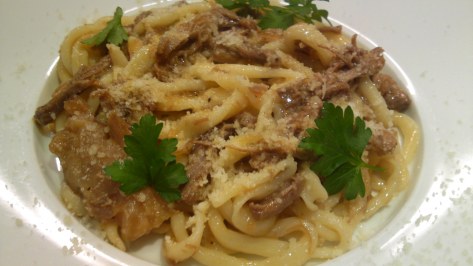
Service: Excellent and very friendly
Facilities: clean
Prices: reasonable
Specialty: Central and south Italian-style cuisine. Home-made pasta. Very reasonables prices. Progressive wine list.
no-smoking-logo1 Non-smoking!

IL CASTAGNO
420-0843 Shizuoka Shi, Aoi Ku, Tomoe Cho, 48 (along Kitakaido Street)
Tel. & Fax: 054-247-0709
Business hours: 11:45~14:00, 17:30~21:00
Closed on Mondays and second Tuesdays
Lunch: 1,260 and 1,860 yen
Dinner: 4,000 and 5,000 yen
A la Carte menu and wine list available. Wine by the glass ok
Reservations recommended.
Credit Cards OK (evening only)
HOMEPAGE (Japanese)
————————————-
VENTY-DUE
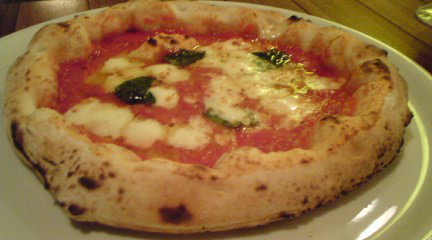
Service: Excellent and very friendly
Facilities: great cleanliness
Prices: reasonable
Specialty: Real Napolitan Pizza baked on wood fire
no-smoking-logo1 Completely Non-smoking!

22 Venty Due
420-0839 Shizuoka City, Aoi Ku, Takajyo Machi, 3-21-20
Tel & Fax: 054-260-4522
Business hours:18:00~21:30
Closed on Sundays
Reservations advised.
————————————
CONTORNO
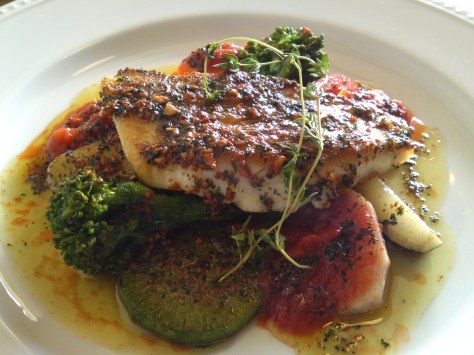
Service: Excellent and very friendly
Facilities: great cleanliness overall
Prices: reasonable.
Strong points: Many local products be they from the land or the sea. Organic vegetables. Car park.
no-smoking-logo1 Entirely non-smoking!
Map

CONTORNO
421-0122, Shizuoka City, Suruga Ku, Mochimune, 5-1-10, Sunrise Mochimune (5 minutes walk from Mochimune JR Station. Second stop after Shizuoka)
Tel.: 054-2565877
Business hours: 11:30~14:30, 17:00~21:30
Closed on Wednesdays
Credit Cards OK
HOMEPAGE (Japanese)
BLOG
—————————————-
LAVIGNE (French Wines & Food Stand Bar)

OC-1

Service: Very friendly and easy-going
Facilities: Very clea. large beautiful Washroom
Prices: Reasonable
Strong points: French wines only. Great snacks.
no-smoking-logo1 Entirely non-smoking!

LAVIGNE
420-0852, Shizuoka City, Aoi-Ku, Kutsunoya Cho, 17-2, 1F (2 minutes walk from JR Station)
Tel/fax: 054-205-4181
Opening hours: 11:00~22:00
HOMEPAGE (Japanese)

—————————————–
LOCOMANI
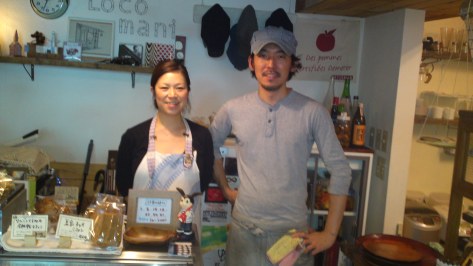
Ranking
Very friendly and relaxed
Equipment: Very clean
Prices: Very reasonable
Strong points:Freshest produce and ingredients only, mainly from Shizuoka Prefecture. Organic vegetables. Seasonal food only

Entirely non-smoking!

LOCOMANI
Shizuoka City, Aoi Ku, Takajo machi, 1-10-06
静岡市葵区鷹匠町1-10-06
Tel.: 054-260-6622
opening hours: 11:30~20:00
Closed on Wednesdays

Blog: http://rokomani.exblog.jp/
—————————————-
CHAM
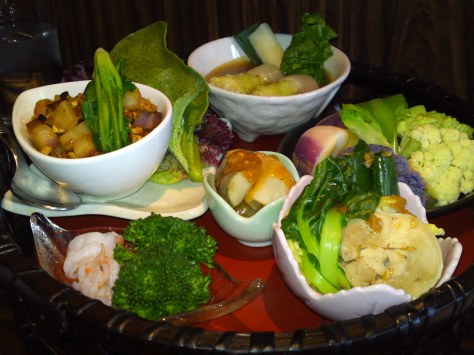
Service: excellent and very friendly
Facilities: great cleanliness overall
Prices: very reasonable, good value.
Strong points: Great use of local Shizuoka Vegetables and products. Great Chinese Teas!
no-smoking-logo non-smoking at lunch time/Fully non-smoking!strong>

Cham
Shizuoka Shi, Suruga Ku, Minami Cho, 6-7, inside Irifune Yokocho
Tel.: 054-285-71115
Business hours: 17:00~24:00; lunches on order only (1 day advance)
HOMEPAGE
———————————
ANNAM
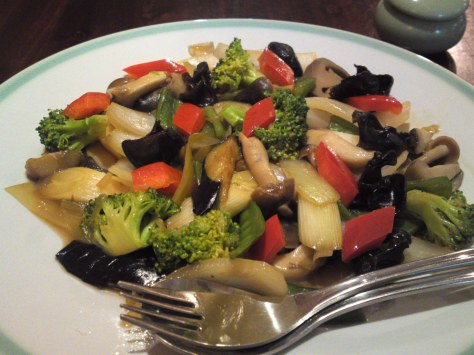
Service: Very friendly and attentive
Equipment: Very clean and beautiful washroom.
Prices: reasonable
Strong points: Authentic Vietnamese cuisine prepared by all-vietnamese staff!
Great use of local products.
Entirely non-smoking!

Owner: Ms. Le Thi Hong Vinh
Chef: Ms. Nguyen Thi Hong Mai

ANNAM
420-0858 Shizuoka City, Aoi Ku, Tenmacho, 17-9
Tel.: 054-250-2266
Fax: 054-250-2323
Business hours: 11:30~14:00, 17:30~22:00
Closed on Monday (or next day if National Holiday)
HOMEPAGE
Credit Cards OK
——————————————————-
BEER NO YOKOTA BAR

Service: very friendly
Facilities: very clean
no-smoking-logoNon-smoking!
Strong points: The beer! Especially Baird Beer!

Beer No Yokota
Shizuoka Shi, Aoi Ku, Gofuku-Cho, 2-5-22, Social Kadode bldg 2F (behind the City Hall)
Tel.: 054-255-3683
Opening hours: 17:00~24:00 (15:00~24:00 on Saturdays)
Closed on Thursdays
HOMEPAGE
——————————————————
SOBA SAKE KAWAKATSU
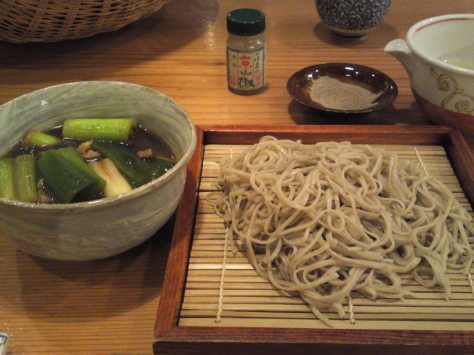
Service: Friendly
Equipment: traditional. Clean. Beautiful toilets
Prices: Appropriate
Strong points: Very fresh ingredients. Most ingredients not only local but sef-grown or self-raised! Local sake and shochu!
no-smoking-logoentirely non-smoking!

Sake Soba Kawakatsu
426-0034, Fujieda Shi, Eki mae, 1-8-4
Tel./Fax: 054-645-1770
Business hours: 11:30~14:00, 17:30~22:00
Closed on Mondays, 1st & 3rd Tuesdays
————————–
SOBA NO MI
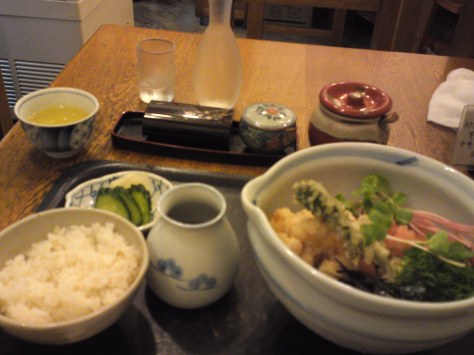
Service: Friendly
Equipment: a bit old but clean
Prices: Appropriate
Strong points: Very fresh ingredients. Old-fashioned atmosphere
no-smoking-logoentirely non-smoking!

Soba No Mi
Shizuoka Shi, Aoi Ku, Kawabe Cho, 2-2-3
Tel.: 054-251-8000
Business hours: 11:00~21:00 (or until soba are exhausted)
Closed on Tuesdays and third Wednesdays
HOMEPAGE
————————————-
BISTRO OGAWA
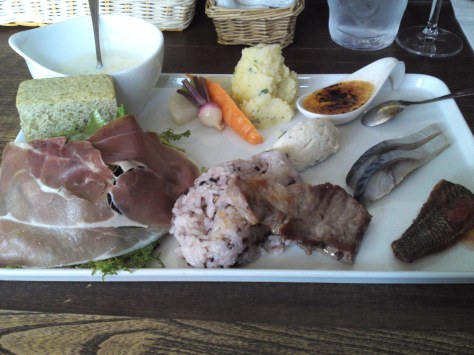
Service: Friendly
Facilities: old but very clean. Very clean washroom!
Prices: very reasonable
Strong points: excellent French cuisine without ostentation. Great local products from the land and the sea
no-smoking-logoentirely non-smoking!

Bistro Ogawa
411-0856, Shizuoka ken, Mishima Shi, Hirokoji Machi, 1-37, 2F
Business hours: 11:30~14:00, 18:00~
Closed on Sunday, Thursday lunch and Saturday dinner
Tel.: 055-972-5040
Cards OK (+5% handling fees)
—————————

PARTIALLY NON-SMOKING ESTABLISHMENTS:

TOMII
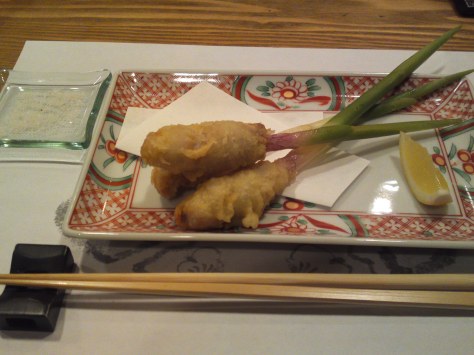
Service: Professional & Friendly
Facilities: Very clean overall, beautiful toilets
Prices: reasonable to expensive
Strong points: great choice of Shizuoka sake. Seasonal cuisine only. Shizuoka oden. Top-class Japanese food at reasonable prices
Non-smoking at counter

TOMII
Shizuoka City, Aoi Ku, Tokiwa-cho, 1-2-7, Tomii Bldg, 1F
Tel.: 054-274-0666
Business hours: 17:00~22:00
Closed on Sundays
HOMEPAGE (Japanese)
—————————————
IL PALADINO
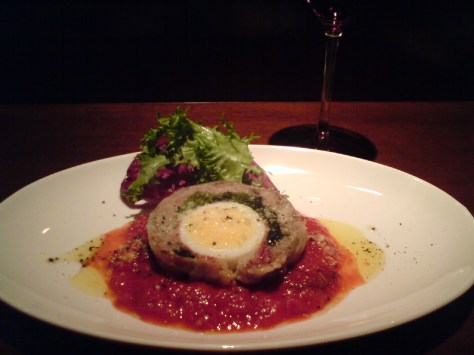
Service: Excellent and very friendly
Facilities: great and very large washroom, great cleanliness overall
Prices: reasonable to expensive.
Specialty:Sicilian Cuisine. Top-class Italian wines and great collection of Grappa.
no-smoking-logo1 Non-smoking at tables. Private room can be made entirely non-smoking!

————————————
OSTERIA PORTA PORTA
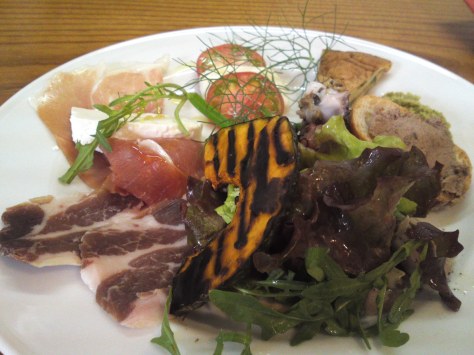
Service: Very friendly and attentive
Equipment: Great general cleanliness
Prices: reasonable
Strong points: Great appetizers. Mainly local vegetables. Good wine list.
Non smoking at lunch time!

Osteria Porta Porta
420-0839 Shizuoka Shi, Aoi Ku, Takajyo, 2-13-11, Topia Takajyo, 103
Tel./fax: 054-266-7320
Business hours: 11:30~14:00, 17:30^22:00
Closed on Wednesdays
Credit cards OK from July
—————————
UZU
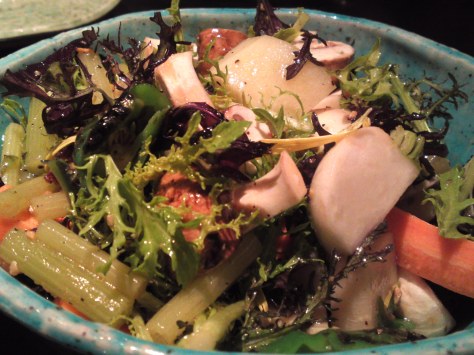
Mixed salad of organic vegetables from Matsuki bio Farm

Service: excellent, easy-going and very friendly
Facilities: great washroom, great cleanliness overall
Prices: very reasonable, good value.
Strong points: Very fresh local ingredients, especially organic vegetables extensively used. Local sake. Home-made umeshu. Great shochu list.
Non-smoking on Sundays and National Holidays!

UZU
Shizuoka City, Otowa-cho, 3-18
Tel.: 054-249-6262
Business hours: 17:00~23:00
Lunch on reservation only
Closed on Mondays and first Tuesday
Reservations recommended
Credit cards OK
HOMEPAGE (Japanese)
——————————–
AQUAVITE

First appetizer from the side.
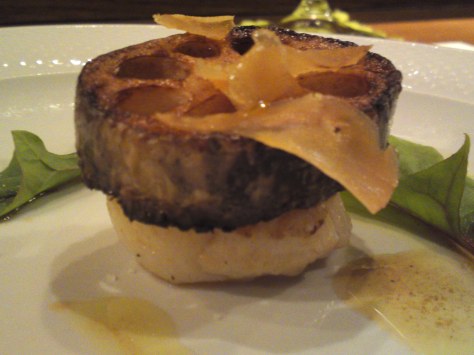
First appetizer from the side.

Service: Excellent and very friendly
Facilities: great and very large washroom, great cleanliness overall
Prices: reasonable to expensive. Top-class Italian wines. Private room for~8 people.
no-smoking-logo1 Non-smoking at counter! Private room can be m,ade completely non-smoking!

AQUAVITE
Address: 420-0034 Shizuoka Shi, Tokiwa-cho, 1-2-7, Tomii Bldg. 3F
Tel. & fax: 054-2740777
Opening hours: 11:30~14:00 18:00~22:00
Closed on Sundays
Homepage (Japanese)
Credit Cards OK
——————————-
CAPU
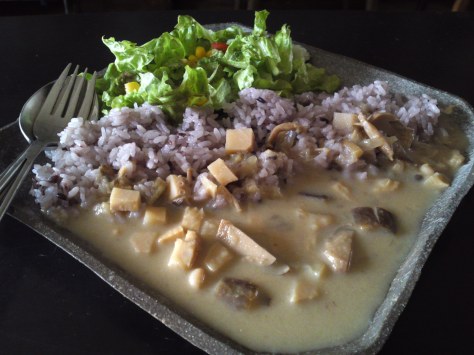
Service: Very friendly
Facilities: old but clean
Prices: reasonable
Strong points: Vegetarian and ethnic cuisine. Easy-going atmosphere for all ages and trends. Home-made umeshu and biscuits.
Non-smoking on Second Floor!

Food & Craft cafe CAPU/カフエカプ
3-6-13, Tokiwa-cho, aoi-ku, Shizuoka City, 静岡市葵ときわちょうー6-13
Tel.: 054-252-5343
Business hours: 12:00~21:00 (Sat. & Sun. ~22:00)
Closed on Wednesdays.
Private parties possible.
HOMEPAGE
——————————–
HANA HANA
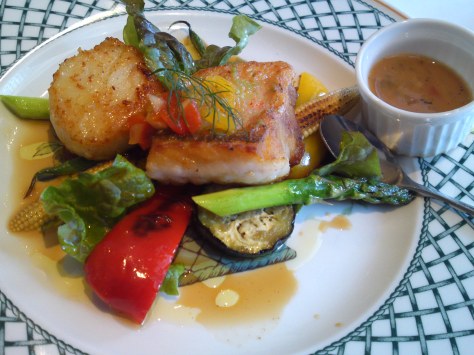
Service: Very friendly. Slow food
Facilities: Very clean all over. Enormous beautiful washroom
Prices: Reasonable
Strong points: Classical French/Italian Cuisine of very good value. Good list of wines and Japanese sake. Great lunches!
Non smoking at lunch!
Map

Hana Hana
〒420-0037Shizuoka City, Aoi Ku, Hitoyado-cho, 1- 3-12
静岡県静岡市葵区人宿町1丁目3−12
Tel.: 054-221-0087 ‎
Business hours: 11:30~15:00, 17:30~22:00
Closed on Wednesdays
Credit cards OK
——————————–

GENTIL
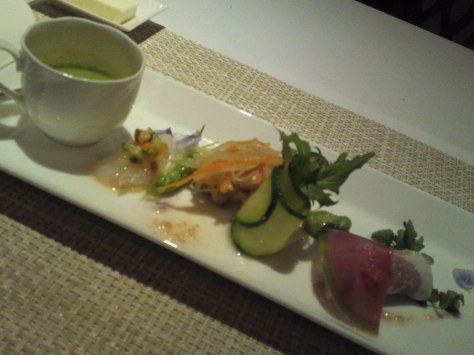
Ranking
Service: very professional
Facilities: Very clean, superb facilities.
Prices:~ Slightly expensive to expensive
Strong points: Beautiful and fresh ingredients presented and combined to perfection. Local ingredients whenever possible. Superb wine list. The best cheese trays in Japan! Everything thoroughly and kindly explained!

Map
no-smoking-logoNon-smoking at tables (bar’s smoke does not reach tables)!

Restaurant Gentil
Address:420-0031 Shizuoka Shi, Gofuku-cho, 2-9-1, Gennan Kairaku building, 2F
Tel.: 054-2547655 (Reservations advisable)
Fax: 054-2210509
Opening hours: 12:00~14:00, 18:00~last orders for meals at 21:30. Bar time 18:00~23:30. Closed on Mondays.
Credit cards OK
Homepage (Japanese)

RECOMMENDED RELATED SITES:
With a Glass,
Bread + Butter, Zoy Zhang, Hungry Neko, Think Twice, Frank Fariello, Mangantayon, Hapabento, Elinluv Tidbit Corner, Tokyo Terrace, Maison de Christina, Chrys Niles,Lexi, Culinary Musings, Wheeling Gourmet, Comestiblog, Chronicles Of A Curious Cook, Tokyo Through The Drinking Glass, Tokyo Foodcast, Palate To Pen, Yellin Yakimono Gallery, Tokyo Terrace, Hilah Cooking, More than a Mount Full, Arkonite Bento, Happy Little Bento; 5 Star Foodie; Jefferson’s Table; Oyster Culture; Gourmet Fury; Island Vittles; Good Beer & Country Boys; Rubber Slippers In Italy; Color Food daidokoro/Osaka;/a; The Witchy Kitchen; Citron Et Vanille, Lunsj Med Buffet/Estonian Gastronomy (English), Cook, Eat, Play, Repeat, Chrisoscope, Agrigraph, The Agriculture Portal to shizuoka!

“Real Food Restaurant” Italytei

Service: Very friendly and attentive. slow food!
Equipment: Great general cleanliness
Prices: reasonable
Strong points: Mainly local vegetables. Vegetarian meal ok!. Local sake, too!
Completely Non smoking!

Many Japanese and expats have special priorities when coming to a restaurant.
It could be a non-smoking establishement, the possibility of eating vegetarian cuisine, or simply healthy food in a healthy environement.
Real Food Restaurant Italytei could very well be the one you are looking for in Shizuoka City!

It is not easy to find in the basement street of Gofuku-cho street but it is worth the search!

Great traceabilty as half of their vegetables come from Matsuki Bio Farm or Nagomi Organic Farm in Fujinomiya City or from their own garden tended by Mrs. Akutsu.
As for meat, pork is first class LYV pork also from Fujinomiya City. Even the whole rice/genmai/玄米 is Shizuoka-grown!

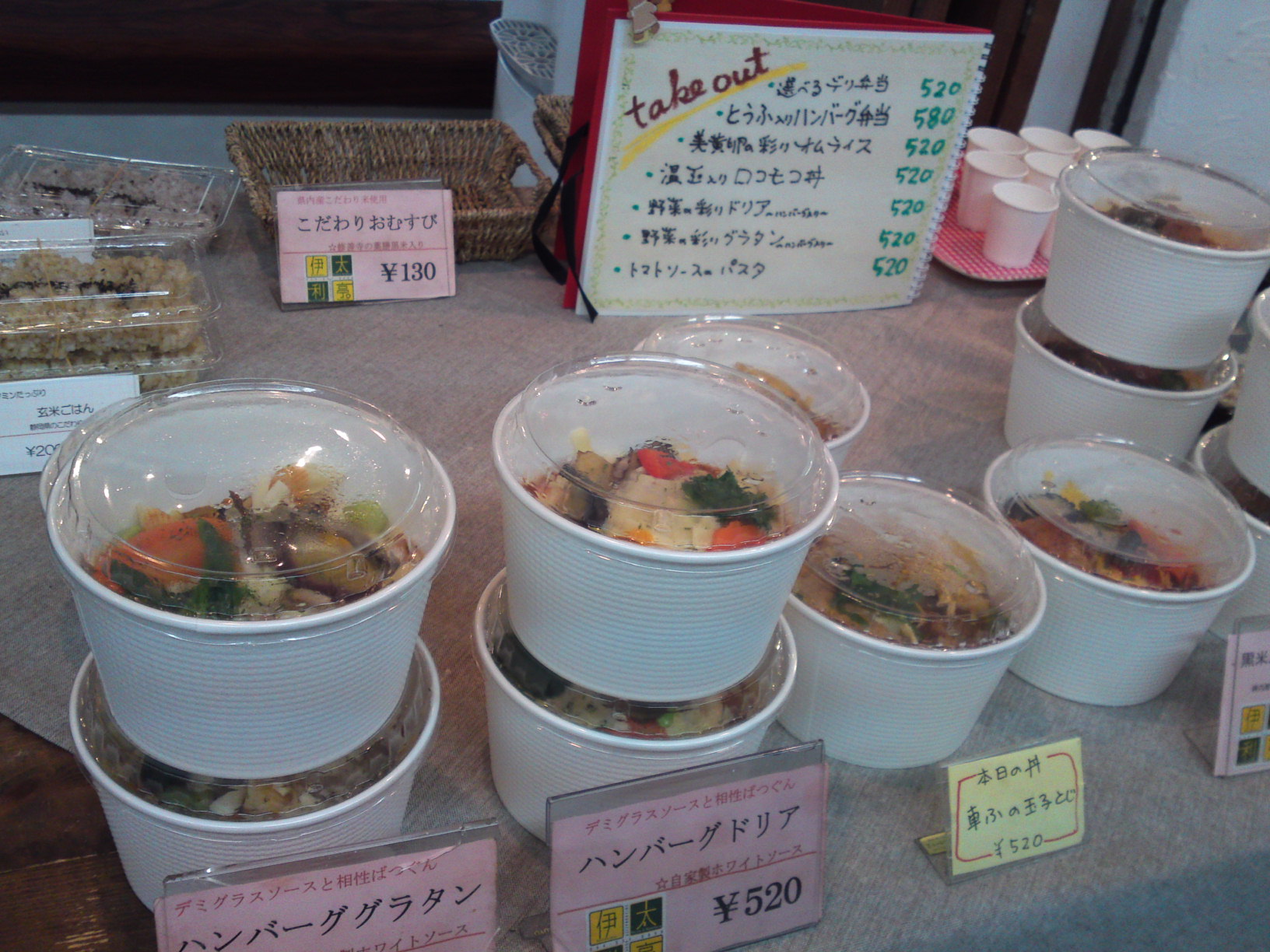
If you are in a hurry hust buy one of their take-away meals or bento boxes!

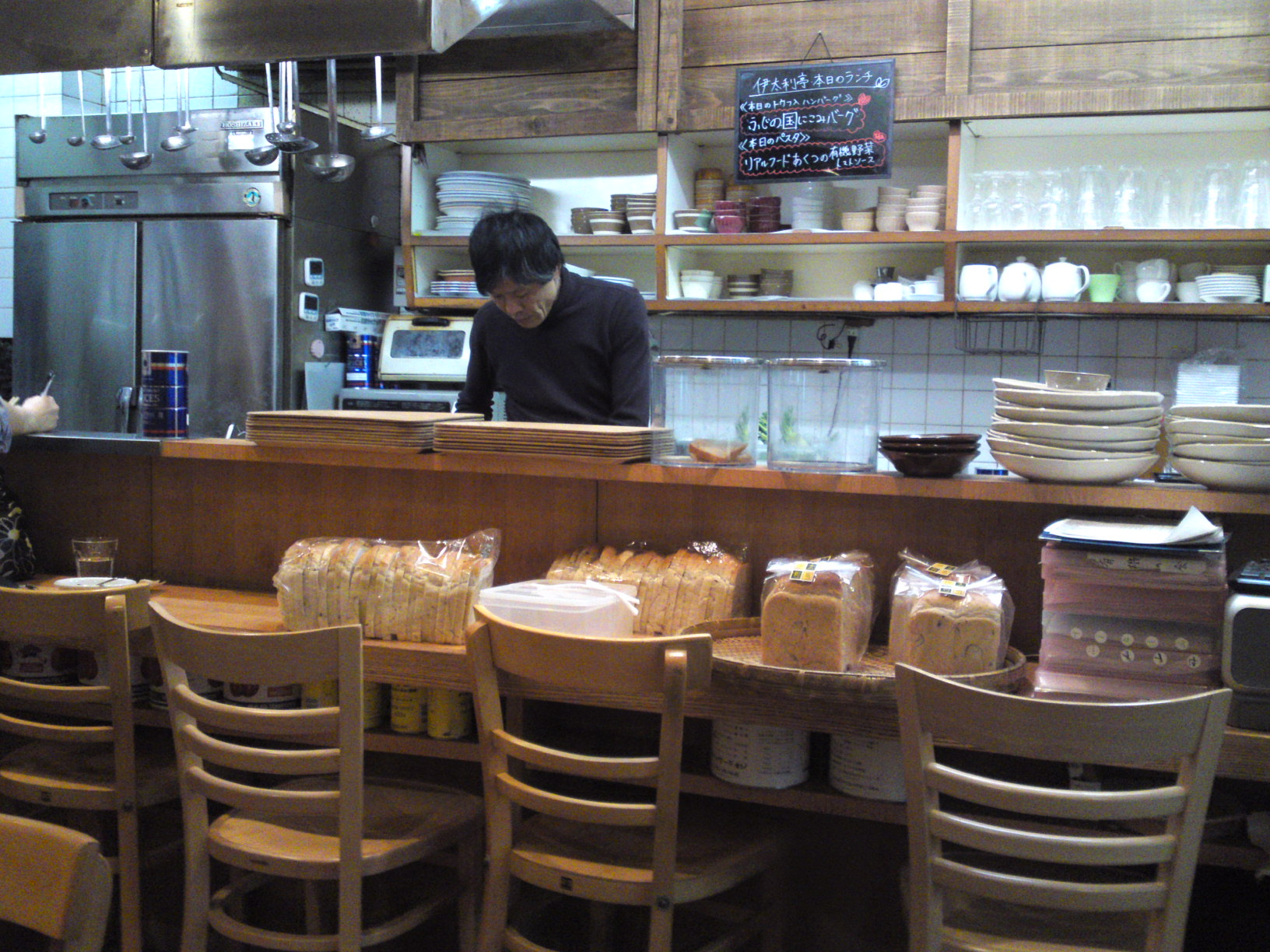
Food is for omnivores but they can make it completely vegetarian with some advance notice. Might be a good idea to strike a special relation with the Owner/Chef mr. Aritsune Akutsu, a very affable gentleman worth knowing. Ask him about his vegetable jams!

You can also devise your own meal by choosing from the display window!

A very rural atmosphere inside!

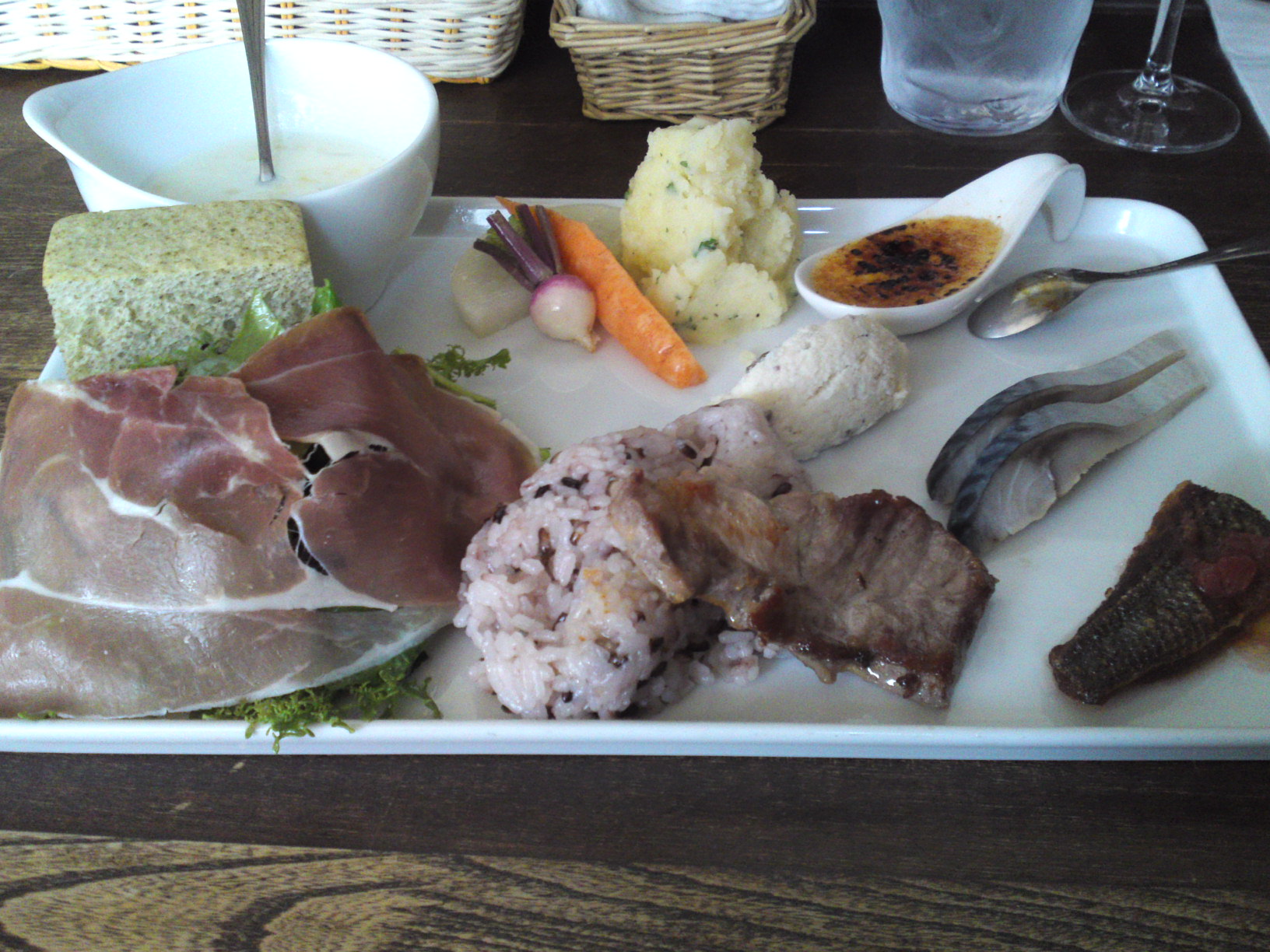
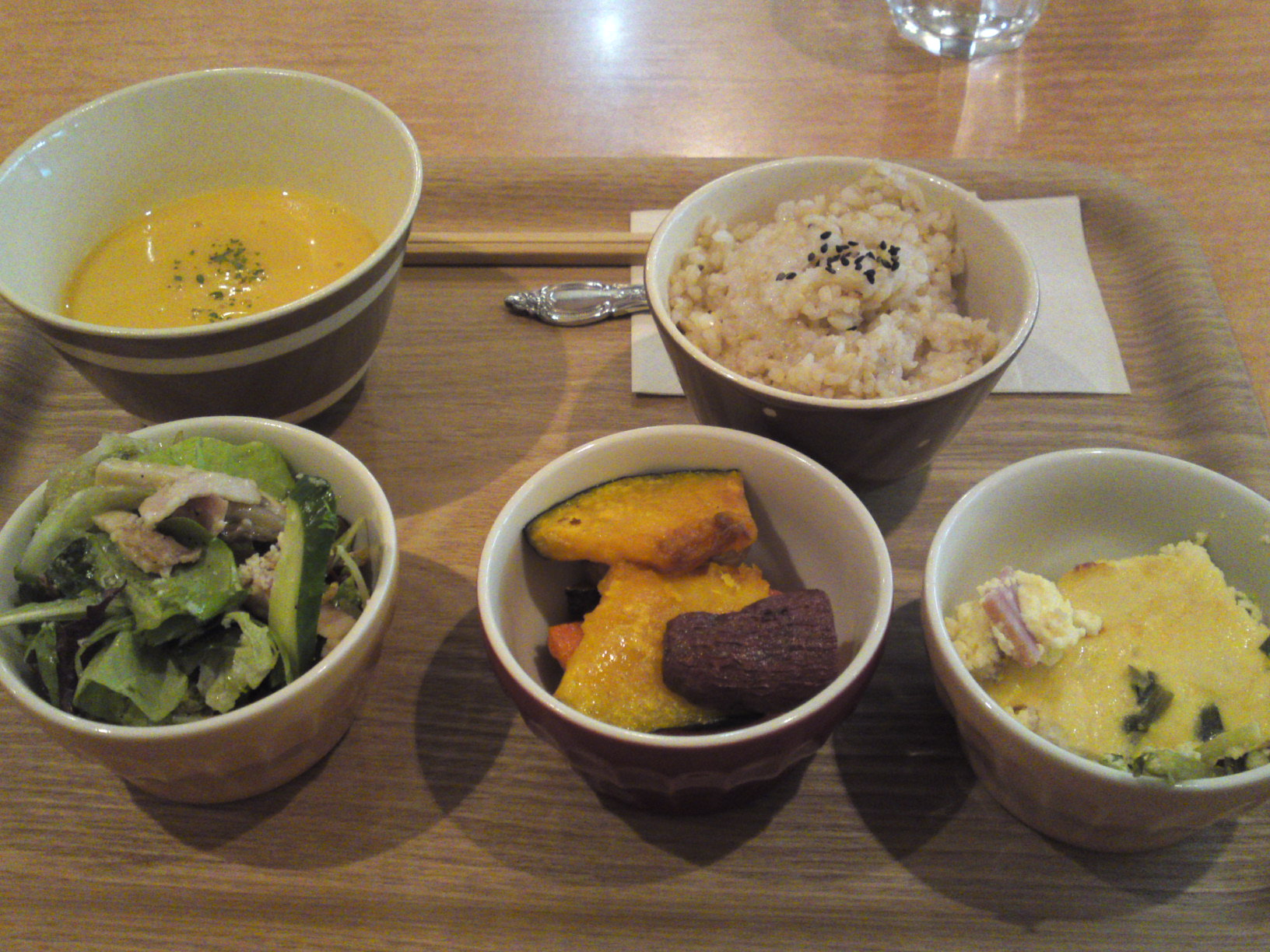
I chose the tray on my last visit!
Certainly very healthy looking!

Organic Carrot Soup!

Roasted organic vegetables and home-made ham salad!

Organic vegetables open quiche and whole rice!

Will have to further investigate it for my health-conscious friends!

Real Food Restaurant Italytei/リアルフードレストラン伊太リ亭
Shizuoka Shi, Aoi Ku, Gofuku Cho, 3-4, Basement of Gofuku Cho
Tel.: 054-251-0456
Opening hours: 11:00~20:00
Closed on Tuesdays
Private parties possible
HOMEPAGE (Japanese)

RECOMMENDED RELATED SITES:
Warren Bobrow, Bread + Butter, Zoy Zhang, Hungry Neko, Think Twice, Frank Fariello, Mangantayon, Hapabento, Elinluv Tidbit Corner, Tokyo Terrace, Maison de Christina, Chrys Niles,Lexi, Culinary Musings, Wheeling Gourmet, Comestiblog, Chronicles Of A Curious Cook, Tokyo Through The Drinking Glass, Tokyo Foodcast, Palate To Pen, Yellin Yakimono Gallery, Tokyo Terrace, Hilah Cooking, More than a Mount Full, Arkonite Bento, Happy Little Bento; 5 Star Foodie; Jefferson’s Table; Oyster Culture; Gourmet Fury; Island Vittles; Good Beer & Country Boys; Rubber Slippers In Italy; Color Food daidokoro/Osaka;/a; The Witchy Kitchen; Citron Et Vanille, Lunsj Med Buffet/Estonian Gastronomy (English), Cook, Eat, Play, Repeat, Chrisoscope, Agrigraph, The Agriculture Portal to shizuoka!

Shizuoka Ekiben/Railway Station Bento: Tokusei Tai Meshi

Red Seabream or tai/鯛 is considered a lucky fish in Japan and is served for all kinds of celebrations.
The fish itself can come quite expensive, especially when caught in deep water.
In Shizuoka we have both the wild and human-raised varieties and is not that expensive, except when served as himono/dried fish/干物!

We were busy today moving into another appartmenet downtown and we just did not have the time to cook lunch.
I just went to Shizuoka JR Station, 15 minutes away by bicycle and bought 8 of the above (six for the removal staff and two for us)!

Tokaiken Co. sells two versions, one normal and the other called “Tokusei Tai Meshi”/Special Red Seabream Rice.
I bought the latter as this was a special occasion!

Precise explanations of the contents as usual!

The design is quite retro and ancient. too. The picture comes from a real painting/litograph/wood plate of old!

Now, what do we have here?

A piece of simmered red seabream with its soft edible skin atop the rice.
The rice is covered with finely flaked red seabream flesh which had been lightly sweetened beforehand.

The rice again is a mazegihan type/steamed rice mixed with the juices of the simmered red seabream.
Very tasty indeed and no “fishy” background!

As for the side dish, once again: nimono/simmered items/煮物, carrot, lotus root, fuki/giant butterbur stems, burdock root, tofu cake, konnyaku/elephant foot tuber.

The Japanese would never have their ekiben or bento without some pickles!
In this case daikon in umeboshi juice and cucumber!

To be continued…

RECOMMENDED RELATED SITES:
With a Glass,
Bread + Butter, Zoy Zhang, Hungry Neko, Think Twice, Frank Fariello, Mangantayon, Hapabento, Elinluv Tidbit Corner, Tokyo Terrace, Maison de Christina, Chrys Niles,Lexi, Culinary Musings, Wheeling Gourmet, Comestiblog, Chronicles Of A Curious Cook, Tokyo Through The Drinking Glass, Tokyo Foodcast, Palate To Pen, Yellin Yakimono Gallery, Tokyo Terrace, Hilah Cooking, More than a Mount Full, Arkonite Bento, Happy Little Bento; 5 Star Foodie; Jefferson’s Table; Oyster Culture; Gourmet Fury; Island Vittles; Good Beer & Country Boys; Rubber Slippers In Italy; Color Food daidokoro/Osaka;/a; The Witchy Kitchen; Citron Et Vanille, Lunsj Med Buffet/Estonian Gastronomy (English), Cook, Eat, Play, Repeat, Chrisoscope, Agrigraph, The Agriculture Portal to shizuoka!

Oyakodon: The basic Recipe (updated)

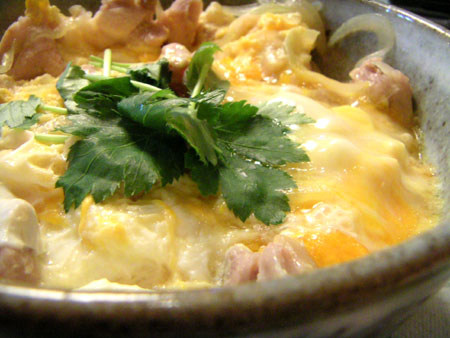
OYAKODON

I thought it was about time to update this old article of mine when I read the comments by my new friend Sissi at With a Glass!

Oyakodon must count as one of the top 5 as far as poplular food comes in Japan.
It is easy to prepare and improvise with.
Bear in mind that depending upon the region you are in Japan, the ingredients are totally different. For example, in Hokkaido you will be served salmon sashimi and salmon roe!
After all, “oyakodon” means “parent and child bowl” (ingredients!)!
Here are the main lines of a basic recipe here made with chicken and eggs, not bothering about quantities but concentrating on the method.

-Rice
Steam rice beforehand.
Oyakodon prepared with freshly steamed rice is miles ahead of reheated rice as far as taste is concerned!

-Chicken
Choose breast or thigh chicken. It is up to you to use or discard the skin. I prefer to discard it, unless I deep-fry the chicken first.

-Eggs
Choose the freshest ones as possible with large deep-coloured yolks.

-Vegetables:
Thinly sliced onion to be cooked together with the oyakodon. Soft winter or spring onions are best!
A lot of people feel like adding other vegetables. Keep in mind they have to be cut thin and need to be fried.
Fresh leafy greens for the final and important touch. My favourite is fresh mitsuba/Japanese homeywort. If not available, I use flat parsley or chopped leeks.
In many regions they also add chopped dry seaweed for the final touch.

-Stock soup/sauce:
You may use water, but dashi is a lot better. I pesonally use seaweed dashi. One might use chicken stock, too.
I add a little soy sauce, sugar, Japanese sake and sweet Japanese sake/mirin.
That is where improvisation and personal taste come in!
You may season with salt and pepper, but bear in mind that soy sauce already contains salt, so easy on that one!

METHOD:

-Cut chicken in small enough pieces. Fry or deep-fry them first. If you fry/sautee them, just season the chicken with a little salt and pepper. If you deep-fry them, season them with salt and pepper and cover them with plenty of cornstarch, unless you prefer the flour, egg and breadcrumbs method.
Once the chicken has been fried to 90%, take out and leave in another plate or on a metallic grill to get rid of excess oil.

-Using only a little oil (that left by the chicken is fine), fry the onion (and other vegetables) until almost properly cooked.
Add soup/stock. bring slowly to boil on a small fire. Add chicken and boil for a minute just to let the taste penetrate the chicken.
During that time, beat eggs (quantity is up to you!) with chopsticks to leave some parts white (some people like them well beaten).
As soon as the chicken has completely cooked, discard some of the soup if too much of it, and add the eggs.

Point 1: the chicken should be tender, not overcooked.
Point 2: Too much soup/stock will prevent the eggs from cooking fast, or you might end up with scrambled eggs
Point 3: the “real” (debatable) recipe calls for the eggs to be only half cooked before transferring the lot onto the rice.
In Kyoto, for example the eggs are most of the time well cooked and topped with a raw egg yolk.

-As soon as you are satisfied with the eggs, transfer the lot on top of a bowl filled with steamed rice.
Decorate with mitsuba and serve.

RECOMMENDED RELATED SITES:
With a Glass,
Bread + Butter, Zoy Zhang, Hungry Neko, Think Twice, Frank Fariello, Mangantayon, Hapabento, Elinluv Tidbit Corner, Tokyo Terrace, Maison de Christina, Chrys Niles,Lexi, Culinary Musings, Wheeling Gourmet, Comestiblog, Chronicles Of A Curious Cook, Tokyo Through The Drinking Glass, Tokyo Foodcast, Palate To Pen, Yellin Yakimono Gallery, Tokyo Terrace, Hilah Cooking, More than a Mount Full, Arkonite Bento, Happy Little Bento; 5 Star Foodie; Jefferson’s Table; Oyster Culture; Gourmet Fury; Island Vittles; Good Beer & Country Boys; Rubber Slippers In Italy; Color Food daidokoro/Osaka;/a; The Witchy Kitchen; Citron Et Vanille, Lunsj Med Buffet/Estonian Gastronomy (English), Cook, Eat, Play, Repeat, Chrisoscope, Agrigraph, The Agriculture Portal to shizuoka!

Shizuoka Ekiben/Railway Station Bento: Oyako Meshi

I suppose many have heard of the Japanese delicacy called oyakodon/親子丼, meaning a pot/plate filled with rice with a topping made a chicken omelette (in Hokkaido it is salmon and salmon’s roe!).
“Oyako” means “parent and child”. In this case it means chicken and eggs. As don/丼/pot or plate does not qualify this ekiben is called “meshi/めし/rice or meal.
I bought it today at Shizuoka JR Railway Station at the Tokaiken Co. booth.

This particular ekiben being a very long best seller the original design is a bit retro!

For a better look after having taken the thread and chopsticks away!

It is not so big but quite deep and there is plenty inside it!

Now, what do we have here?

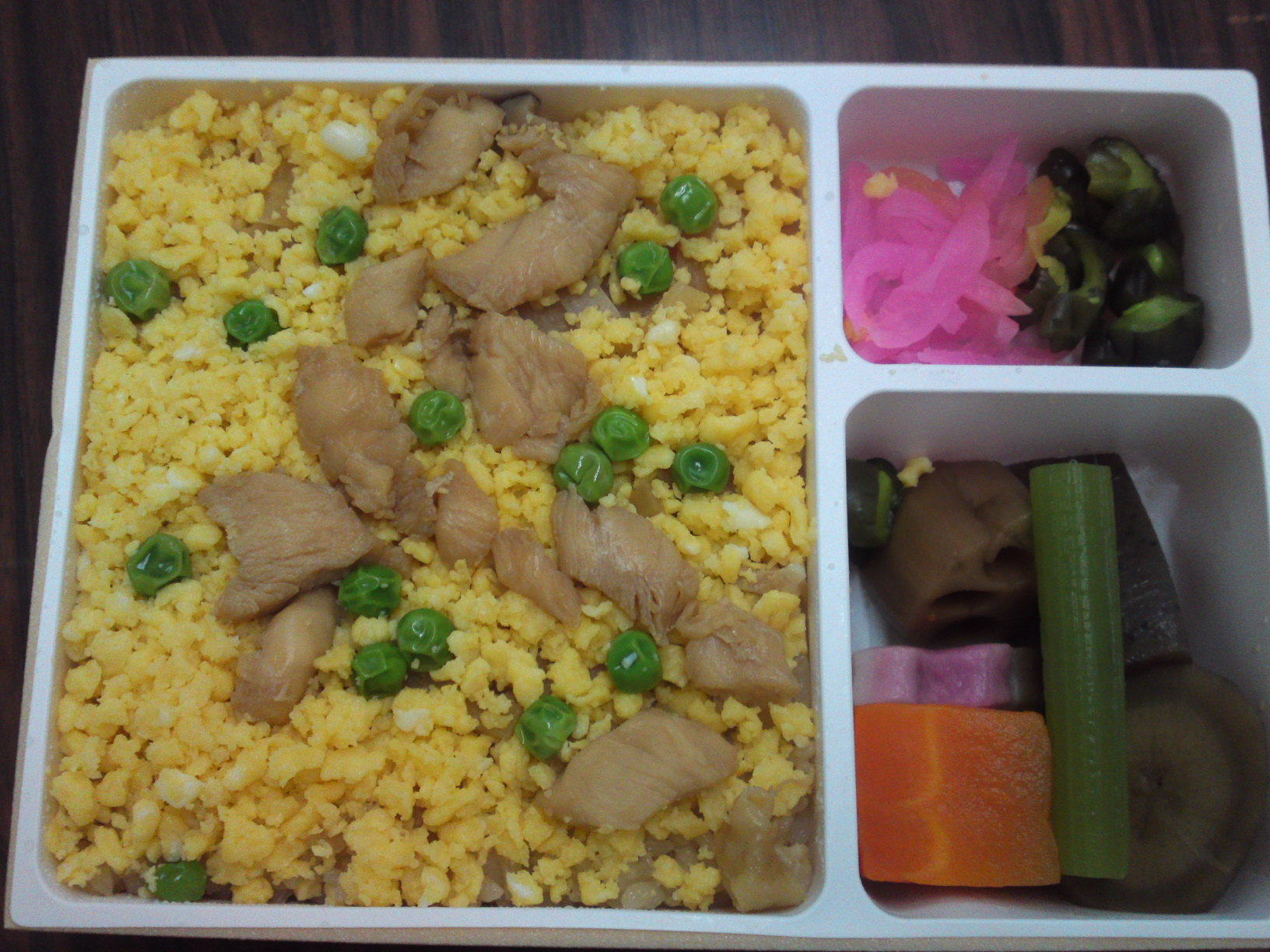
As seen from above the meshi/rice is topped with simmered chicken (no fat or skin), Japanese scrambled egg in “soboro” style (It is sweet) and green peas.

Once you dig in you realize this is “mazegohan/混ぜご飯 or mixed rice” (They also call it sakurahan/桜飯/cherry rice), a typical Japanese way of preparing rice. The rice has been mixed with the chicken pieces and fine strips of bamboo shoot, kamaboko/fish paste cake and burdock/gobou/牛蒡 root! Very tasty rice, indeed!

As for the side dish: nimono/simmered items/煮物, carrot, lotus root, fuki/giant butterbur stems, burdock root, tofu cake, konnyaku/elephant tuber.

The Japanese would never have their ekiben or bento without some pickles!
In this case daikon in umeboshi juice and cucumber!

To be continued…

RECOMMENDED RELATED SITES:
With a Glass,
Bread + Butter, Zoy Zhang, Hungry Neko, Think Twice, Frank Fariello, Mangantayon, Hapabento, Elinluv Tidbit Corner, Tokyo Terrace, Maison de Christina, Chrys Niles,Lexi, Culinary Musings, Wheeling Gourmet, Comestiblog, Chronicles Of A Curious Cook, Tokyo Through The Drinking Glass, Tokyo Foodcast, Palate To Pen, Yellin Yakimono Gallery, Tokyo Terrace, Hilah Cooking, More than a Mount Full, Arkonite Bento, Happy Little Bento; 5 Star Foodie; Jefferson’s Table; Oyster Culture; Gourmet Fury; Island Vittles; Good Beer & Country Boys; Rubber Slippers In Italy; Color Food daidokoro/Osaka;/a; The Witchy Kitchen; Citron Et Vanille, Lunsj Med Buffet/Estonian Gastronomy (English), Cook, Eat, Play, Repeat, Chrisoscope, Agrigraph, The Agriculture Portal to shizuoka!
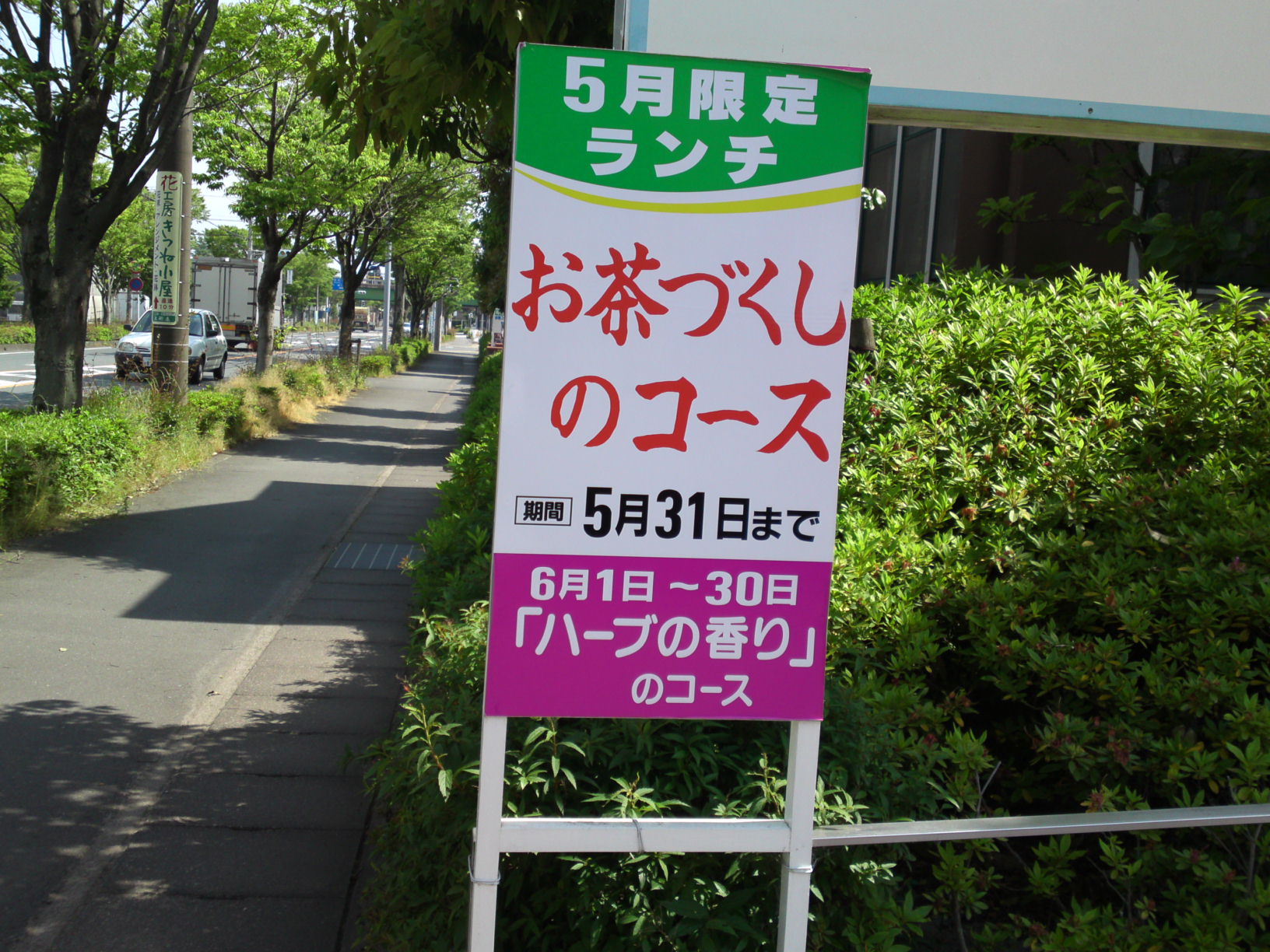
Italian Cuisine: Shizuoka Agricultural products-Lunch at Via Del Borgo!

On a hot day (and the temperature has been hovering around a very unseasonal 30 degress celsius these past days) an Italian restaurant is probaby a good bet for lunch.
About time to check the latest lunch menu at Via Del Borgo, then!

One good thing about this spacious restaurant is that you can choose your spot among the available space without having to explain your reasons (not evident in Japan!)

<

I have already introduced Chef Takahiko Katoh/加藤隆彦 and I intend to folllow him around if he intends to go independent someday (all great chefs are bound to in Shizuoka), so let's have a look at what I had the pleasure to taste this time:
Onion confit crostini!

Antipasti misto!

Grilled zucchini and bamboo shoot (the latter from Shizuoka) and pork and vegetables roll.

Light vegetable omelette.

Avocado and Scallops with pomegranate seeds and balsamico dressing.

Home-baked bread, premium olive oil and wine!

White beans and asapragus tips soup.

Crispy asparagus tips (not the overcooked and soggy stuff!)!

I said before this the place for risotto!
Chicken ragu and mushrooms risotto!

For a better view!

For once I chose the fish main dish: pan-fried and oven-baked red grouper with cold fruit tomato ratatouille and hot sauteed vegetables.
All ingredients are from Shizuoka Prefecture!

The fruit tomatoes offered an intriguing contrast with their chilled swetness!

All vegetables sauteed to perfection to enhance their taste and flavor: small spring onion, okra, rape seed flower and maountain wild mountain vegetables!

I usually do not eat cooked fish skin but the marriage of the tender flesh with and of the crackling skin of this madai/真鯛/red grouper was too much to ignore and I was rewarded with a supreme experience! Probably the “simplest” and best way to enjoy white-fleshed fish!

Panacotta and fruit for a light and delicious dessert!

Instead of the usual coffee I had a refreshing orange juice and the little biscuits!

To be continued… LOL

Service: professional and friendly
Facilities: Extremely clean overall and beautiful washroom
Prices: reasonable
Strong points: Local products extensively used. Good Italian wine list. Private rooms available.
Private rooms can be made non-smoking with full isolation!

VIA DEL BORGO
420-0034, Shizuoka Shi, Aoi Ku, Tokiwa Cho, 3-2-7
Tel.: 054-221-7666
Business hours: 11:30~13:30, 18:00~21:00 (last orders)
Private rooms available.
HOMEPAGE (Japanese)
Credit Cards OK

RECOMMENDED RELATED SITES:
Warren Bobrow, Bread + Butter, Zoy Zhang, Hungry Neko, Think Twice, Frank Fariello, Mangantayon, Hapabento, Elinluv Tidbit Corner, Tokyo Terrace, Maison de Christina, Chrys Niles,Lexi, Culinary Musings, Wheeling Gourmet, Comestiblog, Chronicles Of A Curious Cook, Tokyo Through The Drinking Glass, Tokyo Foodcast, Palate To Pen, Yellin Yakimono Gallery, Tokyo Terrace, Hilah Cooking, More than a Mount Full, Arkonite Bento, Happy Little Bento; 5 Star Foodie; Jefferson’s Table; Oyster Culture; Gourmet Fury; Island Vittles; Good Beer & Country Boys; Rubber Slippers In Italy; Color Food daidokoro/Osaka;/a; The Witchy Kitchen; Citron Et Vanille, Lunsj Med Buffet/Estonian Gastronomy (English), Cook, Eat, Play, Repeat, Chrisoscope, Agrigraph, The Agriculture Portal to shizuoka!

Shizuoka Ekiben/Railway Station Bento: Tokusei Maku No Uchi

Makunouchi (幕の内) is a popular type of Japanese bento which consists of fish, meat, pickles, eggs and vegetables along with rice and an umeboshi.
The word makuno-uchi bentō (“between-act bento”), dates back to the Edo Period (1603 to 1867), when they were served during the intermissions (幕間) of Noh and Kabuki theater performances.

From the Meiji Period onward, Makunouchi has become a common convention for bentos sold at train stations. Though the selection and number of items in a Makunouchi bento vary from store to store, it often contains more items and costs more than other offerings.

Tokaiken at Shizuoka JR railway station sells two types one, norml Maku no Uchi Bento/幕の内弁当 and Tokusei Maki no Uchi Bento/特製幕の内弁当 or Special Maku no Uchi Bento/Ekiben.

The box as usual comes its own disposable chopsticks.

Shizuoka Prefecture is the largest producer of green tea in Japan!

Clear indications of the contents as usual!

The rice is covered with a special piece of paper for extra protection.

What do we have here?

Steamed rice sprinkled with black sesame seeds and small umeboshi/salt-pickled Japanese plum. Great for digestion!

From left to right, bottom up:
-Lower compartment
Fried beef and konyaku vermicelli
Preserved apricot
Tamagoyaki/ Japanese omelette
Menchikatsu or Japanese-style pork fillet croquette
Deep-fried prawn in batter and breadcrumbs
White and pink kamaboko/fish paste cake
Grilled mackerel
-Upper left compartment
Wasabizuke/wasabi leaves and stems pickled in Sakakasu/Japanese sake white lees
Small bottle of soy sauce
Pickled daikon
-Upper right compartment
Fried chicken ball on a bed of fried bamboo shoots
Nimono/simmered food: carrot, lotus root and green string beans

Once again, healthy and fulfilling!

To be continued…

RECOMMENDED RELATED SITES:
With a Glass,
Bread + Butter, Zoy Zhang, Hungry Neko, Think Twice, Frank Fariello, Mangantayon, Hapabento, Elinluv Tidbit Corner, Tokyo Terrace, Maison de Christina, Chrys Niles,Lexi, Culinary Musings, Wheeling Gourmet, Comestiblog, Chronicles Of A Curious Cook, Tokyo Through The Drinking Glass, Tokyo Foodcast, Palate To Pen, Yellin Yakimono Gallery, Tokyo Terrace, Hilah Cooking, More than a Mount Full, Arkonite Bento, Happy Little Bento; 5 Star Foodie; Jefferson’s Table; Oyster Culture; Gourmet Fury; Island Vittles; Good Beer & Country Boys; Rubber Slippers In Italy; Color Food daidokoro/Osaka;/a; The Witchy Kitchen; Citron Et Vanille, Lunsj Med Buffet/Estonian Gastronomy (English), Cook, Eat, Play, Repeat, Chrisoscope, Agrigraph, The Agriculture Portal to shizuoka!