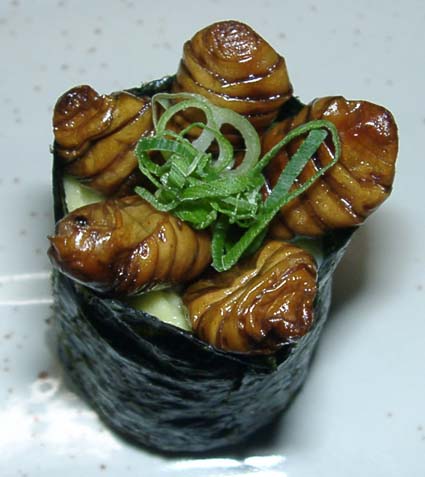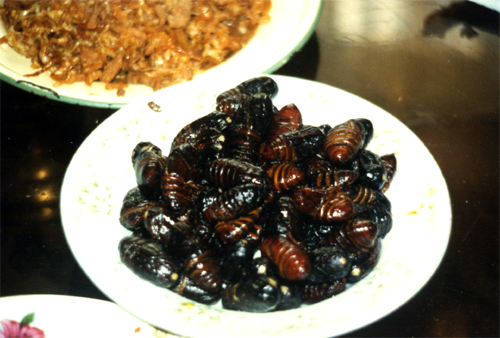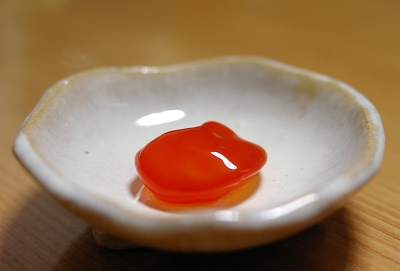
Category Archives: Gastronomes

Japanese Gastronomy: Tamago Miso Tsuke:Miso-pickled Egg Yolk

TAMAGO-MISO-1

Charles at Five Euro Food has just reminded me of an old post of mine when he wrote about his 5-hour egg!

Eggs are the one single ingredient used all over the World (except for the glacial caps maybe!), and people have come up with infinite ways of preserving them.
Tamago Miso Tsuke/卵黄味噌漬け is a popular way in Japan to preserve egg yolk in miso.
This very simple recipe could become useful for a tasty decoration!

INGREDIENTS:

-Raw eggs: 2
-Japanese sake: half a tablespoon
-Miso: 50 g
-Sugar: half a tablespoon

RECIPE:

TAMAGO-MISO-2

-Mix miso, Japanese sake and sugar well.
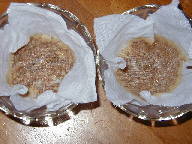
TAMAGO-MISO-3

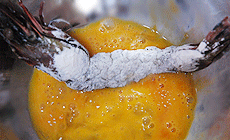
-Line two cups (narrow bottom and wide top) with gauze cloth (first clean it in cold clean water and press out all water). Pour half of the miso mix on each.
TAMAGO-MISO-4

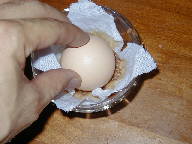
-Wash the egg and wipe it clean of water. Use it to fashion a “bed” inside the miso.
TAMAGO-MISO-5

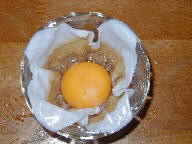
-Break the egg and separate yolk from white. Drop the egg yolk (only!) inside the miso bed. Cover with cellophane paper and leave inside the refrigeartor for 2 days.

TAMAGO-MISO-6

-After the first two days take the cup out and turn the egg yolk over delicately with a spoon. Leave in the fridge for three~four more days.
It should be ready by then!
It can be safely preserved inside a tightly closed tupperware inside the fridge for up to ten days!

RECOMMENDED RELATED WEBSITES

Pierre.Cuisine, Francescannotwrite, My White Kitchen, 47 Japanese Farms Through The Eyes of Its Rural Communities, Foodhoe, Chucks Eats, Things that Fizz & Stuff, Five Euro Food by Charles,Red Shallot Kitchen by Priscilla,With a Glass, Nami | Just One Cookbook, Peach Farm Studio, Clumsyfingers by Xethia, PepperBento,Adventures in Bento Making, American Bent, Beanbento, Bento No, Bento Wo Tsukurimashou, Cooking Cute, Eula, Hapabento , Happy Bento, Jacki’s Bento Blog, Kitchen Cow, Leggo My Obento, Le Petit Journal Bento & CO (French), Lunch In A Box,
Susan at Arkonlite, Vegan Lunch Box; Tokyo Tom Baker, Daily Food Porn/Osaka, Only Nature Food Porn, Happy Little Bento, The Herbed Kitchen, J-Mama’s Kitchen, Cook, Eat, Play, Repeat, Bento Lunch Blog (German), Adventures In Bento, Anna The Red’s Bento Factory, Cooking Cute, Timeless Gourmet, Bento Bug, Ideal Meal, Bentosaurus, Mr. Foodie (London/UK), Ohayo Bento,

Must-see tasting websites:

-Sake: Tokyo Through The Drinking Glass, Tokyo Foodcast, Urban Sake, Sake World
-Wine: Palate To Pen, Warren Bobrow, Cellar Tours, Ancient Fire Wines Blog
-Beer: Good Beer & Country Boys, Another Pint, Please!
-Japanese Pottery to enjoy your favourite drinks: Yellin Yakimono Gallery
Japanese Gastronomy: Himono/干物-Dried Fish

How many people outside Shizuoka Prefecture know that half (yes, half!) of all dried fish are caught and processed in our Prefecture, notably along the shores of the Izu Peninsula?
When will i convince everyone that Shizuoka Prefecture is THE true gastronomic region of Japan? LOL
To those guys living in Tokyo, may I remind them that Mount Fuji, Izu Peninsula and wasabi are all in Shizuoka Prefecture? Please someone stop me! (Would you belive I have been challenged on the veracity of the last?)

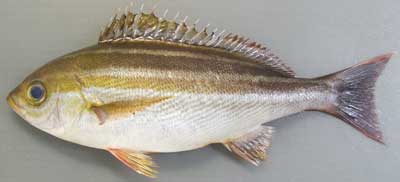
I chose a fish called “isaki” or “Chicken Grunt” (who came up with that English name?) that is quite common on our shores.
The recipe naturally applies to loads of fish!

CLEANING THE FISH:

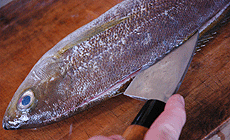
Using a strong short sharp knife (the Japanese use the same knife to cut and gut medium size fish), first get rid of the scales as much as possible.
Wash once under running clear cold water.
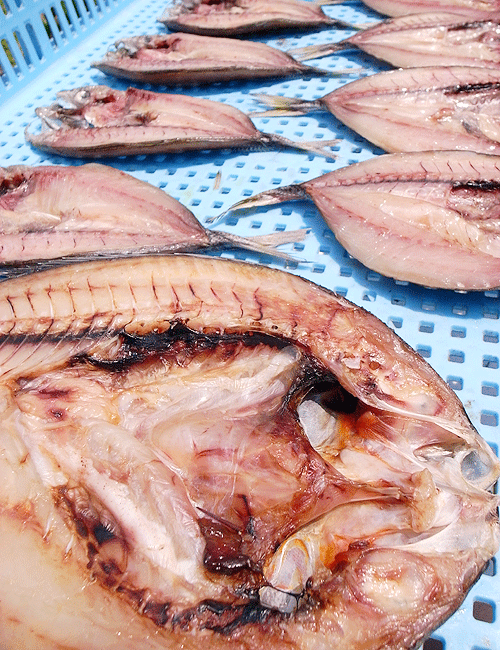
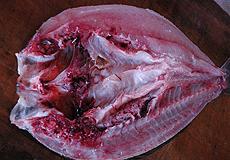
Cut along the back (not the belly! very important) from the tail to the head as shown on above picture deeply enough to reach the main bone.

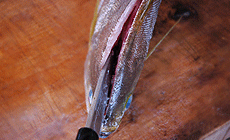
Once the knife has cut all along the back and reached the head, cut the head in half along the same cutting line.
The head of a isaki being small it is quite easy. It might require some strength for bigger head fish like seabreams. Call the MOTH then! (not the moths, the “Man”! LOL).

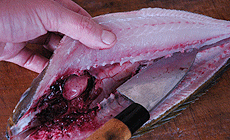
Open the fish and continue cutting in half all the way through.

Take out all innards carefully so as not having them getting in contact with the flesh!
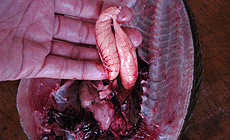
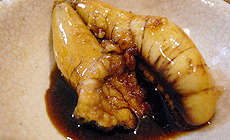
Depending upon the season, you might be lucky to get male sperm sacks (shirako). Don’t throw that away. They are great simmered with soy sauce, mirin/sweet sake, japanese sake and chili pepper! (see pic below).

Open the fish and clean it under running clear cold water.
Take water off with some kitchen paper or a clean piece of cloth.
Sprinkle with salt and dry outside under the sun until it has reached a nice aspect. You could also smoke it.
It can be preserved inside an airtight plastic bag and frozen, although eaten quickly it will taste so much better!

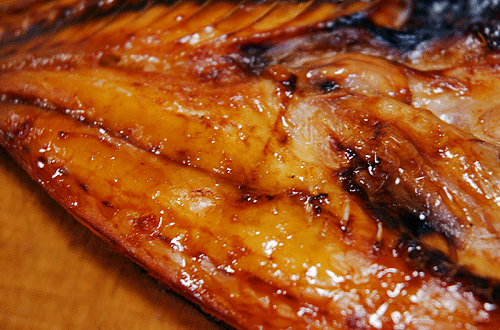
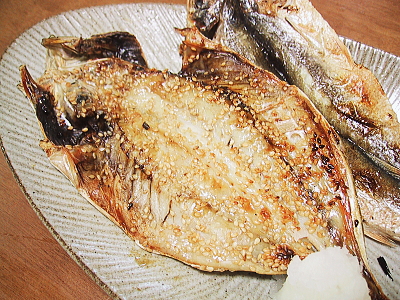
The Japanese grill their himono/dried fish pasted with a little soy sauce or tare. Beautiful with beer!

Great also grilled with a little salt!

If grilled with salt don’t forget the freshly grated daikon (and lemon juice, and soy sauce…)

The male sperm sacs (shirako) make for a great snack with your beer or sake once simmered in soy sauce, mirin/sweet sake and Japanese sake (and a little chili pepper)!

RECOMMENDED RELATED WEBSITES

Pierre.Cuisine, Francescannotwrite, My White Kitchen, 47 Japanese Farms Through The Eyes of Its Rural Communities, Foodhoe, Chucks Eats, Things that Fizz & Stuff, Five Euro Food by Charles,Red Shallot Kitchen by Priscilla,With a Glass, Nami | Just One Cookbook, Peach Farm Studio, Clumsyfingers by Xethia, PepperBento,Adventures in Bento Making, American Bent, Beanbento, Bento No, Bento Wo Tsukurimashou, Cooking Cute, Eula, Hapabento , Happy Bento, Jacki’s Bento Blog, Kitchen Cow, Leggo My Obento, Le Petit Journal Bento & CO (French), Lunch In A Box,
Susan at Arkonlite, Vegan Lunch Box; Tokyo Tom Baker, Daily Food Porn/Osaka, Only Nature Food Porn, Happy Little Bento, The Herbed Kitchen, J-Mama’s Kitchen, Cook, Eat, Play, Repeat, Bento Lunch Blog (German), Adventures In Bento, Anna The Red’s Bento Factory, Cooking Cute, Timeless Gourmet, Bento Bug, Ideal Meal, Bentosaurus, Mr. Foodie (London/UK), Ohayo Bento,

Must-see tasting websites:

-Sake: Tokyo Through The Drinking Glass, Tokyo Foodcast, Urban Sake, Sake World
-Wine: Palate To Pen, Warren Bobrow, Cellar Tours, Ancient Fire Wines Blog
-Beer: Good Beer & Country Boys, Another Pint, Please!
-Japanese Pottery to enjoy your favourite drinks: Yellin Yakimono Gallery
Japanese Gastronomy: Ebi Furai/Deep-fried Prawns

The Japanese love to deep-fry their food to the point that many izakaya propose full deep-fried food sets and menus including vegetables and seafood, and the ubiquitous prawns.
The Japanese will usually utilize kuruma ebi/Imperial prawns or Black Tiger variety for the latter.
There is nothing complicated about preparing deep-fried prawns. The key is to use fresh ingredients and serve everything as soon as ready.

INGREDIENTS:

-Imperial Prawns/Black Tiger Prawns
-Salt and pepper: to taste
-All-purpose flour
-Egg (s)
-Breadcrumbs or panko (the rough style). Real fresh breadcrumbs are the best.
-Tartare sauce for serving. or tare/bulldog sauce and mustard.

RECIPE:

If the prawn is absolutely fresh take the shell off leaving the head and tail on. Note that the shell can be deep-fried for a crunchy snack!
If not, take the head off but leave the point of the the tail on for “handling” when eating it.

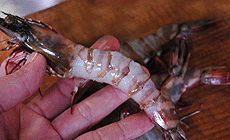
Take off the innards with a toothpick by inserting it under the blackish thread and pulling it out. Don’t worry about “breaking the back” of the prawn. Actually this is the trick which prevents the prawn from bending upon frying!

Actually, continue with the trick by making a few shallow cuts acrosss the back of the prawn to make sure it will not bend at all!
Sprinkle with salt (a little only!) and pepper to taste.

Roll prawns in flour.

Then in the beaten eggs.

Apply plenty of breadcrumbs/panko all over the prawns, head and tail included. Pat them lightly between you palms to help breadcrumbs to adhere.

Heat the oil at 170 degrees (less is unsuitable, 180 degrees is the very maximum). Drop the prawns gently into the oil head first.
Avoid manipulating them while frying.
Don’t fry too many at one time as the temperature of the oil will suddenly decrease.
Take them out with chopsticks. Place them on a grill for a few seconds to get rid of excess oil.
Serve with sauce and eat at once!

RECOMMENDED RELATED WEBSITES

Pierre.Cuisine, Francescannotwrite, My White Kitchen, 47 Japanese Farms Through The Eyes of Its Rural Communities, Foodhoe, Chucks Eats, Things that Fizz & Stuff, Five Euro Food by Charles,Red Shallot Kitchen by Priscilla,With a Glass, Nami | Just One Cookbook, Peach Farm Studio, Clumsyfingers by Xethia, PepperBento,Adventures in Bento Making, American Bent, Beanbento, Bento No, Bento Wo Tsukurimashou, Cooking Cute, Eula, Hapabento , Happy Bento, Jacki’s Bento Blog, Kitchen Cow, Leggo My Obento, Le Petit Journal Bento & CO (French), Lunch In A Box,
Susan at Arkonlite, Vegan Lunch Box; Tokyo Tom Baker, Daily Food Porn/Osaka, Only Nature Food Porn, Happy Little Bento, The Herbed Kitchen, J-Mama’s Kitchen, Cook, Eat, Play, Repeat, Bento Lunch Blog (German), Adventures In Bento, Anna The Red’s Bento Factory, Cooking Cute, Timeless Gourmet, Bento Bug, Ideal Meal, Bentosaurus, Mr. Foodie (London/UK), Ohayo Bento,

Must-see tasting websites:

-Sake: Tokyo Through The Drinking Glass, Tokyo Foodcast, Urban Sake, Sake World
-Wine: Palate To Pen, Warren Bobrow, Cellar Tours, Ancient Fire Wines Blog
-Beer: Good Beer & Country Boys, Another Pint, Please!
-Japanese Pottery to enjoy your favourite drinks: Yellin Yakimono Gallery
Japanese Gastronomy: Korokke-Croquettes/Introduction & Basic Recipe!

KOROKKE-1

Korokke (Japanese: コロッケ) is the Japanese name for a deep fried dish originally related to a French dish, the croquette. It is also said that it comes from the Dutch, Kroket.
It was introduced in the early 1900s. This dish is also popular in South Korea where it is typically sold in bakeries.

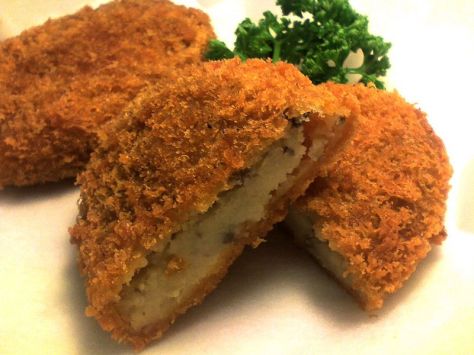
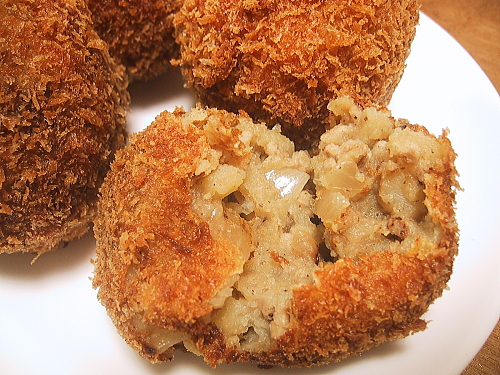
Korokke is made by mixing cooked chopped meat or seafood, vegetables with mashed potato or white sauce, or both, rolling it in wheat flour, eggs, and breadcrumbs/panko, then deep frying this until brown (fox colour in Japanese!) on the outside.
Korokke are usually shaped like flat patties. They are generally called “ingredient + Korokke”. For example, those using beef would be called “beef (gyu) korokke”, those using shrimp, “ebi korokke“, etc.. Those using white sauce may also be called “Cream Korokke”.

KOROKKE-2

Korokke are often served with Worcestershire sauce and shredded cabbage.

Korokke can be eaten as is, and are sometimes sold wrapped in paper at stalls. They may also be used as a topping for other dishes. When sandwiched between a piece of bread, they are be called “Korokke pan” (“pan” being bread in Japanese).

Korrokke was the most sold single frozen food in 2007 and has been among the top three ever since.

——————————–

BASIC RECIPE

Here is the basic recipe prevalent in restaurants and homesteads.
Naturally, it can be expanded and modified at will.
I will not bother you with measurements as the method is the point of this posting!

1) INGREDIENTS:

-Potatoes (you will have to decide which variety! In Japan, “Danshaku” are best!)
-Onion
-Minced meat (of your choice!)
-Salt and pepper
-Flour (of your choice)
-Egg
-Milk
-Breadcrumbs (fresh if possible)
-Oil
-Lard (skip that if you don’t like it, but it would be a pity!)

2) RECIPE:

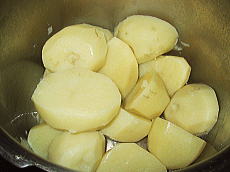
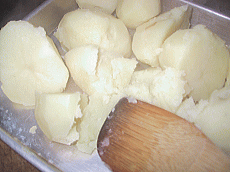
-Boil the potatoes with their skins.
Peel the skins off just out of the water when very hot. This way, the potatoes will not be too wet.

-Mash the potatoes roughly with a wooden spoon/spatula. Add salt and pepper and mix roughly. Cover with cellophane paper to keep the potatoes warm as long as possible.

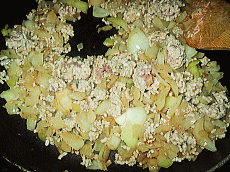
-Chop the onions finely and fry in lard if possible for better taste. If you don’t like lard, use oil. You could add chopped garlic and small pieces of bacon.
Add minced meat of your choice. Season with a little salt, pepper, sugar and soy sauce according to you preferences. Fry until the minced meat is cooked.

-Add the mashed potatoes. Mixing them all atogether at the same time fry until potatoes have become dry enough.
Let cool completely and transfer to a storage dish. Cover with cellophane paper and leave overnight in the refrigerator to allow taste to permeate the potatoes. This is an important point as not only it will enhance the taste but also make the croquettes easier to shape.

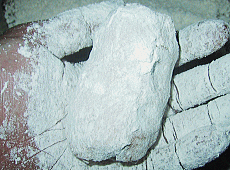
-Spread a little oil over your palms and shape croquettes into you prefered size.

-Roll in flour and “shake” croquettes so that not too much flour adheres to them.

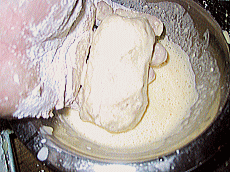
-Prepare (you might better do that first, LOL) the croquettes egg dip by mixing beaten egg, flour and milk to your preference.
Dip the croquettes in the batter completely.

-Roll the croquettes in the breadcrumbs.
One way to make breadcrumbs is to use real bread which had turned completely solid, soften it in milk, let it dry again and crush it into powder!

-Deep-fry croquettes at 170 degrees Celsius until they have reached a color of your liking.
As everything is already cooked inside, don’t worry whether they are cooked enough or not.
Point: add a little sesame oil to your frying oil for extra taste.

There are all kinds of sauce and decoration you cane serve croquettes with, unless you like them plain with a little mustard for example.

Here is a little suggestion for good taste and appetizing presentation:
Prepare a light white sauce/bechamel in the aurora style sauce with plenty of white pepper and boiled green peas.

Don’t they look nice like that!

RECOMMENDED RELATED WEBSITES

Pierre.Cuisine, Francescannotwrite, My White Kitchen, 47 Japanese Farms Through The Eyes of Its Rural Communities, Foodhoe, Chucks Eats, Things that Fizz & Stuff, Five Euro Food by Charles,Red Shallot Kitchen by Priscilla,With a Glass, Nami | Just One Cookbook, Peach Farm Studio, Clumsyfingers by Xethia, PepperBento,Adventures in Bento Making, American Bent, Beanbento, Bento No, Bento Wo Tsukurimashou, Cooking Cute, Eula, Hapabento , Happy Bento, Jacki’s Bento Blog, Kitchen Cow, Leggo My Obento, Le Petit Journal Bento & CO (French), Lunch In A Box,
Susan at Arkonlite, Vegan Lunch Box; Tokyo Tom Baker, Daily Food Porn/Osaka, Only Nature Food Porn, Happy Little Bento, The Herbed Kitchen, J-Mama’s Kitchen, Cook, Eat, Play, Repeat, Bento Lunch Blog (German), Adventures In Bento, Anna The Red’s Bento Factory, Cooking Cute, Timeless Gourmet, Bento Bug, Ideal Meal, Bentosaurus, Mr. Foodie (London/UK), Ohayo Bento,

Must-see tasting websites:

-Sake: Tokyo Through The Drinking Glass, Tokyo Foodcast, Urban Sake, Sake World
-Wine: Palate To Pen, Warren Bobrow, Cellar Tours, Ancient Fire Wines Blog
-Beer: Good Beer & Country Boys, Another Pint, Please!
-Japanese Pottery to enjoy your favourite drinks: Yellin Yakimono Gallery
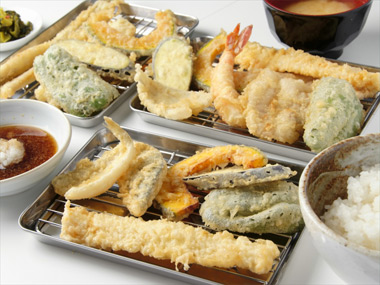
Tempura: The Basic Professional Recipe

A recent comment by Charles at Five Euro Food reminded me it was about time to publish a re-edited version of a former post on Tempura Recipes!

Tempura is not difficult to make. If you keep to the basics and good ingredients, you will be able to make a lot of people happy with healthy and beautiful food.

The following instructions should be amply enough to succeed with this celebrad Japanese gastronomic marvel:

INGREDIENTS:

What can you fry as tempura?
-Any green or not vegetable as long as they are cut to the appropriate size. Avocado and pumpkin can be made as tempura!
Important: try to keep all vegetables cut to the same size. There is no need to boil, steam or cook vegetables or else beforehand if they are fresh!
If consistency and thickness varies, sort them out accordingly in compatible batches. The frying will be more even, avoiding disappointing discrepancies.
Wash and dry vegetables.
-Any white-fleshed fish, crustaceans and shellfish. Clean and wipe off excessive humidity. Fry them separately from the vegetables. Some red-fleshed fish can be made as tempura, but they are a bit of an acquired taste.

In short, don’tbe afraid of experimenting!

Vegans and Vegetarians

Before we go any further, vegans and vegetarians can make tempura. Replace the egg white with cornstarch. Wheat flour allergics can use other flour types including rice flour, although they need be of the light-weight and fine sort.

-If you use frozen ingredients, make sure to thaw them completely and wipe off all excess water!

The batter:
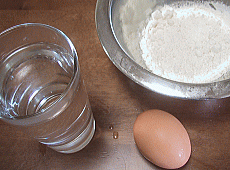
-Use an equal amount of fine light flour and pure water.
1 cup of water for 1 cup of flour and 1 egg white are the right proportions.

Important!
-Flour, water and egg, not only must be at the same temperature, but must be chilled! Leave them together in the fridge before usage!
The batter should be prepared at the last moment after all the ingredients have been cut and laid on the table, the oil brought to the right temperature and the sauces or spices prepared and laid on the table!

-First mix water and egg white (or cornstarch/not too much with that one!). Then pour on the flour and mix lightly.
Do not overmix! Flour blobs should still be there! This is the secret for fluffy, light tempura!

Fish, crustaceans and shellfish may be completely dipped in the batter as well as rounded or stick-shaped vegetables including slices of onions, kabocha or avocado.
But in the case of large leafy vegetables such as shiso/perilla or large flat mushrooms such as shiitake, dipping only one side (back side for leaves!) in batter is preferable, otherwise you will end up with masses of fried batter!
Actually, in the case of fish, it is better to dip only the skin side in the batter.

Oil:
-Use plenty.
Use clean fresh oil!
Use salad oil of your preference and sesame oil in a 6:4 ratio.
Bad oil or old oil is bad for your health.
If the oil keep bubbling on upon being heated, change it!

Frying:
-The usual temperature is 180 degrees Celsius, but the ideal is 170 degrees Celsius.
Note: 160 degrees Celsius is not hot enough!
-Use a relatively thin pan for frying as the temperature of the oil will fall down by 4 degrees Celsius when food is plunged into the oil. The oil has to reach its former temperature back as soon as possible.

-Fry vegetables before fish or seafood as the latter’s proteins will change the character of the oil.
-Do not crowd the oil. Drop everything in the middle in small batches.
-Do not overfry. Experience will tell you when to take ingredients out.
-Do not fry twice! Full stop!

Serve on a piece of kitchen paper after having laid the ingredients on a grill for a few seconds to get rid of the excess oil.

Seasoning:
-Personally I eat tempura as it is without anything, but if I use seasoning I like the following:
Matcha powder
Rock salt
Curry mixture powder

Now,if you want to dip your tempura in soup/tsuyu, you can prepare it as follows:
Dashi (konbu/seweed dashi for vegans and vegetarians!): 5 (or 4) tablespoons
Soy sauce: 1 (or 2) tablespoon
Mirin/sweet sake: 1 tablespoon
Heat the whole a little before serving.

NOTE:
-You may use freshly grated daikon, grated ginger, lemon juice or a light dressing of your choice for further seasoning.

TEMPURA SAMPLES
(All taken at Setsugekka Restaurant in Shimada City!)

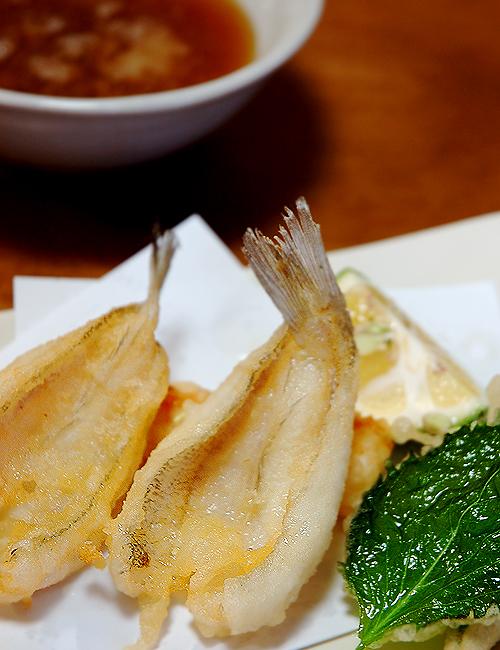
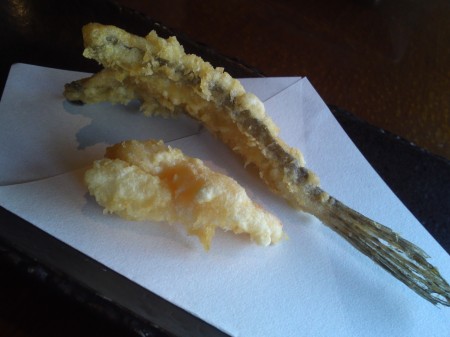
“Kogochi fish” and “nanba shrimp”!

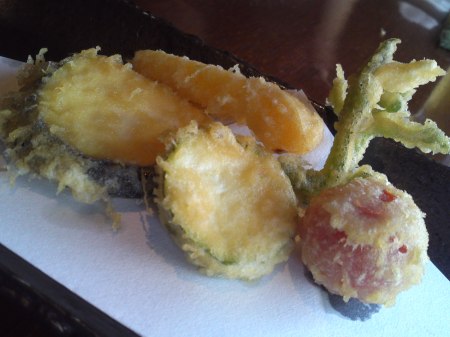
All local vegetables: yellow pimento, sweet potato, plum tomato and ice plant!

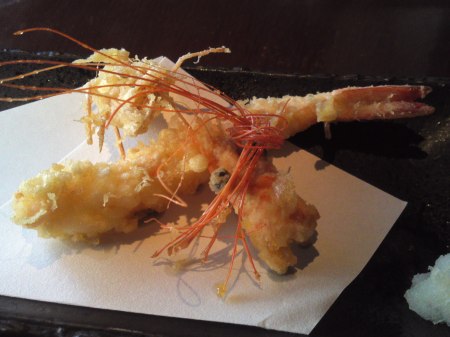
“Kuruma ebi/large prawn”! The whole was edible!
A real piece of art!

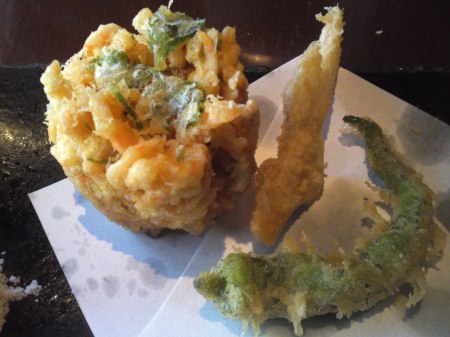
A delicacy you will find only in Shizuoka Prefecture: “Sakura ebi kakiage/cherry shrimps tempura”!
With local “leaf ginger and “shishito/chili pepper”.

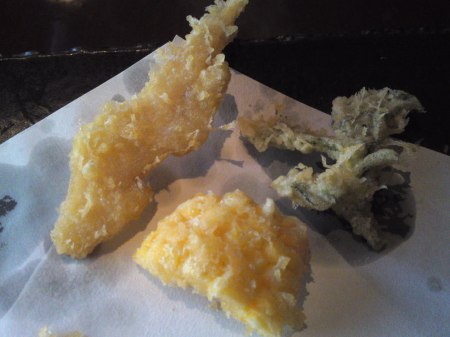
Local vegetables again: leaf ginger, sweet corn and ice plant!

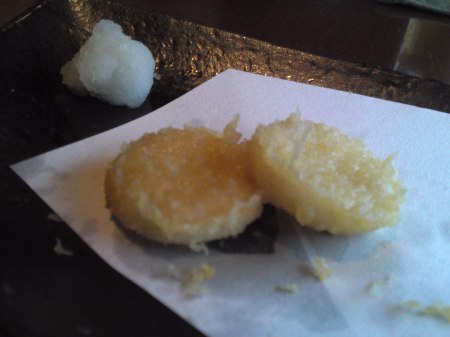
Now, this is a very unusual tempura: “sakekasu/sake white lees tempura”! The white lees came from the neighbors, Oomuraya Brewery!

RECOMMENDED RELATED WEBSITES

Pierre.Cuisine, Francescannotwrite, My White Kitchen, 47 Japanese Farms Through The Eyes of Its Rural Communities, Foodhoe, Chucks Eats, Things that Fizz & Stuff, Five Euro Food by Charles,Red Shallot Kitchen by Priscilla,With a Glass, Nami | Just One Cookbook, Peach Farm Studio, Clumsyfingers by Xethia, PepperBento,Adventures in Bento Making, American Bent, Beanbento, Bento No, Bento Wo Tsukurimashou, Cooking Cute, Eula, Hapabento , Happy Bento, Jacki’s Bento Blog, Kitchen Cow, Leggo My Obento, Le Petit Journal Bento & CO (French), Lunch In A Box,
Susan at Arkonlite, Vegan Lunch Box; Tokyo Tom Baker, Daily Food Porn/Osaka, Only Nature Food Porn, Happy Little Bento, The Herbed Kitchen, J-Mama’s Kitchen, Cook, Eat, Play, Repeat, Bento Lunch Blog (German), Adventures In Bento, Anna The Red’s Bento Factory, Cooking Cute, Timeless Gourmet, Bento Bug, Ideal Meal, Bentosaurus, Mr. Foodie (London/UK), Ohayo Bento,

Must-see tasting websites:

-Sake: Tokyo Through The Drinking Glass, Tokyo Foodcast, Urban Sake, Sake World
-Wine: Palate To Pen, Warren Bobrow, Cellar Tours, Ancient Fire Wines Blog
-Beer: Good Beer & Country Boys, Another Pint, Please!
-Japanese Pottery to enjoy your favourite drinks: Yellin Yakimono Gallery
Izakaya Gastronomy: Dinner at Waga (2012) in Shizuoka City!

Succulent plate of sashimi!

Service: Very friendly and easy-going! Slow food!
Facilities: Very clean overall. Large and clean washroom.
Prices: reasonable
Strong points: Great list of sake and shochu. Typical izakaya gastronomy with a personal touch!

It is not easy to socialize equally with all the good restaurants and izakayas in Shizuoka and arrangements have to be done sometimes! LOL
Anyway, to cut a long story short I managed to persuade the Missus to pay our first visit of the year to Waga, one of our favorite izakayas in Shizuoka City!

Waga is a great place, totally unpretentious, and laughing faces serving you efficiently without a fuss and with plenty of interesting explanations!

The snacks served with the first drink set the tone right away: Fried salmon in sweet and sour sauce!

Always check the specialties of the day!
If you cannot read the menu, no worries as the young staff is recruited in local universities who should manage some English!

The sashimi is top class at Waga and at a reasonable price! This is not Tokyo!
Madai/Seabream in front, Maguro akami/lean tuna, Kanpachi/Greater amberjack and Salmon!

We always order the daikon katsu at Waga!

Waga-style sauteed beansprouts in sesame oil!

You must sample Waga’s (large ) prawns fried in hot sweet and sour sauce!

They come also with great comfort dishes in winter!

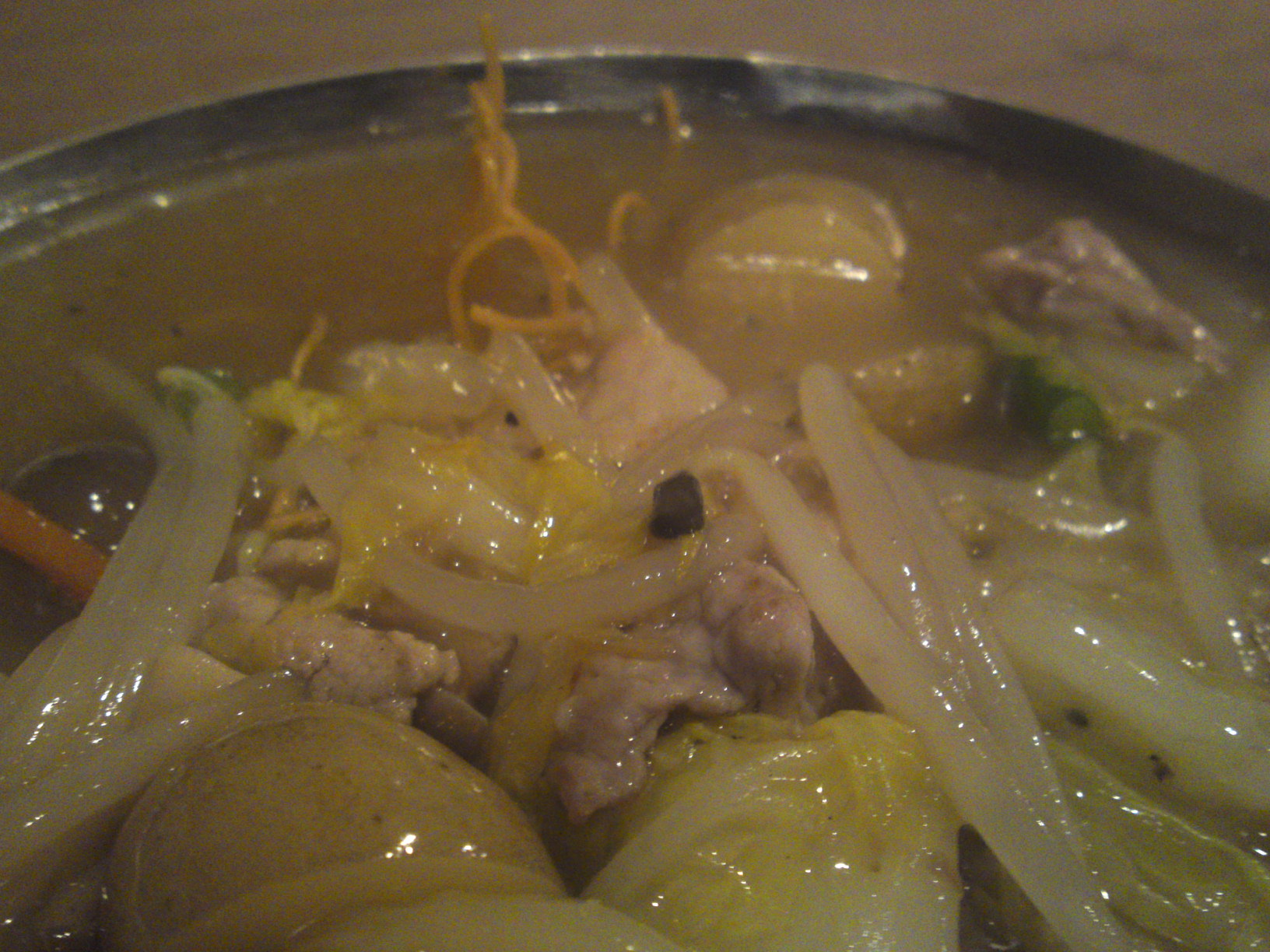
Soba with plenty of vegetables and soft pork!

not only so delicious but so comforting and body-warming!

To be continued…

WAGA
Shizuoka City, Aoi Ku, takajyo, 2-1-20, Kuroyanagi Bldg. 1F
Tel.: 054-271-7121
Business hours: 17:30~23:30, 17:30~26:00 (on Fridays, Saturdays and National Holidays)
Closed on Mondays
HOMEPAGE (Japanese)

RECOMMENDED RELATED WEBSITES

Pierre.Cuisine, Francescannotwrite, My White Kitchen, 47 Japanese Farms Through The Eyes of Its Rural Communities, Foodhoe, Chucks Eats, Things that Fizz & Stuff, Five Euro Food by Charles,Red Shallot Kitchen by Priscilla,With a Glass, Nami | Just One Cookbook, Peach Farm Studio, Clumsyfingers by Xethia, PepperBento,Adventures in Bento Making, American Bent, Beanbento, Bento No, Bento Wo Tsukurimashou, Cooking Cute, Eula, Hapabento , Happy Bento, Jacki’s Bento Blog, Kitchen Cow, Leggo My Obento, Le Petit Journal Bento & CO (French), Lunch In A Box,
Susan at Arkonlite, Vegan Lunch Box; Tokyo Tom Baker, Daily Food Porn/Osaka, Only Nature Food Porn, Happy Little Bento, The Herbed Kitchen, J-Mama’s Kitchen, Cook, Eat, Play, Repeat, Bento Lunch Blog (German), Adventures In Bento, Anna The Red’s Bento Factory, Cooking Cute, Timeless Gourmet, Bento Bug, Ideal Meal, Bentosaurus, Mr. Foodie (London/UK), Ohayo Bento,

Must-see tasting websites:

-Sake: Tokyo Through The Drinking Glass, Tokyo Foodcast, Urban Sake, Sake World
-Wine: Palate To Pen, Warren Bobrow, Cellar Tours, Ancient Fire Wines Blog
-Beer: Good Beer & Country Boys, Another Pint, Please!
-Japanese Pottery to enjoy your favourite drinks: Yellin Yakimono Gallery
French Gastronomy: Shizuoka Wild Boar at Pissenlit!

Service: Excellent and very friendly.
Facilities: Great cleanliness overall. Superb washroom (mouthwash and toothpicks provided!)!
Prices: Reasonable to slightly expensive, very good value.
Strong points: Interesting wine list. Great use of local products, especially organic vegetables and Shizuoka-bred meat.

The other day I had another Shizuoka specialty with the Missus at Pissenlit in Shizuoka City: Wild boar!

The Prefecture is teeming with wild boars which are becoming a real nuisance in farms and professionals hunters have to called to help cull them regularly!
This means that restaurants can take advantage of a regular supply of very fresh meat!
The meat came from a wild boar killed by Mr. Noda in Shimada City!

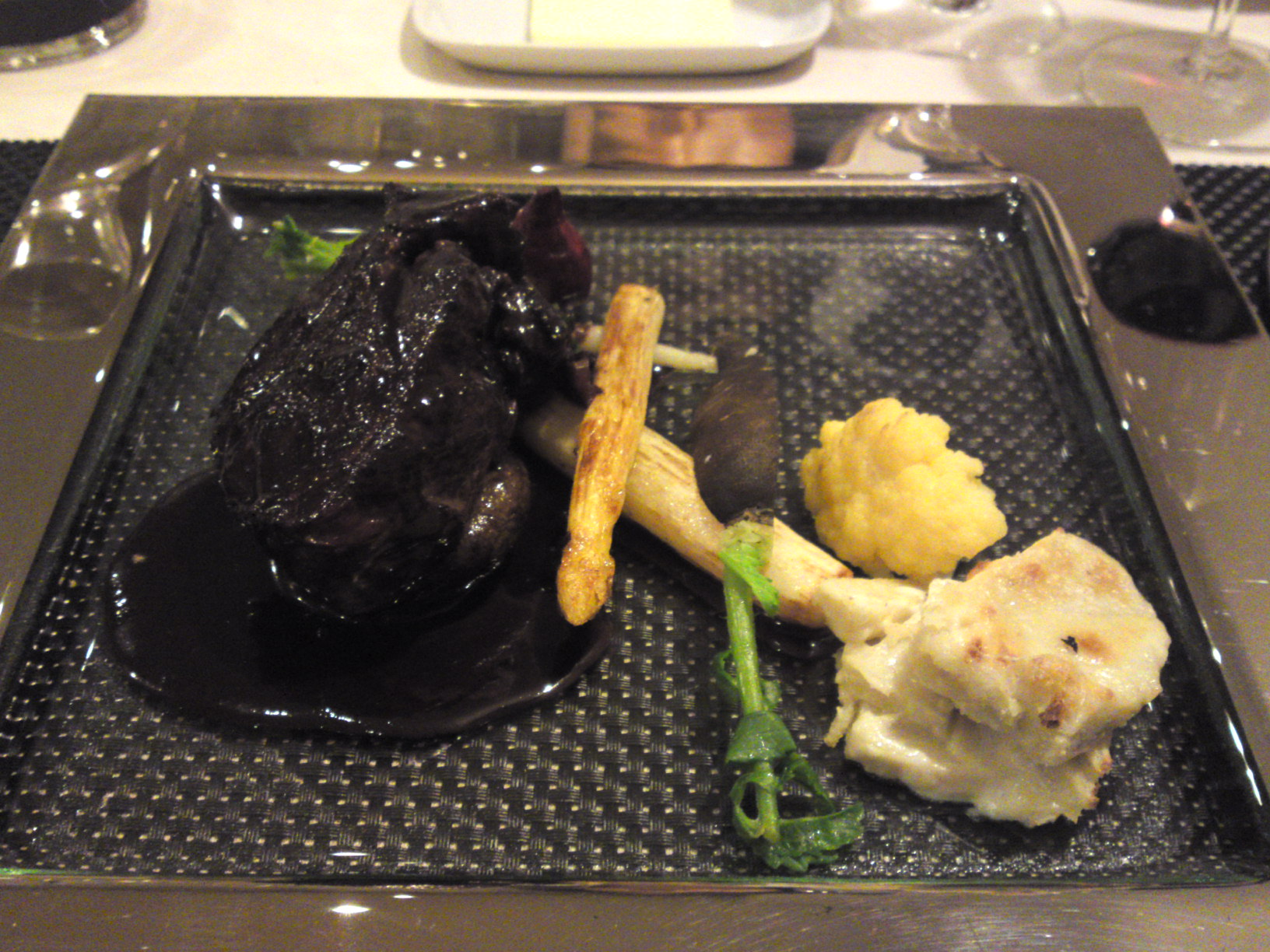
Chef Touru Arima/有馬亨さん simmered it in heady red wine for hours before serving it!

Firm but tender, juicy and so delicious!

Accompanied by white asparaguses and ebi imo gratin! The ebi imo come from the Farm of Mr. Shingai in Iwata City!

Alright, what did the Missus have?

Beautiful pan-fried black bass in light butter and curry sauce!

With steamed organic vegetables from Shizen no Chikara Farm in Shizuoka City!

To be continued…

PISSENLIT
420-0839 Shizuoka City, Aoi Ku, Takajo, 2-3-4
Tel.: 054-270-8768
Fax: 054-627-3868
Business hours: 11:30~14:30; 17:00~22:00
Closed on Tuesdays and Sunday evening
HOMEPAGE (Japanese)
Credit Cards OK
Entirely non-smoking!

RECOMMENDED RELATED WEBSITES

Pierre.Cuisine, Francescannotwrite, My White Kitchen, 47 Japanese Farms Through The Eyes of Its Rural Communities, Foodhoe, Chucks Eats, Things that Fizz & Stuff, Five Euro Food by Charles,Red Shallot Kitchen by Priscilla,With a Glass, Nami | Just One Cookbook, Peach Farm Studio, Clumsyfingers by Xethia, PepperBento,Adventures in Bento Making, American Bent, Beanbento, Bento No, Bento Wo Tsukurimashou, Cooking Cute, Eula, Hapabento , Happy Bento, Jacki’s Bento Blog, Kitchen Cow, Leggo My Obento, Le Petit Journal Bento & CO (French), Lunch In A Box,
Susan at Arkonlite, Vegan Lunch Box; Tokyo Tom Baker, Daily Food Porn/Osaka, Only Nature Food Porn, Happy Little Bento, The Herbed Kitchen, J-Mama’s Kitchen, Cook, Eat, Play, Repeat, Bento Lunch Blog (German), Adventures In Bento, Anna The Red’s Bento Factory, Cooking Cute, Timeless Gourmet, Bento Bug, Ideal Meal, Bentosaurus, Mr. Foodie (London/UK), Ohayo Bento,

Must-see tasting websites:

-Sake: Tokyo Through The Drinking Glass, Tokyo Foodcast, Urban Sake, Sake World
-Wine: Palate To Pen, Warren Bobrow, Cellar Tours, Ancient Fire Wines Blog
-Beer: Good Beer & Country Boys, Another Pint, Please!
-Japanese Pottery to enjoy your favourite drinks: Yellin Yakimono Gallery
Food & Drink Bloggers in Japan (Winter 2012)

The number of foreigners and Japanese nationals who write about the food and drinks in Japan in English (or at least answer comments in English) has remarkably increased lately.
I thought it was about time to start some kind of round-up to help people discover these deserving foodies and their blogs!The list below is far from exhaustive, but I’m planning to update and announce it regularly!
Of course if you know more foodies residing in Japan, do please direct them to me and I will introduce them gladly!

HOKKAIDO TRIBE
(Hokkaido Island)
Meishu no Yutaka by Carlin

TOHOKU TRIBE
(Northeastern Japan: Aomori, Iwate, Miyagi, Akita, Yamagata, Fukushima)
Slow Food From Japan by Nigel Fodgen in Miyagi Prefecture.

KANTO TRIBE
Watch Japan in Tokyo
(Eastern Japan: Ibaraki, Tochigi, Gunma, Saitama, Chiba, Tokyo, Kanagawa)
Little Japan Mama in Tokyo
Japan Eats (featured on request)
47 Japanese Farms Through The Eyes of Its Rural Communities By Sara and Roshni in Tokyo
Eating Out in Tokyo with DominicTokyo Through The Drinking Glass by Melinda Joe in Tokyo
Tokyo Foodcast by Etsuko Nakamura in Tokyo
Sake World by John Gauntner in Tokyo: The inernational Reference for Japanese Sake!
Tokyo Terrace by Rachael in Tokyo
Gaijin Tonic in Tokyo and Kanagawa Prefecture
Nonjatta by Chris Bunting in Tokyo
The Soul Of Japan in Kanagawa Prefecture
Sake, kimono and Tabi In Tokyo
Tokyo Kawai, Etc… in Tokyo
Blue Lotus in Tokyo
The Japanese Food Report by Harris Salat in Tokyo
The Sake Chronicles in Tokyo
Watashi to Tokyo by Mari Kanazawa in Tokyo
Japanese Food-Food Lover’s Guide by Yukari Yamamoto in Tokyo
Gaijin Life by a Canadian gentleman in Tokyo
Leo’s Japan Food Blog in Tokyo
Eating Out In Tokyo With Jon
Fugu Tabetai in Tokyo
Japan Style in Tokyo
COCO’s Oriental Kitchen by angela Cooper in Tokyo
Free Online Japanese Food Recipes in Tokyo
Reminiscenec in Tokyo
Cooking Japanese Style By Naoko, in Tokyo

CHUBU TRIBE
(Central Japan: Niigata, Toyama, Ishikawa, Fukui, Yamanashi, Nagano, Gifu, Shizuoka, Aichi)
Good Beer & Country Boys in Aichi Prefecture
Damonde Life by Matt Ryan in Hamamatsu & Enshu
Mangantayon in Shizuoka Prefecture
Shizuoka Gourmet, Shizuoka Sake, Shizuoka Sushi, Shizuoka Shochu in Shizuoka Prefecture
Bryan Baird’s Beer & Brewery in Numazu in Shizuoka Prefecture

KANSAI TRIBE
(Western Japan: Mie, Shiga, Kyoto, Osaka, Hyogo, Nara, Kyoto, Wakayama)
Yellin Yakimono Gallery by Robert Yellin in Shizuoka Prefecture, just moved to Kyoto!
Colorfood Daidokoro in Osaka (Englis & French)
Dominique Corby In Osaka (in French, but can answer and read in English)
Nagaijin in Osaka
Kyoto Foodie in Kyoto
Our Adventures in Japan by K and S Minoo in Osaka
Japan Food Addict by Mai in Kyoto

CHUGOKU
(“Central Country”: Tottori, Shimane, Okayama, Hiroshima, Yamaguchi)
Get Hiroshima Blog in Hiroshima
The Wide Island Review, The JET Programme Webzine Of Hiroshima Prefecture (includes food & drink articles)

SHIKOKU
(Shikoku Island: Kagawa, Kochi, Ehime, Tokushima)
Obachan’s Kitchen & Garden Balcony in Kochi Prefecture
Still Clumsy With Chopsticks in Kochi Prfecture (Continuation of Obachan’s Kitchen & Garden Balcony)
Rocking in Hakata by Deas Richardson

KYUSHU
(Kyushu Island: Fukuoka, Nagasaki, Saga, Kumamoto, Miyazaki, Kagoshima)
Not yet!

OKINAWA
(Okinawa Archipelago)
HWN Pake in Okinawa in Chatan, Okinawa
I’m sorry to say that Nate has just passed away and that his blog has disappeared, but I’ll keep it there as it is in his memeory!

RECOMMENDED RELATED WEBSITES

Pierre.Cuisine, Francescannotwrite, My White Kitchen, 47 Japanese Farms Through The Eyes of Its Rural Communities, Foodhoe, Chucks Eats, Things that Fizz & Stuff, Five Euro Food by Charles,Red Shallot Kitchen by Priscilla,With a Glass, Nami | Just One Cookbook, Peach Farm Studio, Clumsyfingers by Xethia, PepperBento,Adventures in Bento Making, American Bent, Beanbento, Bento No, Bento Wo Tsukurimashou, Cooking Cute, Eula, Hapabento , Happy Bento, Jacki’s Bento Blog, Kitchen Cow, Leggo My Obento, Le Petit Journal Bento & CO (French), Lunch In A Box,
Susan at Arkonlite, Vegan Lunch Box; Tokyo Tom Baker, Daily Food Porn/Osaka, Only Nature Food Porn, Happy Little Bento, The Herbed Kitchen, J-Mama’s Kitchen, Cook, Eat, Play, Repeat, Bento Lunch Blog (German), Adventures In Bento, Anna The Red’s Bento Factory, Cooking Cute, Timeless Gourmet, Bento Bug, Ideal Meal, Bentosaurus, Mr. Foodie (London/UK), Ohayo Bento,

Must-see tasting websites:

-Sake: Tokyo Through The Drinking Glass, Tokyo Foodcast, Urban Sake, Sake World
-Wine: Palate To Pen, Warren Bobrow, Cellar Tours, Ancient Fire Wines Blog
-Beer: Good Beer & Country Boys, Another Pint, Please!
-Japanese Pottery to enjoy your favourite drinks: Yellin Yakimono Gallery

Bistro Gastronomy: Croque-Madame at Café Brasserie Patina in Shizuoka City!

Service: Very friendly and smiling
Facilities: Very clean. Beautiful washroom.
Prices: Reasonable
Strong points: A true cafe where to relax and enjoy a good light meal any time of the day.

As promised in the presentation of Patina’s Croque-Monsieur I visited the establishment for lunch yesterday to sample their Croque-Madame!

But just as I was ordering lunch my eyes fell on the wine bottles on the counter… one was of a special interest to me!

Givry! My home town in Cote Chalonnaise in Bourgogne, France!
Do try it for its great reliabilty and light touch!

The Croque-Madame!

Great balance with plenty of local baby leaves and vegetables!

Topped with a beautiful egg fried to a perfect softness and seasoned with ground herbs!

The running egg yolk with the great bread, ham onions and Mornay sauce was a little sin!
Now, this is real bistro gastronomy!

PATINA, Café & Brasserie
Shizuoka City, Aoi Ku, Tenmacho, 17-9
tel.: 054-266-9500
Opening hours: 10:00~20:30 (last orders)
Holiday not decided yet
Non-smoking but for a small table away from the other patrons at the end of a long hall before the washroom

RECOMMENDED RELATED WEBSITES

Pierre.Cuisine, Francescannotwrite, My White Kitchen, 47 Japanese Farms Through The Eyes of Its Rural Communities, Foodhoe, Chucks Eats, Things that Fizz & Stuff, Five Euro Food by Charles,Red Shallot Kitchen by Priscilla,With a Glass, Nami | Just One Cookbook, Peach Farm Studio, Clumsyfingers by Xethia, PepperBento,Adventures in Bento Making, American Bent, Beanbento, Bento No, Bento Wo Tsukurimashou, Cooking Cute, Eula, Hapabento , Happy Bento, Jacki’s Bento Blog, Kitchen Cow, Leggo My Obento, Le Petit Journal Bento & CO (French), Lunch In A Box,
Susan at Arkonlite, Vegan Lunch Box; Tokyo Tom Baker, Daily Food Porn/Osaka, Only Nature Food Porn, Happy Little Bento, The Herbed Kitchen, J-Mama’s Kitchen, Cook, Eat, Play, Repeat, Bento Lunch Blog (German), Adventures In Bento, Anna The Red’s Bento Factory, Cooking Cute, Timeless Gourmet, Bento Bug, Ideal Meal, Bentosaurus, Mr. Foodie (London/UK), Ohayo Bento,

Must-see tasting websites:

-Sake: Tokyo Through The Drinking Glass, Tokyo Foodcast, Urban Sake, Sake World
-Wine: Palate To Pen, Warren Bobrow, Cellar Tours, Ancient Fire Wines Blog
-Beer: Good Beer & Country Boys, Another Pint, Please!
-Japanese Pottery to enjoy your favourite drinks: Yellin Yakimono Gallery
Izakaya: Dinner at Uzu In Shizuoka City! (Winter 2012)

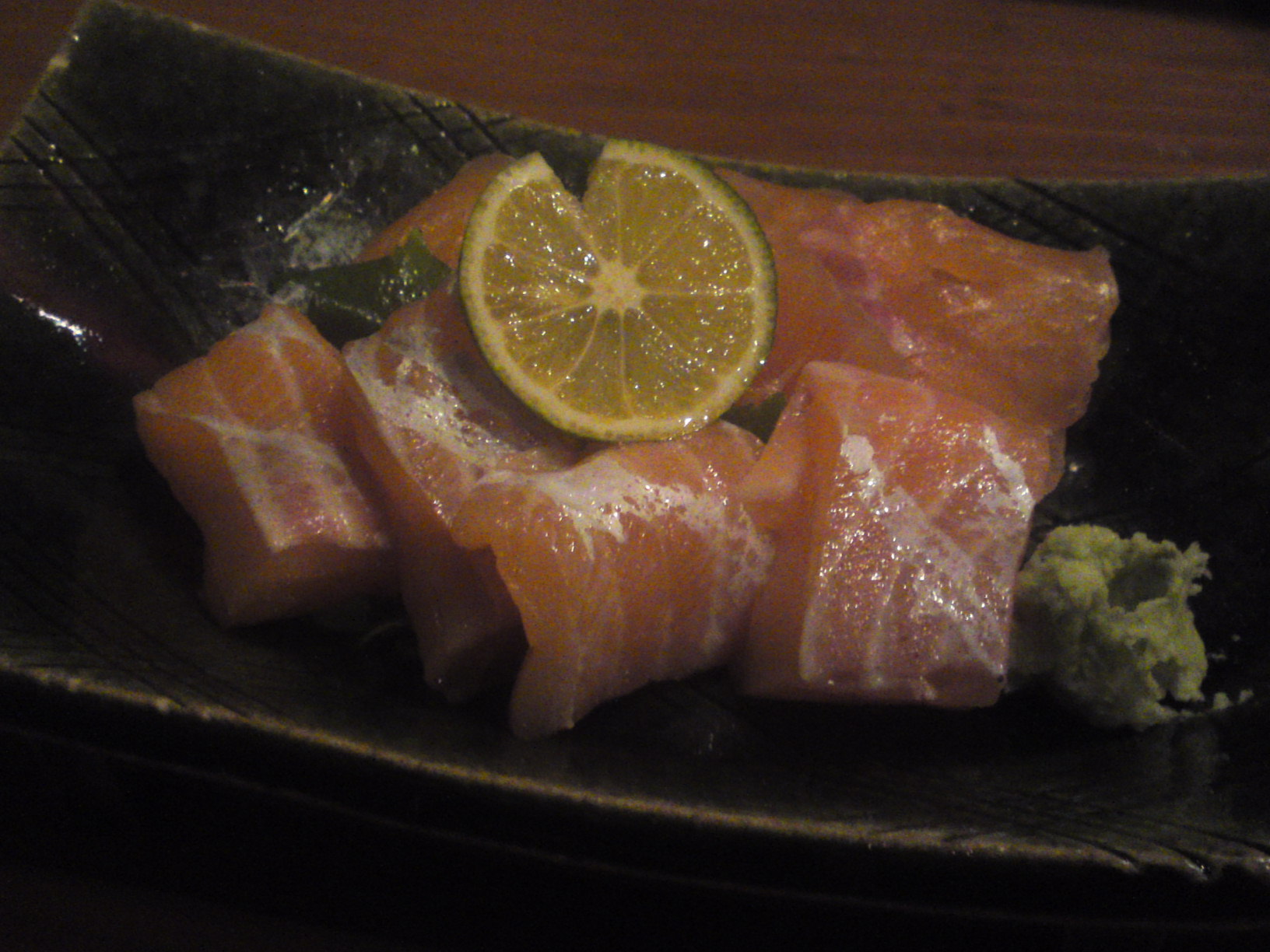
Kan sawara/寒鰆/Winter Spanish Mackerel Sashimi!

Service: Excellent and very friendly. Very Japanese atmosphere.
Facilities: Excellent washroom facilities. Great cleanliness overall
Prices: reasonable.
Strong Points: Great sake from Shizuoka and Japan Great Shochu. Home-made umeshu. Mainly local products, especially organic vegetables.

Izakaya are the best places to visit in Japan if you wish to know and taste local food and products.
Naturally they come at different prices and levels, but here in Shizuoka it is a true embarrassment of choices!
We are lucky to have recently moved near arguably the best izakaya in Shizuoka Prefecture, Uzu, so it is only a question of visiting it regularly for a dinner of Shizuoka (and elsewhere) specialties!

It is located away from the busy center of town and not easy to find, although really famous!
The day’s specialties are always announced in calligraphy outside!

Some of the great sakes waiting for you inside!

Uzu!

A beautiful noren/暖簾/entrance curtain!

The snack coming with the first drink!
For once we sat at the counter in front of the kitchen!

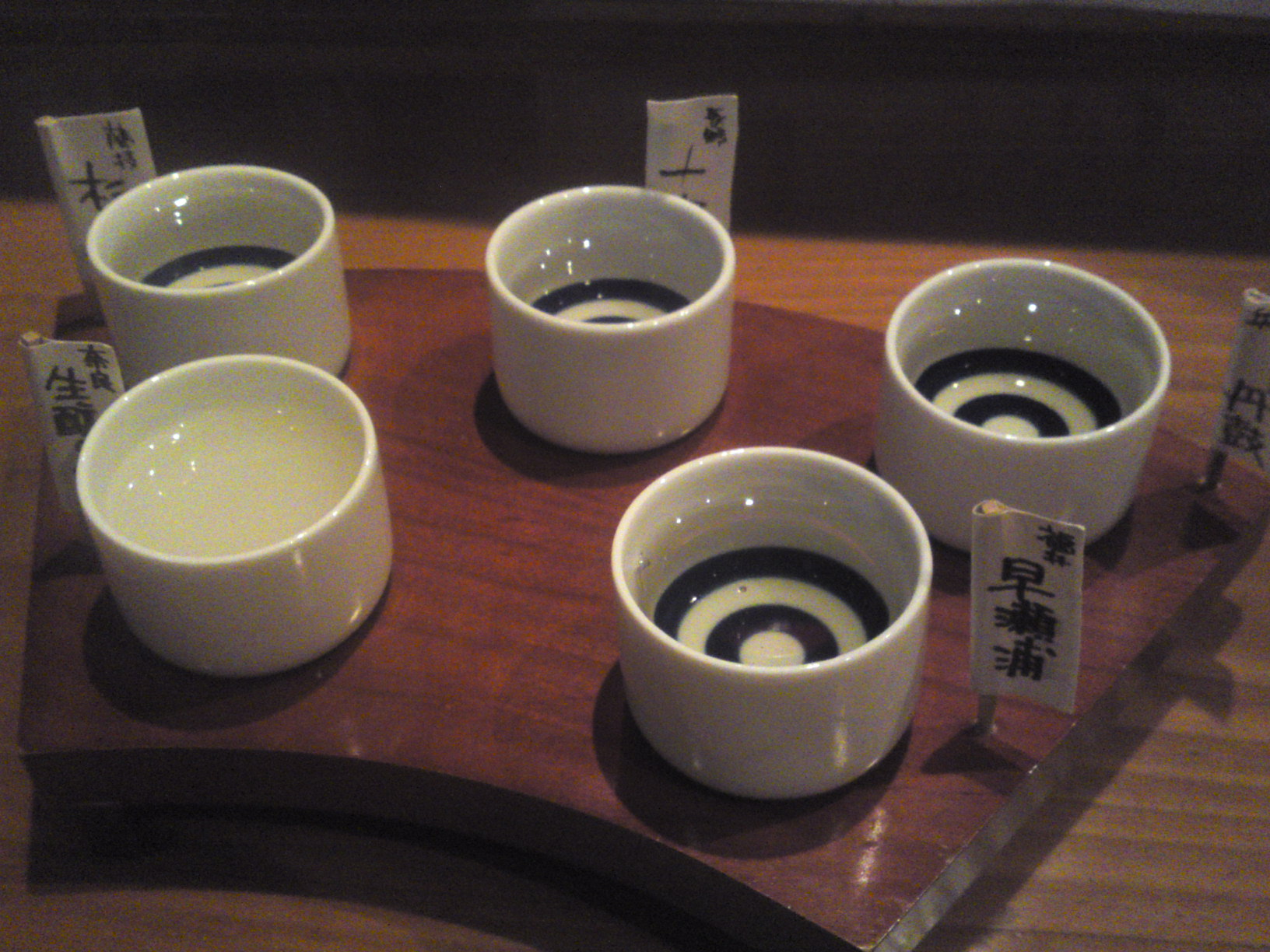
While the Missus had her wine I ordered a 5-sake sampling set! You can choose your sakes when ordering such a set!

Most of the earthenware used for serving are locally made!

likewise for individual plates and bowls!

The sashimi is always superlative in Uzu.
So what did we order?

Kan sawara/寒鰆/Winter Spanish Mackerel Sashimi!
This is a difficult fish to find in Shizuoka Prefecture and Uzu serves one a year. We were surely lucky!

For a closer look!
It was served slightly seared for more savors!

Rainbow Trout from Kunugi Rainbow Trout Farm in Fujinomiya City!

For a closer look!
So tender and served with grated wasabi from Umegashima, up the Abe River in Shizuoka City!

After the sashimi it was time to sample some meat!
Mangenton pork cutlets with plenty of chopped leeks!

The pork from Sanoman Co in Fujinomiya City is served as deep-fried cutlets!
I know a lot of friends abroad who would jump in the sea for that!

Uzu always serves extraordinary local organic vegetables: Giant burdock (oura gobo) roots chips salad!

This burdock comes from Matsuki Bio Farm in Fujinomiya City!

We followed this with a vegetable of the sea: Mozuku/水雲、海蘊 、藻付、海雲/an edible weed that comes by the name of Cladosiphon okamuranus

A very thick variety from Okinawa!!

We were still a bit hungry and opted to order the Giant Hokke!
Hokke/法華 goes by the unusual name of Arabesque Greenling and comes from Hokkaido! Ours was a truly enormous sample!

Grilled to perfection, it is savored with grated daikon, soy asuce and lime!
It certainly needed the two of us to finish it!

To be continued…

UZU
Shizuoka City, Otowa-cho, 3-18
Tel.: 054-249-6262
Business hours: 17:00=23:00
Closed on Mondays and first Tuesday
Reservations recommended
Credit cards OK
HOMEPAGE (Japanese)

RECOMMENDED RELATED WEBSITES

Pierre.Cuisine, Francescannotwrite, My White Kitchen, 47 Japanese Farms Through The Eyes of Its Rural Communities, Foodhoe, Chucks Eats, Things that Fizz & Stuff, Five Euro Food by Charles,Red Shallot Kitchen by Priscilla,With a Glass, Nami | Just One Cookbook, Peach Farm Studio, Clumsyfingers by Xethia, PepperBento,Adventures in Bento Making, American Bent, Beanbento, Bento No, Bento Wo Tsukurimashou, Cooking Cute, Eula, Hapabento , Happy Bento, Jacki’s Bento Blog, Kitchen Cow, Leggo My Obento, Le Petit Journal Bento & CO (French), Lunch In A Box,
Susan at Arkonlite, Vegan Lunch Box; Tokyo Tom Baker, Daily Food Porn/Osaka, Only Nature Food Porn, Happy Little Bento, The Herbed Kitchen, J-Mama’s Kitchen, Cook, Eat, Play, Repeat, Bento Lunch Blog (German), Adventures In Bento, Anna The Red’s Bento Factory, Cooking Cute, Timeless Gourmet, Bento Bug, Ideal Meal, Bentosaurus, Mr. Foodie (London/UK), Ohayo Bento,

Must-see tasting websites:

-Sake: Tokyo Through The Drinking Glass, Tokyo Foodcast, Urban Sake, Sake World
-Wine: Palate To Pen, Warren Bobrow, Cellar Tours, Ancient Fire Wines Blog
-Beer: Good Beer & Country Boys, Another Pint, Please!
-Japanese Pottery to enjoy your favourite drinks: Yellin Yakimono Gallery
Cruise finds Fukushima pollution: Good News-Sea radiation levels near Fukushima are not harmful, by Jonathan Amos of the BBC!

Just found this article written by Jonathan Amos for the BBC

Marine organisms were collected for evaluation

Radioactive elements from the damaged Fukushima nuclear power plant have been detected in seawater and marine organisms up to 600km from Japan.

But the scientists who made the discovery stress the natural radioactivity of seawater dwarfs anything seen in their samples.

The results come from a research cruise in June last year led by the Woods Hole Oceanographic Institution (WHOI).

The initial findings were presented to the biennial Ocean Sciences Meeting.

“Just because we can measure radioactivity doesn’t mean it’s harmful,” WHOI’s Ken Buesseler told the gathering in Salt Lake City.

“There’s a pretty good news story in here – that the levels [of radioactivity] offshore are not of significance to human health in terms of exposure, or even if you were to eat the seafood offshore,” he added.

CONTINUE HERE>>>

RECOMMENDED RELATED WEBSITES

Pierre.Cuisine, Francescannotwrite, My White Kitchen, 47 Japanese Farms Through The Eyes of Its Rural Communities, Foodhoe, Chucks Eats, Things that Fizz & Stuff, Five Euro Food by Charles,Red Shallot Kitchen by Priscilla,With a Glass, Nami | Just One Cookbook, Peach Farm Studio, Clumsyfingers by Xethia, PepperBento,Adventures in Bento Making, American Bent, Beanbento, Bento No, Bento Wo Tsukurimashou, Cooking Cute, Eula, Hapabento , Happy Bento, Jacki’s Bento Blog, Kitchen Cow, Leggo My Obento, Le Petit Journal Bento & CO (French), Lunch In A Box,
Susan at Arkonlite, Vegan Lunch Box; Tokyo Tom Baker, Daily Food Porn/Osaka, Only Nature Food Porn, Happy Little Bento, The Herbed Kitchen, J-Mama’s Kitchen, Cook, Eat, Play, Repeat, Bento Lunch Blog (German), Adventures In Bento, Anna The Red’s Bento Factory, Cooking Cute, Timeless Gourmet, Bento Bug, Ideal Meal, Bentosaurus, Mr. Foodie (London/UK), Ohayo Bento,

Must-see tasting websites:

-Sake: Tokyo Through The Drinking Glass, Tokyo Foodcast, Urban Sake, Sake World
-Wine: Palate To Pen, Warren Bobrow, Cellar Tours, Ancient Fire Wines Blog
-Beer: Good Beer & Country Boys, Another Pint, Please!
-Japanese Pottery to enjoy your favourite drinks: Yellin Yakimono Gallery

Eel Restaurant “Atsumi” in Hamamatsu City!

Shiroyaki Unagi

Service: traditional and friendly
Facilities: old-fashioned but clean
Prices: Slightly expensive (“real” eels are expensive anywhere in Japan!)
Strong points: True traditional Japanese eel restaurant.

Hamamatsu City is famous all over Japan for some of its large companies (Yamaha, Kawai, etc) but it also known all over the country for one of its gastronomic specialties, eel, or unagi/鰻!
Eels have been a favorite food in that City for untold ages to the point that they have developed different competing “schools” as pertains to its preparation!

One of the most celebrated restaurants is Atsumi in Naka Ku, the downtown area.
Even in freezing weather customers form a queue a long time before they open for lunch!

It was first opened in 1907!
The English and Japanese noren/entrance curtain proves it is also popular with expats!

Be it downstairs or upstairs, it looks venerable indeed!

Only the signs are modern!

Very traditional surroundings. Old fashioned but clean, the more for it that the establishment is entirely non-smoking!

These critters will end up in our plates and bowls!

The Missus ordered “Kabayaki/蒲焼 style” set. The eels are dipped into “tare/sauce” while being grilled over charcoal.
The tare makes the difference, and it is a good indication of the proficiency of the chef!

The Missus ordered it with some tare on the rice, too.

I ordered the “shiroyaki/白焼き lunch set”.
Shiro stands for white, and yaki for grilled.
Shiroyaki means that no tare was applied on the eel while being grilled.

But I ordered it on top of rice seasoned with tare for perfect balance!

The great thing about shiroyaki style is that you can season each piece of eel with grated garlic, ginger, onion or wasabi before savoring it!

The liver/kimo” of the same fish is served in a clear and delicious soup!

And they always serve a Shizuoka fruit for dessert!
In this case muskmelon!

Eel Restaurant ATSUMI
430-0934 Hamamamtsu Shi, Naka Ku, Chitose Machi, 70
Opening hours: 11:30~13:40, 17:15~19:30 (could close earlier if run out of eels!)
Closed on Wednesdays (with two more holidays either on Tusdays or Thursdays. Reserve beforehand anyway!)
Reservations highly recommended
Credit Cards OK
HOMEPAGE (Japanese)
Entirely non-smoking!

RECOMMENDED RELATED WEBSITES

Pierre.Cuisine, Francescannotwrite, My White Kitchen, 47 Japanese Farms Through The Eyes of Its Rural Communities, Foodhoe, Chucks Eats, Things that Fizz & Stuff, Five Euro Food by Charles,Red Shallot Kitchen by Priscilla,With a Glass, Nami | Just One Cookbook, Peach Farm Studio, Clumsyfingers by Xethia, PepperBento,Adventures in Bento Making, American Bent, Beanbento, Bento No, Bento Wo Tsukurimashou, Cooking Cute, Eula, Hapabento , Happy Bento, Jacki’s Bento Blog, Kitchen Cow, Leggo My Obento, Le Petit Journal Bento & CO (French), Lunch In A Box,
Susan at Arkonlite, Vegan Lunch Box; Tokyo Tom Baker, Daily Food Porn/Osaka, Only Nature Food Porn, Happy Little Bento, The Herbed Kitchen, J-Mama’s Kitchen, Cook, Eat, Play, Repeat, Bento Lunch Blog (German), Adventures In Bento, Anna The Red’s Bento Factory, Cooking Cute, Timeless Gourmet, Bento Bug, Ideal Meal, Bentosaurus, Mr. Foodie (London/UK), Ohayo Bento,

Must-see tasting websites:

-Sake: Tokyo Through The Drinking Glass, Tokyo Foodcast, Urban Sake, Sake World
-Wine: Palate To Pen, Warren Bobrow, Cellar Tours, Ancient Fire Wines Blog
-Beer: Good Beer & Country Boys, Another Pint, Please!
-Japanese Pottery to enjoy your favourite drinks: Yellin Yakimono Gallery
Sansai/Edible Wild Japanese Mountain Vegetables (2012 edition)

tomii-veg31

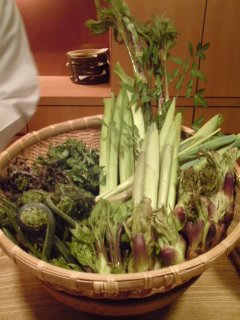
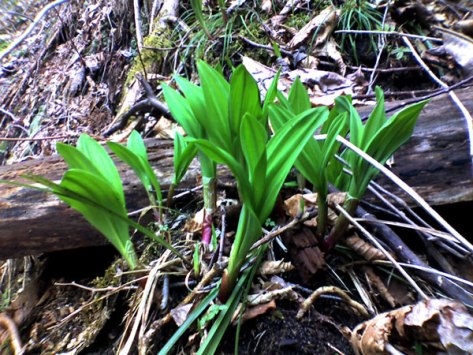
“Sansai/Wild Mountain Plants” are around the corner so I thought it might be a good idea to draw people’s attention back to them for easier reference! They also include wild fruit that can be eaten both as vegetables and fruit with various preparations.
Some can be boiled, others fried, prepared as tempura, cooked in soup, prepared as pickles or jam, etc.

As it would become far too big (already massive, but inexhaustive) a posting if I wrote everything, please pick up one item at a time if you want more explanations and I will write an individual article for your pleasure!
But some have added some since the last time I wrote about them and I added some facts!

Here we go:
(No particular order)

ainu-negi-alium-victorialis
AINU NEGI: ALIUM VICTORIALIS
Also called: GYOUJA NINIKU/VICTORY ONION/ALPINE LEEK

High in Vitamin B1

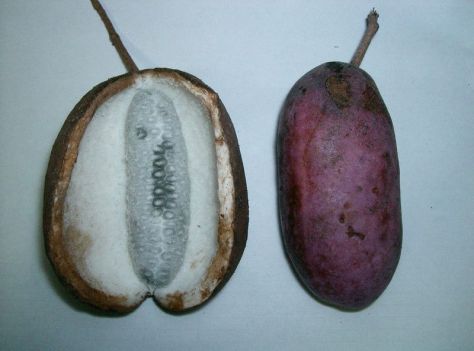
akebi-chocolate-vine
AKEBI: CHOCOLATE VINE

High in Potassium, Vitamin B1, B2, B6, C and vegetal fibers.
Provide great stamina!

amadokoro-polygonatum-odoratum
AMADOKORO: POLYGONATUM ODORATUM

azami-thistle
AZAMI: THISTLE

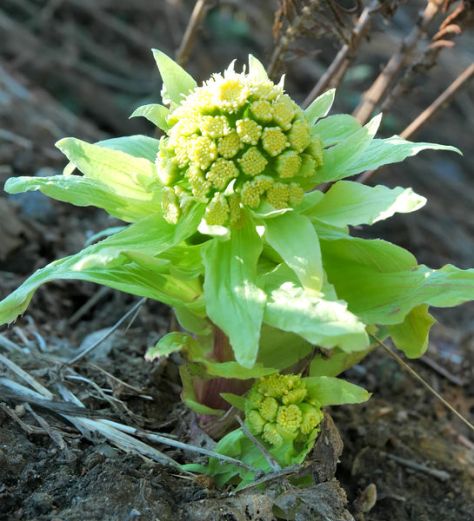
fukinoto-giant-butterbur
FUKINOTO: GIANT BUTTERBUR/FLOWER CLUSTER

High in Vitamin A Beta carotene, B1, B2, b6, C, vegetal Fibers and Potassium.

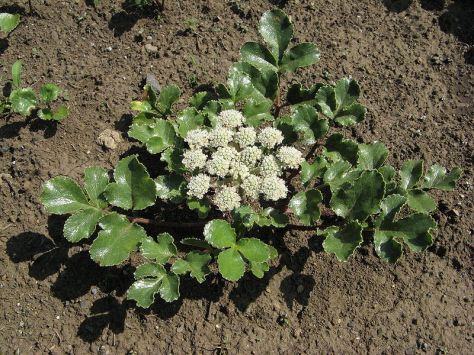
hamaboufuu-glhnia-littoralis
HAMABOUFUU: GLEHNIA LITTORALIS

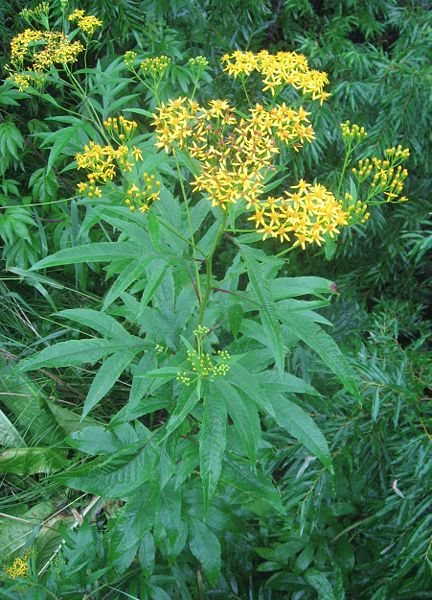
hangonsou-senecio-cannabifolius
HANGONSOU: SENECIO CANNABIFOLIUS

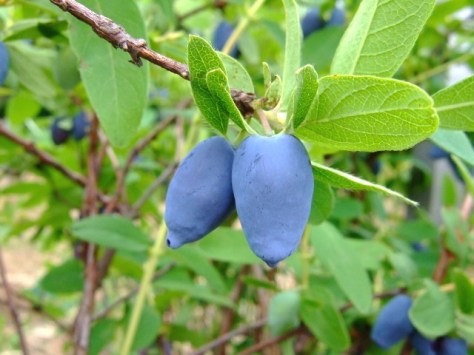
hasukappu-lonicera-caerulea
HASUKAPPU: LONICERA CAERULEA/HASCUP

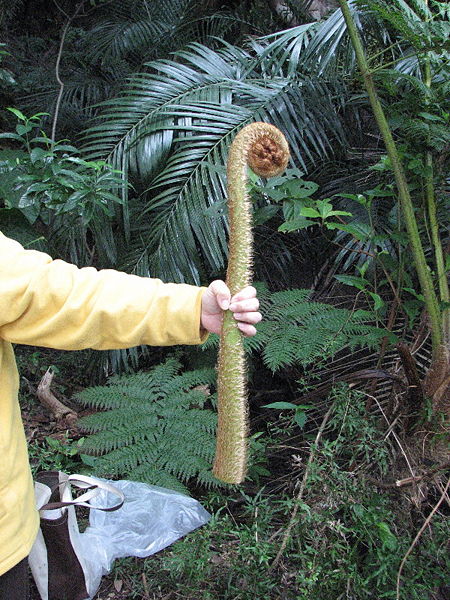
hikagehego-flying-spider-monkey-tree-fern
HIKAGEHEGO: FLYING SPIDER MONKEY TREE FERN

irakusa-urtica-thunbergiana
IRAKUSA: URTICA THUNBERGIANA

itadori-japanese-knotweed
ITADORI: JAPANESE KNOTWEED

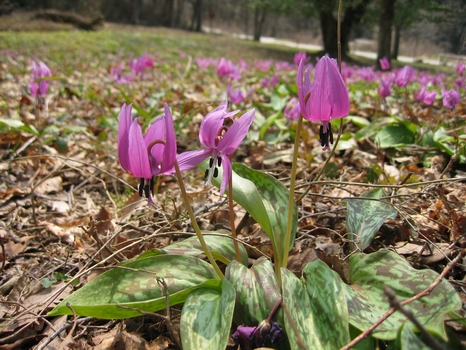
katakuri-dogtooth-violet
KATAKURI: DOGTOOTH VIOLET

Flowers are also edible.

kiboushi-plantain-lily-hosta-fortinei
KIBOUSHI: PLANTAIN LILY HOSTA FORTINEI ( a variety of Hosta Montana)

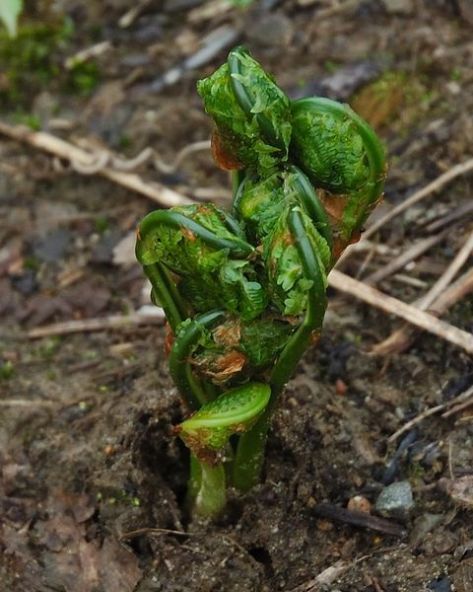
kogomi-ostrich-fern
KOGOMI: OSTRICH FERN (exists as green and red)

Great plant as it needs no special procees to erase tanginess.
High Carotenes, Vitamin C, Amino acids and vegetal fibers.

koshiabura-ascathopanax-sciadophylloides
KOSHIABURA : ASCATHOPANAX SCIADOPHYLLOIDES

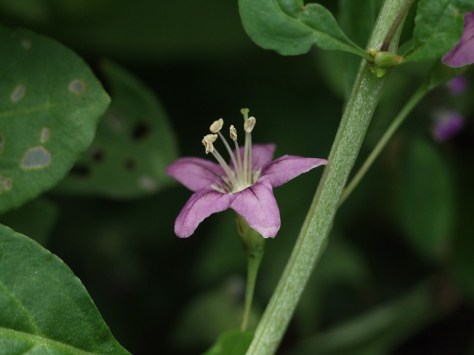
kuko-chinese-wolfberry
KUKO: CHINESE WOLFBERRY

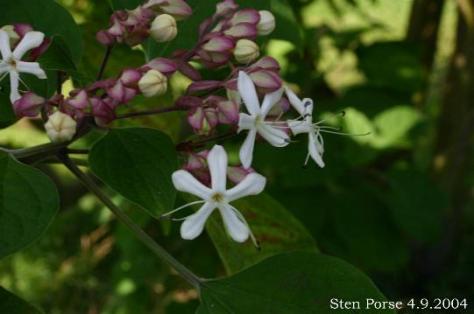
kusagi-harlequin-glory-bower-peanut-butter-shrub2
KUSAGI: HARLEQUIN GLORY BOWER PEANUT BUTTER SHRUB

matatabi-silver-vine
MATATABI: SILVER VINE

mitsuba-japanese-honeywort
MITSUBA: JAPANESE HONEYWORT

nirinsou-anemone-flaccida
NIRINSOU: ANEMONE FLACCIDA

nobiru-alium-macrostemon
NOBIRU: ALIUM MACROSTEMON

High in Vitamin C, Carotenes, Calcium, Potassium and vegetal fibers.

oyamabokuchi-synurus-pungens
OYAMABOKUCHI: SYNURUS PUNGENS

ryoubu-clrthra-barbinervis
RYOUBU: CLERTHRA BARBINERVIS

sarunashi-actinia-arguta
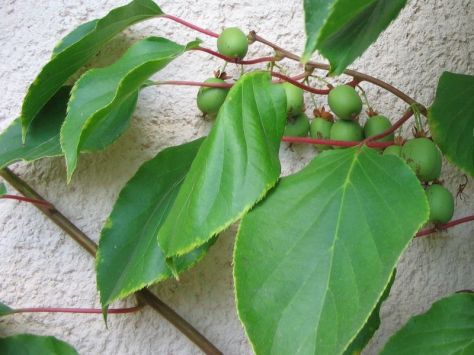
SARUNASHI: ACTINIA ARGUTA

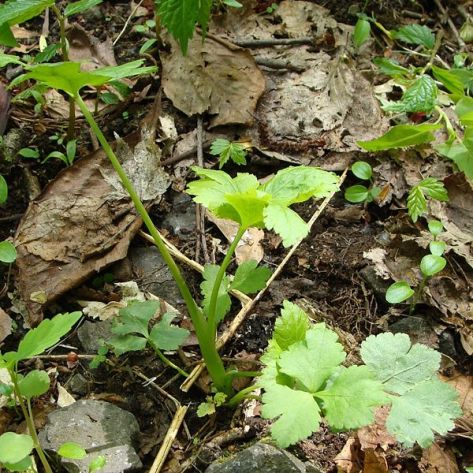
seri-japanese-parsley
SERI: JAPANESE PARSLEY

suberiyu-common-purslane
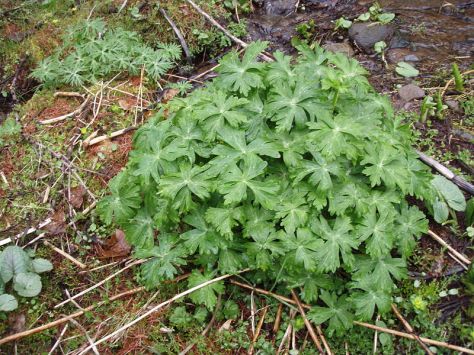
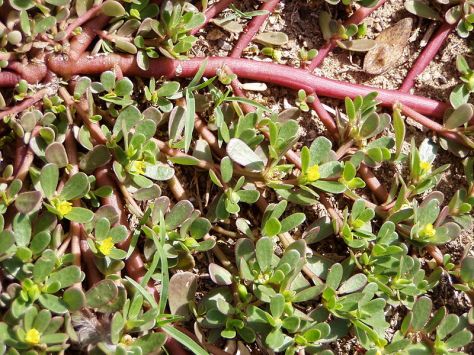
SUBERIYU: COMMON PURSLANE

takenoko-bamboo-shoots
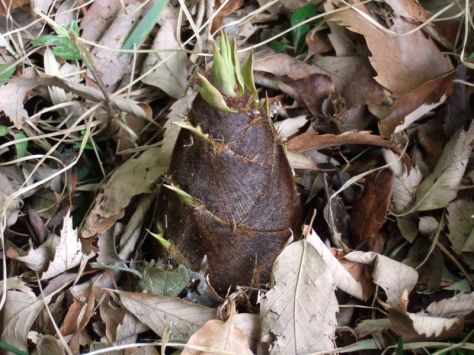
TAKENOKO: BAMBOO SHOOTS (SPROUTS)

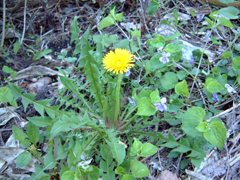
tanpopo-dandelion
TANPOPO: DANDELION

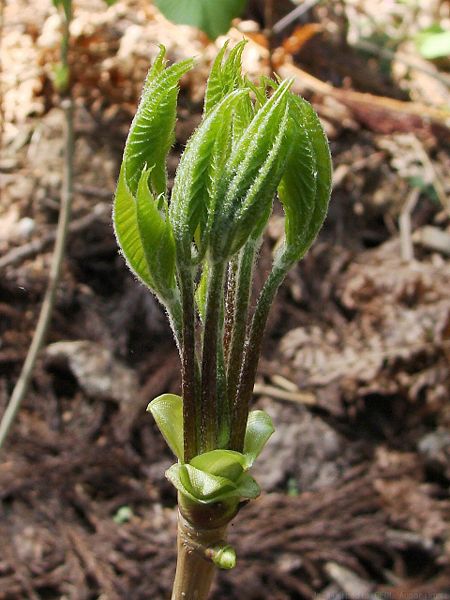
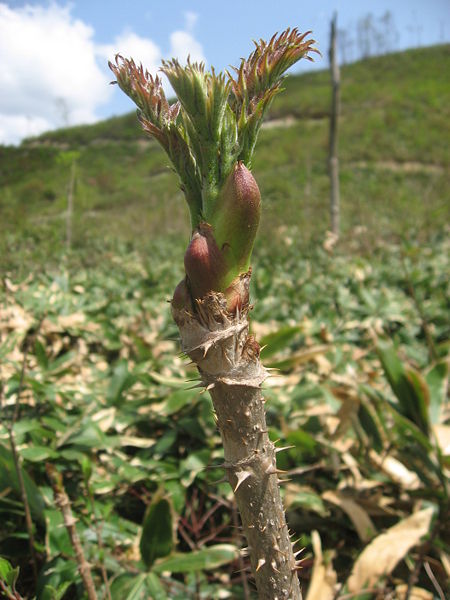
tara-no-me-aralia-elata
TARA NO ME: ARALIA ELATA

High in Potassium, Vitamin A Beta Carotenes, B2 and vegetal fibers.

tsukushi-horsetail
TSUKUSHI: HORSETAIL

High in Potassium, Magnesium, Carotenes and Vitamin E.

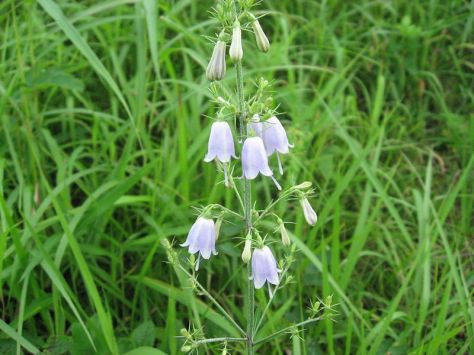
tsuroganeninjin-adenophora-triphylla
TSUROGANENINJIN: ADENOPHORA TRIPHYLLA

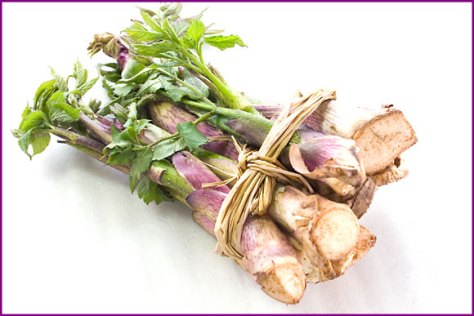
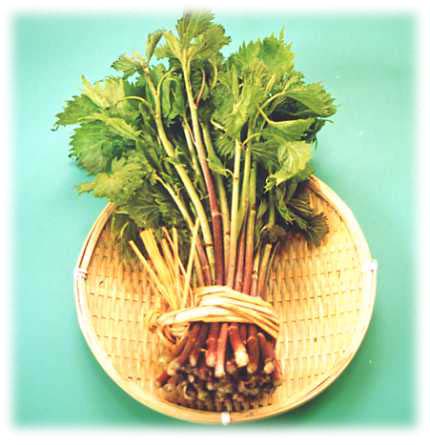
udo-aralia-cordata
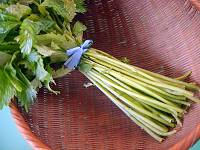
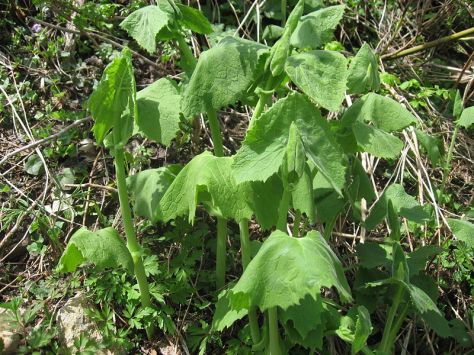
UDO: ARALIA CORDATA

High in Potassium, Calcium, Magnesium, Vitamin B1, C, Pantotene acid.
Helps combat human body acidity.

yamaudo
YAMAUDO: same as UDO (above)

urui-hosta-montana
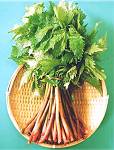
URUI: HOSTA MONTANA

Can be eaten raw.
Great in salads. Have become a common vegetable in Japan.

warabi-pteridium-aquilinum
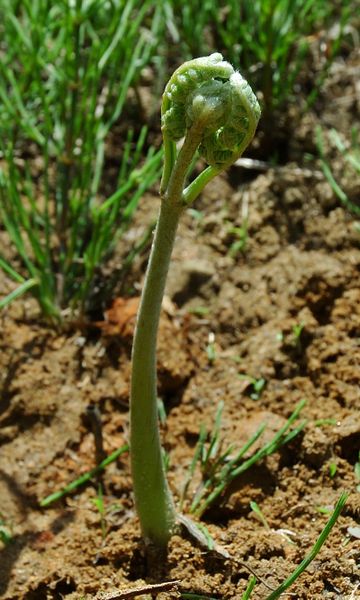
WARABI: PTERIDIUM AQUILINUM/BRACKEN

High Potassium, Calcium, Magnesium, Iron, Vitamin B2, C, E and vegetal fibers.

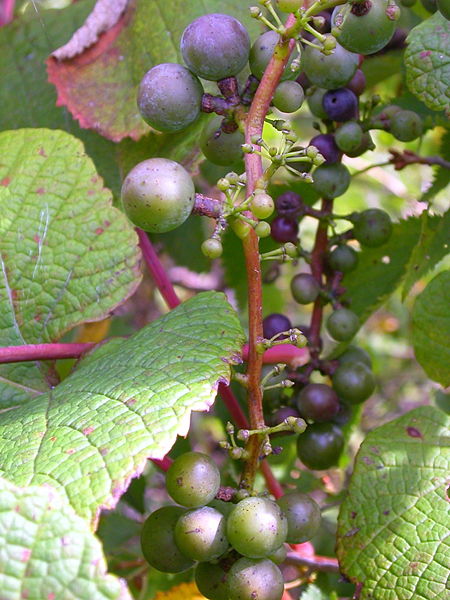
yamabudo-crimson-glory-vine
YAMABUDO: CRIMSON GLORY VINE

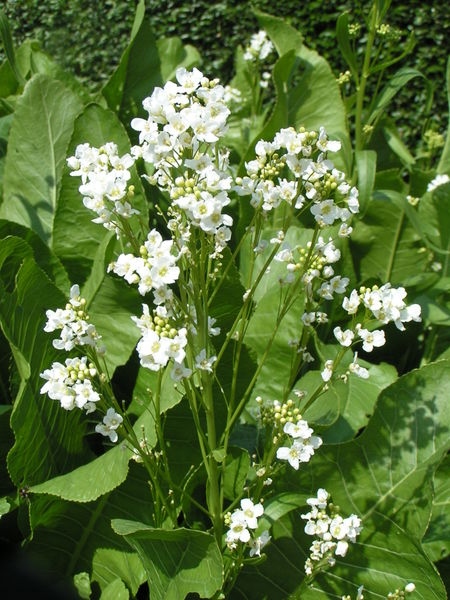
yamawasabi-wild-horseradish
YAMAWASABI: WILD HORSERADISH

zenmai-osmunda-japonica
ZENMAI: OSMUNDA JAPONICA/ROYAL FERN

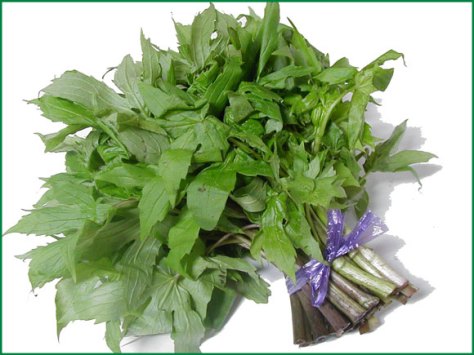
High in Potassium, Vitamin A Beta Carotenes, B2, B6, C and vegetal fibers.


FUKI:JAPANESE BUTTERBUR/GIANT BUTTERBUR

High in Potassium, Calcium, Vitamin B2 and vegetal fibers.

—————————
Still have to find the English names for the following ones!

aiko
AIKO

akamizu
AKAMIZU/ELATOSTEMA UMBELLATUM var. NAJUS

Found the name!

aomizu
AOMIZU

inudouna
INUDOUNA

shidoke
SHIDOKE

ITADORI


HONNA/Also called SUPPON


YOMOGI/MUGWORT

Not to be confused with absinthe!


NOKANZOU


YUKINOSHITA/BEEFSTEAK GERANIUM

Found the name!

RECOMMENDED RELATED WEBSITES

Pierre.Cuisine, Francescannotwrite, My White Kitchen, 47 Japanese Farms Through The Eyes of Its Rural Communities, Foodhoe, Chucks Eats, Things that Fizz & Stuff, Five Euro Food by Charles,Red Shallot Kitchen by Priscilla,With a Glass, Nami | Just One Cookbook, Peach Farm Studio, Clumsyfingers by Xethia, PepperBento,Adventures in Bento Making, American Bent, Beanbento, Bento No, Bento Wo Tsukurimashou, Cooking Cute, Eula, Hapabento , Happy Bento, Jacki’s Bento Blog, Kitchen Cow, Leggo My Obento, Le Petit Journal Bento & CO (French), Lunch In A Box,
Susan at Arkonlite, Vegan Lunch Box; Tokyo Tom Baker, Daily Food Porn/Osaka, Only Nature Food Porn, Happy Little Bento, The Herbed Kitchen, J-Mama’s Kitchen, Cook, Eat, Play, Repeat, Bento Lunch Blog (German), Adventures In Bento, Anna The Red’s Bento Factory, Cooking Cute, Timeless Gourmet, Bento Bug, Ideal Meal, Bentosaurus, Mr. Foodie (London/UK), Ohayo Bento,

Must-see tasting websites:

-Sake: Tokyo Through The Drinking Glass, Tokyo Foodcast, Urban Sake, Sake World
-Wine: Palate To Pen, Warren Bobrow, Cellar Tours, Ancient Fire Wines Blog
-Beer: Good Beer & Country Boys, Another Pint, Please!
-Japanese Pottery to enjoy your favourite drinks: Yellin Yakimono Gallery

Insects & Bugs Gastronomy in Japan: Not for the Squeamish!

From bottom cntre clockwise:
Inago/locusts/いなご, Hachi no ko/bee larvae/蜂の子, Kaiko/Silk worms/蚕のさなぎ, Saza Mushi/Trichoptera/ザザ虫

All those interviews, reports and articles on vegetables farmers and their main enemies, namely insects, have reminded me of an article I ought to re-publish for my new friends!
These little critters have been eaten since time immemorial for their high content in animal proteins.
They definitely are an acquired taste, but escargots (snails), ecrevisses (crayfish) and cuisses de grenouille (froglegs) also are.
Don’t ask me if I like them or not, I’m just writing about them!

Inago/locusts/いなご

Locusts are generally eaten dry-fried, stir-fried, fried with soy sauce. mirin and sake, or

as tempura after having boiled them!
Pick your choice!

Kaiko/Silk worms/蚕

Like locusts, silk worms can be eaten after having stewed them in soy sauce, mirin, sake and spices.

They are even found as sushi!

They are popular just dry-fried, making for a crsipy snack!
It is said that a single silk worm has the protein equivalent of three chicken egg yolks!

Hachi no ko/bee larvae/蜂の子

Bees or more aptly honey bee larvae have been eaten all over the world since men (animals) prowled our planet.
They are of course sweet and healthy (yes!), so it is only a matter of finding a way to make them look appetizing.
They are very popular deep-fried (see picture above) in Japan,

where they are also stewed with soy sauce, mirin, Japanese sake and of course, honey!

Saza Mushi/Trichoptera/ザザ虫

Now, these are real buggers/critters (how about feeding them to spammers? LOL)!
The plate above features: カワゲラ/kawagera, トビゲラ/tobigera and ヘビトンボ/hebitonbo. Could not find their names in English!

They have been “popular” in Japan for a long time. Most are caught near rivers in clean areas (!).
They are cooked/stewed in mirin, Japanese sake and soy sauce for a long time, I cantell you!

RECOMMENDED RELATED WEBSITES

Pierre.Cuisine, Francescannotwrite, My White Kitchen, 47 Japanese Farms Through The Eyes of Its Rural Communities, Foodhoe, Chucks Eats, Things that Fizz & Stuff, Five Euro Food by Charles,Red Shallot Kitchen by Priscilla,With a Glass, Nami | Just One Cookbook, Peach Farm Studio, Clumsyfingers by Xethia, PepperBento,Adventures in Bento Making, American Bent, Beanbento, Bento No, Bento Wo Tsukurimashou, Cooking Cute, Eula, Hapabento , Happy Bento, Jacki’s Bento Blog, Kitchen Cow, Leggo My Obento, Le Petit Journal Bento & CO (French), Lunch In A Box,
Susan at Arkonlite, Vegan Lunch Box; Tokyo Tom Baker, Daily Food Porn/Osaka, Only Nature Food Porn, Happy Little Bento, The Herbed Kitchen, J-Mama’s Kitchen, Cook, Eat, Play, Repeat, Bento Lunch Blog (German), Adventures In Bento, Anna The Red’s Bento Factory, Cooking Cute, Timeless Gourmet, Bento Bug, Ideal Meal, Bentosaurus, Mr. Foodie (London/UK), Ohayo Bento,

Must-see tasting websites:

-Sake: Tokyo Through The Drinking Glass, Tokyo Foodcast, Urban Sake, Sake World
-Wine: Palate To Pen, Warren Bobrow, Cellar Tours, Ancient Fire Wines Blog
-Beer: Good Beer & Country Boys, Another Pint, Please!
-Japanese Pottery to enjoy your favourite drinks: Yellin Yakimono Gallery

Today’s Bento/Lunch Box (12/10): Chirashizushi & Omelet Bento!

For once the Missus this morning combined Eastern and Western gastronomies in my bento!
Chirashizushi is probably the most popular form of sushi when it comes to bento in Japan, while omelets as their name indicates apparently originated in France (my home country)!

The ingredients found in the sushi box are basically the same inside and on top of the rice.
The Missus having prepared and let cool down the sushi rice mixed it with boiled shrimps, cheese, cut black olives, red sweet pimento slices and sliced Golden Ameera Rubbins Pearl Tomatoes.
She added walnut and red cabbage sprouts for the last touch.

For the side dish she prepared a plain omelet she seasoned with vegetable and tomato sauce on a bed of baby leaves and sprouts.
For added color and taste she added lemon and a red Ameera Rubbins Pearl Tomato.

Looks simple enough, but very tasty, healthy and appetizing!
RECOMMENDED RELATED WEBSITES

Pierre.Cuisine, Francescannotwrite, My White Kitchen, 47 Japanese Farms Through The Eyes of Its Rural Communities, Foodhoe, Chucks Eats, Things that Fizz & Stuff, Five Euro Food by Charles,Red Shallot Kitchen by Priscilla,With a Glass, Nami | Just One Cookbook, Peach Farm Studio, Clumsyfingers by Xethia, PepperBento,Adventures in Bento Making, American Bent, Beanbento, Bento No, Bento Wo Tsukurimashou, Cooking Cute, Eula, Hapabento , Happy Bento, Jacki’s Bento Blog, Kitchen Cow, Leggo My Obento, Le Petit Journal Bento & CO (French), Lunch In A Box,
Susan at Arkonlite, Vegan Lunch Box; Tokyo Tom Baker, Daily Food Porn/Osaka, Only Nature Food Porn, Happy Little Bento, The Herbed Kitchen, J-Mama’s Kitchen, Cook, Eat, Play, Repeat, Bento Lunch Blog (German), Adventures In Bento, Anna The Red’s Bento Factory, Cooking Cute, Timeless Gourmet, Bento Bug, Ideal Meal, Bentosaurus, Mr. Foodie (London/UK), Ohayo Bento,

Must-see tasting websites:

-Sake: Tokyo Through The Drinking Glass, Tokyo Foodcast, Urban Sake, Sake World
-Wine: Palate To Pen, Warren Bobrow, Cellar Tours, Ancient Fire Wines Blog
-Beer: Good Beer & Country Boys, Another Pint, Please!
-Japanese Pottery to enjoy your favourite drinks: Yellin Yakimono Gallery